51.1 F
San Francisco
Wednesday, April 8, 2026
Home Blog Page 600

Are Trump Tariffs Hurting Small Shops?

0

Key Takeaways

  • Minnesota shop owner Sarah Piepenburg struggles under Trump tariffs
  • Tariffs hit oils, bottles, lids and shrink wrap, raising her costs
  • Price hikes cause sticker shock and hurt sales
  • Small shops face rent delays and staff pay issues

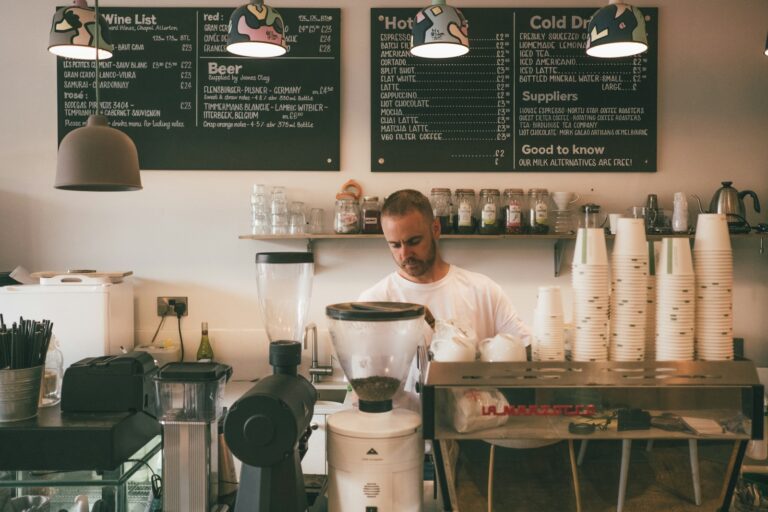
Sarah Piepenburg, owner of Vinaigrette in Minneapolis, spoke on CNN’s “The Lead.” She cried as she described how Trump tariffs strain every part of her small business. She said the extra fees apply to her imported olive oils and vinegars. Worse still, tariffs raised costs on her bottles, lids and shrink wrap. As a result, she raised prices and cut expenses. Moreover, she fears losing loyal customers to sticker shock.

How Trump Tariffs Impact Small Businesses

First, Sarah imports specialty oils and vinegars from Europe and North Africa. Then, the EU finalized a 15 percent tariff. Next, she saw her shipment costs jump overnight. Likewise, products from Morocco, Egypt, Lebanon and Tunisia faced extra fees. Therefore, every import now carries a hidden charge. She had no choice but to list that fee on customer receipts. Consequently, many buyers balked at the sudden extra cost.

Furthermore, containers matter too. Sarah noted that her glass bottles come from overseas. Also, she uses imported lids and even shrink wrap. As a result, Trump tariffs added fees to every packaging item. In turn, her overall cost rose by hundreds of dollars each shipment. Hence, she must cover more fees before she can sell a single bottle. This complex web of added costs makes it hard to keep her business afloat.

Rising Costs and Tough Choices

Moreover, Sarah said she raised her product prices twice in recent months. She knew customers might feel sticker shock. Yet, she saw no other option. Therefore, she also cut back on store hours. She delayed hiring seasonal staff. In fact, she took a second job to cover payroll and rent. Consequently, she sometimes works late nights after closing her shop. Despite these efforts, sales still dipped by a small but noticeable percentage.

Sarah said, “It’s been extremely difficult to navigate these shifting rules.” She pointed out that one day there is no tariff. The next day, the fee rises. Then, the rules change again. This unpredictability leaves her unsure how to plan. Often, she orders more inventory than she can afford. On other days, she fears she won’t have enough stock to meet demand. Such swings make her feel trapped in a cycle of guesswork.

Real Effects on Main Street

Many small businesses operate on thin profit margins. Even a small price jump can sink them. Small shops like Vinaigrette add local flavor and jobs to neighborhoods. Yet, Trump tariffs threaten that role. When customers face sticker shock, they shop elsewhere. Consequently, local communities lose unique shops that set them apart. In addition, employees may lose hours or face delays in pay. Sarah admitted they’ve fallen behind on rent and salaries. Over time, this strain can force shops to close or cut staff.

Sarah warned policy makers that these fees do not pay for trade wars. Instead, American consumers and shop owners foot the bill. She urged leaders to consider the hardship on Main Street. Small businesses drive local economies. When they go under, communities suffer. Moreover, big companies can absorb extra costs more easily. Small shops cannot. Therefore, Sarah called for more stable rules and fair trade talks.

What Can Policymakers Do?

To help small shops, policy makers can take several steps. First, they can limit tariffs on everyday business imports. That move would lower costs on common items like bottles and packaging. Next, they can offer temporary relief to small importers facing steep fees. For example, small business grants or loans could cover unexpected bill spikes. Finally, they can create clearer guidelines around trade actions. Stable rules give businesses the confidence to plan and grow.

By working with small shop owners, policy makers learn real stories behind the numbers. Moreover, they can adjust trade plans before damage spreads. In turn, communities keep their unique shops and local jobs. That outcome supports stronger, more resilient local economies across the country.

Conclusion

Sarah Piepenburg’s story shows how Trump tariffs impact small businesses. From olive oil and vinegar imports to glass bottles and lids, fees add up fast. As a result, small shops raise prices, cut hours and risk losing customers. They juggle rent, payroll and extra work just to survive. If policy makers don’t act, Main Street shops may shrink or close their doors. By understanding these struggles, leaders can craft fairer trade policies that help rather than hurt small businesses.

Frequently Asked Questions

How do Trump tariffs affect small business costs?

They add fees to imported goods, packaging and supplies, pushing up overall expenses.

Why do small shops feel sticker shock after tariffs?

Shops list tariff fees on receipts, making price increases visible to customers.

Can small businesses avoid tariff costs?

They can seek domestic suppliers, but unique imports often leave them few options.

What relief can policy makers offer to hurt shops?

They can exempt small importers, provide grants, or set lower fees on critical items.

Are Tariffs Driving Up Walmart Prices?

0

Key Takeaways:

  • Fox Business reports that tariffs are raising Walmart’s costs.
  • Walmart missed its earnings targets as costs climbed.
  • The retailer plans to raise prices to cover higher import duties.
  • Shoppers may face higher prices and potential stock shortages.

Are Tariffs Driving Up Walmart Prices?

Recently, a Fox Business segment pointed out that tariffs may be cutting into your wallet at Walmart. Guest host Cheryl Casone noted that Walmart’s stock fell nearly five percent after a quarterly report missed revenue goals. She explained that rising import duties are forcing the chain to hike prices. As a result, consumers could soon pay more for everyday items.

Why Walmart Missed Its Targets

Walmart has a long history of hitting its earnings-per-share goals. However, this quarter was different. The retailer reported lower-than-expected sales. In addition, it faced higher costs from recent import duties. Consequently, analysts and investors grew worried. They saw the earnings miss as a clear signal that tariffs are starting to bite.

Furthermore, Walmart’s chief financial officer highlighted climbing expenses in areas hit by new import levies. Since last November, when the president announced more duties on Chinese goods, costs rose steadily. Meanwhile, Walmart managers scrambled to keep stores stocked without eroding profit margins. Ultimately, this tightrope walk led to weaker financial results.

How Tariffs Push Up Costs

Tariffs are taxes on imported goods. In effect, they make products more expensive for companies that bring them into the country. For Walmart, which imports billions in goods, even small tariff hikes can add up fast. Consequently, the retailer faces higher bills before it ever hits the shelves.

In this case, Walmart said it would “raise prices on a case-by-case basis” to cover extra costs. In simple terms, some items will cost more. Shoppers might see higher tags on electronics, clothing, and household items. Additionally, food goods from abroad could also be pricier.

However, Walmart warned that if import duties rise too high, it might lead to empty shelves. When costs outpace what customers will pay, the retailer may decide to stop stocking certain items. In turn, shoppers would lose access to popular products.

What This Means for Shoppers

First, expect to see slight price hikes on everyday items. For example, a shirt that once cost twelve dollars might now run thirteen dollars. Although one dollar seems small, the impact adds up over a full shopping cart. Families buying groceries and supplies every week will likely notice the difference.

Second, savvy customers may switch brands or shop around more. When Walmart raises its price, some people might head to other stores. In turn, competitors could gain ground. On the other hand, Walmart’s massive scale might still keep its prices lower than rivals.

Third, loyalty perks could change. Walmart might offer more discounts or special deals to keep customers happy. Meanwhile, it may push its own-brand products, which it can control more closely. Ultimately, Walmart will strive to balance covering its costs with retaining shoppers.

Trump’s Role and the “Eat the Tariffs” Message

Earlier this year, the president urged Walmart to swallow higher import duties rather than pass them to consumers. He wrote on his social platform that Walmart and China should “eat the tariffs” and not charge customers anything. However, Walmart chose a different path. It plans to share part of the extra cost with shoppers.

In effect, this clash highlights a tension between political goals and corporate survival. The president wants to pressure companies to keep consumer prices low. Meanwhile, businesses argue they must protect their bottom lines. As long as tariffs remain, this debate will continue.

What Comes Next for Walmart and Tariffs

Looking forward, Walmart will watch tariff developments closely. If duties increase, the retailer might hike prices further. Conversely, if the government eases import taxes, Walmart could lower prices again. In both scenarios, shoppers should stay alert.

Additionally, other big retailers may face the same challenge. Companies like Target and Home Depot also import large volumes. Therefore, the impact of tariffs could ripple through the entire retail sector. Investors will track each chain’s earnings reports for clues on how wide the effect spreads.

Ultimately, the fate of tariffs rests with policy decisions and trade talks. If leaders strike new deals, import duties may fall. Yet if tensions rise, consumers may keep paying more. In the meantime, Walmart will adjust its pricing strategy to protect both its profits and its shoppers.

Final Thoughts

Tariffs are now a front-line issue for both retailers and consumers. Walmart’s recent earnings miss shows the real cost of import duties. As prices climb, shoppers must decide how to respond. Will you accept small price increases, switch brands, or shop elsewhere? Only time will tell how deep the tariff impact goes.

Frequently Asked Questions

How do tariffs affect Walmart’s prices?

Tariffs add a tax on imported goods. Walmart passes some of this cost to shoppers by raising prices on certain items.

Could Walmart keep shelves full with high tariffs?

If tariffs become too steep, Walmart may stop stocking items that no longer make sense financially, risking empty shelves.

Will all Walmart products get more expensive?

Not all products. Walmart said it will raise prices on a case-by-case basis. Some goods may stay the same price.

Can tariffs ever go down?

Tariffs depend on government policy and trade deals. New agreements or eased tensions could lead to lower import duties.

Why Trump Caves to Pressure?

1

Key Takeaways

• Michael Cody says young Trump talked big but often backed down.
• Trump’s real estate battles show why Trump caves to stronger figures.
• Meetings with world leaders highlight his habit of giving in.
• Early dealings with mob-linked bosses shaped his style.

Why Trump Caves: Lessons from His Early Days

When Donald Trump was new to New York real estate, he faced tough characters. Michael Cody, son of a late union boss, recalls how Trump bristled at threats. However, he always gave in when push came to shove. According to Cody, Trump talked tough but panicked under pressure. He learned early that he could not outsmart powerful people. As a result, Trump caves more often than he stands firm.

In addition, Trump saw quick wins by backing down. For example, his rival John Cody once threatened to halt all work on a project. Trump gave up the fight to keep construction alive. Meanwhile, he earned a reputation for talking big but folding fast. This pattern stuck with him as he climbed higher. Consequently, many now see the same habit in his political life.

Moments When Trump Caves Under Pressure

For example, Trump once warned foreign leaders with steep tariffs. At first, he seemed ready to hike taxes on their goods. However, after talks, he dropped most threats. Critics dubbed him “TACO Trump” because he flipped on tariffs like a taco. In other words, Trump caves when he faces pushback.

Similarly, after meeting the Russian president, Trump agreed to work on a Ukraine ceasefire. He had promised toughness but then agreed to soften his stance. Once again, Trump caves to avoid conflict. He hopes that giving ground will keep talks alive. However, this trait worries allies who seek stronger commitments.

How Early Deals Shaped His Approach

In Trump’s first big projects, he partnered with rough union leaders. They controlled deliveries, labor, and supplies. Whenever Trump pushed back, they held up materials. As a result, projects stalled. Trump soon learned that a quick apology beat a long fight. Therefore, Trump caves to keep his buildings moving.

Moreover, Cody says Trump never mastered standing his ground. He saw deals end fast when he stood hard. Thus, he shifted to a style of big threats followed by fast retreats. Over time, people expected him to fold. Now, as president, he still warns first and yields later. This early lesson explains why Trump caves under pressure.

Why Standing Firm Can Matter

Leaders who hold their ground often earn respect. They show they can handle tough times. However, if you always give in, others doubt your resolve. As a result, you lose leverage in talks. This can lead to weaker deals. In Trump’s case, critics argue that his caving harms U.S. interests. They say he must balance toughness with follow-through. Otherwise, he lets opponents set the rules.

Lessons for the Future

If Trump wants to change his reputation, he must learn to stay firm. For instance, he could set clear goals before talks. Then he would stick to them no matter the pressure. Also, he could build alliances to back up his stance. In short, he needs a plan beyond threats. Only then can he break the cycle that makes Trump caves all too often.

FAQs

Why do people say Trump caves under pressure?

Observers note that he makes big threats first but backs down quickly if challenged.

How did Trump’s early career shape his caving habit?

In real estate, tough partners delayed work. Trump gave in to avoid stalled projects.

Does Trump always cave in diplomatic talks?

Not always, but he has shown a pattern of dropping threats after face-to-face meetings.

Can Trump break his caving habit?

Experts say he could, if he plans clear goals and sticks to them even under stress.

Why Was Alina Habba Removed as U.S. Attorney?

Key Takeaways

• U.S. District Judge Matthew Brann ruled that Alina Habba cannot serve as acting U.S. attorney in New Jersey.
• A judge panel had already ousted Habba, but the Trump team used new legal moves to keep her.
• Two defendants argued she was not lawfully appointed and asked for her removal.
• Judge Brann voided one indictment and barred Habba from supervising related cases.
• The Trump administration plans to appeal the decision.

Alina Habba once led the U.S. Attorney’s Office in New Jersey. However, the court found her appointment invalid. As a result, she must step aside from all ongoing cases.

How Did Alina Habba Get Appointed?

After the previous U.S. attorney left, the Trump administration named Alina Habba as acting U.S. attorney. Normally, the deputy would take over. Yet the White House used a new series of legal and personnel moves to keep Habba in charge. This method had never been tested in court. Consequently, her time in office rested on shaky ground.

What Did Judge Brann Say?

Judge Matthew Brann delivered a 77-page ruling on Thursday. He explained that Habba’s appointment broke normal rules. In his words, “She is not currently qualified to exercise the functions and duties of the office in an acting capacity.” Therefore, he disqualified her from all related prosecutions. Moreover, he warned that any prosecutor working under her on these cases faces disqualification too.

Why Were Defendants Concerned?

Two defendants, Julien Giraud Jr. and Cesar Pina, challenged Alina Habba’s authority. They argued that an unlawfully appointed attorney should not oversee their prosecutions. Judge Brann agreed. He even voided Pina’s indictment because Habba had approved it after her improper appointment. In short, the court held that her actions had no legal force.

What Happens Next?

The Trump administration is expected to appeal Judge Brann’s ruling. They will likely argue that the novel appointment method was valid. Meanwhile, the Justice Department must assign new prosecutors to the affected cases. These steps could delay trials and slow down justice for those defendants.

The ruling also raises questions about future acting attorney appointments. Other districts may look at this case when choosing temporary leaders. In addition, Congress could revise federal rules to prevent similar disputes.

Implications for the Justice System

First, this decision underscores the importance of clear appointment rules. Second, it shows that courts will enforce those rules strictly. Third, it highlights how defendants can challenge an acting attorney’s authority. Finally, it may prompt changes in how the Justice Department manages leadership vacancies.

FAQs

What is an acting U.S. attorney?

An acting U.S. attorney fills in when the main attorney leaves or is removed. Normally, the deputy steps up. Occasionally, the president names a temporary leader if no deputy is available.

Why did Judge Brann void one indictment?

He voided Cesar Pina’s indictment because the court found that Alina Habba approved it after an unlawful appointment. That made the indictment invalid.

Can the Justice Department appeal this ruling?

Yes. The Trump administration plans to appeal Judge Brann’s decision to a higher court. An appeal could reverse or modify the ruling.

How might this ruling affect future appointments?

Courts and Congress may revise or clarify rules on acting attorney appointments. This case could serve as a guide for future leadership gaps in U.S. attorney offices.

Did Texas’ New Election Map Spark a Red vs Blue War?

0

Key Takeaways

  • Texas Republicans approved a new election map that cuts five Democratic-held seats.
  • Former President Trump and his Justice Department urged state leaders to pass the map.
  • Some Democratic leaders in other states vow to redraw maps to counter Texas.
  • An Indiana GOP lawmaker fears a “Cold War” of political tit-for-tat.
  • The battle over the new election map may shape control of Congress after 2026.

Did the New Election Map Spark a Red vs Blue War?

A major fight is brewing over a new election map in Texas. Republicans there moved swiftly to erase five seats held by Democrats. They did so after heavy pressure from Donald Trump and his Justice Department. Now, Democrats in states such as California and New York want to redraw their own maps. This tit-for-tat response has critics warning of political chaos. One Indiana Republican even compared it to a Cold War standoff. How did we reach this point? And what could happen next?

Why the New Election Map Matters

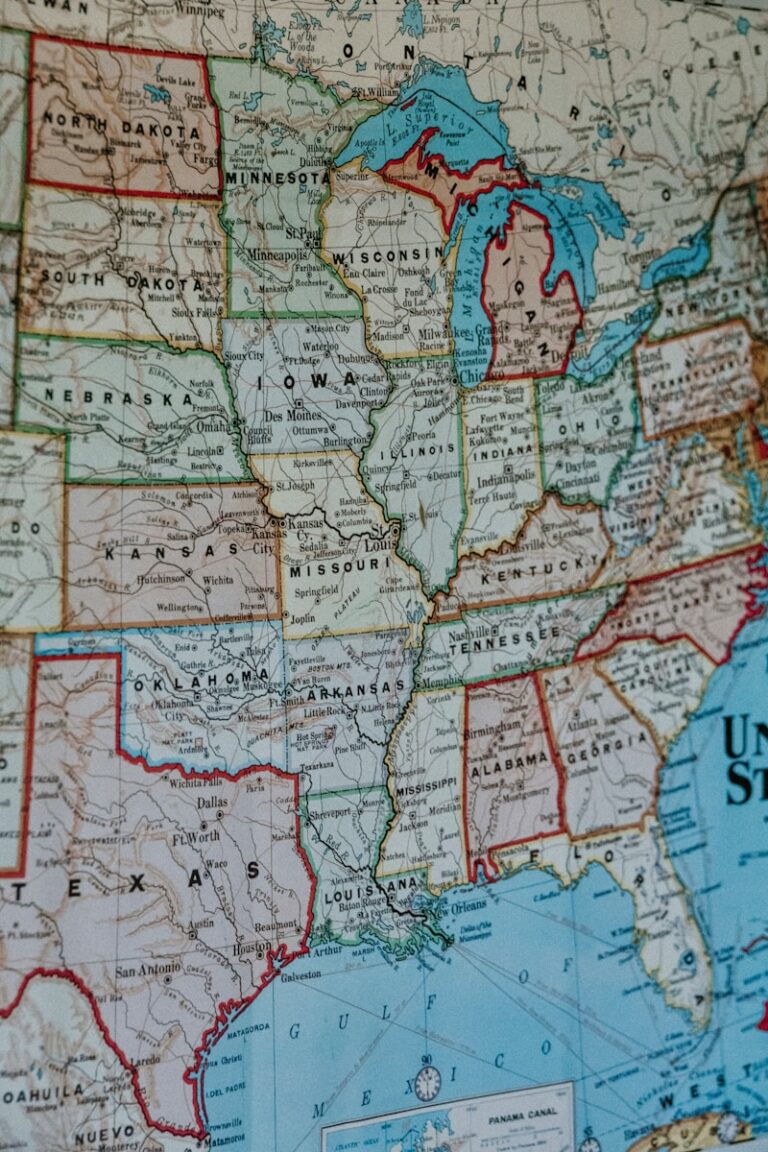
First, an election map determines which areas vote for which candidate. It draws the lines for congressional districts. Those lines can decide which party wins more seats. In Texas, Republicans drew a new map this week. The map removes five districts that Democrats had won. If it stands, Republicans could keep their majority in Congress after 2026.

However, many see this as extreme. They say the map unfairly targets Democratic voters. The move also follows Trump’s direct orders. He publicly urged Texas leaders to act fast. His Justice Department backed the effort. As a result, the new election map became a top Republican priority in Texas.

The Cold War Echo in Politics

Indiana state Rep. Ed Clere, a Republican, used strong language to warn his party. He said the map fight feels like “mutually assured destruction.” That phrase dates back to the Cold War. Back then, two nuclear powers held huge arsenals to deter each other. Now, Clere says, both parties risk harming democracy itself.

He fears tit-for-tat violence. When Republicans redraw maps to hurt Democrats, some Democrats will strike back. In California and New York, mayors and lawmakers have already vowed to pass counter maps. They want to neutralize Texas’s move. Clere argued that both sides should step back. He said Indiana must “take the high road” instead of joining the fray.

Meanwhile, internal GOP debates reveal unease. Not all Republicans want to whittle away at voting power. Some worry that redistricting wars will repel voters. Others argue that any edge is fair in politics.

State Pushback Fuels Tensions

Democratic leaders in blue states see the Texas map as a blueprint. They worry Republicans will keep redrawing lines to stay in power. In response, they promise to fight back. California’s governor and New York’s mayor both spoke out. They said they will pass maps that restore seats lost under Texas’s plan.

This cycle could repeat across many states. When one side gains an advantage, the other side will try to erase it. In each statehouse, political battles may intensify. Lawmakers will face more pressure from party leaders. They might fear reprisals if they do not comply.

In addition, big money donors are watching. They will fund campaigns to reshape maps or elect new voices. As a result, redistricting could become a major fundraising tool. Voters may feel caught in a tug-of-war over their own districts.

What Indiana Says About This Fight

Indiana’s Rep. Clere offers a cautionary voice within the GOP. He told reporters that the current path is dangerous. He warned of a self-destructive cycle. If both sides keep redrawing maps, public trust in elections could erode.

Clere wants Republicans to resist political pressure. He says state lawmakers should not bow to threats or incentives. Instead, they should act in the public interest. He believes fair maps can unify, not divide. Other GOP members, like strategist Marty Obst, disagree. Obst says Trump’s direct outreach makes it hard to resist. He explained that if lawmakers know the White House pushes a plan, they face big fallout for saying no.

The clash in Indiana shows how the Texas map fight could spread. Even lawmakers in safe districts face tough choices. Will they keep party leaders happy, or will they put voters first?

Looking Ahead: What the New Election Map Means for 2026 and Beyond

Looking toward 2026, this fight could decide control of Congress. If Republicans hold more seats, they shape key laws and investigations. If Democrats blunt Texas’s gains, they keep a path to the majority.

Yet the damage may go deeper. Redistricting wars can scare off moderate voters. They can also fuel claims of voter suppression. When average citizens see endless legal fights over maps, they may lose faith in democracy.

On the other hand, some argue fierce debate keeps power in check. They say each party must use every tool to win. They believe a healthy democracy needs competition, even if it gets messy.

Transitioning from today’s battles, lawmakers might seek new rules. Some suggest independent commissions to draw lines. Others want clear, nonpartisan criteria. If reforms pass, the cycle of revenge maps could end. However, change will take time and trust from both parties.

Conclusion

The new election map in Texas marks the start of a fierce era in U.S. politics. Pressure from top leaders and counterattacks by the opposition could create a cycle of retaliation. As an Indiana lawmaker warns, this feud may harm the democratic process itself. Now, voters and lawmakers must decide: continue the fight or find a fair path forward.

FAQs

1. What is redistricting?

Redistricting is the process of redrawing district lines for elections. It happens every ten years after the census.

2. Why do parties fight over election maps?

Election maps can shape which party wins more seats. Parties redraw lines to boost their chances.

3. What is “mutually assured destruction” in politics?

It refers to a cycle where each side retaliates, risking extreme harm. In politics, it means endless map fights.

4. Could reform stop map wars?

Yes. Many suggest independent commissions or clear rules. These could limit partisan redrawing.

Did Michael Boulos Profit from Trump Family?

0

Key Takeaways

  • Michael Boulos overcharged his brother-in-law on a superyacht deal.
  • Michael Boulos’ cousin promised a big wedding invite to a Saudi businessman.
  • His father earned a White House advisory role after Trump’s 2024 win.
  • Michael Boulos is now seeking investment in Africa with top leaders.

Michael Boulos: Profiting from Trump Family Ties

Michael Boulos married Tiffany Trump in 2022. Almost right away, he made deals that favored him. These deals show how he used his new in-law connections. Even though some deals fell through, he still found ways to gain. In fact, his father, Massad Boulos, gained an advisory role in the White House. Meanwhile, Michael Boulos aims to expand his business in Africa.

In addition, the story echoes past claims that the Trump family used power for profit. First, we’ll look at a yacht deal. Then, we’ll explore a failed wedding invite scheme. Next, we’ll see how the Boulos family joined the White House. Finally, we’ll cover Michael Boulos’s African plans.

Michael Boulos and the Yacht Overcharge

Michael Boulos worked at his cousin’s yacht brokerage. Soon after his engagement, he pitched Jared Kushner a 50-meter superyacht. Kushner agreed to invest but later discovered he paid too much. Text messages and lawyer notes show the firm overcharged him by about $2.5 million. Kushner didn’t know the true price until after the deal closed. As a result, the yacht sat half-built in Greece. Even so, the deal earned Michael Boulos a hefty commission.

A Wedding Invitation That Never Came

Next, Michael Boulos’s cousin Jimmy Frangi targeted another deal. He told a Saudi businessman he’d get a top-tier spot at the Boulos-Trump wedding. The plan was to let the businessman pose with the Trumps and boost his image. However, organizers never sent the invitation. Thus, the businessman missed the chance and the deal collapsed. Despite this, the attempt showed how Michael Boulos’s circle pushed favors. They aimed to sell influence tied to the presidential family.

Clout in the White House

Meanwhile, Donald Trump won the 2024 election. Shortly after, Massad Boulos joined the government. First, he became a presidential adviser on the Middle East. Next, he moved to a senior role at the State Department focusing on Africa. In that capacity, Massad Boulos lobbied for policies and projects. This move highlighted the family’s shift from private deals to public power. Notably, Michael Boulos watched as his father gained direct influence in Washington.

African Business Ventures

Now, Michael Boulos is setting his sights on Africa. The former prime minister of Guinea, Lansana Kouyaté, confirmed that Michael Boulos plans to gather U.S. investors. He also aims to collaborate with several African governments. However, details remain scarce. Still, the pattern is clear: Michael Boulos uses family ties to open doors. If he succeeds, he could tap into major projects across the continent. Yet he may also face scrutiny over conflicts of interest.

What Lies Ahead for the Boulos Family?

Ultimately, the Boulos family story mirrors past controversies around the Trump clan. They appear eager to turn family connections into both influence and income. As Michael Boulos moves forward, he will likely pursue more high-profile deals. His father’s government role may help or hinder him. Moreover, public attention will stay fixed on any overlap between private gain and public duty. Only time will tell if the Boulos family can balance ambition with ethics.

Frequently Asked Questions

1. How much did Michael Boulos overcharge Jared Kushner on the yacht?

He overcharged him by about $2.5 million, text messages and legal notes show.

2. Why did Massad Boulos join the White House advisory team?

He joined to advise on the Middle East and later Africa after Trump’s 2024 win.

3. What is Michael Boulos planning in Africa?

He aims to rally U.S. investors and partner with African governments on new projects.

4. Did the Saudi businessman ever attend the Boulos-Trump wedding?

No, despite promises, the invitation never arrived and he did not attend.

Is the Cracker Barrel Rebrand Really Going Woke?

Key Takeaways:

  • Cracker Barrel rebrand swaps its classic farmer logo for a simpler design.
  • Some right-wing figures call the new look “woke” and urge a boycott.
  • Critics say no one asked for this change and see political motives.
  • Experts warn a backlash could hurt Cracker Barrel’s sales and stock.
  • The chain must balance updates with its loyal customer base.

Is the Cracker Barrel Rebrand Really Going Woke?

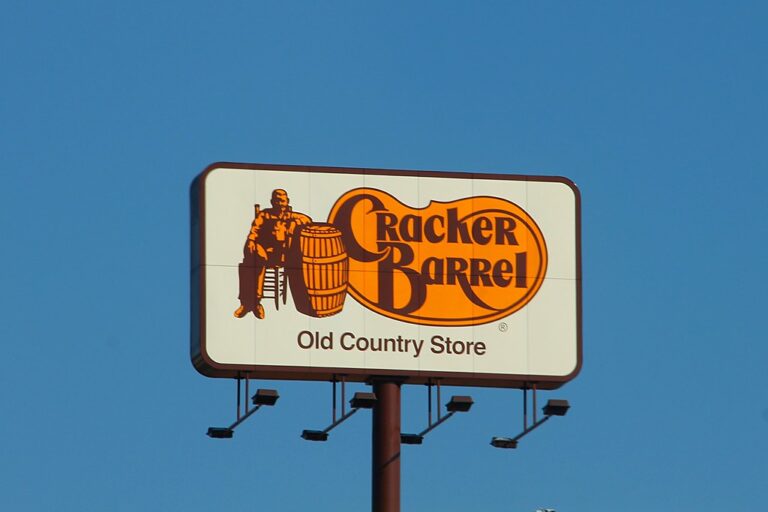
Cracker Barrel just rolled out a major rebrand, and it has stirred a political firestorm. The old-fashioned logo featuring an elderly farmer is gone. In its place sits a plain, corporate design. As a result, MAGA influencers claim the change de-emphasizes traditional American values. Meanwhile, others wonder if the fuss is overblown.

What Changed in the Cracker Barrel Rebrand?

First, the most visible shift is the new logo. Cracker Barrel replaced its iconic image of a seated farmer with a simple barrel and font. Next, the chain tweaked its restaurant layout. It removed many antique items and streamlined its decor. Finally, menus now feature bold, minimal graphics. In total, these steps form the core of the Cracker Barrel rebrand.

Why Are People Upset About the Cracker Barrel Rebrand?

Many angry voices link the rebrand to “wokeness.” They think a plain logo hides white rural heritage. However, company leaders say they only wanted a fresh look for modern times. Also, Cracker Barrel has embraced diversity in hiring. That earlier move already drew fire from a law group founded by Stephen Miller. Now, the updated design seems to fuel even more criticism.

Moreover, some influencers see political meaning in every change. They claim removing the farmer icon erases a symbol of rural America. In turn, they urge followers to boycott the restaurant chain. As a result, Cracker Barrel faces pressure not for quality or price, but for its art and decor.

Who Is Leading the Backlash?

Several right-wing figures jumped in fast. First, Representative Byron Donalds said no one asked for this “woke rebrand.” He even linked his spiritual experience to the old logo. Second, Hillsdale College posted a side-by-side photo of the new design and a vandalized statue. They captioned it “Same energy.” Third, anti-CRT activist Chris Rufo urged a “break the Barrel” campaign. He warned companies to avoid any hint of wokeness or risk a stock drop. Finally, country star John Rich compared this to the Bud Light boycott over a trans influencer tie-in. Together, these voices turned a design tweak into a full political flashpoint.

Will the Cracker Barrel Rebrand Hurt Business?

So far, Cracker Barrel’s stock has dipped since the rebrand announcement. Analysts say this drop partly comes from boycott talk. Yet, sales trends matter most. If regular customers stay away, revenue could fall. Also, a loud social media debate can scare off casual diners. On the other hand, controversy sometimes boosts curiosity. Some people may visit just to see the new look. Thus, the true impact of the Cracker Barrel rebrand remains unclear.

However, experts note that brand loyalty runs deep in casual dining. Many patrons value tradition and comfort food. If Cracker Barrel sticks to its menu and service quality, damage may be limited. In contrast, if the chain changes more than just its visuals, upset customers could leave for competitors.

The Future of the Cracker Barrel Rebrand

Moving forward, Cracker Barrel leaders face a tough choice. They can defend the new design as a modern update. Alternatively, they may tweak it again under pressure. Either way, they must reconnect with their core guests. First, they could highlight menu favorites like chicken and dumplings. Second, they might restore some decor pieces to please nostalgia seekers. Third, clear messaging on company values could calm fears. Ultimately, the chain must prove the rebrand is about growth, not politics.

Also, digital marketing can help. Cracker Barrel can use social media to tell its own story. By showing family gatherings and community events, the brand can shift focus away from logo politics. As a result, it can remind customers why they fell in love with its homestyle cooking in the first place.

FAQs

What is the new Cracker Barrel logo?

The new logo features a plain barrel icon and bold text. It replaces the classic image of a seated farmer.

Why are some people calling the Cracker Barrel rebrand “woke”?

Critics argue that removing the farmer symbol de-emphasizes rural, white heritage. They link the change to broader diversity efforts at the chain.

Could the backlash hurt Cracker Barrel’s business?

Yes. A sustained boycott could drop foot traffic and sales. However, loyal customers may stay if menu and service remain strong.

Has Cracker Barrel responded to the criticism?

Company leaders say they only aimed for a modern design. They emphasize that the rebrand does not change their menu or values.

Why Is JD Vance Getting Booed Everywhere?

Key Takeaways:

• JD Vance was loudly booed at Union Station in Washington, D.C.
• He has faced similar jeers at Disneyland, Martha’s Vineyard, and other venues.
• Vance is touring to promote President Trump’s unpopular “big, beautiful bill.”
• Analysts say voters are primed to distrust JD Vance and his policy pitch.

Why Is JD Vance Getting Booed Everywhere?

Ever since JD Vance became vice president, crowds have greeted him with boos. He first faced loud jeers at Disneyland. Then protesters booed him at Martha’s Vineyard. Even a ski trip in Vermont ended with rude comments. This week, he walked through Union Station in Washington and heard jeers again. Meanwhile, he is on the road pushing President Trump’s “big, beautiful bill.” However, public opinion on that plan is slipping fast. So why are so many Americans turning on JD Vance? Let’s dive in.

JD Vance Faces Booing at Union Station and Beyond

First, Union Station in Washington, D.C., was filled with protesters shouting at JD Vance. He tried to move through the crowd, but he couldn’t escape the boos.

In the past months, he has faced similar reactions at:

• Disneyland, where families booed him near theme park rides.
• Martha’s Vineyard, where residents shouted as he passed by.
• A meeting with Indiana’s governor, where local officials jeered.
• A ski resort in Vermont, where vacationers hissed at him.
• The Kennedy Center, where arts patrons booed during a visit.

Clearly, these incidents show a pattern. Crowd reactions have become a regular part of JD Vance’s public life. Each new event adds to his reputation for drawing angry mobs.

JD Vance’s Tour to Sell the Big Beautiful Bill

Now JD Vance is on tour promoting the “big, beautiful bill.” This plan aims to cut taxes and boost the economy. Yet, polls show it is losing support. In response, Vance is trying to sell the plan face to face.

Former senator Claire McCaskill pointed out odd details in the bill. She noted that tax breaks on tips expire in 2028. Yet, tax breaks on private jets never end. She urged voters to ask Republicans why this happens.

In addition, longtime analyst Basil Smikle said President Trump lacks strong surrogates to pitch his policies. He noted that without popular backers, JD Vance faces an uphill battle. Even worse, many Americans already know what the bill removes and fear its impact.

Why Voters Are Wary of JD Vance’s Pitch

Meanwhile, public reaction stems from more than just policy details. Voters in key states like Georgia have already formed opinions about JD Vance and his message. Basil Smikle explained that these voters are “primed” by Democratic leaders to doubt Vance’s claims.

Moreover, McCaskill warned that Republicans in Congress wrongly believe Medicaid only serves urban areas. In reality, rural health care relies heavily on Medicaid. She argued that cuts in 2026 would devastate small-town hospitals.

As a result, many voters see JD Vance’s tour as a sellout of rural communities. They worry that their families will lose vital health services. Therefore, they turn on him with boos and jeers.

Public Image and Vacation Criticism Around JD Vance

On top of policy fights, JD Vance faces criticism for his vacations. In seven months on the job, he has taken eight taxpayer-funded trips with his family. McCaskill quipped that Vance hit the ski slopes just five days into his vice presidency. Meanwhile, host Alicia Menendez sardonically thanked him for walking through a “scary” Union Station.

These jabs highlight a deeper issue. Many voters feel JD Vance is out of touch. They see a leader who jets off for family fun while they face daily struggles. Therefore, every vacation becomes fuel for boos.

As McCaskill put it, “Bless his heart, he’s taken eight vacations already.” The public notices that he shuts down major attractions – Disneyland, the Colosseum of cultural events – just for family time. Then he promises to tackle tough policy on the campaign trail.

Conclusion

From theme parks to train stations, JD Vance’s public outings end in boos. He is now hustling to sell President Trump’s “big, beautiful bill,” but that plan has serious flaws. Voters hear mixed messages on taxes, health care, and spending. On top of this, JD Vance’s frequent vacations make him look out of touch. As a result, crowds have grown quick to express their anger. In the months ahead, he will need more than tours and speeches to win back trust. Otherwise, the boos will only get louder.

Frequently Asked Questions

1. Why was JD Vance booed at Union Station?

Many protesters disagreed with his support for President Trump’s policies. They used the event to show their frustration.

2. What is the “big, beautiful bill”?

It is President Trump’s tax and spending plan meant to boost the economy. Critics say it has unfair breaks and harmful cuts.

3. How do critics view JD Vance’s vacations?

They see his family trips as proof he is out of touch with everyday Americans.

4. Can JD Vance recover from these boos?

It will depend on whether he can address voters’ real concerns and rebuild his public image.

Could Hospital Closures Hit Your Community?

0

Key Takeaways:

  • A new tool tracks hospitals at risk from deep Medicaid cuts.
  • 338 rural hospitals face closure threats, with hot spots in Kentucky, Louisiana, and California.
  • Medicaid cuts total $1 trillion over ten years, stripping vital hospital funding.
  • Over 475,000 healthcare workers could lose jobs, hitting rural economies hard.
  • Insurance premiums may rise 15% for 24 million Americans, while 20 million lose tax credits.

Could Hospital Closures Hit Your Community?

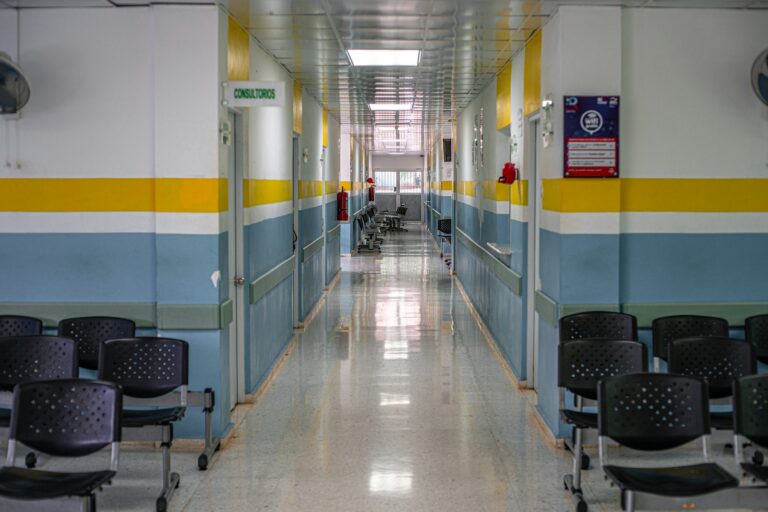
Hospitals serve as lifelines for care, jobs, and local economies. Now, major Medicaid cuts in a recent budget plan threaten many of these critical facilities. A healthcare group has launched an interactive tool called Hospital Crisis Watch to reveal which hospitals stand on the edge. This article explains how these cuts drive hospital closures, how rural communities suffer most, and what people can do to help.

How Medicaid Cuts Fuel Hospital Closures

First, let’s look at why hospitals rely on Medicaid. Medicaid covers low-income people and accounts for about 20 percent of hospital spending. It also represents one-fifth of hospital discharges and inpatient days in most states. When a hospital loses this funding, it loses a key revenue stream.

Next, the recent Republican budget package slashes Medicaid funding by $1 trillion over the next decade. Without this money:

  • Hospitals must handle more unpaid bills.
  • They struggle to cover operating costs.
  • They may cut services or close entire wings.
  • They risk shutting down altogether.

These hospital closures hurt patients who need care, workers who need jobs, and small towns that depend on a local hospital for both health and economic stability.

The Hospital Crisis Watch Map

To shed light on this looming disaster, the advocacy group built Hospital Crisis Watch. This interactive map lets anyone see which hospitals and medical centers face danger.

Here’s what you can do with the tool:

  • Search by state or county.
  • View hospital names and locations.
  • Check the level of financial risk.
  • Track closure updates as they happen.

By making this data public, the project raises awareness. It also lets local leaders and residents push back before hospitals close for good.

Rural Hospitals at the Highest Risk

Even though urban hospitals face budget pressures, rural facilities take the biggest hit. According to the tool’s data, 338 rural hospitals nationwide stand at risk of closure.

Kentucky tops the list with 35 vulnerable hospitals. Louisiana follows with 33, and California has 28. In these states:

  • Residents drive long distances to reach emergency care.
  • Hospitals often serve as major local employers.
  • The loss of one facility can mean hours added to travel for care.

In rural counties where any hospital employs workers, hospitals represent about 10 percent of all jobs. If closures force layoffs, these areas will see jobless rates rise sharply. Moreover, without local care, emergency response times grow longer, making everyday accidents more dangerous.

Job Losses and Economic Fallout

Beyond patient care, Medicaid cuts and closures would cost jobs. A separate analysis estimates that more than 475,000 healthcare workers could lose their positions nationwide. These include doctors, nurses, technicians, cooks, and cleaners.

When hospitals shrink or close:

  • Local businesses lose customers.
  • Tax revenues drop.
  • Property values may fall.
  • Community morale suffers.

Rural towns already face economic challenges. Losing a hospital deepens those struggles and can trigger a cycle of decline that becomes hard to reverse.

Rising Insurance Costs Create a Second Crisis

Even if hospitals survive, people face another threat: spiking health insurance premiums. Earlier this week, the same advocacy group released a report warning that Congress must extend enhanced subsidies for Affordable Care Act exchange plans.

Without extension:

  • Insurance companies plan 15 percent average premium hikes for 24 million enrollees.
  • Tax credits vanish for 20 million Americans, raising their costs by about 75 percent.
  • Families risk losing coverage due to higher monthly bills.
  • More people may avoid care because it becomes too expensive.

These trends combine with hospital closures to create a healthcare double crisis. People may struggle to afford insurance and, in many areas, lack access to care even if they have coverage.

Community Actions to Prevent Hospital Closures

Thankfully, citizens can act now to protect their local hospitals. Here are steps you can take:

1. Explore the Hospital Crisis Watch Map
Find out if your community hospital is at risk. Share the information with neighbors, local media, and policymakers.

2. Contact Elected Officials
Urge them to oppose Medicaid cuts and support hospital funding. Use clear stories about how a closure would hurt real people.

3. Support Local Hospitals
Volunteer, donate, or attend community fundraisers. Show hospital leaders that people care about their survival.

4. Advocate for Subsidy Extensions
Write to Congress to extend enhanced Affordable Care Act tax credits. Higher insurance costs affect access to care and hospital budgets.

5. Raise Public Awareness
Use social media, local newspapers, and town meetings. Share personal experiences and data from the interactive map.

By taking these steps, communities can push back against policies that threaten essential healthcare services.

Looking Ahead

Hospital closures are not inevitable. With strong advocacy and public pressure, lawmakers can reverse plans to cut Medicaid and preserve critical care networks. At the same time, extending health insurance subsidies will shield people from rising premiums and keep more dollars flowing to hospitals.

Ultimately, the fight to prevent hospital closures involves all of us. Patients, workers, families, and community leaders must unite to protect the places we trust with our health and well-being.

Frequently Asked Questions

What does the Hospital Crisis Watch map do?

It shows which hospitals face financial risk from Medicaid cuts and provides real-time updates on potential closures.

Why are rural hospitals more at risk?

Rural hospitals rely heavily on Medicaid funding and have smaller budgets, so cuts hit them harder than bigger urban centers.

How can Medicaid cuts lead to job losses?

Reduced funding forces hospitals to lay off staff, cut services, or close, costing jobs for medical and support workers.

What happens if enhanced insurance subsidies end?

Premiums would rise about 15% for millions, and many would lose tax credits, making coverage far more expensive.

Why Did Berman Accuse GOP of Gavin Derangement Syndrome?

0

Key Takeaways:

  • Assemblyman Marc Berman accused Republicans of “Gavin Derangement Syndrome”
    • He used the term while defending Governor Newsom’s redistricting plan
    • Berman pointed out GOP silence on Trump’s gerrymandering in Texas
    • He argued critics fear democracy’s cost more than its value
    • The debate sets the stage for California’s new voting maps

Gavin Derangement Syndrome Grabs Lawmakers’ Attention

California politics saw a heated moment when Assemblyman Marc Berman joked that his Republican colleagues suffer from Gavin Derangement Syndrome. He made the comment during a Thursday floor debate. Berman aimed to expose what he called hypocrisy over redistricting and defend Governor Gavin Newsom’s proposal.

What Is Gavin Derangement Syndrome?

Gavin Derangement Syndrome describes an extreme reaction to anything Governor Newsom does. It echoes the term “Trump Derangement Syndrome,” which critics used for Democrats angry at President Trump. Both phrases point to over-the-top anger instead of fair debate.

First, Berman asked, “Is there a doctor in the house?” Then, he claimed some Republicans faced “severe Gavin Derangement Syndrome.” He warned, “I’m worried about their health.” His playful jab drew laughs from Democratic lawmakers.

Assemblyman Berman’s Debate Highlights

Berman argued that Newsom’s redistricting plan defends democracy. He noted that President Trump pushed Texas to gerrymander five new Republican seats. He said Republicans called that move fine, yet they now call California’s plan too costly.

He stated, “I’m so tired of colleagues from across the aisle who complain about the cost of democracy, but who are silent when the president of the United States extorts California institutions for billions of dollars.” With that remark, Berman drew a clear line between what he sees as selective outrage.

Next, he added, “Eight and a half years in and the faux outrage has gotten a little nauseating.” His choice of words showed frustration. Indeed, he challenged Republicans to explain their double standard.

Why Redistricting Sparks Such a Reaction

Redistricting can change which party wins in key districts. Therefore, it often draws fierce debate. In California, Newsom seeks an independent commission to draw fair lines. Republicans fear the new maps will favor Democrats even more.

However, Democrats insist fair maps boost voter power and protect community voices. They argue that independent oversight stops backroom deals. Meanwhile, Republicans blame any change for harming rural districts and slowing governance.

Still, Berman says this fight is about defending democracy itself. He believes the labels “Gavin Derangement Syndrome” or “Trump Derangement Syndrome” distract from the real issue. In his view, worrying about costs should never override concern for fair elections.

What Comes Next for California’s Maps

Governor Newsom’s redistricting plan now faces committee votes. If passed, an independent panel will redraw district lines before the next election. That process could take months of public hearings and expert testimony.

Lawmakers from both parties will have a chance to voice concerns. In addition, community groups will join the debate. They will push for maps that protect minority communities and respect local ties.

Furthermore, Republicans plan to challenge the process in court if they lose. They may argue that the new rules break state or federal laws. Such a lawsuit could delay final maps past election deadlines.

Nonetheless, Berman remains confident. He believes labeling critics with Gavin Derangement Syndrome will expose their motives. More importantly, he thinks it will rally support for measures that guard against extreme gerrymandering.

Looking Beyond the Term

While the phrase Gavin Derangement Syndrome grabbed headlines, experts say the real battle lies in policy details. They suggest focusing on criteria like compactness, contiguity, and respect for communities of interest. Clear rules, they add, limit political games.

Consequently, some lawmakers are pushing for even stricter standards. They want automated mapping tools and transparent data. By contrast, others still favor legislative control over the process.

Either way, the outcome will shape California’s politics for at least a decade. That makes the debate over costs and fairness all the more urgent. It also ensures that Gavin Derangement Syndrome remains a memorable part of the story.

The Stakes for Voters

For regular Californians, redistricting matters because it affects representation. Voters want districts that reflect their communities and interests. Fair maps can lead to better services, more local input, and stronger accountability.

Therefore, citizen participation matters now more than ever. Public hearings and online submissions give people a voice. They can point out lines that split towns, groups, or important landmarks.

In the end, democracy works best when people stay informed and involved. Whether you laugh at Gavin Derangement Syndrome or not, the process demands attention. After all, tomorrow’s elected officials will serve the districts drawn today.

Moving Forward

As California moves ahead, expect more fiery speeches and witty jabs. Yet, beneath the humor lies a serious fight for power and fairness. Lawmakers will need to balance cost concerns with democratic values.

In addition, court battles could follow, extending the debate beyond the Capitol. Meanwhile, communities and interest groups will keep pushing for maps that truly reflect California’s diversity.

Ultimately, the term Gavin Derangement Syndrome may fade. However, the lessons learned during this redistricting fight will echo for years. Californians will remember how leaders defended democracy and tackled the tricky politics of drawing lines.

Frequently Asked Questions

1. What is Gavin Derangement Syndrome?

Gavin Derangement Syndrome is a nickname for intense, often irrational, criticism of Governor Gavin Newsom’s actions.

2. Why did Marc Berman use the term?

He used it to call out what he sees as hypocrisy from Republicans over redistricting costs.

3. How does redistricting affect voters?

Redistricting draws new election maps, which can change who represents certain communities.

4. What happens if the redistricting plan faces a court challenge?

A legal fight could delay map finalization, possibly affecting upcoming elections.