59.7 F
San Francisco
Monday, April 6, 2026
Home Blog Page 600

Could Hospital Closures Hit Your Community?

0

Key Takeaways:

  • A new tool tracks hospitals at risk from deep Medicaid cuts.
  • 338 rural hospitals face closure threats, with hot spots in Kentucky, Louisiana, and California.
  • Medicaid cuts total $1 trillion over ten years, stripping vital hospital funding.
  • Over 475,000 healthcare workers could lose jobs, hitting rural economies hard.
  • Insurance premiums may rise 15% for 24 million Americans, while 20 million lose tax credits.

Could Hospital Closures Hit Your Community?

Hospitals serve as lifelines for care, jobs, and local economies. Now, major Medicaid cuts in a recent budget plan threaten many of these critical facilities. A healthcare group has launched an interactive tool called Hospital Crisis Watch to reveal which hospitals stand on the edge. This article explains how these cuts drive hospital closures, how rural communities suffer most, and what people can do to help.

How Medicaid Cuts Fuel Hospital Closures

First, let’s look at why hospitals rely on Medicaid. Medicaid covers low-income people and accounts for about 20 percent of hospital spending. It also represents one-fifth of hospital discharges and inpatient days in most states. When a hospital loses this funding, it loses a key revenue stream.

Next, the recent Republican budget package slashes Medicaid funding by $1 trillion over the next decade. Without this money:

  • Hospitals must handle more unpaid bills.
  • They struggle to cover operating costs.
  • They may cut services or close entire wings.
  • They risk shutting down altogether.

These hospital closures hurt patients who need care, workers who need jobs, and small towns that depend on a local hospital for both health and economic stability.

The Hospital Crisis Watch Map

To shed light on this looming disaster, the advocacy group built Hospital Crisis Watch. This interactive map lets anyone see which hospitals and medical centers face danger.

Here’s what you can do with the tool:

  • Search by state or county.
  • View hospital names and locations.
  • Check the level of financial risk.
  • Track closure updates as they happen.

By making this data public, the project raises awareness. It also lets local leaders and residents push back before hospitals close for good.

Rural Hospitals at the Highest Risk

Even though urban hospitals face budget pressures, rural facilities take the biggest hit. According to the tool’s data, 338 rural hospitals nationwide stand at risk of closure.

Kentucky tops the list with 35 vulnerable hospitals. Louisiana follows with 33, and California has 28. In these states:

  • Residents drive long distances to reach emergency care.
  • Hospitals often serve as major local employers.
  • The loss of one facility can mean hours added to travel for care.

In rural counties where any hospital employs workers, hospitals represent about 10 percent of all jobs. If closures force layoffs, these areas will see jobless rates rise sharply. Moreover, without local care, emergency response times grow longer, making everyday accidents more dangerous.

Job Losses and Economic Fallout

Beyond patient care, Medicaid cuts and closures would cost jobs. A separate analysis estimates that more than 475,000 healthcare workers could lose their positions nationwide. These include doctors, nurses, technicians, cooks, and cleaners.

When hospitals shrink or close:

  • Local businesses lose customers.
  • Tax revenues drop.
  • Property values may fall.
  • Community morale suffers.

Rural towns already face economic challenges. Losing a hospital deepens those struggles and can trigger a cycle of decline that becomes hard to reverse.

Rising Insurance Costs Create a Second Crisis

Even if hospitals survive, people face another threat: spiking health insurance premiums. Earlier this week, the same advocacy group released a report warning that Congress must extend enhanced subsidies for Affordable Care Act exchange plans.

Without extension:

  • Insurance companies plan 15 percent average premium hikes for 24 million enrollees.
  • Tax credits vanish for 20 million Americans, raising their costs by about 75 percent.
  • Families risk losing coverage due to higher monthly bills.
  • More people may avoid care because it becomes too expensive.

These trends combine with hospital closures to create a healthcare double crisis. People may struggle to afford insurance and, in many areas, lack access to care even if they have coverage.

Community Actions to Prevent Hospital Closures

Thankfully, citizens can act now to protect their local hospitals. Here are steps you can take:

1. Explore the Hospital Crisis Watch Map
Find out if your community hospital is at risk. Share the information with neighbors, local media, and policymakers.

2. Contact Elected Officials
Urge them to oppose Medicaid cuts and support hospital funding. Use clear stories about how a closure would hurt real people.

3. Support Local Hospitals
Volunteer, donate, or attend community fundraisers. Show hospital leaders that people care about their survival.

4. Advocate for Subsidy Extensions
Write to Congress to extend enhanced Affordable Care Act tax credits. Higher insurance costs affect access to care and hospital budgets.

5. Raise Public Awareness
Use social media, local newspapers, and town meetings. Share personal experiences and data from the interactive map.

By taking these steps, communities can push back against policies that threaten essential healthcare services.

Looking Ahead

Hospital closures are not inevitable. With strong advocacy and public pressure, lawmakers can reverse plans to cut Medicaid and preserve critical care networks. At the same time, extending health insurance subsidies will shield people from rising premiums and keep more dollars flowing to hospitals.

Ultimately, the fight to prevent hospital closures involves all of us. Patients, workers, families, and community leaders must unite to protect the places we trust with our health and well-being.

Frequently Asked Questions

What does the Hospital Crisis Watch map do?

It shows which hospitals face financial risk from Medicaid cuts and provides real-time updates on potential closures.

Why are rural hospitals more at risk?

Rural hospitals rely heavily on Medicaid funding and have smaller budgets, so cuts hit them harder than bigger urban centers.

How can Medicaid cuts lead to job losses?

Reduced funding forces hospitals to lay off staff, cut services, or close, costing jobs for medical and support workers.

What happens if enhanced insurance subsidies end?

Premiums would rise about 15% for millions, and many would lose tax credits, making coverage far more expensive.
Why Did Berman Accuse GOP of Gavin Derangement Syndrome?

0

Key Takeaways:

  • Assemblyman Marc Berman accused Republicans of “Gavin Derangement Syndrome”
    • He used the term while defending Governor Newsom’s redistricting plan
    • Berman pointed out GOP silence on Trump’s gerrymandering in Texas
    • He argued critics fear democracy’s cost more than its value
    • The debate sets the stage for California’s new voting maps

Gavin Derangement Syndrome Grabs Lawmakers’ Attention

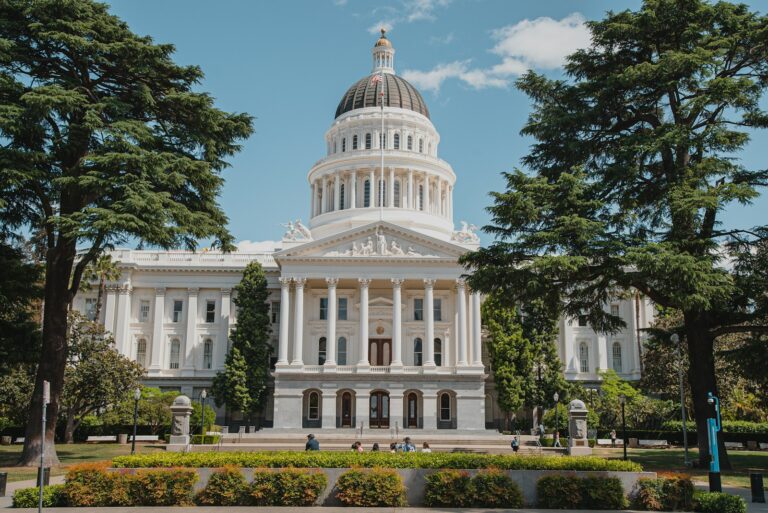
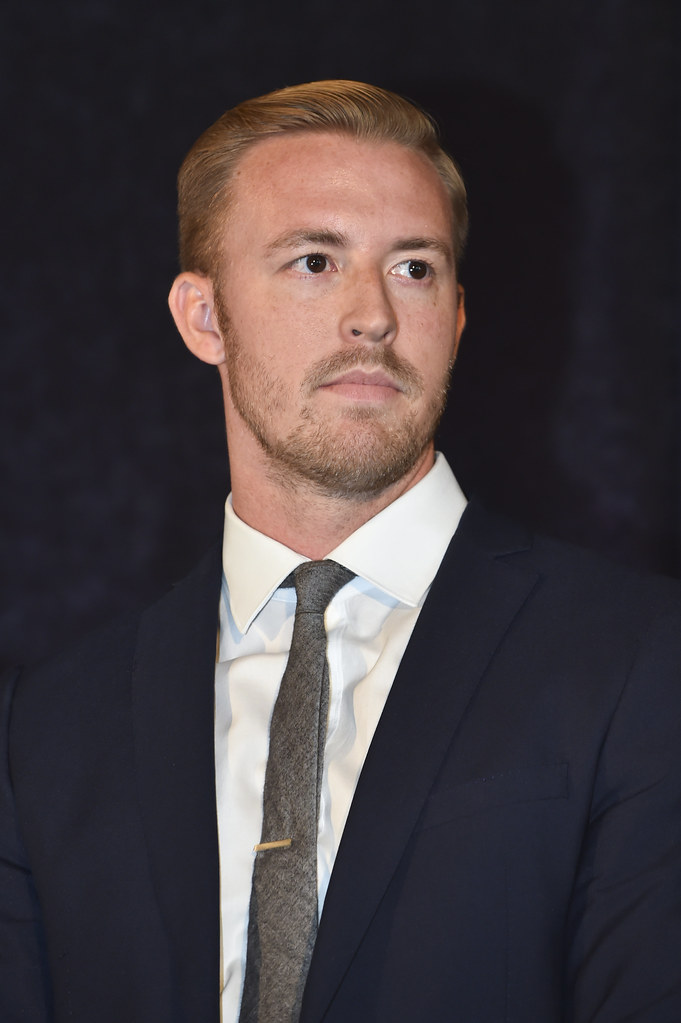
California politics saw a heated moment when Assemblyman Marc Berman joked that his Republican colleagues suffer from Gavin Derangement Syndrome. He made the comment during a Thursday floor debate. Berman aimed to expose what he called hypocrisy over redistricting and defend Governor Gavin Newsom’s proposal.

What Is Gavin Derangement Syndrome?

Gavin Derangement Syndrome describes an extreme reaction to anything Governor Newsom does. It echoes the term “Trump Derangement Syndrome,” which critics used for Democrats angry at President Trump. Both phrases point to over-the-top anger instead of fair debate.

First, Berman asked, “Is there a doctor in the house?” Then, he claimed some Republicans faced “severe Gavin Derangement Syndrome.” He warned, “I’m worried about their health.” His playful jab drew laughs from Democratic lawmakers.

Assemblyman Berman’s Debate Highlights

Berman argued that Newsom’s redistricting plan defends democracy. He noted that President Trump pushed Texas to gerrymander five new Republican seats. He said Republicans called that move fine, yet they now call California’s plan too costly.

He stated, “I’m so tired of colleagues from across the aisle who complain about the cost of democracy, but who are silent when the president of the United States extorts California institutions for billions of dollars.” With that remark, Berman drew a clear line between what he sees as selective outrage.

Next, he added, “Eight and a half years in and the faux outrage has gotten a little nauseating.” His choice of words showed frustration. Indeed, he challenged Republicans to explain their double standard.

Why Redistricting Sparks Such a Reaction

Redistricting can change which party wins in key districts. Therefore, it often draws fierce debate. In California, Newsom seeks an independent commission to draw fair lines. Republicans fear the new maps will favor Democrats even more.

However, Democrats insist fair maps boost voter power and protect community voices. They argue that independent oversight stops backroom deals. Meanwhile, Republicans blame any change for harming rural districts and slowing governance.

Still, Berman says this fight is about defending democracy itself. He believes the labels “Gavin Derangement Syndrome” or “Trump Derangement Syndrome” distract from the real issue. In his view, worrying about costs should never override concern for fair elections.

What Comes Next for California’s Maps

Governor Newsom’s redistricting plan now faces committee votes. If passed, an independent panel will redraw district lines before the next election. That process could take months of public hearings and expert testimony.

Lawmakers from both parties will have a chance to voice concerns. In addition, community groups will join the debate. They will push for maps that protect minority communities and respect local ties.

Furthermore, Republicans plan to challenge the process in court if they lose. They may argue that the new rules break state or federal laws. Such a lawsuit could delay final maps past election deadlines.

Nonetheless, Berman remains confident. He believes labeling critics with Gavin Derangement Syndrome will expose their motives. More importantly, he thinks it will rally support for measures that guard against extreme gerrymandering.

Looking Beyond the Term

While the phrase Gavin Derangement Syndrome grabbed headlines, experts say the real battle lies in policy details. They suggest focusing on criteria like compactness, contiguity, and respect for communities of interest. Clear rules, they add, limit political games.

Consequently, some lawmakers are pushing for even stricter standards. They want automated mapping tools and transparent data. By contrast, others still favor legislative control over the process.

Either way, the outcome will shape California’s politics for at least a decade. That makes the debate over costs and fairness all the more urgent. It also ensures that Gavin Derangement Syndrome remains a memorable part of the story.

The Stakes for Voters

For regular Californians, redistricting matters because it affects representation. Voters want districts that reflect their communities and interests. Fair maps can lead to better services, more local input, and stronger accountability.

Therefore, citizen participation matters now more than ever. Public hearings and online submissions give people a voice. They can point out lines that split towns, groups, or important landmarks.

In the end, democracy works best when people stay informed and involved. Whether you laugh at Gavin Derangement Syndrome or not, the process demands attention. After all, tomorrow’s elected officials will serve the districts drawn today.

Moving Forward

As California moves ahead, expect more fiery speeches and witty jabs. Yet, beneath the humor lies a serious fight for power and fairness. Lawmakers will need to balance cost concerns with democratic values.

In addition, court battles could follow, extending the debate beyond the Capitol. Meanwhile, communities and interest groups will keep pushing for maps that truly reflect California’s diversity.

Ultimately, the term Gavin Derangement Syndrome may fade. However, the lessons learned during this redistricting fight will echo for years. Californians will remember how leaders defended democracy and tackled the tricky politics of drawing lines.

Frequently Asked Questions

1. What is Gavin Derangement Syndrome?

Gavin Derangement Syndrome is a nickname for intense, often irrational, criticism of Governor Gavin Newsom’s actions.

2. Why did Marc Berman use the term?

He used it to call out what he sees as hypocrisy from Republicans over redistricting costs.

3. How does redistricting affect voters?

Redistricting draws new election maps, which can change who represents certain communities.

4. What happens if the redistricting plan faces a court challenge?

A legal fight could delay map finalization, possibly affecting upcoming elections.

Why Is Ryan Walters Barred from Key Oklahoma Event?

0

Key Takeaways

  • Ryan Walters faced backlash for a plan to screen job applicants for “woke bias.”
  • Education Secretary Linda McMahon asked Oklahoma officials to leave him out of her visit.
  • Walters wrongly claimed his office secured a federal waiver to drop end-of-year tests.
  • This public rebuke could damage his bid for governor.

Why Is Ryan Walters Barred from Key Oklahoma Event?

Oklahoma’s schools superintendent, Ryan Walters, has sparked nonstop debate. Recently, he pushed a rule to screen applicants for “woke bias” using a far-right online program. Yet during Education Secretary Linda McMahon’s visit to a charter school, Walters was nowhere to be seen. Sources say McMahon’s team feared his presence would distract from planned events.

Ryan Walters and His “Woke Bias” Screening Plan

Ryan Walters promotes strict conservative ideas in schools. He wants to check job candidates for views he labels “woke bias.” To do this, he plans to use lessons from a popular talk radio host’s program. However, this move drew strong criticism from many.

  • Walters argues the plan will protect students from liberal ideas.
  • Critics call it an unfair test that targets open discussion in classrooms.
  • Some teachers worry it will chill free speech and push out qualified applicants.

Furthermore, Walters claims this policy aligns with his strong support for school choice. He believes families should pick religious or conservative schools over traditional public options. Even so, his critics note that Oklahoma already ranks low in key education measures.

Why Linda McMahon Excluded Ryan Walters

On Tuesday, August 19, Linda McMahon joined Governor Kevin Stitt at Dove Science Academy. The goal was to sign a bill and visit classrooms. However, observers saw that Ryan Walters was absent. This was no accident. According to three insiders, McMahon’s team asked state officials to keep Mr. Walters off the schedule.

Initially, local reporters wondered if McMahon would meet the superintendent. She replied, “I don’t believe that’s on my schedule today.” Her team feared that Walters’s reputation would steal the spotlight. As a result, they kept him out of public view.

In addition, sources say McMahon wanted to avoid dealing with conflicts over Walters’s recent claims. They knew he had made misleading statements about federal approval for test waivers.

The False DOE Waiver Claim

Earlier in August, Ryan Walters issued a public statement. He claimed that the U.S. Department of Education granted Oklahoma a waiver to skip end-of-year tests in public schools. Soon after, Walters told a far-right outlet that the Trump administration fully backed his plan.

However, the federal department had not approved any waiver. This confusion forced Secretary McMahon to correct the record in Oklahoma. She publicly disputed Walters’s remarks.

Because of this mix-up, Walters lost credibility with both the state and federal education teams. His false claims became a key reason McMahon avoided including him. As one insider put it, “We didn’t want his mistakes to overshadow our work.”

What This Means for Ryan Walters’s Future

Ryan Walters is seen as a possible candidate for governor in the next election. He hopes to win the MAGA-leaning voters in a crowded primary. Yet this public snub by a Cabinet secretary hurts his image.

First, it shows that even top Trump officials want to distance themselves from him. Second, it highlights his tendency to push strict ideology on schools. Many Republicans in Oklahoma view his tactics as too extreme.

In addition, Alaska ranks near the bottom in most education stats. Critics argue that Walters’s focus on culture wars distracts from real academic issues. They say the state needs better test scores and more teacher support, not ideological litmus tests.

As a result, Walters’s push may backfire. Voters and party leaders could seek candidates who focus on practical solutions. If that happens, Walters could struggle to gain broad support.

Still, Walters remains defiant. He continues to champion school choice and conservative values. His bold moves energize a segment of the base. Yet without federal backing or unified state support, his path to the governor’s office grows steeper.

What’s Next for Oklahoma Education?

The clash between Walters and McMahon underscores deeper divides. On one side, leaders push for local control and conservative values in schools. On the other, federal officials and some state Republicans demand accuracy and unity.

Moving forward, Oklahoma will face these challenges:

  • Balancing efforts to expand school choice with improving public school performance.
  • Ensuring accurate communication between state education officials and federal agencies.
  • Addressing teacher shortages and low test scores without fueling political battles.

In the weeks ahead, watch for new policy proposals from both Walters and state leaders. Their decisions will shape the future of education in Oklahoma and may influence national debates.

Frequently Asked Questions

1. Who is Ryan Walters?

Ryan Walters is the Oklahoma schools superintendent known for strong conservative policies.

2. Why did Linda McMahon exclude Ryan Walters from the school visit?

She and her team feared his presence would distract from the event and the bill signing.

3. What is the “woke bias” screening plan?

It is a proposal to check school job applicants for liberal views using lessons from a talk radio host’s program.

4. How could this controversy affect Ryan Walters’s political future?

Being publicly rebuked by a cabinet secretary may weaken his bid for governor in the GOP primary.

Why Did Trump Cryptocurrency Take A Dive?

Key Takeaways

  • Trump cryptocurrency fell by eight dollars and thirty-nine cents on Thursday.
  • Melania cryptocurrency lost twenty cents on the same day.
  • Trump cryptocurrency has lost eighty-eight percent of its value since January.
  • ETF news gave the token a brief lift, but it returned to downward trend.
  • Trading fees made early investors and the Trump Organization millions.


Why Did Trump Cryptocurrency Take A Dive?

In the morning, Trump cryptocurrency looked steady. By market close, it plunged sharply. Meanwhile, Melania cryptocurrency slid too, though not as dramatically. Investors watched in surprise as the meme token collapsed after a week of losses. Despite this drop, creators and insiders still profited from hefty trading fees. Below, we explore how this token rose and fell, who gained, and what may lie ahead.

What is Trump cryptocurrency?

Trump cryptocurrency began as a playful digital token tied to a former president. Developers marketed it as a way for supporters to show loyalty. It launched with huge fanfare and a spike in demand. At first, buyers paid nearly seventy-five dollars per token. This surge generated excitement and wealth for early holders. Yet like many meme tokens, it lacked a clear roadmap or real use case. As a result, its value relied mostly on hype and media attention.

Why did Trump cryptocurrency crash?

First, the token faced steep competition in a crowded crypto market. Other meme coins grabbed headlines and investor dollars. Then, general market sentiment turned negative. Altcoins beyond Bitcoin suffered heavy sell-offs last week. In addition, a lack of real utility for the Trump token weighed on confidence. Investors often bounced between projects that offered staking or real products.

On Thursday, the token dropped eight dollars and thirty-nine cents despite a positive start. By market close, it sat near eight dollars per coin. Over the past day, it fell by five point eight three percent. Over seven days, it lost six point three five percent. More strikingly, it tumbled from almost seventy-five dollars in January to under ten dollars now. That represents an eighty-eight percent decline in value.

Meanwhile, Melania cryptocurrency—the token tied to the former first lady—lost twenty cents. Since January, it plunged ninety-eight percent. Investors who bought at launch may now hold coins worth only a fraction of their cost.

Early on August thirteen, an ETF filing briefly lifted Trump cryptocurrency from nine dollars and forty cents to nine dollars and sixty cents. However, gains vanished quickly. While an ETF could boost long-term liquidity, SEC approval often takes months. Moreover, regulators view meme token ETFs with extra caution. Until that process concludes, any rise remains fragile.

The true winners behind the scene

Surprisingly, not all parties lost out on this token’s tumble. Token creators and insiders made millions in fees at launch. In fact, early trading generated nearly one hundred million dollars in revenue. By May, the Trump Organization reportedly pocketed three hundred twenty million dollars from fees alone. A firm tied to the former president controlled eight hundred million coins as of February.

Thus, while casual investors saw their holdings evaporate, insiders secured large profits. Traders who bought early and then sold likely escaped before the crash. Meanwhile, those who held through the decline absorbed the losses.

What could come next?

First, investors will watch any progress on the proposed ETF. If regulators greenlight it, liquidity may rise. In turn, the token might regain some stability. However, even approval does not guarantee a price rebound. After all, real use cases still lag behind hype.

Second, broader crypto market trends will influence this token. If altcoins rally, Trump cryptocurrency could join the upturn. Conversely, a crypto winter would deepen its slide.

Finally, media coverage and public interest matter. A fresh campaign endorsement or celebrity nod might spark another surge. On the other hand, negative headlines could accelerate the outflow of funds.

In the end, this meme asset shows how hype drives volatile markets. It also highlights the gap between early gains for insiders and long-term risks for everyday investors.

Frequently Asked Questions

1. What caused Trump cryptocurrency to lose most of its value?

Several factors played a role: fierce competition, lack of real utility, broader crypto market weakness, and profit taking by early investors.

2. Can an ETF approval save Trump cryptocurrency?

An ETF could boost liquidity and attract new buyers. Yet regulatory approval often takes months and faces increased scrutiny for meme tokens.

3. Did the Trump family make money from this coin?

Yes. Trading fees generated nearly one hundred million dollars at launch. By May, the Trump Organization earned around three hundred twenty million dollars in fees.

4. Should investors still buy Trump cryptocurrency?

That depends on risk tolerance. The token remains highly volatile with uncertain utility. Investors should research carefully before buying.

Do Jim Crow Cartoons Cross the Line in Cobb County?

0

Key Takeaways:

  • Local Democrats in Cobb County call recent cartoons aimed at DA Sonya Allen “Jim Crow cartoons.”
  • The cartoons, posted by attorney Megan Webb Grout, mock Allen with a poem and clown imagery.
  • The Cobb County Democratic Committee says the images revive racist tactics from the Jim Crow era.
  • Some, like lawyer Andrew Fleischman, argue public figures must accept criticism without race claims.
  • The debate underscores tensions over race, power, and political speech in Cobb County.

The Controversy Over Jim Crow Cartoons

Last week, a series of cartoons mocking District Attorney Sonya Allen fueled a heated debate in Cobb County. The images showed Allen as a clown, complete with flatulence jokes, under the banner “DA Allen’s Circus.” They appeared on Facebook and came with a long poem that ridiculed her leadership. Local Democrats called these images “Jim Crow cartoons,” and they slammed the posts as racist and harmful.

Meanwhile, some critics said the cartoons also pointed out real issues in Allen’s office. They noted that several prosecutors resigned since her election. This debate brings up questions about free speech, political critique, and the line between satire and racism. As voices clash, the controversy keeps growing in Cobb County’s northwest Atlanta suburbs.

Why Jim Crow Cartoons Spark Outrage

Democratic leaders argue that these cartoons tap into a painful history. They said the drawings echo propaganda used to mock and belittle Black leaders under Jim Crow. That era used racist imagery and caricature to keep Black citizens in fear and submission. By calling the cartoons “Jim Crow cartoons,” the committee said the posts cross a moral line.

Moreover, the committee pointed out how racism has grown bolder since certain national figures stoke division. They believe these images are part of a broader pattern. According to the Democrats, what was once hidden behind coded language now sits openly on social media. As a result, they urge the community to stand against any form of racial mockery.

Reaction from Local Democrats

The Cobb County Democratic Committee issued a strong statement. They praised voters for electing Allen, the first Black woman to lead their justice system. They said her win showed the county’s desire for fairness and progress. Yet, they added, some people responded with ridicule and racist mockery instead of respect.

They wrote, “This image revives Jim Crow-era propaganda once used to diminish Black leadership.” The statement also warned that such attacks harm democracy. They believe elected leaders should focus on praising progress, not playing into hateful stereotypes. In their view, these cartoons keep old wounds open.

Reaction from Critics

On the other hand, some say calling the cartoons racist ignores their real message. Atlanta trial lawyer Andrew Fleischman argued that Allen’s office faced genuine leadership concerns. He noted multiple prosecutor resignations and said that calls for accountability deserve attention. Fleischman wrote that officials must handle criticism, even if it feels personal.

He added, “If criticism can only be the result of the critic’s personal failings, then why would the official ever improve?” He believes labeling every negative post as racist shuts down debate. In fact, he sees some value in harsh but honest feedback. His view highlights a split in how people see political cartoons: as free speech or hate speech.

The Role of Political Satire

Political cartoons have long shaped public debate. They use humor and caricature to highlight issues. However, they can also offend. In the past, many cartoonists drew stereotypes that we now condemn. Therefore, when a cartoon targets a public official’s race, it raises extra concerns.

In this case, the mix of crude humor and racial overtones made many uneasy. Even some who disliked Allen’s policies found the imagery too harsh. They feared it might push voters away from meaningful discussions. Ultimately, it showed that satire carries responsibilities alongside its freedoms.

Impact on Cobb County Politics

Cobb County includes diverse suburbs north of Atlanta. It has shifted politically in recent years. Allen’s election eight months ago marked a milestone. It also raised hopes for reform in local law enforcement and justice. Now, the cartoon controversy adds another twist to county politics.

Democrats worry that these cartoons could discourage Black candidates. They feel the bar for Black public servants is still higher. Meanwhile, Republicans and independents warn against labeling all criticism as racist. They see this debate as part of a larger culture war over free speech and identity politics.

Moving Forward: Finding Common Ground

With tensions high, some local leaders call for dialogue. They suggest roundtable talks where residents and leaders discuss race, media, and fairness. Others propose clear social media policies for public figures. Their goal is to balance robust debate with respect for all communities.

Additionally, community groups plan art events to address history and satire. They hope such events can educate and heal. By using art, they aim to show how cartoons can both challenge power and spread harm if handled poorly.

Conclusion

The clash over these Jim Crow cartoons in Cobb County shows how powerful images can be. On one side, many see old racist tactics revived. On the other, some view the posts as harsh but valid critique of a public official. Whatever one thinks, this debate shines a light on race relations, free speech, and political strategy. As Cobb County moves forward, the challenge will be to keep honest talks alive while respecting everyone’s dignity.

Frequently Asked Questions

What are Jim Crow cartoons?
Jim Crow cartoons are racist images that caricature Black people to mock their leadership and humanity. They date back to segregation.

Who posted the controversial cartoons?
Local attorney Megan Webb Grout shared the cartoons on Facebook, along with a mocking poem about DA Sonya Allen.

Why do Democrats call them “Jim Crow cartoons”?
Democrats say the images echo racist propaganda from the Jim Crow era that harmed Black leaders and citizens.

Can criticism of a public official be racist?
Yes. When criticism uses racial stereotypes or hateful imagery, it crosses from policy critique into racism.

Will Make Billionaires Pay Change the Game?

Key Takeaways

  • A national march called Make Billionaires Pay will unite over 100 groups on September 20.
  • The event links crises like climate change, authoritarianism, and mass deportations to ultra-wealthy power.
  • Organizers demand taxing extreme wealth, ending mass deportations, and shifting to renewable energy.
  • Major groups like 350.org and Women’s March lead the movement, with a flagship march in New York City.

Make Billionaires Pay: Rising Up for Justice

On September 20, Americans in cities nationwide will join the Make Billionaires Pay marches. This mass mobilization links many crises to the ultra-rich. First, it calls out billionaire power over politics. Next, it highlights climate disasters worsened by fossil fuel profits. Finally, it protests mass deportations under the current administration.

Make Billionaires Pay will show how billionaire money fuels war, hate, and environmental harm. Ordinary people will stand together in parks and streets. They will demand policies that protect communities, workers, and our planet. Above all, they will make clear that extreme wealth must face fair taxes.

What Is Make Billionaires Pay?

Make Billionaires Pay is a coalition of more than 100 progressive groups. They include Desis Rising Up and Moving, Women’s March, Climate Defenders, and 350.org. Together, they plan simultaneous marches in cities across the country. The biggest rally will occur in New York City during the United Nations General Assembly.

This campaign argues that billionaires hold too much power. They fund politicians who weaken democracy. They push policies that harm workers and immigrants. They profit from fossil fuels and war. Moreover, they escape taxes that could fund schools, hospitals, and clean energy.

By marching, participants will link these issues into one clear demand. They want a tax on extreme wealth. They also call for an end to mass deportations. In addition, they want a fast shift from oil and gas to safe renewable power.

Why March on September 20?

First, the timing aligns with the United Nations General Assembly. World leaders will gather in New York City that week. Marchers aim to send a strong message that global inequality harms everyone. They want billionaires to pay their fair share to fight poverty and climate change.

Second, September marks the start of more extreme weather. Heat waves, hurricanes, and wildfires often hit hardest then. Organizers say unchecked fossil fuel profits fuel these disasters. As a result, farmers, low-income families, and communities of color suffer the most.

Next, public anger over mass deportations has grown. The current administration has stepped up its deportation program. Families live in fear for loved ones. Marchers demand humane immigration policies instead of forced removals.

Finally, people are tired of a system that works only for the rich. Many believe democracy is under attack by billionaire-funded campaigns. This march offers a peaceful way to push for change and restore fairness.

Key Goals of Make Billionaires Pay

Make Billionaires Pay sets clear demands. They want:

• A tax on extreme wealth over a set threshold.
• An end to mass deportations and humane immigration laws.
• A fast transition from fossil fuels to renewable energy.
• Stronger labor rights and fair wages.
• Cuts to military spending that funds war profiteers.

These goals show how money shapes policies. By taxing extreme wealth, the campaign hopes to fund public needs. That includes schools, healthcare, and clean energy projects. Also, ending mass deportations would protect migrant families. Moving to renewable energy would cut carbon emissions and create jobs.

Moreover, stronger labor rights defend workers against low pay and unsafe conditions. Reducing military spending would shift funds to community services. Thus, the campaign links social justice, environmental action, and democracy.

How to Get Involved

First, find your local march on September 20. Many cities will host rallies at parks or downtown squares. Check social media pages of Women’s March and 350.org for details. Then, invite friends and family to join you.

Next, spread the word online. Use social media to share event posts and hashtag mentions. You can also print flyers or posters for neighborhood boards. Every person who hears the message helps build momentum.

Also, consider volunteering with a local organizer. You can help with sign making, outreach, or on-the-ground logistics. Volunteers keep the event safe, inclusive, and powerful.

Finally, plan ahead for the day. Bring water, snacks, and weather-appropriate clothes. Wear comfortable shoes. Stay on marked routes and follow any posted safety guidelines. In addition, respect fellow marchers and local communities.

By joining Make Billionaires Pay, you can stand up for a fairer future. Your voice becomes part of a national call for justice and compassion.

Conclusion

Make Billionaires Pay shows how power and profit shape our world. On September 20, people from all walks of life will demand real solutions. They will link climate action, immigrant rights, and economic justice into one movement. This march will prove that united citizens can challenge billionaire influence. Together, they will push for a system that values people and planet over profit.

FAQs

What is the main goal of Make Billionaires Pay?

The main goal is to tax extreme wealth and fund public services, while ending mass deportations and shifting to clean energy.

Who organizes Make Billionaires Pay?

Major groups include 350.org, Women’s March, Climate Defenders, and Desis Rising Up and Moving.

How can I participate in the march?

Find a local event, share it on social media, volunteer to help, and attend with friends on September 20.

Why target billionaires specifically?

Organizers say billionaires hold too much power, fund harmful policies, and avoid fair taxes that could help communities.

What Is Trump’s Greatest Weakness?

0

Key takeaways

  • Sherrod Brown says a key weakness for Donald Trump is the Republicans who backed him.
  • He urges Democrats to focus on those enablers, not Trump alone.
  • He points to rising grocery and health costs as proof of the problem.
  • Brown believes this message can help Democrats win new seats.
  • He plans to remind workers of what they’ve lost under Trump’s policies.

Sherrod Brown, the Democrat running for Senate in Ohio, told the “No Lies” podcast that Trump’s weakness lies not only in the man himself, but in the Republican leaders who supported him. Brown served as Ohio’s senator from 2007 to 2025. Now he says that voters should hold Trump’s allies accountable at the ballot box. He thinks this focus can create new chances for Democrats to gain seats in Congress.

Brown made this point clear when he spoke to progressive YouTuber Brian Tyler Cohen. He said voters should shift their energy from Trump to the people who enabled him. According to Brown, these enablers are the ones on the ballot, not Trump himself.

What Is Trump’s Greatest Weakness?

During the interview, Brown argued that attacking Trump directly misses the real target. He explained that congressional Republicans backed every major move of Trump’s presidency. Therefore, they share responsibility for any failures. By highlighting their role, Brown believes Democrats can win key races, even in red-leaning areas.

Brown’s Strategy: Targeting Enablers

Brown’s advice is simple. He said, “You don’t talk about Trump. You talk about those elected officials who enabled him and hold them accountable.” He stressed that voters need to focus on the names on the ballot. Those names are the members of Congress, state legislators, and local leaders.

In Brown’s view, this strategy serves two goals at once. First, it reminds people that their votes matter for more than just the top of the ticket. Second, it forces Republicans to defend policies they backed. By doing so, Democrats can turn the spotlight on issues where those policies failed.

Economic Pain: Exposing Trump’s Weakness

Brown also pointed to the economy as a major factor in revealing Trump’s weakness. He noted that Trump campaigned on promises to lower the cost of living for workers. However, inflation and higher healthcare costs have made life harder for average families.

Donald trump

“I’ve been in grocery stores,” Brown said. “People have to put some of their groceries back because they cost more than they expected.” Rising food prices, gas costs, and bills at rural hospitals all show how people are hurting. Brown thinks these everyday struggles highlight the gap between Trump’s promises and reality.

By focusing on how Republicans supported policies that failed to control costs, Brown argues that Democrats can turn economic pain into a winning message. In other words, Trump’s weakness is tied to the broken promises that Republicans helped deliver.

Winning Over Working Voters

Another key point Brown raised involves working-class voters who backed Trump in the past. He said that Democrats must show these voters what they have lost since Trump took office. From higher child care costs to cuts in local health services, many families feel squeezed.

“Things have gotten worse in these eight months,” Brown said. “There’s no question about it.” He believes Democrats can win back some of the blue-collar support Trump once had. By reminding people of higher costs and fewer services, Democrats can offer a clear choice on Election Day.

Brown also highlighted the power of personal stories. When a parent has to choose between medicine and rent, that story resonates more than abstract numbers. Therefore, Democratic candidates should share real examples of how people suffer under rising costs.

A man sitting on a bench in front of a building

What This Means for Democrats

Brown’s approach offers a roadmap for Democrats nationwide. First, candidates should identify key Republicans who enabled Trump’s policies in their districts. Then they can create campaign messages that link those lawmakers to higher bills and fewer services.

Second, Democrats need to gather local stories. They should interview families who faced tough choices at the grocery store or struggled to find care in rural hospitals. These testimonials can make Trump’s weakness real to undecided voters.

Third, campaigns must keep the focus on the enablers, not Trump himself. That way, they avoid getting tangled in national debates over Trump’s character. Instead, they shine a light on lawmakers who control budgets, laws, and local services.

By following these steps, Democrats may flip seats in Congress and gain ground in state legislatures. Brown’s plan aims to turn voter frustration into Democratic wins across the board.

Conclusion

Sherrod Brown’s insight is clear: Trump’s greatest weakness may not be his own actions, but the Republican officials who enabled him. By targeting those enablers and highlighting rising costs, Democrats can craft a message that resonates with working families. This strategy, Brown believes, can help Democrats regain seats and reshape the balance of power. As voters think about the next election, they may find that the real fight is not against Trump himself, but against the lawmakers who backed him.

FAQs

What does Sherrod Brown see as Trump’s weakness?

Brown says Trump’s weakness lies in the Republicans who enabled his policies. He urges voters to hold those lawmakers accountable instead of focusing solely on Trump.

How can Democrats use this strategy in campaigns?

They can target GOP enablers on the ballot, highlight economic pain caused by their policies, and share personal stories of affected families.

Why does Brown emphasize the economy?

He believes rising grocery prices, healthcare costs, and everyday bills show a broken promise from Trump and his allies, making it a strong point for voters.

Can this approach win back working-class voters?

Yes. By reminding families of what they’ve lost—like affordable childcare and local health services—Democrats can appeal to workers who once supported Trump.

Will NIH Funding Cuts Harm Public Health?

0

Key Takeaways

• The Supreme Court allows NIH funding cuts of $783 million.
• The cuts target diversity, equity, and inclusion research grants.
• The decision came in a 5-4 split, with Chief Justice Roberts dissenting.
• States and health groups warn of public health and life losses.
• A lawsuit over Trump administration guidance on future funding continues.

NIH funding cuts approved in split Supreme Court ruling

The Supreme Court ruled on Thursday that the Trump administration can move ahead with NIH funding cuts. These cuts remove hundreds of millions in research grants aimed at diversity, equity, and inclusion. The decision came in a 5-4 vote, with the court lifting a lower court order that blocked $783 million in cuts. However, guidance on future funding remains blocked as legal challenges continue.

Why the Supreme Court approved NIH funding cuts

First, the Trump administration told the National Institutes of Health to cancel grants tied to diversity, equity, and inclusion. A lower court blocked these NIH funding cuts. It said the administration overstepped its legal authority. Meanwhile, states and public health groups sued to protect the funding.

Next, the Supreme Court reconsidered that order. In a split decision, the court lifted the block on $783 million. Four justices opposed the move. Chief Justice John Roberts joined the court’s three liberal members to oppose the cuts. Yet the majority allowed the NIH funding cuts to proceed while the lawsuit continues.

What the NIH funding cuts mean for research

The NIH funding cuts eliminate grants for projects that support diversity in health research. These grants aimed to improve study diversity and reduce health gaps. For example, some projects focused on diseases affecting minority groups. Others studied how social factors shape health outcomes.

Moreover, the cuts could delay or end research that seeks to understand health disparities. Researchers say that lack of diversity in studies can skew results. As a result, treatments and care may not serve all communities fairly.

Therefore, the impact extends beyond any single study. Health experts warn that the NIH funding cuts could stall progress on critical public health problems.

Who will feel the impact

States like California and Maryland joined the lawsuit against the cuts. They argued that the funding supports public health labs and university research. Public health advocates say the cuts threaten vital projects on cancer, diabetes, and mental health.

In addition, nonprofit groups voiced concern. They said the NIH funding cuts could lead to “incalculable losses in public health and human life.” They warned that vulnerable populations would suffer the most.

Researchers at major universities also spoke out. They noted that canceled grants mean fewer jobs for lab technicians and early-career scientists. Moreover, graduate students could lose funding for their studies.

What happens next

While the Supreme Court allowed the NIH funding cuts, the lawsuit continues in lower courts. Plaintiffs want a final decision on whether the administration had authority to end the grants.

At the same time, Trump administration guidance on future funding remains blocked. That means no new rules can fully reshape NIH grant priorities until courts rule again.

As a result, NIH officials face uncertainty. They must decide how to cancel existing grants while awaiting final legal word. Meanwhile, researchers must scramble to secure alternative funding.

The broader debate over diversity in research

These NIH funding cuts are part of a wider push to limit diversity, equity, and inclusion programs. Supporters of the cuts call DEI initiatives political and irrelevant to science. They argue that funding should focus only on “merit.”

However, opponents insist DEI funding promotes better science. They say diverse research teams bring fresh perspectives. In turn, this can lead to more accurate findings and fair health solutions.

Therefore, the battle over NIH funding cuts also reflects a national debate on how science should address social issues.

NIH funding cuts

How the cuts affect you

If you are a patient, the cuts could slow the development of treatments that help your community. If you are a student, you may face fewer scholarship and research opportunities. Researchers and lab staff could lose jobs or projects.

Yet, for now, only some grants are canceled. Other research funding at NIH continues. Scientists working outside DEI may see no change. That said, many worry that this decision signals a larger funding shift.

Moving forward

The Supreme Court’s split decision marks just one step in a long legal fight. Both sides expect more court hearings and briefs. In the meantime, NIH funding cuts move ahead for the $783 million blocked earlier.

Researchers, states, and groups will continue to make their case. They hope to restore funding in the lawsuit’s final outcome.

Meanwhile, the public can stay informed and voice opinions to lawmakers. After all, public health and scientific progress often depend on community support.

Conclusion

The Supreme Court has opened the door to major NIH funding cuts aimed at diversity, equity, and inclusion. Although the decision lets the Trump administration cancel $783 million in grants, legal challenges continue. States, researchers, and health advocates warn of broad public health risks. The fight over NIH funding cuts highlights a deeper divide over DEI’s role in science. As the court battle unfolds, many will watch to see how research and public health fare.

FAQs

1. What are NIH funding cuts?

NIH funding cuts refer to the elimination of research grants by the National Institutes of Health. The recent cuts target projects linked to diversity, equity, and inclusion.

2. Why did the Supreme Court allow these cuts?

In a 5-4 split decision, the court lifted a lower court’s block on $783 million in cuts. The court said the administration could cancel those grants while the lawsuit continues.

3. Who opposes the NIH funding cuts?

States, public health groups, researchers, and universities oppose the cuts. They warn of public health losses, stalled research, and job impacts.

4. What happens next in this legal fight?

The lawsuit continues in lower courts. Meanwhile, guidance on future NIH funding remains blocked until final rulings.

Could a Newcomer Shake Up the Maine Senate Race?

0

Key Takeaways:

• Veteran Graham Platner jumps into the Maine Senate race as a Democratic newcomer.
• Platner calls out billionaires, corrupt politicians, and Susan Collins’s fake moderation.
• Only a few Democrats, like Jordan Wood and David Costello, have entered so far.
• Retiring Gov. Janet Mills remains uncertain about running, leaving an open field.

Could a Newcomer Shake Up the Maine Senate Race?

A surprising twist has emerged in the Maine Senate race. Graham Platner, a political rookie, has entered the primary. He served multiple tours in Iraq and Afghanistan. He also works as an oysterman and calls himself a working class Mainer. Because he speaks passionately, people are already talking about his campaign.

New Face in the Maine Senate Race: Who Is Graham Platner?

Graham Platner has never held elected office. However, he has deep roots in Maine’s coastal towns. He describes himself as a veteran and working class Mainer. He says he’s seen families struggle with rising costs. Therefore, he launched a video to share his message.

In his launch video, Platner blasts billionaires and corrupt politicians. He says they destroy the environment and crush the middle class. He accuses Susan Collins of staging a fake act of moderation. “Ted Cruz is at least honest when he sells us out,” he says. This harsh language has turned heads.

Why Graham Platner Matters

First, Platner’s background is unique. Few Senate candidates are veterans and oystermen. Second, his message taps into Maine’s working class anger. Many Mainers feel left behind as prices rise.

Also, conservative analyst Sean Trende warns that Platner could be a real threat. He notes that Collins is an old establishment Republican. Meanwhile, Maine’s base now leans more working class and populist. On paper, those voters may favor someone like Platner.

Furthermore, Collins’s reputation rests on her moderate record. She has sometimes opposed President Trump’s worst moves. That helped her win in a mostly blue state. However, a challenger from the left could peel away key voters.

Who Else Is Racing?

So far, few other Democrats have signed up. Jordan Wood, a staffer for a progressive congresswoman, is in. David Costello, a former USAID worker, also joined the contest. Last year, Costello lost against an independent senator. Neither has Platner’s military background or working class image.

At the same time, many wonder if Gov. Janet Mills will run. Mills has led Maine for several years and is well known. If she enters, she could become the clear front-runner. However, she’s in her late 70s and unsure about a long campaign.

Therefore, the field remains wide open. If Mills bows out, Platner’s challenge looks stronger. If she steps in, he must fight a better-known rival.

What’s Next for the Maine Senate Race?

First, candidates will work to build name recognition. Platner needs to introduce himself to voters. He must show how his life story matters. Meanwhile, Collins will prepare for a tough fight. She can point to her history of helping Maine families.
Maine Senate race

Second, fundraising will be crucial. Platner will ask Mainers for small donations. Collins can tap into her existing donor network. The gap between a newcomer and an established senator can grow fast.

Third, debates and town halls will shape opinions. Platner must prove he can handle tough questions. He will need to explain how he will serve Maine if elected. Collins will highlight her experience and past victories.

Finally, the primary will test Maine voters’ mood. Do they prefer a veteran outsider who rails against the elite? Or do they stick with a familiar moderate who has won five terms? The answer will guide the party’s chances in November.

Transitioning to a broader view, this contest reflects a national trend. Across the country, working class voters want change. They often back outsiders who promise to shake up the system. In Maine, Platner fits that mold.

On the other hand, parties also value experience. Incumbents like Collins benefit from long records. They know how to raise funds and win tough races. Yet, they risk appearing out of touch with everyday concerns.

Because of these factors, the Maine Senate race may become one of the most watched contests. It will offer a clear look at how voters balance experience and fresh energy.

Key Themes in the Maine Senate Race

1. Populism vs. Establishment

Platner represents the working class and calls out elites. Collins represents the political establishment with a moderate record.

2. Military Service and Local Ties

Platner’s military and oystering background give him unique credibility. Collins has built ties over decades in Maine.

3. Uncertainty Around Top Contenders

With Mills unsure about running, the Democratic side remains in flux. That uncertainty could benefit a bold newcomer.

4. Fundraising and Organization

How well each candidate rallies volunteers and donors will be vital. Novice campaigns often struggle in this area.

5. Voter Mood and Turnout

Ultimately, how many Mainers show up and whom they trust will decide the race. Enthusiasm and turnout often drive primary outcomes.

Looking Ahead

As the campaign unfolds, watch for Platner’s next moves. Will he win endorsements from local groups? Can he expand his message beyond coastal towns? At the same time, Collins will work to shore up support among moderates and independents.

Moreover, if Mills jumps in, the dynamics will shift again. Platner will have to carve out room between two well-known figures. The question remains: can a newcomer survive such a crowded field?

Meanwhile, voters will follow each debate and ad. They will weigh authenticity, experience, and vision. They will consider who can best protect Maine’s environment, economy, and way of life.

In the end, the Maine Senate race will test both voter appetite for new voices and loyalty to familiar leaders. It will also signal how much working class concerns drive Democratic primaries.

Whether Graham Platner overcomes the odds or Collins holds her ground, this contest promises drama. It will offer lessons for races across the country. Therefore, stay tuned as the campaign heats up.

Frequently Asked Questions

1. Who is Graham Platner?

Graham Platner is a political newcomer in the Maine Senate race. He served in Iraq and Afghanistan and works as an oysterman.

2. Why is Susan Collins facing a challenge?

Susan Collins faces a challenge because some voters want a more populist, working class voice. Platner taps into that desire.

3. Will Janet Mills run for the Senate?

Janet Mills has not decided. If she runs, she could become a strong Democratic contender.

4. What makes the Maine Senate race important?

The Maine Senate race matters because it shows a clash between establishment politics and working class populism. It also affects control of the Senate.

Can Trump’s DC Ride-Along Improve Safety?

0

Key Takeaways:

  • President Trump will join a late-night Trump ride-along with DC police.
  • Legal experts warn his presence may slow officers’ work and distract them.
  • Washington, D.C. is short about 500 officers amid proposed federal budget cuts.
  • Critics question whether the Trump ride-along is a safety effort or a publicity stunt.

Trump Ride-Along Puts DC Crime Fight in Spotlight

President Trump plans to head out in Washington, D.C. on Thursday night for a Trump ride-along with local police. This move marks one of the rare times he has left the White House for an evening out, aside from his own properties. However, many wonder if this ride-along will help safety or simply slow down police work.

Unexpected Night Out

The president’s schedule rarely includes spontaneous outings. Therefore, when Trump announced he would “go out” in the city, it raised many questions. Will he visit high-crime neighborhoods or upscale areas like Georgetown? So far, details remain under wraps. Meanwhile, Washington police must plan every step of this outing to ensure security.

Moreover, former federal prosecutor Elliot Williams criticized the idea. He pointed out that any senior leader on a ride-along can disrupt law enforcement. He said that whole operations must be “coordinated and choreographed,” which delays police from doing real work.

Trump ride-along

Why the Trump Ride-Along Matters

The Trump ride-along draws attention for several reasons. First, it shines a light on D.C.’s crime challenges. Second, it highlights a broader debate about federal influence over local policing. Finally, it tests whether high-profile events can boost public safety or merely create headlines.

Firstly, the District of Columbia has about $1.1 billion in proposed federal budget cuts. These cuts come from the president’s own plan. As a result, local leaders warn of fewer resources for police and community programs. In fact, the city currently lacks roughly 500 officers on its streets. Therefore, any distraction could matter.

Secondly, ride-alongs often serve training or community outreach goals. However, a presidential ride-along comes with extra security measures. Secret Service agents and several backup teams must clear routes in advance. Consequently, innocent bystanders might find streets blocked or traffic rerouted. Meanwhile, officers must pause regular patrols to guide and protect the president.

Police Work and Coordination

According to Elliot Williams, such events can hamper real police work. From his experience at ICE, he knows officers enjoy showing higher-ups their work. Yet, he stresses that ride-alongs slow down operations.

When the president joins a patrol, every move requires advance planning. Officers cannot chase suspects on foot or in cars without risking the president’s safety. Therefore, suspects may slip away. Also, officers must focus on protocols instead of crime-fighting tactics.

Additionally, local detectives and street cops report feeling stressed by high-profile visits. They must wear extra gear, follow specific security rules, and stay in exact positions. Meanwhile, they still answer 911 calls and respond to emergencies. Such juggling can strain resources even further.

Budget Cuts and Officer Shortage

Washington, D.C. faces a real officer shortage. Currently, about 500 sworn officers are missing from the beat. Many cite retirements, burn-out, and recruitment challenges. At the same time, the president’s budget plan targets a $1.1 billion cut for the city.

In simple terms, fewer officers mean slower response times. Moreover, each officer already covers more ground. When a high-profile ride-along arrives, those limited officers must spend time on security details. Consequently, community patrols shrink further.

Therefore, some argue that instead of riding along, Trump should let local police set their own priorities. “If the president truly cared about public safety in the District of Columbia, he could get out of the way of law enforcement,” Williams said. This view suggests that real support comes from funding and policies, not photo ops.

Publicity or Progress?

Critics label the Trump ride-along as a publicity stunt. They say it draws cameras away from everyday crime efforts. In fact, many high-crime areas rarely see the president on site. Instead, Trump chooses escorted tours through safer blocks. Meanwhile, neighborhoods with high robbery rates stay in the dark.

man in white and blue hat

On the other hand, supporters claim the event raises awareness. They argue the president’s presence sends a message that the federal government cares about D.C. safety. Also, they say media coverage might prompt faster policy changes. However, raising awareness does not always translate into real action.

In truth, a single ride-along cannot solve systemic issues. Washington needs more officers, better community programs, and consistent funding. Moreover, law enforcement experts caution against one-off events. They say long-term plans and local leadership matter more than presidential visits.

What Comes Next?

After the Trump ride-along, expect reaction from both sides. Local politicians may praise the attention or criticize the distraction. Police unions might weigh in on resource challenges. Also, community groups will note whether crime statistics shift.

Furthermore, national media will dissect every moment of the outing. They will ask: Did the president visit real trouble spots? Did he talk to actual residents? Or did he stick to well-choreographed blocks? Answers will shape public opinion and policy debates.

Eventually, the Trump ride-along will end and officers will return to their usual beats. Yet, the conversation about public safety, budget priorities, and federal involvement will continue. As a result, D.C. residents will keep asking whether this event truly makes their streets safer.

FAQs

Will the Trump ride-along increase police funding in DC?

No. This ride-along alone does not change the budget. Real funding shifts require congressional approval.

How does a presidential ride-along affect local police operations?

It forces extra security measures and planning. As a result, officers may pause routine patrols.

Is the Trump ride-along a common presidential activity?

No. Presidents rarely join late-night patrols. This is one of Trump’s few off-site evening outings.

What can actually improve safety in Washington, D.C.?

Stable funding, more officers on beat, and strong community programs offer lasting impact.