57.1 F
San Francisco
Monday, April 6, 2026
Home Blog Page 603

Lessons from Katrina: Addressing Inequality in Disaster Relief

Key takeaways

  • Hurricanes feel natural, but harm comes from human choices.
  • Redlining and cheap land pushed many into floodplains
  • Katrina’s levee breaks flooded the low-income areas the worst.
  • Recovery funds favoured homes with high pre-storm value.
  • Future planning must focus on socially vulnerable areas

Building Equal Storm Safety for All

Twenty years ago, Hurricane Katrina slammed New Orleans. The water rose and flooded over three-quarters of the city. Whole neighbourhoods went underwater. People stood on rooftops waiting for rescue. They faced a huge disaster. Yet this event also showed a deeper problem. It revealed a built-in inequality that puts low-income and minority groups at greater risk.

Unequal Ground from the Start

New Orleans grew into a busy port city. Wealthy settlers picked the best land first. They claimed higher ground by the river. Meanwhile, workers and migrants had to live on swamp land. That land was cheap but prone to flooding. As the city spreads, it cuts into wetlands. Then, experts added pumps to dry the swamp. Yet these pumps made the land sink lower. Over time, neighbourhoods sank deeper than sea level. Lakeview, Gentilly, and Broadmoor all faced this sinking effect.

A street sign on a pole in front of a rainbow flag

In the 1930s, redlining began. Lenders used maps to decide who got loans. They marked mostly Black neighbourhoods as risky. Those areas got little financial help. The process kept home values low for Black families. It also kept them in flood-prone zones. Even wartime benefits did not reach these areas. As a result, many Black families could not move to safer ground.

When Katrina Hit

On one late August day in 2005, Katrina hit New Orleans. The storm blew huge waves and heavy rain. Levees that held back water broke under the pressure. In minutes, water poured in. It flooded nearly eighty per cent of the city. In some spots, it rose to rooftops. Yet flooding did not hit all areas equally. It matched the racial map laid out by old policies. Three out of four Black residents saw serious flooding. Meanwhile, only half of the white neighbourhoods were flooded deeply.

Many city residents could not leave before the flood. Between one hundred thousand and one hundred fifty thousand people stayed behind. Most were poor, elderly, or Black, and many had no cars. Thus, they could not flee. Fifty-five per cent of those who stayed lacked vehicles. Ninety-three per cent of that group were Black. Many waited on roofs or in shelters. Sadly, more than eighteen hundred people lost their lives.

A Recovery That Left Some Behind

After the flood, the federal government offered aid to help families rebuild. The main plan is paid based on pre-storm home value or repair cost. It chose the lower of the two numbers. Thus low low-income homeowners got far less help. A home worth fifty thousand dollars but needing eighty thousand in repairs got only fifty thousand. Yet a home worth $200,000 would get the full repair cost. This created a large aid gap. On average, homeowners in poor neighbourhoods had to cover thirty per cent of costs themselves.

Meanwhile, those in rich areas covered only twenty per cent. That meant thousands of dollars in extra spending for the poorest families. Many had to wait to finish work while they found the money. That slow recovery hit these residents hard.

This issue did not end in New Orleans. Studies of other storms show the same pattern. After Hurricane Andrew in Miami and Hurricane Ike in Galveston, low-value homes took longer to recover. Often, those homes never returned to their original value. Meanwhile, high-value homes bounced back quickly. Ten years after Katrina, seventy per cent of white residents felt the city had recovered. Yet less than half of Black residents agreed their neighbourhoods had recovered.

Lessons for Fairer Disaster Planning

Today, climate change brings stronger storms and more floods. We cannot ignore Katrina’s lessons. First, planners must spot social vulnerability. They should map who lives in harm’s way. They must then focus funding and resources on those areas. For example, they can offer buyouts or flood proofing for low-income homeowners. They can raise land or homes in the worst flood zones. They can also improve public transit so people can leave before a storm. That last step fights what scholars call transportation poverty.

Second, aid programs must avoid bias in aid distribution. Instead of using home value alone, they should assess real damage. They should also add extra help for those with fewer means. This way, all families can rebuild without debts they cannot pay. Moreover, agencies should simplify application forms. They must offer support to those who struggle with complex paperwork. In short, they must remove barriers that slow aid to those who need it most.

Finally, disaster planning must involve the community. Residents know their neighbourhoods best. They can point out hidden risks. They can suggest simple local fixes. When communities lead the plan, they also trust the results. Thus, more people take part in safety drills and take protective measures.

Katrina

The Path to Equal Protection

Natural hazards may haunt our cities more often. Yet we can stop them from becoming human tragedies. First, we must rewrite policies that disproportionately affect some groups. Second, we must invest in areas left behind by history. Third, we must empower residents to shape local plans. Also, we must track aid distribution to ensure fairness. Through these steps, we can build stronger and fairer cities.

New Orleans offers a warning and a path forward. We saw how built-in inequality made Katrina worse. Now we can learn from that pain. We can act so that no ZIP code or skin colour carries more weight in a storm. Instead, we can build a future where every street stands firm. Every family can find shelter and hope. In that futur,e storms may still arise. But human-made barriers will no longer make them disasters.

Katrina taught a clear lesson. We cannot separate the natural from the social. Our choices shape who suffers when the wind blows. Thus, every city must commit to justice in its storm plans. Only then can we protect all who call these places home.

Smart or Silly What Makes Misspelled Brands Work

0

Key Takeaways

  • Consumers like simple misspellings when they match the product
  • Mild changes feel as good as correct spelling.
  • Big errors hurt unless they add clear meaning.
  • Names tied to the product or owner win over random tweaks.
  • Marketers must balance ease of reading with creative value

Many brands use creative spelling to stand out. Think of Lyft instead of lift or Froot Loops instead of fruit loops. These changes grab attention. Yet not all misspellings win consumer favor. Our study shows that small tweaks work best. When a name strays too far, people push back.

Why Brands Twist Words

Companies aim to catch the eye. A fresh name can boost memorability and help secure a website domain in crowded markets like the app or fashion industry. Unique names pop. They also help avoid legal clashes over trademarks. Yet, a misspelling only matters if people still read and say the name easily.

How Consumers React to Spelling Twists

We tested how people felt about fictional and real brand names. The results show clear patterns.the word swaroski written in cut out letters

Mild Misspellings Match Correct Names

When a name blends two real words, people respond as well as they do to correct spelling. A name like SoftSoap feels natural. It reads smoothly and links to the product.

Moderate vs Severe Misspellings

We tried three versions of a cleaning brand: Eazy Clean, Eazy Klean, and Eezy Kleen. As the name strayed more from Easy Clean, opinions dropped. Eazy Clean scored well, but Eezy Kleen felt too odd. People read it more slowly and felt less positive.

Relevance Over Random Errors

However, some odd spellings still work. For example, Bloo Fog for a tea bran,d tapped into the phrase blue fog. This playful twist matched the product and won over buyers. In contrast, Blewe Fog made no sense. It drove confusion and dropped appeal.

Fluency Explains the Reactions

Two key ideas shape how people process names: linguistic fluency and conceptual fluency.

Linguistic Fluency

This measures how easily a name reads or sounds. The harder it feels, the less people like it. Too many odd letters or strange patterns slow down reading.

Conceptual Fluency

This measures how well the name’s meaning links to the product. If the misspelling adds a smart nod to the brand, people forgive odd letters. A frog pun for a fitness logo in Toadal Fitness works because the toad theme fits. Similarly, Sintymental Moments for a photographer named Sinty ties the name to the owner.

Balancing Fluency and Creativity

A great brand name reads smoothly and sparks curiosity. Here is how to strike that balance:

1. Keep It Simple
Choose small changes that feel natural. Avoid replacing common letter patterns too much.

2. Stay Relevant
Link the twist to the product, the owner, or a logo. This helps people connect the name to the brand’s story.

3. Test Early
Get feedback on spelling and pronunciation. Make sure people can read the name quickly.

4. Check Domains and Trademarks
Ensure the new spelling is available. This step can save legal hassles later.

5. Observe Competitors
See how other brands use creative spelling in your market. Learn from their hits and misses.

Practical Examples

Lyft for a ride company, shows that one letter change can feel fresh. Froot Loops nails it by echoing how people say fruit. On the other hand, a name like XtraYumPizza might feel too forced. It slows down reading and confuses buyers.

misspellings
BestStockFoto / Shutterstock, Inc.

In apps, names like QuizUp or Flickr use minor tweaks. They still read smoothly and hint at their function. Thus, people find them catchy without losing clarity.

Open Questions for Future Research

Our study clarifies many rules, but some issues remain unanswered.

Long-Term Effects

Do people notice old misspellings after decades? Brands like Kwik Trip have used that twist for years. Fans may ignore the error over time. Yet new buyers might still question the spelling.

Cross-Cultural Differences

Different languages have varied reading habits. A twist that feels clever in English may look odd elsewhere. Future work should explore how misspellings work in other cultures and scripts.

Impact by Product Category

Misspellings may suit some industries more than others. For a tech app, creative names fit the vibe. But for a health product, people may prefer clear, correct spelling.

Wrapping Up

Misspelled brand names can catch attention and boost memorability. Yet success hinges on balance. If people can read the name easily and see why it fits, they accept the twist. But if the spelling strays too far without meaning, it backfires.

Marketers must weigh both fluencies. They should aim for names that roll off the tongue and link clearly to the brand. With careful design and testing, a playful misspelling can turn into a powerful tool.

Moon Nuclear Reactor to Power 2030 Base

Key Takeaways

  • We plan to land a nuclear reactor on the Moon by 2030.
  • We aim to power lunar bases with steady energy.
  • We must protect the reactor from lunar dust and rocks.
  • We will place the reactor near ice in dark craters at the poles.

Introduction

In August 2025, the acting head of NASA announced a bold plan. The United States will build a nuclear reactor and place it on the Moon by 2030. This reactor will give steady power through long lunar nights. It will also help the US secure its place before China lands a taikonaut on the Moon.

Why a Nuclear Reactor on the Moon?

First, sunlight is weak in many places on the Moon. Nights last two weeks. A reactor will run continuously. Second, a reactor can power machines that make water, oxygen and fuel from lunar soil. Third, this technology will serve Mars missions. Solar panels there also face limits.

Choosing the Reactor Site

Next, NASA must pick the best spot on the Moon. It needs to be close to ice deposits. Water ice can be turned into fuel and life support. The polar regions hold dark craters that never see sunlight. Scientists call these places permanently shadowed regions. They suspect these craters hide ice.

Asteroids Space

Finding Water Ice

We do not yet know which craters have enough ice. Orbital missions have gathered data on both poles. Instruments measured surface and buried ice hints. However, we must confirm those hints on the ground. Only then can we choose a final reactor site.

VIPER Rover Role

Fortunately, NASA has a rover ready for this task. It is called VIPER. The rover will travel across the south pole. It will take samples and measure ice depth. It can also test how hard it is to mine that ice. If funding holds, VIPER could survey both poles within two years.

Shielding the Reactor

After picking the site, NASA must protect the reactor. Moon dust and rocks can damage its surface. When a lander touches down, its rocket blasts dust at high speed. This debris can nick metal and block air intakes.

Protecting from Landing Plumes

In 1969, a spacecraft landed 163 meters from another probe. The blast left corrosion marks on the older probe. Future landers will be much bigger than Apollo. They will kick up more dust and rocks.

Building Safe Landing Pads

Until we build solid landing pads, we need temporary solutions. We could place the reactor behind big boulders or hills. That way, the base stays out of the blast zone. Eventually, NASA will build sturdy launch and landing pads. These pads will direct rocket plumes away from vital equipment. The reactor itself can power the construction of those pads.

Using Local Resources for Growth

As humans explore deeper space, we must live off Earth’s supplies. On the Moon, we can use water ice for life and fuel. We can mine and refine soil for building materials. A reactor will power these processes constantly. This approach will reduce launches from Earth. It will lower costs and speed up progress.

Lessons for Mars Missions

Learning to work on the Moon sets the stage for Mars. The red planet also has sunlight limits and harsh nights. If we can run a reactor on the Moon, we can do the same on Mars. We will know how to shield equipment from dust storms and temperature swings. We will have tested fuel production before sending crews.

International and Geopolitical Factors

The US move comes as China plans its first human lunar landing by 2030. Building a reactor first can give the US a strategic edge. It shows leadership in space exploration and technology. Also, peaceful nuclear power on the Moon could spur cooperation with other nations.

Challenges and Next Steps

Of course, building a reactor for the Moon is not easy. Engineers must create a compact and safe fission design. They must test it on Earth in harsh conditions. They must solve heat rejection in the near vacuum of space. They must also ensure no harmful materials escape into the environment.

Finally, NASA will need to map the best polar craters in detail. It will task VIPER and possibly other rovers with that job. It will plan landings so that rocket plumes avoid the reactor. It will design and build landing pads to protect all base equipment.

nuclear reactor
Stock Photo: NASA sign at Cape Canaveral, Kennedy Space Center with blue cloudy sky background. Elements of this image furnished by NASA. (Shutterstock.com)

Conclusion

Landing a nuclear reactor on the Moon by 2030 is a major step. It will offer steady power for lunar bases, fuel making, and scientific experiments. It will prepare us for deep space missions to Mars and beyond. By using local resources and smart design, we can build a lasting human presence off Earth. The Moon will become our proving ground for the next era of space exploration.

Defiant Late Night Comics and the Invincible Rooster

Key Takeaways

  • Late-night hosts keep mocking authority despite real risks.
  • An old rooster folktale shows why we love stubborn humor.
  • Persistent comedy boosts hope and sparks new ideas.
  • Jokes can act as both a safety valve and a force for change.

A Long History of Comic Defiance

Today’s political comedians stand firm against power. They speak out even when others stay silent. This bold stance echoes a much older tale. Across cultures, people have shared stories of a bird that mocks its ruler. Even when the king punishes the creature, it never stops singing. This folktale shows why we cheer for jokesters who refuse to back down.

The Invincible Bird

In many versions of the story, a rooster finds a prized coin. It crows loudly about the treasure. The king’s servants take the coin. Still, the rooster sings, mocking the ruler. Next, the king orders tougher punishments. Yet the bird responds with rude rhymes. At last the king cooks the rooster for dinner. Amazingly, the bird escapes from the king’s belly. It flies to safety and crows even more boldly.

a rooster is standing in the grass

An Armenian Poet’s Twist

A famous Armenian poet collected one version of this tale. In his telling, the rooster boasts about making the king pay for his own rule. When the king slaughters the bird, it still sings inside the palace kitchen. Finally, the king cuts open his stomach to stop the noise. Instead, the rooster flies free and perches on the rooftops. The story ends with its triumphant crowing.

Modern Late Night Rebellion

Today’s late-night shows echo this indomitable bird. Jon Stewart and his team have fiercely covered major scandals. John Oliver uses vivid jokes to describe political leaders. When The Late Show faced cancellation, Stephen Colbert joked, They made one mistake – they left me alive. Despite threats and fear, they keep on speaking and making us laugh.

Why We Love the Persistent Joker

Children often love tales of a small creature winning against a powerful ruler. We feel a bond with the underdog who faces unfair force. The rooster’s clever rhymes feel thrilling and naughty. The repeated patterns and rhymes hook our attention. We start to hope that even the weakest can triumph. A six-year-old who heard the story said he loved the bird’s optimism.

Comedy as Resistance and Hope

Many experts study why we use humor against power. Sigmund Freud claimed humor offers a safe way to release anger. Jokes let us say mean things without facing heavy punishment. Other thinkers saw comedy in mass media as a safety valve. They thought it channels discontent into harmless laughter. Yet another view gives humor more credit. This view says funny resistance can spark real change. Jokes help us imagine a different world. We practice defiance in small doses before we act.

Transitioning from Folktale to TV Stage

Just like the invincible rooster, comedians thrive on irritation. They jab at leaders in ways that feel both funny and risky. In nations with fewer speech protections, jokers face harsher consequences. A mocking tweet can feel dangerous. But this only makes satire more powerful. It reminds us that humor can cut through fear.

The Power of Repetition and Rhyme

Folklore experts note the role of repeated lines in these tales. Just like the rooster’s steady crowing, late-night hosts repeat themes. They circle back to big issues night after night. Each joke adds another layer of critique. This repetition builds momentum. It rings in our minds and keeps us aware.

Edgy Language and Delightful Transgression

Audiences love a bit of shock in their jokes. The rooster’s rude descriptions of the king’s system feel like harmless naughtiness. Today’s comics push boundaries with colorful language. They use bold words to expose absurdities. This sense of rule-breaking gives us a thrill. It makes us feel brave alongside the jokester.

Hope in the Face of Fear

When the comedian faces off with real power, we cheer. We see that jesters can speak truths that others cannot. This creates hope. It shows us that humor can survive even the harshest blows. Just as the bird flies free, the comedian’s words soar above threats.

What This Means for Today

In an era of fear and self-censorship, persistent satire matters more than ever. Late-night hosts remind us that mockery can challenge the mighty. Their jokes serve as both a mirror and a hammer. They show our flaws and also help break down the walls of power. At the very least, they irritate authority much like the invincible rooster.

Embrace the Mockery

Next time you watch a late-night monologue, remember the old bird. It’s endless crowing against the king that lives on in every punch line. This tradition proves that sticking with humor can inspire hope. It can nudge us toward real change. And most of all, it reminds us that a single voice, however small, can keep on crowing.

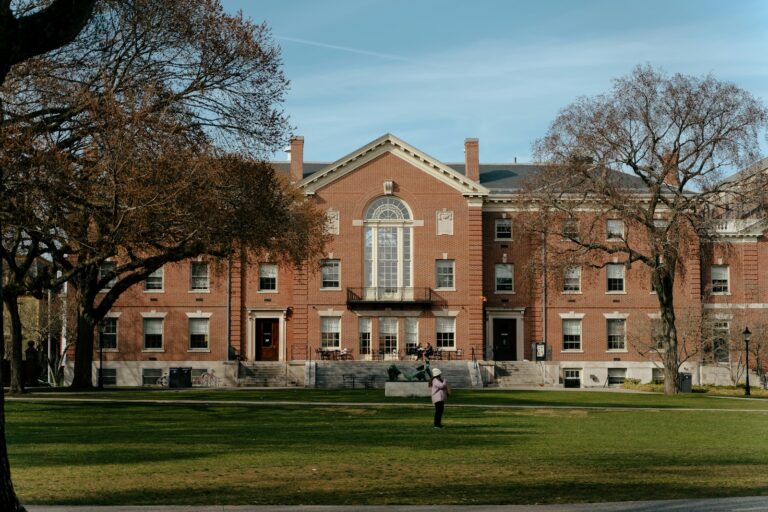
Brown University Pays $50M to Trump Admin for Funding

0

Brown University recently signed a deal with the U.S. government, agreeing to pay $50 million to get its federal funding restored. This deal comes with several significant concessions that the university previously opposed.

Key Takeaways:

  • Brown University paid $50 million and agreed to end its government investigation problems.
  • The school gave up its commitment to diversity, equity, and inclusion (DEI) programs, particularly in its admissions policies.
  • Brown agreed to specific changes regarding transgender students, defining gender based on sex assigned at birth, and stopping particular medical care for minors.
  • The deal included special promises to support Jewish students and combat anti-Israel views on campus.
  • Critics argue the agreement forces universities to bend to the government’s will, even after the deal ends, and that these schools prioritize money over principles, betraying students, faculty, and staff who rely on them.

The Big Deal: Brown Sells Out for Cash

In July, Brown University made a significant deal. They promised $50 million to the Trump administration in exchange for having the government stop investigating them and give back funding they had lost because of political actions. It’s a familiar story now at universities across the country, but Brown’s agreement has drawn significant criticism.

More Than Just Money: Ending DEI Programs

This agreement wasn’t just about money; it forced Brown University to do some particular things the school had previously opposed. In return for the $50 million and the promise of restored funding, Brown agreed to:

  • Drop DEI Efforts: End giving special consideration to students based on race or income in admissions. This means undoing programs aimed at helping Black, Hispanic, and low-income students. It’s like removing affirmative action from the admissions process.
  • Transgender Students: Change policies regarding transgender students. Brown decided that “male” and “female” must be defined strictly according to sex assigned at birth. This meant agreeing not to provide gender reassignment surgery or puberty blockers, or hormones to minors who want them for gender transition. Critics say this is a direct attack on trans students’ healthcare.
  • Special Promises to Jewish Students: The agreement also included a long section about supporting Jewish students and fighting antisemitism specifically. Brown promised to strengthen its Jewish studies program, partner with Israeli academics, provide support for Jewish student groups, and even host a big event celebrating Jewish life on campus. This focus on Jewish students, critics point out, mirrors demands previously made regarding racial minorities but now benefits a different group.

campus protests - brown university

It’s All About Power and Appeasement

People who follow these events say the agreements like Brown’s are just a way for universities to appease the government. The money involved is enormous, but critics see it as a sign that universities believe the government can dictate their policies.

The Legal Stuff? Mostly Just More Worries

You might think signing this big agreement gives Brown a lot of legal protection. But critics argue it does the opposite. The agreement explicitly says the government can still investigate, review, and even sue Brown in the future for its admissions policies, even if it happens after the deal. It’s like the government is saying, “We’ll play nice for now, but we can come back and criticize you anytime.” This means universities can’t count on the agreement to protect them from future government actions. If the government decides to punish Brown again, they might find another excuse.

legal deal

Universities Don’t Have Strong Beliefs Anymore

This whole situation makes people wonder what higher education stands for. Critics suggest these agreements prove universities are primarily focused on their survival and money, rather than having strong, guiding principles. These schools, once seen as bastions of liberal values, are now seen as willing to change their positions drastically, even on core issues like diversity and LGBTQ+ rights, to keep funding. They are accused of valuing their financial and political safety much more than upholding their stated educational ideals. Critics argue these schools are essentially non-ideological players in an ideological fight, making them easy targets for the government’s changing agenda.

Why This Matters

These agreements raise fundamental questions about universities’ independence and their commitment to principles like free speech and diversity for all students. Critics fear that by agreeing to these deals now, universities might find it harder to resist future demands, potentially opening the door for more restrictions in other areas. The sight of prestigious Ivy League universities making concessions often derided by conservative groups is deeply troubling for many, who see it as a betrayal of core academic values.

These agreements highlight a clash between institutions claiming to uphold certain standards and a government demanding compliance with specific political priorities. The long-term impact could be a weakened higher education landscape, potentially eroding trust and core missions.

Mila Kunis Recalls Her Black Swan Journey

0

Mila Kunis recently looked back on her role in Black Swan. She recalled the hard work and strong friendship built on set. For her, the film remains a key moment in her career. In this story, we learn about her intense training, her struggles, and the lessons she gained from the journey.

A Career Milestone

Black Swan changed Mila Kunis’s career forever. She joined forces with Natalie Portman, and the film pushed both actresses to new heights. The movie helped her grow not only as an actress but also as a person. It gave her many challenges that shaped who she is today. Mila now sees Black Swan as a turning point that brought strength and purpose to her art.

Intense Ballet Training

To prepare for the film, Mila took ballet classes every day. She often spent up to five hours learning ballet moves. Along the way, she followed a strict diet to lose nearly 20 pounds. This intense schedule made it clear that every role demands hard work and discipline. Mila even suffered injuries such as a torn ligament and a dislocated shoulder. Each injury taught her the true meaning of sacrifice. Despite the physical pain, she pushed forward with determination and grit. Her journey in ballet helped her understand the challenges experienced by professional dancers.

Learning Through Hard Work

Mila’s preparation for Black Swan was filled with lessons. Every class and every drop of sweat built her strength. She learned that genuine art comes from putting in the effort. Through strict training, she discovered that hard work and a strong will make a difference. This attitude pushed her to work through the pain. For young actors or anyone chasing a dream, Mila’s story shows that dedication leads to success. She proved that no matter how hard the journey seems, commitment brings great rewards.

Overcoming Set Challenges

Filming Black Swan came with its trials. Director Darren Aronofsky wanted the scene to feel real, even trying to create on-screen rivalry. However, his plans did not go as expected. Instead of fueling competition, the experience deepened the friendship between Mila and Natalie. They learned the value of trust and teamwork. Every challenging day on set became a lesson in mutual support. This bond grew stronger over time, proving that collaboration wins over rivalry. Mila’s journey reminds us that true strength comes from working together and caring for one another.

A Lasting Friendship

While the movie created intense scenes, it also sparked lasting friendships. When tensions rose, Mila and Natalie found common ground. They stood by each other through tough rehearsals and long hours of work. Their connection grew far beyond the script. Their experience shows that being kind and supportive on set can lead to deep, lifelong bonds. Working in an environment where everyone lifts each other makes the final result even better.

The New IMAX Experience

Black Swan is making a return in a special IMAX format this August. Fans now have a chance to see the film in a new light, with stunning visuals and an immersive audio experience. The re-release creates a fresh opportunity for audiences to enjoy the film. On the big screen, the intense dance scenes and dramatic moments come alive with new energy. The return of Black Swan in IMAX shows that timeless art never fades away. It also reminds us that revisiting great work can spark renewed passion and discussion.

A Fashion Capsule Tribute

In celebration of the film, a fashion capsule inspired by Black Swan is now available. This capsule captures the drama and elegance seen on screen. Fashion and film blend to remind us of how much the movie has influenced both art and style. The collection honors the unique costumes that played a key role in the film. Fans of Black Swan can now hold a piece of that unforgettable experience. This tribute shows that great films have an impact beyond the theater.

Choosing Roles with Meaning

Today, Mila Kunis is focusing on roles that challenge her mind and heart. Instead of only choosing light or funny projects, she seeks roles with deeper meaning. For her, each new project is a chance to grow and learn. Her journey in Black Swan taught her the importance of choosing work that feels real and true. By taking on challenging roles, she continues to evolve as both an artist and a person. This choice proves that authenticity and passion are the keys to lasting success.

Reflections on Personal Growth

Mila often reflects on her time filming Black Swan. She sees every moment of intense training and every physical setback as a lesson. These experiences taught her about the power of perseverance. Every early morning and every tough rehearsal helped shape her life. She believes that each challenge makes one stronger and more prepared for the future. Her journey shows that growth happens when we face our fears and push through our limits.

rehearsals

Learning the Value of Support

Mila’s story also carries a message about support and friendship. While she worked long hours and faced personal pain, her co-star Natalie Portman and the rest of the team were always nearby. Their mutual support turned challenges into opportunities for growth. The experience taught Mila that working together makes success sweeter. It reminds us that support from friends and colleagues is vital in overcoming difficulties. Her words encourage everyone to build strong, kind relationships at work.

Lessons for Aspiring Artists

Mila Kunis’s journey in Black Swan is a lesson for everyone dreaming of an entertainment career. Aspiring actors learn from her dedication, hard work, and willingness to face challenges. She shows that real art requires stepping out of your comfort zone. Her experience teaches that transformation is possible when you commit fully to your goals. Every struggle in the process leads to growth and new opportunities. Her story is a beacon for those who want to follow their passion with sincerity and heart.

Navigating a Tough Industry

The film industry is full of challenges and tough moments. Mila’s experience shows that striking the right balance is essential. Hard work and trust help one navigate tough paths. Even when directors try new ways to make scenes more real by creating tension, the team can come together in the end. The story of Black Swan encourages all actors to face each new role with confidence. Working in a supportive environment will always help overcome any obstacles.

The Impact of a Single Role

For Mila Kunis, Black Swan remains more than just a movie. It symbolizes a strong commitment to her craft and a milestone in her acting journey. This role changed the way she looked at her work and her abilities. It pushed her to evolve and reach new limits. The film made her appreciate the blend of art, sacrifice, and passion. Her reflections prove that one role can shape a career and even life itself. Every detail of her training and every difficult day became a building block for future success.

The Power of Transformation

Taking on a role like Black Swan is not easy. It requires a willingness to make difficult choices and to sacrifice comfort for art. Mila embraced the transformation and tackled every challenge head-on. Her dedication shows us that transformation happens when you are brave enough to change. It is not about how many times you fall, but about getting up and working harder every time. This powerful message inspires others to push forward in pursuit of their dreams.

A Look to the Future

Today, Mila Kunis looks forward with hope and determination. Instead of focusing on easy roles, she now chooses projects that challenge her. She seeks opportunities that offer deep meaning and emotion. This thoughtful approach ensures that she continues to grow as an artist. Even as she reflects on past hardships, she stays ready for the next big challenge. Her careful choices show that lasting success comes from choosing work that matches personal values. With every role, she inches closer to her fullest potential.

A Journey Filled with Hope

Mila’s journey with Black Swan is full of hope and promise. She learned that every setback and every achievement matters. The film taught her that hard work does not go unnoticed. It is a reminder that difficult paths can lead to great rewards. Her memories of long rehearsals, strict diets, and overcoming injuries serve as motivation. She wants every young dreamer to know that they, too, can follow their passion with a full heart. Her experience shows that lasting success comes from a place of sincerity and strength.

Inspiring the Next Generation

Mila Kunis’s story sparks hope for many who dream of making a mark in the arts. Her journey teaches that success comes with sacrifice and determination. Every young person dreaming of a big stage can learn from her example. Her work on Black Swan serves as proof that dedication pays off, no matter how hard the road seems. Her experience reassures us that with hard work, every goal is within reach. This message is one of strength, purpose, and a forward-moving spirit.

Working Through Tough Times

Every role in the film tested Mila mentally and physically. She worked through pain and overcame difficult days. The experience of Black Swan taught her that nothing worth doing comes easy. Her perseverance shows the importance of a strong will. Even when faced with injuries and endless rehearsals, she continued to push herself. Her story tells us that the journey is just as important as the final result. Embracing challenges leads to an inner strength that lasts a lifetime.

Bridging Art and Life

The lessons from Black Swan reach far beyond the movie screen. Mila learned a great deal about life through her role. She discovered that every hard moment comes with a lesson. Each ballet class and every injury built her spirit. Her experience shows that one must invest time and energy into any worthwhile project. This journey reminds us that art and life are closely related. The passion to create makes every hard day memorable. Her milestones in this film demonstrate that every effort counts when you follow your dreams.

mila kunis ballet class

Embracing Change With Grace

Mila Kunis now embraces change with open arms. She leaves behind simpler roles and searches for projects that give her room to grow. This shift in her career is a sign of maturity and a desire for continuous learning. She chooses each opportunity based on the growth and lessons it promises. By doing so, she continues to surprise everyone with her versatility. Her approach shows that change, even when challenging, opens doors to new and exciting paths.

A Story of Resilience and Trust

At the heart of Mila’s Black Swan journey lies the strength of resilience and trust. With every tough day on set, she learned more about her inner strength. Instead of letting the stress and injuries break her, she turned difficulties into lessons. The close bond formed with her co-star made every hurdle easier to overcome. Her story teaches us that choosing work that stretches you can be the most rewarding. The lessons of trust and resilience stay with you long after the final scene.


A Journey That Blends Passion and Purpose

Mila’s reflections remind us that storytelling is a blend of passion and hard work. Her time on Black Swan proves that when you follow your heart, every challenge has meaning. The film is a marker in her life that drives her to choose roles that align with her values. The intense preparations, the long hours, and even the injuries have all added to her strength. Her journey encourages anyone with a dream to put in the hard work and never lose hope. Every step she takes becomes a sign of triumph and a message for others.

art and life

Conclusion

Mila Kunis’s time with Black Swan stands as one of her most memorable journeys. It shows that great art comes from hard work, determination, and unity on set. From grueling ballet lessons to overcoming injuries, every piece of her journey matters. Today’s IMAX re-release lets new audiences experience the film for the first time. Meanwhile, the film continues to impact fashion and style, reminding us that art is all around us. As Mila embraces new challenges and seeks roles that truly matter, her experiences offer hope for future artists. Her story teaches us that with support, trust, and a strong will, no challenge is too big to overcome.

Each step in her journey shows that art and life are full of lessons. Her path from tough rehearsals to unforgettable performances inspires everyone. Young actors and fans alike learn that hard work always pays off. Business professionals and entertainers see that unity and cooperation build true success. Mila Kunis continues to explore new challenges, always driven by passion and purpose. Her journey tells us that every moment of struggle makes the triumph sweeter.

As we watch her move toward new roles, we remember that growth comes with dedication. There is beauty in hard work and in every lesson learned along the way. When we support each other and work as a team, we all win. Mila’s journey with Black Swan is many things at once. It is a story of passion, endurance, and the strength to keep moving forward.

Her experience shows that we can all rise above challenges. It tells us that while the path may be rough, each step builds the foundation for future success. Young people reading this learn that hard work and perseverance bring dreams to life. Every part of her story is a lesson in transformation and hope. Every memorable moment from the set of Black Swan now lights up a future filled with new beginnings and endless possibilities.

Mila Kunis’s journey continues to inspire everyone to follow their dreams with courage and heart. Through every challenging role, every intense rehearsal, and every deep bond formed on set, she reminds us that art is a powerful force. The light of her passion shines brightly, guiding future stars through dedication and teamwork. Her legacy continues to live on in the beauty of cinema, encouraging all of us to chase our dreams and conquer our fears.

In this journey of passion and purpose, every trial is a sign of growth. This story teaches us that with hard work, unity, and a fearless attitude, we all can create our unforgettable journey. Let us all take a page from Mila Kunis’s book and dare to push our limits, trusting that every setback paves the way for a greater leap forward. Check the full story on https://projectcasting.com/blog/news/mila-kunis-reflects-on-black-swan-and-her-artistic-journey


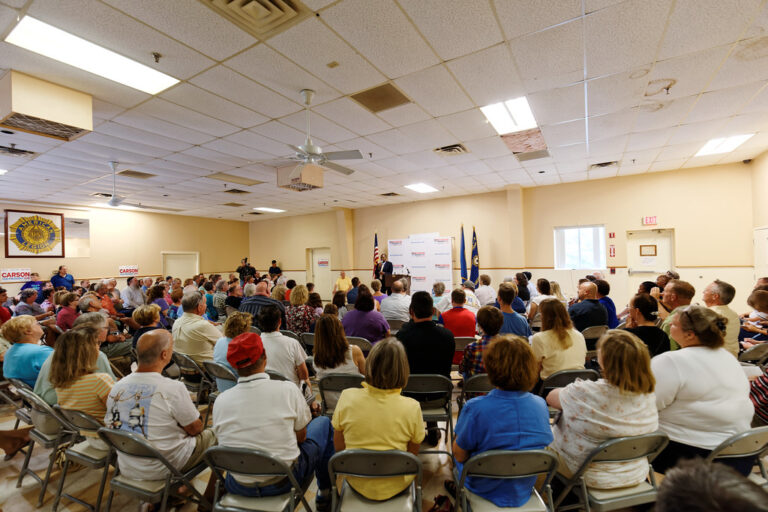
GOP Town Halls Collapse Over Epstein File Blame

0

Key takeaways

  • Republicans struggle at recent town hall meetings
  • Doug LaMalfa’s attempt to blame Biden fell flat
  • Conspiracy theories about Epstein files keep growing
  • Elon Musk’s tweet added fuel to the fire
  • GOP faces a messaging crisis ahead

Unpacking GOP Town Hall Struggles

Republicans have faced a string of rough town hall events lately. Audiences pressed them on many issues, but none caused more trouble than the Epstein files. Even when GOP leaders tried to shift blame onto Democrats, they stumbled. This pattern shows a deeper problem in their messaging.

Moreover, town halls should be a chance to rally support. Instead, they highlighted confusion and frustration among Republican voters. They wanted clear answers but found none. This has left many lawmakers looking unprepared.

LaMalfa’s Blame Game Fumbles

During a recent town hall, Representative Doug LaMalfa pointed fingers at President Biden. He claimed Biden refused to release files linked to the Jeffrey Epstein investigation. However, his excuse did not satisfy the crowd.

LaMalfa told attendees that names in the files needed redaction. He argued that withholding them was about privacy. Yet his explanation came off as vague and evasive. As a result, even his supporters grew restless.

In addition, the audience demanded specifics. They wanted to know whose names were at stake and why they remained hidden. LaMalfa could not offer precise details. Consequently, the crowd grew louder and more impatient.

Wallace on Epstein File Conspiracy

Television host Nicolle Wallace highlighted these missteps during her show. She noted that LaMalfa’s defense failed to address a deep political conspiracy. According to Wallace, the conspiracy about secret names has taken root in the GOP base.

She stressed that simply saying names needed redaction misses the point. Voters want transparency. They question why some documents remain sealed. Wallace pointed out that ignoring these demands only fans the flames of suspicion.

In her view, Republicans cannot squarely face the issue. Instead, they try to shift blame onto Biden. Yet this strategy offers no relief. It leaves the public seeing them as dodging accountability.

MAGA Fuel and Musk Sparks

Wallace also traced the conspiracy’s rise back to a single tweet by Elon Musk. Musk claimed that former President Trump appeared in the Epstein files. His tweet ignited widespread chatter online.

Elon Musk's controversial tweet on Epstein files

Since that moment, the question of who appears in those records has haunted the Trump coalition. As Wallace put it, the tweet served as kindling, and the MAGA base struck the match. Suddenly, the story grew into a full-blown controversy.

Consequently, Republican figures feel bound to address the rumor. However, they lack solid evidence or a coherent explanation. Instead, many resort to vague claims. This only leaves voters unsatisfied.

What This Means for Republicans

These town hall struggles signal a significant challenge for the GOP. They show that conspiracy theories can spiral beyond control. Moreover, they reveal a weakness in party messaging. Without clear facts, blame games backfire.

Even seasoned politicians like LaMalfa look caught off guard. Their attempts to dodge questions make them seem out of touch. Meanwhile, rival parties gain ground by promising transparency.

Therefore, the GOP must rethink its approach. It cannot rely on shifting blame or deflecting questions. Instead, it needs a clear plan to address voter concerns. Otherwise, these public missteps will continue.

The Emotional Toll on Audiences

Audience reactions at these town halls tell another story. Frustration and anger filled the rooms. Many attendees came hoping for answers. Yet they left with new doubts and more questions.

GOP struggles

One voter told reporters she felt left in the dark about the files. Another questioned why her representative appeared unprepared. This sense of neglect could influence future elections, as voters will remember who listens and who does not.

In light of this emotional backlash, GOP leaders face pressure to improve. They must show they can handle tough inquiries. Otherwise, they risk losing more support.

Lessons for Future Events

First, Republicans should prioritize transparency. They need to share as many facts as possible. If privacy demands redactions, they should explain why in detail. Voters deserve clear reasons.

Second, lawmakers must be prepared to answer tough questions. They should not wing it at town halls. Instead, they can develop talking points that stay on message. This helps them avoid stumbling in public.

Third, it might help to address rumors directly. Rather than deflecting blame, officials could confront conspiracy theories head-on. They can present any evidence they have or admit limits in their knowledge. Honesty can build trust.

Fourth, the party should monitor social media closely. The Epstein file rumor grew large because of an influential tweet. By tracking viral posts, leaders can prepare responses faster.

Fifth, GOP organizers should take time to listen to voters. Town halls can be an opportunity rather than a risk. When attendees feel heard, they often respond more positively.

Looking Ahead for GOP Messaging

With midterm elections approaching, these stumbles matter more than ever. Republicans need to show they can handle hot-button issues. They must bridge the gap between rumors and reality.

Furthermore, they should refine their communication strategy—clear, honest statements trump blame and deflection. Also, engaging voters with facts can rebuild trust.

Finally, the party must learn from these failures. Town halls do not have to end in embarrassment. They can be a stage to demonstrate leadership, however, only if Republicans take the proper steps.

In conclusion, recent town hall meetings exposed a significant flaw in Republican messaging. Attempts to blame President Biden for the Epstein files fell short. Instead, they amplified conspiracy theories and voter frustration. To move forwar,d the GOP must embrace transparency, prepare thoroughly, and speak directly to the concerns of its base. Only then can it stop the fire it helped ignite.

California Clash Over Voter Redistricting Bill

0

Key takeaways

  • Republicans tried to stall a bill that would let California voters redraw districts.
  • Democrats accused Republicans of playing political theater during the hearing.
  • Lawmakers debated gerrymandering in Texas and fears for other states.
  • The bill would create a fair, independent redistricting process in California.

Tense Hearing in Sacramento

California lawmakers faced shouting and chaos at a key assembly hearing. Republican Assemblymember David Tangipa repeatedly asked off-topic questions. The chair warned him to stick to the bill’s focus on redistricting. Meanwhile, tensions rose as Republicans tried to delay the voting process. Democrats pushed back hard against those tactics. They argued that every minute of delay hurts voter fairness efforts in California.

What the Bill Does

The proposed law would let California voters redraw political maps. It sets up an independent citizens commission to draw fair districts. That commission must consider local communities and demographic balance. In turn, it aims to keep party leaders from picking their voters. Voters would approve or reject the commission’s maps at the ballot. This model mirrors past California efforts to limit gerrymandering by politicians.

The Texas Trigger

Democrats wrote the bill to counter gerrymandering in Texas. They point to new Texas maps primarily drawn by one party’s leadership. Those maps critics say ignore many voters and split communities. California lawmakers fear similar tactics could spread to other states. Ohio and Missouri also face changes that might tilt power unfairly. Thus, Democrats see their bill as a defense of voting rights nationwide.

The Fight Over Gerrymandering

Gerrymandering is when electoral district boundaries favor one party over another. Parties divide or pack voters to gain an unfair advantage. As a result, many votes lose impact, and communities feel ignored. Independent commissions draw maps based on data, not political gain. That process boosts fairness and makes elections more competitive. Voters then pick leaders, rather than having leaders choose their voters.

Gerrymandering

GOP Delays and Democrat Rebuke

When Tangipa spoke up, chair members cut him off repeatedly. Then Democratic Assemblymember Catherine Stefani called out his tactics. She said Republicans were treating the hearing like a staged play. Stefani argued they knew why California acted and would not be stopped. She noted Republicans had blocked a similar redistricting bill in Merced. Her tone grew sharp as she warned against “playing stupid games.”

Stefani fired back when Tangipa tried to interrupt her. She said this bill is California’s answer to unfair map drawing. “We are responding to what Texas is doing,” she stressed. Then she slammed delays as attacks on fair representation for voters. “You play stupid games, you get stupid prizes,” she declared. Her words underscored deep frustration with political obstruction tactics.

Why It Matters

Fair maps shape which communities get an authentic political voice. When lines favor one party, many voters lose accurate representation. Independent commissions can boost public trust in the electoral process. Moreover, fair districts help elected leaders focus on real issues. They must appeal to more voters, not just their party base. In turn, this can lead to more balanced policies and less partisan gridlock.

In states with gerrymandered maps, some voices feel erased. Those voters often see low turnout and weak local leadership. By contrast, fair lines can bring new voices into government. They can improve policy debates on schools, roads, and health care.
That makes elections more about community needs and less about power grabs.

What Comes Next

The assembly will vote soon on whether to advance the bill. If it passes, the Senate will hold its series of hearings. Advocates plan public outreach to win voter approval in the fall.
Republicans vow to campaign against what they call a “power grab.” Supporters highlight the threat of gerrymandering spreading across states. They stress that California must lead on fair elections for all.

New York Lawmakers Approve Redrawn Congressional

Finally, the battle in Sacramento shows how heated redistricting can be. It also underscores voters’ growing desire for honest map drawing. Whether the bill passes, California lawmakers are watching other states. They want to offer a clear path to fair representation at the ballot. In the end, voter approval could reshape how power works in California.

GOP Push to Indict Obama Over Russia Probe

0

Key Takeaways

  • Republicans want charges against Obama for the Russia investigation.
  • Senator Schmitt lays out a plan to bring indictments.
  • Ongoing conspiracy claims may bypass time limits.
  • Experts doubt that any real crime took place.
  • Trump immunity ruling may protect Obama in office.

Background on the Russia Investigation

In 2016, officials looked into whether Russia tried to influence the US election. They found evidence that operatives used social media and hacks to sway voters. Intelligence agencies agreed that the effort aimed to help one candidate. Former President Obama ordered steps to warn the public and impose penalties on Russia. He also asked his intelligence chiefs to share their findings with Congress. The probe continued under the next administration with mixed messages from the White House. President Trump often called the inquiry a hoax and blamed his opponents. Yet multiple reports confirmed that Russia acted to boost Trump and hurt his rival. Despite clear evidence, many on the right still question the motives behind the probe. Now, some Republicans claim that launching the investigation amounted to a crime.

Schmitt’s Indictment Idea

Senator Eric Schmitt argues that actions by Obama could qualify as a conspiracy. He says an ongoing plot to target a political rival would not face normal time limits. He points to men like Clapper and Comey as potential co-conspirators. He claims they might have kept the investigation alive even after Obama left office. Therefore, he believes the statute of limitations would not bar charges. He insists justice must apply to all former officials. He published his argument in an online opinion piece today. He wants a grand jury to look into the records and witness accounts. He says that if the evidence holds up, indictments could happen. He urges law enforcement to move fast before crucial evidence disappears.

Immunity and Conspiracy Claims

A year ago, the Supreme Court gave presidents broad immunity for official acts. The ruling grew out of a challenge by President Trump on unrelated issues. That decision could cover anything Obama did while in the Oval Office. Yet Schmitt suggests actions taken after leaving office could break that protection. He points to public statements and memos he thinks show the plot continued. He also argues that stealthy steps like secret surveillance kept the scheme alive. If true, the conspiracy would override regular filing deadlines. He claims that officials who joined after the start of the probe remain liable. He further warns that new evidence could emerge from private emails and phone records. He says investigators should track communications through all relevant channels. He argues that the law allows prosecution in such ongoing cases.

Russia investigation

Right Wing Reactions

Several conservative voices now call Obama a criminal mastermind. A top intelligence official even used the term treason when talking about the probe. Other commentators accuse Obama of trying to overthrow the will of voters. Some talk shows replay clips of closed-door meetings without context. They claim hidden memos reveal secret plans to damage Trump. Prominent figures ask why no charges came under Trump’s justice team. They also point to leaks that exposed communication between campaign aides and officials. They say those leaks prove a broader scheme at the top levels of government. They demand complete investigations into all contacts and decisions. They warn that failure to act will erode trust in the federal rule of law.

Experts Doubt the Case

Most legal analysts dismiss the theory as far-fetched. They say no evidence supports a criminal plot by Obama. They note that the investigation relied on public and classified intelligence. They add that all steps fell within normal executive authority. They warn that labeling lawful acts as crimes threatens democratic checks and balances. They also point out that impeachment and oversight remain proper tools for accountability. They stress that investigators found no proof of abuse by top officials. They highlight clear legal guidance given before key decisions. They note that federal courts have long upheld broad powers for presidents. They caution that punishing routine acts opens a slippery slope in politics. They call for careful review rather than headline-driven prosecutions.

confidential

What Happens Next

If Republicans control key committees, they could hold hearings this fall. They may call witnesses to testify under oath before lawmakers. They could demand documents from the former president and his aides. They might also involve the Justice Department if they find credible leads. Yet any attempt to force action against Obama faces stiff legal resistance. Defense teams could seek injunctions in federal court to block subpoenas. They would likely file motions questioning the validity of the immunity ruling. They might also challenge the statute of limitations argument.

Meanwhile, public opinion remains split on holding a former leader accountable. Some worry about setting a partisan precedent for future probes. Others believe no one should sit above the law regardless of rank. As this battle unfolds, lawmakers will decide whether politics or proof drives the next move.

Missing Epstein Witness Sparks Oversight Fight

0

Key Takeaways

  • House Oversight Committee will partly release the Epstein case materials.
  • House Democrats say this release falls short of the public’s needs.
  • Ranking member Garcia urges release of full Barr testimony.
  • Democrats ask for a subpoena of Alex Acosta to explain his role.
  • They promise to force a vote on this during recess

Partial Transcript Release Draws Fire

House Oversight Committee Chairman James Comer approved a plan to share some Jeffrey Epstein case records. However, this plan offers only selected parts of the documents. Democrats responded sharply to this limited production. They argue that key details remain hidden from the public. In this fight, they hope to win a complete version of the transcripts.

Republican leaders claim their move strikes a balance between transparency and privacy. They want to protect sensitive personal information. Yet some lawmakers say the plan protects influential figures. They worry the plan shields more than it reveals. For now, the public gets only a glimpse of what lies in those files.

Democrats Demand Full Bill Barr Testimony

Ranking member Robert Garcia pressed for the full transcript or video of former Attorney General Bill Barr’s deposition. He said partial statements let supporters craft a misleading narrative. He noted that Barr told Comer’s team he did not see evidence of crimes by former President Trump. But Garcia believes the committee should still share the entire record.

He argued that if Republicans have nothing to hide, they should release every detail. That way, Americans can judge for themselves. He warned that holding back critical parts only fuels doubt. Meanwhile, the public remains in the dark about the questions posed and the full context of the answers. Garcia said this lack of context hurts trust in the system.

The Missing Witness Alex Acosta

In addition, Garcia pointed out that Alex Acosta remains absent from these hearings. Acosta once served as President Trump’s labor secretary. Before that, he was a federal prosecutor. In that role, he negotiated a lenient plea deal for Jeffrey Epstein. Critics say that the deal let Epstein avoid federal sex trafficking charges.

Democrats insist Acosta knows more about Epstein’s case than almost anyone alive. They want his testimony on how the plea agreement came to be. They also want him to explain what documents may exist behind closed doors. Acosta’s answers could shine a light on how prosecutors handled the case.

Moreover, Garcia said Republicans must subpoena Acosta without delay. He asked what the committee wants to hide by not calling him forward. He added that if Republicans refuse, Democrats will force a committee vote once Congress returns from recess. That vote would aim to issue a formal subpoena.

Committee Dynamics and Political Stakes

This clash reflects broader tensions in Congress. Republicans control the Oversight Committee but face pressure from within their ranks. Some GOP members want to dig deeper into the Epstein saga. Others aim to minimize political risk for their party. Democrats see this as a chance to score points on both transparency and accountability.

Furthermore, the fight comes ahead of key elections. Both parties hope to sway voters with ethical arguments. Republicans highlight their probe into allegations against top Democrats. Meanwhile, Democrats emphasize that Republicans shield influential figures from scrutiny. Each side claims higher moral ground, even as they lock horns over procedure.

In addition, the public remains alert to any new revelations. The Epstein case still holds deep public interest. Many questions linger about how the wealthy financier could escape severe charges. Witnesses fear retribution, and papers remain sealed in court vaults. Lawmakers hope their hearings will fill in those blanks.

What Democrats Want to Reveal

Democrats want full versions of all witness interviews. They especially seek the transcript from Barr’s session. They also demand a video of his testimony. This would let people see his tone and reactions. People would then decide if he thoroughly answered tough questions.

In addition, they plan to call Acosta to explain his dealings with Epstein. They would ask what led to the so-called sweetheart deal. They might question why federal prosecutors agreed to let Epstein serve a minimal sentence. They want to know if they skipped key steps in the case.

Epstein case


Furthermore, Democrats may ask about any communications between Acosta and Trump. They could explore whether the then-president influenced the deal. Also, they may probe letters or notes that explain the negotiation. All this could reveal a bigger picture of how the federal government treated Epstein.

Republicans push back by arguing this fight distracts from other issues. They claim lawmakers are chasing partisan headlines. They say the probe should focus strictly on evidence of wrongdoing. However, Democrats insist that covering only selective evidence creates bias.

The Role of Public Opinion

Public trust hinges on the perceived fairness of the hearings. Many Americans want all documents unsealed. They expect Congress to do its job with courage. They also want a clear view of how powerful insiders could avoid accountability. In turn, this may affect voter attitudes in the coming elections.

Meanwhile, some voters worry that both parties will spin the results. They fear the hearing may end up as a theater. Still, they want lawmakers to show they are serious about justice. They want to see transparency even if it brings uncomfortable truths.

In addition, news outlets will likely cover each twist in the hearing. Social media posts will amplify every leaked excerpt. This constant flow of bits may shape public reactions more than actual hearings. Thus, each party aims to control the narrative early on.

Epstein case - Public demands truth

Next Steps in the Oversight Battle

When Congress returns from recess, the Oversight Committee will vote on several measures. Democrats plan to force a vote on the Acosta subpoena. If Republicans block it, they can still record the failure. That record could serve as political ammunition ahead of elections.

Beyond that, the committee may debate how to handle future witness requests. They may also discuss sharing documents with other committees. Some members want all records posted online for public access. Others worry about privacy rights and national security concerns.

In addition, witnesses like Barr or Acosta may seek legal counsel before testifying. They might negotiate terms to protect their reputations. Any delays could push key testimony into late fall. This timing could influence the midterm contests.

Meanwhile, the committee chair may refine the partial release plan. He might add more transcripts to the list. He could also set deadlines for further disclosures. At each step, Democrats will push for faster and fuller transparency.

Conclusion

This clash shows deep divisions over how to handle the Epstein case. Republicans aim for a partial release that shields some details. Democrats demand full testimony, especially from Barr and Acosta. They argue that only complete records can answer public questions.

As both sides dig in, the public watches closely. Many hope this fight will end in clearer insights into how Epstein escaped severe punishment. Ultimately, the battle over transcripts and subpoenas may shape public trust in Congress. It also signals how much power each party wields in oversight. Whoever wins this round could set the tone for future investigations.