66.1 F
San Francisco
Thursday, July 30, 2026
Home Blog Page 606

 Trump Ruling Stuns Nation, Sparks Heated Reactions

0

Key Takeaways


  • Judge Karin Immergut, a Trump appointee, ruled the National Guard call-up to Portland invalid.
  • Critics praised the Trump ruling as a check on false claims of unrest.
  • Supporters, including Stephen Miller, decried the decision as “legal insurrection.”
  • Calls emerged to impeach Judge Immergut over perceived executive overreach


Trump Ruling Splits Supporters and Critics

A recent Trump ruling by Judge Karin Immergut has split the nation. The judge found that the president’s National Guard deployment to Portland rested on false claims of an “unrelenting terrorist assault.” As a result, the order was invalidated. Critics celebrated the decision online. Meanwhile, vocal supporters called for the judge’s impeachment. This clash highlights deep political divisions.

Background of the Trump Ruling

First, let’s look at how the dispute began. Last year, the White House ordered National Guard troops to Portland. Officials said local authorities could not handle ongoing violence and threats. However, Judge Immergut reviewed witness statements and video evidence. She concluded that the unrest was not as widespread or violent as claimed. Therefore, the judge ruled the action based on false premises. That decision came from a jurist the president himself had appointed. Historically, judges often stay aligned with appointing presidents. Yet this time, the outcome surprised many. Consequently, this Trump ruling made headlines immediately.

Critics Cheer the Trump Ruling

In the hours after the decision, many opponents of the president shared their relief. They saw the ruling as proof that the courts can check presidential power. For example, one online activist called it a “victory for truth.” Others posted messages praising Judge Immergut’s courage. They argued that no leader can claim emergency powers without real evidence. Moreover, critics noted that the ruling could shape how future deployments occur. In addition, legal experts suggested it might curb overreach in other federal actions. Thus, the Trump ruling energized those who believe in strong judicial oversight.

Supporters Lash Out at the Trump Ruling

On the flip side, Trump backers erupted in anger. They accused Judge Immergut of siding with liberal politicians. Stephen Miller, a top White House adviser, went further. He called the ruling a “legal insurrection.” He argued that the president is the commander-in-chief, not an Oregon judge. He added that local leaders refused to aid ICE officers facing threats. In his view, troops were needed to protect federal staff and laws. Moreover, commentator Will Chamberlain labeled the decision an “unacceptable intrusion.” He demanded that the judge face impeachment. Similarly, Hans Mahncke noted that her easy confirmation vote in the Senate raised questions. He felt that warning signs were ignored. As a result, supporters say the Trump ruling undermines the separation of powers.

Political Fallout and Future Battles

Looking ahead, the ruling may have wide consequences. For one, Congress might hold hearings on the event. Some lawmakers could propose changes to the law on domestic troop use. Others may push to limit judicial power in national security cases. Meanwhile, the White House could appeal the decision to a higher court. That would extend the legal fight for months, if not years. Additionally, this dispute feeds into the broader debate over immigration enforcement. Critics argue the president used false claims to justify a political stunt. Supporters insist that federal agents need military backup in troubled areas. In short, the Trump ruling has become a rallying point on both sides of the aisle.

What Happens Next After the Trump Ruling?

First, the Justice Department will decide whether to ask a higher court to review the case. If they do, a federal appeals court will weigh in. Then, legal scholars will watch to see if the Supreme Court takes it up. Meanwhile, local leaders in Portland will resume control over law enforcement. They might ask for more federal help only if they truly need it. At the same time, political activists will use this ruling in upcoming campaigns. Opponents of the president will tout the decision as proof of executive abuse. Supporters will warn that judges are overstepping their boundaries. Ultimately, voters will see these arguments in news reports and ads. This ongoing fight will likely shape public opinion before the next election.

Conclusion

The Trump ruling by Judge Immergut has stirred a firestorm. On one side, critics hail the decision as a win for checks and balances. On the other, supporters call it a betrayal of executive authority. As the legal battle moves forward, both camps will make their case. In the months ahead, this dispute could shape debates on presidential power and domestic troop use. For now, Americans remain divided. Yet one point is clear: the courts again stand at the center of a fierce political fight.

FAQs

What exactly did the judge rule in the Trump case?

The judge found that the president relied on false claims about violent unrest. She said the evidence did not support sending National Guard troops.

Could this decision affect other presidential actions?

Yes. Legal experts believe it may limit how a president uses military forces within the United States.

Will the White House appeal the ruling?

Officials have not confirmed an appeal. However, the department in charge must decide soon.

How might Congress respond to this ruling?

Some lawmakers may propose new laws on domestic troop deployment. Others could hold hearings on executive overreach.
Trump ICC Prosecution: Next Legal Battle Explained

0

Key Takeaways

  • Experts warn a Trump ICC prosecution could follow his presidency.
  • The International Criminal Court may claim jurisdiction over U.S. actions in Venezuela.
  • Attacks on Venezuelan smuggling boats offer one “hook” for ICC charges.
  • Professor Kontorovich suggests ways Trump can act first to avoid trial.

Trump ICC Prosecution Could Be Next

Many are already talking about a Trump ICC prosecution after he leaves office. A law professor says plans are under way to try him at The Hague. He argues President Trump could strike first to protect himself. Before, Trump faced state, federal and Senate probes. After his term, the International Criminal Court might be the next venue.

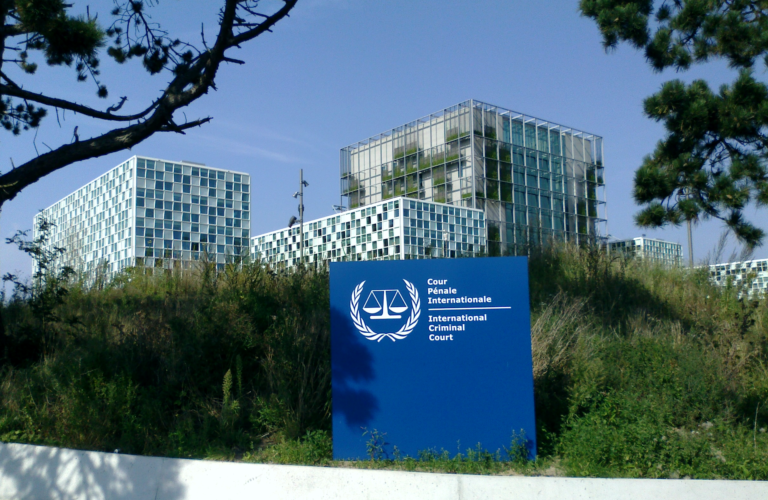
Eugene Kontorovich, a professor and senior research fellow, recently published an article on this possibility. He explains that even though the U.S. did not sign the Rome Statute, the ICC can still find a way to claim authority. In simple terms, the court will look for any action the Trump administration took in a country that belongs to the ICC. If they find that link, they can open a case against him.

Why Trump ICC Prosecution May Happen

First, the U.S. is not an ICC member. However, that does not fully block ICC action. The court can reach nonmembers when their actions affect member states. For instance, boarding a ship flagged by a member state triggered an ICC probe of a nonmember. This sets a strong example for future cases.

Second, a Trump ICC prosecution would focus on foreign operations his administration ordered. ICC members include Venezuela, among many others. If any U.S. military or government action harmed people or broke international law in those countries, the court claims jurisdiction. Thus, the ICC sees a path to bring charges against former U.S. officials and service members.

Third, the ICC has shown it will investigate powerful figures. It already launched a probe into a former head of state from a major nonmember country. This shows the court’s willingness to stretch its reach. As a result, a Trump ICC prosecution is not impossible—just politically charged.

How Venezuela Smuggling Boat Attacks Could Matter

A key example involves U.S. attacks on alleged narcoterror smuggling boats off Venezuela. After the U.S. Navy destroyed the first vessel, some human rights leaders compared this to summary executions. They pointed out that the ICC charged another leader with similar acts. Venezuela, being a Rome Statute party, gives the court a clear link.

The ICC could argue these attacks harmed foreign nationals or broke rules on the use of force. Moreover, by targeting vessels tied to Venezuela, the ICC finds a direct connection to a member state. As a result, this single operation might open the door to a broader case. In addition, the court has shown it will use even small jurisdictional hooks to pursue major figures.

Thus, these boat strikes offer the ICC a chance to start an investigation. If the court gains momentum, investigators could issue arrest warrants. That could lead to a full-blown Trump ICC prosecution once he loses presidential immunity.

Steps Trump Could Take to Fight ICC Prosecution

Kontorovich argues Trump should act now to undercut ICC efforts. First, the president could publicly denounce the court and its jurisdiction claims. A strong, early statement might sway public opinion. It would also signal to allies that U.S. policy opposes any ICC move against an American leader.

Second, the administration can offer assurances to ICC member states. The U.S. could set up its own independent review of the boat strikes. By promising a fair, thorough inquiry at home, Washington might convince some countries to drop ICC interest. This diplomatic approach could weaken any jurisdictional hook.

Third, Trump could support legislation that bars U.S. cooperation with ICC requests. If Congress passes new laws that forbid extradition of Americans to international tribunals, the ICC would find it much harder to act. Moreover, U.S. officials and military members would have clear legal cover.

Finally, the president might seek a formal agreement with key ICC states. Such deals could bar the court from targeting U.S. nationals for actions taken under U.S. command. In that case, even if the ICC begins an investigation, its findings would carry less weight.

By moving first on these fronts, Trump may undercut the very basis for a Trump ICC prosecution. He could shift the narrative from defense to offense, making any future case look retaliatory.

Frequently Asked Questions

What is a Trump ICC prosecution?

A Trump ICC prosecution means charging the former president at the International Criminal Court in The Hague for alleged crimes abroad.

How can the ICC claim jurisdiction over U.S. actions?

The court can reach nonmember states when their operations affect ICC member countries, like Venezuela. A single link lets the ICC open an investigation.

Why focus on Venezuelan smuggling boats?

Since Venezuela is an ICC member, attacks on its flagged vessels give the court a direct legal hook to investigate U.S. officials.

What steps can Trump take to avoid ICC charges?

He can denounce the court publicly, push U.S. legal barriers, seek diplomatic agreements, and promise domestic reviews of disputed actions.

Trump SNL Return Sparks Epstein Questions

0

Key Takeaways

  • James Austin Johnson revived his Trump character for SNL’s 51st anniversary.
  • The skit showed Trump hiding a bruised hand with a circular mark.
  • The Trump character quoted a poem linked to Jeffrey Epstein.
  • Trump denies writing the letter, yet the joke sparked debate.
  • Fans and critics took to social media to share their views.

James Austin Johnson’s Trump SNL Return

Saturday Night Live marked its 51st year with a lively show. In the opening sketch, James Austin Johnson played Donald Trump. He focused on late-night drama and a strange bruise on his hand. The hand wore a visible circular mark, which he promised to “cover up” forever. Shortly after, he turned to Colin Jost and said, “May every day be another wonderful secret!”

The sketch moved fast and made fans laugh. Yet it also made them talk. For instance, viewers wondered what the bruise meant and why Trump hid his hand. Moreover, the joke hinted at a real controversy tied to Jeffrey Epstein. As a result, social media lit up with opinions.

The Epstein Quote Mystery

Next, the Trump character told the audience he wrote a poem for a “horrible man I’ve never met.” That line came from an actual letter meant for a birthday book. The letter was addressed to Jeffrey Epstein, who faced child abuse charges. Even though Trump denies writing it, the show used the quote for comic effect.

This moment linked Trump to Epstein in a new way. First, it reminded viewers of past news stories. Then, it reignited talk about what really happened. Finally, it showed how late-night humor can blend truth and fiction.

Fans reacted quickly online. Some praised the clever nod. Others found it awkward or unfair. Meanwhile, memes and tweets spread the clip across platforms.

Audience and Social Media Buzz

Immediately after the sketch, fans shared clips and jokes. Many wrote that the sketch felt bold and timely. Others said it crossed a line. A few noted how James Austin Johnson captured Trump’s voice perfectly. He mimicked the tone, gestures, and mannerisms with skill.

On Twitter and other sites, hashtags trended within minutes. Viewers debated if comedy shows should touch on legal matters. They also questioned how much satire can shape public opinion. Overall, the reaction showed the power of a single skit.

Why It Matters

Comedy sketches often do more than entertain. They can highlight news, stir debate, and influence views. By bringing up Epstein, Saturday Night Live reminded fans of unsolved questions. It also showed how the show stays fresh after five decades.

Furthermore, the skit reflects how public figures stay in the spotlight. Even a simple bruise gag can spark headlines. Plus, linking a politician to a high-profile case can change the conversation. As a result, viewers stay tuned for possible responses from Trump’s team.

What Comes Next

After this sketch, some expect more parodies of real events. Saturday Night Live often follows the news cycle closely. Therefore, upcoming episodes might tackle reactions to this episode. At the same time, fans will watch to see if any new revelations emerge.

Meanwhile, Trump’s spokespeople may respond. They could dismiss the sketch as fake or say it misleads people. Yet, any statement will likely make headlines too. In turn, comedians could use that response in fresh jokes.

Ultimately, this cycle of satire and reaction keeps both the show and its subjects relevant. It also shows how comedy can shape our view of politics.

FAQs

What was new about the Trump character on Saturday Night Live?

James Austin Johnson returned as Trump for the 51st anniversary. He hid a bruised hand and quoted a poem linked to Epstein. The sketch mixed current news with satire.

Why did SNL mention Jeffrey Epstein in the Trump skit?

The sketch used a line from a purported letter Trump sent to Epstein. Even though Trump denies writing it, the show used it to spark discussion.

How did fans react to the Trump SNL episode?

Fans and critics shared mixed views online. Some praised the satire, while others thought it went too far. Memes and debates trended quickly.

Will Trump respond to the SNL sketch?

It is possible. His team might deny or mock the portrayal. Any official reply would likely generate more coverage and jokes.

Trump National Guard Ruling Delivers Big Legal Signal

0

Key takeaways:

• A federal judge blocks Trump’s use of the National Guard in Portland for two weeks.
• Judge Karin Immergut, appointed by Trump, ruled claims of Portland unrest were false.
• Former insider Lev Parnas calls the decision a “signal” that checks on Trump’s power are growing.
• The judge stressed, “This is a nation of constitutional law, not of martial law.”
• Experts see this ruling as a sign of more limits ahead on presidential authority.


Trump National Guard ruling marks a turning point

A judge Trump appointed has just ruled against him. This Trump National Guard ruling bars the president from sending troops to Portland. It is a rare check on his authority. Even more, a former Trump ally says it sends a clear message.

What the Trump National Guard ruling said

Judge Karin Immergut reviewed Trump’s call to deploy troops in Portland. The White House argued that the city faced violent riots. However, the judge found those claims were false. She wrote that no unrest justified using military forces on U.S. soil. As a result, the Trump National Guard ruling stands for at least two weeks. During that time, no Guard units can enter Portland under this order.

In her decision, Judge Immergut used strong language. She said, “This is a nation of constitutional law, not of martial law.” These words remind us of a basic rule: the president cannot ignore the Constitution. Even if he believes the nation needs help, he must follow legal limits.

Why this ruling matters

First, it shows that judges he chose will not always side with him. Second, it underlines the power of the judiciary branch. In this case, the courts acted as a brake on presidential moves. This Trump National Guard ruling may set a pattern. If other judges follow suit, future power grabs could face tough scrutiny.

Moreover, experts see deeper meaning here. They point out that courts stepping in means stronger checks and balances. For example, if the president tries to stretch his power again, courts may halt him. Consequently, this decision may curb future attempts to use federal troops in cities.

Insights from Lev Parnas

Lev Parnas once worked alongside Rudy Giuliani to help Trump dig up dirt on Hunter Biden in Ukraine. Now, he writes about Trump from outside the administration. On his newsletter, he cheered the ruling. In simple terms, he called it “real good news.”

Parnas said the Trump National Guard ruling is more than a win in court. He sees it as a warning to Trump: his most extreme moves will face resistance. He believes the “walls around Trump’s authoritarian playbook are beginning to crack.”

He pointed to the judge’s quote about martial law. According to Parnas, those words “carry the weight of history.” He argued that even a president with vast power must obey the Constitution. Because the judge was Trump’s own pick, the message rings louder. It suggests future rulings may also push back.

What comes next?

Looking ahead, lawyers expect the administration to appeal the decision. Meanwhile, rights groups welcome the ruling as a defense of civil liberties. Some cities may now feel safer from military forces rolling in.

However, Trump’s team could seek other ways to justify troop deployments. They might argue different legal grounds or ask a higher court to overturn the decision. Yet, this early setback hints at tougher battles in courts.

Finally, the public reaction matters too. Online, many praised the judge for upholding the Constitution. Others attacked her as biased. But the law remains clear: presidents cannot ignore constitutional protections.

If more judges follow Immergut’s lead, presidential power could face stronger limits. This Trump National Guard ruling may be the start of a trend. It warns that courts will not sit by while leaders bypass the law.

FAQs

What is the Trump National Guard ruling?

It is a court decision by Judge Karin Immergut that blocks the president from using the National Guard in Portland. She ruled that claims of violent unrest there were false and that deploying troops would ignore constitutional limits.

Who is Judge Karin Immergut?

She is a federal judge appointed by President Trump. In this case, she ruled against Trump’s order to send the National Guard to Portland, emphasizing that the U.S. follows constitutional law, not martial law.

Why does Lev Parnas call this ruling a signal?

Parnas views the decision as proof that even judges chosen by Trump will push back on his most extreme actions. He believes it shows growing checks on presidential power and warns against authoritarian moves.

What might happen after this ruling?

The administration could appeal to a higher court, and legal debates will continue over troop use in American cities. At the same time, this ruling sets a precedent that could limit future attempts to deploy military forces against U.S. citizens.

The Dictator’s Playbook: 12 Steps to Split a Country

0

Key Takeaways

• A simple 12-step “Dictator’s Playbook” can tear a country apart.
• Leaders use hate, lies, and fear to divide citizens.
• Economic pain and media control keep people angry and confused.
• Attacks on truth, courts, and alliances break trust and rule of law.
• History shows democracies can fight back by uniting and acting together.


How the Dictator’s Playbook Works

Imagine you’re hired by a foreign power or secret billionaires to destroy a nation from within. You’d follow a clear path. This “Dictator’s Playbook” has appeared in every collapse of democracy. It uses simple tricks: pit people against each other, weaken their faith in facts and government, then seize total control. Yet, history also shows how citizens fought back and saved their democracies.

Why Divide and Conquer?

In every empire or regime that fell, rulers first split their people. They turned one country into warring tribes. Once people stopped trusting each other, it grew easier to control them. That lesson goes back centuries, from ancient Rome to modern strongmen like Putin and Orbán.

Step 1: Create Hate Between Groups

First, you turn unity into rage. You blame society’s problems on race, religion, gender, or region. You push messages like “They took your jobs” or “They’re un-American.” Soon, neighbors see each other as enemies.

Step 2: Make Workers Desperate

Next, you wreck unions and social programs. You gut public schools, healthcare, and job protections. You ship factories overseas. People lose hope and feel they have nothing left to lose. This builds a pool of angry voters ready to back any strong leader.

Step 3: Attack Honest News

Then, you call real news “fake” or “biased.” You label journalists as “enemies of the people.” By undermining trust in facts, you make people doubt every report—except your own propaganda.

Step 4: Sow Confusion and Deny Science

After that, you flood the media with conspiracy theories. You tell people not to trust vaccines or climate science. You make every expert an opponent. When truth itself seems shaky, you become the only “truth teller.”

Step 5: Break Alliances Abroad

Now, you turn friends into foes. You insult allies and praise hostile nations. You abandon old defense deals. You tear up trade agreements. This leaves the country isolated and weaker on the world stage.

Step 6: Sell Politics to the Highest Bidder

Next, you say money equals speech. You let billionaires buy elections and laws. You brand opponents as “radical” outsiders. Democracy dies when votes and decisions cost millions of dollars.

Step 7: Turn Forces Against Citizens

Then, you use the military and police to scare people. You demonize immigrants or minorities first. Later, you crush protests and silence critics. Any resistance gets labeled “illegal.” Fear rules the streets.

Step 8: Destroy Trust in Money

At this point, you seize control of the central bank. You blame inflation or recession on “enemies within.” You water down the currency’s value. People see their savings vanish under your watch.

Step 9: Enrich the Inner Circle

Meanwhile, you rig contracts and tax rules to pour money into your cronies’ pockets. You refuse to raise the minimum wage. You keep most people in poverty while you get richer.

Step 10: Force Institutions to Obey

You pressure universities, corporations, and law firms to follow your political line. You reward loyal CEOs and punish those who speak out. Soon, no institution dares challenge you.

Step 11: Capture Congress and Courts

Next, you pack courts with friendly judges. You bribe or blackmail lawmakers. You break campaign and ethics laws openly. You laugh at anyone who demands accountability.

Step 12: Weaponize the Justice System

Finally, you make the FBI, police, and prosecutors go after your enemies. You ignore crimes by friends. You turn the rule of law into a tool of terror. Ordinary citizens learn that speaking up can cost their freedom.

How Citizens Can Fight Back

This “Dictator’s Playbook” sounds scary. Yet history shows we can stop it. In Ukraine, South Korea, Brazil, and other nations, people rose up. They protested, voted out corrupt leaders, and rebuilt checks and balances. They worked together across races, religions, and backgrounds.

First, we must defend honest news and fact-based science. We can support local papers, watchdog groups, and public media. Next, we need to rebuild unions and social programs that lift people out of poverty. That gives citizens hope, not hate.

Moreover, we should demand fair campaign rules. We can push for small-donor public financing, stronger ethics laws, and independent judges. We must also protect our allies and join forces on climate, health, and security. United democracies are harder to bully.

Finally, ordinary people must speak up. We can write to leaders, join peaceful protests, or volunteer in local races. Change often starts one town hall meeting at a time. If enough of us refuse to be divided, we can break the “Dictator’s Playbook” before it finishes step three.

Stand Up or Step Aside

A nation collapsed by these steps can still be saved by its citizens. If we stay informed, support each other, and defend democratic rules, we can unmask every trick. We can demand accountability, rebuild trust, and heal divisions. Our strength lies in unity—just as Lincoln and Jefferson urged. The only question is whether we act now.

Common Questions and Answers

What is the “Dictator’s Playbook”?

It’s a set of 12 strategies used by tyrants to divide people, weaken institutions, and seize total power.

Can these steps really dismantle a democracy?

Yes. History shows that each step chips away at checks and balances, trust, and freedom, making dictatorship easier.

How can citizens stop these tactics?

By defending free media, backing fair elections, supporting social safety nets, and speaking up at every level of government.

Has any country successfully resisted this playbook?

Several have. Strong public protest, legal challenges, and honest elections have saved democracies in places like South Korea and Poland.

Trump Appointee Ruling Halts Portland Deployment

0

Key takeaways

• Judge Karin Immergut, a Trump appointee, blocked the president’s National Guard order
• The court said the call-up was based on false claims about city unrest
• Online critics and supporters reacted with surprise and celebration
• The ruling described the move as executive overreach and defended the Constitution
• Oregon leaders called it a check on presidential power and praised democracy


Trump Appointee Ruling Stuns Nation

On a surprise Friday, a federal judge halted the president’s plan to send 200 National Guard soldiers to Portland. The Trump appointee ruling said the call-up rested on false claims about widespread violence. In fact, Portland leaders showed no real threat existed. Therefore, the court described the move as executive overreach. This decision sparked cheers and jeers on social media.

Many critics had counted on a friendly judge. However, Judge Karin Immergut, chosen by the former president in 2019, sided with a state lawsuit. She issued a temporary restraining order that kept troops off Portland streets. Online chatter quickly praised her for defending constitutional limits.

How Trump Appointee Ruling Unfolded

First, Oregon officials sued to stop the deployment. They argued the president lacked real evidence. They said Portland’s protests rarely turned violent. Moreover, they described the move as political theater. Federal lawyers had only hearsay and social media posts.

Next, Judge Immergut reviewed sworn statements from local leaders and law enforcement. She noted calm streets and minimal property damage. She then wrote that the president’s order “exceeded his authority under the Constitution.” Thus, she granted a block on troop deployment until a full hearing.

In her opinion, the judge stressed this is a nation of legal order, not martial rule. She wrote that the government must show specific facts before using troops against U.S. citizens. This Trump appointee ruling set a high bar for presidential power. It made clear judges will check any overreach.

Reaction from Critics and Officials

Online, liberal commentators celebrated the decision. One wrote, “A Trump appointee!! She says this is executive overreach.” Another highlighted, “This is a healthy check on the president’s power.” The popular Protect Kamala Harris account asked followers to thank Judge Immergut.

Even some conservatives expressed surprise. They had expected the judge to side with the administration. Bill Kristol pointed out that the judge is a Republican appointee. He noted the ruling shows judges follow the law, not party loyalty.

In Washington, Senator Chris Murphy flagged the quote about constitutional law. He wrote that it proves the president must obey the rules he swore to uphold. Oregon Attorney General Dan Rayfield praised the decision. He said it reaffirms that Portland is not a war zone. He celebrated how the court defended citizens from unnecessary armed forces.

What This Means for Presidential Power

The Trump appointee ruling sends a clear message about checks and balances. It shows judges will limit the president when he oversteps. This outcome may shape future debates on the use of military forces at home.

Legal experts say the ruling could set a precedent. If other states sue, courts might require the president to provide solid evidence. Therefore, any future call-ups will need clear, documented threats. The decision encourages transparency and fact-based action.

Moreover, the ruling may influence how administrations handle protests. Presidents might now seek local approval before sending troops. They may also gather more detailed intelligence. In this way, the Trump appointee ruling could protect civil liberties during times of unrest.

Next Steps for Portland

The court will hold a full hearing soon. Both sides must present detailed evidence. The state will show reports from local police and community groups. The federal government must explain why it believed violence threatened public safety.

If the judge lifts the restraining order, a limited deployment might proceed. However, officials say Portland remains calm. City leaders plan to maintain peaceful dialogue with federal authorities. They hope the case will encourage better coordination next time.

Meanwhile, local activists celebrated. They see the ruling as proof that public pressure matters. They vow to continue peaceful protests and legal action when needed. In fact, groups across the country now watch this case closely. They aim to protect their own rights and communities.

In the end, the Trump appointee ruling shows that no one stands above the Constitution. It confirms courts will enforce legal limits, no matter who sits in the White House.

Frequently Asked Questions

What exactly did the judge block?

The judge issued a temporary restraining order that stopped the president’s plan to deploy 200 National Guard soldiers to Portland.

Why did the judge call it executive overreach?

She said the government gave no solid evidence of serious unrest. The court ruled it went beyond the president’s legal authority.

How did both sides react?

Critics celebrated online, while some conservatives expressed surprise. State leaders praised the ruling as a check on presidential power.

What happens next?

The court will hold a full hearing where both sides must present detailed evidence. Then the judge will decide if the block stays or lifts.

FBI Director Shake-Up: Politics vs Independence

0


Key takeaways:

  • Landmark reforms after Watergate aimed to protect FBI independence.
  • Nixon loyalist L. Patrick Gray showed risks when a director serves politics.
  • Trump’s first term tested those guardrails by firing James Comey.
  • In 2025, Kash Patel’s appointment removed many FBI director safeguards.
  • Without congressional oversight, the FBI director role faces political risk.

The fall of trust in the FBI director role

In the 1970s, scandals shook America’s faith in the FBI director and the presidency. First came Watergate, then the chaotic Vietnam exit. Next, the FBI’s own leader, J. Edgar Hoover, was exposed for abusing power. People realized the FBI director could serve political ends. Therefore, Congress passed reforms to shield justice actions from politics.

Learning from the L. Patrick Gray era

After Hoover died, presidents chose independent candidates for FBI director. Most had bipartisan support and law enforcement roots. However, Richard Nixon picked his friend L. Patrick Gray instead. Gray relaxed old rules and hired outsiders. Yet he also helped Nixon stall the Watergate probe. He gave raw files to the White House and destroyed evidence. When top agents resisted, Gray forced them out. Internal leaks led to his disgrace and resignation.

Trump’s first term tested FBI director limits

In May 2017, President Trump fired FBI Director James Comey. Trump accused Comey of mishandling the Clinton email case. Comey also refused to pledge personal loyalty to the president. That action rocked public confidence in FBI independence. It showed how a president might use the FBI director post for political gain. Still, other guardrails like term limits and guidelines survived.

The 2025 shake-up of the FBI director guardrails

During his 2024 campaign, Trump vowed to purge political enemies. He pressured FBI Director Christopher Wray, who resigned before a firing. Then Trump tapped loyalist Kash Patel as the new FBI director. Patel backed the idea of a “deep state” within the bureau. He promised to root out disloyal agents and restore public trust. Yet he shifted 1,500 headquarters staff to field offices on day one. He also moved thousands of agents from national security to immigration duties. Soon after, he hired Dan Bongino as deputy director. Bongino had promoted theories that the FBI was “irredeemably corrupt.” In addition, Patel used lie-detector tests and fired agents who probed Trump or the January 6 attack. Some of those agents sued him for political retribution. Once again, morale in the field sank.

Why FBI director safeguards matter

Without strong guardrails, the FBI director can become a political tool. In the 1970s, reforms set ten-year limits on directors. They also required oversight by Congress and the attorney general. Yet Justice Department leaders could still tweak investigative rules at will. Over time, those protections grew weak. As a result, today’s FBI director serves at the pleasure of the president. That leaves the bureau vulnerable to political pressure.

Can Congress restore FBI director accountability?

Formal checks on the FBI director depend on Congress and its committees. However, today a united majority has not used its power to probe the bureau’s shake-up. Meanwhile, public pressure and media scrutiny might force answers. Internal resistance could also emerge from career agents. After all, past directors faced pushback from within the FBI. Yet without clear outside oversight, the FBI director role risks turning into a political prize.

What comes next for the FBI director role?

Ultimately, the fate of the FBI director post rests on accountability. If Congress holds hearings and enforces limits, the bureau may regain trust. Otherwise, the FBI director might remain a pawn in partisan battles. For democracy to work, justice must stay independent. Therefore, Americans and their representatives must demand strong guardrails for future directors.

Frequently asked questions

Why did the Watergate scandal lead to FBI reforms?

After Watergate, people lost faith in both the presidency and the FBI director office. Congress then passed laws to limit director terms and boost oversight.

How did L. Patrick Gray’s actions harm the FBI director role?

Gray helped Nixon stall the Watergate probe by destroying evidence and sharing files. His cover-up showed what happens when a director serves politics.

What changes did Kash Patel make as FBI director?

Patel shifted agents away from national security work, fired staff tied to January 6 investigations, and installed a political loyalist as deputy.

Can internal FBI agents push back against an unbalanced director?

Yes. In the past, figures like Mark Felt resisted political moves within the bureau. Today, agents can speak up or take legal action.

What must happen to protect future FBI directors from politics?

Strong congressional oversight, clear investigative guidelines, and term limits must be enforced. Public awareness and media scrutiny can also help.

Is Trump’s Military Threat a Danger to America?

0


Key Takeaways:

  • President Trump told top generals to treat U.S. cities like training grounds, calling protesters “the enemy within.”
  • This marks a clear shift toward using the military against American citizens.
  • Experts warn this military threat undermines democracy and civilian rights.
  • Veterans and military leaders are disturbed by the idea of domestic deployments.
  • You can voice concerns by contacting your local base commander or public affairs office.

Understanding the Military Threat

President Trump addressed military leaders at Quantico and urged them to train in “dangerous” U.S. cities. He said protesters and critics are “the enemy within.” In doing so, he suggested the military could patrol American streets. This military threat is unsettling. Historically, U.S. troops only step in for natural disasters or riots with clear legal checks. However, the idea of fighting domestic dissent is more common in dictatorships. Now, many feel Trump crossed a line by mixing military power with his political battles.

Why This Speech Feels Different

First, the phrase “enemy within” echoes authoritarian regimes. Second, calling American citizens a threat to their own country is unprecedented. Third, Trump has shown little respect for norms that keep the military under civilian control. As a result, veterans and service members spoke out in shock. They point out that the U.S. military exists to protect the nation from external foes, not to settle political scores at home. Moreover, past presidents never invited armed forces to train on U.S. soil against citizens. Yet now, that boundary seems blurred by this growing military threat.

A Growing Concern Among Service Members

Many high-ranking officers stay quiet in public. Still, insiders say they are uneasy. They worry about orders that could conflict with the Constitution. Additionally, they fear a loss of public trust if troops enforce political will. For decades, the U.S. military has held a reputation of neutrality among party lines. However, recent messages from top officials have leaned toward political loyalty. Therefore, the sense of a looming military threat feels real to those on the inside.

Why You Should Take This Seriously

We have faced many crises: wars, recessions, pandemics. Yet never before has a president so openly suggested using the military against American citizens. If we ignore this, it could become accepted behavior. History shows that once armies patrol cities, it is hard to roll back. Moreover, if political leaders see no pushback, they might try it again. Thus, staying alert and vocal matters more than ever.

What You Can Do Today

You don’t need to join a protest or march. Instead, find your nearest military base online. Then, call the base’s public affairs office or the commanding officer. Clearly express your outrage at the idea of using troops on American streets. You can say:
“I oppose any plan to use the military against U.S. citizens. Please uphold our Constitution and refuse such orders.”

These officers often track public feedback. Your voice could remind them of their oath to defend the Constitution, not a single person. If you cannot reach the commander, leave a message with the public affairs team. Also, share this issue with friends and family. Encourage them to speak up too. Together, you amplify the message that any domestic deployment must respect civil rights.

A Critical Moment for Democracy

We stand at a crossroads. On one side, normal life goes on with the usual political drama. On the other, a dangerous idea is gaining ground: that the military is a tool against us. If we let this slip by, future leaders might repeat it. However, if we act now, we can reinforce the principle that the military defends the nation from foreign harm, not political foes. In this way, ordinary Americans help safeguard democracy. Therefore, don’t move on to the next news cycle too quickly. Instead, make your concern heard today.

FAQs

What exactly did Trump say about using the military?

He urged generals to train in U.S. cities labeled “dangerous” and called protesters “the enemy within,” implying the military could be used against them.

Is it legal to use the military on U.S. streets?

Under current laws, domestic troop use is limited and requires strict approvals. Using them against peaceful protesters likely violates multiple laws and the Constitution.

How worried should civilians be about this military threat?

While rare, such talk from a president is alarming. Citizens should stay informed and voice concerns to military leaders to prevent misuse of power.

Can contacting a base commander really make a difference?

Yes. Commanders and public affairs teams log citizen feedback. A flood of calls can alert them to public resistance against any unconstitutional orders.

Trump to Netanyahu: Don’t Downplay the Peace Deal

0


Key takeaways

• President Trump scolded Prime Minister Netanyahu for calling recent Gaza progress “nothing to celebrate.”
• Trump insisted that a peace deal with Hamas was a clear win.
• Netanyahu finally agreed to halt air strikes in exchange for hostages.
• The tense call shows Trump’s hard line on praising diplomatic wins.


President Trump pressed Israel’s leader to celebrate a peace deal victory. He grew frustrated when Prime Minister Netanyahu downplayed progress in ending the Gaza war. In fact, Trump fired off a profanity-laced rebuke. He wanted Netanyahu to highlight that Hamas agreed to free remaining hostages. Instead, Netanyahu hinted that the deal meant little.

The tense call exposed deep differences in how each leader views wins. Trump insisted the hostage release and truce were a major step. Meanwhile, Netanyahu worried about other parts of the agreement. Ultimately, he agreed to Trump’s terms and ordered a halt to air strikes.

Why Trump pushed the peace deal

Trump expected a big political win from the peace deal. He saw it as proof of his tough stance on foreign policy. After months of back-and-forth, the deal had two main points:
• Hamas would release the remaining hostages.
• Israel would stop air strikes in Gaza.

With those terms in hand, Trump hoped Netanyahu would trumpet the victory. He believed that ending the war, even temporarily, would be a boost for both leaders. However, Netanyahu worried about what would come next. He feared Hamas might use the pause to regroup.

In a private conversation, Netanyahu told Trump that the agreement “is nothing to celebrate.” He argued it left too many questions unanswered. He also worried about public backlash at home. Netanyah u felt the deal could weaken his political standing. But Trump felt differently.

Tense phone call in focus

According to insiders, the phone call grew heated in minutes. Trump pressed Netanyahu to see the bright side. And he used strong language to make his point:
“I don’t know why you’re always so f—— negative. This is a win. Take it.”

That blunt line shocked aides on both sides. Trump saw every concession as proof of his success. Netanyahu saw risks. He questioned whether the temporary truce would bring lasting peace.

Moreover, Trump accused Netanyahu of undercutting U.S. efforts. He warned that ignoring the progress hurt Israel’s image. The Israeli leader remained skeptical but stayed polite. Both men spoke for roughly 20 minutes. In the end, Netanyahu accepted the key terms.

Final agreement and what comes next

After the call, Netanyahu ordered an end to air strikes in exchange for hostages. He also agreed to negotiate further details under Trump’s framework. This breakthrough offered a chance for more talks.

President Trump later spoke about the deal in an interview. He said it gave Israel “a chance for victory.” He added that Netanyahu eventually came on board. “He was fine with it,” Trump insisted. “He has no choice. With me, you got to be fine.”

Trump now plans to push the narrative that his leadership made this possible. He will highlight the truce and hostage release as proof of his negotiating skill. In fact, his team already calls it a signature achievement.

However, many questions remain. Will the pause in fighting hold? Can both sides use this time to build trust? Observers worry that Hamas could exploit the calm. They might rearm or regroup for future conflicts. Meanwhile, some Israelis fear that stopping strikes without firm guarantees will backfire.

Still, Trump sees a diplomatic opening. He believes this peace deal can lead to a broader ceasefire. He also hopes it will pave the way for talks on Gaza’s future governance. Whether that happens depends on both leaders. And it depends on how much each side will trust the other.

Key lessons from the call

• Leaders need clear goals. Trump saw a chance for a win and pushed hard for it.
• Political risks shape decisions. Netanyahu feared fallout more than Trump did.
• Strong language can shift viewpoints. Trump’s blunt approach got results.
• Temporary gains require follow-through. A pause in fighting alone won’t end conflict.

Next steps on the peace deal

First, negotiators must define a roadmap. They need timelines for ending hostilities. They also need security guarantees for Israel. At the same time, Gaza residents need aid and services. Without those, tensions could rise again.

Second, both leaders must manage public opinion. Trump will promote the deal as a major success. Netanyahu must balance support at home with pressure from critics. If either side mishandles messaging, progress could slip away.

Third, regional players will weigh in. Other Middle Eastern nations watch closely. They could back additional support or try to undermine the talks. Their actions will influence how stable this pause remains.

Finally, the United States will play a key role. It will oversee implementation and help mediate disputes. Trump’s team wants credit for making peace. Yet true stability will need more than speeches. It will need real cooperation on the ground.

In short, this peace deal marks an important moment. It shows how personal diplomacy shapes global events. It also highlights the challenges of ending a long and bitter conflict. Only time will tell if this breakthrough lasts.

Frequently asked questions

How did the peace deal start?

Leaders from both sides engaged in secret talks. The focus was on swapping hostages for a truce. After months of discussions, they reached agreement terms.

Why did Netanyahu resist praising the deal?

He worried that pausing air strikes without strong guarantees might let Hamas regroup. He also faced pressure from critics at home.

What did Trump say after the call?

He said the peace deal gave Israel a chance for victory. He insisted that Netanyahu eventually agreed because the deal made sense.

Will the ceasefire hold?

That remains uncertain. Observers warn that both sides must keep commitments. International monitors will watch for violations.

What are the next challenges?

Defining clear timelines, securing guarantees, and delivering aid. Also, managing public opinion and regional reactions will be vital.

Trump Yelled at His Defense Secretary, Hegseth Says

0


Key takeaways

  • Defense Secretary Pete Hegseth admitted that President Trump yelled at him the last time they met in the Oval Office.
  • Hegseth revealed the outburst during an interview with Fox News correspondent Peter Doocy.
  • He did not specify what task he failed to complete or why Trump yelled.
  • The moment highlights how President Trump holds his team accountable in person.

Trump yelled at Hegseth in Oval Office

Defense Secretary Pete Hegseth recently shared a vivid memory. He said that President Trump let him have it with a yell. The disclosure came during a weekend interview with Fox News. Peter Doocy asked Hegseth if he could recall the last time someone had yelled at him. Hegseth answered without hesitation: “Last time I was in the Oval Office.” He added, “President Trump’s the boss. He sets the tone. If you don’t get it done, he’ll let you know about it.”

How Hegseth recalled the moment

First, Hegseth described the Oval Office as both iconic and intense. He said it can feel like a pressure cooker, especially when the president wants results. Then, he admitted that he learned a lesson the hard way. Although he declined to explain what he failed to complete, he made it clear that falling short in Trump’s eyes carries an immediate cost. Therefore, staffers know they must operate at peak performance every day.

Why Trump yelled shook Hegseth

Hegseth said he respects the president’s drive. However, being on the receiving end of a presidential scold can surprise even seasoned veterans. He voiced that the sudden shout still echoes in his mind. In addition, he stressed that such moments reinforce the high stakes of national security work. As a result, Hegseth and his team constantly review their goals to avoid another Oval Office alarm.

Meeting the Defense Secretary

Pete Hegseth rose to become a top defense official after a media career. He once hosted shows on major cable networks. Later, he joined the Department of Defense, where he took on crucial tasks. Even so, he admitted that criticism from the president can feel personal. Meanwhile, he said he channels that energy into his work. He explained that tough feedback helps him sharpen his focus on military readiness and strategy.

Context of presidential accountability

It is no secret that President Trump preferred direct feedback. In private meetings, he often laid out his expectations in plain language. Thus, aides rarely misunderstood his demands. Yet, this style could lead to heated exchanges. Trump yelled when deadlines slipped or when strategies fell short. Consequently, his team learned to prepare bullet points and clear plans. That approach helped avoid any unexpected shouts in the Oval Office.

The power of a single moment

One yelling session can change a leader’s day. After Hegseth’s Oval Office experience, he said he regrouped quickly. He revisited his notes, identified gaps, and updated his staff. Then, he shared fresh timelines with the Pentagon. In this way, Hegseth turned criticism into a chance to improve. Moreover, he credited Trump’s bluntness with pushing him toward better performance.

Inside the Oval Office dynamics

The Oval Office remains a symbol of presidential power. Its carpet, portraits, and desk all remind staff of the stakes. When Trump yelled in that setting, the message carried extra weight. People felt the tension and urgency. Therefore, aides took immediate action afterward. They reorganized briefings, tightened schedules, and clarified objectives. In short, the atmosphere shifted from routine to rapid response.

Aftermath and moving forward

Hegseth did not share whether he and Trump discussed the incident later. However, the defense chief said he views criticism as part of his job. He noted that leading the Defense Department means facing tough questions every day. Also, he expressed confidence in his team’s ability to deliver. He insisted that no matter how loud the voice, the real focus stays on mission success.

Lessons in high-pressure roles

From this story, we learn that high-level jobs come with intense scrutiny. When Trump yelled, he reminded Hegseth of his responsibilities. For any leader, clear goals and accountability go hand in hand. Likewise, staffers must prepare for direct feedback. By expecting it, they can respond calmly and fix issues quickly. In effect, the fear of a presidential yell becomes a driver for excellence.


Looking ahead for the administration

As the administration moves forward, moments like this may repeat. Trump yelled to get results, and his team learned to adapt. Now, new officials might follow the same playbook. They will set clear deadlines, monitor progress, and hold each other to high standards. Eventually, this creates a culture where surprises are rare and goals are met.

Why Trump yelled shook the defense world

This admission by Hegseth offers rare insight into inner White House dynamics. It shows that despite the pomp, politics often boils down to simple accountability. Also, it reminds us that top jobs carry personal risks. When leaders demand more, their teams either rise or stumble. Therefore, this small episode speaks to broader themes of power, responsibility, and performance in government.

FAQs

What exactly did Hegseth say happened in the Oval Office?

He said that President Trump yelled at him the last time they met there. He did not give details on why he was scolded.


Why did Trump yell at Hegseth?

Hegseth did not specify the reason. He only noted that Trump sets a high bar and responds loudly if goals are not met.

Has President Trump yelled at other officials too?

Yes. In past reports, Trump’s direct style led to heated exchanges with aides, cabinet members, and advisors.

What can other leaders learn from this moment?

This event shows the power of clear expectations and swift feedback. It also highlights the need to turn criticism into action quickly.