53.2 F
San Francisco
Tuesday, April 7, 2026
Home Blog Page 606

Trump Returns Empty Handed From Putin Summit

0

Key Takeaways
– Trump left the meeting with no wins or new deals.
– Historian warns the United States now lacks leverage.
– Putin faces no pressure to negotiate with Trump.
– US foreign policy tools remain dismantled and unused.
– Rebuilding influence requires new support for Ukraine.

Introduction
After a brief meeting with Putin, Trump returned without any clear achievements. Many expected him to use threats and pressure. However, those tactics never came to life. As a result, he now has little influence in talks with Russia. A respected historian says the United States has spent its best cards. Now the world watches as tensions rise once more.

A Failed Summit and Empty Promises
In Alaska, the meeting lasted only minutes. Trump offered few comments and showed little firmness. He did not add new penalties on Russian trade or oil. At the same time, he did not urge Ukraine to give up territory. In fact, he avoided all strong language against Kremlin actions. Meanwhile, Russia’s leader walked away with his status intact. The American president hoped to appear as a peacemaker. Yet without real steps, his wish had no effect.

Why Putin Had No Reason to Negotiate
First, Putin saw that Trump would not back his own threats. The president often promised tariffs and sanctions. But in practice, he never imposed them. Second, Trump has criticized other world leaders more harshly. For example, he has openly scolded the president of Ukraine. Yet he stayed silent on Russia’s moves. Third, his team lacks experience in tough diplomacy. One envoy, a real estate figure, held high talks. But he found himself outclassed by veteran diplomats. Together, these factors left Putin with no reason to make concessions.

The Vanishing US Cards
The historian points out that the nation spent its leverage long ago. Over the past years, the president cut funding for diplomats and experts. He also cut budgets for military aid and training. As a result, few tools remain to back up US words. When Trump talks tough, there is no force or money behind him. In fact, few staff members remain to plan any strategy. This absence of support makes any threat mere noise. If the United States wants to play its cards again, it must rebuild them first.

Consequences for Ukraine
Ukraine now faces greater uncertainty than before. For months, its defenders hoped for stronger backing from Washington. They needed weapons, funds, and clear political support. Yet the summit sent the opposite message. With no new aid or sanctions in place, Kyiv risks losing ground. Moreover, Ukrainians wonder if the US will stand by them when pressure mounts. This doubt could harm morale among soldiers and citizens. In turn, Russia may feel free to escalate without fear of serious pushback.

A Path to Rebuild Influence
Fortunately, the historian describes steps to win back leverage. First, Congress and the president must authorize new military aid for Ukraine. More weapons and training will show real commitment. Second, the United States needs tougher economic measures. For instance, it could expand tariffs on key Russian exports. Third, leaders should unite with allies to isolate Russia diplomatically. If the US acts in concert with Europe and Asia, its voice will carry more weight. Fourth, officials must restore and expand expert teams in foreign policy. Skilled diplomats can negotiate stronger and more credible deals. Only by taking these actions can the US hope to become a serious player again.

Looking Ahead
Meanwhile, world leaders watch closely for changes in US strategy. If the president doubles down on empty talk, Russia will keep its upper hand. However, if he follows the plan above, he can bring real pressure on Moscow. Peace will only come once both sides feel they have something to gain by talking. Until then, the gap between words and action will widen. Ultimately, strong tools and unity with allies offer the best chance to restore US influence and bring lasting stability.
Melania Trump Delivers Letter on Ukrainian Children to Putin

0

Key Takeaways
• First Lady Melania Trump delivered a private letter to President Putin during the Anchorage summit
• She urged the return of Ukrainian children taken by Russian forces since February 2022
• Supporters say she stands up for war crime victims while critics call it a hollow gesture
• The letter has intensified debate over the fate of tens of thousands of displaced children

Introduction
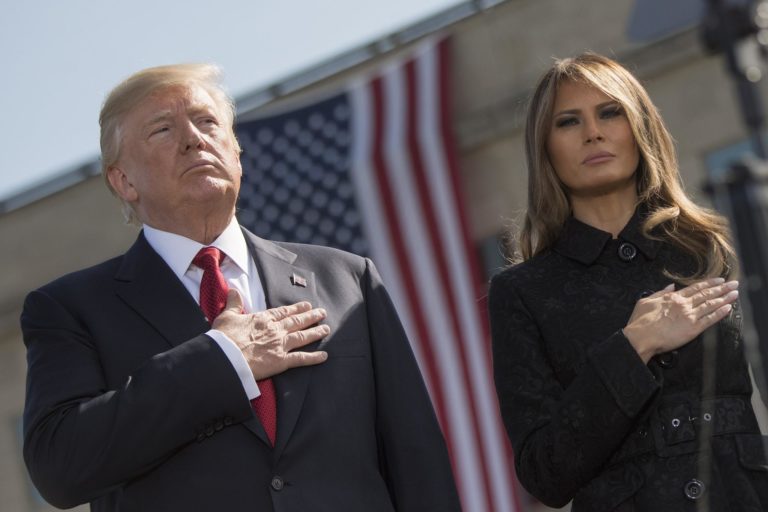
On August 15, the presidents of the United States and Russia met in Alaska for their first face to face talks in years. Ahead of that summit, First Lady Melania Trump asked her husband to hand deliver a personal letter to President Vladimir Putin. In that letter she focused on the tens of thousands of Ukrainian children taken by Russian forces since the full scale invasion began in early 2022. While some observers praised her bold move, others criticized it as little more than a publicity stunt.

First Lady’s Private Plea
Melania Trump is a native of Slovenia, a former communist country in Southern Europe that has strained ties with Russia. She has long shown concern for humanitarian issues. In recent months she spoke directly to her husband about the plight of Ukrainian children. On the eve of the summit she gave him a sealed letter addressed to President Putin. Then she asked him to deliver it in person when they met in Anchorage Alaska. In that way she made sure her concern reached the top level of diplomacy.

Children at the Center of the Letter
According to public reports the letter urged the immediate return of thousands of Ukrainian children. Since the war began Russian troops have moved many young Ukrainians out of their homes and into Russian territory. Some were placed with Russian families for adoption. Others went to camps or facilities run by the state. That large scale removal of children has drawn sharp condemnation across the globe. Many legal experts say it meets the United Nations definition of genocide. In her letter Melania Trump reportedly reminded President Putin of his duty to protect families and respect international law.

Praise from Ukrainian Allies
News of the letter prompted warm reactions among supporters of Ukraine. The president of a leading Ukrainian economic institute called Melania Trump a real friend of Ukraine for standing up on behalf of these children. He noted that Ukraine has said the forced transfer of tens of thousands of minors qualifies as a war crime. He also pointed out that the United Nations has found widespread child rights violations since the 2022 invasion. Meanwhile a well known podcaster highlighted how rare it is for a first lady to intervene so directly in foreign affairs. He said combining her private advocacy with the president’s diplomatic power put the issue at center stage. Another commentator noted that the personal hand off of the letter showed the Trump administration did take her words seriously. A popular online analyst added that Melania Trump may be Ukraine’s most powerful global advocate outside Kiev itself.

Critics Call It Hollow Gesture
On the other hand the letter also drew harsh criticism from some social media users. One account accused the move of being purely scripted to distract from other policy failures. That user argued the White House did not really care and claimed the president ignored the letter once the cameras turned away. They also reminded readers that this administration once cut funding to a program tracking abducted children, causing the loss of critical data. Others dismissed the stunt as a weak performative act. They said it did nothing to change on the ground reality for those kids. One critic described it as a shallow attempt to look tough while cozying up to a dictator at the same time. Such comments underlined a deep divide among observers over the true impact of the letter.

Context of the Alaska Summit
The meeting between Presidents Trump and Putin took place at a scenic military base in Alaska. Both sides arrived with high hopes and deep suspicions. Many world leaders watched closely, hoping for progress toward ending the war in Ukraine. Some expected a clear ceasefire plan to emerge from the talks. Instead Russia continued its military operations as the meeting took place. That left critics saying the summit failed to change the course of the conflict. In that tense atmosphere the topic of abducted children gained extra weight. It became a rare point of moral clarity amid heated arguments over energy, weapons and sanctions.

The War Crime Debate
Under international law the forced removal of children during armed conflict is a serious violation. The Genocide Convention calls it an act to destroy, in whole or in part, a national group. Human rights groups have documented cases of Ukrainian children moved into Russia who face language erasure and cultural assimilation programs. Many families inside Ukraine still search for missing children. Others await news from shelters or orphanages in Russia. The issue of child abduction has grown into a symbol of the war’s darkest side. As fighting continues, rescuing these children remains a major challenge for aid groups and diplomats alike.

Possible Outcomes and Next Steps
While the letter carried strong moral weight, experts say real change will require coordinated pressure. That means more aid for families still inside Ukraine and tougher policies on child trafficking. It also calls for renewed funding of monitoring programs to track and document each case. In addition, the international community may look to court proceedings at the Hague to hold war criminals accountable. Meanwhile public awareness campaigns can keep the spotlight on children who suffer out of sight. Time will tell if a private appeal from a first lady can spark wider action. Yet the letter did force a top level meeting to pause and confront a humanitarian crisis.

Why This Matters
Children have no voice in high level politics, yet they bear the worst consequences of war. Their stories often stay hidden behind numbers and news bulletins. Melania Trump’s decision to speak up reminded people worldwide of the human lives at stake. It also highlighted the gaps between words and deeds in international diplomacy. As long as tens of thousands of children remain displaced, the war’s moral wounds will fester. This letter may mark only a small step in a long road toward justice and reunion for families. Still it shows how a private message can place a painful issue into the glare of public debate.

Conclusion
The hand delivery of Melania Trump’s letter to President Putin drew both applause and scorn. Supporters praised its focus on Ukrainian children abducted by Russian forces. Critics labeled it a superficial move that fails to drive real policy change. Yet in a complex and troubled summit, a first lady’s voice did reach a world leader directly. For families torn apart by war that message may offer a sliver of hope. And for the rest of us it serves as a reminder that even in high stakes diplomacy, the fate of innocent children deserves our fullest attention.

Trump Plans Trap for Zelensky at White House

0

Key Takeaways
* A former Trump insider says Alaska was just a distraction
* Lev Parnas warns that Trump will summon Zelensky for a false deal
* Parnas believes Trump will blame Zelensky if he rejects a land swap
* He urges everyone to stay alert as world leaders play a dangerous game

Introduction
A former Trump insider now speaks from the outside. He warns that Donald Trump plans to trap Ukraine’s president. He claims the Alaska meeting with Putin was only a public show. Meanwhile the real moves happen behind the scenes. This article explains what Lev Parnas has revealed.

Parnas and His Warning
Lev Parnas once called himself a trusted operative for Trump. He says he learned how the Trump machine really worked. Now he writes about it on his own platform. Recently he shared his concern that the world sees only half the picture. According to Parnas, most people fixate on handshakes and body language at public events. However he claims the real story lies deeper.

Alaska Was a Distraction
First Parnas points at the Alaska summit with Putin. He argues that both leaders agreed to hide their true intentions there. He says they used that meeting to draw all eyes away from their next moves. While the press discussed each gesture and word choice, real deals took shape behind closed doors. In his view, that choice of location let both men shape the narrative.

Summoning Zelensky to Washington
Now Parnas hears new reports from his sources. He says Trump will invite Ukraine’s president to the White House on Monday. The media will frame that meeting as a sign of progress. They may call it a step toward real peace. However Parnas insists this is just another performance. He believes Trump wants to push Zelensky into a deal he cannot accept.

The Alleged Trap
Next Parnas lays out what he thinks the trap will look like. He expects Trump to propose a land swap or some form of compromise on Ukraine’s borders. Such a plan would threaten Ukraine’s sovereignty. Therefore Zelensky would face a choice he cannot make. If he accepts, he loses territory. If he refuses, he will look like the roadblock to peace. In effect Trump can blame Zelensky for any failure.

Why This Matters
This matter affects many people in Ukraine and beyond. Moreover it could shape the future of Europe and US Ukraine policy. If world leaders craft fake peace deals, real victims suffer. Additionally such tactics may weaken trust in global diplomacy. Finally supporters of democracy need to spot these tricks. Otherwise they risk letting bold strategies mislead the public.

The Role of Media and Public Awareness
In modern politics, media shapes public opinion. However media outlets often focus on drama and big headlines. As a result they may miss hidden motives. Meanwhile clever politicians exploit this gap. They stage public events to produce good headlines. Then they push real deals when no one watches closely. Therefore Parnas urges everyone to look beyond the spectacle. He wants people to sense when they face a setup.

Parnas’s Personal Risk
Lev Parnas says speaking out puts him in danger. He warns that Trump and Putin both crack down on leakers and critics. He claims those in power demand silence and obedience. Yet Parnas refuses to stay quiet. He sees himself as a truth teller. In his view, people need to know how powerful leaders play games with nations.

Potential Outcomes of the Visit
There are several possible outcomes once Zelensky arrives in Washington. First Trump could make a genuine effort to find peace. That would surprise Parnas and many observers. Second Trump might use the meeting for photo ops and then move on. Third the meeting could serve as the stage for the alleged trap. If Trump pushes for a land swap, Zelensky will face intense pressure. Any refusal could become a headline that blames him.

How to Watch Closely
To avoid being fooled watch these signs
* Listen for unexpected border proposals
* Notice if media reports focus mainly on smiles and handshakes
* Look for vague language about peace with no clear plan
* Follow independent journalists who dig deeper

Lessons for the Public
Politics often involves strategy and drama. However that drama can mask real intent. Meanwhile key decisions happen out of public view. That is when powerful actors shape history. Therefore citizens must stay informed and critical. They must question big announcements. They must seek out diverse sources of news. In this way they guard democracy from secret agendas.

Conclusion
Lev Parnas gives us a warning from inside the Trump circle. He says Alaska was only a show. Next Trump will call Zelensky to the White House. Yet Parnas fears that meeting will become a trap. He predicts a push for a deal that harms Ukraine. If Zelensky refuses, he will get the blame for any failure. As a result citizens need to watch closely. They need to look past public gestures. Only then can they spot hidden plans and protect the truth.

Court to Decide Alina Habba’s Future as NJ U.S. Attorney

0

Key Takeaways
– A federal judge will rule on Alina Habba’s authority next Wednesday
– Two defendants argue her appointment is invalid and seek case dismissals
– The challenge could upend years of special attorney appointments
– The judge doubts a bypass of Senate approval meets legal rules
– Any ruling will likely face immediate appeal

Introduction
Next week marks a crucial moment for the acting U.S. attorney in New Jersey. A judge will decide if she can keep her job without Senate approval. Her critics say the process that placed her there broke the law. Meanwhile, two people facing federal charges want their indictments tossed. Their cases rest on the claim that only a properly confirmed attorney can bring charges.

Background of the Appointment
Late last year, the former state attorney general named a private lawyer as special U.S. attorney. This role allowed her to lead the New Jersey office for years. She never won Senate confirmation. Instead, the move sidestepped the usual approval process. Normally, the president nominates and the Senate confirms new U.S. attorneys. Without those steps, questions arose about the legality of her position.

In response, the district court judges picked the office’s first assistant to fill the top job. Soon after, the former state attorney general fired that replacement. She then reappointed her private lawyer friend. As a result, the office saw two rapid leadership changes in a few days. Critics called these maneuvers a way to dodge Senate oversight.

The Ongoing Court Challenge
Two criminal defendants in New Jersey jumped on this procedural mix. They argue the attorney had no power to charge or prosecute them. One faces gun and drug charges. The other stands accused of running a real estate scheme. Both ask the judge to dismiss their cases. They claim any actions taken by the special attorney fall apart if her appointment proves invalid.

Their challenge reached Judge Matthew Brann in Pennsylvania’s Middle District. He accepted the case under a law that lets one district court handle such disputes. He also set a hearing date for next Wednesday. There, lawyers will debate whether her appointment breaks the law.

The Role of Judge Brann
Judge Brann already signaled serious doubts about the special attorney status. He noted that if the law meant nothing, anyone could hold the job indefinitely without confirmation. He warned such a loophole could make the Senate’s advice and consent role pointless. He even called the law’s wording anything but ambiguous.

Moreover, he highlighted that turning to old documents and legislative history could backfire. He thinks the law clearly requires a nominee to gain Senate approval. Without it, a special attorney cannot wield the full powers of a U.S. attorney. As a result, any charges they bring could collapse.

Possible Arguments for Habba
Supporters say the special attorney title gives her valid authority. They point to the power granted by the state attorney general. In addition, they argue Congress left room for alternative appointment methods. They claim this structure ensures continuity in key offices. Thus, they say the law allows temporary leaders until a permanent pick wins confirmation.

Furthermore, they stress the need for strong leadership in the New Jersey office. They point to backlogs of cases and leadership gaps in recent years. In their view, a confirmed pick might take months or even years to appear. Meanwhile, important federal prosecutions could stall.

Possible Arguments Against Habba
Critics respond that Congress placed the Senate’s approval process at the heart of the U.S. attorney system. They insist no one can fill the role permanently without meeting that standard. They also warn that bending this rule risks political favoritism. In their eyes, the special attorney workaround fails to respect separation of powers.

Furthermore, they argue long gaps in leadership do not justify ignoring the law. They suggest the Justice Department can appoint interim leaders on a short term. Then the White House can quickly nominate a new attorney for Senate review. As a result, they see no reason to reshape the appointment rules.

What This Means for Defendants
If the judge finds her appointment unlawful, the two defendants may see their charges thrown out. This result would send prosecutors back to square one. They would need to refile charges under a valid U.S. attorney. That could delay trials and stretch resources. In turn, witnesses might become harder to find. Evidence could grow stale.

On the other hand, if the judge upholds her status, the defendants face court under her leadership. They would lose this major defense argument. Yet they could still appeal the ruling. Appeals courts may differ on the law’s meaning. As a result, both sides likely prepare for a lengthy legal fight.

Broader Impact on the Justice System
Beyond these two cases, the judge’s ruling could reshape how U.S. attorneys take office. A decision against the special attorney path could close a controversial loophole. It might force quick nominations and prompt Senate votes. Then no federal prosecutor would lead offices indefinitely without full confirmation.

Alternatively, an upholding of the appointment could embolden similar moves across the country. Future state attorneys general or other officials might use special titles to place allies in top roles. As a result, critics warn of politicizing law enforcement more than ever.

Next Steps After the Ruling
Once Judge Brann issues his decision, the losing side will almost certainly appeal. They may take the case to the federal appeals court in Philadelphia. That court could speed its review, given the issue’s importance. Ultimately, the fight could reach the Supreme Court. There, justices would resolve the balance between executive appointments and Senate oversight.

Meanwhile, the New Jersey U.S. attorney’s office must keep operating. Prosecutors will push forward on pending cases. Defense lawyers will argue challenges as they arise. Both sides await clarity on who truly leads the office.

Conclusion
Next Wednesday’s ruling stands to change the federal justice landscape. It will decide if a special attorney can hold sway without Senate approval. At stake are two criminal cases and broader questions about power in Washington. As arguments conclude, legal minds nationwide will watch for how the judge applies the law. Regardless of the outcome, appeals loom and the debate over executive appointments will continue.

Spike Lee Criticizes Trump Over Museum Changes

0

Key Takeaways
1. Director Spike Lee warns the plan will roll back historical progress.
2. He argues America no longer looks like a global democracy leader.
3. Some political voices call the museum review a strategic error.

Introduction
Director Spike Lee spoke out against President Trumps effort to reshape museum exhibits. He argued this plan seeks to erase important parts of the nation’s past. Moreover he cautioned that the move could weaken democracy and harm America’s world image.

Lee Calls the Plan a Roll Back
Spike Lee labeled the proposal a roll back of progress. He noted that world leaders and citizens around the globe see this effort unfold. The director pointed out that America once stood as a global beacon of democracy. Now he believes that status has faded under current actions.

Background on the Smithsonian Review
The President ordered a broad review of exhibits at a national museum network. He asked officials to identify any material that seems biased or divisive. The goal is to align displays with a specific view of history. Critics worry that this approach might erase or alter key narratives.

Lee Speaks Out in Simple Terms
When asked about the review a national news host sought his view. Lee replied that the move aims to turn back the clock on social progress. He added that nations worldwide now question Americas commitment to democracy and freedom. He spoke in clear language that he said any citizen could grasp.

Lee’s Track Record of Political Critique
Spike Lee has long addressed race and politics in his work. He released films that explore tension and injustice in urban neighborhoods. In past years he compared the President to historical figures known for hate. He also called out harmful policies affecting minority communities. Lee has never shied away from direct criticism.

Mixed Responses Within the President’s Party
Even some members of the Presidents own political group question the plan. A well known strategist called the review a mistake that could backfire. He pointed out that earlier attempts to alter historical narratives ended in public backlash. Observers expect some changes will be reversed or softened over time.

Why Some Support the Review
Supporters argue it will correct one sided or unfair accounts in museum galleries. They want exhibits to highlight achievements and unite people behind a positive national story. For them the review represents a chance to ensure balance and patriotism. However opponents see it as selective editing of the past.

Concerns Over Weaponizing History
Many historians and educators warn against treating history like a political tool. They fear that assigning ideology labels to exhibits will limit open discussion. Some suggest that a healthy democracy relies on learning from all chapters of its past. Therefore altering or omitting stories may harm future generations.

Impact on Museums and Curators
Curators worry about new guidelines that might limit their research and displays. They fear censorship or pressure to remove artifacts that do not fit a set narrative. In response some museum professionals plan to document changes and speak up publicly. They aim to preserve academic freedom and integrity of collections.

International Reaction and Image
Observers abroad have followed these developments with concern. Many see museums as places to foster dialogue and understanding across cultures. Altered exhibits could signal a shift toward a more closed or controlled view of society. As a result Americas global partners may question shared values and commitments.

Role of Public Opinion
Public feedback may shape how the review unfolds in coming months. Polls show deep divides based on political affiliation and age group. Younger audiences often support inclusive narratives that highlight diverse voices. Older demographics may favor traditional presentations of national achievements.

Transitioning From Debate to Action
As discussions continue experts recommend involving scholars and community groups. They suggest hosting open forums and inviting varied perspectives. This collaborative approach could reduce tensions and promote mutual understanding. Instead of top down directives some urge a balanced dialogue.

Possible Outcomes of the Review
In one scenario the review leads to minor edits and new interpretive signs. In another it triggers major overhauls of key exhibits on race and politics. Some worry that repeated controversy could discourage museum visits and support. Others believe vibrant debate will strengthen public interest in history.

Looking Ahead for Smithsonian Institutions
Museum leaders must navigate political pressure while maintaining credibility. They will likely consult internal boards and professional associations. Any policy changes must comply with established legal and ethical standards. The coming weeks will reveal the extent of alterations across galleries.

What Spike Lee’s Voice Means
When a high profile artist speaks out public awareness grows rapidly. Spike Lee brings attention to how history shapes national identity. His message resonates with fans who value open discussion and justice. By voicing concern he encourages citizens to stay informed and engaged.

Conclusion
Spike Lee’s firm stance highlights broader worries about controlling historical narratives. His remarks prompt a deeper look at how museums preserve truth and promote democracy. As the Smithsonian review moves forward the nation must balance unity with honest reflection. Ultimately healthy societies thrive when they confront all aspects of their past.

Total Word Count Approximately One Thousand and Thirty Words

Noem Moves Into Top Admiral’s Home Rent Free

0

Key Takeaways
– A recent report reveals that the homeland security secretary now lives in a Coast Guard admiral’s house.
– She moved there without paying rent after worrying about her safety.
– Critics warn that she might be abusing her position.
– Some fear this choice could force other officers out of limited housing.
– Observers also note her frequent use of a Coast Guard jet raises questions.

Unusual Housing Choice
When the homeland security secretary took office this year she surprised many by moving into a spacious waterfront home on a military base. This house normally hosts the top Coast Guard admiral. Yet she now stays there without paying rent. Such an arrangement rarely happens. It quickly drew attention inside the agency and beyond.

Why She Moved In
She says she felt unsafe in her previous neighborhood after a tabloid published photos of her home. As a result she asked for a new location. The agency agreed to let her live at the base near the river. She also gained access to armed security. In addition she enjoys waterfront views and plenty of space.

Critics Voice Concern
However some senior Coast Guard officers reacted with surprise. They worry that she took a home meant for the highest ranking uniformed leader. They say housing on the base is scarce and every home has a purpose. Therefore they fear other officials might lose their places. They also point out that the Coast Guard reports to her. In their view this creates a clear conflict.

Possible Ripple Effect
Moreover Democrats in Congress have raised alarms. They argue this move could fuel a chain reaction. They explain that if one senior person can claim prime housing others will follow. In turn this could push lower ranking officers into tight spots. For example some could end up far from their work. In short the critics say this choice might weaken morale.

Travel and Perks Under Scrutiny
Meanwhile current and former officials have also highlighted her use of a Coast Guard jet. They say she often flies aboard a Gulfstream aircraft. They add that each trip costs taxpayers thousands of dollars. They claim these perks add up fast. Consequently many wonder if she respects the agency’s budget limits.

Public Reactions
Online users voiced strong opinions. Some described the arrangement as blatant privilege. One commenter joked that it felt like a Hollywood movie set. Another warned that such perks often lead to public trust erosion. Yet a few supporters said safety concerns justified the move. They argued that a high profile official needs top security.

Balancing Safety and Fairness
Indeed any top official should have proper security measures. Yet critics insist fairness must guide housing decisions. They explain that every service member deserves a clear policy. They want the agency to spell out who qualifies for special homes and why. They also want public cost estimates before such moves occur.

Leadership and Accountability
As homeland security secretary she oversees the Coast Guard. Therefore she holds the power to shape policy and budget. This makes her housing choice even more sensitive. Observers note that good leaders set clear examples. They say she must balance personal needs with agency rules.

Agency Response
The department released a brief statement. Spokeskeepers said they reviewed her request and found no rules broken. They also said they aim to provide safe lodgings for all senior officials. Furthermore they stress that the secretary’s security team approved the site. Lastly they insist she covers her own utilities and related expenses.

Broader Implications
Looking ahead other senior officials may eye similar perks. If so the department could face a housing backlog. Newcomers might struggle to find quarters close to their posts. Some worry the agency will need to build more homes or rewrite rules. In the short term these changes might cost additional funds.

Calls for Transparency
In response some members of Congress are demanding more details. They want written policies on official housing and travel. They also ask for reports on cost and security assessments. Through hearings they plan to question agency leaders. Their goal is to ensure fairness and accountability.

What Comes Next
So far no formal investigation has launched. Yet lawmakers say they will watch the situation closely. They promise to challenge any attempt to exploit official perks. At the same time they urge the department to clarify its housing rules. They hope to restore confidence in the agency’s integrity.

Why It Matters
Citizens expect public servants to act responsibly. When leaders appear to benefit from special treatment trust can erode quickly. Conversely clear rules and open budgets build confidence. This debate shows how even housing choices can shape public perception.

Conclusion
The homeland security secretary’s new residence sparked a debate over privilege and policy. While safety concerns drove the move critics worry about fairness. They call on the agency to set transparent housing guidelines. Ultimately this controversy highlights the balance between security and equality in government service.

Illinois Republican Misleads with Red Map Claims

0

Key takeaways
– Illinois Congresswoman Mary Miller posted a misleading electoral map
– The map emphasized land area over population density
– Critics corrected her with population scaled maps
– Online reactions called out the visual trick

Misleading Map Sparks Debate
Recently a top Republican lawmaker from Illinois shared a new map. She claimed that Illinois votes red across the state. However the map only showed land areas not population zones. The map marked most rural areas in red and small city patches in blue. This visual gave the wrong impression to many readers. In fact cities hold most voters. As a result the post drew swift correction from followers. People online said the map misled the public. They pointed out that two circles on the map hold most population. Thus they said the map had little to do with actual votes.

Mary Miller s Bold Claim
Mary Miller is a Republican U S Congresswoman from northern Illinois. She often speaks on culture and faith. Over the weekend she posted a vivid red and blue map. She claimed that the map showed Illinois as a red state. She blamed the Democratic governor s gerrymandered districts. She said that only the district lines kept Democrats in power. Yet her map did not show those districts. Instead it colored each land area by party. Therefore many felt her graphic was deceptive. Even some of her supporters felt the visual tricked people.

Why The Map Misleads
Maps closed on land area can hide population facts. Rural regions may cover large space but hold few people. Urban centers occupy little land but house millions. Thus coloring land gives a false sense of voter strength. A true map often uses population density data. This way each area appears sized by its number of residents. Yet Miller s map ignored this key factor. As a result the image painted a wrong picture. Critics quickly noted this flaw online. They shared maps that showed blue spots at city centers. Moreover they pointed out that those blue regions hold most votes.

Reactions Flood Social Media
Reactions came in just minutes after the post. Some users called the map misleading and flat wrong. One centrist user warned that color coding whole land areas misleads. Another veteran commenter dubbed the lawmaker a dumb moron. A political observer highlighted that two small circles hold eighty five percent of voters. Meanwhile a pro Trump account mocked land based voting logic. They wrote that MAGA fans still focus on land more than people. Also a legal expert criticized Miller with just one harsh word. In turn this fueled more online debate and memes. People from both parties joined the discussion eagerly.

Understanding Gerrymandering
Illinois uses a complex process to draw voting districts. The governor and lawmakers shape these lines every ten years. Critics claim they unfairly favor one party over another. In this case they say Democrats drew districts to stay in power. However the recent map did not reflect those districts. Instead it showed broad rural and city areas by color. Thus the map distracted from the real issue of gerrymandering. Even with perfect district lines rural votes remain fewer than urban votes. Therefore land based maps give a false sense of voter distribution. Moving forward a focus on people not land will help clarity.

The True Political Landscape
Illinois has diverse political views across regions. Chicago and its suburbs tend to lean Democratic. Rural downstate areas often vote Republican. Yet the high population in city areas outweighs rural votes. Election experts use maps that scale areas by their population. These so called cartograms give a clear view of voter weight. They show blue regions dominating Illinois election maps. Despite red land areas the state votes blue overall. In recent elections Democrats won major statewide offices. Also they secured most US House seats from Illinois.

Broader Impact on Public Discourse
The incident shows how visuals affect public opinion. Politicians use maps to simplify complex data. Yet simple visuals can spread wrong ideas fast. As a result people may trust false imagery without checking facts. Moreover social media amplifies such errors in minutes. This trend can erode trust in real data. It can also fuel division across communities. Therefore educators must teach map literacy skills in schools. Likewise news outlets should show both land and population data. In this way readers can form accurate impressions. Ultimately better visual education can curb political misinformation.

Lessons for the Future
This event reminds us to check facts before sharing. Also visuals need context to give accurate info. First we must ask if a map shows people not just land. Next we should look for population size details. Moreover we can compare multiple sources for clarity. Finally we can learn that clever graphics can mislead. In politics a simple map trick can shape opinions. Therefore we must stay alert to misleading claims. Social media rewards bold visuals but they can hide reality. We all share the duty to spot false images.

Conclusion
Mary Miller s map post showed how easy visuals can mislead. However quick corrections by many users set the record straight. Illinois remains a state where urban votes outnumber rural votes. Thus land colored maps do not show true voter strength. In the future we hope for more accurate political graphics online. Also we encourage readers to look beyond fancy visuals. Always ask who stands behind the data you see. In this way we can better understand politics and our world.

Trump’s Applause for Putin Sparks Backlash

0

Key takeaways
– Susan Glasser criticizes Trump for rolling out the red carpet for Putin.
– Trump applauded Putin on U.S soil for the first time since the Ukraine invasion.
– Glasser calls that moment the summit’s most lasting image.
– Many worry this event could harm Trump’s legacy in years ahead.

Opening the Summit with a Red Carpet

President Trump hosted President Putin on U.S soil for the first time in years. He rolled out a long red carpet across the tarmac at Andrews Air Force Base. Many political observers had warned that such a welcome might send the wrong message. Still Trump argued that grand gestures could help peace negotiations. He said that a luxurious greeting could open doors for future talks. Yet critics feared that applause and ceremony might look like approval.

Furthermore the scene stood in stark contrast to recent tensions over Ukraine. Putin arrived amid international sanctions and global criticism. The United States had led calls to punish his policies in Ukraine. However the summit chose pomp over protest. This decision raised questions about America’s stance on Russia. Indeed many saw the red carpet moment as tone deaf.

Trump and Putin met before in Helsinki in twenty eighteen. That earlier summit also sparked strong reactions. Critics then said Trump was too soft on Putin. Back then he faced accusations of ignoring intelligence findings. This new summit brings similar concerns about optics overshadowing substance.

The Moment of Applause

As Putin stepped from his plane Trump rose to applaud him. The cameras captured Trump clapping with a broad smile. People watched live as the two leaders exchanged greetings. That single gesture became the focus of debate within minutes. In fact many viewers found it hard to believe their eyes. Some described the applause as a shocking display of hospitality.

Critics pointed out that Putin faces war crime accusations and broad sanctions. They argued that welcoming him so warmly undercuts those measures. For example they noted that the U.S had branded him an enemy. They saw the welcome as a reversal of that stance. Meanwhile supporters defended the move as a chance for dialogue. They claimed that no strong leader should fear meeting any counterpart.

On a weekend news show journalist Susan Glasser highlighted the applause. Hosts asked if Trump’s actions risked rewriting America’s stance on Russia. Glasser replied that the image could haunt Trump’s reputation. She noted that even his own advisers wince at the moment. Their on air discussion quickly went viral online.

The Reaction from Experts

Longtime Washington journalist Susan Glasser spoke about the moment on television. She called the applause one of the most damaging images of the summit. She suggested it may overshadow any meaningful talks on Ukraine. According to Glasser the scene will stick in public memory. She warned that history books might recall Trump’s welcome more than his words. In her view that emblematic scene undermines the goal of peace.

Other experts chimed in with similar concerns. They argued that optics can matter as much as policy. Indeed a single moment on camera can shape public opinion for years. Some said that the applause distracted from any productive work behind closed doors. At the same time a few analysts noted that Trump often favors bold gestures. They observed that such theatrics have defined his presidency. Nonetheless they agreed that this image could prove problematic.

Analysts on social media weighed in as well. Many commentators shared clips of the applause widely. Some users mocked the scene while others defended it. Hashtags about the summit trended across platforms within hours. This online storm added fuel to the debate.

What History Might Remember

History often fixes on vivid symbols rather than complex agreements. For example school lessons may mention a handshake more than a treaty. Similarly Trump’s applause may become the lasting emblem of this summit. Five years from now people might recall that simple act. They may forget the details of discussion or signed papers. In fact the red carpet clap could stand as the summit’s chief snapshot.

Moreover human memory tends to compress events into single frames. A powerful image can overshadow months of negotiation. As a result leaders often manage how they appear on camera. They know that public reaction can hinge on a few seconds of footage. Trump seems to embrace that reality more than many predecessors. He often uses spectacle to draw attention. Yet that tactic may carry risks when dealing with a figure like Putin.

Past leaders have faced similar criticism for ceremonial missteps. For instance some criticized a handshake with a hostile dictator decades ago. They warned that such gestures could be read as approval. In this case Trump’s applause echoes those earlier concerns. It reminds us how images can shape public memory.

What Comes Next

Looking ahead the summit’s outcome will depend on follow up talks. Diplomats must now focus on concrete measures for Ukraine. They face the challenge of translating gestures into policy. Meanwhile public opinion may stay fixed on the applause moment. Lawmakers in Washington already debate how to respond to Putin. Some call for tougher sanctions while others seek more dialogue.

President Trump will have to address criticism of his welcome for Putin. He may insist that the applause was a friendly gesture for peace. He could argue that bold moves often lead to breakthroughs. Alternatively he might pivot to highlight any progress made at the summit. Either way he cannot erase the image of that red carpet gesture. In the end history will judge whether it advanced or harmed U.S interests.

Ultimately success depends on what follows behind closed doors. Both sides must turn optics into concrete steps. Agreements on prisoner exchanges or aid packages could balance the headline moments. Yet everyone will revisit the applause whenever they review this summit. That moment now joins the long list of presidential legacies.

Trump’s Tariff Agency Plan Hits Roadblocks

0

Key takeaways
– Trump announced a new External Revenue Service to collect tariffs
– The agency has not moved beyond the planning stage
– Commerce Secretary Howard Lutnick took charge of the project
– Forecasts showed tariff revenue could not replace income tax
– Insiders doubt the plan’s direction and future

Introduction
Shortly before taking office, the president unveiled a bold plan to reshape how the nation collects money from trade taxes. He envisioned an External Revenue Service to handle all tariffs and duties paid by foreign businesses. This new agency would collect huge sums that the administration claimed could lower debt and even fund rebates for taxpayers. However, months after the announcement, the plan has not progressed. In fact, people close to the White House say it has stalled completely. They point to leadership changes and low revenue estimates as the main roadblocks. This article explains what happened and why insiders are worried.

Trump’s Big Promise
From the start, the leader praised his global tariffs as a massive new income source. He argued that these taxes on imports would bring in more money than ever before. Moreover, he suggested that the funds could replace parts of the regular tax system. In a social media post just before his inauguration, he described the External Revenue Service as key to making this vision real. He said it would collect every cent from tariffs, duties, and other fees paid by foreign firms. The announcement gained quick attention, and many experts began to study how the agency might work. At that point, the idea still seemed bold but plausible.

A Shift in Leadership
As plans moved forward, the president tapped the Commerce Secretary to lead the new agency. He passed the project to Howard Lutnick even though a full review of its feasibility remained incomplete. Some insiders were surprised by this choice. They wondered if the Commerce Secretary had the right expertise for collecting trade revenue. Traditionally, trade policy falls under another office, but the president seemed to trust Lutnick’s vision. Once in charge, Lutnick publicly praised the idea. He even spoke about positioning himself at the center of trade policy. Yet behind closed doors, he never fully embraced the service.

Revenue Reality Check
Soon after Lutnick took over, officials began to assess how much money the agency might actually generate. The early projections looked weak. Trade experts warned that the income from tariffs would fall far short of replacing income tax. In fact, the numbers showed only a fraction of the needed revenue. After seeing these estimates, enthusiasm for the project faded. Discussions about creating a large sovereign wealth fund out of tariff income also lost steam. While the president had floated that idea in private meetings, it never left the room. As the months passed, no new reports emerged on funding or staffing for the agency.

Insider Skepticism
Within the administration, people started to question both the plan and its leadership. Some career officials expressed doubt that the Commerce Secretary could handle a major revenue service. They worried that without a clear road map, the agency would remain just an idea. One senior aide admitted surprise when the secretary took the helm. Many wondered if he really understood the complexities of collecting and auditing trade taxes. Despite public optimism from the president’s team, the mood behind the scenes grew tense. Staff turnover and shifting priorities further slowed progress.

Bureaucratic Challenges
Creating a new federal agency involves many steps. It requires legal authority, funding approvals, staffing plans, and technology systems. To move an External Revenue Service from concept to reality, the administration first needed a thorough feasibility study. That study would outline costs and benefits. It would also clarify how the new agency would coexist with existing agencies. However, that review never finished. Without it, there was no firm budget or timeline. As a result, proposals for new IT platforms, auditor training, and office space remained on hold. In short, the lack of planning documents meant the project never left the starting line.

Political Stakes
The president’s promise had a political edge. By framing tariffs as a way to reduce debt and reward taxpayers, he aimed to win support from key voter groups. He also took credit for putting American workers first in trade deals. However, critics argued that tariffs could raise consumer prices and hurt businesses that rely on imports. Many economists warned that high trade taxes might slow economic growth. As debate around the plan intensified, party infighting within the administration added to the delay. Some allies supported the new agency while others pushed back, citing legal and practical concerns.

What Comes Next
At this point, the future of the External Revenue Service is uncertain. The White House has not released any new updates or deadlines. Officials who once championed the plan have gone quiet on public forums. Meanwhile, the tariff program itself continues to generate revenue, though not at the record levels once predicted. Lawmakers on Capitol Hill have expressed varying degrees of interest in creating a dedicated agency. Some say they will only back it if a detailed plan emerges. Others have suggested folding the duties into existing structures instead. For now, the topic remains in limbo, awaiting a clear push from the administration.

Conclusion
An ambitious promise to launch an External Revenue Service has hit roadblocks at every turn. Despite early excitement, leadership changes and low revenue estimates pushed the project aside. Insiders question the choice of officer to lead it and the absence of a solid feasibility review. In the end, the plan stalled before it began, leaving many to wonder if it will ever become reality. As debates over tariffs and trade policy continue, the idea of a new revenue agency remains trapped in bureaucracy and doubt. Only time will tell if the president revives his vision or lets it fade away.

Trump DC Takeover Faces 30 Day Deadline

0

Key takeaways
– Federal officers arrived in large numbers to patrol DC streets
– Takeover lasts only thirty days and needs Senate nod to extend
– Arrest totals remain low despite heavy officer presence
– DC leaders filed a lawsuit challenging the plan
– The plan may backfire if crime stays high by deadline

Background
President Donald Trump ordered a massive federal law enforcement effort in the nation’s capital. More than fifteen hundred agents and dozens of National Guard troops moved in to support local police. The move aimed to curb violent crime that some saw as out of control. Supporters praised the display of authority. Critics warned it would stir tension and step on local rights.

The 30 Day Clock
Under federal law, the president can deploy forces in Washington DC for only thirty days. After that period ends, the deployment needs majority Senate approval. Given the narrow Republican edge in the Senate, it seems unlikely. Therefore the plan carries a built in deadline. The president and his team framed the period as a trial run to prove the need for continued federal help. If the effort shows clear results, they hope lawmakers will vote yes to extend. Otherwise, the takeover will end without extra support.

Early Results
During the first two nights of the operation authorities made sixty six arrests. They added forty five more arrests the next day. On paper, those numbers may seem positive at first glance. However, they fall short compared to the high cost and large force size. For example, one estimate showed about thirty four officers for every person arrested on a single night. Observers question if such a heavy presence makes sense. They worry the operation may not lower crime enough before the deadline.

The Political Gamble
The White House views the takeover as a political win. It reinforces the image of the president fighting crime and weak local leadership. It also appeals to voters who favor tough on crime policies. Yet the gamble cuts both ways. If crime stays steady or rises under federal control, the effort may backfire. Opponents will call it a stunt that wasted taxpayer money. In that case the takeover could become a political albatross around the president’s neck.

Legal Challenges
Local leaders wasted no time in pushing back. The city’s Attorney General filed a lawsuit against the president. The suit argues he overstepped his bounds by seizing control of the local police force. A judge known for challenging the administration now handles the case. Despite that, many legal experts say the president stands on solid ground. They note the law grants broad emergency powers in the nation’s capital. Still, a final decision may not come before the thirty day limit.

Impact on DC Residents
For residents, the takeover adds uncertainty to daily life. Some feel reassured by the increased presence of officers. Others worry about a heavy handed approach to minor issues. Community leaders raised concerns about civil rights and possible profiling. They argued local police know the streets better than outside forces. Moreover, they pointed out the need for long term investments in social programs. They called for improved schools, mental health support, and job training.

Transitions and Turnover
During the takeover, federal commanders coordinate with local officials. However, complex chains of command may slow response times. Some field reports showed confusion over who led specific patrols. Coordination improved after the first night, but issues remain. Meanwhile local police juggle their usual workload while federal agents handle targeted operations. This two tier system could strain resources and blur accountability lines.

Costs and Resources
The operation carries a hefty price tag. Estimates place the multi day effort in the tens of millions. Critics questioned whether the money could better serve other public safety measures. They suggested funding community policing or upgrading surveillance technology. Supporters said the cost is worth it if it stops violent crimes. Yet with no clear measure of success so far, many remain unsure.

Public Opinion
Early polling shows divided opinions among DC residents and across the country. Some welcome the federal presence as a sign of unity and safety. Others view it as an overreach that threatens democracy. National surveys suggest the issue splits along party lines. Voters who favor strong law enforcement back the move. Those worried about civil liberties often oppose it. How public opinion shifts may hinge on crime data in the coming weeks.

Comparisons to Other Cities
Similar federal interventions took place in other cities in recent years. For instance, federal task forces joined local police in certain high crime areas. In some cases they helped reduce illegal gun sales and gang violence. Yet long term gains were rare without community based programs. Critics point out that boots on the ground alone cannot fix deep social problems. They say funding must also target root causes such as poverty and lack of education.

What Lies Ahead
With only days left, the operation faces a crucial test. If crime rates drop noticeably, the president will claim success. He will likely ask the Senate to extend the deployment. On the other hand, if crime holds steady or rises, critics will pounce. They will label the plan a costly failure and demand an end. City leaders vow to keep challenging the takeover in court. Meanwhile, public safety groups will watch arrest numbers and crime data closely. They will measure impact against local needs and budgets.

Possible Outcomes
One scenario has Congress vote to keep the federal forces in place for another month or more. That would require winning over a handful of Senate moderates. The president would then have more time to show progress. Another scenario ends the takeover automatically when the clock runs out. Federal agents would withdraw, and local police would resume full control. In both cases, the political fallout will shape debates about federal power and local autonomy.

Conclusion
The thirty day takeover of Washington DC marks a bold move by the president. It aims to demonstrate his resolve on law and order. However, the limited timeframe and shaky legal footing raise doubts. Arrests so far remain low compared to the large force size. Local leaders and residents have voiced strong concerns. Ultimately, the plan’s fate rests on whether crime falls enough before the deadline. If it does not, this high stakes gamble may end as a costly misstep rather than a triumph.