60.7 F
San Francisco
Thursday, July 30, 2026
Home Blog Page 608

Rising Food Prices Threaten GOP in Midterm Elections

0

Key Takeaways:


  • Republicans could struggle in the midterm elections if food prices stay high.
  • Fox host Charlie Hurt warned that record beef and grocery costs worry voters.
  • Brianna Lyman argued droughts forced ranchers to sell cattle, raising costs.
  • The debate shows how food prices drive political feelings.


Rising Food Prices May Sway Voters Next Year

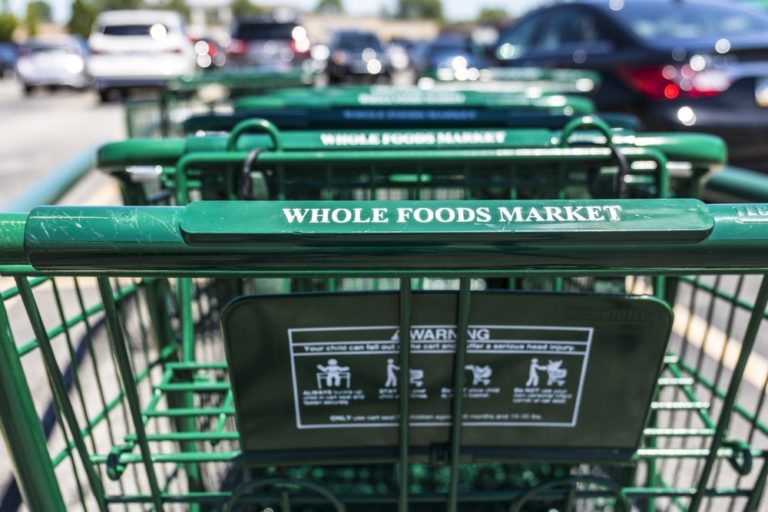
Election experts now track grocery bills as a key factor. Rising food prices shape how many people feel at voting time. Voters often see grocery costs as a direct measure of their well-being. Therefore, politicians must notice bills at the checkout line. Republicans may pay a big price if grocery costs stay high.

Why Rising Food Prices Matter for Republicans

Voters notice every dollar they spend on groceries. When prices climb, they feel less secure. Thus, families worry about meals and budgets. Pollsters know that pocketbook issues can flip votes. Moreover, media outlets focus on store price tags as a hot topic. This trend means the 2026 midterm may hinge on grocery costs more than policy debates.

Republican Warnings on Food Prices

During a recent TV segment, host Charlie Hurt sounded an alarm. He pointed to record highs in grocery bills nationwide. He warned, “If food prices, beef prices don’t get under control, Republicans are going to have a problem next year.” This comment shows a clear link between store bills and voter mood. Since beef makes up a large share of meat sales, its price jump hits families hard.

Droughts, Cattle Liquidation, and Supply Cuts

Brianna Lyman tried to explain why grocery bills rose so fast. She pointed to droughts in Texas, Kansas, and Oklahoma. Because grass died off, ranchers faced low feed options for their herds. So, many ranchers had to sell off cattle early. That move cut future beef supply and pushed retail prices up. In addition, truck and feed costs also rose after supply fell.

Impact of Beef Prices on Voters

Beef stands as a dinner table staple. Families view steak and burgers as everyday meals. Therefore, any change in beef cost grabs attention. When grocery bills go up, many families skip meat or buy cheaper cuts. This shift affects diets and moods. Moreover, rising food prices make consumers feel uneasy about their overall budget.

Politics Meets the Dinner Table

Elections often pivot on personal experiences. While tax rates and policies matter, daily costs shape opinions. When voters face higher grocery bills, they may blame the ruling party. Right now, Republicans hold a majority in the House. However, they risk losing seats if food prices stay elevated. Meanwhile, Democrats will highlight any price relief or government aid.

Possible Policy Solutions

To calm rising grocery bills, leaders may explore aid programs. For example, direct support for ranchers could ease supply constraints. Additionally, investments in drought-resistant crops may prevent future shortages. Some propose tax breaks for small farmers to keep feed costs low. Furthermore, improving supply chain efficiency might lower transport expenses. Each step takes time but could bring grocery bills down.

Economic Factors Beyond Droughts

While droughts played a big role, other factors also affect store bills. Inflation pressures from global markets influenced feed and fertilizer costs. Supply chain delays added to shipping fees. Labor shortages in packing plants slowed meat processing. Moreover, fuel price shifts changed transport costs across regions. Taken together, these factors show how complex grocery pricing can be.

Media Spotlight on Food Prices

News outlets now highlight grocery store surveys and price indexes. Each report shows rising food prices in key markets. Experts compare current rates to past years. This coverage underscores how essential store bills have become in public debate. As a result, food prices appear in opinion pieces and political ads. These narratives may sway undecided voters before the midterms.

What Comes Next for Grocery Costs

Analysts expect food prices to stabilize but not drop quickly. Weather patterns will ease in some areas but worsen in others. Technological advances in farming may boost yields over time. Meanwhile, consumer demand for meat and produce remains strong. Hence, the gap between supply and demand could narrow slowly. Therefore, families may see only gradual relief at the checkout line.

How Politicians Can Respond

Candidates may offer plan details to cut grocery bills. They might pledge to fight for farm subsidies or food stamps. In debates, they could highlight past successes in controlling inflation. Some may focus on energy policy to lower fuel costs. Others will use local examples of aid programs at work. By doing so, they hope to win voter trust on price issues.

The Role of Local and National Leaders

Grocery costs affect people in every community. That means both local and national leaders must pay attention. State governments can fund water projects to ease drought effects. Meanwhile, Congress can pass bills to help the agriculture sector. Local officials might set up farmer support networks. This two-pronged approach could ease the pressure at grocery stores faster.

Lessons from Past Elections

History shows that food and energy costs shape elections. When grocery bills spike, the party in charge often loses support. In past decades, high inflation prompted voters to switch parties. This cycle repeats when families feel the pinch at home. Therefore, Republicans and Democrats both watch food prices closely in any election year.

Looking Ahead to the 2026 Midterm Elections

At the moment, few issues match grocery bills in voter impact. In addition, economic reports will keep food prices in the headlines. Five months before midterms, surveys will track consumer confidence. Rising food prices can drag that confidence down. Even minor price hikes may sway some swing-state voters. Thus, campaigns will focus heavily on grocery stories in ads and speeches.

Consumer Tips to Combat High Food Prices

Families can also act on their own to cope with high grocery bills. First, they can buy in season produce to save money. Second, they may try store brands instead of name brands. Third, bulk purchases of staples can lower per-unit costs. Also, meal planning can reduce waste and trips to the store. These practical steps give some relief as policymakers work on bigger solutions.

Final Thoughts on Food and Politics

Ultimately, daily costs will shape voter choices next year. Rising food prices offer a clear example of that trend. While droughts and global markets drive grocery bills, politics will focus on them. For Republicans, controlling grocery costs may be a key challenge. Meanwhile, Democrats will press for relief plans. Voters will watch both sides to see who can tame those rising food prices first.

FAQs

Why do food prices matter in elections?

Grocery bills hit families directly. When prices rise, voters feel the impact on their budgets. They often blame the party in power for high costs. That makes food prices a big issue at the ballot box.

How do droughts affect grocery store bills?

Droughts reduce grass and water for livestock. Ranchers sell off cattle early. This move cuts beef supply later on. That shortage pushes retail meat prices up.

Could lower food prices help Republicans win votes?

Yes, lower grocery bills can boost a party’s popularity. Voters often reward leaders who ease daily living costs. So cutting food prices may improve Republican chances in midterms.

What can voters do to handle high grocery bills?

They can buy seasonal produce, try store brands, and plan meals. Buying staples in bulk and reducing food waste also helps. These tips can save money while policy solutions take time.
Why Did Protests Erupt During Georgia’s Local Elections?

0


Key Takeaways:


  • Georgian riot police used pepper spray and water cannons on protesters.
  • Demonstrations happened on the same day as local elections.
  • Five protestors were arrested near the presidential palace.
  • The ruling party claimed victory in every region, while major opposition groups boycotted

.

Tensions Escalate as Georgia Heads to the Polls

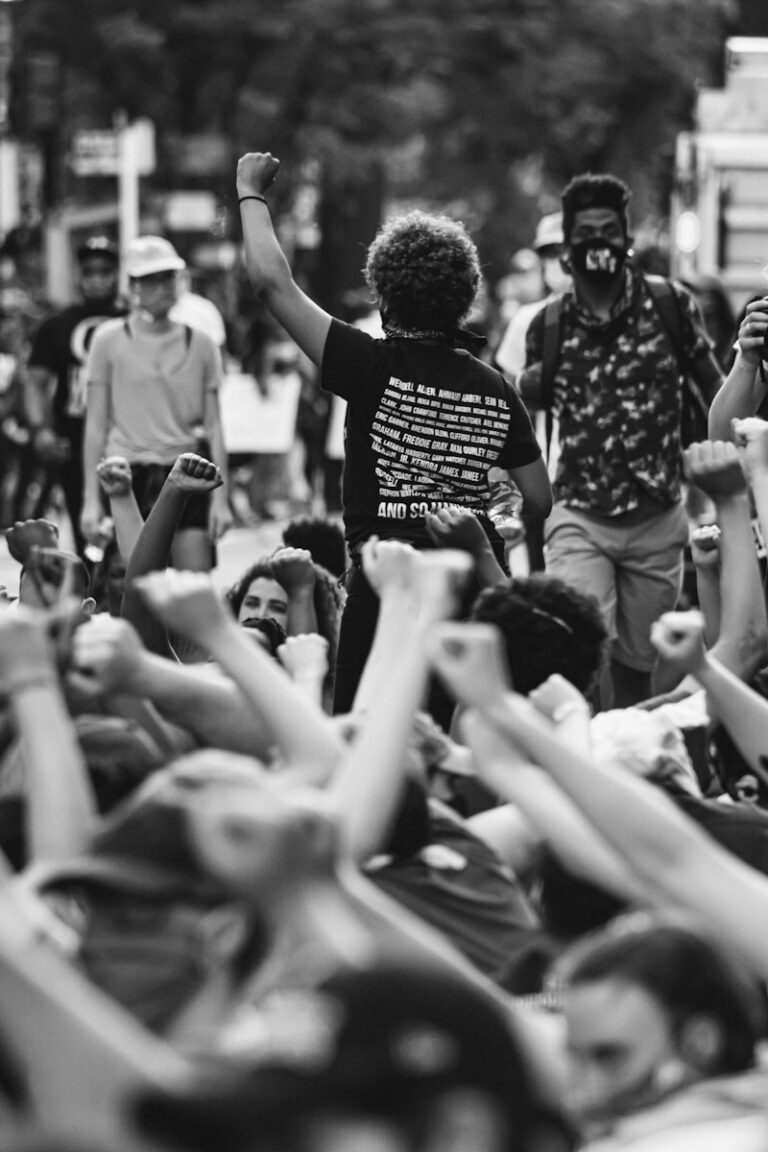
Georgia, a small country situated between Europe and Asia, saw a day of unrest on election day. Thousands gathered outside the presidential palace to protest against what they called unfair local elections. These protests quickly turned chaotic when police stepped in. Riot police used pepper spray and water cannons to force crowds to leave the area. By the end of the day, five activists were arrested.

This dramatic scene unfolded despite the fact that voter turnout was noticeably lower than in previous years. Many blamed the situation on the controversial election process and the absence of major opposition parties.

Local Elections Spark Public Outrage

The core keyword here is “local elections.” Often, local elections go quietly under the radar. But in Georgia, they triggered one of the most intense protests seen in months. As citizens headed to the polls, tensions rose across the country. Protesters took to the streets, chanting slogans and waving flags. Their message was clear—they do not support the current political system.

While the voting happened in peaceful parts of Georgia, the capital city of Tbilisi saw chaos. Protesters marched toward the nation’s presidential palace, demanding reforms. They accused the government of silencing the opposition and claimed the elections lacked fairness.

Opposition Boycott Raises Questions

Major opposition parties, unhappy with how recent national issues were handled, decided to boycott the local elections. This boycott sent a loud message to citizens and the world. It raised serious concerns about whether these local elections truly reflected the people’s will.

Without competitors from the country’s two largest political groups, the ruling Georgian Dream party secured all seats across the municipalities. Critics argue that winning without contest does not mean winning democratically.

Protesters believe this lack of competition in the local elections left voters with no real choice. Many young people, activists, and opposition supporters say the results would not have been the same if everyone had participated.

Police Use Force to End Demonstrations

Protesters had set up near the presidential palace to demand action. As the crowd grew, authorities moved in. Riot police used pepper spray and water cannons to break up the protest. Several people were hurt, and five activists were taken into custody.

Witnesses say the mood shifted quickly. What began as a peaceful protest turned violent when police moved in aggressively.

Local residents expressed shock over the use of such force. Some said they had never seen anything like this during local elections before.

Government Declares Complete Victory

Despite the unrest, the ruling party declared victory in all 64 municipal areas. They claimed the results reflected strong public support.

However, many citizens disagreed. They pointed out the huge number of people who either stayed home or voted under pressure. Others highlighted the absence of opposition candidates.

“This wasn’t a real election,” said one protester. “It was a political show.”

International reaction has been cautious so far, with observers awaiting official reports. Some human rights groups have started looking into police response and reports of mistreatment.

What’s Next for Georgia’s Democracy?

As local elections wrap up, questions remain. Will the government listen to the protesters? Can trust be rebuilt before the next national vote?

Many fear that strong police action will only increase frustration among the youth. Others worry the country is moving away from democratic values.

Still, many remain hopeful. They believe that the recent protests, although violent, are signs of a society that cares and wants change. Young movements continue to grow, spreading awareness and calling for peaceful action.

Opposition leaders say they are regrouping and plan to challenge the election results in court. Some are also calling for new elections that include all political players.

Georgia’s Local Elections: A Wake-Up Call

Local elections matter more than many people think. They affect everyday life—schools, roads, and local budgets. In Georgia, these elections have now become symbols of much bigger issues. People are fighting not just over votes, but over power, fairness, and freedom.

This recent wave of protests tells us one clear thing: Many Georgians are unhappy with the political direction their country is taking. The use of force, the one-sided election results, and the opposition’s absence only highlight deeper issues within the political system.

As Georgia moves forward, citizens and leaders alike must now ask tough questions. Will they fix the system? Will local elections ever reflect every voice again?

Only time will tell, but one thing is clear—the people won’t be silent.

FAQs

Why did the protests start during the local elections?

People felt the elections were not fair because major opposition parties did not take part. Many believed this left voters with no real options.

Were the protests peaceful?

The protests began peacefully but turned violent when police used pepper spray and water cannons to control the crowd.

Which party won the local elections?

The ruling Georgian Dream party announced that it had won in every municipality across Georgia.

Why did opposition groups boycott the local elections?

They felt the process was unfair and believed their involvement would not lead to a true expression of the people’s will.

Why Is Stand-Up Comedy Thriving in Saudi Arabia?

0


Key Takeaways

  • The Riyadh Comedy Festival brought top American comedians to Saudi Arabia.
  • The event faced backlash over human rights concerns.
  • Comedians, including Dave Chappelle, flipped criticism by pointing out U.S. free speech issues.
  • The festival marks a turning point in Saudi Arabia’s cultural openness.
  • Comedy is quietly becoming a tool for commentary even in restricted settings.

Stand-Up Comedy Makes Waves in Saudi Arabia

For decades, Saudi Arabia wasn’t seen as a place for laughter — at least not the kind that happens on a stage in front of thousands. Known for tight control over free speech, limited civil liberties, and a conservative social climate, public entertainment was rare and closely monitored.

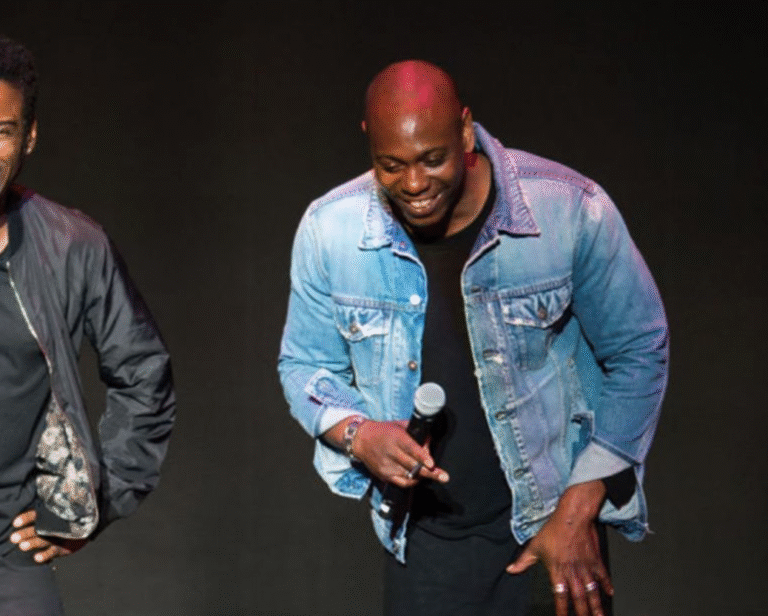
But this past weekend, something unexpected happened. The kingdom hosted the Riyadh Comedy Festival, a first-of-its-kind event that featured some of America’s most famous stand-up comedians. The line-up included stars like Dave Chappelle, Andrew Schulz, and many others. Despite the backlash, they performed in front of a buzzing Saudi crowd.

Why This Show Was So Controversial

The moment the comedians announced their plans to perform in Saudi Arabia, criticism came quickly. Activists, celebrities, and fans questioned why these performers would appear in a country with a history of censorship, especially one often accused of human rights violations.

Many felt comedians — people known for speaking truth to power — were selling out. For some, standing on a Saudi stage seemed like a betrayal of the very freedom they defended in their jokes.

Yet, what happened on stage surprised many.

Dave Chappelle Turns the Mic Around

Instead of ignoring the controversy, Chappelle dove right into it.

“Right now in America, they say that if you talk about Charlie Kirk, you’ll get canceled,” he joked. “I don’t know if that’s true…”

With this one-liner, he cleverly turned the criticism around. While Saudi Arabia is known for tight laws, Chappelle pointed to cancel culture in the United States as its own kind of restriction — one that punishes voices, even in so-called “free” societies.

It was a classic Chappelle move: uncomfortable, sharp, but unforgettable.

A Major Moment for Saudi Culture

The stand-up comedy festival is part of the country’s broader plan to open its doors to the world. Saudi Arabia’s Crown Prince Mohammed bin Salman has been pushing for economic and cultural reforms under his “Vision 2030” plan. The goal? Reduce dependency on oil and reshape the country’s image.

Live concerts, cinema screenings, and public entertainment are no longer banned. And now, stand-up comedy is joining the stage.

This comedy event signals something deeper — a culture craving new means of expression. And surprisingly, laughter might just be the tool that bridges understanding and change.

Can Comedy Spark Change in Saudi Arabia?

Performing stand-up comedy in Saudi Arabia used to be unthinkable. Now, it happens under spotlights and massive speakers booming into the desert night. But can laughter truly make a difference?

Some think yes. Comedy is often more than jokes—it’s how people talk about what they’re not supposed to talk about. Across the globe, comedy has always played a role in pushing boundaries, highlighting injustice, and exposing hypocrisy.

And that’s exactly why these comedians may have done more than just tell jokes — they may have started a conversation.

Americans Question Their Own Freedoms

Ironically, while some Americans criticized the comics for playing in Saudi Arabia, many of the comedians used their stage time to criticize free speech in their own country. Topics like cancel culture, social media silencing, and political echo chambers came up throughout the nights.

By doing this, the comedians flipped the script. They offered a reminder that free speech struggles don’t just exist overseas — they also show up in Western democracies.

The Crowd’s Reaction Tells the Real Story

The audience response spoke volumes. Young Saudis filled the arena, cheering, clapping, and laughing like fans anywhere else in the world. This younger generation seems ready to embrace different ideas, even those delivered in funny and bold ways.

For these Saudis, the event wasn’t just funny – it was freeing. To see icons like Chappelle perform live felt like a moment of global participation. It showed that Saudi Arabia is slowly changing, one laugh at a time.

Comedy as a Soft Power Tool

Governments often invest in culture to change how the world sees them. Hosting a stand-up comedy event isn’t just about making people laugh — it’s about telling the world, “We’re more open than you think.”

While this doesn’t erase the country’s issues, it creates space for different voices and new conversations. For the performers, stepping onto that stage was a chance to connect with a different crowd and possibly push some limits, even if carefully.

The Bigger Question: What Happens Next?

The Riyadh Comedy Festival may be exciting, but its meaning depends on what comes next. Will Saudi Arabia open more performance spaces? Will comedians use local stages to talk about real issues at home and abroad?

That’s what spectators and critics alike are watching closely.

As comedy grows stronger in Saudi Arabia, the hope is that performers won’t just entertain—they’ll also educate, inspire, and challenge. And maybe, just maybe, that will help shape a more open future.

FAQs

Why did the comedians face backlash for performing in Saudi Arabia?

Many people criticized the move because Saudi Arabia has a poor record on free speech and human rights. Critics felt comedians were supporting a restrictive regime by performing there.

What did Dave Chappelle say during his act?

Chappelle joked about cancel culture in the U.S., turning attention away from criticism about Saudi Arabia and focusing on free speech limits in America.

Is stand-up comedy legal in Saudi Arabia now?

Yes, under current reforms, live performances like music and comedy are allowed and even celebrated, especially as part of the country’s Vision 2030 plan.

Will more comedy events happen in Saudi Arabia?

It’s likely. The success of the Riyadh Comedy Festival shows there’s strong public interest. Comedy may become a regular feature of the country’s changing entertainment scene.

Why Did a Federal Agent Shoot a Driver in Chicago?

0


Key Takeaways:

  • A federal agent shot and injured a man during a traffic stop in Chicago.
  • The shooting sparked more protests as people fear more federal force in the city.
  • Tensions rise amid talk of the Trump administration sending troops to Chicago.
  • Protesters continue calling for police reform and accountability.

What Happened During the Traffic Stop?

On a quiet Saturday morning in Chicago, a federal law enforcement officer shot and wounded a motorist during what officials called an “encounter.” Although details are still emerging, federal authorities confirmed the agent opened fire at the man, who is now recovering in the hospital. The core keyword here is federal agent, a term that plays a key role in both the event and what’s happening in the city right now.

This incident took place in a tense atmosphere. Just days before, the Trump administration had warned it might send federal agents into cities like Chicago to handle rising crimes and protests. So, when news broke that a federal agent had shot someone, emotions flared.

Witnesses say the man wasn’t armed and did not pose a threat. However, authorities have yet to officially confirm this. No bodycam footage was released at the time of writing, and people want answers.

Why Was a Federal Agent in Chicago?

Normally, local police handle city-related issues or traffic stops. So why was a federal agent even involved?

Federal agents are law enforcement officials who work for the federal government, not local cities or states. They investigate crimes that cross state lines or involve national matters. But recently, President Donald Trump’s administration announced plans to send more of these federal agents into major cities, including Chicago.

They claimed the goal was to fight violent crime, but many people believe it’s about controlling protests and pushing federal power into places where tensions already run high. This fear of overreach has sparked outrage and concern for public safety and civil rights.

Protests Erupt After Federal Agent’s Shooting

Soon after the incident, crowds gathered near the scene. Residents demanded information, transparency, and answers. Some protesters shouted chants calling for justice. Others held signs questioning why a federal agent was involved and why the man had to be shot.

Protest groups already frustrated with police violence had a new reason to be angry. They believe this event shows how the presence of a federal agent can turn a normal situation, like a traffic stop, into something much worse.

The protests, while mostly peaceful, grew as the day went on. Organizers urged people to stay calm but firm. Their message was clear: federal agents should not be deciding how local communities are policed.

The City’s Response to the Shooting

City officials responded quickly but carefully. The mayor urged calm and promised a full investigation. At the same time, she expressed concern about the federal agent situation. Many city leaders are worried that these agents might not follow local rules or understand the communities they are now entering.

Chicago’s Police Department said it is looking into the situation, but they admit federal agents do not answer to them. This raises big questions about who is in charge and what happens when a federal agent uses force.

Federal officials confirmed that their agent was part of a task force operating in Chicago. These federal task forces often work along with local police, but they sometimes have different rules for how they operate.

Why Is Federal Force a Big Concern?

The idea of sending federal agents into cities like Chicago has drawn massive criticism, mainly because these officers often work outside the control of local leaders. That means they don’t answer to the mayor, the city council, or even the local police chief.

This can lead to confusion and unnecessary force, as some believe happened in this recent shooting by a federal agent.

Critics argue these agents make situations more dangerous. When people don’t know who is pulling them over or what rules that officer follows, problems are more likely to arise.

Federal Agent Actions Raise Legal Questions

There’s also the legal side. When a federal agent is involved, the usual steps for reviewing police conduct become more complex. Local governments cannot easily investigate or discipline federal agents.

This might mean fewer consequences when excessive force is used. People feel that lack of oversight makes it easier for a federal agent to act without fear of punishment.

In cases like this, families, victims, and lawyers often struggle to get justice. If videos and records are not quickly released, trust in the justice system drops even more.

Calls for Change Grow Louder

Community leaders, civil rights groups, and everyday citizens are demanding changes. They want strict rules for how federal agents interact with local residents. They want better training, more transparency, and most importantly—accountability.

Many are also calling on Congress to step in. They believe lawmakers should clearly define what federal agents can and cannot do in local cities. Clear rules and boundaries may help prevent another violent incident like this one.

The shooting has become more than just a local issue. It’s a symbol of the country’s bigger struggle with law enforcement, protest rights, and government control.

People want to know that being stopped by a federal agent won’t turn into a life-threatening situation. They also want to feel safe protesting or going about their daily lives, without worrying a federal agent might use force quickly.

Looking Ahead: What Comes Next for Chicago?

The city of Chicago now faces a tough road ahead. It must balance public safety with respect for civil rights. At the same time, it must figure out how to manage outside forces like federal agents coming into their neighborhoods.

The shooting will remain under investigation, but many don’t want to wait for answers. Protesters continue to demand action, peace, and justice—not just in Chicago, but nationwide.

As the story unfolds, one thing is clear: people will be watching every move federal agents make in the city moving forward.

Frequently Asked Questions

Why was a federal agent in Chicago?

A federal agent was part of a task force meant to fight crime. But many believe their presence increases tension and raises safety concerns for residents.

Was the driver armed during the shooting?

Witnesses say no, but officials have not confirmed this. The federal agent involved claimed there was a threat, but details remain unclear.

Can the city control a federal agent?

Not directly. Federal agents work for the national government, so local leaders have limited power over how they act or are punished.

What changes are protesters asking for?

They’re asking for more accountability, clear rules for federal agents, and better communication between federal and local law enforcement.

As events develop, more updates will follow. For now, all eyes remain on how Chicago and federal leaders handle this sensitive and serious situation.

Why Is Dave Chappelle Facing Backlash Over Free Speech?

0


Key Takeaways:

  • Dave Chappelle criticized free speech in the U.S. during a show in Saudi Arabia
  • Many fans are upset, accusing him of hypocrisy given Saudi Arabia’s censorship laws
  • The comments were made during the Riyadh Comedy Festival, a major global comedy event
  • Critics say Chappelle’s remarks ignore the country’s history of silencing speech

Dave Chappelle and Free Speech Debate Heats Up

Comedian Dave Chappelle has sparked a wave of controversy after speaking out about free speech in the U.S.—but he did so while performing in Saudi Arabia. During a set at the Riyadh Comedy Festival, Chappelle criticized how people back home handle freedom of expression.

Although some laughed along, others didn’t find it funny. In fact, backlash started spreading online almost immediately. Many criticized the comedian for making such comments in a country known for its strict censorship laws.

This moment has once again opened up a heated debate on what free speech really means and where those conversations should happen. Let’s take a closer look at what was said and why so many people are upset.

What Did Chappelle Say About Free Speech?

While on stage, Chappelle shared his view that free speech in the U.S. is becoming less free. He talked about “cancel culture” and how people can lose jobs or reputations for what they say. These are valid concerns for many performers, especially comedians who often push boundaries.

But saying that in Saudi Arabia added major shock value. Why? Because Saudi Arabia has a long record of limiting speech and punishing dissent. People there can get arrested for speaking out against the government or criticizing public policies.

For that reason alone, critics say Chappelle’s setting made his message feel tone-deaf or even offensive.

Mixed Reactions From Fans and Critics

Reactions to Chappelle’s free speech comments were all over the map. Some longtime fans supported him, saying he’s standing up for comedy and artistic freedom. They argued that if comedians can’t joke about real topics, then what’s left of free speech?

On the other hand, many people found his words hypocritical. They pointed out that by criticizing the U.S. while in a country where true free speech is forbidden, Chappelle sent the wrong message. In their view, he took a jab at the wrong target in the wrong place.

The backlash flooded social media platforms, including Twitter and Instagram, where hashtags like #ChappelleBacklash and #FreeSpeechFail started trending.

Riyadh Comedy Festival: A Cultural Collision

The events around Chappelle are taking place during the Riyadh Comedy Festival, one of the biggest comedy events ever hosted in Saudi Arabia. The festival features global stars and aims to highlight the country’s push to open up its entertainment scene.

However, the decision to host a major comedy festival in Saudi Arabia was already stirring debate even before it started. Critics say the country is using entertainment to improve its global image without making real changes, especially when it comes to personal freedoms and human rights.

This puts comedians in a tough spot. Performing there gives them access to a huge new audience. But it also means taking a stand—either by speaking out or staying silent.

A Closer Look at Free Speech in Saudi Arabia

The topic of free speech is especially sensitive in Saudi Arabia. The country has a long track record of punishing citizens for expressing opinions that go against government views. Activists, journalists, and even regular people can face jail time or worse.

So when someone like Chappelle flies in for laughs and chooses that moment to complain about free speech in the U.S., many see it as ignoring the struggles others face just to speak their minds.

Even though Chappelle may have tried to talk about cancel culture, to critics it looked like he picked the wrong time and wrong place.

Why People Care About Free Speech More Than Ever

Free speech has always been important, but debates over it seem louder now than ever. Between social media bans, misinformation, and online shaming, people are starting to ask what speech should be allowed—and who gets to decide that.

Comedians are often at the heart of this. They use humor to comment on culture, politics, and even painful topics. But not everyone thinks all jokes are harmless. Some believe that comedians should be more careful about who they offend, while others argue that policing comedy is just another form of censorship.

Chappelle has been no stranger to these arguments. His past specials on Netflix drew both praise and protest, especially over jokes about gender and identity.

This latest controversy adds another layer to the ongoing free speech conversation. And because it took place overseas, the backlash came faster and harder than usual.

Will This Impact Chappelle’s Career?

It’s hard to say if this will hurt Chappelle permanently. He’s a big name in comedy with fans around the world. Moments like these often fade as quickly as they rise, especially in the fast-moving world of entertainment.

Still, some people may now view him differently. Not necessarily because of what he said—but because of where he chose to say it.

The bigger question may not be about Chappelle at all. It might be this: Should celebrities take more care about when and where they speak on political topics?

Final Thoughts: The Lessons Behind the Laughs

In comedy, timing is everything. And in real life, context matters just as much.

Dave Chappelle’s comments on free speech weren’t just jokes to many people. They were statements made on a world stage—one with deep, complicated rules about who gets to speak and who doesn’t.

Whether you agree with Chappelle or not, the moment shows how much weight our words carry. Especially when the world is listening.

FAQs

What did Dave Chappelle say about free speech?

During a comedy show in Saudi Arabia, Chappelle said that free speech in the United States is under attack. He was talking about cancel culture and how people get punished for their opinions.

Why are people upset with Dave Chappelle?

People are angry because he made those comments in Saudi Arabia, a country well known for limiting free speech. They feel his timing and location were inappropriate.

What is cancel culture, and how does it relate to free speech?

Cancel culture is when people are criticized or “canceled” for things they say or do—often online. Some believe it protects others from harm, while others see it as limiting free speech.

Will this backlash affect Chappelle’s future shows?

It’s too early to tell. Some fans are upset, but Chappelle still has a strong fanbase. Controversy has followed him before without ending his career.

Why Did a Judge Stop National Guard Deployment in Portland?

0


Key Takeaways:

  • A federal judge blocked the Trump administration from sending the National Guard to Portland.
  • The ruling came after Oregon’s state and city officials filed a lawsuit.
  • The judge said the peaceful protests didn’t justify military intervention.
  • The decision emphasized protecting state rights and local control.
  • More legal arguments are expected in the coming weeks.

National Guard Deployment: What’s Really Going On in Portland?

In July, tensions rose in Portland, Oregon, over how to handle ongoing protests. The federal government, led by then-President Donald Trump, wanted to send the National Guard to the city. However, local leaders disagreed, saying that kind of military force was not needed.

Then, on a Saturday, U.S. District Judge Karin Immergut made a big decision. She issued a temporary block on deploying the National Guard in Portland. This ruling came in response to a lawsuit filed by both the city of Portland and the state of Oregon. They argued that sending federal troops would violate their rights and make the situation worse.

Judge Says No to National Guard Deployment—for Now

Judge Immergut explained that Portland had seen mostly peaceful protests. She said using the National Guard in this situation wasn’t justified. According to her, harsh federal action could hurt Oregon’s ability to make decisions for itself.

By blocking the deployment, Judge Immergut made it clear that the federal government must respect state sovereignty. In simple terms, she reminded everyone that states have their own rights and shouldn’t be forced to accept military help they don’t want or need.

More Court Conversation to Come

This legal battle isn’t over. The temporary order is just the start. Judge Immergut said both sides need to present more arguments in the coming days. Until then, the National Guard cannot be deployed in Portland under the current plan.

This delay gives Oregon’s leaders more time to make their case. It also offers the federal government a chance to rethink its strategy.

Protests in Portland: The Bigger Picture

Over the past year, Portland has become a hotspot for protests. Most started as peaceful marches connected to the Black Lives Matter movement. But sometimes, small groups turned violent. That got national attention and strong criticism from the Trump administration.

In response, the federal government had already sent other kinds of officers to Portland. These officers wore camouflage and used strong tactics to stop protesters. But this approach also caused outrage. Many people in Portland felt the officers were too aggressive and didn’t understand the community.

Now, the focus is on whether deeper federal involvement—like deploying the National Guard—is allowed or even helpful in such situations.

Local vs. Federal Power: Who Gets to Decide?

The National Guard deployment debate brings up one very old question: who should have the final say, the federal government or the states themselves?

Governor Kate Brown of Oregon has been clear. She believes that local leaders know their communities best. She also says that the governor should decide when and how to bring in military help—not Washington, D.C.

On the other side, President Trump believed stronger action was needed to “restore law and order.” He argued that letting protests continue unchecked hurt public safety and damaged businesses.

This disagreement between Washington and Oregon goes beyond just Portland. It shows how complex and delicate the balance of power can be between state and federal governments.

What Could Happen Next?

As the court case moves forward, more arguments will unfold. Legal experts will weigh in, and more judges could get involved. Until a final decision is made, the National Guard won’t be heading out.

This situation could also set a major precedent. In the future, other cities and states might use this ruling to push back if the federal government tries to step in without their permission.

At the same time, it serves as a message to both protesters and leaders. Protests should stay peaceful, and government responses should stay balanced and fair.

How Do People Feel About the National Guard Deployment?

Across the U.S., people are reacting differently. Some support the idea of using the National Guard to calm chaotic situations. They think a stronger presence can prevent violence and protect property.

Others feel uncomfortable with the idea. They worry that turning to the military sends the wrong message. Cities like Portland, they say, don’t need troops—they need trust, reform, and conversation.

In Portland itself, many residents have voiced support for the judge’s decision. They believe local police and community leaders can handle things without federal military help.

Why This Matters for Every American

This isn’t just about one city or one protest. It’s about how America handles emergencies, civil unrest, and the rights of states.

The National Guard deployment issue reminds us that democracy involves constant checks and balances. Even presidents must respect the court and honor the laws that protect everyone’s rights.

For young people growing up today, this moment is a lesson in civic duty. It teaches us that legal systems work to protect both freedom and safety—and that standing up for what you believe in can truly make change happen.

Final Thoughts

The story of Portland isn’t over yet. The court will continue hearing arguments, and we’ll learn more in the weeks ahead. But for now, one thing is clear: the people of Portland, backed by a federal judge, stood their ground to keep control over their city.

No matter where you stand on the issue, this event shows the real power of democracy in action.

FAQs

Why did the judge block the National Guard deployment?

The judge said the protests in Portland weren’t violent enough to justify sending in the military. She also wanted to protect Oregon’s right to make its own decisions.

Can President Trump still send federal officers?

While this case stops the National Guard, it does not fully stop all types of federal officers. However, each action can be challenged in court.

What is state sovereignty and why does it matter?

State sovereignty means each state can control what happens within its borders. It matters because it prevents the federal government from taking over local issues without permission.

Will the National Guard ever be allowed in Portland?

Maybe. The court case is still in progress. If things change or if stronger evidence appears, a future ruling could allow deployment.

Why Did Andrej Babiš Win Czechia’s Election Again?

0


Key Takeaways:


  • Andrej Babiš and his ANO movement received 34.6% of the vote.
  • Prime Minister Petr Fiala’s coalition dropped to just 23.3%.
  • With 99% of votes counted, ANO is set to lead Czechia again.
  • The win marks a possible shift away from Czechia’s pro-Western stance


Election Victory For Andrej Babiš

Billionaire businessman and political leader Andrej Babiš is making waves again. His political group, ANO (which means “Yes” in Czech), has won the parliamentary elections in Czechia with 34.6% of the vote. This result puts him on track to return to power and take the place of current Prime Minister Petr Fiala.

With almost all votes counted—about 99%—the results are clear. Babiš and his allies are on top, while Fiala’s pro-Western coalition only managed around 23.3%. These numbers show a significant shift in what Czech voters want for their future.

A Shift Away from the Current Government

For years, Petr Fiala’s government focused on strong connections with the West, supporting Ukraine in the war, and standing firmly by the European Union. But many Czechs now seem to prefer a different path.

Andrej Babiš has a different style and vision. He positions himself as someone who puts Czechia’s needs first. His message of national pride, border protection, and better local services seems to have reached everyday voters.

Why Babiš’s Message Is Working

During the election campaign, Babiš focused on topics like rising prices, energy bills, and crime. He blamed the current leaders for letting people struggle while sending help to other countries. This message made many people feel heard, especially in rural areas and smaller towns.

Babiš also talked a lot about protecting Czechia’s borders and keeping the country safe. At a time when many citizens worry about migration and security, his words brought comfort to them. That strong message helped him win over a large part of the country.

Who Is Andrej Babiš?

Andrej Babiš is not just a politician—he is one of the richest people in Czechia. He made his money in chemicals, farming, and media. His style has always been different from traditional politicians. He calls himself a businessman who wants action, not just talk.

Babiš first became prime minister back in 2017 and stayed in power until 2021. During his time as leader, he promised to clean up politics, fix the economy, and make the government work better for regular people. While some praise his past work, others worry about his control over the media and questions about corruption.

Despite the controversies, his popularity never completely disappeared. In fact, it seems to have grown again in recent years.

What This Election Tells Us About Czechia

This election results show that Czechia may be heading down a more independent path. While Fiala’s government stood close with the European Union and supported Ukraine strongly, voters now seem more interested in domestic issues.

Energy bills have stayed high. Inflation continues to affect everyday life. Many feel their concerns are being ignored by global-looking politicians. That’s where Andrej Babiš stepped in with a strong message focused on national pride and local problems.

This win may also mean that Czechia will speak more boldly within the European Union, possibly causing friction with Brussels.

What’s Next for Czechia?

Now that ANO looks set to lead again, many are wondering what changes could happen soon. Here are some possibilities:

  • Lower Support for Ukraine: Babiš may reduce aid or step back from active involvement in the Ukraine-Russia war.
  • Tighter Immigration Rules: He may push for stronger borders and stricter immigration laws.
  • National Focus: His plans may center on education, healthcare, and jobs that directly affect Czech citizens.
  • Possible EU Tensions: Czechia may not follow all EU decisions closely if it clashes with Babiš’s goals.

It will be key to watch how he builds coalitions in parliament. Even though his party won the most votes, he will still need partners to form a stable government.

Reactions from Other Parties

Prime Minister Fiala accepted defeat quietly but firmly. He wished the new government well but stood by his past record.

Meanwhile, other smaller parties are already preparing for the shift in power. Some worry about corruption, while others focus on protecting civil rights and freedoms. It’s clear that the next government will face both high hopes and big challenges.

The World Watches Czechia

Not only are Czech citizens watching closely—so is the world. Czechia is a small country, but its decisions affect the heart of Europe.

If Babiš steps away from Western unity, it could create new divides within the European Union. Other countries may wonder if they, too, should focus more on what’s happening inside their borders instead of across them.

So, what happens next in Czechia matters far beyond its borders. As Babiš gets ready to take power again, many are holding their breath.

What This Means for Young Voters

Many young people in Czechia, especially new voters, feel unsure about the future. Some support Babiš, hoping he’ll bring change. Others worry he could harm free speech, media freedom, or Czechia’s place in Europe.

What’s clear is this: young voters will play a bigger role in shaping what comes next. Whether they want to stick with tradition or try something new, their voices matter more than ever.

Summary: Czechia’s Road Ahead

Czechia has picked a new path by supporting Andrej Babiš and the ANO movement. His focus on local issues, national pride, and strong leadership brought him back into power. Now, as he prepares to lead once more, the country could see big changes.

Whether you support him or not, his win speaks volumes about what Czech voters care about today: lower living costs, safety, and a focus on home.

As always, voters will get the final say in how long this new path lasts.

FAQs

Who is Andrej Babiš?

Andrej Babiš is a billionaire businessman and leader of the ANO movement. He previously served as Czechia’s Prime Minister from 2017 to 2021.

What does ANO stand for?

ANO is a Czech political party. In Czech, “ANO” means “Yes” and also stands for “Action of Dissatisfied Citizens.”

Why did Babiš win the election again?

Many Czechs are upset about high prices, energy bills, and government priorities. Babiš focused on those local issues during his campaign.

Will Czechia still support Ukraine under Babiš?

It’s unclear. Babiš has criticized sending too much support abroad. He may reduce Czechia’s active role in the Ukraine conflict.

Why Did Nicholas Roske Get Only 8 Years?

0


Key Takeaways:

  • Nicholas Roske was sentenced to 8 years in prison for trying to kill Justice Brett Kavanaugh.
  • Roske, who now goes by Sophie and identifies as transgender, was arrested outside Kavanaugh’s home in 2022.
  • Critics say the sentence is too light, especially considering the seriousness of the crime.
  • The case has reignited debate about sentencing, mental health, and identity politics.

Who Is Nicholas Roske and What Happened?

Nicholas Roske, a 26-year-old from California, made headlines in June 2022 after he traveled to Maryland with a dangerous plan. He brought weapons, zip ties, and other items, saying he wanted to kill Supreme Court Justice Brett Kavanaugh.

Roske told police he was angry about leaked Supreme Court decisions. He said he was upset about gun rights and abortion rulings. However, before actually carrying out his plan, he called 911 and turned himself in just outside Kavanaugh’s home.

This shocking plot to harm a U.S. Supreme Court Justice was stopped in time, but the incident left many Americans shaken. As details of the case came out, people wanted to know what would happen next.

No Easy Sentence: 8 Years in Prison

On Friday, Judge Deborah Boardman sentenced Nicholas Roske to eight years in prison for the attempted assassination. Roske pleaded guilty in 2023 to a federal charge of attempting to kill a U.S. official.

People online quickly responded to the sentencing. Conservative voices on social media were especially loud, saying eight years isn’t enough time for someone who planned to commit such a serious attack.

Many believe a much longer sentence would send a stronger message. Critics also pointed out that similar crimes have led to tougher sentences. They say this light punishment may not match the danger of Roske’s plan.

Identity Sparks Controversy

Another topic that stirred debate was Roske’s gender identity. During the legal process, Roske said they go by the name Sophie and identify as transgender.

This detail led some on social media to accuse people of being too “soft” on Roske because of the gender identity. Some conservative voices suggested the court may have handled the case differently if the defendant did not identify as transgender.

Although there is no evidence the judge based the sentence on Roske’s gender identity, the issue became central to the online conversation.

Judge Boardman, who was nominated to her role by President Joe Biden, has also come under fire. People are questioning whether political ties or identity politics influenced the outcome.

Mental Health in the Spotlight

During court hearings, Roske’s defense team brought up mental health struggles. They claimed these issues contributed to the decision to target Justice Kavanaugh.

According to reports, Roske had been experiencing major depression and suicidal thoughts. On top of that, he said he felt hopeless about the direction the country was going.

These concerns may have impacted how the judge decided the sentence. Judges often consider mental health when deciding how long a person should serve in prison. In Roske’s case, this could explain why he didn’t receive a harsher sentence like life in prison.

Still, many people feel that serious threats to public officials should lead to stronger consequences, regardless of mental health challenges.

Was Justice Served?

This case sparked a large and loud public debate over justice and fairness in sentencing. Supporters of the sentence say Roske turned himself in and never actually harmed anyone. They feel eight years is a fair punishment for someone who stopped themselves before going too far.

Opponents say planning the attack, traveling across the country, and bringing dangerous tools proves he was a real threat. They believe that because this was an assassination attempt, Roske should’ve faced a much longer time behind bars.

Moreover, judges usually try to balance punishment with chances for rehabilitation. Since Roske has not committed past crimes and showed mental health issues, the judge may have aimed for a sentence that encourages treatment and change.

Politics and the Law

This case also shows how quickly criminal cases can become political. Because Justice Brett Kavanaugh is seen as a conservative judge, many believe politics played a role in how the trial was covered—and how people reacted.

The fact that Judge Boardman is a Biden appointee added more fire to the conversation. Critics say if the judge had been appointed by a Republican president, the sentence might have been different.

This has led to broader questions about whether justice in the U.S. is truly fair and equal, or if it can be shaped by political opinions and personal identity.

What’s Next for Roske?

Roske will serve time in a federal prison, likely in a facility that offers mental health support. After finishing the sentence, they may face conditions like supervised release, therapy, and close monitoring by authorities.

It’s also likely that Roske will be kept away from high-profile political or legal figures as a condition of release. Federal prosecutors may keep a close eye on behavior even after Roske leaves prison.

In the meantime, this case is likely to remain a talking point for both sides of the political aisle. People will continue to argue over whether justice was done—and what this case means for future threats against government leaders.

The Bigger Picture

Roske’s attempted assassination is part of growing concerns about safety for public officials. After the January 6 Capitol riot and other high-profile threats, lawmakers have pushed for stronger security.

This event showed how easily someone can come close to harming a national figure. Despite more security since 2022, many believe more needs to be done to protect judges, lawmakers, and public workers.

Some also say that better mental health care could prevent these threats before they happen. If people like Roske get help early, before reaching a crisis point, tragedies—or near-tragedies—could be avoided.

Final Thoughts

The sentencing of Nicholas Roske, now known as Sophie, might seem simple on paper, but it keeps raising deeper questions. Is eight years enough for planning to kill a Supreme Court Justice? Does gender identity play a role in how cases are treated? What part should mental health play in court?

These are the questions Americans are now asking. The answers could shape how we view justice, danger, and fairness in our legal system for years to come.

FAQs

Why did Nicholas Roske only get eight years?

Nicholas Roske received an eight-year sentence likely because he turned himself in and showed signs of mental illness. The judge may have taken those factors into account when deciding the penalty.

Did Roske’s gender identity affect the sentence?

There is no solid proof that Roske’s transgender identity played a role in the sentence. However, it has become a part of the public debate.

Who is Judge Deborah Boardman?

Judge Deborah Boardman is a federal judge appointed by President Joe Biden. She sentenced Roske and has received online criticism, mostly from conservative voices.

What happens after Roske serves the sentence?

After Roske leaves prison, they will likely be monitored and could face conditions such as therapy or supervised release.

Did Mark Sanchez Really Get Stabbed Outside a Bar?

0


Key Takeaways:

  • Former NFL quarterback Mark Sanchez was involved in a late-night brawl.
  • The incident happened outside a bar in downtown Indianapolis.
  • A 69-year-old man allegedly stabbed Sanchez during the altercation.
  • The fight reportedly started over a parking issue with a grease truck.
  • Sanchez survived the stabbing and faces charges for his role in the confrontation.

Mark Sanchez Stabbed in Chest During Bar Fight

The former New York Jets quarterback Mark Sanchez was reportedly stabbed in the chest during a heated brawl outside an Indianapolis bar on Saturday. The altercation took place near midnight and involved a 69-year-old man. Sanchez, who retired from professional football in 2019, has since made headlines for all the wrong reasons. This shocking incident has left both fans and law enforcement stunned.

The stabbing happened just after midnight near Loughmiller’s Pub & Eatery in downtown Indianapolis. Witnesses say Sanchez confronted an older man about moving a truck parked in an alley. That vehicle was reportedly hauling grease from local restaurants. Things escalated quickly from there, turning into a violent encounter that ended with Sanchez being rushed to the hospital.

What Caused the Fight Between Sanchez and the Older Man?

According to early reports, Sanchez approached the man aggressively after asking him to move his truck. The disagreement wasn’t just about parking—it turned into a shouting match. The situation turned physical when both men allegedly exchanged punches.

Witnesses in the area described chaos in the alley. People were yelling, trying to break up the fight. While it’s unclear who threw the first punch, investigators state Sanchez appeared highly agitated before things turned violent.

When the 69-year-old man felt physically threatened, reports claim he pulled out a pocketknife and stabbed the quarterback in the chest. Emergency services arrived within minutes and transported Sanchez to a nearby hospital. Thankfully, doctors say the wound was not life-threatening.

Police Intervention and Charges Filed

Police officers who arrived on the scene arrested both Sanchez and the older man. The former NFL star now faces charges related to the fight, possibly including assault or disorderly conduct. Meanwhile, the 69-year-old involved in the stabbing may face charges for using a weapon during the dispute.

Investigators are currently reviewing surveillance footage from cameras surrounding the bar and alley. This footage could confirm details about who started the fight and how the stabbing happened. Police say they want to ensure a fair outcome based on the facts, not just witness opinions.

Sanchez has not released a public statement yet. His legal team also declined to comment, stating that they are still gathering information about the incident. It’s unclear if alcohol played a role in the confrontation, though late-night bar fights often involve some level of intoxication.

Mark Sanchez’s Post-NFL Life and Recent Public Image

Mark Sanchez became a household name after leading the New York Jets to two AFC Championship Games during his career. However, after retiring in 2019, his popularity declined as he shifted into sports broadcasting.

Despite leaving football behind, Sanchez remained visible in the media. He frequently appeared on sports talk shows and covered NFL games as an analyst. His commentary received mixed reviews, but he never found himself in serious legal trouble—until now.

Now, this unexpected bar fight threatens to change the public’s perception of him. Friends and former teammates have expressed surprise, saying Sanchez always handled himself professionally in the past.

Whether this was a one-time conflict or a sign of deeper problems remains to be seen. However, involvement in a violent incident like this could damage any future plans Sanchez may have in television or public appearances.

Public Reactions and Media Buzz

News of the incident spread quickly through social media platforms. Fans of Sanchez expressed disappointment, while others joked about the odd details—especially the “grease truck” dispute.

Some questioned what led a former NFL quarterback to be out after midnight, arguing that celebrities should be more careful about their surroundings. Others said this reminded them that fame doesn’t protect anyone from real-life conflicts.

As details continue to unfold, many await the full police report, including toxicology results and eyewitness testimony. The sports world will also watch closely to see how the NFL community responds.

The Bigger Picture: Athletes and Post-Career Struggles

This event brings up a larger question: What happens to athletes after they retire?

Many former players struggle with the transition away from their sport. Some experience identity crises, financial stress, or emotional difficulties adjusting to a life without the adrenaline of competition. Others, like Sanchez, move into media roles, which come with their own pressures.

Whether or not this incident was caused by deeper personal challenges is still unknown. But it does highlight a common trend—retirement is not always the peaceful chapter players expect.

For Sanchez, who is still relatively young at 37, this episode might serve as a wake-up call to change his public trajectory. However, avoiding long-term damage to his reputation will likely depend on how he responds in the coming days.

Legal Consequences Sanchez Could Face

Depending on the investigation, Sanchez might be charged with simple assault or disturbing the peace. If found guilty, penalties could include fines, community service, or even jail time—though first-time offenders rarely serve time for such charges.

On the other side, if the 69-year-old man is proven to have used excessive force by stabbing Sanchez instead of backing away or calling for help, he could face a more serious charge like aggravated assault with a deadly weapon.

Indiana law allows for self-defense in situations where someone reasonably believes they are about to suffer harm. Therefore, the man’s age and the nature of the attack may protect him from severe consequences if the stabbing appeared to be in self-defense.

The next steps will depend heavily on the official police report, witness statements, and any video evidence.

Will This Impact His Broadcasting Career?

Sanchez has built a secondary career as a football analyst and TV personality. Networks that hired him now face difficult decisions. Should they cut ties while the legal process unfolds?

Media companies usually wait for more information before they take action. But if Sanchez becomes a distraction or generates ongoing negative headlines, he could lose those opportunities.

For now, he remains off-air, with no confirmed plans to return during this NFL broadcast season.

Conclusion: A Shocking Twist in Sanchez’s Story

Mark Sanchez’s recent bar fight adds an unexpected twist to his otherwise mild public life after football. With fan reactions ranging from disbelief to concern, this event highlights how fast things can go off-track—even for former sports stars.

As the legal process begins and more details come to light, the world will be watching closely to see how Sanchez handles the aftermath of being stabbed and charged. Whether he redeems his reputation or sinks deeper into controversy is up to him.

For now, all eyes are on Indianapolis and a late-night fight that nobody saw coming.

Frequently Asked Questions:

What were the charges filed against Mark Sanchez?

Mark Sanchez was charged for his role in a fight outside a bar. Specific charges may include assault or disorderly conduct.

Was Mark Sanchez seriously injured in the stabbing?

No, the wound was not life-threatening. Sanchez was hospitalized but has since been reported as stable.

Why was he fighting with a 69-year-old man?

The altercation reportedly began after Sanchez told the man to move a truck hauling restaurant grease. Things escalated quickly.

Is this Sanchez’s first legal issue?

Yes, this is the first major legal trouble for Sanchez since retiring from the NFL in 2019.

Why Was Journalist Mario Guevara Deported for Reporting?

0


Key Takeaways

  • Award-winning journalist Mario Guevara has been deported to El Salvador.
  • Press freedom advocates say it was retaliation for his reporting.
  • The Committee to Protect Journalists (CPJ) calls it a first-of-its-kind case.
  • Guevara has a long history of covering immigration and human rights issues.

Deportation of Journalist Sparks Press Freedom Concerns

The deportation of Mario Guevara shocked journalists, activists, and human rights supporters across the country. Guevara, a widely respected Spanish-language journalist who has won several awards for his powerful reporting, was sent back to El Salvador last Friday morning. Many believe this happened not because of anything he did wrong, but because of the stories he told.

According to the Committee to Protect Journalists (CPJ), this is the first case they have seen where a journalist was deported as apparent punishment for their work. Guevara focused on immigration issues, often shining a light on the challenges immigrants face in the United States. His removal raises serious questions about press freedom in the country.

Who Is Mario Guevara?

Mario Guevara is no ordinary reporter. He’s known for being brave and passionate about telling the truth. Guevara has worked at multiple Spanish-language news outlets, using his voice to bring attention to struggles that often go unheard. He has told the stories of families being torn apart by deportation, conditions in immigration detention centers, and the legal problems many immigrants face.

His reports didn’t just inform people—they touched hearts. For many immigrant families, Guevara was a trusted voice who helped make their struggles known to the public.

Why Was Mario Guevara Deported?

Guevara’s supporters believe that his deportation wasn’t just a legal action—it was a direct response to what he wrote. While immigration officials haven’t provided full details, advocate groups say that his removal looks like retaliation. In short, they think the government sent him back to silence him.

The CPJ—an organization that defends the rights of journalists—said this kind of deportation linked to reporting is something they have never documented before. That makes the situation even more troubling. If one journalist can be deported for simply doing their job, who’s next?

What This Means for Press Freedom

Press freedom is the idea that journalists should be able to report the truth without fear. It’s one of the key parts of a healthy democracy. When a journalist is punished for their words, it sends a message to others—stay quiet, or face the consequences.

The deportation of Mario Guevara may have a chilling effect on other reporters, especially those covering immigration or criticizing government actions. If journalists begin to fear retaliation, they may stop reporting on important issues—or avoid certain topics entirely.

Why This Case Stands Out

Many immigrants face deportation each year, but Mario’s case is different. He wasn’t just a person without legal papers; he was a reporter sharing important stories. That makes this situation not just a legal issue, but a journalistic crisis.

According to CPJ, this is the first instance they can name of a journalist in the United States being deported in what looks like revenge for their reporting. That fact alone has made international news outlets and human rights groups pay attention.

Reactions from the Journalism Community

Since the news broke, journalists around the world have rallied to support Guevara. Many have expressed fear and sadness. Some have even called his deportation a “dark day” for journalism in America. Others see it as part of a growing trend of limiting free speech—especially in connection with immigration reporting.

Organizations like the National Association of Hispanic Journalists (NAHJ) and Reporters Without Borders have also raised their voices. They are asking for answers and calling on government officials to protect all journalists, no matter their background.

The Role of Immigration Policy

Of course, this story also brings up questions about immigration rules. Was Mario Guevara targeted because he didn’t have legal status? Or was his reporting the reason he was pushed to the front of the deportation list?

While immigration laws are complicated, many worry that Guevara’s case shows how those laws can be used unfairly. If someone reporting the news ends up on a deportation list simply for doing their job, that’s not just a legal problem—it’s a human rights issue.

The Human Side of the Story

Behind every journalist is a real person with a life, a family, and dreams. Guevara’s deportation isn’t just a headline. He has been taken from the community he served for over a decade. That community is now left without one of its strongest voices.

His absence will be felt most deeply in immigrant neighborhoods where people trusted him to speak up when no one else would. Now, many wonder who will take up that role—or if anyone dares to try.

What Happens Next?

Guevara’s future is uncertain. He now lives in El Salvador, a country facing safety issues and political instability. Supporters fear he may be in danger there, especially if people in power view him as a threat.

Meanwhile, press freedom groups are working hard to bring attention to his case. Some are calling for his return, while others are using this moment to push for stronger protections for journalists—especially immigrant journalists.

Could This Happen Again?

For now, it’s unclear whether Guevara’s case is an isolated event or a sign of things to come. What’s evident is that this deportation raises major concerns. It shows how delicate freedom of the press can be, especially for those working on controversial or sensitive topics.

If the public doesn’t speak up, more journalists could face similar risks. That would hurt not just journalism—but democracy itself.

Final Thoughts on Mario Guevara’s Deportation

Mario Guevara’s deportation is more than a legal action—it’s a warning. It tells us that speaking the truth can come at a cost, and that some voices are more vulnerable than others. As the journalism world watches closely, one thing is clear: protecting press freedom means protecting all journalists, no matter where they’re from.

FAQs

Who is Mario Guevara?

Mario Guevara is an award-winning Spanish-language journalist known for covering immigration and human rights issues in the U.S.

Why was Mario Guevara deported?

Advocates believe he was deported as retaliation for his reporting, especially stories critical of immigration policies.

What is press freedom?

Press freedom means journalists have the right to report news without fear of punishment, censorship, or retaliation.

What can the public do to support press freedom?

People can support honest journalism, speak out against retaliation, and support laws that protect reporter rights.