55.6 F
San Francisco
Saturday, April 11, 2026
Home Blog Page 616

Dr Oz Blasts Medicaid Users for Watching TV

0

Key Takeaways
– Dr Oz said able bodied Medicaid users watch over six hours of TV daily
– He urged them to volunteer, train, or find work
– Most Medicaid users already work or cannot work
– Critics labeled his remarks unfair and classist
– New Medicaid rules stir heated debate

Controversial TV Claim
Dr Mehmet Oz, now leading the agency that runs Medicaid, sparked anger with a new comment. He claimed that people on Medicaid who can work spend about 6.1 hours each day watching TV or relaxing. He argued that such “leisure time” wasted would hurt their drive to improve their lives. Moreover, he said the government should help these people find work or volunteer roles so they can live fuller lives.

Who Uses Medicaid
However, his claim clashes with the real makeup of Medicaid users. In fact, most adults on Medicaid already hold a job. In many families that rely on Medicaid, at least one adult works full time. In addition, children, elderly adults, and people with disabilities form the majority of Medicaid recipients. These groups simply cannot work full time because of age or health limits. Therefore, Oz’s focus on “able bodied” adults overlooks many needy families.

Work Requirement Push
The agency led by Oz plans to add new rules that ask recipients to work, volunteer, or get training. He argued that the changes would spur able bodied adults to join the workforce or take up community roles. Furthermore, he reasoned that active participation could boost their income and sense of purpose. He claimed that the policy would not kick people off Medicaid unfairly. Instead, it would guide them toward jobs and skill building.

Calls for Self Improvement
In his remarks, Oz framed the push for work as a moral mission. He said every person is born with a drive to change the world. He then urged the government to tap into that drive. As a result, recipients would volunteer at community centers, enroll in education programs, or pursue full time jobs. He promised that his agency would support such efforts with resources and coaching.

Critics Push Back
Many experts and advocates blasted Oz’s comments. One public policy analyst noted that Oz built his fortune as a TV host while now shaming viewers who watch TV. Another observer called the idea pure class prejudice. In addition, critics pointed out that access to Medicaid helps working poor people stay healthy enough to keep their jobs. They argued that cutting benefits in the name of work requirements really aims to reduce public spending on the poor.

Realities of Working Poor
Indeed, a large share of Medicaid adults hold low wage jobs or work part time. Many do not earn enough to buy private insurance or cover medical bills. Meanwhile, their health issues often drive up expenses. Without Medicaid, they could face huge debts or delay care. In turn, that could lead to worse health and even more medical costs later. Therefore, experts say that work requirements risk harming families who need stable health coverage.

Lessons from Other States
Several states have already tried similar work rules for Medicaid. In some cases, thousands of people lost coverage after missing paperwork or failing to log their hours. Moreover, studies found that coverage gaps often rose, while job gains stayed small. Critics claim these pilot programs prove that new rules do not deliver promised job outcomes. Instead, they simply cut health benefits for people struggling to keep up with extra paperwork.

Impact on Children and Families
Research shows that children in Medicaid households stay healthier and do better in school. When parents lose coverage, the entire family faces stress and financial worry. In addition, some take lower paying jobs with unstable hours just to meet rules. As a result, families may juggle multiple jobs or drop vital care to keep up with work mandates. This cycle can trap low income families in deeper hardship.

Economic and Moral Debate
Oz framed his plan as both an economic cure and a moral duty. He insisted that the government should want people to grow rich and improve their lives. However, opponents argue that poverty and lack of health care keep people from finding steady work. They believe that shaming Medicaid users for normal leisure ignores the real barriers they face. In addition, many say that public health should not hinge on a person’s TV habits.

Health Care Costs and National Security
Last month, Oz went further and linked childhood obesity to national security. He warned that making it too easy to stay sick could weaken the nation. He called on industry to partner with the government or risk retaliation. Once again, critics saw this as an overreach of power and a way to blame parents. They said obesity relates to food deserts, income gaps, and lack of safe play areas more than lazy habits.

Voices on the Ground
Some Medicaid recipients spoke out about Oz’s remarks. A single mother who works two part time jobs said she barely has time to rest, let alone watch six hours of TV. A young veteran using Medicaid said he needs rehab and therapy more than a job search. A disability advocate said health coverage helps people stay active and working. They all stressed that real solutions must address wages, child care, and transportation.

What Comes Next
The rule change proposal must now go through a public comment period. People and groups can submit feedback and data about the work requirements. Lawmakers and courts could also challenge the changes if they believe the rules break federal law. In addition, voters may weigh in on Medicaid policies during upcoming elections. Therefore, Oz’s plan still faces many hurdles before it takes effect.

Why This Matters
Medicaid covers more than 90 million Americans. It acts as a safety net for those who struggle to afford medical care. Hence, any major change affects millions of families. Work requirements could reshape how low income Americans get health services. Furthermore, the debate touches on larger questions of social responsibility. Should health care depend on work status or medical need alone?

Looking Ahead
In the weeks ahead, expect more debate over the plan. Advocacy groups will rally to protect Medicaid access. State governments may craft their own versions of work rules. Meanwhile, federal courts could halt or uphold the new mandates. Ultimately, the final policy will show whether the government values coverage access over work incentives.

Conclusion
Dr Oz’s comments about TV watching on Medicaid users have drawn fierce criticism. They also fueled a larger debate on the future of the program. As the public comment period opens, stakeholders will share stories and data. In turn, policy makers may adjust their approach. Will work requirements help people rise out of poverty or push them deeper into hardship Only time will tell.
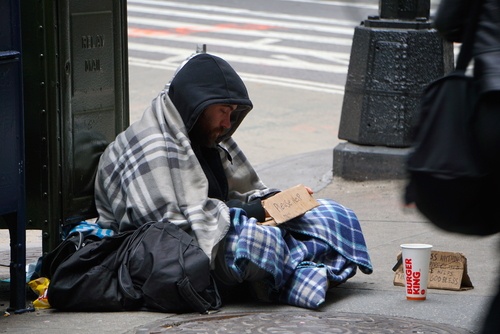
Mayor Bowser Leaves DC While Guards Clear Homeless

0

Key Takeaways
– Federal agents and National Guard entered Washington DC this week
– They started clearing homeless camps and arresting people they deem suspicious
– The mayor left the city on the same day operations began
– Only a small fraction of the homeless population has shelter beds available
– Critics compare her trip to past political figures who left during crises

Federal Forces Move In
This week federal agents and uniformed troops began patrolling the streets of the nation’s capital. They set up checkpoints and started rounding up people living in tents and camps. Officers also detained residents they judged as suspicious. As a result many residents watched in shock as armed forces took over public spaces.

The operation began in the evening hours. Troops moved through parks and sidewalks. They asked people to leave their makeshift homes. Some were taken to processing centers. Others faced arrest for loitering or trespassing on federal property. City leaders warned that anyone living outside could be affected.

Mayor Leaves Town
Meanwhile the city’s mayor boarded a flight out of Washington DC. Officials released a brief statement saying she had a family commitment. They added she would return the following afternoon. Yet the trip coincided with the most intense day of the National Guard operation.

Residents and advocates voiced frustration. They questioned how city leadership could be absent when armed forces began clearing homeless camps. They noted it was the same day troops told people to pack up and leave their only shelter. Critics used the moment to highlight a gap in support for the homeless population.

Homeless Face Shelter Shortage
A local homelessness council warned of dire consequences for people living outside. They said the federal government plans to start clearing all camps at six in the evening. This move could impact people on public land as well as those sleeping on streets.

One homelessness lawyer pointed out that the city lacks enough shelter space. He said about nine hundred people sleep outside each night. Yet the city only has forty beds open in shelters at any given time. As a result hundreds of people may face arrest or removal without anywhere to go.

Advocates called on city leaders to open more shelters. They urged temporary housing measures. They asked for safe parking lots and warming centers. They stressed that clearing camps without offering alternatives only pushes people into darker corners of the city.

Community Leaders Raise Alarm
An editor at a street newspaper expressed alarm over the timing of the sweep. She shared a release from a city homelessness council. The release said the operation will span several districts. It also warned that even people not in marked encampments could face trouble.

Local nonprofits scrambled to respond. Volunteers rushed to distribute blankets and hot meals. Social workers tried to track down people living alone on sidewalks. Yet they admitted they could not help everyone before the sweep began. They feared people would vanish into hidden alleys or storm drains to avoid arrest.

One outreach worker described the scene as desperate. She said people packed their few belongings into plastic bags. Some hid their tents in trash bins. Others tried to bribe officers to leave them alone. The worker called the operation hurried and cruel without a clear plan for care.

Political Fallout
Critics compared the mayor’s absence to past political figures who left during emergencies. They cited a senator who once faced harsh backlash for vacationing abroad as a winter storm battered his home state. They also recalled when floods struck another region and the same lawmaker was out of the country.

Those comparisons stung local activists. They argued that public servants must stay during crises. They noted that leaving at a crucial moment sends a message of neglect. Moreover they said it deepens mistrust between city officials and vulnerable residents.

City spokespersons responded that the mayor loves the city and always returns quickly. They stressed her family event was pre scheduled and unavoidable. Yet they refused to clarify whether the trip was to a popular island destination. This silence only fueled rumors and anger among residents.

Human Impact
Beyond politics the sweep has a real cost. People who struggle with mental illness and addiction face deportation from their only shelter. Families with children fear being torn apart by arrests. Elderly residents with no home struggle to carry their belongings as they move under watchful eyes.

One woman in her sixties said the guards told her she had one hour to leave a park bench. She packed her life into two small bags. Then she followed volunteers who led her to a church basement. Yet that space holds only thirty people and she had no guarantee of a bed.

A young man who served in the military said he slept outside after losing his job. He watched troops shine spotlights on his tent. He wondered why the state would punish someone who once served the country. He confessed he felt betrayed and abandoned by his city.

Calls for a Better Plan
Advocates agree the city can both maintain public safety and protect the homeless. They propose setting up temporary shelters in unused schools and community centers. They suggest converting parking garages into safe sleeping areas. They also urge the city to partner with faith groups for overnight stays.

Some lawmakers introduced bills to fund emergency housing during sweeps. Others want clear rules on when and how to clear camps. They demand notice periods and options to store personal items. They believe compassion and order can coexist.

City council members plan to hold hearings next week. They hope to hold federal and local officials accountable. They want detailed plans on where people will go once their camps close. They also expect to question the timing of the sweep alongside the mayor’s absence.

What Comes Next
As the city braces for more operations the public waits for answers. Will leaders expand shelter options before the next sweep? Will they ensure no one ends up on the street without support? And will the mayor stay in town the next time federal forces mobilize?

For now residents remain tense. They watch armed planes fly overhead and tanks roll through quiet neighborhoods. They wonder who will protect them when the guard stands in for local government. Meanwhile they hope their leaders remember their duty to all citizens.

This story continues to unfold as community groups and city leaders grapple with the challenge. One thing is clear. The way Washington DC addresses homelessness now could shape how other cities respond in the future.

Why Trump Sent Federal Agents to D.C.

0

Key Takeaways
– Trump deployed National Guard to D.C. after a staffer faced violence.
– Polls show Americans trust him more on crime now than last year.
– His approval on crime rose from minus thirteen to plus one.
– Biden’s crime approval sits at minus twenty six points.
– Experts say Trump’s move aims to boost his strongest issue.

President Trump sent federal agents to help local police in Washington, D.C. He did this after a staffer working with the presidential dog was carjacked and beaten. However, crime in the city has dropped over the last two years. So why would the president still push this step now? A CNN analyst says polling data reveals the real reason. He claims Trump needs to highlight his strength on crime.

Understanding the Deployment
The president called in the National Guard to back up law enforcement. He blamed his successor for the rise in crime. Yet numbers show violent crime in the capital has fallen. Officials insist they do not need extra help. Meanwhile, the president used this moment to remind voters of his tough stance on crime. He argues that only he can keep cities safe.

Polling Shows Trump’s Crime Edge
An election analyst broke down the latest polls on crime. He noted that last year Trump’s net approval on handling crime was negative thirteen points. Yet today that number sits at positive one point. In other words, more Americans now say they trust Trump on crime than last year. The surveys also covered recent events in other U.S. cities. They included incidents in Los Angeles and elsewhere. Despite mixed local results, Americans overall view Trump’s crime record more favorably now.

Why This Matters Politically
Crime has turned into one of Trump’s best issues. Voters tend to worry more about safety than some Democrats expect. As a result, Trump talks about crime to tap into public concern. He sees it as a way to stand apart from his rival. Moreover, voters often link law and order with strong leadership. By stepping in, Trump can claim he acts when others fail. Therefore, experts say the move is more about politics than public safety.

Biden’s Struggle on Crime
President Biden fares far worse on crime in the polls. His net approval on this topic sits at negative twenty six points. That makes crime one of his weakest points going into the next election. Polling shows most Americans view Biden’s approach as less effective. Meanwhile, they see Trump as tougher and more decisive. In effect, Trump towers over his successor when it comes to law and order. This gap of twenty seven points gives Trump room to push the issue.

The Role of Public Perception
Americans tend to be more hawkish on crime than some officials think. They support tougher measures and visible police presence. Thus, federal agents appeal to voters who fear lawlessness. They see them as a sign that leaders will not tolerate violence. Even if crime is down, high-profile incidents can sway opinions. Therefore, a single attack can become a national talking point. In this case, the carjacking of a White House staffer served that role.

Experts Weigh In
Political analysts warn that focusing on crime can be risky. If no further incidents occur, the move might look like fearmongering. Yet if crime rises again, it could boost the president’s image. Either way, Trump benefits from the attention. He frames the action as proof of his leadership. He tells voters he will act where others hesitate. Meanwhile, his team highlights the failure of local and federal rivals.

What Voters Should Watch
Citizens should note how local officials respond to the federal agents. Will they cooperate or push back? The relationship between city and federal law enforcement often strains under politics. Furthermore, voters should follow crime data over time. If crime continues to fall, the political impact may fade. However, if incidents spike, the conversation will shift back to safety. In addition, keep an eye on how both campaigns use these events in their messaging.

Impact on the 2024 Race
With the next election nearing, crime remains a key topic. Trump aims to keep it at the top of voters’ minds. He believes it gives him an edge. On the other hand, Biden’s team tries to refocus attention on other issues. They point to economic recovery and foreign policy wins. Yet the crime gap remains hard to close. Polls show many swing voters care most about safety in their neighborhoods.

Lessons from Past Elections
History shows that law and order themes can decide close races. In the 1968 election, crime worries helped shape voter choices. Similarly, in 1994 tough crime laws became a rallying cry for both parties. Today, leaders still use crime to win support. They know that fear drives turnout. As a result, every high-profile incident becomes a campaign moment. Trump’s move follows this long pattern of political strategy.

What Comes Next
As federal agents arrive in Washington, tensions may rise. Local activists and officials could stage protests. They often view federal troops as a threat to civil liberties. Meanwhile, police might welcome the extra support. The public reaction will show whether this step resonates. Voters will judge if the president acted wisely or for show. In turn, that will shape his standing on crime as the race heats up.

Final Thoughts
Trump’s decision to send federal agents to the capital carries a double meaning. It addresses a crime concern while playing to his political strengths. Polls suggest Americans view him more favorably on this issue now. At the same time, his successor struggles to gain trust on crime. Ultimately, this move could influence voter turnout and swing decisions. Observers will watch upcoming crime data and public reactions closely. That will reveal if the step boosts Trump’s standing or backfires.

Border Patrol Arrests Shadow Newsom’s Redistricting Push

0

Key Takeaways
– California plans vote on new districts to counter Texas move
– Border Patrol makes arrests near Los Angeles event
– DHS boss defends operation as planned and legal
– Trump deploys National Guard in DC to fight crime
– Critics say these moves mix politics with law enforcement

Arrests at Newsom event
Governor Gavin Newsom held a public event in Los Angeles to announce Californias plan to vote on redistricting. The goal is to push back on Texas Republicans who plan to change five districts and reduce Democratic voting power. However Border Patrol agents arrested several people near the site of the announcement. These arrests surprised many attendees and drew national media attention.

The agents targeted people they believed to be in the country without permission. Observers said some of those arrested looked like they may have been passing by. Other witnesses said the arrests took place on a street corner near the event. Consequently the timing led many to question the motive behind the operation.

Fox News airs footage
Meanwhile a major cable news network showed live footage of the arrests as it interviewed the top homeland security official. The network asked for her reaction as border agents moved in. This airing came as viewers watched people led away in handcuffs near a political event.

Noem vows support for Trump era policies
The homeland security official defended the agents operation. She said the arrests were part of a planned case based on careful investigative work. She added that each operation uses solid intelligence to know who might be in the area. She also noted that the team planned this move because of who they thought might be there.

Her comments echoed the policies of the former president. He had focused on tough border security and on making arrests of people he called illegal. The official said her department would continue this work.

Federal force in capital
At the same time the former president also made headlines for sending federal troops to the capital. He federalized local law enforcement and called in the National Guard. They cleared some homeless camps and stood guard on city streets. The move aimed to show strength and to claim that it would curb rising crime.

However crime in the capital has fallen for years. Data shows that reported crime rates dropped or stayed stable. This fact did not stop the administration from showing large law enforcement presence. The decision sparked protests by people who saw it as political theater.

Political impact
These law enforcement moves come at a time of heated political fights. In one state leaders plan to redraw voting maps to shield their party from losses. In another city the federal government tries to show it can protect public safety. Both sides accuse the other of using law enforcement for political gain.

Many critics say the arrests near the governors event aimed to send a message. They believe it tells one party that the federal government will act aggressively. Supporters of the move say it shows the government will enforce immigration laws anywhere.

Public reaction
After the footage went online some people praised the agents work. They said the law must apply to all places. Others condemned the timing. They argued that the arrests at a political speech looked like intimidation.

In social media posts some users blamed the governor for provoking the federal action. They said that by attacking another state he invited a federal response. Others said the arrests had nothing to do with the speech and were routine.

Legal experts weigh in
Law experts note that federal agents can make arrests anywhere in the United States. They do not need local approval to carry out immigration enforcement. However they also say that agents must follow certain rules. These rules include respecting the rights of those detained. Some experts wonder if the agents gave proper notice before acting.

They add that public officials must not use law enforcement to harass political opponents. If that happened the move could face legal challenges. They also say that any abuse of power could face oversight from Congress or the courts.

Response from California leaders
California leaders reacted strongly after seeing the footage. They said that federal agents should not target residents of their state. They added that Californias border policies differ from those in other states. They also argued that the arrests could chill free speech and free assembly.

The governors office issued a statement condemning the arrests as political intimidation. They said that people have a right to attend public events without fear. They also said they will continue to fight for fair voting rights in their state.

National debate on immigration
This event adds to a long national debate on immigration policy. Some want stronger enforcement and more removals. Others want more humane treatment and more legal pathways to stay. Each side accuses the other of endangering public safety or violating human rights.

The debate often centers on how and where to carry out enforcement. For example should agents avoid public places such as churches and schools. Or should they press forward whenever they have a lead. This case shows that such operations can intersect with politics.

Redistricting push in California
The governors redistricting plan will appear on the ballot soon. It asks voters to approve changing the way district lines are drawn. Supporters say it will make competition fairer. They argue that both parties will have to win by talking to voters.

Opponents fear it could protect one party by design. They say the new lines might favor certain districts. They claim the plan could weaken the influence of some areas. The plan follows similar moves in other states.

Looking ahead
As California gears up for the vote the arrests will stay under the spotlight. Political watchers wonder if the arrests will affect public sentiment. They will also track if future enforcement actions happen near other events.

Meanwhile the debate over the federal presence in the capital will continue. Citizens and officials will discuss whether heavy force helps curb crime or if it stifles dissent. The national guard deployment may end soon but the memories will last longer.

Conclusion
In short this story shows how law enforcement and politics can mix. The arrests near the governors speech raised many questions about motive and timing. The homeland security boss defended the operation as legal and planned. At the same time the former president used federal troops to show a tough stance in the capital. As California voters go to the polls they will consider how these events shape their view of both immigration and public safety.

Newsom Leads California Fight Against GOP Redistricting

0

Key Takeaways
1 California will hold a special election on new electoral maps.
2 Gavin Newsom set a special legislative session in motion.
3 Newsom called out Texas Republicans and criticized federal immigration policy.
4 Democrats praised Newsom on social media for his strong stance.
5 This move may inspire other states to challenge partisan redistricting.

Background on Redistricting and Special Elections
Every ten years states redraw electoral maps after the census. This process aims to balance populations in districts. However political parties often try to draw lines that favor their candidates. This tactic is known as gerrymandering. As a result some voters feel their voices become weaker.

California uses an independent commission for the usual redistricting process. Nevertheless the governor now wants a special session to redraw maps again. He argues that Texas Republicans forced his hand. Therefore the state will ask voters to approve new maps on November 4. If approved these lines will take effect in future elections.

Newsom Proposes Special Legislative Session
Governor Gavin Newsom formally launched the special session to address the new redistricting plan. He urged lawmakers to attend and act swiftly. They will review proposed maps, hold hearings, and vote on final versions. Next they will prepare materials for the November ballot.

Moreover Newsom said this effort will defend democracy and fairness. He explained that voters deserve clear and equal representation. He also reminded Californians that this is their chance to decide how districts should look. Therefore he called on every citizen to pay attention and get involved. Furthermore he stressed that quick action is vital before candidates file for office.

A Direct Message to Texas
During the press conference Newsom aimed his message at Texas Republicans. He said they should not mess with California the way they tried to mess with Texas districts. He warned that any attempt to pack or crack voter communities will trigger a response. He noted that California could add nine seats in Congress if certain states follow suit.

Newsom pointed out that Texas plans would shift power unfairly. He argued that many voters could lose influence over who represents them. He said such tactics threaten the balance of power in Congress. Therefore California and other states must step up to defend fair maps. This act of pushback shows how big states can pressure small ones.

Criticism of Presidential Immigration Tactics
Newsom also used the event to criticize President Donald Trump on immigration. He highlighted that agents from Immigration and Customs Enforcement made a sweep near the venue. He said sending ICE at the same moment shows weakness rather than strength. He called the president a failed leader who uses fear tactics.

Furthermore Newsom argued that tough talk on immigration hurts families and communities. He said California will not take part in aggressive enforcement measures. Instead he promised to protect immigrants and keep families together. He claimed real leadership builds unity and respect for human rights. As a result he urged federal officials to change course.

Reaction From Democrats
Soon after the speech Democrats took to social media to praise Newsom. They called the event a shot across the bow at GOP tactics. One progressive editor wrote that Texas now finds itself trapped in a box. That person added few realize how big this moment could be for democracy.

Another Democratic analyst said California leads the charge against partisan power grabs. They noted that the special election will create new maps that aim for fairness. A columnist commented that the GOP started this fight and Democrats will finish it. Overall these voices showed unity behind Newsom’s plan.

Legal Hurdles and Next Steps
Before new maps can take effect California must complete several steps. Lawmakers must draft and approve the proposed district lines in the special session. Then the state must prepare clear information for voters to review. After that the ballot will offer a simple yes or no choice on the new maps.

If voters approve the maps they may face legal challenges. Opponents could sue on grounds that the maps still favor one party too much. In that case courts will decide if the boundaries meet constitutional standards. Therefore state leaders must build a strong legal case for the new lines.

Meanwhile Texas and other states will watch these legal battles closely. They may adjust their own strategies based on the outcome. Furthermore organizations that monitor elections will play a key role in reviewing the maps. Thus the process will unfold over many months.

National Implications
California’s move could inspire other states to fight gerrymandering. Already New York, Illinois, and Maryland face pressure to hold similar actions. If these states add more seats it could reshape the balance of power in Congress. Moreover it may force national parties to rethink redistricting strategies.

As more states challenge unfair maps voters may begin to demand reforms. Some may push for stronger independent commissions or stricter rules on drawing lines. Others could call for total transparency and public input in every step. In this way California’s effort might spark a wider movement.

However political battles over maps can get heated. Parties will invest time and money in lawsuits and campaigns. They may use ads and social media to sway public opinion. Consequently the fight for fair districts could last into the next election cycle.

Final Thoughts
Governor Gavin Newsom has launched a bold plan to defend fair representation. By calling a special session and special election he places power in voters’ hands. He also sent a clear message to Texas Republicans and criticized federal immigration tactics. Many Democrats praised his strong tone and united behind his effort.

Moving forward California must navigate legal challenges and voter outreach. The state’s success could reshape redistricting politics across the nation. Ultimately this fight tests how far states will go to protect democracy. Voters from coast to coast will watch closely as the story continues.

Newsom Targets GOP Seats with New Map

0

Key Takeaways
– Gov Newsom plans to redraw five GOP held districts
– The plan aims to make these seats safe for Democrats
– Voters will decide on a mid decade map change in November
– The effort responds to GOP moves in Texas and other states
– California would override its citizen drawn map for one election only

Background
California uses an independent commission to draw its congressional map. This group aims to remove political bias from district lines. It last redrew maps following the twenty twenty census. Under current rules the commission acts every ten years. However the governor now wants a mid decade change. He seeks to counter recent gerrymandering in other states. He also hopes to protect California Democrats later this decade. Finally he plans to let voters decide the new map. Mid decade redistricting rarely occurs in the United States. Only a handful of states allow changes between census cycles. Critics warn of legal challenges ahead. Supporters call this a necessary check on partisan power.

The New Plan
The governor offered a draft map to state lawmakers. This map would target five Republican held districts. It also strengthens some marginal Democratic areas. Lawmakers view the plan as a counter punch. However the final map remains under wraps. A leaked chart showed which districts could change. Lawmakers and staff confirmed the leaked information. They called it the clearest view of the tilt. The draft map still needs voter approval. It will appear on the ballot this November. Lawmakers saw a chart showing each district’s partisan lean. Staffers confirmed district names and political data.

Targeted Districts
The plan seeks to flip the first district in the northeast. That area sits near the Oregon and Nevada borders. It currently elects a Republican lawmaker. It would become a safe Democratic seat under the new plan. The third district near the Nevada border also comes up. It votes in a GOP incumbent who wins by small margins. The forty first district around Palm Springs appears next. It would shift from a moderate GOP seat to a Democratic one. The map also targets the forty eighth district east of San Diego. Finally the twenty first district in the Central Valley joins the list. That seat already leans Democratic but the incumbent defies the odds. This effort could change representation on five seats total. The first district covers farming communities and small towns. The third district spans mountainous and rural areas. The twenty first district includes cities in the Central Valley.

Strengthening Democratic Seats
Moreover the draft also boosts some current Democratic districts. Five suburban and urban seats stand to gain more Democratic voters. These include the ninth and thirteenth districts. They also add voters in the twenty seventh forty fifth and forty seventh. Lawmakers see this as a way to protect against future flips. These adjustments could secure their majority in Congress. They could also limit Republican gains nationwide. Critics say it still amounts to gerrymandering in California. The ninth district lies in the Bay Area. The forty fifth district covers Orange County suburbs.

Path to the Ballot
The governor proposes putting the mid decade plan to voters. This ballot measure would override the citizen commission maps. It would apply for one election only. If voters approve the new map takes effect in twenty twenty six. Otherwise the commission maps stay in place. This plan hinges on Texas and other states acting first. It follows a threat to retaliate against GOP gerrymanders. The governor tied California action to moves in Texas. The measure faces a tight deadline for signatures. It needs over six hundred thousand valid signatures.

Texas Holds the Key
Republicans in Texas aim to redraw their map mid decade. They seek to gain four to five seats. Their plan faces legal and political hurdles already. Democrats fled the state to block the special session. They denied a quorum and stalled the vote. The governor there vows more sessions until the maps pass. He also threatens punishments for absent lawmakers. Meanwhile the Texas plan remains under debate. A federal court might still block the Texas map. California officials watch closely for any final moves.

Reactions
Party leaders immediately reacted to the governor’s proposal. Democratic officials praised the plan as a fight for fairness. They said gerrymandering undermines voter power. Republican leaders called the move unfair and extreme. They warned of a costly legal battle ahead. Polling groups began surveying public opinion on the proposal. Business groups expressed concern over political instability.

Legal Issues
Courts may hear challenges if voters approve the plan. Opponents could argue that mid decade redistricting violates rules. Supporters will defend the voter approved process. Previous cases highlight how complex redistricting law can be. Lawyers expect fast paced challenges in trial courts. The state supreme court could have the final say.

Potential Impacts
If California voters approve Democrats could gain seats in twenty twenty six. They would flip up to five Republican held districts. They would also strengthen some current Democratic seats. This could shape the balance of power in Congress. It may also inspire other states to use ballot measures. Opponents call the move extreme and unfair. Supporters say it protects voters from partisan maps. Both sides will campaign hard in the coming months. The map could affect committee assignments in Congress. It may also shape redistricting norms nationwide.

What Happens Next
The secretary of state must certify the ballot language. Lawmakers have a short window to approve the measure. They need a simple majority for placement. Then signature gathering begins to secure enough voter petitions. Meanwhile interest groups start fundraising and outreach. Campaign ads will fill airwaves and social feeds. Debates will shape public opinion in the fall. The state attorney general will review the measure’s legality. Voter outreach will focus on key swing areas for turnout. Voters will decide on this high stakes map change.

Conclusion
The governor moves ahead with a bold redistricting plan. He believes it will check GOP gerrymanders elsewhere. It would reset the political map for one election. It links California action to moves in Texas. Only voters can say yes or no in November. California voters will weigh partisanship against fair maps. The outcome may set a new redistricting precedent. This fight could influence national politics for years.

DC Sandwich Toss Sparks Viral Mockery

0

Key Takeaways
– A man faces a felony charge after tossing a sandwich at a federal agent.
– He walked up to an officer, shouted insults, and threw a Subway sub.
– The U.S. Attorney linked the case to the president’s promise on crime.
– Social media users piled on with jokes and puns.
– The incident highlights rising tensions over federal agents in the city.

The Incident
Late on Sunday night a detective from Metro Transit Police and two U.S. Customs and Border Patrol officers patrolled a busy street in Northwest Washington DC. Suddenly a man stepped up, pointed at a Border Patrol officer, and unleashed a string of profanities. He demanded to know why federal agents were in the city.

After shouting for several minutes the man crossed the road and confronted the same officer again. In a surprising move he lifted a Subway sandwich and flung it at the officer’s chest. Video footage captured the odd event and soon appeared on social media.

When officers arrested the man he admitted the act without hesitation. He said simply that he threw the sandwich.

The Felony Charge
On Wednesday the U.S. Attorney announced the man faced a felony count for assaulting a federal officer. The charge carries serious penalties if he is convicted. Prosecutors said they aimed to show that any attack on law enforcement faces tough consequences.

The U.S. Attorney spoke directly about the case. She recalled the president’s vow to make the city safe again. She noted his phrase If you spit we hit. Then she described how someone actually threw a sandwich at an agent and escaped only by luck. She added that the man would not find the act funny today.

A Presidential Promise Meets Reality
The president had campaigned on a promise to restore order in the nation’s capital. He called for tough action against criminals and outsiders he said undermined local safety. In his view federal agents could help enforce the law and protect residents.

However this case showed a different kind of threat. Instead of guns or knives the weapon was a footlong sub. Yet prosecutors argued that even nonlethal items must not be hurled at those enforcing the law. They said an officer never knows if an object could hide a more dangerous threat.

Social Media Explodes
Almost immediately the internet lit up with jokes and commentary. Many users mocked the idea of calling in federal agents to handle a sandwich attack. One observer quipped that the sub was also processed for evidence. Another joked about a submarine attack on Washington DC.

A self-described feminist wrote that the whole affair showed how political theater can go absurd. She said charging a man for throwing a sandwich felt like an over-the-top performance. Yet she hoped the ridicule would stick.

A congressional candidate took aim at Border Patrol. She imagined the agents acting as if the mustard on the sandwich hid invading immigrants. She said they should move to another country if they wanted to play authoritarian.

A criminal defense lawyer changed his social media name to a sandwich pun. He teased that yes he threw the sandwich but did not throw a panini. Meanwhile a legal analyst suggested calling in the National Guard since mustard stains count as a major crime.

Why the Case Matters
This episode goes beyond a tossed sandwich. It highlights growing tension over the use of federal law enforcement in a city that has its own police force. Residents and leaders have argued over who has the right to patrol the streets. Critics say the move undermines local control. Supporters claim it boosts safety.

Furthermore the case shows how even small acts can draw swift federal response under the current administration. It sends a message that any form of assault on an officer will not be tolerated. Yet some worry it trivializes more serious crimes when a sandwich attack leads news coverage.

Legal experts note that assault on a federal officer is a serious charge. They warn that a conviction could mean years in prison. At the same time defense attorneys might argue the sandwich posed no real danger. They could say the charge exceeds the act.

A Closer Look at Assault Law
Under federal law assaulting an officer carries a felony penalty. The law covers any attack or attempt to harm someone protecting national interests. Sentences vary based on harm done. Even if no injury occurred the act itself can trigger heavy fines and prison time.

In this case prosecutors will need to prove the defendant knew he was targeting a federal officer. They will also argue that the sandwich could have caused injury or at least fear. Conversely the defense might claim the item posed no threat and the act was not violent.

What Comes Next
The man faces a pretrial hearing where a judge will decide if enough evidence exists to go to trial. If the case proceeds he could seek a plea deal or plan a full defense. Meanwhile the public will watch closely to see if the justice system treats a sandwich toss like other assaults.

The U.S. Attorney’s office said it will apply the law evenly. It added that no one is above accountability simply because their weapon is edible. The office also reminded citizens to respect officers and avoid actions that risk criminal liability.

Voices from the Community
Local business owners worry the incident may hurt their shops. They fear potential customers might find the environment less inviting if federal agents stir public anger. Others say the presence of Border Patrol brings a sense of safety and order.

Residents remain split. Some view federal agents as outsiders who overstep boundaries. Others believe they fill gaps where local resources fall short. The sandwich attack has become a symbol of this ongoing debate.

Lessons Learned
This odd case underlines the power of social media. A video of a sandwich hitting an officer inspired global mockery in hours. It also reveals how political messages can collide with everyday acts. The president’s slogan met a reality as bizarre as it was mundane.

Moreover it shows that actions, even playful ones, can carry heavy legal risks. Whether the object is a weapon or a meal does not always matter. The law often focuses on intent and impact rather than the tool used.

In the end the case leaves questions about priorities and proportionality. Will federal resources focus on threats that truly endanger public safety? Or will oddball incidents steal time and attention from more urgent issues?

Moving Forward
As the legal process unfolds this story will test how the justice system handles low risk yet aggressive acts. It will also shape public opinion on federal involvement in local policing. Finally it will remind everyone that a simple sandwich can spark a nationwide conversation on law and order.

FBI Patrols Georgetown Streets Draw Mockery

0

– Federal agents patrol wealthy Georgetown neighborhood
– Social media users question need for patrol
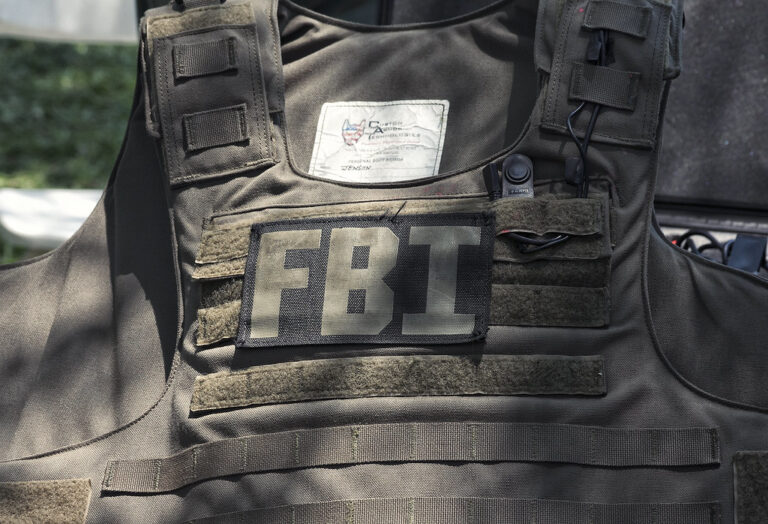
– Videos show FBI and DEA agents in bulletproof vests
– Local officer says patrol misuses federal resources
– Crime data shows no incidents in Georgetown this year

Introduction
Federal agents stirred laughter online when they marched through Georgetown. This area ranks among the safest in the capital. People wondered why investigators left their desks to stroll posh sidewalks. Social media filled with jokes and sharp reactions.

Agents on the Move
Agents wore bulletproof vests labeled FBI or DEA. They walked along tree-lined streets and high-end shops. They passed elegant townhouses and art galleries. Diners paused mid-meal to stare. One video captured a hush falling over a restaurant patio.

Online Reactions
Immediately, the scene went viral. A tech writer asked if the agents were hunting white collar crime. Another joked about pairing chardonnay with steak. A designer called it political theater. Meanwhile, a reproductive freedom activist quipped about hunting white collar criminals. Internet users compared the mission to giving jaywalking tickets.

Political Context
Critics blamed the patrol on politics. One user pointed to a recent terrorist attack on a government agency. He questioned why the director focused on Georgetown rather than real threats. Others saw the walk as a stunt to boost public image. They called it a waste of time and money.

Local Police Perspective
A Metropolitan Police officer said investigators belong behind desks. She noted federal staff rarely go east of the river. She added that the real crime happens elsewhere. Therefore, she doubted the patrol would help the community. She welcomed extra hands but argued for directed effort.

Crime Data Contrast
An independent news outlet shared a violent crime map. It showed hundreds of incidents across the city this year. However, Georgetown had zero violent crimes. Bloggers pointed out that agents could help areas with real problems. They urged a focus on neighborhoods with rising violence.

Why Georgetown?
Georgetown remains a hub for wealth and politics. It hosts embassies, think tanks, and upscale shops. Agents might patrol as a show of force. They may test new tactics in a low-risk area. Yet, critics say such drills should take place where threats exist.

Social Media Highlights
One user compared sending agents to Georgetown to sending Navy SEALs to close a lemonade stand. Another posted a photo of empty streets after agents passed. They mocked the quiet that followed. Many memes showed puzzled residents peering around corners.

Impact on Residents
Local business owners felt mixed emotions. Some saw it as a boost in security. Others worried it might scare off customers. Diners paused their meals to watch the unusual scene. Pedestrians snapped selfies with agents in the background.

Potential Benefits
Despite the mockery, patrols can offer training. Agents learn to move in teams and respond as a unit. They practice coordination and public engagement. In a calm setting, they can refine skills without real danger. This could improve response in future crises.

Opportunity Costs
On the other hand, critics highlight cost concerns. Federal budgets face tight scrutiny. Funds spent on low-threat patrols could go to pressing needs. Agencies juggle investigations on cybercrime and terrorism. Redirecting staff here may slow those efforts.

Looking Ahead
Observers wonder if patrols will continue in other safe areas. Some suggest rotating through different districts. This could spread visibility and training benefits. Yet, public opinion may demand more targeted action.

Conclusion
The sight of federal agents in Georgetown sparked online ridicule. Many called it a needless show. They pointed out zero violent crimes in the neighborhood. Local police urged focus on real hot spots. In the end, the event raised questions. Do resources best serve by patrolling safe streets? Or do they deserve deployment where they can help most? Only time will tell how agencies adjust their strategies.

Latino Voter Support for Trump Drops Over Economy

0

Key Takeaways
– A growing share of Latino Trump backers now feel undecided
– Rising grocery costs and living expenses drive this shift
– Republicans risk losing key Latino support without action
– Midterm races in Latino areas may swing control of Congress

Introduction
Latino voters once showed strong support for the current president. However, new polling shows that many of them now feel less sure about voting Republican. The main reason is the rising cost of groceries and other everyday items. This change could affect the outcome of crucial midterm elections.

The Shift in Latino Support
Recently, a survey of Latino voters found that almost one third of those who backed the president last year now say they might not vote Republican next year. Instead, they say they feel undecided. Economic worries top their list of concerns. In particular, higher grocery bills seem to upset them the most.

In the past, Republicans promised to lower the cost of living. Yet so far voters have not seen big changes. As a result, many feel let down. They even say the economy is getting worse under the current administration.

Economic Frustration Grows
Poll results reveal that 64 percent of Latino voters rate the U.S. economy as poor. Among them, 32 percent call it very poor. Likewise, more than half say the economy has declined under the president. These negative views point to a growing sense of frustration.

Moreover, grocery prices have climbed sharply over the last year. Families feel the pinch when they buy food each week. They also face higher costs for gas, rent, and other essentials. Consequently, they question whether the president’s policies truly help them.

Republican Promises Fall Short
Republicans won additional Latino support in the last election by promising to reduce living costs. Yet now, many voters believe those promises remain unfulfilled. One research director explains that if Republicans want to keep any recent gains with Latino voters, they must still deliver on their pledges.

At the same time, some conservative leaders urge patience. They remind voters that policy changes can take time to show results. They point to lingering effects from the prior administration that still affect everyday costs. Thus, they hope Latino voters will stick with Republicans until reforms take hold.

However, patience may only last so long. If living costs stay high without clear relief, Latino voters could turn fully away from the GOP. For now, many have moved into an undecided group but not yet toward Democrats.

Impact on Midterm Elections
Republicans now hold narrow majorities in both the House and Senate. Many of the most competitive races are in states with large Latino populations. These races will likely decide which party controls Congress next year.

Given this situation, Latino voters become critical “swing” voters. Political experts even call them the last true swing group in American politics. Their final choices could flip key seats. Therefore both parties are watching their opinions closely.

Transitioning support or lack of enthusiasm could tip the balance in states like Arizona, Nevada, and Florida. In these areas, Latinos make up a significant share of the electorate. As a result, candidates will likely focus more on cost of living issues to win their support.

Looking Ahead for GOP Strategy
To keep Latino backing, Republicans need to focus on real solutions for rising costs. They may propose new measures to lower grocery bills or boost wages. They might also highlight any successes in recent reforms to show progress.

Furthermore, local GOP leaders could engage directly with Latino communities. They can explain how federal policies impact their daily expenses. By doing so, they may rebuild trust and win back undecided voters.

On the other hand, Democrats will aim to attract these undecided voters. They plan to emphasize the hardships caused by the high cost of living. In turn, they will promise relief through targeted programs and tax credits.

In this way, the fight for Latino votes will shape the next midterm. Both parties will frame their messages around who can best ease economic pain. Thus, voters may decide based largely on which side offers the clearest path to lower prices.

Conclusion
In recent months, a growing number of Latino Trump supporters have grown cautious. High grocery prices and living costs drive them away from firm GOP loyalty. Many now sit undecided, keeping both parties on alert. As midterm elections near, Republicans must deliver on cost of living promises to retain these swing voters. Otherwise, they risk losing key seats in Congress. Meanwhile, Democrats will pledge solutions to win over the undecided. In the end, Latino votes may prove decisive in shaping America’s next political map.

Trump Faces Pushback in Unusual Maryland Lawsuit

0

Key Takeaways
1. President Trump sued every federal judge in Maryland after they blocked deportations.
2. Judge Thomas Cullen expressed doubts about the case before hearing arguments.
3. Maryland judges called the lawsuit an attempt to get an advisory opinion.
4. Lawyers warned of legal chaos if the suit moves forward.
5. Judge Cullen will decide if the case can proceed by Labor Day.

Introduction
President Trump surprised many when he sued all the federal judges in Maryland. He argued that they overstepped their power by blocking a pause on deportations. However, the judge handling the suit already showed serious doubts. Meanwhile, the judges under attack pushed back hard. As a result, the case may end up in appeals for months to come.

Unusual Lawsuit Explained
First, the president challenged a court order that stopped his deportation pause. He claimed this order hurt his executive rights and voter interests. In effect, he argued that judges stepped into his authority. Yet the law offers little support for such a move. Typically, branches of government do not sue each other over policy disputes. As a consequence, the case stands out as highly rare. Moreover, past attempts by legislators to sue fellow branches have failed. Therefore, legal experts see this lawsuit as a long shot.

Judge Begins With Skepticism
When the court session began, Judge Thomas Cullen admitted he already had serious doubts. He noted his face likely showed his unease. Then, he paused to think before even hearing the Justice Department lawyer. As a result, both sides knew they faced a tough road. Judge Cullen normally sits in a different district, but he stepped in because all Maryland judges became defendants. Consequently, he must handle a case that questions the core of how government branches interact.

Judges Denounce the Claim
Shortly after the president filed his suit, Maryland judges fired back with a strong response. They pointed out that this lawsuit seeks what amounts to an advisory opinion. In other words, it asks the court to rule without a real dispute. They noted that courts reject such cases on nonjusticiability grounds. The judges made clear that while the executive can sue to enforce laws, it cannot sue a coequal branch for policy disagreements. As a result, they framed the lawsuit as baseless.

Lawyers Clash Over Consequences
During the hearing, Justice Department counsel described the court order as highly unusual. She argued it forced the government into this position. However, the former solicitor general representing the judges responded with warnings of legal chaos. He imagined scenarios where White House staff might face depositions about why they filed the suit. He also raised the possibility that the judges could have to testify under oath about their reasons. He argued these steps could create a nightmare for all branches.

What Comes Next
Judge Cullen said he will decide by Labor Day whether the lawsuit can move forward. If he allows it to proceed, either side can appeal immediately. For President Trump, an appeal could reach higher courts quickly. Yet higher courts often reject cases lacking a concrete controversy. On the other hand, if Judge Cullen dismisses the case, the president might find new ways to challenge the deportation pause. In any scenario, the dispute shows deep tensions between the executive and judicial branches.

Impact on Future Disputes
This lawsuit could shape how future disputes between branches unfold. If the courts allow a branch to sue another over policy, it could open the door to endless legal fights. Conversely, a dismissal would reaffirm limits on what counts as a justiciable case. Therefore, legal experts watch closely. They expect the Labor Day ruling to set an important precedent. Meanwhile, political observers note how rare it is for a president to take such legal action against judges.

Conclusion
President Trump’s decision to sue every Maryland federal judge sparked sharp reactions from the bench. From the start, the judge hearing the case showed serious doubts. Judges condemned the effort as seeking an advisory opinion with no real dispute. Lawyers on both sides warned of dramatic consequences. As the Labor Day deadline approaches, all eyes remain on Judge Cullen’s ruling. That decision may shape the roles of each branch of government for years to come.