59 F
San Francisco
Tuesday, April 14, 2026
Home Blog Page 621

FBI Patrols Georgetown Streets Draw Mockery

0

– Federal agents patrol wealthy Georgetown neighborhood
– Social media users question need for patrol
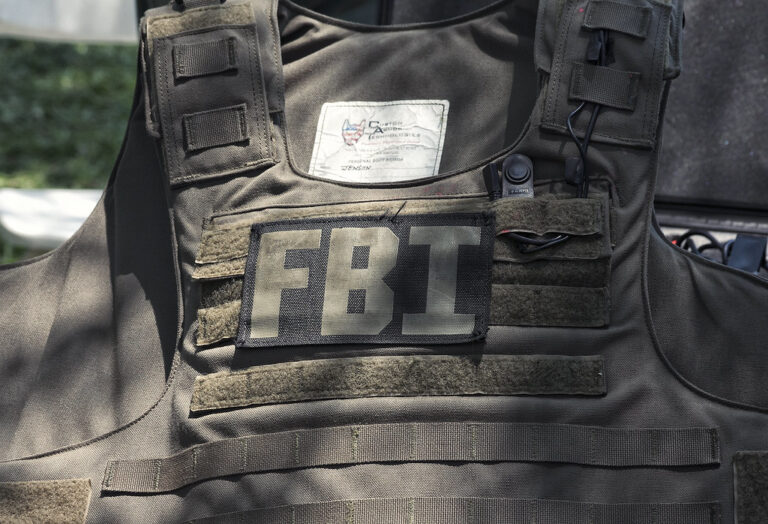
– Videos show FBI and DEA agents in bulletproof vests
– Local officer says patrol misuses federal resources
– Crime data shows no incidents in Georgetown this year

Introduction
Federal agents stirred laughter online when they marched through Georgetown. This area ranks among the safest in the capital. People wondered why investigators left their desks to stroll posh sidewalks. Social media filled with jokes and sharp reactions.

Agents on the Move
Agents wore bulletproof vests labeled FBI or DEA. They walked along tree-lined streets and high-end shops. They passed elegant townhouses and art galleries. Diners paused mid-meal to stare. One video captured a hush falling over a restaurant patio.

Online Reactions
Immediately, the scene went viral. A tech writer asked if the agents were hunting white collar crime. Another joked about pairing chardonnay with steak. A designer called it political theater. Meanwhile, a reproductive freedom activist quipped about hunting white collar criminals. Internet users compared the mission to giving jaywalking tickets.

Political Context
Critics blamed the patrol on politics. One user pointed to a recent terrorist attack on a government agency. He questioned why the director focused on Georgetown rather than real threats. Others saw the walk as a stunt to boost public image. They called it a waste of time and money.

Local Police Perspective
A Metropolitan Police officer said investigators belong behind desks. She noted federal staff rarely go east of the river. She added that the real crime happens elsewhere. Therefore, she doubted the patrol would help the community. She welcomed extra hands but argued for directed effort.

Crime Data Contrast
An independent news outlet shared a violent crime map. It showed hundreds of incidents across the city this year. However, Georgetown had zero violent crimes. Bloggers pointed out that agents could help areas with real problems. They urged a focus on neighborhoods with rising violence.

Why Georgetown?
Georgetown remains a hub for wealth and politics. It hosts embassies, think tanks, and upscale shops. Agents might patrol as a show of force. They may test new tactics in a low-risk area. Yet, critics say such drills should take place where threats exist.

Social Media Highlights
One user compared sending agents to Georgetown to sending Navy SEALs to close a lemonade stand. Another posted a photo of empty streets after agents passed. They mocked the quiet that followed. Many memes showed puzzled residents peering around corners.

Impact on Residents
Local business owners felt mixed emotions. Some saw it as a boost in security. Others worried it might scare off customers. Diners paused their meals to watch the unusual scene. Pedestrians snapped selfies with agents in the background.

Potential Benefits
Despite the mockery, patrols can offer training. Agents learn to move in teams and respond as a unit. They practice coordination and public engagement. In a calm setting, they can refine skills without real danger. This could improve response in future crises.

Opportunity Costs
On the other hand, critics highlight cost concerns. Federal budgets face tight scrutiny. Funds spent on low-threat patrols could go to pressing needs. Agencies juggle investigations on cybercrime and terrorism. Redirecting staff here may slow those efforts.

Looking Ahead
Observers wonder if patrols will continue in other safe areas. Some suggest rotating through different districts. This could spread visibility and training benefits. Yet, public opinion may demand more targeted action.

Conclusion
The sight of federal agents in Georgetown sparked online ridicule. Many called it a needless show. They pointed out zero violent crimes in the neighborhood. Local police urged focus on real hot spots. In the end, the event raised questions. Do resources best serve by patrolling safe streets? Or do they deserve deployment where they can help most? Only time will tell how agencies adjust their strategies.
Latino Voter Support for Trump Drops Over Economy

0

Key Takeaways
– A growing share of Latino Trump backers now feel undecided
– Rising grocery costs and living expenses drive this shift
– Republicans risk losing key Latino support without action
– Midterm races in Latino areas may swing control of Congress

Introduction
Latino voters once showed strong support for the current president. However, new polling shows that many of them now feel less sure about voting Republican. The main reason is the rising cost of groceries and other everyday items. This change could affect the outcome of crucial midterm elections.

The Shift in Latino Support
Recently, a survey of Latino voters found that almost one third of those who backed the president last year now say they might not vote Republican next year. Instead, they say they feel undecided. Economic worries top their list of concerns. In particular, higher grocery bills seem to upset them the most.

In the past, Republicans promised to lower the cost of living. Yet so far voters have not seen big changes. As a result, many feel let down. They even say the economy is getting worse under the current administration.

Economic Frustration Grows
Poll results reveal that 64 percent of Latino voters rate the U.S. economy as poor. Among them, 32 percent call it very poor. Likewise, more than half say the economy has declined under the president. These negative views point to a growing sense of frustration.

Moreover, grocery prices have climbed sharply over the last year. Families feel the pinch when they buy food each week. They also face higher costs for gas, rent, and other essentials. Consequently, they question whether the president’s policies truly help them.

Republican Promises Fall Short
Republicans won additional Latino support in the last election by promising to reduce living costs. Yet now, many voters believe those promises remain unfulfilled. One research director explains that if Republicans want to keep any recent gains with Latino voters, they must still deliver on their pledges.

At the same time, some conservative leaders urge patience. They remind voters that policy changes can take time to show results. They point to lingering effects from the prior administration that still affect everyday costs. Thus, they hope Latino voters will stick with Republicans until reforms take hold.

However, patience may only last so long. If living costs stay high without clear relief, Latino voters could turn fully away from the GOP. For now, many have moved into an undecided group but not yet toward Democrats.

Impact on Midterm Elections
Republicans now hold narrow majorities in both the House and Senate. Many of the most competitive races are in states with large Latino populations. These races will likely decide which party controls Congress next year.

Given this situation, Latino voters become critical “swing” voters. Political experts even call them the last true swing group in American politics. Their final choices could flip key seats. Therefore both parties are watching their opinions closely.

Transitioning support or lack of enthusiasm could tip the balance in states like Arizona, Nevada, and Florida. In these areas, Latinos make up a significant share of the electorate. As a result, candidates will likely focus more on cost of living issues to win their support.

Looking Ahead for GOP Strategy
To keep Latino backing, Republicans need to focus on real solutions for rising costs. They may propose new measures to lower grocery bills or boost wages. They might also highlight any successes in recent reforms to show progress.

Furthermore, local GOP leaders could engage directly with Latino communities. They can explain how federal policies impact their daily expenses. By doing so, they may rebuild trust and win back undecided voters.

On the other hand, Democrats will aim to attract these undecided voters. They plan to emphasize the hardships caused by the high cost of living. In turn, they will promise relief through targeted programs and tax credits.

In this way, the fight for Latino votes will shape the next midterm. Both parties will frame their messages around who can best ease economic pain. Thus, voters may decide based largely on which side offers the clearest path to lower prices.

Conclusion
In recent months, a growing number of Latino Trump supporters have grown cautious. High grocery prices and living costs drive them away from firm GOP loyalty. Many now sit undecided, keeping both parties on alert. As midterm elections near, Republicans must deliver on cost of living promises to retain these swing voters. Otherwise, they risk losing key seats in Congress. Meanwhile, Democrats will pledge solutions to win over the undecided. In the end, Latino votes may prove decisive in shaping America’s next political map.

Trump Faces Pushback in Unusual Maryland Lawsuit

0

Key Takeaways
1. President Trump sued every federal judge in Maryland after they blocked deportations.
2. Judge Thomas Cullen expressed doubts about the case before hearing arguments.
3. Maryland judges called the lawsuit an attempt to get an advisory opinion.
4. Lawyers warned of legal chaos if the suit moves forward.
5. Judge Cullen will decide if the case can proceed by Labor Day.

Introduction
President Trump surprised many when he sued all the federal judges in Maryland. He argued that they overstepped their power by blocking a pause on deportations. However, the judge handling the suit already showed serious doubts. Meanwhile, the judges under attack pushed back hard. As a result, the case may end up in appeals for months to come.

Unusual Lawsuit Explained
First, the president challenged a court order that stopped his deportation pause. He claimed this order hurt his executive rights and voter interests. In effect, he argued that judges stepped into his authority. Yet the law offers little support for such a move. Typically, branches of government do not sue each other over policy disputes. As a consequence, the case stands out as highly rare. Moreover, past attempts by legislators to sue fellow branches have failed. Therefore, legal experts see this lawsuit as a long shot.

Judge Begins With Skepticism
When the court session began, Judge Thomas Cullen admitted he already had serious doubts. He noted his face likely showed his unease. Then, he paused to think before even hearing the Justice Department lawyer. As a result, both sides knew they faced a tough road. Judge Cullen normally sits in a different district, but he stepped in because all Maryland judges became defendants. Consequently, he must handle a case that questions the core of how government branches interact.

Judges Denounce the Claim
Shortly after the president filed his suit, Maryland judges fired back with a strong response. They pointed out that this lawsuit seeks what amounts to an advisory opinion. In other words, it asks the court to rule without a real dispute. They noted that courts reject such cases on nonjusticiability grounds. The judges made clear that while the executive can sue to enforce laws, it cannot sue a coequal branch for policy disagreements. As a result, they framed the lawsuit as baseless.

Lawyers Clash Over Consequences
During the hearing, Justice Department counsel described the court order as highly unusual. She argued it forced the government into this position. However, the former solicitor general representing the judges responded with warnings of legal chaos. He imagined scenarios where White House staff might face depositions about why they filed the suit. He also raised the possibility that the judges could have to testify under oath about their reasons. He argued these steps could create a nightmare for all branches.

What Comes Next
Judge Cullen said he will decide by Labor Day whether the lawsuit can move forward. If he allows it to proceed, either side can appeal immediately. For President Trump, an appeal could reach higher courts quickly. Yet higher courts often reject cases lacking a concrete controversy. On the other hand, if Judge Cullen dismisses the case, the president might find new ways to challenge the deportation pause. In any scenario, the dispute shows deep tensions between the executive and judicial branches.

Impact on Future Disputes
This lawsuit could shape how future disputes between branches unfold. If the courts allow a branch to sue another over policy, it could open the door to endless legal fights. Conversely, a dismissal would reaffirm limits on what counts as a justiciable case. Therefore, legal experts watch closely. They expect the Labor Day ruling to set an important precedent. Meanwhile, political observers note how rare it is for a president to take such legal action against judges.

Conclusion
President Trump’s decision to sue every Maryland federal judge sparked sharp reactions from the bench. From the start, the judge hearing the case showed serious doubts. Judges condemned the effort as seeking an advisory opinion with no real dispute. Lawyers on both sides warned of dramatic consequences. As the Labor Day deadline approaches, all eyes remain on Judge Cullen’s ruling. That decision may shape the roles of each branch of government for years to come.

Trump Federalizes D C Sparking Routine Traffic Chaos

0

Key takeaways
– The president placed D C law enforcement under federal control
– A simple traffic stop turned into a major federal response
– Local data shows violent crime is falling despite federal claims
– Residents may face tougher rules under extended federal oversight

Introduction to Federal Control
This month the president took over law enforcement in the nation’s capital. He cited rising crime and homelessness as a public safety crisis. As a result hundreds of National Guard troops moved into D C. The move also put the local police force under direct federal command.

However many experts call this step a soft launch of martial law. They worry that routine rules could now draw an overwhelming federal reaction. For example a simple traffic violation drew in Homeland Security and park police vehicles. This scene showed how daily life in the city may change.

What the Reporter Observed
On a recent afternoon a national news reporter stood near the Washington Monument. He watched a park police helicopter circle overhead for hours. Then he saw federal officers pull over a vehicle. The driver had a minor insurance issue.

Authorities from Homeland Security and U S Park Police swarmed the car. They held the driver while they checked her papers. Then they towed the vehicle. The officers did not make any arrests but they did remove the car from the street.

This event showed the power of federal agents in D C today. A small mistake led to a large response. Meanwhile many residents now live under a stepped up federal watch.

The Crime Data Debate
During his takeover announcement the president called local crime numbers bogus. He suggested the city cooked the books. However data from the local police tells a different story.

Over the past two years violent crime in D C fell at a fast pace. Even after a spike in 2023 the downward trend continued. Homicides burglary and assaults dropped steadily. Moreover homeless outreach programs also grew during this time. In short real numbers point to progress not crisis.

Yet the president insists the capital faces an emergency. He threatened to extend federal control through an executive order. At the same time he asked Congress to approve his plan. In either case he plans to keep National Guard troops on city streets.

Reactions from Experts and Locals
Many legal scholars say this takeover may breach the city’s autonomy. They note the Constitution grants D C a special status and limited local powers. In effect the move cuts off local leaders from managing police operations.

Civil rights advocates fear over policing is now possible. They point to past cases where federal agents used force on routine crowd control. Now they worry federal agents could act with little oversight on minor offenses.

Meanwhile some residents applaud the extra security. They feel safer seeing more uniformed officers patrolling key areas. They hope the added presence will deter violent crime.

What Comes Next
The president has two paths for his plan. First he could use an executive order to make federal control official. Second he could ask lawmakers in Congress to pass new rules.

Either path could last months or years. During that time local police chiefs will follow orders from federal leaders. National Guard troops might stay at monuments outside the White House and the Capitol building. Park Police helicopters could circle overhead on busy weekends.

Meanwhile everyday life in D C may change. Residents could face larger fines tow zones and restrictions near federal sites. For instance a broken taillight might no longer mean a quick fix. Instead it could trigger a federal intervention.

Transitioning to long term federal control could also affect local budgets. The city might need to fund extra equipment for the National Guard. It could also lose grants tied to independent crime data reporting.

Future Outlook for the Capital
Looking ahead the capital stands at a crossroads. One path leads back to fully local rule once crime falls or leaders change. The other path extends federal oversight indefinitely.

Community groups now debate which path best serves the city. Some call for stronger local ties to mental health and homeless services. They hope to keep crime falling through social programs. Others say only a firm law enforcement hand can keep streets safe.

At the same time national political battles may play out here. Supporters of federal control see a chance to reshape urban policing. Opponents see an erosion of city rights that could spread to other areas.

In any event the recent traffic stop near the Washington Monument shows change is already here. Even small issues can draw federal forces. If this continues more residents will notice federal agents at their doorsteps.

Conclusion
The new federal presence in Washington D C marks a historic shift. It aims to solve an alleged crime emergency but it also raises serious questions. Local data suggests crime is falling not rising. Yet routine infractions now draw heavy responses from park police and Homeland Security.

As the city adjusts residents will watch for the next sign of federal power in action. Whether through executive order or congressional law the shift may last a long time. For many people this change could become part of daily life in the capital city.

Lindell TV Host Calls Man First Black Trump Opponent

0

Key Takeaways
– Host claims he is the first Black man she saw opposing Trump
– Voter cites Republican exit polls showing low Black support for Trump
– Host insists that Trump gains support among minorities
– The exchange highlights debate over Black voter views

INTRODUCTION
A lively moment unfolded during a broadcast on Lindell TV. Cara Castronuova, a host on Mike Lindell’s network, spoke with a man wearing a “F Trump” shirt. She told him that he was the first African American she had seen in a long time opposed to President Donald Trump. He then pointed out that many Black voters never backed Trump in recent elections. This back and forth sparked a wider debate about minority support for Trump.

HOST CHALLENGES VOTER
First, the host asked her guest about his shirt. She then paused and smiled. She said she had never seen a Black man opposed to Trump “in a very long time.” She added that most people she talks to are either for Trump or undecided. Meanwhile, the man tried to note others who oppose the president. However, the host refused to budge on her claim. She insisted that he was truly the first.

VOTER PUSHES BACK
Next, the man pointed out clear facts. He said that 82 percent of Black voters did not support Trump. He added that these figures come from Republican exit polls. Yet, the host said she did not believe those numbers. She claimed she often sees Black and Hispanic Trump supporters. She told the man that more minorities back Trump now than ever before. Then she urged him to give Trump a chance.

BROADER DEBATE ON MINORITY SUPPORT
This short exchange reflects a larger argument. On one side, many experts say Trump gained some ground with Black voters in recent years. On the other side, the majority still voted for his opponent in past elections. Moreover, polls show Trump’s approval among Hispanic and Asian voters rose slightly. Thus, both sides use data to back their claims. Yet, personal encounters at rallies can feel very different.

Similarly, social media highlights diverse views within minority communities. Some members feel Trump’s policies help their families. Others fear his rhetoric could harm minority rights. Consequently, television interviews like the one on Lindell TV spark more conversation. They also reveal how facts and personal belief can clash. In turn, this shapes how each side views the other’s arguments.

WHAT THIS MEANS AHEAD
As the election cycle heats up, debates over minority support will grow more intense. Campaigns will use exit polls and surveys to craft their messages. Meanwhile, they will send hosts and reporters to battleground states. There they will interview voters and shape the narrative on who supports whom. This Lindell TV clip shows how a single exchange can go viral. It can also influence perceptions of a campaign.

Finally, voters will see more of these moments. They may agree or disagree with the host’s claim. They may cite data or share personal stories. Either way, election season thrives on such heated debates. These moments remind us how data meets personal experience on the campaign trail.

CONCLUSION
In the end, the fierce back and forth on Lindell TV underscores a key point. Facts and feelings often collide in modern politics. This exchange between Cara Castronuova and the voter highlights that truth can depend on perspective. As voters from all backgrounds speak up, they shape the conversation. Thus, the debate over minority support for Trump remains a hot topic. It will stay center stage as the election draws nearer.

Conservative Analyst Warns of Trump’s Expanded Federal Force

0

Key Takeaways
– A conservative analyst calls the recent troop deployment in the capital ominous.
– More than one thousand federal troops moved into the city to address crime.
– The analyst worries this move sets a new power for the presidency.
– He says this could allow federal control over local police nationwide.
– The warning comes as some fear an overreach of executive authority.

Introduction
This week, the president sent over one thousand federal troops to the nation’s capital. He said the move would help fight crime. Yet many experts from both parties saw this as an alarming step. A leading conservative analyst warned that the decision could let the president use federal agents anywhere. In his view, this move shows a shift that could change how cities manage law and order.

What Happened in the Capital
Early this week, federal officers began patrolling the streets. They joined local police in routine stops. By Tuesday, officers detained twenty three people for drug possession and related crimes. Officials said they aimed to target hotspots with high crime rates. However, critics asked why the president acted without clear data on rising offenses. They also noted no special training went into preparing these troops.

Analyst Sounds an Ominous Note
On Wednesday, conservative analyst Bill Kristol discussed this on national television. He called the deployment “ominous.” He argued the president had not shown any serious evidence of an emergency. Kristol noted that no study backed the sudden need for extra officers. In his view, the action aimed at setting a new presidential power rather than fixing a crime spike.

A New Presidential Power?
Kristol warned that the president may now claim he can send federal agents into any city. He said this could occur without any formal approval from local leaders. In his words, the move “establishes the principle” of presidential intervention. He fears the president will feel free to use this power at will.

Potential for Nationwide Expansion
The analyst pointed out that the president has suggested similar actions before. He once spoke of sending troops to cities like Chicago and Los Angeles. Kristol argued that this week’s deployment shows the plan is already in place. He added that pairing these powers with other federal agencies could give the president vast reach.

Reactions from Both Sides
Lawmakers on both sides of the aisle voiced concern. Some described the move as authoritarian. Others asked for more details on the crime situation. Local officials said they were caught off guard by the federal presence. Community leaders also worried the action might erode trust in law enforcement partnerships.

Why This Matters
Transitioning from local to federal control marks a big shift in policing. Normally, cities handle their own law enforcement. Mayors and police chiefs set patrol plans and decide on troop levels. A federal takeover of that process could override those decisions. It could also strain relations between national and local authorities.

What Comes Next
For now, federal troops remain on city streets. Local officials say they will meet soon to discuss guidelines. Congress may also hold hearings to review the scope of presidential power. Citizens and community groups plan to voice their concerns at public meetings. Meanwhile, the analyst’s warning still hangs in the air.

Conclusion
This unique deployment of federal forces raises big questions about the limits of executive power. Critics worry that it could become a new norm. They fear any president could use it to control cities at will. As the debate continues, the coming days will show if this step stays a one time action or turns into a lasting authority shift. The nation will be watching closely.

McConnell Advisor Defends Troops in Unsafe D C

0

Key Takeaways
– An advisor to Senator McConnell claims Washington is crime infested
– He shared witnessing a killing at Union Station last February
– Critics say sending troops could normalize military presence
– Debate continues over troops versus hiring more police

Introduction
A conservative advisor clashed with experts in a CNN debate over safety in the nation’s capital. He insisted that federal troops could curb crime. Meanwhile, critics warn this move may have deeper political aims.

The Heated CNN Exchange
On Wednesday, Scott Jennings appeared live on CNN to support the president’s decision to deploy troops in the city. He firmly stated that Washington faces rising dangers. At one point, he raised his voice as he described a shocking scene he once witnessed. His intensity set the tone for a tense discussion with anchor Jake Tapper.

A Dramatic Witness Account
Jennings claimed that he saw a person die at Union Station last February. He said he watched a body drop to the floor in broad daylight. He used this story to prove that crime remains out of control. He argued that such incidents prove the city needs extra help now.

Critics Question the True Motive
However, other analysts disagreed with Jennings’s view. CNN political analyst John Avalon called the troop deployment an authoritarian tactic. He warned that seeing soldiers in the streets could condition Americans to accept military rule. Avalon insisted this step might undermine civil freedoms over time.

Jennings Rejects Authoritarian Claims
In response, Jennings called those worries absurd. He said that the troops would act as extra eyes and ears. He stressed that their role would only be to assist local law enforcement. He argued that no one should panic about a military takeover.

Troops Versus Cops
Tapper then posed a key question. He asked whether troops could cut crime or just add more tension. He pointed out that troops do not train for the same work as police officers. He noted that adding 500 police would have a direct impact. Jennings agreed the city needs more help. Yet he maintained that federal forces would offer swift support.

Why the Debate Matters
This disagreement plays out against a backdrop of data showing crime at a three decade low. Federal records indicate that violent crime has dropped significantly. Nevertheless, public perception often diverges from statistics. In this case, high profile incidents still fuel fears.

Understanding Federal Roles
Federal troops usually avoid domestic law enforcement. Posse Comitatus rules generally keep the military off the streets. However, the president may invoke special powers in emergencies. Critics argue that these powers deserve close scrutiny. They worry about overreach if the public views soldiers as normal policing forces.

Local Officials Speak Out
Local leaders in the District have mixed views. Some welcome federal help as a stopgap measure. Others stress that long term solutions require more local police. They say city police know local neighborhoods best. In response, the White House insists that this effort remains temporary.

Potential Impact on Residents
For everyday Washingtonians, the debate can feel distant. Yet increased military presence changes a city’s mood. Some residents may feel safer with extra patrols. Others may worry about confrontations between civilians and uniformed soldiers. Experts say balancing these reactions will prove tricky.

Alternatives to Troops
Many experts call for boosting police budgets instead of deploying the military. They suggest training community officers for deescalation and outreach. They recommend investing in social programs that address root causes of crime. Jennings conceded that such reforms matter but said they take time. In contrast, he said troops could act immediately.

Historical Context
The last major use of federal troops in the capital occurred decades ago during civil unrest. That deployment sparked fierce debate over civil rights and federal power. Today’s move echoes past controversies. Thus, the stakes feel high for defenders of civil liberties.

Political Implications
Critics argue this issue ties into broader political battles. They point to recent protests and calls for reform. They caution that the troop decision could become a campaign issue. Both parties may use it to rally supporters ahead of the next election cycle.

What Happens Next
The president must sign formal orders to send troops. Then federal forces will arrive on designated streets. Local police chiefs will coordinate with military commanders. Observers will watch closely for any signs of tension. Meanwhile, lawmakers could push for hearings on the legality of the move.

Conclusion
In this heated CNN debate, Scott Jennings stood firm in defending the decision to send troops into Washington D C. He described his own frightening eyewitness experience. Yet critics worry about normalizing military presence in American cities. As the city awaits further action, the controversy highlights the balance between public safety and civil liberties. Only time will tell if the move curbs crime or inflames tensions.

Loomer Doubles Down on Graham Rumors

0

Key takeaways
– Far right influencer Laura Loomer confirmed she still believes Senator Graham is gay
– She insisted she has inside sources from the Trump team
– Loomer made the claims during her deposition in a lawsuit
– The suit targets a TV host who joked about her and the former president
– Her continued insistence fueled fresh controversy around her reputation

Deposition Drama Unfolds
Laura Loomer faced tough questions in a deposition this week. She sat under oath to discuss her lawsuit against a late night TV host. During the session she repeated her unverified rumors about Senator Lindsey Graham. Moreover she claimed that several Trump insiders told her he is gay. This assertion shocked many listeners. It also raised doubts about Loomer’s approach in public debates.

Background on the Lawsuit
Loomer filed the lawsuit after a joke on TV. The host suggested she had an intimate relationship with the former president. She argued that the quip damaged her image and career. As a result she demanded compensation for slander. In her legal claim she listed examples of harmful rumors. Among them were derogatory posts about public figures. Now her own statements face close scrutiny in court.

Who Is Laura Loomer
Laura Loomer describes herself as a proud critic of certain faiths. She has called herself an Islamophobe and a truth seeker for major events. However she has drawn harsh criticism for spreading conspiracy theories. In past years she ran for Congress but lost each time. Despite this she remains close to former President Trump. Her influence has led to White House staff changes in the past. Indeed she once claimed her public attacks forced a top aide to resign.

The Viral Rumor About Graham
The idea that Senator Graham might be gay has circulated for years. In 2020 people used a viral tag to highlight the claim. That tag resurfaced as debates over loyalty and freedom swirled online. Yet Graham has always denied the rumor. He called it baseless and hurtful. Still some voices like Loomer have kept pushing it. They argue that hidden details about a public figure’s personal life matter to voters.

Loomer’s Bold Stance in Court
During her deposition the questioners asked Loomer to confirm the source of her rumors. They pointed out that she criticized others for spreading unverified gossip. Still she stood firm. She said that trusted members of the Trump team told her the truth. She repeated her claim that Graham is gay and unfit for public office. Moreover she said the information is well known inside certain circles. Her tone remained defiant even under legal oath.

Reactions to Her Assertions
Initially many people mocked Loomer for her bold talk. They said she had no proof and was only seeking attention. However some supporters praised her courage to speak out. They viewed her as exposing hidden truths in politics. Meanwhile opponents argued she spread hate and violated privacy. They believe her actions undermine serious public discourse. Ultimately her statements sparked a renewed debate about rumor versus fact.

Impact on Her Reputation
Loomer’s insistence on these claims shaped public perception of her. Some fans saw her as a fearless truth teller. Others saw her as reckless and dishonest. Since her lawsuit began the spotlight has shifted back to her own behavior. The focus now includes how she uses social media to attack others. Critics highlight her past posts that insulted high ranking officials. Now they question if she can maintain credibility in court and online.

What This Means for Senator Graham
Senator Graham continues to serve in a top role on national security issues. He has not changed his public stance on the matter. He denies being gay and dismisses the rumors as baseless. Graham’s team has not commented on Loomer’s recent deposition statements. Yet the renewed attention forced him to address the gossip on social media. He said that he remains focused on policy rather than personal attacks.

Legal and Political Fallout
Legally this deposition could shape the outcome of Loomer’s lawsuit. If she cannot back up her own claims she may face penalties. The court could then dismiss parts of her case. Politically her actions reveal how rumors can influence reputations. They also show how social media can spread gossip faster than facts. As a result both sides in this battle prepare for more heated exchanges.

The Role of Inside Sources
Loomer pointed to unnamed advisors who supposedly told her about Graham. Such claims raise questions about the credibility of secret informants. In politics insiders often leak information for strategic gains. However without names or evidence these accounts remain unverified. Experts warn that anonymous tips can serve hidden agendas. Therefore they urge the public to seek proof before accepting dramatic allegations.

Social Media and the Spread of Rumors
Platforms like X accelerate the rise of viral gossip. A single post can reach millions in minutes. In this case a satirical hashtag from years ago returned to public view. As a result more people revisited the question of Graham’s personal life. This cycle shows how digital chatter can revive old rumors. Consequently officials and legal teams must navigate a minefield of unverified claims online.

Lessons for Public Figures
This saga offers warnings for anyone in the public eye. First, repeated allegations can damage credibility even if unproven. Second, legal action may expose a person’s own questionable statements. Third, social media can both build and destroy reputations overnight. Finally, using rumors as a weapon can backfire in court. Public figures should weigh the risks before engaging in personal attacks.

Looking Ahead
The case will likely continue for months as both sides gather evidence. Loomer must produce proof for her lawsuit to succeed. The host she sued will defend against her claims in turn. Meanwhile Senator Graham may address the rumors in future interviews. As for the public, they will watch how gossip and law intersect in this high profile fight. Ultimately the outcome may set precedents for social media behavior and slander suits.

Conclusion
Laura Loomer’s refusal to back down on her allegations against Senator Graham shows her bold style. Yet it also highlights the dangers of spreading unverified rumors. While she seeks legal justice for jokes made about her, her own claims now face intense scrutiny. As this story unfolds it will reveal much about truth and rumor in modern politics. With her reputation on the line, Loomer must prove that her sources hold real facts. Otherwise her lawsuit may founder under the weight of her own statements.

Trump Putin Meeting Sparks Fiery On Air Clash

0

Key takeaways
1. Newsmax host cuts off reporter over past election meddling claims.
2. The clash highlights Trump’s history with Putin.
3. European leaders set clear red lines for the meeting.
4. World watches for solutions to the Ukraine war.

INTRODUCTION
Newsmax host Bianca de la Garza stopped a reporter cold on air. She cut him off when he brought up past claims of Russian election interference. The exchange happened as President Donald Trump prepares to meet Russian leader Vladimir Putin. Many people worry that Trump’s history with Putin may shape that meeting.

THE ON AIR EXCHANGE
Bianca de la Garza welcomed Politico reporter Daniel Lippman on her show. She asked him about European concerns over Trump and Putin. Lippman said Europe feared that Trump might get played by Putin. He pointed to past talks where Trump seemed to accept Putin’s stance on election meddling. Before he could finish, de la Garza interrupted. She said they were not returning to the old Russiagate debate. Then she reminded him that Trump would push new sanctions on Russia and other countries. He would do so to cut off money for the war in Ukraine. Finally she allowed him to continue with a warning.

WHY EUROPE IS WATCHING
European leaders secured a promise from Trump to respect certain red lines. They worry that Trump’s friendly tone with Putin may hurt their own security. Many think Trump praised Putin too much in 2018 and 2021 meetings. Now they want to make sure he holds firm on election safety and military limits. They fear Putin might try to break those lines again. They also seek help to end the war in Ukraine.

TRUMP’S HISTORY WITH PUTIN
In past meetings Trump praised Putin’s leadership style. He often questioned the US intelligence view on Russian meddling. Those remarks fueled the Russiagate rumors. Trump and his team denied any wrongdoing. They called the claims a political scheme. Even so, debates about that past still haunt his talks with global leaders.

SANCTIONS AND WAR MONEY
Trump has stated he plans to impose more sanctions on Russia. He even warned India it could face financial penalties over oil purchases. He said these measures aim to starve Russia of war funds. If enforced, these sanctions could slow Russia’s ability to wage war in Ukraine. They could also strain Russia’s economy further.

WHAT TO EXPECT IN ALASKA
Trump and Putin will meet in Alaska on Friday. They will likely discuss the Ukraine conflict and global security. Many experts believe they will touch on arms control and cybersecurity. They may also talk about energy and trade ties. Most agree that any breakthrough would be hard to achieve. Yet even a small step could ease global tensions.

THE UKRAINE WAR CONTEXT
Since Russia’s invasion of Ukraine the death toll climbed past one million. The conflict uprooted millions of civilians. It caused economic turmoil in Europe and beyond. World powers are eager to find a path to peace. Trump and Putin hold key roles in any future deal.

ANALYST VIEWS
Political analysts say Trump’s personal bond with Putin could help or hurt talks. On one hand it might build trust. On the other hand it could let Putin win more concessions. Some fear Trump might water down US support for NATO allies. Others think he could push Putin harder than US diplomats did.

PUBLIC REACTIONS
Across social media people shared mixed views on the on air clash. Some cheered de la Garza for defending US election integrity. Others said she overreacted and silenced fair commentary. Many argued the focus should stay on the upcoming meeting. They want clear plans to end the war in Ukraine.

KEY ISSUES ON THE TABLE
They will likely discuss
• A ceasefire plan for Ukraine
• Limits on nuclear and conventional weapons
• Security guarantees for European nations
• Cyberattack prevention
• Oil and gas supplies in Europe

POTENTIAL OUTCOMES
If talks go well Trump and Putin might agree to new arms inspections. They could set up a roadmap for Ukraine peace talks. Alternatively talks might stall if trust is low. In that case the war could drag on and sanctions could tighten. The global economy would feel the strain.

TRANSITION TO GLOBAL DIALOGUE
Following the meeting many expect further talks at the UN and NATO summits. World leaders will watch to see if Trump shifts his stance on Russia. They will also see if Putin shows willingness to compromise. This Alaska meeting could set the tone for years to come.

CONCLUSION
The tense exchange on Newsmax reflects the high stakes of the Trump Putin meeting. It shows how past election meddling claims still shape public debate. As Trump travels to Alaska, many wonder if he will stand firm or favor his old ally. The world hopes this meeting helps end the tragic war in Ukraine. Only time will tell if it marks a breakthrough or a deadlock.

Hidden Agenda Behind Trump Pro Family Push

0

Key takeaways
– The Trump White House backed ideas to reward women who have many children.
– Experts warn these ideas stem from racist and sexist beliefs.
– Leaders pushed awards, cash bonuses, and project perks for high birth rates.
– They ignored real help like child care and health care support.
– Advocates call for pro family policies that truly back parents.

Introduction
The Trump administration made waves by urging Americans to have more children. Yet its tactics went beyond simple pro family messaging. New research from a leading women’s group reveals that some proposals come from a movement with racist and sexist roots. This push for more births overlooks the real needs of modern families. Instead it aims to promote a narrow vision of who should build the nation.

Origins of Pronatalist Efforts
Under the banner of supporting families, senior officials met with pronatalist advocates. These voices portrayed a crisis in birth rates. They argued that fewer children could harm national strength. Yet many of their claims leaned on fears about national decline. They spoke of preserving genetic quality and traditional roles for women. In reality such ideas reflect a belief in white supremacist and anti immigrant ideals.

Extreme Proposals
One plan would grant a national award to mothers with more than six children. Another would deliver a cash bonus to new parents. Officials even floated the idea of fast tracking public works in areas with high birth rates. These proposals sound like a celebration of families. However, they reward a chosen few rather than support people facing high costs and long work hours.

Racist and Sexist Roots
Pronatalist leaders often describe a decline in genetic quality in the United States. They claim the nation must produce good quality children. These views come from those who believe only certain groups should grow in number. As a result immigration policies that would help solve workforce challenges receive little attention. Instead these advocates focus on boosting birth rates among white families.

Misogyny and Forced Roles
Along with racist ideas comes a strict view of womanhood. Prominent voices insisted that a woman’s highest calling lies in home making. They urged women to stay out of the workplace and have many children. Even single women faced insults from top officials. This rhetoric pressures women to choose family over career, limiting their rights and personal goals.

Disconnect with Real Family Needs
Despite all the talk about boosting birth rates the White House rolled back vital support systems. It slashed funding for health care for pregnant women and for children’s nutrition. It also cut back child care assistance and protections for workers. These moves raised the real costs of raising a family. They reduced access to safe housing, food, and medical care.

Hypocrisy in Action
On one hand the administration calls for more births. On the other hand it reduces the very safety nets families need. A true pro family policy would lower child care costs and expand paid leave. It would invest in early childhood education and ease housing burdens. Yet these policies face deep hostility from leaders who claim to support large families.

Role of Influential Leaders
Billionaires and tech elites also joined the pronatalist chorus. They warned of societal collapse if birth rates kept falling. They spread worries about the future of civilization. In some circles they even promoted misinformation about birth control. Such figures used their wealth and fame to shape public views on family and reproduction.

Political Playbook and Extremist Ties
Documents from right wing strategy groups call for policies that enforce marriage and childbearing for straight couples. They tie immigration controls to pronatalist goals. Their playbook blends anti immigrant policies with calls for mass deportations. In their view only certain families deserve to grow. This further reveals how limiting their vision truly is.

Christian Nationalist Influence
Self styled religious leaders also fed into the movement. One pastor taught that women should not vote and that their main task remains childbearing. His church linked closely with key policy makers. Some top officials send their children to schools founded by this pastor. Such ties show how deeply these ideas have infiltrated government circles.

Real Pro Family Agenda
According to experts a genuine plan to help families would look very different. It would boost support for reproductive health care. It would expand paid family leave and protect workplace rights. It would invest in reliable child care facilities. It would ensure families have access to safe housing and affordable food. It would welcome immigrants to help build a diverse and thriving society.

Moving Beyond Birth Numbers
True concern for birth rates must focus on quality of life for children and parents. It means ensuring families do not face financial ruin for having a child. It means offering resources so each child can thrive beyond infancy. It means backing parents in both work and home life. Only then will people feel secure enough to raise a family.

Conclusion
The Trump administration’s pronatalist drive hides a harsh reality. Rather than easing the burdens of parenthood it strips away vital supports. Its proposals reward a few while leaving many families behind. The movement behind these ideas pushes racism, sexism, and anti immigrant views. A real pro family strategy values all families equally. It invests in care, health, and opportunity for every child and parent. Only that approach will reverse falling birth rates and strengthen the nation.