65.3 F
San Francisco
Wednesday, July 29, 2026
Home Blog Page 625

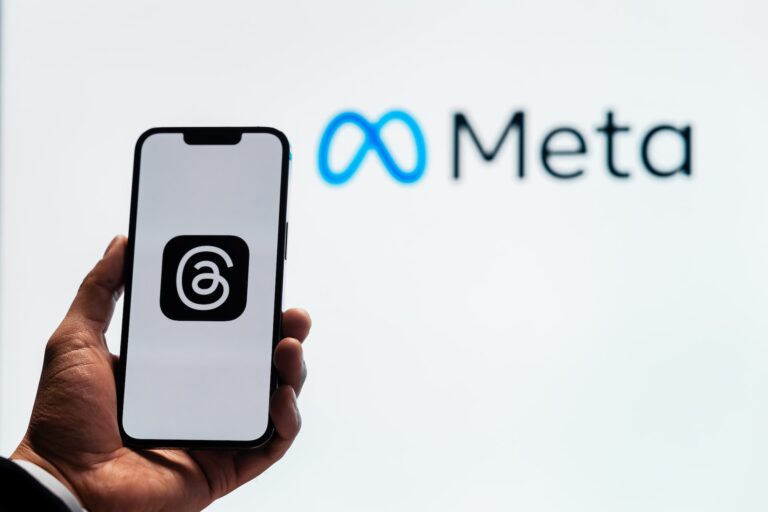
Meta AI chatbot Integration Explained

Key Takeaways

  • Meta AI chatbot data will shape content and ad recommendations by December 16, 2025.
  • Personalized feeds and ads will appear on Facebook, Instagram, and Threads.
  • Sensitive topics such as health and finances won’t use chatbot input.
  • Better ad relevance is promised, but user privacy concerns remain.

Meta Platforms will integrate the Meta AI chatbot into its ad and content algorithms starting December 16, 2025. This update aims to make your social feeds more relevant. In practical terms, when you chat with the AI, your questions and feedback will guide what shows up next. Therefore, your feed and the ads you see should match your interests better.

With this change, the Meta AI chatbot will analyze user queries to deliver smarter recommendations. For instance, asking about travel tips may lead to posts or ads about popular destinations. Moreover, the AI will use this feedback to adjust content rankings instantly. Meta hopes this dynamic system keeps users engaged longer.

Meta says the Meta AI chatbot integration will help brands reach the right audience more easily. Advertisers can expect improved targeting as the system learns what users like. Consequently, you may notice ads that reflect your recent questions or interests. This approach could boost ad engagement and click rates.

How the Meta AI Chatbot Changes Your Feed

First, the Meta AI chatbot will collect signals from chats you start. Next, those signals feed into the main recommendation engine. Then, Facebook, Instagram, and Threads will use this data to show you posts and ads you care about. Finally, as you interact more, the system refines its suggestions.

In effect, the Meta AI chatbot acts like a personal guide. Instead of guessing your tastes, it learns by example. For example, if you ask about eco-friendly fashion, you’ll see related videos, articles, and promo offers. This method aims to keep the experience fresh and relevant.

Additionally, this system can suggest new content you might not find otherwise. Thanks to the Meta AI chatbot’s insights, the algorithm can mix familiar topics with fresh ideas. Thus, you stay curious and discover new interests. Advertisers also benefit, since their messages reach interested users.

Privacy and Safety Considerations

Although the Meta AI chatbot will enhance personalization, Meta promises to skip sensitive topics. The system will not feed user input on health, finance, politics, or race into ad algorithms. Accordingly, questions about medical advice or loan options remain out of scope. This step aims to avoid misuse of personal data in sensitive areas.

However, some privacy advocates worry about any data sharing. They note that even general chat signals can reveal personal interests. Meta claims that it will anonymize and group data before use. Yet, users may still feel uneasy about algorithmic profiling. As a result, clear settings and transparency tools will be key.

Meta will add controls so you can manage how the system uses your chat data. You can opt out of AI-driven personalization entirely or choose specific topics to exclude. In addition, you can delete past chatbot conversations at any time. These features intend to give you more control over your online footprint.

Impact on Users and Advertisers

For users, the Meta AI chatbot promises a more engaging feed. You should see fewer irrelevant posts and ads. Consequently, you may spend less time scrolling past content that does not interest you. Instead, your feed becomes a tailored space that reflects your tastes.

Advertisers stand to gain as well. Better targeting means ads reach people who already asked related questions. This can reduce wasted ad spend and increase conversion rates. Small businesses may especially benefit since they often lack big marketing budgets. With precise targeting, they can reach their ideal audience more efficiently.

Yet, some advertisers worry about cost. If competition for user attention rises, ad prices could go up. Meta has not yet detailed how auction dynamics might shift. Therefore, brands should prepare for possible budget adjustments when the system launches.

What Comes Next

The rollout starts in mid-December 2025. First, Meta will test the new system with limited user groups. Feedback from these groups will shape final tweaks. Then, a wider launch will follow early in 2026. Meta plans to refine controls and transparency tools during this phase.

Users should watch for announcements about privacy settings. Soon, you will see new options in your settings menu. These options let you manage how the Meta AI chatbot uses your data. If you prefer the old system, you can switch back easily.

Overall, this integration marks a shift in how social platforms personalize experiences. By using AI chat insights, Meta hopes to stay ahead in a crowded market. Whether this move wins user trust or stirs more debate remains to be seen.

Frequently Asked Questions

How will the Meta AI chatbot affect my daily feed?

You will see posts and ads that match your AI chat topics. If you ask about cooking, you may find recipes and kitchen product offers. This should reduce irrelevant content and make your feed more useful.

Can I stop the Meta AI chatbot from using my chat data?

Yes. Meta will provide settings to opt out of AI-driven personalization. You can also delete past chatbot interactions. These controls aim to give you more power over your data.

Will my conversations on sensitive topics influence ads?

No. Meta excludes health, finance, politics, and race topics from this system. Data from those areas will not shape content or ads. This step is meant to protect user privacy in sensitive areas.

When will all users get access to these changes?

Testing begins on December 16, 2025, with a small user group. A full rollout is expected in early 2026. During this period, Meta will refine features based on user feedback.


Clop Targets Oracle EBS with $50M Ransom Demand


Key takeaways:

  • Clop ransomware gang claims to breach Oracle E-Business Suite.
  • They target senior executives at large organizations.
  • They demand up to $50 million to withhold stolen data.
  • Oracle is investigating possible configuration errors.
  • Experts urge patching systems and refuse ransom payments.

Clop Ransomware Gang Hits Oracle EBS

Clop, a known ransomware group, is now claiming to have broken into Oracle E-Business Suite systems. They say they stole files from multiple large companies. Then they sent ransom notes to top executives. In their messages, they demand up to $50 million. They warn that failure to pay will expose sensitive data online.

So far, no independent source has confirmed these breaches. However, Clop has leaked files in past attacks. Therefore, security teams are taking their claims seriously. Meanwhile, Oracle has announced an internal investigation. They are checking if any system misconfiguration opened the door for Clop.

Why Oracle EBS Is a Prime Target

Oracle EBS remains a popular business software suite. It handles finance, supply chain, human resources, and more. Consequently, it stores a treasure trove of valuable data. Thus, attackers see it as a high-value prize. Moreover, large organizations often run complex, older installations. That can mean unpatched vulnerabilities and weak settings.

In this case, Clop claims they found holes in Oracle EBS security setups. They insist they moved laterally across networks, collecting credentials as they went. Then they say they exfiltrated databases and proprietary files. After that, they emailed executives with proof of stolen data and the ransom demand.

How to Protect Your Oracle EBS System

First, identify all your Oracle EBS servers and modules. Next, check if each system runs the latest patches and security updates. Additionally, enforce strong password policies and multi-factor authentication. Then, limit access rights based on the principle of least privilege. That means each user only has the permissions they truly need.

Furthermore, review network segmentation. Keep your Oracle EBS instances on isolated subnets. Meanwhile, restrict direct internet access to management interfaces. Also, deploy advanced threat detection tools to spot unusual behavior. For example, monitor file transfers and large data exports. Finally, run regular penetration tests and configuration audits.

Responding to a Ransomware Attack

If you suspect a breach in your Oracle E-Business Suite, act quickly. Immediately isolate affected servers to stop further spread. Then, notify your incident response team and legal counsel. Next, preserve logs and evidence for forensic analysis. Do not panic and avoid paying the ransom before exploring recovery options.

Instead, check your backups. Ensure they are intact and recent. Also, confirm they are isolated from the main network. Then start restoration on clean hardware. Meanwhile, communicate transparently with stakeholders and regulators if needed. Lastly, share threat indicators with peers and security communities to help others.

Why Paying a Ransom Isn’t the Best Solution

Often, paying a ransom does not guarantee full data recovery. In several past cases, attackers failed to release all stolen data. Worse, they sometimes extort victims a second time. Therefore, security experts advise against paying. Instead, focus on building resilient systems and keeping backups offline.

Moreover, supporting criminal groups by paying ransoms can fund further attacks. It also encourages more extortion attempts against other businesses. Thus, the recommended path is preparedness and rapid response.

Oracle’s Investigation and Community Response

Oracle has confirmed they are looking into the situation. However, they have not found proof of a breach yet. They stressed the importance of correct system configuration. At the same time, they urge customers to apply the latest security patches.

Meanwhile, industry experts are sharing guidance on social media and security forums. They recommend:
• Verifying network and database logs
• Conducting in-depth vulnerability scans
• Reviewing recent changes to Oracle EBS settings
• Collaborating with managed security providers

By working together, organizations can shore up defenses and reduce risks from groups like Clop.

Key Steps to Fortify Oracle EBS Now

• Update software: Install all available Oracle EBS patches.
• Harden configurations: Follow Oracle’s security hardening guide.
• Enforce authentication: Use multi-factor authentication for all accounts.
• Monitor continuously: Deploy security monitoring tools for real-time alerts.
• Backup regularly: Keep encrypted, offline backups in multiple locations.
• Train staff: Educate employees on phishing and social engineering.

By following these steps, companies can better protect their Oracle EBS environments from future attacks.

Looking Ahead

Ransomware groups will keep hunting high-value targets like Oracle EBS. Therefore, organizations must stay vigilant. Regular updates, strong access controls, and constant monitoring will remain vital. In addition, sharing threat intelligence within the community can help everyone respond faster.

Finally, remember that no single solution stops all attacks. A layered security approach, combined with a well-practiced incident response plan, will deliver the best defense against groups like Clop.

FAQs

What exactly is the Clop ransomware gang?

Clop is a criminal hacking group that uses ransomware to lock and steal data. Then they demand money for decryption keys and data return.

How do criminals claim to breach Oracle EBS?

They often exploit unpatched software, weak configurations, or stolen credentials. Once inside, they move laterally and steal sensitive files.

Should companies pay the ransom if attacked?

Experts strongly advise against paying. There is no guarantee of data recovery, and it encourages more attacks.

How can I secure my Oracle EBS system?

Keep your software updated, enforce strong authentication, segment networks, monitor activity, and maintain offline backups.

Hidden Danger: SoopSocks Python Trojan Exposed

0


Key Takeaways
• A fake Python package named SoopSocks hid a Go-based backdoor.
• It posed as a SOCKS5 proxy tool on the official PyPI repository.
• The malware gave remote hackers admin access on Windows.
• Stolen data was sent through a Discord channel.
• Security experts urge strict code reviews and audits for all packages.

SoopSocks Python Trojan in PyPI

Cybersecurity experts recently uncovered a clever trick in the Python world. They found SoopSocks, a malicious package on the official Python repository. It pretended to be a simple SOCKS5 proxy tool. Yet, under the surface, it deployed a hidden Go-based backdoor when installed on Windows. This backdoor let attackers steal data and take full control of a system.

What is SoopSocks?

SoopSocks looked like a normal proxy utility for developers. In reality, it included a secret payload written in the Go programming language. After installation, it unpacked that payload and launched it in the background. Users never saw warning messages or pop-ups. That allowed the malware to stay hidden and work quietly.

Moreover, SoopSocks used a surprisingly simple trick to leak information. Instead of using a custom server or email, it sent stolen files to a Discord channel. This made it harder for defenders to spot malicious traffic. In addition, the backdoor could request and gain higher privileges. Attackers then had the power to install further malware or spy on users at will.

How SoopSocks Infects Windows Systems

The infection process starts when a developer or user runs a “pip install” command. They think they are adding useful code to their project. However, SoopSocks includes a run script that checks if the host system is Windows. If it is, the script decodes and unpacks the backdoor file. Next, it creates scheduled tasks to relaunch the malware after each reboot. This keeps the backdoor alive indefinitely.

Once active, the backdoor scans the hard drive for interesting files. It looks for documents, spreadsheets, and database backups. Then, it zips them and uses a Discord webhook to send them to the attacker’s channel. Furthermore, SoopSocks can run arbitrary commands. Attackers can use it to download more tools, change system settings, or even brick the machine.

Why Supply Chains Face Rising Threats

Supply-chain attacks happen when bad code sneaks into tools that developers trust. In this case, SoopSocks slipped into the vast PyPI ecosystem. That ecosystem hosts millions of packages used by thousands of projects daily. If one package is poisoned, every project that installs it can become compromised.

Cybercriminals love this method because it scales. They only need to taint one package, and many users will pull it in. Moreover, automated dependency managers often install packages without asking. Therefore, even careful developers might miss the threat. As a result, hackers can spread malware far and wide before anyone notices.

In addition, scammers have gotten better at hiding their tracks. SoopSocks used a half-legitimate proxy tool as camouflage. It included real proxy-related code so cursory scans saw nothing wrong. Then, only deeper analysis uncovered the malicious Go module hidden inside. This tactic shows that quick checks are no longer enough to stop these attacks.

How Experts Recommend Staying Safe

Security experts stress the need for stronger vetting and audits. Here are the main steps they suggest:

• Review package code before adding it to critical projects. Take time to read installation scripts and hidden files.
• Use automated tools to scan for known malware patterns and avoid simple checks only.
• Lock down permissions so new packages cannot create scheduled tasks or run as admin.
• Monitor unusual network traffic, especially to new or rare endpoints like Discord webhooks.
• Encourage open-source communities to sign packages with trusted keys.

Furthermore, teams should set up isolated environments for untested packages. That way, even if a package is malicious, it cannot harm production systems. In addition, regular audits of all dependencies can reveal hidden code changes. It also helps to rely on a small set of well-known and vetted libraries.

Moving Forward with Caution

Clearly, the SoopSocks incident exposes ongoing supply-chain weaknesses. As Python’s popularity grows, attackers will look for more ways to sneak in. Therefore, developers must raise their guard. They need to assume that every new package could be a Trojan. Only through careful review and strict controls can teams defend their code and data.

In the end, trust remains a powerful weapon. Developers trust public repositories and package names. Attackers weaponize that trust to slip malicious code into projects. By tightening review processes and improving security culture, teams can reclaim control. They can stop hidden dangers like SoopSocks before damage spreads.

Frequently Asked Questions

What exactly made SoopSocks dangerous?

SoopSocks bundled a hidden Go-based backdoor inside a proxy tool. When installed, it ran secret code to steal data and give attackers system control.

How did SoopSocks send stolen files?

Instead of using a custom server, SoopSocks used a public chat service webhook. It quietly uploaded stolen files to a Discord channel.

Can automated scans detect SoopSocks today?

Basic scans may not catch it because the proxy code looked normal. Deeper analysis tools and manual reviews are now needed to spot similar threats.

What can developers do to avoid Trojan packages?

They should thoroughly review any new package code, lock down permissions, use scanning tools, and test in isolated environments before trusting external packages.

Comet browser Goes Free: Discover AI-Powered Surfing

Key Takeaways:

  • Perplexity AI has made its premium Comet browser free for everyone, dropping the $200 yearly fee.
  • The Comet browser aims to cut out low-quality “AI slop” and boost content quality.
  • Built on Chromium, it features AI-driven navigation, summarization, and research tools.
  • Partnerships with top publishers ensure reliable sources and accurate information.
  • This move democratizes powerful AI browsing and challenges industry leaders.

Imagine browsing the web with an AI helper in your pocket. That is now real. Perplexity AI has removed the paywall on its Comet browser. Once a $200-per-year tool, it is now free. This change aims to fight “AI slop” and bring better content to everyone. In simple terms, the Comet browser uses smart AI to guide you. It finds trustworthy sources, summarizes articles, and helps you research faster. Moreover, it challenges big tech players by offering top-tier tools at no cost. Read on to learn why this matters and how the Comet browser may change the way you surf the web.

What makes the Comet browser special?

First, the Comet browser is built on Chromium, the same foundation behind popular browsers. However, it goes further by adding AI at each step. For example, it uses AI to predict what page you need next. As a result, you get faster results with less clicking. In addition, the Comet browser offers one-click summaries of long articles. You simply ask, and the AI gives you key points in seconds. Thus, reading complex topics becomes quick and clear.

Second, the browser filters out low-quality content. Many AI tools generate fluff or “AI slop.” This happens when they fill pages with vague or false info. To solve this, Perplexity AI teamed up with reputable news outlets and research sites. Consequently, the Comet browser only shows trusted sources. This ensures that your information is accurate and up to date.

How the Comet browser fights AI slop

AI slop refers to generic or misleading content created by weak AI models. Unfortunately, it can flood the web. Therefore, quality control is vital. The Comet browser tackles this issue in two ways. First, it uses advanced AI models that understand context better. This reduces errors and vague statements. Second, it cross-checks facts with multiple sources. If one source conflicts, the AI flags it for you. In this way, the Comet browser makes sure you rely on solid data.

Moreover, the browser constantly updates its AI. As new information arrives, it retrains its models. This means the Comet browser stays sharp against emerging misinformation. Meanwhile, it learns from user feedback. Users can report any misleading result. Then the AI learns and improves over time. As a result, the browser becomes smarter every day.

AI features built into the Comet browser

The Comet browser packs several AI tools to boost your workflow. First, its smart address bar suggests queries and websites as you type. Rather than guessing keywords, you get direct answers faster. Second, it offers inline summaries. Simply highlight a paragraph and click “Summarize.” The AI then breaks down complex text into a few clear sentences.

Third, it includes a built-in research assistant. You can ask detailed questions and get concise replies without leaving the page. For instance, ask for data on climate change and get a bullet list of facts. Then click on any point to dive deeper. This tool works like having a tutor guide you through new topics.

In addition, the Comet browser supports voice commands. Thus, you can browse hands-free while cooking or exercising. Just say, “Show me reviews of the new phone,” and the AI brings up top articles. All these features work together to make browsing smoother and smarter.

Why free access changes the browsing game

Until now, most AI browsers charged high fees or locked premium features. By making the Comet browser free, Perplexity AI levels the playing field. Students, researchers, and casual surfers can all access top AI tools. This democratizes powerful technology that was once costly.

Furthermore, the move pressures other browser makers to innovate. Big names will need to up their AI game or risk losing users. In turn, the entire industry benefits. We may soon see smarter, more reliable browsing tools everywhere.

Finally, free access encourages wider testing and feedback. More users mean more data to improve the AI. As a result, the Comet browser grows stronger and more accurate. Truly, this decision could reshape how we use the web.

Partnerships ensure reliable research

Perplexity AI did not build the Comet browser alone. It formed alliances with top publishers and academic sites. These partnerships guarantee the AI taps into quality content. When you search for medical advice, for instance, the browser draws on respected journals. For news, it uses vetted outlets to avoid clickbait or fake stories.

In addition, the Comet browser plans to expand its partner network. It aims to include more global publications and niche research hubs. Therefore, your searches will cover a wider range of viewpoints. This deepens your understanding and reduces bias.

Looking ahead, the Comet browser may add more specialized AI tools. For example, it could offer coding help for developers or language translation for travelers. The free model ensures these tools reach a broad audience. Thus, everyone gains from cutting-edge AI innovation.

The future of AI browsing is here

In summary, the Comet browser going free marks a big shift. It fights AI slop, boosts content quality, and levels access to smart tools. With its Chromium base and AI features, it offers speed, accuracy, and ease of use. Plus, its partnerships promise reliable and varied sources. As a result, this move challenges big players and empowers users worldwide.

If you want a smarter way to surf, try the Comet browser. It could change your digital life by making research faster, reading easier, and browsing more fun—all at no cost.

FAQs

What devices support the Comet browser?

The Comet browser works on major desktops and laptops. You can install it on Windows, Mac, and Linux.

How does the Comet browser handle privacy?

It uses encryption for your data and does not track you for ads. You control what info the AI can access.

Can the Comet browser work offline?

Some features, like saved summaries, work offline. However, most AI functions need an internet link.

Will the Comet browser add more AI tools soon?

Yes, the team plans new features like code assistance and multi-language support in upcoming updates.

Simple Life Raises €33M for AI Weight-Loss App

Key takeaways

  • Simple Life secures €33 million in Series B funding led by HartBeat Ventures
  • Funding will enhance its AI weight-loss app with more personalization and gamification
  • The profitable startup earned $100 million in 2024 and has 700,000 subscribers
  • New capital supports global expansion into Europe, Asia, and North America
  • Celebrity backer Kevin Hart boosts brand visibility and user trust

AI weight-loss app gets €33M boost

Simple Life is a London startup that helps people lose weight. It uses its AI weight-loss app to guide users with daily tips and plans. The company announced a €33 million Series B funding round led by Kevin Hart’s HartBeat Ventures. This capital will help the app add more personalization and fun features. Moreover, the funding will support the app’s expansion into new markets worldwide.

Since its founding in 2020, Simple Life has grown fast. The company turned a profit in its early years. In 2024, it reported $100 million in revenue. Today, 700,000 subscribers use its AI weight-loss app every day. Users praise the app for its clear advice and easy tracking tools. As a result, Simple Life stands out in the crowded wellness space.

Inside the Funding Round

The Series B round drew interest from top investors. Kevin Hart’s HartBeat Ventures led the deal. HartBeat Ventures has a track record of supporting health and fitness brands. In addition, several European venture firms joined the round. The total raise reached €33 million. This shows strong confidence in Simple Life’s business model. It also highlights growing demand for digital wellness solutions.

Fueling Personalization and Gamification

A big share of the funds will improve the AI weight-loss app’s core features. First, the app will learn from user data to offer even sharper recommendations. Second, it will add gamification elements like badges, leaderboards, and daily challenges. These features will help users stay motivated. Furthermore, the team plans to refine meal planning with local recipes. Thus, each user will get a plan that fits their tastes and culture.

AI weight-loss app targets global expansion

With fresh funding, Simple Life aims for new regions. The company will launch localized versions of its AI weight-loss app in Europe and Asia. It will add multiple languages and region-specific nutrition guides. In North America, the team will partner with gyms and health coaches. Meanwhile, marketing will ramp up on social media and in-app ads. These moves should boost user numbers beyond the current 700,000.

Blending celebrity and wellness

Kevin Hart’s involvement adds star power to the brand. As a comedian and actor, Hart reaches millions of fans. He plans to share his own wellness journey through the app. This authentic touch can inspire users worldwide. Moreover, celebrity endorsement often speeds up brand trust. Users tend to try new apps when a trusted face promotes them. In this case, HartBeat Ventures brings both capital and credibility.

What’s next for users

Simple Life will roll out major updates in the coming months. Users can expect more in-depth progress tracking and live coaching sessions. The app will also integrate with wearables and smart scales. This will give real-time health data to the AI engine. In addition, group challenges and community forums will keep members connected. As a result, users can enjoy a more social and supportive weight-loss journey.

Why it matters

Digital health has grown rapidly in recent years. Yet many apps lack true personalization. By blending AI and gamification, Simple Life aims to fill that gap. Moreover, its profitability shows a sustainable model. Investors are betting on proven startups rather than untested ideas. With obesity rates rising globally, scalable tech solutions are vital. Simple Life’s approach could help millions make healthier choices every day.

Looking ahead, Simple Life hopes to reach 5 million users by 2027. It also plans to explore corporate wellness programs. By offering tailored plans for employees, the startup can tap into new revenue streams. Overall, this €33 million boost positions Simple Life to lead in digital wellness. As the AI weight-loss app evolves, it may redefine how people lose weight and stay fit.

Frequently Asked Questions

How does the AI weight-loss app deliver personalized plans?

The app gathers user data on food, exercise, and habits. Its AI engine then creates tailored meal and workout plans. As users log progress, the app refines recommendations.

Who led the latest funding round for Simple Life?

The Series B round was led by Kevin Hart’s HartBeat Ventures. Several European venture firms also participated.

How many subscribers does Simple Life have today?

Simple Life boasts 700,000 active subscribers. In 2024, it generated $100 million in revenue.

What new markets will the AI weight-loss app enter?

Simple Life plans launches in Europe, Asia, and North America. It will offer local languages, recipes, and regional nutrition guides.

New Bank Capital Rules Could Free Billions

0


Key Takeaways

  • Regulators aim to roll back strict capital rules to free up bank lending
  • Industry leaders hail the changes as a boost for growth
  • Critics warn these moves could raise risks to financial stability
  • The new approach could take effect by mid 2026


New Bank Capital Rules Explained

President Trump’s regulators have launched the biggest overhaul of bank capital rules since 2008. They want to undo many Biden‐era limits and potentially lower the amount of cash banks must hold in reserve. This shift could release billions of dollars for new loans. However, critics worry that easing these rules will increase the chance of bank troubles.

Why Bank Capital Rules Matter

Bank capital rules set the minimum cushion of money banks must keep on hand. Regulators created these rules after the 2008 financial crisis. The goal was to make banks safer when the economy turns bad. For example, a bank holding more capital can handle sudden losses without failing.

Under the current rules, big banks must hold more money in reserve than smaller ones. They also follow extra tests for risk under stressful scenarios. These safeguards have made banks stronger. However, some say the rules now go too far, slowing lending and growth.

What the Changes Include

First, regulators plan to scrap some Biden‐era constraints on how banks calculate risk. They argue the old models overstated danger. As a result, banks stood aside billions instead of making loans. With revised rules, banks could use simpler calculations.

Second, the new plan could trim capital buffers for the largest banks. These buffers force the biggest lenders to hold more money than smaller peers. The change would bring big banks closer to their rivals. That means more cash could flow into corporate and consumer loans.

In addition, regulators want to ease stress‐test rules. Now, banks face annual exams to show they can survive financial shocks. The proposed update may reduce the number of tests or lower the bar for passing. Thus, banks would free up capital faster.

Who Supports the Overhaul

Industry leaders say the bank capital rules update will unleash fresh lending. They claim small businesses and families will benefit from easier credit. Furthermore, banks may feel less pressure to hoard cash. This could drive more home mortgages, business loans, and auto financing.

A top executive at a major bank said the move will spark economic growth. He noted that other countries have simpler capital guidelines. His bank often sets aside extra capital to meet U.S. rules. Cutting those requirements could shift funds into new projects.

Some lawmakers also applaud the change. They argue that too many regulations stifle growth. They view this update as a step toward freer markets. According to them, banks should have more flexibility to back new ventures.

Why Critics Sound the Alarm

On the other hand, critics warn the new bank capital rules could reduce safety nets. They say the original reforms after 2008 proved vital for financial stability. Lowering capital cushions could leave banks vulnerable in a downturn.

A former regulator said lighter rules might encourage risky behavior. She noted that banks could chase higher profits over safety. If troubles arise, taxpayers might once again face bailouts.

In addition, some economists worry the plan underestimates future shocks. For example, a sudden market drop or rapid inflation could test bank health. With thinner buffers, a single stress event could ripple across the economy.

Possible Impact on Small Banks

Small banks may see mixed effects. They already keep lean capital cushions. Easing rules could help them compete with large lenders. However, if overall risk rises, small banks could feel indirect impacts.

For instance, market confidence in banks might slip if investors expect weaker safety. This could raise borrowing costs for all banks, big and small. In turn, small lenders might find it harder to tap capital markets.

How This Could Reshape Banking by Mid-2026

Regulators say the new bank capital rules could start by mid-2026. They plan a phased rollout. First, banks will get clear guidance on new models. Next, they will run tests under the updated system. Finally, full implementation will occur.

Throughout this period, banks and analysts will track how the changes affect loan growth. Regulators promise to monitor safety levels and adjust if needed. However, once the rules take hold, the banking landscape may look very different.

In the end, banks could lend billions more each year. Yet the price of that lending might be higher risk. The debate highlights the trade-off between stronger growth and greater stability.

Preparing for a New Era

For now, banks are studying the proposed update. They aim to adjust their capital plans and risk models. After listening to public comments, regulators will issue final rules. Observers expect tweaks before the plan is locked in.

Meanwhile, businesses and consumers can watch for changes in loan availability. A surge in lending could mean better credit options. Still, borrowers will want to check rates and terms carefully.

Finally, financial watchdogs will keep an eye on bank health. They will look for signs of stress or undercapitalization. This oversight will help limit downside risks as the new rules take effect.

Frequently Asked Questions

What are bank capital rules?

Bank capital rules set the amount of money banks must hold in reserve. They act like a safety cushion to absorb losses during economic stress.

Why is the update happening now?

Regulators believe current rules are too strict. They say easing some limits will boost lending and support economic growth.

How could the changes affect me?

If banks hold less capital, they might lend more. This could mean easier access to mortgages, car loans, or small-business credit.

When will the new bank capital rules start?

The plan could roll out in stages beginning mid-2026. Regulators will give banks time to adjust before full implementation.

Could the update cause bank failures?

Critics warn that thinner safety cushions might raise failure risks in a downturn. Regulators plan to watch bank health and may adjust rules if needed.

Gen Z Shaped Ford’s EV Strategy

0

Key Takeaways

  • Ford’s CEO heard Gen Z workers’ frustrations during the 2023 strike
  • Gen Z demanded higher pay and more job security
  • Their feedback reshaped Ford’s EV strategy for young buyers
  • Ford now focuses on affordable, tech-rich electric models
  • The goal is to win over tech-savvy youth and stay competitive

The Wake-Up Call

During the 2023 UAW strike, Ford’s CEO Jim Farley woke up to a big lesson. He realized Gen Z workers felt stuck with low pay and little security. They wanted more respect and a clear future in their jobs. This message hit home. Ford knew it must change to keep and attract young talent.

Key Lessons for Ford EV Strategy

First, Ford saw that pay matters. Young workers expect fair wages from day one. Next, they want clear career paths. They also value tech-packed tools that help them learn and grow. Finally, they care about the planet. They look for companies that share their green values.

By listening closely, Ford built a Ford EV strategy that speaks to these points. It now plans electric vehicles that cost less. It will pack them with cool tech. And it will hire and train workers so they can build the future they want.

What Gen Z Wants

Gen Z grew up with smartphones and social media. They expect fast internet, smart features, and sleek designs. They also face high living costs, so they want value. Moreover, they care about climate change. They see electric cars as a key solution.

Because of this, Ford’s leaders decided to focus on three things:

  • Price: Keep EVs affordable for young buyers
  • Technology: Offer cutting-edge features like smart screens and apps
  • Sustainability: Use eco-friendly materials and clean power

These priorities now drive Ford’s EV plans. In turn, the company hopes to capture the youth market and boost loyalty.

Ford’s Actions

Since the strike, Ford raised wages and improved job security. They updated training programs to include EV skills. This change helps current staff and attracts new talent. It shows Ford values its people as much as its products.

Furthermore, Ford reorganized its EV teams. It brought in experts in software, batteries, and digital services. It also set up youth advisory groups. These groups share feedback on design, features, and marketing. As a result, Ford’s EV lines are now more in tune with Gen Z tastes.

Next, Ford cut costs in production. It optimized supply chains to keep vehicle prices down. It also plans to build new factories near battery suppliers. This move will speed up assembly and lower shipping costs.

Challenges on the Road

Despite these steps, Ford faces hurdles. Federal tax credits for EV buyers are about to expire for some models. This change could raise prices. In addition, Chinese automakers are entering the U.S. EV market. They often offer cheaper models.

However, Ford’s team believes its focus on youth needs gives it an edge. By blending affordability with advanced features, it hopes to stay ahead. The new approach also boosts employee pride. Workers feel part of a mission, not just a job.

Future of Ford’s Electric Lineup

Looking ahead, Ford plans to launch several new electric models by 2026. These include smaller, budget-friendly cars ideal for city driving. They will feature smart dashboards, over-the-air updates, and strong battery life.

Moreover, Ford aims to expand its charging network. It will partner with energy companies to build fast chargers near campuses, malls, and city centers. This network will help young drivers feel more confident in switching to EVs.

In addition, Ford will offer flexible leasing and financing options. These deals cater to people who may have less savings. The goal is to remove barriers and make EVs feel within reach.

Why This Matters

Today’s youth will shape the automotive market for decades. Their values, spending habits, and tech demand will guide industry trends. By listening to Gen Z, Ford sets itself up for long-term success.

Moreover, a strong EV lineup helps Ford meet climate goals. Electric vehicles produce fewer emissions over their life. As governments push for greener transport, Ford’s early moves give it a head start.

Finally, a happier workforce leads to better products. When employees feel valued, they work harder and bring fresh ideas. This culture of inclusion and learning drives innovation.

In short, Gen Z taught Ford a vital lesson. By focusing on fair pay, job security, and future skills, Ford transformed its EV game. Now, the company aims to deliver electric cars that young people can afford, enjoy, and feel proud to drive.

FAQs

How did the 2023 strike influence Ford’s pay structure?

The strike made Ford realize young workers needed higher wages and clear career paths. Since then, the company raised wages and improved training programs.

What role does technology play in Ford’s EV plans?

Technology is key. Ford plans to add smart screens, over-the-air updates, and mobile apps to appeal to tech-savvy buyers.

Will Ford’s EVs be affordable for students and new workers?

Yes. Ford is cutting production costs and offering flexible financing to keep prices low and accessible.

How does Ford plan to compete with Chinese EV makers?

Ford focuses on local production, strong dealer support, quality, and a tailored youth-driven design to stand out.

Anthropic CTO Rahul Patil Takes the Helm

Key Takeaways

  • Rahul Patil joins Anthropic as CTO to boost AI infrastructure.
  • He brings years of engineering leadership from Stripe.
  • Companies face high costs running complex AI models.
  • Anthropic aims to compete more strongly with OpenAI and Meta.
  • Patil will drive safe, efficient growth and scale systems.

Anthropic named Rahul Patil as its new CTO to lead infrastructure. He served as Stripe’s CTO and built major payment systems. With this hire, Anthropic hopes to handle bigger AI models and more users. Moreover, the company faces growing demand and wants to speed up innovation. As Anthropic CTO, Patil will oversee hardware, software, and safety teams. He will build better pipelines and slash waste. In addition, he will push for tools that save time and money.

Why the Anthropic CTO Role Matters

The Anthropic CTO shapes the way AI products run behind the scenes. This role picks the servers, networks, and code that power smart models. It also sets rules for safe and ethical AI use. Therefore, the person in this spot must balance speed, cost, and security. Right now, AI development needs vast computing power. Companies must invest millions each month on GPUs and data centers. Thus, the Anthropic CTO must find creative ways to drive efficiency. Above all, this role can make or break a company’s growth plan.

Rahul Patil’s Journey from Stripe to Anthropic

Rahul Patil rose through the ranks at Stripe over many years. He joined as an engineer and learned to scale systems globally. Later, he led teams that processed billions in payments every day. Under his watch, Stripe rolled out new features and improved uptime. Meanwhile, Patil mastered cloud platforms and open-source tools. He also built a culture of testing and rapid iteration. Now, at Anthropic, he faces a different challenge: powering AI models instead of payments. Yet his core skills—team building, cost control, and system design—still apply.

Scaling Complex Models with Smart Tools

Running large language models costs a fortune in electricity and hardware. For example, training popular AI systems can require thousands of GPUs. Without smart planning, budgets can spiral out of control. However, streamlining pipelines can cut costs by up to 30 percent. As Anthropic CTO, Patil will explore custom chips, toolkits, and cloud deals. He will also push for efficient code that wastes less memory and energy. In addition, he will seek partnerships to spread computing loads across regions. Such steps will help Anthropic serve more users at lower prices.

Facing OpenAI and Meta in the AI Race

OpenAI and Meta both invest heavily in research and servers. Their models grab headlines and set user expectations. Meanwhile, smaller players must find niche strengths to survive. Anthropic hopes strong infrastructure will power new features and speed. Likewise, safety research remains a key focus. Patil’s arrival shows Anthropic wants to match rivals on scale and trust. Yet competition also drives innovation across the industry. Consequently, users gain access to faster, smarter, and safer AI tools.

What’s Next for Anthropic’s AI Ambitions

With a new Anthropic CTO aboard, the team will refine its roadmap. First, engineers will test systems under real-world loads. Then, they will roll out updates that improve response times and cut errors. Moreover, the safety group will run more simulations to spot risks early. In parallel, product teams will gather user feedback and adjust features. In the longer term, Anthropic aims to launch specialized models for businesses. It also plans to expand into new markets. Patil’s expertise should help guide these efforts and unlock fresh growth.

Frequently Asked Questions

What qualifications does Rahul Patil bring to his new role?

Rahul Patil led engineering teams at Stripe, building scalable, reliable systems. He has deep experience in cloud platforms and cost optimization.

How will the Anthropic CTO position impact AI safety?

The Anthropic CTO sets technical standards and safety protocols. By improving infrastructure, the role ensures models run under strict ethical guidelines.

In what ways can better infrastructure reduce AI costs?

Stronger infrastructure uses optimized code, custom chips, and smart cloud deals. These steps cut wasted resources and slash energy bills.

How does this change affect Anthropic’s competition with OpenAI?

With Rahul Patil as Anthropic CTO, the company can scale faster and innovate more boldly. This boost strengthens its position against major rivals.

Meta AI Chatbot to Boost Social Media Ads


Key Takeaways

  • Meta will use Meta AI chatbot interactions to sharpen ad targeting from December 16, 2025.
  • Users cannot opt out, raising serious privacy concerns.
  • Actor Joseph Gordon-Levitt and others criticize the move.
  • This strategy aims to boost engagement and revenue but may face regulators.

Social media platforms often tweak their ad tools. Now, Meta plans a big change. Starting December 16, 2025, chats with the Meta AI chatbot will shape the ads you see on Facebook, Instagram, and other apps. While this could make ads more relevant, it also raises privacy alarms.

Meta AI Chatbot Shakes Up Ad Targeting

Meta says the Meta AI chatbot will collect details from every conversation. Then, it will use those details to pick better ads for you. For example, if you ask the chatbot about cooking tips, you might see more cooking gear ads. If you chat about travel, travel deals could pop up. In theory, this makes ads feel more personal and useful.

However, users have no choice to stop this data sharing. You cannot opt out of having your chatbot chats turned into ad data. That worries many privacy experts. They say this move blurs the line between private chats and advertising. Moreover, it could give Meta more control over what you see online.

Criticism and Privacy Concerns

Several public figures and privacy advocates have spoken up. Actor Joseph Gordon-Levitt said he finds this change unsettling. He believes private chats should stay private. Others fear hackers or insiders might access sensitive chat information. Since everything you say to the Meta AI chatbot can influence ads, people worry about how securely that data will stay.

In addition, regulators around the world are watching closely. Some governments already fine companies for misusing user data. With no opt-out option, Meta could face new investigations or legal challenges. For instance, European authorities have strict rules on consent. They require clear user permission before using personal data. If regulators decide Meta broke those rules, the company could pay big fines.

Why the Meta AI Chatbot Matters to You

Ads are part of how Meta makes money. By using chatbot chats, Meta hopes to increase ad clicks and sales. Better targeted ads mean more value for advertisers. That feeds back into Meta’s income. Meta’s CEO said this could raise engagement across Facebook and Instagram. More engagement usually means higher ad revenue.

On the user side, relevant ads can be helpful. You might discover new products or services you actually need. For example, a student planning a science project could find a discount on lab kits. Or a small business owner could see affordable marketing tools. In these cases, ads based on chatbot chats could save time.

Nevertheless, many users dislike feeling watched. Even if ads match your interests, it can feel creepy when platforms know too much. Also, if the chatbot misinterprets your chats, you could see irrelevant or repeated ads. Imagine asking about summer recipes and then getting non-stop grill ads. That could annoy rather than help.

Balancing Engagement and Privacy

Meta argues it follows strong privacy rules. The company says it anonymizes data and safeguards it behind strict security walls. It also claims that using chatbot data is no different from other ad signals, like likes or searches. Yet, critics argue that chat data is more personal. When you chat, you often share feelings or private details you wouldn’t type in a search bar.

Moreover, there is no way to review or delete your chat data once Meta has used it for ads. This permanence worries privacy experts. They suggest Meta add an opt-out feature or allow users to erase chat history. Without these options, trust in Meta’s platforms may erode over time.

What’s Next and What You Can Do

First, mark December 16, 2025, on your calendar. That is when Meta will roll out ad targeting based on your chatbot chats. Before then, watch for updates or settings changes in your Meta accounts. Meta may announce new privacy controls or clearer explanations.

Second, review your privacy settings now. In Facebook and Instagram, check what data you share with apps and AI tools. While you can’t stop the chatbot data use, you can limit other data leaks. For instance, turn off location sharing for apps you don’t trust. Also, delete old posts or photos you no longer need.

Third, think twice before sharing sensitive information in any chatbot. Avoid discussing financial details or health problems if you don’t want those topics feeding into ads. Instead, use chatbots for general or light topics. For truly private chats, consider tools with end-to-end encryption and clear privacy policies.

Finally, stay informed about any regulatory changes. If new laws require more user control, Meta might have to update its approach. Keep an eye on news from data protection agencies or tech policy groups. If you feel strongly, you can also voice your opinion. Public feedback can influence company decisions and prompt lawmakers to act.

Final Thoughts

The Meta AI chatbot update shows how fast social media giants can change their ad tactics. On one hand, this move could make ads more helpful and boost Meta’s revenue. On the other hand, it raises real privacy and trust issues. Without an opt-out option, users may feel forced into a system they cannot control.

At the end of the day, the choice comes down to personal comfort. Some will welcome smarter ads. Others will worry about every chat shaping their ad profile. As the rollout date approaches, you will need to decide how much you trust Meta with your chat data. Meanwhile, keep watching for settings updates and regulatory news.

Frequently Asked Questions

What exactly will Meta track from my chatbot chats?

Meta will analyze keywords and topics you discuss in the chatbot. It uses this data to match you with related ads across its apps.

Can I stop my chat data from influencing ads?

Unfortunately, no. Meta has said there is no opt-out for this feature. You can limit other data sharing, but not chatbot data for ads.

Will my private conversations be shown to people?

No one else sees your chats. Meta says it anonymizes data before using it for ads. However, it does use details you share to improve ad targeting.

Could regulators block this change?

Possible. If data-protection authorities find that Meta broke privacy laws, they could force changes or impose fines. Keep an eye on news from privacy regulators.

Why Apple Maps Visited Places Matters in iOS 18

0

Key Takeaways

• Visited Places logs your most-visited spots in Apple Maps on iOS 18.
• All location data stays encrypted on your device, not in the cloud.
• You can turn off Visited Places and delete its history in Settings.
• The feature makes it easy to find your favorite coffee shops and parks.
• Some worry about privacy, even with Apple’s strong protections.


Visited Places: A New Way to Track Your Favorites

Apple Maps in iOS 18 now comes with Visited Places, a tool that quietly notes where you go most often. You do not have to open the app to start tracking. Instead, the feature runs in the background. This way, your top spots appear faster when you need directions. For example, your favorite bakery, gym, or friend’s house will be ready in a tap. Moreover, Apple says Visited Places keeps your data safe with strong encryption right on your iPhone or iPad. Yet, some people still ask if it’s too much tracking.

First, Visited Places focuses on convenience. With one tap, you access your most-loved spots. Second, it reduces search time. Rather than typing your gym’s name, you choose it from a list. Third, it helps you discover patterns in your routine. Maybe you visit a park every weekend, or you pass by the same café daily. Visited Places shows these habits. However, all this happens without sending data to servers. Instead, your device does the work.

How Visited Places Works Behind the Scenes

When you walk, drive, or ride on your bike, Apple Maps notes your location points in the background. Then it groups nearby points into a place. Over time, the system learns which spots you visit often. It stores each place’s name, address, and how often you go there. Importantly, Apple encrypts every detail on your device. Therefore, no one else can read your data without your permission. Your iCloud backup won’t include it unless you choose to save encrypted backups.

Because Visited Places runs locally, your battery life stays nearly the same. Apple optimized it to eat very little power. Also, the feature pauses when your device’s battery is low. This ensures you still have juice for maps and calls. Finally, Visited Places only updates when significant location changes happen. That keeps things private and efficient.

Privacy Concerns and Apple’s Safeguards

Even with strong encryption, some people worry about any form of tracking. They ask if Apple could share this data with third parties. The company states it cannot access your Visited Places because it never leaves your device. Moreover, you can view the list of your saved spots at any time. If you see a place you no longer want stored, you can delete it. Also, you can pause or disable the feature entirely. Therefore, you stay in full control of your location history.

Still, it’s easy to misunderstand. Some worry that a thief or hacker might break into the phone and find private visits. Here, Apple leans on its secure enclave. This chip guards encryption keys and lets only you unlock data with Face ID or Touch ID. Plus, if your device is lost or stolen, you can erase it remotely. Consequently, your Visited Places go away, too.

How to Control Visited Places Data

Managing your privacy with Visited Places takes just a few taps. First, open Settings on your iPhone or iPad. Next, scroll down and tap Maps. In the Maps menu, find Visited Places. Here you will see a toggle to turn the feature off. If you flip it off, Visited Places stops logging new locations. However, your old entries remain until you delete them. To clear history, tap Show History, then select Clear All. That erases the record of every saved spot.

You can also delete individual locations. In the same history list, swipe left on a place and tap Delete. This action removes just that entry. After you finish, your list only shows places you still want. If you later decide to turn Visited Places back on, your deleted spots stay gone. You start fresh with no past history.

Why Visited Places Balances Convenience and Control

In today’s world, we expect apps to remember our favorites. Whether it’s your go-to store or your school, quick access saves time. Visited Places offers that speed. At the same time, Apple built in ways to switch it off. You never lose control of what stays on your device. Moreover, you choose if any encryption keys go into iCloud Backups. This design follows Apple’s long-standing stance on privacy. Whenever possible, the company processes data on-device rather than in the cloud.

Therefore, Visited Places tries to meet both needs: a smooth map experience and privacy. You get personalized suggestions, but you can also stop the feature at any moment. Furthermore, you can clear your history with a couple of taps. That plan keeps you aware and in charge.

Tips to Make the Most of Visited Places

• Explore the feature by opening Apple Maps and checking your history. You may find places you forgot.
• If you often travel for work or school, Visited Places can speed up your daily route.
• Share tips with friends who use Apple Maps. Show them how to turn Visited Places on or off.
• Consider leaving it on when you try new places, like restaurants on vacation. Then you can revisit favorites later.
• Keep an eye on the history list. Delete spots you no longer need to stay organized.

Final Thoughts

Visited Places in iOS 18 brings personalized mapping to your fingertips. With it, you access homes, shops, or parks you visit the most. Apple secures all data locally, and you can always turn it off. While some worry about privacy, the feature’s built-in controls aim to keep you safe. Overall, Visited Places shows how your phone can learn your habits without sharing too much. It strikes a balance between ease of use and user control.

Frequently Asked Questions

Can I turn Visited Places on or off anytime?

Yes. Open Settings, go to Maps, and tap Visited Places. Use the toggle to switch it off or on.

Will my Visited Places data upload to iCloud?

No. By default, data stays encrypted on your device. You can choose to include it in an encrypted iCloud backup if you wish.

How do I delete only one saved location?

In Settings under Maps > Visited Places, tap Show History. Swipe left on the place you want to remove, then tap Delete.

Does Visited Places drain battery life quickly?

No. The feature uses efficient location checks and pauses when your battery is low. You likely won’t notice any extra drain.