54.9 F
San Francisco
Friday, April 17, 2026
Home Blog Page 637

ICE Drops Deportation Bonus Plan After Backlash

0

Key Takeaways
– ICE offered cash bonuses for faster deportations
– Officials canceled the pilot within hours
– Critics warn about due process and profiling
– Courts block ICE from targeting by race or language

Introduction
This week Immigration and Customs Enforcement tested a plan to pay agents extra for speeding up removals. Within hours, officials pulled the plan after questions arose. Critics say the move shows how ICE struggles to meet strict targets while respecting rights.

Plan Launch and Cancellation
First ICE rolled out a thirty day pilot offering a bonus for each immigrant it removed quickly. Agents would earn two hundred dollars for a removal within seven days of arrest. They would receive one hundred dollars for a removal in two weeks. The memo urged agents to use a fast track process known as expedited removal. That process skips court hearings for immigrants without legal status.

Then reporters began to ask about the program. They pointed out that the pilot could pressure officers to act without legal review. Soon ICE sent a short note telling staff to ignore the pilot. Within four hours the program ended.

Bonus Details
The bonus plan aimed at meeting aggressive deportation targets set by the administration. Officials have promised high numbers of removals. To fill that need, ICE also offers large signing bonuses of fifty thousand dollars for new hires. The agency wants to add ten thousand more agents nationwide.

By tying cash to speed, ICE hoped to boost removal rates. However the plan risked rewarding agents for closing cases too fast. That could harm migrant rights and undermine legal safeguards.

Legal and Ethical Concerns
Rights groups warned that the bonus plan could violate due process. They argued that immigrants deserve fair hearings. They also pointed out that expedited removal may lead to errors and abuses.

Moreover civil liberties advocates fear that bonuses will push officers to profile by race or language. They note that one in five people arrested have no criminal record. Critics say this shows that ICE already targets people who appear foreign.

Courts have already reined against such practices. In July a court blocked ICE from racially profiling arrests. Last week the Ninth Circuit upheld a ban on targeting by job type or language. Judges said ICE must follow neutral rules for stops and detentions.

Court Challenges
Courts act as a check on ICE power. First a lower court barred race based profiling in ICE operations. Then judges in the Ninth Circuit refused to lift a temporary restraining order. That order stops officers from targeting based on job or the language a person speaks.

These rulings protect basic rights and ensure fair treatment. They also limit ICE strategies that rely on appearances. Consequently ICE needs to adapt its tactics within legal bounds.

Wider Hiring Push
Meanwhile ICE faces staffing challenges. The agency wants to boost its workforce by ten thousand agents. To attract applicants, it offers signing bonuses of fifty thousand dollars. That incentive seeks to fill roles from border patrol to detention officers.

However critics question whether more hires improve justice or just fuel higher removal numbers. They say ICE must balance enforcement goals with human rights protections.

Political Context
During the 2024 campaign the president said he would focus on deporting criminals. Yet records show many arrested immigrants lack criminal histories. This gap between promise and practice raises political concerns.

Opponents accuse ICE of targeting immigrants indiscriminately. They demand clearer rules to ensure officers arrest only those with serious offenses. They also call for stronger oversight of ICE practices.

What Comes Next
With the bonus pilot halted, ICE now faces several challenges. First it must explain how it will meet removal quotas without cash incentives. Second it needs to address court orders that curb profiling. Third it should rebuild public trust while hiring thousands of agents.

Experts predict ICE will explore other methods to speed removals. They may refine expedited removal rules or use data to spot priorities. They could also tighten internal reviews to prevent rights abuses.

However any new plan must avoid past mistakes. Otherwise ICE risks more legal setbacks and public backlash.

Conclusion
ICE’s brief bonus program highlights tensions between enforcement goals and legal protections. While agents seek to meet high deportation targets, courts and critics demand respect for due process and equal treatment. As ICE continues hiring and refining its methods, it must balance speed with fairness. Otherwise it could face more legal limits and loss of public support.

Epstein Probe Spares Key Figures, Raising Questions

0

Key Takeaways
– The House Oversight Committee demanded Justice Department files on the Epstein case
– It subpoenaed ten former high ranking officials to testify
– Alex Acosta and other main figures did not make the list
– Journalists and legal experts criticized the omissions
– New photos and letters add mystery to the investigation

Background on the Subpoenas
The House Oversight Committee recently issued a sweeping subpoena. It demanded all Justice Department records tied to the Epstein investigation. At the same time, the panel asked ten former officials to speak. This move aims to shed light on closed deals and missed leads. Moreover, lawmakers want to understand how Epstein received lenient treatment. They suspect possible misconduct by top figures. Therefore, this inquiry could reshape the public’s view of past actions. In addition, the committee hopes to reveal new evidence. It also wants to hold key players accountable. Ultimately, the effort seeks answers about the secret deal that gave Epstein a minimal sentence. It also addresses why investigators did not pursue other suspects at the time.

Who the Committee Called
First, the committee asked several former Attorneys General to attend. These include the latest six leaders of the Justice Department. They served under various administrations over the past two decades. Next, the panel subpoenaed a pair of ex FBI directors. These men oversaw major probes and managed high profile cases. Then, the committee picked a former special counsel. He led a landmark investigation into another administration. Finally, two former top state department officials earned subpoenas. One served as secretary of state and first lady. The other served as president in the 1990s. Together, these ten witnesses represent years of legal power. Committee members believe their testimony will explain key decisions. Furthermore, these leaders may know who directed the non prosecution deal. They also might reveal hidden files.

Missing Key Figures
Surprisingly, the committee left off some central characters. First, Alex Acosta did not get a subpoena. He was the prosecutor who cut Epstein a favorable deal. Under his watch, Epstein served just months in jail. He also escaped a deeper federal investigation into his trafficking ring. Moreover, Acosta’s boss at the time did appear on the list. This omission surprised many journalists and experts. In addition, photos surfaced showing Epstein with top leaders and celebrities. For example, a series of pictures showed him with elected officials, tech tycoons, and artists. Yet, none of those people received subpoenas to explain their ties. Furthermore, Epstein’s birthday book included letters from business magnates and media figures. Again, none of those individuals made the committee’s list. Even a political strategist who worked with him escaped scrutiny. He later claimed to hold hours of interview footage with Epstein. Nevertheless, lawmakers did not ask for either the footage or the strategist’s testimony.

Why the Omissions Matter
At first glance, leaving out Acosta and other key figures seems odd. After all, Acosta’s deal sparked widespread outrage. It also halted federal probes into teenage trafficking. Meanwhile, the images and personal letters hint at a broader network. They raise questions about who else might have known about Epstein’s crimes. Moreover, critics point out that excluding those players weakens the committee’s inquiry. They argue that the panel may miss crucial context. Furthermore, the absence of the photo and letter writers leaves important gaps. As a result, observers worry the probe could lose momentum. In addition, the decision may fuel claims of political bias. Some view the committee’s choices as a selective pursuit. This perception might erode public trust in the investigation. Therefore, many voices now demand the addition of those omitted.

Reactions and Public Response
Journalists immediately noted the surprising absences. A prominent reporter on social media highlighted Acosta’s exclusion. Likewise, a conservative news outlet questioned why key lawyers and businessmen did not appear. In contrast, a legal analyst slammed the subpoena list. He called it an absurd and flawed attempt to seek answers. Meanwhile, some advocacy groups pressed for a broader inquiry. They argued that every person linked to Epstein’s operations deserved scrutiny. Furthermore, civil rights advocates warned that the panel must avoid unequal treatment. They insisted that the probe follow the evidence, not political lines. Consequently, pressure mounted on committee leaders. They faced calls to expand their list. They also received demands to review photo ledgers and private correspondence. As more attention fell on the missing names, public interest peaked. More people than ever started following the hearings.

What Comes Next
The Oversight Committee will hold formal sessions soon. Lawmakers plan to press the ten nominees on their roles. They also aim to review the newly obtained Justice Department files. In the meantime, advocates for missing figures might push for additional subpoenas. They could cite the Acosta deal and the unexplained images. Moreover, more revelations may emerge from the recently released documents. As a result, public demands could grow louder. In turn, the committee may have to adjust its approach. It might choose to call more witnesses. Alternatively, it could widen its document request. Either way, the panel’s next moves will test its commitment to a full review.

Conclusion
In short, the House Oversight Committee’s recent subpoenas offer a promising start. However, the absence of major figures leaves key questions unanswered. People from former prosecutors to famous faces still stand in the shadows. On the whole, the inquiry’s impact will depend on whether it can fill those gaps. Moving forward, the committee faces growing pressure to expand its scope. If it does, this probe could finally uncover the full truth behind the Epstein scandal. Themes of accountability, justice, and transparency will guide each step. Therefore, observers across the political spectrum will continue to watch every development closely.

Analysts Rip Trump After Olympics Order

0

Key Takeaways
– Trump signs order to form commission for 2028 Olympics
– He claims record votes in Texas and high approval rating
– He defends firing of a labor statistics chief
– Analysts call his statements misleading or false
– Experts suggest Trump may believe his own claims

A New Commission for the Olympics
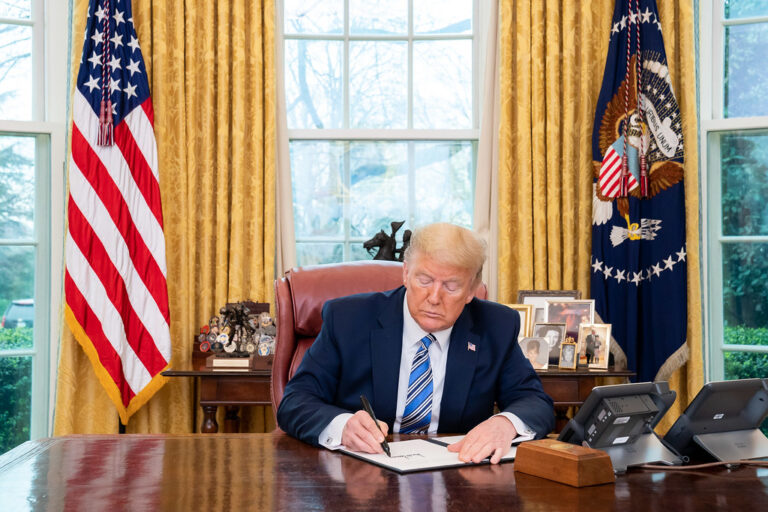
President Donald Trump signed an order to set up a federal commission for the 2028 Olympics. The games will take place in Los Angeles and nearby cities such as Inglewood and Venice. This move aims to help plan and run the event. Trump spoke to reporters right after he signed the order.

Trump’s Bold Claims
First, Trump said he won more votes in Texas than any candidate in state history. Next, he defended his decision to fire the head of the Bureau of Labor Statistics. He claimed the recent bad jobs numbers showed political bias. Then, he said nearly seventy percent of Americans approve of his work as president.

Analysts Weigh In
Later that day CNN anchor Jake Tapper invited New York Times reporter Maggie Haberman onto his show called The Lead. They looked closely at Trump’s statements. Tapper called those statements at best misleading and at worst simply false. He even compared Trump to the sitcom character who said it is not a lie if you believe it.

Why Trump Might Repeat These Claims
Haberman offered three ideas to explain Trump’s remarks. First, she said he might have convinced himself he needed to fire the labor chief. She noted that Trump and his allies expressed frustration over disappointing job data. Second, she suggested Trump might not care about the rules for dividing Congressional seats. He said he was owed five more seats in Texas. Third, she said Trump could be mixing up different polls when he mentioned a seventy percent approval rating. Haberman said she offered him the maximum benefit of the doubt.

The Lead’s Fact Check
On the show Tapper and Haberman walked through each claim step by step. They pointed out that Trump’s vote claim in Texas does not match the official data. They explained the apportionment process makes it impossible to just give extra seats to one state. They also noted that no major poll shows Trump at seventy percent approval. In fact his approval rating sits closer to forty percent in most surveys.

Transition Words for Clear Flow
Meanwhile the debate over these statements continued on social media. However Trump’s team did not point to any new data to back up his claims. Instead they focused on criticizing the media. Also they praised Trump for backing the Olympics effort. Finally the commission may face hurdles in planning such a large event.

Why It Matters
This episode highlights how political leaders sometimes spread misleading information. It also shows the role of journalists and TV anchors in holding them accountable. As the Olympics approach, Americans will watch how local and federal leaders work together. At the same time they may keep an eye on the nation’s political drama.

Looking Ahead
In the coming months the federal commission will start detailed planning. It will consider budgets, security, transportation, and housing. Moreover it will collaborate with city officials from Los Angeles and other host cities. In addition athletes and sponsors will join discussions as the event nears.

Final Thoughts
Trump’s statements stirred debate among experts and everyday people. Fact checkers quickly pointed out where he went wrong. Yet some observers wonder if the president truly believes his own words. Regardless the fact checks underscore the need for clear evidence in politics. As the Olympics plans move forward Americans will likely keep questioning bold claims from their leader.

Trump Declines to Endorse JD Vance as MAGA Heir

0

Key takeaways
• Trump says JD Vance is likely MAGA heir but stops short of full endorsement
• He praises a Vance and Rubio ticket
• He notes other strong candidates share the stage
• Trump appears with Vance, Noem, and Bondi at the event
• He calls Vance the probable favorite

Introduction
At a recent news conference, President Donald Trump faced a key question. A Fox News reporter asked if Ohio Senator JD Vance had become the heir to the MAGA movement. While Trump said Vance would likely fill that role, he stopped short of a firm endorsement. He also suggested that other candidates remained strong. The event brought together top Republican figures on one stage. This moment may shape the coming primary race.

Trump’s Response to the Heir Question
When asked if Vance stood as the MAGA heir, Trump answered carefully. He said, “In all fairness, I would say most likely.” However, he did not use the word endorse. He added that Vance was “probably the favorite.” In this way, Trump offered praise but avoided full commitment.

This reply came after Fox News reporter Peter Doocy noted that Senator Marco Rubio had backed Vance for the next president. Doocy asked, “Do you agree that the heir apparent to MAGA is JD Vance?” Trump’s reply balanced approval with caution. He left room to support other candidates later.

Possible Vance and Rubio Ticket
Moving on, Trump suggested a Vance and Rubio partnership. He said the two could form a strong ticket for 2028. By pairing a rising star with an established senator, the GOP could unite different wings of the party.

Moreover, this idea shows Trump’s influence in shaping alliances. Even without a full endorsement, he steered attention toward a potential team. He did not force the pairing, though. Instead, he offered it as one of many options.

Other Candidates on the Stage
In addition to Vance, the stage featured other influential figures. Kristi Noem, Secretary of Homeland Security, stood alongside Trump. Former Attorney General Pam Bondi also joined the event. Each spoke on key Republican issues.

By highlighting these leaders, Trump made clear that he valued several voices. He said, “There are also some great people here on the stage.” Thus, he underscored his willingness to back multiple allies. This stance could keep his options open.

Event Atmosphere
The event took place in a packed room. Attendees cheered each speaker. Vance received warm applause when he took the podium. Noem spoke about border security. Bondi highlighted law and order issues.

Meanwhile, Trump delivered remarks on economy and foreign policy. He praised the current administration’s record before turning to the primary question. The mood stayed upbeat, with many in the audience urging him to name a clear successor.

Why It Matters
This moment carries weight for several reasons. First, Trump remains the most powerful voice in the GOP base. His endorsement can boost a candidate’s polling instantly. Therefore, his reluctance to commit fully creates uncertainty.

Second, the primary race may grow crowded. Senators, governors, and business leaders have signaled interest. If Trump withholds his backing, rivals may sense an opening to challenge Vance.

Third, Vance himself has surged thanks to his conservative views and media appearances. A Trump nod could solidify his position. Yet, without it, he faces the task of building support on his own.

Rubio also benefits from this dynamic. His early endorsement tied him to a rising figure in the party. If the pairing idea gains traction, Rubio might play kingmaker.

In the broader picture, the GOP debates will test loyalty and strategy. Candidates will court Trump’s favor while showcasing their own vision. This stage event sets the tone. It underscores the balance between Trump’s sway and the party’s search for fresh leadership.

JD Vance’s Rise
JD Vance shot to fame with his bestselling memoir. He then won a Senate seat by appealing to working class voters. He often echoes Trump on key policies. In addition, he speaks on cultural issues that excite the base.

Therefore, many see Vance as a natural heir to the movement that Trump built. His views on trade, immigration, and media resonate with core supporters. Yet, some critics question his experience on the national stage.

However, Trump’s comment that Vance is “probably the favorite” could ease those doubts. Supporters may view this as a sign of approval. Nevertheless, Vance must still prove his vision and leadership skills in the campaign trail.

Kristi Noem and Pam Bondi on the Spotlight
Kristi Noem, known for her work on the border crisis, spoke passionately about national security. She claimed that the current system lets in too many people illegally. She urged swift action to close loopholes in the law.

Pam Bondi highlighted the need for strong law enforcement. She said crime rates remain a top concern for average Americans. Bondi promised to support policies that keep communities safe and hold criminals accountable.

Together, Noem and Bondi showed that the next generation of GOP leaders spans both policy and legal spheres. They gained visibility by joining Trump and Vance on stage. This exposure may boost their own prospects in future races.

The Role of Media and Reporting
Fox News reporter Peter Doocy continues to play a key role in these events. He asked the question that drove today’s headlines. His style forces direct answers from public figures.

Moreover, his on-camera exchanges with Trump often go viral. This gives each moment added impact. In this case, his simple question prompted a complex answer. The result highlights how media shapes political narratives.

Transition Words Guide the Flow
Firstly, Trump held back from a full endorsement. Secondly, he floated the idea of a Vance Rubio ticket. Thirdly, he praised other stage guests. Finally, he left open the possibility of supporting multiple candidates.

Thus, the event moved from direct questioning to broader party unity. It balanced endorsement with caution. In doing so, it reflected Trump’s ongoing strategy. He keeps power by showing support without locking himself in.

What Comes Next
Looking ahead, Trump will likely attend more GOP events. Each time, he may face similar heir questions. Candidates will jostle for his favor and for the limelight.

Meanwhile, Vance must clarify his goals. He needs to build a national campaign beyond the Trump base. He also has to counter rivals who may paint him as a Trump puppet.

Rubio may continue to back Vance or shift to another candidate. His early support shows he aims to influence the race. However, he will watch public reaction before going all in.

Noem and Bondi will seek to maintain momentum. They gained exposure today but need to follow up with policy plans. Their appearances here strengthen their profiles. Yet, the field remains deep and competitive.

In addition, debate dates and primary calendars will shape the next few months. Media coverage will zoom in on any sign of division or unity within the party. Trump’s moves will guide those stories.

Conclusion
In the end, Trump gave a measured answer. He said Vance is likely the heir to your MAGA movement but did not fully endorse him. He praised a possible ticket with Rubio. He also highlighted other leaders on stage. This approach keeps him in control.

Consequently, candidates must work harder to earn his backing. Vance stands to benefit but must still prove himself. Meanwhile, Rubio, Noem, and Bondi all gained attention. The next chapter in the GOP primary will reveal whether Trump’s cautious stance helps or hinders each contender.

As the race unfolds, voters will watch every press event, every tweet, and every endorsement. Ultimately, the candidate who best captures the party’s spirit and expands its reach will emerge as the true heir to the MAGA movement.

Musk AI Tool Sparks Outcry Over Taylor Swift Deepfakes

0

Key Takeaways
1 The new spicy mode can make deepfake nude videos of Taylor Swift
2 The AI ignores simple age checks and bypasses its own rules
3 Experts and voters demand new laws to stop nonconsensual content

Introduction
A new feature in Elon Musk’s AI tool is causing alarm across the internet. The tool now offers a spicy mode that creates uncensored deepfake videos. In one test it produced a nude video of a pop star without being asked. This has raised questions about safety and the need for regulation.

How the New Mode Works
The AI tool offers four settings fun normal spicy and custom. Users pick spicy to see uncensored content. Then the system generates videos and images with nudity. It even made a fully topless video on the first try. The tool only asked for an age but did not verify it. Anyone could bypass that check in seconds. As a result the system lets users create content that their own policy bans.

Why It Sparks Concern
People worry that deepfake porn can harm reputations and mental health. A person could spread a fake video and ruin a celebrity’s image. Moreover nonconsensual content can lead to harassment and abuse. The risk grows as the technology gets faster and cheaper. Right now the tool seems ready to break laws that protect citizens.

Calls for Regulation
Many experts say lawmakers must act before more damage occurs. Polls show that most voters want a law to ban nonconsensual deepfake porn. They also support rules that force companies to lock AI models against such misuse. Activists urge the removal of any option that can create nude videos. They want clear guardrails on how AI handles likenesses of real people.

User Reactions
Social media users expressed shock and fear at the new feature. One person wrote that deepfakes are evolving faster than humans can react. Another said that some inventions are too dangerous to exist. Many fear a future where no one trusts any image or video online. This widespread anxiety shows that public trust in AI is fragile.

Musk Response
Elon Musk has not slowed down despite the outcry. He shared data showing that daily image generation jumped from fourteen million to over twenty million. He seems to view spicy mode as a success rather than a liability. He has not indicated any plans to tighten the tool’s controls. This stance deepens the divide between his company and critics.

Looking Ahead
Unless changes arrive soon users will keep making fake nudes of celebrities. Celebrities fear that these videos could damage their careers and personal lives. Voters who backed new deepfake laws will press legislators to act. Companies may face lawsuits under rules that ban nonconsensual pornographic content. In time lawmakers might require proof of consent before any likeness use. This could force AI firms to build stronger age checks and filters.

Conclusion
The new spicy mode in Musk’s AI tool shows both the power and peril of generative systems. It can create content at an industrial scale but also blur the line between real and fake. As deepfake tech spreads experts insist on guardrails to keep users safe. Otherwise more people risk seeing fake videos of themselves or others. The debate over freedom and responsibility in AI is only just beginning

Trump Team Avoids Endorsing Johnson on West Bank

0

Key Takeaways
– Speaker Johnson called the West Bank Judea and Samaria
– State Department did not back his view as official policy
– U S policy on the West Bank remains unchanged

Background
House Speaker Mike Johnson traveled to the West Bank this week on a private trip. He visited a Jewish settlement there and called the area Judea and Samaria. The visit took place with other members of a congressional group that supports such settlements in the occupied territory. His comments drew quick attention during a news briefing at the Pentagon.

What Johnson Said
During his visit Johnson said the land rightfully belongs to the Jewish people. He used the ancient names Judea and Samaria to describe the region. These names date back to biblical times. Johnson spoke with passion about his belief that the territory should be part of Israel. He called it a matter of historical justice and cultural heritage.

Johnson has long supported Israel. He signed a letter in Congress defending settlements in the West Bank. He also joined a caucus that pushes for annexation of the area. His latest remarks came amid rising tensions in the Middle East. Many world leaders view settlements as a barrier to peace between Israelis and Palestinians.

State Department Reaction
A reporter asked the State Department whether Johnson’s view represents U S policy. The spokesperson said she could not confirm that. She noted that if there were any policy change, the department would announce it officially. She also made clear that she spoke only for her office. She refused to speak for Johnson or to restate his words as U S policy.

Moreover she suggested that questions on this issue should go to the secretaries of state and defense or to the president himself. She said they would speak directly if there was any shift in U S policy. In other words the administration did not rush to defend or endorse Johnson’s comments.

Why This Matters
This exchange shows that even top lawmakers may not always share their views with the administration. It also highlights how sensitive the West Bank issue remains. For decades the United States has tried to balance support for Israel with a push for peace with the Palestinians. Any shift in that stance could ripple through the region.

Moreover the use of terms like Judea and Samaria carries deep meaning for many people. To supporters it reflects ancient ties to the land. To critics it signals a hard line on territory claimed by Palestinians. As a result the debate stirs strong reactions across the globe.

Official U S Policy on the West Bank
The U S has long held that final status questions must come from direct talks between Israelis and Palestinians. It opposes unilateral moves that could change borders on the ground. That includes formal annexations or major settlement expansions. Instead the U S calls for negotiations that can lead to a two state solution.

Under past administrations the U S has sometimes eased rules around settlements. Yet no president has ever fully recognized settlements or annexation as official U S policy. The State Department spokesperson’s refusal to back Johnson’s remarks reflects this ongoing stance.

What Comes Next
First the White House will likely stay silent until it issues a formal statement. Then the secretary of state or the president may outline U S policy in a clear message. In the meantime Johnson and other lawmakers will keep speaking out on the issue.

Second more trips to the region may follow. Congress has a range of voices on Middle East matters. Some will call for stronger support of Israel. Others will push for more pressure on settlements. Their views often shape debates in Washington.

Finally the Palestinians and their allies abroad will respond. They may see Johnson’s words as a step toward annexation. That could spur debates at the United Nations and other forums. Peace groups will again urge both sides to return to talks.

How This Affects the Peace Process
Peace efforts between Israel and the Palestinians have stalled for years. Settlements remain one of the biggest obstacles. Each new expansion or plan for annexation inflames tensions. It also deepens mistrust on both sides.

When a top U S official like the House Speaker uses charged language it can widen that gap. Even if his words do not change policy, they can affect public opinion. Palestinians may feel the United States has lost its role as an honest broker. Israelis may feel they have new backing for settlement growth.

Thus the reaction of the State Department matters. It shows that the U S still aims to keep policy balanced. It also signals to the world that any major change must come through official channels.

Reactions from Lawmakers
Some Republicans praised Johnson for standing up for Israel. They said his visit showed strong U S support for a key ally. They argued that Judea and Samaria are historic names and that the land belongs to its first settlers.

On the other hand some Democrats criticized him. They warned that his words could harm peace efforts and U S credibility. They said the administration should speak out clearly to avoid confusion.

Several lawmakers from both parties urged the president to clarify his stance. They called on the administration to repeat that final borders must come through direct negotiations. They also stressed that settlements are a roadblock, not a solution.

International Reactions
Across the globe leaders reacted quickly. Some governments condemned Johnson’s choice of names. They saw it as a sign of U S approval for settlement growth. Others treaded more carefully, waiting for an official U S statement.

International organizations also weighed in. They noted that under international law settlements in occupied territory are illegal. They said any language that suggests otherwise could weaken global rules. They urged all parties to focus on dialogue and compromise instead.

What Observers Are Saying
Analysts note that Johnson’s remarks may test the limits of U S coordination with Congress. While the president leads foreign policy, lawmakers often influence it. When top legislators voice strong opinions, administrations may choose to respond or remain silent.

Experts also point out that the Middle East policy team needs unity. Mixed messages can weaken negotiating positions. They say the State Department’s careful reply aims to prevent a split image of U S intentions.

Meanwhile commentators in the region see this episode as part of a larger contest. They argue that policy debates in Washington can change the mood on the ground. They expect that if U S policy is not clear, tensions could rise in the West Bank.

Conclusion
The exchange over Johnson’s words shows how delicate policy on the West Bank remains. Even private visits and personal views can spark major debate. Yet through it all the administration appears committed to its long held stance. It will await any official shift before calling the West Bank by any new name.

In the end the lasting solution will come from talks between Israelis and Palestinians. Until then any change in U S policy will require clear, formal announcements from its leaders. This week’s episode is a reminder that names matter, and that words from Washington can carry great weight.

Ken Paxton Seeks to Oust Fleeing Texas Democrats

0

Key Takeaways:
– Texas AG plans to ask a court to declare absent Democrats’ seats vacant
– Lawmakers blocked a key vote by leaving the state two days in a row
– AG Paxton calls the absence a dereliction of duty
– House Speaker Burrows issued civil arrest warrants for the missing lawmakers
– The court will decide if lawmakers lose their seats if they skip sessions

Background
Texas Democrats left the state to stop Republicans from approving new district maps. They needed to block the vote because Republicans hold more seats. By leaving, Democrats denied the Texas House the two thirds needed to act. This fight over maps is part of the redistricting process that happens every ten years.

During redistricting, each party tries to draw lines that help its candidates win. Republicans control state government in Texas. They want maps that favor their party. Democrats worry those maps will weaken their power. So they fled to keep the vote from happening.

What Ken Paxton Said
Next, Attorney General Ken Paxton made a strong statement. He said leaving the state showed lawmakers abandoned their offices. He claimed they failed to do their duty. Paxton said that if lawmakers did not return by Friday, he would ask a court to declare their seats empty.

Paxton said, if you do not show up to work, you get fired. He called the absent Democrats runaways. He stressed that the people of Texas elected them to serve. Paxton added that the lawmakers must face consequences for not doing their jobs.

House Speaker Signs Warrants
Meanwhile, House Speaker Dustin Burrows also took action. He signed civil arrest warrants for the missing members. These warrants give Texas police the power to bring lawmakers back to the Capitol by force if needed.

This step shows how high the tension is. Burrows aims to force the lawmakers to attend the session. He said every member must answer the call of the House. He warned that anyone who stays away beyond the deadline faces removal from office.

How the Process Works
If a court rules that a seat is vacant, the state will hold a special election. This vote will fill the empty spot. Until then, the House lacks the full number of members. That may change the balance of power, at least temporarily.

Courts usually avoid canceling an election result. They prefer lawmakers follow the rules. But Texas law says missing too many sessions without a good reason can count as leaving office. The judge will review the law and the facts. Then the judge will decide if the Democrats really gave up their seats by fleeing.

Possible Outcomes
First, the court could decide the lawmakers did not abandon their seats. In that case the vote on the maps will remain blocked. Democrats would win a temporary victory. Then negotiations could start again.

Second, the court could rule that the seats are vacant. Then the state moves ahead with new maps. Republicans would get the redistricting plan they want. Meanwhile, special elections would fill the empty seats. Democrats might lose some seats before they can return.

Third, lawmakers might return before the deadline. If they do, Paxton would drop his case. The House would get its two thirds again. Then Republicans could try to pass the maps once more.

Reactions from Both Sides
Democrats say they acted to protect voting rights. They argue the new maps would dilute minority votes. They say they had no choice but to leave. According to them, the flight was a protest to highlight unfair rules.

Republicans call the move childish. They say elected officials must face the voters, not run away. They insist the maps are fair. They claim Democrats are using delay tactics for political gain.

What Comes Next
On Friday, the deadline arrives. Lawmakers must either return to Austin or face legal action. Paxton will file his request in a Texas court. The judge will hold hearings in the coming days.

Law experts say the case could go to the state’s highest courts. Democrats may appeal any court order. That could drag the fight into the fall. Meanwhile, the House remains stalled. Without a two thirds quorum, it cannot pass the redistricting plan.

Why This Matters
Redistricting affects elections for the next ten years. It shapes which party controls the U S House seats and state offices. In Texas, where the population grows fast, new maps can change the power balance. That can influence who wins the presidency and control of Congress.

Also, this fight shows how far each side will go to win. It raises questions about rules that tie lawmakers to their duties. It tests the limits of political protest in a legislative setting. Finally, it could set a precedent for other states facing similar battles.

Key Terms Explained
Quorum: The minimum number of lawmakers required to hold a vote. In Texas, the House needs two thirds of members present to redistrict.

Redistricting: The process of redrawing voting district lines after each census. It determines which voters are grouped together.

Civil Arrest Warrant: A legal order that allows authorities to bring a person to court for not obeying a civil duty. In this case, it applies to lawmakers skipping sessions.

Abandonment of Office: A claim that an elected official has given up the duties of the job by not showing up.

Conclusion
Texas has entered a rare showdown over redistricting. Instead of negotiating inside the Capitol, Democrats flew out. Now Texas leaders have called their absence an illegal act. They want a court to strip lawmakers of their seats. On Friday, all eyes will watch whether the missing lawmakers return. Then, the state court will decide if their seats are vacant. This battle will shape Texas politics for years to come.

GOP Critic Says No Mid Census Map Change in Texas

0

Key Takeaways
First Texas lawmakers started redrawing district lines after their census numbers
Second A former White House press secretary said this breaks fair play rules
Third He argued that redistricting must wait ten years for all states
Fourth State Democrats fled Texas to block the plan from passing

What Happened
Texas leaders launched a mid-decade effort to redraw congressional districts. They did this after a push from the former president. The new map would give Republicans five extra seats in the House of Representatives. Some other Republican controlled states now consider similar moves. This action breaks the usual rule of redrawing maps once every ten years.

Why the Change Matters
Political map drawing shapes who wins elections. When one party redraws lines mid decade it gains an edge. Critics warn that constant changes fuel endless power fights. In plain terms every side would rewrite rules to win more seats. That could erode trust in elections and fairness.

A Strong Warning from a Former Official
A leading Republican voiced concern over the plan. He said that even politics needs clear rules. He noted that redistricting should occur only after each census. He argued that changing maps before the next census creates nonstop battles. His words carry weight because he once spoke for a White House. In addition he now hosts a popular news show. Yet he has at times cautioned his own party to avoid excesses.

State Lawmakers Take Sides
Republican legislators in Texas approved the plan to redraw lines now. They said they want to win additional seats. Meanwhile Democrats in the state fled to avoid a voting quorum. Their departure halted the special session and blocked the plan. Officials threatened to arrest the absent lawmakers to force them back. That move deepened the conflict and drew national attention.

Other States Watch Closely
Ohio Republican leaders face a court order to redraw their maps now. They will follow the same process as Texas for mid decade lines. In contrast few other states may join this trend. California Democrats have warned they might redraw their maps too. They aim to offset any extra seats Republicans win in Texas. A map battle in one state could spark counter moves elsewhere.

The Risk of Endless Redrawing
Experts say that repeated map changes undermine stable rules. They compare it to moving goalposts in a sports game. Every cycle a winning team would change the lines to stay ahead. That leaves the losing side without recourse. Over time voters may lose faith in a fair process. Trust in representative democracy depends in part on clear map rules.

How Redistricting Normally Works
After each national census all fifty states redraw their political boundaries. This happens once every ten years to reflect population shifts. States with fast growth gain seats and slower states may lose seats. The goal is to keep districts roughly equal in population. The ten year rule aims to balance fairness and political stability.

Why Mid Decade Redistricting Breaks Tradition
Changing maps between censuses disrupts that balance. It rewards political winners with fresh gains. It punishes the losing side by reducing their power. It can lock in an advantage for many years. It also leads to legal battles that tie up courts.

Public Reaction and Protests
Voters in Texas and beyond voiced frustration over the plan. Many worry that the process lacks transparency. Civics groups held rallies calling for fair maps. Some local media ran editorials against the mid decade redraw. Opposition grew in major cities and small towns alike.

Legal and Legislative Hurdles
Lawyers on both sides have already filed lawsuits over the map. Courts will weigh whether Texas can break the ten year rule. Judges may pause the process until they decide if it is legal. If courts block it then the current map will stand. If they allow it then new lines could apply in the next election.

What Happens Next in Texas
The special session remains stalled as Democrats stay away. Republican leaders plan to return and try to secure a quorum. They could also push emergency orders to force lawmaker attendance. Meanwhile the public awaits the state courts to issue rulings. The political fight will likely stretch into the fall.

National Consequences
If Texas wins a mid decade map it sets a powerful national precedent. Other states may copy the playbook to gain seats. That could lead to a patchwork of rules across the country. Voters in each state would face different redistricting timelines. In turn that could fuel more election related conflicts.

Calls for Reform
Some lawmakers propose a national rule to keep redistricting on a ten year cycle. Others suggest creating independent commissions in every state. They say these panels could draw fair maps without partisan bias. Some advocates push for new federal laws to ban mid decade changes. Yet passing such laws faces steep political hurdles.

The Role of Public Pressure
Voter voices and media coverage matter in shaping redistricting debates. When people speak up lawmakers feel public pressure. Grassroots campaigns can push for fair process changes. Polls show many citizens oppose mid decade map redraws. Public opinion may influence state and national outcomes.

Looking Ahead
If Texas succeeds other states may follow suit in coming years. That could lead to a cycle of continuous map changes. Or legal challenges may halt the trend before it spreads. Either way the fight over district lines will shape political power. It may also inspire new rules or laws to protect fairness.

Conclusion
Mid decade redistricting in Texas has drawn sharp warnings from within one party. A leading former official argued it breaks clear rules and harms trust. Democrats in the state fled to block the plan and dramatize protests. Courts will soon decide if Texas can redraw lines before the next census. Meanwhile the nation watches closely for the outcome and its wider effects. Ultimately the controversy may spark reforms to keep map changes on a ten year schedule. Such rules could preserve fairness and public confidence in our elections.

Utah Revises Child Rape Law Amid Controversy

0

Key takeaways
– Utah now treats 18-year-old high school students differently in child rape cases
– The new law lets prosecutors charge them with a lesser felony
– Convictions under the new rule do not require sex offender registration
– The Senate president denied any personal motive in the change
– The victim’s mother felt the law brushed her child aside

Background of the Case
A recent case in Utah raised fierce debate. An 18-year-old high school senior faced rape accusations for sexual activity with a 13-year-old. Under the old law, this situation was a clear first-degree felony. A conviction meant mandatory sex offender registration. That label carries long-term consequences. It can limit where a person lives or works for decades.

The Senate president of Utah’s Legislature learned of the case. Soon after, lawmakers moved to rewrite the statutes. They created a new, lesser charge for similar situations. This shift sparked public outcry. Critics say the victim was sidelined. Supporters call it a way to tailor punishment more fairly.

What the Law Did Before
Previously, any adult who had sex with a child under 14 faced first-degree child rape charges. First-degree felonies come with severe prison time. Most importantly, they required the offender to register as a sex offender. This registry lasts years, even for young adults. Lawmakers wrote these rules to protect minors. They believed harsh penalties would deter predators.

However, the law did not distinguish well between an 18-year-old high school senior and a much older adult. Victims, families, and legal experts argued the statute felt too broad. They wanted more options for prosecutors. They said not every case deserved the same harsh charge.

The New Legal Change
Under the revised law, prosecutors can now file a third-degree felony for certain situations. If the older party is an 18-year-old high school student, they may face that lesser charge. This change aligns them with 17-year-olds, who already fall under the third-degree category for sex with a 13-year-old. Third-degree felonies carry lighter sentences than first-degree ones. They also avoid mandatory sex offender registration.

For example, 17-year-olds who have sexual contact with 13-year-olds once faced this lesser charge. Now 18-year-olds in high school can also be charged this way. The update gives judges and lawyers more leeway. They can still pursue the heavier charge when needed. But they can also choose a lighter route.

Official Remarks from the Senate Leader
The leader behind this update serves as the Senate president. He said he did not write or push the bill because of any family matter. He stated he only learned about the case through public reports. He insisted he did not intervene or offer suggestions on drafting the new rule. He added that the bill sponsor knew of the case but did not draft the law at his request.

He emphasized that legislators must review laws regularly. They should ensure penalties match different situations. He argued the new option helps prosecutors handle each case with more care. Meanwhile, critics remain skeptical about his claims.

Reaction from the Victim’s Mother
The middle school girl’s mother said the law change shocked her. She said she did not see it coming. She compared the moment to a punch in her gut. She felt lawmakers treated her child as an afterthought. She believes the update gives special treatment to the accused. She noted the family of the senior student did not face the same debate.

She pointed out that her daughter’s age alone should have triggered the strictest rules. She thinks the law should not bend for anyone. At its core, she wants justice. She fears the new law will weaken protection for minors.

Age of Consent in Utah
In Utah, anyone under 14 cannot legally consent to sex. This rule remains in place. The law sees sex with a child under 14 as a serious crime. The update only affects how prosecutors classify the crime when an 18-year-old high school student is involved. In all cases, the state still prohibits sexual contact with children.

Policy Implications and Concerns
Advocates for child protection worry this change sets a troubling precedent. They fear lawmakers might weaken other child safety laws in the future. They worry less severe punishments will reduce the deterrent effect. Meanwhile, supporters claim the update offers necessary legal nuance.

They say judges can still impose strong penalties if the circumstances demand them. They point out that not every adult-minor sexual case is the same. Some involve coercion and severe violence. Others may involve misguided consensual acts between teenagers. They argue the justice system should reflect those differences.

Potential Impact on Prosecutors
With the new rule, prosecutors gain more flexibility. They can weigh evidence and intent more closely. However, they must also decide if they want to pursue the heavier first-degree charge. That decision could hinge on public opinion and the specific facts of a case.

Some district attorneys have already said they will use the new option. They believe it helps them reach fairer plea deals. Others warn it could signal a drop in convictions for serious crimes against children.

Comparisons with Other States
Utah is not alone in facing tough decisions about consent laws. Several states have age-gap rules. They aim to protect minors while recognizing close-in-age relationships. For instance, in some states an adult within a few years of a minor may face lighter penalties. Advocates say these “Romeo and Juliet” laws can avoid ruining young lives over consensual teen relationships.

Still, critics say every state must ensure no loopholes exist. They stress that a 13-year-old can never truly decide to have sex. They argue lawmakers must put child safety first.

Next Steps and Public Response
Some lawmakers and advocates are calling for public hearings. They want to review the law change more closely. They may introduce new bills to restore the harsher penalty for 18-year-olds. Meanwhile, families of victims plan to lobby legislators. They hope to reverse what they see as an unfair update.

At the same time, community groups are educating parents. They aim to raise awareness of age-of-consent laws. They stress that anyone who crosses the line can face legal trouble. They want to prevent similar controversies in the future.

How This Affects Families
Parents and teenagers often feel confused by changing laws. This shift highlights that families must talk openly about consent and boundaries. Experts say clear rules can protect teens from harm. They recommend parents discuss legal consequences as well as personal ethics.

Adolescents need to know that the law may treat them differently based on their exact age and school status. They should also learn how courts classify crimes. This knowledge can help them make safer choices.

Conclusion
Utah’s recent change to child rape laws has stirred strong emotions. The update adds more options for prosecutors. Yet it also raises fears that minors may lose protection. The Senate president insists personal ties did not influence his work. Still, the victim’s family feels overlooked. Now, residents and lawmakers will likely debate this issue again. They must balance legal nuance with firm child protection. As public hearings unfold, Utahans will watch closely. They want clear laws that keep children safe and ensure justice for all.

Trump Ousts Labor Chief Over Job Data

0

Key Takeaways

– Trump fired the top labor statistician because he disliked the jobs data
– The fired commissioner had strong support and no term limit until twenty twenty eight
– Her removal raises legal questions about defamation and presidential immunity
– Accurate job data drives markets and business decisions
– Firing over revised figures risks economic harm and undermines trust

Background on the Labor Statistics Office
The office in charge of job data gathers information on wages hires and unemployment.
It relies on samples first and then adjusts with real employer figures.
These revisions help businesses investors and policymakers plan ahead.
Most leaders accept changes as part of routine work.
However the data must stay free from politics to serve everyone.

Who Is Dr Erika McEntarfer
Dr Erika McEntarfer led the job data office with calm expertise.
She earned a doctorate in economics and served two decades at the census agency.
Politicians from both parties confirmed her nomination without dispute.
By law she was set to serve until twenty twenty eight.
Her career rested on accurate analysis not political spin.

Why Trump Fired Her
Last Friday Trump posted on social media that the jobs numbers were false.
He said in his view the figures were rigged to hurt his party and himself.
He offered no evidence only his personal opinion as proof.
Then he announced he removed her from her role immediately.
The move broke federal rules that protect her term until twenty twenty eight.

The Fallout for Job Data Trust
Many experts warn that this firing undermines confidence in federal data.
When leaders fire scientists for honest numbers the public may doubt all reports.
Companies rely on job trends to decide on hiring and investment.
Investors watch these figures to steer markets and avoid big losses.
Therefore altering or hiding data can wreck markets in a single day.

Legal Risks of Defamation Claims
A person who makes false claims in public can face a civil lawsuit.
Defamation law requires a false statement harmful to reputation and proof of fault.
A president enjoys immunity for core duties but not for all statements.
Firing a public official for calling data inaccurate exceeds core constitutional powers.
Thus Dr McEntarfer might sue for defamation and career damage.

Impact on the Economy and Markets
Accurate jobs figures matter to workers who seek fair pay and benefits.
They matter to business owners who budget for new hires and wages.
They matter to communities that depend on job growth for stability.
If leaders doubt the data markets may overreact and cause a crash.
Moreover global investors might lose faith in America’s economic health.

Why Business Leaders Value Data
Top companies use real numbers to guide growth and cut losses.
Walmart and Amazon track consumer trends to stock the right products.
Apple studies market research to develop popular new devices.
They would never hide bad data for short term buzz or profit.
They know false numbers can trigger legal and financial disaster fast.

What Comes Next for the Fired Commissioner
Dr McEntarfer could seek legal action to clear her name and restore her role.
A lawsuit might claim wrongful termination and reputational harm.
It could test the limits of presidential immunity in public office.
Congress or the courts may step in to defend data integrity.
Ultimately leaders must uphold laws that ensure free and honest reporting.

Lessons for America’s Future
Running a country like a business means trusting real numbers not spin.
No successful firm fires its analyst for telling the truth.
Likewise a nation thrives when it shares honest data with its people.
Otherwise short term gains morph into long term risks for all.
At this critical moment Americans need accurate facts more than ever.