50.1 F
San Francisco
Wednesday, April 22, 2026
Home Blog Page 647

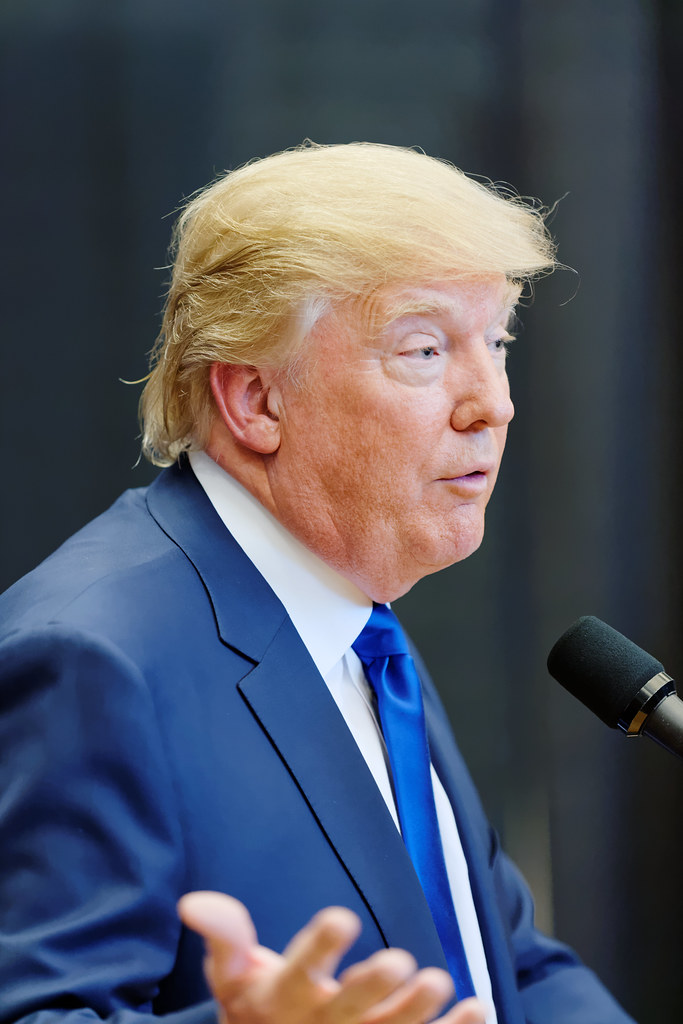
Trump Says Epstein Stole Spa Staff from Mar a Lago

0

Key Takeaways
– President Trump says Jeffrey Epstein stole young spa workers from Mar a Lago
– Trump mentioned Virginia Giuffre by name in his statement
– MSNBC host Nicolle Wallace reacted with shock on air
– Ghislaine Maxwell seeks immunity before testifying to Congress
– Conservative outlets paint Maxwell as an Epstein victim

Introduction
President Donald Trump surprised reporters when he claimed that Jeffrey Epstein stole workers from the Mar a Lago spa. He made the comment on Tuesday aboard Air Force One. The remark focused on Virginia Giuffre, one of Epstein’s best known victims.

Later that evening, MSNBC host Nicolle Wallace opened her show with Trump’s startling words. She shook her head and asked in disbelief which year this was happening. Her reaction set the tone for the discussion that followed.

Trump’s Claim on Spa Staff
Trump told reporters that Epstein poached young spa workers from his beach club. He said, “Yeah, he stole her,” referring to Epstein and Giuffre. In his view, Epstein moved staff from Mar a Lago into his own circle of victims. The crowd of reporters grew silent when they heard him name a known victim.

This was not the first time Trump has spoken about Epstein in public. Yet this claim stood out because it linked Epstein’s private abuse ring directly to Trump’s properties. By naming Giuffre, Trump brought fresh attention to a case many believed was closed. Her name still holds weight in discussions about Epstein’s crimes.

Furthermore, Trump’s mention of Giuffre sparked immediate questions. Was he trying to shift blame? Or was he simply recalling a fact he remembered? Either way, the statement raised eyebrows among both political allies and critics.

Wallace’s Reaction
As soon as the clip ended, Nicolle Wallace closed her eyes in disbelief. She shook her head and asked, “What year is this? What are we talking about?” Wallace pointed out that Giuffre died by suicide earlier this April. Her death brought a tragic end to her fight for justice.

Wallace reminded viewers that Giuffre suffered greatly at Epstein’s hands. She said it felt surreal to hear Trump speak of her as if she were still part of an ongoing staffing debacle. Wallace found it disturbing that Trump focused on Epstein’s long-time girlfriend and accomplice, Ghislaine Maxwell.

Moreover, Wallace noted that Maxwell’s attorney has made a curious request. He asked for a pardon or commutation for Maxwell. Yet he offered no clear reason for such clemency. Wallace suggested that Trump may be laying the groundwork for a last-minute pardon.

Maxwell’s Legal Moves
This same Tuesday, Maxwell’s lawyer said she will only testify to Congress under immunity. He made it clear that she fears self-incrimination. Maxwell served time in prison for her role in helping Epstein recruit underage girls. Now she hopes to secure protection before answering any questions.

She wants what many call transactional immunity. That means she could not be prosecuted for any statements she makes. The deal would let her speak freely about her knowledge of Epstein’s network. In return, Congress would gain insight into a long hidden abuse ring.

At the same time, Maxwell’s bid for a pardon remains uncertain. A presidential pardon could wipe her record clean. Yet it could also spark public outrage. Many believe she played a direct role in luring girls to Epstein. Granting her clemency might appear to shield powerful figures.

Conservative Media Framing Maxwell
Meanwhile, conservative outlets have started to cast Maxwell as another victim of Epstein. They question why she remains in jail. They argue she suffers more than some of Epstein’s alleged victims. This portrayal flips the script on what most understand about her role.

Historically, Maxwell has faced accusations of recruiting young girls for Epstein. Some survivors say she even abused them herself. Conservative hosts now paint her as the injured party. They highlight her time behind bars while some victims struggle in obscurity.

However, most independent reports confirm Maxwell’s active role in Epstein’s operations. She helped him maintain his private network of abusers and enablers. By shifting attention to Maxwell’s plight, conservative media aim to muddy the waters around Epstein’s broader crimes.

Public Reaction and Questions
The public response to Trump’s statement was swift. Many people took to social media to express disbelief. They wondered if the president truly thought he had a case for Epstein stealing staff. Others saw the remark as a distraction from ongoing questions about Maxwell’s fate.

Some commentators noted that focusing on Maxwell and Giuffre deflected from Epstein’s large network. They argued the system still fails to bring every accomplice to justice. The controversy also renewed calls for full transparency around appointments and pardons.

Meanwhile, survivors of Epstein’s ring fear another cover up. They worry that political maneuvering may hide new evidence. For them, hearing Trump speak casually of Giuffre’s story feels like a step backward. They demand accountability from every figure involved.

Looking Ahead
Several key developments could come next. First, Congress may decide whether to grant Maxwell full immunity for her testimony. This choice will influence how much she reveals. Second, the Justice Department could announce a decision on any pardon for Maxwell. That choice could be made before the next election.

Furthermore, conservative media will likely keep spotlighting Maxwell’s case. Trump’s allies may push for her release. On the other side, advocates for victims will pressure lawmakers to reject any pardon. This fight will shape public opinion on how justice should be served.

Finally, Trump’s own comments could be revisited in future hearings. His memory of events at Mar a Lago and his view of Epstein’s crimes may face scrutiny. If investigators find new proof, his statement could become an official part of the record.

Conclusion
Trump’s claim that Epstein stole staff from his club surprised many. By mentioning Virginia Giuffre, he reignited interest in a tragic chapter. Nicolle Wallace’s on air reaction captured the shock felt across the country.

As Maxwell seeks immunity and a possible pardon, the story remains unsettled. Conservative outlets frame her as a co victim of Epstein. Yet most evidence points to her active role in the abuse ring.

In the end, the truth may lie somewhere in between. What matters most is that all voices, especially those of survivors, find a chance to be heard. The debate over Maxwell’s fate and Trump’s surprising comments promises to continue. The nation now watches closely for the next twist in this complex saga.

Trump Attacks Fox Host Tarlov on Truth Social

0

Key takeaways

– Trump attacked Fox host Jessica Tarlov on his social platform
– Tarlov often challenges her co hosts on Trump topics
– She urged action on gun control after a New York shooting
– Trump also fights a defamation suit against the Wall Street Journal

Trump took a public shot at a Fox News commentator this week. He used his own social site to voice his dislike. He named Jessica Tarlov and said he could not stand her.

Trump vents on Truth Social
On Tuesday morning Trump posted on his social platform. He said he could not stand Tarlov and he called her a real loser. He shared this attack soon after she spoke on live TV. He often uses the site to break news or vent frustration. However this feud jumped off the page and into other newsrooms.

Who is Jessica Tarlov
Jessica Tarlov appears regularly on a Fox panel show called The Five. She stands out as one of the few liberal voices there. She works as a pollster and a lawyer outside the studio. As a result she often backs her views with data and legal insight. She debates her co hosts when they defend Trump or dismiss his scandals.

Tarlov rose to wider fame for her strong takes on his policies. Last year she called one of his interviews a disaster in plain terms. She felt he stumbled when facing a Black journalist group. Since then she has kept pressing hard on his record. Her critics on the right often accuse her of bias. Yet her fans praise her clear arguments and calm style.

Tarlov speaks on gun control
Just before Trump’s post Tarlov weighed in on a mass shooting in New York City. She said she felt heartbreak for each victim and each family. Then she pointed to the 1994 federal assault weapons ban. She noted that mass shootings fell by seventy percent under its rules. When the ban expired in nineteen ninety four, shooting numbers climbed again.

She argued that stronger limits could save lives today. Moreover she reminded viewers how Congress once took action. Now she urged lawmakers to consider similar steps again. Her comments drew praise from some and pushback from others. Regardless she used facts to make her point.

Trump sues Wall Street Journal
Meanwhile Trump is fighting another battle in court. This one targets the Wall Street Journal. He claims the paper printed a false story about a birthday letter he allegedly sent to a convicted sex offender. He denies writing the message at all. His legal team filed a defamation suit late last month.

Next his lawyers asked the court to question the media boss behind the Journal. They argued the head of the parent company needs to answer questions soon. Otherwise they said he may not live much longer due to his age. He is ninety four years old. This move adds new drama to Trump’s many legal fights.

News Corp owns both Fox and the Journal. Both outlets sit under billionaire owner Rupert Murdoch. Trump has praised Murdoch in the past. However this suit could force a clash between the former president and his once friendly media giant.

What this fight reveals
This week’s events show how high tensions run in politics and media. First Trump targeted someone on his own network. Next he took on another right leaning news outlet in court. These disputes highlight splits within his usual circles of support.

Moreover the clash points to larger issues. It underscores how former allies can turn on each other. It also shines a light on Trump’s willingness to use legal tools against critics. Finally it raises questions about media power in politics.

Looking ahead
As the next election nears, both stories will likely grow. Trump may keep targeting those he sees as fair weather friends. At the same time, voices like Tarlov’s may grow bolder on air. Observers will watch how these rifts shape voter views.

On the legal front, Trump’s battle with the Journal could set new precedents. It may change how news outlets handle sensitive reports. It could also alter the reach of defamation law in politics.

In any case, both the rant and the lawsuit show that conflict is far from over. Trump and his critics will stay locked in a fierce struggle. Viewers and voters alike will gain a front row seat to every twist and turn.

Florida Immigration by the Numbers

0

Key takeaways
– Florida has nearly five million foreign born residents
– Undocumented immigrants number over five hundred thousand
– Legal immigrant arrivals rose after a recent decline
– Immigrants fill key jobs in farming hotels and health care
– Tough immigration rules could harm Florida’s economy

Who Lives in Florida
Florida ranks as the third most popular state for people born abroad. In 2023 nearly five million foreign born individuals lived in the state. This count includes both recent arrivals and long term residents. It also covers those here with legal papers and those without. In all nearly twenty two percent of Floridians are immigrants.

Undocumented Population Size
Each year the government tracks the number of people living without legal status. In 2023 about five hundred ninety thousand immigrants lived in Florida without papers. That makes Florida third behind California and Texas. However since twenty eighteen this number has slowly fallen.

Legal Immigrant Arrivals
Meanwhile the state saw more people come in with green cards or visas. In twenty twenty three about seventy three thousand newcomers arrived. They made up three tenth of one percent of the state population. Most held green cards. A small share came as refugees or asylees.

Why People Move to Florida
Many choose Florida for its warm climate and job options. Others have family already living in the state. Some arrive seeking safety from war or danger. Meanwhile students come to study in local colleges and universities. Over time these groups settle and join local communities.

Origins of Florida’s Immigrants
Nearly half of foreign born Floridians come from five countries. Cuba Haiti Venezuela Colombia and Mexico top the list. Of course many also come from other nations around the world. This mix adds to Florida’s cultural diversity and language variety.

Education and Language Skills
Florida’s immigrants share education levels similar to locals. About one in five holds a bachelor degree. Around one in eight has a graduate degree. Most immigrants speak English well enough to get by. In fact almost nine out of ten report an ability to speak the language.

Naturalized Citizens
More than half of foreign born residents have become full citizens. They went through the naturalization process after meeting residence and language requirements. As citizens they can vote state wide and more fully join civic life.

Immigrants in the Workforce
Florida depends on immigrants for many types of work. In fields like farming they account for nearly half the workforce. In hotels they make up more than forty percent of staff. In construction they fill over a third of the jobs.

Beyond Traditional Roles
Moreover immigrants do work beyond the usual sectors. They serve in child care roles in schools and small centers. They staff offices in universities and public schools at over one fifth of those jobs. In health care they hold more than a quarter of positions from clinics to hospitals.

Employment Levels
Across all industries immigrants show lower unemployment rates than locals. They find work at a steady pace. However data cannot fully show how undocumented status shapes these trends.

Impact on State Growth
Florida grew faster than any other state between twenty nineteen and twenty twenty four. This growth reflects both domestic migration and new arrivals from abroad. It also feeds the state economy in many ways.

Economic Gains
From tourism to agriculture Florida’s economy rose at twice the national pace in recent years. Immigrant workers keep hotels running and help harvest fruits and vegetables. They also fill roles in offices clinics and schools that support the wider economy.

Children and Families
In twenty twenty three nearly seven percent of Florida’s children were born abroad. Another twenty nine percent have at least one foreign born parent. These kids grow up in diverse homes with different languages and cultures.

Social and Cultural Benefits
This diversity brings new foods music and festivals to cities and towns. It enriches neighborhoods and fosters bridges between cultures. Communities gain from arts and small businesses started by immigrant families.

The Political Debate
Florida leaders often talk about an immigration crisis. Some call it an emergency. Yet numbers show a different picture. The undocumented count has dropped. Legal arrivals rose after a dip. Overall immigrant share stayed stable.

Policy Risks
If state leaders push new rules to scare off arrivals they could harm key industries. Sectors like farming and tourism rely heavily on immigrant labor. Tough restrictions could leave farms unharvested and hotels short staffed.

Humanitarian Concerns
Beyond the economic side there are human costs. Families may face forced moves or long court waits. Children could lose parents or struggle in unstable homes. These outcomes affect many communities across the state.

Looking Ahead
Florida’s growth will likely continue from both U S and international migration. Schools will see more students with multiple languages and cultures. Workplaces will need workers in health care and education.

Balanced Approaches
A balanced policy can protect borders while keeping the economy strong. It can support people who seek safety and new lives in Florida. It can help settle new arrivals and honor local needs.

Conclusion
Florida counts nearly five million foreign born residents. They live in cities big and small. They speak many languages and bring diverse skills. Immigrants drive key parts of the economy in farming hotels health care and beyond. Although debates heat up about an emergency the data shows a slower rate of undocumented arrivals and a rise in legal entries. Policymakers must weigh human needs and economic benefits when shaping future rules. A careful path can yield both safety and growth for the state.

Why US Sanctions Won’t Deter Russia

0

Key takeaways
– The United States plans new tariffs and penalties on Russia and its trading partners
– Trade between the US and Russia fell by ninety percent since twenty twenty one
– Russia now sells oil and gas to China India and Turkey instead of the United States
– Harsh new tariffs would mainly hurt US consumers and farmers
– Experts say more sanctions will not force Russia to end its war in Ukraine

Introduction
The US government may soon impose fresh economic penalties on Russia. Lawmakers have discussed a huge tax on Russian imports. The president also threatened extra measures. People call these ideas punishing or bone crushing. Yet such moves may not work as planned. Indeed trade between the United States and Russia has collapsed. At the same time Russia found new buyers for its oil and gas. As a result, extra tariffs would hit Americans more than Moscow.

What Are the Proposed Sanctions
The debate centers on two main ideas. First, a massive five hundred percent tariff on any country buying Russian oil. Second, direct new US taxes on Russian exports. Both ideas aim to squeeze Moscow’s economy. They also seek to pressure President Putin to agree to a ceasefire. Still, lawmakers put the plan on hold. They wanted to see if the president would act first. Meanwhile the president said he might add his own penalties.

Why More Sanctions May Fail
At first glance a high tariff seems tough. Yet US trade with Russia is almost gone. In two thousand twenty one trade reached thirty eight billion dollars. By twenty twenty four it dropped below four billion. That means US companies barely sell to Russia now. They also buy very little. Thus a new tariff would apply to only a tiny slice of trade. It would not bite the Russian state’s main revenue streams.

Moreover tariffs work like taxes on imports. US firms must pay more to bring in foreign goods. Then they pass the cost to consumers and other businesses. In this case US farmers who use fertilizer from Russia would face higher bills. They might struggle to find cheaper alternatives. As a result Americans, not Russians, would feel the pinch.

Russia Has New Trading Partners
Since the war began, Russia found new buyers. China now buys more Russian natural gas. India also increased its purchases of oil. Turkey became a key pipeline partner. Even countries like Uzbekistan and Brazil trade with Russia. This network fills the gap left by Western nations. In fact Russia built pipelines and rail links to Asia. It also agreed on lower prices to attract buyers.

In addition Russia turned to North Korea for military and economic ties. That partnership shows how Moscow widened its circle. Meanwhile China and India share a goal with Russia. Both want to challenge the old world order led by the US. They see benefits in a new trading bloc. This group includes Brazil South Africa and other mid sized economies. Together they form a bloc known by an acronym. Russia counts on these ties when facing Western sanctions.

Challenges at Home in the US
The Trump administration cut thousands of State Department staff. Those experts once designed and enforced sanctions. Fewer workers mean less capacity to track trade and block bad actors. Thus it may prove hard to apply new rules effectively.

The administration also showed less interest in working with allies. It did not join European plans to cap the price of Russian oil. In fact the EU launched its own sanctions without US support. That split makes it tougher to coordinate global pressure on Moscow.

Retaliation Risks Global Trade
If the US adds tariffs on India or China for trading with Russia, they may fight back. Both countries could impose their own taxes on US goods. That tit for tat could disrupt many supply chains. It would hurt US exporters and the global economy. Meanwhile buyers and sellers may avoid all risky trade. They might shift deals to regions outside US control. This outcome weakens America’s role in world markets.

Trade Power Shrinks as Links Break
Long trade links give a country power over another. When one nation buys much from another, it can gain leverage. Yet as trade falls, so does that leverage. Since US links to Russia are tiny now, little power remains. Even a full one hundred percent tariff on Russian goods would not sway Moscow. It already hardly sells to the US.

Instead the US loses influence by cutting its own trade. This outcome stands against an old idea that more trade can create peace. When nations exchange goods, they tend to avoid conflicts. Now that link is almost gone. Thus America has fewer ways to change Russia’s behavior.

Possible US Consumer Impact
One top US import from Russia is fertilizer. Before the invasion, Russia led global fertilizer sales. Farmers in the US used its ammonia and potash to grow crops. With more tariffs, those products get pricier. Farmers would pay more or switch to less effective alternatives. In either case food costs at home could rise.

Similarly, some industrial minerals and metals come from Russia. Higher prices on these inputs could raise costs for manufacturers. In turn consumers would see higher prices on everyday items. As a result, US families would shoulder the burden of added duties.

Why Experts See Sanctions as Ghost Measures
Many experts call these sanctions ghost measures. A ghost measure scares but rarely offers real teeth. The US already applied heavy sanctions after twenty twenty two. They shut out many banks and froze assets. Russian exports still find global buyers. Its economy grew one point five percent last year. That growth defied much Western pressure.

The IMF says Russia will keep growing around that pace this year. Inflation remains stubborn but manageable. Meanwhile Moscow strengthened ties with non Western nations. It funds its budgets through oil and gas sold mainly in Asia. It has diversified its markets and currency reserves. All this reduces the impact of new US penalties.

Alternatives to Tariffs and Taxes
If tariffs on Russia fail, what might work better for the US and its allies? One option is energy diversification. Europe and the US can speed up moves to renewable power. That reduces demand for Russian gas and oil. Over time it would cut Moscow’s main revenue source.

Another path is support for Ukraine. More military aid could help Kyiv push Moscow toward peace talks. Better bargaining power in Europe could also strengthen NATO unity. In turn that might yield tougher but smarter sanctions. Such measures could target key industries and people. They could freeze more foreign assets tied to top Russian officials.

Finally the US could rebuild its own trade networks. By expanding markets in Latin America Africa and Southeast Asia, America gains new economic partners. That move offsets any loss from Russia and boosts US influence. It also gives more options for sanctions against bad actors in the future.

Conclusion
Talk of massive new US tariffs on Russia may sound dramatic. Yet today America trades almost nothing with Moscow. As such these measures would hurt US consumers more than Russia. Russia now sells its oil and gas to Asia and other markets. It built new pipelines and struck deals with China India and Turkey. With these partners in place more sanctions by Washington seem unlikely to change the war’s path. Instead the United States could focus on renewables trade alliances and direct support for Ukraine. These steps may offer real leverage to seek peace.

From Sinclair to Mamdani A Lesson in Upsets

0

Key Takeaways
– Zohran Mamdani won the New York City Democratic primary by a wide margin
– His win echoes Upton Sinclair’s surprising 1934 primary victory in California
– Both candidates built grassroots campaigns with bold radical messages
– Business and media elites united to defeat Sinclair in the general election
– Similar forces may try to block Mamdani before the November vote

Introduction
New York just saw a big political surprise. Zohran Mamdani beat former governor Andrew Cuomo in the Democratic primary. His win shocked many experts. It also bears a strong resemblance to a major upset in 1934. Back then, author Upton Sinclair stunned California with a sweeping radical plan. First, we look back at Sinclair’s campaign. Then, we explore what this past teaches about Mamdani’s future.

Early Shock in California
In 1934 California felt the pain of the Great Depression. Unemployment neared thirty percent. Most people expected mainstream Democrats to lead the way. Instead, a socialist author entered the race. Upton Sinclair had written a pamphlet called I Governor of California and How I Ended Poverty. His plan aimed to turn idle farms and factories into cooperatives. Production would focus on meeting people’s needs. Sinclair’s message inspired thousands across the state.

Sinclair’s EPIC Vision
Sinclair renamed his program End Poverty in California or EPIC. He urged the state to buy unused land and factories. Next, workers would run them as cooperatives. Sinclair promised steady jobs and basic income. He sold this idea through a small newspaper called EPIC News. By election day, over eight hundred local EPIC clubs had formed. Volunteers rang doorbells, held rallies, and sold papers. They spread Sinclair’s vision from San Francisco to Los Angeles.

A Stunning Primary Victory
Mainstream Democrats underestimated Sinclair until it was too late. By primary day he held a huge lead. He won more votes than all his rivals combined. Newspapers around the world asked how the voters swung so far left. Many wondered if this signaled a radical future for the national party. Yet Sinclair still faced a tough general election. Powerful forces readied a fierce campaign to stop him.

Sinclair Faces the General Election
Business leaders saw Sinclair’s plan as a threat to profits. They united in a cross party alliance. Major newspapers joined the effort to label him a dangerous radical. They ran relentless stories about his socialist past. At the same time, they cast fear by claiming big companies would leave the state. The campaign used billboards radio ads and newsreels to hammer Sinclair. Meanwhile conservative Democrats formed groups called Democrats for Merriam. They pushed Sinclair’s rival as a safer choice.

A Third Candidate Splits the Vote
In addition, a Progressive Party candidate siphoned off left leaning votes. Raymond Haight ran on a centrist platform. He claimed to be a moderate alternative for those who found Sinclair too extreme. His presence in the race divided progressive minded voters. Without a unified front, Sinclair could not mobilize his base as effectively. In the end he lost to incumbent Frank Merriam by a clear margin.

Modern Echo in New York
Fast forward to New York City in 2025. Zohran Mamdani upset Andrew Cuomo in the Democratic primary. Many experts never saw his win coming. Like Sinclair Mamdani ran as an outsider. He tapped into grassroots activism and bold ideas. He also built a unique coalition that cut across age race and income lines. As a member of the Democratic Socialists of America and a Muslim he broke many molds. Yet his coalition proved strong enough to win.

Mamdani’s Unique Coalition
Mamdani attracted young voters angered by rising rents and student loans. He gained support from working families seeking safer streets and better schools. Many Muslim New Yorkers rallied behind a candidate who shared their background. Progressive groups in Brooklyn Queens and the Bronx joined forces. They knocked on doors and organized community events. Their volunteer army looked a lot like the EPIC clubs of 1934.

A Growing Movement to Stop Mamdani
However a movement to stop Mamdani has already begun. Some billionaire donors promise millions for an opposing campaign. They warn of financial threats if a socialist wins in New York. Several major media outlets have floated dire predictions about the city’s economy. These tactics echo the fear machine that targeted Sinclair. They frame Mamdani as too extreme to lead the city.

Multiple Rivals Could Split the Vote
In addition to business money the election field includes several rivals. Eric Adams left the Democratic primary and now runs as an independent. He hopes to attract moderate Democrats and some Republicans. Former governor Cuomo also stays in the race as an independent. His presence may pull votes from Adams more than from Mamdani. Finally Republican Curtis Sliwa remains on the ballot. Three rivals may divide the anti Mamdani vote in November.

Religion in the Campaign
Religion plays a notable role in both campaigns. Sinclair faced attacks for his atheism. Opponents spread quotes from his books critical of religion. Yet statistics show these attacks had little impact on his vote share. In New York Mamdani may face religious based critiques too. Some opponents call attention to antisemitism threats under his leadership. Adams plans to make this theme central to his campaign. How much this will shift votes remains unclear.

Lessons from the Past
First radicals can win major primary elections with grassroots power. Second business and media elites may unite to block radical candidates. Third third party or independent candidates can tip the balance in a close race. Fourth attacks on a candidate’s beliefs rarely sway core supporters. Finally the story shows that a primary win does not guarantee victory in November.

What Comes Next for Mamdani
Mamdani now prepares for a tougher general election. He must raise more funds to compete with billions of dollars. He needs to prevent rivals from siphoning critical votes. He must also defend against a fear based campaign targeting his background. Yet he can draw strength from his diverse coalition and clear message. If he holds that base together he can defy the odds again.

A Turning Point for American Politics
Just as Sinclair’s run tested the limits of the Democratic Party in the 1930s so Mamdani’s campaign could reshape today’s party. His rise highlights a growing hunger for bold solutions among city voters. It also reveals how elites mobilize to defend the status quo. The coming months will show if history repeats or if New York writes a new chapter.

Conclusion
The epic contest of 1934 California offers a clear mirror for 2025 New York. Both Sinclair and Mamdani stunned experts with grassroots strength and radical messages. Both face powerful coalitions determined to block their path. Now Zohran Mamdani stands at the precipice of a defining battle. Will he secure a historic win or see his movement stalled by a well funded opposition Just as Sinclair’s story ended with a tough defeat so this modern saga remains far from over. Only time will tell if Mamdani’s coalition can carry him over the finish line and into City Hall.

Why Some People Refuse AI Like They Refuse Meat

0

Key takeaways
– AI hesitancy matches reasons for veganism
– People avoid AI over ethics, environment, and wellness
– Many AI skeptics are early adopters who may never switch
– Companies could sell products as “AI free” in the future
– AI veganism may stay small but spark niche markets

Introduction
New ideas often follow a familiar pattern. Innovators rush in first. Skeptics wait until later. Yet AI may break this mold. In fact, some people vow never to use AI. They avoid it like vegans avoid animal products. This trend could change business, schools, and society in key ways.

What AI Hesitancy Means
First, AI hesitancy refers to reluctance to use AI tools. In most cases, late adopters join in over time. However, people who shun AI might never change their mind. Researchers call this “AI veganism.” They see it as an emerging stance rather than simple lag.

The Vegan Analogy
Veganism means avoiding all animal-derived products. People who go vegan do so for deep reasons. These reasons often do not fade over time. Likewise, some users avoid AI for core beliefs. This makes the vegan analogy a strong fit. Moreover, it helps us understand what may lie ahead.

Ethical Concerns
One big reason for veganism is animal welfare. People protest factory farms and mistreatment of animals. Similarly, many avoid AI over worries about content creators. They fear that AI systems train on artists’ and writers’ work without consent. In 2023, writers and actors went on strike to demand AI protections. They want clear rules so their work stays theirs.

Thus, ethical concerns drive both veganism and AI absence. People feel guilty when they see unfair treatment. They may refuse AI if they believe it exploits creatives. This view may stick unless the industry changes its practices.

Environmental Concerns
Another key vegan motive is saving the planet. Animal farming uses land, water, and energy. It also emits greenhouse gases. In the same way, AI systems require huge computing power. They need electricity and water for cooling data centers. Research shows AI’s energy use may rise fast and stay high.

When students learn about AI’s power needs, some choose to avoid it. They worry about water use and carbon footprints. As with veganism, this concern could fuel lasting resistance. It may also push tech firms to seek greener solutions.

Personal Wellness
A third vegan reason is health. Some people link meat to heart disease and other ills. In parallel, AI critics warn of mental health risks. For example, overreliance on AI can dull critical thinking. A study found that heavy AI users grew less sure of their own judgment. At one university, some students said AI might make them lazy. They feared it could harm their focus and learning.

Hence, worries about wellness may push some away from AI tools. They might avoid AI to protect their own mental fitness. This pattern echoes how healthful eating fuels vegan dedication.

Why AI Veganism Matters
Unlike past tech, AI may leave a stable group of holdouts. These users often have high tech skills. They know AI’s perks but reject it anyway. As a result, companies can no longer assume total adoption. They must plan for both AI users and AI avoiders.

Potential Business Responses
If AI veganism grows, businesses may spot a new niche. Just as some restaurants now serve vegan menus, tech firms could offer AI free options. For example, a writing tool without AI could appeal to ethics minded writers. Or a design studio could promise solutions made by humans alone.

As another example, privacy focused companies sell services without aggressive data mining. In the same way, “AI free” could become a selling point. Consumers might pay more to ensure no AI was involved in creating a product.

AI Veganism and Education
Schools face a similar challenge. They must teach students to use AI safely. At the same time, they should support students who refuse AI. Teachers may need to create parallel assignments. This dual track could add complexity. Yet it would respect both camps.

Moreover, understanding AI veganism can inform how educators discuss ethics. They can build lessons on responsible AI use. They can also explore real world impacts. This balanced view can help all students engage thoughtfully.

Social and Cultural Effects
On a larger level, AI veganism could shape cultural norms. People may start seeking AI free zones. Cafes, coworking spaces, or retreats could ban AI tools. They might highlight human creativity and conversation. This could mirror dry counties or smoke free areas.

Also, social media groups could form around AI abstinence. Members could share tips on doing tasks without AI help. They might promote old school methods. For example, using paper maps instead of AI maps.

Challenges Ahead
Of course, AI veganism faces hurdles. AI tools grow more powerful and convenient. They may become hard to avoid. In daily life, AI already drives search engines, voice assistants, and photo filters. Opting out fully may prove difficult.

Furthermore, businesses may see little profit in catering to a small group. With under five percent of people identifying as vegan, the niche stayed small. AI veganism could mirror that. It might matter more in theory than in scale.

However, even a small group can drive change. Veganism influenced major food companies to add plant based options. Likewise, AI veganism could spur firms to adopt fairer training methods. They might develop low energy AI systems. They could also add human review steps to keep ethics in check.

Looking Ahead
Time will tell how big AI veganism grows. Yet its rise already highlights deep concerns. Ethics, environment, and wellness shape our tech choices. These concerns do not fade with familiarity. Instead, they demand real solutions.

As we move forward, staying open to these views will prove vital. Businesses, educators, and policymakers must address the root causes of this reluctance. Doing so can ensure AI develops in ways that serve everyone. In turn, this balanced path may win back some AI skeptics. Or it may simply carve out a lasting space for AI abstainers. Either way, AI veganism offers a fresh lens on how we adopt new technology.

Light Pollution Blinds Our View of the Universe

0

Key Takeaways
– Human made light at night grows by about ten percent each year
– Ground telescopes need dark skies to spot faint galaxies
– LED lights add blue green glow that blocks cosmic views
– City lights reach observatories more than two hundred miles away
– Eighty percent of people now cannot see the Milky Way

Introduction
Bright lights from cities roads and billboards help us see at night. However these lights harm our view of the night sky. Indeed astronomers warn that light pollution now threatens serious science. Moreover most people no longer see a sky full of stars. Therefore we must learn why this problem matters and what we can do.

Why Dark Skies Matter
Ground telescopes use large mirrors to collect faint light from distant stars. These mirrors can span six to ten meters across. They help us learn about dark matter star births and the evolution of galaxies. In contrast space telescopes face high mission costs and limited mirrors. As a result we cannot do all observations from space. Because of this ground telescopes remain vital for discovery.

However ground observatories need dark skies to work well. Even small amounts of stray light add glare and noise to their images. For example the new Rubin Observatory relies on nearly total natural darkness. It aims to survey 2.6 billion galaxies. Yet the typical galaxy in that survey lies one hundred times fainter than the air glow above Earth. Consequently any increase in sky brightness forces longer exposures or fewer detections.

The Rise of LED Lighting
In the past outdoor lights used sodium vapor lamps. These lights emitted an orange pink glow. They gave off very little blue or green emission. Therefore observatories close to growing cities still saw dark skies in these colors. As a result astronomers discovered many faint cosmic objects.

Yet a shift to solid state LED lights changed the sky forever. At first these lights shone mostly in blue green wavelengths. Over time manufacturers made warmer LEDs that cut some blue light. However all LEDs still produce a broad spectrum of light. They spill ultraviolet blue green and red into the night.

A study predicted that LEDs would lower power use but keep light levels steady. However satellites tell a different story. Cities kept spending on outdoor lighting and simply added more light. Thus total human made light in the night sky grows each year.

How Far Skyglow Travels
Light pollution does more than hide stars near cities. It also spreads across hundreds of miles. Bright urban areas cast light domes that brighten skies at distant observatories. In fact skyglow from a major city can reach up to two hundred miles away. When a city sits right next to a telescope site the effect becomes worse.

For example the Mt Wilson Observatory once stood in very dark skies. Built in the early nineteen hundreds above Los Angeles it lay far from most people. Today the LA metro area houses nineteen million residents. Urban sprawl now brings a bright glow much closer to those historic mirrors.

Similarly the Kitt Peak National Observatory first rose under dark skies above Tucson. Back then the metro area had under a quarter million residents. Now more than one million people live nearby and light pollution has grown.

Even remote locations face threats from industry. In desert regions open pit mining and oil operations now turn night into day. These facilities add enough light to disrupt dark sky reserves and harm telescope work.

The Case of Northern Chile
Northern Chile hosts some of the world’s most powerful telescopes. These instruments sit in one of the driest places on Earth. The region enjoys almost perfect darkness and clear air. As a result astronomers from many countries built large instruments there.

Yet new industrial plans now threaten that calm. A major energy provider plans to build a large plant and transport hub near these sites. The facility will produce liquid hydrogen and ammonia. Even if it meets the national lighting rules it could spread unwanted glow.

If built as planned the new lights could turn pristine sky into one similar to that near old urban observatories. Consequently telescopes may lose their edge in spotting the faintest galaxies and stars.

The Human Right to Starlight
Light pollution does not only harm science. It also robs people of a shared human experience. Today around eighty percent of people cannot see our galaxy’s star filled band. In some major Asian cities the sky is so bright that our eyes never adjust to darkness.

In two thousand nine the International Astronomical Union declared a universal right to view the stars. They said a dark night sky belongs to all people. Its beauty can awe any soul no matter their background or age.

Protecting Our Night Sky
To protect dark skies we need action on many fronts. First municipalities can switch to warmer LEDs with lower blue green output. Next they can install shields on lights to aim beams downward. These measures reduce glare and light spill.

Moreover cities can dim lights late at night or use motion sensors. In that way they keep safety while cutting waste. In addition dark sky parks can preserve key areas around observatories. These zones can limit new development and maintain low skies.

Finally public education remains vital. When communities learn about the value of dark skies they support good policies. As more people join the cause we can push for national and local lighting laws.

Conclusion
Light pollution grows each year and harms both science and human wonder. Ground based telescopes need dark skies for cutting edge discoveries. Meanwhile most people now miss the sight of a star filled night. However we still have time to act. By choosing better lighting designs and laws we can protect our view of the universe. If we unite to defend the night sky we will ensure that future generations can also gaze up in awe.

Why Parents Need a Village Now

0

Key Takeaways
– Parenting often feels overwhelming when done alone.
– Humans thrived in groups long before nuclear families.
– Emotional, tangible, and informational support ease parenting stress.
– You can build a support network by reaching out.
– Giving help invites others to help you in return.

The Solo Parent Struggle
Every evening, many parents rush from work to home tasks. They juggle school projects, sports practices, and emotional meltdowns. They feel tired and alone. They compare their lives to perfect social media posts. Yet, real life does not match those highlights. As a result, many parents feel they fall short.

Parenting stress rises when demands exceed resources. Half of U.S. parents said they felt overwhelmed after the pandemic. High stress hurts parents’ mental health and weakens bonds with children. Clearly, something must change. We need to rethink how we raise kids today.

Lessons from History
Long ago, humans lived in tight groups. Entire clans helped care for children. Anthropologists call these helpers alloparents. Alloparents include aunts, grandparents, neighbors, and friends. They shared chores, meals, and lessons with kids.

Modern life changed this system fast. As cities grew, families moved away from relatives. The ideal of a self-reliant nuclear family took hold in the 1950s. Yet, research shows community care boosts child survival and well-being. In one study, Filipino foragers counted on others for three out of four hours of infant care. Today, we still need that help but often lack it.

Types of Support
Social support comes in many forms. Experts name three main types.

Tangible Support
This includes rides to practice, meals, or money for supplies. It meets real needs when life gets busy.

Emotional Support
This means listening, offering comfort, or sharing empathy. A caring friend can ease a parent’s worry.

Informational Support
This covers advice, tips, or resources. It might come from a parenting book, teacher, or mentor.

Different challenges call for different support. When schedules clash, a ride or meal helps most. When emotions run high, a listening ear makes the difference. When you feel stuck, a tip or idea can break the cycle.

Building Your Village
Shifting from isolation to collective care takes effort. Yet small steps can spark big changes. First, map out your network. Who can provide rides, chat about problems, or share advice? List family, friends, co-workers, or neighbors who care.

Next, look for gaps. Do you need someone for homework help? Do you lack a friendly neighbor? Once you know the gaps, seek ways to fill them. You might join a local playgroup or volunteer at school.

Then, reach out. Say hello to the retired neighbor. Chat with other parents at sports events. Smile at the babysitter at the park. These simple acts can grow trust and friendship over time.

Also, offer help. Helping others boosts your mood and health. It also creates chances for them to return the favor. When you step up, you invite reciprocity.

Normalize asking for help. Many parents fear burdening others. Yet people often want to help more than you know. Saying you need support gives others permission to share their struggles too.

Finally, adjust your expectations. Accept that not everyone will follow your exact rules. Decide which rules matter most and which you can ease up on. For example, you might relax strict bedtimes to get more alloparents on board.

Steps You Can Take
Take Stock of Your Network
Write down who you can trust for different types of support. Check if you have emotional, tangible, or informational helpers. Then plan ways to fill any gaps you find.

Start Small
Friendships grow over time. Introduce yourself to new neighbors. Stay a bit after soccer practice to chat with other parents. Kindness and interest lay the groundwork for deeper bonds.

Offer Help Freely
Give what you can, even if it is small. Run a short errand. Bring extra snacks. Offer words of encouragement. These acts show you care and build goodwill.

Ask and Accept
Drop the idea that good parents manage everything alone. Admit when you need help. Accept meals, rides, or advice when others offer. This gives them joy and lets them feel useful.

Adapt Caregiving Standards
Focus on must-have rules and let go of less critical ones. For example, you might insist on homework before dessert but not on every meal having a vegetable. Flexibility can win support from more people.

Systemic Change Matters Too
While personal steps help, broader changes can make a huge impact. Experts urge leaders to treat parenting stress as a public health issue. They suggest more mental health access, expanded pre-kindergarten programs, and social spaces like parks and libraries. Better paid family leave and flexible work hours can also ease the burden on parents.

Such policies foster community and free time for parents to connect and care for each other. They let families rely less on just themselves. They help rebuild the village we all need.

Conclusion
Parenting in isolation is hard and often unhealthy. Human history shows we thrive with shared care. By seeking and offering help, we ease stress and build bonds. We can reclaim our villages by taking simple, active steps. Moreover, policy changes can support this shift on a larger scale. Ultimately, parents deserve more than solo struggle. We need connection, community, and collective care to raise our children well.

Great Lakes Wind Power Could Transform Energy

0

Key takeaways
– Offshore wind in the Great Lakes could deliver three times the electricity current users need
– Great Lakes states handle leasing and permits without federal approval
– States set their own clean energy goals to reach 100 percent renewable power
– Engineers must study ice, deep water and wildlife to make turbines work safely
– State action now could prepare the region for a clean energy future

Why the Great Lakes Matter
The United States could use the wind over its lakes to make vast amounts of clean electricity. At the same time federal regulators have paused ocean wind approvals. Therefore the Great Lakes offer a new path for renewable power. States hold the power to approve coastal projects in their waters. This means they can advance wind plans even when federal decisions slow ocean projects.

States Lead the Way with Clean Goals
All eight lake states have set their own targets for clean energy. Five of them aim for one hundred percent renewable power by mid century. These goals drive projects from solar farms to offshore wind. Moreover they help states prepare for higher electricity needs.

As cars and buses switch to electric power, demand will rise. At the same time data centers need more electricity and cooling water. By 2028 these centers could use nearly twelve percent of all the nation’s power. States must find new sources to meet this growth.

Challenges in Current Energy Steps
Many places have chosen to keep old coal plants running longer or to add gas fired power stations. Some tech firms even power their data centers with big diesel generators. These steps add pollution and often skip strict permit processes. Meanwhile governments also explore nuclear fusion and deep geothermal energy. However these options face high costs and long development times.

A Brief History of Offshore Wind in the Great Lakes
Interest in lake wind farms goes back two decades. Regional groups began sketching out rules and finding potential sites in the 2000s. In 2012 the federal government offered to streamline permits for half of the lake states. Since then several projects emerged.

One early effort was the Icebreaker wind farm near a major Ohio city. It won legal fights but stalled in twenty twenty three because delays made it too costly. Today no turbines spin in the Great Lakes. Yet states and companies keep exploring new plans. Community views stay divided though. Some welcome cleaner air and new jobs. Others worry about wildlife, lake views and costs.

Big Potential and Big Questions
A recent national lab study found lake wind could make three times the power the eight states use now. This leaves plenty of extra electricity to meet growing demand or to send to other regions. However many details remain unsettled.

In two thousand twenty five Illinois lawmakers again pushed a pilot wind project in Lake Michigan near a major city. At the same time Pennsylvania leaders proposed a law to map safe zones in Lake Erie. They plan to avoid shipping routes and bird migration paths. Across the border a Canadian group calls on Ontario to drop its ban on lake wind farms.

Yet one large state remains cautious. It notes that ocean projects sit closer to major cities. This cuts costs and avoids expensive long distance power lines. The same state found nearly one hundred forty five terawatt hours of technical potential in Lake Erie and Lake Ontario. However it warned that engineering, environmental and legal hurdles still stand in the way.

Research teams have formed to answer key questions on lake wind turbines. For example ice can build up on turbines in winter. Engineers must learn how that affects turbine strength and safety. Also deeper water holds stronger winds further from shore. Therefore floating turbines might work better than fixed bases. Yet these newer turbines cost more and face early development hurdles.

Another issue is how to get large turbine parts to the lakes. Vessels and cranes need clear waterways. If locks and canals can’t handle the parts, local factories may have to build them. That could bring new manufacturing jobs and regional economic growth.

Wildlife experts also study how turbines affect fish and birds. States can set rules that place turbines away from critical habitats. This way wind farms could even boost fish populations around turbine foundations. Likewise meeting with bird experts helps avoid key migration pathways for bats and birds.

State Jurisdiction Offers a Unique Chance
The Great Lakes differ from ocean waters because state governments hold rights over the water out to the boundary with the next state or nation. This means states decide leasing, permits and project rules. Federal agencies still review environmental impacts and protect ship traffic. However they take a back seat to state plans.

Due to this state control, leaders can set high standards for both economic and environmental gains. For instance they could require wind companies to train local workers. In addition they can ask firms to build turbines, support vessels and parts in regional factories. This approach could create thousands of new jobs. Plus states may secure lower electricity rates for households and schools.

Moreover states could offer leases to companies that agree to enhance fish habitat. They might also weigh social benefits like community ownership shares. By including these goals, states can craft a wind industry that benefits both people and the planet.

Taking Steps Toward the Future
Although many hurdles remain, states can prepare now so they move quickly when challenges clear. They could develop leasing zones that already avoid shipping lanes and migration paths. They could also invest in ice testing facilities and deep water turbine prototypes. In addition state leaders might partner with engineering schools and labs to study marine wildlife interactions.

Such efforts will give the region a head start. They will help officials learn real costs and build local expertise. They will also show communities that leaders care about both clean power and lake health.

A Call for Collaboration and Research
The Great Lakes could supply clean energy for millions of homes. They could also power booming industries such as electric vehicle manufacturing and data science. Yet unlocking this potential needs research and teamwork. States, universities and private partners should fund studies on ice, wildlife and new turbine designs.

Furthermore public meetings and community outreach will ensure that lake residents can share their views. This openness helps projects gain trust and long term support. It also spotlights local concerns that planners may miss.

In the end states have a rare chance to shape a new industry. They can lead the nation with a wind power sector that brings jobs, cleaner air and a stronger economy. By acting now states will lay the groundwork for a renewable future. When federal rules change again, the Great Lakes will be ready to spin turbines and deliver clean energy across the region and beyond.

Trump Twist Tests MAGA Loyalty

0

Key takeaways
– Trump pushes his base to see Maxwell as victim
– He distances himself from the Epstein case entirely
– Influencers suggest pardoning Maxwell in exchange for info
– GOP fights efforts to make files public
– Analyst warns MAGA now ready to defend traffickers

Unlikely Plot Twist in Politics

A political twist now unfolds before us. It tests the loyalty of a major movement.

President Trump now tries to rewrite history around Epstein. He asks his supporters to view Maxwell as a victim.

He also seeks to erase his own ties to Epstein. That idea seems almost too absurd to believe.

Experts see this shift as a sign of desperation. It shows how far one side will bend facts.

Trump and the Epstein Files

For years the president claimed he would release all case files on Epstein. He insisted he would bring truth to light.

Yet today he barely mentions those files at all. He now seeks to block their release.

This shift comes as new ties between Epstein and Trump emerge in media reports. Those stories suggest Trump may have known Epstein more deeply than he admits.

In the past Trump spoke openly about his social time with Epstein. He even boasted about attending parties on Epstein island.

Now Trump tries to downplay that time. He acts as though they barely knew each other.

MAGA Shifts the Narrative

MAGA influencers now repeat this new story. They insist Maxwell deserves sympathy. They frame her as a victim of a crime ring.

They ignore the fact she sat in court. They skip the part where a jury found her guilty.

Instead they call her testimony vital. They say she could expose hidden rivals.

They make conspiracy ideas sound normal. They sell a tale of trickery and betrayal.

The base now hears that Maxwell warrants a pardon. They view her as a hero, not a criminal.

Calls for a Maxwell Pardon

Some conservative voices actively promote that pardon idea. One influencer even praised it as worthy of our support.

That person argued a pardon could yield damaging evidence against political foes. He claimed it would serve justice in a broader sense.

Critics say this logic stands on shaky ground. They point out that Maxwell received a fair trial. They stress that child abuse victims deserve justice.

Yet some followers now embrace the reverse. They say politics trumps moral clarity.

This shift shows the power of group loyalty. It also highlights the risks of blind faith.

Why Supporters Follow Along

Many in the base feel committed to Trump. They trust him to fight against their enemies.

They also feel cornered by the media. They see stories about Epstein as attacks on their movement.

This leads them to defend even the indefensible. They choose loyalty over truth.

With each claim Trump makes, his supporters accept it. They view criticism as an attack on their own identity.

This dynamic helps explain why they now defend Maxwell as a victim. They follow the leader without question.

Political Stakes and Future Impact

The battle over those case files now moves in Congress. Lawmakers push bills to free the documents.

Yet the GOP blocks those efforts at every stage. They argue privacy laws prevent release.

At the same time the media continues to dig for new details. Investigations may uncover fresh links between Epstein and the president.

That prospect worries the White House. It also fuels more wild theories among supporters.

If new records show closer ties to Epstein, Trump will face renewed attacks. That may force him to double down on his version of events.

In the worst case scenario a pardon for Maxwell could fail. But the idea will still linger in the public mind.

On the other hand, if Trump issues a pardon only to see leaks emerge, his plan could backfire. He could face more questions about his motives.

Long term, this drama may shape how we view loyalty and truth. It may also influence how people see the justice system.

Lessons From an Absurd Turn

This story offers lessons on political persuasion and media power. It shows how narratives can change over time.

First, when a movement feels threatened, it may shift to survive. It can adopt even the most shocking ideas.

Second, leadership plays a key role. When a leader pushes a new narrative, followers often comply.

Third, the search for information can reveal new truths. That effort may undo dangerous spins.

Finally, public opinion can turn on a dime. What seems absurd one day can feel accepted the next.

What Comes Next

As this drama unfolds, more details will reach the public. More leaks, more hearings, and more commentary will follow.

The battle over the files will continue. Congress will debate, and courts may weigh in.

Meanwhile the president will keep shaping the story. He will aim to set the terms of this debate.

His base may follow him even further from common sense. They may accept any story that protects their leader.

At the same time some voices in his circle will question the strategy. They may see the risk of total rejection by the broader public.

In the end, politics will determine this outcome. It will also shape the legacy of a case once thought closed.

Conclusion

This plot twist may prove too wild for a Hollywood script. Yet it plays out in real life on our screens and papers.

It tests the limits of loyalty and logic. It asks us if we can spot truth under layers of politics.

As the Epstein files come closer to light, more secrets may emerge. The world will watch to see who stands for justice.

In the meantime, we will see if a movement built on fear can turn on its own principles. We will learn how far people will go to protect their hero.

This drama shows that power fights to survive. It also reminds us that facts matter no matter what story we tell.