49.2 F
San Francisco
Thursday, April 23, 2026
Home Blog Page 652

Why CEOs Stay Silent in Trumps Second Term

0

Key takeaways
– CEOs fear backlash so they stay silent
– Sixty nine of two hundred thirty two cut DEI
– Only twenty companies kept DEI work
– Twenty two percent faced public push back
– Firms avoid conflict with the administration

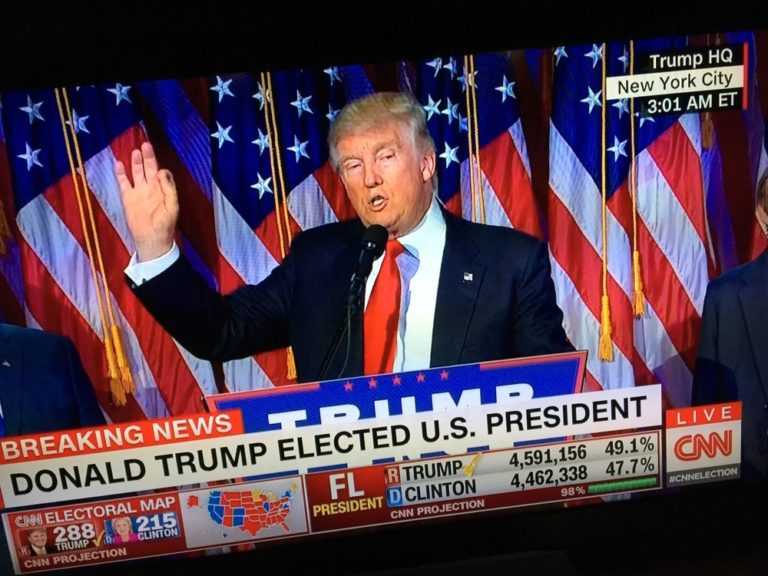
The return of Donald Trump to the White House has shaken many parts of the US economy. His new tariff rules and strong stance on immigration have raised the cost of goods and created new hurdles for big companies. At the same time he has attacked diversity equity and inclusion efforts in business. Yet most corporate leaders have stayed quiet. They have not openly opposed or supported these moves. Instead they have tried to stay out of the public eye.

Policy Pressure on Business
Since the spring, the Trump team has rolled out sweeping tariffs on imports. This action hit global markets and sent shock waves through boardrooms. Major retailers warned of rising prices and possible empty shelves. CEOs saw the risk to sales and profits. Meanwhile the administration stepped up immigration controls and cut funding for programs that support diversity in hiring and promotion. These shifts have put more pressure on corporate strategies.

However corporate America has chosen a low profile. Few executives have publicly criticized the administration. Instead many have opted for private talks behind closed doors. They have shared their concerns in meetings or phone calls with officials. Yet they have avoided public statements or media interviews that could draw the leaders ire.

Why CEOs Stay Quiet
One key reason for CEO silence is fear of retaliation. The first time around some business leaders spoke out and faced fines or lost contracts. They learned a public fight can cost them dearly. Therefore many now pick their battles carefully. In addition they face pressure from both sides of the political spectrum. If they back the president they risk angering liberal employees and customers. If they oppose him they may draw attacks from conservative groups. More than ever they have to balance a complex mix of views.

Moreover the current business world moves fast. Markets change by the hour. CEOs spend most of their time on supply chains and profit margins. They see public protests as a distraction from core work. Instead they build quiet alliances with other executives or trade groups. They share intel on policy shifts and plan joint responses. This way they can act together without stepping into the spotlight alone.

DEI Rollbacks as a Test
Diversity equity and inclusion served as an early test of corporate views. The Trump team branded DEI programs as wasteful and unfair. They issued rules to stop federal contractors from funding these efforts. For example they cut grants for training and research on equity.

As a result many private companies felt pressure to follow suit. By the end of the first hundred days, sixty nine of the two hundred thirty two firms in the Business Roundtable had cut or paused parts of their DEI work. Some made changes in public filings with the government. Others updated their websites without fanfare. They wanted to avoid headlines and media debates.

Conversely only twenty companies said they would keep their DEI efforts going full steam. A handful of CEOs spoke up. For example one hotel chain chief executive praised inclusion at a global leadership event. He then received thousands of emails from grateful employees. Yet many firms chose to mute any mention of DEI to protect their brand and their bottom line.

Backlash for Taking a Stand
Even when companies do speak out they can face push back. We found that twenty two percent of Business Roundtable firms saw some form of backlash for their actions. Most of the anger came from conservative groups that demanded cuts to DEI or other programs. A smaller share faced criticism from progressive activists who wanted stronger stances on social issues. A few firms ended up facing attacks from both sides.

In one case a popular beverage maker reiterated its support for an inclusive workplace. Almost immediately a well known anti DEI campaigner called for public boycotts. In another case a tech firm that trimmed its DEI budget faced a protest on its corporate campus. These events show that public positions can come at a cost.

Soft Criticism on Tariffs
While most CEOs have avoided loud public statements on social topics they have begun to speak up softly on trade policy. In April several top retailers warned the administration in private that higher import taxes would hit consumers hard. They feared that stores would run out of key items or raise prices too much. Then in May the head of a leading global bank said that uncertainty from tariffs hurt investment and growth.

These remarks were gentler than a full blown public protest. Yet they suggest that a deeper business line could prompt a broader backlash. After all no one wants empty shelves or a drop in sales. Tariffs strike at the core of the business model. Therefore executives may choose to speak more firmly if the moves continue or expand.

What Lies Ahead
With more than three years left in this term it is worth asking what might change. Many CEOs will keep seeking to stay off the presidents radar. They will placate when needed and push for small changes behind closed doors. They will avoid public fights that could harm their firms.

However if a policy crosses a clear business line they may act more boldly. Tariff increases that threaten supply chains or large legal actions against corporate operations could force a public stand. Additionally new federal rules that impact company profits or taxes might push CEOs to break their silence.

In the end executives will weigh the costs and benefits of speaking out. They will seek to protect workers customers and shareholders. Yet they will also try to avoid unwanted attention from the White House.

Conclusion
Donald Trumps return to the presidency has brought new rules that clash with many corporate values. Yet most CEOs have chosen caution over conflict. They will speak up softly or privately when needed. They will avoid public debates that risk retaliation or customer backlash. Only when a policy clearly endangers the business will we likely see a wave of CEO voices rising together. For now the silent strategy remains the norm in corporate America.


AI Weighs and Measures Stars Faster Than Ever

0

Key Takeaways
– Binary stars act as natural scales for weighing stars
– Kepler’s law links orbit size and period to mass
– Eclipsing pairs let us gauge star diameters with geometry
– Traditional modeling needs decades of supercomputer time
– AI cuts runtime from weeks to minutes without losing accuracy

Stars build our universe and shape galaxies. Yet stars lie so far away they look like tiny points of light. Even our best telescopes cannot reveal their true sizes or weights. To solve this puzzle, astronomers turn to binary star systems. In these pairs, two stars orbit a shared center of mass. They obey Kepler’s law, which ties orbit size and orbital time to total mass. Moreover, if the orbit aligns just right, one star eclipses the other. These eclipsing binaries unlock star diameters through simple geometry. However, detailed models of these systems take months or years on supercomputers. Now researchers use artificial intelligence to cut that time by a millionfold. As a result, they can measure star masses, radii, and more within weeks instead of centuries.

Why Binary Stars Matter
Most stars exist alone or in large clusters. Yet over half of sunlike stars pair up. In a binary system, each star moves around the common center of mass. Johannes Kepler’s harmonic law explains their dance. It links three values: how big each orbit is, how long it takes to complete a cycle, and the combined mass of the two stars. Astronomers record changes in brightness and spectral shifts to map these orbits. These measurements convert directly into total mass. Then they split that mass between the two stars by comparing their distances from the center. In effect, a binary system acts as a cosmic seesaw. The heavier star sits closer to the pivot, the lighter one swings farther out.

Weighing Stars with Kepler’s Law
To follow Kepler’s law, researchers measure how long stars take to orbit. They also track each star’s speed by observing shifts in its light spectrum. When a star moves toward us, its light shifts to blue. As it recedes, light shifts to red. By plotting these shifts over time, astronomers map each star’s orbit size and speed. Then they apply Kepler’s formula to find the total mass. Finally, they divide that mass between the two stars based on their orbital distances. This method gives precise mass estimates for both stars, something impossible for single stars at vast distances.

Sizing Stars via Eclipses
Kepler’s law tells nothing about star diameters. For that, astronomers rely on lucky alignments of eclipsing binaries. If the orbital plane points toward Earth, one star will cross in front of its companion. This alignment causes a dip in the combined light we see. By studying how deep and long these dips last, scientists apply geometry to find each star’s radius. A deep trough means a large star or a tight eclipse, while a shallow dip signals a smaller star or glancing passage. In our galaxy, one to two out of every hundred stars are eclipsing binaries. That translates to hundreds of millions of systems, offering a vast dataset for researchers.

The Big Computing Bottleneck
Despite these natural tools, binary systems remain complex beasts. Stars can bulge under rotation, stretch by tidal forces, and host dark spots or strong magnetic fields. They may tilt their axes or reflect light unevenly on each other. To capture all these factors, astronomers create detailed physical models. These models predict how the stars would look during each phase of their orbit. Running one prediction can take a few minutes on a fast machine. Yet researchers must test millions of possible parameter sets to find the best match to real data. All told, that effort racks up over two hundred years of computing time. Even supercomputer clusters need weeks to solve a single binary system. As a result, only about three hundred stars have well-determined masses and radii so far.

Teaching AI to Predict Star Data
To overcome this barrier, scientists turned to deep-learning neural networks. The idea is to teach an AI to mimic the slow physical model. First, researchers generate a massive training set. They run the physical model millions of times, varying star masses, sizes, orbits, and brightness. Each run produces a synthetic light curve tied to known parameters. Next, they feed these curves and parameters into the neural network. The AI learns to map light curve shapes directly to star properties. After training, the network predicts masses and radii from real observations in a fraction of a second. That speed contrasts with the minutes a full simulation takes. Overall, AI achieves a millionfold reduction in runtime.

What AI Brings to Star Science
Tests show the AI recovers correct parameters across over ninety nine percent of cases. That accuracy gives astronomers confidence to use AI predictions in their research. Now they can analyze hundreds of thousands of eclipsing binaries in a few weeks. This flood of data will reveal how star masses and sizes vary with age and chemical composition. It will refine theories of star birth, life, and death. It will also improve our knowledge of planets orbiting these stars. Moreover, the AI approach can apply to any field that relies on slow, complex models.

A Bright Future for Stellar Studies
Soon, researchers will deploy their AI on all known eclipsing binaries. This effort will create a vast catalog of star masses, radii, temperatures, and brightness levels. With that database, astronomers can answer long-standing questions about how stars evolve. Beyond astronomy, similar AI techniques will speed up weather forecasts, climate models, and more. By blending classic physics with modern artificial intelligence, science can tackle problems once deemed too compute intensive. As a result, our knowledge of the universe and our own world will grow faster than ever before.

Himes Demands Proof of Trump’s Obama Treason Claims

0

Key Takeaways
– President Trump said Obama invented the Russia hoax to spy on him.
– Obama’s office called the claim a distraction.
– Rep Jim Himes asked where the treason prosecutions are.
– Himes warned false claims can spark political violence.

Introduction
President Trump surprised reporters when he claimed that Barack Obama committed treason. He made this statement during a meeting with the Philippine president. He said Obama created the Russia hoax as an excuse to spy on him. Trump also urged reporters to stop talking about the Jeffrey Epstein documents. Soon after, Obama’s office spoke out, calling the claim a distraction. Then, Rep Jim Himes challenged Trump to bring charges if he really believed Obama was a traitor. He said the Department of Justice must act or admit these claims are baseless. His concern goes beyond politics. He fears false statements may push some people to violence.

Background of the Treason Allegations
President Trump first mentioned the Russia hoax in 2016. He said that Obama’s team used it to justify spying on his campaign. Over the years, Trump has called the entire Russia investigation a witch hunt. However, he now says it amounts to treason. Obama’s team strongly denied this. They said the FBI followed proper procedures to investigate possible links. They also said the claim of spying on Trump is false. Despite this, Trump repeated the allegation in the Oval Office. He urged reporters to stop focusing on other issues. Instead, he wanted attention on his new claim against Obama.

Himes’ Challenge to the President
Shortly after Trump’s statement, Rep Jim Himes spoke on television. He told MSNBC’s Nicolle Wallace that if Trump truly believed Obama committed treason, he must act. He asked where the indictments are. After all, treason is a serious crime that requires legal proof. Himes said, “Four or five weeks from now, ask: Where is the Department of Justice indictment?” He warned that if no charges appear, the whole story would collapse. He compared it to the Epstein documents. Trump urged reporters to drop that story too. Himes argued that Trump shifts focus when he faces scrutiny. This tactic, he said, distracts the public from real issues.

A Question of Prosecution
Treason ranks among the most serious offenses in US law. It requires clear evidence of aiding an enemy. To charge a former president, the Justice Department needs solid proof. It also needs two witnesses to testify to the same overt act. Himes pointed this out during his interview. He noted that even if Trump calls Obama a traitor, the courts would reject any flimsy claims. No judge would allow a case based on unverified statements. Thus, Himes said, Trump’s threat to expose Obama would fail. Moreover, the lack of legal action shows these allegations lack merit. As a result, they serve only to confuse and mislead.

Political Motives Behind the Claims
Himes said Trump’s claims do more than distract. They also aim to energize his base. He noted that when leaders use words like treason, some people grow angry. A small fraction might even act on that anger. He pointed to January 6, 2021, when a crowd stormed the Capitol. That mob tried to stop the electoral vote count and sought to harm elected officials. Himes believes false treason claims could stoke similar violence. He warned that spreading such allegations puts lives at risk. At the same time, it undermines trust in institutions. By claiming a former president committed treason, Trump shifts blame. This tactic keeps his supporters agitated and distrustful of the system.

Lessons from January 6
The January 6 attack shows how dangerous political lies can be. On that day, rioters breached security lines. They broke windows, smashed doors, and threatened lawmakers. Some even said they wanted to hang the vice president. This extreme violence came after weeks of false claims about election fraud. Himes said today’s treason talk follows the same pattern. First, you spread a lie. Then, you stoke anger. Finally, you risk violent action. He urged everyone to learn from that tragedy. He said free speech comes with responsibility. Leaders must avoid statements that can incite violence. Instead, they should focus on facts and evidence.

What Comes Next
Looking ahead, the public and the press face a clear choice. They can demand proof or dismiss the treason charge. Himes said journalists should keep asking tough questions. They should press Trump to show evidence or admit none exists. Meanwhile, ordinary citizens can stay informed and skeptical. They should watch how the Justice Department responds. If no charges follow, they will know there is no case. This process will reveal whether the claim is serious or just another distraction. In the end, accountability depends on facts and fair investigations.

Conclusion
Rep Jim Himes threw down a gauntlet. He asked for proof or an admission of defeat. His warning echoes a larger truth. When leaders spread false claims, they erode trust and risk violence. As the drama unfolds, Americans can demand clarity. They can insist on evidence before accepting explosive allegations. Only then can the country avoid repeating the mistakes of the past. Staying vigilant and seeking the truth will help protect democracy.

Lawmaker Unmoved by Afghan Aid Crisis

0

Key Takeaways
– CNN reporter saw a baby die from malnutrition in Afghanistan
– Representative insists US must stop borrowing for foreign aid
– He says his duty rests only with American citizens
– He remains firm despite moral concerns over a 20 year war

Introduction
CNN correspondent Isobel Yeung traveled to Afghanistan to report on the effects of recent foreign aid cuts. While she was there she witnessed clinics close and a baby die from malnutrition. She then confronted Representative Tim Burchett about the human cost of his policy. Yet he stood by his decision and said he had no obligation beyond serving his own district. The tense exchange highlights a sharp divide over America’s role abroad and the moral questions left unanswered.

Reporter Faces a Harsh Reality
First, Yeung visited remote health clinics across Afghanistan. Hundreds have shut down since Congress cut funding. Then she watched a baby struggle for air and die of starvation. She described the scene in stark detail as she spoke to Burchett later in Washington. The pain and loss she witnessed weighed heavily on her. She hoped he would show some empathy or reconsider his stance. However, he remained firm.

Demanding Accountability
Next, Yeung asked the congressman if he felt any moral responsibility for actions he advocated. She pointed out that the US fought a two decade war in Afghanistan. Therefore many felt an ongoing duty to help. In response, Burchett said he felt horror at the suffering but insisted it was not caused by him or his colleagues. He claimed the nation had no more money to give. He argued that borrowing for foreign aid hurt Americans at home.

Representative’s Argument Against Aid
Burchett explained that every dollar sent overseas is borrowed from future generations. He added that Americans in his own district go hungry and struggle with medical bills. Thus he believed the government should focus on domestic needs instead of foreign ones. He denied any effort to mislead the public about the scale of funding cuts. Yet he refused to address the human cost in Afghanistan beyond saying it was tragic.

Moral Questions Ignored
Meanwhile, millions of Afghans face hunger and disease. Many live in areas where the local Taliban controls basic services. They rely on international aid to survive. Without clinics they cannot get vaccines or basic health care. Children suffer most. Malnutrition rates have soared. For many observers these outcomes are the direct result of cutting aid. Yet the congressman would not accept this link.

He insisted his only duty was to constituents back home. He said America must stop taking on debt for foreign missions. He pointed out that some US citizens also struggle to feed their children. Therefore borrowing more money to send abroad would hurt Americans in his district. This argument resonated with some of his supporters but upset many others who see a global responsibility.

Contrasting Views on National Duty
On one hand many lawmakers argue that America has a duty to help those in need. They point to the war in Afghanistan as a reason to provide ongoing support. After twenty years of military engagement, these critics say, the US cannot simply walk away. On the other hand representatives like Burchett believe the government should prioritize taxpayers at home. They claim limited resources demand tough choices and that foreign aid rarely helps the people it is meant to serve.

Real World Consequences
As a result of funding cuts, hospitals have closed. Doctors have left the country. Clinics that treated women during childbirth are gone. Supplies of medicine dried up weeks ago. According to local health workers hundreds of thousands of children now face malnutrition. Without proper care many will not survive until next season. These are more than statistics. They represent lives lost and communities devastated.

Meanwhile, American families face their own struggles. Health care costs have risen. Schools need more support. Infrastructure crumbles in many regions. Lawmakers like Burchett argue that addressing these needs must come first. They warn that adding foreign aid on top of domestic spending risks financial ruin. This debate has gone on for decades with no easy solution.

A Reporter’s Emotional Plea
During the Congressional confrontation Yeung spoke with passion. She pleaded for a human response. She reminded Burchett of the baby she saw die. She described a mother’s tears as she held her lifeless child. Yet the congressman offered no apology. He said it was not his fault and that Afghan families would have to fend for themselves.

After the exchange Yeung said she felt stunned. She had hoped a personal story might break through political barriers. However, Burchett stayed unmoved. He stuck to his plan to block further aid. For her this was proof that understanding the human impact of policy remains a challenge in Washington.

Broader Impact on US Foreign Policy
Therefore this confrontation is more than a one on one fight. It reflects a larger shift in US foreign policy. A growing number of Americans question the value of spending billions overseas. They worry about debt levels and domestic priorities. Yet critics warn that abandoning allies and vulnerable populations carries risks too. They fear destabilizing regions abandoned by the world’s largest economy.

Thus the debate continues. Will America still see itself as a global helper or retreat into isolation? Will lawmakers like Burchett gain more support or face backlash? Can human stories change policy? These questions linger as Afghan families struggle to survive and Congress remains divided.

Conclusion
Ultimately the exchange between the reporter and the congressman reveals deep divides over morality and responsibility. Yeung shared firsthand evidence of human suffering. Meanwhile Burchett defended his belief that US leaders must put national interests first. As a result millions of vulnerable people remain caught in the middle. Moving forward Congress must weigh both domestic needs and the costs of abandoning those who depend on America’s help. Only time will tell if human stories can overcome political lines and shape a more compassionate policy.

Trump Team Blames FBI Over Epstein Files Spin

0

Key Takeaways
– Trump’s press team says the FBI holds the full Epstein files
– A podcaster calls White House spin tactics more frantic now
– Press secretary redirects questions instead of giving clear answers
– Polls show most Americans doubt the government on Epstein transparency

Introduction
A popular podcast host said the Trump team is growing more desperate. They want to shift blame for the Epstein scandal. In turn, the White House press office is targeting its own allies. This article explains why the administration points fingers at the FBI and how public opinion reacts.

Press Spin and Transparency
First, the White House said that the Department of Justice and the FBI could release more Epstein documents. However, they refused to say why the files stay hidden. Instead, they told reporters to ask the bureau. As a result, critics say the administration uses classic obfuscation. In other words they hide their own role.

Rapid Blame Shift
At a recent briefing, a reporter asked why the president did not order the FBI to make all Epstein evidence public. The press secretary replied that the president supports any credible new releases. Then she added that people should ask the FBI for answers. By doing so, she moved the focus away from the White House.

Targeting Loyal Figures
Meanwhile, the answer also points to a close FBI aide. He had pushed for more Epstein transparency under the previous administration. Now, his actions work against him. The same aide faces questions from his own allies. This turn of events shows how the administration’s panic can hurt friends.

Avoiding Direct Denials
Then a reporter asked if agents had orders to flag any mention of Trump in the files. Again, the press office said it did not know. They urged reporters to check with the bureau. Observers called this a clear attempt to dodge a direct answer. They argue that the White House could easily clear up the matter. Yet it chooses silence instead.

Insiders See Panic
An analyst noted that if the White House had a firm denial, it would share it immediately. Instead, they go quiet and send everyone to the FBI. This tactic suggests they fear revealing the truth. Moreover, it shows they might have no solid defense.

Poetic Justice for Mag­a Influencers
Interestingly, some of those who once hyped explosive Epstein revelations now face doubt. They joined the government partly to dig into the scandal. Yet today they stand under the bus. This twist strikes many as poetic justice.

Polling Reveals Public Doubt
Recent surveys show that most Americans believe the government hides Epstein’s client list. In fact they also doubt the full truth about his death. As a result, the administration’s push for transparency rings hollow. People think it plays to the crowd rather than forces real disclosure.

Impact on Trump’s Ratings
Furthermore, approval of Trump’s handling of the Epstein files rates far below his approval on other issues. In one composite score, fewer than two in ten Americans support his approach. Conversely, nearly six in ten disapprove. This creates a net negative rating of forty two points. In plain terms, his handling of the files hurts him more than inflation did.

Why the Name Dominates Headlines
The Epstein case dominates news cycles. Therefore, every spin and delay adds fuel to the fire. As a result, the White House feels the urgency to appear pro transparency. Yet critics say the effort falls short. They argue that real release of the documents remains unlikely.

Behind the Scenes Tension
Inside the administration, a struggle emerges. On one side, some staff push for genuine release to quiet critics. On the other side, hardliners worry about damage to the president. This battle plays out in private phone calls and emails. For now, the public only sees the blame game play out in briefings.

What This Means for Voters
For many voters, transparency matters. They view the Epstein files as a test of honesty from their leaders. If the files stay hidden, trust erodes further. Thus, the scandal may follow Trump into his campaign. Every delay could cost him more support.

Future Outlook
Looking ahead, the fight over the files will continue. Reporters will press the FBI for any new material. Meanwhile, the White House will likely keep pointing fingers. Only a sudden document dump could change the narrative. Otherwise, Americans remain in the dark.

Conclusion
In short, the Trump administration blames the FBI to dodge pressure over the Epstein files. Observers call this move a desperate spin tactic. Polls show most people doubt the government and disapprove of the handling. Unless the files surface soon, this scandal may deepen the president’s polling woes.

Trump Ally’s NJ US Attorney Role Blocked

0

Key Takeaways
– A court panel removed the interim US attorney in New Jersey.
– Attorney General Pam Bondi fired the panel’s chosen replacement.
– The fight highlights tensions over Trump’s legal appointees.
– Similar disputes arose in New York and Washington DC.
– Senators refused to back the interim attorney for full nomination.

Introduction
A special court panel in New Jersey stopped President Trump’s chosen interim US attorney from staying in office. The panel picked a different prosecutor in her place. In turn, Attorney General Pam Bondi fired that candidate. This rare clash shows deep divisions in the Justice Department. Moreover, it highlights a struggle over power and politics in top legal posts.

Judges Oust Controversial Interim Prosecutor
First, a district judge panel ruled against Alina Habba. She had served as the interim US attorney since March. The judges used a seldom-used power to replace her. They named Desiree Leigh Grace instead. Grace is a seasoned prosecutor with many years of experience. The court said Grace was better suited to the role.

Bondi Fires the Panel’s Choice
Then, Attorney General Pam Bondi reacted swiftly. She posted on social media that Grace was immediately removed. Bondi called the judges a group of rogue officials. She defended Habba’s actions and vowed to keep her in the job. Bondi’s move bypassed the court’s decision and deepened the standoff.

Habba’s Disputes With Local Leaders
Since her appointment, Habba clashed with Democratic officials. She charged the Newark mayor after he tried to inspect a private detention facility. Later, she dropped those charges and indicted a congresswoman. These moves sparked criticism and drew political attention. Habba served as the former president’s personal lawyer. Now her work at the US attorney’s office often echoed Trump’s political battles.

Senators Block Permanent Nomination
Meanwhile, New Jersey’s two senators refused to support Habba’s permanent nomination. Both senators belong to the opposing party. Their refusal blocked her confirmation in the Senate. Under an old tradition, senators from the same state can approve or deny a nominee. This so-called blue slip process delayed any permanent appointment. Without that approval, Habba cannot move forward.

Similar Dispute in Albany
Also, courts in New York took a similar action last week. Judges there rejected John A Sarcone’s bid to stay on as interim US attorney. Sarcone also had close ties to Trump’s circle. After the decision, Bondi named Sarcone a special attorney. That appointment gave him the same powers he held before. The special role has no set end date. Thus, Sarcone remains in a top post despite the judges’ ruling.

Parallel Case in Washington DC
In Washington DC, a comparable event took place. Ed Martin served briefly as interim US attorney there. The Senate did not confirm his full nomination either. Later, the Justice Department moved him to its pardon office. These moves show a pattern of creating new roles for unconfirmed Trump appointees. They illustrate how the department can work around Senate approval.

Power Struggles Within the Justice Department
These incidents underscore a tug of war in the Justice Department. On one side, judges use legal powers to check appointments. On the other side, the attorney general can reassign or fire prosecutors at will. Consequently, the department faces internal conflict. Political allies of Trump push to keep influence even after his term ended. Meanwhile, the courts and Senate serve as limits on that power.

Why These Battles Matter
This fight matters for several reasons. First, US attorneys lead federal criminal and civil cases in each district. Their decisions affect local law enforcement and public safety. Second, appointees often set the tone for how vigorously they pursue cases. Third, clear legal authority ensures fair trials and justice. When roles stay in limbo, cases can stall or face questions over legitimacy.

Looking Ahead for New Jersey
What happens next in New Jersey remains unclear. Bondi insists Habba stays in charge. At the same time, the court panel has named Grace as the rightful US attorney. Both sides hold competing orders. If the clash continues, the matter may reach an appeals court. It could also end up before the Supreme Court if no resolution emerges.

Potential Impact on Cases
Meanwhile, ongoing cases could face disruptions. Prosecutors under Habba and Grace may disagree on priorities. Defense lawyers might challenge case filings based on who holds authority. These legal fights could slow important investigations. Moreover, public trust in the justice system might suffer over perceived political meddling.

Reform Proposals and Suggestions
As a result of these struggles, some lawmakers call for reform. They suggest changes to the blue slip rule. Others want clearer rules on interim appointments. Some propose limiting the attorney general’s power to reassign US attorneys. Such reforms aim to balance presidential appointments with checks from courts and the Senate.

The Role of Judiciary Independence
Judges play a key role in preserving the rule of law. By stepping in to select a prosecutor, they acted within their legal rights. They defended the idea that judges can fill certain gaps when executive actions go too far. At the same time, the attorney general’s reaction showed how political loyalties can clash with judicial decisions.

Public Reaction and Media Coverage
In the public eye, these events fueled debates over fairness. Some saw Habba’s supporters defending justice and due process. Others viewed the court panel’s move as a defense against political cronyism. Media outlets reported the conflict as another flashpoint in post-election politics. Social media posts by Bondi drew both praise and criticism.

Lessons from Other Districts
Similar clashes have happened in other districts across the country. They show a trend of keeping appointees in office through creative legal moves. By naming special attorneys or shifting roles, the Justice Department finds ways to retain its picks. Courts, however, continue to push back when they believe the moves overstep legal bounds.

Conclusion
Ultimately, the dispute over New Jersey’s US attorney spotlights the balance of power in our legal system. It raises questions about presidential influence, judicial authority, and Senate advice. Furthermore, it affects real cases and public confidence. As this fight unfolds, legal experts and the public will watch closely. They will look to see whether political loyalty or judicial checks hold stronger sway. The outcome will shape how future interim appointments proceed and how justice is served in key districts.

Senate Advances Emil Bove for Appeals Court

0

Key takeaways
– Senate Republicans voted fifty to forty eight to move Bove’s nomination forward
– Democrats stopped debate and walked out over the nomination pause
– Senator Murkowski joined Democrats in voting against Bove
– Critics point to Bove’s past roles and questions about his judgment

Introduction
On Tuesday the Senate cleared a big hurdle for Emil Bove’s nomination. Republicans voted fifty to forty eight to advance him. This vote lets the full Senate consider his appointment. Meanwhile Democrats protested a debate pause in committee. They walked out in anger over how the process unfolded. The contest now heads to a final Senate vote. Observers expect sharp debate over Bove’s background and qualifications. His career as a former personal attorney and Justice Department official drives much of the dispute. As the fight unfolds, many wonder what his appointment could mean for the courts.

What is the Third Circuit
The Third Circuit covers appeals from Delaware, New Jersey and Pennsylvania. It reviews cases on federal law and constitutional issues. Judges there serve lifetime appointments unless they retire or resign. This court handles many business and bankruptcy cases in Delaware. It also reviews voting rights, immigration and criminal appeals. Its decisions affect millions of Americans in three states. Therefore filling this seat matters to local and national law. The court plays a key role in shaping federal policy. For example, it has ruled on major cases about technology and health care. Thus the nominee’s impact could be far reaching.

Who is Emil Bove
Emil Bove once served as a senior Justice Department official. He also worked as a personal attorney for a former president. During his time at Justice he advised on high profile investigations. As a private lawyer he argued cases before federal courts. He holds degrees from top law schools and clerked for a respected judge. Bove built a reputation for tight deadlines and secrecy in complex cases. However his critics note complaints about his temper and candor. They say he faced ethics questions before joining the Trump White House. Yet his supporters praise his legal skill and loyalty to clients.

The Voting Showdown
Republicans forced a key procedural vote on Tuesday. They wanted to end debate and move forward quickly. The final tally was fifty Republicans in favor and forty eight against. This close margin shows deep splits within the Senate. One Republican broke ranks to vote with Democrats. That lawmaker cited concerns over Bove’s past behavior and ethics. Following the vote, some Democrats vowed to fight the nomination further. They plan floor amendments and speeches to highlight their objections. Meanwhile Republicans argue they will confirm him on the Senate floor soon.

Democratic Opposition
Democrats argue Bove lacks good judgment for a lifetime post. They recall his role in sensitive Justice Department decisions. They also point to his time as personal counsel in political matters. Some Democrats demanded more documents and witness testimony. They say he acts too loyally to one party. Furthermore they accuse him of downplaying past mistakes. Several senators warned he might politicize the judiciary. They fear his appointment could tilt the courts toward one side. As a result they proposed delaying the final vote until more information emerges.

Republican Support and Murkowski’s Vote
Most Senate Republicans backed Bove’s advancement vote. They praised his deep legal experience and service at Justice. They also noted his successful court arguments in private practice. They argue he will rule fairly and impartially. However one Republican senator crossed party lines. Senator Murkowski cited concerns about his temperament and past controversies. She said judges need high ethical standards and even temper. Her vote with Democrats surprised many on both sides. Yet other Republican senators welcomed her stance as a sign of independence. They still believe Bove meets the core requirements for a judge.

Controversy Over Bove’s Career
Critics highlight Bove’s work as personal lawyer during major investigations. They note a public effort to negotiate deals with local officials in New York. They say those talks looked like a political bargain rather than law. They also cite earlier complaints about his honesty in court filings. Some legal observers warned about lapses in professional conduct. Supporters counter that no formal ethics finding ever halted his career. They point to his clear record of winning difficult appeals. They add that his former clients speak highly of his work. Thus the debate centers on how to weigh past flaws against legal skill.

What Comes Next
The nomination now moves to the Senate floor for final debate. Senators will speak for and against the nomination over several days. Opponents may offer amendments to delay or block confirmation. Meanwhile supporters will push for a quick up or down vote. If confirmed by a simple majority, Bove will become a Third Circuit judge. He will then handle appeals on major federal issues in three states. Observers expect a final vote by next week. The outcome could shape the ideological balance of the federal appeals courts. It will also set a tone for future judicial nominations.

Potential Impact on the Courts
If confirmed, Bove would fill a key vacancy in the Third Circuit. His rulings could influence decisions on immigration, voting and business law. He might also hear cases on new technology and data privacy. Given his background, he may favor strong executive power. Yet he could also show respect for established legal precedents. His confirmation might encourage similar picks for other courts. It may signal a willingness to approve politically connected nominees. Conversely a failed nomination could slow down other judicial appointments. Therefore this contest carries weight beyond a single judge.

Conclusion
The Senate’s decision to advance Emil Bove’s nomination marks a crucial step. For now he remains a nominee waiting for final confirmation. His supporters praise his legal talent and service record. His critics warn about ethics questions and temper issues. As senators prepare for final votes, public interest grows. The outcome will affect the Third Circuit and possibly other courts. It will also reveal how much weight each side gives to past controversies. In the coming days, the Senate will decide if Bove earns a lifetime seat on the federal bench.

Gabbard Accused of Protecting Russia With Intel Role

0

Key Takeaways
– Tulsi Gabbard faces claims of harming US intelligence to aid Russia
– Analyst Will Saletan says she downplays Russia election meddling
– Critics warn Gabbard revives false claims to shield the Trump team
– Debate grew as the Epstein story distracted the public

Introduction
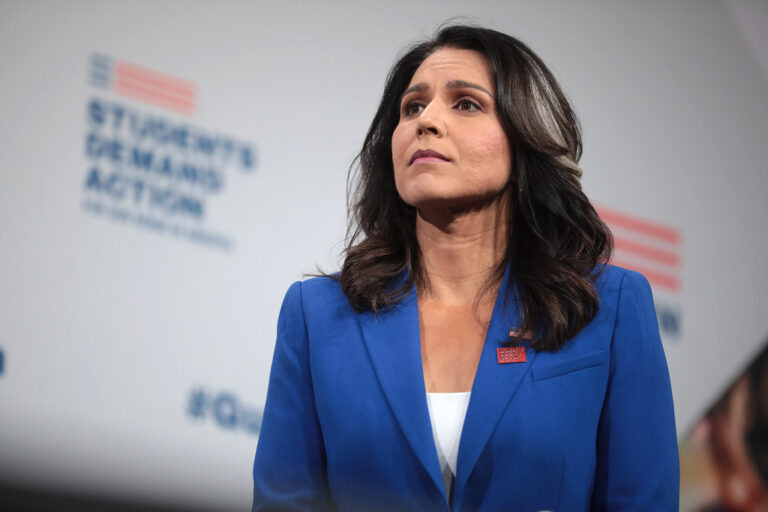
A top conservative writer warns that the President’s own intelligence chief may harm American interests. He argues she uses her role to shield Russia and the Trump team. These claims come at a tense moment as the nation focuses on the Epstein saga. Meanwhile the debate raises questions about loyalty and truth at the highest level.

Who Is Tulsi Gabbard
Tulsi Gabbard never held an official spy role before her cabinet job. She won a seat in Congress as a young veteran and ran for President in twenty twenty. In her career she met with controversial leaders abroad and spoke out on military leaks. Critics say her past shows poor judgment for the nation’s top intelligence post.

Latest Allegations
Over the last week writer Will Saletan has sounded the alarm on a popular podcast. He says the intelligence chief revives long debunked claims about Russia and the twenty sixteen election. He adds she inflates small truths into false stories that hurt US interests. In effect she shifts focus away from the Epstein scandal and toward Russia’s influence story.

Russia Election Claims
America’s top spy agencies agreed that Russia tried to hurt one candidate and help another. They used digital tools to push certain messages and hack emails. Yet Gabbard says those claims are lies based on no real proof. She argues that Russia never tried to change actual vote counts. While it is true they did not alter ballots she ignores the wider harm they caused.

Protecting Trump and Russia
Saletan explains that when Gabbard spreads these half truths she helps both the President and a foreign adversary. By denying Russia’s role she clears the way for Trump’s allies to avoid blame. At the same time she casts doubt on America’s smartest analysts. This move may weaken faith in future intelligence findings.

Epstein Distraction Tactics
The Epstein case has rattled the administration and grabbed public attention. As the story deepens they seek any way to deflect the media. Reviving old Russia stories seems an easy tactic. However it may backfire by highlighting further distrust in official statements.

Why This Matters
Intelligence watchdogs warn that bending the truth can harm national safety. When leaders ignore proven threats they leave the country at risk. Moreover foreign rivals watch these shifts and adapt their own tactics. The public loses trust in the system designed to protect them.

Reactions From Both Sides
Supporters of Gabbard say she fights the same old narratives recycled by elites. They believe she questions group think and defends free speech. Meanwhile opponents see her as part of a plan to confuse the public. They call for hearings to examine her actions and statements.

What Might Happen Next
Lawmakers could open formal investigations into the intelligence office. They may call Gabbard to testify on why she downplays Russian meddling. Journalists will keep pressing for clear answers on Epstein ties and election security. Public pressure may force more transparency on both fronts.

Lessons for the Future
This saga guards a lesson on balancing politics and security. Leaders must not let party loyalty override real threats. The media must keep digging to find the full story. Citizens must stay sharp and demand facts over spin.

Conclusion
The claim that America’s top spy is working against US interests strikes at the heart of democracy. As the Epstein story unfolds more distractions may follow. Yet the nation still needs clear and honest intelligence to stay safe. The coming weeks will tell if these serious allegations hold weight. Meanwhile the debate over truth and loyalty will only grow louder.

Norman vs McGovern Over Epstein Files Stalls Congress

0

Key Takeaways
– Rep Norman led a non binding resolution on Epstein files
– Rep McGovern says the resolution has major loopholes
– The bipartisan Khanna Massie bill carries legal weight
– The fight to release files continues amid delays

Introduction
Congressional leaders have clashed over how to force the Justice Department to release all Epstein case files. Rep Ralph Norman from South Carolina says his resolution will expose the truth. However his Democratic colleague Rep Jim McGovern of Massachusetts calls it a sham. This dispute highlights growing frustration in Washington at stalled efforts. Meanwhile many seek real answers about Epstein and his associates. The debate shines a light on the gap between promises and action.

A Brief Background
Jeffrey Epstein faced charges of sex trafficking and abuse of minors. His arrest in 2019 triggered years of public outcry. Many wanted to see all documents linked to his case. That includes grand jury material and witness statements. Critics argue the files might show ties to powerful figures. The Justice Department said no full client list exists. Former Attorney General Pam Bondi claimed she reviewed some materials. Yet activists still press for full transparency. The Trump administration asked a judge for permission to share grand jury records. Still that move may take months and cover only part of the files.

The Resolution’s Claims
Rep Norman posted online that he led Republicans in a serious resolution. He wrote it aims to protect victims and expose the truth. He also noted that President Trump promised a full release. Norman urged immediate action before Congress leaves for recess. He said the American people deserve results over excuses. His resolution seeks a direct vote in the House. It calls on the Justice Department to hand over all Epstein related files. Norman argues this step will give victims their day in court. Moreover it will show the public that leaders can unite on transparency.

The Fact Check
Rep McGovern responded with a detailed critique. He labeled the resolution non binding and sloppy. He noted it lacks real power to force file release. In fact it lets the Attorney General pick which files are credible. That creates a giant loophole in accountability. He contrasted that with the bipartisan Khanna Massie bill. That bill would compel the Justice Department by law. It would carry the force of law and allow court action if ignored. McGovern posted an image of the resolution with notes highlighting its flaws. He argued Norman’s text misleads the public into thinking it has legal teeth. In short he called it a trick with no teeth.

Political Impact
This standoff reflects wider partisan tensions on Capitol Hill. House Republicans have faced pressure to demand full Epstein files. Trump supporters have expressed anger at the Justice Department over the lack of a client list. They want to know if rich and powerful people protected Epstein. Democrats insist on a binding bill instead of an empty resolution. They see the Khanna Massie measure as the real solution. Meanwhile some lawmakers fear the issue may harm their reelection chances. Hence leadership has stalled a vote on both proposals. As a result frustration grows among victims advocates and the public at large.

What Comes Next
Lawmakers return after their August recess with demands to resolve this quickly. Republicans may push for Norman’s resolution first. Democrats will likely block it as non binding. Then they may force a vote on the Khanna Massie bill. The Trump administration’s court request for grand jury materials will also move forward. Yet that process could take months. In the meantime advocates will ramp up public pressure. Social media campaigns and news coverage may intensify. Ultimately Congress must pass a binding law to deliver all files. Only then can the public see the full truth about Epstein and his network. Until that happens this fight will stay at center stage in Washington.

Smith Won’t Subpoena Epstein Files Before Recess

0

Key Takeaways
– CNN pressed Smith to release Epstein files immediately
– Smith said Americans view Epstein as a low priority
– He only used subpoena power once on Hunter Biden
– He may act if Americans make Epstein a top issue
– The files stay sealed until lawmakers return in September

A tense TV interview unfolded when CNN’s Kasie Hunt asked Jason Smith why he would not use his subpoena power to push out the hidden details of Jeffrey Epstein’s finances. Smith leads the powerful tax writing committee in the House. He plans to wait until after the August break before acting. Hunt argued that the files deserve urgent attention now. Smith replied that most Americans care more about daily life issues than Epstein’s secret records.

Smith Holds Firm on Schedule
Smith made it clear he has no plan to force the release of Epstein’s files before Congress heads home for August recess. He said he has legal authority to issue subpoenas, but he did not see a public demand to make Epstein’s records a priority. He explained that his committee has not worked on this issue as a main focus for lawmakers or voters. Smith stressed that he will act only when he believes the issue matters deeply to people who vote.

Hunt Pushes Subpoena as a Tool
Hunt argued that other members of Smith’s party do care about Epstein files. She noted that even the House Speaker wants to head back to town halls early. Then she asked if there was any chance Smith would use his subpoena power to forcefully collect Epstein’s financial data. Smith admitted he rarely uses subpoenas in his committee work. Yet he said he would if the public demanded it strongly enough. For now, he does not see that widespread demand.

Comparing Epstein to Hunter Biden Case
Hunt reminded Smith that he did use subpoena power in another case. In December he issued a subpoena for Hunter Biden. That move required Biden to appear for a deposition in a probe of alleged influence peddling. Smith confirmed that case stands as the only time he tapped that authority. He drew a sharp contrast between the two. He said Epstein simply does not hold the same sway over everyday voters as matters linked to the president’s family.

Everyday Americans and Their Focus
Smith emphasized that the typical American worries about work, food, rent, and gas prices. He argued that secrets tied to a late financier do not top most voters’ lists. He stressed that his team studies public opinion closely. They aim to spend time on issues that drive real change in people’s lives. Epstein’s files, he said, do not rank at the top among concerns for a person working a nine to five job.

Why Epstein Files Matter to Some
Yet Epstein’s financial records contain crucial clues about his network. They could show who paid for flights, who funded real estate, and who supported his private island. Many advocates and former victims have called for transparency. They believe these documents could reveal deep ties to powerful figures. If true, those ties might explain how Epstein avoided legal trouble for years. That is why some lawmakers and survivors want the files public sooner rather than later.

Lawmakers Call for Urgency
Across the aisle, other members of Congress see Epstein as a matter of public trust. They argue that people deserve to know who financed his operations. They believe unredacted records could add new names linked to his crimes. Moreover, they claim that hiding evidence further erodes trust in government. Several lawmakers signed a letter pressing Smith to act before the break. They warned that delay only fuels suspicion and doubt.

Smith’s View on Committee Priorities
Smith said he must set a clear agenda for his committee. He listed tax code reform, trade deals, and budget oversight as his top goals. He argued those tasks have direct impact on every taxpayer. In contrast, Epstein’s files represent a niche legal battle. While important, Smith said he cannot devote time to every high-profile demand. He promised to stay mindful of public will, but he insisted he will not rush decisions driven by media pressure alone.

Possible Paths Forward
If public interest in Epstein grows, Smith left a door open for action. He said that if polls and town halls show strong demand, he will use every tool at his disposal. That includes issuing subpoenas to banks, lawyers, and estate managers tied to Epstein. However, he urged opponents to prove that momentum exists. He invited lawmakers, civil society groups, and survivors to make their case directly to his committee. Only then will he consider moving ahead fast.

Impact of August Recess
The August recess will pause all committee work for weeks. During that time, lawmakers return home to meet voters. They hold events and take office phone calls. Opponents to delay plan to use that time to build public pressure. They aim to show Smith that voters back an expedited release of the files. If they succeed, they may bring more Republican members on board by September.

Potential Legal Challenges
Even if Smith issues subpoenas after the break, banks and individuals could fight in court. Legal experts say such fights can drag on for months or years. The committee would then need to push harder, risking more court orders and appeals. That process adds complexity to any plan to unveil Epstein’s finances quickly. Smith said he is aware of these hurdles and will weigh them carefully before acting.

What Happens Next
Congress returns in September with a busy fall calendar. Smith’s committee must turn to spending bills, trade agreements, and tax code updates. At the same time, pressure on Epstein files will likely intensify. Hunt and her CNN colleagues plan to revisit the issue. On the House floor, rival lawmakers will bring up motions to force action. They may try to attach demands to must-pass bills. That could create a showdown over whether to ramp up investigations.

The Broader Debate on Transparency
This fight ties into a larger debate about how Congress balances secrecy and openness. Some argue that transparency builds public trust in government. They claim that closed-door investigations can hide mistakes or coverups. Others counter that certain investigations demand privacy to protect sensitive information. They worry that a rush to reveal all records could harm ongoing probes and personal privacy. The Epstein file conflict highlights these tensions.

Voices of Survivors and Advocates
A growing group of survivors and advocates has also weighed in. They believe that revealing Epstein’s financial web could pressure remaining accomplices or enablers. They claim the records could open new lines of inquiry in civil cases. Moreover, they say these files could support future criminal charges against third parties. Many survivors view disclosure as a step toward justice and accountability.

Conclusion
In the end, Smith holds the gavel on whether to use his subpoena power. He insists he will follow public demand, even for high profile cases. For now, however, he views Epstein’s financial files as a secondary issue. He will wait until after the August break before any action. Meanwhile, advocates and some members of Congress will work to show that Americans care deeply. Only time will tell if that pressure tips the balance and lights the fuse on the Epstein files.