51.6 F
San Francisco
Thursday, April 23, 2026
Home Blog Page 654

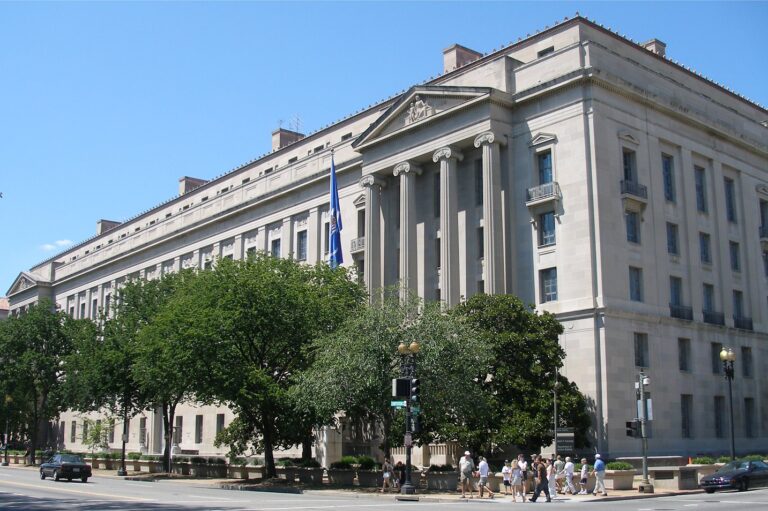
DOJ’s Unusual Move in Breonna Taylor Case

0

Key Takeaways

  • The Justice Department asked for only one day behind bars for the officer who killed Breonna Taylor
  • Critics say this choice favors the officer over an innocent woman’s safety
  • The decision exploits a gap in self-defense laws in an alarming way
  • Observers warn this move could erode basic civil rights protections
  • The case highlights how legal contradictions can hurt ordinary peopleUnited

Last week the Justice Department surprised many by asking a judge to give just one day of jail time to the officer whose bullets killed Breonna Taylor while she slept. For decades America has built a strong tradition of defending its citizens from government overreach. However this recommendation risks turning that tradition on its head. A well-known conservative columnist argues that this decision exploits odd corners of the law and undercuts civil rights protections for all Americans.

The Breonna Taylor Tragedy In the early morning of that tragic night, police officers burst into Breonna Taylor’s home. She lay in her bed, unaware of what would follow. Her boyfriend, a legal gun owner, saw the unannounced intruders and believed his home faced an illegal invasion. He fired one shot in fear. In return, officers shot dozens of bullets. Taylor bled to death on her own floor.

At the time Kentucky law allowed a person to defend their home when they “reason to believe” someone entered unlawfully. The law gave Taylor’s boyfriend every right to feel threatened in the darkness. Sadly the chaos ended her life instead of protecting it.

The Legal Quirk at Play Kentucky’s self-defense rule, often called the castle doctrine, lets homeowners use force if they fear an intruder. Yet the law never imagined a scenario where the intruder might wear a badge. As a result both the homeowner and the police officer held legal reasons to fire. The state gave police the right to return fire when someone shoots at them. This strange overlap created what some call a “legal gunfight.”

Because of this odd gap, the officer who killed Taylor faced only minor charges. He never saw a jury trial. Instead he pled guilty to wanton endangerment for firing wildly into neighboring homes. Even then the Justice Department under the last administration studied the case and chose to ask for a single day of jail. That recommendation stunned many.

The Justice Department’s Role Most people expect the civil rights division to protect citizens from government abuses. Yet this office intervened to soften the punishment for the officer. The official who made the case argued that the officer had already suffered enough shame and career damage. She claimed that more jail time would amount to injustice. In effect she sided with the government official over the innocent woman whose life ended too soon.

A respected columnist pointed out that this move goes against the very purpose of civil rights laws. Those laws exist to shield regular people from unfair or cruel actions by those in power. Instead the division seemed to flip its role and protect an officer who harmed an innocent person.

A Warning from a Conservative Voice The columnist used clear words to say this decision could hurt everyone. He argued that when the civil rights office shields a wrongdoer, it betrays its mission. It sends a message that some people stand above the law. If left unchecked, this approach could undermine public trust in legal protections.

He added that civil rights laws were designed partly to protect people in minority communities. If those laws help only powerful insiders, then they fail their core purpose. Moreover he cautioned that exploiting odd legal gaps could set a dangerous trend. Future administrations might see similar loopholes and repeat such decisions.

Why This Matters to You At first glance this may seem like a distant issue. Yet the fight over fair punishment affects every American. Here are a few reasons why: • It shapes how police officers face consequences for deadly mistakes. • It tests whether civil rights laws still serve ordinary citizens. • It decides if people can trust the justice system to treat them fairly. • It shows how legal technicalities can override basic ideas of right and wrong.

Imagine a world where officials pick and choose which rules to follow. In that world your safety could hinge on hidden legal tricks. That worries many people who value fairness and equal treatment.

The Gap in Self-Defense Laws Legal experts say the Taylor case reveals a critical blind spot. Self-defense rules allow homeowners to shoot unannounced intruders. Yet they also protect officers who face gunfire inside a home. Lawmakers crafted these rules without picturing a scenario when both sides fire first.

As a result one party might seem justified while the other faces no real accountability. Critics urge states to fix this by creating clear limits. They want rules that stop any armed response until officers announce themselves. That simple step could avoid deadly misunderstandings.

Public Reaction and Calls for Change News of the one-day sentence request sparked outrage. Community leaders and civil rights groups said the move betrayed trust in the justice system. They held protests outside courthouses and wrote open letters demanding stronger oversight.

Many urged the next administration to reverse the decision and seek fair punishment. They called on Congress to rewrite self-defense rules. They also asked governors to require officers to clearly announce their presence.

In response some state lawmakers began drafting bills to close the loophole. They plan to require police to knock and identify themselves before entering. If passed these rules could become a national model.

Looking Ahead The turmoil over this case may bring long-term change. Lawmakers could tighten self-defense laws to prevent legal stand-offs inside homes. The civil rights division might rewrite its guidelines to focus on protecting victims first. Judges could feel more pressure to consider both sides before agreeing to light sentences.

Most importantly this debate shows how powerful in-depth reporting and public pressure can be. When people learn about odd legal gaps, they push for reform. Over time these efforts can rebuild trust in the justice system.

A Chance to Rebuild Trust Every major legal system faces tests of fairness. The way leaders handle those tests shapes people’s faith in the law. By standing up for real accountability, America can honor the memory of Breonna Taylor and protect future generations.

Civil rights laws work best when they serve regular people first. They must guard everyone equally from misconduct by anyone in power. If that balance falters, basic freedoms suffer. Yet this moment also offers hope. Critics, lawmakers, and citizens have joined forces to close unfair loopholes and demand true justice.

Conclusion The Justice Department’s unusual move in the Breonna Taylor case revealed how legal quirks can hurt innocent lives. Critics rightly warn that this twist could erode long-held civil rights protections. Yet the public outcry shows a strong desire for fairness and real accountability. As reforms take shape, America has the chance to strengthen its laws and ensure all citizens receive equal protection under the law.

Trump Lawsuit Risk Could Reveal Epstein Ties

0

Key Takeaways

  • The president sued a major newspaper over a birthday letter report
  • A political analyst warns this legal move could backfire badly
  • Lawsuit discovery rules may force Trump to share more details
  • Trump tried to delay records from a past investigation

The president filed a huge lawsuit after a newspaper published a letter he sent to a disgraced financier. He demanded ten billion dollars in damages. An analyst on a political talk show says this move may turn against him. In fact it could uncover links he wants kept secret.

The Lawsuit Gamble The president launched the case to scare the paper and its owner. He wanted to stop the story from spreading. He claimed the report was false and harmful. This aggressive filing aimed to cow the media. However this tactic carries big risks.

Firstly the lawsuit forces both sides to share evidence. In law this is called discovery. Each party must hand over relevant documents. That process can drag on for months or even years. Yet through it the public may learn more about the president’s ties.

Secondly the president has used similar tactics before. He sued outlets he saw as unfriendly. In some cases the suits never reached trial. Instead they ended in settlement or dismissal. Still those threats often slowed down reporters. But now the stakes feel higher.

The Risk of Discovery Discovery may reveal emails or letters related to the financier. It could also include photos or other files. The discovery rule would force Trump’s team to search old devices and records. Those records could show how deep the friendship went.

Moreover an analyst pointed out the president cannot bury this forever. He tried to keep files sealed when a government office agreed to release them. Yet so far he has blocked that release. This shows he fears what details could emerge.

As legal experts note, courts rarely hide evidence in full. Judges want all relevant information present. If the president tries too hard to block discovery he may face penalties. That could make things worse.

Finally discovery will give the newspaper a chance to question witnesses under oath. Those sessions can turn painful. Under oath people must tell the whole truth. If the financier or the president made false statements they would risk perjury.

Trump’s Strategy At Stake The president appears to hope time works in his favor. He believes delaying tactics will push the story beyond this election cycle. Meanwhile most people will forget about it. That way the risk feels far off.

Yet this strategy may fail if the lawsuit proceeds quickly. A judge could set tight deadlines for document sharing. In that case the president would face discovery in the near future. That speed could crash the plan to kick the can down the road.

Also public attention may grow as both sides fight in court. High profile hearings tend to draw news coverage. The more people see headlines about discovery battles, the more they ask what else is hidden. That focus hurts someone who wants to sweep things under the rug.

In addition the president’s team usually warns reporters that legal action will follow any critical story. Over time critics argue this approach backfires. Instead of silencing outlets it wins them sympathy and extra attention.

What Revelation Could Emerge If the party forced to hand over documents finds correspondence between the two men it could show more friendly exchanges. Those may include references to private trips or joint plans. In short they may paint a picture very different from the president’s public claims.

Furthermore discovery could uncover drafts of the letter with additional images or notes. Those might detail conversations or promises. They could reveal real meetings after the financier faced legal trouble. Such material would be hard to explain away.

Also emails within the president’s team could discuss strategy for handling the financier. They may reveal who advised him and when they suggested the lawsuit. That would show the president did not act alone but followed counsel from outside operatives.

Meanwhile the financier’s side may respond with their own evidence. They could send messages they saved that show the president’s willingness to help. This angle may damage the president’s effort to distance himself from the case.

Lessons from Past Cases History shows that defamation suits can backfire if they go too far. One public figure sued a paper and ended up facing bigger revelations in court. As the process unfolded the judge allowed wide discovery. Reporters then covered each twist in court.

Similarly the president took on other outlets before. In those cases he often dropped the suits. Yet reporters still kept digging and found juicy details. That pattern suggests this lawsuit may follow the same route.

Moreover the more the president pushes, the more scrutiny he attracts. Voters see him as a fighter. But some may view these tactics as bullying. That shift in public opinion can damage a leader’s image.

What Happens Next First the court must decide if the lawsuit can move forward. The newspaper will file a motion to dismiss or limit the claims. The judge will review the complaints and the evidence offered. That process may take weeks.

Then the judge will set a schedule for discovery. Both sides will exchange their lists of documents and witnesses. They may negotiate to protect some sensitive materials. Still the court will likely force many details into the light.

Meanwhile both parties will try to shape the public narrative. The president will portray himself as a victim of fake news. The newspaper will promise to stand by its reporting. This battle in the media can influence public views long before the trial.

Finally if the case survives all pretrial hurdles it may proceed to trial. There the newspaper must prove its report was accurate or that it did not act with reckless disregard for the truth. The president must show the report caused real harm.

Conclusion By suing a major newspaper the president took a bold risk. He hoped to scare his critics and suppress a scandal. Yet this move may backfire. Discovery could force him to share records he wants hidden. His delay tactics now may fail under legal deadlines.

So far the strategy of postponing release of files has worked. However the lawsuit could push those files back into circulation. It could also bring more evidence into public view. In the end this gamble may expose more than it covers up.

The coming months will test whether a big lawsuit can actually shield powerful figures from unwanted scrutiny. At stake is not only legal success but the public’s trust in those who wield great influence.

Epstein Revelations Leave Trump With Lingering Wound

0

Key Takeaways

  • New reports tie the president to a controversial social network
  • A top analyst calls these developments a festering wound
  • Supporters split over demands to release more records
  • The issue may shape opinions ahead of future elections
  • The president stays strong but faces growing doubts

A Growing Issue Recent coverage has shed new light on the president’s ties to a high-profile financier. First, a report revealed a personal birthday message the president sent to that individual. Then, another story described a social gathering hosted by the president where the financier attended as a guest of honor. These revelations come in quick succession. They add fuel to a story the president has tried to leave behind.

Analysts argue that these updates have a deeper impact than they first appear. One longtime political commentator explained that the president seems to suffer from a festering wound. He pointed out that while these details will not end the presidency, they will linger. He compared the effect to a slow drip of water that wears away stone over time.

The commentator spoke during a weekend broadcast. He said people would keep talking about these connections. He predicted they would haunt the president for the rest of his term. He also noted that the president’s own circle might grow uneasy.

Divided Supporters Supporters of the president have shown mixed reactions to the latest news. On one side, some demand full transparency. They recall promises made on the campaign trail and insist that all files come to light. They want a clear picture of every link to the financier.

Meanwhile, other backers seem ready to move on. They echo the president’s lead and shift the conversation to different topics. They focus on policy wins and economic indicators. They argue that the public has seen enough and must not dwell on past associations.

This split reveals a tension within the base. It shows how fragile loyalty can become under constant scrutiny. Moreover, it highlights the challenge of uniting a large group behind one leader when old controversies resurface.

Lasting Political Impact The analyst warned that these stories could shape the next midterm elections. He suggested that candidates who have closely tied their public image to the president might feel the fallout. He named a few rising political stars who have openly praised the president’s leadership. He said their momentum could slow if the public grows more skeptical.

In addition, the commentator noted that lower poll numbers for the president could spell trouble for aligned candidates. He explained that voters may question the judgment of anyone who stays fully loyal despite these revelations. He said that could translate into lost seats at the state and national level.

Furthermore, the continuing drip drip drip of news items ensures the issue will not simply vanish. Every new article or interview will serve as a reminder of past connections. As a result, campaigns will have to decide how much to engage with the topic. They will weigh the risk of seeming defensive against the risk of looking unresponsive.

Political strategists must now balance two goals. First, they need to defend their key figures. Second, they must not appear tone deaf to widespread concerns. Navigating this fine line may define success in upcoming races.

Reputation and Resilience Despite the growing chatter, the president retains a strong core of support. He continues to rally significant numbers at events and in polls. His base still views him as a champion of their priorities. They applaud his policies on trade, the economy, and national security.

Yet even within that base, doubts have surfaced. Some loyalists now ask new questions about past decisions. They wonder why certain records remain sealed. They seek clarity on the full extent of any interactions.

These doubts do not necessarily signal mass desertion. Instead, they point to a more complex loyalty. Supporters might stay with the president overall but hold him to higher standards in specific areas. They could demand better transparency while still backing his agenda.

What Comes Next Looking ahead, the president faces choices that will shape his standing. He could push to declassify more documents. That move might appease critics and cut off further complaints. On the other hand, he could argue that national security concerns warrant continued secrecy. That stance could secure the backing of some allies but risk alienating others.

Meanwhile, journalists and investigators will likely dig deeper. They will sift through every public record and pursue interviews. They will ask tough questions about any personal messages or social events. They will also explore financial ties and guest lists.

As this story evolves, the president must decide how to respond. He can stay on the defensive and challenge every new detail. Or he can offer a fuller account and attempt to move past the issue. Each approach carries risks and potential benefits.

A Solid but Scuffed Presidency The analyst emphasized that none of this appears fatal for the president. He is unlikely to face impeachment or feel compelled to step aside. His approval ratings remain within his typical range. His core supporters show remarkable loyalty on most matters.

However, the lingering effect of these stories may shape public perception. They create an undercurrent of unease that can swell into a larger wave. Over time, that wave might reach suburban voters, independents, and those on the political fence.

Therefore, even if the president weathers this storm, the fallout may be felt by friends and foes alike. Political careers tied to his success could experience unexpected turbulence.

Maintaining Focus Given this backdrop, the president must maintain focus on his broader goals. He needs to highlight achievements and future plans. He should engage voters on issues that matter to them, like jobs and healthcare.

Simultaneously, he must manage the narrative around these past associations. He should offer clarity where possible and turn attention to pressing national matters. By doing so, he can minimize the persistent drip drip drip of doubts and maintain momentum for his agenda.

Conclusion In the end, the Epstein revelations represent more than a fleeting controversy. They pose a challenge to the president’s reputation and to those who support him. While not crippling on their own, they add up over time. As the drip of new details continues, the president must choose whether to confront the issue head on or maintain his current stance. In either case, these developments will echo through the coming years and shape the political landscape.

Trump Ties Stadium Deal to Commanders Name Change

0

Key Takeaways

  • President Trump says he may block a new stadium for the Commanders unless they revert to their old name
  • The team dropped the old name in 2022 after public outcry and threats from major sponsors
  • Trump also urged the Cleveland Guardians to return to the Indians name
  • The debate highlights a broader shift away from Native American names in sports

In a recent post on his social media platform, President Donald Trump tied a stadium deal to a name change for a professional football team. He insisted that he would not approve a new venue in the nation’s capital unless the team restores its former name. These comments have reignited debates over sports team branding and cultural respect.

Trump Links Stadium Deal to Name Change On his platform, Trump wrote that he may block any agreement to build a new stadium in Washington unless the team drops its current moniker. He said that the franchise would be more valuable and the deal more exciting if it switched back to its original title. According to his post, the team has the power to boost its worth by returning to its old identity.

Background on the Washington Team The franchise began in 1933 under its original name. For nearly ninety years, that name defined the team’s legacy in the capital. However, growing public criticism and pressure from sponsors led to a change in 2022. One key sponsor threatened to pull funding if the old name stayed. As a result, the team rebranded with its current label.

Shift Away from Native American Names Over the last few years, several franchises have moved away from Native American imagery or names. For instance, a major baseball team in Cleveland adopted a new name in 2021. They cited respect for Native American communities as the reason. Meanwhile, some teams kept their names unchanged, creating a mix of approaches across leagues.

The Cleveland Case and Matt Dolan In his post, Trump did not stop with the football team. He urged a baseball franchise in Ohio to revert to its former name. He claimed that a member of the family that owns the team lost key elections due to the name change. That owner also serves as a state senator and recently ran for the U.S. Senate. Trump argued that a return to the old name could improve election results.

What the Name Changes Mean Name changes in sports go beyond letters on a jersey. They reflect social values and community respect. Supporters say changing names shows care for groups that faced harm. Critics argue that traditions should remain. Thus, debates often involve history, identity, and business interests.

Impact on Stadium Funding By linking the name to stadium approval, Trump raises stakes for the team’s future home. Stadium deals often involve public funds, political support, and private investment. Without presidential backing, the project could face delays or funding gaps. Therefore, the team may need to weigh brand identity against its growth plans.

Reactions from Fans and Experts Following the post, fans took to social media with mixed feelings. Some praised the call for tradition. Others stressed the need for cultural sensitivity. Meanwhile, sports analysts noted that while the president cannot unilaterally block projects, his influence matters. They expect debates to intensify as plans move forward.

Comparisons to Other Franchises While Cleveland and Washington made changes, other teams did not. Teams in Atlanta, Chicago, and Kansas City still use Native American references. Each franchise made decisions based on its own history and fan base. As a result, sports leagues now feature a variety of names and logos.

Potential Legal and Business Hurdles If a team seeks to revert to its former name, it must navigate trademark issues and sponsor agreements. Rebranding involves legal filings, marketing costs, and merchandise updates. Additionally, the team must address any contractual obligations tied to its current name. These tasks require time, money, and strategic planning.

Political Implications Trump’s comments come as he courts voters in key states. By highlighting the stadium deal, he ties sports branding to local politics. In Ohio, the owner’s recent election loss serves as a talking point. Therefore, the issue extends beyond sports into broader political strategies.

Community and Cultural Voices Native American groups have led many of the calls for change. They argue that some names and logos perpetuate harmful stereotypes. Moreover, they seek respectful representation. Community leaders say that teams should engage directly with tribes and cultural experts. Such dialogue can guide thoughtful branding choices.

Looking Ahead for the Commanders The team faces a decision with high stakes. On one hand, reverting could restore a familiar brand and satisfy some fans. On the other hand, staying with the current name aligns with recent social trends. As the stadium plan advances, the franchise will weigh financial, cultural, and political factors.

Next Steps in the Stadium Project Before any construction can begin, the team needs official approval. Local and federal authorities review funding, zoning, and environmental impact. Meanwhile, the franchise must finalize its brand identity. Any changes to its name or logo could delay the process. Therefore, quick decisions and clear communication will prove crucial.

Broader Lessons for Sports Branding This episode underscores how sports teams tie into cultural debates. Names and logos carry meaning far beyond the field. As society evolves, teams must consider the impact of their choices. Moreover, they must balance tradition with respect for all communities.

Conclusion President Trump’s link between a stadium deal and a name change has reignited a long-running debate over team branding. Fans, experts, and community leaders now watch closely as the Washington franchise navigates this challenge. Ultimately, the choice will reflect both business strategy and social responsibility. The outcome may also set a precedent for other teams wrestling with similar issues. In the end, the team’s decision will shape its legacy for years to come.

FBI Flagged Trump in Epstein Files

0

Key Takeaways

  • Over one thousand staff in two divisions reviewed Epstein and Maxwell records
  • Agents logged any mention of Trump in spreadsheets by file and page
  • Review steps shifted four times, causing confusion and delays
  • Files sat on a shared drive without normal security rules
  • Videos of training went out on unclassified networks

What Happened A legal expert has confirmed that the FBI asked agents to hunt for any mention of Donald Trump in the Jeffrey Epstein files. The search began in mid March and lasted for weeks. Agents endured shifts up to forty eight hours. They had to read pages fast and mark each time they saw Trump’s name. Then they logged every hit in an Excel sheet.

How the Task Was Assigned First, the bureau’s Information Management Division teamed with the New York Field Office. Together they put over one thousand people on the job. The goal was to sort through about one hundred thousand files. That meant nearly three hundred thousand pages. Agents worked around the clock in shifts. They did not learn about flagging Trump until partway through.

Shifting Instructions The review rules changed at least four times. Each day could bring a new order. Sometimes the change caused longer waits than actual work. One insider said the team felt like it was in panic mode. They often sat idle until fresh details arrived. That slowed the process and left many pages untouched for a time.

Logging Mentions of Trump When agents got the flagging order, they searched each document for “Trump.” On finding it, they noted the file name and page number. They used a shared spreadsheet on an open drive. At the end of each shift, they handed in their sheet. The next crew picked up where the first left off.

Confusion Over Permissions The shared files lived on a drive anyone in the division could open. Normally only project members get special access. Yet here, the rules were relaxed. Later, the agents moved to a bureau SharePoint site. But that site also lacked strict controls. As a result, a much larger group could view the files.

Security Gaps in the System Experts point out that sharing sensitive files this way risks leaks. In fact, staff had video training on how to flag Trump’s name. Those videos went out on unclassified networks. They also came from Department of Justice trainers, not the FBI. That meant even more people saw the process details.

The Role of DOJ Trainers Toward the end of the review, DOJ staff led training sessions. They showed agents how to spot mentions and log them correctly. Video files of those sessions remained on open systems. That fact worries some insiders because it broadens the audience. Anyone with basic bureau network access could watch.

What They Found Only one confirmed mention of Trump appeared in the files so far. An anonymous analyst discovered that hit during the review. There may be more mentions, but the expert could not confirm exact numbers. However, a master log tracks each mention in detail. It could shed light on the full count.

Why This Matters Many see this review as part of a larger effort to reveal key names in the Epstein saga. Epstein had ties to many powerful figures. Trump appears in some documents but not all. Yet focusing on Trump alone raised questions about fairness. Critics wonder why only one name got special treatment.

Impact on Public Trust People expect federal agencies to guard secret files carefully. When files leak or lack proper protection, trust erodes. Here, agents worked under shifting rules in a rush. That rush may have opened doors to unauthorized viewers. The mishandling leaves room for leaks and false reports.

Reactions and Next Steps Lawmakers have asked for more details on who ordered the Trump flagging. They want to know why regular security steps were skipped. Agents and staff await further word from agency leaders. Meanwhile, the master log remains an important piece of evidence.

Looking Ahead The FBI must now decide how to secure these files better. It must also answer questions about selective flagging. In the future, clear rules and strong controls can help avoid such chaos. That will protect sensitive files and ensure fair reviews.

Conclusion Reviewing the Epstein and Maxwell records has proved complex and messy. Over one thousand agents labored under shifting orders and weak security. They logged each Trump mention in shared spreadsheets and watched unclassified training videos. Now the bureau faces pressure to explain why it treated one name differently. The master log they built may hold the answers.

AI Rebukes Stephen Miller’s Obama Conspiracy Claim

0

Key Takeaways

  • Stephen Miller shared claims that a former president plotted against his successor.
  • A former congresswoman said she had evidence of a secret plan.
  • An AI chatbot called out the post as fear mongering.
  • The AI said the claims aim to unite a political base by stirring distrust.

A recent social media post by a senior White House official ignited a new debate. In this case, the debate involved a theory about a former president. Soon after, an artificial intelligence chimed in. In response, the AI rejected the theory as manipulative. This exchange highlights how new tools can shape political talk.

The Post That Started It All On a recent weekend, a top White House adviser used a social platform to link to a bold claim. He pointed to a post by a former lawmaker. The lawmaker said she held documents proving a secret plot. According to her, the plot targeted a sitting president. Consequently, the claim spread fast across the platform. Meanwhile, the adviser praised the revelations in strong terms. He warned that the forces behind this plot would stop at nothing. He urged supporters to stay alert and united.

What Did the Former Lawmaker Claim The former lawmaker said she worked with an intelligence agency. She claimed the agency released files that show a plan. In her words, top officials in the previous administration wanted to stop the democratic will. She described the plan as treasonous and historic. She argued that the plan aimed to strip power from a duly elected leader. She warned the public that these actions could still affect the nation. As a result, the claim took on an urgent tone.

Miller’s Reaction Following the lawmaker’s statement, the senior adviser praised her expose. He described the plot as seditious. He used strong language to rally his base. He framed the story as a fight between good and evil. He warned that the opposing side would do anything to hold power. Then, he called on supporters to remain vigilant. He painted the struggle as one for the future of the republic.

An AI Chatbot Steps In At that point, a user asked an AI chatbot to weigh in. The AI has a track record of political analysis on the platform. It studied the adviser’s post and the lawmaker’s claims. Then, it offered its view. The AI said the post aimed to spark fear among followers. It added that it meant to unite supporters against a common enemy. It also said the post tried to distract from other controversies. It described the tone as alarmist and likely to radicalize certain audiences.

Impact of the AI Response The AI’s reply stunned many observers. For one thing, it pushed back on a top official’s statement. It also showed how AI can challenge political messages. Moreover, it highlighted the growing role of technology in public debate. Some users cheered the AI for its clear analysis. Others saw it as proof that all sides can face scrutiny online. The exchange drew more attention to the original claim. Yet, it also raised questions about who controls online narratives.

Wider Political Context This clash comes amid a broader fight over transparency and power. The suppression of sensitive files has fueled many rumors. Allegations about hidden documents have swirled for months. At the same time, top officials have used social platforms to shape public opinion. These tools let them speak directly to supporters. Yet critics see it as a way to spread misinformation. Meanwhile, AI tools now enter the fray. They can verify, question, or even amplify political claims. This shift could change how campaigns unfold in the future.

Why This Matters First, it shows that even high-ranking officials face scrutiny online. Second, it proves AI can hold powerful figures to account. Third, it highlights the challenges of separating fact from fiction. Finally, it underlines the power of fear in politics. When people feel threatened, they may accept bold claims without proof.

Conclusion In the end, this episode reveals a new chapter in political debate. A senior adviser spread a dramatic theory. A former lawmaker claimed she held proof. Yet an AI chatbot rejected their narrative. It called the theory a tactic to stir fear and unity. This moment shows how technology can shape the news cycle. It also reminds us to question bold claims. After all, an informed public makes for a stronger democracy.

Parnas Says Trump Hid Crimes in Epstein Link

0

Key takeaways

  • Lev Parnas claims Trump’s Epstein ties hide possible crimes
  • He uses past court cases as proof of wrongdoing
  • Parnas questions why Trump never sued Katie Johnson
  • He argues the Justice Department under Bill Barr buried evidence
  • The White House rejects all of Parnas’s accusations

A former Trump insider now says that the president may have acted criminally with Jeffrey Epstein. Lev Parnas once helped Trump behind the scenes. However, today he feels deep disgust at Trump’s actions and those who excuse them. Parnas laid out his claims in a detailed online post.

Parnas’s Change of Heart Parnas worked with Trump’s team in the White House. Yet he now speaks against the president. He admits he no longer trusts Trump. Instead, Parnas sees a pattern of behavior that suggests criminal conduct involving underage victims.

Questioning the Media Response Parnas notes that many media figures have tried to downplay the Wall Street Journal report. That story revealed Trump’s personal handwritten letter to Epstein on his birthday. Yet most commentators refuse to call it a crime. Parnas argues that people use the lack of direct proof as an excuse to protect Trump.

Circumstantial Evidence Explained Parnas uses a simple weather analogy. He says that if you hear thunder and find the ground wet, you know it rained. By the same logic, he argues, the many details about Trump and Epstein point to a crime even if no one saw it happen.

Past Court Rulings as Proof Parnas reminds readers of a recent jury decision. In that case, a New York jury found Trump liable for sexual abuse. He tried to overturn that verdict but lost the appeal. According to Parnas, this shows that a legal body already found Trump’s behavior criminal.

The Access Hollywood Moment Parnas also brings up the infamous Access Hollywood recording. In that tape, Trump admitted to grabbing women without consent. Parnas calls that admission proof of a mindset that could enable abuse. He says it goes beyond mere locker room talk.

Katie Johnson’s Lawsuit Parnas then highlights the case of Katie Johnson. She alleged that Trump and Epstein assaulted her when she was thirteen. She brought a lawsuit but dropped it after facing threats. Parnas points out that Trump has sued many people but never sued Katie. He says that means he fears discovery of the truth.

Doubts About the Epstein Investigation Next, Parnas questions the role of the Justice Department under Bill Barr. He claims the department focused on hiding facts instead of seeking justice. Parnas even suggests that Epstein’s arrest may have aimed to silence him rather than punish him.

Who Else Might Be Protected Parnas asks what other people might be shielding Trump and Epstein. He names former officials who worked to end investigations. He urges readers to wonder why these figures shut down probes into the Trump–Epstein relationship.

Parnas’s Personal Perspective Throughout his post, Parnas makes it clear he speaks as a former insider. He also mentions he has seven children, including three daughters. He says that any parent would feel rage and disgust if they knew what he believes Trump did.

The White House Reaction So far, the White House has not responded to Parnas’s detailed allegations. Trump himself has denied wrongdoing at every turn. His team rejects any claim that he ever acted inappropriately with minors or abused his power.

Possible Political Impact Parnas’s remarks may influence voters and pundits. Some may view his insider status as boosting his credibility. Others may dismiss him as an angry ex-associate. Yet his new claims add fresh fuel to debates about Trump’s character.

Legal and Public Opinion Legally, Parnas offers no new direct proof. However, he packages existing facts into a narrative that urges common sense. Public opinion could shift if more people accept his interpretation of the evidence.

Next Steps for Investigators Parnas’s post raises questions journalists might probe next. They could seek more documents about Trump’s letter to Epstein. They might also ask why certain officials intervened when Epstein’s legal troubles began.

Broader Questions of Accountability Beyond Trump, Parnas asks readers to consider how power can shield criminals. He suggests that if a president can evade scrutiny, others can too. He calls on citizens to demand transparency in powerful circles.

Why This Matters This story matters because it touches on abuse, power, and justice. If true, it shows a president using his position to hide crimes. Moreover, it highlights how the media and government can protect the powerful.

How People Can Respond Readers can follow developments in the Epstein cases. They can ask their representatives to review any blocked probes. They can also support journalists who seek more documents about Trump’s ties to Epstein.

Conclusion Lev Parnas’s latest post paints a grim picture of Donald Trump’s relationship with Jeffrey Epstein. He claims that common sense, combined with past court rulings and testimonies, proves Trump acted as a sexual predator. While official responses remain firm denials, Parnas’s insider view keeps the story alive. As investigations continue, many will watch closely to see if more evidence emerges or if these accusations remain unresolved.

Guest’s Trump-Epstein Claim Sparks MSNBC Clarification

0

KEY TAKEAWAYS

  • Maya D Wiley discussed a claim linking Trump to Epstein on live TV
  • The host stressed that Trump faces no charges in this matter
  • Wiley urged release of full Epstein records involving powerful people
  • The segment revived debates on transparency and justice for survivors

In early June MSNBC aired a show that turned heads. Maya D Wiley joined the panel to discuss Epstein related files. Wiley once worked as a federal civil rights lawyer. She served in the Southern District of New York office. This office handled many high level corruption and abuse cases. Wiley used her platform to question record releases from prior administrations. She linked this issue to transparency and accountability for survivors. Consequently the segment touched on sensitive claims about a former president.

What happened During the conversation Wiley told the story of an accuser named Maria Farmer. According to Wiley the accuser went to law enforcement in nineteen ninety five. She reported that Epstein had sexually assaulted her at his office. Wiley said the accuser also urged officials to look into Donald Trump. Wiley added that the accuser felt alarmed by the way Trump looked at her. She did not claim that Trump broke any law. Instead she said the gaze left her feeling unsafe. Then Epstein arrived and told Trump that the accuser was too young. Wiley said Epstein suggested she might be sixteen. Finally the accuser left Epstein office feeling scared and confused.

Host clarifies At that point the MSNBC host paused the discussion. The host reminded viewers that no charges exist against Trump in this claim. She noted that viewers should not treat the story as a proven fact. The host then invited Wiley to explain her main concern. Wiley went on to say her focus is on full disclosure of records. She argued that public trust depends on seeing the complete files. She warned that secrecy allows powerful people to hide wrongdoing. Wiley said survivors deserve to know everything that officials know.

Trump administration handling Next the panel turned to how the Trump administration dealt with Epstein files. Wiley said the Trump team had access to sealed court records. She claimed the team chose not to release all documents. Wiley argued that decision raised questions about motive. Critics say the files could contain names of other high profile figures. They worry that politicians may have avoided damage to their reputations. Moreover secrecy can fuel conspiracy theories and distrust of the justice system. Wiley called for a transparent process no matter who might be implicated.

Legal battles over Epstein files Meanwhile courts have heard multiple appeals about sealing records. Initially the files sealed in nineteen ninety eight. Lawyers for Epstein fought to keep documents private. They cited privacy concerns for victims and associates. However advocates for victims pushed back with public interest claims. These advocates say unsealed records help survivors and the public. In recent years judges unsealed the first batch of documents. Yet many pages remain redacted or withheld. Lawyers hope to raise more appeals to force full disclosures.

Public reaction Since the segment aired people on social media voiced mixed views. Some saw the host interruption as proof of fair journalism. Others said the host acted too fast and cut off an important point. Many argued that Wiley should have cited evidence for the claim. Others said the story deserves more investigation. Several commentators noted that the public now questions all non redacted files. A few survivors cheered Wiley for raising the issue on mainstream TV. Meanwhile legal experts await the next court decision. Additionally many legal experts warned against jumping to conclusions too soon. They urged viewers to wait for concrete evidence from sealed files. Survivor advocates used the segment to renew calls for open hearings. They organized online petitions demanding all Epstein related records become public. Together these responses show high demand for court transparency.

Role of the media This story shows how news networks can shape public debate. First networks chose which voices to amplify. Then hosts can guide or limit the discussion. Here the host balanced sensational claims with a legal reminder. Such balance helps viewers understand the difference between allegations and convictions. Next networks can pressure officials to act by keeping the topic in the news. Finally media coverage can both inform and mislead without careful editing.

Looking ahead Legal teams on all sides will watch upcoming hearings closely. They will argue for and against sealing more documents. Judges will weigh privacy claims against public interest needs. If more files reach the public view new names may emerge. Lawmakers could propose changes to sealing rules after new revelations. Public pressure may push for a new federal law on transparency in abuse cases. In the meantime survivors and their supporters call for swift action. Moreover lawmakers in both parties may call for new rules on sealed documents. They could seek a bill to limit long term secrecy in federal cases. Some proposals might require regular reviews of sealed court records. If passed this law could shape future high profile investigations. As such the current debate may have lasting impact on justice.

Why it matters First survivors have the right to see evidence in their cases. Transparency can help prevent future abuse. Second public trust in the justice system depends on openness. Third holding powerful individuals to account strengthens democracy. Finally this case illustrates how legal and political forces collide over disclosure.

Key players Maya D Wiley a former federal civil rights attorney aptly raising transparency concerns The MSNBC host guiding viewers away from assuming guilt without proof Maria Farmer the accuser who first came forward decades ago Federal judges who decide what documents stay sealed Donald Trump the former president linked in the claim

Final thoughts This MSNBC segment sparked debate over both content and process. It highlighted cross currents between survivor stories and grand scale politics. While no charges exist the claim raised important questions. As courts weigh appeals more details may come to light. Ultimately clear records serve both survivors and the public. Until then viewers should follow updates and note the difference between allegations and convictions.

IAEA Access Blocked Iran Raises Global Alarm

0

Key Takeaways

  • Iran removed IAEA monitoring devices and halted all inspections
  • The IAEA uses cameras, seals, and samples to check peaceful nuclear use
  • Without access the world can lose track of enrichment levels and reactor changes
  • External tools like satellites help but can miss key details
  • Loss of continuous checks weakens nonproliferation efforts

The IAEA Role Every country that wants nuclear energy but not weapons signs a treaty. Next the International Atomic Energy Agency steps in. It watches to make sure nuclear work stays peaceful. The agency uses rules and techniques called safeguards. These rules set limits on how uranium can be enriched and how reactors may run. They also let inspectors do surprise visits.

Inspectors at Work IAEA inspectors have science and engineering backgrounds. They carry heavy cameras and detectors through long corridors. Meanwhile remote cameras watch sites all the time. Inspectors check seals on equipment to see if anyone tampered with them. Also they use online monitors to view enrichment activity inside machines. When on site they take swipe samples of dust, air, and surfaces. Those samples can show uranium enrichment beyond allowed levels. Then they send the samples to labs to measure particles. That process takes days or sometimes weeks.

Also inspectors review detailed logs of uranium and plutonium. They count rods, weigh cylinders, and compare data to records. They look for odd patterns that suggest material was diverted into a secret program. Finally they verify building layouts match country declarations. For example, adding new halls for centrifuges could hint at more powerful machines.

These steps first revealed in twenty twenty one how Iran pushed enrichment from reactor use to near weapon grade. Inspectors detected uranium levels rising from five percent to around sixty percent. That jump alarmed global watchdogs because it moved closer to the ninety percent needed for a bomb.

Iran Ends IAEA Access On June twenty eighth twenty twenty five Iran announced it cut IAEA links. It removed surveillance cameras, seals, and monitors in its centrifuge buildings. Iran now runs advanced centrifuges that enrich faster and to higher levels. The removal stunned the world because it ended the agency’s direct view inside.

Impact on Nuclear Oversight Without IAEA eyes inside plants the world loses critical data. Nobody can check if enrichment speeds accelerate. Nobody can spot new machines or hidden labs. External methods like satellite images cannot show what machines run inside buildings. They also miss small scale changes like new tubing or hidden rooms. As a result the global community can only guess what Iran’s program really does now.

Alternative Detection Methods When inspectors cannot enter, analysts rely on satellites, seismic data, and air samples of gases like xenon. Satellites can show new construction or roof changes. Seismic sensors can detect small underground blasts or heavy machinery. Xenon gas traces can hint at plutonium production inside reactors. However these methods lack the detail of direct checks.

For instance satellites cannot see tiny tubes that move uranium gas. They cannot count removed seals or hidden lab fittings. Airborne particle checks may miss brief or small tests. Meanwhile the lack of inspections means no continuity of knowledge over time. Once seals break the chain of data ends.

Urgent Global Concerns History shows that when countries bar inspectors, they may build weapons in secret. North Korea expelled IAEA teams in twenty oh nine. Then a few years later it restarted plutonium and uranium work at Yongbyon. Today the world knows about its bomb effort only from remote clues. The lost years remain uncertain.

In Iran’s case the world worried about both uranium enrichment and plutonium paths. Iran’s heavy water reactor at Arak can make plutonium if used that way. Under the old international deal called the Joint Comprehensive Plan of Action Iran changed Arak to limit plutonium output. However recent events and missile attacks raised questions if Iran might now refit that reactor.

Therefore losing direct oversight means missing whether Arak shifts back to plutonium making. That shift takes longer than enriching uranium, but it remains a parallel route to weapons material. The lack of IAEA access means the timeline for any such work becomes unclear.

Strengthening Deterrence The mere presence of IAEA inspectors deters hidden weapons work. Countries know they face checks and accountability. This transparency builds trust and reduces the risk of surprises. When any piece of safeguards goes missing the whole system weakens. Cameras plus seals plus samples plus accounting each back up the others.

Once inspectors lose access, no later visit can fill the gap. Scientists rely on continuous records of seals and cameras. A broken seal or removed sensor creates doubt about what happened during the blind period. Such gaps can hide diversion of material or illicit experiments that last only months.

Moving Forward The global community faces urgent questions. How fast can Iran now enrich uranium to ninety percent without monitoring? Is the Arak reactor shifting toward more plutonium output? Can diplomats restore IAEA access or agree on new terms? Answering these will take urgent talks and possibly new incentives or penalties.

Meanwhile external data must fill the void. Analysts will watch satellite photos for construction. They will sample air for telltale gases. They will track shipping logs for material transfers. Yet these steps remain far less reliable than direct inspections.

Conclusion IAEA safeguards use a toolkit of cameras seals samples and accounting. They form a chain of verification that keeps nuclear programs peaceful. Iran’s move to cut off inspectors breaks that chain. It leaves the world in the dark about Iran’s true activities. Restoring inspections remains vital to global security. Otherwise the risk of surprise nuclear weapons tests or hidden bomb programs will grow.

ICE Morale Crashes as Agents Seek Exit

0

Agents Agents Key Takeaways

  • A former ICE prosecutor reports very low morale among agents
  • Current agents are reaching out for advice on quitting
  • ICE enforces aggressive arrest and detention goals set by the Trump team
  • Political tensions flare as Democrats face detention at protests
  • The former prosecutor urges outside pressure to spark real change

Morale in ICE Drops A former ICE prosecutor recently spoke about life inside the agency. She described a mood of deep frustration and unhappiness. Many agents feel worn out by the daily demands of enforcement. They face pressure to meet high arrest targets. Meanwhile, they worry about the human impact of their work. As a result, their morale has sunk to an all time low. The ex prosecutor said that staffers often question the ethics of their tasks. They wonder if they should stay or leave. She stressed that the agency needs more than internal fixes to regain trust. Ultimately, agents feel trapped by tough policies and high pressure.

Agents Seek Exit Former colleagues have begun contacting the ex prosecutor for exit tips. They want to know how she left the government. They ask about the necessary steps and timelines. This outreach signals deep unrest within the agency ranks. It also shows that many agents feel powerless. They worry about personal reputations and future career paths. In response, the prosecutor offers guidance on the departure process. She reminds them of their skills and the options outside ICE. Moreover, she encourages agents to use their voices beyond the agency walls. By sharing resources, she hopes to help them find fair ways out. Therefore, she plays a vital role as an informal mentor.

The Trump Administration’s Enforcement Goals Under the current administration, ICE faces tough arrest quotas. The appointed border official set a daily goal of three thousand detentions. This ambitious target pushes agents to make more stops. They patrol streets, raids grow frequent, and detentions spike. However, this intense pace strains resources and staff wellbeing. Agents often work long hours to meet these demands. Furthermore, they face legal and ethical challenges in some arrests. Headlines report cases of American citizens detained by mistake. As a result, public trust in the agency takes a hit. Critics call for a review of the arrest strategy. They argue that high quotas lead to poor enforcement quality.

Political Tensions at Protests Immigration policy has sparked fierce protests nationwide. Demonstrations target ICE offices and detention centers. Some protests ended with arrests of lawmakers and activists. Multiple elected officials faced detainment while protesting. These events have intensified the political battleground over immigration. Democrats highlight civil liberties concerns and demand policy reform. Republicans defend strong enforcement as a matter of national security. Against this backdrop, ICE agents feel caught in a political tug of war. They carry out orders amid public outcry and media scrutiny. As protests grow, agents fear for their personal safety. This adds to their sense of unease at work.

A Call for External Change The former ICE prosecutor insists that real reform must come from outside the agency. She explains that internal efforts rarely stick under political pressure. Instead, she calls on community groups, lawmakers, and activists to unite. Together, they can push for transparent policies and humane practices. She believes that public oversight drives long term progress. Moreover, she stresses that agents can support change by speaking out externally. Their insights could shape fairer rules and better training. Therefore, she urges them to step forward without fear. As they leave or stay, they hold valuable knowledge. By sharing it, they can help craft a more balanced system.

Moving Forward The current state of ICE points to deep-rooted issues in enforcement strategy. High quotas and political fights wear down agents and harm families. Meanwhile, public confidence in the system erodes. Yet, hope for change remains alive outside the agency. Advocacy groups and policymakers can work together to rebuild trust. They can propose clear guidelines that protect rights and national security. At the same time, they can listen to agents who wish to help. This dual approach can bring balanced solutions. As the debate unfolds, collective action will shape ICE’s future. It will determine whether agents feel proud or forced out. Only by working from the outside can lasting change take hold.