65.5 F
San Francisco
Friday, July 24, 2026
Home Blog Page 658

Is a Government Shutdown Closer Than We Think?

0


Key Takeaways:

  • Talks to avoid a government shutdown are stuck in the Senate.
  • Top Senate leaders, John Thune and Chuck Schumer, aren’t speaking directly.
  • Bipartisan cooperation is needed to pass a stopgap bill.
  • A shutdown could pause government services and affect millions of workers.

Government Shutdown: Why Bipartisanship Matters Now

The United States might be heading for another government shutdown, and things aren’t looking good in the Senate. The people who are supposed to fix this—Senate Majority Leader John Thune and Minority Leader Chuck Schumer—aren’t even on speaking terms.

That’s bad news for anyone hoping for a quick solution. If the two major political parties in the Senate can’t work together, the government could soon run out of money. If that happens, many federal workers won’t get paid, government programs will pause, and national parks might close down. So, what’s holding everything up—and can this shutdown be stopped?

Tension Builds in the Senate

Normally, when the government runs out of money, Congress passes a temporary bill called a “stopgap” to keep things running. This gives lawmakers more time to sort out a longer budget plan. But right now, even this short-term fix is in trouble.

Senators from both parties know time is running out. Still, Thune and Schumer continue pointing fingers instead of finding common ground. Without them coming together, convincing their parties to take action will be tough.

Republican John Thune wants budget cuts and tighter spending rules, while Democrat Chuck Schumer wants to protect social programs and keep current funding levels stable. They’re both standing firm—and it’s freezing progress in the Senate.

A Government Shutdown Hurts Everyone

If senators don’t pass a funding bill soon, many parts of the government will shut down. That includes services we use every day, like passport offices, national parks, and some medical programs. Airport security lines could grow longer, and government workers won’t get paid—at least not right away.

Students applying for college loans might see delays. Veterans could face postponed benefits. Even food safety checks might slow down. In short, a shutdown doesn’t just affect politicians—it hits normal people hard.

What’s the Stopgap Bill About?

The stopgap bill is supposed to act as a temporary patch to keep everything running until a real budget is figured out. It holds back the shutdown and helps the government keep paying its bills.

Yet, passing even this simple idea has become difficult. Both sides agree they don’t want a shutdown, but they can’t agree on how the temporary budget should look. Spending priorities are different. Republicans want to curb what they see as reckless spending. Democrats want to keep funding programs they believe protect the public.

Why Aren’t Thune and Schumer Talking?

That’s the big question. In Washington, meetings and negotiations are essential. Usually, even opponents talk more than these two current leaders are right now. Sources describe the relationship between Thune and Schumer as “frosty.” They haven’t sat down together in days, and when they do speak, the tone is tense.

Without open communication between the majority and minority leaders, progress slows. And when emotions run hot, deals are even harder to reach. If they don’t patch things up soon, the shutdown becomes more likely by the day.

What Role Do Other Senators Play?

While Thune and Schumer have the spotlight, other senators could still help break the deadlock. Many are urging both party leaders to talk and compromise. Bipartisan groups are working behind the scenes, trying to craft a deal that pleases enough senators to pass.

Some moderate Republicans and centrist Democrats have floated alternate ideas—reducing spending slightly while keeping core programs funded. But so far, these plans haven’t gained enough traction.

Still, there’s hope that pressure from these senators could push both leaders closer to a solution. Neither side wants to be blamed for causing a shutdown during an election year.

What Happens if There’s No Agreement in Time?

If no deal is reached, a government shutdown begins. That means thousands of government buildings might close. Workers considered “nonessential” will be sent home. “Essential” workers—like air traffic controllers, military personnel, and border agents—will still work, but without immediate pay.

Not only does this hurt workers, but it also damages public trust in Congress. Confidence in American leadership drops every time the government closes over a funding fight.

Shutdowns also waste money. Restarting programs and rehiring temporary workers costs millions. Plus, the country’s credit rating could go down if leaders can’t agree on a basic budget.

Is There Still Time to Avoid a Government Shutdown?

Yes—but it’s shrinking fast. To avoid a government shutdown, both John Thune and Chuck Schumer need to talk, compromise, and guide their parties toward a unified plan.

The core keyword here, government shutdown, hangs over every part of this issue. It affects public services, everyday workers, and even national security. Bipartisanship is not just a political buzzword—it’s the only path forward.

If past budget battles in Washington have taught us anything, it’s that compromise isn’t weakness. It’s a way to keep the country running. But that takes leadership—and that starts with communication.

For now, Americans are stuck waiting while senators play political chess. Will cooler heads prevail? Or are we just days away from another frustrating chapter in government dysfunction?

What Could Finally Break the Deadlock?

Pressure is building from voters, business groups, and even other members of Congress. No one wants to see the economy slowed down or people missing paychecks. That means Thune and Schumer have real incentives to reach a deal.

One possible path forward: a short-term extension that funds the government for just 30 days. That could buy more time for deeper budget talks. It’s not ideal, but it’s better than a full shutdown. Both sides could agree to disagree—for now—and focus on avoiding chaos.

But again, this depends on the leaders talking. Without that, every hour ticks closer to a shutdown no one wants.

FAQs

What does a government shutdown mean for me?

A shutdown can pause access to government services like passports, tax help, and food aid. Some workers don’t get paid during this time.

How long can a government shutdown last?

It depends. Some have lasted just a few days; others, like the 2018–2019 shutdown, went on for over a month.

Why can’t Democrats and Republicans agree?

They have deep differences on how much money should go to government programs. Without compromise, nothing moves forward.

Is a government shutdown likely this time?

It’s possible. If Senate leaders don’t come to a deal soon, the government could shut down within days.
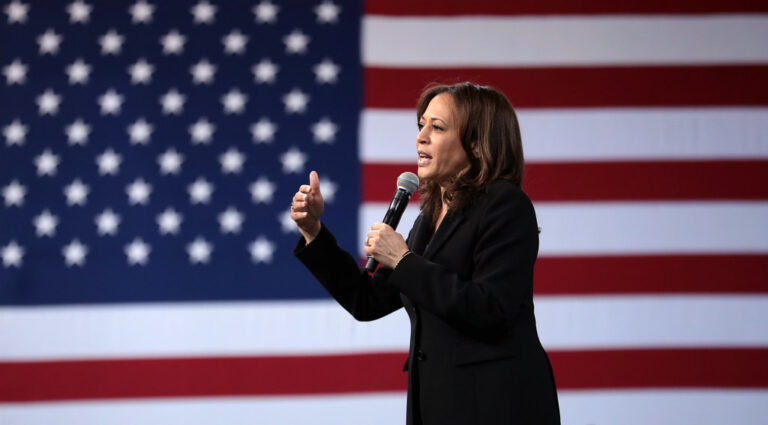
Why Did Jimmy Kimmel Tear Up in His Latest Monologue?

0


Key Takeaways:

  • Jimmy Kimmel returned to his show after a nearly week-long suspension.
  • He addressed backlash over comments related to Charlie Kirk’s death.
  • Kimmel apologized emotionally, explaining he never meant to mock a tragedy.
  • His monologue mixed humor with heartfelt emotions and regret.

Jimmy Kimmel’s Emotional Return

After being off air for almost a week, Jimmy Kimmel made a powerful comeback on his late-night show. Fans expected laughs, and while they got some, they also witnessed a side of Kimmel they don’t usually see—emotional, serious, and full of regret. The center of his monologue wasn’t just comedy; it was a heartfelt response to the controversy around conservative activist Charlie Kirk’s death.

The core keyword here is “Jimmy Kimmel,” and this moment truly highlighted who Jimmy Kimmel is beyond the jokes—a man willing to admit when he may have gone too far.

A Week Away from the Spotlight

Jimmy Kimmel’s absence sparked chatter among fans and media. While his team didn’t fully explain the reason behind his time off, insiders hinted it was tied to backlash over recent comments. In a past segment, Kimmel made a joke many thought was cruel and aimed at the tragic death of Charlie Kirk, a well-known conservative figure.

That backlash quickly snowballed online, with viewers and political voices expressing outrage. For some, it was a misstep that had gone way too far. For others, it was a misunderstanding.

What Kimmel Said About the Controversy

Kimmel didn’t waste time addressing the issue. Early in his Tuesday night monologue, he faced the camera and shared his thoughts.

“You understand that it was never my intention to make light of a murder of a young man,” Jimmy Kimmel said, his voice cracking slightly. “I don’t think there’s anything funny about it.”

The moment stood out. Gone were the usual grins and zingers. Instead, Jimmy Kimmel offered a real and raw apology to his audience and the broader community.

He went on to explain that as a comedian, his job is to bring laughter—but not at the cost of someone’s pain. According to Jimmy Kimmel, the joke had been widely misunderstood. His aim, he said, was to comment on the political discussion surrounding the tragedy, not the tragedy itself.

Mixed Reactions from Audience and Fans

Live audience members sat in silence as Kimmel poured out his feelings. Eventually, light clapping offered some support. But social media showed a wider split in reactions.

Some appreciated Jimmy Kimmel for apologizing so openly, calling it “genuine” and “brave.” Others weren’t satisfied, saying no joke at all should have come from such a tragic event.

What’s clear, though, is that Kimmel didn’t shy away. He could have ignored the controversy, but instead, he chose honesty.

Jimmy Kimmel Balances Humor and Heart

Despite the heavy tone, Jimmy Kimmel still managed to pepper in moments of humor, skillfully easing audiences back into their comfort zones. He made jokes about the awkwardness of apologies on live TV and poked a little fun at those who compared him to other late-night hosts.

“Now I know what it feels like to get called to the principal’s office on national TV,” Jimmy Kimmel joked, lightening the mood just enough.

It’s the kind of balance that has kept Jimmy Kimmel popular for so many years. He walks a tricky line between humor and heart—a style that’s uniquely his.

A Wake-Up Call for Late-Night Comedy?

Some media analysts are calling this a turning point for late-night shows. The blend of comedy and politics has always been sensitive, but situations like this remind everyone of the emotional weight words can carry.

Jimmy Kimmel’s apology might also influence how other hosts handle serious topics moving forward. While viewers want laughs, they also want respect and sensitivity, especially when tragedy is involved.

Kimmel’s History with Apologies

This isn’t the first time Jimmy Kimmel has stepped up to make amends. Over his long career, he’s issued several public apologies—some for past comedy bits and others for off-the-cuff remarks that hit wrong.

Each time, he’s approached the moment with sincerity. And this time was no different. Those who’ve followed Jimmy Kimmel for years know that he wears his heart on his sleeve, even if he hides it behind a punchline.

Looking Ahead for Jimmy Kimmel

As the episode wrapped, Jimmy Kimmel seemed relieved but still emotional. It was a moment to reset, not just for him, but maybe for his show’s future tone.

He hinted at learning from the moment and doing better, but also made it clear that his goal remains the same—to make people laugh, even if mistakes happen along the way.

Now back in his regular nightly seat, Jimmy Kimmel appears ready to move forward. And while viewers may continue to debate the line between comedy and sensitivity, Kimmel’s honest approach shows that being funny doesn’t mean being heartless.

What We Can Learn from the Moment

Moments like these remind us that even celebrities are human. Jimmy Kimmel proved that apology and accountability matter, especially in the public eye. His teary monologue wasn’t just about fixing a mistake—it was a lesson in humility and growth.

In the end, the world of comedy is learning to adjust to an audience that’s more conscious and more connected than ever. And Jimmy Kimmel’s response was a moment that allowed both the laughter and the lessons to shine through.

FAQs

Why was Jimmy Kimmel suspended from his show?

Jimmy Kimmel was reportedly suspended after backlash from a controversial joke linked to Charlie Kirk’s death. The network hasn’t officially confirmed the reason, but the timing lines up.

Did Jimmy Kimmel apologize on-air?

Yes, during Tuesday night’s episode, Jimmy Kimmel gave an emotional apology. He said the joke was not intended to make fun of the tragedy and expressed deep regret.

What did Jimmy Kimmel say about Charlie Kirk?

Kimmel clarified that he did not mean to mock Charlie Kirk or his death. Instead, he meant to criticize the politics surrounding the tragedy, not the loss itself.

Has Jimmy Kimmel apologized before for jokes?

Yes, Jimmy Kimmel has issued public apologies in the past for jokes and segments that caused offense. He’s known for acknowledging mistakes and addressing them directly with his audience.

Is Kamala Harris Planning a 2028 Comeback?

0

Key Takeaways

  • Kamala Harris documents her 107-day 2024 presidential campaign in a new book.
  • The book explores her sudden rise and fall from her historic run.
  • Many wonder: is she planning to run for president again?
  • “107 Days” raises questions more than it answers.
  • The story focuses on personal growth, campaign chaos, and political strategy.


Kamala Harris’s campaign memoir sparks big questions

Former Vice President Kamala Harris recently released a new book titled “107 Days,” and it’s making people wonder — is she planning another run for the presidency? The book dives into the short, intense campaign Harris led in 2024, when President Joe Biden asked her to step in after he dropped out of the re-election race. Over the next 107 days, Harris launched one of the fastest campaigns in modern U.S. history.

But as she details each twist and turn, one question keeps popping up: why write this book now? And is this her way of preparing for a political comeback in 2028?

What is “107 Days” really about?

Kamala Harris says her goal in writing “107 Days” was to show what she saw, felt, and learned while running for the highest office in the nation. She talks about everything — from the race against time to build a campaign, to the emotional highs and lows of trying to win public trust, to the behind-the-scenes hustle to secure party support.

But it’s more than just a campaign diary. Readers quickly realize that Harris is trying to explain herself, her values, and perhaps even clear up past misunderstandings. Some chapters feel like she’s reaching out to connect more deeply with the public. Others are raw, revealing how lonely and tough political life can be — especially for a woman of color in such a high-stakes race.

Campaign chaos, personal stakes, and lasting questions

As Harris describes the 107 days she spent on campaign trails, one theme stands out: chaos. After President Biden shocked the political world by stepping aside, Harris had little time to organize, fundraise, and connect with voters. The Democratic Party was divided, and other big names were eyeing the same role.

Harris takes readers inside her daily battles — last-minute debate prep, pressure-filled interviews, managing rumors, and organizing rallies in battle-state after battle-state. We see her trying to balance staying true to herself while adapting to fast-changing political expectations.

The personal cost is also a big part of the story. Harris opens up about sleepless nights, the weight of public criticism, and her family’s concerns. She shows us that behind the polished public figure is someone grappling with very human fears and hopes.

Why now, and what’s next?

The biggest mystery isn’t just what happened during those 107 days – it’s why Kamala Harris wants to talk about them now. Some readers think she wants to clear her name and defend decisions made during a challenging time. Others suspect she’s trying to warm up the public for another run.

While Harris never directly says, “I’m running in 2028,” the book feels a lot like a pre-campaign pitch. She highlights her leadership skills, talks about mistakes she’s learned from, and frames herself as someone who understands what America needs.

If “107 Days” was only a look back, it would make sense to focus entirely on the past. But Harris often shifts to the future, discussing where the country should go next and how she would handle certain issues better now.

The keyword here: campaign

At the heart of “107 Days” is the word — campaign. Whether it’s about trying to energize supporters, crafting messages for the public, or battling rival candidates, campaign strategy is everywhere in the book. Harris doesn’t shy away from admitting where her campaign failed, but she also points out where she believes it succeeded.

This balance of honesty and pride makes the book intriguing. Harris’s campaign wasn’t perfect; it faced many hurdles. But this might be the beginning of her next big political playbook.

Four times or more in the story, the term “campaign” anchors everything — from the lessons she learned to the chaos she survived. And that’s why many believe this isn’t just a memoir — it’s her way of saying, “I’m still here if the country’s ready.”

Is Harris trying to control the narrative?

Another goal of writing “107 Days” could be to reclaim her story. Since 2020, Harris has often been defined by media headlines and internet rumors. By putting her version of events into her own words, she’s making a bold move to pull the spotlight back on her terms.

It’s also possible that Harris wants to show growth. Many voters felt disconnected from her during her first presidential bid in 2019. With this new book, she gives people a personal backstage pass into her life, allowing for a more human, vulnerable appeal.

Is a 2028 campaign really on the horizon?

While we can’t say for certain yet, all signs point toward a strong interest. Harris ends the book with thoughts about America’s future and hints that she still has energy and ideas to lead. Political experts say no one writes this kind of personal campaign story unless they’re getting ready to run again — or at least testing the waters.

And who could blame her? After a close and intense ride in 2024, Harris may see 2028 as the final chance to break through in her own right. Her campaign might have been short, but it gave her priceless experience and national name recognition.

Final thoughts on “107 Days”: honest or calculated?

It’s hard to separate the emotional truth in Harris’s book from the political strategy that might be behind it. Regardless of her true intentions, “107 Days” offers a rare look into the heartbeat of a rushed but passionate presidential campaign.

She presents herself not just as a politician, but as a learner — someone who’s still growing, still listening, and still preparing. For those wondering whether Kamala Harris is done with presidential dreams, her memoir seems to say: not yet.

Whether readers admire her campaign or criticize it, they’ll close the book with one big question stuck in their minds — where will Kamala Harris go next?

FAQs

Why did Kamala Harris write “107 Days”?

Harris says she wrote the book to share what she learned during her short 2024 campaign. Many believe it also helps shape her image for future political moves.

Is Kamala Harris planning to run for president in 2028?

She hasn’t officially said yes, but the book gives strong clues that she’s considering it.

What does the book “107 Days” focus on?

It tells the story of Harris’s fast-paced campaign after President Biden stepped down. It covers politics, personal struggles, and leadership.

What makes this campaign different from her past runs?

This campaign was the shortest in recent history. It also came with higher stakes and more pressure to unite the party quickly.

Is Camp Mystic Ready to Reopen After Tragedy?

0

Key Takeaways:

  • Camp Mystic plans to reopen one of its summer camp locations.
  • This comes a year after a tragic flood took 27 lives on the Guadalupe River.
  • A special memorial will be created in honor of the campers and counselors.
  • The camp hopes to offer a space for healing and remembrance.
  • Safety upgrades and emotional resources will be added before reopening.


Camp Mystic’s Emotional Return After Guadalupe River Flood

A year after a devastating flash flood shook the Camp Mystic community, the beloved Texas summer camp has announced plans to reopen one of its sites. The heartbreaking event on the Fourth of July claimed the lives of 27 young campers and counselors along the Guadalupe River. As the camp prepares for this emotional return, its leaders also revealed plans to build a touching memorial on the grounds to remember those lost.

What Happened at Camp Mystic Last Year?

On July 4th, a sudden flash flood swept through part of the Guadalupe River, tragically affecting one of Camp Mystic’s sites. Torrential rain caused the river to overflow far beyond expected levels. Many campers and counselors had been enjoying holiday events when the waters rose. In a matter of minutes, the cheerful celebration turned into chaos and heartbreak.

First responders worked day and night searching for missing campers and doing everything they could to help. Though many were saved, 27 lives were tragically lost. The event deeply impacted families, friends, staff, and supporters across the country.

Why Reopen Camp Mystic Now?

The founders and staff of Camp Mystic say they’ve taken this year to reflect, grieve, and carefully plan the next steps. The decision to reopen was not made quickly. Camp leaders met with parents, trauma specialists, and local officials to ensure that reopening would provide more help than harm.

They believe that rebuilding the camp and opening a new season with a memorial will provide a valuable space for healing. “We hope this space will serve as a place of reflection and remembrance of these beautiful girls,” the team shared in a heartfelt statement.

How Is Camp Mystic Preparing for Safety and Healing?

Rebuilding Camp Mystic won’t just involve new cabins and buildings. The camp team is working closely with flood experts to design safer structures. This includes raising buildings higher above flood lines, building new emergency exits, and expanding warning signal systems around the river.

Additionally, mental health support will become a major part of next year’s camp program. Staff are receiving trauma-informed care training. Certified counselors will be on hand not only for campers but also families and counselors who felt the impact of last year’s tragedy.

A Memorial for the Ones We Lost

As one of the most emotional elements of the reopening, a permanent memorial will be built on the campgrounds. This sacred space will be open to the public and free of charge. It will include benches, a water feature, and each of the victims’ names. Artistic elements, selected by families, will help keep their stories alive.

The memorial will aim to be more than a monument. It is designed to be a peaceful space where people can reflect, grieve, or just sit quietly and remember.

How Families Feel About the Camp’s Return

Feelings are mixed. Some families welcome the idea, believing the camp should move forward and honor those who loved it most. For them, reopening is a way to keep their children’s memories alive while helping new campers learn resilience.

Other families are still healing and feel the return may be too soon. Camp Mystic says they understand completely and do not expect all families to agree. They promise to continue offering support and to listen respectfully to all concerns.

What’s Next for Camp Mystic?

As plans move forward, Camp Mystic will host a community open house in spring. Families, former campers, and the general public will be invited to see the new safety plans and provide feedback. The reopening isn’t just about re-starting fun summers—it’s about starting a new chapter built on remembrance, safety, and healing.

Next summer’s camp will begin with a ceremony at the new memorial to officially honor those lost. Leaders believe this will set a thoughtful tone for the season.

Why the Reopening Matters to the Camp’s Legacy

Camp Mystic has been around for generations. Many campers return year after year, forming lifelong friendships and connections with nature. After this tragedy, many people believed the camp would close for good. But the choice to reopen isn’t about profits or tradition alone. It’s about continuing a story.

The story of Camp Mystic is now deeply tied to the 27 lives lost. Those girls and counselors will never be forgotten. Their love for the camp is what fuels the team’s mission to rebuild—not just the buildings, but the hearts of everyone connected.

Support from Around the Country

While local Texas communities have strongly supported Camp Mystic’s journey, encouragement has also poured in from across the nation. Former campers from the ’80s and ’90s have donated to the memorial fund. Others have offered to volunteer in rebuilding the site.

This action of coming together reminds us how powerful a community can be in moments of pain. That energy is what Camp Mystic hopes to carry into its reopening and beyond.

Final Thoughts on Camp Mystic’s Future

Reopening after such a heartbreaking event takes incredible strength. Camp Mystic’s mission now goes beyond offering outdoor fun. It aims to create a meaningful place for growth, connection, and healing. While nothing can undo the loss, honoring those lives can help lift the hearts of others.

If done with love and care—as promised—Camp Mystic might just become a place that’s not only known for fun summers, but for its strength, heart, and remembrance.

FAQs

How many campers died in the Camp Mystic flood?

Twenty-seven campers and counselors tragically lost their lives in a flash flood along the Guadalupe River on July 4th.

When will Camp Mystic reopen?

The camp plans to reopen one of its sites in the summer of next year, following a memorial ceremony.

What is being done for safety at Camp Mystic?

New safety features include raised buildings, better drainage systems, flood alerts, and more emergency training for staff.

Will the memorial be open to the public?

Yes, the memorial at Camp Mystic will be open year-round for families, alumni, and anyone who wants to reflect and remember.

Kids Face Growing Medicaid Coverage Gaps

0


Key Takeaways

• About 3 in 4 children rely on Medicaid coverage or CHIP by age 18.
• Nearly 2 in 5 kids experience a period without any health insurance.
• Non-expansion states see higher rates of coverage loss.
• Federal Medicaid cuts could widen existing gaps in care.

Kids Rely on Medicaid Coverage

Most children in the United States will use Medicaid coverage at some point before they turn 18. In fact, by their 18th birthday, about 61 percent have been on Medicaid or CHIP. Meanwhile, about 42 percent lose all health insurance at least once during childhood.

Researchers at the Harvard T.H. Chan School of Public Health studied national data from 2015 to 2019. They found that many families face periods without any coverage. Moreover, about 78.5 percent of kids had employer-based insurance at some point. Thus, most children see multiple types of health plans.

However, losing coverage can leave families scrambling. Uninsured kids may miss check-ups or delay needed care. Over time, those gaps can harm a child’s health and development.

States with Medicaid Coverage Gaps

Coverage loss varies by state policy. States that did not expand income eligibility under the Affordable Care Act saw larger gaps. In non-expansion states, roughly 59 percent of children lost coverage at least once. By contrast, only 36 percent did so in expansion states.

Strict income rules also play a role. When states set tight limits for Medicaid or CHIP, more kids cycle in and out of coverage. For instance, a family earning slightly above the threshold may see its child covered only part of the year.

In addition, noncitizen children face special risks. They often cannot enroll in public insurance. As a result, they may go without coverage even when they qualify for other programs.

How Cuts Could Widen Medicaid Coverage Gaps

Next year, federal funding for Medicaid will shrink under a new tax and spending plan. Analysts predict a cut of about $1 trillion over ten years. Enrollment could drop by 10 to 15 million people as a result.

These cuts threaten to deepen existing Medicaid coverage gaps. First, some states may tighten eligibility rules or add work requirements. Second, families could face more frequent checks to stay enrolled. Third, noncitizen children might face new barriers to public insurance.

As senior author Nicolas Menzies notes, these changes could worsen already large gaps. In turn, more children may go without care during key years of growth.

Why Coverage Gaps Matter

When children lack Medicaid coverage, they risk missing vaccines and basic care. They are more likely to end up in emergency rooms for issues that regular check-ups could prevent. Moreover, families forced to pay out of pocket may skip appointments to save money.

Research links continuous coverage to better long-term health. Children with stable insurance have higher vaccination rates. They also show improved mental health outcomes and fewer hospital visits. Therefore, connecting kids to Medicaid coverage early and keeping them enrolled matters a great deal.

What Families Can Do

Stay informed about renewal dates and income limits. Mark calendar reminders for paperwork deadlines. Seek help from local health centers or community groups if coverage ends. Many nonprofit clinics offer free or sliding-scale services.

Also, explore marketplace plans if your child loses Medicaid coverage. Some families may qualify for subsidies that lower monthly premiums. Furthermore, check if your state has special programs for children in low-income families.

Advocates urge families to speak up. Contact state representatives to support policies that expand Medicaid coverage. Join local health coalitions to share stories of coverage loss. Together, families can push for rules that keep kids covered.

Looking Ahead

As the country considers major policy changes, the fate of Medicaid coverage hangs in the balance. Lawmakers can choose to shield children from disruptions or let cuts deepen the gaps. In the coming months, public comments and state decisions will shape the path forward.

By raising awareness now, families and advocates can help protect continuous coverage for millions of children. After all, every child deserves the chance to grow up healthy and strong.

Frequently Asked Questions

Why do children lose Medicaid coverage?

Children can lose coverage when their family income rises above state limits or when they miss renewal deadlines. Some states also change rules on citizenship or residency, causing gaps.

How do coverage gaps affect child health?

Gaps can lead to missed vaccines and delayed check-ups. This raises the risk of emergency room visits and untreated health issues.

Can families get help during a coverage gap?

Yes. Community health centers often provide free or low-cost care. Families can also explore marketplace plans with subsidies.

What can states do to reduce coverage loss?

States can expand Medicaid eligibility and simplify renewal processes. They can also limit paperwork and protect noncitizen children from exclusion.

Government Shutdown Plan Threatens Agency Jobs

0

Key Takeaways

• The White House wants agency heads to send job-cut plans in case of a government shutdown.
• Officials may permanently fire workers even after funding returns.
• The move breaks decades of temporary furlough practice.
• Mandatory programs and Trump priorities are exempt from cuts.
• Critics say this shutdown plan risks losing vital federal expertise.


A new government shutdown plan from the White House could reshape federal work. In memos, the Office of Management and Budget orders agency heads to draft reduction-in-force proposals. These plans list programs that will run out of discretionary funds on October 1. Then, agencies would permanently cut jobs in programs not tied to Trump’s priorities.

Normally, shutdowns pause work, furlough employees, and restore funding later. However, this time the administration aims to make cuts stick. Officials see these threats as leverage against Democrats who want higher spending. The plan could hollow out federal agencies and weaken vital services across the country.

How the Government Shutdown Plan Works

First, agency leaders must identify programs with no backup funding. Then, they list possible layoffs for each project. Next, they rank cuts based on the president’s priorities. Finally, they submit these job-cut plans to OMB for review.

This process marks a sharp turn from past shutdowns. Usually, furlough orders included a recall plan once Congress funded agencies again. Yet now, OMB Director Russ Vought aims for permanent staff reductions. In effect, the threat of a government shutdown becomes a tool to shrink federal power.

Why This Shutdown Plan Is Different

Shutdowns often pause work and furlough employees temporarily. Then, once lawmakers agree, furloughed workers return. In contrast, this government shutdown plan seeks lasting cuts. That means many skilled workers may never come back.

Moreover, the administration may use this threat repeatedly. Each new funding fight could repeat the same playbook. Thus, agencies face ongoing uncertainty and stress. Meanwhile, critics say lawmakers risk losing vital expertise that took years to build.

Who Will Be Safe and Who Faces Cuts

Some programs avoid cuts under the new plan.
• Mandatory spending programs like Social Security and Medicare stay intact.
• Veterans’ health services also remain safe.
• Agencies tied to the president’s key goals, such as immigration and border control, get exemptions.

However, many other departments face deep cuts. Programs without clear alternative funds could lose staff permanently. This might include environmental projects, public health initiatives, and research efforts. As a result, communities could see slower services and delayed projects.

What This Shutdown Plan Means for Federal Workers and the Public

Federal employees now face a new reality. Instead of brief furloughs, they could lose jobs permanently. Many workers are anxious about planning for family budgets and career paths. Meanwhile, the public may notice service delays in critical areas.

Furthermore, critics warn this tactic may cross constitutional lines. The Constitution assigns funding power to Congress. If the administration cuts jobs funded by congressional appropriations, it may overstep its bounds. Yet the White House argues this approach simply enforces fiscal discipline.

Lawmakers also push back. Democrats see this strategy as political extortion. They say it uses the threat of a government shutdown plan to force policy concessions. Thus, the standoff could intensify as the month’s end nears.

Looking Ahead

As leaders negotiate funding bills, the government shutdown plan will hang over every meeting. Lawmakers must weigh the risk of losing agency talent against budget priorities. If no deal emerges, agencies will face dire staffing choices.

In the meantime, federal workers and the public watch closely. The coming weeks may reshape how shutdowns function in Washington. Ultimately, all sides must decide if this new approach will become the norm for funding fights.

Frequently Asked Questions

What is the government shutdown plan?

The plan requires federal agencies to prepare permanent job-cut proposals for programs lacking backup funding.

Why does the administration want permanent cuts?

Officials say it adds leverage in budget talks and removes programs not tied to the president’s priorities.

Which programs avoid the shutdown plan cuts?

Mandatory programs like Social Security, Medicare, and Veterans’ Affairs stay safe. Agencies tied to key Trump goals also get exemptions.

How does this differ from past shutdowns?

Traditionally, furloughs paused work temporarily, and employees returned after funding resumed. This plan aims for lasting cuts.

Tylenol and Autism: Trump’s Latest Claim

0

Key Takeaways

• President Trump and HHS Secretary Kennedy claim a link between Tylenol and autism.
• Scientists and autistic advocates widely criticize their statements.
• Experts say no solid proof ties Tylenol during pregnancy to autism.
• Autistic lawmakers in Pennsylvania call for science-based policy.
• Families need clear guidance from medical professionals, not politics.


President Donald Trump and Health and Human Services Secretary Robert F. Kennedy Jr. held a news briefing on Monday. They said taking Tylenol during pregnancy can cause autism in children. They promised this finding would solve what Kennedy calls an autism “epidemic.” Soon after, scientists pushed back. Autistic people and their allies also spoke out against the claim.

Why Tylenol and Autism Link Sparks Debate

Trump and Kennedy are not new to bold statements on autism. In April, Kennedy called autism a “tragedy” that “destroys families.” He said kids with autism will never hold jobs or create art. In a private meeting, Trump called autism a “horror show.” These words alarmed autistic advocates. They fear such comments deepen stigma and blame families.

Autistic Advocates Speak Out

Two autistic lawmakers in Pennsylvania, both Democrats, publicly objected.
Representative Jessica Benham, the first openly autistic member of the state House, said real experts guide medical care—not political leaders. She urged expectant mothers to follow doctor’s advice over headlines. Representative Abigail Salisbury, chair of the Pennsylvania Autism Caucus, called the remarks “disgusting.” She asked people to imagine a child hearing that they destroyed their family.

Salisbury explained that negative language worsens mental harm for autistic kids. She noted some children need lifelong support, but they still deserve respect. Both lawmakers want a panel of scientists and doctors to share facts on autism causes.

What Science Really Says about Tylenol and Autism

Some studies have explored Tylenol and autism links. Yet most experts say these findings remain inconclusive. Researchers have not proven Tylenol causes autism. They wonder if fever or pain—rather than the medicine—plays a bigger role. Doctors warn that untreated fever can harm a fetus more than Tylenol.

The president of the American College of Obstetricians and Gynecologists criticized the press conference. He called the announcement a “dangerous simplification” of autism’s complex roots. He reminded families there is no clear evidence that Tylenol and autism connect directly.

Kennedy hired a researcher once disciplined for dubious vaccine studies. Critics say this choice shows politics over science. They worry about a federal registry of autism cases built from private health records.

State and local leaders in Pennsylvania share these concerns. Governor Josh Shapiro stressed following “science and facts” for public health guidance. He also pledged support for people with intellectual disabilities and autism.

The Path Ahead for Autism Research

Autism likely has many causes. Genes play a key role. Environmental factors during pregnancy might also matter. Yet experts agree that more comprehensive, unbiased research is vital. Autistic individuals and families need real solutions, not fear tactics.

Salisbury supports well-designed studies on environmental influences. She wants data that comes from trusted sources. She believes lawmakers should listen to doctors, researchers, and lived experiences.

Across the northeast, states form coalitions to secure sound vaccine guidance. They worry HHS under Kennedy may push politicized health advice. In March, Kennedy replaced every member of a key vaccine advisory panel. Some new appointees hold anti-vaccine views. This move further eroded trust in federal health agencies.

Families deserve clear, honest information. They need to know what is safe and what is not. Experts recommend pregnant women talk to their doctors about any medication, including Tylenol. Medical professionals say Tylenol has a long safety record when used properly.

Conclusion

The debate over Tylenol and autism shows the danger of mixing politics with public health. Bold claims without strong proof risk misleading families and experts. Pennsylvania’s autistic lawmakers and national scientists call for evidence-based research. They urge the administration to focus on real support for autistic people instead of blame. As more data emerges, pregnant women should rely on doctors’ guidance. True progress depends on sound science, not slogans.

Frequently Asked Questions

What evidence links Tylenol and autism?

Current studies hint at a possible connection but remain inconclusive. Researchers cannot prove Tylenol causes autism.

Should pregnant women avoid Tylenol?

Doctors say untreated fever can harm a fetus more. Pregnant women should discuss risks and benefits of Tylenol with their healthcare provider.

Why do critics oppose Trump and Kennedy’s claim?

Critics say the claim lacks strong scientific proof and unfairly blames families. Autistic advocates also find the language stigmatizing.

How can autism research improve?

Experts call for unbiased, large-scale studies. They recommend panels of independent scientists, doctors, and autistic individuals to guide research.

Inside Trump’s Rush for Comey Indictment

0

Key Takeaways:

  • President Trump pushed for a Comey indictment against his former FBI director.
  • Prosecutors aim to present the case to a Virginia grand jury by Thursday.
  • Critics call this politicization of the Justice Department unprecedented.
  • A Trump-appointed U.S. attorney who refused to indict was forced out.
  • Lindsey Halligan, Trump’s former defense lawyer, now leads the effort.

President Trump’s demand to indict James Comey stunned legal experts and news analysts alike. This sudden drive for a Comey indictment comes just days after Trump railed online against the lack of charges for his political rivals. Reporters now say prosecutors plan to take this case before a grand jury in Virginia as soon as Thursday. They must act quickly, because the statute of limitations expires five years after Comey’s congressional testimony.

What is the Comey indictment plan?

According to available reports, prosecutors will bring allegations related to a disagreement between former FBI Director James Comey and former Deputy Director Andrew McCabe. McCabe allegedly revealed internal FBI notes to The Wall Street Journal. However, an inspector general review found that Comey did not authorize McCabe to share those details. Despite that finding, the Justice Department appears set on pursuing a Comey indictment.

Timeline for action
• Tuesday marks the statute of limitations deadline.
• Thursday could see a vote in a Virginia grand jury.
• Charges would stem from Comey’s 2017 testimony to Congress.

Why critics say the move is unprecedented

First, a career U.S. attorney appointed by Trump reviewed this case along with another matter against the New York Attorney General. He concluded there was not enough evidence to indict. Consequently, he refused to charge. In response, Trump forced him out. Critics argue this ousting shows the White House directing who faces criminal charges. They warn it breaks long-standing justice norms.

Furthermore, Trump replaced the career prosecutor with Lindsey Halligan. Halligan worked as Trump’s defense attorney and White House counsel but never led a prosecution. Now, she is tasked with finding a legal basis for the Comey indictment. Critics say this reeks of political favoritism.

How the Justice Department changed course

Initially, the Justice Department reviewed the Comey-McCabe matter and the Journal story. The inspector general report sided with Comey, clearing him of wrongdoing in sharing information. Despite those findings, the new U.S. attorney moved forward. According to insiders, Trump personally pushed for charges. He publicly demanded his attorney general prosecute perceived enemies, including Comey.

Meanwhile, the career prosecutor resisted. He saw no criminal case. Soon after, he resigned under pressure. Trump then installed Halligan, who quickly revived the Comey indictment drive. This sequence of events underscores how rapidly the department’s stance shifted.

What could happen next?

If the grand jury votes to indict, Comey would face charges in Virginia. He could be required to appear in court and face trial. Legal experts believe he would mount a strong defense. They note the inspector general’s findings support Comey’s version of events. Yet, the political stakes remain high.

Beyond Comey, sources say Halligan is examining other Trump rivals. These include senior intelligence officials and former aides. Some fear this pattern could chill future whistleblowers. They worry that any government official who displeases the president might face legal peril.

Transitioning from theory to reality

• An indictment could move to trial by early next year.
• Comey’s attorneys will likely file motions to dismiss.
• Public opinion may sway based on how charges are justified.

Looking back at Justice norms

Historically, the Justice Department has aimed to stay free from political influence. Career prosecutors often handle sensitive cases publicly. They decide based on evidence, not presidential preference. However, this Comey indictment push signals a break from tradition. Many observers say this is the first time a president so openly directed criminal charges against political foes.

Moreover, if the president’s office can override career officials, it may undermine trust in the system. Future nominees and staff might hesitate to challenge presidential wishes. They could fear removal or retaliation. Such a climate could weaken the department’s independence.

What this means for American law

An indictment of James Comey on these facts would set a new precedent. It could blur the line between lawful prosecution and political weapon. If prosecutors can charge officials with low-level procedural disputes, the scope for abuse widens. Critics warn that today’s Comey case might be tomorrow’s school for targeting opponents.

On the other hand, Trump’s supporters argue that no one is above the law. They say if there is evidence against Comey, he should face trial. They see a fair process unfolding in court. Yet, many legal experts question whether this case meets the standard for criminal charges.

Moving forward, all eyes will turn to the grand jury. Will it vote to indict? If it does, the Justice Department will need to present clear proof. It must show beyond reasonable doubt that Comey broke the law. Otherwise, the case could collapse under its own weight.

FAQs

What charges could be brought in a Comey indictment?

Prosecutors would accuse Comey of authorizing the disclosure of non-public information. They might frame it as false statements or mishandling of official documents.

Why is the statute of limitations ending now?

Federal law gives five years to charge certain crimes. Five years passed since Comey testified to Congress, so prosecutors face a hard deadline.

Who replaced the original U.S. attorney and why?

President Trump installed Lindsey Halligan after the career prosecuting attorney refused to bring charges. Observers say this shows White House influence.

How might an indictment affect future Justice Department independence?

If the president can push prosecutions against opponents, career officials may lose the courage to follow the law without political fear. This could erode public trust in fair legal processes.

DOJ Investigation Rocks Former FBI Agent

0

Key Takeaways

– A DOJ investigation letter accused former FBI agent Bill Aldenberg of personal gain.
– The Trump administration quickly retracted the letter amid backlash.
– Alex Jones likely fed false claims into the probe, says Aldenberg’s lawyer.
– Lawyer Chris Mattei blasted the administration for echoing conspiracy claims.


Last week, President Trump’s Justice Department sent a shock letter. It said former FBI agent Bill Aldenberg benefited from his Big Sandy Hook court testimony. Aldenberg helped win a big defamation case against conspiracy theorist Alex Jones. Then the Justice Department turned around and pulled the letter back. Meanwhile, Aldenberg’s lawyer lashed out on CNN. He linked the probe to Alex Jones’s false stories. He also blamed a top DOJ official for echoing those lies.

How the DOJ Investigation Unfolded

In 2018, Alex Jones sued Sandy Hook families over a defamation case. Bill Aldenberg testified. He told the court how Jones spread false claims about the shooting. Judges later forced Jones to sell his InfoWars outlet. He also owed millions in damages. After the landmark ruling, Jones needed a new attack. So he began saying the court case was a “deep state” setup. In fact, he targeted Bill Aldenberg.

Last Tuesday, the Justice Department mailed Aldenberg a formal notice. It claimed he profited from that lawsuit. The notice bore the signature of Ed Martin. He oversees the DOJ’s mortgage fraud team. He’s also known for probing political figures. For example, he once looked into a Federal Reserve governor and a state attorney general.

Ed Martin’s letter said the DOJ investigation would check if Aldenberg broke rules. It hinted he had a conflict of interest. It even suggested the case could be a ploy by “deep state” forces. Aldenberg’s lawyer called it shocking.

Alex Jones’s Role in the Claims

Alex Jones has long pushed wild stories. He denies the Sandy Hook shooting ever happened. He’s blamed local and federal authorities for a fake event. He’s told fans that survivors are actors. Clearly, he lies about many things. After his losses in court, Jones needed a new tactic. He claimed a “deep state” operation took down his case. Then he fed that idea to reporters. Soon enough, the DOJ investigation letter echoed his words.

Aldenberg’s side says Jones planted these seeds. As a result, the Justice Department appeared to buy into Jones’s narrative. In fact, Aldenberg’s lawyer called it a “last gasp” for Jones. Jones lost billions in legal fees. He wanted to smear those who helped victims in 2012.

Why the Administration Retracted the Letter

On Wednesday, the DOJ retracted the entire letter. It said the probe would not move forward. No reason was given. However, public outcry likely pushed the decision. Legal experts said the DOJ investigation never had merit. They noted Aldenberg followed all rules about federal employees.

Furthermore, critics saw a political motive. They pointed to Ed Martin’s track record. He recently led digs into critics of the Trump administration. So, retracting the letter saved face for the Justice Department. It also showed how fragile top-down probes can be.

Lawyer Speaks Out on CNN

On Wednesday night, Chris Mattei went on CNN. He represents Bill Aldenberg. Mattei called the letter baseless. He also tied it directly to Alex Jones’s lies.

“Alex Jones is somebody who has lied about not just Sandy Hook but innumerable things,” Mattei said. He added that after Jones’s big court loss, Jones had to attack credibility. “He made suggestions our case was a deep state operation. That claim targeted Bill Aldenberg.” Then Mattei said Ed Martin simply repeated those claims in the DOJ investigation notice.

Mattei sounded angry. He called the probe a “last gasp” by Jones. He said he was shocked that a DOJ official fell for it. Yet, he remained hopeful. Mattei expects no further action. He also said he would challenge any future attempts to smear his client.

Political Fallout and Reactions

Many people chimed in on social media. Some lawmakers called for clearer checks on DOJ letters. Others blamed the Trump administration for weaponizing the Justice Department. Still, a few Trump allies defended Ed Martin’s initial move. They said letters like this are normal DOJ procedure. However, they agreed that the letter felt too close to Alex Jones’s talking points.

Several legal experts warned that even short-lived letters can harm reputations. They said Aldenberg’s career faced needless stress. Moreover, they worried about setting a precedent. If Alex Jones or other conspiracy theorists can push the DOJ to investigate private citizens, it could chill free speech and official testimony.

What Comes Next

For now, Bill Aldenberg returns to civilian life. He’s a retired FBI agent and father. He plans to keep a low profile. Meanwhile, Alex Jones still faces major legal bills. He must pay millions to Sandy Hook families. He may appeal some rulings.

As for the Justice Department, it faces tough questions. How did it send a letter so clearly tied to a conspiracy? Who approved the probe? Will Ed Martin face any internal review? Observers will watch for any new moves in Washington.

Ultimately, this drama highlights the power of conspiracy theories. Even high-level officials can get drawn in. It also shows how fast political winds can change. One day, a federal letter can threaten an agent’s career. The next day, it vanishes.

Frequently Asked Questions

What prompted the DOJ investigation into Bill Aldenberg?

The Justice Department said it wanted to check if Aldenberg benefited from the Sandy Hook lawsuit. Critics argue the probe echoed Alex Jones’s false “deep state” claims.

Why did the DOJ retract its investigation letter?

Public backlash and questions about the letter’s basis likely drove the retraction. The DOJ did not publicly explain the pullback.

How did Alex Jones influence the DOJ investigation?

Jones spread claims that the Sandy Hook case was a “deep state” operation. Ed Martin’s letter repeated those talking points about Aldenberg.

What might happen next to Ed Martin and the DOJ?

Observers expect internal reviews. Lawmakers might raise oversight questions. So far, no formal moves against Martin have been announced.

Noem’s Fiery Clash Over Left-Wing Extremism

0

Key Takeaways

  • Homeland Security Secretary Kristi Noem clashed with CNN’s Kaitlan Collins over coverage of left-wing extremism.
  • The debate followed a shooting at a Dallas ICE office that killed two detainees.
  • President Trump and officials called the shooter a left-wing extremist.
  • Collins pressed Noem to label Democrats as an extremist group.
  • Noem pushed back, arguing Democrats hold extreme views and CNN gets facts wrong.


Noem’s Clash on Left-Wing Extremism Explained

Last Wednesday night, Secretary Kristi Noem appeared on CNN’s show “The Source.” Kaitlan Collins asked why the outlet’s reporting on left-wing extremism upset her. The interview came after a gunman attacked an ICE field office in Dallas. Two detainees died and one was hurt. President Trump called the shooter a left-wing extremist. FBI Director Kash Patel agreed. Yet Collins wanted confirmation that this label came from Homeland Security.

Why Left-Wing Extremism Became a Hot Topic

The term left-wing extremism entered headlines because of the Dallas shooting. Trump and officials said the attacker held radical views. They claimed these views drove him to violence. Therefore, media outlets asked where that label came from. CNN asked Noem if Homeland Security confirmed it. She sidestepped. Instead, she pointed to what she called the Democrats’ extreme positions on crime.

The Back-and-Forth with Kaitlan Collins

Collins pressed for a simple answer: “Does DHS call Democrats a domestic extremist group?”
Noem replied that Democrats hold extreme views not shared by most Americans. She refused to call them a formal extremist organization. She also said CNN repeatedly published wrong claims about law enforcement. She added that her office sends multiple corrections each day. Then she invited CNN to review those corrections.

Noem’s View on Democrats and Extremism

Noem argued Democrats back dangerous policies on crime. She challenged California’s governor Gavin Newsom and Texas Rep. Jasmine Crockett. She said she wanted them to denounce criminals, not support them. She stressed that law officers deserve respect. After all, they live in our communities and have families to feed.

How the Interview Unfolded

First, Collins asked about the source of the left-wing extremism label. Then Noem shifted the focus to party politics. She said Democrats spread radical views. Next, Collins tried again. She wanted a yes or no answer on labeling Democrats. Once more, Noem danced around it. Instead, she talked about press corrections and law enforcement support.

Why This Debate Matters

This clash shows how media and politics collide over terminology. Labels like left-wing extremism shape public opinion. They also guide security priorities. If the government tags a group as extremist, law agencies can track it more closely. Thus, calling a group extremist carries real power. It influences how police and agents act.

What Comes Next

Both sides will likely keep trading barbs. Noem will continue to claim media got facts wrong. CNN may press more for clear answers. Meanwhile, the public will watch for updates on the Dallas shooting probe. As the investigation unfolds, more details may confirm or challenge the extremism label.

Questions You Might Have

What exactly is left-wing extremism?

Left-wing extremism refers to radical political ideas that push change through violence or illegal acts. It often targets established systems.

Why did Noem avoid a direct answer?

She focused on criticizing Democrats and CNN’s reporting instead of labeling them a formal extremist group.

How does labeling affect law enforcement?

When authorities label a group extremist, it increases surveillance and investigative powers against that group.

Will this clash change media coverage?

It may prompt outlets to double-check facts and issue more corrections. It could also sharpen media scrutiny of political claims.