49.2 F
San Francisco
Thursday, April 23, 2026
Home Blog Page 662

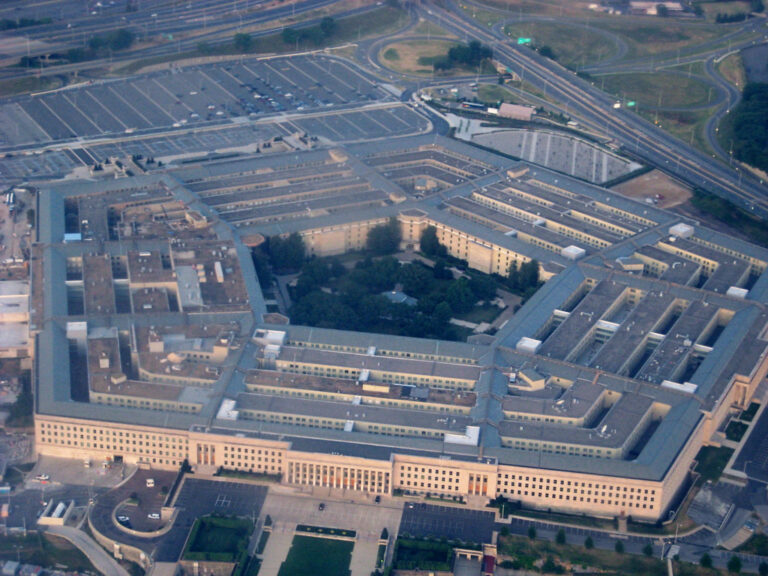
Pentagon Halts Ukraine Aid in Surprise Move

0

Key Takeaways
– Defense Secretary Pete Hegseth paused Ukraine aid without warning
– State Department, Congress and allies found out too late
– Hegseth said U.S. arms stockpiles were at risk
– Lawmakers argue stockpiles remain strong
– Weapons were already loaded for Kyiv when they got held

Unexpected Halt
Defense Secretary Pete Hegseth halted a shipment of weapons to Ukraine at the last minute. No one in the State Department or Congress knew this would happen. Allies in Europe and officials in Kyiv only learned about it after the pause. The move left many scrambling to find answers. It also raised questions about how U.S. military aid decisions are made.

The weapons shipment had already reached Europe and was loaded onto trucks bound for Ukraine. Then Hegseth stepped in and stopped the trucks. The delay caught everyone by surprise. Instead of a smooth transfer, the guns and shells sat in a warehouse while U.S. officials rushed to explain the hold.

The Pentagon’s Explanation
The Pentagon said officials needed time to review U.S. weapons stockpiles. A spokesperson explained that part of the job is to give the president a clear picture of munitions. The review examines where weapons are, how many remain and where they might be needed. The pause is part of that ongoing process, the spokesperson said.

Hegseth argued that sending more weapons abroad could leave U.S. forces with too few arms. He warned that in the event of another conflict, the military might lack essential supplies. He added that the review would ensure balanced support for allies and readiness for U.S. troops.

Congress Pushes Back
However, lawmakers pushed back. A ranking member of the Armed Services Committee called the claim misleading. He said his staff has seen the numbers and found no sign of a critical shortage. He noted that stockpiles today are as strong as they have been at any point in this conflict. He argued that the review should not delay life saving weapons for Ukraine.

Members of Congress stressed that Ukraine relies on U.S. aid to defend itself against aggression. They warned that any delay could cost lives on the battlefield. Some demanded a clear timeline for when shipments would resume. Others called for stronger oversight of any future reviews.

Allies Express Concern
Across the Atlantic, European partners also voiced worry. Many have contributed weapons and funds to support Ukraine over the past years. They feared that a pause by one country could weaken a united front. Some leaders privately asked if the U.S. pause would affect future commitments.

They reminded each other that unity has helped slow down hostile advances. They stressed that time is critical when sending arms. Ukraine’s forces need steady supplies of parts and ammo to hold key positions. Delays could allow opponents to regroup and gain ground.

Impact on Ukraine Support
For Ukraine, the delay came at a crucial moment. Frontline units awaited specific rounds for anti armor weapons. Engineers needed parts for defensive fortifications. Without timely deliveries, units might have to ration ammunition. That could limit their ability to respond to enemy fire.

Troops depend on reliable supply lines. Each missed shipment can strain morale on the front. It can also force commanders to change battle plans. Even a short pause can have outsized effects in active combat zones.

In addition, aid to Ukraine influences global views of U.S. support. Consistent deliveries send a clear signal of commitment. Interruptions may prompt other nations to reconsider their own aid promises. Allies watch closely to see if the U.S. remains steady.

A Phone Call Abroad
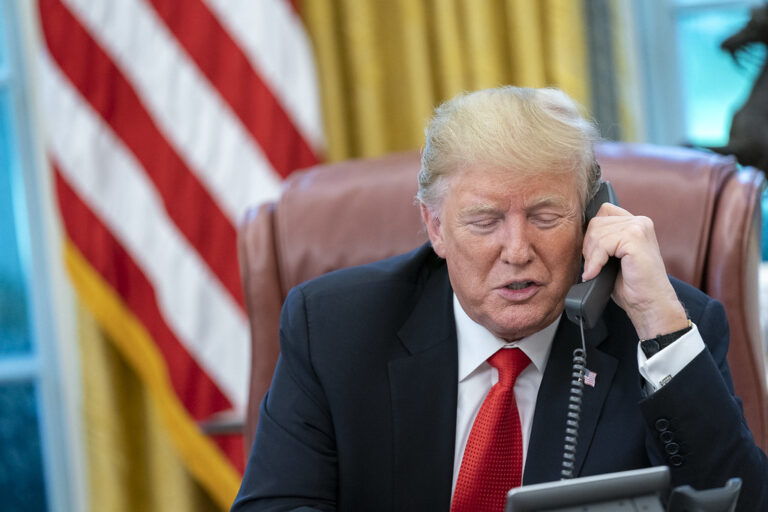
On the same day, the president spoke with a foreign leader by phone. That call did not include any mention of halting the shipments. Three congressional aides and one former official said Hegseth made the decision himself. They described it as a unilateral move not cleared through normal channels.

Defense officials insist the review process includes various experts. Yet critics say those experts heard about the halt only after it happened. They argue that such sudden changes can undermine trust among partners. They warn that sharing key plans in advance is vital for smooth operations.

Hegseth’s Rationale
Hegseth maintains that the pause protects both U.S. forces and the president. By mapping out every outgoing shipment, the Pentagon can better track global munitions levels. He claims this will help avoid any future gaps in defense readiness.

He also noted that the U.S. provides aid to many countries. He asked rhetorically how the U.S. can support everyone at once. He suggested that a clear framework will help decide where munitions go first. His supporters say this approach brings needed discipline to arms transfers.

However, critics say a sudden pause is not the same as a planned review. They feel that dialogue with Congress and allies should have happened before the halt. They fear that reporting requirements alone cannot make up for advanced coordination.

What Comes Next
Pentagon officials say the review is ongoing. They hope to brief congressional leaders soon. They also plan to meet with State Department staff to explain their process. The goal is to avoid surprises in future aid shipments.

In the meantime, weapon shipments to Ukraine remain on hold. Lawmakers on both sides of the aisle pressed for an end to the pause. They promised to use budget powers to keep aid flowing if needed. Some suggested tying aid approvals to clear reports on U.S. stockpiles.

Experts note that balancing domestic defense needs with ally support is challenging. They believe the U.S. may need stronger rules for when and how to pause shipments. That could include notice periods and joint briefings before any holds take effect.

Ukraine’s leaders have not issued a detailed public response. They face mounting pressure on multiple fronts. They rely on steady aid from allies to match the pace of conflict. Any extended delay could force tough choices on the battlefield.

Looking Ahead
As the review continues, many will watch for signs of resumed aid. Quick approval and clear communication would calm allies and Kyiv. It would show that U.S. support remains both strong and reliable.

If the pause drags on, critics say it could embolden hostile actors. They warn that any sign of hesitation might encourage aggression. They urge leaders to resolve internal debates swiftly.

For now, the hold on weapons shipments highlights tensions within the U.S. government. Defense leaders want clear stockpile data. Diplomats seek steady support for partners. Lawmakers demand transparency and speed. Finding a balance will shape future aid decisions.

Ultimately, the pause offers a chance to improve processes. It may lead to clearer rules for emergency aid and reviews. It could also strengthen trust between agencies and allies. If handled well, it may prevent similar surprises down the road.

However, until the weapons roll again, Ukraine’s forces wait. They face each day with courage and resolve. They depend on allies to keep up the flow of critical arms. In this high stakes game, timing can mean the difference between holding a line and losing ground.

As the situation unfolds, many remain hopeful for a quick solution. They want a system that both safeguards U.S. readiness and honors promises to partners. In a world of shifting threats, finding that path is more important than ever.

Microsoft Project Deal: Grab Lifetime Access for Ten Bucks?!

Key Takeaways:

  • Microsoft Project Professional 2021 is available cheap: Snap up a lifetime licence drastically discounted.
  • Unbeatable price: Pay just $9.97 one time.
  • Boost your project skills: Use official Microsoft tools to manage timelines, resources, and tasks.
  • Act fast: This low price won’t last long.
  • Ideal upgrade: Move past basic tools and messy spreadsheets.

Forget expensive subscriptions! The super-popular Microsoft Project Professional 2021 is now available for a ridiculously cheap, one-time fee. We’re talking just nine dollars and ninety-seven cents. This lifetime licence offer changes everything.

Think about managing projects easily. Microsoft Project has been the top choice for organising tasks for decades. Professionals worldwide trust its powerful features. Now, accessing this powerful tool requires an incredibly small investment.

Why Teams Dig Microsoft Project

Ever tried tracking tasks manually? It gets messy fast. Spreadsheets start crying under complex workloads. This tool solves those headaches. Microsoft Project creates crystal-clear timelines and quick visual roadmaps. Assign tasks smoothly, track progress efficiently, and spot potential snags before they wreck your schedule.

Imagine laying out your entire project visually. See every step, every task, every deadline clearly. Manage people and resources without breaking a sweat. That’s the power packed inside Microsoft Project. It turns messy chaos into organised action. Managers effortlessly keep teams aligned, ensuring everyone moves towards the same finish line.

Compared to rivals like Todoist, Monday.com, or Asana, Project offers deeper scheduling muscle. Its Gantt charts and critical path analysis are industry standards. This isn’t just task management; it’s full project orchestration built for bigger goals.

Why This Deal Feels Impossible (But Isn’t)

Frankly, a price tag under ten bucks seems crazy. Microsoft Project normally costs hundreds annually via subscription, or thousands for permanent licences! This sale makes professional-grade project management accessible to absolutely everyone.

Students can get organised. Budding entrepreneurs can launch efficiently. Freelancers can manage client work smoothly. Small teams can finally upgrade from chaotic spreadsheets. This discount demolishes the usual cost barrier. Suddenly, mastering complex projects feels achievable.

Imagine skipping years of monthly fees. Normally priced software tackles your budget slowly but surely. This deal offers an immediate escape hatch. Pay once, own it forever – no sneaky recurring charges. That’s massive savings adding up quickly.

This discount significantly lowers the barrier. Brilliant project organisation should be available to all. Now it genuinely is.

Limited-Time Pricing Alert – Grab It!

Every amazing deal eventually ends. This Microsoft Project sale definitely falls into that category. Pricing this powerful software under ten dollars? It won’t last forever. When it vanishes, that regret stings. Paying full price later hurts much more.

Think about your upcoming projects. Do they involve juggling tasks, deadlines, or coordinating people? If yes, this tool becomes essential armor. Having it ready before chaos hits is smart. Avoid scrambling later. Get organised now.

Delaying risks missing this historic low point. Prices for professional software rarely plunge this deep. Seizing this moment proves wise. Secure your advantage immediately.

Start Organizing Like a Pro

Maybe you’re coaching a youth team event schedule. Perhaps you’re launching a new blog. This software helps manage any multi-step project efficiently. It provides clarity and control naturally.

Stop wrestling with confusing spreadsheets. Leave sticky notes behind. Microsoft Project brings structure and efficiency. Identify which tasks matter most instantly. Understand how delays affect everything downstream clearly. This insight prevents disasters smoothly.

Picture your project succeeding. Tasks finish on time, stress levels stay low, goals get met. Feeling ready? Equip yourself now with formidable organisation power.

Your Move: Get Organized Now

Feeling overwhelmed by disorganized tasks? Ready to command efficiency? This unprecedented deal hands you mighty tools. Pay less than ten dollars one single time. Use Microsoft Project Professional 2021 forever.

It’s straightforward: Head over to our trusted learning platform partner immediately. Find the Microsoft Project Pro 2021 deal quickly. Secure your licence before this amazing offer expires.

Why wait? Unlock professional project management skills cheaply. Invest smartly in your organisation abilities today. Start hitting deadlines efficiently now!

Frequently Asked Buyer Questions:

Q: Is this really Microsoft Project Professional 2021? A: Yes, absolutely! This is the genuine Microsoft-developed software.

Q: What exactly does “lifetime licence” mean? A: You pay the nine dollars ninety-seven cents once. You own this specific 2021 desktop version permanently. No subscriptions ever!

Q: Does it get updates automatically? A: Lifetime deals typically grant the specific version sold – Microsoft Project Pro 2021. It won’t automatically upgrade to newer versions later.

Q: Can I install it on multiple computers? A: Normally, perpetual Microsoft licences allow installation on one primary device plus one portable device. Please check the seller’s specific details.

Q: Does it work offline? A: Definitely! Microsoft Project Pro 2021 is installed directly onto your computer. Internet access is optional unless sharing plans remotely.

Q: Will it still work reliably years from now? A: Yes, the software itself will function indefinitely on compatible Windows systems. However, Microsoft eventually phases out major version support officially.

Q: What skills will I learn by getting this deal? A: You’ll grasp core project management principles visually: building project plans, constructing timelines, assigning critical tasks, tracking performance against goals reliably.

Q: Is this suitable for complete beginners? A: While powerful, Project has a learning curve initially. Thankfully, many tutorials exist online. Many buyers learn fundamentals quickly using freely available training content focused on core features.

Q: Seriously… just nine ninety-seven? A: Correct! This drastic sale feels unreal but verified. Expect paying $100s elsewhere easily. Grab it immediately before sanity returns to pricing! Buckle up! Seize organisation mastery incredibly cheaply! Remember, incredible deals fade fast inevitably.

Pride Rises to Record High

0

Key Takeaways:

  • A new survey reveals a record number of Americans feel proud of their country.
  • This high level of patriotic pride is the biggest since the survey began tracking these views in 2011.
  • Many factors, including economic progress and global stability, might be boosting national self-esteem.
  • This finding offers a hopeful perspective on the current state of the nation.

A New Peak in American Pride

Imagine asking millions of people how they feel about their country. Now, picture a large group consistently saying, “I feel proud.” That’s exactly what a major survey has just uncovered, marking a special moment in America’s story.

This latest national poll, conducted by a trusted news organization, shows something quite remarkable. For the first time since this type of question started being asked in 2011, a record-breaking number of people polled expressed deep pride in their nation. Think of this number – it’s the highest point reached in the history of the survey.

Why is this important? Well, this survey looked at how Americans felt over a recent period. What it found was a wave of positive emotion. Many respondents shared strong sentiments about their country’s direction, its values, and its place in the world. It’s a powerful indicator that, at this specific moment, a large majority of citizens identify strongly with their nation.

Methodology and Scope Explained

To understand the significance of these results, it’s helpful to know how the survey operated. It was a large-scale effort designed to capture the views of a wide representative sample of American adults.

Here’s what we know about the survey process:

  • Large Sample Size: The poll included interviews with thousands of American citizens across the country. A big group ensures the views captured reflect the broader population fairly accurately.
  • Nationwide Reach: Data was gathered in various regions and among different types of communities, giving a balanced picture nationwide.
  • Question Clarity: The survey asked a straightforward question about national pride. Respondents were given the opportunity to explain their feelings in their own words, offering valuable context alongside simple “yes” or “no” answers.
  • Historical Context: Comparing this recent finding to data collected starting in 2011 provides a clear picture of change and stability over time.

By using such a robust method, the survey offers credible information about the current level of patriotic sentiment across America.

Reasons Driving the Feeling of Pride

So, what makes so many people feel this strong sense of pride today? While surveys can’t capture every complex reason, several major factors seem to be contributing to this record high. Americans are often proud of their country for the same reasons they might be proud of a team or a project they care deeply about – achievements, stability, and shared values.

Economic progress is certainly a big motivator. Many Americans notice positive changes in their daily lives. Job opportunities are expanding, wages are rising in some sectors, and the overall health of the economy feels stronger than ever before. Feeling secure in one’s job, able to save money, or seeing local businesses thrive can easily translate into a broader pride in the national economy.

Furthermore, the stability of the nation stands out. In a turbulent world, many find comfort in the fact that the United States continues to function effectively. Its institutions, like the government, military, and courts, operate smoothly and protect citizens. This security and predictability are fundamental sources of national pride.

Cultural and technological achievements also play a role. America remains a global leader in innovation, from groundbreaking technology and science to popular entertainment and cultural exports. Its diverse population fosters creative ideas and rich perspectives, contributing to a unique and dynamic identity.

Many people also take pride in American traditions, values, and the democratic process. The freedoms enjoyed, the ability to participate in elections (despite challenges), and the shared stories of the nation’s journey contribute to a collective identity worth celebrating.

These elements combined create an environment where feeling proud of the country is a common and natural experience for many Americans right now.

What Does This Record High Mean?

Discovering a new record for national pride naturally sparks important discussions. What does this surge tell us about the current mood in the country? And what does it predict for the future?

Firstly, a high level of patriotic feeling often coincides with periods of perceived success. When people feel optimistic about their country’s trajectory, their self-esteem in national matters naturally increases. This record pride might be a direct reflection of the positive changes Americans see in their lives and the world around them.

This finding offers a potentially reassuring message. It suggests a sense of unity and common purpose that can be incredibly valuable for tackling challenges and seizing future opportunities. When large numbers of citizens feel invested in the nation’s well-being, there is greater potential for social cohesion and collaborative action.

Experts often look at surveys like this to understand shifting public sentiment. This record high could signal confidence in the nation’s ability to overcome difficulties. It might mean people believe the country is moving in a direction they support.

It’s also worth noting that national pride is not static. It can fluctuate based on current events, economic conditions, and political developments. This record is a snapshot in time. What we learn from it is that, for now, pride in America stands at an exceptionally high level.

This wave of patriotism might inspire people to participate more actively in communities, support local initiatives, and remain optimistic about the country’s future.

Pride and the Wider World

It’s interesting to consider how this feeling of national pride interacts with America’s role on the world stage. When citizens feel strongly about their country, they often look favorably upon its international actions and leadership. Feeling proud typically includes belief in the nation’s values and its ability to contribute positively.

Currently, the United States remains a major global player. It leads in many areas of science, technology, finance, and military capability. International agreements and foreign policy decisions often draw attention and can influence how other countries view America.

The survey’s finding of high national pride might suggest a populace that is more supportive of the nation’s global endeavors and its stance on international issues. This backing from citizens can be important for the government’s ability to pursue long-term strategies and maintain its influence worldwide.

However, pride doesn’t automatically mean agreement on every foreign policy decision. Americans hold diverse opinions on how their country should interact globally. But a strong underlying pride often fosters a sense of belief in America’s capacity and responsibility to engage effectively on the world stage.

In conclusion

The recent survey findings paint a clear picture: Americans feel prouder of their country now than they have in the last twelve years. This record level of national pride reflects a confluence of positive factors. Economic growth, societal stability, cultural achievements, and core democratic values are likely all contributing to this wave of optimism and identification.

For many citizens, this feeling of pride translates into hope for the nation’s future and confidence in its current path. This isn’t just a sentimental feeling; it’s an assessment of the country’s strengths and successes. While national pride can fluctuate with changing circumstances, this recent data offers a powerful snapshot of a moment defined by high levels of patriotic sentiment across the United States. It’s a testament to the enduring appeal and perceived success of their nation.

National Pride Plummets Among Democrats, New Poll Reveals

0

We need to talk about something important. People’s feelings about their country are changing. Recent news suggests many Americans don’t feel strongly patriotic. This decline worries experts and citizens.

This summary explains the main points from the ongoing news discussion.

  • A major polling organization recently asked Americans how much they felt proud to be Americans.
  • Many Democrats, including a large group, expressed low levels of pride.
  • Only a small percentage strongly felt this way, showing a significant drop in recent years.
  • Feeling proud is especially common among younger people. This too has fallen noticeably.
  • Understanding this trend is crucial because national pride often links to how people view and interact with the country.

Shaky Foundations: Pride Levels Are Low

Think about feeling proud of where you come from. Most people feel this way about their hometown or family. Now, imagine feeling proud of being part of a nation of 330 million people.

Something big is happening. A new survey result shows many people, especially Democrats, feel less proud. The specific number highlights a worrying change.

Let’s look at the key facts. The latest survey includes questions about national identity and pride. Experts analyze these numbers carefully to understand the bigger picture.

Feeling American pride isn’t just a personal feeling. It influences politics, community actions, and national unity.

The Race Barometer Index: A Changed Landscape

For years, surveys measured national pride closely. The Gallup poll from earlier this year stands out.

The poll asked a clear question: “How strongly do you feel pride in your country, the United States?” This straightforward approach reveals honest answers.

Here are the key takeaways directly from the report:

  • Overall US pride levels are at an all-time low, continuing the long-term decline seen since at least the 1960s.
  • The decline seems widespread across political groups. However, the change happened mostly in the more recent past, not in the longer term.
  • Young people’s pride dropped the most sharply. People under thirty expressed fewer feelings of pride than older generations.
  • This is likely the lowest point for general US pride reached by Gallup since they began tracking this specific question decades ago.

One statistic sticks out. Only around thirty-six percent of Democrats feel “extremely” or “very” proud to be American. This is a big deal.

This number shows pride has significantly decreased among a group that traditionally identifies strongly with the nation. The decline isn’t just slight.

It’s very noticeable. Experts point out that pride levels of this “extremely or very proud” category continue shrinking. For all Americans, no longer do a majority say they’re very proud.

These findings directly contradict the idea that America is universally loved during tough times. Today, fewer people express strong national loyalty through pride. This change needs explanation.

Why Pride Matters: More Than Just Feelings

You might wonder, “So what if fewer people feel proud?” Feelings do shape actions and ideas. National pride often motivates people to celebrate achievements, support national goals, or fight against injustices they perceive.

When fewer people feel this connection, harder it may be to find broad agreement on national issues or overcome divisions. Pride can create a shared sense of identity and belonging for citizens.

Consider a major national event like a holiday. People often show pride in fireworks or parades. A survey suggests these moments might inspire fewer than fifty percent celebrating. That shift changes the energy.

Furthermore, high national pride can influence how people view the world. People feeling proud are more likely to act positively both within their nation and towards other countries. This builds bridges and fosters international cooperation.

History shows national pride plays a complex role. Leaders in troubled times sometimes emphasize unity through patriotism. Conversely, leaders can exploit pride for negative political aims. Understanding real public feeling is essential.

In conclusion, these poll results tell a story of waning belief in America. The connection between pride and politics becomes clearer. What causes this change? Is it increased problems, or something else?

A Future Facing Doubt: Young Americans at Risk

Look closely at the survey results. The biggest decline in pride happens among young people. This isn’t just interesting; it’s potentially dangerous.

Why? Because future leaders are this generation. Their attitude defines America in coming years.

According to the poll, young people are increasingly unsure of their feelings towards America. Fewer agree with the question about feeling “extremely or very proud.” This loss may come from many sources.

School curriculums sometimes stress critical perspectives over national heroes. Society questions traditional American victories and values more. Young people aren’t just inheriting a complicated country; they inherit changing ideas about what makes America great.

This shift among young adults signals a potential major change. If decreasing patriotism among young people continues, national pride might keep weakening. This matters because shared identity helps prevent conflict and promotes solutions.

Some places manage this well. Strong education, clear values, and active citizenship can sustain pride. But if leaders ignore these survey findings, fewer citizens may respond positively during national crises. This risks further division and loss of common purpose.

Therefore, elected leaders and educators must understand this trend. Ignoring the questions young people have about patriotism can mean a truly national decline in belief.

Shifting Tides or Passing Mood? Context is Crucial

You might think this drop in pride is just a temporary trend. But experts say the data shows a long-term decline, not just a short burst.

Ask yourself, what does it mean when people across different parts of the country feel differently about their national identity? It suggests a deeper change, not just a few headlines.

Sometimes strong emotions like fear or anger grab attention more than steady feelings of pride. The long drop makes this recent survey a powerful sign.

Furthermore, national unity matters for daily life. When people feel less connection, settling arguments becomes harder. The country needs shared ground to plan collective actions.

Understanding this break in pride is like understanding a symptom. The survey reveals Americans feeling less than 100 percent confident. This matters for politics, history lessons, and international standing.

These survey details prompt important debates. What stories does America tell itself now? Are its heroes and values correctly seen and taught? This national reflection feels urgent.

One key takeaway? Watch what’s asked about pride. These questions may not seem obvious, yet knowing if people feel pride connects strongly to what citizens actually think.

Continued interest in understanding these complex feelings could help strengthen national bonds, not break them.


Iran Halts Nuclear Deal Cooperation with U.N. Watchdog

0

President Masoud Pezeshkian of Iran signed a new law. This law suspends Iran’s special partnership with the International Atomic Energy Agency (IAEA). News of this follows a previous decision by Iran’s parliament. The parliament had voted to stop cooperation earlier. This move adds to ongoing tension over Iran’s nuclear program.

This news is important. It signals a change in Iran’s international stance, especially regarding nuclear matters. The IAEA plays a crucial role in monitoring nuclear activities worldwide. Understand what this suspension means.

Key Takeaways:

  • Iranian President Masoud Pezeshkian signed a law officially suspending the country’s Cooperation Agreement with the IAEA nuclear watchdog.
  • This action follows a vote by Iran’s Parliament (Majlis) to suspend cooperation under the terms of the existing agreement.
  • The move reflects Iran’s stated goal of regaining full sovereignty over its nuclear program without external supervision.
  • This suspension is expected to complicate international efforts to monitor and verify Iran’s nuclear activities.
  • The development adds another layer of challenge to diplomacy surrounding the Iranian nuclear issue.

Why is this happening now?

After months of deliberation and political maneuvering within Iran, President Pezeshkian took this step. His administration believes that suspending the cooperation is necessary to assert Iran’s independence in its nuclear policies. They argue that the existing agreement imposes unnecessary restrictions on Iran’s sovereign rights.

What is the IAEA? Understanding the Watchdog

First things first! What’s the IAEA? You might have heard the acronym, but let’s break it down. The IAEA stands for the International Atomic Energy Agency. It’s often called the world’s atom watchdog. Think of it like this: the United Nations created this agency. Its main job? To use atomic science for peaceful purposes. That means energy, medicine, and research. But it also has a very important second job.

Imagine a world where countries secretly built nuclear bombs. No international rules. That would be extremely dangerous. Nuclear weapons change the global balance of power. They risk causing massive destruction. The IAEA was born out of a need for safety and transparency. Countries wanted to ensure each other they weren’t developing weapons secretly.

The IAEA’s role involves two main parts. First, it inspects nuclear facilities. Power plants? Research labs? Medical centers? They check that countries are using the technology safely. They look for safeguards. These safeguards are like rules, ensuring nuclear materials won’t be weaponized.

Second, the IAEA acts like a fact-finding team. Sometimes countries have questions about each other’s nuclear activities. Or, a country might worry another is cheating. The IAEA goes in, checks documents, looks at equipment, and reports what it finds. They help build trust.

Countries sign agreements with the IAEA. These are called safeguards agreements. Iran signed one long ago, over twenty years ago. It’s a formal promise. Iran agreed to let the IAEA inspect its nuclear sites. Iran also agreed to declare all its nuclear material. It promised not to build weapons secretly.

Now, Iran just signed a new law. This law cancels the special agreement it used to have with the IAEA. This isn’t the first time Iran has changed its mind about this. Its elected representatives voted before the president signed the law. So, there was a clear process. Parliament decided to suspend. The president made it official.

Why is Iran Suspending its Cooperation?

You might wonder. Why would Iran, a big nation with a proud history, decide to stop talking to the world’s nuclear watchdog? Iran has its reasons, deeply tied to its national identity and international relations.

For years, Iran has been under scrutiny regarding its nuclear program. Other countries, mostly led by the United States and Israel, worry Iran might secretly develop nuclear weapons. This fear has created a lot of tension. It’s strained relationships. It has also affected Iran’s place in the world.

Now, President Pezeshkian and his government believe that Iran has a right to manage its own nuclear future completely. They argue that international inspections limit Iran’s sovereignty too much. They feel the agreements are outdated. They feel they don’t reflect Iran’s full capabilities or needs.

Sovereignty means a country has supreme authority within its own borders. No outside government should tell it what to do, right? For Iran, this is a core principle. Suspending cooperation is a strong way to say: “We control our own nuclear path.” They want the ability to develop nuclear technology for energy or medicine without needing permission from inspectors.

Furthermore, this move aligns with Iran’s stated goal of becoming a major power. A nuclear power? Iran wants to be treated as a player on the world stage. They see having control over their nuclear program as a step towards that status. It’s a way to project strength and independence.

There’s a historical context here too. Iran and the West have had a complicated relationship for decades. Accusations and counter-accusations have flowed. The nuclear issue has often been a sticking point in talks. By making this decision, Iran is sending a clear political message. It’s a move that impacts future negotiations, whoever might try to restart them down the road.

What Does “Suspend Cooperation” Actually Mean?

Okay, let’s get specific. What happens when Iran suspends cooperation? It doesn’t necessarily mean Iran stops all nuclear activity overnight. But it definitely means big changes.

Firstly, Iran can stop allowing IAEA inspectors onto its soil. This means no more surprise visits. Inspectors won’t be able to check facilities unless there’s a specific, approved reason. Iran keeps its doors shut to unscheduled nuclear checks.

Secondly, Iran stops sharing new information. If Iran builds or modifies a nuclear site, it might not tell the IAEA right away. They won’t necessarily update the international agency with details about their activities.

Thirdly, the IAEA won’t be able to step in easily if questions arise. Suppose a neighboring country raises concerns? Or if the IAEA detects something unusual in its monitoring systems? It won’t be as easy to launch an investigation. Getting access could be delayed or prevented.

Essentially, Iran puts up a wall. It closes the channels of communication and inspection. It goes back to a state where the international community knows less about what’s happening inside Iranian nuclear facilities.

What’s the IAEA Saying About This?

Usually, when countries suspend agreements, the IAEA reacts. They state their position. The IAEA is the expert body. They understand nuclear safeguards well.

The IAEA will likely express its desire to continue monitoring Iran. This is part of its global safety mission. The agency wants to ensure Iran doesn’t develop weapons. But, the rules changed now. The IAEA has to work with what’s allowed under the new suspension.

They might issue a statement. The head of the IAEA, the Director General, might speak. They will emphasize their wish for peaceful nuclear technology. They will stress that safeguards are important for safety.

However, they won’t be able to force Iran. International law gives the IAEA authority, but it’s based on agreements. Without the agreement, the IAEA’s powers are limited on Iranian soil.

The IAEA’s main job now? Probably to state its concerns and its desire for dialogue, but within the changed framework. They will likely urge Iran to reconsider. But they also need to understand the political pressures inside Iran.

This suspension creates a bigger puzzle for the agency. They have less information. Verifying Iran’s nuclear activities becomes harder. This could lead to more questions and uncertainty internationally.

What are the Potential Consequences?

This isn’t just a technical paperwork change. Suspending cooperation with the IAEA has real-world impacts. It could affect many areas.

First, Trust and International Relations: This move definitely damages trust. Countries like the United States, European nations, Russia, and maybe China will see this as a major step away from openness. It makes future talks and potential agreements more difficult. Distrust often leads to more tension. The path to resolving the nuclear issue just got bumpier.

Second, Nuclear Verification Challenges: This is a huge blow to international verification efforts. How can other countries be sure Iran isn’t secretly developing weapons? The IAEA won’t have the same level of access. Inspections become rare. This lack of transparency increases risks for everyone. It makes nuclear proliferation a bigger concern down the line.

Third, Domestic Implications in Iran: Inside Iran, the decision was made. It’s a sign of the government’s stance. It might be popular among hardliners who view international pressure as unjust. But it might also create challenges for scientists and officials involved in peaceful nuclear programs. They might face increased scrutiny from within the country or pressure to justify their work.

Fourth, Regional Reactions: Iran’s neighbors, especially Israel and Gulf states, will watch closely. They worry about Iran’s growing influence. This move might be seen as strengthening Iran, potentially leading to more regional instability. Israel is particularly concerned about nuclear proliferation in the Middle East.

Fifth, Global Non-Proliferation Regime: Every time a country suspends cooperation, it shakes the foundations of the global non-proliferation system. Countries that rely on the IAEA safeguards might feel less secure. The whole framework for preventing nuclear weapons spread takes a hit. This could encourage other nations to question their own agreements or pursue less transparent paths.

What’s Next for Iran and the IAEA?

Where does this leave things? Nobody knows for sure. International diplomacy is always complex.

The IAEA will likely try to find a way forward. They might seek clarification on what the suspension really means. Can Iran partially cooperate? Are there specific activities still allowed? Maybe there will be back-channel talks between the IAEA and Iranian officials. But getting back to the original level of cooperation seems unlikely.

Iran will continue with its stated goal. They want full control. But they also need to consider the consequences. Is isolating themselves the best long-term strategy? Does it really enhance their security? Maybe there are other ways to achieve their goals without completely cutting off international channels.

The world will be watching. This isn’t just about Iran. It’s a test case for the international nuclear non-proliferation system. Will countries step up efforts to maintain oversight? Will dialogue become more difficult? How do nations balance respect for sovereignty with the need for global safety?

For now, the immediate effect is clear: Iranian President Pezeshkian’s law has officially halted special cooperation with the IAEA. The door is shut tighter on international inspections and information sharing regarding Iran’s nuclear activities. This is a significant development in international relations, adding another complex layer to a long-standing global concern.

Columbia Library Closure Sparks Arrests During Palestine Protes

0

Key Takeaways:

  • Students protested outside Columbia University’s Butler Library demanding action on Palestine.
  • Library doors were locked, trapping activists inside during their demonstration.
  • A disturbance occurred as some tried to break out, leading to arrests by security forces.
  • Seventy-one of the arrested individuals were women, highlighting the significant female participation.
  • Authorities cited ongoing disruptive actions as reason for the arrests.

The Protest Heated Up Outside Columbia

That day started with a peaceful protest demanding change inside Columbia. Students gathered near the busy entrance of Butler Library. Their message was clear, loud, and repeated: “Free, free Palestine!” They chanted slogans and expressed their views in support of Gaza. They weren’t there just for noise; the group planned to go inside the library.

Forces Shut the Library Doorslock

Outside, about eighty people gathered. Inside Butler Library’s reading room, another group of protesters began setting up for their own activities related to Palestine solidarity. Columbia security watched the scene unfold. Tensions simmered. Then, suddenly, a decision was made by the campus police. They forced the doors to the reading room shut. It wasn’t just a warning shout paused. The outsiders were locked inside before they could leave properly. Panic quickly replaced the initial chants. The protest turned into a closed-in struggle.

Voices Changed: Pleas Escalated

Outside, nothing seemed to change immediately. Inside, the mood shifted dramatically. The original calls for freedom turned into worried cries. Concerns grew for the people locked inside. People shouted pleas through the locked doors. Someone called out, “You’re hurting him, stop!” A fight happened near the doors. Security tried to manage the situation outside, dealing with the crowd. But inside, under the locked door, the atmosphere became chaotic and desperate as they realized they were contained.

Occupation Turns Violent Inside

The protesters inside weren’t ready to quit just yet. They decided to keep occupying the space. This led to disturbances within the quiet reading room. Things got ugly quickly. People squared off against each other. Pushing and shoving definitely occurred. Someone might even have thrown a punch. The normally studious building turned into a flashpoint for conflict. Security guarding the outside entrance watched this violence unfold directly across from them. Campus safety pulled injured students outside for treatment. Meanwhile, others tried to escape from the library, adding to the chaos. One protester managed to get out, but the violence pushed some back towards the locked door or away from freedom.

Aftermath: Near 80 Taken Into Custody

Eventually, the protest ran its course inside the library building under police control. Earlier reports estimated around 80 people were taken away in handcuffs. This included both organizers and participants caught up in the situation. A specific plea went out to those who initially just blocked the entrance: they asked their fellow demonstrators to come inside peacefully or leave safely. Some chose to move away before the doors shut, avoiding arrest. But hundreds were eventually processed by university security forces and given summonses to appear in court if ordered.

Female Dominance in Arrests

A striking detail came to light after the arrests wrapped up. News outlets reported that sixty-one of those arrested were women or girls. This showed just how many female students were involved. It suggested the protest reached deeper into student life and brought many women directly into confrontation with university security. The disproportionately high number arrested indicated a significant female commitment to the cause and willingness to face punishment for taking a stand.

Broader Context: Columbia’s Connection

This incident wasn’t just about Columbia student life. Protests demanding action against Israel in Gaza were widespread across the US. Major university hubs saw similar actions recently. Many students believe the US hasn’t done enough concerning the humanitarian crisis in Gaza. Columbia University faces particular scrutiny. It funds groups strongly supporting Israel like the Middle East Studies Association of North America. Student groups felt the university wasn’t doing enough or was too supportive of Israel. These feelings fueled not just this specific protest, but a wave of campus-based activities.

Columbia’s Reaction and Consequences

University leaders strongly condemned the arrests. They framed it as upholding security and dignity. They argued the arrests were justified due to ongoing disruptive behavior. The university felt safety rules applied equally to everyone present during the chaotic scene. Following these developments, Columbia amplified its earlier statement. President Ben S. Cardinale issued a press release condemning the arrests only because protesters met serious disruption charges just before campus authorities acted. The message emphasized order while acknowledging the underlying Palestinian solidarity motives.

Other Groups React

Students experienced mixed reactions to the library closure and arrests. Greenwald said to The Daily Caller Newsmax, “Naturally, students feel frustrated after being peacefully protesting and then getting overwhelmed by security leading to arrests, especially women.” The arrest of protesters clearly sparked student reactions both supporting the right to peaceful assembly and questioning university protocols. Student government officers expressed surprise. Other campus organizations mobilized to offer support to those arrested or facing legal trouble related to the event. Support groups and legal aid services prepared for an influx of cases resulting from this confrontational protest phase.

Adds Fuel to Ongoing Student Activism

This event strengthens the powerful current of student activism at universities nationwide. Many schools struggle with how to handle Middle East conflicts peacefully. This Columbia example may be studied by activists and administrators alike. Campus organizing continues. Other ways to push for action on Palestine, like divestment or academic boycotts, are also underway elsewhere. This protest highlights students using direct action within university spaces. It shows dedication to challenging university policies, fueling larger national discussions about foreign policy and academic freedom.

Protest Echoes Campus-Wide Movement

The chaos at Butler Library wasn’t an isolated drama. It connected to a larger pattern. Similar confrontations unfolded at universities beyond New York, recently. Demonstrators occupied libraries, study rooms, and shut down classes across different campuses. The message spread beyond Columbia students. Activists nationwide face building pressure at schools they previously considered untouchable. There needs to be more investigation in the specific events, potentially uncovering local dimensions of the broader struggle. The attack on the library wasn’t just a local problem. It represented a complicated intersection of politics, security, and deeply held beliefs. This complicated reality continued prompting strong responses at universities, making the faint echoes of chants about Palestine reverberate through hallways far beyond the immediate campus grounds.

Iran Suspends IAEA Cooperation After Nuclear Strikes

0

Iran Suspends IAEA Cooperation After Nuclear Strikes

Key Takeaways

  • Iran stopped full cooperation with the IAEA, the UN nuclear watchdog.
  • President Pejsbani says this due to foreign attacks on Iran’s nuclear sites.
  • Iran wants the IAEA to investigate who attacked their nuclear facilities.
  • This ends routine sharing of nuclear data with the international body.
  • Global nuclear inspections and talks about Iran’s program face a major setback.
  • The move adds more worry about nuclear safety and international conflicts.

A Major Shift: Iran Halts Nuclear Talks

Imagine a world power deciding not to share its secrets, even nuclear ones. That’s what Iran did recently, making international headlines. President Masoud Pezeshkian signed a new law. This law tells Iran to stop fully cooperating with the International Atomic Energy Agency (IAEA). The IAEA acts like a referee for global nuclear rules.

Why did Iran do this? Simple, really. Iran blames foreign attacks for its decision. These attacks targeted Iranian nuclear sites. Iran believes these strikes are connected to its nuclear activities. Because of this deep suspicion, Iran feels the IAEA must now investigate who carried out those strikes. The IAEA is the United Nations’ expert group on nuclear energy and safety. Iran feels its safety is under direct attack because of its nuclear work.

This new law is a big deal. It’s a sharp turn in Iran’s long-standing relationship with the IAEA. It shows how events on the ground can instantly change international agreements and trust. Understanding this requires looking back a little.

Background: Iran and IAEA Cooperation

For many years, Iran worked closely with the IAEA. After joining the Nuclear Non-Proliferation Treaty (NPT), Iran allowed the IAEA to inspect its nuclear facilities. This was like showing your homework to make sure you’re learning properly and following rules.

The goal was two-fold. Firstly, to prove to the world Iran wasn’t secretly building a nuclear weapon. Secondly, to keep international relations peaceful. This cooperation was a key element of the Joint Comprehensive Plan of Action (JCPOA), commonly known as the Iran nuclear deal. This complex agreement involved several world powers and aimed to limit Iran’s nuclear program in exchange for eased sanctions. Iran’s nuclear facilities were under intense scrutiny. Inspectors frequently visited places like the Natanz enrichment facility and the Fordo enrichment plant. This constant watching helped the international community feel safer and maintained economic pressure on Iran through sanctions lifts.

However, the JCPOA and the constant inspections faced growing problems. Disagreements arose between Iran and the IAEA, and later among the signatories. The future of the deal seemed uncertain. This background sets the stage for the current conflict.

Recent Attacks: Strikes on Iranian Nuclear Sites

Last month, a significant event changed everything. Israeli forces carried out airstrikes. They targeted several sites inside Iran. The main targets included the Natanz uranium enrichment facility and the Fordo nuclear enrichment plant. These are the very places the IAEA frequently monitors. Israel stated its aim was to halt Iran’s nuclear weapons development program. Iran strongly denied this, calling the actions “aggression” and a “war crime.”

Not long after the Israeli strikes, American forces joined in. Reports suggested U.S. drones conducted attacks, primarily targeting Iranian missile sites. These sites were outside of, or near, Tehran. The stated American goal was self-defense against potential Iranian retaliation. Iran confirmed these strikes, viewing them as direct American involvement alongside Israel.

These coordinated attacks sent shockwaves through the region and the world. It was a direct physical blow against Iran’s carefully monitored nuclear infrastructure. Iran saw these attacks as an existential threat.

New Law Details: Suspending Cooperation

In response to these perceived attacks, Iran took a decisive action. President Pezeshkian officially signed the law suspending cooperation with the IAEA. The law states that Iran will stop all cooperation unless the IAEA agrees to investigate the attacks first. Iran’s position is simple: the IAEA must find out who attacked its facilities before Iran resumes full information sharing. Iran wants the IAEA investigation into the strikes to begin immediately. This is a major shift. Previously, Iran was required to report any nuclear material theft to the IAEA quickly. It was part of its international commitments. Now, this core requirement seems suspended until the investigation starts.

The suspension means Iran won’t provide the normal, routine information the IAEA relies on. Think of the IAEA needing regular updates on nuclear material movements and facility status. Iran will likely stop providing this data. It also means inspections and discussions that were standard might now pause or change. This creates a significant information gap for the international community. The IAEA operates under strict rules, often requiring approval from the inspected country for specific checks. This new law effectively gives Iran the right to limit IAEA access until the attack investigation concludes.

Pezeshkian’s Stance: Protecting National Security

President Pezeshkian, who assumed office after the death of President Raisi, emphasized the government’s priority. He stated Iran’s primary duty is to protect the lives, security, and interests of its people. The president framed the decision as a necessary measure taken in response to external aggression. His administration views the suspension as a direct consequence of the attacks on Iranian soil. This is the official reason given.

He also mentioned the need for the country’s safety. The government believes its continued cooperation with the IAEA under the current circumstances would be a betrayal of its own security. Iran feels that by allowing the IAEA unfettered access, its nuclear facilities are vulnerable targets for foreign enemies. The law reflects this deep-seated fear and prioritizes immediate security over long-term international commitments. It’s a strong signal to the world that Iran sees its nuclear facilities as essential national assets worth protecting, even if it means breaking international norms temporarily.

IAEA Role: The UN’s Nuclear Watchdog

The IAEA plays a vital role in the world. Its main job is to prevent nuclear weapons from spreading. It does this by helping countries build safe, peaceful nuclear power plants and medical uses for radiation. But perhaps its biggest task is verifying that nations aren’t cheating on promises not to build nuclear bombs. Countries that sign the NPT often agree to IAEA inspections. The IAEA needs information to do its job effectively. Without regular updates from Iran, the agency faces a major hurdle. Iran provides data on its nuclear material, facilities, and activities. This information helps the IAEA understand developments and reassure other countries. It also helps the IAEA report back to the UN about potential risks or concerns regarding Iran.

When a country suspends cooperation, it throws a wrench into the IAEA’s work. The agency might struggle to verify declared activities. It might have less reliable data to analyze or report. Furthermore, investigations into potential nuclear proliferation risks often rely on intelligence sharing, which can involve IAEA findings based on national data. This suspension makes such work significantly harder. The IAEA might also find it harder to mediate or find solutions to ongoing nuclear standoffs, like the current one with Iran, if reliable information is scarce.

Implications: Wider Repercussions

The consequences of this suspension ripple out. For the IAEA itself, it’s a blow to its ability to maintain trust and oversight globally. Its credibility relies on the cooperation of member states. A major suspension like this raises questions about the agency’s effectiveness and the security of nuclear facilities worldwide. The international community, particularly countries worried about nuclear proliferation, now faces less transparency regarding one of the world’s most watched programs. This lack of transparency could fuel more rumors and suspicion.

For nuclear safety, the situation is concerning. The IAEA also works on preventing nuclear accidents and ensuring safe practices worldwide. The disruption in Iran adds another layer of uncertainty to global nuclear management. Furthermore, Iran might feel emboldened. Knowing that inspections are less frequent, could Iran pursue activities more quickly, pushing closer to undeclared capabilities? This is a major fear for nations like the US and its allies. It also increases the chance of future conflict in a volatile region. Iran might feel backed into a corner, leading to more aggressive posturing. The path back to normal cooperation seems long and uncertain right now.

Future Outlook: Uncertain Path Ahead

What happens next remains unclear. The IAEA will likely send a formal message to Iran, outlining its position and perhaps seeking clarification. Iran will have to consider whether to respond and under what conditions. Getting back to normal won’t be easy. The trust that was already frayed before the attacks is now severely damaged. The IAEA needs to prove it can investigate the attacks fairly and effectively. Iran needs to feel its security concerns are adequately addressed by the international community, not just the IAEA. Finding common ground requires both sides to compromise.

The future of international nuclear agreements hangs in the balance. The Iran nuclear deal is already facing challenges elsewhere. This suspension adds another major obstacle. The world must watch closely, hoping for de-escalation. Yet, the deep divisions and mistrust seem hard to bridge overnight. This latest development underscores the fragility of international agreements and the high stakes involved when nations feel threatened. The world’s nuclear landscape just took a significant, unexpected turn.

House Approves One Big Beautiful Bill in Tight Vote

0

Key Takeaways
1. The House passed the One Big Beautiful Bill by a 218 to 214 vote
2. Republicans rallied after an all-night session to win support
3. The bill extends tax cuts for wealthy Americans
4. It cuts Medicaid and food help, risking coverage for millions
5. The measure could add 3.3 trillion dollars to the national debt

Background on the Debate
The One Big Beautiful Bill has been President Trump’s top domestic goal. Supporters say it cements last year’s election win. Opponents warn that it will harm low income families. After days of heated debate, lawmakers returned to the Capitol to cast final votes.

A Night of Negotiations
Late into Wednesday night, party leaders held meetings to sway undecided members. Initially five Republicans opposed the measure and several remained silent. However after talks, only one lawmaker stuck to a no vote. In the end every Republican but one backed the plan.

The Crucial Vote
On Thursday afternoon the House convened at 1 p m to decide the bill’s fate. The result was 218 votes in favor and 214 against. One Republican switched from no to yes after a brief delay. Only two Republicans ultimately opposed the measure.

Tax Cuts for the Wealthy
This bill makes permanent the tax cuts enacted during the president’s first term. Critics note that most benefits flow to high income households. Meanwhile lower and middle income families see little change. In addition the top corporate rate stays lower than before.

Cuts to Health and Food Aid
To cover the cost of tax cuts, the bill trims funding for Medicaid and food assistance. Observers estimate that up to 17 million people could lose health coverage. The measure may also remove nearly five million people from food aid programs. Families that rely on these supports could face hardship.

Reactions From Republicans
Many Republicans praised the bill as a major achievement. On the House floor a senior member described it as a true triumph. They argued that smaller government will spur economic growth. Yet some conservative lawmakers criticized the impact on the national debt. A small faction said the bill contradicts long held fiscal goals.

Democratic Opposition
Democrats stood firmly against the bill at every step. They warned that more Americans would lose access to care and food support. One leading Democrat charged that the measure delivers the greatest cut to health programs in history. They also dismissed claims that only undocumented immigrants lose coverage.

Impact on the National Debt
Analysts project that the plan will add 3.3 trillion dollars to federal debt over a decade. Critics say this increase will raise borrowing costs and slow future growth. Supporters argue that tax cuts will pay for themselves through higher revenues. Yet historical data suggests that revenue gains rarely match deep tax cuts.

What Happens Next
The approved bill moves on to the president’s desk for final signature. Once signed, its provisions will take effect immediately. Families receiving Medicaid or food help must prepare for possible changes. Meanwhile accountants and planners will adjust to new tax rules.

Looking Ahead
After this vote, attention may turn to debt ceiling talks and other budget items. Lawmakers face pressure to address rising deficits and program cuts. Grassroots groups have already announced plans to contest the changes. Further negotiations are likely in coming months.

Conclusion
With a slim majority, the House pushed through a sweeping package of tax cuts and program cuts. Supporters hail it as a vital victory for smaller government. However opponents warn of deep harm to health and food security. As the nation awaits implementation, millions brace for the impact on daily life.

Trump and King George Abuses Compared

1

Key takeaways
– A Washington analyst identified nearly thirty parallels between a modern leader and King George
– Both leaders ignored or vetoed laws passed by their legislatures
– They pressured judges and manipulated old laws to claim extra powers
– They threatened states with cuts in funding and used troops at home without approval

A surprising list of familiar moves

A Washington analyst laid out almost thirty similarities between a former president and King George. He showed how both men tried to bend laws and force lawmakers to obey their will. Moreover he argued these patterns echo the old complaints of colonial Americans. As a result, this comparison offers a fresh way to see recent events in historical light.

Ignoring laws and using executive orders

First, the analyst pointed out that King George rejected colonial laws and blocked elected assemblies. Similarly the former president ignored or vetoed bills passed by Congress. For example he issued an order to end birthright citizenship even though the Constitution protects it. In addition he misused two acts from the late eighteenth century. He claimed powers under the International Emergency Economic Powers Act and the Alien Enemies Act that no president really holds. Therefore critics say he tried to rewrite the rules to suit his agenda.

Pressuring judges to serve his will

Next, the analyst compared King George’s control over colonial courts to recent federal judicial picks. Colonists said the king made judges answer to him alone. Today critics say the former president packed the courts with his loyalists. For instance his personal attorney told prosecutors to ignore judges who ruled against his immigration policies. This move inflamed legal experts who saw it as a direct attack on judicial independence.

Threatening states over policy disputes

Furthermore, King George withheld relief from colonies that resisted his demands. The analyst noted the former president also threatened to cut off federal aid. He warned California it would lose disaster relief unless it changed its water laws. He even hinted at cutting New York City funds if its next mayor passed policies he disliked. As a result many saw this as a crude way to force states to fall in line.

Relocating agencies to tire out officials

Another old grievance accused the king of calling assemblies in distant places to wear down colonial leaders. Likewise the analyst pointed to efforts to move federal offices to remote sites. He said such moves aimed to make life hard for agency workers. For example the plan to shift major offices far from their usual locations would add long commutes and higher housing costs.

Blocking immigration and revoking citizenship

King George faced charges of blocking immigration laws and refusing to encourage settlers. Today the former president unveiled plans to denaturalize citizens and halt migration. He proposed stripping legal status from hundreds of thousands of people already living in the country. Thus critics see this as a modern echo of colonial restrictions on newcomers.

Deploying troops at home without consent

Colonists accused King George of keeping standing armies in peacetime without local consent. In our era the former president ordered Marines and National Guard troops into a major city when there was no war or riot. He acted despite objections from the state legislature and its governor. Consequently many people viewed this move as another sign of overreach.

Not yet suspending the legislature

Interestingly the analyst admitted the former president has not yet suspended Congress or taken over lawmaking entirely. King George once tried to rule without any colonial assemblies at all. However the analyst warned that modern checks and balances might not hold forever. Therefore he urged the public to stay alert.

Public reaction and debate

As soon as the list went public social media users weighed in. One commentator praised the comparison for adding useful historical context. By contrast certain political supporters attacked the analysis or changed the subject. Meanwhile one self described insurrectionist demanded more coverage from “honest” outlets. In this way the debate reflects deeper divides in how people see power and its limits.

Why history matters today

History offers vital lessons about unchecked authority. For centuries, writers have warned that power tends to expand unless constrained. In the eighteenth century colonists risked everything to curb a distant monarch. Today scholars fear similar risks if leaders ignore laws and trample rights. Moreover parallels like these can spark fresh conversations about democracy and rule of law.

Moving forward with awareness

First, citizens need to watch for signs of overreach. Second, lawmakers must defend legal limits on executive power. Third, judges should guard their independence. Finally, states and cities should insist on fair treatment and respect for their rights. By taking these steps, the public can honor the lessons of history and protect its own future.

Conclusion

In the end, comparing a modern leader to King George reminds us how fragile liberty can be. When presidents or monarchs ignore laws, pressure courts, or threaten states with punishment, freedom suffers. Therefore staying informed and involved remains vital. After all, the story of colonial America teaches that ordinary people can push back against abuses and preserve their rights.

Trump Billionaire Tax Cut Costs Medicaid

0

Trump Billionaire Tax Cut Costs Medicaid

Key takeaways
– Republicans passed a massive tax cut for billionaires
– The plan slashes Medicaid food aid and student loan help
– Democrats spoke for hours on the House floor to delay it
– Officials promise to keep fighting cuts to health and food aid

Introduction
Late on Thursday afternoon the House approved a sweeping tax cut bill that favors the very rich. It does so by cutting funding for Medicaid food aid and student loans. Democrats strongly opposed the measure and vowed to fight back.

Democrats Delay the Vote
In an intense showdown on the House floor a leading Democrat spoke for nearly nine hours. He set a new record for the longest speech in House history. His aim was to force lawmakers to think twice about gutting programs that millions of Americans depend on. This valiant effort stalled the process and highlighted the stakes for families across the country.

Lawmakers from both parties watched as the clock ticked past midnight. Yet Republicans pressed forward to pass the bill without paying for it in other ways. In doing so they ignored protests and warnings from key fiscal policymakers.

Leaders Sound the Alarm
Top Democratic officials used strong language to condemn the bill. They warned that it would push people off health care and leave children hungry. One member noted that nearly seventeen million people could lose their coverage. Another counted up to eighteen million children who could lose school meals. They called these outcomes a betrayal of working families.

A governor added that the bill would add more than three trillion dollars to the national deficit. He argued that it amounted to a gift for the richest Americans at everyone else’s expense. He went on to say that history will judge those who backed the measure.

Corruption Claims
Some Democrats accused certain Republicans of self interest. They noted that one lawmaker recently sold stock in a health provider company before voting on the bill. This move raised serious ethical questions. Critics said it showed that some members put their own profits over the people they serve.

These claims of insider dealing fueled anger among lawmakers. They vowed to expose any more ties between votes and personal gain.

Widespread Outrage
Across the country Democratic leaders spoke out about the bill’s impact. A senator said that no one voted to raise grocery prices or to give handouts to billionaires. She called the result a gut punch for working people.

Another representative reminded fellow lawmakers that only a handful of Republicans needed to vote no to stop this measure. Instead the majority sided with a plan that makes basic services more costly. He said history will judge them for it.

A young representative from Florida laid out local numbers. He said nearly two million people in his state could lose health coverage. He warned that seniors and children may go hungry because of these cuts.

A member from Vermont declared that no one should ever hear a Republican claim to care about fiscal responsibility again. She pointed to the historic rise in the national debt caused by the bill. She said it is the largest increase in memory.

Impact on Families
Families who rely on Medicaid now face new uncertainty. They may have fewer doctors in their network and longer wait times for care. Parents worry about paying for medicine they once got at low or no cost.

Many students fear the loss of loan protections in the bill. These safeguards help people afford college by keeping interest rates low. Without them some students may drop out or take on even more debt.

Food aid faces deep cuts too. Millions of families who get help at farmers markets or school lunch lines could see their benefits shrink. That means more people will skip meals or choose cheaper unhealthy options.

Economists warn that cutting these programs may hurt local economies. People who lose benefits will cut back on basic spending. As a result small businesses may see fewer customers and slower sales.

The Promise to Fight Back
Despite the bill’s passage in the House Democrats say the battle is not over. They expect the plan to hit the Senate next. There they will push to block key parts of the measure or force changes.

Grassroots activists plan to step up pressure on senators from both parties. They are organizing rallies and town hall meetings. Their goal is to make sure no lawmaker forgets the real people behind these numbers.

Lawmakers also plan to introduce amendments in the Senate. They aim to restore funding for critical services and pay for tax cuts in a fair way. They say wealthier households and large corporations should shoulder more of the tax burden.

What Comes Next
The bill still needs final approval and the president’s signature. If it becomes law millions will feel its effects in just a few months. Families who rely on Medicaid and food aid may face tough choices. Students could lose crucial loan relief. And taxpayers will shoulder a much larger national debt.

Meanwhile the political fallout may shape the next election. Voters may punish incumbents who voted for cuts to programs they need. Candidates on both sides will use this issue to rally their bases.

In the end this fight is about more than dollars and debt. It is about who our leaders choose to protect. It is about whether those in power stand with working families or the wealthiest few. And it is about the kind of country future generations will inherit.

As the debate moves to the Senate the eyes of millions will watch closely. They will demand fairness and accountability. And they will hold every lawmaker responsible for the choices ahead.