68.6 F
San Francisco
Thursday, July 23, 2026
Home Blog Page 675

Trump’s Moral Clarity on Ukraine War Infuriates Bacon

0


Key takeaways:

• GOP Rep. Don Bacon says Trump lacks moral clarity on Ukraine’s fight.
• Bacon admits Trump’s repeated “why did Ukraine start the war” questions infuriate him.
• He avoids public judgment but holds strong private doubts about Trump’s moral character.
• Bacon warns Trump may not fully understand the global conflict’s realities.

Why Trump’s Moral Clarity on Ukraine War Raises Concern

Republican Rep. Don Bacon has voiced deep frustration with Donald Trump’s stance on the Russia-Ukraine war. He says the former president shows little moral clarity. Instead of condemning Russia’s attack, Trump has twice asked why Ukraine “started” the war. That line of questioning, Bacon adds, is both wrong and harmful.

Bacon spoke with a political reporter about Trump’s past statements. He admitted he struggles to judge Trump publicly. At the same time, he confessed to holding private doubts about Trump’s moral clarity. Bacon said he wants to avoid harsh public comments, yet struggles to stay silent. In his view, strong leaders need to show clear ethical direction.

Bacon Speaks Out on Trump’s Moral Clarity

When asked directly if Trump has the moral character to lead, Bacon chose cautious words. He said he’d rather “skirt” around direct judgment. Yet he didn’t hide his anger at Trump’s take on the Ukraine war. Bacon insisted he’s reluctant to speak harshly in public. However, he also admitted that his private thoughts paint a more critical picture.

At one point, Bacon paused. Then he said, “That does infuriate me. It does bother me.” He underlined that Trump’s questions about Ukraine’s role in the conflict show a lack of moral clarity. For Bacon, that doubt weakens the U.S. position in the war. He worries that the former president does not grasp the full scale of Russia’s aggression.

Trump’s Ukraine War Comments

During his speeches and interviews, Trump has often asked why Ukraine “started” the war. He repeats this question as if it explains Russia’s actions. However, experts point out that Russia attacked first without provocation. Despite that, Trump’s questions imply Ukraine bears some blame. In Bacon’s view, this approach muddles the truth and erodes America’s moral standing.

Moreover, Trump’s focus on why the war began distracts from supporting Ukraine’s defense. Many feel this stance weakens transatlantic unity. They argue that leaders must condemn invasion clearly. Instead, Trump seems to shift responsibility. As a result, allies grow uneasy. They question whether the U.S. will back Ukraine firmly.

What This Means for the GOP

Bacon’s comments highlight a split in the Republican Party over foreign policy. Some members insist on strong support for Ukraine. Others echo Trump’s skepticism. This divide may shape the 2024 election debates. Candidates will need to clarify their views on global wars and U.S. leadership.

Furthermore, voters may wonder which side offers clearer moral guidance. A lack of moral clarity could cost trust with key allies. It might also alienate moderate voters who favor steady international partnerships. On the other hand, those who agree with Trump may applaud his unconventional views. GOP leaders must balance these competing voices.

Public Reaction

Many Americans follow the Ukraine war closely. Social media users reacted strongly to Bacon’s admission. Some praised him for speaking honestly. They believe moral clarity is vital in world affairs. Others criticized him for not outright denouncing Trump. They felt he was too cautious.

Meanwhile, Democratic leaders seized on Bacon’s remarks. They called them proof of Trump’s inconsistent foreign policy. According to them, this “infuriating” stance shows why the U.S. needs clear moral leadership. Poll watchers say these debates could drive voter interest. In any case, the discussion shows no signs of slowing down.

Looking Ahead

As the election season heats up, the debate over moral clarity will intensify. GOP rivals may demand Trump explain his Ukraine views in detail. Voters will listen for clear ethical positions on global crises. At the same time, Bacon and others may press for more direct condemnations of aggression.

In the end, moral clarity could become a key issue for candidates. It may influence how Americans view U.S. influence abroad. And it could redefine what leadership means in times of war. For now, Bacon’s stark words have sparked a bigger conversation about truth, ethics, and power.

Frequently Asked Questions

What did Don Bacon say about Trump’s moral clarity?

He said Trump’s comments on the Ukraine war lack moral clarity. Bacon finds it infuriating when Trump asks why Ukraine “started” the war.

Why does Bacon avoid public judgment of Trump?

Bacon wants to stay cautious and polite in public. He fears harsh words could backfire, even though he holds critical private views.

How could this debate affect the GOP?

The party faces divisions over support for Ukraine. Some back Trump’s skepticism, while others demand a firm stance. This split may shape election strategies.

Why is moral clarity important in global conflicts?

Moral clarity helps allies trust each other and form united fronts. It also guides public opinion and shows a leader’s ethical standards.
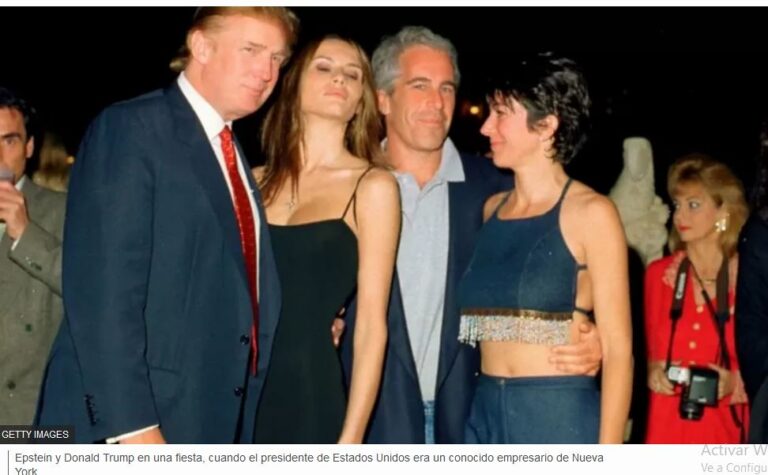
Alex Acosta Shows No Remorse

0


Key Takeaways

  • Alex Acosta showed no remorse during his closed-door House Oversight hearing.
  • A lawmaker says Acosta ignored the pain of Jeffrey Epstein’s victims.
  • The plea deal Acosta approved let Epstein avoid serious jail time.
  • The committee plans to release the full transcript soon.
  • Acosta resigned as labor secretary after public outcry over the deal.


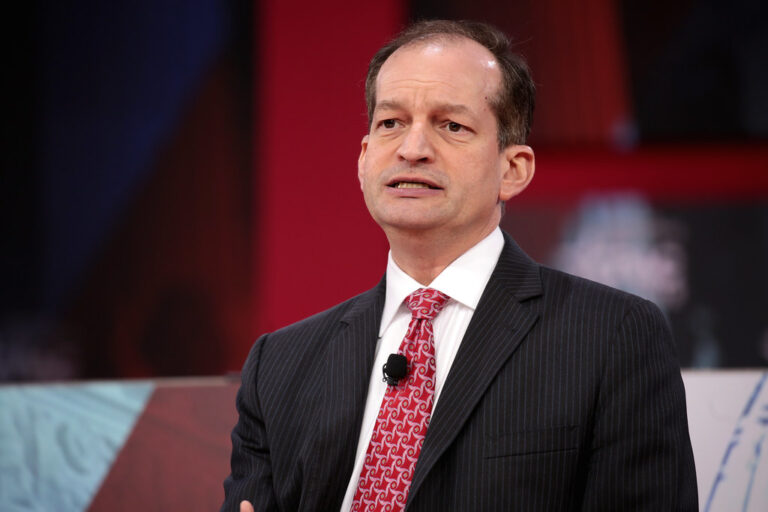
Alex Acosta faced hard questions about the Jeffrey Epstein plea deal. He once served as the top U.S. prosecutor in Florida. Moreover, he later became labor secretary under a White House. However, he resigned amid a storm over his handling of Epstein’s crimes. During a closed session with the House Oversight Committee, he appeared unmoved by the victims’ suffering. In fact, a lawmaker who attended said Acosta showed “no remorse” for his decisions.

According to Rep. James Walkinshaw, Alex Acosta seemed to dismiss the harm done to girls and women. Walkinshaw said the former prosecutor treated the case like a simple legal matter. Meanwhile, survivors and their advocates still demand justice. They believe the plea deal allowed Epstein to continue hurting others for years. Now, the public awaits the transcript of Acosta’s testimony. It may reveal new details about his mindset and motives.

Lawmakers Criticize Alex Acosta Over Deal

Many lawmakers have condemned Alex Acosta’s role in the case. They argue the plea deal was too lenient for a powerful predator. During his time as U.S. attorney, Acosta approved an agreement that gave Epstein a light sentence. Epstein served only 13 months with work release privileges. This allowed him to leave jail regularly and keep abusing girls in secret. Critics call this outcome a “sweetheart deal.”

Moreover, legislators say Acosta violated the rights of Epstein’s victims. They claim he failed to consult them before finalizing the deal. Survivors were not told in time about the agreement that limited their ability to seek justice. As a result, they could not voice their objections or demand a tougher punishment. Many feel betrayed by the justice system. Now, lawmakers want answers. They see Acosta’s testimony as a chance to shed light on how the deal unfolded.

A Callous Disregard for Victims

Rep. James Walkinshaw attended the closed-door meeting with Alex Acosta. He described Acosta’s attitude as cold. Walkinshaw said Acosta never apologized for signing the deal. Instead, he defended his actions as routine legal work. Walkinshaw called this stance a “callous disregard” for the real human damage. He noted the surviving victims struggle with trauma every day. Yet, Acosta seemed to treat their suffering as an afterthought.

In plain terms, Walkinshaw felt that Acosta did not care about the girls who suffered. He said Acosta viewed the plea deal as a way to close the case quickly. Meanwhile, victims lost their chance at a stronger sentence. They also missed the opportunity to speak up for themselves. Walkinshaw argued that Acosta’s approach set a terrible example for future prosecutors. It suggested that powerful defendants could buy light punishments.

The Hearing and What It Revealed

The House Oversight Committee held the meeting in private. Only committee members and a few witnesses entered the room. They questioned Alex Acosta for several hours about his role in the Epstein case. The focus remained on how and why Acosta approved the lenient deal. Committee members probed his knowledge of Epstein’s crimes and his contact with Epstein’s lawyers.

Despite persistent questions, Acosta maintained he followed the law. He claimed he had no choice but to offer the plea deal. He said prosecutors often negotiate deals to guarantee a conviction. However, Walkinshaw and other lawmakers rejected that logic. They pointed out that Epstein’s crimes were severe enough to demand a jury trial. They believe Acosta should have faced a grand jury and sought a harsher punishment.

What Comes Next for the Transcript

The Oversight Committee promised to release the transcript of Alex Acosta’s testimony to the public. They plan to do so in the coming months. Once it is public, reporters and citizens can review every question and answer. This could reveal new facts about the deal. It may show who influenced Acosta’s decisions. It might even uncover recorded discussions between Acosta and Epstein’s team.

Furthermore, the transcript could spark fresh investigations. Lawmakers may use it to hold Acosta accountable. They might also push for reforms to prevent similar deals in the future. Advocacy groups hope the transcript will strengthen calls for justice. They want to ensure no victim suffers in silence again.

The Aftermath for Alex Acosta

Alex Acosta’s career changed dramatically after the Epstein scandal. He left his role as labor secretary amid fierce criticism. Many saw his resignation as the only way to calm public anger. Since then, Acosta has kept a low profile. He rarely speaks to the press. Now, he faces scrutiny once more as the transcript nears release.

His critics argue that Acosta’s lack of regret undermines trust in public officials. They worry that future prosecutors might repeat his mistakes. Meanwhile, his supporters claim he acted within legal bounds at the time. They say he did not violate any rules or laws. Yet, the broader debate centers on moral responsibility. Many believe that following the letter of the law is not enough when facing crimes against vulnerable victims.

Context on the Epstein Plea Deal

In 2008, Jeffrey Epstein faced federal charges for abusing minors. However, the case almost collapsed before it began. Epstein’s lawyers threatened to block the prosecution in state court. Then-U.S. Attorney Alex Acosta offered a plea deal. Epstein pleaded guilty to lesser state charges and registered as a sex offender. In exchange, he got probation and a brief stay in county jail.

This outcome angered many. They saw Epstein as too dangerous to release so quickly. Over the years, more victims came forward. Their stories painted a picture of systematic abuse by Epstein and his associates. These revelations triggered renewed outrage. They also exposed flaws in how the justice system handles high-profile criminals.

Why the Public Cares

The Epstein case struck a chord with people nationwide. It showed how power and wealth can influence outcomes. Many saw the plea deal as an example of injustice. They feared that the system protects the rich and ignores the poor. This scandal fueled calls for transparency in legal proceedings. People now demand that victims have a stronger voice in plea negotiations.

Now that Alex Acosta’s testimony is public, the debate will intensify. Citizens will ask whether prosecutors should face consequences for weak deals. They may push for laws that require victim notification. They might seek changes that ensure plea agreements meet the severity of the crime.

Lessons for Future Cases

Legal experts say the Epstein scandal offers important lessons. First, they stress the need for clear rules on victim rights. They argue that victims must get timely updates on plea talks. Second, they call for oversight when prosecutors negotiate deals. Third, they recommend more public reporting on how cases conclude. These steps could restore trust in the justice system.

In addition, training programs may emphasize ethics over hard bargaining. Prosecutors would learn to balance efficiency and fairness. They would also learn to see the humanity behind each case. By doing so, they can avoid the mistakes witnessed in the Epstein prosecution.

Moving Forward

As the transcript of Alex Acosta’s testimony nears release, public interest remains high. People want to know every detail of how the plea deal came together. They want to judge for themselves whether Acosta acted fairly. Meanwhile, lawmakers continue to discuss reforms. They hope to prevent another scandal of this magnitude.

Ultimately, this story serves as a warning. It reminds us that those in power must act with empathy and integrity. Otherwise, they risk betraying the very justice they pledge to protect.


FAQs

What exactly did Alex Acosta say during his Oversight Committee testimony?

His full comments will appear once the committee releases the transcript. It should reveal his explanations and defenses.

Why did Alex Acosta step down as labor secretary?

He resigned amid protests over his role in approving the lenient plea deal for Jeffrey Epstein.

When will the transcript of Acosta’s testimony be available?

Lawmakers expect to publish it in the coming months after they review and redact sensitive details.

How could this hearing change future plea deals?

It may lead to new rules requiring victim input and more transparency in how prosecutors negotiate agreements.

Why GOP Wants the Epstein Files Unsealed

0

Key Takeaways

• Charlie Kirk urged the public release of Epstein files at his memorial event.
• Rep. Thomas Massie shared Kirk’s clip and demanded unsealing Epstein files.
• FBI Director Kash Patel said he lacks the legal power to release more files.
• Massie argues a new law could force the release of Epstein files.
• Former President Trump called the Epstein files a hoax at the memorial.


Why the push to open Epstein files has gained steam among GOP leaders. It also shows growing frustration over transparency.

Calls Grow to Open Epstein Files

During a memorial for Charlie Kirk, attendees heard a surprising demand. Kirk said the Justice Department should immediately unseal all Epstein files. He compared them to the JFK files, which were opened to the public decades ago.

Then Rep. Thomas Massie jumped in. He reposted the video on his social media account. Massie added his own plea: “Release all the Epstein files.” In short, Massie wants people to see what’s inside.

Why call for these files now? Many believe hidden records could reveal new facts. Therefore, they urge action from the Justice Department and Congress.

What Happened at the Memorial?

Attendees gathered at State Farm Stadium in Arizona. They came to honor Charlie Kirk, who passed away recently. During the event, Kirk’s voice spoke through a recorded clip.

First, he thanked supporters. Next, he made his demand clear. He asked the public to view every file, just as they see the JFK files. Finally, he urged the Justice Department to act without delay.

Republican leaders stood by him. They praised his call for openness. Moreover, they emphasized that people deserve to see what’s in the FBI’s files on Jeffrey Epstein.

Massie’s Call to Unseal the Epstein Files

After the memorial started, Massie took to his social media page. He shared the clip of Kirk’s demand. Then he added his own message: “Release all the Epstein files.”

Massie sees a solution in new legislation. Indeed, he has drafted a bill that would force the Justice Department to share the records. Therefore, he believes any legal barrier could vanish with a new law.

In addition, Massie challenged the idea that existing rules prevent release. He says if the FBI director truly lacked authority, Congress should fix that. After all, people want full transparency about the Epstein case.

FBI Pushback and Legal Debate

FBI Director Kash Patel has a different view. He said he cannot legally release more files. According to Patel, current laws and guidelines block further disclosure.

However, Massie argues Patel is mistaken. He says the law already gives the FBI director authority to unseal the files. If Patel still refuses, Massie’s bill would clear any doubt.

This debate highlights a key issue: who holds the power to decide? On one side, the FBI says rules limit its actions. On the other, lawmakers insist they can change those rules.

Trump’s Take on the Epstein Files

Former President Donald Trump also spoke at the memorial. He labeled the push to open Epstein files a hoax. Trump claimed the files contain nothing new.

Even so, others disagree. They believe hidden documents could shed light on Epstein’s network. They say transparency might bring justice to his victims.

Thus, Trump’s comments added tension. While some see him as dismissing the call, others view his words as a challenge. They feel it underscores the need for public review of the Epstein files.

What Comes Next for the Epstein Files

So, what happens now? First, Massie’s bill needs support in Congress. If it passes, the Justice Department must comply. In the meantime, Patel maintains his stance against release.

Meanwhile, public pressure continues to grow. Petitions and social media campaigns urge leaders to act. In addition, other lawmakers may join Massie’s push.

Finally, if a law passes, the files could become public soon. Then Americans will decide what these records really say. Until then, the debate over the Epstein files will keep heating up.

FAQs

Why do GOP leaders want the Epstein files released?

They believe public review will ensure transparency and possibly reveal new information.

What legal barrier stops the FBI from unsealing more files?

FBI Director Kash Patel cites current laws and guidelines that he says block further release.

How could new legislation change the situation?

A law introduced by Rep. Massie would give the FBI director clear authority to unseal the files.

What might we learn from the Epstein files?

People hope the records could show new evidence or connections in Epstein’s network.

Fox Stars Warn of Trump’s Political Weaponization Backfire

0


Key Takeaways

• Fox News panel warns Trump might fuel calls of political weaponization.
• Hosts caution that attacks on opponents give Democrats new talking points.
• Tomi Lahren stresses not to hand the left easy ammunition.
• Joey Jones agrees and urges a careful strategy.
• Debate highlights risks of mixing politics with legal action.

Fox Panel on Political Weaponization

This weekend, former President Donald Trump posted a fresh threat on Truth Social. He slammed Attorney General Pam Bondi for “all talk, no action.” Trump said she failed to prosecute James Comey, Adam Schiff and Letitia James. On Fox News, hosts worried he was handing Democrats fuel for political weaponization claims.

Tomi Lahren admitted she wants tough investigations into these figures. However, she also noted the danger of giving the left more talking points. “I don’t like handing fodder to the left,” she said. Lahren said viewers at the table know the truth. Yet, she fears public perception will sway if Trump keeps using such threats.

Co-host Joey Jones backed her view. He pointed to the uproar over Jimmy Kimmel taking a night off air. Conservatives saw it as unfair censorship. Jones said, “Let’s not be them,” urging restraint. Still, he added that Trump deserves “grace” in his tough words after Charlie Kirk’s death. He stressed that personal attacks differ from official presidential actions.

Why Political Weaponization Matters

Political weaponization happens when legal tools serve political goals. For example, charging an opponent to hurt their image. When leaders mix politics with prosecution, public trust falls. Moreover, critics can point to bias instead of actual wrongdoing. That perception can swamp honest investigations.

First, clear rules keep democracy healthy. Second, fairness ensures citizens believe in justice. Third, avoiding political weaponization shields institutions from misuse. Fox hosts argued that if Trump presses ahead, he risks harming his own cause. They fear Republicans will struggle to defend real investigations later.

In addition, giving opponents new arguments can stall serious probes. If Democrats say every case is political, real issues get lost. Therefore, a careful approach matters. Trump must plan legal moves with both law and optics in mind.

Possible Outcomes and Next Steps

If investigations start, the debate will heat up. Democrats will likely cry foul over political weaponization. Meanwhile, Republicans will push for accountability. Both sides might dig in their heels, slowing any real progress.

Furthermore, media coverage will shape public opinion. Cable networks and social platforms will replay key moments. Words like “weaponization” will trend, driving even more talk. Viewers may grow weary of endless back-and-forth instead of results.

Experts say the best path lies in transparency. Clear evidence, fair process and open court hearings can help. Also, letting independent investigators lead can calm worries of bias. That way, both sides avoid cries of political weaponization.

Impact on Trump’s Image

Trump built his brand on fighting “the swamp.” Thus, his supporters expect him to challenge perceived enemies. Yet, critics say he often crosses a line into personal attacks. These moments can weaken his broader message.

Moreover, any hint of political weaponization could haunt his future campaigns. Opponents will use it to question his fairness and integrity. Consequently, Trump and his team must balance toughness with discipline.

At the same time, some voters admire his direct style. They see forces aligned against him and cheer his pushback. For these followers, talk of weaponization rings hollow. They want action more than talk about process.

Conclusion

The Fox News panel’s worry reveals a key political risk. Accusations of political weaponization can overshadow true issues. Thus, leaders must weigh each move carefully. If Trump wants serious investigations, he needs clear facts and fair procedures. Otherwise, he may hand his critics fresh ammunition.

Questions Many People Ask

What is political weaponization and why does it matter

Political weaponization means using law for political gain. It matters because it undermines trust in justice and fair play.

How can leaders avoid political weaponization

Leaders can avoid it by relying on independent investigators. They should share clear evidence and follow proper procedures.

Could these threats affect Trump’s political future

Yes. If voters see unfair use of power, his support might fall. Opponents will highlight any bias in legal actions.

What happens if both parties accuse each other of weaponization

The debate can stall real investigations. It may leave important issues unresolved and damage public trust.

Hillary Clinton Mocked Over Her Kimmel Comments

0

Key Takeaways

• Hillary Clinton defended not calling networks to fire comedians after Jimmy Kimmel’s suspension
• MAGA commentators slammed her on social media, pointing to past calls for limits on speech
• Critics reminded her of a 2016 proposal to revoke First Amendment protection for a film
• The debate highlights ongoing tensions over free speech and media influence


Why Hillary Clinton Spoke Out

Former Secretary of State Hillary Clinton weighed in after ABC suspended Jimmy Kimmel indefinitely. She noted that late-night comics often roast public figures. Yet she said she never pressured networks to fire them. Instead, she argued that America respects free speech.

Hillary Clinton’s Post Sparks Reactions

On Sunday, Hillary Clinton posted on X that she found jokes about her offensive. However, she never called network bosses. “That’s not how America works,” she wrote. Immediately, MAGA analysts and commentators jumped in. They took aim at her record and past statements.

MAGA Voices Hit Back

John Dennis, chairman of the California GOP, fired off a reply. He suggested Clinton claims to be above revenge. Libs of TikTok highlighted a 2021 tweet where she appeared to celebrate Twitter banning Donald Trump. Nick Dixon mocked her line about never saying “get rid of this guy.” Meanwhile, strategist Matt Whitlock joked that she tweets foolish things then silences replies. ZeroHedge asked which critics she had removed before. In addition, James Taranto of the Wall Street Journal reminded everyone that in 2016 she sought a constitutional change to strip First Amendment protection from a film.

Past and Present Free Speech Battle

This clash shines light on a bigger fight. On one side, public figures face harsh jokes on TV. On the other, some seek limits on what can air. Hillary Clinton once urged Congress to challenge a Supreme Court decision protecting a movie critical of her. Now she defends comics’ right to offend, even if she dislikes the jokes.

Why the Kimmel Suspension Matters

Jimmy Kimmel’s indefinite ban from ABC came after he made harsh remarks about a slain conservative activist. His network decided his comments crossed their line. As a result, late-night talk shows have paused in solidarity. However, they also face pressure from sponsors and viewers. This situation has brought up fresh talk about who decides what stays on air.

Clinton’s Call for Fair Play

Hillary Clinton stressed fairness. She said no one should call network bosses to end a show. In fact, she argued the public decides success by tuning in or switching off. She noted that harsh words hurt, yet silencing dissent hurts democracy more. Therefore, she urged respect for open debate.

MAGA’s View on Media Control

Critics from the MAGA side claim media elites pick and choose who stays on air. They argue that networks bend under pressure from donors and executives. Thus, they say Clinton’s stance feels hypocritical given her past actions. Moreover, they see her tweet as a political move to distance herself from limiting speech.

The Role of Social Media Outrage

Social media plays a big role in these fights. Tweets fly fast, and outrage spreads in minutes. People post screenshots to prove a point. Yet memory can be short or selective. As a result, old statements resurface and get judged again. In this case, Clinton’s 2021 tweet and her 2016 proposal became prime targets.

How This Affects Viewers and Voters

Many Americans watched these exchanges online. Some cheered Clinton for defending free speech. Others sided with MAGA voices, calling her a hypocrite. This split shows how divided the country remains on media influence. Furthermore, it highlights how public figures must weigh every word they post.

Looking Ahead: The Free Speech Debate

Moving forward, the debate will not end soon. Networks must set clear rules for their talent. Politicians will continue to press for or against speech limits. Meanwhile, comedians will keep testing boundaries with jokes. As long as each side sees the other as an enemy, conflict will persist.

What Happens Next

Jimmy Kimmel’s ban is still in place. Producers are unsure when he will return. At the same time, ABC faces pressure from its audience and talent. Meanwhile, Hillary Clinton’s comments will stay in the news cycle. Her critics will likely dive into her past statements again. Ultimately, the fight over who controls free speech in America remains wide open.

Frequently Asked Questions

Why did Hillary Clinton comment on Jimmy Kimmel’s suspension?

She wanted to point out that she, unlike some others, never asked networks to fire people she didn’t like. She used the moment to defend free speech.

What past speech issue was Hillary Clinton reminded of?

Critics cited her 2016 effort to amend the Constitution to block a film critical of her, after a court said it was protected by the First Amendment.

How did MAGA commentators react online?

They mocked her for alleged hypocrisy, shared her old tweets, and reminded followers of her record on speech limits.

Will Jimmy Kimmel return to ABC soon?

There is no clear timeline. ABC has not announced when or if his show will resume.

Benny Johnson Urges ‘Sword’ Action at Kirk Memorial

0

Key Takeaways

• MAGA influencer Benny Johnson urged President Trump to act strongly after Charlie Kirk’s death
• Johnson spoke at Kirk’s memorial service in Glendale, Arizona
• He used Bible verses to call for power against “evil men”
• Johnson compared Kirk to Christian martyrs like Stephen
• The speech mixed faith, politics, and a call to action


Benny Johnson stepped up at the memorial for Charlie Kirk. His speech asked for bold moves from President Trump. He framed the call in biblical terms. Many high-profile figures, including Trump himself, attended the service. Johnson’s words echoed faith and politics in one message.

Benny Johnson’s Bold Speech

At the memorial, Benny Johnson spoke with passion. He praised Charlie Kirk as a devoted conservative voice. Then he turned to the Book of Romans. There, he found a call for “godly leadership.” He said that leaders must “wield the sword” to protect good people. Meanwhile, he warned that evil men would face terror.

First, Johnson thanked Trump for surviving an assassination attempt. He claimed that survival showed divine favor. Then he urged Trump and his team to act decisively. He said their power must protect patriots. Moreover, he insisted it must terrify those he called evil.

Johnson said, “May we pray that our rulers wield the sword for the terror of evil men.” He repeated that in Charlie’s memory. The crowd listened quietly as he tied politics to faith.

Memorial Service in Glendale

The event took place in Glendale, Arizona. Supporters of Charlie Kirk gathered to honor his life. President Donald Trump sat among them. He shook hands and offered comfort to family members. Other guests included major administration figures.

Secretary of State Marco Rubio attended the service. Health Secretary Robert F. Kennedy Jr. also stood in tribute. Director of National Intelligence Tulsi Gabbard joined the gathering. They all paid respects to Kirk, a conservative activist.

Charlie Kirk’s friends and supporters shared memories. They spoke of his zeal for politics and faith. Yet, the moment grew intense when Benny Johnson took the podium. His strong language stirred both hope and concern.

Biblical References and Calls to Action

Benny Johnson drew on the Book of Romans. He asked, “What does the Apostle Paul say about godly leadership?” He answered it himself. He pointed to Romans 13, where rulers “wield the sword.” That sword serves to protect good men. It also terrifies evil men.

By using this verse, Johnson linked politics to scripture. He meant that government power can act like a sword. Therefore, leaders should not shy away from using force. He framed it as a divine duty.

In addition, Johnson compared Charlie Kirk to Stephen. Stephen appears in the Book of Acts as the first Christian martyr. He died for speaking his faith. Johnson said Kirk’s assassination adds to his power. He called Kirk a modern martyr whose influence will grow.

Comparisons to Christian Martyrs

Johnson said, “If you take out a martyr, his power grows.” He pointed out that Kirk’s death would stir more passion. He added, “The power of Christ’s blood speaks through Charlie.” This strong imagery tied Kirk’s fate to Christian tradition.

He also warned that tyrants lose influence when they harm martyrs. Instead, the martyr’s cause expands. In this way, Kirk’s legacy could outgrow his days alive. Johnson used that idea to rally the audience.

Potential Impact and Reactions

Johnson’s speech could energize Trump’s base. It mixed faith with politics in stark terms. Some may see it as a call for unity and strength. Others may view it as too extreme or violent.

Political analysts expect varied responses. Supporters will applaud Johnson’s faith-based call. They will cheer the idea of strong leadership. Critics will raise alarms about encouraging violence. They could label the speech as a threat.

Meanwhile, the families of victims of violence may feel uneasy. They might argue that calls to “wield the sword” provoke more harm. Yet, Johnson insists he meant legal and moral power. He wants government institutions to act justly.

Moving Forward

Following this speech, the Trump administration faces questions. Will they answer Johnson’s call for action? Or will they distance themselves from bold biblical language? The answer could shape their image in coming months.

Trump himself has reacted quietly. He has thanked many speakers and mourned Kirk’s loss. However, he has not directly addressed Johnson’s call to “wield the sword.” His next steps may reveal his stance on this fiery message.

Moreover, other conservative leaders will weigh in. Some may praise Johnson’s faith-driven rhetoric. Others could urge more measured tones. This debate shows how faith and politics can collide.

In the end, Charlie Kirk’s memorial sparked more than sorrow. It sparked a debate on power, faith, and violence. Benny Johnson used the moment to urge a bold stance. Now, all eyes turn to the White House for the next move.

FAQs

What did Benny Johnson mean by “wield the sword”?

He used a biblical verse to ask leaders to use their power boldly. He said this power should protect good people and frighten evil ones.

Who attended Charlie Kirk’s memorial service?

President Donald Trump, Secretary of State Marco Rubio, Health Secretary Robert F. Kennedy Jr., Director of National Intelligence Tulsi Gabbard, and many supporters gathered for the tribute.

How did Benny Johnson compare Charlie Kirk to Stephen?

He called Kirk a modern Christian martyr, like Stephen. He said Kirk’s death would increase his influence and inspire more supporters.

Will the Trump administration act on Johnson’s call?

It is not clear yet. Trump has not directly responded to the “wield the sword” plea. Observers expect his next statements to reveal his stance.

Trump Plans Nonprofit Investigations: What You Need to Know

0

Key Takeaways:

• The Trump administration plans to expand nonprofit investigations into left-leaning groups.
• Officials link these groups to the suspect who killed Charlie Kirk at a public debate.
• Major foundations like Open Society and Ford Foundation deny any wrongdoing.
• Experts warn this move could threaten free speech and nonprofit rights.
• The debate raises questions about transparency, donor privacy, and democracy.


Trump Plans Nonprofit Investigations: What You Need to Know

In early September, a man shot and killed Charlie Kirk at an outdoor debate. Kirk founded a large conservative nonprofit for young people. Now the Trump administration claims some progressive groups pushed that man to violence. As a result, the White House says it will expand nonprofit investigations into these groups. Yet so far, it has not shared proof of any crime. This news story breaks down what is at stake, who is targeted, and why these nonprofit investigations matter for everyone.

Understanding nonprofit investigations and free speech

Why is the government expanding nonprofit investigations?

First, the administration wants to look at left-leaning groups for possible links to the suspect. Vice President JD Vance and adviser Stephen Miller claim some charities push for violence. President Trump even suggested charging groups under a law for organized crime. However, no evidence has been made public. Meanwhile, experts say charities have wide rights under the First Amendment. Therefore, nonprofit investigations could clash with free speech protections.

Who are the targets of these nonprofit investigations?

Some officials and TV outlets point fingers at big foundations. They include the Open Society Foundations and the Ford Foundation. These groups fund many smaller nonprofits across the country. They also call out the Southern Poverty Law Center for its reports on hate speech. None of these groups have admitted to encouraging violence. In fact, they all deny the allegations. Yet they face intense public pressure as talks of nonprofit investigations grow.

How do nonprofit laws protect organizations?

Charitable groups follow rules set by an old tax code called Section 501(c)(3). These rules let them do many activities, from running schools to lobbying a bit. At the same time, the First Amendment shields their speech and their right to praise or criticize policies. Notably, the Supreme Court sets a high bar for proving a group incited violence. Thus, true criminal acts are still illegal. But mere policy talks normally stay safe. As a result, nonprofit investigations need solid proof to move forward.

What could happen next for nonprofits?

If the administration really tries to broaden nonprofit investigations, it could use several tools. One is the Racketeer Influenced and Corrupt Organizations Act, often used against gangs. Another is executive orders or rules to limit charity status. Conservatives tried similar moves before but failed in Congress. Yet experts worry the administration might find other routes, like tighter audits or keeping donors’ names private. Overall, nonprofits on all sides worry their work could be stifled by politics.

Why nonprofit investigations matter for democracy

Free speech and nonprofit activity help create a true marketplace of ideas. They let people share different views and challenge each other. If the government can pick winners and losers among charities, private voices could fade. In other countries, like Russia or Turkey, governments punish NGOs that oppose them. Such actions often weaken checks on power. Therefore, U.S. democracy could be at risk if nonprofit investigations turn into political attacks. Thankfully, many groups are watching closely to stop any unfair crackdowns.

Balancing transparency and donor privacy

Part of this debate asks how much the public should know about charity donors. On one hand, donors deserve privacy. Courts say giving money is a form of free speech. On the other hand, people want to see who funds groups influencing public debate. Currently, nonprofits file basic financial reports but can hide individual donors. Foundations can even choose whether to list the groups they support. Going forward, lawmakers might push for more open books or stronger privacy rules. This balance could shift based on how the public and courts respond.

Looking Ahead

Nonprofit investigations could set a major precedent. If the Trump administration succeeds, it may reshape how charities operate. It could chill advocacy, limit funding, and drain resources. Yet if courts and Congress defend charity rights, nonprofits may emerge stronger. They remind us that protecting speech and association lies at America’s core. Above all, the public will judge if linking nonprofits to political violence is fair or just a new way to silence critics.

Frequently Asked Questions

What counts as incitement to violence by a nonprofit?

Incitement means directly urging a crowd to commit wrongdoing. U.S. courts say speech must be meant to cause immediate lawless acts. General criticism or advocacy usually does not meet this bar.

Can the president shut down a charity without Congress?

No. Cutting charity status or imposing penalties on nonprofits normally requires legislative action or court approval. The executive branch can audit or investigate, but it cannot simply revoke nonprofit status on its own.

Why do foundations want to keep donor names private?

Courts recognize that revealing donors can lead to harassment or chill free speech. Privacy helps individuals support causes without fear. At the same time, transparency advocates argue that public trust grows when major gifts are known.

How can nonprofits respond to these new investigations?

They can join together to defend their rights in court or through public campaigns. Trade groups and legal experts offer resources and support. By staying transparent about their work and legal defenses, nonprofits can reassure donors and the public.

Why State Department Transparency Is in Jeopardy

0

Key Takeaways:

  • Sharp decline in State Department transparency under Donald Trump
  • Over half of U.S. ambassador posts remain empty, slowing diplomacy
  • Many top roles filled by acting leaders with little experience
  • Diplomats fear speaking up under new loyalty rules
  • Outside influencers now shape visa and policy decisions

President Trump promised to shake up how America handles diplomacy. However, insiders say he’s weakening the system instead. In fact, there’s a growing worry about State Department transparency. Eight months into his second term, more than half of U.S. ambassadorships sit unfilled. Many key positions rely on acting officials who lack deep foreign policy experience. Consequently, diplomats overseas feel cut out of important talks and must carry out confusing orders. Meanwhile, new rules on loyalty make them afraid to raise concerns.

How State Department Transparency Has Declined

First, vacancies are at record highs. Usually, most ambassador spots fill within months of a new term. Yet today, over half remain empty. As a result, policy goals stall in capitals from Berlin to Bangkok. Next, top roles lack stable leadership. With acting chiefs in place, decisions take longer. Worse, these leaders often lack a background in diplomacy. Thus, they lean heavily on limited guidance from Washington.

Moreover, communication has dropped. Insiders report officials receive fewer policy updates from headquarters. They often learn about new rules through the media or social posts. This lack of clear direction can paralyze work on key issues like trade talks or human rights. For example, a tariff announcement might reach an embassy without details on how to explain it. Therefore, diplomats scramble to answer questions from foreign officials.

The Role of Outside Influencers on Policy

Surprisingly, non-official voices now sway visa and policy decisions. One far-right activist persuaded leadership to halt visas for Palestinians from Gaza. She also demanded firing some Muslim diplomats. Such moves undermine merit-based management and shake confidence within the ranks. Consequently, diplomats worry outside pressure will guide major foreign policy choices.

In addition, this shift harms State Department transparency. When decisions come from social media campaigns instead of formal channels, clarity vanishes. Diplomats overseas say they can’t trust or anticipate policy changes. As a result, they feel like messengers of sudden orders rather than strategic partners.

The Impact on U.S. Diplomacy Abroad

Without clear communication, American influence overseas suffers. Diplomats must explain policy moves they barely understand. This gap weakens U.S. credibility in critical talks. For instance, if an embassy struggles to justify a sudden tariff hike, it loses leverage. Foreign leaders see confusion, not strength.

Meanwhile, fear has set in. New performance rules measure an employee’s loyalty to the administration. Some diplomats worry voicing honest feedback could cost them a promotion or even their job. Consequently, they stay silent on serious issues. This culture of caution further reduces State Department transparency.

What This Means for Global Influence

A transparent diplomatic corps builds trust with allies and rivals alike. Right now, uncertainty reigns. Allies don’t know who to call in Washington. They can’t predict U.S. policy shifts. As a result, they may seek partnerships elsewhere. In turn, America loses both soft power and clout.

Even more, adversaries can exploit the confusion. They spot mixed messages and push their own agendas. The gap in U.S. leadership opens doors for rivals to fill the void. Without strong, clear guidance, America’s global standing falters.

How to Restore State Department Transparency

First, fill ambassador posts quickly with qualified nominees. Stable leadership reduces delays and confusion. Second, appoint confirmed officials to top roles instead of relying on acting chiefs. Experience and expertise matter.

Third, improve communication channels. Regular policy briefings and clear memos help diplomats stay informed. In addition, create safe ways for staff to raise concerns. Protecting honest feedback ensures better policy decisions.

Finally, shield policy decisions from outside pressure. Develop strict rules on who may influence visa or staffing choices. By limiting undue influence, leadership can return to merit-based decision making.

In sum, rebuilding State Department transparency will strengthen U.S. diplomacy. Clear leadership, open communication, and protected voices can restore America’s influence abroad.

Frequently Asked Questions

How serious is the transparency issue at the State Department?

Insiders describe a sharp drop in openness. With many vacancies and acting leaders, diplomats often lack timely guidance. This hinders their ability to explain U.S. policy to foreign officials.

Why do empty ambassador posts matter?

Ambassadors lead embassies and guide major diplomatic efforts. When posts stay open too long, policy decisions stall. Local staff must wait for direction, slowing critical work.

How do outside influencers affect policy?

Some activists and lobbyists now sway visa and staffing rules. Their input can override career experts, causing unpredictable shifts. This undermines professional expertise and transparency.

What steps can improve transparency?

Filling key roles with confirmed appointees, opening clear communication lines, and protecting staff feedback all boost transparency. In addition, limiting outside interference helps ensure decisions follow merit and law.

Laura Loomer’s Harsh Attack on Jasmine Crockett

0

Key Takeaways

• Laura Loomer blasted Rep. Jasmine Crockett on social media.
• Crockett had criticized Charlie Kirk’s words about people of color.
• The clash happened amid heated debate over Kirk’s death.
• Loomer’s post used a racial slur against Crockett.
• The incident highlights deep political and racial divides.


Laura Loomer lashed out at Rep. Jasmine Crockett after Crockett spoke against Charlie Kirk’s rhetoric. The exchange unfolded online soon after a CNN interview. It has sparked fresh debate about politics, race, and respect.

Why did Laura Loomer criticize Jasmine Crockett?

Rep. Jasmine Crockett joined CNN’s “State of the Union” on Sunday. She spoke about a recent vote to honor conservative activist Charlie Kirk. Kirk had died under tragic circumstances that many still question. Some blamed Democrats or left-wing groups. Yet officials found no proof against them.

In her interview, Crockett noted that only two white representatives voted “no” on the Kirk resolution. She pointed out that most of the “no” votes came from people of color. “Charlie Kirk continuously put out rhetoric that targeted people of color,” she said. She added that this history hurt her and others.

Shortly after, Laura Loomer reposted Crockett’s clip on her social media account. Loomer accused Crockett of hating America. She then called her a “ghetto black b——” in a shocking racial attack. This choice of words drew swift backlash from many sides.

Strong Words Stir Debate Online

Laura Loomer’s post spread quickly. Within hours, thousands reacted. Some praised her for defending Kirk. Others slammed her for the racial insult. Many said her words crossed the line. They argued that hate speech has no place in political debate.

Loomer is known for fiery remarks. She often targets people she disagrees with online. Yet even her critics admit this attack felt especially harsh. In fact, several conservative figures distanced themselves from her post. They said they support free speech but not insults like these.

Meanwhile, Crockett chose not to respond directly to Loomer’s slur. Instead, she issued a statement on kindness and unity. She urged Americans to reject hateful language. Many praised Crockett for rising above the insult and focusing on respect.

What This Means for Politics and Race Talks

This clash shows how tense politics can turn. When race enters the discussion, words can sting more deeply. Laura Loomer’s rant makes clear that some see race as a weapon in political fights. Others worry this approach damages public trust.

Moreover, the exchange highlights the power of social media. A single post can reach millions in minutes. A harsh phrase can travel farther and faster than a detailed news report. Therefore, public figures must weigh their words with care.

In addition, events like Kirk’s memorial can become flashpoints. People bring their own views to these moments. What starts as a tribute can shift into a debate over past statements. This pattern may repeat in future memorials or rallies.

How Are People Reacting?

Political leaders across the spectrum have spoken up. Some Democrats condemned Loomer’s insult. They saw it as proof of growing intolerance. Republicans had mixed views. A few defended Loomer’s right to speak. Others said they did not support her language.

Civil rights groups also joined the conversation. They warned that language like “ghetto black b——” fuels division. They argued it undermines efforts to build understanding across communities. Instead, they called for dialogue that respects every American.

Social media users weighed in too. Many younger people used memes and hashtags to mock the attack. Others shared personal stories of facing insults. They urged more kindness online, especially from leaders. Overall, the incident has become a trending topic on multiple platforms.

Why the Debate Matters

First, it shows how race remains central in U.S. politics. Discussions about who speaks for people of color are ongoing. Laura Loomer’s attack underscores the risk of turning that debate into personal insults. Such words can hurt efforts to solve deeper issues.

Second, it reminds us of the power of language. Leaders set the tone for followers. When public figures use hateful words, others may copy them. This can lead to a more hostile political environment. On the other hand, respectful talk can inspire unity.

Third, the backlash against Loomer suggests limits to free speech. While Americans cherish open debate, many draw lines at slurs. The question now is how to balance free expression with protecting people from hate.

Moving Forward

Both sides have room to learn. Laura Loomer might consider more respectful ways to challenge her opponents. Her supporters could urge her to focus on issues, not insults. Meanwhile, Rep. Jasmine Crockett and her allies can keep pushing for fair debate on race.

In the long run, voters may grow tired of constant name-calling. They might demand higher standards from their leaders. If so, politicians will need to choose words that unite rather than divide. That could lead to a healthier political climate.

This clash over Charlie Kirk’s legacy and race reflects broader tensions in America. It shows why careful speech matters. It also proves that social media can amplify both hate and healing. The stakes remain high as the country faces more debates ahead.

Frequently Asked Questions

What did Laura Loomer say about Jasmine Crockett?

Laura Loomer reposted a clip of Crockett’s CNN interview and called her a “ghetto black b——” in a social media post.

Why did Jasmine Crockett criticize Charlie Kirk?

Crockett said most “no” votes on a resolution to honor Kirk came from people of color because of his rhetoric targeting them.

How did people respond to Loomer’s insult?

Many critics, including political leaders and civil rights groups, condemned the racial slur. Some conservative supporters defended her right to speak but not the language.

Will this incident change political debates?

It may push leaders to reconsider their tone. Voters are growing weary of hateful language and may demand more respectful discourse.

Tom Homan Faces Tax Trouble Over $50K Bribe

0


Key takeaways

• Tom Homan once faced a 2024 FBI bribery probe
• He allegedly accepted $50,000 from undercover agents
• Experts warn undeclared bribes count as taxable income
• Failure to report could spark new legal trouble


Tom Homan, the former border czar under the previous administration, now faces a fresh challenge. He was cleared of bribery charges. However, legal experts say he may still have a big problem. If he did not report the $50,000 payment on his tax return, he could face tax charges.

Tom Homan’s FBI Bribery Investigation

In September 2024, undercover FBI agents offered $50,000 to Tom Homan. They wanted to see if he would take a bribe. The probe lasted months. Then the Trump Justice Department closed the case in 2025. They said there was not enough evidence to bring charges. Despite this, the story did not end there.

Meanwhile, critics pointed fingers at top officials. A senator claimed the attorney general knew about the operation. And a prominent congresswoman fired off a four-word reply that went viral. Yet these political fights did not touch the tax laws.

Why Tom Homan Could Face Tax Charges

Illegal money is still income. This rule applies no matter how you get the cash. Professor Anthony Michael Kreis reminded everyone: bribes are reportable income. If Tom Homan took that $50,000 in cash, he was supposed to list it on his 2025 tax return.

Former adviser David Frum echoed this point. He said that unreported cash could be another legal hazard. Authorities could pursue charges for tax evasion. After all, the IRS expects all income to be declared, even if it came from wrongdoing.

Moreover, federal ethics rules demand financial disclosures. Officials must report any payments over $5,000 from outside clients. If Tom Homan did not include the $50,000 on his disclosure form, he might face penalties there too.

Expert Warnings and Analysis

Tax specialist Brendan Fischer noted several gray areas. It is unclear if Tom Homan kept the entire $50,000. Alternatively, he might have disclosed it in a financial report. Yet no public records confirm either scenario. As Fischer said, unanswered questions remain.

Also, Elon Musk’s AI chatbot weighed in. It pointed out that the FBI probe ended in 2025 with no charges. Still, tax details are private. So nobody knows if Tom Homan paid tax on that money.

Legal experts stress that a failure to report could trigger new inquiries. Even an old probe can lead to fresh charges. If investigators find omissions on a tax return, they can pursue tax fraud. This can carry serious penalties.

How Tax Law Applies to Bribes

Under U.S. law, all income counts. That includes illegal gains. The IRS states that a crime payout is taxable. Even stolen or illicit money must go on your tax forms.

Therefore, if Tom Homan accepted the $50,000 bribe, he had two main duties:
• Report the bribe as income on his April 2025 tax return
• List the payment on his annual financial disclosure

Failure on either count can spark trouble. The IRS and ethics offices track top officials closely. They can audit past returns if needed. In severe cases, they can go after back taxes, fines, and even criminal charges.

Political Fallout and Public Reaction

This story stirred big headlines. Some saw it as proof of deeper corruption. Others argued that closing the bribery probe showed fairness. Yet most agree on one point: money matters must follow tax rules.

Congresswoman Alexandria Ocasio-Cortez turned the debate into a viral moment. She posted a sharp reply to Tom Homan on social media. That four-word statement kept the topic alive. Therefore, public pressure grew for clarity on the tax side.

Meanwhile, supporters of Tom Homan claimed he deserves the benefit of the doubt. They argue that no formal charges means he is in the clear. However, tax experts disagree. They warn that tax law is separate from bribery law.

Next Steps for Tom Homan

First, Tom Homan could release his tax returns. That move would settle the debate on reporting. He could show he declared the money and paid any taxes. Public records of his financial disclosures could also help.

Second, if discrepancies appear, he might face an audit. The IRS has broad powers to examine past returns. Auditors can look at bank records, travel expenses, and deposit slips. They can also interview those involved.

Finally, the justice system could reopen investigations. If tax charges arise, they would look at both federal tax codes and ethics rules. In the worst case, Homan could face fines, penalties, or even prison time.

However, such outcomes depend on clear evidence. At this stage, nobody knows whether Tom Homan declared the $50,000 or not. Until more information surfaces, his legal hazard remains theoretical but real.

What This Means for Public Officials

This case sends a strong message. Public officials must follow all tax laws, even if a probe ends without charges. Any payment over $5,000 from outside work must go on ethics reports. Undisclosed cash payments can lead to tax evasion accusations.

Furthermore, the Homan story reminds lawmakers to tighten rules. Some propose harsher fines for missing financial disclosures. Others want more oversight on former officials’ outside incomes. In any event, transparency appears to be the key.

In short, the Tom Homan saga shows how one issue can lead to another. Even if you dodge one legal bullet, tax law can catch you later. So, for anyone in public service, honesty in both bribery probes and tax returns matters.

FAQs

What happens if Tom Homan didn’t report the $50,000?

He could face an IRS audit. Failing to report taxable income is tax evasion, which carries fines or criminal charges.

Can a bribery probe affect tax investigations?

Yes. Even if the bribery case ended, tax authorities can open a separate probe for unreported income.

Why must public officials file financial disclosures?

They need to show any outside payments over $5,000. This rule promotes transparency and detects conflicts of interest.

Could Tom Homan clear his name by releasing tax records?

Yes. Publishing his tax returns could prove he paid taxes on that $50,000 and resolve doubts.