59.1 F
San Francisco
Sunday, April 26, 2026
Home Blog Page 678

US Economy Shrinks as Tariff Fears Drive Import Surge

0

Key Takeaways

  • The U.S. economy shrank in early 2024 for the first time since 2022.
  • Imports skyrocketed as companies raced to dodge upcoming tariff hikes.
  • This buying frenzy hurt economic growth despite strong consumer spending.
  • Experts debate whether this is a temporary setback or a deeper issue.
  • Businesses may face price hikes as tariffs start to take effect.

America’s economy hit an unexpected speed bump last quarter. New data reveals the nation’s economic growth reversed course, shrinking for the first time since the pandemic recovery era. Why the sudden stumble? Big businesses rushed to import foreign goods before costly new tariffs kicked in. Think of it like shoppers emptying store shelves before a hurricane.

Economic Growth Goes Negative

The U.S. Gross Domestic Product fell slightly in early 2024. GDP measures the total value of all goods and services produced nationally. A negative reading spells contraction. Economists hadn’t predicted this downturn. For context, 2023 closed with solid growth. But this reversal signals storm clouds on the horizon.

Multiple factors drove the slide. Businesses cut back on warehouses stockpiles and slashed investments in equipment. Government spending also dipped. Yet consumer spending—the economy’s backbone—stayed surprisingly strong. This highlights a key contradiction. How could spending rise while the economy sank?

The Tariff Time Bomb

Enter the tariff effect. New trade policies on imports like Chinese steel and electric vehicles took effect this year. Fearing higher costs, companies ordered massive shipments before the deadlines. Import volumes soared to historic levels. This purchasing bonanza pumped up shipping ports simultaneously drained economic growth stats.

Here’s why: GDP calculations subtract imports. When businesses buy more foreign goods than they sell abroad, it drags down the final number. In other words, the import surge sabotaged the scorecard.

How Tariffs Warp Behavior

Tariffs are taxes on imported products. Governments use them to protect domestic industries or pressure trading partners. But anticipation creates chaos. Businesses scramble to avoid extra fees by accelerating orders. When everything arrives at once, ports jam up. Warehouses overflow. Logistics chains buckle under pressure.

Consumers initially benefit briefly from these pre tariff shipments as prices stay low. But later, tariffs bite hard. Companies often pass costs to buyers. Think electronics, clothing, or cars made overseas. Your favorite gadgets might cost more soon.

Businesses and Workers Feel the Pinch

The tariff rush triggers a domino effect. First, retailers face overstuffed shelves. Selling excess inventory takes months. Meanwhile, factories here might slow down. Why? Cheap imported goods undercut local prices. That hurts U.S. manufacturers and their employees.

Small businesses suffer most. Big corporations can pivot supply chains faster. Mom and pop shops absorb costs or raise prices cautiously. Both risk losing budget conscious shoppers. Workers fret whether companies will freeze hiring. Or worse, shed jobs to offset tariff hits.

Conflicting Signs in the Economy

Other data paints a mixed picture. Unemployment remains low. People keep spending on travel, restaurants, and streaming services. Inflation cooled somewhat but stays above the Federal Reserve’s target.

This creates confusion. Does one bad quarter spell a recession? Probably not. Analysts call this a technical contraction fueled by a temporary import wave. Once the tariff scramble ends, we may catch up. Yet risks linger if consumer confidence drops.

What Comes Next For Growth?

Most economists predict a quick rebound. Pent up demand for houses and cars could rev the engines. Businesses will eventually need to restock. If interest rates ease later this year, borrowing for homes or expansions gets cheaper.

But watch trade tensions closely. Tariffs remain a wildcard. Future policies could spark another import tsunami. Or trigger retaliatory fees from other nations. That would risk a costly trade war. Prices may spike across electronics, clothing, and industrial materials if foreign suppliers hike costs.

The Silver Lining

There’s upside beneath the surface. Ramped up factory construction continues nationwide. While tariffs protect some industries, they also incentivize local production. Think semiconductor plants in Arizona or Ohio vehicle assembly lines. Over time, this could lessen import dependency.

For now, economists preach patience. They urge looking past quarterly noise. Contractions sometimes disguise underlying strength. Jobs stay plentiful, while wages outpace inflation. Healthy household spending backs this optimism. Consumers refuse to retreat.

Wrapping Up: A Speed Bump, Not a Roadblock

Today’s news shocks, but perspective matters. Import fears caused a one-off economic dip. The frenzy masked core resilience in the American marketplace. Growth should bounce back unless new challenges emerge.

Stay tuned. The Federal Reserve and lawmakers now face pressure to balance growth with trade goals. Consumers might grip wallets tighter if prices jump. Businesses will stretch supply chains thinner. Yet history shows the U.S. economy adapts fast. This slowdown looks like a stumble, not a fall.


Word Count: 1,023

AI Tools Transform Content Creation: What Creators Need to Know

Key Takeaways:

  • AI tools are changing how content is created, making tasks faster and easier.
  • Creators can use AI for writing, editing, and optimizing content for SEO.
  • AI helps with research, brainstorming ideas, and creating visuals.
  • While AI is powerful, human creativity and originality are still essential.
  • Understanding how to use AI ethically and responsibly is crucial for creators.

How AI Tools Are Revolutionizing Content Creation

The world of content creation is changing fast, thanks to AI tools. From writing blog posts to editing videos, AI is making it easier for creators to produce high-quality content. But what does this mean for you? Let’s break it down.

What Can AI Do for Content Creators?

AI tools are very versatile. They can help with writing, editing, and even optimizing content for search engines. For example, AI can suggest keywords to improve SEO, making your work more visible online. It can also help with research, saving you time by finding relevant information quickly.

One of the coolest features of AI is its ability to generate content. Whether it’s a blog post, a video script, or even a social media caption, AI can get you started. It can also help you brainstorm ideas when you’re stuck. For instance, if you’re unsure what to write about, AI can suggest topics that are popular or trending.

Another exciting aspect is AI’s role in visuals. Tools like DALL·E or MidJourney can create images or designs based on your descriptions. This is great for creators who want to add unique visuals to their content without needing advanced design skills.

The Benefits of Using AI Tools

So, why should creators use AI tools? For starters, they save time. Instead of spending hours researching or writing, AI can handle these tasks much faster. This gives you more time to focus on creative ideas and refining your work.

AI also helps with consistency. If you’re running a blog or YouTube channel, maintaining a regular posting schedule can be tough. AI tools can help you stay on track by generating content ideas and even drafting posts for you. This way, your audience always has something new to look forward to.

Another benefit is accessibility. Not everyone has the budget to hire a professional writer or designer. AI tools make it possible for anyone to create high-quality content without breaking the bank. They also level the playing field, giving smaller creators a chance to compete with larger brands.

The Limitations of AI

While AI tools are powerful, they’re not perfect. One of the biggest limitations is that they lack human creativity. AI can generate content based on patterns, but it doesn’t truly “understand” what it’s creating. This means the output might not always capture the unique voice or style you’re aiming for.

Another issue is the risk of ethical concerns. For example, if you use AI to generate content without proper oversight, it might produce something inaccurate or biased. This is why it’s important to review and edit AI-generated content carefully.

Additionally, relying too much on AI can lead to a loss of originality. If everyone uses the same AI tools to generate content, the internet might start to feel repetitive and less authentic. Creators need to find a balance between using AI as a tool and maintaining their unique perspective.

How to Use AI Responsibly

So, how can creators use AI effectively without losing their edge? Here are some tips:

1. Use AI as a Starting Point

Instead of letting AI do all the work, use it as a starting point. For example, you can ask AI to generate a draft, then add your own ideas and personal touch. This way, the content remains original and reflects your voice.

2. Edit and Refine

Always review and edit AI-generated content. This ensures accuracy and keeps your work professional. It also helps you avoid errors or biases that AI might introduce.

3. Focus on Quality Over Quantity

While AI can help you produce content quickly, it’s important to prioritize quality. Spend time refining your work and making sure it resonates with your audience.

4. Be Transparent

If you use AI to generate content, consider being transparent about it. Your audience will appreciate your honesty, and it builds trust.

The Future of Content Creation

The future of content creation looks exciting, with AI playing a key role. As AI tools continue to improve, they’ll become even more useful for creators. Imagine being able to collaborate with AI in real-time, bouncing ideas back and forth to create something truly original.

However, as AI becomes more advanced, there are questions about its impact. Will AI replace human creators? The answer is no. While AI can handle repetitive tasks, it can’t replicate human creativity, emotion, or personal experience. Creators will always bring something unique to the table.

Instead of replacing creators, AI will likely become a trusted partner. It will handle the admin tasks, freeing you up to focus on what you do best—creating meaningful and engaging content.

Final Thoughts

AI tools are a game-changer for content creators. They save time, provide new ideas, and make it easier to produce high-quality work. But they’re just tools—creators still need to bring their creativity, originality, and passion to the table.

As AI continues to evolve, it’s important to stay informed and adapt. Experiment with different tools and find what works best for you. But always remember, the heart of great content is the human touch.

Booker Slams Judicial Nominee Over Misconduct Allegations

0

Key Takeaways:

  • Senator Cory Booker opposes judicial nominee Emil Bove due to misconduct claims.
  • Booker cited bipartisan concerns, including criticism from conservative experts.
  • A whistleblower complaint against Bove was filed before the Senate hearing.
  • Booker wants the whistleblower to testify under oath.

Senator Booker Criticizes Judicial Nominee Over Misconduct Claims

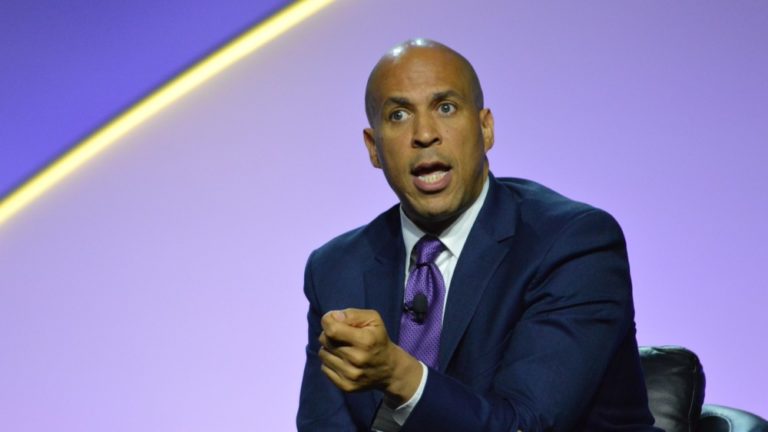
In a heated Senate Judiciary Committee hearing, Senator Cory Booker (D-N.J.) strongly opposed Emil Bove, a nominee for a federal judgeship. Booker argued that Bove’s record shows disregard for court orders and raised concerns about his suitability for a lifetime appointment.

Bipartisan Opposition Grows

Booker emphasized that the criticism of Bove isn’t just from Democrats. He pointed to conservative legal experts and a Wall Street Journal editorial that slammed Bove’s nomination. “This is not a partisan issue,” Booker said. “Respected voices from both sides are speaking out.”

The senator highlighted Bove’s history of ignoring court orders, stating, “I don’t understand how someone with such a record is being considered for a lifetime appointment.” He also mentioned filing a misconduct complaint against Bove with the New York Bar before the nomination.

Whistleblower Complaint Adds Fuel to the Fire

A whistleblower complaint filed Tuesday alleged more wrongdoing by Bove, adding to the growing list of concerns. Booker called for the whistleblower to testify under oath, saying, “If Chairman Grassley truly supports whistleblowers, then this person should be heard.”

Booker also questioned why Bove was being considered for a judgeship instead of facing accountability. “He should be here to explain his actions, not to be given a lifetime appointment,” Booker said.

What’s Next?

The hearing showcased deep concerns about Bove’s nomination. With bipartisan opposition and mounting allegations, the road ahead for Bove’s confirmation looks uncertain.

This debate highlights the importance of scrutinizing judicial nominees to ensure fairness and integrity in the courts. As the Senate weighs its decision, all eyes are on whether Bove’s past actions will disqualify him from serving on the federal bench.

GOP Pundit Urges Transparency on Iran Strike

0

Key Takeaways:

  • GOP pundit Maura Gillespie called on Republicans to join Democrats in demanding transparency from President Trump regarding the Iran strike.
  • Gillespie criticized Trump for lacking justification for the attack, which she claims violated the Constitution, international law, and the UN charter.
  • She accused Trump of acting out of ego or to win a Nobel Peace Prize, rather than providing clear reasons for the strike.
  • Liberal commentator Maria Cardona agreed with Gillespie, saying the attack lacked explanation and could have long-term consequences.
  • Gillespie emphasized the need for Republicans to stand by their principles rather than blindly supporting the president.

A Call for Bipartisan Unity on Iran Transparency

In a surprising moment of political agreement, a Republican pundit and a liberal commentator came together to call for transparency from President Donald Trump regarding the recent strike in Iran. Maura Gillespie, a former press advisor to House Speaker John Boehner, urged Republicans to join Democrats in demanding answers about the attack.

Speaking on CNN, Gillespie criticized Trump for failing to provide a clear justification for the strike. She argued that the president’s actions may have violated the Constitution, international law, and the UN charter. “We deserve to know why the president of the United States violated these laws,” she said.

Gillespie also questioned Trump’s motives, suggesting the strike might have been driven by personal ambition. “If this is just about your ego or wanting to win a Nobel Peace Prize, just say that,” she said. “Be honest with us.”


Concerns About Long-Term Repercussions

Gillespie expressed concern about the long-term impact of the strike, warning that its consequences could affect future generations. “We’re not crying for the Iranian regime,” she said, “but we need to think about how this will affect us in the years to come.”

Liberal commentator Maria Cardona agreed with Gillespie, calling Trump’s recent address to the nation unclear and unsatisfying. “We didn’t get any understanding of what was happening,” Cardona said. “The biggest issue is the justification for the attack. We’ll feel the effects of this for generations.”


Breaking Free from Personality Politics

Gillespie also used the opportunity to criticize the Republican Party for its unwavering support of Trump. She urged Republicans to stand up for their principles rather than blindly following the president. “It’s okay to disagree with Trump,” she said. “It doesn’t make you any less Republican.”

She added, “We need to move away from personality politics and identity politics. One person shouldn’t dictate our entire political system. We need to stand for our values and moral compass.”


A Rare Moment of Agreement

The interview took a surprising turn when CNN’s Omar Jimenez noted the unusual agreement between Gillespie and Cardona. “I didn’t think I’d get you both to agree on transparency so quickly!” he exclaimed. “We’re doing so well!”

The rare moment of bipartisan consensus highlighted the growing concern across political lines about Trump’s handling of the Iran situation.


The Need for Transparency

Gillespie’s call for transparency reflects a broader desire for accountability in government. As the situation with Iran continues to unfold, Americans from both parties are demanding clear answers about the president’s actions. Whether or not Republicans heed Gillespie’s call remains to be seen, but one thing is clear: the need for honesty and justification in leadership has never been more urgent.


This rare moment of bipartisan agreement shows that even in divided times, some issues can bring people together. As the debate over the Iran strike continues, one thing is clear: transparency is not just a Democratic or Republican issue—it’s an American issue.

A Wake-Up Call for Democrats: Voters Want Change

0

Key Takeaways:

  • Zohran Mamdani’s win in NYC’s Democratic mayoral primary signals a desire for fresh voices in the Democratic Party.
  • Voters are rejecting establishment candidates and embracing bold, new leaders.
  • The 2024 election showed that stale messaging and familiar faces aren’t enough to win.
  • Democrats must listen to their base and embrace change to succeed in future elections.

The Cuomo vs. Mamdani Race: A Lesson for Democrats

The Democratic Party is at a crossroads, and a recent local election in New York City is shining a spotlight on what voters truly want. Zohran Mamdani, a 33-year-old progressive candidate, defeated Andrew Cuomo, a well-known but scandal-plagued former governor, in the NYC Democratic mayoral primary. This race wasn’t just about two candidates—it was a referendum on the kind of leadership Democrats are hungry for.

Cuomo, a seasoned politician, was widely seen as a relic of the past. His campaign was backed by special interest groups and PAC money, but voters weren’t excited. Many saw him as a reminder of the same old politics that have alienated younger and more progressive Democrats. On the other hand, Mamdani represented something new. He’s a fresh face with bold ideas, and his victory sent a clear message: voters are ready for change.


A Broader Message for Democrats

Mamdani’s win isn’t just a local story. It’s part of a larger trend within the Democratic Party. Voters are frustrated with the status quo and want leaders who are willing to challenge the system. This isn’t just about being progressive or moderate—it’s about bringing new energy and fresh perspectives to the table.

The 2024 presidential election made this clear. Democrats nominated Kamala Harris, who initially brought excitement to the race. However, as the campaign went on, her message became stale. The same consultants and elites who have dominated Democratic politics for years took over, and by Election Day, the energy was gone. The result? Democrats lost, and voters made it clear they were uninspired by the same old playbook.


What Do Democratic Voters Want?

The answer is simple: change. Voters aren’t just reacting to Donald Trump or the Republican Party. They’re demanding something more from Democrats. They want leaders who are bold, authentic, and willing to fight for real change.

This desire for change isn’t limited to progressive voters. It’s a sentiment shared by Democrats of all stripes. From young people to lifelong party members, there’s a growing sense that the Democratic Party needs to evolve. The same tired candidates and consultants who have been running things for decades aren’t cutting it anymore.


The DNC’s Role in the 2024 Election

The Democratic National Committee (DNC) is supposed to help the party win elections. But right now, it’s in turmoil. Donations are down, and there’s growing frustration with the party establishment. This isn’t about the DNC itself being bad—it’s about the fact that voters want more than just business as usual.

If Democrats want to win again, they need to stop relying on thesame old faces and strategies. They need to listen to their voters and give them what they want: new voices, new ideas, and a willingness to take on the tough fights.


The Future of the Democratic Party

2028 will be the first presidential election in decades without a Clinton, Obama, or Biden at the top of the ticket. This is an opportunity for Democrats to reinvent themselves and embrace a new generation of leaders. Candidates like Zohran Mamdani are showing what this future could look like.

But this doesn’t mean every race will follow the same pattern as New York City. Every place is different, and what works in NYC might not work elsewhere. However, the broader message is clear: voters are ready for change, and Democrats need to deliver.


Are Democrats Ready for Change?

The 2024 election was a wake-up call for the Democratic Party. Voters are tired of the same old politics, and they’re demanding something new. Whether it’s through grassroots movements, primary challenges, or entirely new candidates, the message is the same: it’s time for a fresh start.

So, are Democrats ready to listen? If they want to win again, they have no choice but to embrace change. The question now is: will they?

Big Oil’s Lobbying Spending Dips Amid Policy Shifts

Key Takeaways:

  • The oil and gas industry spent $38 million on lobbying in Q1 2025, down from $44 million in Q1 2024.
  • This drop comes as the industry faces changes in energy policies.
  • Last year, the industry spent $153 million on lobbying, the highest during the Biden administration.

The oil and gas industry is a major player in the U.S., employing millions and influencing energy policies. In the first three months of 2025, this industry spent $38 million on lobbying the federal government. This is less than the $44 million spent in the first quarter of 2024.

This dip in spending might be linked to shifting energy policies. The Biden administration has pushed for cleaner energy sources, like wind and solar, to tackle climate change. This shift has likely made it harder for the oil and gas industry to influence policy decisions.

Last year, the industry spent a record $153 million on lobbying, the highest since President Biden took office. This shows how much effort the industry has put into shaping federal policies.

Now, as energy policies continue to change, the industry may be adjusting its strategy. This could mean spending less on lobbying as it tries to adapt to new regulations and public sentiment.

Why is the industry spending less? One reason for the drop in lobbying spending could be the changing political landscape. The Biden administration has made renewable energy a priority, which has put pressure on the oil and gas industry to reduce its influence in Washington.

Another factor might be the growing public awareness of climate change. As more people support green energy, the oil and gas industry may find it harder to push its agenda. This could explain why it’s spending less on lobbying compared to previous years.

What does this mean? The decrease in lobbying spending by the oil and gas industry could signal a turning point in U.S. energy policy. As the country moves toward cleaner energy, industries that rely on fossil fuels may have less influence in shaping energy laws.

However, the industry is still spending millions to make its voice heard. Last year’s $153 million investment in lobbying shows that it remains a powerful force in Washington.

As energy policies continue to shift, it will be important to watch how the oil and gas industry adapts. Will it continue to spend less on lobbying, or will it ramp up its efforts to protect its interests? Only time will tell.

In summary, the oil and gas industry’s lobbying spending has dipped in early 2025, likely due to changing energy policies and growing support for renewable energy. This shift could signal a bigger change in how the industry operates in the years to come.

Weekend Arrests of 11 Iranian Nationals Spark National Security Concerns

Key Takeaways:

  • Eleven Iranian nationals were arrested over the weekend for living illegally in the U.S.
  • Their arrests have raised concerns about national security and border crossings.
  • These individuals reportedly entered the country through the southern border after leaving the Middle East.
  • Federal immigration officials are investigating how they crossed into the U.S. illegally.
  • This incident has sparked debates about border security and the vetting process for migrants.

Weekend Arrests of 11 Iranian Nationals Spark National Security Concerns

Over the weekend, federal immigration enforcement officials arrested 11 Iranian nationals living illegally in the United States. This has raised concerns about national security, especially since these individuals reportedly crossed the southern border after leaving the Middle East. The arrests have sparked questions about how they entered the country and whether there are others like them who remain undetected.

Who Are These Individuals?

The 11 Iranian nationals were taken into custody during separate operations across the country. Officials say they were living in the U.S. without proper legal status. While their exact backgrounds remain unclear due to ongoing investigations, their arrests have drawn attention to the growing number of migrants from the Middle East crossing into the U.S. illegally.

Authorities are still investigating how these individuals managed to enter the country. They reportedly traveled through the southern border, where migration numbers have risen in recent months. The southern border has been a focal point of immigration debates due to its porous nature and the large number of people attempting to cross.

Why This Matters

The arrests of these Iranian nationals have raised red flags for national security reasons. Iran is a country with tense relations with the U.S., and concerns exist about potential threats to national safety. While not all migrants from the Middle East pose a threat, the lack of proper vetting for some individuals has sparked fear among lawmakers and citizens.

Another concern is the process of tracking and vetting migrants who cross the border illegally. The U.S. has strict immigration laws, but the sheer number of people crossing the southern border has overwhelmed the system. This has led to questions about how effectively authorities can monitor and screen everyone.

Moreover, the arrests highlight the challenges of illegal immigration. While many migrants come to the U.S. seeking better opportunities, some may have ulterior motives. The presence of individuals from countries with ties to terrorism or adversarial relations with the U.S. raises the stakes for national security.

What’s Next?

The arrests have sparked calls for stricter border controls and better vetting processes. Lawmakers are demanding answers about how these individuals managed to enter the country undetected. There are also discussions about increasing resources for immigration enforcement to prevent similar incidents in the future.

The federal immigration agency responsible for the arrests has promised a thorough investigation. They are working to determine if these individuals had any ties to criminal or terrorist organizations. The results of this investigation could shape future immigration policies and border security measures.

The Bigger Picture

The arrests of these Iranian nationals are part of a larger trend. In recent years, the U.S. has seen an increase in migrants from the Middle East and other regions crossing the southern border. While most are fleeing war, persecution, or poverty, the potential for security risks cannot be ignored.

The U.S. government has long struggled to balance compassion for migrants with the need to protect national security. The situation with these Iranian nationals highlights the challenges of this balancing act. It also underscores the need for a comprehensive immigration reform that addresses both legal and illegal migration.

Conclusion

The weekend arrests of 11 Iranian nationals living illegally in the U.S. have sparked widespread concern about national security and border control. While the exact circumstances of their entry remain under investigation, the incident has raised questions about the vetting process for migrants and the potential risks associated with illegal immigration. As the U.S. continues to grapple with these issues, one thing is clear: the need for stronger border security and more efficient immigration policies has never been more urgent.

Trump Tightens Grip on Intelligence Sharing After Iran Leak

0

Key Takeaways:

  • President Trump is reducing intelligence sharing with Congress after a leaked report.
  • The report revealed that a U.S. strike on Iran only delayed its nuclear program by a few months.
  • The leak contradicted Trump’s claim that Iran’s nuclear facilities were “obliterated.”
  • The White House is investigating the leak, calling it a betrayal.

The Leak That Sparked the Backlash

A recent leak of a top-secret report has caused a stir in Washington. The report, which was shared with Congress, revealed that a U.S. military strike on Iran slowed down the country’s nuclear program by only a few months. This contradicts President Trump’s earlier statement that Iran’s nuclear facilities had been completely destroyed.

News outlets like [CNN] and [The New York Times] published details of the leaked report, which came from the Defense Intelligence Agency. The leak has angered the Trump administration, leading to a crackdown on how much intelligence is shared with Congress.


Trump Administration Declares War on Leaks

The Trump administration is taking drastic measures to prevent future leaks. A senior White House official said, “We are declaring war on leakers. The FBI is investigating the leak, and we will find out who did this.”

White House Press Secretary Karoline Leavitt also weighed in, calling the leaker a “low-level loser.” The administration is making it clear that leaking sensitive information will not be tolerated.


Why This Matters

The leaked report highlights a growing tension between the Trump administration and Congress over transparency. Lawmakers rely on intelligence reports to make informed decisions about national security. By limiting access to this information, the administration is raising concerns about accountability and trust.

The leak also shows how sensitive information can quickly become public, even when it’s classified. This has sparked a debate about how to balance secrecy with transparency in government operations.


The Bigger Picture

The U.S. and Iran have a long history of conflict, and the nuclear program remains a major point of contention. The leaked report suggests that military actions alone may not be enough to stop Iran’s nuclear ambitions. This could lead to more diplomatic efforts or further military actions in the future.

Meanwhile, the Trump administration’s response to the leak is adding fuel to the fire. Critics argue that limiting intelligence sharing with Congress could harm national security by keeping lawmakers in the dark. Supporters, however, believe it’s a necessary step to protect sensitive information.


What’s Next?

The FBI investigation into the leak is ongoing, and it’s unclear who will be held responsible. The fallout from this incident could have long-term consequences for how the White House and Congress work together on national security issues.

As tensions rise, one thing is clear: the leak has exposed a deeper issue of trust and transparency in the Trump administration. Whether this leads to real change or further division remains to be seen.


For now, the administration is doubling down on its approach, making it clear that leaks will not be tolerated. This move could set a precedent for how future administrations handle sensitive information and intelligence sharing with Congress.

Rep. Adam Smith Urges Diplomacy Amid Iran Nuclear Tensions

0

Key Takeaways:

  • Rep. Adam Smith emphasizes diplomacy as crucial for managing Iran’s nuclear program.
  • Blames Trump for exiting the JCPOA, which previously limited Iran’s uranium enrichment.
  • Iran began violating the JCPOA after the U.S. withdrawal.
  • Diplomacy is vital to prevent nuclear escalation and regional conflict.

Introduction: In a recent address, Representative Adam Smith (D-WA) advocated for diplomacy to combat the escalating tensions surrounding Iran’s nuclear activities. Smith’s comments come at a critical time, as discussions about Iran’s nuclear program dominate international forums, including the recent NATO summit.


Why Diplomacy Matters: Smith believes dialogue is the most effective way to ensure Iran’s nuclear program remains peaceful. He criticized former President Donald Trump’s decision to withdraw from the JCPOA, a deal brokered under the Obama administration. The JCPOA offered Iran sanctions relief in exchange for limiting uranium enrichment to below 60%, which is considered weapons-grade. Trump’s withdrawal in 2018, with promises of a better deal, has been met with skepticism. Currently, Trump expresses reluctance to engage in a formal agreement, worrying Smith, who underscores the urgency of diplomatic efforts.


A Timeline of Events: The JCPOA, signed in 2015, successfully curtailed Iran’s nuclear ambitions. However, Trump’s withdrawal led to Iran resuming higher uranium enrichment. Smith corrected a CNN query, clarifying that Iran’s violations began post-withdrawal, not before. This timeline is crucial for understanding the current situation and the need for renewed diplomacy.


The Path Forward: Smith highlights the ongoing conflict between Iran and Israel, emphasizing that diplomacy is essential to prevent nuclear proliferation. He acknowledges the complexities but stresses that the focus should be on the present, where Iran’s nuclear capabilities pose a significant threat. Smith’s message is clear: diplomacy, though challenging, remains the best approach to de-escalate tensions and ensure regional stability.


Conclusion: As global leaders navigate this critical juncture, Smith’s call for diplomacy serves as a reminder of the delicate balance required in international relations. The focus must be on constructive dialogue to prevent further escalation and safeguard global security.

NATO Summit: Trump’s Mixed Signals

0

Key Takeaways:

  • NATO leaders agreed to increase defense spending during their Netherlands summit.
  • President Trump’s comments sparked concerns about his commitment to collective defense.
  • The summit highlighted a mix of cooperation and tension within the alliance.

Understanding NATO and Defense Spending

The North Atlantic Treaty Organization (NATO) is a group of countries that work together to stay safe. Recently, their leaders met in the Netherlands to talk about important issues, like how much each country should spend on defense. A key goal for NATO is for each country to spend at least 2% of its GDP on defense. This meeting was special because they decided to increase their spending, which is seen as a win for President Trump, who has often asked NATO countries to spend more on defense.

Trump’s Comments Raise Concerns

Even though the leaders agreed to spend more on defense, something else happened that made people worried. On his way to the meeting, President Trump made some comments that made others wonder if he still believes in NATO’s core idea of collective defense. Collective defense means that if one NATO country is attacked, all the others will help defend it. Trump’s comments made some people think he might not support this important promise.

A Tense Atmosphere in the Netherlands

The meeting in the Netherlands was interesting because even though the leaders tried to make Trump happy by agreeing to spend more on defense, his comments about the alliance’s core promise made things tense. It was like they were trying to please him while he was questioning the main reason NATO exists. This made the meeting have a charged atmosphere, where everyone was paying close attention to what he might say or do next.

What’s Next for NATO?

The summit showed that NATO is still trying to work together, even though there are challenges. Leaders want to show that they are united and strong, especially when dealing with big threats like Russia. They also want to make sure that all countries are contributing fairly to the alliance.

However, Trump’s comments about collective defense have raised questions about the future of NATO. Some people are worried that if the United States doesn’t fully support this core promise, it could make the alliance weaker. Others believe that NATO is still strong and that the leaders will find a way to work through their differences.

Significance of the Summit

This summit was important because it showed both the progress and the problems within NATO. On the positive side, more countries are spending the recommended 2% on defense, which makes the alliance stronger. On the other hand, Trump’s comments have raised questions about the alliance’s future and whether all members are fully committed to defending each other.

Conclusion

The NATO summit in the Netherlands highlighted both the successes and the challenges of the alliance. While leaders made progress on defense spending, concerns about Trump’s commitment to collective defense have raised important questions about the future of NATO. As the alliance moves forward, leaders will need to work together to strengthen their partnership and make sure they are ready to face whatever challenges come their way.