Key Takeaways
- U.S. Defense Secretary warns of a Venezuela invasion if oil demands fail
- Demand for 30 to 50 million barrels of Venezuelan oil
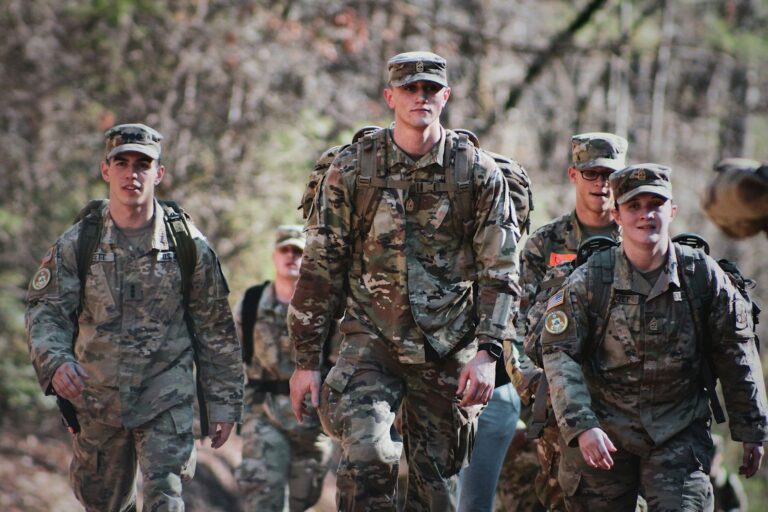
- Troops could secure embassies or oil fields to protect U.S. interests
- Strategic ambiguity aims to pressure Venezuela’s leaders
Understanding the Venezuela invasion Warning
Defense Secretary Pete Hegseth said U.S. troops might move into Venezuela if Caracas refuses to send oil. During a radio interview, he urged leaders in Caracas to allow 30 to 50 million barrels to be shipped to the United States. This bold stance raised concerns that a Venezuela invasion could be on the table.
Why the U.S. Wants Venezuelan Oil
First, the U.S. sees Venezuelan oil as a way to ease a global supply squeeze. The Trump administration says Venezuela’s resources could be used to help the country rebuild. Moreover, bringing oil to America would strengthen U.S. energy independence. However, Hegseth made clear that if Venezuela’s leaders refuse, the U.S. might take direct action.
Hegseth argued that the oil would be processed in the U.S. and then used to support the Venezuelan people. He claimed this plan would ensure a smooth shift from the current government to a new one. Yet, he warned that failure to cooperate could lead to military steps. Indeed, the idea of a Venezuela invasion shocked many listeners who tuned in.
Scenarios for a Venezuela invasion
Hegseth did not detail troop numbers or timelines. Still, he noted U.S. forces could protect the embassy or oil installations. He said, “I wouldn’t foreclose anything,” stressing the need for flexible options. Consequently, the threat of a Venezuela invasion gains leverage. It pushes Venezuelan leaders to comply without revealing full U.S. plans.
Furthermore, Hegseth praised past covert raids as a model of surprising foes. He mentioned an operation against Maduro’s inner circle that few saw coming. By keeping plans vague, he hoped to create uncertainty in Caracas. In turn, this “strategic ambiguity” might open doors without firing a shot.
How Venezuela’s leaders might respond
Venezuelan officials have not yet publicly reacted to this latest warning. They face hard choices. If they agree to oil shipments, they risk appearing weak to hardliners. Yet, rejecting the U.S. demand could spark a Venezuela invasion. In addition, domestic supporters might doubt Maduro’s ability to protect them.
Meanwhile, opposition figures have mixed views. Some applaud tough U.S. language as a way to topple Maduro. Others worry an invasion would harm civilians. They fear oil fields and cities could become battlegrounds. Thus, many Venezuelans hope for a peaceful resolution.
Regional and global stakes
A Venezuela invasion would shake up Latin America. Neighboring countries might take sides. Some could support U.S. troops to ensure oil flows. Others would condemn the move as an act of aggression. Either way, the region would feel the impact.
Globally, rivals like China and Russia could react strongly. Both nations have economic and political ties in Caracas. They might send diplomats or vessels to protect their interests. In turn, this could risk wider clashes. Hence, a Venezuela invasion might spark a more complex crisis.
Legal and moral questions
Under international law, invading another state without clear defense grounds is controversial. Critics argue that seeking oil cannot justify a military campaign. They maintain that any use of force must meet strict rules. Conversely, Hegseth and allies say oil access is vital to save lives in Venezuela.
Human rights groups warn that war zones bring suffering. They call for negotiations and aid instead. Moreover, they stress that civilians should not bear the cost of political games. Thus, debate grows over whether a Venezuela invasion would be lawful or ethical.
What happens next
For now, the U.S. waits to see Caracas’s choice. If Venezuela agrees to ship 30 to 50 million barrels, talks could replace threats. Alternatively, more sanctions and pressure might follow. Finally, if leaders still refuse, Hegseth hinted troops could step in.
Still, many experts doubt that a full-scale invasion is likely. They view the warning as a high-stakes bluff. Yet, as long as the threat remains, a Venezuela invasion threat will dominate headlines. Ultimately, the fate of this plan rests on decisions inside both Washington and Caracas.
FAQs
What did Pete Hegseth say about a Venezuela invasion?
He said U.S. troops could move into Venezuela if its leaders refuse to send 30 to 50 million barrels of oil to the United States.
Why does the U.S. demand Venezuelan oil?
The U.S. wants the oil to ease global shortages, boost energy independence, and support Venezuela’s people during a political transition.
Could U.S. soldiers really invade Venezuela?
While a full invasion seems unlikely, Hegseth left that option open, noting troops might protect embassies or oil facilities if needed.
What are the risks of a Venezuela invasion?
A military move could harm civilians, strain U.S. relations in Latin America, and trigger reactions from Russia or China.