62.4 F
San Francisco
Thursday, July 23, 2026
Home Blog Page 680

Homan Bribery Scandal: AOC’s Bold Question

0

Key Takeaways:

  • Rep. Alexandria Ocasio-Cortez called out the Homan bribery report with a sharp question.
  • An undercover FBI operation claims Tom Homan accepted $50,000 for promises of government contracts.
  • The investigation stalled after Donald Trump took office again, and it was later closed.
  • AOC used social media to challenge the integrity of the Trump administration’s border czar.
  • The report raises fresh concerns about corruption at the highest levels of government.

Homan Bribery Allegations Spark Outrage

Representative Alexandria Ocasio-Cortez reacted strongly after a cable news network revealed allegations of Homan bribery. She tagged Tom Homan on social media and asked, “Who’s the illegal now?” This brief jab highlights growing frustration with possible corruption in the Trump administration.

Congresswoman Ocasio-Cortez took to her social media platform over the weekend. In a simple post, she put the spotlight on what she called a “stunning” case of Homan bribery. By doing so, she forced a public conversation about accountability and honesty in government.

AOC Targets Homan Bribery Case

Soon after the report aired, Ocasio-Cortez amplified the issue on other channels. She urged her followers to demand answers. Moreover, she connected the alleged Homan bribery directly to the trust citizens place in their leaders. Consequently, many Democrats joined her call for a thorough inquiry.

But even some Republicans expressed unease. They admitted that if the bribery claims hold up, it would be a grave betrayal of public trust. Yet others still doubted the validity of the report. They claimed the investigation was politically motivated. Therefore, a full review of internal documents now seems inevitable.

Details of the FBI Sting

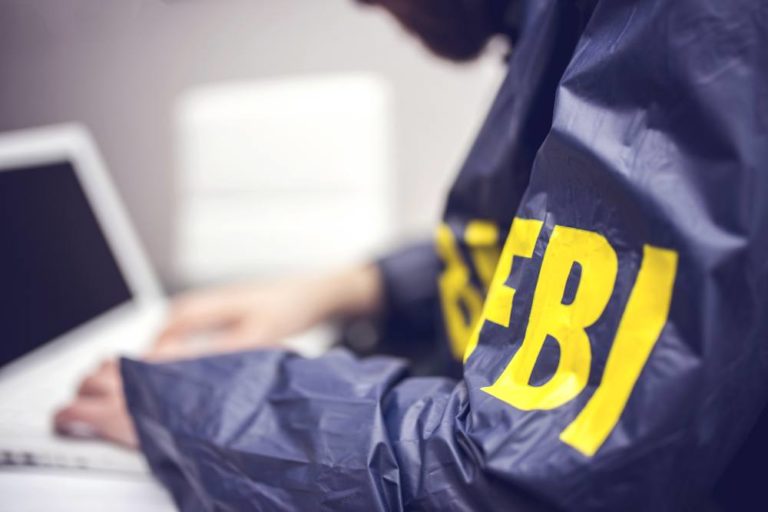
Last year, undercover FBI agents posed as business executives. They met with Tom Homan, hoping he could secure government contracts under a second Trump term. According to the report, Homan accepted $50,000 in cash. He then indicated he would use his influence to deliver on his promise.

However, when Trump resumed the presidency in January, the case stalled. Senior officials declined to move forward. Soon afterward, the investigation officially closed. Reportedly, the FBI director at the time requested a status update, but no action followed. As a result, the alleged Homan bribery case faded from public view—until now.

Why the Homan Bribery Report Matters

First, it highlights possible corruption in high office. Next, it underlines the power of undercover investigations. Furthermore, it shows how quickly political pressure can halt an inquiry. Hence, many worry that no one will face consequences, even if the bribery claims are true.

Moreover, the report comes as immigration remains a hot-button issue. Tom Homan serves as the White House border czar. His job is to oversee border security and policy. Therefore, any scandal linked to him could undermine public faith in U.S. immigration enforcement.

The Political Fallout

In the days following the report, both parties rushed to spin the story. Democrats claim it proves their warnings about corruption. Republicans insist it’s a baseless attack on a loyal public servant. Meanwhile, the public watches and wonders who to believe.

Ocasio-Cortez’s blunt question—“Who’s the illegal now?”—resonates with those tired of scandals. Yet some see it as mere political posturing. They argue that real accountability requires a serious legal process, not just social media jabs.

What Comes Next

Right now, calls for an independent review grow louder. Several lawmakers have asked the Justice Department to reopen the probe. They want a clear timeline of events and evidence. However, officials have not committed to acting.

In the coming weeks, Congressional hearings could force key witnesses to testify. Lawmakers may also subpoena internal records from the FBI and Justice Department. If the Homan bribery claims are proven, Homan could face criminal charges. Conversely, if the story unravels, critics of the report will claim vindication.

As this drama unfolds, one thing remains clear: public trust in government is fragile. Scandals like the alleged Homan bribery only deepen cynicism. Yet transparency and accountability can help rebuild faith in our institutions.

Frequently Asked Questions

What is the Homan bribery allegation about?

The allegation claims that Tom Homan, the White House border czar, accepted $50,000 from undercover FBI agents. They posed as business executives seeking government contracts in a second Trump term.

Why did the investigation into Homan bribery stall?

According to reports, the case stalled after President Trump took office again. Trump appointees later closed the investigation despite an earlier FBI request for a status update.

How did Alexandria Ocasio-Cortez respond to the Homan bribery report?

She tagged Tom Homan on social media with the question, “Who’s the illegal now?” Her post aimed to highlight alleged corruption and demand accountability.

What could happen if the Homan bribery claims are proven?

If the claims hold up, Tom Homan could face criminal charges. Additionally, there may be broader calls for reforms and stronger oversight of high-level officials.
Bannon vs Musk: Why H-1B Visa Sparks Deportation Talk

0

Key Takeaways

  • Steve Bannon restarted his fight with Elon Musk over the H-1B visa.
  • Bannon urged that Musk be sent back to South Africa.
  • President Trump signed an order adding a $100,000 fee per H-1B visa hire.
  • The fee hike could slow down companies’ use of H-1B visa workers.
  • Tesla and other Musk firms hired hundreds of H-1B visa employees last year.

Steve Bannon Targets Elon Musk Over H-1B Visa

Steve Bannon started shouting at Elon Musk again this past Saturday. On his podcast “War Room,” Bannon said Musk should be deported. He wants the billionaire sent back to South Africa. His reason? Musk arrived in the United States on an H-1B visa. In Bannon’s view, that visa is a scandal.

Bannon said H-1B visas are a form of “indentured servitude.” He argued that foreign workers get trapped in U.S. jobs without real freedom. He also claimed Musk used a visa “scam.” Bannon even repeated a plan to toss out another public figure, Representative Ilhan Omar. He backed calls to deport Omar, though she is a U.S. citizen.

For Bannon, the feud goes back months. Early this year, the two sparred at a Mar-a-Lago event. Bannon squared off with tech advocates like Vivek Ramaswamy. Then he labeled Musk “Elmo” and hammered him over immigration. Musk fired back online, calling H-1B visas vital to America’s tech growth. He vowed to “go to war on this issue.”

Trump’s Fee Hike on H-1B Visa Shakes Companies

Recently, President Trump signed a new executive order. Now, companies must pay $100,000 each year for every new H-1B visa hire. The plan stunned many businesses. Tech firms have long leaned on foreign talent to fill jobs at lower pay. That reliance could now come with a huge price tag.

The White House says the fee will protect American workers. The argument is that U.S. employees might get more chances at these jobs. However, tech leaders warn of higher costs and slower hiring. They also say the move could push talented engineers overseas. In turn, that might hurt innovation and growth.

Old Feud Resurfaces

This whole drama began late last year. Bannon first urged officials to check Musk’s visa history. He even claimed Musk might have used illegal drugs. Musk hit back, defending the H-1B visa program. As a proud immigrant, he said the system helped him succeed.

Then, over the summer, Bannon doubled down. He said Musk should answer questions about his status. He also mocked Tesla’s reliance on foreign hires. In 2023 alone, Tesla brought in 724 H-1B visa workers. That made Tesla one of the top users of the program.

Now, with Trump’s fee hike in place, Bannon feels he scored a win. On his show, he gloated that Musk was “bleeding out.” He said this was the hill Musk would die on. Bannon believes the extra fees will force companies to think twice about hiring through the H-1B visa.

Musk’s H-1B Visa Record

Elon Musk knows this issue well. He entered the U.S. on a similar work visa when he was young. Later, he became a citizen and built companies like SpaceX and Tesla. Yet he still supports the H-1B visa program today. His firms rely on skilled engineers and designers from around the world.

In March, Musk posted that U.S. borders should stay open to top talent. He argued that foreign degree holders help the country innovate. Many tech leaders agree, saying the H-1B visa brings critical skills. They warn that higher fees could shrink the available talent pool.

On the other side, critics say the program undercuts American workers. They claim some companies prefer cheaper foreign labor over local talent. Bannon’s view is that this hurts U.S. families. He wants a complete end to the H-1B visa. Musk and others want reform, not removal.

What Comes Next

With the fee hike now law, companies must adapt. Some may cut back on foreign hires. Others might boost salaries for domestic employees. Lawmakers are already talking about tweaks. Some want to increase the annual visa cap. Others support even higher fees.

Meanwhile, Bannon will likely keep attacking Musk. He sees this as part of a larger fight over immigration. And Musk will keep defending the H-1B visa. He calls it essential for U.S. tech leadership.

At the heart is a clash of visions. One side treats the H-1B visa as a lifeline for top talent. The other sees it as a tool that harms American workers. Now, millions of H-1B visa holders and thousands of companies watch closely. The battle over fees, jobs, and borders is far from over.

FAQs

Why did Steve Bannon target Elon Musk over the H-1B visa?

Steve Bannon believes the H-1B visa is unfair to American workers. He argues Musk used a visa “scam” and wants him sent back to South Africa.

What does Trump’s new executive order do to the H-1B visa?

The executive order imposes a $100,000 annual fee for each new H-1B visa hire. The goal is to encourage companies to hire U.S. workers instead.

How many H-1B visa workers did Tesla hire in 2023?

Tesla brought in 724 employees through the H-1B visa program in 2023, making it one of the top users.

Could the fee hike end the H-1B visa program?

Not entirely. The fee hike may reduce new H-1B visa hires and spark calls for broader changes, but it does not abolish the program.

Cory Mills Military Service Under Question

0

Key Takeaways:

  • Rep. Nancy Mace accuses Rep. Cory Mills of overstating his military service.
  • Mace also questions Mills’s personal and religious background.
  • Mills has not publicly responded to the allegations.
  • The dispute follows the failed censure resolution against Rep. Ilhan Omar.
  • This fight raises concerns about truthfulness and committee roles.

Cory Mills Faces Allegations of Exaggeration

Republican Rep. Nancy Mace of South Carolina recently criticized fellow Republican Rep. Cory Mills of Florida. She claimed he “greatly exaggerated” his military service. The dispute began after Mace’s attempt to censure Rep. Ilhan Omar failed in the House. Soon after, Mace said that Mills privately threatened her. Over the weekend, Mace doubled down on her attack, returning to a 2020 social media post from Mills. In that post, Mills argued that critics didn’t understand special operations forces. Mace now asks if Mills lied about his service.

Background of the Dispute

In early April, Nancy Mace introduced a resolution to censure Ilhan Omar. The resolution aimed to condemn Omar’s remarks about Israel. However, the resolution did not get enough votes. After it failed, Mace accused Cory Mills of warning her off. She claimed Mills told her to “be careful.” That exchange sparked their public feud. Mace then revisited a Mills social media post from 2020. There, he called out a critic and praised special operations morals. Mace interpreted that post as boasting. Now she questions whether Mills overstated his time in the military.

Mace’s Claims Against Cory Mills

Mace called out Cory Mills by name and asked if his morals include lying. She wrote: “Do morals and values mean either lying or greatly exaggerating your military service?” She also questioned details of his personal life. Mace asked whether Mills’s wife is Muslim and whether he converted. She noted that Mills married in a mosque. Further, she said the imam at the wedding once faced terrorism charges. That imam was linked to al Qaeda and Hamas. Mace implied that could explain Mills’s vote to protect Omar. She added that Mills runs an international arms company. Shocked, Mace asked how someone with that background chairs an intelligence committee.

Questions Over His Personal Life

Beyond military claims, Mace probed Cory Mills’s personal ties. She suggested Mills married in a mosque. She wrote that the officiant was an unindicted co-conspirator in the World Trade Center bombings. She added the imam raised funds for Hamas. Then she asked if Mills converted to Islam. Mace said you must be Muslim to wed in a mosque. She also pointed to his role in foreign affairs. Mace implied a conflict between his votes and personal connections. These questions aim to cast doubt on Mills’s character and judgment.

Where Cory Mills Stands

So far, Cory Mills has not addressed these allegations. He has remained silent on social media and in press statements. His office did not respond to requests for comment. Colleagues in Congress have stayed quiet. Some Republicans seem uneasy but won’t speak publicly. Meanwhile, Mace continues her campaign against Mills. She has posted her statements on social media. Mills, however, has chosen to ignore the claims for now. That silence leaves many questions unanswered about his service record and personal background.

What Comes Next

This feud could have broader effects in Congress. First, it may strain Republican unity. Lawmakers already split over the Omar resolution. Now they face fights about military credentials and personal faith. Second, it might affect Mills’s role on committees. Mace pointed out his chairmanship on a foreign affairs intelligence panel. If more Republicans raise concerns, Mills could face a challenge to his position. Third, voters could weigh in. Mills represents a closely watched district in Florida. If constituents doubt his honesty, they may vote him out. Finally, this fight highlights how social media posts can resurface years later. Politicians must guard their online statements carefully.

In addition, this story shows how personal attacks can blur lines between policy debates and character smears. While Mace began by targeting Omar, she quickly shifted to Mills. Now the focus is on truthfulness and religion. As this battle unfolds, both sides will try to shape the narrative. Mace will press for answers. Mills may eventually respond to defend his service. Until then, questions will linger.

Frequently Asked Questions

What sparked Nancy Mace’s attack on Cory Mills?

Nancy Mace launched her attack after her resolution to censure Rep. Ilhan Omar failed. She said Cory Mills privately threatened her and then revisited his 2020 social media post, accusing him of exaggerating his military service.

Has Cory Mills responded to the allegations?

At this time, Cory Mills has not publicly addressed Nancy Mace’s claims. His office has not issued a statement, and Mills has remained silent on social media.

Could these allegations affect Mills’s committee roles?

Yes. Mace pointed out Mills’s chairmanship on an intelligence committee. If enough lawmakers question his record, Mills could face challenges to his leadership roles.

What should we watch next in this dispute?

Keep an eye on whether Mills decides to respond and clarify his service. Also watch for any moves by Republicans in Congress to support or oppose his committee assignments. Finally, see how this fight influences voter opinion in Mills’s district.

Trump’s Free Speech Stance Leaves Supporters Twisting

0

Key Takeaways:

• President Trump sued The New York Times for fifteen billion dollars over negative stories.
• He pushed to revoke broadcast licenses for critics.
• He cheered Jimmy Kimmel’s suspension as “great news.”
• Jonathan Chait says loyal Republicans are twisting their beliefs on free speech.

Trump’s Free Speech Moves Puzzle His Own Side

In one week, President Trump shocked many by attacking the free speech he once claimed to defend. First, he sued The New York Times for fifteen billion dollars. Then, he said broadcasters who criticize him should risk losing their licenses. Finally, he hailed Jimmy Kimmel’s indefinite suspension as “great news for America.” These actions forced even his strongest backers to bend over backward to explain how this all fits with free speech.

Lawsuits and License Threats

First, Trump’s lawsuit against The New York Times seeks massive damages. He says the paper’s negative coverage hurts him and America. Yet, free speech laws protect news outlets from most lawsuits. That means Trump’s case faces serious hurdles in court.

Next, Trump publicly suggested that TV networks should lose their broadcast licenses if they oppose him. He pointed to the Federal Communications Commission, now led by his pick, Brendan Carr. Carr warned ABC, which airs Jimmy Kimmel’s show, that the network could face harsh penalties. Such threats blur the line between legal power and political pressure.

These moves clash with the traditional conservative view of limiting government power. Conservatism usually stresses that no branch should punish voices it dislikes. However, some Trump allies argue that Trump’s threats do not harm free speech. They claim networks lose licenses when they lose money, not for politics.

The Kimmel Suspension Drama

Then came the Jimmy Kimmel saga. Kimmel’s late-night show poked fun at a right-wing influencer. He joked about comments on a violent suspect. Republicans cried foul, saying Kimmel insulted their side. Under pressure, Disney’s top bosses suspended Kimmel “indefinitely.”

Trump cheered this decision. He called the suspension “great news for America.” Suddenly, a popular talk show faced real consequences for jokes. That raised fresh alarms about punishing critics.

Critics say Disney bowed to Trump to win approval for a six-billion-dollar merger. They argue that the company wanted a friendly FCC ruling. If true, networks might now avoid any shows that anger the White House. This risk makes free speech shaky at its core.

Anti-Anti-Trumpers and Free Speech

Jonathan Chait of The Atlantic dubbed some Republicans “anti-anti-Trumpers.” These people oppose critics of Trump more than they oppose Trump himself. They still claim to love free speech. Yet, they twist themselves into painful mental contortions to defend actions that undercut it.

For instance, Ilya Shapiro of the Manhattan Institute argued on social media that Jimmy Kimmel lost his job because his show failed. He said, “No government coercion here.” Still, Shapiro admitted that FCC statements made it look like a threat for the “wrong” viewpoints. Thus, he downplayed the real issue.

Similarly, commentator Mike Solana insisted ratings killed Kimmel’s show. He wrote that two big stations dropped the program. ABC then fired Kimmel. Even so, Carr’s broadcast license threats seemed to play a role. But Solana chose to ignore that part.

These examples show how anti-anti-Trumpers stretch logic. They want to stay in Donald Trump’s good graces. At the same time, they must defend the idea of free speech. Therefore, they craft convoluted explanations to square the circle.

Why This Matters

The debate matters because free speech underpins democracy. When leaders threaten to silence critics, they harm the public’s right to know. That right ensures that people can debate, question, and protest. If news outlets fear punishment for saying the “wrong” thing, they might self-censor.

Moreover, broadcast licenses involve public airwaves. These airwaves belong to everyone. The FCC grants permits to use them under rules that serve the public. Using those rules to bully critics turns a public good into a political tool.

Certainly, all sides agree that extreme hate speech or threats should face limits. Yet, jokes, criticism, and opinion are not threats. They spark debate and help people see different views. Weakening this space endangers open discussion.

What Comes Next

Looking ahead, this conflict may deepen. Trump could push more lawsuits against critics. He might pressure more networks or companies to punish opponents. Each step would test the strength of free speech protections.

At the same time, anti-anti-Trump conservatives face a choice. They can speak out against these actions or keep bending. If they stay silent, they let the White House reshape free speech rules. If they speak up, they risk losing favor among hardline supporters.

Either way, many will watch how the courts and regulators respond. Judges could dismiss Trump’s NYT lawsuit on First Amendment grounds. The FCC might be asked to explain Carr’s threats. Public pressure could force Disney and other firms to back off from punishing hosts for politics.

Until then, the battle over free speech will continue. It will shape how Americans debate leaders and policies. And it will test whether political power can overrule constitutional rights.

FAQs

What does Trump’s lawsuit against The New York Times claim?

Trump says the paper’s negative stories harmed him and seeks fifteen billion dollars in damages. Critics view the lawsuit as a bid to intimidate news outlets.

How did Jimmy Kimmel’s comments lead to his suspension?

Kimmel joked about a suspect tied to a right-wing influencer. Republicans protested, and Disney suspended Kimmel, possibly to please regulators.

Why do some conservatives defend Trump’s actions on free speech?

They argue that market forces, not politics, caused Kimmel’s ouster and that no government coercion happened. They try to keep both Trump’s support and free speech ideals.

How can broadcast license threats affect news coverage?

If networks fear losing licenses, they may self-censor. This chilling effect can limit tough reporting and reduce public access to varied opinions.

Supreme Court Greenlights Racial Profiling in LA

0

Key Takeaways

  • The Supreme Court lifted a ban on detaining people based solely on race, language, location, or job.
  • ICE can resume racially based immigration raids under Operation At Large.
  • The decision came through the shadow docket with no full explanation.
  • A strong dissent warned this move breaks the Fourth Amendment.
  • Latino communities now live with fear, and civil rights groups plan to fight back.

Supreme Court Greenlights Racial Profiling in LA

On September 8, the Supreme Court allowed the Trump administration to resume racial profiling in Los Angeles immigration raids. This ruling overturned a lower court’s ban on detaining people based only on their ethnicity, language, neighborhood, or type of work. As a result, ICE agents can again stop and arrest Latinos who look undocumented.

Why This Racial Profiling Ruling Matters

This case, Noem v. Perdomo, went through the court’s shadow docket. That means justices decided it quickly, without full briefs or oral arguments. They gave no detailed reasons. Yet the single-paragraph order speaks volumes. If you are Latino, you must carry solid ID at all times—or risk being picked up on the street or at work.

How Operation At Large Fuels Racial Profiling

In June, ICE launched Operation At Large in Los Angeles. Agents in masks and bulletproof vests roamed neighborhoods and job sites like construction zones and car washes. They stopped workers who spoke with an accent or looked Latino. Over 5,000 arrests followed. Critics say these raids often turned violent, with agents tackling people and using tear gas.

Inside the Shadow Docket and Emergency Orders

The shadow docket is a fast lane for urgent appeals. It lets the Court act without the usual delays. Presidents from George W. Bush to Joe Biden used it, but Trump used it most. In its 2024–25 term, the Court decided over 100 shadow docket cases. Many backed Trump’s toughest policies, from deportations to barring transgender troops.

Justices Clash: Kavanaugh vs. Sotomayor on Racial Profiling

Only Justice Kavanaugh wrote a short opinion defending the order. He cited past cases that let agents briefly stop people when they have “reasonable suspicion” of illegal status. He pointed to estimates of millions of undocumented immigrants in Los Angeles. Then he declared it “common sense” to stop Latinos whose jobs or language match suspicious profiles.

By contrast, Justice Sotomayor’s dissent slammed this logic. She argued the Fourth Amendment bans stopping people based on broad traits. She quoted the lower court’s evidence of agents “jumping out of cars,” tackling day laborers at Home Depot, and tear-gassing crowds. These actions created panic and fear. Sotomayor warned that detaining people by appearance alone is arbitrary and unconstitutional.

Real-World Impact of Racial Profiling in LA

Local communities already suffer. Workers who build homes, landscape yards, or wash cars now dread every trip outside. Parents fear raids at school drop-off points. Shop owners worry that simply speaking Spanish could trigger an ICE stop. Civil rights groups say victims include U.S. citizens and long-time residents. They plan new lawsuits and protests to halt these raids.

What Comes Next After the Profiling Ruling

Technically, this order is only “interim.” The Perdomo case will return to lower courts for a full hearing. Yet until the Supreme Court reconsiders it, ICE can expand similar raids in Chicago, Baltimore, and Washington, D.C. No city remains a safe zone. Immigration advocates urge people to know their rights, carry local ID if possible, and record any encounter with agents.

Conclusion

With this decision, the Supreme Court opened the door to unchecked racial profiling. It lets ICE treat Latinos as guilty until proven innocent. While a narrow dissent warned of this danger, the majority left communities in limbo. Now, civil rights groups and local leaders must step up to defend constitutional protections and keep families safe.

Frequently Asked Questions

What is racial profiling in immigration raids?

Racial profiling means stopping and questioning people based on their race, language, or appearance alone, rather than any specific evidence of wrongdoing. In immigration raids, it targets Latinos or Spanish speakers simply because they look or sound undocumented.

Why did the Supreme Court use the shadow docket?

The shadow docket lets the Court act quickly on emergency requests. It skips full legal briefs and oral arguments. Presidents often use it for urgent matters like execution stays or last-minute policy fights.

Can this decision be reversed?

Yes. The Perdomo case will go back to lower courts for a full hearing. Eventually, the Supreme Court could hear it again on the regular docket and issue a detailed ruling. Until then, ICE can proceed with profiling.

How can people protect themselves during raids?

Stay calm and respectful. Ask if you are free to go. If you are not under arrest, you can leave. If detained, you have the right to remain silent and ask for a lawyer. Record the encounter if you can and share it with an advocate or attorney.

Tom Homan Bribery Scandal Exposed

0

Key Takeaways

• A blockbuster report says Tom Homan took a $50,000 bribe from undercover agents.
• Senator Adam Schiff claims top officials knew about the scheme.
• Congresswoman Alexandria Ocasio-Cortez fired off a sharp, four-word reaction.
• Critics allege a cover-up by former Attorney General Pam Bondi and others.
• The story sets up new fights over government corruption and oversight.

Tom Homan bribery case shocks D.C.

The nation is talking about the Tom Homan bribery scandal. An MSNBC exclusive claims Homan, Donald Trump’s former border czar, accepted a $50,000 bribe. Undercover FBI agents say they caught him on camera taking the cash. Now, major lawmakers are piling on.

For years, Homan led tough border policies. He pushed for more agents and stronger rules. His role made him a key figure in immigration debates. Yet this new report paints him as someone who used his power for personal gain.

Tom Homan bribery: What we know so far

Late last week, Raw Story ran the story on MSNBC’s investigation. The network said the FBI set up a sting. They offered Homan money to win a government contract. In a hidden camera clip, Homan appeared to accept the funds. That tape is now the center of a major political firestorm.

First, CNN reporter Ken Dilanian and his team broke the scoop. They say the FBI investigation began months ago. Then, they quietly paused the probe. Critics wonder why no charges came forward earlier. Meanwhile, the video evidence has surfaced, stirring fresh outrage.

In addition, Congresswoman Alexandria Ocasio-Cortez reacted swiftly. She tweeted a four-word reply aimed at Homan. Her message went viral and branded the story across social media. Consequently, more voices joined the chorus calling for answers.

Lawmakers React to the Bribe Report

Soon after the report aired, high-profile lawmakers spoke out. Representative Ocasio-Cortez set the tone. Her brief but cutting reaction helped feed national interest. She signaled that she wanted tougher measures against corrupt officials.

Senator Adam Schiff then took the stage. He stated: “Border Czar Tom Homan was caught by the FBI accepting bribes—on camera—to deliver government contracts in exchange for $50,000 in cash.” Schiff added, “Pam Bondi knew. Kash Patel knew. Emil Bove knew. And they made the investigation go away. A corrupt attempt to conceal brazen graft.”

His remarks suggest a wider circle of people may have helped hide the scandal. They put the spotlight on former Attorney General Pam Bondi, Trump aide Kash Patel, and political consultant Emil Bove. Each now faces demands for a clear explanation.

Moreover, some Democrats are calling for new hearings. They want to ask tough questions about why the FBI laid low. They also want to know if political allies swooped in to protect Homan. In addition, they hope to shine a light on any other similar schemes.

Alleged Cover-Up and Who Knew

Schiff’s claims center on an alleged cover-up. He insists key players dropped the case despite strong evidence. Now, lawmakers are probing how and why that happened. They say it feels like a playbook to shield powerful allies.

Pam Bondi led the Florida Attorney General’s office before joining Trump’s political team. Critics say she might have used her influence to bury the case. Meanwhile, Kash Patel worked inside the White House. He held roles in defense and homeland security. Some allege he pressured the FBI to stop the inquiry.

Emil Bove, a political consultant with ties to the administration, also gets named. Schiff says Bove likely had a hand in killing the probe. As a result, questions swirl around the White House and campaign circles.

However, none of these figures have publicly admitted wrongdoing. In fact, they’ve largely stayed silent or issued brief denials. That silence has only fueled more suspicion. Will they come forward to explain? Or will the story fester into a larger scandal?

What Comes Next?

Now, multiple congressional committees may launch fresh investigations. They promise to call witnesses, review documents, and hold public hearings. In addition, watchdog groups have urged the Justice Department to reopen the case.

Meanwhile, some Republicans defend Homan. They argue the report lacks context. They also suggest the bribe might not have influenced any official decisions. However, the video evidence remains the most damning proof. It shows Homan counting cash in what appears to be a government office.

Additionally, public opinion matters. More people are paying attention to this story than any immigration debate right now. Polls could shift, and that might affect upcoming elections. Therefore, both parties have a strong incentive to seize on the scandal.

Moreover, news outlets across the country are picking up the coverage. Many are asking if this is an isolated case or part of a broader graft network. The answer could reshape how America views federal contract awards and border security hires.

Still, we don’t know how far the investigation will go. Will the FBI reopen its work? Will federal prosecutors bring charges? Many hope that justice will reveal the truth behind the Tom Homan bribery claim. Only then can officials restore faith in the system.

Why This Matters

Transparency is key in any democracy. If high-ranking officials take bribes, it undermines public trust. It also hurts honest workers and honest taxpayers. They expect contracts to go to qualified vendors, not those who pay off power brokers.

In the end, this scandal shows that no one is above scrutiny. Investigators and reporters play a crucial role in shining a light on corruption. Meanwhile, lawmakers must follow through. They need to push for accountability and stronger oversight rules.

Although the Tom Homan bribery story is still unfolding, one thing is clear: Americans are watching. They want to know who knew what and when. They also want to see real action to stop such corruption in the future.

Frequently Asked Questions

What exactly is the new bribery allegation against Tom Homan?

Investigators claim Homan was filmed taking $50,000 from undercover FBI agents. They say the money was a bribe for awarding government contracts.

Who first reported the alleged bribe?

An exclusive report on a major news network broke the story. Later, Raw Story and other outlets confirmed details.

Did any top officials know about the bribe?

Senator Adam Schiff says former Attorney General Pam Bondi, Trump aide Kash Patel, and consultant Emil Bove all knew. He accuses them of killing the investigation.

What will happen next in this case?

Congress may hold hearings, and the Justice Department might reopen the probe. Public pressure continues to grow for accountability.

Trump Targets Venezuelan Migrants in Fierce Rant

0

Key Takeaways:

• President Trump demanded Venezuelan migrants “get the hell out” of the United States.
• He accused Venezuela of sending “monsters” and threatened an “incalculable price.”
• About 770,000 Venezuelan migrants live in the U.S., roughly 2% of all migrants.
• Trump’s team has ordered naval strikes on ships they claim carry drugs.
• Regime change and even assassination of Maduro remain on the table.

Trump’s Demand for Venezuelan Migrants’ Expulsion

In a fiery social media post, former President Donald Trump demanded that Venezuelan migrants leave the United States immediately. He claimed Venezuela’s government is sending criminals and people from mental institutions to American shores. Moreover, he warned that the “price” for keeping these migrants in the country would be “incalculable.”

Trump’s post appeared on Truth Social, his preferred platform. He said, “GET THEM THE HELL OUT OF OUR COUNTRY, RIGHT NOW, OR THE PRICE YOU PAY WILL BE INCALCULABLE!” This demand adds to his ongoing conflict with Venezuela over alleged drug trafficking and political disputes.

Background on Venezuelan Migrants in the U.S.

Thousands of Venezuelan migrants have fled political unrest and economic collapse at home. As of now, about 770,000 Venezuelan migrants live in the U.S. They make up nearly 2% of the total migrant population in America. Many arrived seeking safety, work, and a chance for a better life.

However, Trump has turned his focus toward these newcomers. He accuses Venezuelan leaders of sending dangerous people across the border. He even claims that some are violent criminals from “the Worst in the World Insane Asylums.” Yet there is little public evidence to back up the scale of these claims.

Trump’s Warning to Venezuelan Migrants

Trump’s harsh rhetoric marks a clear shift in his stance toward Venezuelan migrants. Previously, his public statements mostly targeted migrants from Central America. Now, he singles out people fleeing Venezuela’s dire conditions. He insists that removing Venezuelan migrants is urgent and nonnegotiable.

In his message, Trump also demanded that Venezuela’s president, Nicolás Maduro, take back all deported Venezuelan citizens. He argued that his administration would hold Venezuelan leaders accountable for any harm caused by these migrants. His language was strong and direct, stirring debate among politicians and human rights groups.

Military Moves and Drug-Trafficking Claims

Beyond harsh words, Trump has authorized military actions against vessels he believes are trafficking narcotics from Venezuela to the U.S. navy ships have intercepted sea vessels near the Caribbean. Trump’s team claims these ships carried illegal drugs. However, critics say these actions risk international conflict.

Furthermore, Trump’s advisors have publicly discussed the possibility of regime change in Venezuela. Some even floated the idea of “eliminating” Maduro. These statements have alarmed diplomats, who worry about the legal and moral implications of targeting a foreign leader.

Why This Matters

• Humanitarian Concerns: Venezuelan migrants often flee violence and hunger. Forcing them out could worsen their suffering.
• Legal Issues: U.S. law protects asylum seekers. Expelling migrants en masse may face legal challenges.
• International Relations: Threatening Venezuela’s leadership upends decades of careful diplomacy in the Americas.
• Border Politics: Trump’s stance could shape future immigration policy debates.

Reaction and Impact

Many immigrant advocates denounced Trump’s remarks as cruel and unfounded. They point out that most Venezuelan migrants are law-abiding families seeking refuge. Also, critics say his military strikes lack transparency and might violate international law.

On the other hand, Trump’s supporters praise his tough talk. They believe stricter immigration controls keep the country safe. They also share his concerns about drug trafficking. This split highlights how migration remains a heated topic in U.S. politics.

What Might Happen Next?

First, legal groups are likely to challenge any mass deportations in court. Federal judges could block broad removals pending more evidence. Second, U.S. officials will monitor the Caribbean for more naval actions. Third, diplomatic channels may reopen to negotiate the return of migrants. Finally, the debate will intensify ahead of the next election. Immigration could become a top campaign issue.

Conclusion

As Trump’s rhetoric against Venezuelan migrants grows sharper, the nation faces tough questions. Can the U.S. balance security with compassion? What legal limits exist on removing migrants? And how will these actions shape America’s image abroad? For now, Venezuelan migrants and their advocates brace for an uncertain road ahead.

Frequently Asked Questions

What exactly did Trump demand regarding Venezuelan migrants?

He demanded that the U.S. remove all Venezuelan migrants immediately and threatened Venezuela with an “incalculable price” if it did not take them back.

How many Venezuelan migrants live in the U.S.?

Current estimates place about 770,000 Venezuelan migrants in the United States, making up nearly 2% of the migrant population.

Has the U.S. taken military action against Venezuela?

Yes. Trump ordered naval strikes on vessels he claimed carried drugs from Venezuela to U.S. shores, though the evidence remains disputed.

What are the potential legal issues with mass deportations?

U.S. asylum laws protect those fleeing persecution. Mass removals could face federal court challenges and be blocked for violating these protections.

Why Trump’s War on Free Speech Is Failing

0

Key Takeaways:

• Trump’s push to silence critics has little real support.
• Republicans no longer pretend to care about free speech.
• MAGA leaders can’t force everyone to fall in line.
• This war on free speech will likely fail despite power.

How the War on Free Speech Backfires

Many people say Donald Trump is trying to win a war on free speech. However, this fight has no real backing from across the country. In fact, it feels like a “woke” version of the right wing. They use ideas from some social justice activists but flip them around. Their goal is to stop anyone from speaking out against them.

Lack of Real Public Support

Unlike after 9/11 or during the McCarthy era, most Americans do not back this kind of crackdown. Back then, people felt threatened and gave the government more power. Today, Trump has low approval ratings. People do not see any big emergency to justify these harsh steps. Even top TV networks have pushed back against orders from the White House. This shows that there is no national demand for silencing critics.

No Emergency to Justify Overreach

When George W. Bush led the country into war in Iraq, he had a clear crisis. The September 11 attacks gave him high approval. That crisis let him push laws that limited speech against the war. Trump has no similar crisis to point at. Without that sense of danger, his actions look like a power grab. This makes his push on free speech seem even more extreme.

Republicans Have Dropped Their Claims

For years, many conservatives warned against “cancel culture” and the silencing of dissent. Yet now, they seem happy to help Trump. They have dropped any pretense of caring about the First Amendment once they saw how easy it was to use those rules to their own benefit. This flip-flop does not go unnoticed. Many voters feel betrayed when leaders change their tune so quickly.

Limits of Cultural Control

One big problem for Trump’s camp is simple: you cannot force culture to change overnight. They cannot make millions of people suddenly adore certain figures. They tried to make Charlie Kirk look like a martyr, but most people did not buy it. They cannot bully college students into cheering for a war or ignoring real human suffering. If school leaders try to block protests, students find new ways to share their views.

Social media also plays a part. No matter how much pressure the White House puts on big platforms, people find other channels. They move to smaller forums or encrypted apps. They share videos and memes that critics can’t easily remove. As long as people talk, any strict rule ends up feeling weak and short-lived.

Why Organic Support Matters

Real change happens when people truly believe in an idea. It spreads from the ground up, not the top down. Trump’s moves feel forced. His team picks targets and pushes them to back down. This reign of pressure only lasts so long. When people sense a forced message, they resist. They dig in and speak up even more. That’s why this war on free speech is likely to backfire.

The Role of the Press and Courts

Major newspapers and TV networks have already started pushing back. They refuse to follow every order from the White House. Likewise, independent courts can block executive actions that go too far. Without strong corporate owners behind him, some major outlets feel free to fight back in court. They know judges may side with them when the First Amendment is at stake.

Even if Trump’s team wins a few legal battles, the public fight in court shines a light on their tactics. It shows how far they are willing to go. That public show of overreach can hurt them more than help them. People see the pressure, and they dislike it.

A Three-Year Window, But No Long-Term Victory

Trump and his allies might control the government for at least three more years. They could pass more rules or laws on speech. Yet without real support, those rules will always feel shaky. Once people get used to them, they look for loopholes or workarounds. They tweet from private accounts or post hidden messages. They turn to art, music, and satire to speak out.

Because of this push and pull, any hard rule on speech is unlikely to stick. After a while, the backlash will grow. People will demand new laws to protect free speech instead. They will vote for leaders who promise to undo those strict rules. In that sense, Trump’s war on free speech may light a fire that burns down his own efforts.

What This Means for the Future

In the end, forced silence never works for long. Ideas spread best when they feel natural. The U.S. has a long history of free speech. People value it even more when they see it under attack. Today’s clampdown could remind them why that freedom matters. More citizens may join protests, write op-eds, and vote for change.

Moreover, young people, who often lead the charge for social change, will adapt. They know how to use technology to stay ahead of censors. They can share information in seconds. They also have a strong sense of justice on many issues. When they see speech rules that feel unfair, they push back hard.

Overall, the coming years will show whether this war on free speech succeeds or collapses. So far, it looks like a doomed fight. Without a real crisis or popular support, even those in power find it hard to keep critics quiet. In short, efforts to control speech may spark a bigger movement to defend it.

Frequent questions

Why do people compare this to past crackdowns?

People often look at history for similar moments. After 9/11 or during McCarthyism, the government gained more power over speech. But back then, most Americans felt a real threat. Today, no such threat exists, so there is less support for harsh measures.

Can courts stop new speech rules?

Yes, independent courts can block government actions that violate constitutional rights. If a rule clearly harms free speech, judges may rule it invalid. That can slow down or stop top-down speech crackdowns.

How do people fight back without breaking laws?

Critics use many legal methods. They share ideas online, join peaceful protests, write in student papers, and create art. These actions stay within the law but make it hard for authorities to silence them completely.

Will this affect younger generations more?

Younger people are often tech-savvy and value free speech. They quickly adapt to new apps and platforms. When speech rules seem unfair, they organize online and offline. That makes it tough for any government to fully control the narrative.

Did ABC Violate Free Speech with Kimmel?

0

Key Takeaways

• ABC suspended Jimmy Kimmel after his comments on the Charlie Kirk shooting.
• Free speech normally limits government, not private employers.
• An FCC threat may have pushed ABC to act.
• Supreme Court rulings ban government coercion of media.
• This case shows how private firms face pressure on speech issues.

Background of the Charlie Kirk Killing

Conservative activist Charlie Kirk was shot and killed recently. People across politics reacted. Former President Barack Obama said, “What happened was a tragedy and … I mourn for him and his family.” Former Vice President Mike Pence added, “I’m heartsick about what happened to him.” These comments showed respect and sorrow.

However, others made more controversial remarks. MSNBC cut ties with commentator Matthew Dowd after he linked hateful thoughts to hateful action. American Airlines grounded pilots accused of celebrating Kirk’s death. Then ABC suspended Jimmy Kimmel indefinitely. They pointed to his comments about the alleged shooter.

Reactions Spark a Free Speech Debate

Many saw Kimmel’s suspension as a First Amendment attack. They argued ABC silenced him under pressure. MSNBC host Chris Hayes called it “the most straightforward attack on free speech from state actors I’ve ever seen.” These defenders believed ABC caved to threats rather than support Kimmel’s right to speak freely.

Yet, free speech normally limits only government actions. Private employers usually face no direct First Amendment limits. So can ABC really violate free speech?

When Free Speech Meets Private Companies

Private firms can set their own rules. They may discipline staff for off-duty comments. Senator Lindsey Graham pointed out, “Free speech doesn’t prevent you from being fired if you’re stupid and have poor judgment.”

For example, in 2020 an investment firm fired Amy Cooper. Video showed her falsely claim a Black bird-watcher threatened her. The firm said it “does not condone racism of any kind.” No government forced that firing. They acted on company policy.

Likewise, ABC fired Roseanne Barr in 2018. She posted a racist tweet about a former Obama aide. Again, no government official told ABC to act. They chose to protect their brand and audience.

Free Speech Limits and the First Amendment

The First Amendment stops government from silencing views it dislikes. It also bans coercion through legal threats or fines. It does not stop a private company from setting speech rules. As one Supreme Court justice said, the right includes both speaking freely and refusing to speak.

Therefore, ABC could suspend Kimmel without breaking the Constitution—unless government pressure forced their hand.

The FCC Threat That Changed Everything

Shortly before Kimmel’s suspension, FCC Chairman Brendan Carr spoke on a podcast. He suggested harsh action. He said the FCC could revoke ABC affiliate licenses over Kimmel’s comments. “We can do this the easy way or the hard way,” he warned.

This remark crossed a line. The government can’t coerce private media to punish unwanted speech. In a 2024 case, National Rifle Association v. Vullo, the Supreme Court said any threat of legal sanction to curb speech is unconstitutional. All nine justices agreed.

By hinting at license revocation, Carr linked ABC’s business interests to Kimmel’s speech. This move likely counts as coercion under the First Amendment. ABC’s decision looks driven by fear of government action, not by its own rules.

What the Law Says About Coercion

The Supreme Court has been clear: government threats meant to punish speech violate free speech protections. If the FCC truly sought to revoke stations’ licenses over Kimmel, ABC and Disney could have sued. They would cite the NRA v. Vullo decision to block any revocations.

Instead, ABC suspended Kimmel without a fight. That choice may have set a worrying precedent. It suggests that private companies can face indirect government pressure on speech. Consequently, employees and media outlets may self-censor.

Why This Case Matters

This situation matters for everyone who cares about open debate. If the government can quietly push private firms to silence voices, free speech loses its bite. Citizens might avoid honest discussion on politics or culture. They could fear hidden threats from regulators.

Moreover, media companies may cut corners to protect licenses or profits. They may impose stricter speech codes. As a result, our public square could shrink. Diverse opinions risk being sidelined.

Instead, we need clear lines. Free speech should protect expression from direct and indirect government coercion. Private companies should make their own fair speech policies. And government officials should respect the First Amendment limits on their power.

FAQs

What is the main rule of free speech in the U.S.?

The First Amendment stops the government from silencing or punishing speech because it disagrees with the message. It also bars coercion through fines or legal threats.

Can private companies enforce speech rules?

Yes. Private employers can discipline or fire employees for speech, even if it happens off duty. The First Amendment does not apply to them directly.

What did the FCC chairman do in this case?

FCC Chairman Brendan Carr suggested on a podcast that the FCC might revoke ABC affiliates’ licenses over Jimmy Kimmel’s comments. This threatened ABC with government action.

Why do some call Kimmel’s suspension a free speech issue?

Because the FCC threat linked government power to ABC’s decision. That coercion may violate the First Amendment’s ban on punishing disfavored speech.

Is Candace Owens CIA Merch a Federal Crime?

0

KEY TAKEAWAYS:

  • A Trump ally accuses Candace Owens of illegally selling CIA-themed merchandise.
  • Laura Loomer tagged the CIA and cited a federal law on seal misuse.
  • Owens responded with sarcasm, asking if she should face prison time.
  • The CIA could sue for unauthorized use of its name and logo.
  • This spat highlights growing tensions among Trump supporters.

Candace Owens CIA Merch Sparks Accusations

A fierce dispute has erupted in conservative circles. Laura Loomer, a vocal Trump backer, claims Candace Owens is breaking the law. She says Owens is selling a “Candace Intelligence Agency” line. Loomer tagged the CIA’s social media account. She even cited a federal code that bans using the CIA name or seal without permission. As a result, the CIA now faces a potential legal complaint.

How the Dispute Started

First, Candace Owens spread theories about the killing of Charlie Kirk in Utah. Next, Laura Loomer jumped in. Loomer calls herself a “Trump whisperer” and claims to advise the president on hires. According to her, Owens is trying to “grift” off Kirk’s death. Then Loomer accused her of ripping off the CIA. She wrote that it is a “FEDERAL FELONY” to use the agency seal. She tagged the CIA and quoted 50 U.S. Code § 3513.

Why Candace Owens CIA Merch May Break the Law

The core of Loomer’s claim rests on a single law. Under 50 U.S. Code § 3513, you cannot use the CIA’s name, initials, or seal for personal gain. In addition, the law forbids any emblem or logo that mimics the real seal. Therefore, selling T-shirts or mugs labeled “Candace Intelligence Agency” could count as breaking this rule. If the CIA chooses to act, they can sue to force Owens to stop using the logo.

The Legal Angle on CIA Merchandise

Using a government agency’s seal without authority can lead to serious trouble. First, the CIA can file a civil lawsuit. Then a court might order the offending party to pay damages or destroy the items. In the worst case, prosecutors could bring criminal charges. Those charged might face fines or even prison time. However, it remains unclear whether the agency will take any action. So far, the CIA has not publicly commented on Loomer’s tag.

Candace Owens Responds by Joking

Meanwhile, Owens did not stay silent. She replied to Loomer’s allegations with humor. Owens asked if she should go to prison and for how long. She even wondered if Loomer should tag former Attorney General Pam Bondi. Her tone was mocking. She treated the claim as content for her podcast. In addition, she has not removed the merchandise from sale. So fans can still buy items from the “Candace Intelligence Agency” line.

Tensions Among Trump Allies

This fight shows growing division among Trump supporters. Laura Loomer is known for bold stunts and strong opinions. She claims she has President Trump’s ear on key hires. On the other hand, Candace Owens has a massive following of her own. She often shares conspiracy theories and hot takes on politics. As a result, this public feud draws more attention than just the law. It also highlights conflicting alliances in the conservative movement.

What Might Happen Next

First, the CIA could decide to ignore the dispute. Agencies often avoid public spats like this. However, if they want to protect their brand, they might step in. Then they could send a cease-and-desist letter to Owens. If that fails, the agency could file a lawsuit. Meanwhile, Owens might remove the items or alter the logo. Alternatively, she could continue to sell the products and challenge the law in court. In any case, the legal question will draw eyes from both news outlets and social media.

Why This Story Matters

This clash is more than a merchandise dispute. It involves free speech, federal law, and political power. Law experts will watch to see if the CIA acts. Fans of both personalities will pick sides online. Moreover, the case could set a new precedent. If the CIA sues and wins, it may discourage others from using agency logos without permission. On the other hand, if Owens challenges the claim, it could lead to a wider debate on parody and satire protections.

Key Points to Remember

  • The law clearly bars using the CIA’s seal for profit.
  • A lawsuit could force Owens to pay damages or stop sales.
  • Owens has responded with jokes, not apologies.
  • The CIA’s next move will reveal how seriously they view the offense.

Frequently Asked Questions

What is 50 U.S. Code § 3513?

This law makes it illegal to use the CIA’s name, initials, or seal without permission. Violators can face civil or criminal penalties.

Could Candace Owens face prison time?

If prosecutors bring criminal charges, she could face fines or jail. However, most cases end in civil suits and cease-and-desist orders.

Who is Laura Loomer?

Laura Loomer is a right-wing activist and online personality. She often claims insider access to former President Trump.

What might the CIA do next?

The agency could send a legal notice, file a lawsuit, or choose not to act. Their decision will likely depend on how fast Owens responds.