54.4 F
San Francisco
Monday, April 27, 2026
Home Blog Page 685

Abortion Bans Impact State Economies as Women Move Away

0

Key Takeaways:

  • Women, especially educated ones, are moving away from red states with strict abortion laws.
  • Population decline and economic downturns are seen in these states.
  • Women face worse economic outcomes in states with abortion bans, relying more on public benefits.

Introduction: The Supreme Court’s Dobbs decision changed abortion access, leading women to reconsider living in red states. Access to abortion affects education, jobs, and economic stability, prompting women, especially educated ones, to move elsewhere.

How Abortion Bans Affect Population and Economy: Only a few years since the Dobbs decision, states with strict abortion bans are seeing people leave. Studies show a 4.3 per 10,000 decrease in population and a 7% drop in educated women. Losing educated workers can hurt local job markets and slow economic growth, as companies struggle to find skilled employees.

Economic Impact on Women: Women in states with abortion bans face harder financial times. They rely more on public benefits, like food assistance and family support. Limited abortion access can force women to have more children, reducing their ability to work or pursue education. This creates a cycle of financial strain, affecting government budgets.

Employer and Labor Market Impact: With fewer educated women, businesses may struggle to grow. This can make states less attractive for families and talent, further shrinking the workforce.

Rep. Robert Scott’s Insights: Rep. Robert Scott notes that women’s economic security is tied to their reproductive freedom, enabling them to work and avoid financial distress.

Expert Opinion: Dr. Sarah Johnson explains that population decline due to educated women leaving may lead to weaker economies, making states less appealing for investment and talent.

Conclusion: Educated women leaving red states hurt economies, as fewer workers and slower growth affect state appeal. States must consider these impacts on growth and women’s opportunities.

Trump Announces Peace Treaty Between Rwanda and Congo, Eyes Nobel Prize

0

Key Takeaways:

  • President Trump announces a treaty between Rwanda and Congo, ending a violent conflict.
  • Pakistan nominates Trump for the 2026 Nobel Peace Prize for his efforts.
  • The treaty is hailed as a significant diplomatic achievement.
  • Mixed reactions arise regarding the treaty’s long-term success and the nomination’s timing.

Introduction

In a recent announcement, President Donald Trump revealed a significant diplomatic breakthrough: a peace treaty between Rwanda and the Democratic Republic of Congo. This agreement, facilitated alongside Secretary of State Marco Rubio, marks the end of a long and bloody conflict. Additionally, Pakistan has nominated Trump for the 2026 Nobel Peace Prize, recognizing his efforts in global peace negotiations.

Peace Treaty Between Rwanda and Congo

The conflict between Rwanda and Congo has been a decades-long struggle over resources and political influence, resulting in immense suffering. Trump’s involvement, alongside Rubio, led to this treaty, showcasing his administration’s proactive foreign policy approach. The treaty not only halts violence but also opens doors for regional stability and economic collaboration.

Nomination for Nobel Peace Prize

Pakistan’s nomination of Trump highlights his reputation as a negotiator, referencing his role in the Abraham Accords and the Kosovo-Serbia agreement. While the Nobel Committee will make the final decision, the nomination underscores Trump’s impact on international diplomacy, sparking both praise and criticism.

Reactions to the Development

Supporters celebrate Trump’s ability to tackle tough conflicts, while critics express skepticism about the treaty’s durability and the timing of the nomination. Some analysts await the treaty’s implementation details, emphasizing the need for sustained commitment from both nations.

Conclusion

The treaty between Rwanda and Congo and Trump’s Nobel nomination reflect his ambitious diplomatic agenda. While the future of the treaty remains uncertain and the nomination’s outcome is pending, these developments highlight the potential for conflict resolution through negotiation. Only time will reveal the lasting impact of these efforts.

Pakistan Nominates Trump for Nobel Peace Prize

0

Key Takeaways

  • Pakistan has nominated Donald Trump for the Nobel Peace Prize.
  • They credit Trump for helping ease tensions between India and Pakistan earlier this year.
  • The conflict made people fear a larger war between the two nuclear-armed nations.

A Surprising Nomination

In an unexpected move, Pakistan has nominated former U.S. President Donald Trump for the Nobel Peace Prize. They believe Trump played a key role in reducing tensions between India and Pakistan earlier this year.

What Happened This Year?

Earlier this year, violence flared up between India and Pakistan. For several days, the two countries exchanged cross-border attacks. This was the worst fighting between them since 1971. Dozens of people were killed, and fears of a full-scale war grew.

Both India and Pakistan possess nuclear weapons, making the situation extremely dangerous. The world watched nervously, as global leaders tried to step in and calm things down.

Trump’s Role in Easing Tensions

Pakistan’s government praised Trump for his “decisive diplomatic intervention.” They said he used his leadership to help reduce tensions during a very tense time.

Trump’s efforts were seen as crucial in preventing the conflict from spiraling out of control. His involvement helped both sides take a step back and avoid further violence.

Why This Matters

The Nobel Peace Prize is one of the most prestigious awards in the world. It is given to those who have made significant contributions to peace and conflict resolution.

By nominating Trump, Pakistan is highlighting his efforts in a region known for its complexity and volatility. The move also sends a message that global leadership can make a real difference in difficult situations.

What’s Next?

The Nobel Committee will review all nominations and decide who will receive the prize later this year. While Trump’s nomination is notable, it’s still unclear if he will win.

Meanwhile, the relationship between India and Pakistan remains tense. Both countries continue to disagree on several issues, especially Kashmir, a region they have fought over for decades.

A Message of Hope

Despite the challenges, this nomination shows that even in the face of conflict, diplomacy can work. It also highlights the importance of global cooperation in maintaining peace.

As the world continues to grapple with conflicts in different regions, stories like this remind us that peaceful solutions are possible when leaders step up.

In the end, whether or not Trump wins the Nobel Peace Prize, Pakistan’s nomination is a sign of hope for a more peaceful future in South Asia.

Senate Democrats Block Trump’s Plan to Ignore Courts

0

Key Takeaways:

  • Senate Democrats successfully blocked a controversial provision in tax-cut legislation.
  • This provision would have allowed former President Donald Trump to bypass court orders.
  • The Senate parliamentarian ruled the provision violated budget rules.
  • Democrats argue this was a win for the rule of law and democracy.

Senate Democrats Score Big Win Against Trump’s Court-Defying Plan

In a significant legal and political victory, Senate Democrats have successfully struck down a contentious provision in a tax-cut bill. This provision, if enacted, would have granted former President Donald Trump the power to disregard court orders, undermining judicial authority.

What Did the Provision Say?

The provision aimed to allow Trump to ignore court rulings, potentially placing him above the law. Senate Republicans attempted to include this measure in a tax-cut bill, drawing sharp criticism for its disregard of constitutional principles. Senate Majority Leader Chuck Schumer described it as an attack on the rule of law and the system of checks and balances.

Why Did This Win Matter?

Schumer emphasized the severity of the situation, stating that this provision was one of the most brazen power grabs in U.S. history. It sought to enable a future President Trump to flout court orders without repercussions, effectively elevating him above legal accountability. Additionally, the provision required individuals challenging the Trump administration to pay a substantial upfront fee, creating a financial barrier to justice.

Why Did the Provision Fail?

The provision faced legal challenges from the start. The Senate parliamentarian ruled it violated budget rules, as it had no direct relation to the bill’s fiscal aspects. This procedural victory highlights the importance of legal processes in maintaining democratic integrity.

A Win for the Rule of Law

Despite the Republican effort, Senate Democrats, led by Schumer and the Judiciary Committee, successfully blocked this attempt to weaken judicial authority. Schumer highlighted the broader implications, stating that this was not just about Trump but also about Republican efforts to erode constitutional values.

The Big Picture

This incident underscores a concerning trend in Republican strategy—undermining democratic institutions. By attempting to embed anti-constitutional measures in legislation, Republicans reveal a disregard for the checks and balances that define U.S. democracy.

What’s Next?

Democrats and the American people must remain vigilant. The defeat of this provision is a crucial victory for democracy, but it signals the ongoing need to protect constitutional principles from similar attacks.

What Do You Think?

Let us know your thoughts on this significant development and the ongoing battle to uphold democracy.

Alabama’s Medical Marijuana Rollout Hits Snags, Millions Spent With No Patients Treated

0

Key Takeaways:

  • Alabama legalized medical marijuana in 2021.
  • Over $7.8 million spent, but no patients treated yet.
  • Licensing issues and legal battles caused delays.
  • High salaries and legal fees sparking controversy.
  • Public supports medical marijuana but questions the high costs.

A Rocky Start for Alabama’s Medical Marijuana Program

Alabama’s journey to provide medical marijuana has been fraught with challenges since legalization in 2021. Despite spending millions, the program has yet to help any patients, highlighting significant issues in its implementation.


Licenses Issued, Then Halted

In June 2023, the state began issuing licenses to sell medical marijuana but paused the process just four days later. Errors in the licensing review led to inconsistencies, causing confusion and delays. Critics argue the system was poorly designed, leading to these setbacks.


Several companies denied licenses are suing the state, further complicating the situation. Legal fees are escalating, with one law firm earning $400,000 to handle related court cases. This has raised concerns about conflicts of interest and the motivations behind the legal battles.


High Salaries and Questionable Spending

John McMillan, director of the Alabama Cannabis Commission, received a $234,000 salary, nearly double the governor’s. The state has spent over $7.8 million, with a significant portion on legal fees, sparking debates on budget allocation and transparency.


Public Frustration and Support

While Alabamians support medical marijuana for treatment, the financial mismanagement has caused dissatisfaction. Many are frustrated with the lack of progress and the high costs involved in a program that has yet to deliver results.


Uncertain Future

The future of Alabama’s medical marijuana program remains uncertain. Resolution of legal disputes is essential to move forward. Patients await the help they need, hoping for a more efficient and transparent system.


Alabama’s medical marijuana program faces significant hurdles, emphasizing the need for better management and clarity to serve those in need.

Proposed Pacific Defense Pact Could Inflame US-China Tensions

0

Key Takeaways:

  • Ely Ratner’s Pacific Defense Pact aims to create a NATO-like alliance in Asia to deter China.
  • Critics warn this plan could escalate US-China rivalry and increase regional tensions.
  • The pact faces challenges like lack of unity among allies, economic retaliation, and regional resistance.

The idea of a Pacific Defense Pact, inspired by NATO, has gained attention as a way to counter China’s growing influence. Ely Ratner’s proposal suggests forging a collective defense alliance in Asia, similar to NATO, to deter Beijing from aggressive actions. However, experts argue this plan could backfire, worsening US-China relations and sparking conflict in the Indo-Pacific.

A Risky Strategy for the Indo-Pacific

The Indo-Pacific region is already a hotspot for tensions. Disputes over Taiwan, the South China Sea, and rivalry between the US and China make it a volatile area. Ratner’s plan aims to address these issues through a collective defense system, where allied countries agree to defend each other if attacked. But critics say this strategy could make things worse.

Instead of calming tensions, the Pacific Defense Pact might provoke China. Beijing could see it as an attempt to contain its rise, leading to increased aggression. China has a history of responding forcefully to what it perceives as threats. For example, when South Korea cooperated with the US on missile defense, China targeted South Korean businesses. Similarly, a new defense pact could lead to economic retaliation against countries involved.

Weaknesses in the Alliance

One major issue with the Pacific Defense Pact is the assumption that all member countries will stand united. In reality, building such unity is tough.

For instance, Australia might hesitate to commit to defending the Philippines, especially if it doesn’t see clear benefits. Australia’s recent focus on partnerships like the Quad (with the US, India, and Japan) shows it prefers flexible alliances over strict commitments.

Japan’s participation is also uncertain due to its constitution, which limits military actions. Even if Japan joins, domestic backlash could derail the effort. Past attempts to expand Japan’s military role have sparked intense political debates.

The pact’s success also relies on other countries like South Korea, India, and Singapore. But their relationships with China are complex. India and China are working to improve ties, while Singapore favors cooperation with Beijing. Dragging these nations into an anti-China alliance could strain their diplomatic and economic relations.

Economic Fallout and Regional Resistance

China’s strong trade ties with countries like Japan, Australia, and the Philippines give it leverage to retaliate economically. If these nations join the pact, Beijing could impose trade restrictions or target their businesses. This could harm economies and create divisions within the alliance.

Moreover, Southeast Asian nations prefer to avoid taking sides in the US-China rivalry. They prioritize economic growth and maintaining good relations with both powers. Forcing them to choose could backfire, leading to a pro-China bloc forming in response to the pact.

The Problem of Moral Hazard

Another concern is that the pact could embolden smaller countries to take risks. For example, the Philippines might act more aggressively in the South China Sea, knowing it has the backing of a powerful alliance. This could draw the US and its allies into unnecessary conflicts over disputes like the Scarborough Shoals.

Why Collective Defense Might Fail

Collective defense works best when all members agree on threats and responses. But in Asia, defining a clear enemy or threat is tricky. China’s strategy often involves gray zone tactics, like naval harassment or cyberattacks, which fall short of outright war.

Allies might hesitate to respond to such actions, undermining the pact’s credibility. China could exploit these weaknesses, testing the alliance’s resolve without triggering a full-scale conflict.

A Better Approach for the Indo-Pacific

The US and its allies need a strategy that reflects the region’s diversity and complexity. Instead of rigid military alliances, they should focus on building trust through diplomacy, economic partnerships, and cultural ties.

For example, strengthening trade agreements and investing in regional infrastructure could create shared interests among nations. This approach would encourage cooperation without forcing countries to choose sides.

Conclusion

While the idea of a Pacific Defense Pact sounds bold, it carries significant risks. It could escalate US-China competition, provoke regional conflict, and fail to achieve its goal of deterring Beijing. The Indo-Pacific needs a smarter strategy—one that avoids repeating the mistakes of the Cold War and embraces the region’s unique dynamics. By focusing on shared prosperity and flexibility, the US and its allies can build a more stable and peaceful future for Asia.

Graham vs. Merkley: Clash Over War Powers

0

Key Takeaways:

  • Lindsey Graham claims Trump legally attacked Iran using Article II powers.
  • Jeff Merkley argues Congress holds war-declaration authority.
  • The debate highlights constitutional and political tensions.

The Debate Over War Powers:

A recent exchange between Senators Lindsey Graham and Jeff Merkley has sparked attention, focusing on presidential versus congressional authority in military actions. The discussion began when Graham supported Trump’s right to attack Iran without congressional approval, citing Article II of the Constitution, which grants the President powers as Commander-in-Chief. Graham emphasized Congress’s role in funding or declaring war but not directing military operations, referencing the impracticality of 535 commanders-in-chief.

Merkley countered, urging Graham to revisit the Constitution, asserting that the Founders intentionally placed war decisions with Congress to prevent unilateral action. Merkley criticized Trump for bypassing Congress, advocating for a war powers resolution debate.

Jeff Merkley’s Rebuttal:

Merkley’s response emphasized constitutional intent, noting the Founders’ concern about concentrating war powers. He highlighted Congress’s authority to declare war, stressing the need for collective decision-making. Merkley criticized the absence of congressional consent in recent military actions, advocating for a resolution to address the situation and ensure accountability.

The Bigger Picture:

This debate underscores a broader constitutional debate on war powers. While the Constitution assigns Congress the authority to declare war, modern conflicts rarely follow this process, with Presidents often acting under Article II. This shift has led to concerns about bypassing Congress and potential executive overreach.

The discussion reflects ongoing political strategies. Graham’s stance aligns with Trump’s base, framing the President as strong on national security. Merkley’s position highlights Democratic concerns about executive power and the need for checks and balances, appealing to those prioritizing constitutional adherence.

Conclusion:

The Graham-Merkley exchange illustrates the tension between executive and legislative branches over war powers. As the situation with Iran evolves, this debate may influence future military decisions and prompt congressional action, ensuring accountability and preventing unilateral warfare. The discussion not only addresses legal authority but also the balance of power in U.S. governance.

Title: Fed Signals Cautious Approach to Rate Cuts

0

Key Takeaways:

  • The Federal Reserve is leaning toward fewer interest rate cuts this year.
  • Some officials expect two or more cuts, while others believe no cuts are needed.
  • The Fed’s stance suggests a more cautious approach to rate changes.

What’s Happening at the Fed?

The Federal Reserve, America’s central bank, recently shared its thoughts on future interest rates. These insights came from a “dot-plot,” a tool the Fed uses to show where its leaders expect rates to go. The dots on the plot represent each member’s forecast.

The latest update shows that Fed officials are growing more hawkish. “Hawkish” means they’re leaning toward keeping rates higher to fight inflation. While some officials think the Fed will cut rates two or more times this year, others are pulling back, saying maybe just one cut—or even none—is needed.

What Did Chairman Powell Say?

Fed Chairman Jerome Powell didn’t give clear answers in his latest update. But his message was clear: the Fed is watching the economy closely and will act when necessary. Powell wants to balance keeping inflation under control while supporting economic growth.

Powell’s words suggest the Fed isn’t in a hurry to cut rates. Officials are waiting to see how the economy performs in the coming months before making big decisions.

Why Does This Matter?

Interest rates affect almost everyone. They influence how much it costs to borrow money, whether for a home, car, or business. Lower rates can make loans cheaper, boosting spending and economic growth. Higher rates, on the other hand, can slow things down.

The Fed’s cautious approach means it’s being careful not to cut rates too quickly. Officials want to avoid overheating the economy, which could lead to higher inflation. At the same time, they don’t want to raise rates so much that growth stalls.

What’s Next?

The Fed’s next move depends on what happens in the economy. If growth slows down or inflation drops, the Fed might cut rates. But if the economy stays strong and inflation rises, officials could decide to keep rates steady or even raise them.

What Does This Mean for You?

For now, the Fed’s cautious approach means interest rates might not change much soon. If you’re planning to borrow money, like for a mortgage or student loan, it’s good to stay informed about rate changes.

Conclusion

The Federal Reserve is taking a careful approach to interest rates. While some officials think rate cuts are needed, others are holding back. The Fed’s focus is on balancing economic growth and controlling inflation. As the year goes on, we’ll see how their strategy plays out.

US Attack on Iran’s Fordow Nuclear Plant: What We Know

0

Key Takeaways:

  • Commercial satellite imagery suggests the US attacked Iran’s Fordow nuclear plant.
  • The site was deeply buried and housed uranium-enriching centrifuges.
  • Experts say the plant may have been severely damaged or destroyed.
  • The attack reportedly used Massive Ordnance Penetrator (MOP) bunker-busting bombs.

What Happened at Fordow?

The Fordow nuclear plant, a secret underground facility in Iran, has reportedly been hit by a US attack. Satellite images show significant damage to the site, which was built deep into a mountain to protect it from airstrikes. The plant was believed to house advanced uranium-enriching centrifuges, machines critical to Iran’s nuclear program.

Experts like David Albright, a former UN nuclear inspector, suggest the US used powerful MOP bombs to penetrate the facility. These bombs are designed to destroy deeply buried targets. While the exact extent of the damage is unknown, satellite images indicate the attack was successful in damaging or destroying the plant.


What Are MOPs?

MOPs, or Massive Ordnance Penetrators, are advanced bunker-busting bombs. They are designed to punch through thick layers of concrete and earth to destroy underground facilities. These weapons are among the most powerful in the US military arsenal, capable of delivering a devastating blow to even the most protected sites.

The use of MOPs in this attack highlights the US military’s capability to target and destroy deeply buried structures. However, the effectiveness of such weapons depends on accurate intelligence and the ability to penetrate layers of protection.


What’s Next for Iran’s Nuclear Program?

The damage to Fordow could significantly set back Iran’s nuclear ambitions. The plant was a key location for enrichment activities, and its destruction would limit Iran’s ability to produce enriched uranium. Enriched uranium is a critical component for both nuclear energy and weapons development.

However, Iran has other nuclear facilities, and it’s unclear how much of its enrichment capacity has been lost. The country may try to rebuild or relocate its operations, but the loss of Fordow would be a major setback.


Why This Matters

The attack on Fordow is a significant escalation in regional tensions. It could lead to further retaliation from Iran, potentially destabilizing the Middle East. The use of MOPs also demonstrates the US military’s ability to target hardened facilities, a capability that could deter other nations from pursuing similarly protected programs.

The international community is closely watching the situation, as any disruption to Iran’s nuclear program could have far-reaching implications. Diplomatic efforts may intensify to prevent further escalation, but the path forward remains uncertain.


Conclusion

The reported US attack on Iran’s Fordow nuclear plant marks a major development in the region. While the full extent of the damage is still unclear, experts agree that the use of MOPs likely caused significant harm to the facility. The implications of this action will be felt for years to come, as tensions between the US and Iran continue to rise.

Stay tuned for more updates as this story unfolds.

Ohio Train Crash Sparks Toxic Nightmare


Key Takeaways:

  • A 38-car freight train derailed near East Palestine, Ohio, on February 3, 2023.
  • The crash caused dangerous chemicals to spill and led to a massive fire.
  • Over 2,000 residents were evacuated due to toxic smoke and controlled burns.
  • Health issues like headaches and breathing problems arose, raising long-term concerns.
  • The incident brought calls for improved railroad safety and better health support.

What Happened in East Palestine?

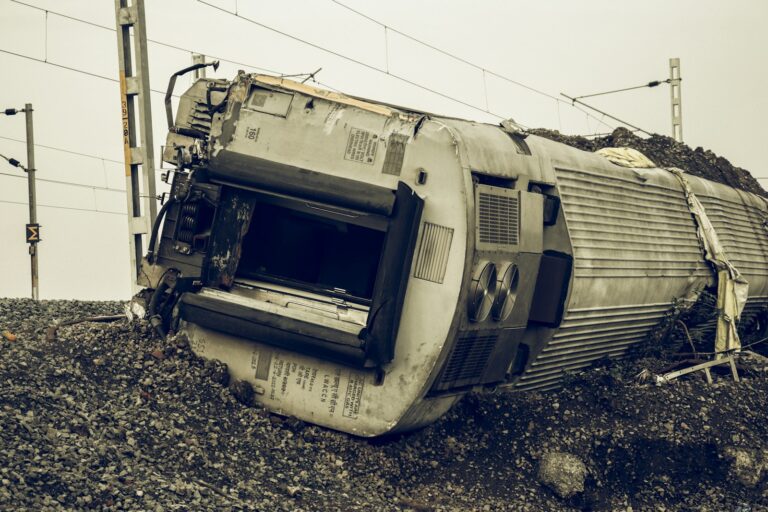
A Freight Train Off the Rails: On February 3, 2023, a Norfolk Southern freight train carrying 38 cars derailed near East Palestine, Ohio. This incident wasn’t just another accident; it led to a spill of dangerous chemicals and a fire that lit up the night sky, causing widespread panic.

A Burning Wheel Bearing: The root of the problem was a burning wheel bearing, which caused the axle to fail. This mechanical issue led to the train leaving the tracks, resulting in the hazardous chemicals leaking out. Emergency teams scrambled to control the situation by conducting controlled burns, preventing a bigger disaster but adding to the environmental and health risks.

Evacuation and Safety Measures: Authorities quickly evacuated over 2,000 residents to keep them safe from the toxic fumes. The community was on high alert as the situation unfolded, leaving many worried about their homes and health.

Causes and Concerns

Mechanical Failure: The primary cause was a burning wheel bearing leading to an axle failure. This highlights the importance of regular maintenance checks for freight trains, especially those carrying hazardous materials.

Safety Measures and Alerts: When the derailment happened, first responders acted fast. They set up controlled burns to prevent uncontrolled explosions, which could have been even more dangerous. However, this action released toxic fumes, causing a new set of health problems for locals.

Instructions Given: Residents were advised to stay indoors with windows shut, avoid drinking tap water, and steer clear of the crash site. These instructions aimed to minimize exposure to harmful substances but also caused inconvenience and stress.

Health Fears and Community Impact

Immediate Health Issues: People started reporting headaches, skin irritation, and breathing difficulties soon after the crash. These symptoms raised fears of long-term health effects, especially for vulnerable groups like children, the elderly, and those with pre-existing conditions.

Pets and Livestock Sickness: Many residents noticed their pets and livestock falling ill, likely due to the toxic chemicals in the air and water. This added to the distress, as people worried about the safety of their animals.

Long-Term Health Worries: There’s growing concern about potential long-term health effects, including cancer risks and other chronic illnesses. Experts are urging continuous monitoring of air and water quality to ensure safety.

Community and Environmental Impact

Solidarity and Support: Local communities came together to support evacuees, offering food, shelter, and emotional support. This solidarity highlighted the strength and resilience of the people in East Palestine.

Environmental Concern: The chemical spill and burns have contaminated the environment. The local ecosystem, including water sources and wildlife, is at risk, raising questions about the long-term environmental impact.

What’s Next?

Calls for Action: The incident has sparked demands for stricter railroad safety regulations. Both residents and officials are pushing for better safety measures to prevent future accidents.

Legal and Health Actions: Legal actions and health studies are expected to follow. Affected residents plan to take legal action, while health authorities will monitor the situation to address ongoing concerns.

Learning and Preventing: The crash serves as a wake-up call for the transportation and safety sectors. It underscores the need for updated safety protocols and better emergency response plans to handle such incidents effectively.

Closing Thoughts: The derailment in East Palestine is more than just a train accident; it’s a public health crisis. The incident reveals vulnerabilities in transportation safety and the need for urgent action to protect communities and the environment. As investigations continue, the focus remains on ensuring safety and preventing future disasters.