54 F
San Francisco
Saturday, April 25, 2026
Home Blog Page 688

ICE Detains Man Seeking Permanent Residency During Grand Canyon Visit

Key Takeaways:

  • A man in the process of obtaining permanent residency in the U.S. was detained by ICE agents at the Grand Canyon.
  • The man was sightseeing with his boyfriend when the incident occurred.
  • ICE and USCIS have not yet commented on the situation.
  • The couple is currently seeking answers and support.

A Day at the Grand Canyon Turns Into a Nightmare

Imagine visiting one of America’s most famous natural wonders, the Grand Canyon, with your partner. The Grand Canyon is a place where people often go to relax, enjoy nature, and create unforgettable memories. For one man and his boyfriend, however, what was supposed to be a peaceful day turned into a terrifying experience.

The man, who is in the process of obtaining permanent residency in the United States, was detained by Immigration and Customs Enforcement (ICE) agents while sightseeing. His boyfriend shared the story with a news outlet, revealing the shocking details of what happened.

Who Was Detained?

The man, whose name has not been released, is going through the process of becoming a permanent resident. Permanent residency is a big step toward citizenship. However, his journey took an unexpected turn during his visit to the Grand Canyon.

The boyfriend explained that the couple was simply enjoying their time together when ICE agents approached them. It’s unclear why the man was targeted or what led to his detention. The situation has left the couple and their supporters stunned.

ICE and USCIS Under Scrutiny

ICE and U.S. Citizenship and Immigration Services (USCIS) are the agencies responsible for enforcing immigration laws and handling residency applications. When the news outlet reached out to these agencies for comment, they did not respond. This lack of communication has raised questions about the circumstances surrounding the man’s detention.

The detention has sparked concerns about how ICE operates, especially in cases involving individuals who are actively seeking legal residency. Many are asking why someone in the process of obtaining permanent residency would be detained, especially during a personal outing.

What’s Next for the Couple?

The man’s boyfriend is now working to understand what happened and to secure his partner’s release. They are likely facing a stressful and uncertain time as they navigate the complex immigration system.

The couple’s story highlights the challenges many people face when dealing with immigration-related issues. It also brings attention to the importance of transparency and accountability within immigration enforcement agencies.

The Bigger Picture

This incident is not an isolated event. Many people in the U.S. face similar challenges as they try to build their lives here. Stories like this remind us of the human side of immigration and the need for fair treatment of all individuals, regardless of their background.

As the situation unfolds, many are hoping for a swift resolution for the couple. They deserve clear answers and a fair chance to continue their journey toward a stable life in the U.S.

A Long Road Ahead

The man’s detention at the Grand Canyon is a reminder of how complex and unpredictable the immigration process can be. For now, the couple and their supporters wait for updates from ICE and USCIS, hoping for a positive outcome.

Only time will tell how this situation will be resolved, but it’s clear that this couple’s story is one that many people can relate to. Their experience serves as a reminder of the challenges faced by those striving to make a life in America.

Americans Demand Transparency as Concerns Over Trump’s Health Grow

0

Key Takeaways:

  • A majority of Americans want more transparency about President Trump’s health.
  • 74% of people believe presidents should legally be required to share health records.
  • 81% support mandatory cognitive tests for presidents, with results made public.
  • Concerns about Trump’s mental capacity are growing, with many noticing his declining health.
  • The same concerns about age and health that Republicans raised about Biden are now being aimed at Trump.

Americans Want More Transparency About Trump’s Health

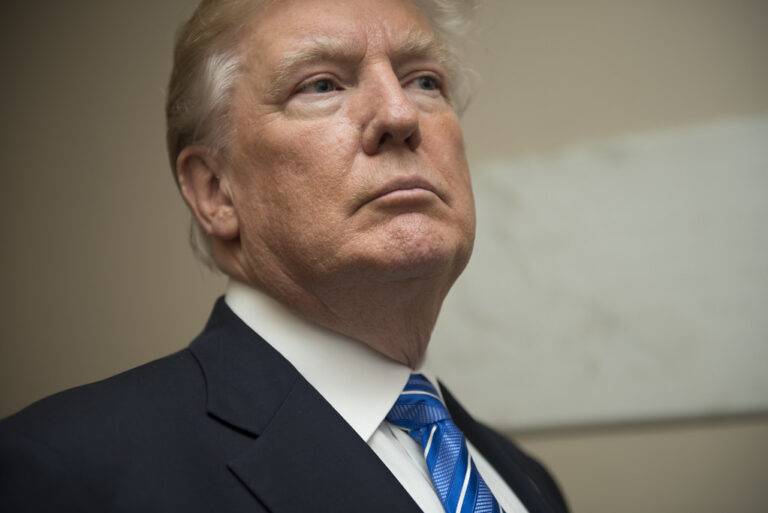
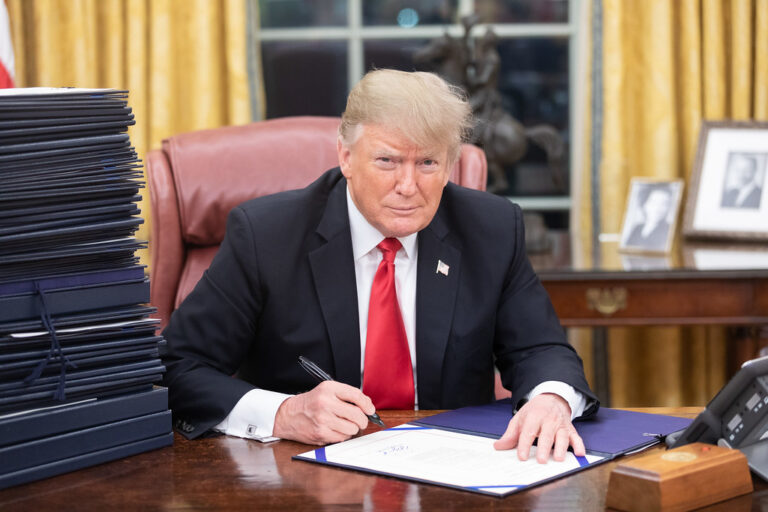
For years, Republicans and the media focused on former President Joe Biden’s age and whether he was mentally fit for the job. Now, the tables have turned. President Donald Trump, who is 79 years old, is back in the White House, and Americans are raising serious concerns about his health and mental capacity.

A recent poll by Ipsos/Axios shows that most Americans believe they don’t get enough information about the health of their leaders. Half of the people surveyed said the public doesn’t know enough about the president’s health. Democrats are especially concerned, with 68% saying more transparency is needed. Even a significant number of Republicans (33%) agree that the public deserves more information.

The same poll revealed that 59% of Americans think Congress members also aren’t sharing enough about their health. Only 25% of people believe elected officials are honest about their health, while 72% disagree. This lack of trust is driving calls for greater accountability.


The poll also showed broad support for making health transparency a legal requirement for presidents. A whopping 74% of Americans believe presidents should be legally required to share their health records. This includes majorities of Democrats (83%), Republicans (70%), and independents (72%). While fewer people think former presidents should have the same requirement, the message is clear: Americans want honesty from their leaders.

When it comes to cognitive tests, the numbers are even more striking. Eighty-one percent of Americans believe presidents should undergo cognitive tests and disease screenings, with the results made public. This idea has support across party lines, with 88% of Democrats, 79% of Republicans, and 76% of independents agreeing. Numbers like these don’t happen often in polls, showing that this isn’t just a partisan issue—it’s something most Americans care about deeply.


Why the Focus on Trump’s Health?

When Barack Obama or George W. Bush were presidents, no one talked about cognitive tests. But with Trump, now 79 years old, concerns about his mental and physical health have become a major topic. Many Americans believe Trump’s behavior and public appearances show signs of decline. They’re seeing it with their own eyes and demanding answers.

The media, however, has been hesitant to cover this topic. Some critics say they’re afraid of backlash from the White House or being labeled as biased. But the American people are smarter than that. They notice when something isn’t right, and they’re tired of being kept in the dark.


The Future of Cognitive Tests for Presidents

It’s safe to assume that the next president will be much younger than Trump, and the debate over cognitive tests will likely fade away. But for now, the focus is on Trump, and the public isn’t letting up.

The question of whether presidents should undergo cognitive tests is no longer just a political talking point. It’s a demand for accountability and transparency. Americans want to know whether their leaders are fit for the job, both physically and mentally.


What Do You Think?

Should President Trump be required to take and release a public cognitive test? Do you think more transparency about a president’s health is important? Share your thoughts in the comments below.

This isn’t just about Trump—it’s about setting a standard for all future presidents. Americans deserve to know whether their leader is capable of handling the demands of the job. The time for hiding behind secrecy is over. It’s time for honesty.

Federal Court Strikes Down Law Requiring Ten Commandments in Public Schools

0


Key Takeaways:

  • A federal appeals court ruled that Louisiana’s law requiring public schools to display the Ten Commandments is unconstitutional.
  • The ruling upholds the separation of church and state and stops the law from being enforced.
  • Civil liberties groups celebrated the decision, calling it a win for religious freedom and public education.
  • Similar legal battles are ongoing in Arkansas and Texas over identical laws.

Federal Court Rules Against Louisiana’s Ten Commandments Law

A federal appeals court recently ruled that a Louisiana law requiring public schools to display the Ten Commandments in every classroom is unconstitutional. The law, set to take effect in June 2024, would have mandated that the religious text be posted in all classrooms across the state.

The court’s decision sided with civil liberties groups, who argued that the law violated the First Amendment’s guarantee of separation between church and state. Critics claimed that displaying the Ten Commandments in public schools would make students from non-Christian backgrounds feel excluded and pressured to conform to a specific religion.

Heather L. Weaver, a senior staff attorney with the American Civil Liberties Union (ACLU), called the ruling a “resounding victory” for public education and religious freedom. “Public schools are not Sunday schools,” Weaver said, emphasizing that schools must remain welcoming to students of all faiths.


The Legal Battle in Louisiana

The legal battle began when parents of Louisiana students from various religious backgrounds filed a lawsuit against the law. They argued that forcing children to view a religious document in a public-school setting violated their rights to religious freedom.

U.S. District Judge John deGravelles previously ruled the law unconstitutional, ordering state education officials to stop enforcing it. However, Louisiana Attorney General Liz Murrill disagreed with the decision, claiming it only applied to the five school districts involved in the lawsuit. She announced plans to appeal the ruling.


Similar Battles in Other States

Louisiana is not the only state grappling with this issue. Earlier this month, a group of Arkansas families filed a federal lawsuit against a nearly identical law passed in their state. The law, approved by Republican Arkansas Gov. Sarah Huckabee Sanders in April, will require the Ten Commandments to be displayed in all public schools, universities, and taxpayer-funded buildings starting in August. Parents involved in the lawsuit argue that the law forces religion on children and families.

In Texas, the legislature recently approved a Ten Commandments bill, though no legal challenges have been reported yet. Meanwhile, in a separate case, an appeals court ruled that a two-and-a-half-ton Ten Commandments monument in the Alabama State Judicial Building violated the Establishment Clause. The court said the display created an “unavoidable” religious message.


What’s Next?

The ruling in Louisiana sets a precedent for other states considering similar laws. It reinforces the principle that public schools must remain neutral on religious matters to ensure all students feel included, regardless of their beliefs.

While the legal battle in Louisiana may not be over yet, civil liberties groups are hopeful that the ruling will discourage other states from passing similar laws. As the debate continues, one thing is clear: the question of where to draw the line between religion and public education remains a contentious issue in America.

NAACP Snubs Trump, Sparks Debate

NAACP Snubs Trump, Sparks Debate

  • Stephen A. Smith criticizes NAACP for not inviting Trump to their convention.
  • NAACP breaks 116-year tradition of inviting sitting presidents.
  • They cite Trump’s attacks on democracy and civil rights as reasons.
  • Smith argues the move is counterproductive for their mission.

Introduction

The NAACP made headlines by breaking a long-standing tradition of inviting sitting U.S. presidents to their national convention. This year, they excluded President Donald Trump, sparking debate. Stephen A. Smith opined on this decision, questioning its wisdom.

Stephen A. Smith’s Perspective

Smith expressed his views on his show, emphasizing that while he doesn’t endorse Trump, snubbing him may not help the NAACP’s goals. He questioned the logic behind excluding such a significant political figure, suggesting it might hinder progress for the communities the NAACP aims to support.

NAACP’s Reasoning

The NAACP believes Trump’s policies and actions undermine democracy and civil rights. They argue his approach is harmful, referencing his executive orders and behavior as reasons for the snub.

Historical Context

The NAACP has invited presidents since 1947 to foster dialogue on civil rights. Past presidents, from Truman to Obama, have participated. This tradition aimed to engage leaders in crucial discussions.

Smith’s Counterarguments

Smith challenges the NAACP, wondering if Trump is the first president to be so offensive. He questions the effectiveness of not inviting him, suggesting it might isolate rather than resolve issues.

The Broader Implications

The debate highlights the challenges in addressing civil rights issues in today’s political climate. It raises questions about the best strategies for fostering change and dialogue.

Conclusion

The NAACP’s decision to exclude Trump has sparked a lively debate, with Smith arguing for engagement over exclusion. As the conversation continues, it reflects the complexities of balancing tradition with contemporary challenges in civil rights advocacy.

Palestinian Activist, Mahmoud Khalil, Released After Months in ICE Detention


Key Takeaways:

  • Mahmoud Khalil, a Palestinian activist, has been freed after over three months in ICE detention.
  • He was arrested outside his apartment at Columbia University.
  • Supporters celebrated his release, calling it a victory for justice.
  • Khalil’s case highlights ongoing debates about immigration and activism.

Who Is Mahmoud Khalil?

Mahmoud Khalil is a Palestinian activist who has been at the center of a long and emotional deportation battle. He was detained by ICE (Immigration and Customs Enforcement) over three months ago. Khalil, who lives in the U.S., was arrested outside his apartment on Columbia University’s campus.

On Friday evening, Khalil walked out of the detention center in Louisiana. He smiled and raised his fists in celebration. He wore a keffiyeh, a scarf that symbolizes Palestinian identity and resistance. This scarf has become a powerful symbol of his fight for justice.


Why Does His Case Matter?

Khalil’s story has gained attention because it touches on important issues like immigration, activism, and human rights. His arrest and detention sparked outrage among supporters, who argue that he was unfairly targeted. Many see his release as a win for those fighting for fair treatment of immigrants and activists.


A Long and Emotional Fight

Khalil’s journey has been marked by uncertainty and struggle. After his arrest, he spent months in detention, awaiting a decision on his case. His lawyers and supporters worked tirelessly to secure his release. They argue that his detention was unjust and highlighted the challenges many immigrants face in the U.S.

Friday’s release brought relief to his supporters. Many celebrated the news, seeing it as a step toward justice. Khalil’s case continues to inspire people who believe in standing up for what’s right, even in the face of adversity.


Community Support and Solidarity

Khalil’s fight has united people from different backgrounds. Activists, community members, and even students at Columbia University rallied around him. They organized protests, petitions, and campaigns to raise awareness about his case. This support showed the power of unity in the face of injustice.

The keffiyeh Khalil wore as he left detention is a symbol of Palestinian pride and resilience. It also represents the broader fight for human rights and freedom. His story reminds us that even in tough times, hope and solidarity can make a difference.


What’s Next for Mahmoud Khalil?

Now that Khalil is free, his focus may shift to continuing his activism and advocating for others facing similar challenges. His experience has brought attention to the struggles of immigrants and activists in the U.S.

Khalil’s release is a reminder that the fight for justice is ongoing. It also shows that when people come together, they can make a real impact. As he moves forward, Khalil’s story will likely continue to inspire others to stand up for what they believe in.


The Bigger Picture

Khalil’s case is part of a larger conversation about immigration and activism in the U.S. Many people are calling for fairer laws and greater protections for immigrants. His story highlights the human side of these debates and the importance of treating everyone with dignity and respect.


Mahmoud Khalil’s release is a victory for his supporters and a reminder of the power of perseverance. His journey is far from over, but for now, many are celebrating this step toward justice.

Justice Ketanji Brown Jackson Slams Supreme Court Ruling on Emissions Case

Key Takeaways:

  • The Supreme Court ruled 7-2 in favor of fuel producers challenging California’s emissions standards.
  • Justice Ketanji Brown Jackson dissented, criticizing the court for favoring moneyed interests.
  • She argued the court risks undermining regulatory agencies and public health.

In a significant move, the U.S. Supreme Court recently ruled in favor of fuel producers who disputed California’s strict vehicle emissions standards. The decision, handed down with a 7-2 majority, has sparked debate, particularly due to a strong dissent from Justice Ketanji Brown Jackson. She criticized her colleagues, asserting that the court’s actions may indicate a bias toward powerful financial interests.

The Case Explained

The case involves California’s stricter emissions standards, aimed at reducing pollution and combating climate change. These standards, tighter than federal regulations, push automakers to produce more electric and hybrid vehicles. Fuel producers challenged this, arguing it unfairly favors certain industries. The court agreed, siding with the producers and halting the enforcement of these rules.

Justice Jackson’s Dissent

Justice Jackson was vocal in her disagreement. She argued that the court’s decision undermines the Environmental Protection Agency’s (EPA) authority. She expressed concerns that the court is overstepping by second-guessing the EPA’s expertise. Her dissent highlights fears that the court may be prioritizing the interests of large corporations over public health and environmental protection.

Broader Implications

This ruling could set a precedent, affecting how the court handles future cases involving regulatory agencies. Justice Jackson warned that such decisions might erode trust in the judiciary and favor powerful entities, rather than serving the public good. Her dissent underscores the importance of judicial decisions reflecting the broader population’s needs, not just those of corporations.

Conclusion

The Supreme Court’s decision and Justice Jackson’s dissent highlight a critical juncture in how the judiciary balances regulatory authority with corporate interests. As the nation grapples with environmental challenges, this case raises questions about the court’s role in shaping policy and protecting public health. This ruling is a significant marker in the ongoing debate over the judiciary’s direction and its impact on future regulatory cases.

Catholic Hospital Forced to Host Euthanasia Clinics in Vancouver

0

Key Takeaways:

  • A medical assistance in dying (MAiD) facility has opened on the campus of St. Paul’s Catholic Hospital in Vancouver.
  • This move bypasses a religious exemption that previously allowed the Catholic hospital to refuse euthanasia.
  • The British Columbia government pushed for this after a 2024 lawsuit pressured Catholic hospitals to comply with MAiD requests.

Vancouver, BC – A controversial decision by the British Columbia government has led to the opening of a medical assistance in dying (MAiD) facility on the campus of St. Paul’s Catholic Hospital. This move is significant because it goes against the teachings of the Catholic Church, which strongly opposes euthanasia.

St. Paul’s Hospital, run by Providence Health Care, is part of the Catholic Archdiocese of Vancouver. Until now, the hospital had a contract with the government stating it would not perform abortions or euthanasia on its premises. Instead, patients seeking these services would be transferred to another facility.

However, recent emails obtained through a freedom-of-information request reveal that a MAiD clinic opened on the St. Paul’s campus on January 6 of this year. Another MAiD facility is also being built at the new St. Paul’s Hospital, set to open in 2027. Two Catholic hospice homes now share space with these euthanasia clinics, raising concerns among religious and ethical groups.

Provincial officials have faced increasing pressure since a 2023 case involving a young woman named Sam O’Neill. She sought a medically assisted death at St. Paul’s but was transferred due to the hospital’s Catholic affiliation. Her story was used by pro-MAiD groups to push for changes, leading to a 2024 lawsuit challenging religious exemptions for hospitals.

Critics argue that the new MAiD facilities effectively force Catholic institutions to participate in euthanasia, even if indirectly. Patients can now be easily transferred to the MAiD clinic by simply being wheeled down a corridor between connected buildings.

“This is incredibly sad news,” said Alex Schadenberg, Chair of the Euthanasia Prevention Coalition. “It’s heartbreaking that the new St. Paul’s will also have a euthanasia clinic attached to it.”

Dr. Will Johnston, a Vancouver physician and head of Euthanasia Resistance B.C., likened the situation to totalitarianism. “This shows no regard for freedom or diversity,” he said. “It’s another example of zealots who won’t allow anyone to escape euthanasia.”

The opening of these facilities has sparked debate about religious freedom and the role of government in healthcare. With no official announcements or press releases, many are left wondering how this decision will impact Catholic healthcare providers and their patients.

Pennsylvania Mother and Daughter Charged After Disturbing Abortion Case


**Key Takeaways:

  • A mother and daughter in Pennsylvania are facing charges after a home abortion resulted in the burial of a baby in their backyard.
  • The daughter, 18, used abortion pills provided by her mother at 20 weeks of pregnancy.
  • The mother is charged with endangering a child, corrupting a minor, and hiding the death of a child.
  • The daughter faces charges for hiding the death and abusing a corpse.
  • They are not charged for the abortion itself, as it’s legal in Pennsylvania.

A Tragic and Disturbing Case Unfolds

In Lancaster County, Pennsylvania, a shocking story has come to light involving a mother and daughter accused of hiding the death of a baby after an at-home abortion. Shannon Jones, 50, and her daughter Sydney, 18, are now facing serious criminal charges.

The case began when Sydney, who was 20 weeks pregnant, used abortion pills provided by her mother. After the abortion, she described the experience to a friend in disturbing texts. She wrote, “It’s like a full baby,” and added, “It’s still moving.” She also mentioned there was “blood everywhere.”

Sydney kept the baby’s body in a box under her bed for weeks before burying it in their backyard. Authorities discovered the remains during an investigation.


District Attorney Heather Adams made it clear that the pair is not being charged for the abortion itself. Abortions are legal in Pennsylvania, and they cannot be prosecuted for that. Instead, the charges focus on their actions after the abortion.

Shannon Jones faces three charges: endangering the welfare of children, corrupting minors, and conspiracy to conceal the death of a child. She is accused of buying abortion pills for her daughter against medical instructions, putting Sydney’s life at risk.

Sydney, who was 17 at the time of the incident, is charged in juvenile court with concealing the death of a child and abusing a corpse.

If officials had determined the baby was born alive, the charges could have been even more severe, possibly including homicide. However, they were unable to confirm this.


The Story Behind the Tragedy

The baby, identified as a boy, was born in 2024. Sydney was 20 weeks pregnant when the abortion occurred. According to reports, she was turned away from a local abortion clinic, leading her mother to buy abortion pills online.

After taking the pills, Sydney texted a friend about the experience. She described the baby as fully formed and moving, though she believed the movements were just reflexes since the baby’s lungs were not developed.

Shannon expressed fear of being discovered in Text messages, writing, “We’re either going to get arrested or I’m gonna get divorced.”

It’s unclear what alerted authorities, but they obtained a search warrant in March and found the baby’s body buried in the family’s backyard.


Neighbors React to the Charges

People living near the Jones family expressed strong opinions about the case.

Lucretia Breneman, a neighbor, said, “I feel that an unborn baby was murdered. It’s kind of barbaric to treat an unborn baby that way.” She supports the charges but wishes they were harsher.

Another neighbor, Miranda Vargas, said, “She was scared. She was underage, but mom should’ve known better.”


The Bigger Picture

This case highlights the complexities of abortion laws and the emotional challenges faced by those involved. While the mother and daughter are not being charged for the abortion itself, their actions after the procedure have led to serious legal consequences.

The case also raises questions about access to abortion services and the risks of using abortion pills without medical supervision.

For now, the Jones family faces a long and difficult legal battle as they address the charges against them. The community remains divided, with strong opinions on both sides.


This story is a reminder of the emotional and legal challenges surrounding abortion in America. While the law protects the right to choose, the consequences of illegal actions after the procedure can be severe.

VP JD Vance Urges Caution as Tensions Rise Over Iran

0


Key Takeaways:

  • VP JD Vance opposes direct U.S. involvement in Iran.
  • Israel pushes for immediate action against Iran’s nuclear program.
  • The Trump administration is divided on how to handle the situation.
  • Defense Secretary Pete Hegseth participated in a tense call about the issue.

The United States and Israel are at odds over how to address Iran’s nuclear program, according to a recent report. Tensions are rising as Israel demands swift action, while some U.S. officials, like Vice President JD Vance, are urging caution.

Israel Wants Fast Action on Iran

Israeli officials have told the Trump administration they don’t want to wait two weeks for Iran to dismantle key parts of its nuclear program. They’ve made it clear they might act alone if the U.S. doesn’t take immediate steps. This has sparked a heated debate in Washington about whether the U.S. should get involved.

During a recent high-level call, the discussion turned tense. Israeli representatives expressed their concerns to Trump administration officials, calling the two-week timeline too long and demanding urgent action.


VP JD Vance Pushes Back

Vice President JD Vance made his stance clear during the call. He argued that the U.S. shouldn’t directly target Iran. Vance also warned that Israel’s approach could drag America into another war.

This isn’t the first time Vance has spoken out against U.S. involvement in foreign conflicts. He’s been critical of past interventions in Iraq and Afghanistan. However, he’s recently defended Trump against Republican critics who want the U.S. to avoid the Iran conflict altogether.


Defense Secretary Pete Hegseth Joins the Discussion

Defense Secretary Pete Hegseth was also on the call, though it’s unclear who else participated. The conversation highlights the deep division within the Trump administration on how to handle the Iran situation.


What’s Next?

The debate over Iran is far from over. Israel’s urgency, combined with internal disagreements in the U.S., creates a volatile situation. As the clock ticks down, all eyes are on whether the U.S. will take direct action or stand back.

One thing is certain: the next two weeks will be critical in determining the path forward. Will the U.S. step in, or will Israel act alone? The world waits with bated breath as tensions continue to rise.


This situation shows how complex and delicate international relations can be. With conflicting opinions and high stakes, it’s a story worth keeping an eye on. Stay tuned for further updates as more details emerge.

Pope Leo XIV Defends Journalists in Speech Seen as Critique of Trump Tactics

0


Pope Leo XIV has spoken out strongly in favor of press freedom, a message some see as a subtle jab at former President Donald Trump.

Key Takeaways:

  • Pope Leo XIV praised journalists and emphasized the importance of free and ethical journalism.
  • He warned that silencing journalists weakens democracy and called press freedom an “inalienable common good.”
  • Some believe his comments indirectly criticize Trump, who has clashed with the media, calling it “fake news.”
  • Trump has taken actions against journalists, including barring certain outlets from the White House and targeting others.

Pope Leo XIV’s Strong Defense of Press Freedom

In recent days, Pope Leo XIV has made waves with his first public statements addressing the clerical abuse scandal. During this, he took a moment to highlight the crucial role of journalists in society. “Defending free and ethical journalism is not just an act of justice, but a duty for those who want a strong and fair democracy,” he said.

The Pope stressed that when journalists are silenced, the democratic soul of a nation suffers. He called freedom of the press a basic right that benefits everyone. “Those who do this work with integrity cannot be quieted by selfish interests or fear of the truth,” he added.


Trump’s History with the Media

While Pope Leo XIV did not mention Trump by name, many believe his words were aimed at the former president. Trump has long had a rocky relationship with the media. He famously labeled certain outlets as “fake news” and took steps to limit their access.

For example, Trump banned the Associated Press from the White House press pool and used government agencies to target news organizations he didn’t like. He also cut funding for Voice of America, a U.S.-funded broadcaster. These actions have raised concerns about press freedom under his leadership.


Reactions to the Pope’s Comments

The Pope’s remarks have sparked a lot of discussion. Some view his words as a direct challenge to Trump’s approach to the media. Others see it as a broader call to protect journalists worldwide, especially in countries where press freedom is under threat.

The Daily Beast described the Pope’s comments as a “troll” of Trump, noting that Trump has faced criticism for his treatment of journalists since returning to office.


What This Could Mean for Trump

If Pope Leo XIV’s comments are indeed aimed at Trump, it could add to the former president’s challenges. Trump has built a reputation for clashing with the media, and criticism from a global religious leader like the Pope could further damage his image.

At the same time, some Trump supporters may push back, arguing that the former president is protecting America from what they see as biased reporting.


A Broader Message for Everyone

Regardless of whether the Pope’s comments were meant for Trump, they carry a message that goes beyond one person. Journalists play a key role in holding those in power accountable and keeping the public informed.

In an era where misinformation is spreading fast, the Pope’s call for ethical journalism feels timely. His words remind us that a free press is essential for a healthy democracy.

The Pope’s statement also highlights the broader tension between leaders and the media. As politicians and journalists continue to clash, the question of how to balance power and accountability remains a hot topic.


What’s Next?

The world will be watching to see how Pope Leo XIV’s words are received. Will they inspire change in how leaders treat the media? Or will they be dismissed as just another criticism of Trump?

For now, one thing is clear: The Pope’s defense of press freedom has sparked an important conversation. It’s a reminder that the fight for truth and transparency is far from over.

In conclusion, Pope Leo XIV’s comments are a powerful statement in favor of free and ethical journalism. Whether or not they were aimed at Trump, they highlight the ongoing struggle between leaders and the media. As the debate continues, one thing is certain—press freedom remains a cornerstone of democracy that needs protection.