51.3 F
San Francisco
Monday, April 27, 2026
Home Blog Page 689

Trump Pushes NATO Allies to Boost Defense Spending to 5% GDP

0

Key Takeaways:

  • President Trump wants NATO countries to increase defense spending to 5% of their GDP, but the U.S. may not follow the same rule.
  • Spain refuses to meet the 5% target and has asked for an exemption.
  • Only four NATO countries—Poland, Estonia, Latvia, and Lithuania—currently meet the 5% goal.
  • Trump’s comments come ahead of a NATO meeting in The Hague next week.

President Donald Trump has made it clear that he wants NATO countries to spend more on defense, specifically 5% of their GDP. However, it seems like this rule might not apply to the United States. This has sparked debate among NATO members, with some pushing back against the demand.

At a recent press conference in New Jersey, Trump said, “I don’t think we should, but I think they should.” This statement highlights his belief that NATO allies should step up their defense spending while the U.S. maintains its current contributions.

NATO currently requires member countries to spend at least 2% of their GDP on defense. Most countries are expected to meet this goal by the end of the year. Some, like Poland, Estonia, Latvia, and Lithuania, are already spending 5%. However, many others, including Spain, have made it clear they won’t meet the higher target.

The 5% Target: Why Some Countries Are Pushing Back

Spain’s prime minister has openly said his country won’t abide by the 5% rule and has requested an exemption. This isn’t the only pushback Trump’s proposal has received. Germany’s defense minister, Boris Pistorius, recently stated, “We have to find a realistic compromise between what is necessary and what is possible.”

Countries like Germany argue that doubling defense spending to 5% of GDP would strain their economies. Instead, they are focusing on gradual increases, with some aiming to reach 3.5% by 2030.

What’s at Stake for NATO?

As NATO prepares for its upcoming meeting in The Hague, defense spending is expected to be a major topic of discussion. Trump’s push for higher spending aligns with his long-term goal of making NATO stronger and more financially independent. However, his comments have raised questions about fairness, especially since the U.S. spends around 3.4% of its GDP on NATO defense.

Why 5% Matters

Supporters of the 5% target argue that it’s necessary to ensure NATO’s military strength and readiness. They point out that Russia’s actions in Ukraine have shown the importance of a strong defense alliance. On the other hand, critics argue that the target is unrealistic for many countries and could lead to economic hardships.

What’s Next?

As the NATO summit approaches, leaders will need to find a balance between increasing defense spending and keeping their economies stable. While some countries may agree to higher spending, others will likely push for a more flexible approach.

In the end, Trump’s comments highlight the ongoing debate about how NATO should prioritize its resources. Whether the alliance will adopt the 5% target remains to be seen, but one thing is clear: defense spending will be a hot topic for NATO members in the coming months.

Conclusion

President Trump’s call for NATO countries to increase defense spending to 5% of their GDP has sparked both support and opposition. While some countries are willing to step up their contributions, others argue that the target is unrealistic. As NATO leaders meet in The Hague, they’ll need to navigate this complex issue and find a solution that works for everyone. Will the 5% target become a reality? Only time will tell.
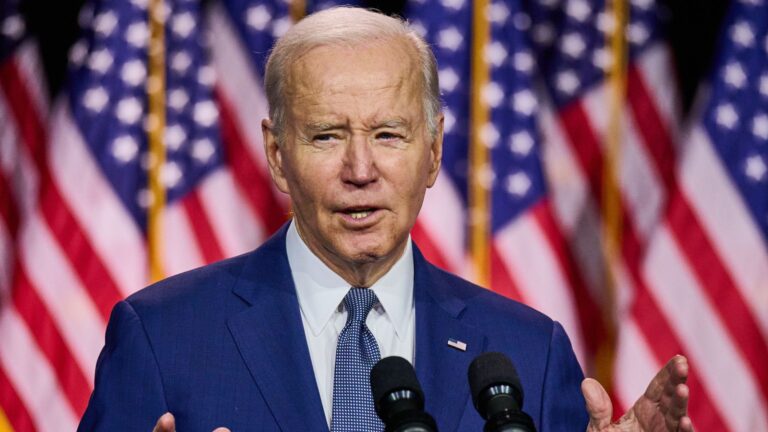
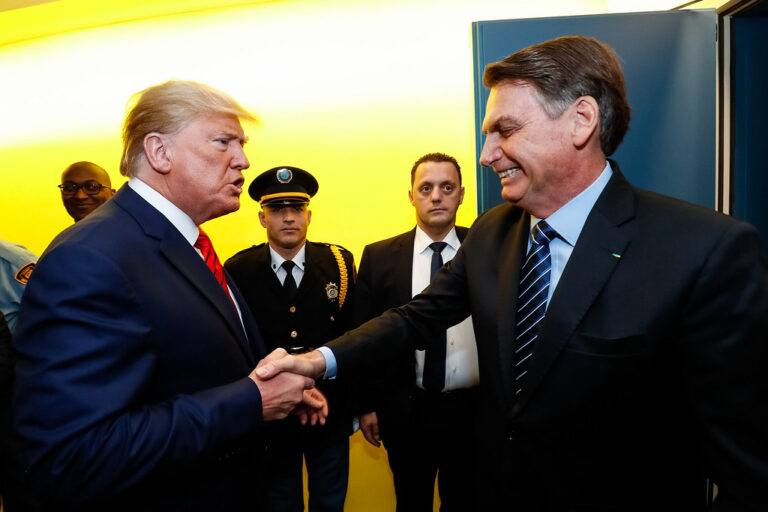
Biden and Trump Clash Over Juneteenth

0

Key Takeaways:

  • President Joe Biden honored Juneteenth by attending a service in Galveston, emphasizing its importance.
  • Former President Donald Trump criticized federal holidays, which some saw as dismissing Juneteenth.
  • Biden subtly criticized Trump for trying to erase history.
  • Critics accused Trump of disrespecting Black history while golfing frequently.

Biden Celebrates Juneteenth with a Strong Message

President Joe Biden marked Juneteenth by visiting Reedy Chapel AME Church in Galveston, Texas. This church is significant because it’s where the end of slavery in Texas was announced on June 19, 1865. Biden used the occasion to stress the importance of remembering history. He criticized efforts to ignore the past, particularly slavery’s impact.

Biden mentioned that some people still don’t think Juneteenth should be a federal holiday. He linked this to broader attempts to erase history. Without naming Trump, he seemed to point to his successor’s actions. Biden also talked about renaming military bases that honored Confederate officers, a decision made during his presidency.

Trump Criticizes Federal Holidays on Juneteenth

On the same day, former President Donald Trump expressed his dislike for the number of federal holidays. He claimed they cost the country billions and suggested workers don’t want more days off. However, he didn’t provide evidence for this claim. Many saw his comment as a slight against Juneteenth, especially since he didn’t recognize it as president.

Critics Respond to Trump’s Comments

Trump’s remarks sparked criticism. Rep. Jasmine Crockett noted Trump’s hypocrisy, mentioning his golfing trips and taxpayer expenses. She accused him of trying to erase Black history. Senator Patty Murray agreed, stating that diversity is America’s strength and that history won’t be forgotten. Commentator Harry Sisson also criticized Trump, pointing out his frequent golfing while suggesting people work more.

Conclusion:

Juneteenth highlights the ongoing debate over America’s history and values. While Biden honored the day, Trump’s comments stirred controversy. This clash reflects deeper divisions in how we view our past and its significance today.

Trump Announces Peace Deal in Africa, Voices Frustration Over Nobel Prize Snub

0

Key Takeaways:

  • Trump helped end a conflict between the Democratic Republic of Congo (DRC) and Rwanda.
  • The two countries will sign a treaty in Washington, D.C.
  • Trump expressed disappointment over not receiving a Nobel Peace Prize.
  • He listed other peace efforts, including deals with India, Pakistan, Serbia, Kosovo, Egypt, Ethiopia, and Abraham Accords.

Overview of the Conflict

The DRC and Rwanda have been engaged in an indirect conflict for years. Rwanda accused the DRC of supporting a rebel group fighting against the Rwandan government. This led to violence and instability in the region.


Details of the Treaty

Trump announced that representatives from both countries will sign the treaty in Washington. This marks a significant step towards peace, ending decades of tension.


Trump’s Previous Peace Efforts

Trump mentioned his involvement in several other peace deals. He claims to have helped stop conflicts between India and Pakistan, and Serbia and Kosovo. Additionally, he noted his role in maintaining peace between Egypt and Ethiopia over a dam project affecting the Nile River. The Abraham Accords in the Middle East were also highlighted as a major achievement.


Trump’s Comments on the Nobel Prize

Trump expressed frustration over not receiving a Nobel Peace Prize, despite his efforts. He believes the committee favors liberals and overlooks his contributions. He mentioned ongoing efforts with Russia, Ukraine, and Israel-Iran, but remains skeptical about recognition.


Conclusion

The treaty between DRC and Rwanda is a significant step towards peace in Africa. Trump’s frustration with the Nobel Committee reflects his desire for acknowledgment, yet he emphasizes that public approval is what matters most. The treaty underscores the importance of diplomacy in resolving international conflicts.

GOP’s Medicaid Cuts Spark Controversy Over Work Requirements


Key Takeaways:

  • GOP’s Medicaid cuts could remove health insurance for over 10 million low-income Americans.
  • Senator Jim Justice defends the cuts, citing biblical principles about work.
  • Previous work requirement programs failed and were ruled illegal.
  • The Senate’s plan expands work requirements to parents of older kids.
  • Rural hospitals could suffer greatly, leading to a potential bailout fund.
  • Some GOP members, including Justice, worry the cuts may go too far.

The GOP’s Plan to Cut Medicaid

The Republican Party has proposed significant cuts to Medicaid, a program that provides health insurance to low-income Americans. Senator Jim Justice of West Virginia recently defended these cuts, saying, “Biblically, we are supposed to work.” He believes work gives people dignity and hope. However, critics argue that these cuts could harm millions of people who rely on Medicaid for their health care.

The plan includes adding work requirements to Medicaid. This means people would have to work or participate in job training to qualify for the program. During Donald Trump’s presidency, similar work requirements were tested in some states. But these programs failed to increase employment and instead caused thousands of people, including those already working, to lose their health insurance. Courts later ruled these requirements illegal.

The Senate’s new plan goes even further. It would require parents of children over the age of 14 to work to keep their Medicaid benefits. This could affect up to 380,000 more people.


Work Requirements: A Problematic Idea

The idea of tying Medicaid to work requirements has faced criticism. Many people on Medicaid already work, but their jobs may not offer health insurance. Others may have disabilities or care for family members, making it hard to meet work requirements.

When work requirements were tested in the past, they didn’t lead to more people getting jobs. Instead, they caused confusion and paperwork problems, leading many to lose their health coverage.

Senator Justice and other supporters argue that work requirements help people gain dignity and independence. But opponents say these requirements punish people who are already struggling.


The Impact on Rural Hospitals

The GOP’s plan also targets a key funding source for Medicaid. States currently use provider taxes to get matching funds from the federal government. These taxes are crucial for hospitals, especially in rural areas where many people rely on Medicaid.

If the plan passes, rural hospitals could lose a lot of money. This could force some hospitals to close, leaving millions without access to health care. The GOP is even considering creating a bailout fund to save these hospitals, but it’s unclear how effective that would be.


A Potential Bailout for Hospitals

The rural hospital bailout highlights the complexity of the GOP’s plan. On one hand, the plan cuts funding for Medicaid and adds work requirements. On the other hand, it acknowledges that these cuts could devastate rural hospitals, which are already struggling.

Senator Justice, who comes from a coal mining background, has warned his fellow lawmakers that some parts of the plan may go too far. For example, he expressed concerns about a proposal to make states pay more for the food stamp program.


What’s Next for Medicaid?

The GOP’s Medicaid plan is part of a larger effort to reduce government spending. While supporters say it encourages work and self-reliance, critics warn it could harm millions of Americans who rely on Medicaid for essential health care.

For now, the plan is still being debated. But one thing is clear: the outcome could have a major impact on low-income families, rural hospitals, and the future of Medicaid itself.


This article aims to provide a clear, unbiased summary of the debates surrounding Medicaid cuts and work requirements. Let us know your thoughts in the comments!

ICE Detains Man Seeking Permanent Residency During Grand Canyon Visit

Key Takeaways:

  • A man in the process of obtaining permanent residency in the U.S. was detained by ICE agents at the Grand Canyon.
  • The man was sightseeing with his boyfriend when the incident occurred.
  • ICE and USCIS have not yet commented on the situation.
  • The couple is currently seeking answers and support.

A Day at the Grand Canyon Turns Into a Nightmare

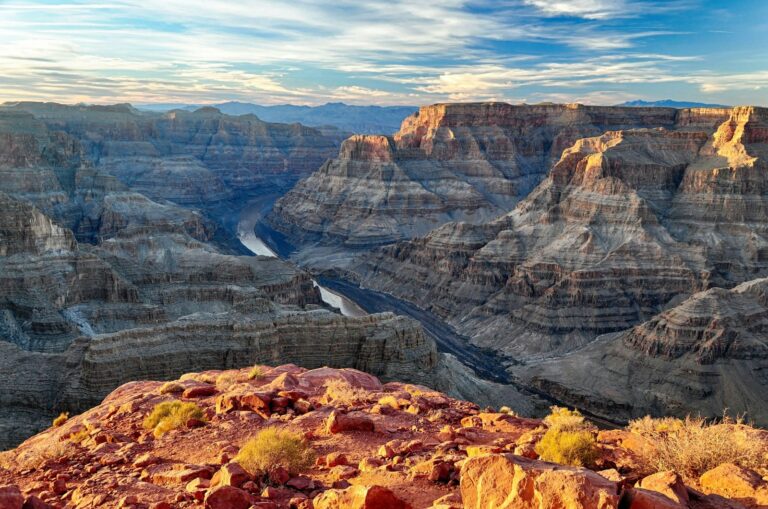
Imagine visiting one of America’s most famous natural wonders, the Grand Canyon, with your partner. The Grand Canyon is a place where people often go to relax, enjoy nature, and create unforgettable memories. For one man and his boyfriend, however, what was supposed to be a peaceful day turned into a terrifying experience.

The man, who is in the process of obtaining permanent residency in the United States, was detained by Immigration and Customs Enforcement (ICE) agents while sightseeing. His boyfriend shared the story with a news outlet, revealing the shocking details of what happened.

Who Was Detained?

The man, whose name has not been released, is going through the process of becoming a permanent resident. Permanent residency is a big step toward citizenship. However, his journey took an unexpected turn during his visit to the Grand Canyon.

The boyfriend explained that the couple was simply enjoying their time together when ICE agents approached them. It’s unclear why the man was targeted or what led to his detention. The situation has left the couple and their supporters stunned.

ICE and USCIS Under Scrutiny

ICE and U.S. Citizenship and Immigration Services (USCIS) are the agencies responsible for enforcing immigration laws and handling residency applications. When the news outlet reached out to these agencies for comment, they did not respond. This lack of communication has raised questions about the circumstances surrounding the man’s detention.

The detention has sparked concerns about how ICE operates, especially in cases involving individuals who are actively seeking legal residency. Many are asking why someone in the process of obtaining permanent residency would be detained, especially during a personal outing.

What’s Next for the Couple?

The man’s boyfriend is now working to understand what happened and to secure his partner’s release. They are likely facing a stressful and uncertain time as they navigate the complex immigration system.

The couple’s story highlights the challenges many people face when dealing with immigration-related issues. It also brings attention to the importance of transparency and accountability within immigration enforcement agencies.

The Bigger Picture

This incident is not an isolated event. Many people in the U.S. face similar challenges as they try to build their lives here. Stories like this remind us of the human side of immigration and the need for fair treatment of all individuals, regardless of their background.

As the situation unfolds, many are hoping for a swift resolution for the couple. They deserve clear answers and a fair chance to continue their journey toward a stable life in the U.S.

A Long Road Ahead

The man’s detention at the Grand Canyon is a reminder of how complex and unpredictable the immigration process can be. For now, the couple and their supporters wait for updates from ICE and USCIS, hoping for a positive outcome.

Only time will tell how this situation will be resolved, but it’s clear that this couple’s story is one that many people can relate to. Their experience serves as a reminder of the challenges faced by those striving to make a life in America.

Americans Demand Transparency as Concerns Over Trump’s Health Grow

0

Key Takeaways:

  • A majority of Americans want more transparency about President Trump’s health.
  • 74% of people believe presidents should legally be required to share health records.
  • 81% support mandatory cognitive tests for presidents, with results made public.
  • Concerns about Trump’s mental capacity are growing, with many noticing his declining health.
  • The same concerns about age and health that Republicans raised about Biden are now being aimed at Trump.

Americans Want More Transparency About Trump’s Health

For years, Republicans and the media focused on former President Joe Biden’s age and whether he was mentally fit for the job. Now, the tables have turned. President Donald Trump, who is 79 years old, is back in the White House, and Americans are raising serious concerns about his health and mental capacity.

A recent poll by Ipsos/Axios shows that most Americans believe they don’t get enough information about the health of their leaders. Half of the people surveyed said the public doesn’t know enough about the president’s health. Democrats are especially concerned, with 68% saying more transparency is needed. Even a significant number of Republicans (33%) agree that the public deserves more information.

The same poll revealed that 59% of Americans think Congress members also aren’t sharing enough about their health. Only 25% of people believe elected officials are honest about their health, while 72% disagree. This lack of trust is driving calls for greater accountability.


The poll also showed broad support for making health transparency a legal requirement for presidents. A whopping 74% of Americans believe presidents should be legally required to share their health records. This includes majorities of Democrats (83%), Republicans (70%), and independents (72%). While fewer people think former presidents should have the same requirement, the message is clear: Americans want honesty from their leaders.

When it comes to cognitive tests, the numbers are even more striking. Eighty-one percent of Americans believe presidents should undergo cognitive tests and disease screenings, with the results made public. This idea has support across party lines, with 88% of Democrats, 79% of Republicans, and 76% of independents agreeing. Numbers like these don’t happen often in polls, showing that this isn’t just a partisan issue—it’s something most Americans care about deeply.


Why the Focus on Trump’s Health?

When Barack Obama or George W. Bush were presidents, no one talked about cognitive tests. But with Trump, now 79 years old, concerns about his mental and physical health have become a major topic. Many Americans believe Trump’s behavior and public appearances show signs of decline. They’re seeing it with their own eyes and demanding answers.

The media, however, has been hesitant to cover this topic. Some critics say they’re afraid of backlash from the White House or being labeled as biased. But the American people are smarter than that. They notice when something isn’t right, and they’re tired of being kept in the dark.


The Future of Cognitive Tests for Presidents

It’s safe to assume that the next president will be much younger than Trump, and the debate over cognitive tests will likely fade away. But for now, the focus is on Trump, and the public isn’t letting up.

The question of whether presidents should undergo cognitive tests is no longer just a political talking point. It’s a demand for accountability and transparency. Americans want to know whether their leaders are fit for the job, both physically and mentally.


What Do You Think?

Should President Trump be required to take and release a public cognitive test? Do you think more transparency about a president’s health is important? Share your thoughts in the comments below.

This isn’t just about Trump—it’s about setting a standard for all future presidents. Americans deserve to know whether their leader is capable of handling the demands of the job. The time for hiding behind secrecy is over. It’s time for honesty.

Federal Court Strikes Down Law Requiring Ten Commandments in Public Schools

0


Key Takeaways:

  • A federal appeals court ruled that Louisiana’s law requiring public schools to display the Ten Commandments is unconstitutional.
  • The ruling upholds the separation of church and state and stops the law from being enforced.
  • Civil liberties groups celebrated the decision, calling it a win for religious freedom and public education.
  • Similar legal battles are ongoing in Arkansas and Texas over identical laws.

Federal Court Rules Against Louisiana’s Ten Commandments Law

A federal appeals court recently ruled that a Louisiana law requiring public schools to display the Ten Commandments in every classroom is unconstitutional. The law, set to take effect in June 2024, would have mandated that the religious text be posted in all classrooms across the state.

The court’s decision sided with civil liberties groups, who argued that the law violated the First Amendment’s guarantee of separation between church and state. Critics claimed that displaying the Ten Commandments in public schools would make students from non-Christian backgrounds feel excluded and pressured to conform to a specific religion.

Heather L. Weaver, a senior staff attorney with the American Civil Liberties Union (ACLU), called the ruling a “resounding victory” for public education and religious freedom. “Public schools are not Sunday schools,” Weaver said, emphasizing that schools must remain welcoming to students of all faiths.


The Legal Battle in Louisiana

The legal battle began when parents of Louisiana students from various religious backgrounds filed a lawsuit against the law. They argued that forcing children to view a religious document in a public-school setting violated their rights to religious freedom.

U.S. District Judge John deGravelles previously ruled the law unconstitutional, ordering state education officials to stop enforcing it. However, Louisiana Attorney General Liz Murrill disagreed with the decision, claiming it only applied to the five school districts involved in the lawsuit. She announced plans to appeal the ruling.


Similar Battles in Other States

Louisiana is not the only state grappling with this issue. Earlier this month, a group of Arkansas families filed a federal lawsuit against a nearly identical law passed in their state. The law, approved by Republican Arkansas Gov. Sarah Huckabee Sanders in April, will require the Ten Commandments to be displayed in all public schools, universities, and taxpayer-funded buildings starting in August. Parents involved in the lawsuit argue that the law forces religion on children and families.

In Texas, the legislature recently approved a Ten Commandments bill, though no legal challenges have been reported yet. Meanwhile, in a separate case, an appeals court ruled that a two-and-a-half-ton Ten Commandments monument in the Alabama State Judicial Building violated the Establishment Clause. The court said the display created an “unavoidable” religious message.


What’s Next?

The ruling in Louisiana sets a precedent for other states considering similar laws. It reinforces the principle that public schools must remain neutral on religious matters to ensure all students feel included, regardless of their beliefs.

While the legal battle in Louisiana may not be over yet, civil liberties groups are hopeful that the ruling will discourage other states from passing similar laws. As the debate continues, one thing is clear: the question of where to draw the line between religion and public education remains a contentious issue in America.

NAACP Snubs Trump, Sparks Debate

NAACP Snubs Trump, Sparks Debate

  • Stephen A. Smith criticizes NAACP for not inviting Trump to their convention.
  • NAACP breaks 116-year tradition of inviting sitting presidents.
  • They cite Trump’s attacks on democracy and civil rights as reasons.
  • Smith argues the move is counterproductive for their mission.

Introduction

The NAACP made headlines by breaking a long-standing tradition of inviting sitting U.S. presidents to their national convention. This year, they excluded President Donald Trump, sparking debate. Stephen A. Smith opined on this decision, questioning its wisdom.

Stephen A. Smith’s Perspective

Smith expressed his views on his show, emphasizing that while he doesn’t endorse Trump, snubbing him may not help the NAACP’s goals. He questioned the logic behind excluding such a significant political figure, suggesting it might hinder progress for the communities the NAACP aims to support.

NAACP’s Reasoning

The NAACP believes Trump’s policies and actions undermine democracy and civil rights. They argue his approach is harmful, referencing his executive orders and behavior as reasons for the snub.

Historical Context

The NAACP has invited presidents since 1947 to foster dialogue on civil rights. Past presidents, from Truman to Obama, have participated. This tradition aimed to engage leaders in crucial discussions.

Smith’s Counterarguments

Smith challenges the NAACP, wondering if Trump is the first president to be so offensive. He questions the effectiveness of not inviting him, suggesting it might isolate rather than resolve issues.

The Broader Implications

The debate highlights the challenges in addressing civil rights issues in today’s political climate. It raises questions about the best strategies for fostering change and dialogue.

Conclusion

The NAACP’s decision to exclude Trump has sparked a lively debate, with Smith arguing for engagement over exclusion. As the conversation continues, it reflects the complexities of balancing tradition with contemporary challenges in civil rights advocacy.

Palestinian Activist, Mahmoud Khalil, Released After Months in ICE Detention


Key Takeaways:

  • Mahmoud Khalil, a Palestinian activist, has been freed after over three months in ICE detention.
  • He was arrested outside his apartment at Columbia University.
  • Supporters celebrated his release, calling it a victory for justice.
  • Khalil’s case highlights ongoing debates about immigration and activism.

Who Is Mahmoud Khalil?

Mahmoud Khalil is a Palestinian activist who has been at the center of a long and emotional deportation battle. He was detained by ICE (Immigration and Customs Enforcement) over three months ago. Khalil, who lives in the U.S., was arrested outside his apartment on Columbia University’s campus.

On Friday evening, Khalil walked out of the detention center in Louisiana. He smiled and raised his fists in celebration. He wore a keffiyeh, a scarf that symbolizes Palestinian identity and resistance. This scarf has become a powerful symbol of his fight for justice.


Why Does His Case Matter?

Khalil’s story has gained attention because it touches on important issues like immigration, activism, and human rights. His arrest and detention sparked outrage among supporters, who argue that he was unfairly targeted. Many see his release as a win for those fighting for fair treatment of immigrants and activists.


A Long and Emotional Fight

Khalil’s journey has been marked by uncertainty and struggle. After his arrest, he spent months in detention, awaiting a decision on his case. His lawyers and supporters worked tirelessly to secure his release. They argue that his detention was unjust and highlighted the challenges many immigrants face in the U.S.

Friday’s release brought relief to his supporters. Many celebrated the news, seeing it as a step toward justice. Khalil’s case continues to inspire people who believe in standing up for what’s right, even in the face of adversity.


Community Support and Solidarity

Khalil’s fight has united people from different backgrounds. Activists, community members, and even students at Columbia University rallied around him. They organized protests, petitions, and campaigns to raise awareness about his case. This support showed the power of unity in the face of injustice.

The keffiyeh Khalil wore as he left detention is a symbol of Palestinian pride and resilience. It also represents the broader fight for human rights and freedom. His story reminds us that even in tough times, hope and solidarity can make a difference.


What’s Next for Mahmoud Khalil?

Now that Khalil is free, his focus may shift to continuing his activism and advocating for others facing similar challenges. His experience has brought attention to the struggles of immigrants and activists in the U.S.

Khalil’s release is a reminder that the fight for justice is ongoing. It also shows that when people come together, they can make a real impact. As he moves forward, Khalil’s story will likely continue to inspire others to stand up for what they believe in.


The Bigger Picture

Khalil’s case is part of a larger conversation about immigration and activism in the U.S. Many people are calling for fairer laws and greater protections for immigrants. His story highlights the human side of these debates and the importance of treating everyone with dignity and respect.


Mahmoud Khalil’s release is a victory for his supporters and a reminder of the power of perseverance. His journey is far from over, but for now, many are celebrating this step toward justice.

Justice Ketanji Brown Jackson Slams Supreme Court Ruling on Emissions Case

Key Takeaways:

  • The Supreme Court ruled 7-2 in favor of fuel producers challenging California’s emissions standards.
  • Justice Ketanji Brown Jackson dissented, criticizing the court for favoring moneyed interests.
  • She argued the court risks undermining regulatory agencies and public health.

In a significant move, the U.S. Supreme Court recently ruled in favor of fuel producers who disputed California’s strict vehicle emissions standards. The decision, handed down with a 7-2 majority, has sparked debate, particularly due to a strong dissent from Justice Ketanji Brown Jackson. She criticized her colleagues, asserting that the court’s actions may indicate a bias toward powerful financial interests.

The Case Explained

The case involves California’s stricter emissions standards, aimed at reducing pollution and combating climate change. These standards, tighter than federal regulations, push automakers to produce more electric and hybrid vehicles. Fuel producers challenged this, arguing it unfairly favors certain industries. The court agreed, siding with the producers and halting the enforcement of these rules.

Justice Jackson’s Dissent

Justice Jackson was vocal in her disagreement. She argued that the court’s decision undermines the Environmental Protection Agency’s (EPA) authority. She expressed concerns that the court is overstepping by second-guessing the EPA’s expertise. Her dissent highlights fears that the court may be prioritizing the interests of large corporations over public health and environmental protection.

Broader Implications

This ruling could set a precedent, affecting how the court handles future cases involving regulatory agencies. Justice Jackson warned that such decisions might erode trust in the judiciary and favor powerful entities, rather than serving the public good. Her dissent underscores the importance of judicial decisions reflecting the broader population’s needs, not just those of corporations.

Conclusion

The Supreme Court’s decision and Justice Jackson’s dissent highlight a critical juncture in how the judiciary balances regulatory authority with corporate interests. As the nation grapples with environmental challenges, this case raises questions about the court’s role in shaping policy and protecting public health. This ruling is a significant marker in the ongoing debate over the judiciary’s direction and its impact on future regulatory cases.