

66 F
San Francisco
Wednesday, June 17, 2026
Home Blog Page 69

Capital One Reported First – Quarter Net Income of $2.2 Billion

0

Quick Summary: Capital One Reported First – Quarter Net Income of $2.2 Billion

  • Capital One reported a first-quarter net income of $2.2 billion, highlighting strong credit performance.
  • The Discover acquisition incurred $477 million in amortization and $415 million in integration expenses.
  • Capital One’s allowance for credit losses stood at $23.63 billion, with $20.05 billion tied to credit card lending.
  • Despite a strong balance sheet, loan growth slowed, raising questions about integration efficiency.
  • Capital One announced a quarterly dividend of $0.80 per share, signaling confidence amid integration challenges.

Capital One’s ambitious acquisition of Discover is under the market microscope, with investors scrutinizing whether the deal is worth its hefty price tag. The latest quarterly update reveals a company grappling with the dual pressures of integration costs and maintaining robust profits.

Capital One reported a first-quarter net income of $2.2 billion, or $3.34 a share, with adjusted diluted earnings per share at $4.42. CEO Richard Fairbank emphasized the company’s solid top-line growth and credit performance. However, the Discover acquisition’s financial burden is evident, with $477 million in amortization and $415 million in integration expenses weighing heavily on the balance sheet.

While Capital One’s balance sheet shows strength, with total deposits increasing by $13.3 billion to $489.1 billion, the slowdown in loan growth is concerning. The company’s allowance for credit losses is substantial, and the integration’s success is crucial to converting this acquisition into tangible revenue growth.

In the face of these challenges, Capital One is signaling confidence to shareholders by announcing a quarterly dividend of $0.80 per share and repurchasing 12.1 million common shares for $2.5 billion. The market remains focused on the integration’s progress, with customer migrations set to begin in July 2026, marking a critical milestone.

05 billion tied to credit card lending, which underlines why investors are treating Capital One as both a consumer-credit growth story and a macro-risk story at the same time. ” But the same release showed just how expensive that “game-changing” deal remains, with $477 million in Discover amortization expense and another $415 million in Discover integration expense during the quarter.

Reporting published within the last several days says some Discover cardholders have been told they will start managing their accounts through the Capital One website and app beginning July 27, 2026. It also adds a possible friction point: some notices reportedly told customers that if an account is “deemed no longer eligible to transition to Capital One as of July 27, 2026,” the planned changes will not apply, hinting at account-level screening or portfolio cleanup that could become a closely watched wrinkle.

80 a share, with payment set for June 5, 2026. What happens next is less about another vote or hearing than about whether Capital One can hit the next operational checkpoints — especially customer migrations later in July and broader Discover platform conversion through early 2027 — without producing new credit surprises or larger-than-expected integration costs.

That is a concrete timetable investors did not have in such consumer-facing detail when the quarter was reported, and it turns the integration narrative into an observable milestone. Capital One’s most consequential new development is not just its latest quarterly profit, but the market’s intensifying focus on whether the Discover deal is delivering fast enough to justify the added cost and risk now showing up in the numbers.

Fairbank has insisted the integration is on track, and follow-up coverage of the earnings call said management described “expected progress on the Discover integration and synergies,” including completion of the conversion of Capital One debit customers to the Discover network. But that same coverage said the existing Discover back book is not expected to be fully converted to Capital One’s platform until the first quarter of next year, with loan-growth benefits lagging by “another couple of quarters,” which is exactly the kind of timing gap that can keep pressure on the shares.

05 billion tied to credit card lending, which underlines why investors are treating Capital One as both a consumer-credit growth story and a macro-risk story at the same time. The Discover acquisition incurred $477 million in amortization and $415 million in integration expenses.

However, the Discover acquisition’s financial burden is evident, with $477 million in amortization and $415 million in integration expenses weighing heavily on the balance sheet. The market remains focused on the integration’s progress, with customer migrations set to begin in July 2026, marking a critical milestone.

” But the same release showed just how expensive that “game-changing” deal remains, with $477 million in Discover amortization expense and another $415 million in Discover integration expense during the quarter. 2 billion, highlighting strong credit performance.

1 billion, the slowdown in loan growth is concerning. It also adds a possible friction point: some notices reportedly told customers that if an account is “deemed no longer eligible to transition to Capital One as of July 27, 2026,” the planned changes will not apply, hinting at account-level screening or portfolio cleanup that could become a closely watched wrinkle.

80 a share, with payment set for June 5, 2026. CEO Richard Fairbank emphasized the company’s solid top-line growth and credit performance.

The scale and speed of this development has caught many observers off guard. Each new update adds another dimension to a story that is still unfolding, and the full picture will only become clear as more verified details emerge from the people and institutions directly involved.

Analysts who have tracked this issue closely say the current moment represents a genuine turning point. The decisions made in the coming weeks are expected to set the direction for months ahead, with ripple effects likely to extend well beyond the immediate actors in the story.

For those directly affected, the practical impact is already visible. People navigating this fast-changing situation are dealing with real consequences while new information continues to reshape what is known and what remains open to interpretation.

Historical parallels offer some context, though experts caution against drawing too close a comparison. Similar situations have played out before, but the specific combination of pressures, personalities, and timing here makes this moment distinct in ways that matter for how it ultimately resolves.

The political and economic dimensions of this story are deeply intertwined. What appears as a single event on the surface is in practice the convergence of multiple pressures that have been building quietly over a longer period than most public reporting has captured.


Read more on Digital Chew

Kospi Fell Weakening the Won

0

Quick Summary: Kospi Fell Weakening the Won

  • Kospi fell 3.25% as foreign investors sold major tech stocks, weakening the won.
  • Samsung Electronics and SK hynix led the selloff, with SK hynix dropping 5.16%.
  • Foreign investors sold a net 6.26 trillion won of local shares over nine sessions.
  • Labor unrest at Samsung, with a potential 18-day strike, adds market pressure.
  • The won weakened to 1,510 per dollar, signaling capital flight concerns.

The Kospi is in turmoil, driven by a tech selloff and looming labor unrest at Samsung. This isn’t just a blip; it’s a full-blown market crisis with foreign investors pulling out billions, sending shockwaves through South Korea’s financial landscape. Kospi Fell is at the center of this development.

Foreign investors have been on a selling spree, dumping major tech stocks like Samsung Electronics and SK hynix, which saw a 5.16% drop. The Kospi plunged 3.25%, with the selloff showing no signs of abating. The weakening won, now at 1,510 per dollar, underscores fears of capital flight.

Adding fuel to the fire, Samsung faces a potential 18-day strike after wage talks collapsed. With over 70,000 workers involved, this labor unrest could disrupt global memory-chip supply, further unsettling the market.

The stakes are high. As the Kospi struggles to stay above the crucial 7,000 level, all eyes are on whether foreign selling will ease and if Samsung can avert the strike. The outcome will determine if this is a temporary setback or a deeper crisis for South Korea’s market and its tech giants.

The same report said Samsung Electronics was down more than 3% after news that the union would begin a general strike on May 21. AP reported that Labor Minister Kim Younghoon arranged further talks and that the government has even threatened emergency intervention powers to force a settlement.

25%, after “a foreign-selling spree of major techs continued” and the won weakened against the dollar. 16% to 1,745,000 won, showing that the center of the selloff remained the semiconductor complex.

AP reported that Samsung management and union leaders failed to reach a last-minute wage deal on Wednesday, and union leader Choi Seung-ho said workers would begin an 18-day strike from Thursday. 0326 trillion won, respectively, yet the index was still sliding.

The sharpest new turn in this South Korea market selloff is that what began as a tech-led rout on May 19 has already deepened into a broader risk-off episode on May 20, with foreign investors still dumping Korean shares, the won briefly weakening past 1,510 per dollar, and fresh fears over a Samsung Electronics strike adding a new layer of pressure. Samsung and its union are driving the new labor-risk angle after the collapse of wage talks.

26 trillion won of local shares, extending their selling streak to nine straight sessions. The surprise twist on May 20 is that labor unrest at Samsung has now become a market-moving factor alongside macro and tech concerns.

25% as foreign investors sold major tech stocks, weakening the won. 25%, with the selloff showing no signs of abating.

0326 trillion won, respectively, yet the index was still sliding. Samsung and its union are driving the new labor-risk angle after the collapse of wage talks.

Labor unrest at Samsung, with a potential 18-day strike, adds market pressure. The won weakened to 1,510 per dollar, signaling capital flight concerns.

The weakening won, now at 1,510 per dollar, underscores fears of capital flight. Adding fuel to the fire, Samsung faces a potential 18-day strike after wage talks collapsed.

The scale and speed of this development has caught many observers off guard. Each new update adds another dimension to a story that is still unfolding, and the full picture will only become clear as more verified details emerge from the people and institutions directly involved.

Analysts who have tracked this issue closely say the current moment represents a genuine turning point. The decisions made in the coming weeks are expected to set the direction for months ahead, with ripple effects likely to extend well beyond the immediate actors in the story.

For those directly affected, the practical impact is already visible. People navigating this fast-changing situation are dealing with real consequences while new information continues to reshape what is known and what remains open to interpretation.

Historical parallels offer some context, though experts caution against drawing too close a comparison. Similar situations have played out before, but the specific combination of pressures, personalities, and timing here makes this moment distinct in ways that matter for how it ultimately resolves.

The political and economic dimensions of this story are deeply intertwined. What appears as a single event on the surface is in practice the convergence of multiple pressures that have been building quietly over a longer period than most public reporting has captured.

Read more on Digital Chew

Neymar Announced Neymars World Cup Inclusion

Quick Summary: Neymar Announced Neymars World Cup Inclusion

  • Neymar, 34, reacted with visible relief upon hearing his World Cup inclusion, sparking viral attention.
  • On May 18, Carlo Ancelotti announced Brazil’s final 26-man squad at the Museu do Amanhã in Rio de Janeiro.
  • Reports suggest Neymar was informed of his selection days before the official announcement, raising questions.
  • Neymar’s inclusion comes after a 600-day absence from the national team due to injury.
  • Coach Ancelotti insists Neymar will play based on merit, not sentimentality.

Neymar’s inclusion in Brazil’s World Cup squad has ignited a firestorm of debate, blending emotion with questions of merit. The viral video of Neymar’s relieved reaction upon hearing his name called might have been genuine, but reports suggest he knew about his selection days before the announcement. This revelation has fueled speculation about the authenticity of his emotional display.

Carlo Ancelotti’s decision to include Neymar, despite his recent injury struggles, has been controversial. While Neymar’s return is a feel-good story, it raises questions about whether his selection was based on merit or nostalgia. Ancelotti has publicly stated that Neymar will play only if he deserves to, emphasizing the team’s collective strength over individual star power.

Neymar’s return marks the end of a 600-day absence from the national team. His recent performance with Santos, including 15 matches, 6 goals, and 4 assists, played a role in his selection. However, the omission of other in-form players like João Pedro has added to the controversy, highlighting the tough choices Ancelotti faced.

As Brazil prepares for the World Cup, the focus is now on whether Neymar can prove his worth on the field. The upcoming friendlies against Panama and Egypt will be crucial in determining if Neymar can live up to the expectations and justify his inclusion in the squad.

Ge reported that he had gone more than 600 days without playing for Brazil before this recall, and that his 2026 club output with Santos helped revive his candidacy: 15 matches, 6 goals and 4 assists this year, after a 2025 season of 28 games, 11 goals and 4 assists. The strongest factual development from the last 48 hours is that Neymar was officially included in Brazil’s final 26-man squad on May 18, ending an absence from the national team that dates back to October 17, 2023, when he suffered the serious knee injury against Uruguay.

Nogomania’s May 19 piece framed the clip as one of the week’s biggest football moments, saying Neymar, 34, reacted with visible relief after hearing his name and embracing close friend Cris Guedes, who recorded the scene. FourFourTwo noted just days before the squad reveal that Ancelotti had publicly sounded uncertain about Neymar’s World Cup prospects because of his inconsistent fitness since tearing his ACL in 2023, which makes the final decision feel like a late reversal rather than the inevitable return of a legend.

On May 18, Ancelotti announced the final 26 at the Museu do Amanhã in Rio de Janeiro. br) Ancelotti, though, is trying to cool the hero narrative and that is the central football debate now: whether Neymar is returning as a genuine starter or as a symbolic, high-risk veteran pick.

That suspicion now looks more plausible in light of ge’s backstage report that direct contact with Ancelotti came before the official announcement. Neymar, in footage and follow-up reporting from Veja and ABC Color, said, “É difícil não me emocionar” — “It’s hard not to get emotional” — and added that reaching another World Cup after everything he endured was “um choro de muita felicidade,” a cry of great happiness.

Veja also reported him telling Raphinha, “Vai dar tudo certo. On May 13, Ancelotti was still publicly signaling that Neymar’s inclusion “depende apenas dele,” depended only on him.

Neymar’s inclusion comes after a 600-day absence from the national team due to injury. Nogomania’s May 19 piece framed the clip as one of the week’s biggest football moments, saying this topic, 34, reacted with visible relief after hearing his name and embracing close friend Cris Guedes, who recorded the scene.

On May 18, Ancelotti announced the final 26 at the Museu do Amanhã in Rio de Janeiro. Carlo Ancelotti’s decision to include this topic, despite his recent injury struggles, has been controversial.

Ancelotti, though, is trying to cool the hero narrative and that is the central football debate now: whether this topic is returning as a genuine starter or as a symbolic, high-risk veteran pick. this topic’s return marks the end of a 600-day absence from the national team.

His recent performance with Santos, including 15 matches, 6 goals, and 4 assists, played a role in his selection. That suspicion now looks more plausible in light of ge’s backstage report that direct contact with Ancelotti came before the official announcement.

The scale and speed of this development has caught many observers off guard. Each new update adds another dimension to a story that is still unfolding, and the full picture will only become clear as more verified details emerge from the people and institutions directly involved.

Analysts who have tracked this issue closely say the current moment represents a genuine turning point. The decisions made in the coming weeks are expected to set the direction for months ahead, with ripple effects likely to extend well beyond the immediate actors in the story.

For those directly affected, the practical impact is already visible. People navigating this fast-changing situation are dealing with real consequences while new information continues to reshape what is known and what remains open to interpretation.

Historical parallels offer some context, though experts caution against drawing too close a comparison. Similar situations have played out before, but the specific combination of pressures, personalities, and timing here makes this moment distinct in ways that matter for how it ultimately resolves.

The political and economic dimensions of this story are deeply intertwined. What appears as a single event on the surface is in practice the convergence of multiple pressures that have been building quietly over a longer period than most public reporting has captured.
Read more on Digital Chew

J Street Calls Reassessment of US – Israel Military Aid

0

Quick Summary: J Street Calls Reassessment of US – Israel Military Aid

  • J Street’s new policy calls for a reassessment of US-Israel military aid, proposing a phase-out after 2028.
  • Israeli Ambassador Yechiel Leiter condemned J Street, labeling it a ‘cancer in the Jewish community.’.
  • J Street argues for ending US subsidies but supports continued sales of defensive systems like Iron Dome.
  • The debate centers on whether J Street’s stance constitutes an arms embargo or a policy reform.
  • Sen. Bernie Sanders introduced resolutions targeting specific Israeli arms sales, intensifying the debate.

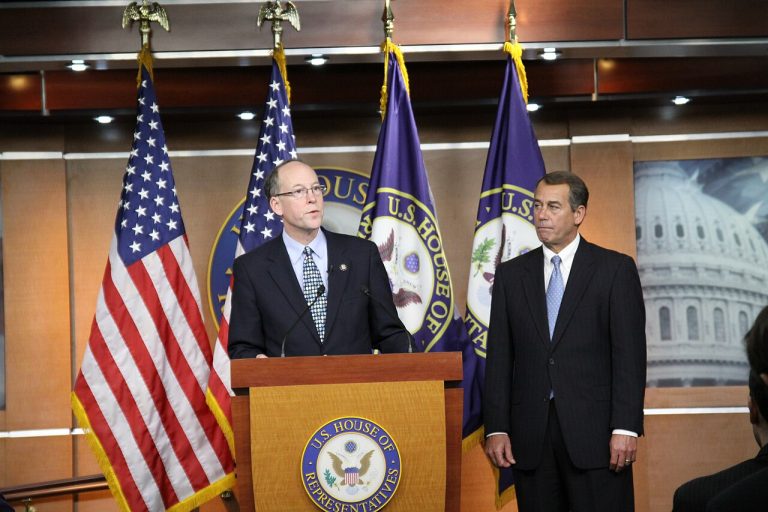
In a dramatic escalation of policy debate, Israeli Ambassador to the US Yechiel Leiter has openly criticized J Street, branding the organization a ‘cancer in the heart of the Jewish community.’ This comes in response to J Street’s controversial new policy calling for a reassessment of the US-Israel security relationship and a phase-out of direct military aid after 2028.

J Street’s position, outlined in a memo, suggests ending US subsidies for Israel’s weapons while advocating for continued sales of defensive systems such as Iron Dome. This nuanced stance has sparked a fierce debate, with Leiter accusing J Street of effectively supporting an arms embargo, a claim the organization firmly denies.

The controversy has not only divided opinion within the Jewish community but also intersected with legislative efforts. Senator Bernie Sanders has introduced resolutions targeting specific arms sales to Israel, further fueling the debate over the future of US-Israel military cooperation.

As the discourse intensifies, the core question remains: Is J Street’s policy a legitimate reform of the alliance or a veiled attempt at an arms embargo? The answer could redefine the boundaries of what it means to be ‘pro-Israel’ in the context of US foreign policy.

The immediate trigger is J Street’s new 2026 policy line, published in April and now drawing much harsher scrutiny this week, that the US-Israel security relationship needs a “fundamental reassessment” and that direct American military assistance should be wound down after the current 10-year memorandum expires in 2028. Bloomberg Government reported on April 15 that Sen.

Leiter’s remarks, delivered May 19, 2026, at a National Task Force to Combat Antisemitism event at Washington’s Museum of the Bible, were unusually personal even by the standards of the Israel lobbying fight in Washington. 8 billion annual US aid package under the current memorandum of understanding and from its earlier insistence that endorsed candidates support continued Iron Dome funding.

What happens next is less about one imminent floor vote than about whether mainstream Democrats, Jewish organizations and pro-Israel donors treat J Street’s 2026 position as a new center-left baseline or as a red line. Sean Casten with 25 original cosponsors on February 23, 2026.

8 million for 12,000 BLU-110 1,000-pound bombs. The practical policy deadlines are clearer than the political ones: the current US aid framework J Street wants to phase out runs through 2028, Casten’s bill is already on the table with 25 original cosponsors, and further resolutions of disapproval over specific Israeli arms sales can be used repeatedly as future packages are notified.

In the same memo, J Street said future arms sales should be conditioned on compliance with US law and backed the Ceasefire Compliance Act, introduced by Rep. Leiter says J Street is effectively backing an arms embargo and falsely presenting itself as “pro-Israel” while opposing the policies of Israel’s elected government.

Sean Casten with 25 original cosponsors on February 23, 2026. 8 million for 12,000 BLU-110 1,000-pound bombs.

In the same memo, J Street said future arms sales should be conditioned on compliance with US law and backed the Ceasefire Compliance Act, introduced by Rep. The debate centers on whether J Street’s stance constitutes an arms embargo or a policy reform.

Bernie Sanders introduced resolutions targeting specific Israeli arms sales, intensifying the debate. J Street’s position, outlined in a memo, suggests ending US subsidies for Israel’s weapons while advocating for continued sales of defensive systems such as Iron Dome.

The scale and speed of this development has caught many observers off guard. Each new update adds another dimension to a story that is still unfolding, and the full picture will only become clear as more verified details emerge from the people and institutions directly involved.

Analysts who have tracked this issue closely say the current moment represents a genuine turning point. The decisions made in the coming weeks are expected to set the direction for months ahead, with ripple effects likely to extend well beyond the immediate actors in the story.

For those directly affected, the practical impact is already visible. People navigating this fast-changing situation are dealing with real consequences while new information continues to reshape what is known and what remains open to interpretation.

Historical parallels offer some context, though experts caution against drawing too close a comparison. Similar situations have played out before, but the specific combination of pressures, personalities, and timing here makes this moment distinct in ways that matter for how it ultimately resolves.

The political and economic dimensions of this story are deeply intertwined. What appears as a single event on the surface is in practice the convergence of multiple pressures that have been building quietly over a longer period than most public reporting has captured.
Read more on Digital Chew

Bertie Ahern Sparked Political Firestorm

Quick Summary: Bertie Ahern Sparked Political Firestorm

  • Bertie Ahern’s comments on immigration sparked a political firestorm, targeting African immigrants.
  • Taoiseach Micheál Martin distanced Fianna Fáil from Ahern’s remarks, emphasizing party values.
  • Ahern defended his stance, admitting his phrasing was flawed but standing by his concerns.
  • Critics and party members are divided, questioning Ahern’s influence on Fianna Fáil’s image.
  • The controversy tests Fianna Fáil’s ability to discuss immigration without racial undertones.

In the latest chapter of Irish political drama, Bertie Ahern’s controversial remarks on immigration have set off a firestorm within Fianna Fáil. The former Taoiseach’s comments, captured in a viral video, have been criticized for singling out African immigrants, igniting debates about racial undertones in political discourse.

Taoiseach Micheál Martin has been quick to distance Fianna Fáil from Ahern’s statements, reiterating that they do not reflect the party’s views. Despite this, Ahern remains defiant, apologizing for his choice of words but standing firm on his concerns regarding immigration policies.

This controversy has not only stirred public outcry but also highlighted internal tensions within Fianna Fáil. Critics accuse Ahern of using racially charged language, while supporters argue for his right to voice concerns about immigration systems. The Africa Solidarity Centre Ireland condemned Ahern’s remarks as divisive, adding fuel to the political fire.

As the debate unfolds, it becomes a litmus test for Fianna Fáil’s ability to navigate discussions on immigration without resorting to ethnically targeted rhetoric. The party’s handling of this issue will likely influence its public image and electoral prospects in the upcoming Dublin Central by-election.

” In another defense, he said he was “in the heat of a fire” with the woman who filmed him and claimed the six-minute viral clip was not the full exchange. The central conflict now is no longer just what Ahern said on the doorstep, but whether Fianna Fáil can police its own message on migration while still benefiting from Ahern’s campaigning clout in a live by-election.

By May 15, Martin had again said the remarks did not reflect Fianna Fáil’s views, while Ahern said he stood over his concerns even if the wording was flawed. Martin has insisted the party will not block someone from canvassing, yet the latest coverage makes clear headquarters is trying to distance itself from a former taoiseach who remains politically visible.

The unresolved question hanging over this week’s reporting is whether Ahern’s hybrid position — “I reject racism in all its forms” but still defending his right to say what he said — is enough to satisfy anyone. So far, it has satisfied neither his critics, who see an unmistakably racist dog whistle, nor his party leader, who has had to spend the week saying, in effect, that Ahern can speak for himself but not for Fianna Fáil.

On May 13, Ahern began defending himself publicly, saying he had “no problem with people from the Congo or Africa” and arguing that his real complaint was the speed of processing within the immigration system. On May 16, Martin sharpened the containment strategy by saying he could not “physically stop” Ahern from canvassing but was making party rules clear to campaigners.

The video circulated on social media around May 11. The most important development in the latest reporting is that Martin has not tried to physically bar Ahern from campaigning, but has drawn a line around what party canvassers can say.

Critics accuse Ahern of using racially charged language, while supporters argue for his right to voice concerns about immigration systems. The unresolved question hanging over this week’s reporting is whether Ahern’s hybrid position — “I reject racism in all its forms” but still defending his right to say what he said — is enough to satisfy anyone.

So far, it has satisfied neither his critics, who see an unmistakably racist dog whistle, nor his party leader, who has had to spend the week saying, in effect, that Ahern can speak for himself but not for Fianna Fáil. On May 13, Ahern began defending himself publicly, saying he had “no problem with people from the Congo or Africa” and arguing that his real complaint was the speed of processing within the immigration system.

On May 16, Martin sharpened the containment strategy by saying he could not “physically stop” Ahern from canvassing but was making party rules clear to campaigners. Quick Summary: Bertie Ahern Sparked Political Firestorm Bertie Ahern’s comments on immigration sparked a political firestorm, targeting African immigrants.

Taoiseach Micheál Martin distanced Fianna Fáil from Ahern’s remarks, emphasizing party values. Ahern defended his stance, admitting his phrasing was flawed but standing by his concerns.

The scale and speed of this development has caught many observers off guard. Each new update adds another dimension to a story that is still unfolding, and the full picture will only become clear as more verified details emerge from the people and institutions directly involved.

Analysts who have tracked this issue closely say the current moment represents a genuine turning point. The decisions made in the coming weeks are expected to set the direction for months ahead, with ripple effects likely to extend well beyond the immediate actors in the story.

For those directly affected, the practical impact is already visible. People navigating this fast-changing situation are dealing with real consequences while new information continues to reshape what is known and what remains open to interpretation.

Historical parallels offer some context, though experts caution against drawing too close a comparison. Similar situations have played out before, but the specific combination of pressures, personalities, and timing here makes this moment distinct in ways that matter for how it ultimately resolves.

The political and economic dimensions of this story are deeply intertwined. What appears as a single event on the surface is in practice the convergence of multiple pressures that have been building quietly over a longer period than most public reporting has captured.

Read more on Digital Chew

Ron Desantis Complicate Testing GOP Leaders Ability to Produce a Unified

0

Quick Summary: Ron Desantis Complicate Testing GOP Leaders Ability to Produce a Unified

  • Ron DeSantis, House Speaker Daniel Perez, and Senate President Ben Albritton are central figures in the Florida budget standoff.
  • By May 15, analysts warned that the DeSantis-Perez feud could complicate budget talks, testing GOP leaders’ ability to produce a unified tax package.
  • Senate President Albritton has tried to keep the process moving, while Hooper and McClure work on reconciling spending silos.
  • Legislative leaders announced a top-line budget deal on April 23, setting a special session from May 12-29.
  • DeSantis has aggressively pushed tax-cut ideas, but consensus remains elusive among Republicans.

In the heart of Florida politics, a budget battle is brewing that threatens to expose the cracks within the GOP’s facade of unity. As Governor Ron DeSantis, House Speaker Daniel Perez, and Senate President Ben Albritton navigate the treacherous waters of budget negotiations, the stakes have never been higher. This isn’t just about numbers—it’s about power, influence, and the future direction of the Republican Party in Florida.

By mid-May, tensions between DeSantis and Perez had reached a boiling point, casting doubt on the GOP’s ability to deliver a unified tax package. Senate President Albritton has been the steady hand trying to guide the process, but the real work of reconciling spending differences falls to Sen. Ed Hooper and Rep. Lawrence McClure. Despite an initial budget agreement announced in late April, the path to resolution remains fraught with political landmines.

The backdrop to this drama is a $1.4 billion budget gap between the Senate and House plans. While such a difference might be manageable in ordinary years, the current political climate has turned it into a potential crisis. The looming threat of a partial government shutdown by July 1 adds urgency to the negotiations, but the real story is the internal GOP struggle playing out in public view.

As the special session continues, all eyes are on whether Florida’s Republican leaders can set aside their differences and focus on the task at hand. The outcome will not only determine the state’s fiscal future but also signal whether the GOP can maintain its grip on power in the Sunshine State. With the clock ticking, the pressure is on to find common ground before time runs out.

4 billion between the House and Senate plans is manageable in ordinary years, but this year the breakdown has stretched the process into late May and raised the once-theoretical possibility of a partial government shutdown if no budget is in place by June 30. WUSF reported the first week is being consumed by committee work before unresolved issues are “bumped” to chief budget negotiators Sen.

Ron DeSantis, House Speaker Daniel Perez, and Senate President Ben Albritton. WUSF reported on May 15 that experts believe tensions between DeSantis and Perez could bleed directly into separate negotiations over property-tax relief, another major unresolved issue.

By May 15, analysts were warning that the DeSantis-Perez feud could complicate that effort further, meaning the budget talks are now doubling as a test of whether GOP leaders can still produce a unified tax package. Albritton, the Senate President from Wauchula, has tried to keep the process moving, while Hooper and McClure are doing the actual grinding work of reconciling spending silos.

On April 23, legislative leaders announced a top-line budget deal and set the May 12-29 special session, suggesting a breakthrough. DeSantis has pushed tax-cut ideas aggressively, but WUSF reported April 18 that consensus has been elusive even among Republicans, with Hooper saying it was possible a property-tax proposal could be folded into the budget special session but far from settled.

In other words, the live Florida politics story is no longer just who’s up or down in Tallahassee — it is whether Republican leaders can stop fighting long enough to fund the state. That is a sharper and more immediate storyline than generic “Florida politics” chatter because it ties real numbers, legislative deadlines, and a governor-speaker rivalry into one high-stakes negotiation.

Legislative leaders announced a top-line budget deal on April 23, setting a special session from May 12-29. As Governor Ron DeSantis, House Speaker Daniel Perez, and Senate President Ben Albritton navigate the treacherous waters of budget negotiations, the stakes have never been higher.

Ron DeSantis, House Speaker Daniel Perez, and Senate President Ben Albritton. By May 15, analysts were warning that the DeSantis-Perez feud could complicate that effort further, meaning the budget talks are now doubling as a test of whether GOP leaders can still produce a unified tax package.

Albritton, the Senate President from Wauchula, has tried to keep the process moving, while Hooper and McClure are doing the actual grinding work of reconciling spending silos. On April 23, legislative leaders announced a top-line budget deal and set the May 12-29 special session, suggesting a breakthrough.

DeSantis has pushed tax-cut ideas aggressively, but WUSF reported April 18 that consensus has been elusive even among Republicans, with Hooper saying it was possible a property-tax proposal could be folded into the budget special session but far from settled. Despite an initial budget agreement announced in late April, the path to resolution remains fraught with political landmines.

The scale and speed of this development has caught many observers off guard. Each new update adds another dimension to a story that is still unfolding, and the full picture will only become clear as more verified details emerge from the people and institutions directly involved.

Analysts who have tracked this issue closely say the current moment represents a genuine turning point. The decisions made in the coming weeks are expected to set the direction for months ahead, with ripple effects likely to extend well beyond the immediate actors in the story.

For those directly affected, the practical impact is already visible. People navigating this fast-changing situation are dealing with real consequences while new information continues to reshape what is known and what remains open to interpretation.

Historical parallels offer some context, though experts caution against drawing too close a comparison. Similar situations have played out before, but the specific combination of pressures, personalities, and timing here makes this moment distinct in ways that matter for how it ultimately resolves.

The political and economic dimensions of this story are deeply intertwined. What appears as a single event on the surface is in practice the convergence of multiple pressures that have been building quietly over a longer period than most public reporting has captured.

Read more on Digital Chew

Plenti Group Surged Strong Performance

0

Quick Summary: Plenti Group Surged Strong Performance

  • Plenti Group’s FY2026 cash profit before tax surged 117% to AUD 30.8 million, signaling strong performance.
  • The loan portfolio hit AUD 3.1 billion, surpassing targets ahead of schedule, indicating robust growth.
  • CEO Adam Bennett announced record quarterly originations of AUD 475 million, up 17% year-over-year.
  • Plenti’s NAB car-loan portfolio grew 34% to AUD 121 million, highlighting strategic partnership success.
  • Despite strong earnings, Plenti faces a future cash tax rate increase to 30%, impacting investor outlook.

Plenti Group’s FY2026 performance was nothing short of remarkable, with a 117% increase in cash profit before tax to AUD 30.8 million. This financial leap, however, comes with a looming shadow: a significant tax burden that could alter future earnings projections.

Under the leadership of CEO Adam Bennett, Plenti achieved record quarterly originations of AUD 475 million, marking a 17% increase from the previous year. The company also hit its AUD 3 billion loan portfolio target ahead of schedule, showcasing its growth prowess. Yet, the celebration is tempered by a warning from CFO Myles Drury about a future tax rate hike to 30%, a stark contrast to the current 11% rate.

The strategic partnership with National Australia Bank has proven fruitful, with the NAB car-loan portfolio jumping 34% to AUD 121 million. This partnership is a key growth engine for Plenti, offsetting weaknesses in other segments. However, the departure of CFO Myles Drury introduces uncertainty at a critical juncture as Plenti transitions to a phase focused on earnings quality and capital management.

As Plenti moves forward, the central question is whether it can maintain its growth trajectory and manage the impending tax challenges. Investors will be keenly watching for FY2027 guidance and how the company navigates its evolving economic landscape.

In Plenti’s own 4Q26 update, released in late April ahead of the full-year result on Wednesday, May 20, 2026, CEO Adam Bennett said, “I’m delighted to close FY26 with another strong quarter,” after quarterly originations reached AUD 475 million, up 17% from a year earlier. ” He then warned that “cash tax next year will be much closer to the statutory rate of 30%,” a significant swing that could temper how investors model future earnings conversion.

The company said this was an all-time record for daily originations, and it highlighted that it reached its AUD 3 billion loan portfolio target in January 2026, ahead of the original March 31 deadline. Plenti said the “NAB powered by Plenti” car-loan portfolio jumped to AUD 121 million from AUD 90 million in the prior quarter, a 34% quarter-on-quarter increase, while daily originations run-rate rose 35%.

4% in 4Q26, slightly below the prior quarter, even though overall portfolio margin held steady thanks to strong warehouse renewals and an AUD 400 million personal-loan and green ABS transaction that Plenti said achieved its best pricing yet. com noting the shares were down 36% over six months and 27% year to date.

On May 20, 2026, Plenti was scheduled to formally report its full FY2026 result and provide FY2027 outlook details. 3 million and revenue reached AUD 312 million.

Management said credit remained strong, with average credit losses of 94 basis points during FY2026, while the 4Q26 update put annualized net losses at 96 basis points and 90-plus-day arrears at 42 basis points. In practical terms, that partnership is becoming one of the clearest growth engines inside the business, helping offset weakness in other areas, especially softer consumer automotive lending and a personal-loan segment where quarterly originations fell 2% year over year and 5% from the prior quarter.

” He then warned that “cash tax next year will be much closer to the statutory rate of 30%,” a significant swing that could temper how investors model future earnings conversion. The company said this was an all-time record for daily originations, and it highlighted that it reached its AUD 3 billion loan portfolio target in January 2026, ahead of the original March 31 deadline.

Plenti said the “NAB powered by Plenti” car-loan portfolio jumped to AUD 121 million from AUD 90 million in the prior quarter, a 34% quarter-on-quarter increase, while daily originations run-rate rose 35%. Under the leadership of CEO Adam Bennett, Plenti achieved record quarterly originations of AUD 475 million, marking a 17% increase from the previous year.

Plenti’s NAB car-loan portfolio grew 34% to AUD 121 million, highlighting strategic partnership success. Despite strong earnings, Plenti faces a future cash tax rate increase to 30%, impacting investor outlook.

The scale and speed of this development has caught many observers off guard. Each new update adds another dimension to a story that is still unfolding, and the full picture will only become clear as more verified details emerge from the people and institutions directly involved.

Analysts who have tracked this issue closely say the current moment represents a genuine turning point. The decisions made in the coming weeks are expected to set the direction for months ahead, with ripple effects likely to extend well beyond the immediate actors in the story.

For those directly affected, the practical impact is already visible. People navigating this fast-changing situation are dealing with real consequences while new information continues to reshape what is known and what remains open to interpretation.

Historical parallels offer some context, though experts caution against drawing too close a comparison. Similar situations have played out before, but the specific combination of pressures, personalities, and timing here makes this moment distinct in ways that matter for how it ultimately resolves.

The political and economic dimensions of this story are deeply intertwined. What appears as a single event on the surface is in practice the convergence of multiple pressures that have been building quietly over a longer period than most public reporting has captured.

Read more on Digital Chew

Georgians Voted High Engagement

0

Quick Summary: Georgians Voted High Engagement

  • Over 1 million Georgians voted early, representing 14% of registered voters, signaling high engagement.
  • More than $125 million was spent on the Republican gubernatorial primary, with Jackson’s campaign contributing over $66 million.
  • Jones and Jackson head to a runoff with 39% and 33% of the vote, respectively, after failing to secure a majority.
  • Keisha Lance Bottoms secured the Democratic nomination outright with 57%, avoiding a runoff.
  • The Senate race also heads to a runoff, with Collins and Dooley advancing, highlighting GOP divisions.

Georgia’s Republican primary has descended into chaos, with both the gubernatorial and Senate races heading to runoffs. Despite massive spending, no candidate secured a majority, leaving the GOP in disarray. Georgians Voted is at the center of this development.

The gubernatorial primary alone saw over $125 million in advertising, with Rick Jackson’s campaign spending over $66 million. Yet, the race remains unresolved, with Burt Jones and Jackson advancing to a runoff.

On the Democratic side, Keisha Lance Bottoms emerged victorious with 57%, securing her place as the party’s nominee. Meanwhile, the GOP continues to grapple with internal divisions, as the Senate race also heads to a runoff.

With the runoffs set for June 16, both parties have limited time to consolidate support and refine their strategies. The outcome will be a crucial indicator of the GOP’s direction in Georgia.

Before Election Day, more than 1 million Georgians had already cast ballots, roughly 14% of registered voters, according to figures cited by Axios from Secretary of State Brad Raffensperger’s office. AP reported that more than $125 million was spent on advertising in the Republican primary for governor alone, including more than $66 million from Jackson’s campaign, turning the contest into a bruising test of whether raw wealth could overpower Jones’s base as a statewide elected official and Donald Trump-aligned contender.

Axios, citing unofficial Georgia results, reported Jones at about 39% and Jackson at about 33%, forcing a runoff rather than the quick knockout either camp wanted. Senate race to June 16 runoffs after no candidate broke 50%.

Georgia’s primary runoff is set for June 16, 2026, a date confirmed by state election information and multiple race reports, and both parties now have less than a month to consolidate supporters, raise more money and sharpen contrasts. The headline from the latest reporting is not simply who won Tuesday, but who didn’t: after a night of huge spending, national attention and months of intraparty warfare, Georgia Republicans still do not have nominees for their two biggest 2026 races.

On the Democratic side, former Atlanta Mayor Keisha Lance Bottoms avoided that mess entirely, winning her nomination outright with 57%, instantly becoming the general-election standard-bearer while Republicans burn another month in an intraparty war. The same report said Democratic-ballot voters were running about 153,000 ahead of Republicans in early participation, a data point that fed Democratic hopes of another strong statewide showing even as the state remains fiercely competitive.

Tuesday, Collins was holding nearly 41% of the unofficial vote, enough to finish first but not enough to clinch the nomination outright. The runoff now gives Republicans another month of expensive combat before they can fully pivot to Ossoff, whose seat is one of the party’s top pickup opportunities of 2026.

Axios, citing unofficial Georgia results, reported Jones at about 39% and Jackson at about 33%, forcing a runoff rather than the quick knockout either camp wanted. Georgia’s primary runoff is set for June 16, 2026, a date confirmed by state election information and multiple race reports, and both parties now have less than a month to consolidate supporters, raise more money and sharpen contrasts.

Jones and Jackson head to a runoff with 39% and 33% of the vote, respectively, after failing to secure a majority. The gubernatorial primary alone saw over $125 million in advertising, with Rick Jackson’s campaign spending over $66 million.

The scale and speed of this development has caught many observers off guard. Each new update adds another dimension to a story that is still unfolding, and the full picture will only become clear as more verified details emerge from the people and institutions directly involved.

Analysts who have tracked this issue closely say the current moment represents a genuine turning point. The decisions made in the coming weeks are expected to set the direction for months ahead, with ripple effects likely to extend well beyond the immediate actors in the story.

For those directly affected, the practical impact is already visible. People navigating this fast-changing situation are dealing with real consequences while new information continues to reshape what is known and what remains open to interpretation.

Historical parallels offer some context, though experts caution against drawing too close a comparison. Similar situations have played out before, but the specific combination of pressures, personalities, and timing here makes this moment distinct in ways that matter for how it ultimately resolves.

The political and economic dimensions of this story are deeply intertwined. What appears as a single event on the surface is in practice the convergence of multiple pressures that have been building quietly over a longer period than most public reporting has captured.

Read more on Digital Chew

Indian Rupee Hit Record Lows Despite Intervention

0

Quick Summary: Indian Rupee Hit Record Lows Despite Intervention

  • On May 17 and 18, Reuters reported that global bond losses deepened as inflation fears linked to the Middle East conflict intensified, impacting Asian economies.
  • The Indian rupee and Indonesian rupiah hit record lows despite intervention, signaling severe currency stress.
  • 30-year US Treasury yields reached their highest level since 2007, drawing capital away from weaker emerging markets.
  • Japan’s bond market also showed signs of strain, with yields hitting multi-decade highs due to potential new debt issuance.
  • Central banks in India, Indonesia, and the Philippines may face pressure to raise rates to defend their currencies.

The global bond market is in turmoil, and the weakest Asian economies are feeling the heat. As inflation fears mount, fueled by the Middle East conflict, bond losses are deepening, and currencies are sliding. The Indian rupee and Indonesian rupiah have plummeted to record lows, despite desperate interventions.

With 30-year US Treasury yields climbing to their highest since 2007, capital is being sucked toward dollar assets, leaving emerging markets in the lurch. Even Japan is not immune, with its bond yields hitting multi-decade highs following news of potential new debt issuance. This upheaval is forcing central banks in India, Indonesia, and the Philippines to consider drastic measures.

These countries are caught in a policy trap. They may need to raise interest rates to defend their currencies and maintain credibility, just when their economies are crying out for relief. The pressure is not just financial; it’s political. Rising living costs could lead to instability as citizens blame their governments for the economic woes.

The next steps are crucial. Watch for further currency weakness against the dollar and any signs of off-cycle rate hikes or aggressive reserve use. These moves would indicate that the market stress has escalated into a crisis requiring immediate action.

The most important new development is that the global bond sell-off has turned from a market story into an immediate policy threat for India, Indonesia and the Philippines, with currencies sliding, oil above $110 a barrel in recent reporting, and investors now openly questioning whether some Asian central banks will be forced into emergency-style tightening even as growth weakens. On May 17 and 18, Reuters reported that bond losses deepened globally as inflation fears linked to the Middle East conflict intensified; on May 18, the rupee hit a record low and the rupiah touched another record low despite intervention; by May 19 and May 20, Business Times and related pickup reports had elevated the story into a warning about possible turmoil in Asia’s weakest economies.

The same report says 30-year US Treasury yields have climbed to their highest level since 2007, a move that is sucking capital toward dollar assets and away from weaker emerging markets. ” Reuters also reported on May 18 that the Indonesian rupiah sank to another record low despite central-bank intervention, while Indonesian stocks slumped and President Prabowo Subianto tried to calm nerves by downplaying the day-to-day impact of the depreciation.

800 percent, its highest since October 1996, after news that Tokyo may issue fresh debt to finance war-related economic support. When even Japan’s bond market is convulsing and US long bonds are at 2007 highs, weaker Asian economies lose the cushion they normally get from stable global duration markets.

Reuters reported on May 18 that the Indian rupee hit a record low after falling for a seventh straight trading session, calling it Asia’s worst-performing currency of the year so far. The latest Business Times report, published on May 20, says “three of Asia’s most vulnerable economies are showing rising strains” as the Iran-war oil shock collides with multiyear highs in global bond yields.

What makes this story more than a routine emerging-markets wobble is the policy trap. That is the core conflict driving the story: central banks may have to raise rates to defend currencies and credibility at precisely the moment their economies most need relief.

On May 17 and 18, Reuters reported that bond losses deepened globally as inflation fears linked to the Middle East conflict intensified; on May 18, the rupee hit a record low and the rupiah touched another record low despite intervention; by May 19 and May 20, Business Times and related pickup reports had elevated the story into a warning about possible turmoil in Asia’s weakest economies. 30-year US Treasury yields reached their highest level since 2007, drawing capital away from weaker emerging markets.

With 30-year US Treasury yields climbing to their highest since 2007, capital is being sucked toward dollar assets, leaving emerging markets in the lurch. The same report says 30-year US Treasury yields have climbed to their highest level since 2007, a move that is sucking capital toward dollar assets and away from weaker emerging markets.

Japan’s bond market also showed signs of strain, with yields hitting multi-decade highs due to potential new debt issuance. Central banks in India, Indonesia, and the Philippines may face pressure to raise rates to defend their currencies.

The scale and speed of this development has caught many observers off guard. Each new update adds another dimension to a story that is still unfolding, and the full picture will only become clear as more verified details emerge from the people and institutions directly involved.

Analysts who have tracked this issue closely say the current moment represents a genuine turning point. The decisions made in the coming weeks are expected to set the direction for months ahead, with ripple effects likely to extend well beyond the immediate actors in the story.

For those directly affected, the practical impact is already visible. People navigating this fast-changing situation are dealing with real consequences while new information continues to reshape what is known and what remains open to interpretation.

Historical parallels offer some context, though experts caution against drawing too close a comparison. Similar situations have played out before, but the specific combination of pressures, personalities, and timing here makes this moment distinct in ways that matter for how it ultimately resolves.

The political and economic dimensions of this story are deeply intertwined. What appears as a single event on the surface is in practice the convergence of multiple pressures that have been building quietly over a longer period than most public reporting has captured.

Read more on Digital Chew

Rafael Nadal Earned Financial Empire Continues to Grow

0

Quick Summary: Rafael Nadal Earned Financial Empire Continues to Grow

  • Rafael Nadal’s career prize money exceeded $134 million, with 22 Grand Slam titles.
  • In 2024, Nadal earned roughly $23 million from off-court activities.
  • Endorsements over two decades brought in over $400 million for Nadal.
  • Nadal’s estimated net worth in 2026 is around $250 million, with Perelló’s between $5 million and $10 million.
  • The couple’s combined wealth is nearly $260 million, driven by endorsements and business ventures.

Rafael Nadal’s legacy extends far beyond his tennis achievements, as his financial empire continues to grow even after retirement. With a career prize money total exceeding $134 million and 22 Grand Slam titles, Nadal’s on-court success is undeniable. However, it’s his off-court ventures that truly define his financial prowess.

In 2024 alone, Nadal earned approximately $23 million from endorsements and other activities, showcasing the strength of his brand. Over more than two decades, his endorsement deals with major brands like Nike, Kia, and Richard Mille have amassed over $400 million, dwarfing his on-court earnings. This shift from athletic success to business acumen is a testament to Nadal’s strategic vision.

As of 2026, Nadal’s estimated net worth stands at around $250 million, with his wife Mery Perelló contributing an additional $5 million to $10 million. Their combined fortune, nearing $260 million, is a result of strategic investments, property holdings, and the successful Rafa Nadal Academy.

Nadal’s financial journey underscores the power of endorsements and smart business decisions in building a lasting legacy. While the numbers are impressive, the real story lies in how Nadal has transitioned from a tennis icon to a business mogul, leveraging his fame to create a sustainable financial future.

” The same report says Nadal earned more than $134 million in career prize money and won 22 Grand Slam singles titles before retiring, while another Times of India report from March 10, 2026 gives the more precise ATP-linked total of $134,946,100 and says Forbes reported roughly $23 million in off-court earnings in 2024 alone. So the strongest available takeaway right now is numerical, not verbal: around $250 million for Nadal, $5 million to $10 million for Perelló, nearly $260 million combined, $134,946,100 in ATP prize money, about $23 million off court in 2024, and more than $400 million in cumulative endorsement earnings according to the outlet’s cited financial estimates.

Its March 2026 companion report goes further, saying endorsement income over more than two decades exceeded $400 million, a figure that dramatically outstrips his on-court prize money and explains why the story is being written as a business-and-lifestyle feature rather than a sports update. The most specific timeline from the past 7 days is straightforward: the article itself was published on May 20, 2026 at 05:20 IST.

The May 20 story repeatedly uses soft attribution such as “estimated,” “believed,” and “reports also say,” especially when discussing Mery Perelló’s $5 million to $10 million wealth range, luxury properties in Mallorca and elsewhere in Europe, and income from hospitality and shared assets. The March 10 Times of India piece similarly leans on summary rather than firsthand statements, saying Nadal “remains involved with tennis development activities and his business ventures” after retiring in 2024, but it does not supply a direct interview excerpt.

What stands out most is that the article’s core “revelation” is really the scale of Nadal’s off-court machine after retirement. There is no evident scandal, lawsuit, or boardroom fight in the latest reporting, and that is important because it means the central tension here is more about credibility and sourcing than controversy in the couple’s lives.

Times of India identifies the Rafa Nadal Academy in Mallorca as one of his “biggest projects” and says it brings in millions through training programs, hotels, and sports facilities, while also portraying Perelló as someone who has “played a major role behind the scenes” and remained closely involved with Nadal’s foundation and business decisions. Times of India says his wealth did not come only from tennis but from “massive endorsement deals” with Nike, Kia, Babolat, and Richard Mille, plus business projects and real estate.

With a career prize money total exceeding $134 million and 22 Grand Slam titles, Nadal’s on-court success is undeniable. Over more than two decades, his endorsement deals with major brands like Nike, Kia, and Richard Mille have amassed over $400 million, dwarfing his on-court earnings.

In 2024, Nadal earned roughly $23 million from off-court activities. Its March 2026 companion report goes further, saying endorsement income over more than two decades exceeded $400 million, a figure that dramatically outstrips his on-court prize money and explains why the story is being written as a business-and-lifestyle feature rather than a sports update.

The couple’s combined wealth is nearly $260 million, driven by endorsements and business ventures. In 2024 alone, Nadal earned approximately $23 million from endorsements and other activities, showcasing the strength of his brand.

The scale and speed of this development has caught many observers off guard. Each new update adds another dimension to a story that is still unfolding, and the full picture will only become clear as more verified details emerge from the people and institutions directly involved.

Analysts who have tracked this issue closely say the current moment represents a genuine turning point. The decisions made in the coming weeks are expected to set the direction for months ahead, with ripple effects likely to extend well beyond the immediate actors in the story.

For those directly affected, the practical impact is already visible. People navigating this fast-changing situation are dealing with real consequences while new information continues to reshape what is known and what remains open to interpretation.

Historical parallels offer some context, though experts caution against drawing too close a comparison. Similar situations have played out before, but the specific combination of pressures, personalities, and timing here makes this moment distinct in ways that matter for how it ultimately resolves.

The political and economic dimensions of this story are deeply intertwined. What appears as a single event on the surface is in practice the convergence of multiple pressures that have been building quietly over a longer period than most public reporting has captured.

Read more on Digital Chew