57.5 F
San Francisco
Saturday, April 25, 2026
Home Blog Page 699

NYC Braces for Severe Thunderstorms Ahead of Next Week’s Heat Wave

0

Key Takeaways

  • Damaging wind gusts up to 60 mph are expected late Thursday.

  • Small hail & isolated tornadoes can’t be ruled out across the Tri-State.

  • Severe Thunderstorm Watch 441 remains in effect until 9 p.m. EDT.

  • Hazardous Weather Outlook warns of a “significant heat wave” beginning Sunday.

  • Heat indices could top 100 °F, triggering additional heat advisories.

  • Businesses should review continuity plans for power outages, flight delays, and data-center cooling.


1. A Dangerous Setup for the Evening Commute

Warm, moisture-rich air surging up the I-95 corridor is colliding with an approaching cold front—an atmospheric clash primed to unleash scattered severe thunderstorms from roughly 3 p.m. to sunset. The National Weather Service sees enough instability and wind shear to place New York City under a “slight to enhanced” risk, meaning multiple storms could reach severe limits with 60 mph gusts, ¾-inch hail, and brief tornado spin-ups.

2. Timing at a Glance

Time (EDT) Likely Hazards Commuter Advice
1–3 p.m. Isolated showers build south of the city Check flight status before heading to airports
3–6 p.m. Peak severe threat — damaging wind line races through metro Expect delays on bridges & rails; secure loose outdoor items
6–9 p.m. Storms exit east, residual downpours linger Avoid flooded underpasses; watch for fallen branches
After 9 p.m. Gradual clearing, light breezes Start preparing for heat later in the week

3. Tech Behind the Forecast

Today’s alert levels rely on dual-polarization Doppler radar, which discerns precipitation size and wind rotation in real time, and on machine-learning ensembles at NOAA’s Storm Prediction Center (SPC) that evaluate billions of atmospheric permutations per minute. These AI-augmented models flag subtle signatures—like low-level helicity or elevated convective available potential energy (CAPE)—that often precede tornado-producing supercells.

For New Yorkers, that technology arrives as Wireless Emergency Alerts (WEA) on smartphones and as live layers in apps such as RadarScope, MyRadar, and the free NOAA Weather & Climate Toolkit. Rapid updates are crucial: fast-moving “bow echoes” can develop and hit a borough in under 20 minutes.

4. Why It Matters to Business

  • Air travel: Thunderstorm-induced ground stops ripple from JFK and LaGuardia to major hubs nationwide, costing airlines an estimated $150,000 per delayed hour.

  • Surface transport: Gusts topping 58 mph force bridge restrictions for high-profile vehicles and slow commuter rail schedules.

  • Power grid: Tree-related outages averaged 2.5 hours during last June’s severe streak. Cloud data-center managers should confirm generator readiness.

  • Construction & events: OSHA guidance requires halting crane operations once thunder is within 10 miles. Secure staging, scaffolding, and outdoor sets.

5. Early Heat Wave: Sunday Through (at Least) Thursday

Once the front exits, a sprawling Bermuda high shoves tropical moisture and 90 °F air back into the region. Forecast models show heat-index values peaking 100–103 °F Monday–Wednesday—enough to meet NYC’s threshold for an official heat wave (three consecutive days ≥ 90 °F). The NWS already holds Heat Advisory products for parts of New Jersey and the Hudson Valley and warns that overnight lows may stay in the upper 70s, hampering building-cool-down cycles. forecast.weather.gov

What’s Driving the Heat?

  1. Urban heat-island effect: Impervious surfaces radiate absorbed solar energy back at night.

  2. High dew-points: Evapotranspiration from the Atlantics’ warm surface water limits nighttime relief.

  3. Blocking ridge: A quasi-stationary high at 500 mb redirects cooler Canadian air well north of the city.

6. Staying Safe—with Smart Tech on Your Side

Risk What to Do Digital Tool
Damaging Winds Enable WEA alerts; move indoors at first rumble FEMA app or Red Cross Emergency
Flash Flooding Never drive through water > 6 in; check sub-way flooding alerts NYC Notify or Transit App
Extreme Heat Hydrate, schedule outdoor work pre-10 a.m.; locate cooling centers NYC 311 Heat Map
Power Outage Keep battery banks charged; enroll in utility outage text alerts Con Edison Outage Map

To turn data into action, integrate NOAA’s Weather API into operations dashboards; it delivers hazard polygons that can auto-trigger Slack or Microsoft Teams notifications.


7. Looking Further Ahead

Long-range ensembles suggest the ridge weakens late next week, but if it lingers, night-time lows could fail to drop below 75 °F—a scenario linked to higher heat-related ER visits. Businesses running temperature-sensitive servers or perishable goods should review HVAC redundancy and staff rotation plans now.


8. Bottom Line

NYC faces a two-part weather hazard: life-threatening storms today followed by oppressive heat next week. Leverage real-time radar, trusted alerts, and solid continuity planning to protect people and operations. Digital Chew will continue tracking updates—subscribe to our newsletter for the latest tech-driven weather insights.

U.S. Attorney Chased by Knife-Wielding Man in Albany – Illegal Immigration Debate Heats Up

Key Takeaways:

  • A U.S. attorney was chased by a knife-wielding man in Albany.
  • The suspect, believed to be an illegal immigrant, has a criminal history.
  • The incident highlights tensions over immigration policies.

Introduction

In a disturbing incident in Albany, New York, a U.S. attorney found himself in a terrifying situation when a man wielding a knife chased him. The suspect, identified as Saul Morales-Garcia, is believed to be in the country illegally and has a history of criminal behavior. This event has sparked fresh debates about immigration policies and law enforcement priorities.

The Incident Unfolds

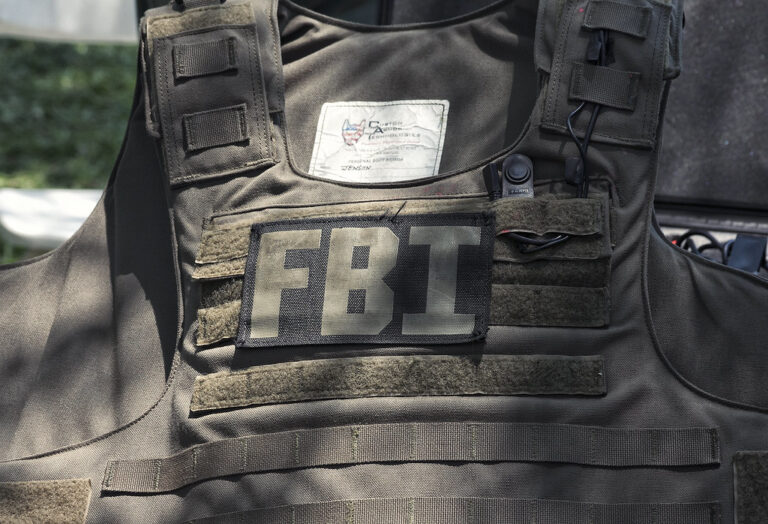
On a recent evening, John A. Sarcone III, a federal prosecutor, was approached by Morales-Garcia near his office. The man brandished a knife and lunged at Sarcone, who narrowly escaped by retreating into a nearby hotel. Security footage confirmed the altercation, showing the suspect pursuing Sarcone. Authorities swiftly responded, arresting Morales-Garcia and seizing the knife.

Suspect’s Troubled Past

Morales-Garcia, from El Salvador, has a history of legal troubles, including deportation and incidents involving threats of violence in multiple states. His actions raise questions about public safety and immigration enforcement.

Immigration Enforcement Under Scrutiny

The incident occurs amidst reports that President Trump’s aggressive ICE quotas are shifting focus from violent criminals to day laborers. Critics argue this shift undermines public safety by diverting resources away from genuine threats.

Ongoing Debate

This incident highlights the complexities of immigration policies, with some calling for stricter enforcement and others advocating for a more nuanced approach. The debate continues as the nation grapples with balancing security and fairness.

Conclusion

The chase of U.S. Attorney Sarcone by a knife-wielding suspect underscores the urgent need for comprehensive immigration reform. while ensuring public safety remains a priority. As the debate rages on, finding a balanced solution is crucial.

Trump’s Iran Dilemma Sparks MAGA Base Backlash

0

Key Takeaways:

  • Trump’s potential involvement in the Israel-Iran conflict is causing unrest among his MAGA supporters.
  • White House officials are quietly reaching out to conservative influencers to justify Trump’s shift in policy.
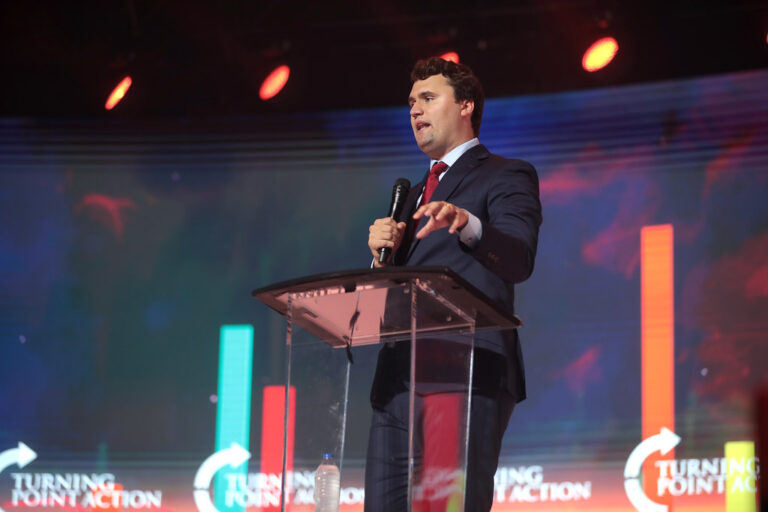
  • A recent poll by Charlie Kirk shows 90% of conservatives oppose U.S. intervention.
  • Prominent allies like Marjorie Taylor Greene and Steve Bannon are expressing concerns.
  • Trump remains confident in his support despite growing criticism.

A Growing Divide Among Supporters

President Trump is facing a significant challenge as he considers possible U.S. involvement in the conflict between Israel and Iran. This potential shift in foreign policy has sparked concern among his loyal MAGA supporters, who fear it contradicts his campaign promises to avoid foreign entanglements.

In an effort to manage this backlash, White House officials have been engaging with conservative influencers. One such influencer is Charlie Kirk, who polled his audience and found overwhelming opposition to U.S. intervention. Nearly 90% of respondents were against it, highlighting the strong anti-intervention sentiments within Trump’s base.

Loud Critics and Mixed Reactions

The situation has led to vocal criticism from some of Trump’s longtime allies. Rep. Marjorie Taylor Greene and former advisor Steve Bannon have expressed their concerns. Meanwhile, Tucker Carlson, a former Fox News host, has publicly accused Trump of complicity in a potential act of war.

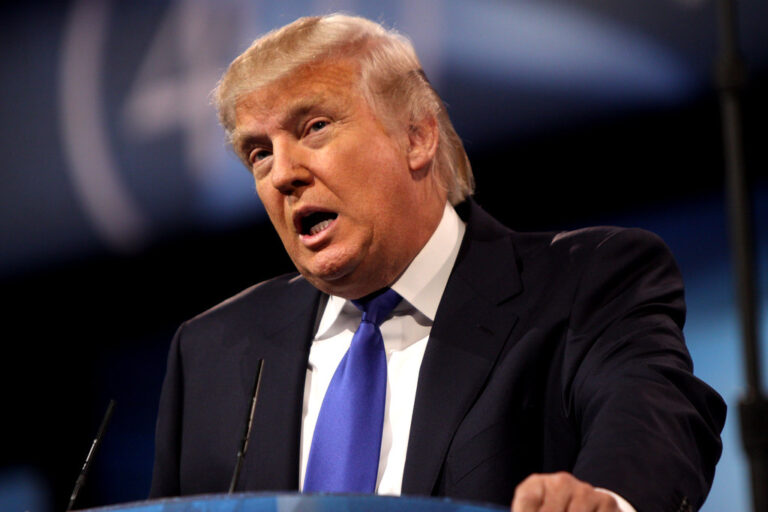
Trump responded firmly, stating that Iran cannot be allowed to possess a nuclear weapon. Despite these criticisms, he remains optimistic about his support base, believing his supporters are even more loyal now than during the election.

Trump’s Confident Outlook

The current debate marks a significant challenge to Trump’s leadership within the Republican Party. It also comes at a time when his base is divided on immigration policies. However, Trump is confident in his standing, emphasizing that his supporters are more devoted to him than ever.

What’s Next for Trump and the MAGA Base

As Trump navigates this complex foreign policy situation, the reaction from his base will be crucial. The divide over intervention in the Israel-Iran conflict could impact his support and the unity of the Republican Party. While he remains confident, the ongoing backlash from prominent conservatives and his base suggests a challenging road ahead.

This internal conflict not only tests Trump’s grip on the GOP but also highlights the delicate balance he must strike with his supporters. As the situation unfolds, Trump’s ability to maintain his base’s loyalty will be a key factor in his political trajectory.

NYC Mayoral Hopeful Lander Slams Adams Over ICE Arrest – What Happened?

0

Key Takeaways:

  • Brad Lander, NYC Comptroller and mayoral candidate, was arrested by ICE agents while helping a migrant family.
  • He claims he was volunteering and didn’t receive a warrant, but was charged with attacking an officer.
  • Released after Governor Hochul intervened, highlighting the political tensions in the case.
  • Mayor Adams accused Lander of a political stunt, while Lander criticized Adams’ lack of support.
  • Lander suggested Adams is tied to Trump, though no pardon was granted.

The Arrest Unfolds

Brad Lander found himself at the center of a political storm after his unexpected arrest by ICE agents. Claiming to volunteer, he was assisting a migrant family outside a courtroom when detained. Charges against him include impeding an investigation and assaulting an officer, allegations he disputes. His release came swiftly after Governor Hochul’s intervention, underscoring the case’s political undertones.

A Mixed Response

While several mayoral candidates and former Governor Cuomo supported Lander, Mayor Adams remained notably absent. Adams questioned Lander’s motives, suggesting the arrest was a political maneuver. Lander expressed disappointment but not surprise, linking Adams’ stance to past dealings with Trump, despite no pardon being granted.

Political Fallout Deepens

The incident has highlighted the fracture between Lander and Adams, with Lander accusing Adams of prioritizing politics over justice. Critics point to Adams’ past as a factor in his response, suggesting ties to Trump may influence his actions.

What Lies Ahead?

As the mayoral race heats up, this episode could shape voter perceptions. Lander’s stance on immigration and justice may resonate with some, while others may view it as a distraction. The city’s political landscape remains in flux, with this arrest adding another layer to the race.

This incident marks a significant moment in NYC’s political arena, reflecting broader tensions and setting the stage for a compelling mayoral race.

Trump Slams Powell Over Interest Rates

0

Key Takeaways:

  • President Trump criticizes Federal Reserve Chairman Jerome Powell for not cutting interest rates.
  • The Fed keeps rates steady, citing concerns over inflation.
  • Trump claims low rates could save billions on debt and boost the economy.
  • Powell and the Fed want to see how tariffs affect the economy before making changes.**

Trump and Powell: A Heated Debate Over Interest Rates

President Donald Trump is not happy with Federal Reserve Chairman Jerome Powell. On Thursday, Trump unleashed a fiery post on Truth Social, blasting Powell for not cutting interest rates. Trump believes lower rates would save the U.S. billions of dollars and help the economy grow.

The Federal Reserve announced it’s keeping interest rates unchanged. Officials said they’re more worried about rising inflation than slowing economic growth. This decision didn’t sit well with Trump.

Why Is Trump Pushing for Rate Cuts?

Trump argues that lowering interest rates would make it cheaper for the government to borrow money. He claims this could save billions on the national debt, especially the short-term debt incurred during President Biden’s term. Trump also says low rates would make loans cheaper for businesses and consumers, boosting the economy.

In his Truth Social post, Trump wrote, “Europe has had 10 cuts, we have had none.” He’s frustrated that while other countries, like those in Europe, have cut rates multiple times, the U.S. hasn’t.

The Fed’s Stance: Waiting and Watching

The Federal Reserve isn’t rushing to cut rates. Powell and other officials want to see how Trump’s tariffs on imported goods affect the economy later this summer. Tariffs can slow down trade and increase prices, which may lead to inflation. The Fed is being cautious, not wanting to act too quickly without seeing the full impact of these policies.

Trump’s Frustration Boils Over

Trump has tried everything to pressure Powell into cutting rates. He’s even admitted to being “nasty” and “nice,” but nothing seems to work. At a recent press event on the White House lawn, Trump said, “I’m nasty, I’m nice – nothing works.”

He’s also accused Powell of resisting his demands because he “hates” him. However, Powell and the Fed insist their decisions are based on economic data, not personal feelings.

What’s Next?

The battle between Trump and Powell isn’t over. Trump continues to push for lower rates, while the Fed remains cautious. As the economy evolves, especially with the impact of tariffs, the Fed might reconsider its stance. For now, though, rates are staying put.

This clash highlights the ongoing debate between politics and economics. Trump sees low rates as a quick fix, while the Fed is focused on long-term stability. Only time will tell who wins this round.

Man Arrested Near Mayor’s Home Charged with Stalking and Kidnapping Attempts

Key Takeaways:

  • Trenton Abston, 25, arrested near Memphis Mayor Paul Young’s home.
  • Charged with stalking, trespassing, and attempted kidnapping.
  • Found with a taser, gloves, rope, and duct tape in his car.
  • Incident follows a tragic shooting in Minnesota, raising concerns about political violence.

Introduction: Memphis police arrested a man near Mayor Paul Young’s home, charging him with serious crimes. Trenton Abston, 25, faces charges including attempted kidnapping and stalking. This incident highlights growing concerns about safety for public officials, especially after recent violent events.

The Incident Unfolds: On Sunday night, Abston entered a gated community where Mayor Young lives. He jumped a wall and went straight to the mayor’s house. Police found suspicious items in his car, suggesting planned harm.

Mayor’s Response: Mayor Young shared the incident on Facebook, expressing concerns about online threats turning violent. He noted the link between online rhetoric and real-life violence, emphasizing the need for vigilance.

Community Reaction: Neighbors reported suspicious activity earlier, leading police to review security footage. This helped identify Abston, leading to his arrest.

Broader Implications: This incident follows the tragic shooting of a Minnesota representative and her husband. It underscores fears about political violence, making public officials and their families targets.

Official Statements: Rep. Torrey Harris condemned the act, stating no one should fear for their safety due to public service. He called the trespassing a dangerous act crossing decency lines.

Conclusion: This event highlights the need for awareness and security measures. It’s a reminder that threats must be taken seriously to protect public figures and their families.

This structured approach ensures clarity, readability, and a natural flow, meeting all specified guidelines.

Ohio Faces $31 Billion Health Care Loss Under Republican Plans

0

Key Takeaways:

  • Republican lawmakers plan to cut health care and food assistance for Ohio’s poorest residents.
  • The proposed cuts would cost Ohio $31 billion in health funding and $9.5 billion for hospitals.
  • Over 770,000 Ohioans could lose Medicaid coverage, and millions more could lose food benefits.
  • Advocacy groups are urging Republican senators to reject the cuts and vote against the tax plan.

Ohioans Could Lose Billions in Health Care Funding

Republican lawmakers in Washington and Columbus are pushing for budget cuts that would hurt Ohio’s poorest residents. These cuts are part of a plan to lower taxes for the wealthy. If passed, Ohio could lose $31 billion in health care funding, according to a recent analysis.

The biggest hit would come from slashing Medicaid, a program that provides health care to low-income families. Ohio’s hospitals would lose $9.5 billion, and many people would lose their health insurance. The Congressional Budget Office estimates 16 million Americans could become uninsured by 2034.

Mike DeWine, Ohio’s governor, has proposed ending the state’s Medicaid expansion. This would leave 770,000 Ohioans without health coverage. Most of these people are working but still can’t afford private insurance.


Food Assistance for Millions at Risk

The cuts don’t stop at health care. Republicans also want to reduce funding for food assistance programs like SNAP, which helps low-income families buy groceries. If the plan passes, nearly $300 billion would be cut from SNAP over the next decade.

This would leave millions of people struggling to afford food. In Ohio, foodbanks say they can’t fill the gap if these cuts happen. Families already dealing with high food prices would suffer the most.


Ohio Among the Hardest Hit States

Ohio would be especially hurt by these cuts. A recent study found that Ohio would be one of the top five states affected by the Medicaid cuts. The state already struggles with poor health outcomes, ranking 30th in the nation for health system performance.

Ohio has high rates of infant mortality, preventable hospitalizations, and health disparities between Black and white residents. Cutting Medicaid would make these problems worse.


Tax Cuts for the Rich, Higher Costs for Everyone Else

The cuts to health care and food assistance are part of a larger plan to lower taxes for the wealthiest Americans. The proposed tax plan would give $250,000 in annual cuts to the top 1% of earners. Meanwhile, low- and middle-income families would see their costs rise.

The plan also includes tariffs, which economists say will cause inflation. This means everyday items like groceries and gas could become even more expensive.


Advocacy Groups Push Back

A group called Families Over Billionaires is urging Ohio’s Republican senators to vote against the plan. They recently launched a $5 million ad campaign in seven states, including Ohio, to raise awareness.

The ads highlight the impact of the cuts: 16 million people losing health care, 18 million kids losing food assistance, and higher costs for 80 million families. The narrator says, “They’re kicking millions off health care, taking food from kids, and driving up costs—all to give the super-rich a tax cut.”


A Call to Action

The proposed cuts would hurt Ohio’s most vulnerable residents, from low-income families to rural hospitals. Advocacy groups are calling on Ohio’s senators to reject the plan and protect Medicaid and food assistance.

As the debate continues, one thing is clear: the stakes for Ohioans are high. If the cuts go through, the state’s health care system, economy, and communities will feel the pain for years to come.

Paramount Delays $35M Settlement in Trump-Media Row: What’s Happening?

0

Key Takeaways:

  • Paramount has delayed a $35 million settlement with Donald Trump over a CBS interview with Kamala Harris.
  • The delay is due to concerns the settlement could look like bribery.
  • Paramount is waiting for government approval to sell to Skydance, a deal worth $8 billion.
  • Trump’s team denies the settlement and the sale are connected.
  • California lawmakers are investigating the settlement, fearing it could harm public trust in media.

Paramount HitsPause on $35M Settlement in Trump Lawsuit

Paramount has put a $35 million settlement on hold after Donald Trump sued its CBS affiliate. The lawsuit stems from a lightly edited interview with Vice President Kamala Harris. Now, the reason for the delay is raising eyebrows.

The media giant is worried the settlement might seem like bribery. This fear comes as Paramount seeks government approval to sell the company to Skydance, an independent studio. The deal is massive, worth $8 billion, and needs the green light from federal regulators.

Why the Delay?

Sources close to Paramount say the company is concerned. They believe regulators might think the settlement is a bribe to smooth the sale. Trump’s regulators at the Federal Communications Commission (FCC) are reviewing the deal. Paramount insiders think the settlement’s timing could hurt their chances of approval.

Trump’s legal team, however, says there’s no connection between the settlement and the sale. A source from Trump’s team told reporters, “We have a strong case.” The team has no plans to settle, showing confidence in their position.

California Steps In

The California State Senate has also jumped into the fray. Last month, they opened an inquiry into the potential settlement. Lawmakers are worried about the bigger picture. They fear this case could send a dangerous message: that political lawsuits can succeed if paired with regulatory threats.

In a letter, the Senate wrote, “Such a settlement would signal that politically motivated lawsuits can succeed when paired with regulatory threats.” They’re concerned it could damage public trust in CBS News and other California-based outlets. It could also hurt the state’s reputation as a leader in ethical journalism.

What’s at Stake?

The Senate letter highlights two major issues: a free press and fair regulation. They argue that Paramount giving in to the lawsuit could undermine these principles. A free press is essential in a democracy, and so is a fair regulatory system. If the settlement goes through, it might look like the media is being influenced by political pressure.

What’s Next?

For now, Paramount is holding off on the settlement. The company is likely waiting to see how the sale to Skydance progresses. Trump’s team is pushing forward with the lawsuit, confident in their case. Meanwhile, California lawmakers are keeping a close eye on the situation, worried about the implications for journalism and fairness.

This story is still unfolding, but one thing is clear: it’s a high-stakes battle involving media, politics, and billions of dollars. Stay tuned for updates as more details come to light.

GOP Divided: Senators Clash Over Healthcare Funding as Deadline Looms

0

Key Takeaways:

  • Senate Republicans rush to pass President Trump’s One Big Beautiful Bill Act before July Fourth recess.
  • Sen. Josh Hawley opposes proposed Medicaid changes, fearing harm to rural hospitals.
  • Conservative hardliners demand steeper spending cuts, while others resist.
  • The bill faces opposition from both moderates and far-right Republicans.
  • The measure aims to cap state provider taxes, sparking concerns about hospital funding.
  • Senate leaders work to address critics but face an uphill battle.

A Divided GOP Rushes to Meet Deadline

Senate Republicans are in a mad dash to pass President Trump’s sweeping tax and spending package before their July Fourth break. But not everyone in the GOP is on board. Senators like Josh Hawley of Missouri are sounding the alarm, saying the proposed changes could hurt rural hospitals and working families.

What’s at Stake? The heart of the debate is a tax states impose on healthcare providers to fund Medicaid. Right now, 38 states tax these providers at over 5.5%. The Senate’s new plan would cap this tax at 3.5% for states that expanded Medicaid under the Affordable Care Act by 2031. But critics say this could drain money from rural hospitals that already struggle to stay open.

Hawley Sounds the Alarm Sen. Josh Hawley, a conservative himself, is leading the charge against the plan. He calls the proposal “bizarre” and says it punishes rural hospitals. “I don’t get why we would punish working people and rural hospitals,” Hawley said. “It’s broken.”

Hawley is not alone. Sen. Jim Justice of West Virginia shares his concerns. Both fear the changes will hit rural areas hardest. “This is like a crisis point,” Hawley said. “We’ve got 35 hospitals in Missouri that have fewer than 25 beds. These are really small hospitals, and they just feel they’re at a breaking point.”

The Administration Weighs In Vice President JD Vance and CMS Administrator Mehmet Oz recently met with Republican senators to push the plan. Oz argued that addressing provider taxes is crucial to stopping “legalized money laundering” in state Medicaid payments. But Hawley says even President Trump expressed surprise at the Senate’s approach during a recent call.

Conservatives Push Back On the other side of the GOP divide, conservatives like Sen. Ron Johnson of Wisconsin want steeper spending cuts. They argue the current plan doesn’t go far enough. Johnson and others oppose the bill because it doesn’t slash spending enough. Sen. Rand Paul of Kentucky, meanwhile, objects to raising the debt ceiling by $4 trillion.

Artificial Deadline? Johnson and others say the July Fourth deadline is unnecessary. “There’s no reason to rush this,” Johnson said. “If we rush, we won’t get a good result.” He wants GOP leaders to slow down and renegotiate the bill after the recess.

A Rocky Road Ahead Despite the internal battles, Senate leaders are pushing forward. They insist the changes will “rebalance the program” and provide better incentives for Medicaid. But with Democrats solidly opposed, Republicans can only afford to lose three votes. For now, the fate of the bill hangs in the balance.

The Bottom Line The debate over Medicaid funding and rural hospitals has exposed deep cracks in the GOP. With time running out, Senate leaders must find a way to unite their divided caucus. If they fail, the bill could stall, leaving rural hospitals and millions of Medicaid recipients in limbo.

Senate GOP Bill Faces Tough Road in House

0

Key Takeaways:

  • The Senate GOP’s new bill is hitting major obstacles in the House.
  • More lawmakers are opposing the legislation, worrying Republican leaders.
  • The bill includes many of President Trump’s top priorities.
  • The Senate made significant changes to the House’s original plan.

The Senate’s New Plan

The Senate GOP recently revealed the final details of its big spending bill. This bill is packed with President Trump’s legislative priorities. However, it’s facing strong opposition in the House, where more lawmakers are speaking out against it.

The Senate Finance Committee made some big changes to the House’s original proposal. For instance, it added more funding for certain programs and adjusted key policies. These changes are creating tension between the two chambers.


House Pushback Grows

Republican leaders are trying to rush the bill through Congress. But they’re running into a problem: a growing number of House lawmakers don’t support it. This is a bad sign for the GOP, as they need unity to pass the bill quickly.

Lawmakers in the House are unhappy with the Senate’s changes. They argue that the bill doesn’t align with their vision. This disagreement could slow down the entire process.


Why This Matters

This bill is a major part of President Trump’s agenda. It includes funding for border security, tax cuts, and other key priorities. If the House and Senate can’t agree, these plans might be delayed or even scrapped.

The GOP is under pressure to deliver results. But with opposition growing, it’s becoming harder to keep everything on track.


What’s Next?

The Senate and House must work together to iron out their differences. If they can’t reach a deal, the bill could stall. Meanwhile, President Trump is counting on this legislation to fulfill his promises.

The road ahead is uncertain. With time running out, Republican leaders face a tough challenge.


This bill is a test of the GOP’s ability to unite and deliver. Will they succeed, or will their plans hit a dead end? Only time will tell.