56.7 F
San Francisco
Saturday, July 18, 2026
Home Blog Page 701

Could Mass Deportation Scare Away Investors?

0

Key Takeaways

• ICE detained nearly 500 workers at a Hyundai battery plant in Georgia.
• South Korea warns that mass deportation could hurt US investment.
• The US lacks enough skilled workers for high-tech plant jobs.
• Companies may hesitate to invest after news of mass deportation.

Mass Deportation Delivers a Shock to Investors

Late last week, US Immigration and Customs Enforcement forced a mass deportation at a high-tech plant site. Agents detained almost 500 workers. More than 300 of them came from South Korea. The raid stunned both finance markets and foreign leaders.

Why Mass Deportation Matters for Business

In simple terms, mass deportation means sending large groups of workers out of the country at once. When this happens at an electric vehicle plant, it sends a big warning. Other firms may pause plans to invest in America.

Background of the Georgia Raid

Last week, ICE agents raided a battery factory under construction in Ellabell, Georgia. They say some workers held expired visas or lacked legal papers. However, many of them worked on short-term business permits. The action halted work and tied up equipment. Then, foreign leaders spoke out.

Reactions in South Korea

Soon after news of the raid broke, President Lee Jae Myung of South Korea warned his people. He said the mass deportation could cut future direct investment in the US. At a press briefing, Lee explained that technicians need to finish tasks at new plants. Yet America will not grant them long-term visas. As a result, companies may think twice before building here.

Impact on the US Workforce and Visas

For one thing, the US does not have enough workers trained to handle specialized battery systems. Besides, visa rules often block skilled technicians from staying beyond a few weeks. Consequently, when America uses mass deportation tactics, it creates a labor gap. Many firms now face delays and added costs. Moreover, job openings stall when trained workers cannot stay.

Economic Consequences

When companies see mass deportation in action, they notice risk. They ask: will our staff face sudden removal? In turn, they may delay projects or shift them overseas. Investors also lower their confidence in the US business climate. Thus, the American economy could miss out on billions in new factory work.

Political Fallout

Domestically, the raid aligns with a broader crackdown on immigration. The current administration insists it will enforce all rules, both legal and illegal. However, critics say this hard line may backfire. When foreign governments hear about mass deportation, they may retaliate with trade or investment barriers. Then the US loses ground in a global market.

Future of US Foreign Investment

Looking ahead, many companies will factor in immigration policy when choosing locations. They seek stable rules and workforce access. Since the Georgia raid, some major investors have paused plans. Others have asked for clear guarantees before hiring foreign experts. If mass deportation remains a threat, US projects risk falling behind rivals abroad.

Lessons for Policymakers and Businesses

Policymakers face a tough choice. They want to secure borders and follow laws. Yet they also need to keep the economy growing. Instead of sudden mass deportation, authorities could target only those who pose real threats. Meanwhile, they might streamline visas for high-skill workers. Businesses can help by training American workers and sharing skills with immigrants. Together, they can build a more stable labor pool.

Conclusion

The ICE raid at a Hyundai plant in Georgia shows how enforcement actions can ripple across borders. Mass deportation may win political points at home. However, it could cost the US dearly in jobs, investment, and global trust. As foreign leaders warn, the America that seeks more factory jobs must balance law enforcement with open doors for skilled workers.

Frequently Asked Questions

How might mass deportation affect US industries?

Mass deportation can slow down factories and deter new projects. When skilled workers leave, plants face costly delays.

Why did South Korea react strongly to the Georgia raid?

South Korea sent many technicians to help build the plant. Its leaders fear that sudden deportations hurt their companies and workers.

Can the US secure borders while keeping investment?

Yes. By focusing on dangerous individuals and easing work visas for skilled labor, the US can protect both security and growth.

What can businesses do to reduce risks from deportation policies?

Companies can train local workers, build diverse teams, and seek clear visa commitments before expanding.
Did Lisa Cook Really Commit Mortgage Fraud?

0

Key Takeaways:

• New loan papers show Lisa Cook labeled her Atlanta home a vacation property.
• These documents contradict claims she lied to get better mortgage terms.
• The challenge weakens efforts to remove Cook from the Federal Reserve.
• Bill Pulte has made similar mortgage fraud claims against other critics.
• Cook has sued, calling her dismissal unlawful.

Lisa Cook mortgage fraud claim under scrutiny

President Trump’s team said Federal Reserve governor Lisa Cook broke the law. They pointed to alleged mortgage fraud to try to fire her. However, recent documents raise big doubts about these claims.

New documents challenge mortgage fraud allegations

Just weeks before closing on her Atlanta house, Cook’s credit union sent her a loan estimate. In that paper, she marked the home as a vacation property, not her main residence. Therefore, she could not have named two homes as primary to get better rates.

Meanwhile, critics showed other documents that seemed to prove Cook lied. Yet two independent real estate experts say the new estimate holds more weight. It directly contradicts the earlier paperwork.

Background of the mortgage fraud claim

Bill Pulte, director of the Federal Housing Finance Agency, led this attack. He claimed Cook named two homes as her main address. That practice can break laws if it tricks banks into offering better loan deals.

Pulte used these claims to support Trump’s attempt to fire Cook. She refused to cut interest rates as Trump wanted. Thus, her critics tied policy disagreements to an alleged crime.

Why these new papers matter

First, they weaken the case against Cook. If she truly labeled her Atlanta house a vacation home, she did not lie. As a result, Trump’s firing attempt relies on faulty evidence.

Second, they raise questions about Pulte’s motives. He has used similar claims against others. He targeted Senator Adam Schiff and New York’s attorney general, Letitia James. Both defendants deny any wrongdoing.

Third, this revelation could shift public opinion. People often trust official documents more than accusations. Now, many will doubt the strength of the mortgage fraud charge.

Pulte’s pattern of allegations

In fact, reporters found Pulte’s own father and stepmother did almost the same thing Pulte accused Cook of doing. They declared two properties as primary residences in Michigan and Florida. After an investigation, officials in Bloomfield Township removed their homestead exemption.

Thus, Pulte’s agency seems to accuse critics of the agency director’s family mistakes. This conflict adds to doubts over housing agency credibility.

Impact on the Federal Reserve and politics

Trump wanted to fire Cook, a progressive voice on the Fed. He argued her policies hurt the economy. Yet without solid proof of mortgage fraud, his case looks weak.

Moreover, firing a Fed governor over policy turns the central bank into a political tool. Many worry it could harm the Fed’s independence. Therefore, these new documents could protect Cook’s job and help keep the Fed neutral.

What happens next for Lisa Cook

Cook already filed a lawsuit. She says her dismissal is unlawful. With the new loan estimate in hand, her legal team might have a stronger case. They can show the original fraud claims are false.

Additionally, Cook may regain public and political support. Lawmakers on both sides defend due process and fair treatment. If Cook proves fraud claims wrong, her position will likely grow stronger.

Lessons about mortgage fraud claims

First, people must check all evidence before accepting fraud claims. Documents can be misleading or misused. Therefore, take time to verify origin and context.

Second, officials should avoid weaponizing regulatory powers. Accusations can damage careers and reputations. Even when allegations lack strong proof, they can cause lasting harm.

Finally, transparency remains crucial. When agencies share clear information, they build trust. Otherwise, they drive doubt and speculation.

Conclusion

New loan documents have cast serious doubt on the mortgage fraud allegations against Lisa Cook. They show she labeled her Atlanta home a vacation property, contradicting claims she lied on mortgage forms. As a result, the case to remove her from the Federal Reserve weakens. Cook’s lawsuit, combined with this evidence, may restore her standing. In the meantime, this episode offers a cautionary tale about verifying claims and guarding institutional independence.

Frequently Asked Questions

What does declaring a home as a vacation property mean for a mortgage?

Declaring a home as a vacation property usually leads to less favorable interest rates. Lenders see vacation homes as higher risk. Borrowers cannot claim them as primary residences.

Why did Bill Pulte make mortgage fraud claims against Lisa Cook?

He alleged Cook named two homes as her main address. That would give her better loan terms illegally. Some believe he used these claims to support political goals.

How do the new documents affect Cook’s lawsuit?

The new loan estimate shows she marked the Atlanta house as a vacation home. This evidence could help her argue that fraud claims are baseless. It strengthens her case against wrongful dismissal.

Could these revelations impact future Fed independence?

Yes. If political figures fire governors without solid evidence, it can harm the Fed’s neutrality. Strong proof and fair process help protect the central bank from political control.

Did Kash Patel Mishandle Charlie Kirk Case?

0

Key Takeaways

  • FBI Director Kash Patel claimed the shooter was in custody but had to retract his statement.
  • Arrest came after the suspect’s father alerted church leaders, not from FBI leads.
  • Current and former agents said Patel’s handling looked unprofessional.
  • Lawmakers and commentators questioned Patel’s leadership and methods.

In a recent press event, FBI Director Kash Patel said the person who shot Charlie Kirk was already captured. However, that claim proved false. Soon after, authorities arrested 22-year-old Tyler Robinson only because his father told church leaders. In addition, many voices inside and outside the agency criticized Patel’s conduct. They said he spoke too early and spread wrong information. As a result, questions rose about his ability to lead the FBI.

Mistakes in FBI Investigation

First, Patel announced the shooter’s capture without solid proof. Soon, FBI headquarters had to withdraw the statement. Moreover, agents noted that the bureau normally stays silent until investigators confirm facts. Instead, Patel gave a running play-by-play. Senators also spoke up. For example, a top lawmaker called the performance “amateur hour.” He added that the FBI usually waits for the right message.

Second, social media lit up with jokes and harsh takes. One writer quipped that Patel awarded himself a medal for hearing about the arrest. Another pointed out that Robinson’s dad, not FBI tools, solved the case. Indeed, people said the bureau got the wrong suspects twice. Then, they had to beg the public for help. Consequently, critics felt Patel stole credit he did not earn.

Public and Official Reactions

After the errors, both Republicans and Democrats voiced concern. A Democratic senator called Patel’s press briefing unprofessional. Meanwhile, conservative activists wondered if Patel can handle serious threats. In fact, some said it was time to rethink his role at the FBI.

Furthermore, current and former agents spoke anonymously. They revealed low morale in field offices. They felt their work mattered more than Patel’s flashy announcements. According to reports, agents work long hours on careful evidence gathering. In contrast, they saw Patel chasing headlines with unverified claims. As a result, they feared the public might lose trust in FBI results.

How Kash Patel’s Team Faltered

To begin with, the arrest happened only after a family tip, not because of FBI leads. Robinson’s father told his pastor. Then the pastor called law enforcement. In addition, the FBI had released composite sketches that missed the mark. Next, they wrongly detained two people. These setbacks slowed the investigation.

Moreover, Patel’s team did not update the public for hours after the arrest. That gap allowed others to break the news. Some said Patel delayed to let a former president announce it instead. Whether true or not, that rumor fueled anger. Certainly, high-profile cases need quick and clear updates. Yet, Patel’s team did not deliver.

What Went Wrong Under Kash Patel

Clearly, poor communication hurt the FBI’s image. Patel’s early remarks forced his team to scramble behind the scenes. Also, mixed messages made it seem like the agency lacked a solid plan. Many agents felt they did not get proper guidance. Instead, they faced public embarrassment over mistakes.

In addition, the FBI lost control of the narrative. Various social platforms saw jokes and harsh memes in hours. One user wrote that Patel googled “how to FBI” minutes before the briefing. Others said Patel showed little respect for victims by making light comments. For instance, he used a phrase tied to a pagan afterlife when discussing someone with strong Christian faith. Critics said that only highlighted his tone-deaf approach.

What’s Next for the FBI

Looking ahead, leaders in Congress may call hearings on Patel’s performance. They will seek answers about policies for public statements. Likewise, the Justice Department might launch an internal review. Such steps aim to prevent future missteps. In addition, the FBI could revise its rules on who speaks to the media. That way, agents in the field can focus on investigations without fear of premature press calls.

Finally, trust is fragile. When agencies rush and err, public faith erodes. FBI agents want to protect people and solve crimes. Yet, they need a director who balances openness with caution. Now, the spotlight is on Kash Patel. The coming weeks will show if he can regain credibility and guide the bureau effectively.

Frequently Asked Questions

What led to the arrest of the suspect in Charlie Kirk’s case?

The suspect’s father told his church pastor, who then alerted police. The FBI did not directly lead to the arrest.

Why did Patel’s statement cause controversy?

He claimed the shooter was caught before confirming facts. That led to a public retraction.

How did FBI agents react to Patel’s handling?

Many felt embarrassed and worried about mixed messages. They criticized the director for speaking too soon.

What changes might follow this incident?

Congress may hold hearings, and the Justice Department could review FBI media policies. These steps aim to improve communication and leadership.

Did Trump Letter to Epstein Show the Truth?

0

Key Takeaways

• A Fox News panel says President Trump likely signed a risque birthday note for Jeffrey Epstein.
• Howard Kurtz points out Trump’s own repeated denials boxed him in.
• Conservative reporter Sarah Bedford finds the signature very plausible.
• The White House’s strong denial may have made things worse.
• Fox Business’s Charlie Gasparino suggests Trump might not remember signing it.

Trump Letter Sparks Debate

A recent discussion on Fox News has stirred up fresh controversy. Panelists agree the Trump letter to Epstein looks real. Even so, the White House denies any involvement. Consequently, this denial fuels more questions than answers.

Why the Trump Letter Denial?

Howard Kurtz, a Fox News host, led the charge. He reminded viewers that Trump insisted he never sent the birthday note. However, House Democrats later released a copy of it. Thus, Kurtz said Trump was “boxed in by his earlier denials.” He added that Trump’s team seemed to ask viewers, “Who will you believe, us or your lying eyes?”

Sarah Bedford Sees a Real Signature

Moreover, conservative reporter Sarah Bedford weighed in. She noted that other Epstein letters match in style and signature. Therefore, she called it “extremely plausible that this was Donald Trump’s signature.” Bedford also said Trump is known for muddying waters on topics he avoids. In fact, she finds it odd that the White House would spend so much effort denying what seems obvious.

Gasparino Offers an Outsider’s View

On the other hand, Fox Business reporter Charlie Gasparino offered a different take. He says Trump signs so many documents that he might not remember each one. Furthermore, Gasparino shared that people close to Trump confirm this habit. He argued that it is “very plausible” Trump simply forgot where he signed that birthday note.

Mixed Signals and Political Optics

Yet, the mixed messages cause a bigger problem. First, the strong denial seems to clash with the evidence. Second, the public often sees denial as guilt. As a result, the White House may face more scrutiny. Bedford stressed that the handling of this saga has only worsened the optics. She believes no evidence shows Trump did anything criminal. Still, she calls the White House reaction “a mistake at every step.”

The Power of Denial

Nevertheless, denial can be a powerful tool in politics. However, overuse can backfire. In this case, Trump’s repeated insistence that he never sent the letter feels at odds with the released copy. Therefore, critics argue that denial alone cannot overcome the physical evidence. In fact, the stronger the denial, the more people question the real story.

How the Story Unfolded

First, news broke that House Democrats had a letter from Trump to Epstein. Then, the White House rushed to deny any connection. Soon after, Fox News hosts and reporters debated the matter. Kurtz, Bedford, and Gasparino all weighed in. Later, the panel agreed that the Trump letter likely came from the president himself.

Next Steps in the Controversy

For now, the story continues to develop. Republicans and Democrats will use this issue in political battles. On one side, some defend Trump’s denial. On the other, critics point to the letter as proof of his link to Epstein. Whatever happens, the debate over the truth behind this Trump letter is far from over.

What the Public Thinks

Surveys may soon show how voters react. Some will back Trump’s denial and distrust media reports. Others will trust the panel’s view and see it as proof of guilt. Overall, trust in politics and news sources will shape public opinion. Either way, the Trump letter controversy highlights how complex modern politics can be.

Lessons for Political Communication

This episode offers key lessons. First, evidence and denial often clash in the public eye. Second, political teams must handle sensitive issues carefully. Third, a simple strategy can become a major story. Finally, every statement from a public figure faces intense scrutiny.

Why Keywords Matter

In digital news, keywords like Trump letter drive search traffic. For example, readers type “Trump letter” into search engines. Then, news sites appear in results. Hence, writers and editors use keywords to boost visibility. At the same time, they must keep content clear and original.


Moving Forward

Looking ahead, expect more analysis on this topic. Some journalists will dig deeper into archives. Others will seek reactions from the White House. Meanwhile, Fox News panels will revisit the subject. As always, new angles and evidence could emerge. Ultimately, the truth behind the Trump letter will depend on facts, not denials.

Frequently Asked Questions

What did the Fox News panel conclude about the Trump letter?

The panel agreed that the letter’s signature looks like Trump’s. They found it highly plausible he signed the note.

Why did the White House deny sending the note?

They likely wanted to avoid controversy. However, critics say the denial made the issue worse.

Could Trump really not remember signing the letter?

According to Fox Business reporter Charlie Gasparino, Trump signs so many things he might forget.

What impact does this controversy have on Trump’s image?

It raises doubts about his denials and may affect how voters view his honesty.

Why Is Trump Calling Stephen Miller Awkward?

0


Key takeaways

• Trump has secretly mocked his deputy chief of staff’s “awkward” style.
• Insider nicknames for Stephen Miller suggest his peers find him odd.
• Despite jabs, Trump values Miller as a tough policy enforcer.
• The White House publicly defends Miller with strong testimonials.

Rolling Stone revealed that President Trump often teases his longtime adviser, Stephen Miller. Reporters say Trump officials whisper nicknames for Miller because they find him “paranoid” and “off-putting.” Yet, the president keeps Miller close. In fact, Trump calls on him when he seeks a fierce policy voice. This story explores the tension between private jabs and public praise.

Stephen Miller’s awkward image in the White House

Insiders describe Miller as intense and socially awkward. They say he rarely jokes and often stares at people too long. According to the report, some colleagues even invented secret nicknames for him. Meanwhile, Miller’s serious tone and single-minded focus can make others uncomfortable.

Beyond his manner, a former companion shared a strange anecdote. She claims Miller once awkwardly approached her in a social setting. That story spread fast. As a result, even strangers in Washington whisper that Miller seems odd.

However, these whispers haven’t hurt his career. Instead, they highlight how Miller stands out in a crowd.

Why Stephen Miller remains valuable to Trump

Despite the jokes, Trump still trusts Miller deeply. The report calls Miller a “useful battering ram” for policy fights. In public, the White House insists the president respects Miller’s work every day.

White House Press Secretary Karoline Leavitt said Miller has been with Trump almost since the start. She emphasized that the president relies on Miller’s loyalty and leadership. She also noted that Miller’s role covers both policy and homeland security.

In addition, the White House shared praise from Republican lawmakers. They described Miller as a proven leader and a loyal friend. These endorsements read like a high-energy resume, showing why Trump keeps Miller close.

The gap between private jibes and public praise

It’s rare to see a leader put down an adviser and then defend him so strongly. Yet, Trump seems to play both sides. Privately, he mocks Miller’s awkward style. Publicly, he hails Miller as one of his most trusted aides.

This contrast raises questions. Is Trump really frustrated by Miller’s odd manner? Or does he enjoy teasing a loyal ally? Either way, the pattern shows Trump values results above all else. In his eyes, Miller’s policy wins outweigh his social quirks.

What this means for Trump’s inner circle

First, the story shows that even top aides face scrutiny. Miller works at the highest level, but he still draws jokes. Second, it reveals how Trump uses humor to manage his team. By teasing Miller, Trump might keep him grounded.

Finally, the tale underscores the role of loyalty in this White House. No matter how awkward Miller seems, his faithfulness earns him a key spot. Other advisers see that loyalty can outweigh personal flaws.

Looking ahead, Miller will probably stay in his role. After all, Trump still needs that “battering ram” in policy. So, while the whispers continue, Miller’s influence will likely grow.

Frequently asked questions

How did Trump insult Stephen Miller?

Reporters learned that Trump privately called Miller “awkward” and commented on his intense demeanor.

Why do people find Stephen Miller odd?

Colleagues say Miller’s serious focus and direct style make him seem distant or off-putting.

Does the White House still support Miller?

Yes. The press secretary and several lawmakers publicly praised Miller’s leadership and loyalty.

Will these insults affect Miller’s job?

Unlikely. Trump values Miller’s hard-hitting policy approach more than any social awkwardness.

Is the Supreme Court Scared of Trump?

0

Key Takeaways:

  • Leading scholar Cass Sunstein warns that some justices fear a fight with the president.
  • They hesitate to block controversial Trump policies to avoid a constitutional crisis.
  • The Supreme Court uses its “shadow docket” to delay big decisions.
  • Trump’s threats to ignore rulings could weaken the court’s power and trust.

Why the Supreme Court Feels Pressure

The Supreme Court faces its toughest test in decades. Cass Sunstein, a prominent law expert, believes some justices hold back on blocking Trump’s moves. They worry the president might refuse to follow their orders. In fact, this fear could push the U.S. into a major constitutional crisis.

Sunstein explained that the court’s right-leaning majority often claims legal reasons for keeping Trump policies alive. For example, they let federal agents profile people by race in immigration cases. However, he thinks another reason lurks beneath the surface. The justices know the president could say, “I decide how to enforce laws. The courts are not the final word.”

How the Supreme Court Might Avoid Clashes

Moreover, Sunstein says Chief Justice John Roberts and his colleagues feel trapped. They aim to be careful and avoid full rulings on hot topics. This tactic is called being “minimalist.” In other words, they decide as little as possible so they do not clash with the White House.

Sunstein warned that this minimal approach can look like fear. He even used the word “cowardice,” though he found it too strong. Still, he suspects fear guides many decisions. The court hopes to sidestep a fight that could shake the nation’s foundations.

What the Shadow Docket Means

The Supreme Court has a secret tool called the shadow docket. Through it, the court can leave policies in place without a full, public ruling. Critics say it lets Trump win by default. They argue this stealth method hides big legal choices from view.

Sunstein pointed out that each month the court delays ruling on unlawful actions, it shows more caution than justice. He thinks the justices worry about not being backed by the president. Consequently, they weigh politics as much as law.

Tariffs and a Test of Power

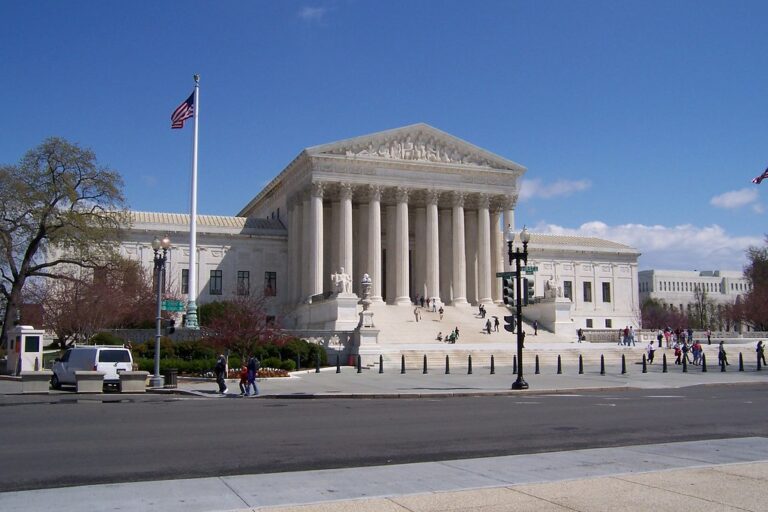
One key test involves Trump’s tariffs on foreign goods. An appeals court said the president lacks power to set these taxes. Instead, only Congress can decide trade rules. The Supreme Court will hear the case.

Sunstein admits he needs more study on this issue. Yet, he says the stronger legal view is against Trump’s tariffs. Even so, he fears the court knows “there will be hell to pay” if it rules against the president on this major policy.

Why This Could Lead to a Crisis

If Trump did refuse to honor a Supreme Court decision, the U.S. would face a full-blown crisis. No modern president has openly defied the highest court. Sunstein believes this standoff would threaten the balance of power.

Indeed, the last time the Supreme Court openly battled the executive was during the 1930s. Back then, President Roosevelt challenged the court’s New Deal rulings. That clash nearly tore apart the branches of government. We have not seen such tension in almost a century.

Sunstein’s Inside View

Cass Sunstein is no stranger to power. He worked in the White House under Barack Obama and knows top officials. He spoke from sources close to the Supreme Court, though he has no inside deal with any justice.

He also has ties to Elena Kagan, one of the court’s three liberal justices. In 2008, Kagan attended his wedding. Now she stands out as a voice of dissent against the six conservative justices.

Chief Justice Roberts: A Beacon of Hope?

Still, Sunstein holds hope for John Roberts. He admires Roberts and thinks he acts with integrity. Therefore, in “very extreme cases,” Roberts might choose law over politics.

Sunstein believes those extreme cases could arrive soon. If they do, he hopes the court will prove its power and independence. This moment would test whether the justices can stand up to a president who threatens to ignore them.

What This Means for You

For most Americans, these battles stay hidden in legal briefs and court chambers. Yet, their outcome can shape everyday life. From immigration to trade, Supreme Court rulings guide major policies.

If the court yields too much to the White House, it risks losing its role as a check on power. Conversely, if it stands firm, it may face a public fight that could reshape our government.

What’s Next?

The Supreme Court’s upcoming term will include major Trump cases. Watch for decisions on tariffs, immigration profiling, and presidential immunity. Each ruling will show whether fear or law guides the court.

In the coming months, listen for how justices address threats against their rulings. Their words may hint at who will back down and who will stand their ground.

Will the court remain a strong, independent branch? Or will it become a timid player in political battles? The answer could change American democracy.

Frequently Asked Questions

Why do justices fear a fight with the president?

Some justices worry that the president might refuse to enforce their rulings. This fear could lead to a clash between branches of government.

What is the shadow docket?

The shadow docket is a fast-track process the Supreme Court uses to make temporary decisions without full hearings. Critics say it hides major rulings from public view.

Can the court force the president to follow its decisions?

In theory, yes. But in practice, the court relies on the executive branch to enforce its rulings. A refusal by the president could spark a crisis.

How might a constitutional crisis unfold?

If the president openly defies a Supreme Court order, both sides could claim legal authority. This power struggle could paralyze the government and damage public trust.

Can Trump’s Flag Order Bind Private Citizens?

0

Key Takeaways:

  • President Trump called for flags at half-staff after conservative activist Charlie Kirk’s death.
  • Alina Habba urged private citizens to lower their flags along with federal sites.
  • Political analysts argue the flag order only applies to federal property.
  • Experts say the Flag Code is advisory and cannot force private citizens.
  • Critics point to First Amendment rights over compelled flag displays.

Introduction

Last week, President Trump ordered flags to lower to half-staff after Charlie Kirk’s assassination. On social media, Alina Habba urged everyone to follow that flag order. However, analysts quickly pushed back. They said only federal buildings must comply. Moreover, private citizens cannot be forced to show any symbol. This story reveals why experts doubt the order’s reach and why the debate matters for free speech.

What is the flag order?

A flag order is a presidential directive on flag display. In this case, Trump directed flags at half-staff on federal properties. That means only government buildings must obey. Meanwhile, some on the right asked private homes and businesses to join in. Habba’s post said “Lower. Your. Flags.” She even called for private flags to honor Kirk. Yet the flag order language did not mention private citizens. It named only public sites. Therefore, confusion spread about who must comply.

Why did Alina Habba push the flag order?

Alina Habba served as acting U.S. Attorney for D.C. under Trump’s administration. She took to social media on Sunday to stress the presidential flag order. Habba wrote that flags were “ordered to be lowered by the President.” She used short, firm language. In addition, some conservative voices added pressure on private citizens. They said following Trump’s order showed unity and respect for Kirk. Finally, Habba’s post highlighted strong feelings in conservative circles after the activist’s death.

Experts push back on the flag order

Political analysts quickly reacted on social media. For example, one commentator noted past events when Trump delayed flag orders. They reminded followers that Trump resisted lowering flags for John McCain at first. Another expert said the post showed disregard for the First Amendment. They explained that the President cannot force citizens to speak or act. Retired imagery scientist Gary Fuller pointed out the Flag Code is advisory. He noted that courts have upheld free speech rights over mandatory displays. Overall, experts agree the flag order has limits.

What does the Flag Code say about the flag order?

The Flag Code is a set of guidelines for flag etiquette. It covers how and when to display the flag. However, it does not carry criminal penalties. In fact, the code makes clear that private citizens may choose whether to follow it. Supreme Court rulings have confirmed this. The government cannot compel speech or actions from private people. Thus, the flag order cannot override constitutional rights. Even if the President calls for a national show of respect, the Flag Code remains non-binding.

Why this debate matters

This flag order debate highlights deeper questions about power and rights. On one side, leaders seek national unity in times of tragedy. On the other, experts warn against government overreach. Furthermore, private citizens value their right to make personal choices. For them, compelled displays feel like forced speech. Therefore, this clash matters not just for flags but for democratic values. It shows how simple symbols can spark big debates about freedom.

Frequently Asked Questions

What is a flag order?

A flag order is when the President tells federal sites how to display flags. It usually covers half-staff directives after a notable death or tragedy.

Do private citizens have to follow the flag order?

No. The flag order applies only to federal properties. Private citizens and businesses may choose whether to lower their flags.

What is the Flag Code?

The Flag Code is a guide for proper flag etiquette. It offers rules for display but does not enforce penalties for non-compliance.

Can the government force citizens to display the flag?

No. The First Amendment protects individuals from being compelled to express messages or symbols set by the government.

Is Charlie Kirk a Martyr in God’s Plan?

0

Key Takeaways

  • Pastor Paula White-Cain called Charlie Kirk a martyr in God’s plan.
  • She said his death fits God’s sovereign design.
  • White-Cain believes his blood cries out for justice and revival.
  • She expects a powerful spiritual awakening from this event.

Charlie Kirk’s Martyr Status

Pastor Paula White-Cain said Charlie Kirk died a martyr. She spoke on Newsmax this past Sunday. White-Cain has known Kirk for over ten years. She served as a spiritual adviser to President Trump. Now she shares her view on his tragic end.

First, she said Kirk “was assassinated.” Then she called him a martyr. According to her, his gospel preaching merged with conservative politics. As a result, his death gained deep spiritual meaning. White-Cain pointed to Revelation chapter 6. She said his blood cries out for justice. Yet she urged believers to seek revival, not revenge.

Why He’s Seen as a Martyr

White-Cain defined martyr as someone who dies for their faith. She sees Kirk’s biblical worldview at work until his last breath. Moreover, she said he now stands as a witness in heaven. In her words, “His blood cries out for revival.” Therefore, she insists his death is part of God’s plan.

Furthermore, she suggested that Kirk could become a saint. She stressed that nothing happens outside God’s sovereignty. Even a violent act fits into His greater purpose. White-Cain believes Kirk answered the highest call. She predicted the greatest awakening in our lifetime.

What This Means for Believers

Believers may find hope amid tragedy. When someone dies as a martyr, their example can inspire others. First, people might turn more deeply to their faith. Then, they may feel urged to share their beliefs. As a result, White-Cain expects a wave of spiritual revival.

In addition, she urged calm and prayer. She asked followers to avoid riots or calls for revenge. Instead, she said prayers and faith should guide their response. This approach, she argued, honors both justice and peace.

The Impact on Politics

Charlie Kirk shaped conservative politics for years. His sudden death shook many in that movement. Now, White-Cain’s comments add a new spiritual layer. People may see his ideas as part of a divine mission. Consequently, his followers might push harder for political change.

Moreover, political leaders may respond to the call for justice. However, White-Cain warned against violent protests. She prefers a focus on revival and peaceful action. This stance could influence how political groups react.

Reactions from the Public

Many supporters praised White-Cain’s words. They agreed with her view of Kirk as a martyr. On the other hand, critics found the claim extreme. Some argue that calling his death part of God’s plan feels hurtful to loved ones. Others say it politicizes faith in a harmful way.

Nevertheless, the discussion continues online and in news outlets. Some religious groups may echo her call for revival. Meanwhile, political activists will debate how to honor Kirk’s memory.

A Call for Revival and Justice

Above all, White-Cain emphasized revival over revenge. She believes Kirk’s martyrdom can spark a spiritual awakening. Therefore, she urged people to pray and seek God’s guidance. Her message blends faith and conservative politics. Yet she focused on unity and peace.

She sees a vision where justice and revival go hand in hand. If more believe this, the movement could grow stronger. In that sense, Kirk’s death marks a turning point. His martyrdom may shape both church and state.

Looking Ahead

The coming weeks will test this idea of martyrdom. Will believers follow White-Cain’s call for revival? Will political groups channel grief into peaceful action? Only time will tell.

Regardless, the argument that Charlie Kirk is a martyr will live on. It may spark new conversations about faith, politics, and purpose. In turn, those dialogues could change how people engage with both church and government.

Frequently Asked Questions

What does it mean to be a martyr?

A martyr is someone who dies for their faith or beliefs. Their sacrifice often inspires others to follow their example.

Who is Paula White-Cain?

Paula White-Cain is a pastor and spiritual adviser to former President Trump. She leads the White House Faith Office and speaks on faith topics.

Why did she make these comments on Newsmax?

She spoke on Newsmax to share her view of Charlie Kirk’s death. She aimed to explain its spiritual significance and call for revival.

How have people reacted to this claim?

Reactions vary. Some praise her message as inspiring. Others feel it politicizes faith or hurts those close to Kirk.

Is Stephen Miller Making Officials Cry?

0


Key Takeaways:

  • Stephen Miller earns a fierce reputation for harsh treatment of staff.
  • Two officials say his extreme pressure made them cry at work.
  • He yells, threatens people’s jobs, and uses name-calling in meetings.
  • Colleagues whisper nicknames for him behind his back.
  • His style may affect morale and the pace of policy work.

Who Is Stephen Miller?

Stephen Miller is the White House deputy chief of staff for policy. He joined senior leadership in 2017. He shapes immigration and domestic agenda items. Over time, he built a close bond with the president. Yet many colleagues find him hard to work with. His sharp focus on strict policies drives his intensity.

Why Is Stephen Miller Drawing Tears?

Reports say Stephen Miller’s behavior makes some people cry. Two federal officials who dealt with him speak out. They describe harassment that broke them down. He yells when data on immigrant arrests seems low. He mocks plans that slow domestic agenda progress. In addition, he threatens career damage if he doubts their loyalty.

How Stephen Miller Runs Meetings

First, he sets a tense tone in every session. For example, he shouts at staff over small details. Then, he calls them out by name in front of peers. He demands inflated numbers to show hardline results. Moreover, he pressures them to meet impossible goals. As a result, some staff work late to avoid his wrath.

His style feels like a nightmare to many. He micromanages even minor tasks. He insists on brutal enforcement policies at every turn. Meanwhile, colleagues whisper sarcastic nicknames about his paranoia. Even other Trump advisers find him “awkward,” the report says. However, the president tolerates his tone because they share core views.

The Effects on the White House Team

Low morale follows Stephen Miller’s harsh tactics. Some team members dread intra-agency talks. They fear public humiliation and job loss threats. They guard every word to avoid his fury. In fact, he often accuses them of stalling the agenda. Thus, collaboration suffers under his watch.

Furthermore, high stress can reduce creativity. Staff may hold back ideas rather than face his criticism. They hesitate to push back for fear of being called disloyal. As a result, policy work slows down. Deadlines slip when no one wants to speak up.

In response, some officials seek allies to buffer his attacks. They share notes and avoid solo presentations. They rehearse every line before showing him the plan. Yet even rehearsed work can draw his wrath if he senses weakness.

Reputation Built Since 2017

Since his early days in the Trump White House, Stephen Miller gained a fierce name. He backed hardline immigration rules and zero-tolerance policies. He often took public credit for aggressive memos and speeches. At Republican gatherings, he won praise from some for his loyalty. However, insiders also warned he would betray anyone to stay close to the president.

He crafted tough visitor limits at the border and strict visa rules. He believes harsh measures protect national security. Thus, he defends his style as necessary for policy success. Nevertheless, those on the receiving end see it as personal attacks.

How His Actions Shape Policy and Culture

Stephen Miller’s tactics go beyond harsh words. They set a tone for enforcement teams. Under his direction, agencies push for record deportation numbers. They seek to exceed targets to avoid his criticism. Moreover, they rush policy memos to meet his deadlines, sometimes sacrificing quality.

In turn, the White House sends mixed signals to career officials. On one hand, they hear that strict action is essential. On the other, they see that failure brings public shaming. Consequently, some seasoned civil servants avoid tough assignments. They fear becoming the next target of intense scrutiny.

Despite this, Miller’s allies argue his approach yields results. They point to new directives that tighten border control and change asylum rules. They say strong leadership demands tough talks and firm deadlines.

Broader Impact on Administration Stability

When staff work in fear, retention becomes a problem. Experienced officials may leave for calmer roles elsewhere. New hires arrive with caution, wondering how long they will last. In addition, outside experts may decline to join teams that center on harsh management.

Moreover, a culture of intimidation can spill into public communications. Officials might craft statements that avoid nuance and focus on hard numbers. They fear soft language will invite Miller’s wrath. Consequently, complex issues receive simpler, more extreme messaging.

Meanwhile, the administration risks appearing out of touch with internal struggles. As a result, public confidence could erode if chaos leaks out. It may also hinder the smooth rollout of major policy plans.

Possible Paths Forward

First, some suggest clear rules on respectful behavior in the West Wing. If every adviser faces the same standards, no one feels untouchable. Second, independent ombudsmen could help staff voice concerns without fear. Third, senior leaders might hold Miller accountable by balancing harsh demands with support.

However, any change depends on the president’s willingness to curb his top aide. So far, Mr. Trump has shown tolerance for Miller’s intensity. He even mocks the aide’s critics in private. Unless that attitude shifts, harsh tactics may continue.

Nevertheless, history shows internal culture can change. When staff speak up together, it often prompts leaders to rethink management. In addition, public exposure can pressure the administration to protect its reputation.

In summary, Stephen Miller’s intense style has made the workplace painful for some. Two officials cried under his pressure, according to reports. He uses name-calling, threats, and long hours to drive his agenda. His approach delivers strict policies but risks low morale and slow collaboration. Ultimately, the White House must weigh results against the human cost of fear.

Frequently Asked Questions

What led to the report on his behavior?

Several federal officials shared detailed accounts of harsh treatment. Their stories reached reporters who investigated the claims.

How does his style affect policy work?

Fear of harsh criticism can slow decision making. Staff may avoid sharing ideas that could improve plans.

Why does he hold so much power?

He aligns closely with the president’s views. His loyalty and policy wins keep him at the center of decisions.

Could the White House change its culture?

Yes. Clear conduct rules and safe feedback channels could limit harsh tactics. However, it needs top-level support to take effect.

Will GOP Actions Undermine Fed Independence?

0


Key takeaways:

• The Wall Street Journal warns that GOP support for Trump’s picks could hurt Fed independence.
• Republicans agreed to let White House aide Stephen Miran join the Fed board.
• Miran plans to keep his job at the White House while serving as governor.
• This decision might allow future presidents to install party allies on the central bank.
• A strong precedent could let Democrats use the same tactic under their own president.

What’s at stake for Fed independence?

A respected editorial board warns that letting a White House aide join the Federal Reserve board could weaken Fed independence. In simple terms, Fed independence means the central bank can make money decisions without direct political pressure. Yet, the GOP’s recent actions give a new example for any president who wants to sway the Fed. As a result, both parties could fight for control of the Fed, and that could harm the economy.

How could GOP moves affect Fed independence?

First, Republicans in the Senate seem ready to confirm Stephen Miran, a White House aide, to the Fed Board of Governors. Normally, Fed governors stay away from politics to keep money moves fair and balanced. However, Miran says he will hold his White House job while serving on the board. Therefore, everyone knows he will follow the president’s orders. This step makes Fed independence look weaker.

Moreover, President Trump often criticizes Fed leaders who do not lower interest rates on his schedule. He has attacked the Fed chair and other governors for keeping rates steady. If Miran joins the board, he might side with the president instead of watching the big picture. Consequently, people could question every Fed decision as politically driven. In turn, that could erode trust in the central bank.

Why might this backfire on the GOP?

The Wall Street Journal’s editors argue that short-term political wins can cause long-term losses. In this case, the GOP might gain a Trump ally on the Fed now, but it sets a risky precedent. When a Democratic president takes office, that leader could point to this action and also place a helper on the Fed. Thus, Republicans could regret their choice when they face political pressure from the other side.

In addition, history shows that parties often use every tool they can for power. If Democrats see that putting a White House aide on the Fed board is allowed, they will likely do the same. As the editorial notes, this could happen as soon as 2029. Therefore, the central bank might change hands as a political asset every four years, rather than staying independent.

What does this mean for the economy and the country?

Central banks play a key role in controlling inflation, guiding growth, and keeping unemployment low. They make tough choices based on data and expert advice. If politics creeps in, those choices might not match economic needs. For example, a president might push for lower rates to boost short-term growth. However, that could spark high inflation later. On the other hand, raising rates could slow growth too much. An independent Fed can better balance these risks. But with political allies on its board, the Fed might lose this balance.

Furthermore, when markets see political interference, they often react badly. Investors might demand higher interest rates for loans. Companies could hold off on new projects. Ordinary families could face higher costs on mortgages and credit cards. Ultimately, confidence in the financial system could drop. As a result, the entire economy might suffer.

Looking ahead, both parties must consider that weakening Fed independence could harm the nation. A strong central bank can withstand political swings and focus on long-term growth. In contrast, a Fed tied to a president’s party may follow bad advice or pressure. Therefore, protecting Fed independence remains vital.

Can the GOP reverse course?

Some Republicans might still block Miran’s nomination or set clear rules. For instance, they could require him to leave the White House job before joining the Fed board. That step would help rebuild trust in Fed independence. Also, lawmakers could pass laws to limit dual roles and improve oversight. Doing so could discourage future presidents from placing party loyalists on the board.

However, if the Senate confirms Miran without safeguards, it becomes harder to stop future abuses. Once a precedent exists, courts and Congress often accept it. Therefore, any attempt to reverse course could face legal challenges. It could also split the GOP between those who favor Trump’s influence and those who worry about long-term risks.

What should voters watch for?

Citizens can follow Fed decisions and study how board members vote. They should also track any rules Congress sets for Fed appointments. Moreover, voters can ask candidates about their stance on central bank independence. Understanding this issue helps people see beyond party lines. In the end, a healthy economy depends on a Fed free from political swings.

Steps toward stronger Fed independence

To fix this problem, lawmakers and Fed leaders can work together. They might agree on a code of conduct for board members. This code could ban any political roles during a Fed term. Additionally, Congress could review all future nominations for conflicts of interest. These changes would signal that the Fed’s mission is to serve the nation, not a party.

Finally, public pressure matters. News outlets and civic groups can shine a light on any attempt to politicize the Fed. When the public speaks out, politicians often listen. That pressure can keep Fed independence strong and clear.

Conclusion

The debate over Stephen Miran’s nomination shows why Fed independence matters. Republicans hoping to win a short-term battle could weaken the system meant to guard our economy. Moreover, Democrats will likely use this precedent if the roles flip. Therefore, all sides should think long term. Protecting the central bank from political swings keeps markets stable and families secure.

Frequently asked questions

Why is Fed independence so important?

An independent Fed can make decisions based on data and expert analysis. It avoids pressure to follow a president’s political goals. This helps keep inflation low and growth steady.

How could a White House aide on the Fed board harm its role?

A White House aide might answer to the president first. This dual loyalty can influence decisions on interest rates and money supply. It can weaken public trust in fair policy.

What risks do politicized Fed decisions bring?

When politics drive Fed policies, markets can react with uncertainty. Investors may demand higher rates, projects may stall, and families may face higher borrowing costs. This can slow economic growth.

Can Congress prevent political influence on the Fed?

Yes. Lawmakers can pass rules that ban Fed governors from holding political roles. They can also require full transparency and stricter conflict-of-interest checks. Such steps would safeguard the Fed’s mission.