52.3 F
San Francisco
Tuesday, April 28, 2026
Home Blog Page 705

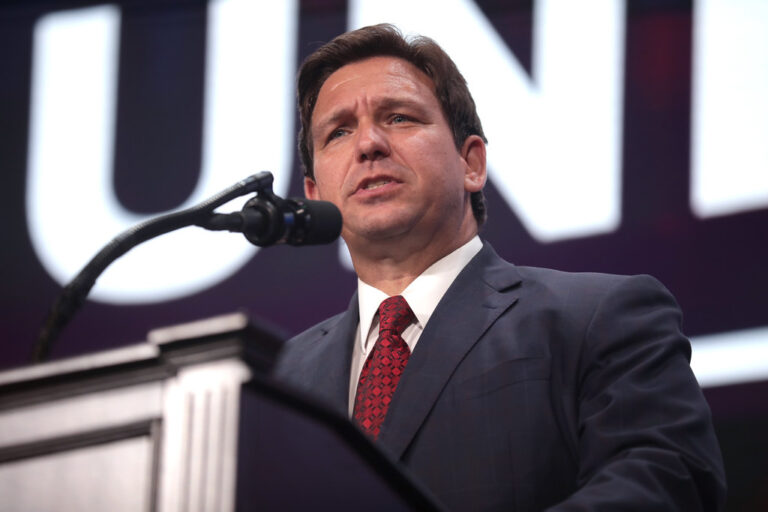
DeSantis Tightens Grip on Florida Politics with New Voting Laws

0

Key Takeaways:

  • Gov. Ron DeSantis and Florida Republicans are using restrictive laws to maintain political control.
  • New laws like SB 7050 and HB 1205 target voter registration and petition processes. -Marginalized communities, especially Black and brown voters, are significantly impacted.
  • These laws have led to a dramatic drop in petition signatures and increased costs for advocacy groups.
  • Legal challenges are ongoing, questioning the fairness of these restrictions.

Introduction: Florida’s political landscape under Gov. Ron DeSantis has raised concerns about democratic norms. DeSantis and his administration are accused of bending laws to maintain power, particularly affecting marginalized communities. Two significant laws, SB 7050 and HB 1205, are central to these efforts, targeting voter registration and petition processes.

New Laws and Their Impact:

SB 7050: Restricting Voter Registration Introduced in 2023, SB 7050 imposes strict rules on third-party voter registration. Organizations helping minority communities register to vote face new challenges. A federal judge allowed most of the law to take effect while legal challenges continue.

HB 1205: Limiting Petition Processes Signed into law in May, HB 1205 adds burdensome requirements for petition gatherers. These include residency, citizenship, and registration rules. Fines for late submissions and stricter deadlines aim to discourage grassroots initiatives.

Effects of the Laws: Organizations like Florida Decides Healthcare report an 88% drop in petition circulation. Smart and Safe Florida notes a 370% cost increase, making it harder to gather signatures. These changes create confusion and fear among volunteers, deterring participation.

Legal Challenges and Ongoing Battles: Chief U.S. District Court Judge Mark Walker is reviewing whether these laws unfairly restrict direct democracy. Advocacy groups argue the laws aim to suppress voter engagement rather than prevent fraud. The outcome of this case could set a precedent for voting rights nationally.

Conclusion: DeSantis’ administration is reshaping Florida’s political landscape with laws critics say undermine democracy. Legal battles continue as advocates fight to protect voters’ rights. The impact on future elections and grassroots movements remains uncertain, leaving many concerned about the state’s democratic future.

Senate GOP Rushes to Pass Sweeping Bill Amid Medicaid Concerns

0

Key Takeaways:

  • Senate Republicans aim to pass a major tax and spending bill before July 4.
  • Some GOP senators worry about Medicaid cuts harming rural hospitals.
  • The bill includes changes to Medicaid, a higher debt limit, and tax reforms.
  • Senators are divided, with some threatening to vote no if concerns aren’t addressed.

Confidence vs. Concerns

Senate Republican leaders are optimistic about passing their wide-ranging tax and spending bill before the Fourth of July. However, they admit there’s still a lot of work to do. The bill, which includes tax cuts and changes to Medicaid, has sparked debates among GOP senators.

At a press conference, Senate Majority Leader John Thune of South Dakota highlighted the need for Medicaid reforms. “We’re trying to rebalance the program to cover the right people,” he said. But he also acknowledged that senators have concerns and are actively addressing them.


Medicaid and Rural Hospitals

One major point of contention is a proposal to lower the Medicaid provider tax rate from 6% to 3.5% by 2031. This tax allows states to pay healthcare providers who treat Medicaid patients. Some senators fear this change will hurt rural hospitals, especially in states that expanded Medicaid under the Affordable Care Act.

Missouri Sen. Josh Hawley strongly opposes the tax cut, saying it would force rural hospitals in his state to close. “We have to do something,” Hawley said. “If this passes as is, it will be a disaster for rural Missouri.” He wants the tax rate frozen at 6%.

Similarly, West Virginia Sen. Jim Justice expressed concerns about multiple parts of the bill. “I’m not going to rubber-stamp anything,” Justice said. “We need to get this right, even if it takes more time.” He warned against rushing the bill to meet the Fourth of July deadline.


Other Issues in the Bill

Alaska Sen. Lisa Murkowski said she doesn’t have concerns about the Medicaid tax rate because her state doesn’t rely on it. However, she does have issues with other Medicaid changes in the bill. “I don’t think it’ll stay in this form,” she hinted.

Wisconsin Sen. Ron Johnson was more blunt. He said he’d vote against the bill if it’s brought to the floor next week. “If we rush, it will fail,” Johnson warned. “We need time to consider these ideas carefully.”


Raising the Debt Limit

The Senate version of the bill also includes a plan to raise the national debt limit by $5 trillion. This is $1 trillion more than what House Republicans initially proposed.


A Close Vote Ahead

Some senators, like Arkansas Sen. John Boozman, believe the bill will pass if voted on the week of June 23. Otherwise, they might delay their Fourth of July break to keep debating. “The longer it hangs out, the harder it is to pass,” Boozman said.

Meanwhile, Iowa Sen. Chuck Grassley declined to comment on the Medicaid changes, saying discussions are still ongoing.


Support for Other Provisions

Not all senators are critical. Oklahoma Sen. James Lankford praised parts of the bill, such as permanent tax policies for small businesses and changes to the R&D tax credit to compete with China. He also highlighted funding for border security and air traffic control modernization.


A Tough Balancing Act

As the Senate races to meet its deadline, leaders face a tough challenge. They need to address concerns from their own party while pushing through a sweeping bill. With opposition from key senators, it’s unclear whether they’ll succeed.

But one thing is certain: this bill has the potential to impact millions of Americans, from rural hospitals to small businesses. Whether it passes by July 4—or at all—depends on how well GOP leaders can unite their party.


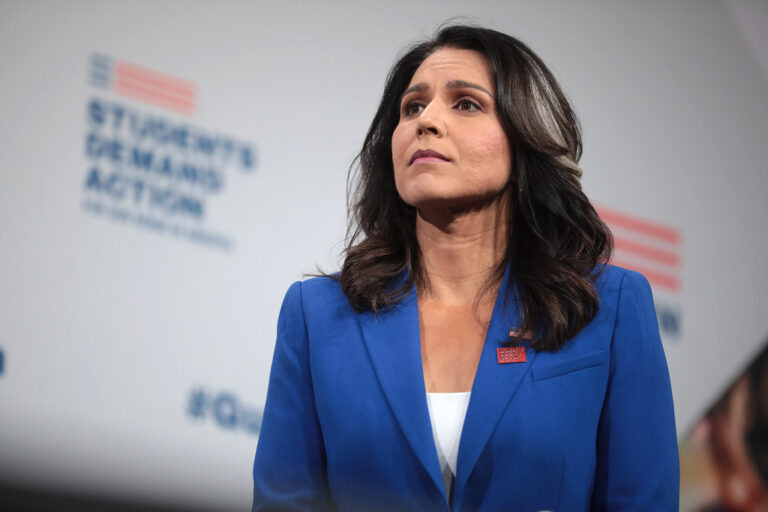
Trump and Gabbard Feud: Is a Nuclear War Looming?

0

Key Takeaways:

  • Tensions rise between Donald Trump and Tulsi Gabbard over her video warning of nuclear war.
  • Gabbard’s public approach without consulting Trump leads to administration friction.
  • Heilemann highlights Trump’s frustration at being boxed in by his officials.
  • Scarborough criticizes Gabbard’s move as unprofessional.
  • Trump’s close alignment with Netanyahu escalates Middle East tensions.

Introduction:

Amid escalating tensions in the Middle East, a growing rift between Donald Trump and his intel adviser, Tulsi Gabbard, has emerged. Gabbard’s recent video warning of a potential nuclear war has stirred controversy, raising questions about the administration’s strategy and unity.

The Video Controversy:

Gabbard’s video, issued without Trump’s consent, caused surprise within the administration. Her direct warning about the risks of nuclear conflict contrasts sharply with Trump’s approach, creating noticeable friction. Her public stance, instead of private counsel, has drawn criticism for its unconventional method.

Why Trump is Upset:

Heilemann suggests Trump feels constrained by his administration’s actions. The president prefers a more controlled environment and is displeased when his officials take public stances that might limit his options. Gabbard’s move is seen as a misstep in this context, highlighting internal disagreements.

Implications for the Administration:

The incident underscores the administration’s internal divide. Scarborough views Gabbard’s approach as akin to a political attack ad, questioning her strategy. Trump, known for his decisive leadership, may feel undermined by such public displays, potentially affecting his decision-making process.

The Middle East Crisis:

The conflict between Israel and Iran intensifies, with Trump firmly supporting Netanyahu. This alignment raises the stakes, as any miscalculation could escalate tensions further. The situation demands careful navigation, with the world watching for signs of stability or conflict.

What’s Next?

As the Middle East situation unfolds, Trump’s relationship with his advisers is under scrutiny. The balance between internal counsel and public statements will be crucial. The coming days may reveal whether this rift widens or if unity is restored, impacting both U.S. policy and global security.

Conclusion:

The feud between Trump and Gabbard, coupled with rising Middle East tensions, paints a volatile geopolitical picture. The world watches as the administration navigates these challenges, hoping for a path that avoids conflict and maintains stability. The situation remains fluid, with outcomes hanging in the balance.

Trump’s New Order Sparks Debate on Veteran Care

0

Key Takeaways:

  • A new executive order by Donald Trump permits VA doctors to refuse treatment to unmarried veterans and Democrats.
  • Race and sex protections remain, but marital status and politics are now grounds for refusal.
  • Employment at VA hospitals could be denied based on these factors.
  • Former GOP Rep. Joe Walsh criticizes the move as shocking and unreal.

Introduction: In a recent move, President Donald Trump’s executive order has stirred controversy by allowing Veterans Affairs (VA) doctors to decline treatment based on marital status and political affiliation. This shift, highlighted by former Rep. Joe Walsh, has left many questioning the implications for veterans.

What the Executive Order Says: Trump’s order introduces a significant change in VA policies. While protections against discrimination based on race, sex, and religion remain, marital status and political views are no longer safeguarded. This means VA healthcare providers can now choose not to treat certain patients or hire staff based on these personal characteristics.

Implications for Veterans: The immediate impact is concerning. Unmarried veterans, particularly those in new marriages or without formal recognition, might face denial of necessary care. Additionally, politicalaffiliation could affect employment opportunities within VA hospitals. This raises ethical and practical issues, leaving veterans uncertain about their access to essential services.

Public Reaction: Joe Walsh, a former Tea Party Republican turned Democrat, expressed disbelief, questioning the reality of such a policy. His reaction underscores the broader concern that such an order could deepen divides in healthcare access. Many are left wondering how this aligns with the commitment to support all veterans, regardless of personal backgrounds.

What’s Next? The future of veteran care under this order is uncertain. Advocacy groups may challenge the policy, while policymakers might seek to amend it. The debate is likely to intensify, focusing on the balance between provider autonomy and patient rights.

Conclusion: President Trump’s executive order has ignited a firestorm of debate, highlighting potential disparities in veteran care. As discussions unfold, the focus remains on ensuring equitable treatment for all veterans, irrespective of personal characteristics. This issue serves as a reminder of the ongoing challenges in healthcare policy and the need for inclusive solutions.

Justice Barrett’s New Opinion Sparks Concern Among Conservatives

Key Takeaways:

  • Supreme Court Justice Amy Coney Barrett recently wrote an opinion that has conservatives worried about her judicial stance.
  • Barrett’s opinion suggests she may not be the moderate ally some liberals hoped for.
  • Her ruling on a Tennessee transgender healthcare law could pave the way for more restrictive policies.
  • Legal experts warn her decision might allow more discrimination against transgender individuals.

A New Opinion from Justice Barrett

Justice Amy Coney Barrett, a judge appointed by former President Donald Trump, recently wrote a legal opinion that has raised eyebrows. This opinion came after the Supreme Court upheld a Tennessee law banning certain medical treatments for transgender minors, such as puberty blockers and hormone treatments.

Barrett didn’t just agree with the majority decision; she went further. Alongside Justice Clarence Thomas, she wrote a separate opinion suggesting that even if a law specifically targets transgender people, it might not require extra legal scrutiny.

Legal experts like Leah Litman, a law professor at the University of Michigan, are concerned. She appeared on MSNBC to explain why Barrett’s opinion is worrying.


What Conservatives Are Thinking

Some conservatives are growing unhappy with Barrett’s decisions. A recent article in the New York Times suggested that Barrett might be leaning left on certain issues, which has caused disappointment among some Trump supporters.

However, Barrett’s latest opinion seems to contradict that idea. By supporting a broader interpretation of the Tennessee law, she has shown she aligns with the court’s conservative wing, especially on social issues.


What Does This Mean for the Future?

Barrett’s opinion opens the door for states to pass more laws targeting transgender individuals. For example, states could restrict transgender rights further, and courts might not step in to stop them.

Leah Litman pointed out that Barrett’s willingness to go beyond the majority opinion is significant. “She’s showing that she’s willing to take bigger steps than the rest of the court,” Litman said. “This should end any hope that she’s a moderate justice, especially on social issues.”


Why Write a Separate Opinion?

Litman also questioned why Barrett wrote a separate opinion in the first place. “If the majority already decided the case, why go further? It seems like she’s inviting states to pass even more harmful laws against transgender people,” she said.

This move has sparked debates about Barrett’s role on the court. Many wondered if she intended to send a signal to conservative states that they can push harder against transgender rights.


A Broader Impact

Barrett’s opinion could have far-reaching consequences. It may encourage other states to introduce similar laws targeting transgender youth. At the same time, it signals that the Supreme Court might not stand in their way.

For the transgender community, this is alarming. “This ruling could lead to more discrimination and harm,” Litman warned. “It’s a clear message that the court is not protectings their rights.”


The Big Picture

Justice Barrett’s latest opinion challenges the idea that she’s a moderate judge. Instead, it shows she’s willing to take bold steps in line with the court’s conservative justices, like Clarence Thomas and Samuel Alito.

This could have significant implications for future cases, especially those involving transgender rights and social policies. As Litman put it, “Barrett’s decision makes it clear that she’s not the ally liberals hoped for. She’s doubling down on conservative values.”


This ruling and Barrett’s opinion are a reminder of the Supreme Court’s growing influence on social issues. As the court continues to shape the law, decisions like these could have lasting effects on communities across the country.

Senator Mike Lee in Hot Water Over Controversial Comments

0

Key Takeaways:

  • Senator Mike Lee (R-UT) faced backlash for his comments on a tragic shooting in Minnesota.
  • Lee linked the violence to Marxism, sparking outrage.
  • He later deleted his posts, drawing criticism from conservatives.
  • A conservative outlet accused Lee of giving Democrats a win by backtracking.

A Tragic Shooting Sparks Controversy

A shocking incident in Minnesota has led to a heated debate involving Senator Mike Lee. On a Sunday, a man pretending to be a police officer shot and killed Minnesota State Representative Melissa Hortman and her husband. The same shooter injured State Senator John Hoffman and his wife. Both Hortman and Hoffman are Democrats.


Senator Lee’s Controversial Posts

Senator Lee faced criticism for his response to the tragedy. On social media, he posted a photo of the shooter with the caption, “This is what happens when Marxists don’t get their way.” He also commented on a photo of the suspect’s car, which had protest-related content, saying, “Marxism is a deadly mental illness.” Another post read, “Nightmare on Waltz Street.”

Lee’s official account later condemned the violence, but the damage was done. The posts were deleted, and Lee declined to comment on the matter.


Backlash from Conservatives

Conservative outlet Townhall criticized Lee for deleting his posts. Senior Editor Matt Vespa called the backlash from the left “manufactured” and accused Democrats of using the situation to score political points. Vespa argued that Lee should have stood by his comments, even if they were insensitive. “Lee should’ve known better,” Vespa wrote. “When Democrats demand you do something, don’t do it.”

Vespa compared Lee’s posts to the left’s reaction to a different high-profile shooting. He claimed the left’s response to that incident was far more extreme, yet they condemned Lee’s comments as offensive.


A Debate Over Free Speech and Sensitivity

The incident has sparked a debate about free speech and political sensitivity. Critics argue that Lee’s comments were tone-deaf and linked the violence to politics without evidence. They say his words took attention away from the victims and their families.

On the other hand, some conservatives feel Lee caved to media pressure. They believe he should have stood by his beliefs, even if they were controversial. Vespa’s argument reflects a broader frustration among conservatives who feel Democrats are quick to criticize them while ignoring similar behavior from their own side.


The Bigger Picture

This controversy highlights the challenges politicians face in responding to tragedies. Public figures often walk a fine line between expressing their opinions and being respectful. Lee’s situation shows how quickly words can escalate tensions, especially in today’s polarized political climate.

The debate also reveals ongoing tensions between the left and the right. Conservatives like Vespa feel Democrats are quick to criticize them, while Democrats argue that certain comments cross a line. This back-and-forth is likely to continue as political divisions remain sharp.


A Lesson for Politicians

This incident serves as a reminder for politicians to think carefully before speaking. While free speech is important, words can have consequences. Lee’s decision to delete his posts suggests he realized his comments were hurtful or unwise.

At the same time, the backlash from conservatives shows the pressure politicians face to stand firm, even when their words spark outrage. This dilemma is unlikely to go away anytime soon.


Final Thoughts

Senator Mike Lee’s comments on the Minnesota shooting have stirred up a storm. While some criticize him for his words, others believe he should have stood his ground. The incident highlights the challenges of speaking in a politically charged world. As debates over free speech and sensitivity continue, one thing is clear: words matter, and their impact can be felt far beyond the moment they are spoken.

Iranian state TV advised citizens to delete WhatsApp

Key Takeaways:

  • Iranian state TV advised citizens to delete WhatsApp, claiming it shares user data with Israel.
  • WhatsApp denied the allegations, expressing concerns about potential service blocks.
  • WhatsApp uses end-to-end encryption to protect user privacy.
  • This incident highlights rising tensions over digital privacy and security.

Iran Urges Citizens to Remove WhatsApp Over Security Concerns

In a surprising move, Iranian state TV recently asked citizens to uninstall WhatsApp from their smartphones. The reason? They claimed the app collects user information to send to Israel. However, no specific evidence was provided to back this claim.

WhatsApp quickly responded, saying they were worried these accusations might lead to their services being blocked. This is especially concerning during a time when people rely heavily on such platforms for communication.

So, what’s behind this? Let’s break it down.


Why is Iran Targeting WhatsApp?

Iran’s state TV accused WhatsApp of sharing user data with Israel. They suggested this could harm national security. However, without evidence, it’s unclear why they singled out WhatsApp. The app is globally popular, and its encryption ensures messages remain private.

WhatsApp defended itself, explaining that end-to-end encryption means even they can’t read messages. This makes it hard for third parties to access user data, which contradicts Iran’s claims.


A History of Internet Restrictions in Iran

This isn’t the first time Iran has targeted social media. In recent years, they’ve blocked platforms like Facebook and Twitter, citing security concerns. Apps like Telegram were also restricted despite being popular. The government has promoted local alternatives, but they’ve struggled to gain traction.

By focusing on WhatsApp now, Iran might be preparing to restrict it next. This would follow the pattern of controlling internet use and limiting access to foreign platforms.


Public Reaction: Fear and Frustration

The announcement caused worry among WhatsApp users in Iran. Many rely on the app for daily communication, both personal and professional. The government’s warning left users questioning whether they should delete the app and what alternatives they might have.

On social media, some expressed frustration about losing access to yet another platform. Others criticized the lack of evidence for the claims, suggesting it’s an excuse to control communication further.


What’s Next for Social Media in Iran?

This situation raises questions about the future of social media in Iran. If WhatsApp is blocked, it would join a growing list of restricted platforms. The government might push citizens toward local apps, but this could lead to concerns over privacy and security.

Meanwhile, WhatsApp has made it clear they’re committed to protecting user data. They’ve promised to continue offering secure communication, despite challenges like potential blocks.


The Bigger Picture: Digital Privacy Matters

This incident isn’t just about WhatsApp or Iran. It highlights the global debate over digital privacy and security. As governments and tech companies clash over data control, users are caught in the middle, worrying about their private information.

In a world where digital communication is vital, ensuring privacy without compromising security is a challenge we all face.


Conclusion: Stay Informed, Stay Connected

As the situation unfolds, it’s essential for users in Iran to stay informed about their communication options. While considering privacy and security, they should also think about how changes in app availability might affect their daily lives.

For now, WhatsApp remains a secure choice for messaging. But with rising tensions, only time will tell what’s next for digital communication in Iran.

Border Patrol Sees Sharp Decline in Migrant Releases

0

Key Takeaways:

  • No migrants were released into the U.S. last month by Border Patrol.
  • 8,725 migrants were caught crossing the southern border illegally.
  • This marks a 93% decrease from May 2024, when 117,905 were apprehended.

What Happened Last Month?

In a recent development, Border Patrol reported that no migrants were released into the U.S. last month. This significant change comes after a period of higher numbers, highlighting a shift in enforcement strategies. Agents apprehended 8,725 individuals attempting to cross the southern border illegally. This number reflects a substantial drop compared to previous months, indicating tighter border control measures.


How Does This Compare to Earlier Numbers?

To understand the magnitude of this drop, it’s essential to look at past figures. In May 2024, Border Patrol reported 117,905 apprehensions, a much higher number. The recent data shows a 93% decrease, with only 8,725 migrants caught last month. This stark reduction suggests a change in policy or enforcement practices, potentially leading to fewer illegal crossings.


Why Is This Drop Significant?

The sharp decline in migrant releases and apprehensions marks a notable shift in border management. It may indicate stricter enforcement policies or enhanced security measures. This change could impact immigration dynamics and may influence future policy decisions. The reasons behind this drop, whether due to new strategies or external factors, are crucial for understanding broader immigration trends.


Implications and Future Outlook

This significant drop in migrant apprehensions and releases raises questions about the effectiveness of current strategies and their impact on immigration flows. As the situation evolves, it will be important to monitor how these changes affect both border security and migrant communities. The future may see continued enforcement or shifts in policy based on these developments.


By examining the data and considering the broader context, this article highlights the importance of understanding changes in border enforcement and their implications.

GOP Senators Push Back Against Medicaid Cuts

0


Key Takeaways:

  • Senate Majority Leader John Thune faces pushback from GOP senators over Medicaid cuts in the new tax and spending bill.
  • Senate Republicans say they were blindsided by the Medicaid cuts in the proposed legislation.
  • Clean-energy tax credits are also set to phase out quickly under the new plan.
  • Senators had previously expressed concerns about these cuts but feel ignored.

Medicaid Cuts Spark Heated Debate

A growing number ofSenate Republicans are upset with the latest version of President Trump’s tax and spending bill, which cuts Medicaid spending. These cuts were notCODED in the original House bill, but the Senate’s updated version would reduce Medicaid by billions of dollars over the next few years. Many GOP senators say they were not consulted about these changes and feel their concerns are being ignored.

Why Medicaid Matters

Medicaid is a key government program that provides healthcare coverage to low-income individuals and families. Cutting funding for the program could limit access to healthcare for millions of Americans. Some Republican senators worry that such cuts could harm vulnerable populations and could be politically risky heading into the next election.

Clean-Energy Tax Credits in Jeopardy

In addition to Medicaid, the bill would also quickly phase out tax credits for clean-energy projects. These credits have been instrumental in promoting the development of renewable energy sources like wind and solar power. Senators who support clean energy say the sudden end to these credits could hurt the growing renewable energy industry and slow progress toward cleaner energy solutions.

Why the Pushback Now?

The pushback from GOP senators is partly due to feeling blindsided by the bill’s contents. Many had raised concerns about Medicaid cuts and the fast phaseout of clean-energy tax credits during earlier discussions. However, the final version of the bill seems to disregard these concerns. Some senators feel that the process was rushed, and their input was not taken seriously.

Thune’s Response

Leaders like John Thune are trying to address the concerns of their colleagues. Thune has promised to listen to feedback and make adjustments to the bill. However, changes may be limited, as the bill is part of a larger package that includes tax cuts and other spending priorities.

What’s Next?

The bill is still in the early stages of the legislative process. Senators have the opportunity to propose amendments and push for changes before the bill comes to a vote. Whether the concerns about Medicaid cuts and clean-energy tax credits will lead to significant revisions remains to be seen.

The Bigger Picture

This debate highlights the challenges of passing major legislation, even within a single political party. Balancing competing priorities like tax cuts, spending reductions, and policy goals is never easy. The current pushback from GOP senators serves as a reminder that even when one party controls Congress and the White House, consensus is not always guaranteed.

Conclusion

The fight over Medicaid cuts and clean-energy tax credits in the new tax and spending bill shows how complicated it can be to make big changes to government programs. While leaders like John Thune work to keep their party united, some senators are making it clear they won’t go along quietly with decisions they feel ignore their concerns. As the legislative process continues, the final version of the bill may yet look very different from what was initially proposed.

U.S. Embassy in Jerusalem Closes Temporarily Due to Security Concerns

0


Key Takeaways:

  • The U.S. Embassy in Jerusalem will close from Wednesday, June 18, to Friday, June 20.
  • The closure includes consular sections in both Jerusalem and Tel Aviv.
  • The decision is based on the current security situation and Israeli guidance.

Why the Embassy is Closing

The U.S. Embassy in Jerusalem has announced a temporary closure due to security concerns in the region. This decision aligns with guidance from Israel’s Home Front Command, which is responsible for civil defense and emergency preparedness. The embassy will suspend operations to ensure the safety of its staff and visitors during this period.

Services Affected

During the closure, all consular services in Jerusalem and Tel Aviv will be unavailable. This includes essential services like passport issuance, visa processing, and emergency assistance for U.S. citizens. The embassy advises travelers to postpone non-essential visits until services resume.

Who is Affected

This closure impacts U.S. citizens planning to visit the embassy for Consular Services. Travelers and locals alike are encouraged to follow local news and official announcements for updates on the situation and service resumption.

What Visitors Should Do

Visitors are advised to check the embassy’s official website or subscribe to travel advisories for the latest information. Staying informed and having emergency contact plans in place is crucial. The embassy may provide alternative assistance through other channels, so monitoring their communications is essential.

Conclusion

The temporary closure of the U.S. Embassy in Jerusalem underscores the importance of prioritizing safety during uncertain times. While this may cause inconveniences, understanding the role of embassies in assisting citizens abroad can help travelers appreciate the necessity of such measures. Following local guidance and staying well-informed are key steps for anyone affected by this closure.