55.3 F
San Francisco
Tuesday, April 28, 2026
Home Blog Page 708

Acosta’s Fiery Comments Spark Outrage After He Mentions Trump’s Late Ex-Wife in ICE Rant

0

Key Takeaways:

  • Jim Acosta criticized ICE raids in Los Angeles, suggesting they should target Trump’s properties instead.
  • He referenced Ivana Trump, Donald Trump’s deceased ex-wife, buried at one of Trump’s golf courses.
  • Acosta also condemned the treatment of a Democratic senator at a press conference.
  • The former CNN host has a history of clashing with the Trump administration.

Acosta’s Controversial Comments About ICE Raids and Trump’s Properties

Jim Acosta, a former CNN host, is back in the spotlight for his fiery remarks about Immigration and Customs Enforcement (ICE) raids. During an episode of his show, The Contrarian, Acosta questioned why ICE isn’t raiding properties owned by former President Donald Trump instead of targeting undocumented immigrants in Los Angeles.

Acosta suggested that ICE should investigate Trump’s golf courses, hinting that undocumented workers might be employed there. He even brought up Ivana Trump, Donald Trump’s late ex-wife, who is buried at one of Trump’s golf courses in New Jersey. “Isn’t she buried by the first hole or the second tee or something like that?” Acosta said sarcastically.


The Context: ICE Raids and Riots in Los Angeles

The ICE raids in Los Angeles have sparked days of protests and riots. According to the Department of Homeland Security (DHS), the migrants targeted by ICE have been linked to serious crimes like murder, child molestation, and drug distribution.

Acosta’s comments came after he expressed outrage over the treatment of Democratic California Sen. Alex Padilla. The senator was ejected from a press conference about the raids and riots. Acosta called the incident “unacceptable” and accused the Trump administration of acting like “thugs.”


Acosta’s History of Clashing with Trump

This isn’t the first time Acosta has made headlines for his bold statements. As CNN’s White House correspondent during Trump’s first term, Acosta frequently clashed with the president. In 2018, the White House even suspended his press pass after a heated exchange with Trump during a press conference.

Acosta’s press pass was later reinstated after CNN sued the White House, with a judge ruling that Acosta’s Fifth Amendment rights had been violated. In 2023, Acosta left CNN after nearly 18 years, reportedly because the network wanted to move his show to a midnight timeslot.


Reactions to Acosta’s Latest Comments

Acosta’s remarks about Ivana Trump and ICE raids have drawn mixed reactions. Some critics accused him of being disrespectful by bringing up Ivana Trump’s grave. Others argue that he’s raising valid questions about how ICE operates and whether Trump’s properties should be held to the same standards as other businesses.

Supporters of Acosta say he’s pointing out hypocrisy in how immigration laws are enforced. They argue that if undocumented workers are being targeted in Los Angeles, why not investigate businesses owned by public figures like Trump?

On the other hand, critics argue that Acosta’s comments about Ivana Trump crossed a line. Ivana Trump, who passed away in 2022, was a Czechoslovakian-American model and the mother of Trump’s three eldest children. Critics say bringing her into the conversation was unnecessary and insensitive.


The Broader Debate Over Immigration Enforcement

Acosta’s comments highlight the ongoing debate over how the U.S. enforces its immigration laws. While some argue that ICE raids are necessary to ensure public safety, others say they disproportionately target vulnerable communities and cause fear.

The situation in Los Angeles has escalated tensions, with riots breaking out in response to the raids. The DHS maintains that the raids target individuals with serious criminal records, but critics argue that the raids are overly aggressive and harm immigrant families.

Acosta’s suggestion that ICE should raid Trump’s properties has sparked questions about fairness in enforcement. While it’s unlikely that ICE will take action against Trump’s businesses, the comment has added fuel to the debate over how immigration laws are applied.


A Glimpse into Acosta’s Career and Style

Jim Acosta’s career has been marked by his aggressive reporting style and willingness to challenge those in power. As a White House correspondent, he became known for his tough questions and heated exchanges with Trump and his staff.

Acosta’s departure from CNN in January 2023 came after the network reportedly wanted to move his show to a later time slot. He has since continued to speak his mind on platforms like The Contrarian, where he doesn’t hold back in his criticism of politicians and policies he disagrees with.

Acosta’s fans praise his boldness and commitment to holding those in power accountable. His critics, however, accuse him of being overly confrontational and sensationalist.


What’s Next for Acosta and the Immigration Debate?

As the immigration debate continues to heat up, figures like Acosta are likely to remain at the center of the conversation. His comments about ICE raids and Trump’s properties may not lead to immediate changes in policy, but they have once again sparked a national discussion about fairness, accountability, and the treatment of immigrants.

For now, Acosta remains a polarizing figure, loved by some for his willingness to speak truth to power and criticized by others for his divisive approach. One thing is certain: he won’t be backing down anytime soon.


Let us know your thoughts on Acosta’s comments and the ongoing immigration debate in the comments below!
US-Canada Leaders Discuss Economic Impact

0

Key Takeaways:

  • Northeast U.S. Governors and Canadian Premiers meet to discuss economic challenges.
  • Tourism in the region has significantly dropped.
  • Trade tensions are affecting jobs and relationships.
  • Leaders express concerns about China’s growing influence.
  • There is a call for healing and new partnerships.

Introduction

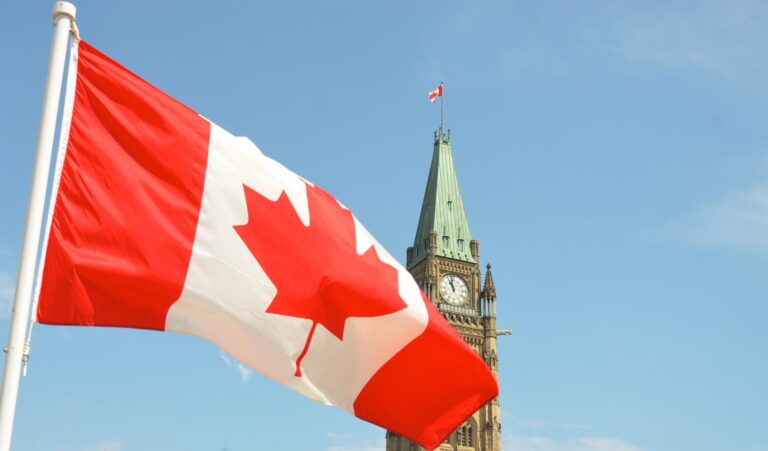
In a recent meeting, Governors from the Northeast U.S. and Canadian Premiers gathered to talk about how President Trump’s economic policies are affecting their regions. The discussion focused on the impact of tariffs, trade issues, and how these are influencing both U.S. and Canadian economies.

How Trump’s Policies Are Affecting the Region

The meeting highlighted how President Trump’s policies are causing economic strain. Governors and Premiers discussed the effects of tariffs and trade disputes, which are creating challenges for businesses and workers on both sides of the border.

Tourism Takes a Hit

Tourism is one area hit hard. Governors mentioned a significant drop in tourist numbers, ranging from 20% to 60% across the region. This decline affects local businesses, especially those reliant on visitors from Canada.

Trade Tensions

Trade tensions are also causing issues. While tariffs are part of the problem, the bigger concern is the uncertainty and unpredictability of these policies. Leaders expressed frustration over sudden changes, making it hard to plan for the future.

The Rise of China

Some leaders pointed out that while the U.S. and Canada are dealing with these issues, China is taking advantage. With U.S.-Canada trade uncertain, China is stepping in to fill the gap, becoming a more attractive partner for Canadian businesses.

A Call for Healing and New Partnerships

Leaders emphasized the importance of maintaining good U.S.-Canada relations. They discussed finding ways to support each other and diversify trade partnerships to reduce dependence on any single country.

Moving Forward Together

The meeting ended with a commitment to work together. Leaders agreed to explore new ways to strengthen economic ties and find solutions to current challenges.

Conclusion

The meeting showed the strong ties between U.S. and Canadian leaders. While they face challenges, there is a shared commitment to supporting each other and finding ways to thrive despite economic uncertainties. The focus is on collaboration and innovation to ensure prosperity for both regions.

ICE Raids Paused: Trump Administration Shifts Deportation Strategy

0


Key Takeaways:

  • ICE has paused raids and arrests on farms, hotels, and restaurants.
  • The Trump administration is adjusting its deportation campaign amid ongoing protests.
  • Immigrant workers in these industries may face less immediate threat of removal.
  • This move could impact the labor force in agriculture, hospitality, and food services.

The Trump administration is changing how it enforces immigration laws. Reports show that Immigration and Customs Enforcement (ICE) has been told to stop most raids and arrests on farms, hotels, and restaurants. This shift comes as protests against ICE continue to grow across the U.S.

The decision could mean that immigrant workers in these industries are less likely to face deportation in the near future. However, this doesn’t mean all immigration enforcement has stopped. ICE is still targeting other areas and individuals, especially those with criminal records.

Let’s break down what this means and why it’s happening.

Why Is ICE Pausing Raids?

ICE has been under fire for its aggressive deportation tactics. Protests against ICE have erupted in cities nationwide, with critics arguing that these raids tear families apart and hurt businesses that rely on immigrant labor.

One reason for the pause might be the backlash the administration is receiving. Public pressure and negative media coverage could be forcing the government to rethink its approach.

Another factor could be the economic impact. Farms, hotels, and restaurants often depend on immigrant workers. If these industries lose their workforce, it could lead to financial losses and disruptions in essential services.

By slowing down raids in these areas, the administration might be trying to balance its tough-on-immigration stance with the need to support key industries.

What Industries Are Affected?

The pause on raids applies to three main industries:

  1. Farms and Agriculture: Many farms rely on immigrant workers to harvest crops and manage daily operations.
  2. Hotels and Hospitality: Immigrant workers often fill roles in housekeeping, food service, and maintenance.
  3. Restaurants and Food Service: From cooks to dishwashers, immigrant labor is crucial to the food industry.

These industries are vital to the U.S. economy. Without immigrant workers, many businesses might struggle to stay operational.

What Does This Mean for Immigrant Workers?

For now, immigrant workers in these industries may feel a sense of relief. They are less likely to face unexpected raids or arrests while working. However, this pause doesn’t guarantee long-term safety.

The Trump administration has made it clear that it intends to enforce immigration laws. Workers could still face deportation if they are found to be in the U.S. without proper documentation.

Immigrant advocates are urging workers to stay informed and know their rights. This includes understanding what to do if ICE agents arrive at their workplace.

What’s Next for Immigration Enforcement?

The Trump administration hasn’t completely stopped deportations. ICE is still active in other areas, focusing on individuals with criminal histories or those deemed a threat to public safety.

The pause on raids in farms, hotels, and restaurants might be temporary. The administration could resume operations if it feels the political climate changes or if there’s pressure from immigration hardliners.

Meanwhile, the debate over immigration policy continues. Critics argue that the U.S. needs a more compassionate and sustainable approach to immigration, while supporters of strict enforcement push for stronger border controls.

The Broader Impact

This shift in strategy highlights the complicated nature of immigration enforcement. Balancing economic needs, human rights, and national security is no easy task.

The administration’s decision to pause raids in certain industries shows that public opinion and economic concerns can influence policy. But it also leaves many questions unanswered, like what happens next for immigrant workers and how the government plans to address the root causes of illegal immigration.

For now, the pause on raids offers some relief to immigrant workers in farms, hotels, and restaurants. But the future of immigration enforcement remains uncertain.

Digital Chew will keep you updated on this developing story as more details emerge.

ICE Raids Paused: Trump Administration Shifts Deportation Strategy

0

Key Takeaways:

  • ICE has paused raids and arrests on farms, hotels, and restaurants.
  • The Trump administration is adjusting its deportation campaign amid ongoing protests.
  • Immigrant workers in these industries may face less immediate threat of removal.
  • This move could impact the labor force in agriculture, hospitality, and food services.

The Trump administration is changing how it enforces immigration laws. Reports show that Immigration and Customs Enforcement (ICE) has been told to stop most raids and arrests on farms, hotels, and restaurants. This shift comes as protests against ICE continue to grow across the U.S.

The decision could mean that immigrant workers in these industries are less likely to face deportation in the near future. However, this doesn’t mean all immigration enforcement has stopped. ICE is still targeting other areas and individuals, especially those with criminal records.

Let’s break down what this means and why it’s happening.

Why Is ICE Pausing Raids?

ICE has been under fire for its aggressive deportation tactics. Protests against ICE have erupted in cities nationwide, with critics arguing that these raids tear families apart and hurt businesses that rely on immigrant labor.

One reason for the pause might be the backlash the administration is receiving. Public pressure and negative media coverage could be forcing the government to rethink its approach.

Another factor could be the economic impact. Farms, hotels, and restaurants often depend on immigrant workers. If these industries lose their workforce, it could lead to financial losses and disruptions in essential services.

By slowing down raids in these areas, the administration might be trying to balance its tough-on-immigration stance with the need to support key industries.

What Industries Are Affected?

The pause on raids applies to three main industries:

  1. Farms and Agriculture: Many farms rely on immigrant workers to harvest crops and manage daily operations.
  2. Hotels and Hospitality: Immigrant workers often fill roles in housekeeping, food service, and maintenance.
  3. Restaurants and Food Service: From cooks to dishwashers, immigrant labor is crucial to the food industry.

These industries are vital to the U.S. economy. Without immigrant workers, many businesses might struggle to stay operational.

What Does This Mean for Immigrant Workers?

For now, immigrant workers in these industries may feel a sense of relief. They are less likely to face unexpected raids or arrests while working. However, this pause doesn’t guarantee long-term safety.

The Trump administration has made it clear that it intends to enforce immigration laws. Workers could still face deportation if they are found to be in the U.S. without proper documentation.

Immigrant advocates are urging workers to stay informed and know their rights. This includes understanding what to do if ICE agents arrive at their workplace.

What’s Next for Immigration Enforcement?

The Trump administration hasn’t completely stopped deportations. ICE is still active in other areas, focusing on individuals with criminal histories or those deemed a threat to public safety.

The pause on raids in farms, hotels, and restaurants might be temporary. The administration could resume operations if it feels the political climate changes or if there’s pressure from immigration hardliners.

Meanwhile, the debate over immigration policy continues. Critics argue that the U.S. needs a more compassionate and sustainable approach to immigration, while supporters of strict enforcement push for stronger border controls.

The Broader Impact

This shift in strategy highlights the complicated nature of immigration enforcement. Balancing economic needs, human rights, and national security is no easy task.

The administration’s decision to pause raids in certain industries shows that public opinion and economic concerns can influence policy. But it also leaves many questions unanswered, like what happens next for immigrant workers and how the government plans to address the root causes of illegal immigration.

For now, the pause on raids offers some relief to immigrant workers in farms, hotels, and restaurants. But the future of immigration enforcement remains uncertain.

Digital Chew will keep you updated on this developing story as more details emerge.

Iran-Israel Conflict Escalates: Netanyahu Considers Targeting Supreme Leader

0

Key Takeaways

  • Israel and Iran are in an escalating conflict with missile and drone attacks.
  • Israeli Prime Minister Benjamin Netanyahu says he wouldn’t rule out targeting Iran’s Supreme Leader.
  • The fighting shows no signs of stopping as the fourth day comes to a close.

Day Four of Conflict: No End in Sight

The fighting between Israel and Iran has entered its fourth day, with both sides exchanging missiles and drones. The situation remains tense, and there’s no clear sign of when the violence might stop.

In a recent interview, Israeli Prime Minister Benjamin Netanyahu made a shocking statement. He told ABC News that he hasn’t ruled out the possibility of targeting Iran’s Supreme Leader. Netanyahu claimed that such an action could end the conflict rather than make it worse.

This statement has raised eyebrows worldwide. Many are wondering if this is a realistic solution or if it could lead to even more violence. The conflict has already caused significant damage, and the human cost continues to rise.


Netanyahu’s Bold Claim

Netanyahu’s words are significant. He’s suggesting that removing Iran’s Supreme Leader could bring an end to the fighting. However, experts warn that such a move could have serious consequences.

Iran’s Supreme Leader is a key figure in the country’s government and military decisions. If he were targeted, it could lead to a strong response from Iran and its allies. Some fear this could escalate the conflict further.

Meanwhile, Netanyahu’s statement has sparked debate. Supporters argue that it’s a bold move to protect Israel. Critics, however, believe it’s a risky strategy that could backfire.


Ongoing Violence: Missiles and Drones Continue to Fly

While leaders are making statements, the fighting on the ground continues. Both sides have launched missile and drone attacks, causing destruction and casualties.

The violence has affected civilians on both sides. People are losing their homes, and many are living in fear. The international community is urging calm, but neither side seems willing to back down.


What’s Next?

The conflict between Israel and Iran is complex. It involves decades of tension, religious differences, and competing interests in the region.

As the fighting continues, the world is watching closely. Many are hoping for a peaceful resolution, but it’s unclear how that might happen.

For now, the violence shows no signs of slowing down. Netanyahu’s statement has added fuel to the fire, and the next few days will be crucial in determining the outcome of this conflict.


Stay tuned for more updates as this situation develops.

Europe’s Tourism Tension: Residents Push Back Against Overcrowding

0


Key Takeaways:

  • Protests in Barcelona and Mallorca target overtourism.
  • Locals use water guns to express frustration.
  • Europeans demand sustainable tourism solutions.
  • Governments struggle to balance tourism and local life.

Overtourism Heats Up Tensions in Europe While summer vacations are a joy for many, they bring frustration for some Europeans. In cities like Barcelona and Mallorca, locals are fed up with crowded streets, high rents, and overwhelmed public spaces. As tourists flock to these popular spots, protests are growing.

On a recent Sunday, protesters in Barcelona and Mallorca took a unique approach. They sprayed water at tourists to make a point. This act wasn’t just about causing a splash—it was a symbolic protest against overtourism.

Why Are Europeans Protesting? Tourism is a double-edged sword for many European cities. On one hand, it brings money and jobs. On the other, it strains local resources and pushes residents out of their own neighborhoods.

Barcelona, for example, became famous after the 1992 Olympics. Today, it’s one of the most visited cities in Europe. While this brings economic benefits, it also means soaring housing prices and crowded public areas. Locals feel their city is losing its character.

The Love-Hate Relationship with Tourism Tourism isn’t all bad. It supports businesses, hotels, and restaurants. But when it becomes too much, it creates problems.

In Mallorca, a beautiful Spanish island, tourists outnumber locals during peak season. This leads to noise, pollution, and strain on services. Many residents feel they’re losing control of their homes.

How Are Locals Fighting Back? The water gun incident is just one way locals are speaking out. Across Europe, there are broader movements.

Some cities are raising taxes on tourists or limiting Airbnb rentals. Others are promoting slower, more sustainable tourism. The goal is to find a balance where visitors can enjoy the area without harming locals.

The Clash Between Residents and Tourists When tourists and locals clash, it’s often about respect. Locals want visitors to appreciate their way of life, not disrupt it.

In Barcelona, signs around the city urge tourists to keep noise down and not drink alcohol on streets. In Venice, authorities have introduced rules to manage crowds.

What’s Next? The tourism industry is complex. Governments, businesses, and locals must work together to find solutions.

One idea is to spread tourism across the year instead of crowding one season. Another is to promote less-known areas to ease pressure on popular spots.

The Big Picture Overtourism is a global issue, but Europe feels it deeply. As the number of travelers grows, so do tensions.

For cities like Barcelona and Mallorca, the challenge is clear: create a tourism model that works for everyone. Until then, expect more creative protests like the water gun incident.

As one local said, “We love sharing our city, but not at the cost of our lives.”

Photographer Shot by Police During Violent Protest in Los Angeles

0

Key Takeaways:

  • A photographer for the New York Post was shot in the head with a rubber bullet by police in Los Angeles.
  • The incident happened during violent protests near the 101 Freeway.
  • The photographer was hospitalized but is expected to recover.
  • The shooting has raised concerns about police violence during protests.
  • Investigations are ongoing to determine if the officer followed proper procedures.

Violent Protests Erupt in Los Angeles

Sunday evening in Los Angeles turned chaotic as protests spiraled out of control. Rioters clashed with police, and the situation became increasingly dangerous. Amid the chaos, a shocking moment caught on camera left many stunned. Toby Canham, a 59-year-old photographer for the New York Post, was shot in the head with a rubber bullet by a California Highway Patrol (CHP) officer.


The Incident

Canham was doing his job, filming the turmoil between police and rioters near the 101 Freeway. He was standing on an elevated area, off the freeway, when the sudden and alarming incident occurred. A CHP officer turned his weapon toward Canham and fired from about 100 yards away. The rubber bullet struck him in the head, a moment captured on video.

幸好, Canham survived the shooting. He was rushed to the hospital and is expected to recover. However, the incident has sparked outrage and raised questions about police conduct during protests.


A Closer Look at the Shooting

Rubber bullets are often used by police to control crowds during protests. They are meant to be non-lethal but can still cause serious injuries. In this case, the officer fired from a distance of about 100 yards—farther than recommended for using such weapons. The fact that Canham was clearly identified as a journalist, standing away from the main conflict, has led to widespread criticism.


Concerns About Press Freedom

This incident has brought attention to the dangers faced by journalists covering protests. Canham’s shooting is not an isolated event. There have been several reports of journalists being targeted or caught in the crossfire during protests across the country. Many are now questioning whether law enforcement is doing enough to protect press freedom.


Reactions and Investigations

The CHP has launched an investigation into the shooting. Authorities are reviewing the video footage and interviewing witnesses to determine if the officer acted appropriately. Meanwhile, media organizations and civil rights groups are calling for accountability. They argue that police must respect the rights of journalists to report on events without fear of violence.


The Broader Context

Protests in Los Angeles and other cities across the U.S. have become increasingly tense in recent months. Demonstrators have taken to the streets to demand change, but these gatherings often turn violent. The role of police in managing these situations is under intense scrutiny. While their job is to maintain order, incidents like Canham’s shooting highlight the need for better training and oversight.


Learning From the Incident

This event serves as a reminder of the risks journalists take to bring news to the public. It also underscores the challenges police face in balancing safety with individual rights. Moving forward, there must be a focus on improving how protests are managed and ensuring that journalists can work safely.


Final Thoughts

The shooting of Toby Canham is a troubling reminder of the fragility of press freedom and the dangers of unchecked police power. As investigations unfold, the hope is that this incident will lead to real change—ensuring that journalists like Canham can do their jobs without fear of being targeted.

Stay tuned for updates on this developing story.

Journalists Under Fire: Press Freedom Takes a Hit in LA Protests

0


Key Takeaways:

  • Over two dozen journalists injured while covering protests against immigration raids in Los Angeles.
  • Journalists hit with rubber bullets, pepper spray, and physical attacks.
  • Press freedom groups accuse police of targeting reporters.
  • A CNN crew and other high-profile journalists were attacked.
  • Police deny deliberately targeting journalists.
  • Concerns grow over press freedom in the U.S.

Journalists Attacked While Covering Protests

Protests against immigration raids in Los Angeles have turned violent, with journalists bearing the brunt of the chaos. More than two dozen reporters and photographers have been injured or roughed up while covering the demonstrations. Many were hit with rubber bullets, pepper spray, or physically assaulted.

One shocking incident involved an Australian TV reporter who was struck by a rubber bullet while broadcasting live. Another journalist from the New York Post suffered a large welt on his forehead after being hit directly. A CNN crew was also attacked, with their equipment damaged during the altercation.

These incidents have raised serious questions about whether law enforcement is intentionally targeting journalists. Press freedom groups are sounding the alarm, warning that such actions could undermine the public’s right to know what’s happening.


Why Are Journalists Being Targeted?

Journalists play a critical role in democracies by reporting on events as they unfold. However, in recent protests, some reporters have been caught in the crossfire between police and protesters. While some injuries may have been accidental, press freedom groups believe that in some cases, police may have deliberately targeted journalists to stop them from documenting the unrest.

Video footage from the protests shows journalists clearly identifiable with press badges or holding cameras, yet they were still hit with rubber bullets or pepper spray. This has led to accusations that police areTrying to intimidate reporters and control the narrative.


Press Freedom Groups React

Press freedom organizations have condemned the attacks, calling them unacceptable. They argue that journalists should be protected, not targeted, while doing their jobs. These groups are urging authorities to investigate the incidents and ensure that those responsible are held accountable.

“Journalists are not enemies of the state—they are storytellers who keep the public informed,” said one advocate. “When reporters are attacked, democracy itself is under threat.”


Los Angeles Police Respond

The Los Angeles Police Department (LAPD) has denied claims that journalists were deliberately targeted. In a statement, they said their officers are trained to protect everyone’s safety, including reporters, during protests. However, they also stressed that chaotic protest situations can sometimes lead to unintentional harm.

The LAPD added that they are committed to ensuring journalists can do their jobs safely, but they also urged reporters to stay at a safe distance from volatile situations.


A Worrying Trend

The attacks on journalists in Los Angeles are part of a larger pattern of violence against reporters in the U.S. In recent years, journalists have been attacked while covering protests, riots, and even political events. Some have been arrested or detained without clear justification.

This trend is alarming because a free press is essential to a functioning democracy. Without journalists, the public would not have access to unbiased information about important events.


Why This Matters to You

The attacks on journalists in Los Angeles may seem like a local issue, but they have much broader implications. If reporters are silenced or intimidated, the public loses its window into what’s happening.

Imagine a world where only one side of the story is told. That’s what happens when journalists are prevented from doing their jobs.


Calls for Change

To address the issue, press freedom groups are calling for better training for police officers on how to interact with journalists during protests. They also want clear guidelines to ensure reporters are protected.

At the same time, journalists are being urged to take extra precautions when covering dangerous situations. This includes wearing protective gear and staying aware of their surroundings.


Conclusion

The attacks on journalists in Los Angeles are a wake-up call for everyone who cares about press freedom. Journalists are not the enemy—they are the public’s eyes and ears during difficult times.

As the U.S. grapples with this issue, one thing is clear: protecting journalists is not just about keeping them safe. It’s about ensuring that the public stays informed and that democracy can thrive.

Let’s stand together to support press freedom and the brave men and women who risk it all to bring us the truth.


(This article is written in simple language to ensure clarity and accessibility for all readers.)

Spanish-Language Reporter Faces Deportation After Protest Arrest

0


Key Takeaways:

  • Mario Guevara, a Spanish-language reporter from Atlanta, was arrested during an anti-deportation protest.
  • He now faces deportation due to an ICE detainer, despite having work authorization and a pending green card.
  • His situation highlights the Trump administration’s aggressive deportation policies.
  • ICE crackdowns have sparked nationwide protests and criticism.

Who is Mario Guevara?

Mario Guevara is a journalist from El Salvador who has been living in Atlanta. He covers stories about immigration and has reported on ICE raids. Recently, he was arrested during a protest against deportations in DeKalb County. Police charged him with obstruction, unlawful assembly, and walking on a roadway.

After his arrest, Guevara’s lawyers tried to get him released on bond. They succeeded, but then they found out that ICE had placed a detainer on him. This means ICE wants to deport him, even though he has permission to work in the U.S. and is applying for a green card through his U.S.-born son.


Why is Guevara at Risk of Deportation?

Guevara’s lawyer, Giovanni Diaz, explains that ICE can target anyone who isn’t a legal permanent resident, even if they have work authorization. Diaz says, “This administration reserves the right to detain anyone, no matter their immigration status.”

ICE’s actions have drawn criticism, as many people are being deported without proper legal process. Some are even being sent to countries they’re not from, often places with high levels of poverty or war.


A Bigger Picture: Immigration Crackdowns

Guevara’s case is part of a larger trend under the Trump administration. ICE has been carrying out mass deportation raids across the U.S., sparking widespread protests. Critics argue that these raids often target people without giving them a fair chance to defend themselves in court.

President Trump has promised to increase ICE operations in Democratic-leaning cities like New York and Los Angeles. These cities have pushed back against federal immigration policies, creating tension between local and federal authorities.


Protests and Backlash

People across the country are protesting these deportation efforts. Many argue that the raids are unfair and separate families without proper legal procedures. Others point out that deportation often sends people back to dangerous conditions in their home countries.


What’s Next for Guevara?

Guevara’s lawyers are fighting his deportation. They argue that his work authorization and green card application should protect him. However, ICE’s detainer means he could still be deported.

As his case unfolds, it highlights the challenges faced by many immigrants under the current administration’s policies. Guevara’s story has sparked outrage and support from advocates who believe everyone deserves a fair chance to stay in the U.S.


Conclusion

Mario Guevara’s situation is a snapshot of the immigration debate in America. His arrest and potential deportation show how complex and contentious the issue has become. Whether he stays or goes, his story is a reminder of the human impact of immigration policies.

As the country continues to argue over how to handle immigration, cases like Guevara’s will remain at the center of the conversation.

Congress on High Alert: Lawmakers Face Rising Threats

0
  • Lawmakers are on edge after a tragic shooting in Minnesota targeting state legislators.
  • A closed-door security briefing was held to discuss safety measures.
  • A suspect with a list of over 70 public officials has been charged.
  • Risks include both state and federal charges, adding to the gravity of the situation.
  • Senators and representatives are increasing security and reconsidering public events.
  • Schumer criticizes Utah Senator Mike Lee for incendiary social media posts.
  • Risks to Congress members have steadily increased, with few cases prosecuted.
  • Calls for bipartisan action to protect lawmakers and their families.

CongressionalSecurity Under Scrutiny

Following the tragic assassination of Minnesota state legislator Melissa Hortman and her husband, along with the attempted killing of state Senator John Hoffman and his wife, the U.S. Senate convened a private meeting. Federal law enforcement officials briefed senators on enhanced security measures to protect lawmakers and their families. This move comes as threats against public officials escalate, making safety a top priority.

A Suspect with a Target List

The suspect, now facing both state and federal charges, had a list of over 70 public officials, including several U.S. senators. Senate Majority Leader Chuck Schumer expressed deep concern, urging unity against political violence. He specifically criticized Utah Senator Mike Lee for posting controversial statements that could inflame tensions, describing them as reckless and beneath the dignity of Lee’s office.

Lawmakers Enhance Security Measures

Michigan Representative Hillary Scholten and Ohio Representative Greg Landsman, both on the suspect’s list, have postponed public events and bolstered their security. Scholten emphasized her commitment to public safety, delaying a town hall to avoid diverting law enforcement resources. Texas Representative Veronica Escobar, also targeted, highlighted a surge in violent incidents, underscoring the need for increased vigilance.

Threats Against Lawmakers: A Growing Pattern

The attack in Minnesota is part of a disturbing trend. Past incidents include the assault on former House Speaker Nancy Pelosi’s husband, the shooting of House Majority Leader Steve Scalise in 2017, and the tragic attack on Representative Gabby Giffords in 2011. Even former President Donald Trump faced an assassination attempt in 2023, resulting in the death of a firefighter.

Challenges in Prosecution

Despite rising threats, few lead to successful prosecutions. In 2021, only 40 out of 9,625 threats resulted in court cases. By 2024, threats had risen to 9,474, with minimal prosecutions. U.S. Capitol Police face challenges in addressing these threats effectively.

Rising Tensions and Calls for Action

Amid rising tensions, Capitol Police are struggling to manage threats due to staffing shortages. Senate Sergeant at Arms and Capitol Police are pushing for increased security measures. House leaders have urged bipartisan cooperation to ensure member safety, stressing that protecting lawmakers is a collective responsibility.

The Road Ahead

The recent events have prompted reevaluations of security protocols and public engagement strategies. Lawmakers are grappling with balancing public service with personal safety, reflecting a broader challenge in maintaining democratic processes amid growing threats.

In conclusion, the Minnesota tragedy underscores the precarious reality for U.S. lawmakers, highlighting the urgent need for improved security and a united stand against violence. As Congress seeks solutions, the prioritization of member safety remains critical.