55 F
San Francisco
Sunday, April 26, 2026
Home Blog Page 710

Judges Overstepping? Legal Experts Claim Federal Courts Are Going Too Far

0

Key Takeaways:

  • Legal experts say some federal judges are overstepping their authority by telling President Trump what to do.
  • These judges have no constitutional right to issue orders that apply nationwide.
  • Their decisions are often driven by politics, not the law.
  • This trend could hurt the credibility of the courts.
  • Congress might step in if judges don’t stop overreaching.

Judges Gone Rogue? Experts Say Some Are Overstepping Their Power

Imagine a world where judges, who are supposed to be neutral, make decisions based on politics instead of the law. That’s what some legal experts say is happening in federal courts across the U.S. They argue that some judges are taking advantage of unclear laws to push their own agendas, especially when it comes to President Donald Trump.


What’s the Issue?

Experts like Gregg Jarrett, a legal analyst, and Jonathan Turley, a law professor, point out that federal judges are issuing nationwide orders that they don’t have the constitutional power to make. These orders, called nationwide injunctions, are like rulings that apply to the whole country, even though the Constitution says judges can only handle cases in their own districts.

Jarrett explains it this way: “There’s nothing in the law that lets these judges make decisions for the whole country. Their job is to focus on cases in their own area, not dictate rules for millions of people they’ve never met.”


Judges Acting Like Politicians?

Jarrett and Turley say some judges are letting their political beliefs influence their decisions. This is a big problem because judges are supposed to be fair and unbiased. When they act like politicians, it erodes trust in the courts.

For example, one judge compared Trump to King George III, who was the king of England during the American Revolution. This kind of language isn’t just unprofessional—it makes it seem like the judge has a personal vendetta against the president.

Turley notes, “When judges make comments like that, it undermines their credibility. People start to think they’re not making fair decisions.”


What’s the Solution?

If judges keep overstepping, Congress might have to step in. Jarrett suggests that lawmakers could pass laws to limit the power of these activist judges. But for now, the Supreme Court is considering whether nationwide injunctions are even legal.


Why Does This Matter?

The judiciary is one of the most important parts of our government. If judges start acting like politicians, it could lead to chaos. Imagine a system where every president gets challenged in court just because judges don’t like their policies. It would make it hard for anyone to lead effectively.

Turley warns, “If judges keep mixing politics with the law, it could damage the courts’ reputation for fairness.”


The Bigger Picture

This isn’t just about Trump. It’s about ensuring that judges don’t become too powerful. If they keep issuing nationwide orders without proper authority, it sets a dangerous precedent. Future presidents could face the same kind of challenges, leading to endless political battles in the courts.

Jarrett says, “Judges need to remember their role. They’re not elected officials, and they shouldn’t act like they have unlimited power.”


Conclusion

The debate over judges’ power is heating up. While some argue that they’re protecting the Constitution, others say they’re overreaching. At the end of the day, the goal should be to ensure that judges stay neutral and focus on the law, not politics. If they don’t, it could hurt the credibility of the courts for years to come.

Why Expand Beyond the US in 2025?

0

Key Takeaways:

  • The US market is saturated, but global opportunities are growing.
  • International expansion can boost revenue and brand reach.
  • Understanding local markets and cultural differences is key to success.
  • Technology and data will help you make informed decisions.

Why Now Is the Time to Think Global

In 2025, the world is more connected than ever. Businesses, big or small, can reach customers in almost any country. But if you’re only focusing on the US market, you’re missing out on a lot of potential growth.

Why? Because the US market is becoming crowded. More businesses are competing for the same customers, making it harder to stand out. Meanwhile, other countries are growing fast, with new customers ready to buy.

Global markets offer fresh opportunities. Places like Asia, Africa, and Europe are seeing rising middle classes. These people have more money to spend and are eager for new products and services.


What’s Driving Global Growth?

  1. Rising Demand for American Brands People around the world love American products and services. They see them as high-quality and innovative. Whether it’s tech gadgets, fashion, or food, there’s demand for what you offer.

  2. Digital Tools Make It Easier Years ago, expanding globally was expensive and complicated. Now, with the internet, social media, and e-commerce platforms, you can reach global customers with just a few clicks.

  3. Competition Is Increasing If you don’t expand, your competitors might. Companies that go global first often gain a big advantage.


How to Succeed in Global Markets

Expanding globally isn’t as simple as opening a website. You need to do your homework.

1. Research, Research, Research

Start by understanding where your product or service will sell best. Look at countries with growing economies and populations.

For example:

  • India has over 1.4 billion people and a booming middle class.
  • Southeast Asia is home to young, tech-savvy consumers.
  • Africa is seeing rapid urbanization and a growing demand for digital services.

2. Understand Local Cultures

What works in the US might not work elsewhere. For example:

  • In Japan, trust and loyalty are very important in business.
  • In Brazil, personal relationships are key to closing deals.

You need to adapt your marketing, pricing, and even your product to fit local tastes.

3. Partner with Local Experts

You don’t have to go it alone. Partnering with local businesses or experts can help you navigate new markets.

For example, a local partner can help you:

  • Understand regulations and laws.
  • Build trust with customers.
  • Avoid cultural mistakes.

4. Leverage Technology

Modern tools can help you manage a global business.

  • Use data analytics to track trends in different countries.
  • Automate tasks like shipping, payments, and customer service.
  • Communicate with global teams via video calls and collaboration tools.

Common Challenges to Watch Out For

Going global isn’t without risks.

  1. Language Barriers You’ll need to translate your website, marketing materials, and even customer support.

  2. Regulations Different countries have different rules. For example, Europe has strict data protection laws. You need to comply with these to avoid fines.

  3. Currency and Payment Issues Dealing with different currencies and payment methods can be tricky. Use reliable financial tools to manage this.

  4. Logistics Shipping and delivery can be harder in global markets. Partner with reliable logistics companies to ensure smooth operations.


Why It’s Worth the Effort

The challenges are real, but the rewards are bigger.

  1. Higher Revenue Expanding globally can significantly boost your sales.

  2. Diversified Risk If one market slows down, others can keep your business growing.

  3. Brand Recognition Going global builds your brand’s reputation.

  4. Long-Term Growth Markets outside the US offer long-term opportunities as they grow and develop.


Final Thoughts

The US market is important, but it’s not the only game in town. In 2025, the world is your playground. With the right strategy, tools, and partners, you can capture new revenue, build your brand, and stay ahead of the competition.

So, start exploring. Research, plan, and take the first step. Your global journey could be the key to unlocking your business’s full potential.

San Diego’s Speech Battle: Pro-Life Advocate Fights for Free Speech

0

Key Takeaways:

  • A pro-life activist is challenging San Diego’s speech restrictions near abortion clinics.
  • The city allows abortion clinic staff to speak freely while silencing pro-life advocates.
  • The case argues that San Diego’s ordinance violates the First and 14th Amendments.
  • The Thomas More Society is representing the activist, Roger Lopez, in the 9th Circuit Court of Appeals.
  • The ordinance restricts pro-life speech while giving abortion clinic staff unlimited freedom to speak.

In a heated legal battle, a pro-life activist is taking on the city of San Diego over its decision to silence pro-life voices near abortion clinics. Roger Lopez, supported by the Thomas More Society, is fighting against a city ordinance that he says unfairly targets pro-life advocates.

The Case: A Tale of Two Voices

San Diego’s ordinance creates what critics call a “constitutional double standard.” In certain areas near abortion clinics, staff, agents, and volunteers of abortion businesses can speak freely, even aggressively, to women entering the clinics. Meanwhile, pro-life sidewalk counselors like Roger Lopez face criminal charges for offering information or holding signs that oppose abortion.

Lopez and his legal team argue that this is a clear violation of free speech rights guaranteed by the First Amendment. They claim the city’s rules create a “censorship scheme” that unfairly punishes pro-life advocates while giving abortion clinic workers a free pass.

The Ordinance: What’s at Stake?

San Diego’s ordinance, passed last year, imposes strict rules on pro-life speech. It bans pro-life advocates from approaching people within an 8-foot “bubble zone” around clinic entrances. It also limits the volume of their speech, forbidding anything deemed “disturbing, excessive, or offensive.” Even holding a sign or offering a leaflet can lead to six months in jail if city officials consider it “harassing.”

Abortion clinic staff, however, are exempt from these rules. They can approach anyone, say anything, and even harass women right up to the clinic door, critics argue.

The Thomas More Society, a legal group known for defending religious and pro-life causes, is representing Lopez in the 9th U.S. Circuit Court of Appeals. They argue that San Diego’s ordinance violates both the First and 14th Amendments.

“The city has created a constitutional travesty,” said Peter Breen, a lawyer with the Thomas More Society. “Planned Parenthood employees can pressure vulnerable women, but peaceful pro-life counselors offering help and hope face criminal charges for normal conversations. This is not just unfair—it’s unconstitutional.”

The Broader Impact: Free Speech Under Fire

The case has sparked a larger debate about free speech in America. Pro-life advocates argue that cities like San Diego are using laws to silence their voices and protect abortion businesses. They point to court rulings that have protected pro-life speech in the past, accusing San Diego of ignoring these precedents.

“Courts have repeatedly upheld the rights of pro-life individuals to share life-affirming alternatives with pregnant women,” said lawyers for the Thomas More Society. “San Diego’s ordinance disregards these rulings and creates a double standard that cannot stand.”

The Role of Sidewalk Counselors: Empowering Women

Pro-life sidewalk counselors like Lopez believe they play a vital role in helping women make informed choices. They offer free resources for pregnancy and parenting, which they say abortion clinics often hide from women.

“Sidewalk counselors empower thousands of expecting moms to choose life,” said Christopher Galiardo, a lawyer with the Thomas More Society. “They connect women with free resources that abortion businesses don’t want them to know about. This ordinance is designed to stop that.”

The City’s Defense: Protecting Women?

San Diego officials argue that the ordinance is needed to protect women from harassment and ensure safe access to abortion clinics. They claim the rules are necessary to prevent chaos and intimidation outside clinics.

However, pro-life advocates argue that the ordinance goes too far. They say it criminalizes peaceful speech and gives abortion clinic staff a free pass to pressure women.

The Road Ahead: A Decision with National Implications

The case is now in the hands of the 9th U.S. Circuit Court of Appeals, a court with a history of defending free speech. Pro-life advocates hope the court will strike down San Diego’s ordinance and restore their right to speak freely.

“This ordinance was drafted to suppress pro-life views,” said Galiardo. “I’m confident the Ninth Circuit will vindicate Roger’s right to offer women in need help and hope.”

The outcome of this case could have far-reaching implications for free speech and abortion rights across the country. For now, all eyes are on the 9th Circuit as it weighs the constitutionality of San Diego’s speech restrictions.


The Bigger Picture: Free Speech in America

The battle in San Diego is just one example of a larger struggle over free speech in America. From campus protests to laws restricting speech near clinics, debates over what speech is protected—and what isn’t—are becoming more heated.

For pro-life advocates, this case is about more than just their right to speak. It’s about ensuring that women have access to all the information they need to make informed choices. As the courts weigh in, one thing is clear: the fight for free speech is far from over.

Microsoft Caught in the Crossfire: House Democrats Investigate Data Breach Involving Federal Agency

0

Key Takeaways:

  • House Democrats are investigating a potential data breach at the National Labor Relations Board (NLRB).
  • Microsoft’s GitHub platform was allegedly used to store code related to the breach.
  • Rep. Stephen Lynch is demanding all relevant documents from Microsoft.
  • Whistleblowers claim sensitive data, including corporate secrets, may have been removed.

What’s Happening?

In a surprising twist, Microsoft has been pulled into a federal investigation involving a potential data breach at the National Labor Relations Board (NLRB). This all started when a group called the Department of Government Efficiency (DOGE) was accused of trying to remove sensitive information from the NLRB’s systems. Now, lawmakers are turning to Microsoft for answers.

Why Microsoft?

It turns out that DOGE used Microsoft’s GitHub platform to store code written by one of its engineers. GitHub is a popular site where developers share and store code. House Democrats believe this code could hold clues about what happened. They’re asking Microsoft to hand over all documents and information related to DOGE’s activities on GitHub.

What Did DOGE Do?

According to whistleblowers and reports from NPR, DOGE tried to access high-level systems at the NLRB to remove sensitive data. This could have included corporate secrets and details about union activities. But that’s not all. They allegedly tried to cover their tracks by deleting system logs and creating backdoors to send large amounts of data outside the agency.

Why Are Democrats Investigating?

Rep. Stephen Lynch, a Democrat from Massachusetts, sent a letter to Microsoft’s CEO demanding transparency. He believes Microsoft may have the only records of this alleged misconduct. Lynch wrote that the actions by DOGE could amount to serious technological misconduct, and he’s determined to get to the bottom of it.

What’s At Stake?

This investigation could have big implications. If sensitive data was removed, it could expose corporate secrets or interfere with union activities. It could also show how vulnerable federal systems are to insider threats. Lynch is concerned that DOGE may have tried to hide their actions and avoid accountability.

What’s Next?

For now, all eyes are on Microsoft. The company has been asked to provide all records related to DOGE’s use of GitHub. This includes any code, communications, or documents that might explain what happened. House Democrats are likely to use this information to see if there was any wrongdoing and how to prevent it in the future.

Why Should You Care?

This story raises important questions about data security and accountability in government agencies. If federal systems can be accessed and sensitive data removed, it could have far-reaching consequences. By investigating, lawmakers hope to ensure that public institutions are secure and that those in power can’t abuse their access without consequences.

The Bigger Picture

This case is part of a larger effort by Democrats to oversight government operations and ensure accountability. With whistleblower revelations and media reports shedding light on potential misconduct, it’s clear that transparency is crucial in maintaining trust in federal agencies. As the investigation unfolds, we’ll learn more about how data security is handled at the highest levels and what measures are being taken to protect sensitive information.


In conclusion, this story highlights the importance of oversight and transparency in government. Stay tuned as this investigation continues to uncover more details about what happened and how it could impact data security in the future.

New York City Faces Rising Crime and Falling Grades

Key Takeaways:

  • New Yorkers worry the city is returning to the chaotic 1970s and ’80s.
  • Many subway riders and bus passengers skip paying fares.
  • Felony assaults have risen by over 40% in the last decade.
  • NYC’s fourth graders, once top performers, now lag behind other big cities.

Is New York City Heading Back to the Bad Old Days?

For many New Yorkers, the past few years have felt uneasy. The city they love seems to be slipping backward. Memories of the 1970s and ’80s—when crime was high and the streets felt unsafe—have resurfaced. Is NYC really heading in that direction again?

Subway Chaos and Fare Evasion

First, let’s talk about the subway. While it’s still a convenient way to get around, the experience has become less pleasant. Some riders feel unsafe, and others describe their trips as chaotic. A surprising number of people—nearly half of bus riders—don’t pay their fares. This not only hurts the city’s budget but also creates a sense of disorder.

Crime Rates Are on the Rise

Crime has become a bigger concern. Over the past decade, felony assaults have jumped by more than 40%. This spike has left many residents worried about their safety. While New York has made progress in reducing crime since the ’90s, these rising numbers are a troubling trend.

Students Struggle in School

Another worrying sign is the performance of the city’s students. Just a few years ago, NYC’s fourth graders were outperforming kids in other large cities. Now, their scores have dropped, and they’re falling behind. This raises questions about the quality of education and whether the city is giving its kids the support they need.

What’s Next for NYC?

The challenges facing New York City are real. But it’s also important to remember that the city has overcome tough times before. Efforts to improve safety, enforce fare payment, and boost education are already underway. Whether these steps will be enough to turn things around remains to be seen. One thing is certain: New Yorkers are rooting for their city to thrive once again.

The Bottom Line

New York City is at a crossroads. While some signs point to a return to the tumultuous past, there’s still hope for a brighter future. By addressing crime, improving schools, and restoring order to public transportation, NYC can prove once again why it’s one of the world’s greatest cities.

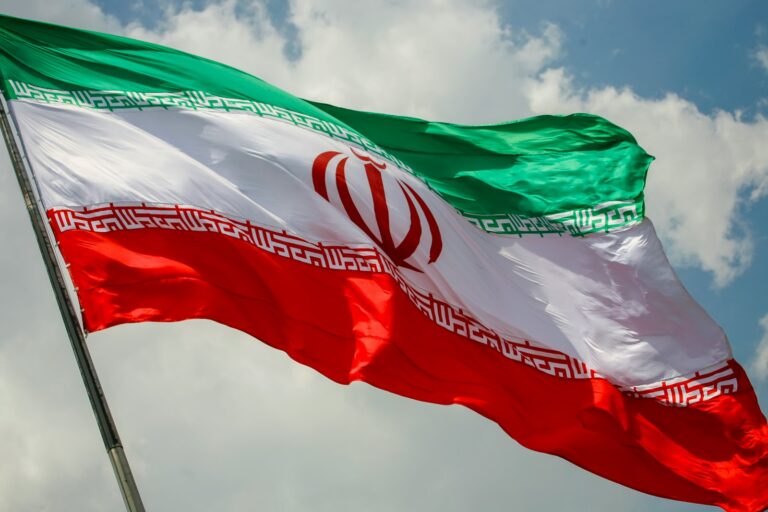
Israel and Iran Clash in Deadly Missile Strikes Amid Rising Tensions

0

Key Takeaways:

  • Israel and Iran exchanged missile strikes on Sunday, June 15, marking the third day of intense conflict.
  • President Donald Trump reportedly vetoed an Israeli plan to assassinate Iran’s Supreme Leader, Ayatollah Ali Khamenei.
  • Israeli Prime Minister Benjamin Netanyahu denied the claim.
  • The death toll in Israel has risen to 13, with 10 more deaths reported on June 15.

Recent Escalation in Conflict

The situation between Israel and Iran grew more tense on Sunday, June 15, as missiles continued to fly between the two nations. This marked the third consecutive day of violent exchanges. The conflict has escalated rapidly, raising concerns about the stability of the region.

What Happened on June 15?

On Sunday morning, Israel and Iran engaged in another round of missile strikes. These attacks are part of a series of exchanges that began earlier in the week. Both sides have targeted key locations, though specific details of the strikes remain unclear.

President Trump’s Involvement

In a surprising turn of events, it was reported that President Donald Trump intervened in the conflict. According to sources, Trump vetoed an Israeli plan to assassinate Iran’s Supreme Leader, Ayatollah Ali Khamenei. This decision reportedly came after Trump learned of the plan.

Netanyahu Denies the Claim

Israeli Prime Minister Benjamin Netanyahu was quick to deny any involvement in such a plan. Netanyahu stated that the claim was “completely false” and emphasized that Israel is committed to defending itself against Iranian aggression.

Rising Death Toll

The conflict has already taken a heavy toll on civilians. In Israel, the death toll has risen to 13, with 10 additional deaths reported on June 15. The number of injured individuals has also increased, though exact figures are not yet available.

Impact on Civilians

The escalating violence has caused widespread fear and disruption in both countries. Civilians in Israel and Iran are bearing the brunt of the conflict, with many forced to seek shelter or flee their homes. The humanitarian situation is deteriorating rapidly, and international organizations are calling for urgent action.

Regional Implications

The conflict between Israel and Iran has significant implications for the entire Middle East. The region has long been a flashpoint for tensions, and this latest escalation has raised fears of a broader war. Neighboring countries are bracing for potential spillover effects, while global powers are urging calm.

International Reaction

The international community is closely monitoring the situation. Leaders from around the world have issued statements calling for restraint and diplomacy. The United Nations has convened an emergency meeting to discuss the crisis and potential measures to de-escalate tensions.

What’s Next?

The situation remains highly volatile, and it is unclear how the conflict will unfold in the coming days. Both sides have shown little sign of backing down, and the potential for further violence remains high. Diplomatic efforts are ongoing, but a resolution is not yet in sight.

Conclusion

The latest developments in the conflict between Israel and Iran highlight the urgent need for a peaceful resolution. The rising death toll and escalating violence underscore the human cost of this conflict, and the international community must act swiftly to prevent further loss of life. As tensions continue to rise, the world watches with bated breath, hoping for a path towards peace and stability in the region.

Iran Calls for Peace Talks Amid Israeli Strikes

0

Key Takeaways:

  • Iran is urging an end to hostilities and the resumption of nuclear talks.
  • They are communicating through Arab intermediaries to the U.S. and Israel.
  • Iran is open to negotiations if the U.S. does not join the attack.

Introduction: In a pressing move, Iran is signaling its desire to end the current conflict and restart discussions about its nuclear program. Through Arab intermediaries, Iran has reached out to both the U.S. and Israel, indicating its willingness to negotiate under certain conditions. This development comes amidst heightened tensions and ongoing Israeli military actions.


Reasons Behind Iran’s Peace Offer:

Iran’s decision to seek peace talks may stem from multiple pressures. The country is facing intense Israeli airstrikes, which have likely strained its resources and heightened internal security concerns. Additionally, the economic sanctions imposed by Western countries continue to affect Iran’s economy, pushing the nation towards seeking a resolution to avoid further escalation.


Conditions for Talks:

Iran has set clear terms for returning to the negotiating table. Most notably, they insist that the United States must not join any military action against them. This condition underscores Iran’s concern about potential broader conflict and its desire to limit the involvement of major global powers in the current hostilities.


Reactions from the US and Israel:

The reactions from the U.S. and Israel have been cautious. Both nations are considering Iran’s offer but remain skeptical. They are likely assessing whether Iran’s proposal is a genuine attempt to de-escalate or a strategic maneuver to buy time. The level of trust between the parties is low, making any negotiations challenging.


A Path to Peace or Tactical Move?

Analysts are divided on Iran’s intentions. Some view this as a sincere effort to avoid further conflict, while others see it as a delay tactic to regroup and reinforce. Given the history of broken agreements, skepticism is understandable. The sincerity of Iran’s offer will become clearer as negotiations progress or stall.


What’s Next?

The coming days and weeks are crucial. Diplomatic channels, potentially through Arab intermediaries, will be key in determining the next steps. The willingness of all parties to compromise and find common ground will be essential for any progress. Should these talks fail, the region may face increased instability and conflict.


The Bigger Picture:

This situation highlights the complexities of Middle Eastern geopolitics. The involvement of global powers like the U.S. and regional actors adds layers of tension. A peaceful resolution would not only benefit Iran, Israel, and the U.S. but also contribute to regional stability, potentially influencing other conflicts in the area.


Conclusion:

Iran’s call for peace talks presents a critical opportunity. While the path ahead is uncertain and fraught with challenges, the potential for dialogue offers a glimmer of hope. The involvement of intermediaries and the cautious responses from the U.S. and Israel suggest that the situation is being approached with care. The world watches as these negotiations unfold, hoping for a peaceful resolution that could have far-reaching implications.

Israel Launches Operation Rising Lion Against Iran

0

Key Takeaways:

  • Israel launched Operation Rising Lion, a major attack on Iran.
  • The operation included airstrikes and targeted assassinations.
  • The attack aimed to weaken the Iranian Revolutionary Guard Corps.
  • This escalation is part of the ongoing Israel-Iran conflict.
  • The situation has raised global concerns about regional stability.

Introduction

Early Friday morning, Israel made history with Operation Rising Lion, a bold attack on Iran. This move is the latest in the ongoing conflict between Israel and Iran, which started on October 7, 2023. The operation involved airstrikes and secret missions carried out by the Mossad, targeting key figures in the Iranian Revolutionary Guard Corps. This article breaks down the details of the attack, its impact, and what it means for the future.

What Happened?

Operation Rising Lion was a series of coordinated strikes by Israel. The Israel Defense Forces (IDF) carried out hundreds of airstrikes in five waves. These strikes were spread across various locations in Iran. At the same time, the Mossad, Israel’s intelligence agency, executed a series of targeted assassinations. These actions were aimed at disrupting the leadership of the Iranian Revolutionary Guard Corps, a powerful force in Iran.

Why Is This Important?

This operation is significant because it shows a serious escalation in the conflict between Israel and Iran. Israel has been concerned about Iran’s growing influence in the region and its nuclear program. By targeting the Revolutionary Guard Corps, Israel aimed to weaken Iran’s ability to respond and project power.

The Impact of the Operation

The airstrikes and assassinations have caused significant damage to Iran’s military infrastructure. The loss of key leaders could create chaos and disrupt Iran’s ability to coordinate its forces. This operation also sends a strong message to Iran and its allies in the region.

What’s Next?

The situation remains tense. Iran has vowed to retaliate, and the region is on high alert. The international community is watching closely, as this conflict has the potential to draw in other countries. The future of the region hangs in the balance as both sides prepare for what may come next.

Conclusion

Operation Rising Lion marks a major escalation in the Israel-Iran conflict. The airstrikes and targeted assassinations have weakened Iran’s military leadership, but they also raise concerns about further violence. As the situation unfolds, the world waits to see how this will play out and what it means for the future of the region.

Trump’s Legal Battles Against Law Firms Hit a Roadblock in Court

0

Key Takeaways:

  • Courts have blocked Trump’s executive orders targeting major law firms, ruling them unconstitutional.
  • The Trump administration isn’t challenging these losses, suggesting the orders were meant to intimidate.
  • Some law firms settled with Trump, agreeing to provide millions in free legal work.
  • Judges are questioning the secret deals made between Trump and the firms.
  • Legal experts are urging the firms that settled to walk away from these agreements.

Trump’s Legal Battles Against Law Firms Hit a Roadblock in Court

Former President Donald Trump’s efforts to punish certain law firms have hit a wall in court. Judges have ruled against his executive orders, and his administration is choosing not to fight these decisions. This has led legal experts to say that the orders were likely intended to scare law firms into giving in.

Trump’s orders targeted well-known law firms like Perkins Coie, Jenner & Block, and WilmerHale. The orders aimed to punish these firms for representing clients or causes Trump didn’t approve of. However, judges have repeatedly ruled these orders unconstitutional.

Instead of appealing these losses, Trump’s lawyers are staying quiet. Legal experts believe this silence shows that the administration knew the orders were unlikely to hold up in court. “They knew these were losing cases from the start,” said Cornell Law Professor W. Bradley Wendel. “The goal was never to win in court but to scare firms into settling.”

And scare them it did. Some firms, like Paul Weiss and Skadden, agreed to provide hundreds of millions of dollars in free legal work to avoid further trouble. Yale Law Professor Harold Koh called this “blatantly unconstitutional” and said the administration “extracted nearly $1 billion in coerced pro bono services.”

But the exact details of these deals remain unclear. During court hearings, judges asked about the terms of the agreements, but government lawyers admitted they didn’t know much beyond what’s been reported in the news. This lack of transparency has raised more questions.


Why the Trump Administration Isn’t Fighting Back

Legal experts say the administration’s decision not to appeal is strategic. “Their arguments have been rejected by every court that’s ruled on this,” said Koh. “Why appeal and risk making it even clearer that these orders were illegal?”

The administration’s approach has already had a chilling effect on law firms. Many have become reluctant to challenge Trump or take on cases he might dislike. But experts say now is the time for firms that settled to reconsider.

“All the more reason why these nine firms should renounce the coerced deals,” Koh added. “They should make it clear that they still control their own pro bono work.”


What This Means for Law Firms and Free Speech

The outcome of this situation could have far-reaching implications. If law firms stand up against such pressure, it could set a precedent for protecting free speech and legal independence. However, if they continue to give in, it could discourage others from challenging the government in the future.

As the legal battle unfolds, one thing is clear: Trump’s strategy has already had a significant impact. Whether law firms will take a stand or continue to comply remains to be seen. For now, the courts have made it clear that these executive orders are unconstitutional, and the administration’s silence speaks volumes about its intentions.

This situation serves as a reminder of the importance of standing up against government overreach, even when the stakes are high. Will the law firms that settled take a step back and fight, or will they continue down a path that many legal experts call deeply troubling? Only time will tell.

Heated Exchange on Political Rhetoric After Tragedy

0

Key Takeaways:

  • A tragic event in Minnesota sparks a discussion on political rhetoric and security.
  • Congressman Randy Fine addresses accusations of heated language.
  • The debate highlights the balancing act between free speech and incitement.

A Tense Exchange Unfolds

In the aftermath of a shocking shooting in Minnesota, a tense conversation between CNN’s Sara Sidner and Congressman Randy Fine brought the issue of political rhetoric to the forefront. The discussion focused on whether fiery language from lawmakers contributes to violence.

The Problem of Rhetoric

Sidner questioned Fine about his past comments, including a controversial text message and labeling a colleague a terrorist. Fine acknowledged the need for reflection but emphasized the difference between strong rhetoric and incitement.

Fine’s Past Comments

Fine’s history of heated statements was scrutinized. He explained that private communications differ from public declarations, though the impact of harsh words remains a concern.

Who’s to Blame?

Fine shifted focus to an Instagram post by James Comey, suggesting it incited violence. Sidner countered, questioning if Fine’s own rhetoric wasn’t also problematic.

The Bigger Picture

The conversation underscores the challenge of balancing passionate speech with public safety. While some argue for heightened security, others highlight the need for toning down aggressive language.

A Final Word

The debate reflects a broader societal issue. As politics becomes more polarized, identifying the line between acceptable rhetoric and dangerous speech grows increasingly complex. The discussion serves as a reminder of the weight of words in public discourse.