
52 F
San Francisco
Monday, June 8, 2026
Home Blog Page 72

Indias Market Faces Crude, Rupee, and Election Stress Test

Quick Summary

  • The S&P 500 and Nasdaq closed at record highs, extending their winning streaks to six weeks, driven by strong earnings and softer crude prices.
  • Brent crude’s weekly jump towards $114 a barrel raised inflation fears, with FIIs selling Rs 13,771 crore and DIIs buying Rs 11,585 crore to mitigate the impact.
  • Analysts highlight key support and resistance levels for India’s market, with potential breakout points indicating future trends.
  • Indian equities diverged from Wall Street’s climb, reflecting unique domestic pressures like inflation and election-related uncertainty.
  • Upcoming state election results, PMI data, and crude oil movements are critical factors influencing market sentiment.

Indias Market: Key Takeaways

Indias Market is at the center of this developing story, and the following analysis explains what matters most right now.

India’s stock market is at a crossroads, grappling with a volatile mix of surging crude prices, a weakening rupee, and looming election results. As the S&P 500 and Nasdaq continue their record-breaking run, India’s market faces its unique set of challenges.

Brent crude’s spike towards $114 a barrel has intensified inflation concerns, prompting foreign investors to sell Rs 13,771 crore, while domestic investors attempted to cushion the blow by purchasing Rs 11,585 crore. This tug-of-war highlights the market’s fragile balance.

” These figures will be pivotal as the market navigates upcoming political and economic events.

Unlike Wall Street, which continues to climb, Indian equities are weighed down by domestic pressures, such as imported inflation and banking sector weaknesses. The market’s trajectory will largely depend on upcoming state election results and macroeconomic data, including PMI prints and crude oil movements.

ET reported that the S&P 500 and Nasdaq closed at record highs on Friday and extended winning streaks to six straight weeks, their longest since October 2024, helped by strong earnings and softer crude. Upstox reported oil and gas, pharma and IT each gained about 3% during the week, while PSU banks fell 3% and private banks 1%; it added that Wockhardt, Piramal Pharma and Glenmark Pharmaceuticals surged 12% to 18% in April’s defensive shift.

86%, showing that even after a sharp pullback traders did not fully price in panic. 41%, while both benchmarks rose about 7% in April.

33 and Brent’s roughly 7%-plus weekly jump toward $114 a barrel have amplified inflation and foreign-flow fears, with Goodreturns reporting FIIs sold Rs 13,771 crore in the cash segment during the week while DIIs bought Rs 11,585 crore to cushion the blow. Rajesh Bhosale of Angel One said, “Key support is seen around 23,500–23,400, while resistance stands at 24,350; a breakout above this could open the path towards 24,600.

” That means traders are not simply watching earnings headlines; they are bracing for a rare overlap of political event risk, macro data and commodity volatility in the first full session after the May 1 market holiday. ET’s turnover data also showed concentration in heavyweights such as Reliance Industries at Rs 670 crore, HDFC Bank at Rs 296 crore and ICICI Bank at Rs 186 crore, suggesting Monday could again turn on a handful of index movers rather than broad-based participation.

Monday, May 4, brings the first live read on whether election results, PMI data and any easing in crude after Iran’s latest peace-talk proposal can stabilize sentiment; later in the week, traders will also parse a packed Q4 slate including Mahindra & Mahindra, Bajaj Auto, Paytm, Policybazaar and Polycab, plus US macro releases such as April jobs data, ISM Services and JOLTS. That divergence matters because it deprives Indian bears of a clean global-risk-off narrative; if US markets are still making highs, then Monday’s pressure in Mumbai is more directly tied to India-specific pain points like imported inflation, bank weakness and election-related uncertainty.

Quick Summary The S&P 500 and Nasdaq closed at record highs, extending their winning streaks to six weeks, driven by strong earnings and softer crude prices.

The scale and speed of this development has caught many observers off guard. Each new update adds another dimension to a story that is still unfolding, and the full picture will only become clear as more verified details emerge from the people and institutions directly involved.

Analysts who have tracked this issue closely say the current moment represents a genuine turning point. The decisions made in the coming weeks are expected to set the direction for months ahead, with ripple effects likely to extend well beyond the immediate actors in the story.

For those directly affected, the practical impact is already visible. People navigating this fast-changing situation are dealing with real consequences while new information continues to reshape what is known and what remains open to interpretation.

Historical parallels offer some context, though experts caution against drawing too close a comparison. Similar situations have played out before, but the specific combination of pressures, personalities, and timing here makes this moment distinct in ways that matter for how it ultimately resolves.

The political and economic dimensions of this story are deeply intertwined. What appears as a single event on the surface is in practice the convergence of multiple pressures that have been building quietly over a longer period than most public reporting has captured.

Los Angeles Mayoral Election 2026 : Latest Polls

Quick Summary

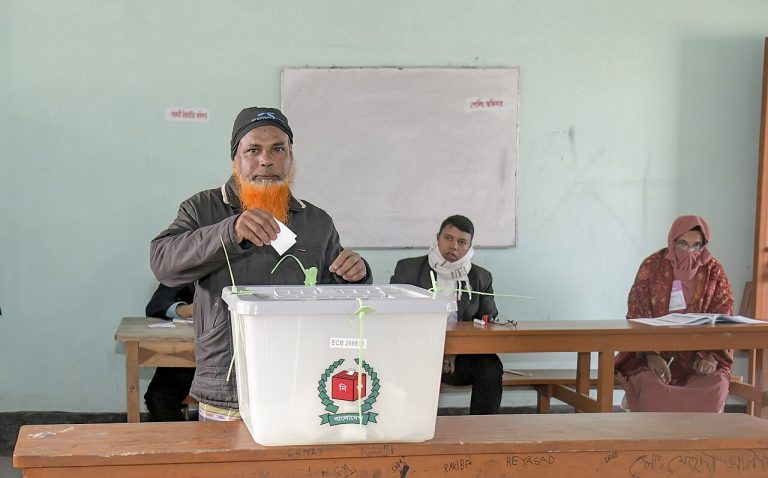
  • Spencer Pratt raised nearly $540,000, narrowly topping Nithya Raman’s $530,000, and Karen Bass’s $495,000.
  • Karen Bass leads with 25% in a major poll, but faces serious threats from Raman and Pratt.
  • The race is shaped by dissatisfaction with Bass, focusing on homelessness, housing, and public safety.
  • Nithya Raman emerges as a strong progressive challenger with significant grassroots support.
  • Spencer Pratt’s campaign gains traction, fueled by wildfire response anger and conservative backing.

Los Angeles: Key Takeaways

Los Angeles is witnessing a political showdown like never before. The 2026 mayoral race has become a battleground where incumbent Karen Bass, despite leading in polls, is under siege from both progressive and conservative challengers. The stakes are high, and the outcome is uncertain.

Spencer Pratt, a reality-TV figure, has transformed his campaign into a formidable force, raising nearly $540,000 since January. His wildfire-fueled narrative resonates with voters frustrated by the city’s response to the 2025 fires. Meanwhile, Nithya Raman, a progressive voice, is not just a protest candidate but a serious contender, with a strong ideological base and a coherent housing message.

Contextually, this race is a referendum on Bass’s leadership. With homelessness, housing, and public safety at the forefront, voters are questioning whether Los Angeles needs steadier management, sharper reform, or total disruption. The June 2 primary will be crucial, as it could lead to a runoff if no candidate secures over 50%.

As the race intensifies, Bass’s leadership is being tested like never before. Her campaign’s recent ad buy suggests an acknowledgment of the deep voter frustration. This political drama is not just about who will lead Los Angeles but about the direction the city will take in addressing its most pressing issues.

The Times reported that on April 24 she rolled out a new ad buy worth more than $1 million across television and digital platforms, touting two straight years of reductions in street homelessness and her willingness to resist federal immigration raids. In reporting published April 24, the Los Angeles Times said reality-TV figure Spencer Pratt had raised nearly $540,000 since Jan.

1, narrowly topping Raman’s roughly $530,000 over the same period, while Bass brought in about $495,000. It is Bass versus a broad anti-incumbent mood focused on homelessness, housing, public safety and the city’s response to the 2025 fires, especially the Palisades fire that destroyed Pratt’s home.

In one separate Loyola Marymount University poll cited by the Los Angeles Times in early April, Raman was actually ahead with 33%, while Bass trailed at 17%, Huang was near 17%, and Pratt had 12%. The Los Angeles Times has identified him as one of the three contenders hovering near the top of the race, and his nearly $540,000 haul since January made him the top fundraiser in that filing period.

The hard deadline now shaping everything is the June 2, 2026 primary: if no candidate wins more than 50%, the top two move on to a Nov. The most concrete polling snapshot still driving the coverage comes from a March 22 Los Angeles Times/UC Berkeley Institute of Governmental Studies poll, which put Bass at 25%, Raman at 17% and Pratt at 14%, with about a quarter of voters still undecided.

5 million, plus taking in about $200,000 in donations. ” The Times’ May 1 voter guide said Bass faces a field of 13 challengers, though four have emerged as serious rivals in polling and fundraising.

Los Angeles: Key Takeaways Quick Summary Spencer Pratt raised nearly $540,000, narrowly topping Nithya Raman’s $530,000, and Karen Bass’s $495,000.

The scale and speed of this development has caught many observers off guard. Each new update adds another dimension to a story that is still unfolding, and the full picture will only become clear as more verified details emerge from the people and institutions directly involved.

Analysts who have tracked this issue closely say the current moment represents a genuine turning point. The decisions made in the coming weeks are expected to set the direction for months ahead, with ripple effects likely to extend well beyond the immediate actors in the story.

For those directly affected, the practical impact is already visible. People navigating this fast-changing situation are dealing with real consequences while new information continues to reshape what is known and what remains open to interpretation.

Historical parallels offer some context, though experts caution against drawing too close a comparison. Similar situations have played out before, but the specific combination of pressures, personalities, and timing here makes this moment distinct in ways that matter for how it ultimately resolves.

The political and economic dimensions of this story are deeply intertwined. What appears as a single event on the surface is in practice the convergence of multiple pressures that have been building quietly over a longer period than most public reporting has captured.

U.S. Visa Signals a Turning Point Nobody Can Ignore

Quick Summary

  • The U.S. State Department issued a directive on April 28, denying visas to those fearing harm if they return home.
  • Secretary of State Marco Rubio’s office enforced the order, impacting nonimmigrant visa applicants.
  • Critics argue the policy undermines asylum pathways, following a court ruling against border restrictions.
  • USCIS began enhanced criminal checks on April 27, affecting green card and naturalization cases.
  • Over 100,000 visas revoked since the policy’s inception, marking a significant enforcement shift.

U.S. Visa: Key Takeaways

S. Visa is at the center of this developing story, and the following analysis explains what matters most right now.

S. has taken a bold step, altering its visa policy in a way that could reshape the landscape of immigration. As of April 28, the State Department mandates that consular officers deny nonimmigrant visas to applicants who express fear of returning to their home countries. This move, announced by Secretary of State Marco Rubio’s office, is seen by many as a direct challenge to existing asylum pathways.

This policy shift comes on the heels of a federal court ruling that deemed certain border restrictions illegal. Critics argue that the new visa directive is an attempt to bypass these legal setbacks, effectively closing doors for those seeking refuge. ”

S. Citizenship and Immigration Services (USCIS) has intensified its scrutiny, implementing enhanced criminal history checks for all applications. This measure, effective April 27, not only affects temporary visas but also green card and naturalization processes. The administration defends these changes as necessary for national security, yet opponents see them as a trap that discourages honest declarations of fear.

S. immigration policy has evolved in response to various pressures, but the current scenario is unique. The convergence of legal, political, and humanitarian issues makes this moment a critical juncture. As the courts and consulates navigate this new landscape, the implications for global immigration policy and human rights are profound.

The unfolding situation demands close attention. The decisions made now will set precedents, influencing immigration policy for years to come. For those directly affected, the stakes are high, as they navigate a rapidly changing environment with real-world consequences.

On April 27, according to Reuters, USCIS began receiving the expanded FBI criminal-history data for fingerprint-based checks. In January, Reuters also reported that the administration had revoked more than 100,000 visas since Trump took office, which the State Department described as a record.

On April 28, The Washington Post reported the new State Department cable ordering visa officers to ask the fear-of-return questions and deny visas to people who do not answer “no” twice. visa policy this week is a State Department directive, effective immediately as of April 28, ordering consular officers to deny nonimmigrant visas to applicants who say they fear harm if they return home, a move that immigration advocates say could shut off a pathway to asylum just days after a federal appeals court undercut one of the administration’s border restrictions.

” The order was issued through Secretary of State Marco Rubio’s office and took effect immediately on April 28. Reuters reported on April 28 that USCIS began receiving “enhanced criminal history record information” on April 27 for all fingerprint-based background checks submitted to the FBI’s Next Generation Identification system, and officers were told not to approve pending cases until the expanded checks were completed.

According to a cable reviewed by The Washington Post, officers must ask two questions: whether the applicant has experienced harm in their home country and whether they fear harm if returned. The central controversy is whether the government is targeting fraud and security threats or deliberately collapsing legal channels for vulnerable people.

The administration’s rationale, as reflected in the cable and Reuters reporting, is that fear of return suggests “immigrant intent” inconsistent with a temporary visa and that broader access to criminal databases is needed for security. Put together, the latest asylum-related screening order, the April 27 enhanced criminal-history checks, the April 16 regional visa restrictions, and the previously disclosed 100,000-plus revocations show a government increasingly using visa adjudication itself as a tool of deterrence and enforcement.

Secretary of State Marco Rubio’s office enforced the order, impacting nonimmigrant visa applicants. Over 100,000 visas revoked since the policy’s inception, marking a significant enforcement shift.

The scale and speed of this development has caught many observers off guard. Each new update adds another dimension to a story that is still unfolding, and the full picture will only become clear as more verified details emerge from the people and institutions directly involved.

Analysts who have tracked this issue closely say the current moment represents a genuine turning point. The decisions made in the coming weeks are expected to set the direction for months ahead, with ripple effects likely to extend well beyond the immediate actors in the story.

For those directly affected, the practical impact is already visible. People navigating this fast-changing situation are dealing with real consequences while new information continues to reshape what is known and what remains open to interpretation.

Historical parallels offer some context, though experts caution against drawing too close a comparison. Similar situations have played out before, but the specific combination of pressures, personalities, and timing here makes this moment distinct in ways that matter for how it ultimately resolves.

The political and economic dimensions of this story are deeply intertwined. What appears as a single event on the surface is in practice the convergence of multiple pressures that have been building quietly over a longer period than most public reporting has captured.
Kemp Signals a Turning Point Nobody Can Ignore

Quick Summary

  • Brian Kemp has shut down calls to redraw Georgia’s congressional and legislative maps for the 2026 cycle, impacting early voting.
  • Analysts say this represents a pivotal moment in Georgia’s political landscape.
  • The Supreme Court’s ruling in Louisiana v. Callais plays a critical role in the decision.
  • Kemp’s refusal to redraw maps now underscores the ongoing election process.
  • The debate centers on power dynamics and minority representation in Georgia.

Kemp: Key Takeaways

Georgia Governor Brian Kemp’s recent decision to halt redistricting efforts for the 2026 election cycle has sent shockwaves through the state’s political landscape. With early voting already underway, Kemp’s move is more than a procedural halt; it’s a strategic stand in a larger battle over electoral power.

The Supreme Court’s ruling in Louisiana v. Callais, which narrows the use of race in voting-rights challenges, has become a pivotal factor in this decision. Kemp frames the ruling as a victory for fairness, allowing states to create electoral maps that reflect voter will rather than judicial mandates. However, the timing of his decision—amid active voting and with a primary looming—speaks volumes about the complexities of election management.

The underlying tension is palpable: Republicans are eager for new maps that favor their party, while Democrats and voting-rights advocates view the court’s decision as a threat to minority voter protections. Kemp’s refusal to call a special session for redistricting now shifts the focus to whether he might do so later, especially if election-related issues arise that necessitate legislative intervention.

As Georgia’s early voting numbers climb, with significant Democratic turnout, the stakes are high. The political chess game continues as endorsements and primary battles add layers to an already intricate scenario. Kemp’s decision not only freezes the current electoral map but also sets the stage for future political maneuvering as the state heads toward the 2028 election cycle.

Fox 5 reported that Kemp left open the possibility of a later special session, while Georgia Public Broadcasting underscored the political urgency by noting Republicans are not guaranteed to control the governor’s office next year, raising the stakes for whether they can lock in map advantages before 2028. Brian Kemp has shut down calls to redraw Georgia’s congressional and legislative maps for the 2026 cycle, saying bluntly that with early voting already underway, any fallout from the Supreme Court’s Louisiana v.

7% turnout statewide, and Georgia Votes reported turnout running 15% ahead of where the 2022 primary stood at the same point. That detail matters because it means the redistricting fight may not be over even though Kemp ruled out changes for 2026; if legislators do come back to Atlanta for election administration issues, pressure could intensify around whether map changes should also be put on the agenda.

Early voting is happening now across Georgia, and Election Day is Monday, May 19, 2026, which makes any redraw before this cycle effectively dead unless Kemp executes a dramatic reversal. The more realistic next milestone is whether he calls a special session later in 2026, either to deal with ballot-technology issues or to begin positioning Georgia for new electoral maps before the 2028 cycle.

Callais ruling will have to wait until 2028. ” The central fight now is no longer whether Republicans want new maps—they do—but whether Kemp will use his remaining leverage to call lawmakers back later for a redraw aimed at future elections rather than the May 19, 2026 primary.

Republicans and conservative candidates had been pressing for a redraw after the Supreme Court ruling, hoping for lines more favorable to the GOP, while Democrats and voting-rights advocates see the ruling as a direct threat to protections for Black voters and other minority communities. That decision is the hinge point of the story because it rejects an immediate Republican push for a special session after the court narrowed how race can be used in voting-rights map challenges.

The Supreme Court’s ruling in Louisiana v.

Analysts say this represents a pivotal moment in Georgia’s political landscape. Kemp’s refusal to redraw maps now underscores the ongoing election process.

The scale and speed of this development has caught many observers off guard. Each new update adds another dimension to a story that is still unfolding, and the full picture will only become clear as more verified details emerge from the people and institutions directly involved.

Analysts who have tracked this issue closely say the current moment represents a genuine turning point. The decisions made in the coming weeks are expected to set the direction for months ahead, with ripple effects likely to extend well beyond the immediate actors in the story.

For those directly affected, the practical impact is already visible. People navigating this fast-changing situation are dealing with real consequences while new information continues to reshape what is known and what remains open to interpretation.

Historical parallels offer some context, though experts caution against drawing too close a comparison. Similar situations have played out before, but the specific combination of pressures, personalities, and timing here makes this moment distinct in ways that matter for how it ultimately resolves.

The political and economic dimensions of this story are deeply intertwined. What appears as a single event on the surface is in practice the convergence of multiple pressures that have been building quietly over a longer period than most public reporting has captured.

beIN SPORTS Receives Global Recognition at AIPS Awards, International Film Festivals

Quick Summary :

  • beIN SPORTS’ Gaza-focused productions excelled at the 2025 AIPS Sport Media Awards, with one film ranking first in Asia and sixth globally, highlighting the power of sports storytelling amid conflict.
  • Journalist Mohammed Al Nakhaleh’s works, including ‘In Gaza, Hope Always Rises from the Rubble,’ received special recognition for their human-rights focus.
  • The AIPS competition drew 1,987 entries from 130 countries, placing beIN’s films in the top 4.5% worldwide.
  • IOC President Kirsty Coventry praised the awards for celebrating excellence in sports journalism and storytelling.
  • beIN SPORTS’ productions are now available on their TOD platform, expanding their reach beyond traditional sports coverage.

In a world where sports coverage often prioritizes celebrity and commercial deals, beIN SPORTS has taken a bold step in a different direction. Their recent triumph at the 2025 AIPS Sport Media Awards is a testament to the power of storytelling, especially when it centers on human rights and conflict. By focusing on athletes in Gaza and the broader Palestinian experience, beIN SPORTS has not only captured the attention of the sports media world but has also made a significant statement about the role of sports in telling deeper, more meaningful stories.

Two productions, ‘In Gaza, Hope Always Rises from the Rubble’ and ‘Palestine: One Jersey, Many Roots,’ have propelled beIN SPORTS into the spotlight. These works, created by journalist Mohammed Al Nakhaleh, have not only won awards but have also been recognized for their poignant portrayal of life under conflict. The films’ success at the AIPS awards, where they were selected from nearly 2,000 entries, underscores the global resonance of their themes.

This recognition is more than just a win for beIN SPORTS; it’s a victory for the kind of journalism that dares to challenge the status quo. As IOC President Kirsty Coventry noted, such storytelling is vital for the next generation. By bringing Palestinian stories to the forefront, beIN SPORTS is reshaping the narrative around sports media, proving that it can be a powerful platform for change and awareness.

Separate AIPS reporting on the Lausanne ceremony said the awards went through five voting phases before narrowing to preliminary and final lists, then a top 10, and finally a three-person podium revealed at the gala on April 10, 2026, at the Olympic Museum. Palestine: One Jersey, Many Roots is heading into its festival screenings in 2026, and In Gaza, Hope Always Rises from the Rubble now carries the prestige of both a continental win and a global top-six finish.

beIN SPORTS’ biggest fresh breakthrough is that two Gaza- and Palestine-focused original productions have just broken into the top tier of the 2025 AIPS Sport Media Awards, with one film finishing first in Asia and sixth in the world, turning what could have been a routine corporate honors story into a pointed statement about war, identity, and sports storytelling. The latest report, published on May 3, 2026 by The Peninsula Qatar, says beIN SPORTS reached what it called a “new international milestone” at the 2025 AIPS Awards ceremony in Lausanne, Switzerland, where two original works by journalist Mohammed Al Nakhaleh placed among the global top 10 in their categories.

A second film, Palestine: One Jersey, Many Roots, finished second in Asia in the documentary category and was selected for screening at the Beausoulet Côte d’Azur International Sports Film Festival in France and the Istanbul International Sports Film Festival 2026. AIPS, the International Sports Press Association, is the awarding body, while The Peninsula Qatar and Qatar News Agency moved the story into the regional news cycle on May 3.

The timing is also tight: the AIPS ceremony took place on April 10, 2026 in Lausanne, and the regional pickup celebrating beIN’s results was published on May 3, 2026, effectively turning a mid-April awards result into a fresh weekend recognition story. What happens next is less about a pending vote or court deadline and more about continued exposure and positioning.

The practical next step for beIN is to leverage that recognition on TOD and in future awards submissions, while the broader media industry will watch whether politically charged, conflict-centered sports documentaries continue to gain traction in international juries. The strongest number in the story is the scale of the field they beat.

The scale and speed of this development has caught many observers off guard. Each new update adds another dimension to a story that is still unfolding, and the full picture will only become clear as more verified details emerge from the people and institutions directly involved.

Analysts who have tracked this issue closely say the current moment represents a genuine turning point. The decisions made in the coming weeks are expected to set the direction for months ahead, with ripple effects likely to extend well beyond the immediate actors in the story.

For those directly affected, the practical impact is already visible. People navigating this fast-changing situation are dealing with real consequences while new information continues to reshape what is known and what remains open to interpretation.

Historical parallels offer some context, though experts caution against drawing too close a comparison. Similar situations have played out before, but the specific combination of pressures, personalities, and timing here makes this moment distinct in ways that matter for how it ultimately resolves.

The political and economic dimensions of this story are deeply intertwined. What appears as a single event on the surface is in practice the convergence of multiple pressures that have been building quietly over a longer period than most public reporting has captured.
Frenchay explosion Signals a Turning Point Nobody Can Ignore

0

Quick Summary: Frenchay explosion Signals a Turning Point Nobody Can Ignore

  • A suspicious explosion in Frenchay resulted in two adult fatalities, prompting a major police investigation.
  • Dozens of homes were evacuated, and a street was cordoned off as emergency services responded.
  • Police are conducting linked inquiries at a second property in Speedwell, suggesting a broader investigation.
  • The incident is not being treated as terrorism, and no active suspect is being sought.
  • Residents were displaced and taken to temporary rest centers for safety.

The Frenchay community is reeling from a shocking explosion that claimed two lives and forced dozens from their homes. Early Sunday morning, a blast rocked Sterncourt Road, leading to a major police response and the evacuation of local residents. The incident, which Avon and Somerset Police have labeled suspicious, has left the community on edge as investigators work to uncover the cause. Frenchay explosion is at the center of this development.

Emergency services, including bomb disposal teams, quickly descended on the scene, establishing a cordon and activating emergency plans. The police have confirmed that two adults died in the explosion, and their families have been notified. While the cause of the blast remains under investigation, authorities have assured the public that this is not being treated as a terrorist incident, nor is there an active search for suspects.

Adding complexity to the situation, police are conducting inquiries at a second property in Speedwell. This suggests a possible connection between the locations, though details remain scarce. Residents affected by the explosion were initially taken to a nearby pub serving as a temporary rest center, highlighting the immediate impact on the community.

As the investigation unfolds, the focus remains on understanding what triggered the explosion and whether the cordon will expand or begin to ease. The community, meanwhile, grapples with the aftermath and uncertainty of the situation, waiting for answers that will hopefully bring clarity and closure.

ITV said dozens of people were evacuated from homes inside the police cordon, while Bristol24/7 reported some residents fled so quickly they were still in pyjamas and had to borrow clothes from friends later in the morning. ” ITV reported that police, ambulance crews and bomb disposal experts were sent to the scene, while a cordon shut down the street and emergency plans were activated.

The force said the two people who died were both adults and that their families had been informed. Neither outlet reported any arrests by late Sunday morning, and police have publicly urged people “not to speculate around the circumstances” while the investigation remains in its earliest phase.

The biggest new development in the Frenchay incident is that police have now confirmed two adults died in the blast, the cause is being treated as suspicious, and investigators are conducting linked inquiries at a second property in Speedwell on the same day the explosion forced dozens of residents from their homes. What makes the story especially striking is the tension between the “suspicious” classification and the police insistence that they are not hunting an active suspect.

The other key new detail is the linked police activity away from the blast site. The main organizations now driving the story are Avon and Somerset Police, the ambulance service, bomb disposal teams, and local emergency planners in South Gloucestershire.

Police have specifically asked the public to avoid the area while the cordon remains in place. ITV and Bristol24/7 both report that officers are carrying out inquiries at a property in Speedwell, suggesting investigators believe the Frenchay explosion may connect to events or evidence at another address.

” ITV reported that police, ambulance crews and bomb disposal experts were sent to the scene, while a cordon shut down the street and emergency plans were activated. Neither outlet reported any arrests by late Sunday morning, and police have publicly urged people “not to speculate around the circumstances” while the investigation remains in its earliest phase.

The incident, which Avon and Somerset Police have labeled suspicious, has left the community on edge as investigators work to uncover the cause. Adding complexity to the situation, police are conducting inquiries at a second property in Speedwell.

ITV and Bristol24/7 both report that officers are carrying out inquiries at a property in Speedwell, suggesting investigators believe the Frenchay explosion may connect to events or evidence at another address. Dozens of homes were evacuated, and a street was cordoned off as emergency services responded.

The incident is not being treated as terrorism, and no active suspect is being sought. Emergency services, including bomb disposal teams, quickly descended on the scene, establishing a cordon and activating emergency plans.

The scale and speed of this development has caught many observers off guard. Each new update adds another dimension to a story that is still unfolding, and the full picture will only become clear as more verified details emerge from the people and institutions directly involved.

Analysts who have tracked this issue closely say the current moment represents a genuine turning point. The decisions made in the coming weeks are expected to set the direction for months ahead, with ripple effects likely to extend well beyond the immediate actors in the story.

For those directly affected, the practical impact is already visible. People navigating this fast-changing situation are dealing with real consequences while new information continues to reshape what is known and what remains open to interpretation.

Historical parallels offer some context, though experts caution against drawing too close a comparison. Similar situations have played out before, but the specific combination of pressures, personalities, and timing here makes this moment distinct in ways that matter for how it ultimately resolves.

The political and economic dimensions of this story are deeply intertwined. What appears as a single event on the surface is in practice the convergence of multiple pressures that have been building quietly over a longer period than most public reporting has captured.

Read more on Digital Chew

Gary Shilling Forces a Reckoning as Pressure Builds

0

Quick Summary: Gary Shilling Forces a Reckoning as Pressure Builds

  • Gary Shilling predicts a U.S. recession by late 2026, with a potential 20%-30% stock market drop.
  • Shilling’s forecast contrasts with other economists who see a stable economic outlook.
  • Geopolitical tensions and sticky inflation may limit the Federal Reserve’s policy options.
  • Major banks are divided on the severity of the potential economic downturn.
  • Investors are closely monitoring economic indicators and Federal Reserve decisions.

Gary Shilling, a legendary economist, has stirred the financial world with his bold prediction of a U.S. recession by the end of 2026, potentially accompanied by a 20% to 30% stock market drop. His warning isn’t just a gloomy forecast; it’s a challenge to the prevailing optimism among other economists who believe the economy can weather current challenges.

Shilling’s forecast hinges on three critical factors: weakening economic fundamentals, declining consumer activity, and inflated stock valuations. He argues that without significant fiscal stimulus or a surge in consumer spending, a recession seems inevitable. His perspective is gaining traction as geopolitical tensions and persistent inflation complicate the Federal Reserve’s ability to adjust interest rates.

While some institutions like J.P. Morgan and Deutsche Bank remain optimistic about economic stability, others are beginning to align with Shilling’s cautionary stance. The debate is intensifying, with financial giants like Goldman Sachs projecting growth, while others warn of elevated recession risks.

As the financial community grapples with Shilling’s warning, the real question is whether the economy can withstand the pressures of high energy prices and limited policy flexibility. Investors are keenly watching for shifts in Federal Reserve policy and economic indicators that could validate or refute Shilling’s dire prediction.

Ray Dalio warned on April 28 about stagflation risk, and one Reuters-linked report said traders were pricing a 100% probability that the Fed would leave rates unchanged at its next meeting. The most concrete number in the piece is his market warning: the S&P 500 could fall 20% to 30% by the end of 2026, a decline he reportedly framed as not unusual by historical standards.

If those data weaken while inflation stays sticky, Shilling’s late-2026 recession call will look less like an outlier and more like an early warning. Right now, the most newsworthy takeaway is that his 20% to 30% market-drop warning has landed at exactly the moment when geopolitical shocks, sticky inflation, and policy caution are making that scenario harder to dismiss.

is heading for a late-2026 downturn or merely a slowdown, with the standout new detail being his claim that a 20% to 30% stock-market drop is now “quite likely” if weakening consumers and stretched valuations finally give way. could be hit by recession by the end of 2026.

What makes the latest reporting more compelling is that the debate is no longer just about recession timing; it is about whether markets are badly mispricing the risk. In other words, the fight is between a hard-landing camp warning that consumers are cracking and a softer-landing camp arguing the economy can still absorb the shocks.

That tension is producing the most important new revelation in the story: recession risk is rising at the same time the usual rescue tools may be constrained. If energy prices stay high, inflation pressure could keep the Federal Reserve from cutting rates aggressively, even as growth slows.

Right now, the most newsworthy takeaway is that his 20% to 30% market-drop warning has landed at exactly the moment when geopolitical shocks, sticky inflation, and policy caution are making that scenario harder to dismiss. recession by the end of 2026, potentially accompanied by a 20% to 30% stock market drop.

His warning isn’t just a gloomy forecast; it’s a challenge to the prevailing optimism among other economists who believe the economy can weather current challenges. is heading for a late-2026 downturn or merely a slowdown, with the standout new detail being his claim that a 20% to 30% stock-market drop is now “quite likely” if weakening consumers and stretched valuations finally give way.

recession by late 2026, with a potential 20%-30% stock market drop. Shilling’s forecast contrasts with other economists who see a stable economic outlook.

Geopolitical tensions and sticky inflation may limit the Federal Reserve’s policy options. As the financial community grapples with Shilling’s warning, the real question is whether the economy can withstand the pressures of high energy prices and limited policy flexibility.

The scale and speed of this development has caught many observers off guard. Each new update adds another dimension to a story that is still unfolding, and the full picture will only become clear as more verified details emerge from the people and institutions directly involved.

Analysts who have tracked this issue closely say the current moment represents a genuine turning point. The decisions made in the coming weeks are expected to set the direction for months ahead, with ripple effects likely to extend well beyond the immediate actors in the story.

For those directly affected, the practical impact is already visible. People navigating this fast-changing situation are dealing with real consequences while new information continues to reshape what is known and what remains open to interpretation.

Historical parallels offer some context, though experts caution against drawing too close a comparison. Similar situations have played out before, but the specific combination of pressures, personalities, and timing here makes this moment distinct in ways that matter for how it ultimately resolves.

The political and economic dimensions of this story are deeply intertwined. What appears as a single event on the surface is in practice the convergence of multiple pressures that have been building quietly over a longer period than most public reporting has captured.

Read more on Digital Chew

Supreme Court He Spent 60 Years Building Black Political Power. He Sees a Wipeout Coming.

Quick Summary: Supreme Court He Spent 60 Years Building Black Political Power. He Sees a Wipeout Coming.

  • The Supreme Court’s ruling on the Voting Rights Act could lead to redistricting that threatens minority-held districts.
  • Press Robinson, an 88-year-old activist, sees decades of Black political gains at risk due to this decision.
  • The Congressional Black Caucus, with 60 members, faces the potential loss of more than a dozen seats.
  • States now have more freedom to redraw districts, impacting Black and Latino representation.
  • Justice Alito argues the ruling corrects race-based mapmaking, while civil rights leaders call it a blow to democracy.

The recent Supreme Court decision to strike down a Black-majority district in Louisiana is more than a legal ruling; it’s a seismic shift in the landscape of Black political power. This decision, which limits Section 2 of the Voting Rights Act, opens the door for Republican-controlled states to redraw electoral maps, potentially erasing decades of progress in minority representation.

Press Robinson, a veteran activist from Baton Rouge, embodies the struggle for Black political rights. From passing literacy tests in the 1950s to becoming the first Black member of the city’s school board, Robinson has witnessed the long fight for equality. Now, he fears the very legal system that once paved the way for progress is dismantling those hard-won gains.

The ruling has sparked a fierce debate. On one side, Justice Samuel Alito and supporters argue that the decision corrects what they see as unconstitutional racial gerrymandering. On the other, civil rights leaders and Black elected officials warn of a devastating blow to democracy. They argue that the ruling could lead to a rapid redistricting effort that targets minority-held districts, particularly in the South.

The stakes are high. With the Congressional Black Caucus potentially losing over a dozen seats, the impact on Black political representation is profound. As states prepare to test the limits of this ruling, communities across the nation are mobilizing for what promises to be a contentious battle over the future of minority voting rights.

Before the Voting Rights Act of 1965, Black voters in the Deep South had no guaranteed equal ballot access; within a year of passage, more than 250,000 Black Americans had gained the right to vote, and by 2024 nearly 22 million Black voters were registered nationwide, according to Census data cited by The Post. “That law passed in 1965 was the bedrock of improvement of life in America for people of color,” Robinson told The Post.

That sequence underscores the emerging consensus in the latest reporting: this is no longer a theoretical constitutional dispute but a live scramble over who gets represented in the 2026 midterms and beyond. The practical effect, according to the paper’s reporting from May 2 and May 3, is that states now have much more room to redraw local, state, and federal districts currently represented by Black and Latino Democrats.

In Congress, the Congressional Black Caucus now has 60 members, but redistricting experts quoted in related coverage say more than a dozen seats held by minorities could now be at risk. The focal figure in the story is Press Robinson, 88, a Baton Rouge activist who had to pass a literacy test to vote in the 1950s and later became the first Black person elected to the city’s school board after filing a landmark lawsuit in the 1970s.

In The Post’s reporting published Sunday, May 3, 2026, Robinson says he now feels those gains are being dismantled by the same legal system that once helped open doors. On Wednesday, April 30, Washington Post-linked reporting focused on the threat to the Congressional Black Caucus and quoted lawmakers and strategists bracing for legal fights and turnout campaigns.

The central development is the Court’s decision striking down Louisiana’s second Black-majority congressional district as an unconstitutional racial gerrymander, a ruling the Post says sharply limits Section 2 of the Voting Rights Act, long one of the main tools used to force creation of majority-minority districts. told The Post the line between race and party is so tight that “legalizing” this kind of redistricting could radically alter who can win.

In The Post’s reporting published Sunday, May 3, 2026, Robinson says he now feels those gains are being dismantled by the same legal system that once helped open doors. Quick Summary: Supreme Court He Spent 60 Years Building Black Political Power.

Press Robinson, an 88-year-old activist, sees decades of Black political gains at risk due to this decision. On Wednesday, April 30, Washington Post-linked reporting focused on the threat to the Congressional Black Caucus and quoted lawmakers and strategists bracing for legal fights and turnout campaigns.

The scale and speed of this development has caught many observers off guard. Each new update adds another dimension to a story that is still unfolding, and the full picture will only become clear as more verified details emerge from the people and institutions directly involved.

Analysts who have tracked this issue closely say the current moment represents a genuine turning point. The decisions made in the coming weeks are expected to set the direction for months ahead, with ripple effects likely to extend well beyond the immediate actors in the story.

For those directly affected, the practical impact is already visible. People navigating this fast-changing situation are dealing with real consequences while new information continues to reshape what is known and what remains open to interpretation.

Historical parallels offer some context, though experts caution against drawing too close a comparison. Similar situations have played out before, but the specific combination of pressures, personalities, and timing here makes this moment distinct in ways that matter for how it ultimately resolves.

The political and economic dimensions of this story are deeply intertwined. What appears as a single event on the surface is in practice the convergence of multiple pressures that have been building quietly over a longer period than most public reporting has captured.

Read more on Digital Chew

Russian climbers Shakes Confidence in What Comes Next

Quick Summary: Russian climbers Shakes Confidence in What Comes Next

  • Russian climbers returned to international competition under neutral status, marking their first appearance in five years.
  • None of the four Russian athletes advanced past the qualification round, highlighting their competitive challenges.
  • Elena Krasovskaia, a notable returnee, expressed the personal significance of rejoining the circuit.
  • World Climbing lifted the suspension of Russian and Belarusian federations but maintained strict neutrality conditions.
  • Coach Andrei Sushkov cited a lack of preparation due to absence from the global circuit and financial constraints.

The return of Russian climbers to the international stage has ignited a contentious debate, not just in the sports world but in the geopolitical arena as well. Competing under a neutral flag at the World Climbing Series in Keqiao, China, these athletes are back after a five-year hiatus, but their presence is more symbolic than competitive.

Elena Krasovskaia, a standout in the 2021 World Championships, is among the returnees. Her participation is deeply personal, as she shared how being barred from international events felt like losing a part of her life. Yet, despite the emotional comeback, none of the Russian climbers advanced beyond the qualification rounds, underscoring the competitive gap they’ve experienced.

The root of this story is political. The World Climbing Federation lifted the suspension of Russian and Belarusian federations but imposed strict conditions. Athletes can only compete under the Neutral Athletes Policy, and international events remain barred in Russia and Belarus. This compromise allows individual participation while maintaining a stance against full normalization.

Coach Andrei Sushkov highlighted the challenges faced by these athletes, pointing out their lack of preparation due to years away from the global circuit and financial restrictions stemming from broader sanctions on Russian sports. The return of these climbers is a testament to resilience, yet their journey is fraught with political and competitive hurdles.

So, as of May 3, 2026, the next meaningful development to watch is not a posted deadline but whether World Climbing changes neutrality rules, expands athlete access, or faces backlash from members who believe even this limited return goes too far. The Xinhua report published on May 1 from Shaoxing said four Russian athletes entered the boulder qualification round at the opening stop of the 2026 World Climbing Series, the circuit formerly known as the IFSC World Cup.

Xinhua identified Elena Krasovskaia, who had finished fourth in women’s boulder at the 2021 World Championships, as one of the returnees. World Climbing said in February that the 2026 General Assembly would include “a dedicated session” on “the role of sport and International Federations in the broader geopolitical context,” but the federation’s later April 24 assembly wrap-up did not highlight any new Russia-Belarus decision.

” The federation had advertised the 2026 season with a record prize pool of more than €1 million, with over €850,000 net to be awarded across the World Climbing Series, a reminder that the Russians are re-entering not just a competition circuit but a more heavily marketed and financially expanded one. On May 1, Xinhua reported the Russian return as competition began, and World Climbing published athlete reaction from the event the same day.

Xinhua said none of the four neutral Russian athletes made it through the qualification round in Keqiao. ” He also linked the sporting decline to money and sanctions, saying government funding for overseas participation had been limited because of wider restrictions on Russian sport.

Krasovskaia said, “Yes, I think every athlete would agree that representing your country is very important,” when asked if she hoped to compete again under the Russian flag. Her comeback was framed in deeply personal terms: “When I couldn’t participate in the international competitions, it felt like I had lost a part of my life,” she said, adding that rejoining the circuit restored “a huge part” of it.

Elena Krasovskaia, a standout in the 2021 World Championships, is among the returnees. On May 1, Xinhua reported the Russian return as competition began, and World Climbing published athlete reaction from the event the same day.

Her participation is deeply personal, as she shared how being barred from international events felt like losing a part of her life. Yet, despite the emotional comeback, none of the Russian climbers advanced beyond the qualification rounds, underscoring the competitive gap they’ve experienced.

The scale and speed of this development has caught many observers off guard. Each new update adds another dimension to a story that is still unfolding, and the full picture will only become clear as more verified details emerge from the people and institutions directly involved.

Analysts who have tracked this issue closely say the current moment represents a genuine turning point. The decisions made in the coming weeks are expected to set the direction for months ahead, with ripple effects likely to extend well beyond the immediate actors in the story.

For those directly affected, the practical impact is already visible. People navigating this fast-changing situation are dealing with real consequences while new information continues to reshape what is known and what remains open to interpretation.

Historical parallels offer some context, though experts caution against drawing too close a comparison. Similar situations have played out before, but the specific combination of pressures, personalities, and timing here makes this moment distinct in ways that matter for how it ultimately resolves.

The political and economic dimensions of this story are deeply intertwined. What appears as a single event on the surface is in practice the convergence of multiple pressures that have been building quietly over a longer period than most public reporting has captured.

Read more on Digital Chew

Azerbaijan Travel Advisory 2026 USA Warning on Azerbaijan Safety Risks and Tourism Impact

0

Quick Summary: Azerbaijan Travel Advisory 2026 USA Warning on Azerbaijan Safety Risks and Tourism Impact

  • The U.S. State Department issued a Level 3 warning for Azerbaijan, urging travelers to reconsider their plans due to heightened risks.
  • Specific areas, including borders with Iran and Armenia, are under Level 4 advisories, citing increased danger from mines and conflict.
  • Recent hostilities between the U.S. and Iran and a drone strike on Nakhchivan International Airport have intensified regional security concerns.
  • The advisory highlights potential terrorist threats to public spaces, emphasizing a broader risk beyond border areas.
  • Travelers are advised to prepare for emergencies without relying on U.S. government assistance due to limited support in high-risk zones.

The latest U.S. travel advisory for Azerbaijan isn’t just a routine update; it’s a stark reminder of the region’s volatile geopolitical landscape. The State Department’s Level 3 warning urges travelers to reconsider plans, spotlighting the escalating risks tied to recent U.S.-Iran hostilities and a drone strike on Nakhchivan International Airport. Azerbaijan Travel is at the center of this development.

While Azerbaijan has long been fraught with mine and frontier risks, the advisory adds layers of concern with terrorism threats and flight disruptions. This isn’t just about avoiding remote borders; it’s about navigating a region where safety is increasingly uncertain. The advisory’s mention of potential terrorist targets in everyday locations like airports and markets underscores the gravity of the situation.

The U.S. and U.K. governments have both issued detailed warnings, with the U.S. explicitly stating that it cannot provide immediate emergency assistance in certain high-risk areas. This advisory isn’t just for tourists; it’s a critical notice for anyone considering travel to or through Azerbaijan, emphasizing the need for self-reliance in emergencies.

As tensions in the region continue to simmer, the advisory serves as a crucial guide for travelers and businesses alike. It’s a call to stay informed and prepared, as the situation could evolve rapidly, affecting travel plans and safety protocols.

The most striking specific detail in the latest official language is the State Department’s reference to “an ongoing threat of drone and missile attacks from Iran” after February 28, 2026, and its direct mention that “There was a March 5, 2026, drone strike on Nakhchivan International Airport. The core of the story is the State Department’s current Level 3 warning for Azerbaijan: “Reconsider Travel,” with narrower Level 4 “Do not travel” zones at the southern border with Iran, the Armenia border, and a long list of mine-affected territories including Aghdam, Fuzuli, Jabrayil, Kalbajar, Khankendi, Khojaly, Khojavend, Lachın, Shusha, and Zangilan.

London says British help is “extremely limited” in the areas where it advises against travel, and it narrows one danger zone to within 5 kilometers of the Armenia border while separately listing 12 southwestern districts affected by mines or unexploded ordnance. Azerbaijan has long carried mine and frontier risks, but the latest wording layers in terrorism concerns, active drone-strike precedent, and flight disruption linked to a regional conflict that began on February 28, 2026.

-Iran hostilities and a March 5 drone strike on Nakhchivan International Airport, turning what might have looked like a routine caution into a warning about an active regional security spillover. The advisory explicitly says, “There was no change to the advisory level or risk indicators.

” That line gives the advisory a much harder edge than a generic tourism warning because it points to a recent, named aviation-related attack and concrete disruption to transport, not just theoretical instability. government is “unable to provide immediate emergency assistance” there.

What makes the story more than a recycled border warning is the combination of old and new hazards in one advisory cycle. government help” and expect more updates if the regional security picture worsens.

State Department issued a Level 3 warning for Azerbaijan, urging travelers to reconsider their plans due to heightened risks. The core of the story is the State Department’s current Level 3 warning for Azerbaijan: “Reconsider Travel,” with narrower Level 4 “Do not travel” zones at the southern border with Iran, the Armenia border, and a long list of mine-affected territories including Aghdam, Fuzuli, Jabrayil, Kalbajar, Khankendi, Khojaly, Khojavend, Lachın, Shusha, and Zangilan.

Azerbaijan has long carried mine and frontier risks, but the latest wording layers in terrorism concerns, active drone-strike precedent, and flight disruption linked to a regional conflict that began on February 28, 2026. Specific areas, including borders with Iran and Armenia, are under Level 4 advisories, citing increased danger from mines and conflict.

government assistance due to limited support in high-risk zones. The advisory explicitly says, “There was no change to the advisory level or risk indicators.

government is “unable to provide immediate emergency assistance” there. government help” and expect more updates if the regional security picture worsens.

The scale and speed of this development has caught many observers off guard. Each new update adds another dimension to a story that is still unfolding, and the full picture will only become clear as more verified details emerge from the people and institutions directly involved.

Analysts who have tracked this issue closely say the current moment represents a genuine turning point. The decisions made in the coming weeks are expected to set the direction for months ahead, with ripple effects likely to extend well beyond the immediate actors in the story.

For those directly affected, the practical impact is already visible. People navigating this fast-changing situation are dealing with real consequences while new information continues to reshape what is known and what remains open to interpretation.

Historical parallels offer some context, though experts caution against drawing too close a comparison. Similar situations have played out before, but the specific combination of pressures, personalities, and timing here makes this moment distinct in ways that matter for how it ultimately resolves.

The political and economic dimensions of this story are deeply intertwined. What appears as a single event on the surface is in practice the convergence of multiple pressures that have been building quietly over a longer period than most public reporting has captured.

Read more on Digital Chew