54.4 F
San Francisco
Monday, April 27, 2026
Home Blog Page 720

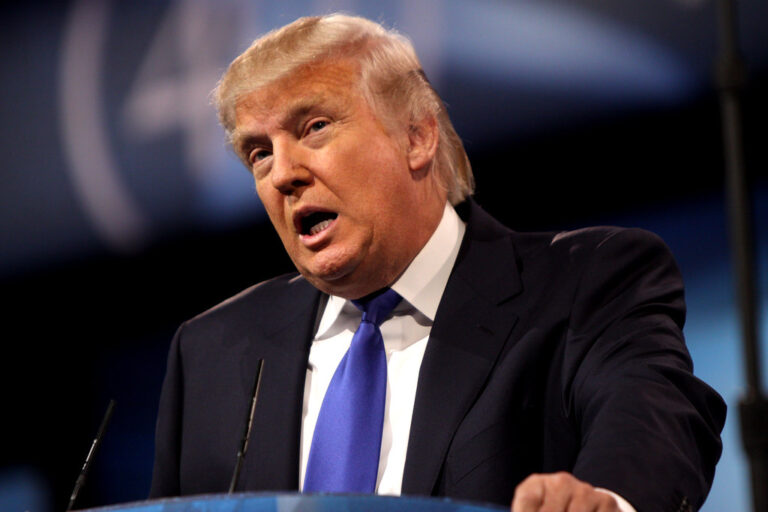
Trump’s Approval Ratings Plummet to Record Lows Amid Immigration Controversy

0

Key Takeaways:

  • President Donald Trump’s approval ratings have dropped significantly in recent polls.
  • Two major polls show Trump’s net approval rating falling by double digits.
  • Immigration, once a strong issue for Trump, has now become a liability.
  • A proposed military parade on Trump’s birthday is widely unpopular with Americans.
  • This is one of the worst polling weeks for Trump since he took office.

The Collapse of Trump’s Approval Ratings President Donald Trump’s popularity has hit a new low. Two recent polls, one from Quinnipiac University and another from AP/NORC, show a sharp decline in his approval ratings. Trump’s net approval rating dropped from -12 to -16 in the Quinnipiac poll and from -16 to -21 in the AP/NORC poll. These numbers are the worst for Trump since he became president.

Harry Enten, CNN’s Chief Data Analyst, called the numbers “awful, awful, awful” for Trump. He pointed out that these polls indicate a significant shift in public opinion over the past two weeks. Trump’s approval rating has fallen drastically, and he is now “very much way underwater” in terms of public support.

The Impact of Immigration Policies Immigration has traditionally been a strong issue for Trump, but it seems to be backfiring now. In early June, Trump had a positive net approval rating of +4 on immigration. However, in just two weeks, that number dropped to -2. This six-point decline suggests that Trump’s recent hardline immigration policies are not resonating with the public.

Enten explained that Trump’s push for stricter immigration policies has hurt his popularity. “The American people are saying ‘no, we do not like that,’ and they have turned against the president on his core strength issue of immigration,” he said. Trump’s decision to ramp up his immigration agenda may have been a miscalculation.

The Backlash Against the Military Parade Another issue that’s causing problems for Trump is the proposed military parade to celebrate the 250th anniversary of the U.S. Army. The event coincides with Trump’s 79th birthday, but most Americans don’t think it’s a good idea.

When asked if government funds should be used for the parade, only 38% of respondents said yes. A whopping 60% said it’s not a good use of funds. Among independents, a key voting group, just 24% supported the idea. These numbers show a clear lack of enthusiasm for the parade.

Enten described this as one of the worst polling weeks for Trump since he took office. The combination of declining approval ratings and backlash against the military parade suggests that Trump is facing significant challenges with the American public.

What’s Next for Trump? The past two weeks have been tough for Trump, with his approval ratings reaching new lows. His handling of immigration, once a political strength, has become a weakness. Additionally, the proposed military parade is unpopular, adding to his woes.

As the 2024 election approaches, these poll numbers could be a sign of bigger problems for Trump. If his approval ratings don’t improve, it could spell trouble for his re-election campaign. For now, Trump is facing a tough road ahead as he tries to regain public support.

Conclusion President Trump’s approval ratings have fallen to new lows, with two major polls showing significant drops. His handling of immigration has become a liability, and the proposed military parade is widely unpopular. This combination of factors has made this one of the worst polling weeks for Trump since he became president. As the election season heats up, Trump will need to find a way to turn these numbers around if he hopes to remain in office.

Trump’s Defamation Case Appeal Denied, Access Hollywood Tape at Center of Debate

0

Key Takeaways:

  • Denied Appeal: The Second Circuit Court denies Trump’s appeal in a defamation case.
  • Access Hollywood Debate: Two judges argue against using the Access Hollywood tape as evidence.
  • No Clear Pattern: Judges claim the tape doesn’t show a pattern of non-consensual behavior.
  • Next Steps: Trump may appeal to the Supreme Court.

What Happened? A significant legal development occurred as the Second Circuit Court of Appeals rejected Donald Trump’s appeal in a defamation case brought by E. Jean Carroll. This case centers on whether Trump defamed Carroll when he denied her allegation of sexual assault. The court’s decision allows the case to proceed, with a key focus on the use of the Access Hollywood tape as evidence.

The Dissenting Judges’ Argument Two judges, appointed by Trump, disagreed with the decision. They argued that the Access Hollywood tape should not have been used in the trial. The tape captures Trump discussing his interactions with women, but the judges noted that it doesn’t provide evidence of non-consensual behavior. They emphasized that the tape’s content doesn’t align with the specific pattern of behavior described in the case.

What’s Next for Trump? Following this ruling, Trump’s legal team may consider appealing to the U.S. Supreme Court. This would be the final step in challenging the court’s decision, potentially leading to a higher-level review of the case’s legal merits and the admissibility of evidence like the Access Hollywood tape.

Why This Case Matters This case highlights significant aspects of defamation law, particularly when public figures are involved. It raises questions about how evidence is used in such cases and the standards for proving defamation. The outcome could set a precedent for future cases, influencing how courts handle similar situations.

The use of evidence like the Access Hollywood tape is crucial. While it may indicate a pattern of behavior, without direct evidence of non-consensual actions, its relevance can be disputed. This case underscores the challenges in balancing freedom of speech with the protection of individuals’ reputations.

As the case progresses, it will be important to watch how higher courts interpret the admissibility of such evidence and whether they agree with the initial ruling. The implications are far-reaching, affecting not only this case but potentially others involving public figures and defamation claims.

In conclusion, the denial of Trump’s appeal marks a significant step in this legal battle. The focus on the Access Hollywood tape as evidence brings to light important legal questions about evidence admissibility and its relevance in establishing a pattern of behavior. As the case moves forward, the outcome may have broader implications for defamation law and the handling of such cases in the future.

Trump Shifts Immigration Stance: A Big Change in Policy?

0

Key Takeaways:

  • Donald Trump appears to soften his stance on immigration, causing a stir among his supporters and advisers.
  • Trump claims farmers are struggling due to ICE raids targeting immigrant workers.
  • This shift contradicts his past hardline immigration policies, potentially alienating some supporters.
  • Critics argue this move marks the end of Stephen Miller’s influence on Trump’s immigration agenda.

Trump’s Sudden Change: What’s Going On?

In a surprising turn of events, Donald Trump seems to be backing away from one of his most famous political positions: strict immigration policies. This shift has caused a lot of buzz, especially among his supporters and advisers. Trump recently said that farmers are being hurt by ICE raids targeting immigrant workers, both legal and undocumented. He even hinted at changing the rules to protect these workers.

μαgine this: one of Trump’s top advisers, Stephen Miller, is supposedly devastated by this change. Why? Because Trump’s new stance contradicts the hardline immigration policies Miller has pushed for years. It’s a big deal, and people are talking.


Farmers Caught in the Middle

Trump brought up the struggles of farmers during a recent speech. He said farmers are losing good workers because of ICE raids. These workers, many of whom have been with the farmers for 20 years, are not citizens, but they’ve proven to be reliable. Trump even suggested that deporting them could force farmers to hire criminals instead, which he claims is already happening.

farmers are a key part of Trump’s base, so this issue hits close to home. Their support is crucial for Trump, especially as he gears up for another presidential run. It makes sense that he’s trying to address their concerns, but it’s a risky move given his history.


What Does This Mean for Trump’s Base?

Trump’s voters, especially those who supported his “America First” policies, might feel betrayed. For years, Trump campaigned on the idea of strict immigration laws and deporting undocumented immigrants. Now, he’s suggesting that some of those workers should stay. Critics say this is a major backtrack and could cost him support.

This change could also create tension within Trump’s team. Stephen Miller, known for his tough stance on immigration, is reportedly upset. Some even joke that Miller is “in a fetal position, weeping” over Trump’s new position. Whether that’s true or not, it’s clear that this shift has caused a stir.


Critics Weigh In

Rick Wilson, a well-known Republican strategist and Trump critic, called out Trump’s reversal. Wilson, who co-founded the Lincoln Project, accused Trump of lying about immigration from the start. He said Trump’s previous stance was based on fear and racism, claiming that all immigrants were “evil” and “lesser races of impure blood.”

Wilson also said that Trump’s new position is the beginning of the end for Stephen Miller’s vision of a “white ethnostate.” This is a strong statement, but it shows just how much this issue divides people.


What’s Next?

Only time will tell if Trump’s new stance will stick. It could be a clever political move to win back support from farmers and moderate voters. On the other hand, it might alienate his loyal base and hurt his chances in the next election.

one thing’s for sure: this shift has people talking. Whether it’s a genuine change of heart or just another political strategy, it’s a big moment in Trump’s ever-changing world.


The Bottom Line

Trump’s sudden shift on immigration is a major surprise. It shows how quickly politics can change and how even the most unlikely issues can become central to a campaign. For now, all eyes are on Trump to see if he’ll stick to this new path or return to his old ways. Stay tuned.

Bishop Leads Priests to Support Migrants in Court

Key Takeaways:

  • Bishop Michael Pham is organizing priests to accompany migrants to court on International Refugee Day.
  • The initiative aims to ensure fair treatment of migrants during legal proceedings.
  • Bishop Pham’s personal experience as a refugee adds depth to his mission.
  • The action contrasts with increased military presence in nearby Los Angeles.
  • Pope Leo XIV is known for his support of the marginalized.

Introduction: In a heartfelt gesture, Bishop Michael Pham of San Diego is leading a group of priests to accompany migrants to court on June 20, International Refugee Day. This initiative seeks to provide emotional and moral support, ensuring migrants are treated with respect and fairness.

Why Bishop Pham is Taking Action: Bishop Pham is driven by the belief that the presence of faith leaders can positively influence how migrants are treated. He highlights the challenges migrants face, including the threat of expedited removal. By standing with them, he hopes to bring hope and dignity to their legal battles.

A Personal Connection: Bishop Pham’s commitment is deeply personal. Having fled Vietnam with his family in 1975, he understands the struggles of refugees. His experiences likely fuel his dedication to helping others navigate similar challenges, emphasizing the importance of empathy and solidarity.

A Show of Solidarity: The priests’ presence in court is a powerful symbol of support. It not only provides comfort to the migrants but also sends a message about the importance of treating everyone with respect, regardless of their background.

The Bigger Picture: While Bishop Pham’s initiative offers hope, it contrasts with the broader immigration challenges. Nearby Los Angeles has seen increased protests, prompting President Trump to deploy troops. This tension highlights the complexity of immigration issues in the U.S.

Conclusion: Bishop Pham’s leadership exemplifies compassion and solidarity. By standing with migrants, he and his priests inspire hope and remind us of the importance of kindness and justice. His actions, grounded in personal experience, underscore the need for empathy in addressing immigration challenges.

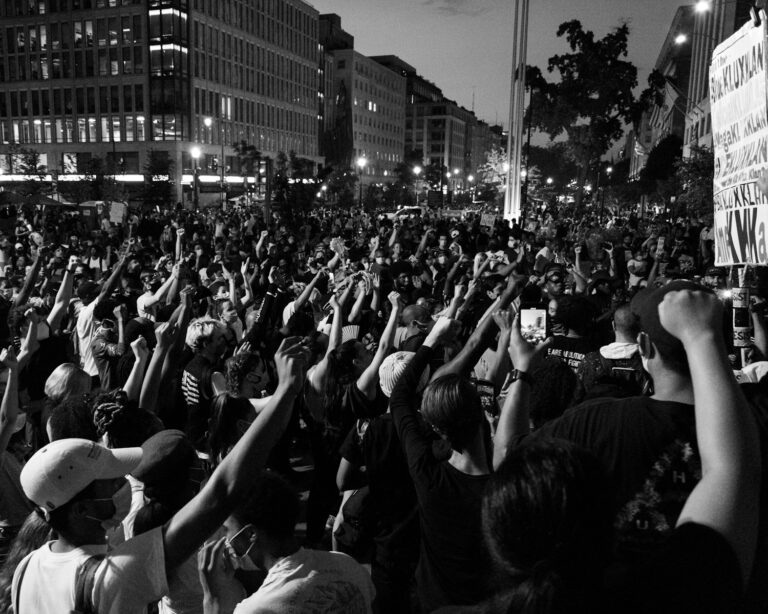
Nationwide ‘No Kings’ Protests Set to Dwarf Trump’s Military Parade

0

Key Takeaways:

  • Over 2,000 No Kings protests are scheduled nationwide.
  • Millions expected to protest Trump’s actions and policies.
  • Organizers avoided Washington, D.C., to focus on local communities.
  • Protests coincide with Trump’s military parade and birthday celebration.

A Nationwide Movement Gains Momentum

In a bold statement against President Trump’s administration, millions of Americans are gearing up for the No Kings protests. These demonstrations, set to take place across over 2,000 locations, are a direct response to Trump’s controversial actions and policies. The чай is part of a broader movement to voice dissent and advocate for change.

Protests Grow in Response to Trump’s Actions

Recent events, including Trump’s actions in Los Angeles and the assault of Sen. Alex Padilla, have ignited even more passion among protesters. Organizers have seen a surge in new events, with hundreds of thousands signing up to participate. This groundswell of support highlights the growing frustration with the administration’s policies.

Why Washington, D.C. Is Different This Time

In a strategic move, organizers decided against holding a protest in Washington, D.C. They wanted to avoid giving Trump the opportunity to target protesters or claim the demonstrations were against the military. Instead, the capital will host a DC Joy Day, celebrating the city’s culture and people. This approach allows the focus to remain on community and unity rather than direct confrontation.

A Show of Strength in Numbers

The last No Kings protest in March saw 1,300 locations, but this Saturday’s event has already surpassed that with over 2,000 sites. This significant increase shows that the movement is gaining momentum. With millions expected to participate, the message is clear: opposition to Trump’s policies is widespread and growing stronger.

Why Millions Are Taking a Stand

For many, the No Kings protests are about rejecting Trump’s vision for America. They are a collective call for accountability, equality, and justice. Whether it’s climate change, healthcare, or immigration, protesters are united in their demand for change. This movement is not just about numbers; it’s about making a statement that cannot be ignored.

How You Can Get Involved

If you’re considering joining the protests, there are many ways to participate. From attending local events to spreading the word on social media, every action counts. This is your chance to be part of a movement that is shaping the future of our nation.

The Power of Peaceful Protest

Peaceful protest is a cornerstone of democracy, allowing citizens to express their views and hold leaders accountable. The No Kings protests are a testament to the power of collective action. By standing together, Americans are sending a clear message about the kind of country they want to build.

Conclusion: A Call to Action

This Saturday, millions will unite to make their voices heard. The No Kings protests are more than just demonstrations; they are a movement for change. Whether you’re protesting in person or showing support from home, your voice matters. Together, we can create a future that reflects the values we hold dear.

Iowa Pipeline Dispute Ignites GOP Feud

0

Key Takeaways:

  • Gov. Kim Reynolds vetoes a bill aimed at limiting eminent domain for carbon pipelines, sparking Republican infighting.
  • Landowners and lawmakers criticize Reynolds for siding with big businesses over property rights.
  • Tensions rise as some Republicans threaten to block her agenda and consider impeachment.
  • The Iowa Utilities Commission promises to improve transparency in pipeline permits.

A political firestorm is burning in Iowa, and it’s dividing Republicans. At the center of the conflict: a carbon sequestration pipeline project and the power of eminent domain. Gov. Kim Reynolds’ recent veto of a bill aimed at limiting eminent domain for pipelines has outraged landowners and lawmakers, exposing deep cracks within the GOP.


The Veto and Backlash

Reynolds vetoed House File 639, a bill that would have restricted how pipelines can use eminent domain. Eminent domain allows the government to take private land for public use, often with compensation. The bill also aimed to increase safety rules and insurance requirements for pipeline projects.

Reynolds said the bill had “vague legal standards” and could harm Iowa’s business reputation. She argued it would unfairly impact other industries and create confusion for future projects.

But critics, including some Republicans, say Reynolds is ignoring property rights and catering to big businesses. Rep. Steven Holt, a key backer of the bill, accused Reynolds of a “lack of leadership” and warned there would be “consequences” for her agenda.


Grassroots vs. Big Business

Landowners are furious. Many feel Reynolds sided with pipeline companies over Iowa families. Peg Rasmussen, who owns land in Montgomery County, said Reynolds failed to act when it mattered most. “A true leader steps in when a problem arises,” Rasmussen said. “Reynolds did nothing.”

The backlash is growing. Landowners and lawmakers are targeting both Reynolds and Republican senators who opposed the bill. Some accuse these lawmakers of betraying grassroots voters to please wealthy donors.

Rep. Charley Thomson, who wrote the vetoed bill, criticized Republican opponents as “anything-for-a-buck” politicians. He said Reynolds and her allies prioritize profits over constitutional rights.


Legislative Fallout

The conflict is Heating Up in the Iowa Capitol. Some lawmakers are vowing to fight Reynolds’ agenda. Rep. Bobby Kaufmann promised to “kill every single piece of legislation” tied to the governor.

Others are even talking about impeachment. Corey Cerwinske, a county supervisor, said Reynolds’ actions amount to “malfeasance” and urged lawmakers to consider impeachment. Holt, however, doubts impeachment is the right move, saying the veto “may violate” rights but doesn’t meet the threshold for removal.

Meanwhile, Reynolds’ office has stayed quiet, refusing to comment on the criticism.


The Pipeline Projects

The dispute centers around three carbon sequestration pipelines proposed in Iowa. Two projects, Navigator CO2 and Wolf Carbon Solutions, were withdrawn, but the third, Summit Carbon Solutions, is moving forward. It has a permit from the Iowa Utilities Commission and agreements with landowners.

Landowners have fought these pipelines for years, fearing eminent domain abuse and environmental risks. They argue pipelines benefit corporations more than Iowa communities.

Opponents also criticized the bill as flawed. Senate President Amy Sinclair called it a tool for activists, not a true property rights measure.


The IUC’s Response

After the veto, the Iowa Utilities Commission (IUC) announced plans to improve transparency. Reynolds had criticized the IUC for not attending public meetings and hearings. In response, the commission promised to hold monthly public meetings and ensure commissioners attend in person.

The IUC said it supports “fair, transparent, and accountable governance” of energy projects.


What’s Next?

The fight over pipelines and property rights is far from over. Lawmakers like Holt and Thomson are pushing for a special session to override Reynolds’ veto. They face an uphill battle, as Senate leaders say there’s not enough support.

Meanwhile, landowners are vowing to make their voices heard in the 2026 elections. Rasmussen warned, “We’ll see you at the Capitol in 2026.”

For now, the feud is damaging the Republican Party’s unity. As Holt put it, the conflict has exposed a divide between “country club Republicans” and “grassroots Republicans.”

The stakes are high, with property rights, business interests, and political careers on the line. One thing is clear: this battle won’t end soon.

Sen. Padilla Confrontation Sparks Questions About Noem’s Leadership

0

Key Takeaways:

  • Sen. Alex Padilla (D-CA) was physically restrained by Homeland Security Secretary Kristi Noem’s security team during a press conference.
  • Noem later claimed Padilla didn’t identify himself, but witnesses and video footage contradict her statement.
  • Maria Teresa Kumar, a DC insider and leader of Voto Latino, accused Noem of mishandling the situation and suggested the White House may have intervened.
  • The incident has raised concerns about Noem’s ability to lead the Department of Homeland Security.

A Heated Exchange at the Press Conference

On Thursday, a startling incident took place during a press conference when U.S. Senator Alex Padilla attempted to ask Homeland Security Secretary Kristi Noem a question. Security personnel accompanying Noem reportedly manhandled Padilla, forcing him to the ground and handcuffing him. The video of the encounter quickly went viral, sparking outrage and questions about the use of force against a sitting senator.

Maria Teresa Kumar, a well-known political analyst and head of Voto Latino, weighed in on the controversy during an appearance on MSNBC’s Morning Joe. She criticized Noem’s handling of the situation, calling it a failure of leadership. “You have Secretary Noem, who oversees 250,000 agents nationwide, and she couldn’t de-escalate a simple press conference,” Kumar said. “Instead, it escalated to the point where a sitting senator was handcuffed. That raises serious questions about whether she’s the right person for the job.”


Noem’s Response Sparks More Controversy

Following the incident, Noem appeared on Fox News to address the backlash. She claimed that Padilla had not identified himself before approaching her, which she said led to the confrontation. However, multiple eyewitness accounts and video footage contradict her version of events.

Kumar questioned Noem’s credibility, pointing out that Padilla is a well-known figure in Washington, and it’s unlikely he wouldn’t identify himself. “I’ve known Alex Padilla for a long time,” Kumar said. “He’s a very calm and composed person. This is the most upset I’ve ever seen him. He was just doing his job.”


Did the White House Step In?

Kumar suggested that the White House may have intervened after the incident, prompting Noem to meet with Padilla to address his concerns. “I believe someone from the White House called her and said, ‘You messed up. Go fix this,’” Kumar speculated.

Noem confirmed that she met with Padilla for about 15 minutes after the incident, but she provided few details about the conversation. The meeting did little to quell criticism, as many continue to question why a senator was treated with such force.


A Larger Issue of Leadership

The incident has sparked a broader debate about Noem’s leadership at the Department of Homeland Security. Critics argue that her inability to handle a routine press conference raises concerns about her ability to manage larger crises. “If she can’t handle a simple situation like this, how can she lead a department responsible for national security?” Kumar asked.

Padilla’s treatment has also drawn attention to the growing tension between lawmakers and the executive branch. Many see the incident as a sign of escalating hostility toward elected officials and the press.


What’s Next?

As the controversy continues to unfold, many are calling for a full investigation into the incident. Advocacy groups and lawmakers are demanding accountability, not just for the security team involved but also for Secretary Noem herself.

The incident has also highlighted the need for greater transparency and accountability within the Department of Homeland Security. With 250,000 agents under her command, Noem’s leadership is under intense scrutiny.


Conclusion

The confrontation between Sen. Alex Padilla and Kristi Noem’s security team has raised serious questions about leadership, accountability, and the treatment of elected officials. While Noem has tried to downplay the incident, the public and political leaders alike are demanding answers. As the situation continues to unfold, one thing is clear: this is more than just a momentary lapse—it’s a test of Noem’s fitness for one of the most critical roles in the federal government.

Russian Scientist Freed After Four Months in U.S. Detention

Kseniia Petrova, a Russian scientist, has been released on bail after spending four months in U.S. detention. She was arrested for failing to declare scientific samples she brought into the country.

Key Takeaways

  • Kseniia Petrova was detained at Boston’s Logan Airport in February.
  • She was moved to detention centers in Vermont, Louisiana, Oklahoma, and Rhode Island.
  • A Boston magistrate judge granted her release on bail.
  • She still faces charges related to the undeclared scientific samples.
  • Her case has drawn attention to the challenges scientists face when traveling with research materials.

The Detention Journey

Kseniia Petrova’s ordeal began in February when she arrived at Boston’s Logan Airport. She was carrying scientific samples, which she allegedly failed to declare. Customs officials detained her, and she was later taken into federal custody.

Over the next four months, Petrova was moved from one detention center to another. She spent time in Vermont, Louisiana, Oklahoma, and Rhode Island before returning to Boston. This journey highlights the difficulty of being in a foreign legal system, especially when navigating complex customs laws.

The Charges and Their Implications

Petrova was charged with failing to declare the scientific samples she brought into the U.S. While the exact nature of the samples has not been disclosed, the case underscores the strict regulations surrounding the importation of scientific materials.

Scientists often travel with samples for research purposes, but failing to declare them can lead to serious legal consequences. Petrova’s situation serves as a reminder of how important it is to understand and follow customs regulations when traveling internationally.

After Release: What’s Next?

On Thursday, a magistrate judge in Boston granted Petrova’s release on bail. This means she is free to await her trial outside of detention. However, her legal battle is far from over.

The outcome of her case could have significant implications for scientists who travel with research materials. If convicted, Petrova could face fines or even jail time.

The Human Side of the Story

While the legal details are crucial, it’s also important to consider the human aspect of Petrova’s experience. Spending four months in detention, moving from state to state, and facing an uncertain future can take a toll on anyone.

Petrova’s case has sparked conversations about the challenges scientists face when conducting international research. Many are hoping for a fair resolution to her case and clearer guidelines for researchers in the future.

Conclusion

Kseniia Petrova’s release on bail brings some relief, but her journey is far from over. As she awaits her trial, her case continues to highlight the complexities of international research and customs laws.

Scientists and researchers worldwide are watching her case closely, hoping for a resolution that balances legal requirements with the needs of scientific collaboration. Only time will tell how this situation unfolds, but for now, Petrova is one step closer to regaining her freedom.

Trump Plans to Expand Workplace Immigration Raids, Targets Illegal Workers

0

Key Takeaways:

  • The Trump administration may increase immigration enforcement in U.S. workplaces.
  • Initial focus was on illegal immigrants with criminal records.
  • Enforcement could target businesses hiring undocumented workers.
  • Critics fear this may harm workers and businesses.

The Trump administration is considering expanding immigration enforcement in U.S. workplaces. Tom Homan, a former Immigration and Customs Enforcement (ICE) official and close ally of President Trump, recently revealed that the administration plans to “massively expand” these efforts. This move could lead to more workplace raids and stricter penalties for businesses hiring undocumented immigrants.

Why Target Workplaces?

Immigration enforcement has historically focused on workplaces to identify and deport undocumented workers. Under President Trump, ICE initially prioritized arresting illegal immigrants with criminal records. In the first 100 days of Trump’s second term, 75% of ICE arrests were migrants with criminal convictions or charges. This approach aimed to target “the worst of the worst” and protect public safety.

However, the administration now seems to be shifting its focus. Instead of just targeting undocumented immigrants with criminal records, the plan may include broader enforcement actions. This could mean more raids on businesses suspected of hiring illegal workers.

What’s New This Time Around?

While previous efforts focused on dangerous criminals, the expanded enforcement may include undocumented workers without criminal records. This could lead to a significant increase in deportations, as millions of illegal immigrants live and work in the U.S. without criminal histories.

Additionally, the administration may take a tougher stance on businesses that hire undocumented workers. Employers could face fines, penalties, or even criminal charges for violating immigration laws. This could create challenges for industries that rely heavily on immigrant labor, such as agriculture, construction, and hospitality.

What Does This Mean for Workers?

For undocumented workers, the expanded enforcement could mean increased fear of arrest and deportation. Many illegal immigrants work hard to support their families and contribute to their communities. However, without legal status, they live in constant uncertainty, fearing separation from their loved ones.

The plan could also impact lawful immigrants and U.S. citizens. Workplace raids can sometimes result in the detention of legal workers if proper documentation is not readily available. This has raised concerns about civil liberties and the potential for racial profiling.

Not Everyone Agrees

Critics argue that expanding workplace raids is not the solution to the immigration crisis. They believe it could harm businesses, disrupt families, and push undocumented workers further into the shadows. Instead, some advocates call for comprehensive immigration reform that provides a pathway to citizenship for illegal immigrants and addresses the root causes of migration.

Others, however, support stricter enforcement. They argue that illegal immigration undermines the rule of law and takes jobs away from American citizens. By targeting workplaces, the administration aims to deter illegal immigration and encourage businesses to hire legal workers.

A Closer Look at the Targets

The Trump administration’s immigration policy has always been controversial. While the initial focus on criminals was widely supported, expanding enforcement to include all undocumented workers could spark more debate. Critics fear that this approach will lead to mass deportations, separating families and causing economic harm.

Meanwhile, supporters believe that enforcing immigration laws is essential for national security and economic stability. They argue that illegal immigration costs taxpayers billions of dollars and creates competition for jobs that American citizens could fill.

What’s Next?

The administration’s plan to expand workplace immigration enforcement is still in its early stages. Details about how the raids will be conducted and which businesses will be targeted remain unclear. However, one thing is certain: this move will escalate the debate over immigration reform in the U.S.

As the plan unfolds, expect more discussions about the balance between enforcing immigration laws and protecting human rights. Advocates for immigration reform will likely push for policies that address the complexities of the issue, while enforcement supporters will argue for stricter measures to secure the border and workplace.

In the end, the success of this plan will depend on its implementation. Will it lead to safer communities and a stronger economy, or will it cause unnecessary harm to families and businesses? Only time will tell.

US Businesses Raise Prices Due to Trump Tariffs

0

Key Takeaways:

  • Some US businesses are raising prices because of Trump’s tariffs.
  • Higher tariffs have led to increased costs for imports.
  • Businesses pass these costs to consumers through higher prices.
  • Inflation remains controlled despite these price hikes.
  • Consumers are feeling the pinch and adjusting their spending.

Understanding Tariffs and Their Impact

Tariffs are taxes imposed on imported goods, aiming to protect local industries and reduce imports. When the US government imposes tariffs, importing goods becomes more expensive for businesses. These increased costs can lead businesses to raise their prices to maintain profitability.

Why Businesses Are Raising Prices

Businesses face increased costs due to tariffs. To maintain profits, many pass these costs to consumers. For example, importing goods from China has become more expensive, leading some retailers to increase prices on items like electronics and clothing.

Inflation Remains Under Control

Despite price increases, overall inflation remains stable. This is because not all businesses have raised prices, and some have absorbed the costs. Additionally, other factors like stable wages and competitive markets have helped keep inflation in check.

Consumer Reactions

Consumers are noticing higher prices and adjusting their spending. Some are seeking cheaper alternatives or delaying purchases. This shift in consumer behavior shows the tariff impact on household budgets.

Government and Business Responses

The government is monitoring the situation, considering solutions to ease the burden on businesses and consumers. Some companies are exploring ways to reduce costs, such as finding cheaper suppliers or negotiating better deals.

The Future of Tariffs and Prices

The situation remains uncertain. The government may adjust tariffs based on their impact. Businesses will continue to seek ways to manage costs and maintain competitiveness. Consumers can expect prices to remain stable or increase slightly, depending on future policies.

In conclusion, while tariffs have led to some price increases, inflation remains manageable. Businesses and consumers are adapting, but the long-term effects depend on future policy decisions. Staying informed and planning wisely can help navigate these economic changes.