53.8 F
San Francisco
Wednesday, April 29, 2026
Home Blog Page 721

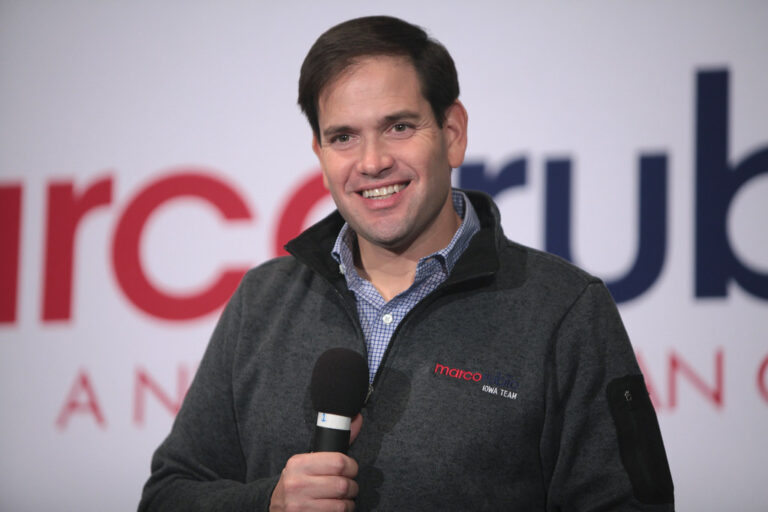
Rubio’s Russia Day Message Sparks Outrage

0

Key Takeaways:

  • U.S. Secretary of State Marco Rubio faced criticism for congratulating Russia on its national day, ignoring accusations of war crimes.
  • Rubio’s message avoided mentioning Russia’s alleged atrocities in Ukraine.
  • Critics argue the statement legitimizes Russia’s actions and undermines U.S. support for Ukraine.

Rubio’s Controversial Congratulations

Secretary of State Marco Rubio recently sent a congratulatory message to the Russian people on Russia Day, a national holiday. While it’s common for the U.S. to send such greetings, Rubio’s approach has raised eyebrows. His message focused on hoping for peace and better relations between the U.S. and Russia. However, it didn’t address the ongoing war in Ukraine or the alleged war crimes Russia is accused of committing.

This has led to sharp criticism, with many accusing Rubio of ignoring the suffering caused by Russia’s actions. Critics argue that such statements should not only celebrate holidays but also promote American values like democracy and human rights.


A Different Tone from Previous Leaders

Rubio’s message stood out because it differed from past statements by U.S. officials. For example, during Joe Biden’s presidency, Secretary of State Antony Blinken took a much stronger stance in his 2022 Russia Day message. Blinken directly criticized the Russian government’s actions, including its repression of citizens and the unprovoked invasion of Ukraine.

Blinken made it clear that Russia’s leadership was responsible for isolation and suffering, both at home and in Ukraine. He emphasized that the Russian people deserved freedom and the ability to speak out without fear.

By contrast, Rubio’s statement avoided any mention of these issues, which has upset many.


Russia’s Accusations and the Critics’ Response

Russia faces serious accusations of committing war crimes in Ukraine. These include targeting civilians, destroying homes and schools, and other atrocities like torture and mass trafficking. Despite these allegations, Rubio’s message focused on hope for peace and better relations, without acknowledging the ongoing violence.

Critics piled on Rubio for what they see as a weak response. Many called his message an insult to Ukraine and an attempt to legitimize Russia’s actions. One critic compared it to congratulating Nazi Germany during World War II.

For example, Roman Sheremeta, a professor of economics, called Rubio’s message an “insult” to Ukrainians suffering from Russian aggression. He argued that the greeting did not support the Russian people but instead validated a regime accused of killing and torturing civilians.

Julia Davis, a Russia expert, pointed out the odd timing of Rubio’s message. She said it was an unusual way to condemn Russia’s invasion, as it seemed too friendly.

Olena Tregub, a Ukrainian activist, shared her disappointment. She said Rubio’s message made her feel that the U.S. was abandoning Ukraine’s cause.

Marko Mihkelson, a Estonian official, questioned the morality of congratulating Russia while it continues its invasion.


Why This Matters

The criticism of Rubio’s statement reflects a larger debate about how the U.S. should engage with Russia. While some argue for diplomacy to end the war, others believe the U.S. must take a stronger stance against Russia’s actions.

Rubio’s message has been seen as a misstep by many, as it fails to address Russia’s alleged crimes and sends the wrong signal to both Russia and Ukraine.

As the war in Ukraine continues, the way U.S. leaders communicate with Russia is under close scrutiny. Rubio’s Russia Day message has become a symbol of this challenging balance between diplomacy and accountability.


The controversy over Rubio’s statement shows how tricky it is for U.S. leaders to navigate relations with Russia while supporting Ukraine. Critics hope future messages will take a stronger stand against Russia’s actions.

Trump’s Military Spectacle: A Show of Power or a Blow to Democracy?

0

Key Takeaways:

  • Trump Deploys Military in LA: Thousands of National Guard troops sent to Los Angeles to counter immigration protests, without California’s governor’s approval.
  • Military Parade in DC: A grand display of tanks, soldiers, and aircraft in Washington, D.C., coinciding with Trump’s birthday.
  • Hypermasculine Leadership: Critics see Trump’s actions as a display of dominance and authoritarian-style power.
  • Public Pushback: Nationwide protests against Trump’s actions highlight a divide on what strength means in a democracy.

A Show of Strength or a Sign of Weakness?

This week, President Donald Trump is using the military in two major ways that have sparked debate across the country. On one coast, he’s deploying troops to control protests. On the other, he’s hosting a massive military parade. Both events are part of a larger story about power, leadership, and what it means to be strong in America.


Troops in Los Angeles: A Controversial Move

In Los Angeles, Trump sent thousands of National Guard soldiers to handle protests against his new immigration policies. These policies have led to the arrest of many immigrants, including those with no criminal record. While some protests turned violent, most were peaceful.

What’s unusual is that Trump acted without California’s governor agreeing to it. This hasn’t happened since the civil rights era, when President Lyndon Johnson sent troops to protect Black marchers in Alabama. Back then, the military was used to defend rights. Now, critics say Trump is using it to silence dissent.

Maya Wiley, a civil rights leader, calls this move “a strongman stereotype.” She says Trump is showing he can override local leaders and control people through fear.


A Military Parade in Washington, D.C.

Meanwhile, in Washington, D.C., the Army’s 250th anniversary is being celebrated with a grand military parade. Tanks, soldiers, and planes are part of the display—something critics call an unnecessary show of force. The event happens to fall on Trump’s 79th birthday, adding to speculation about its timing.

Such parades are rare in the U.S. They’re more common in authoritarian countries like China, North Korea, and Russia. Trump has long wanted a military parade, inspired by France’s Bastille Day celebration. But many see it as a way to flex his power, not celebrate the military.


What’s Behind Trump’s Love of the Military?

For Trump, the military seems to symbolize strength and masculinity. Presidential historian Alexis Coe says, “War-making has historically been seen as the most ‘masculine’ presidential duty.” Even when the country isn’t at war, Trump uses the military to show power.

Trump admires leaders like Andrew Jackson, a military hero who crushed his enemies, and Teddy Roosevelt, known for his “big stick” diplomacy. But critics argue this style of leadership isn’t just about strength—it’s about intimidation.


A Different Kind of Strength

While Trump focuses on military might, many Americans are showing strength in another way. Protests against his policies have spread to cities like Chicago, New York, and San Francisco. On Saturday, millions plan to march in the “No Kings” protests, rejecting Trump’s authoritarian approach.

These protesters, including many from marginalized communities, are standing up for the rights of immigrants and the principles of democracy. Their strength lies not in weapons or force but in unity and the belief that everyone deserves fair treatment.


What Does This Mean for Democracy?

Trump’s actions have raised big questions about democracy. Using the military without a governor’s approval sets a dangerous precedent. It suggests that the president can override local leaders and silence dissent. This kind of power grab is more common in authoritarian regimes than in democracies.

Historian Alexis Coe compares Trump’s style to that of fascist leaders. “He rules by spectacle,” she says. “He equates dissent with insurrection.” This approach threatens the balance of power in a democracy.


A Moment of Choice

As the military occupies Los Angeles and a parade fills the streets of Washington, Americans are faced with a choice. Do we accept a leadership style that relies on fear and intimidation? Or do we stand up for a democracy where strength comes from protecting the vulnerable and listening to dissent?

The protests across the country show that many are rejecting Trump’s vision of power. They believe true strength lies in unity, fairness, and the courage to stand up for what’s right.

In the end, this moment isn’t just about Trump—it’s about who we are as a nation. Will we embrace a future where power is defined by force, or one where strength comes from standing together for justice and equality? The answer could shape America for years to come.

Warren Agrees with Trump: End the Debt Limit

0

Key Takeaways:

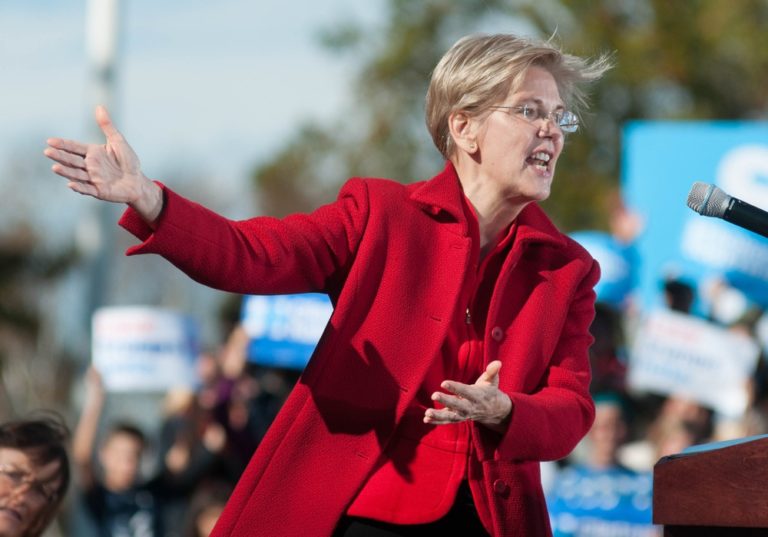
  • Sen. Elizabeth Warren and Trump agree the debt limit should be abolished.
  • The debt limit is a political tool that risks economic stability.
  • It does not control spending or reduce national debt.
  • Warren calls for bipartisan action to eliminate this brinkmanship.

What is the Debt Limit?

Imagine the U.S. government has a credit card. The debt limit is like the maximum amount the government can charge on that card. It’s the highest amount the government can borrow to pay its bills, like Social Security, military salaries, and interest on loans.

Every so often, Congress must decide whether to raise this limit. If they don’t, the government can’t pay its bills, which could lead to severe economic problems.

The Problem with the Debt Limit

Warren calls the debt limit a “political tool” used by the minority party to force negotiations. It’s like a game of chicken where the economy is at stake. She argues it doesn’t control spending or reduce debt.

For example, raising the debt limit doesn’t stop Congress from spending money. It just lets the government pay for what’s already been spent. But whenever the limit is up for a vote, politicians use it to demand concessions, creating unnecessary drama and risk.

A Rare Agreement

Warren admitted something surprising: Trump is right about the debt limit. In a recent op-ed, she wrote, “It is possible that hell has frozen over.” She’s long wanted to eliminate the debt limit but faced resistance.

Trump recently said the debt ceiling “should be thrown out entirely.” Warren agrees, calling this a chance for change. She believes that with Trump’s support, ending this dangerous practice could finally happen.

Why Now is the Time to Act

Warren sees an opportunity. She’s urging Republicans and Democrats to work together. Eliminating the debt limit would remove a major source of political conflict.

She hopes lawmakers will realize the debt limit is too dangerous to be used as a bargaining chip. It’s time to stop playing games with the nation’s economy.

The Path Forward

Warren and Trump’s rare agreement shows that abolishing the debt limit could gain bipartisan support. If Congress acts, it would prevent future economic crises caused by political standoffs.

With the debt limit’s history of brinkmanship, eliminating it could bring stability. It’s a chance to prove that politicians can put the country’s needs above political battles.

As the debate continues, one thing is clear: the debt limit is a relic that no longer serves a useful purpose. It’s time to consider whether it’s worth keeping or if it’s better to move on.

Quebec Invests Millions in Rocket Company

Key Takeaways:

  • Quebec invests $7.3 million in Reaction Dynamics, a Montreal-based rocket company.
  • The company aims to launch small satellites from Canada by 2027.
  • This investment could boost Canada’s space industry and create jobs.
  • Reaction Dynamics focuses on small satellite launches, a growing market.

Quebec is investing big in space exploration. The province of Quebec recently announced a $7.3 million investment in Reaction Dynamics, a Montreal-based rocket company. This move could help Canada become a major player in the space industry.

What’s the Big Deal? Quebec Premier François Legault announced the investment at Reaction Dynamics’ facility in Longueuil, a suburb of Montreal. The money will help the company launch small satellites into space as early as 2027. This is exciting news for Canada’s space program and could create new jobs.

Why Small Satellites Matter Small satellites, or microsatellites, are becoming increasingly important. They are used for things like weather forecasting, tracking the environment, and providing internet access. Reaction Dynamics is hoping to make it easier and cheaper to launch these small satellites.

A Big Step for Canada Right now, Canada doesn’t have a rocket that can launch satellites from its own soil. Most Canadian satellites are launched from other countries. Reaction Dynamics wants to change that. With this investment, the company plans to develop a rocket system that can launch small satellites right here in Canada.

When Will It Happen? The goal is to start launching satellites by 2027. This gives Reaction Dynamics a few years to develop and test its technology. If successful, Canada could become a key player in the global space industry.

What Are the Risks? Of course, there are challenges. Building a rocket is complicated, and there are risks of delays or failures. However, the potential rewards make it worth the effort.

Conclusion Quebec’s investment in Reaction Dynamics is a bold move to support Canada’s space ambitions. If everything goes according to plan, the country could soon be launching its own satellites, creating jobs, and advancing its place in the space race. This is an exciting time for space fans in Canada and around the world.

Iowa AG Sues County Over Immigration Stance

0

Key Takeaways:

  • Iowa Attorney General Brenna Bird is suing Winneshiek County and Sheriff Dan Marx.
  • The lawsuit accuses Marx of discouraging cooperation with federal immigration officials.
  • Bird wants the county to lose state funding, even if Marx takes back his statements.
  • Marx deleted a controversial Facebook post but didn’t issue a formal retraction.

Iowa AG Sues County Over Immigration Enforcement Stance

Iowa Attorney General Brenna Bird is taking Winneshiek County and its sheriff, Dan Marx, to court. The lawsuit accuses Marx of breaking Iowa law by discouraging local law enforcement from working with federal immigration officials.


The Lawsuit Explained

Bird filed the lawsuit in March 2024, claiming Marx’s public statements violated Iowa Code Chapter 27A. This law requires local law enforcement to cooperate with federal immigration authorities.

In February, Marx posted on Facebook that his office would reject certain requests from federal immigration officials. Specifically, he said he would not honor “detainer” requests unless they were vetted and approved by courts. Marx argued that such requests are often issued when federal agencies lack enough information or a valid judicial warrant.

Bird says Marx’s statements are problematic, even if they’re true. She argues that Iowa law prohibits local law enforcement from discouraging cooperation with federal immigration efforts, regardless of the reason.


The Dispute Over Funding

Bird is pushing for Winneshiek County to lose its state funding until Marx formally disavows his statements. She provided Marx with a specific statement to post, but Marx refused to use it. Instead, he deleted the Facebook post.

Bird says deleting the post isn’t enough. She claims Marx needs to publicly retract his statements to avoid funding cuts. Even if Marx complies now, Bird believes the law requires punishm

Trump’s Approval Ratings Plummet to Record Lows Amid Immigration Controversy

0

Key Takeaways:

  • President Donald Trump’s approval ratings have dropped significantly in recent polls.
  • Two major polls show Trump’s net approval rating falling by double digits.
  • Immigration, once a strong issue for Trump, has now become a liability.
  • A proposed military parade on Trump’s birthday is widely unpopular with Americans.
  • This is one of the worst polling weeks for Trump since he took office.

The Collapse of Trump’s Approval Ratings President Donald Trump’s popularity has hit a new low. Two recent polls, one from Quinnipiac University and another from AP/NORC, show a sharp decline in his approval ratings. Trump’s net approval rating dropped from -12 to -16 in the Quinnipiac poll and from -16 to -21 in the AP/NORC poll. These numbers are the worst for Trump since he became president.

Harry Enten, CNN’s Chief Data Analyst, called the numbers “awful, awful, awful” for Trump. He pointed out that these polls indicate a significant shift in public opinion over the past two weeks. Trump’s approval rating has fallen drastically, and he is now “very much way underwater” in terms of public support.

The Impact of Immigration Policies Immigration has traditionally been a strong issue for Trump, but it seems to be backfiring now. In early June, Trump had a positive net approval rating of +4 on immigration. However, in just two weeks, that number dropped to -2. This six-point decline suggests that Trump’s recent hardline immigration policies are not resonating with the public.

Enten explained that Trump’s push for stricter immigration policies has hurt his popularity. “The American people are saying ‘no, we do not like that,’ and they have turned against the president on his core strength issue of immigration,” he said. Trump’s decision to ramp up his immigration agenda may have been a miscalculation.

The Backlash Against the Military Parade Another issue that’s causing problems for Trump is the proposed military parade to celebrate the 250th anniversary of the U.S. Army. The event coincides with Trump’s 79th birthday, but most Americans don’t think it’s a good idea.

When asked if government funds should be used for the parade, only 38% of respondents said yes. A whopping 60% said it’s not a good use of funds. Among independents, a key voting group, just 24% supported the idea. These numbers show a clear lack of enthusiasm for the parade.

Enten described this as one of the worst polling weeks for Trump since he took office. The combination of declining approval ratings and backlash against the military parade suggests that Trump is facing significant challenges with the American public.

What’s Next for Trump? The past two weeks have been tough for Trump, with his approval ratings reaching new lows. His handling of immigration, once a political strength, has become a weakness. Additionally, the proposed military parade is unpopular, adding to his woes.

As the 2024 election approaches, these poll numbers could be a sign of bigger problems for Trump. If his approval ratings don’t improve, it could spell trouble for his re-election campaign. For now, Trump is facing a tough road ahead as he tries to regain public support.

Conclusion President Trump’s approval ratings have fallen to new lows, with two major polls showing significant drops. His handling of immigration has become a liability, and the proposed military parade is widely unpopular. This combination of factors has made this one of the worst polling weeks for Trump since he became president. As the election season heats up, Trump will need to find a way to turn these numbers around if he hopes to remain in office.

Trump’s Defamation Case Appeal Denied, Access Hollywood Tape at Center of Debate

0

Key Takeaways:

  • Denied Appeal: The Second Circuit Court denies Trump’s appeal in a defamation case.
  • Access Hollywood Debate: Two judges argue against using the Access Hollywood tape as evidence.
  • No Clear Pattern: Judges claim the tape doesn’t show a pattern of non-consensual behavior.
  • Next Steps: Trump may appeal to the Supreme Court.

What Happened? A significant legal development occurred as the Second Circuit Court of Appeals rejected Donald Trump’s appeal in a defamation case brought by E. Jean Carroll. This case centers on whether Trump defamed Carroll when he denied her allegation of sexual assault. The court’s decision allows the case to proceed, with a key focus on the use of the Access Hollywood tape as evidence.

The Dissenting Judges’ Argument Two judges, appointed by Trump, disagreed with the decision. They argued that the Access Hollywood tape should not have been used in the trial. The tape captures Trump discussing his interactions with women, but the judges noted that it doesn’t provide evidence of non-consensual behavior. They emphasized that the tape’s content doesn’t align with the specific pattern of behavior described in the case.

What’s Next for Trump? Following this ruling, Trump’s legal team may consider appealing to the U.S. Supreme Court. This would be the final step in challenging the court’s decision, potentially leading to a higher-level review of the case’s legal merits and the admissibility of evidence like the Access Hollywood tape.

Why This Case Matters This case highlights significant aspects of defamation law, particularly when public figures are involved. It raises questions about how evidence is used in such cases and the standards for proving defamation. The outcome could set a precedent for future cases, influencing how courts handle similar situations.

The use of evidence like the Access Hollywood tape is crucial. While it may indicate a pattern of behavior, without direct evidence of non-consensual actions, its relevance can be disputed. This case underscores the challenges in balancing freedom of speech with the protection of individuals’ reputations.

As the case progresses, it will be important to watch how higher courts interpret the admissibility of such evidence and whether they agree with the initial ruling. The implications are far-reaching, affecting not only this case but potentially others involving public figures and defamation claims.

In conclusion, the denial of Trump’s appeal marks a significant step in this legal battle. The focus on the Access Hollywood tape as evidence brings to light important legal questions about evidence admissibility and its relevance in establishing a pattern of behavior. As the case moves forward, the outcome may have broader implications for defamation law and the handling of such cases in the future.

Trump Shifts Immigration Stance: A Big Change in Policy?

0

Key Takeaways:

  • Donald Trump appears to soften his stance on immigration, causing a stir among his supporters and advisers.
  • Trump claims farmers are struggling due to ICE raids targeting immigrant workers.
  • This shift contradicts his past hardline immigration policies, potentially alienating some supporters.
  • Critics argue this move marks the end of Stephen Miller’s influence on Trump’s immigration agenda.

Trump’s Sudden Change: What’s Going On?

In a surprising turn of events, Donald Trump seems to be backing away from one of his most famous political positions: strict immigration policies. This shift has caused a lot of buzz, especially among his supporters and advisers. Trump recently said that farmers are being hurt by ICE raids targeting immigrant workers, both legal and undocumented. He even hinted at changing the rules to protect these workers.

μαgine this: one of Trump’s top advisers, Stephen Miller, is supposedly devastated by this change. Why? Because Trump’s new stance contradicts the hardline immigration policies Miller has pushed for years. It’s a big deal, and people are talking.


Farmers Caught in the Middle

Trump brought up the struggles of farmers during a recent speech. He said farmers are losing good workers because of ICE raids. These workers, many of whom have been with the farmers for 20 years, are not citizens, but they’ve proven to be reliable. Trump even suggested that deporting them could force farmers to hire criminals instead, which he claims is already happening.

farmers are a key part of Trump’s base, so this issue hits close to home. Their support is crucial for Trump, especially as he gears up for another presidential run. It makes sense that he’s trying to address their concerns, but it’s a risky move given his history.


What Does This Mean for Trump’s Base?

Trump’s voters, especially those who supported his “America First” policies, might feel betrayed. For years, Trump campaigned on the idea of strict immigration laws and deporting undocumented immigrants. Now, he’s suggesting that some of those workers should stay. Critics say this is a major backtrack and could cost him support.

This change could also create tension within Trump’s team. Stephen Miller, known for his tough stance on immigration, is reportedly upset. Some even joke that Miller is “in a fetal position, weeping” over Trump’s new position. Whether that’s true or not, it’s clear that this shift has caused a stir.


Critics Weigh In

Rick Wilson, a well-known Republican strategist and Trump critic, called out Trump’s reversal. Wilson, who co-founded the Lincoln Project, accused Trump of lying about immigration from the start. He said Trump’s previous stance was based on fear and racism, claiming that all immigrants were “evil” and “lesser races of impure blood.”

Wilson also said that Trump’s new position is the beginning of the end for Stephen Miller’s vision of a “white ethnostate.” This is a strong statement, but it shows just how much this issue divides people.


What’s Next?

Only time will tell if Trump’s new stance will stick. It could be a clever political move to win back support from farmers and moderate voters. On the other hand, it might alienate his loyal base and hurt his chances in the next election.

one thing’s for sure: this shift has people talking. Whether it’s a genuine change of heart or just another political strategy, it’s a big moment in Trump’s ever-changing world.


The Bottom Line

Trump’s sudden shift on immigration is a major surprise. It shows how quickly politics can change and how even the most unlikely issues can become central to a campaign. For now, all eyes are on Trump to see if he’ll stick to this new path or return to his old ways. Stay tuned.

Bishop Leads Priests to Support Migrants in Court

Key Takeaways:

  • Bishop Michael Pham is organizing priests to accompany migrants to court on International Refugee Day.
  • The initiative aims to ensure fair treatment of migrants during legal proceedings.
  • Bishop Pham’s personal experience as a refugee adds depth to his mission.
  • The action contrasts with increased military presence in nearby Los Angeles.
  • Pope Leo XIV is known for his support of the marginalized.

Introduction: In a heartfelt gesture, Bishop Michael Pham of San Diego is leading a group of priests to accompany migrants to court on June 20, International Refugee Day. This initiative seeks to provide emotional and moral support, ensuring migrants are treated with respect and fairness.

Why Bishop Pham is Taking Action: Bishop Pham is driven by the belief that the presence of faith leaders can positively influence how migrants are treated. He highlights the challenges migrants face, including the threat of expedited removal. By standing with them, he hopes to bring hope and dignity to their legal battles.

A Personal Connection: Bishop Pham’s commitment is deeply personal. Having fled Vietnam with his family in 1975, he understands the struggles of refugees. His experiences likely fuel his dedication to helping others navigate similar challenges, emphasizing the importance of empathy and solidarity.

A Show of Solidarity: The priests’ presence in court is a powerful symbol of support. It not only provides comfort to the migrants but also sends a message about the importance of treating everyone with respect, regardless of their background.

The Bigger Picture: While Bishop Pham’s initiative offers hope, it contrasts with the broader immigration challenges. Nearby Los Angeles has seen increased protests, prompting President Trump to deploy troops. This tension highlights the complexity of immigration issues in the U.S.

Conclusion: Bishop Pham’s leadership exemplifies compassion and solidarity. By standing with migrants, he and his priests inspire hope and remind us of the importance of kindness and justice. His actions, grounded in personal experience, underscore the need for empathy in addressing immigration challenges.

Nationwide ‘No Kings’ Protests Set to Dwarf Trump’s Military Parade

0

Key Takeaways:

  • Over 2,000 No Kings protests are scheduled nationwide.
  • Millions expected to protest Trump’s actions and policies.
  • Organizers avoided Washington, D.C., to focus on local communities.
  • Protests coincide with Trump’s military parade and birthday celebration.

A Nationwide Movement Gains Momentum

In a bold statement against President Trump’s administration, millions of Americans are gearing up for the No Kings protests. These demonstrations, set to take place across over 2,000 locations, are a direct response to Trump’s controversial actions and policies. The чай is part of a broader movement to voice dissent and advocate for change.

Protests Grow in Response to Trump’s Actions

Recent events, including Trump’s actions in Los Angeles and the assault of Sen. Alex Padilla, have ignited even more passion among protesters. Organizers have seen a surge in new events, with hundreds of thousands signing up to participate. This groundswell of support highlights the growing frustration with the administration’s policies.

Why Washington, D.C. Is Different This Time

In a strategic move, organizers decided against holding a protest in Washington, D.C. They wanted to avoid giving Trump the opportunity to target protesters or claim the demonstrations were against the military. Instead, the capital will host a DC Joy Day, celebrating the city’s culture and people. This approach allows the focus to remain on community and unity rather than direct confrontation.

A Show of Strength in Numbers

The last No Kings protest in March saw 1,300 locations, but this Saturday’s event has already surpassed that with over 2,000 sites. This significant increase shows that the movement is gaining momentum. With millions expected to participate, the message is clear: opposition to Trump’s policies is widespread and growing stronger.

Why Millions Are Taking a Stand

For many, the No Kings protests are about rejecting Trump’s vision for America. They are a collective call for accountability, equality, and justice. Whether it’s climate change, healthcare, or immigration, protesters are united in their demand for change. This movement is not just about numbers; it’s about making a statement that cannot be ignored.

How You Can Get Involved

If you’re considering joining the protests, there are many ways to participate. From attending local events to spreading the word on social media, every action counts. This is your chance to be part of a movement that is shaping the future of our nation.

The Power of Peaceful Protest

Peaceful protest is a cornerstone of democracy, allowing citizens to express their views and hold leaders accountable. The No Kings protests are a testament to the power of collective action. By standing together, Americans are sending a clear message about the kind of country they want to build.

Conclusion: A Call to Action

This Saturday, millions will unite to make their voices heard. The No Kings protests are more than just demonstrations; they are a movement for change. Whether you’re protesting in person or showing support from home, your voice matters. Together, we can create a future that reflects the values we hold dear.