56.9 F
San Francisco
Thursday, April 30, 2026
Home Blog Page 736

Marines Deployed to LA Amid Violent Protests: Here’s What You Need to Know

Key Takeaways:

  • Marines were sent to Los Angeles to protect federal officials and property amid violent protests.
  • The deployment was authorized by President Trump to support National Guard troops.
  • Protests began Friday, with activists clashing with sheriff’s deputies.
  • Border czar Tom Homan defended the move, saying it was necessary to maintain order.

Marines Step In to Protect LA Amid Unrest Violence erupted in Los Angeles as protesters clashed with law enforcement, leading to the deployment of Marines to restore calm. President Trump sent the troops to support National Guard forces already on the ground. The situation escalated after activists confronted sheriff’s deputies, prompting a stronger response to safeguard federal property and personnel.

Who Is Tom Homan, and Why Does He Support This Move? Tom Homan, a former Border Patrol chief, has backed the decision to deploy Marines. He believes the move is crucial to protecting federal workers and maintaining order. Homan emphasized that the safety of officials and public property must be a priority during such disturbances. His stance reflects a broader debate on how to handle protests that turn violent.

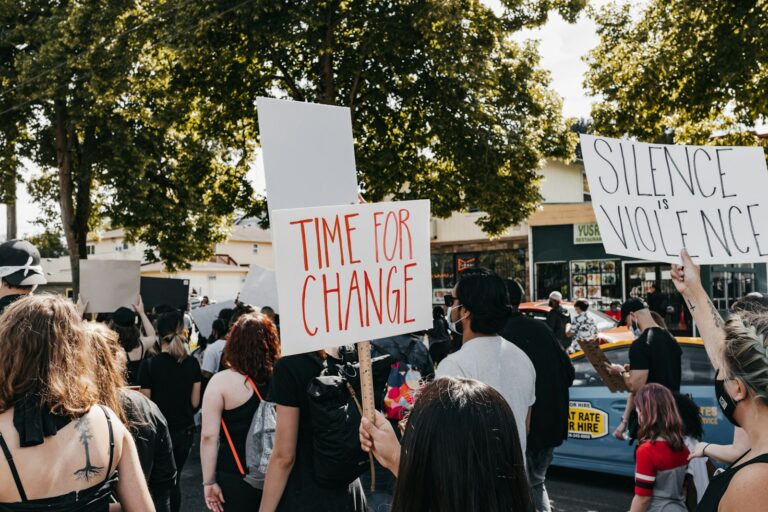
What’s Happening in Los Angeles? Protests in LA began Friday, with demonstrators taking to the streets. Tensions rose as activists faced off with sheriff’s deputies, leading to clashes. The situation worsened over the weekend, prompting President Trump to act swiftly. By Monday, Marines were deployed to reinforce the National Guard, signaling a firm resolve to quell the unrest.

Why Were Marines Deployed? The deployment of Marines was a direct response to the growing violence. Federal officials and property were at risk, necessitating additional security. The National Guard was already on site, but the situation required more resources. Marines brought the necessary manpower and training to secure key areas and prevent further escalation.

Reactions to the Deployment Opinions on the deployment vary widely. Supporters argue that the move was necessary to protect lives and property. Critics, however, worry about the militarization of law enforcement and potential rights violations. The debate underscores the challenges of balancing public safety with civil liberties during protests.

What’s Next for Los Angeles? As the city works to restore calm, authorities are assessing the situation. The presence of Marines is a temporary measure to ensure stability. Longer-term solutions will likely involve dialogue and addressing the underlying issues that sparked the protests. For now, the focus remains on safety and order.

Conclusion The deployment of Marines to Los Angeles highlights the complexities of managing violent protests. While the move aims to protect federal assets, it also raises questions about the role of the military in domestic affairs. As the city moves forward, finding a balance between security and civil rights will be crucial.
Russia Steps Up Attacks on Ukraine: Key Updates

0

Key Takeaways:

  • Russia has launched major airstrikes in Kyiv and Odesa, killing at least three people.
  • A maternity ward in Odesa was hit, causing significant damage.
  • These attacks are the largest in Kyiv in over three years.
  • They follow Russia’s biggest drone attack on Ukraine this week.
  • Russia claims these strikes are in retaliation for Ukrainian actions.

Russia Intensifies Attacks on Ukraine

The war in Ukraine took a dangerous turn this week as Russia carried out some of its most intense airstrikes in three years. Two major cities, Kyiv and Odesa, were targeted in overnight attacks. At least three people were killed, and many more were injured.

In one of the most shocking incidents, a maternity ward in Odesa was hit. This attack has sparked outrage around the world. The strikes came just a day after Russia launched its biggest drone assault on Ukraine since the war began.


Why Is This Happening?

Russia says these attacks are in response to actions by Ukrainian forces. Moscow claims Ukraine has been attacking Russian targets, and now they are striking back. However, Ukraine and its allies argue that Russia is escalating the war with no justification.

The situation is getting more violent by the day. Both sides are accusing each other of starting the latest round of violence. Meanwhile, civilians are caught in the middle, suffering the most.


The Human Cost

The attack on the maternity ward in Odesa is especially alarming. Hospitals and places where civilians gather are supposed to be safe zones, even in war. Hitting such a place has drawn strong criticism from around the world.

In Kyiv, the capital city, the airstrikes caused widespread damage. Many people were forced to take shelter as alarms sounded throughout the night. The city, which has been relatively quiet in recent months, is once again under threat.

This escalation is putting even more strain on Ukraine’s people. Families are being torn apart, and basic services are being disrupted. The humanitarian crisis is getting worse, and aid groups are struggling to keep up.


What’s Next?

The world is watching as the conflict escalates. Leaders from other countries are meeting to discuss how to respond. Some are calling for tougher sanctions on Russia, while others are pushing for more military aid to Ukraine.

For now, the fighting shows no signs of slowing down. Both sides are digging in, and the toll on civilians continues to rise. The international community is urging calm, but it’s unclear if that will happen anytime soon.


Global Reaction

The attacks have sparked widespread condemnation. World leaders are calling for an immediate end to the violence. Many are pointing out that targeting civilians, especially in places like hospitals, is a clear violation of international law.

The United Nations and other organizations are urging both sides to work toward peace. However, diplomats warn that the situation is increasingly complicated. With neither side willing to back down, finding a solution seems difficult.

As the war drags on, the focus remains on protecting civilians. Aid groups are working tirelessly to provide food, shelter, and medical care to those affected. But with the fighting getting worse, their efforts are becoming even more challenging.


Conclusion

The latest attacks on Kyiv and Odesa are a grim reminder of how dangerous the situation in Ukraine has become. With strikes hitting maternity wards and civilian areas, the human cost of the war is growing.

The international community is calling for peace, but both sides are holding firm. For now, the people of Ukraine will continue to suffer as the conflict rages on. The world can only hope for a resolution before more lives are lost.

Fed Leader Jerome Powell and His Impact on the U.S. Economy

0

Key Takeaways:

  • Jerome Powell leads the Federal Reserve, a key U.S. financial institution.
  • Appointed by President Trump, Powell’s policies have sometimes clashed with Trump’s goals.
  • Powell’s decisions have significant effects on the economy and political landscape.
  • His actions are under scrutiny as the 2024 election approaches.

Jerome Powell: Who Is He? Jerome Powell is the Federal Reserve Chairman, overseeing the nation’s money supply and banking system. This role makes him a major player in the U.S. economy. Even though he was appointed by President Trump, his decisions haven’t always aligned with Trump’s objectives.

Powell’s Actions and Their Effects Powell’s decisions, such as raising interest rates, can slow down the economy. Critics argue these actions, like reducing stimulus programs, have hurt economic growth, which could affect Trump’s popularity. However, Powell maintains that controlling inflation is crucial for long-term economic health.

Critics and Supporters Some people believe Powell is undermining Trump’s economic plans to weaken his political standing. Others see Powell as a guardian of economic stability, making tough choices for the nation’s future. This tension creates a debate over the Fed’s role in politics.

The 2024 Election Connection As the 2024 election nears, the economy’s health will be a key issue. Powell’s policies could influence voter opinions on Trump’s performance. Both political sides are watching closely, knowing the Fed’s decisions can sway election outcomes.

Conclusion Jerome Powell’s role is pivotal, balancing economic stability with political pressures. The Federal Reserve’s decisions have widespread impacts, shaping the nation’s financial future and political climate. As the election approaches, Powell’s actions will remain under close scrutiny.

Rioters Hurt Their Own Cause: Why Protesting Trump’s Policies Turned Ugly

Key Takeaways:

  • Rioting against the government is never a good idea and often backfires.
  • Protesters against Trump’s immigration policies crossed the line into violence.
  • Rioting distracts from the cause and creates more problems.
  • Peaceful protests are more effective and respected.

Rioting Is Never the Answer

Protesting against government policies is a right in a democracy, but turning violent is not. Rioting only makes things worse. It hurts the very cause the protesters are fighting for. This happened recently when some people protesting Trump’s immigration and deportation policies decided to riot. Instead of gaining support, they alienated people and gave the government an excuse to crack down harder.

Rioters often act without thinking about the consequences. They might enjoy the chaos or feel empowered by breaking the rules. But in the end, they harm the people they claim to care about.


Rioters Are Their Own Worst Enemies

People who riot usually fall into two groups. The first group are troublemakers who love mischief for its own sake. They don’t care about the cause. They just want to smash things, burn property, and cause fear. The second group are extremists who believe violence is the only way to bring change. They think they’re revolutionaries, but they often end up hurting innocent people and undermining their own movement.

Both groups share one thing in common: they don’t think about the bigger picture. They don’t realize that rioting gives the government an excuse to act harshly. It also turns public opinion against the cause.


The Current Climate Makes Things Worse

The U.S. is already divided. People have strong opinions about Trump’s policies, especially when it comes to immigration. Some agree with stricter rules, while others think they’re unfair and cruel. This tension creates a powder keg of emotions, ready to explode into violence.

When protesters turn violent, they play right into the hands of those who want to silence them. The government can then label all protesters as dangerous, even the peaceful ones. This makes it easier to ignore their concerns or even arrest them.


Why This Protest Failed

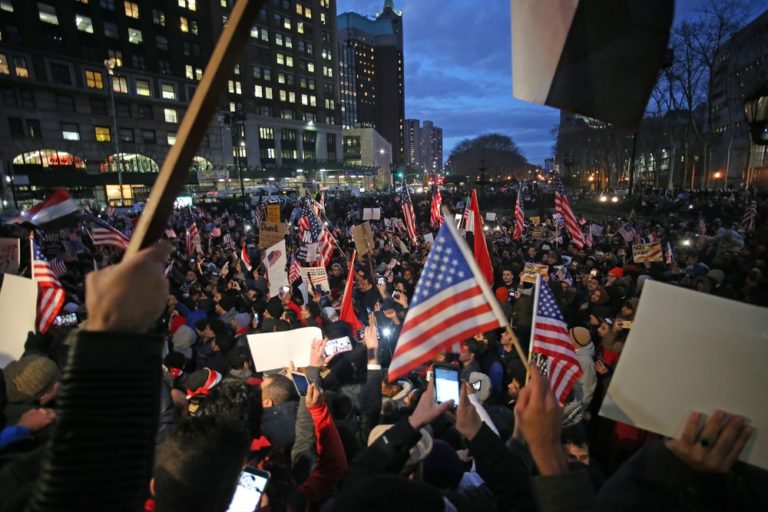
The recent protests against Trump’s policies started peacefully. People gathered to voice their opposition to immigration and deportation rules. But things took a dark turn when some protesters decided to riot. They broke windows, set fires, and clashed with police. This violence overshadowed the peaceful protest and shifted the focus away from the real issues.

The media started covering the riots instead of the message. Politicians used the violence to justify tougher laws. And the public, who might have supported the cause, began to see the protesters as criminals. This is why rioting is so dangerous. It doesn’t solve anything. It only makes the situation worse.


Rioters Misunderstand Revolution

Some rioters think they’re part of a revolution. They believe that by causing chaos, they’re bringing about change. But real revolutions are built on unity, sacrifice, and a clear vision of the future. Rioting is just mindless destruction. It doesn’t inspire people to join the cause. Instead, it scares them away.

Revolutionaries like Martin Luther King Jr. and Mahatma Gandhi achieved great things without violence. They used peaceful protests, speeches, and nonviolent resistance. They showed that change can happen through courage and determination, not through riots.


The Solution: Peaceful Protest

Peaceful protest is the most effective way to bring about change. When people gather calmly and respectfully, they show that they’re serious and dignified. They earn the respect of the public and the media. They also force the government to listen to their demands.

Peaceful protests have changed history. They ended segregation, gave women the right to vote, and stopped wars. They work because they unite people and focus attention on the real issues. Rioting, on the other hand, divides people and distracts from the cause.


Conclusion: Learn from Mistakes

The protesters who rioted against Trump’s policies made a mistake. They let their emotions control their actions, and now their cause is suffering. They should learn from this and focus on peaceful, respectful protests. Only then can they truly make a difference and bring about real change.

Peaceful protest is not just a right—it’s a responsibility. Use it wisely.

Army Pilot Denied Promotion After Vaccine Hesitation

0

Key Takeaways:

  • An Army pilot faced reprimand for hesitating over the COVID-19 vaccine.
  • Despite vaccination, the pilot is denied promotion and faces possible military separation.
  • The situation highlights tension between personal choice and military orders.

Army Pilot Denied Promotion Despite COVID Vaccine

Imagine working hard for a promotion, only to be denied it even after following the rules. That’s what’s happening to an Army pilot who hesitated over the COVID-19 vaccine. Here’s the full story.

A Soldier’s Dilemma: The Pilot’s Story

The Army pilot, whose name hasn’t been released, originally hesitated to get the COVID-19 vaccine. This was early in the vaccine rollout, a time of uncertainty for many. After some time, the pilot decided to get vaccinated, thinking it would resolve the issue. However, the hesitation led to a reprimand, a formal disciplinary action.

Why Is This Happening?

Now, despite being vaccinated, the pilot is facing consequences. The main issue seems to be the initial hesitation. The Army has strict rules, and disobeying orders, even briefly, can have serious effects. The pilot’s hesitation, even though temporary, went against military orders, leading to the reprimand.

What’s Next for the Pilot?

The situation is serious. The pilot was up for a promotion but was denied because of the reprimand. Without the promotion, the pilot might be separated from the military in September. This means the pilot could face discharge, affecting their career and future opportunities.

The Broader Implications

This case raises questions about discipline and personal choice in the military. While the pilot followed orders eventually, the initial hesitation had lasting impacts. It shows how important it is to follow orders without delay in the military, even when personal beliefs are involved.

Conclusion: A Tough Lesson

This story highlights the consequences of hesitation in the military. The pilot’s experience serves as a reminder of the importance of following orders promptly, even when it’s hard. It also sparks conversations about fairness and understanding in military decisions.

FAQs

  • Why did the pilot hesitate? The pilot, like many others, had concerns about the vaccine early on.
  • Can the pilot appeal? It’s unclear if the pilot can appeal the decision.
  • What happens next? The pilot may face separation in September without the promotion.

Final Thought

This story shows the challenges military members face, balancing personal beliefs with duty. It’s a tough situation that raises questions about fairness and understanding in the military.

Trump Faces GOP Pressure Over Iran Deal and Possible Attack

0

Key Takeaways:

  • A group of GOP hawks wants Trump to abandon Iran nuclear talks.
  • They urge him to support an Israeli attack on Iran.
  • Trump allies are fighting to keep diplomatic efforts alive.
  • The situation is causing tension within the administration.

A Growing Divide in GOP Over Iran Policy

A powerful group of Republican hawks is pushing President Trump to take a tough stance on Iran. They want him to stop pursuing a nuclear deal and instead back an Israeli attack on Tehran. This effort has sparked a heated debate within Trump’s circle, with some allies trying to keep diplomacy on track.

What’s Happening Behind the Scenes?

During a private lunch at the White House, conservative talk show host Mark Levin urged Trump to abandon the nuclear talks. Levin and others argue that Iran can’t be trusted and that a deal would only help Tehran build more weapons.

But not everyone agrees. Trump’s team is pushing back, saying diplomacy is the best way to prevent Iran from getting a nuclear bomb. They believe a deal could stabilize the Middle East and avoid another costly war.

Why Is This a Big Deal?

This lobbying effort shows a deep split in the GOP. Some Republicans want to take a hardline approach, while others think diplomacy is the way to go. The outcome could shape Trump’s foreign policy legacy and impact global security for years.

What’s Next?

As the debate rages on, Trump faces tough decisions. Will he stick with diplomacy or take a more aggressive approach? The pressure from both sides is intense, and the stakes are high. The coming weeks will be crucial in determining the path forward.

How Does This Affect the Rest of the World?

A U.S.-backed Israeli attack on Iran could lead to a regional war, driving up oil prices and creating more instability. On the other hand, a successful nuclear deal could ease tensions and limit Iran’s nuclear ambitions. The world is watching closely as Trump decides his next move.

A Delicate Balance

Trump’s advisors are working hard to keep diplomacy alive. They’re meeting with foreign leaders and negotiating behind the scenes. But the hawks aren’t giving up. They’re using every chance to push their agenda, even going public with their concerns.

The Bottom Line

The battle over Iran policy is far from over. Trump’s choice will have far-reaching consequences, both at home and abroad. As the pressure mounts, one thing is clear: the road ahead will be anything but smooth.

Breaking News: Tunnel Discovery Unveils Grim Secrets in Gaza

Key Takeaways:

• A tunnel beneath a Gaza hospital was found with five bodies, including a key figure.

• Israeli airstrikes caused the tunnel collapse on May 13.

• The tunnel was accessed nearly a month later.

• The discovery happened near the European Hospital in Khan Younis.

• Muhammad Sinwar’s body was identified on June 8.


A Hidden Tunnel and Its Dark Secret

The air was thick with the smell of decay. Deep beneath the ground, a narrow tunnel lay hidden. It was a place few knew existed. But on May 13, Israeli airstrikes changed everything. Rubble-blocked sections of the tunnel became a grim tomb for those trapped inside.

Weeks later, Israeli troops reached the entrance. It was located at the European Hospital in Khan Younis, a major city in southern Gaza. The hospital, a lifeline for many, held a secret. Beneath its emergency ward was a small underground room.

Inside this room, five bodies were found. The conditions were dire. Decay had taken its toll. But one body was identified. It belonged to Muhammad Sinwar, a name that carries weight in the region.


What Happened in the Tunnel?

The tunnel’s existence was no secret to some. It was part of a network used for various purposes. But its location beneath a hospital made it unique. The airstrikes on May 13 blocked parts of the tunnel. The rubble made it impossible to access for nearly a month.

When Israeli troops finally reached the entrance, the scene was grim. The smell of decay filled the air. Troops carefully made their way through the rubble. What they found was shocking.

In a small room beneath the hospital’s emergency ward, five bodies lay. The room was cramped, with little space to move. The conditions were brutal. Identification was difficult due to the state of the bodies.


Muhammad Sinwar: A Key Figure

One body stood out. On June 8, it was identified as Muhammad Sinwar. His identity sent shockwaves. Sinwar was no ordinary person. He was a prominent figure in Gaza. His presence in the tunnel raised questions.

Why was he there? What was he doing in the tunnel? These are questions that may never be fully answered. The discovery of his body added another layer to the story.

Sinwar’s death is a significant event. It highlights the human cost of conflict. His identity also raises questions about the tunnel’s purpose. Was it a hiding place? A route for movement? The answers may lie buried with him.


The Hospital’s Role

The European Hospital in Khan Younis is a vital facility. It serves thousands in southern Gaza. Its emergency ward is a lifeline for those injured in conflicts. But now, it’s at the center of a darker story.

The discovery of the tunnel beneath the hospital has sparked debate. Was the hospital aware of the tunnel’s existence? How did the tunnel go unnoticed for so long? These questions are yet to be answered.

The hospital’s role in the conflict is complex. It’s a place of healing, but also a potential target. The tunnel’s discovery adds another layer of complexity. It shows how deeply embedded the conflict is in everyday life.


The Bigger Picture

The discovery of the tunnel and the bodies is part of a larger story. It’s a story of conflict, loss, and survival. Gaza has seen decades of violence. Tunnels have become a part of life for many. They are used for protection, transport, and even attack.

The airstrikes on May 13 were part of a broader escalation. They caused widespread destruction. The tunnel’s collapse trapped those inside, leading to a grim outcome. The delay in accessing the tunnel highlights the challenges faced in such situations.

The identification of Muhammad Sinwar’s body adds urgency to the story. His prominence makes this more than just a tale of loss. It’s a story of how conflict impacts even the most influential figures.


Conclusion

The tunnel beneath the European Hospital in Khan Younis holds many secrets. The discovery of five bodies, including Muhammad Sinwar, reveals the harsh reality of life in Gaza. Conflict, loss, and resilience are intertwined in this story.

As the dust settles, questions remain unanswered. What was the tunnel’s purpose? How did the bodies go undiscovered for so long? The answers may never fully surface. But one thing is clear: this is a story of human tragedy amidst ongoing conflict.

The tunnel may be closed, but its legacy lives on. It reminds us of the complexities of war and the lives lost in the shadows of conflict.


This story is a small part of a much larger narrative. It’s a reminder of the human cost of conflict and the resilience of those caught in the crossfire. As the situation in Gaza continues to unfold, stories like this will shape our understanding of the region’s struggles and hopes.

Trump’s Military Crackdown on Protests Sparks Martial Law Fears

0

Key Takeaways:

  • Donald Trump has sparked fears of martial law by deploying the military against protesters in Los Angeles.
  • The protests were relatively small, but the move has raised concerns about future use of force.
  • Critics warn this could be a sign of more extreme measures under a second Trump administration.

A Shocking Move That Has Everyone Talking

The recent deployment of the military to Los Angeles to handle protests has stunned many Americans. What happened? Protests broke out in the city, but they were not huge or violent. Still, Donald Trump decided to send in the troops, ignoring the objections of local leaders like the mayor and governor.

This move has sparked fears that Trump could take even more drastic steps in the future, like declaring martial law. Martial law is when the military takes control of a city or country, overriding civilian laws and leadership. For many, this feels like a slippery slope.


Why Is This Happening Now?

The protests in Los Angeles were linked to Trump’s controversial policies, includingmass deportations. Critics say these policies target specific groups and are unfair. When people took to the streets to voice their opposition, Trump’s response was to send in the military.

What’s worrying is that the protests were not chaotic or widespread. They were peaceful for the most part, yet Trump chose to act aggressively. This has led to questions: Why use the military for such a small protest? What might happen in the future if Trump faces larger or more widespread dissent?


Fears of Martial Law Grow

Many people, including political experts and everyday citizens, are scared. They fear that Trump is testing the waters, seeing how much he can get away with. If he can deploy the military now, what’s to stop him from doing it again? Or from taking even bigger steps, like suspending civil liberties or shutting down opposition?

The idea of martial law is terrifying. It would mean the military, not elected leaders, controls the country. People could lose their rights, like free speech or the right to protest. It could also lead to violence if soldiers clash with protesters.

What’s even more alarming is that Trump doesn’t seem to need a strong reason to act. In the past, people thought he’d at least wait for a major crisis before taking such steps. But now, even a small protest is enough to bring in the troops.


What’s Next?

As the 2024 election approaches, many are worried about what Trump might do next. Will he use the military more often to silence critics? Could he declare martial law if he feels threatened? These questions are haunting many Americans.

Critics are also pointing out that this sets a dangerous precedent. If Trump can ignore local leaders and send in the military now, what happens in the future? It could embolden him to take even more extreme actions, like arresting opponents or shutting down the press.

The situation in Los Angeles is a wake-up call. It shows how quickly things can escalate under Trump’s leadership. For now, the military’s presence has calmed the protests, but the damage to trust in the government is done. People are on edge, wondering what comes next.


A Call to Action

What can be done to prevent this from getting worse? Many are calling for accountability. They want Congress to investigate Trump’s actions and ensure he doesn’t overstep his powers again. Others are urging Americans to stay vigilant and speak out against abuses of power.

The military’s role is to protect the country, not to silence its citizens. If Trump continues down this path, it could lead to a crisis that’s hard to recover from. Now is the time to act, before it’s too late.


Conclusion

The deployment of the military in Los Angeles is a clear warning sign. It shows that Trump is willing to use extreme measures to maintain control, even when it’s not necessary. The fear of martial law is real, and it’s growing by the day.

Americans must stay informed, stay active, and demand that their leaders protect democracy. The future of the country may depend on it.

Hogg and DNC Leadership Clash Over Election Dispute

Key Takeaways:

  • Tensions rise between David Hogg and DNC leadership over his vice chair election.
  • Leaked audio shows DNC Chair Ken Martin expressing frustration with Hogg.
  • Hogg faces criticism for pushing to replace certain incumbents.
  • A virtual vote on potentially redoing Hogg’s election was set to occur.
  • The leak highlights growing divisions within the Democratic Party.
  • The future of Hogg’s role in the DNC remains uncertain.

Hogg and DNC Leadership Clash Over Election Dispute

The Democratic National Committee (DNC) is facing drama as tensions between David Hogg, a high-profile advocate and DNC vice chair, and party leadership reach a boiling point. Hogg, who became a household name after the Parkland shooting, is now at the center of a heated controversy.

Recent reports reveal that DNC Chair Ken Martin was caught on leaked audio expressing frustration with Hogg. The audio, which surfaced just before a key DNC vote, has added fuel to the fire. The DNC was set to decide whether to redo Hogg’s election as vice chair, a move that could signal a major shift in the party’s leadership structure.


Leaked Audio Sparks Controversy

The leaked audio captures Martin venting his frustrations with Hogg. While the exact details of the conversation are unclear, it’s evident that Hogg’s actions have caused tension within the DNC. Hogg has been criticized by some for his efforts to challenge and replace certain Democratic incumbents. Critics argue that his approach is divisive and could harm party unity ahead of important elections.

The timing of the leak is particularly significant. It came just one day before DNC officials were scheduled to vote virtually on Hogg’s role. This has raised questions about whether the leak was strategically released to influence the outcome of the vote.


Hogg’s Controversial Actions

Hogg, who has been a vocal advocate for gun control and progressive causes, has been an active figure within the DNC since his election as vice chair. However, his push to oust certain incumbents has drawn backlash from some within the party. Critics claim his tactics are too aggressive andcould alienate long-time Democrats.

Supporters of Hogg argue that he is bringing much-needed energy and fresh perspectives to the party. They believe his willingness to challenge the status quo is a sign of progress and a step toward a more inclusive DNC.


Internal Divisions Grow

The conflict between Hogg and DNC leadership highlights larger divisions within the Democratic Party. While some members want to move in a more progressive direction, others prefer a more moderate approach. This internal tension could have major implications for upcoming elections and the party’s overall strategy.

The leaked audio and the potential redo of Hogg’s election serve as a reminder that even within a major political party, disagreements can run deep. As the DNC works to unite ahead of the next election cycle, these challenges could prove difficult to overcome.


What’s Next for Hogg and the DNC?

The virtual vote on Hogg’s election was highly anticipated, but the outcome remains uncertain. If the DNC decides to redo the election, it could signal a significant shift in the party’s leadership and direction. On the other hand, if Hogg retains his role, it may embolden his efforts to push for change within the party.

For now, the situation remains unresolved. One thing is clear: the conflict between Hogg and DNC leadership has brought attention to the challenges of uniting a diverse political party. As the DNC moves forward, finding common ground will be crucial for success.

Stay tuned for updates as this story continues to unfold.

CNN Reporter Briefly Detained During LA Protests – What Happened?

Key Takeaways:

  • A CNN reporter, Jason Carroll, was briefly detained by police in Los Angeles while covering protests.
  • The protests were sparked by federal immigration enforcement operations over the weekend.
  • Carroll and his crew were asked to leave the area but were not arrested.
  • The incident highlights ongoing tensions between law enforcement and journalists covering live events.

What Happened to the CNN Reporter?

On Monday, CNN correspondent Jason Carroll found himself in an unexpected situation while reporting on protests in Los Angeles. The city had seen widespread demonstrations following immigration enforcement actions by federal authorities over the weekend. As Carroll and his crew tried to cover the events, they were approached by police.

Carroll, who was live on camera at the time, was told by officers that he needed to leave the area. The situation escalated when police asked him to put his hands behind his back, and he and his crew were escorted away.

“I asked, ‘Am I being arrested?’” Carroll later recalled. “The officer didn’t give a clear answer, but I knew I had to cooperate.”

The CNN team was eventually released without any charges, but the incident raised questions about press freedom and the role of journalists in covering sensitive events.


Why Were People Protesting in Los Angeles?

The protests in LA were a reaction to recent immigration enforcement operations conducted by federal authorities. These operations, which took place over the weekend, targeted undocumented immigrants and led to the detention of several individuals.

Many community members and activists viewed the operations as unfair and heavy-handed, sparking outrage across the city. Hundreds took to the streets to voice their concerns, calling for an end to what they described as “aggressive” immigration policies.

The protests were largely peaceful, but tensions rose as police tried to manage the crowds. This is where Jason Carroll and his team found themselves caught in the middle.


How Did the Police Respond?

When asked about the incident, law enforcement officials stated that their primary goal was to maintain order and ensure public safety. They claimed that Carroll and his crew were in a restricted area and needed to be moved for their own safety.

However, the incident has sparked debate about how police interact with journalists during protests. While officers denied any wrongdoing, critics argue that the detention of a reporter, even if brief, sets a concerning precedent.

Carroll himself expressed confusion about the situation. “I’ve been in many tough situations as a journalist, but this was unexpected,” he said. “I just wanted to do my job and tell the story.”


What Does This Mean for Press Freedom?

The detention of Jason Carroll has sparked a wider conversation about the challenges journalists face while covering protests and sensitive events. Reporters often find themselves in difficult situations, trying to balance their duty to inform the public with the need to stay safe.

“This incident is a reminder of the risks journalists take to bring important stories to light,” said a spokesperson for CNN. “A free press is essential to democracy, and reporters must be able to do their jobs without fear of interference.”

While Carroll was not arrested or charged, the incident highlights the ongoing tension between law enforcement and the media. It also raises questions about how police handle journalists during protests and whether more could be done to protect press freedom.


What’s Next?

For now, Jason Carroll and his team are back to work, continuing to cover the story in Los Angeles. The incident has not stopped them from reporting, but it has made them more cautious.

As for the protests, they are expected to continue in the coming days. Activists are calling for greater transparency from immigration authorities and an end to what they describe as “draconian” enforcement tactics.

Meanwhile, the detained individuals and their families are awaiting updates on their legal status. The situation remains uncertain, as immigration policies continue to be a divisive issue across the country.


A Bigger Picture

The detention of Jason Carroll is not an isolated incident. Journalists across the U.S. have reported increasing challenges while covering protests and other high-tension events. From being pushed or shoved by police to being arrested outright, reporters often face risks while doing their jobs.

In recent years, there has been a growing debate about how to balance public safety with press freedom. Advocates argue that journalists play a crucial role in holding power to account and ensuring transparency.

“As long as there are important stories to tell, journalists will be there to tell them,” Carroll said. “We just hope that everyone – including law enforcement – respects our right to do so.”


This incident serves as a reminder of the importance of a free press and the challenges journalists face in their daily work. As the situation in Los Angeles continues to unfold, one thing is clear: the need for open communication and mutual respect between law enforcement and the media is more important than ever.