56.9 F
San Francisco
Sunday, July 12, 2026
Home Blog Page 742

Is Fast-Track Deportation Now Blocked by the Courts?

0

Key Takeaways:

  • A federal judge stopped the Trump administration’s fast-track deportation plan.
  • The policy allowed deporting undocumented immigrants without court hearings.
  • This rule applied to people far from the U.S.-Mexico border.
  • Immigrant rights groups see this as a victory for due process.
  • For now, the government cannot use this quick deportation strategy.

What is Fast-Track Deportation?

Fast-track deportation is a policy that lets immigration officers quickly remove undocumented immigrants from the U.S. without allowing them to appear in front of a judge. Normally, people facing deportation can go to immigration court. There, they have a chance to explain their situation, ask for legal help, and possibly stay in the country.

But under this rule, deportations could happen much faster. People could be arrested and deported almost immediately, especially if they couldn’t prove they had lived in the U.S. for more than two years. The goal was to speed up the process and reduce backlogs in the immigration system.

Why Did the Judge Block It?

A federal judge ruled that fast-track deportation was not legal in this context. The judge said the administration lacked solid planning and failed to explain why they made such a big change. The decision also focused on the fact that the rule gave too much power to immigration officers and didn’t offer enough protection to the people being deported.

In short, the court found that the plan didn’t give people a fair chance to defend themselves. This goes against the basic idea of justice that everyone should have a right to due process.

How Did the Policy Begin?

The Trump administration created this fast-track deportation plan early into President Trump’s second term. Before this change, fast deportations mostly happened near the southern border. Immigrants caught within 100 miles of the line and who had been in the U.S. for less than two weeks were the typical targets.

But the new policy expanded those rules. It allowed immigration officials to arrest and deport anyone, anywhere in the U.S., if they couldn’t prove they had been in the country for more than two years. That meant even people living in cities far from any border were at risk.

Concerns from Immigrant Communities

Many immigrant communities were afraid of this policy. People who had been quietly living and working in the U.S. for years suddenly feared being deported without warning. In many cases, they would not have had a chance to contact a lawyer or explain their situation to a judge.

Immigrant rights groups strongly opposed the fast-track deportation plan. They said it was unfair, dangerous, and could lead to mistakes. For example, a legal resident who lacks paperwork could be deported without a fair hearing or time to prove their legal status.

These groups brought the case to court, asking a judge to block the policy. And now, they’ve won—at least for now.

What Happens Next?

The policy is currently frozen. That means immigration officials can no longer use the fast-track deportation plan while the case continues. However, this doesn’t mean the fight is over.

The federal government could try to appeal the judge’s decision. They may argue that the fast-track policy is needed to solve problems in the immigration system. If that happens, the case might move through higher courts, possibly even to the Supreme Court.

In the meantime, immigrant communities and advocacy groups are celebrating the decision. They believe this ruling protects the rights of people who live in the U.S. without legal documents but still deserve a fair process before deportation.

Why the Ruling Matters So Much

This court ruling sends a strong message: immigration laws must still follow the Constitution. Even people living without papers in the U.S. have rights, including the right to a fair hearing before deportation.

The judge also pointed out that making policies without careful planning can harm innocent people. It’s important for any rule—especially one that takes people out of the country—to be clear, fair, and legal.

Fast-track deportation skips many safety checks. By blocking the policy, the judge showed that fairness comes first, even when things need to move quickly.

What Should Immigrants Do Now?

Anyone worried about deportation should stay informed and talk to a lawyer if possible. Just because the fast-track plan is paused doesn’t mean all risks are gone. Immigration rules still apply, and being undocumented continues to carry serious risks.

However, the pause gives people time. Time to understand their options. Time to prepare. And time to connect with groups that help immigrants understand and protect their rights.

Advocates suggest keeping important documents handy if possible—like rental agreements, pay slips, or school records—to show how long someone has lived in the U.S. These could help during any legal process, especially if new policies come back in the future.

Looking Ahead: What Will Congress Do?

Many experts say the deeper issue is that the U.S. needs real immigration reform. Courts can pause individual policies, but only lawmakers can fully fix the broken system. From work visas to asylum laws to border enforcement, there’s a lot that needs attention.

Until Congress takes action, the immigration debate will likely continue in the courtroom. Fast-track deportation may return in a different form, or other policies may rise in its place. The legal battles are far from over.

But for now, one thing is clear: the courts stood up to protect due process.

Key Term Recap: Fast-Track Deportation

Fast-track deportation might sound simple, but it affects thousands of lives. It prevents immigrants from speaking to judges. It removes people from their homes, jobs, and families in a matter of days. And now, it’s been put on hold for being unfair and rushed.

As long as this policy remains blocked, undocumented immigrants across the country can breathe a little easier. Still, being informed and prepared is always the best defense.

FAQs

What is fast-track deportation?

Fast-track deportation is a quick process where immigrants are removed from the U.S. without going to court. Officials decide and act almost immediately if a person can’t prove they’ve lived in the country long enough.

Is fast-track deportation completely gone?

No, it’s only on pause. A judge blocked it for now, but the federal government might appeal the decision. Until then, officials can’t use the policy.

Who was affected by the rule?

The policy impacted undocumented immigrants who couldn’t prove they had been in the U.S. for more than two years. It applied anywhere in the country, not just near the border.

What should immigrants do next?

Those worried about deportation should collect documents that show how long they’ve lived in the U.S. It’s also wise to connect with local immigrant support organizations and legal experts.


Is Trump Requiring Voter ID for All Elections?

0

Key Takeaways:

  • Donald Trump says he’ll sign an executive order to require voter ID in all U.S. elections.
  • The announcement was made on his Truth Social platform late Saturday.
  • He has not revealed when this order will be issued or what it includes.
  • Trump has previously blamed his 2020 loss on what he calls flawed election systems.

Trump Calls for Nationwide Voter ID With Executive Order

Former President Donald Trump has made another bold promise about changing how Americans vote. On Saturday night, Trump posted on Truth Social that he plans to sign an executive order that will make voter ID mandatory for all elections held in the United States. He stressed that there would be “NO EXCEPTIONS.”

While this isn’t the first time Trump has pushed ideas to tighten voting rules, his new voter ID plan could signal big changes ahead if he returns to office.

What Is Voter ID and Why Is This Important?

Voter ID, short for voter identification, is a rule that requires people to show official proof—like a driver’s license or government-issued card—before casting their ballot. Depending on who you ask, this idea is either essential for protecting election integrity or an unfair barrier that could stop legal voters from participating.

Trump has long supported stricter voting requirements. After losing the 2020 presidential election, he blamed voter fraud—despite a lack of evidence found by courts and election officials. Now, by promoting a voter ID executive order, he’s putting this issue back into the spotlight.

What Did Trump Actually Say?

In his post on Truth Social, Trump wrote, “Voter I.D. Must Be Part of Every Single Vote. NO EXCEPTIONS! I Will Be Doing An Executive Order To That End!!!” The use of all capital letters shows his emphasis, but beyond that, he did not explain what the executive order will contain.

He also did not share a timeline or how it would work alongside state-level election laws. Right now, states have different rules when it comes to voter ID. Some require it; others just ask for basic information without needing a photo ID.

Could an Executive Order Require Voter ID Nationwide?

Right now, it’s not clear how much power a president has to force voter ID laws nationwide through an executive order. In the U.S., each state controls how elections are run. For example, states decide whether voters must show ID and what kind of documents are accepted.

That’s why many experts say any order from the president would likely be challenged in court. Some argue that only Congress can make nationwide voting laws. So if Trump were to return to office and issue this order, it could set up a legal battle between federal and state governments.

Why Is Voter ID So Controversial?

During the past few years, voter ID has become a hot political debate. Supporters, like Trump, say it’s common sense. They argue that showing ID is required for many everyday tasks—so why not voting? They claim it helps prevent fraud and boosts confidence in election results.

Critics disagree. They say voter ID laws do more harm than good. According to them, strict ID rules can block some people—especially low-income citizens, students, and voters of color—from casting their ballots. They argue that the real issue isn’t fraud, but making sure everyone has fair access to voting.

Trump’s History With Election Claims

Donald Trump has long questioned the security of American elections. After his 2020 loss to Joe Biden, he claimed the system was “rigged,” despite losing dozens of court cases contesting the results. Those claims led to investigations, protests, and even the January 6 Capitol attack as his supporters tried to stop Biden’s victory from being certified.

Since then, Trump has continued to focus on voting changes. He often says the country needs greater “election integrity,” and he promotes measures like voter ID as the solution.

Would Voter ID Have Changed Past Elections?

There is no proof that a voter ID law would have changed the results of major past elections, including the one in 2020. Government investigations and audits from both parties found little evidence of voter fraud. In fact, many studies say voter ID laws impact only a tiny number of ballots.

So while Trump believes voter ID would protect future elections, experts warn it may not solve the issues he claims exist.

How Are States Handling Voter ID Now?

Currently, voter ID rules differ widely across the U.S. About 35 states require some form of identification to vote, though only around half demand a photo ID. Others allow voters to cast a ballot as long as they can confirm personal details like name and address.

Some states are so strict that voters must show specific types of ID, or they can’t vote at all. Others are more flexible, offering voters a chance to sign a statement if they don’t have ID. A national voter ID rule could cause conflict, especially in states that have chosen softer policies.

Would Congress Support Trump’s Executive Order?

If Trump becomes president again and moves forward with this plan, it’s unclear how much support he will have in Congress. Republican lawmakers generally support voter ID, but Democrats often oppose it. Congress has struggled to pass voting reforms in the past, and a divided government could slow down Trump’s voter ID push.

Even if Trump issues the order, court challenges and political disagreements could block it from going into effect. Still, his latest post shows that changing how Americans vote remains at the heart of his platform.

How Might This Affect the 2024 Election?

As Trump continues his campaign for re-election in 2024, voter ID and election control are likely to be major talking points. His promise to require voter ID nationwide could energize his base. At the same time, opponents might see it as a threat to voting rights.

Either way, the voter ID debate will likely stay in the headlines as both parties prepare for the next presidential election.

What’s Next for Trump’s Voter ID Plan?

At this point, we still don’t know exactly what Trump’s voter ID executive order will include. He has made big promises before, but not all of them turn into official policies. Right now, this voter ID plan is just a statement online. Whether he follows through depends on many things—most importantly, whether he wins another term in office.

Until then, the question remains: Can any president truly require voter ID without Congress? And what would that mean for America’s future elections?

FAQs

What is voter ID and why is it important?

Voter ID laws require voters to show identification before voting. Supporters believe it prevents fraud, while opponents say it can suppress legal votes.

Can a president create a voter ID law through executive order?

The president can issue orders, but federal election rules are usually made by Congress or state governments. Major changes may face legal challenges.

Do all U.S. states already use voter ID?

No. Some states require photo ID, others just ask for identification without photos, and some allow voting without any ID under certain conditions.

Was voter fraud proven in the 2020 election?

No. State and federal reviews found no widespread fraud in the 2020 election. Courts dismissed many claims due to lack of evidence.

Is Germany Banning AfD from Local Elections?

0

Key Takeaways:

  • A court in Germany upheld a decision to block an AfD candidate from a local election.
  • The ruling is part of the country’s efforts to defend its form of democracy.
  • Critics say this raises questions about who gets to decide what voters can choose.
  • The decision affects the mayoral race in Ludwigshafen.

What Happened in Ludwigshafen?

In a recent court decision, Germany took a significant step by excluding a candidate from the Alternative for Germany (AfD) party from running in a mayoral election. This took place in Ludwigshafen, a city in western Germany.

AfD is a right-wing political party that has gained support over the years. However, some argue that its values go against Germany’s constitutional principles. As a result, the court approved the blocking of the candidate, stating that their participation would not align with democratic norms.

This issue has sparked a bigger debate: Should a country decide who gets to participate in elections if it’s in the name of protecting democracy?

Understanding “Defensive Democracy”

Germany follows a principle called “defensive democracy.” This means the government feels it has a duty to protect the country from groups that may harm its democratic values.

According to this idea, democracy must protect itself from those who wish to weaken or destroy it. In practice, that sometimes means limiting the rights of certain parties or people if they’re seen as threats.

The ban on the AfD candidate is viewed by some as an example of this defensive approach. Supporters say it’s necessary. Critics argue it may actually weaken democratic freedom by limiting choices.

Why Is This a Big Deal?

This ruling has stirred strong reactions across Germany. Supporters of the court’s decision believe it’s an important move to stop extremist ideas from gaining power.

But there’s a growing concern. Some people believe that removing political options—especially popular ones—can harm democracy over time. When courts or officials decide which parties are “acceptable,” it may seem like ordinary voters are being pushed aside.

This creates a tension between protecting democracy and freely allowing voters to choose their leaders.

AfD: Rising Popularity, Growing Backlash

The AfD has experienced rapid growth, especially in parts of Eastern Germany. Many voters support their promises to tighten immigration laws and reduce European Union influence.

But critics say the party spreads hate and misinformation. Some parts of the party are under watch by Germany’s domestic security agency. They are being observed for signs of extremism.

Due to these concerns, steps like blocking candidates are becoming more common.

Still, it’s fair to ask: If a large number of people support the party, should their votes count less?

The Role of the Courts

In Ludwigshafen, the city’s election officials originally disqualified the AfD candidate. They said the individual didn’t meet certain requirements.

The AfD then challenged that move in court, arguing it was unfair and politically motivated. But a regional court of appeals sided with the city. The court said the decision was valid based on the country’s legal and democratic safeguards.

This wasn’t the only case. There have been other instances where AfD candidates were barred from public events or booths were removed for security reasons. Each time, the excuse given is protecting democracy.

So, many wonder, is this still democracy if some people and ideas aren’t allowed to take part?

What This Means for Democratic Elections

Banning a political party’s candidate, especially one that’s growing in popularity, sends a powerful message. It shows that Germany’s version of democracy has strict rules. These rules are meant to prevent damage before it even happens.

Yet, democracy is also built on the right to choose.

By blocking candidates, even for good reasons, there’s a fear that this practice could be abused. Today, it’s AfD. What if tomorrow it’s another party?

For a democracy to stay strong, it has to include debate, even with uncomfortable or unpopular views. Without that, people may feel silenced, and this could drive them further apart.

Public Reaction and Political Impact

The German public is split. Some applaud the ruling, saying it’s necessary for the safety of the nation’s democratic values.

Others see it as evidence of growing government control over political options. They worry that democracy is turning defensive in a way that denies its most basic promise: freedom to vote.

For AfD, the ban might work as both a short-term loss and long-term win. While their candidate won’t appear on the ballot in Ludwigshafen, the story may increase sympathy and support from those who feel silenced or ignored by traditional parties.

Could This Happen Again?

Yes. This case could create a standard that future courts follow. Other cities may now feel they have the power—maybe even the duty—to block candidates they view as dangerous.

This raises a bigger question: Should the law adjust to changing political climates, or does that open the door to abuse?

What Happens Next?

AfD says it will keep fighting decisions like this. Its leaders believe they are being unfairly targeted for holding different views. They argue their growing support shows that many Germans want a new direction.

Meanwhile, Germany’s government and courts continue to stand by their decisions. As they see it, democracy isn’t just about voting—it’s about protecting basic principles.

As more elections approach, we may see more courtroom battles, more candidate bans, and even bigger political arguments.

Is There a Middle Ground?

Perhaps the biggest challenge is finding balance. How do you protect a nation’s democratic core without turning it into a system that shuts people out? Can you truly defend freedom by limiting choice?

These are the questions Germany faces as it moves forward.

Conclusion: Democracy or Control?

Germany’s ban on an AfD candidate shows how democratic systems around the world are struggling to deal with rising populist movements. While some believe these actions keep democracy safe, others feel they move the country towards control rather than freedom.

This debate isn’t going anywhere—and as more countries face similar questions, the world is paying attention.

FAQs

Why was the AfD candidate blocked from the election?

The court said the candidate did not meet official requirements and upheld the city’s decision to ban them. Supporters say it protects democracy, while critics argue it’s unfair.

What is defensive democracy?

Defensive democracy is a way to protect a country from groups that want to harm its democratic system. It means limiting some freedoms to protect the system overall.

Is AfD illegal in Germany?

No, AfD is still a legal party in Germany. However, some parts of the party are under close surveillance for suspected extremism.

Could other parties be banned in the future?

Possibly. If the courts determine a group threatens the democratic order, more bans or exclusions could happen. That’s why this case is seen as so important—for Germany and beyond.

Did Judges Just Block Trump’s Tariffs?

0

Key Takeaways

  • A federal appeals court ruled that the president’s emergency justification for tariffs was invalid.
  • The court found no true emergency to justify extra trade taxes on imports.
  • President Trump lashed out on Truth Social, calling judges “radical left.”
  • One Obama appointee judge joined the majority to uphold the decision.
  • The ruling puts U.S. tariff policy and trade talks on uncertain ground.

How the court verdict changed tariffs plan

Last Friday, a three-judge panel on the appeals court struck down the president’s signature trade plan. They ruled 7 to 4 that his tariffs lacked a valid emergency reason. As a result, any duties charged under that claim were wiped away. In simple terms, the judges said the White House overstepped its legal power.

First, the court examined the law that lets a president impose tariffs during national emergencies. Then, it decided current economic challenges did not meet that high bar. Therefore, the extra taxes on steel, aluminum and other goods were declared null and void. This decision marks a rare legal setback for the administration’s bold trade agenda.

Why tariffs plan faced legal challenge

At the heart of this fight lies a key question: Can a president use emergency powers to reshape trade policy? The administration argued it could. However, business groups and states challenged this claim in court. They said Washington lacked evidence of a real threat to national security.

Furthermore, they pointed out the tariffs stirred inflation and slowed growth for U.S. factories. Even allies felt the impact, prompting diplomatic complaints. Consequently, critics warned the policy went beyond its intended scope. Thus, judges had to decide if the executive branch had overreached.

Trump’s reaction on Truth Social

On Sunday, the president stormed onto his own platform to blast the decision. He wrote that without these tariffs, “our country would be destroyed.” Moreover, he claimed the duties brought in “trillions of dollars” to fund the military. Yet, the court reasoned those fees came with hidden costs for everyday consumers.

Interestingly, Trump praised one Democrat judge who sided with the majority. He called that jurist “brave” and thanked him for showing love for the nation. Meanwhile, he branded the other six members of the panel a “radical left group.” This dramatic post shows how high the stakes feel for the administration’s economic team.

What this means for the economy

In the short term, U.S. importers may save money on previously taxed goods. As companies adjust, prices on certain products could stabilize or fall. For example, metal users might see lower costs on machinery and building materials. Thus, some manufacturers could regain ground on global competitors.

However, uncertainty remains. Trade partners could see this verdict as a signal that U.S. policy shifts often. Consequently, overseas businesses may hesitate to enter major deals here. Also, markets thrive on predictability. Therefore, sudden policy reversals can spook investors and slow growth.

Possible next steps

First, the administration might seek a larger appeal. They could ask the full appeals court or even the Supreme Court to reconsider. Second, Congress could weigh in by approving a new trade bill. Lawmakers hold the power to set or limit emergency tariffs. Third, the White House may try fresh negotiations with key trading partners to replace the old plan.

In any case, both sides will gear up for a legal and political fight. Meanwhile, U.S. businesses will track each twist closely. They need clear rules to plan future moves on the world stage.

Broader lessons for future policies

This ruling offers a warning for future administrations. Emergency powers carry grand potential but also strict limits. As a result, leaders must build strong evidence before invoking extreme measures. In fact, courts can serve as a vital check on executive authority. Therefore, policymakers should work with Congress and trade allies to design robust frameworks.

Moreover, any tariff plan should consider both benefits and drawbacks. While duties can protect local industries, they often raise costs for consumers. Hence, balanced trade strategies tend to produce steadier economic results.

Final thoughts

The fallout from this court decision will unfold over months. Yet it already reshapes the debate on U.S. trade policy. Above all, it highlights how legal rulings can upend headline-grabbing White House agendas. No doubt, both sides will press forward—one seeking to restore the tariffs, the other defending the new limits.

Frequently Asked Questions

What exactly did the court decide?

The appeals court said the president’s emergency claim did not justify his extra tariffs. It ruled the duties illegal and erased them.

Can the administration appeal this ruling?

Yes. The White House can ask for a rehearing by the full appeals court or petition the Supreme Court to review the case.

How will this affect U.S. businesses?

Importers may see lower costs on goods once taxed. Yet the ruling creates uncertainty that could slow investments and trade deals.

Could Congress step in to change this outcome?

Absolutely. Lawmakers could pass a law to give the president clearer authority to impose tariffs during emergencies.

Is the Trump Economy Costing You More?

0

Key Takeaways:

  • Michael Cohen argues the Trump economy raises everyday costs.
  • He says policies favor big corporations over consumers.
  • Americans feel sticker shock at the grocery store and the gas pump.
  • Cohen warns that political distractions hide real financial pain.
  • He urges voters to notice who gains and who loses.

Trump Economy Under Fire

Michael Cohen once worked for Donald Trump as his lawyer. Now he says the Trump economy hurts regular Americans. In a new essay, Cohen claims that rising prices come from deliberate policy choices. He writes in clear language so everyone can understand.

What Did Michael Cohen Say?

Cohen says the Trump economy hands big wins to corporations. Meanwhile, families pay more for food and gas. He calls this “deliberate neglect.” He notes that no fancy economic terms can hide the truth you see on your receipt. According to Cohen, lobbyists and wealthy donors drive these choices.

How the Trump Economy Works Against You

First, meatpacking companies report record profits. Yet grocery prices climb higher and higher. Second, energy rules favor big oil and gas producers. That leaves drivers at the pump frustrated. Third, tax breaks go mostly to the richest people. Ordinary workers see little benefit from those cuts.

Rising Costs at the Supermarket

You know the pain when your grocery bill goes up. Cohen points out that prices for staples—like meat, bread, and eggs—jumped sharply. He calls it a “kick in the teeth for consumers.” He says Trump administration officials offer excuses about supply chains. Yet the real driver is public policy that boosts big business profits.

Gas Prices and Your Wallet

Gas prices also reflect the Trump economy. Cohen says regulators ease rules for polluters. This helps big oil companies but hurts drivers. High fuel costs affect everything from commuting to shipping goods. As a result, other prices climb too. The cost of a loaf of bread includes the cost of moving grain across the country.

Corporate Profits Versus Family Budgets

Meanwhile, major corporations celebrate record earnings. Cohen describes this gap between corporate wealth and family budgets as a “gift basket for billionaires.” He warns that when leaders choose donors over voters, your money spends longer getting out of your account.

Political Distractions and Real Problems

Cohen argues that political showmanship hides real economic harm. He writes that flashy rallies and dramatic speeches divert attention. While Trump waves his arms and shouts about “fake news,” your bank account tells a different story. He wants Americans to look beyond the noise and focus on their own receipts.

Why This Matters for 2024

As the 2024 campaign unfolds, Cohen believes economic pain will shape votes. He reminds readers that affordability was a key promise. Voters expect relief at the checkout and the gas pump. If they keep paying more, they may rethink their support.

Who Gains, Who Loses?

Big meatpackers win when consumer prices climb. Major oil companies pull in more cash when regulations loosen. Wealthy donors enjoy tax breaks and special deals. On the other hand, working families lose when food and energy costs rise. Cohen urges readers to notice this pattern.

Can Policy Change Help?

Cohen insists the government could act to ease the pain. He suggests stronger antitrust enforcement to curb monopolies. He also calls for fairer tax policies that target the richest. Finally, he recommends investing in alternative energy to lower fuel costs over time. If lawmakers choose ordinary people over big donors, prices could stop climbing so fast.

How to Tell If You’re Affected

You don’t need an economics degree to see the impact. Just watch your debit or credit card statement next time you shop. Ask yourself:

  • Did my food bill feel higher than last month?
  • Did I fill my tank and wince at the pump?
  • Are my take-home pay and benefits staying the same?

If you answer yes, you feel the Trump economy in action.

Looking Ahead

Cohen’s essay warns that these issues won’t disappear on their own. He challenges readers to pay attention to real outcomes, not political spin. He encourages folks to demand policies that protect workers and families.

Take Action

Stay informed about economic policies. Compare your bills month to month. Talk to friends and family about rising costs. Vote for leaders who pledge to help everyday people, not just big corporations. Your voice matters at the ballot box and in everyday conversations.

FAQs

What is the core criticism of Trump’s economy?

The main criticism is that it boosts corporate profits while raising costs for ordinary families.

Who is Michael Cohen and why does his opinion matter?

Michael Cohen once served as Trump’s personal lawyer. His insider experience gives weight to his economic critique.

How do rising grocery and gas prices link to policy?

Cohen argues that lax regulations and tax breaks for big companies lead directly to higher consumer costs.

What can consumers do to push for change?

Consumers can stay informed, compare bills, discuss issues openly, and vote for leaders prioritizing working families.

Did the National Guard Stop LA from Burning?

0

Key Takeaways:

• Kristi Noem said Los Angeles “wouldn’t be standing” without the National Guard
• Noem praised President Trump for sending federal forces to quell riots
• Critics argue Guard deployments sparked more violence in LA
• Social media users slammed Noem’s comments as out of touch

National Guard Claim Sparks Debate

During a recent interview, Homeland Security Secretary Kristi Noem said Los Angeles “wouldn’t be standing” if the National Guard hadn’t arrived. She praised the president’s decision to send federal officers into the city. Her statement angered many who saw the deployments as a cause of more unrest. Now, people across the country are asking whether the Guard truly kept LA safe or made things worse.

What Noem Said in the Interview

On a Sunday talk show, the host asked if President Trump might send troops to Chicago next. Noem replied that such decisions remain the president’s choice. Then she claimed that, without federal help, “that city would have burned down.” She argued that local leaders failed to control riots and violence downtown. Noem said the National Guard and other officers were key to holding the peace.

Public Backlash and Social Media Reactions

Almost immediately, listeners took to social media to challenge Noem’s view. One LA resident wrote that the Guard’s presence actually triggered clashes and made riots worse. Another commenter called her claim “stupid” and blamed federal agents for starting fires. Critics noted that National Guard troops faced equipment shortages and confusion over their roles. They pointed out that local police and community groups were already working to calm protests.

Protests and the National Guard’s Arrival

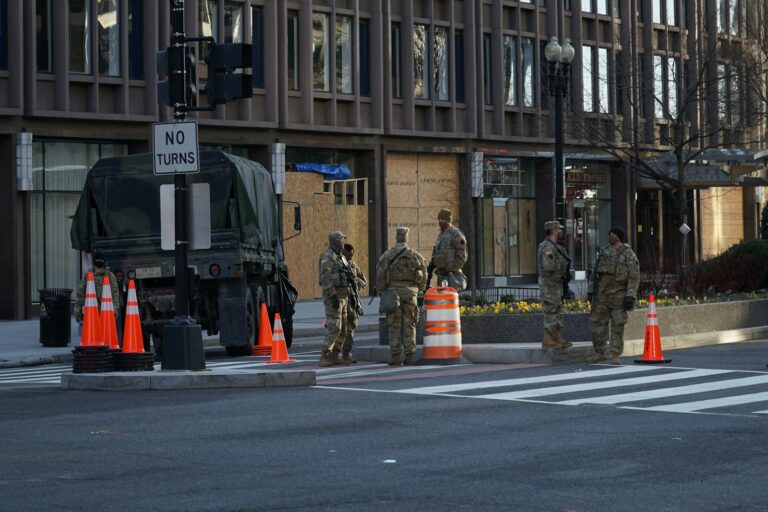
When protests erupted in LA, local law enforcement led initial responses. Officers faced crowds demanding justice and police reforms. Then, the National Guard received orders to deploy. Within hours, dozens of military vehicles rolled into key intersections. Troops helped set up checkpoints and guard federal buildings. In some areas, they patrolled with police officers. Yet, the sudden shift in tactics alarmed some residents.

Did the National Guard Ease Tensions?

Supporters of the Guard say their visible presence stopped more destructive acts. They point to fewer looting reports after federal forces arrived. They also say the Guard helped protect historic landmarks. Moreover, federal officers removed barricades that blocked emergency routes. They argue these actions prevented fires and saved homes.

However, many disagree. They claim that soldiers in combat gear and armed vehicles only heightened anger. Some protesters felt threatened and pushed back harder. For example, a peaceful march in downtown turned tense when Guard troops advanced. Video clips show heated exchanges between protesters and troops. These clips went viral, adding fuel to the debate.

Local Leaders Share Their Views

The mayor and governor have both weighed in. They said they requested extra support for specific federal buildings, not an overall military force. They stressed that community policing could handle most protests. The mayor noted that dialogue with local activists did more to calm crowds than armed deployments. Meanwhile, the governor called for better coordination between state and federal agencies.

Understanding the National Guard’s Role

The National Guard normally activates to help in natural disasters, like wildfires. They offer logistical support, medical aid, and crowd control assistance. In this case, the Guard fell under federal command. That means they could perform law enforcement duties beyond usual missions. This shift raised questions about military forces policing American streets.

Why the Debate Matters

People worry about setting a precedent for using troops against civilians. They fear future protests might see rapid military responses. Others see the Guard as a safety net when violence erupts. Both views hinge on whether armed forces can protect without intimidating. In Los Angeles, the tension between security and civil rights remains clear.

Moving Forward After the Controversy

The clash over Noem’s comments shows deep divides. Community leaders are calling for after-action reviews of protest responses. They want clear rules on when and how the National Guard can step in. In addition, groups are urging the government to invest more in local crisis training. They believe well-prepared police and community teams can reduce the need for military help.

Ultimately, the question stays: Did the National Guard save LA, or did it spark more conflict? The answer depends on whom you ask. As both sides plan future actions, America watches to see if federal troops will again patrol city streets.

Frequently Asked Questions

How long can the National Guard stay in a city after deployment?

The Guard’s deployment length depends on the mission’s scope. Federal orders set specific start and end dates. State or local requests can also extend their stay.

Can National Guard troops make arrests during protests?

Yes, under federal activation, they can perform law enforcement duties. However, rules govern when and how they may detain individuals. Proper training and legal oversight must guide their actions.

What triggers a federal decision to send the National Guard?

The president or defense secretary may deploy the Guard when states request help. They look at threats to federal property or large-scale unrest that exceeds local control.

Have National Guard deployments reduced violence in other U.S. cities?

Results vary by location. In some cases, Guard presence helped restore order. In others, tension grew when troops replaced local officers. Community context and deployment strategy play significant roles.

Did Trump Shortchange Troops with 29-Day Orders?

0

Key Takeaways:

• President Trump placed Washington’s Guard on 29-day orders to dodge full housing and health pay
• Short orders saved about $2,500 per soldier each month
• Veterans and lawmakers say troops missed key benefits unfairly
• Service members and critics voice strong outrage over the tactic

Earlier this summer, reports said President Trump used 29-day orders for the DC National Guard. By stopping orders one day before 30, he avoided full housing and health benefits. Now, new rumors claim the practice has returned. Veterans and leaders on social media have reacted with anger and disappointment.

How 29-Day Orders Affected Troops

Under federal rules, service members get full Basic Allowance for Housing after serving 30 days. Before day 30, they only get a lower rate. By cycling troops off orders on day 29, the administration saved roughly $2,500 per person each month. Then they placed them back on orders after a one-day break. As a result, these soldiers never hit the 30-day mark.

Title 32 rules clearly state that full benefits start only on day 31 and only apply from then on. They also don’t go back and cover earlier days. Therefore, troops on 29-day orders missed out on full housing and health coverage. That left many of them worried about paying rent and medical bills.

Why 29-Day Orders Matter to Veterans

Many veterans say this move shows disrespect for troops’ service. One former service member wrote that such tactics infuriate anyone who served. Another critic called the president an “abusive commander in chief.” They argued that leaders should honor the oath made to the Constitution and treat service members fairly.

Lawmakers have weighed in too. A retired congressman who served in the Air Force questioned why the orders were so short. He pointed out that missing a single day costs soldiers key benefits. He added that it feels like the troops are being used as a budget tool.

Veteran Voices on Social Media

On a popular forum, an ex-soldier warned other service members. He said they have the right to refuse orders they think break the law. He urged troops to stand up if they feel mistreated. Another veteran posted that the president always seems to cut costs at the troops’ expense.

These comments show deep frustration. Many feel the system should protect troops from political budget tricks. They argue that fairness matters more than small savings.

Could Guards Refuse Unfair Orders?

Under military law, service members can question or refuse orders they believe illegal. Experts say this includes orders that violate pay rules. However, raising such an issue can be risky for a soldier’s career. It takes courage to challenge higher-ups, especially during active duty.

Still, some believe public pressure can force change. If enough people speak out, the administration might reverse the policy. Veterans groups are organizing petitions and letters. They hope to restore full benefits to those serving in our nation’s capital.

The Cost Savings Behind 29-Day Orders

By cycling orders, the government cut payouts by at least $2,500 per soldier each month. For hundreds of troops, that adds up fast. Critics say these savings come at a high moral cost. They believe the move sends the wrong message about how our country values its service members.

Supporters of the tactic claim it follows existing rules. They say the government must manage its budget wisely. Yet opponents argue that a leader’s duty is to reward troops, not shortchange them.

What’s Next for the National Guard?

As rumors swirl, people are watching closely. Will the Pentagon step in to enforce 30-day minimums? Will Congress pass a rule to close this loophole? And most importantly, will the troops get back pay for lost benefits?

The debate over 29-day orders has highlighted a bigger issue: how we treat those who protect us. Many believe the answer will shape military policy for years to come.

FAQs

How do 29-day orders work?

Under federal regulations, service members on Title 32 orders must serve 30 days to earn full housing and health benefits. A 29-day order ends one day short, qualifying them only for reduced pay.

Why did the administration use 29-day orders?

By ending orders on day 29 and restarting them after a short break, the government saved roughly $2,500 per soldier each month. This tactic exploits the benefit rules.

Can troops challenge these orders?

Military law allows service members to question or refuse orders they believe illegal. However, doing so can risk their careers, so many hesitate to speak up.

What might change this policy?

Public pressure, veterans’ advocacy, and new legislation could force an end to the 29-day order practice. Lawmakers could also pass rules to guarantee at least 30-day orders for benefit eligibility.

Did a Judge Halt Deportations With a Restraining Order?

0

Key Takeaways

• A judge issued a restraining order to halt deportations of 600 Guatemalan children.
• The restraining order ensures these kids get full immigration hearings.
• Lawyers argued unaccompanied minors must have legal protection.
• The Trump administration called its plan a pilot program.
• Now the children stay in the U.S. temporarily until court decisions.

Restraining order stops 600 child deportations

On Sunday, U.S. District Court Judge Sparkle L. Sooknanan blocked the planned deportation of 600 unaccompanied Guatemalan children. She granted a temporary restraining order just hours before they were set to leave. The order will remain in place while a full hearing happens. Therefore, these kids have time to seek protection in court.

Why the restraining order matters

The restraining order prevents the government from sending children back to Guatemala without a proper hearing. It also ensures they face full immigration proceedings. Moreover, it protects children who fear harm in their home country. For that reason, advocates called the judge’s decision a vital win.

How the pilot program was meant to work

The Trump administration described the plan as a first-of-its-kind pilot program. Under it, officials would quickly deport unaccompanied children from Guatemala. They planned to skip lengthy court appearances. However, lawyers argued this violated existing rules on child protection.

The lawsuit behind the scenes

Lawyers from the National Immigration Law Center filed the lawsuit late Saturday night. They wrote that all unaccompanied children are entitled to full immigration hearings. They also note that children might face danger if forced back without review. As a result, they asked the court for emergency relief.

What the judge said

Judge Sooknanan found that the plaintiffs “satisfied the four factors governing the issuance of preliminary relief.” She said the children could suffer great harm if deported too soon. In addition, the judge noted the government’s action could violate legal duties to protect kids.

The government’s response

The administration argued the program would speed up removals for children who do not qualify for asylum. They called it a pilot aimed at testing new procedures. Nevertheless, the court’s restraining order stops those plans while the case moves forward.

How this affects the children

Because of the restraining order, the 600 Guatemalan minors remain in U.S. custody. They now have access to immigration judges. This means they can apply for asylum or other protections. Also, they can present evidence about dangers they face back home.

Broader impacts on immigration policy

This ruling could shape how the government treats unaccompanied minors. If the restraining order stands, agencies might face stricter rules for quick deportations. Furthermore, other courts could follow this example in similar cases. Therefore, the decision has nationwide importance.

What comes next

The government and the children’s lawyers will appear before the court soon. They will argue whether the restraining order should become a longer-lasting injunction. Meanwhile, the children wait with their families or guardians in the U.S. They are hopeful their cases will get full hearings.

Views from advocates

Advocates praised the judge’s order as a lifesaving step. They said the restraining order upholds children’s rights. Also, they urged Congress to pass clearer laws protecting unaccompanied minors. In addition, they called on the administration to drop quick-deportation plans.

Legal experts weigh in

Some experts believe the restraining order could be overturned on appeal. Others think the judge’s reasoning is strong under current law. Yet all agree the decision highlights tensions over immigration policy. For now, government officials must pause the pilot program.

Voices of the families

Families of these children say the restraining order brings relief. They worry their kids faced danger back in Guatemala. Now, they feel safer knowing their children can tell their story in court. They also hope the U.S. will grant more time for proper hearings.

What happens in court

During the next hearing, both sides will present evidence. Lawyers for the children will share details of their fear of persecution. The government will defend the pilot program’s legality. After listening, the judge will decide whether to lift or extend the restraining order.

Key terms to understand

• Restraining order: A court order that temporarily blocks an action.
• Unaccompanied child: A minor who arrives without a parent or legal guardian.
• Immigration hearing: A court meeting where migrants seek refuge.

In short, the temporary restraining order has paused the deportation of 600 unaccompanied Guatemalan children. It forces the government to respect legal protections for minors. While both sides prepare for a full hearing, the children remain on U.S. soil. This ruling marks a crucial moment in U.S. immigration law.

Frequently Asked Questions

How long will the restraining order last?

The restraining order stays until the judge decides on a longer injunction. That decision could come after the next hearing.

Can the government appeal the restraining order?

Yes, the administration can ask a higher court to overturn or change it. Appeals could take weeks or months.

What rights do unaccompanied children have?

They have the right to full immigration hearings and to apply for asylum or other protections.

Will this decision affect future deportations?

Possibly. This case could set a precedent, making it harder to deport unaccompanied minors without court review.

Why Did the Sandwich Indictment Fail?

0

Key Takeaways

• Fox News host Shannon Bream challenged Jeanine Pirro about the sandwich indictment.
• D.C. grand jurors declined to indict the man who threw a sandwich.
• Pirro argued jurors don’t understand crime in tougher neighborhoods.
• The Department of Justice charged a misdemeanor instead.
• Pirro insists her office will hold the offender accountable.

In a Sunday interview, Shannon Bream pressed Jeanine Pirro on why a sandwich indictment did not happen. The case involved a man who threw a Subway sandwich at a federal officer. Yet, a Washington Post headline said grand jurors and judges pushed back on many Trump-era cases. Bream asked why this one did not move forward. Pirro said she could not share all grand jury details. However, she blamed jurors for not seeing crime as she does.

Case Details and Fallout

A man named Sean Dunn allegedly threw a sandwich at a federal officer outside an FBI building. The incident drew attention because it looked like a simple prank. However, federal officers saw it as an attack. Normally, such cases move fast through the justice system. Yet, jurors declined to indict Dunn. As a result, the Department of Justice charged him with a misdemeanor. This change upset some people who wanted harsher punishment.

Grand jurors push back in sandwich indictment

Jeanine Pirro said many jurors live in safer areas. As a result, they may not see crime up close. She compared their experience with that of victims. She said jurors treated this case lightly. Meanwhile, her office had aimed for the highest charge allowed by law. Yet, grand jurors decided the crime did not meet that bar. Consequently, the sandwich indictment failed to stick.

Local judges also showed caution. They wanted more proof before moving forward. They pushed back on a surge of new cases under Trump’s policing plan. This trend affected many cases, not just the sandwich indictment. As a result, prosecutors grew frustrated. They felt judges and jurors did not share their sense of urgency.

Pirro’s Response and Next Steps

Pirro said her team will still protect victims. She insisted they will seek justice within the law. She noted that charging Dunn with a misdemeanor still holds him accountable. She argued that every case must fit legal standards. If not, jurors will not agree. At the same time, she believes harsher charges can deter crime. Therefore, her office will keep pushing for tougher penalties when evidence allows.

She also highlighted challenges in D.C. courts. For example, she said judges sometimes set low bail for serious offenders. Then, the accused return to the streets quickly. In her view, this process can endanger public safety. Nevertheless, she respects the role of juries. She just wants them to see crime in all its forms.

What This Means for D.C. Policing Surge

The sandwich indictment saga may signal a bigger issue. First, it shows tension between prosecutors and jurors. Second, it highlights public concern over rising crime. Third, it raises questions about federal courts in D.C. Some experts say this pushback could slow enforcement. Others argue it ensures fair trials. Either way, both sides must find common ground.

If jurors keep rejecting tougher charges, prosecutors may rethink strategy. They might focus on building clearer evidence or on lesser charges. This could lead to more plea deals instead of trials. Moreover, it could shift how the public views federal law enforcement in the capital.

Meanwhile, community members want safe streets. They watch these cases closely. They worry that lenient charges send the wrong message. On the other hand, some people argue for caution to avoid unfair convictions. Balancing these views will shape future policy in D.C.

Lessons for Other Jurisdictions

Other cities may face similar hurdles. In places where crime surges, prosecutors push for higher charges. Yet, local jurors might resist if they lack firsthand experience. Therefore, prosecutors need strong outreach. They can explain the risks victims face. They can also train jurors on crime trends.

Moreover, transparency helps. When jurors see clear proof, they feel more confident. They may then support tougher charges. In the sandwich indictment case, jurors may have thought the crime was minor. Better briefing could change that view. Thus, future cases might succeed.

Transitioning from theory to practice, prosecutors could hold mock trials. They can invite community members to learn how evidence works. They can also share crime statistics. As a result, juror pushback may lessen over time.

Moving Forward in the Sandwich Indictment Era

Prosecutors will watch this case closely. They want to know how to handle similar incidents. They will likely adjust their approach. For example, they might gather more victim statements. They might add expert testimony on the danger of assault. They could also aim for charges that jurors find clear-cut.

Additionally, they may seek legislative help. Lawmakers could update statutes to define such assaults more strictly. This change would help juries see the crime’s seriousness. However, passing new laws takes time. In the meantime, prosecutors must work within current rules.

Overall, the sandwich indictment failure shows a gap between prosecution and jury perception. Bridging that gap will require effort from both sides. Yet, both want the same goal: justice and safety.

Frequently Asked Questions

What was the sandwich indictment about?

The sandwich indictment involved a man who threw a Subway sandwich at a federal officer. Grand jurors decided not to indict him on higher charges.

Why did grand jurors push back?

Pirro said jurors lived in safer areas. She believes they did not see crime’s reality. This gap in experience led them to treat the case lightly.

What charge did the Department of Justice bring?

After the grand jury declined to indict, the DOJ charged the man with a misdemeanor. Pirro says this still holds him accountable.

How might this case affect future prosecutions?

Prosecutors may seek clearer evidence or focus on lesser charges. They might also work on educating jurors about crime risks.

Will Epstein Files Finally Be Released?

0

Key Takeaways

  • Lawmakers push to release Epstein files in a new bill
  • Both parties back a petition to force the DOJ to share documents
  • Ten Epstein victims will speak out at a press conference on Sept. 3
  • Victims demand full closure and transparency on the Epstein case

What’s Happening with the Epstein Files?

Rep. Ro Khanna says a bipartisan push will soon force the release of the Epstein files. He and Rep. Thomas Massie plan to file a petition on Sept. 2. They need just six more Republican signatures. Moreover, 212 Democrats already signed on. Therefore, the bill looks strong. It aims to make the Department of Justice hand over every record. As a result, the public can see the full truth behind the Epstein case.

Who Is Leading the Charge?

Khanna and Massie co-lead this effort. Khanna spoke about it on NBC’s Sunday show. The host asked if they had enough votes. He replied confidently that they would. Massie brings Republicans to the table. Meanwhile, Khanna unites all Democrats behind the bill. This rare teamwork shows how important the issue has become. Indeed, both sides want to prove they can tackle big problems together.

Why Victims Demand the Epstein Files

Many survivors still feel pain. They look for answers that the files might contain. For instance, they want names, dates, and locations. They hope to see who else took part. Furthermore, they need evidence to heal and move on. So far, they lack access to crucial details. Without those details, they feel justice remains unfinished. Consequently, they fight for full transparency.

What Will the Press Conference Show?

On Sept. 3, ten victims will testify on the Capitol steps. Some have never spoken before. Their stories will make this event explosive. They will share how Epstein’s crimes changed their lives. Then, they will urge the public to demand the files. As a result, pressure on Congress and the DOJ will skyrocket. This visual moment will bring the fight for the Epstein files into the spotlight.

Key Speakers and Their Roles

  • Victims: They will speak openly and bravely.
  • Khanna and Massie: They will highlight the petition and its progress.
  • Supporting lawmakers: They will call for urgent action.

What Happens After the Press Conference?

First, the petition stays open for signatures. Then, lawmakers in both parties will push for a vote. If they get enough votes, the bill goes to the House floor. Next, it heads to the Senate for approval. Finally, it reaches the President’s desk. If signed, the DOJ must release the Epstein files within a set deadline. However, there could be legal challenges. The DOJ might claim national security or privacy concerns. Still, the bipartisan effort makes such objections harder to sustain.

Why This Push Matters Now

Jeffrey Epstein died years ago, yet questions remain. Victims deserve closure and validation. Congress must show it listens to survivors. Moreover, Americans want to hold powerful people accountable. When lawmakers team up across party lines, they prove real progress can happen. Finally, full disclosure can help prevent future abuses.

Understanding the Epstein Files

The term Epstein files refers to all documents about the case. It includes:

  • Police reports
  • Flight logs
  • Sealed affidavits
  • Victim statements
  • Financial records

Until now, many files stayed hidden or redacted. Therefore, the public saw only bits and pieces. By contrast, full files could reveal new patterns. They might name additional suspects or enablers. As a result, they can guide further investigations. In the long term, they can help protect future victims.

How People Can Support the Release

Anyone can join this cause online. You can:

  • Contact your representatives by email or phone
  • Share news about the press conference on social media
  • Use hashtags to spread awareness
  • Attend local town halls and ask questions

Moreover, you can donate to organizations backing survivors. These groups often push for transparency and reforms. By acting together, citizens can amplify victims’ voices.

Potential Challenges Ahead

Even with strong support, the process may stall. The DOJ might file court motions to block the release. Judges could weigh privacy against public interest. Also, some lawmakers might try to add revisions. They may argue over specific details or deadlines. Nonetheless, the bipartisan nature of this bill makes it harder to derail. As a result, the effort stands a better chance than usual.

A Look at Bipartisan Efforts in Congress

Bipartisan bills succeed when both sides find common ground. Here, the goal is clear: transparency. In recent years, similar pushes won public support:

  • Declassifying certain government reports
  • Releasing data on surveillance programs
  • Disclosing historic federal records

In each case, bipartisan teams made progress. By following that model, Khanna and Massie hope to achieve a major win.

What Full Closure Might Mean

For survivors, closure means more than seeing papers. It means:

  • Acknowledgment of their pain
  • Public record of wrongdoing
  • Potential new leads for justice
  • Emotional relief

When the truth comes out, it empowers victims. It also educates future generations. They learn how to spot abuses of power and speak up.

Looking Ahead: What’s at Stake

If the Epstein files come out, history may shift. New players could face scrutiny. Victims may come forward with fresh evidence. Lawmakers can craft stronger protections against abuse. Meanwhile, public trust in justice can grow. On the other hand, failure to release might erode faith in institutions. Thus, Sept. 3 stands as a pivotal moment.

Final Thoughts

The push to publish the Epstein files shows how real people can drive change. Thanks to brave survivors and dedicated lawmakers, this issue reached a boiling point. As the petition gains signatures, the momentum builds. The press conference will mark a critical test. It will reveal whether Congress can deliver true transparency. For many, seeing the full record means finally finding peace. If the effort succeeds, it will set a powerful example of bipartisanship.

Frequently Asked Questions

Who is sponsoring the bill to release the files?

Reps. Ro Khanna and Thomas Massie lead the petition with bipartisan support.

What do the Epstein files include?

They contain police records, flight logs, victim statements, and more.

When and where is the press conference?

It’s set for Sept. 3, on the steps of the U.S. Capitol.

How can the public watch or join?

People can follow live streams online and contact lawmakers to show support.