54.9 F
San Francisco
Thursday, July 9, 2026
Home Blog Page 754

Can State Discipline Protect Court Ethics?

0

Key Takeaways

• A federal appeals court stopped contempt charges against Trump administration lawyers.
• Judges can refer lawyers to state discipline bodies for ethical breaches.
• State discipline can suspend or disbar lawyers who break professional rules.
• State discipline helps keep lawyers honest and protects the rule of law.

State Discipline Can Hold Lawyers Accountable

In August 2025, an appeals court blocked a judge’s attempt to punish lawyers for contempt. The judge, James Boasberg, said these lawyers ignored his orders on migrant deportations. Yet the appeals court stopped him on technical grounds. However, judges still can refer lawyers to state discipline bodies. These bodies can investigate and punish unethical behavior.

Why Federal Courts Could Not Enforce Contempt

Federal judges sometimes hold lawyers in contempt for defying court orders. But the appeals court in Washington, D.C., said Boasberg could not do that here. It pointed to procedural rules that block contempt in certain cases. As a result, the question of whether these lawyers truly violated court orders remains.

How State Discipline Works

State discipline means lawyers face reviews by local bar associations or courts. For example, California has its State Bar Court. New York uses attorney grievance committees. Washington, D.C., has the Board on Professional Responsibility. Even federal lawyers must keep their state or local licenses. If they break ethics rules, these bodies can start a case.

In a state discipline hearing, lawyers answer charges of lying to a court or hiding evidence. If found guilty, they can face suspension or disbarment. In extreme cases, they lose the right to practice law forever.

State Discipline in Action

Examples show state discipline can bite. Former New York Mayor Rudy Giuliani lost his licenses in New York and D.C. He faced disbarment for false claims in the 2020 election. Lawyers John Eastman and Jeffrey Clark also faced ethics charges in state bodies. These cases still move through the system, but they show real consequences.

Another example involves private firms targeted by the Trump administration. It tried to revoke their security clearances and bar their lawyers from federal buildings. Those firms fought back and won. Yet the administration filed ethics complaints against at least one opposing lawyer. This shows how state discipline can become a tool in political fights.

Why State Discipline Matters

State discipline plays a key role in our legal system. First, it checks unprofessional conduct by lawyers. Even in serious federal cases, lawyers must follow basic rules. Second, it preserves trust. People need to believe lawyers act fairly. Without trust, the legal system breaks down.

The U.S. legal system is adversarial. Lawyers must fight hard for their clients. Still, they cannot break core rules or lie to courts. If they do, state discipline steps in. This keeps the playing field even.

Challenges and Limits

State discipline is not perfect. Processes can drag on for years. The cases against Eastman and Clark began in 2021 and still have no final rulings. Delays can weaken the impact of punishment.

Also, state discipline can spark retaliations. One side may file unmerited ethics complaints against its rival. This could lead to a cycle of pointless accusations. Yet the risk of discipline often makes lawyers pause before acting unethically.

Protecting Professional Reputation

Lawyers care deeply about their reputations among peers. A pending ethics case can harm a lawyer’s standing. It can block job offers and lead to social isolation. So the very idea of state discipline can deter wrongdoing.

Plus, the fear of losing a license may curb extreme tactics. Lawyers know they must balance client demands with core ethical rules. This balance secures fair trials and faithful law enforcement.

The Future of State Discipline

Judges like Boasberg hold an important card by referring cases to state bodies. They cannot always sanction lawyers themselves. However, their referrals can trigger state discipline inquiries. These inquiries send a clear message: lawyers must obey court orders.

Meanwhile, state bodies could streamline processes to speed up justice. Faster hearings mean quicker punishments and better deterrence. Also, clear rules can reduce baseless complaints. That would protect honest lawyers from endless attacks.

Overall, state discipline stands as a vital check on lawyer misconduct. It safeguards the rule of law even when courts cannot act. Judges, bar associations, and lawyers must support these systems. This way, the legal profession stays strong and fair.

Frequently Asked Questions

What is state discipline?

State discipline is the process where local bar associations or courts review and punish lawyer misconduct.

Why can’t federal courts always punish lawyers?

Technical rules sometimes block courts from holding lawyers in contempt. In those cases, judges may refer matters to state bodies.

How long do state discipline cases take?

They can take months or even years. Delays often result from complex investigations and appeals.

Can state discipline stop unethical lawyers?

Yes. State bodies can suspend or disbar lawyers. This loss of license deters most from breaking rules.


Is Palantir Gotham Changing Government Surveillance?

0

Key Takeaways

• Palantir Gotham brings scattered data into one powerful platform.
• It helps agencies search records in hours, not weeks.
• The software raises privacy and oversight concerns.
• Governments can build detailed profiles on people.
• Future rules will shape how it balances security and freedom.

Understanding Palantir Gotham

Palantir Gotham is a software tool that mixes data from many sources. It takes files, reports and social media logs. Then it turns them into a searchable web. Investigators can hunt for clues by typing in traits like a tattoo or travel history. Therefore, law enforcement works faster and sees links they might miss.

Palantir Gotham and Data Integration

First, agencies feed all their data into the platform. They upload license plate photos, driver records and text messages. Next, Gotham breaks each file into tiny details. Then it connects related facts across departments. For example, a border patrol agent can match biometric data with visa records. Moreover, social media posts or location history joins the mix. This process creates a unified map of a person’s life.

Palantir Gotham in Action

Law enforcement teams now solve cases in hours. Before Gotham, checking different systems took weeks. Police can trace a suspect’s movements on a city map. They can spot networks of friends and associates. They can flag people by age, tattoos or immigration status. This level of detail means agents can focus on high-risk targets. However, it also expands surveillance to many more individuals.

Palantir Gotham and Government Power

When a private company builds core justice tools, a new dependency forms. Palantir Gotham becomes more than software. It shapes how investigations run. It guides which targets rise to the top. Yet its inner workings stay secret. Agencies cannot show the public how Gotham ranks risk. Consequently, citizens cannot appeal a decision made by an algorithm.

Palantir Gotham Beyond Policing

Palantir Gotham also helps public health and tax agencies. For instance, the Centers for Disease Control can track outbreak patterns faster. The Internal Revenue Service can spot fraud by linking finance data. In addition, the Department of Defense uses Gotham for battlefield intelligence. Thus, the platform moves from crime fighting to many government tasks.

Balancing Efficiency with Rights

On one hand, Palantir Gotham modernizes old record systems. It turns siloed data into real-time insights. Therefore, agencies respond to threats more swiftly. On the other hand, mass profiling risks appear. President actions today may set precedent for tomorrow. History shows that expanded powers can later target activists or entire ethnic groups.

The Threat of Normalized Surveillance

Once agencies start relying on Palantir Gotham, they rarely return to slow manual checks. This creates strong inertia. Then oversight struggles to keep pace with the new tools. Mistakes or biases can affect thousands at once. For example, an error in an algorithm could wrongly flag someone as a security risk. Yet that person may never know the real reason.

Towards Preemptive Security

Palantir Gotham supports a “predictive” view of crime and risk. Instead of proving guilt, officials act on patterns in the data. This “preemptive security” can erode legal safeguards. Traditional justice demands clear evidence. However, Gotham lets agencies move early on possible threats. Consequently, a person might face consequences before any crime occurs.

Shaping the Future of Governance

The real change is how the state makes decisions. Palantir Gotham shifts power toward data-driven choices. It rewrites what counts as proof. Today’s pattern could become tomorrow’s justification. Thus, the tool alters the basic relationship between rulers and citizens. Whether this trend leads to safer communities or unchecked control depends on our laws and values.

Creating Oversight and Accountability

To keep Palantir Gotham from overreach, clear rules must exist. First, agencies need to publish how they use the platform. Next, independent watchdogs should review the data and algorithms. Finally, people must have rights to challenge decisions made by the software. Without these steps, democratic control may weaken.

The Road Ahead

Palantir Gotham is here to stay. Its capabilities will only grow. Therefore, society faces a choice: embrace efficiency at the cost of some privacy or set firm limits now. Strong legal safeguards and transparency can help balance security and freedom. Ultimately, our political will must guide this powerful tool.

Frequently Asked Questions

What makes Palantir Gotham different from other databases?

Gotham breaks data into tiny parts and then links them. This lets users search across many sources at once. It also updates in real time. Traditional databases often store data separately.

Can citizens see why Gotham flags them?

No. Gotham is proprietary software. Agencies cannot fully share the algorithms or criteria. This means individuals often cannot learn why a decision was made.

How might Gotham affect privacy rights?

Gotham can build detailed personal profiles quickly. This broad surveillance could sweep in innocent people. Without strict rules, privacy rights may erode.

Are there examples of oversight for Palantir Gotham?

Some agencies have internal reviews. However, few public rules govern Gotham’s use. Experts call for independent audits and transparent policies. This could keep the software in check.

Why Are Research Funding Cuts Hurting Health?

Key Takeaways:

  • The Trump administration canceled over 5,100 NIH grants and 1,700 NSF grants, totaling more than $5.4 billion.
  • Most canceled projects studied health gaps in women, people of color, and LGBTQ groups.
  • Endometrial cancer and HIV research lost vital support, worsening care for all.
  • Cutting research funding drives up health costs and harms every community.

How Research Funding Affects Health Outcomes

The Trump administration rescinded more than $5.4 billion in medical grants by August 2025. This move hit projects tied to diversity, equity and inclusion. For example, the National Science Foundation pulled over 1,700 grants worth more than $1 billion. Meanwhile, the National Institutes of Health cut over 5,100 grants worth $4.4 billion. These decisions reshaped the nation’s research funding landscape and left gaps in studies that serve the most vulnerable.

What Did the Cuts Target?

Officials focused on grants linked to diversity, equity and inclusion initiatives. They even planned to eliminate the National Institute on Minority Health and Health Disparities. That office funds research into why some groups face worse health outcomes. As a result, studies on food insecurity, prenatal stress in women of color, and depression differences between men and women lost support. Projects on suicide risk in gender minority teens were also canceled. In short, scientists lost money to study issues affecting marginalized groups.

Why That Matters

Research funding drives new discoveries. Without it, we cannot learn why certain diseases hurt some people more than others. For instance, research showed that social stress from discrimination can change our bodies. These changes raise risks for heart disease, depression and other illnesses. Studies also found that patients trust doctors who share their background. Trust leads to more checkups and earlier disease detection. When funding dries up, these benefits disappear.

Case Study: Endometrial Cancer Disparities

Endometrial cancer affects the inner lining of the uterus. Black women suffer higher death rates from this disease than white women. Yet, scientists still do not know why Black women get the more aggressive cancer subtype more often. One study linked chemical hair straighteners to higher cancer risk. Another found that Black women often miss early warning signs like postmenopausal bleeding. Late diagnoses mean fewer treatment options and lower survival rates. Sadly, research that could close these knowledge gaps lost funding.

How DEI Initiatives Improve Care

Diversity, equity and inclusion efforts aim to make science fair for all. For example, programs that recruit underrepresented scientists bring fresh ideas. Likewise, peer-mentoring helps new researchers stay in the field. More diverse teams ask different research questions. They also use methods that respect all cultures and identities. As a result, treatments and policies become more effective for diverse populations. Cutting DEI work undercuts these gains and limits who benefits from new science.

Broader Effects on Everyone

You might think these funding cuts only affect small groups. However, they change health care for all Americans. Consider HIV research canceled for transgender women and men of color. Better HIV prevention benefits the whole population by lowering overall infection rates. Likewise, grants supporting underrepresented trainees in Parkinson’s research were cut. This disease affects over a million Americans today and even more tomorrow. So, losing researchers delays better treatments for everyone.

Economic Costs of Cutting Research Funding

Health inequalities hurt the economy too. One study estimated that racial health gaps cost America up to $451 billion in one year. Gaps tied to education levels cost nearly $978 billion. When we ignore the health of some groups, we pay more in medical bills, lost work days and even premature deaths. Therefore, slashing research funding deepens these losses. In other words, everyone ends up paying higher taxes and insurance bills.

What Can We Do Next?

First, we must restore and protect research funding for diversity and minority health. In addition, institutions should expand DEI initiatives in science and medicine. This means hiring more diverse faculty, offering mentorship, and involving community voices in research. Also, we need policies that stop discrimination in health care. They can improve patient trust and encourage earlier treatment. Finally, public awareness and advocacy can push lawmakers to support inclusive research.

Moving Forward Together

Investing in research funding that serves all communities benefits every American. For instance, better screening for endometrial cancer among Black women can boost survival rates and cut long-term care costs. Likewise, targeted HIV prevention reduces spread and medical costs nationwide. In fact, when all groups receive fair research attention, medical advances come faster and at lower cost. Therefore, a more inclusive vision of science is our best path to healthier lives and stronger economies.

Frequently Asked Questions

Why did the administration cut research funding for diversity projects?

The administration viewed some diversity, equity and inclusion initiatives as political. Therefore, it removed funding from projects it believed were tied to these efforts rather than core medical science.

How do funding cuts to minority health research affect overall health?

When we stop studying health issues in minority groups, we lose knowledge that could help everyone. Many diseases affect all populations. Better understanding in one group often leads to better treatments for all.

Can cutting research funding raise health care costs?

Yes. Ignoring health disparities leads to more advanced illnesses, longer hospital stays, and higher treatment costs. One study showed health disparities cost society hundreds of billions each year.

How can people help protect research funding?

Citizens can contact representatives, support advocacy groups, and raise awareness of how inclusive research benefits everyone. Public pressure can encourage lawmakers to maintain or increase funding.

Why Are Psychedelics Used in Modern Churches?

0

Key Takeaways:

• US states now fund psychedelic research to treat addiction and PTSD.
• Scientists, politicians, and clergy team up to back psychedelics.
• Churches offer substances like peyote, ayahuasca, and ketamine as sacraments.
• Studies find psychedelics can cut PTSD and addiction symptoms by up to 88 percent.
• Safe psychedelic use needs trained guides, proper dosing, and aftercare.

Psychedelics Take Root in Modern Churches

In Colorado Springs, worshippers gather each week at the state’s first psychedelic church. They take a small dose of a plant-based compound and then sing, chant, or pray. Then they speak of deep spiritual visions. This church is one sign of a growing trend across America.

Earlier this year, Texas passed a law to spend fifty million dollars on ibogaine research. This medicine comes from a West African shrub. It can help people battling opioid addiction and tough PTSD. In nearby Arizona, lawmakers approved funds to study ibogaine’s effect on veterans and people with brain injuries.

These moves follow Oregon, Colorado, Kentucky, and Georgia. Those states legalized ketamine for therapy in the last two years. Ketamine has long served as an anesthetic in hospitals. Now therapists use it for severe depression and other mental health problems.

Generally, psychedelics are drugs that shift your mood, thoughts, and senses. They work by changing how brain chemicals like serotonin talk to each other. Classic examples are LSD, magic mushrooms (psilocybin), and peyote. Others include MDMA, DMT from ayahuasca, and ketamine. Each differs in strength, effect, and legal standing.

Psychedelics and Spiritual Healing

For thousands of years, people in Africa and the Americas used sacred plants in healing ceremonies. Shamans would guide initiates through visions that healed trauma or brought spiritual insight. Today, some clergy say these practices can fit into modern worship.

A study by top universities talked to 29 religious leaders. They ranged from Catholic priests to Zen monks. Almost all said psychedelics gave them some of their most profound spiritual moments. Some even describe flashes of bright light, angelic sounds, or a sense of divine love.

Moreover, a recent Stanford brain study found 88 percent of 30 military veterans saw big drops in PTSD after using ibogaine. In 2022, a review of 24 ibogaine reports showed many felt relief from depression, addiction, and trauma. Even MDMA made headlines in 2021 when researchers saw a 67 percent drop in PTSD in a small group.

Some ministers now call psychedelics a “chairlift to God.” They say these medicines help people focus on the divine for longer. In Spokane, Washington, the new Gaia Church got official permission to serve ayahuasca. The DEA exemption means members can use it legally as part of worship.

Clergy who back these services argue that reconnecting people with mystery and awe can heal both individuals and communities. They see plants as allies in restoring mental health and faith.

Blending Science, Politics, and Faith

What makes this wave different is its mix of scientists, lawmakers, and church leaders. In the past, psychedelics were mainly fringe medicine or part of counterculture. Now, former governors and respected researchers join hands with priests and rabbis.

In Texas, Gov. Rick Perry’s support was key to winning votes. Arizona’s law sailed through with few objections. Such political backing signals a shift. It says alternative mental health tools deserve serious study and possible therapy rooms.

Also, research centers at universities are adding psychedelic labs. They aim to study these compounds under strict medical rules. Patients go through careful screenings. They get guided sessions and follow-up care. This model reduces risks like anxiety or panic, which can happen if someone takes a strong psychedelic alone.

Risks and Responsible Use

Despite promise, psychedelics carry risks. Some users feel extreme fear or paranoia. Rarely, they might face a psychotic break. People with schizophrenia in their families should avoid these drugs. Also, uncontrolled batches of medicine can hide unknown chemicals or wrong doses.

That is why most experts urge supervised sessions. Licensed therapists or trained facilitators prepare people for the journey. They stay with users during the trip. Then they offer talk therapy afterward. In that way, insights turn into real changes in daily life.

Indigenous healers have long known this. They combine ceremony, songs, and community care. Modern clinics try to copy these steps. They add medical checks, clean facilities, and science-based methods.

Balancing Hope and Caution

Today’s psychedelics stand at a crossroads between old and new worlds. On one side are village healers who learned through generations. On the other side are lab scientists tracking brain waves and chemicals.

Yet both sides may share a goal. They want to free people from trauma, addiction, and spiritual emptiness. They believe guided use can sparking awe, empathy, and inner peace.

However, this path demands care. Laws must keep medicine pure and safe. Therapists need training in both therapy and spiritual support. Churches must screen members and follow clear rules.

When these pieces come together, psychedelics could reshape mental health and faith traditions. They may offer new ways to find meaning and heal deep wounds.

Frequently Asked Questions

What is the main benefit of using psychedelics in church services?

Many people report intense spiritual experiences. They feel closer to God and find healing for mental health issues.

Are psychedelics safe for everyone?

No. People with certain mental illnesses or family histories of psychosis should avoid them. Proper screening and guidance lower the risks.

How do churches legally use substances like ayahuasca?

Some churches get special exemptions from the government. They must serve the substance only as a religious sacrament under strict rules.

Can psychedelic therapy work without a religious context?

Yes. Many clinics use psychedelics for therapy without any spiritual framing. They focus on mental health goals under medical supervision.

Can You Have a Safe Autoimmune Pregnancy?

0

Key Takeaways

  • Talk with your doctor before trying for a baby
  • Aim to get pregnant when your disease is calm
  • Swap harmful medicines for pregnancy-safe options
  • Use blood tests to spot possible risks

Understanding Autoimmune Pregnancy

Autoimmune diseases make your immune system attack your own body. This can include lupus, rheumatoid arthritis, and more. These conditions can affect many organs at once. In the past, pregnancy often seemed too risky. Now, thanks to research, many people can have children. However, pregnancy with autoimmune disease still carries extra risks. An autoimmune pregnancy needs special care from the start.

People with these diseases face higher rates of preterm birth, preeclampsia, and miscarriage. They also have a greater chance of postpartum depression. Yet, careful planning and monitoring can lower these risks. By knowing the facts, you can feel more confident and prepared.

Why Planning Matters for Autoimmune Pregnancy

Planning ahead can make a big difference. Good planning for an autoimmune pregnancy can lower health risks. Your doctor can run blood tests to find trouble signs early. For example, certain proteins can raise clotting risk. Special antibodies may threaten a baby’s heart. Once we know these risks, we pick the best medicines.

Also, timing matters. Pregnancy during remission, a calm disease phase, leads to better outcomes. Early planning is key in autoimmune pregnancy success. You may need to delay until inflammation stays low. This approach gives your body its best chance.

It is also vital to discuss birth control options. Some methods suit autoimmune conditions more than others. By talking with your care team, you find the most effective choice.

Managing Medicines in Autoimmune Pregnancy

During autoimmune pregnancy, your medicines must be safe. Some common drugs can harm a developing baby. If you plan to get pregnant, you must stop them in advance. Then you switch to safer treatments. In an unplanned pregnancy, quick medical advice is vital. Stopping harmful pills fast can protect your baby.

On the other hand, certain drugs can help protect against risks. Hydroxychloroquine may reduce antibody threats. Low-dose aspirin can lower preeclampsia chances. Newer drugs like certolizumab show promise for some conditions. Your doctor will guide you to the right options.

Finding the Right Care Team

You need a team that knows autoimmune pregnancy well. This team may include a rheumatologist and an obstetrician. Together, they create a plan made just for you. You should feel free to ask questions at every visit.

Talk about these key points with your doctor:

• What risks should I expect?
• Is my disease under control enough to try now?
• Which medicines are safe during pregnancy?
• How long should I wait before trying to conceive?

A clear plan reduces stress and builds your confidence.

After Your Baby Is Born

Care doesn’t end once your baby arrives. Autoimmune disease may flare up after delivery. This can affect your energy and mood. Early treatment helps you bond and care for your newborn. Some medicines are safe during breastfeeding too.

Staying connected to your care team is vital. If you spot new symptoms, call your doctor right away. Regular check-ups help both you and your baby stay well.

Life Beyond Pregnancy

With modern treatments, most people with autoimmune diseases have healthy babies. Even IVF is often safe for many with these conditions. Still, challenges can arise. Maintaining a healthy diet and gentle exercise supports your journey. Managing stress can also keep inflammation low. By caring for yourself, you boost your chances of success.

Remember, everyone’s path is unique. What works for one person may not suit another. That is why your care team tailors every step to you.

FAQs

Can people with lupus or rheumatoid arthritis have safe pregnancies?

Yes. Most can have healthy pregnancies when they plan with their doctor. Pregnancy during remission often leads to the best outcomes.

How do blood tests help before getting pregnant?

They check for antibodies and proteins that raise risks. Knowing these results early allows doctors to adjust care plans.

What happens if the disease flares during pregnancy?

Flares can happen, but prompt treatment keeps you and your baby safe. Your doctor will guide you through any needed changes.

Is breastfeeding safe after an autoimmune pregnancy?

Many medicines are safe during breastfeeding. Your doctor will recommend the right treatments. Early care also helps you manage any postpartum flares.

Why Is Kansas Saying No to SNAP Data?

0

Key Takeaways

• Kansas refused to hand over SNAP data to federal officials.
• State leaders worry about how the information might be used.
• Two lawsuits challenge the data demands and state response.
• Kansas already tracks fraud and errors in its SNAP program.
• Attorney General’s office will decide on the requests soon.

Kansas Protects SNAP Data

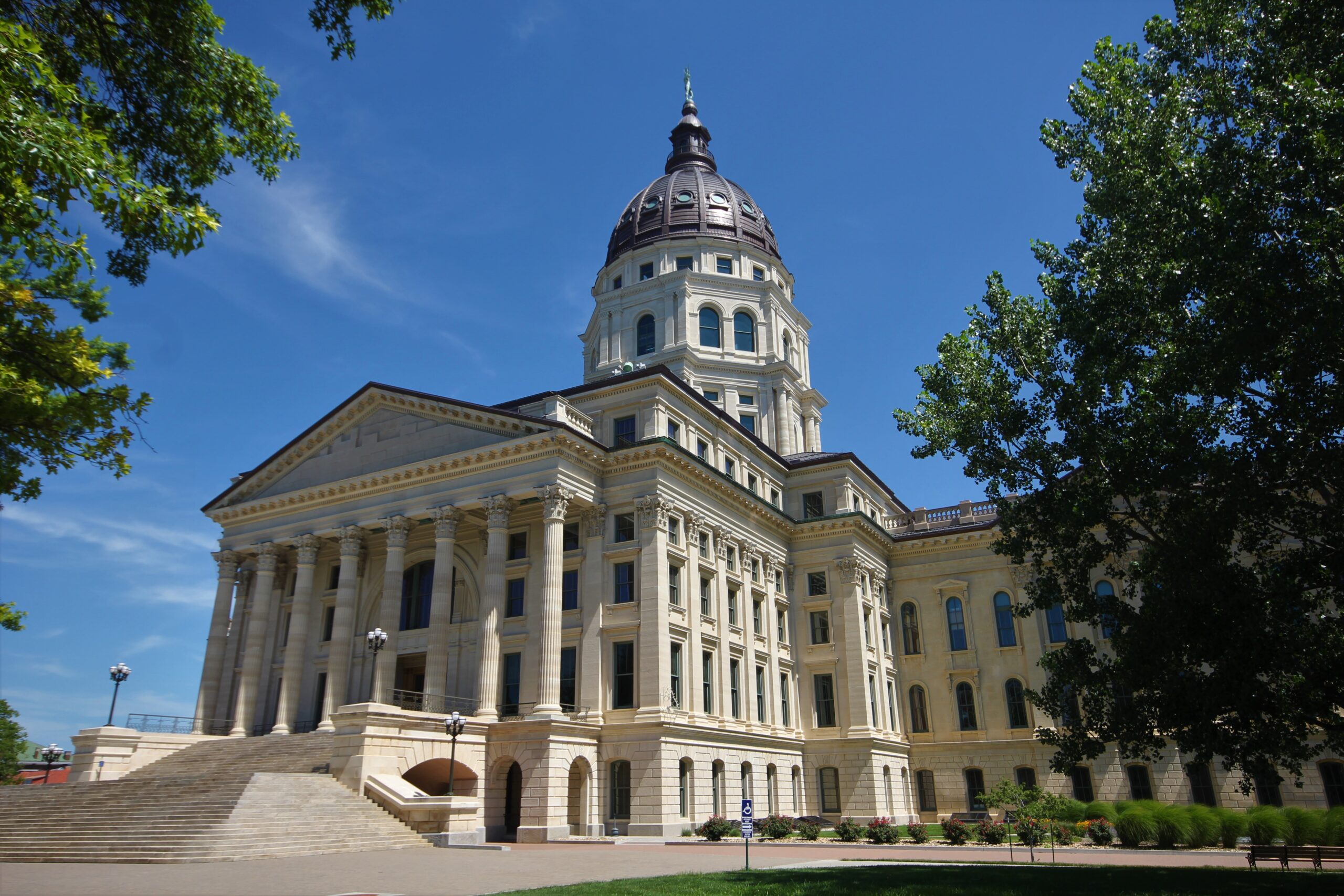
Kansas officials rejected a federal request for SNAP data in May. They said they could not hand over private details for more than 700,000 residents. The U.S. Department of Agriculture’s Food and Nutrition Service wanted personal records to detect waste and fraud. However, Kansas leaders argued that the request lacked clarity on how the data would be used.

Why Kansas Officials Rejecting SNAP Data Requests

The Department for Children and Families secretary and the governor said they have a duty to guard personal information. The initial federal letter did not explain specific uses for the SNAP data. Consequently, Kansas held back the records until it understood the plan. Moreover, the state already runs a strong fraud detection system in partnership with the USDA.

Federal Demands and State Pushback

Since May, federal officials have asked for detailed SNAP data. The state turned down the request due to legal and privacy concerns. Then, Kansas House Speaker Dan Hawkins accused the leaders of covering up fraud. In response, DCF secretary Laura Howard pointed out that federal law allows data sharing only for program administration. Yet the USDA’s notice in the Federal Register mentioned broader uses. That raised alarms about sharing data beyond the SNAP program.

Legal Battles Over Data Use

In June, privacy groups sued to block the data collection. Then, in July, Kansas joined other states in a second lawsuit. They asked the court to halt the federal demands. The state suit claimed the USDA aimed to build a massive database of personal records. It argued this goal goes far beyond catching waste or fraud in benefit programs. As the lawsuits play out, Kansas leaders worry that a court ruling could force them to expose private information.

Privacy Concerns and Legal Risks

Laura Howard said releasing the SNAP data could expose Kansas to legal liability. The state faces a risk if the courts side with the federal government. Anyone harmed by the data release could sue. Furthermore, the notice in the Federal Register lists many potential uses. It even suggests sharing records with other agencies for civil or criminal matters. Therefore, Kansas fears that SNAP data might end up in the wrong hands.

SNAP Error Rate in Kansas

Critics point to Kansas’s SNAP error rate as a reason to share data. They claim access would help find mistakes and lower the rate. However, Howard stressed that fraud detection processes already exist. The state and USDA sample cases monthly to check eligibility. They verify income, shelter costs, work status and more. If they spot an untruth, they refer the case for fraud investigation. Most errors occur due to complex rules, not fraud.

Steps to Improve SNAP Performance

Kansas is tackling its error rate with training and automation. Since the pandemic, error rates climbed from 3.9 percent in 2017 to 12 percent in 2023. In 2024, the rate fell to under 10 percent. The state retrains staff, updates manuals and tests application samples every month. It also plans to boost online applications to cut typos and miscommunications. These steps aim to speed up eligibility checks and reduce mistakes.

What Comes Next?

The Attorney General’s office is reviewing whether Kansas can lawfully withhold SNAP data. A decision should arrive within weeks. Meanwhile, the legal fights over the federal demands continue. If the courts side with Kansas, state leaders will have won a key privacy battle. If not, they may face tough choices about protecting residents’ personal information.

Frequently Asked Questions

Why did Kansas refuse to share SNAP data?

Kansas officials said the federal request lacked details on how the information would be used. They worried that the data might be shared beyond the SNAP program, risking residents’ privacy.

How does Kansas detect fraud in its SNAP program?

The state and USDA sample cases every month. They recheck applications from scratch, verifying income, shelter costs and work status. If they suspect fraud, they open an investigation.

What is Kansas doing to lower its SNAP error rate?

Kansas retrains staff, updates guides, and tests case samples monthly. It also plans to use more online applications to reduce data entry mistakes.

Could sharing SNAP data really help catch fraud?

SNAP data sharing can aid fraud detection if used properly. However, Kansas leaders stress they already have a robust system with the USDA. They worry that broader data use could hurt privacy.

Is Trump’s Fed Takeover a Dangerous Move?

0

Key Takeaways

  • President Trump moved to fire Federal Reserve Governor Lisa Cook, sparking controversy.
  • The Wall Street Journal’s editorial board called it a bold Fed takeover power play.
  • Editors warn Republicans will own any rise in inflation after this move.
  • Critics question the fairness and lack of due process for Governor Cook.

Understanding Trump’s Fed takeover move

President Trump announced on social media that he would remove Governor Lisa Cook from the Federal Reserve. He based his decision on allegations of mortgage fraud. These claims came from his own housing regulator. However, details about the case remain secret. Moreover, Governor Cook has not had a full chance to explain her side. The move surprised many people in finance and politics. As a result, experts worry that this Fed takeover might show a trend of political bias in central banking.

Why the Fed takeover worries experts

Experts say the Federal Reserve should stay independent from politics. A politically malleable Fed might make risky moves later. For example, if inflation rises, the Fed may be pressured to keep rates too low. Then, everyday families could face higher prices for food and gas. Experts fear this Fed takeover sets a new precedent. They warn that future presidents could replace key figures for short-term gain. At the same time, they ask whether the allegations against Governor Cook are fair.

Details of the move and its impact

On Monday, Trump used his social platform to announce Governor Cook’s dismissal. He claimed mortgage fraud charges were enough reason. Yet, the public has not seen evidence or her defense. Cook joined the Fed in 2022 after a tied Senate vote. Since then, she helped guide interest-rate policy. Her firing cuts her term short, disrupting the Fed’s plans. In addition, it raises questions about how Fed decisions get made. Will politics now drive monetary policy more than data?

Fairness and due process concerns

Intentionally misrepresenting a mortgage application is a serious crime. Still, legal experts say everyone deserves due process. Instead of a social media post, critics call for a formal hearing. They worry selective enforcement could target only political foes. After all, Trump’s allies lead the fraud crackdown. As a result, opponents argue that Governor Cook should see her full day in court. Moreover, rushing her removal can harm the Fed’s reputation for rule by law.

Political stakes ahead

Republican leaders have supported the firing, praising Trump’s action. Yet, they will face the fallout if inflation flares up again. The editorial board specifically warned, “If they succeed in taking over the Fed, they will own the results.” In other words, political leaders must live with whatever comes next. Should prices climb, voters will remember who held the reins. Meanwhile, Democrats highlight this move as proof of a power grab. As campaigns gear up for the next election, this Fed takeover will remain a hot topic.

Possible outcomes for the Fed

If the president fills the vacancy with a close ally, the Fed’s policies may shift. A more flexible Fed could cut rates quickly after a crisis. However, that choice might stoke inflation later. On the other hand, a cautious Fed could tighten money too soon. That action risks slowing growth and raising unemployment. Either path carries political risks. Ultimately, this Fed takeover could reshape how America handles money for years to come.

Looking forward

The full story on these fraud claims has yet to emerge. Governor Cook may still clear her name in court. Meanwhile, the Fed must decide how to move ahead under new leadership. One thing remains clear: by firing a sitting governor, the president and his allies have raised the stakes. Whatever happens next, citizens will watch closely. In the end, they will judge whether politics or sound economics guided the Fed takeover.

Frequently Asked Questions

What is the role of a Federal Reserve governor?

A governor helps set U.S. monetary policy, including interest rates. They work with other board members to guide economic stability and growth.

Why do experts say Fed independence matters?

An independent Fed can make decisions based on data, not politics. This helps control inflation and avoid short-term political pressure.

What happens if inflation rises after this move?

If inflation returns, the Fed may need to raise interest rates quickly. Higher rates can slow spending but may also slow job growth.

Could Governor Cook challenge her removal?

Yes. She could seek legal review or appeal in court. However, the president has broad authority to appoint and remove Fed governors.

Did Trump’s Cabinet Meeting Turn Into a Praise Contest?

0

Key Takeaways:

  • Cabinet meeting turned into a public praise session for President Trump.
  • Cabinet secretaries competed to outdo each other in compliments.
  • The event lasted nearly three hours, far longer than typical sessions.
  • Trump repeated a false story about Maryland’s Democratic governor.
  • Analyst Maggie Haberman described the gathering as an “endurance test.”

Inside the Cabinet Meeting

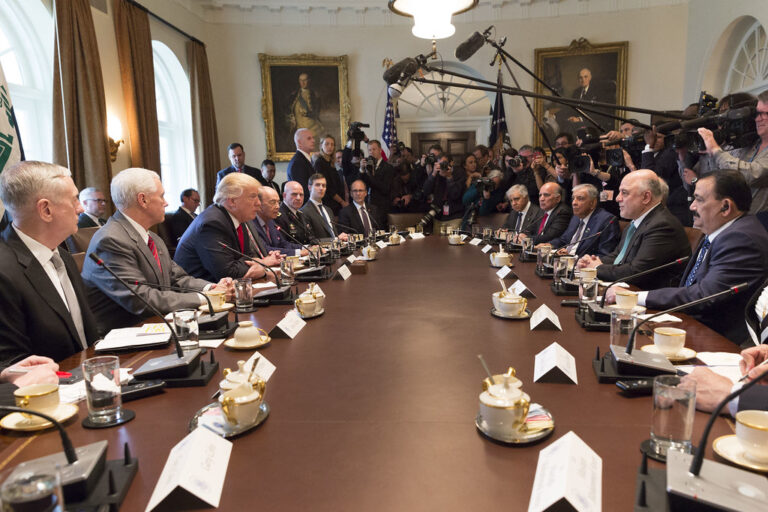
The recent cabinet meeting showcased more than official business. In fact, cabinet secretaries showered Trump with praise in front of television cameras. Many saw it as a spectacle rather than a policy discussion. Moreover, one analyst called it an endurance test. Yet, the meeting still left room for a false story about Governor Wes Moore.

Why the Cabinet Meeting Stood Out

First, the gathering stretched nearly three hours. Usually, cabinet meetings last just an hour. Therefore, it felt unusually long. Some officials likely had other tasks awaiting them. However, they stayed to applaud the president instead. As a result, the moment looked more like a fan club than a cabinet meeting.

Next, top aides turned the session into a contest. They tried to tell Trump he saved the country most. Therefore, they took turns offering bigger compliments. Also, they paused for cameras each time. This show of loyalty captured the attention of many viewers.

Who Led the Praise Parade

Several department heads took center stage. One after another, they praised Trump’s leadership on key issues. For example, the Education Secretary claimed the president rescued schools. Then, the Energy Secretary said he saved America from an energy crisis. Each tried to top the last speaker. Consequently, the room felt like a friendly competition.

Maggie Haberman’s Take on the Cabinet Meeting

Journalist Maggie Haberman watched the event closely. She called it “an endurance test of who could praise President Trump more.” Haberman has studied Trump for years and wrote a book about him. Therefore, her view carries weight. She added that the main goal was not agency work. Rather, it was simple: flatter the president.

At one point, she noted how odd it was. After all, these leaders had pressing duties. Yet they chose to remain and cheer. In her words, the “lead point was to praise him.” Indeed, the session shifted from policy talk to applause.

Key Moments from the Cabinet Meeting

The cabinet meeting had several memorable parts. Firstly, the length surprised many. Almost three hours passed with no real agenda advancement. Secondly, the verbal contest stood out. Secretaries eagerly sought to outshine each other in praise. Finally, the false Maryland story added confusion.

False Maryland Story in the Cabinet Meeting

During the meeting, Trump repeated an untrue tale. He said Governor Wes Moore praised him during a Baltimore tour. In reality, no such praise occurred. Haberman pointed this out. She said he often says things that are not true. Moreover, he does so about his critics and rivals. Therefore, the false governor story fit a pattern.

Trump often spins tales to suit his narrative. At the meeting, this tactic surfaced again. Instead of focusing on facts, he shared a made-up anecdote. This drew questions from analysts about his reliability.

How the Cabinet Meeting Reflects Trump’s Style

Trump’s approach to leadership often blends showmanship with policy. At this meeting, showmanship dominated. Cabinet members followed suit. Consequently, the session resembled a staged event. Habitually, Trump enjoys the spotlight. Likewise, his team echoed that preference. Therefore, the meeting became a public display rather than a serious strategy gathering.

Lessons for Future Cabinet Meetings

This recent gathering could shape future sessions. Officials might continue to use cameras for loyalty displays. Alternatively, some may push for more substance and brevity. If they choose the latter, policy work can return to the agenda. On the other hand, the praise contest might recur at every meeting. Only time will tell which path they follow.

Why Media Coverage Matters

Coverage of this cabinet meeting reveals how news shapes perceptions. Reporters like Haberman offer analysis beyond the headlines. Their insights help viewers understand the deeper context. For instance, spotting a pattern of false stories matters. Moreover, highlighting the spectacle versus policy helps citizens stay informed.

Additionally, clear media reports can hold leaders accountable. If officials skip real work for praise sessions, the public should know. Therefore, honest coverage plays a vital role in democracy. It ensures that the focus stays on actions, not just words.

Looking Ahead: Cabinet Meetings in a New Light

From now on, viewers may watch cabinet meetings differently. Instead of expecting policy discussions, they may brace for praise contests. Yet, there’s hope that future sessions will balance loyalty and serious work. After all, the nation needs policies, not just applause.

In summary, this recent cabinet meeting highlighted Trump’s flair for showmanship. Cabinet secretaries engaged in a praise marathon. Meanwhile, a false anecdote about Maryland’s governor slipped in. Analyst Maggie Haberman described it as an endurance test. Ultimately, the event raised questions about the purpose of cabinet meetings going forward.

Frequently Asked Questions

What was the main focus of the recent cabinet meeting?

The main focus appeared to be praise for President Trump. Cabinet members competed to flatter him rather than discuss policies.

How long did the cabinet meeting last?

The session lasted nearly three hours. Most cabinet meetings typically run about an hour.

Why did Maggie Haberman call it an endurance test?

She meant that cabinet members endurance was tested by their eagerness to praise Trump more than others.

What was false about Trump’s story on Governor Wes Moore?

Trump claimed Governor Moore praised him during a Baltimore tour. No such praise took place.

Is a Social Security Breach Exposing You?

0

Key Takeaways

  • A top data officer claims a massive Social Security breach exposed sensitive records.
  • The leaked data included names, Social Security numbers, dates of birth, addresses, citizenship status, and more.
  • The files sat on an unsecured server with no oversight or access logs.
  • If hackers got in, millions could face identity theft, loss of benefits, and forced SSN changes.
  • The whistleblower says he warned officials but saw no action taken.

Have you ever wondered if your most private data could be sitting unprotected online?

A shocking whistleblower complaint says yes. Charles Borges, the chief data officer at the Social Security Administration, says a copy of every American’s Social Security record sat on an unsecured server. With over 300 million people at risk, this alleged Social Security breach could change how we protect our identities forever.

What is the Social Security breach claim?

First, it helps to understand the claim itself. Borges filed an 18-page complaint. He says staffers from the Digital Operations Group (nicknamed DOGE) uploaded a full database copy to a vulnerable cloud server in June. This wasn’t some minor file. It contained:

  • Full names and Social Security numbers
  • Dates of birth and addresses
  • Citizenship status and parents’ names

Moreover, the 19-year-old employee Edward Coristine, known as “Big Balls,” helped manage the server. Yet, no one added basic safeguards like encryption or user tracking. Consequently, the data sat open to anyone with a link. In effect, the agency’s “move fast, break things” approach broke one of the most sensitive systems in government.

How did the breach happen?

According to the complaint, the breach occurred in three main steps:

1. Upload: DOGE staffers transferred the entire Social Security database to a third-party cloud service.
2. No safeguards: They failed to encrypt the files or require login credentials.
3. No oversight: The agency kept no logs or alerts to track who viewed or downloaded the data.

Without these precautions, bad actors could find the data with a simple search or guesswork. Even more troubling, the cloud server belonged to a vendor that Borges says never got proper clearance. As a result, files remained public for weeks before anyone noticed.

What risks do Americans face?

This alleged Social Security breach carries far-reaching consequences. First, identity theft becomes much easier when someone has your SSN and birth date. A criminal could open bank accounts, apply for loans, or file fraudulent tax returns in your name. Second, sensitive benefits like Medicare, disability payments, and food assistance could be hijacked. Third, even if you avoid direct fraud, the fear of exposure can cause stress and financial harm.

Beyond personal risks, the government itself might need to reset the entire system. Borges warns that if hackers get in, they could demand ransom or threaten to publish the data. In that case, officials may have no choice but to reissue new Social Security numbers for every American. That task alone would cost taxpayers billions and disrupt countless services.

How serious is the whistleblower’s warning?

Since the complaint comes from the agency’s chief data officer, it carries extra weight. Borges says he sounded the alarm internally many times, but nothing changed. He claims his managers dismissed his concerns or ignored requests for security updates. Because of that, according to Borges, every person with a Social Security number faces a looming threat.

He wrote that no one can track who accessed the cloud server or when. Therefore, agencies cannot confirm if hackers have already stolen the data. In his view, the lack of proof makes the situation even more urgent. Without quick fixes, the breach could remain hidden until it’s too late.

Could we get new Social Security numbers?

Remarkably, Borges suggests a radical solution: issue new nine-digit numbers to everyone. He argues that after such a massive leak, changing SSNs might be the only way to protect people from identity theft. However, he admits this move would be “at great cost.” Reissuing numbers would involve:

  • Printing and mailing millions of new cards
  • Updating payroll, tax, and benefit systems
  • Educating the public on how to adopt and safeguard new numbers

Even so, Borges believes the cost is justified if it restores trust in the Social Security system. He says bad actors could already have copies of the data, so delaying change would only make recovery harder.

What happens next?

For now, the complaint awaits review. Congress might launch investigations or hold hearings. If lawmakers find the allegations credible, they could demand immediate security audits and upgrades. They might also call for accountability from the agency’s top leaders. Meanwhile, the public may push for new laws on federal data protection.

In the short term, Americans should stay alert. Experts recommend checking credit reports regularly and setting up fraud alerts. Signing up for identity-theft protection services can add a layer of defense. Additionally, being cautious about emails or calls claiming to come from Social Security is vital, since scammers often exploit such breaches.

Transitioning to better security will take time. Yet, this report shows why no system can remain static. As technology evolves, so do the risks. If the alleged Social Security breach is real, it should spark a major overhaul of how the government handles our most private data.

Frequently Asked Questions

How can I check if my Social Security number is compromised?

Monitor your credit report for new accounts or inquiries you don’t recognize. Sign up for identity-theft alerts and watch your mail for unfamiliar statements.

What steps can I take to protect my Social Security number now?

Avoid sharing your SSN unless absolutely necessary. Store your card in a safe place. Use strong, unique passwords for online accounts and enable multi-factor authentication when offered.

Will the government really issue new Social Security numbers?

Reissuing every SSN would be costly and complex. However, the whistleblower argues it may be needed if the breach proves extensive and unfixable.

How can lawmakers prevent future breaches?

They could mandate stronger encryption, require regular security audits, and enforce stricter vendor controls. Passing comprehensive data-protection laws might also raise accountability across federal agencies.

Could Trump’s Fed Firing Spark Financial Chaos?

0

Key Takeaways:

  • President Trump announced the immediate firing of Fed Governor Lisa Cook.
  • A former Fed leader warns that a Fed firing could trigger chaos.
  • Trump could gain a majority on the Fed’s governing board.
  • Experts fear higher inflation, a weak dollar, and market turmoil.

What’s happening?

President Trump said he will fire Federal Reserve Governor Lisa Cook right away. He accused Cook of mortgage fraud. However, no court has ruled on those claims. In response, Cook said she plans to remain in her post. Her term runs for 14 years.

Bill Dudley, a former New York Fed president, wrote about this in an op-ed. He warned that a Fed firing would be a first-ever move by a president. He called it a major escalation. Moreover, he said it could end badly for the U.S. economy.

Why the Fed firing could cause chaos

First, if Cook is removed, Trump would appoint four of the Fed’s seven governors. That gives him a clear majority. In turn, he could push the Fed to cut interest rates sharply. Therefore, the central bank’s independence would erode.

Second, the Fed board picks regional Fed bank presidents. Five of these presidents vote on rate decisions. If Trump controls the board, he might refuse to reappoint some presidents. In effect, he could fill those seats with allies. This would tilt the Fed toward his rate-cut goals.

Third, as Dudley noted, a Fed firing disrupts markets. Investors hate uncertainty. If presidents and governors fight, markets could falter. Stocks might drop. Bond yields could spike. In fact, even a small risk of Fed meddling can drive market swings.

How Trump could reshape the Fed

If Trump fires Cook, he gains four seats. Then, he could:

• Block reappointments of regional Fed bank presidents in 2026.
• Appoint new presidents who vote for deep rate cuts.
• Use that majority to force the Fed to follow his wishes.

Such moves would end the Fed’s checks and balances. Consequently, Trump would steer both monetary policy and political messaging. That blurs the line between politics and money.

What experts fear

Bill Dudley wrote that even a small chance of success is disruptive. He warns of these risks:

• Uncontrolled inflation
• Much higher long-term borrowing costs
• A significantly weaker dollar
• Showdowns and chaos at the central bank

Moreover, traders might bet on endless rate cuts. That could spur a dollar sell-off. In turn, import prices would rise, fueling inflation. If inflation spikes, the Fed would need to raise rates again. Such a whipsaw would hurt businesses and families.

Cook’s fight and market reaction

Lisa Cook has rebuked Trump’s claims. She insists on serving her full term. In fact, she has legal grounds to resist removal. However, a court battle could drag on. Meanwhile, markets will watch every development closely.

Investors worry that Fed board fights could delay decisions. For example, rate hikes or cuts might stall. That uncertainty could lower business confidence. Therefore, companies may hold back on hiring and investment.

A weakened Fed could also mean a weaker dollar. As a result, U.S. consumers would pay more for goods abroad. Travelers would see higher prices overseas. Moreover, emerging markets that borrow in dollars could face debt stress.

What happens next?

Trump has teased firing Fed Chair Jerome Powell in the past. But he backed off that idea for now. Still, this new attack on Cook shows his frustration with the Fed’s stance. He wants big rate cuts to boost growth before the election.

In the coming weeks:

• Cook may file a lawsuit to block her removal.
• The Justice Department could weigh in.
• The Fed board will decide if they accept her firing.
• Markets will react to each development.

If courts side with Cook, the Fed firing attempt fails. Yet the damage to the Fed’s reputation may linger. Even a failed bid can erode trust in the Fed’s independence.

How the Fed can recover

To rebuild confidence, the Fed must show unity. Fed governors and presidents should speak with one voice. They must emphasize the bank’s mission: stable prices and full employment. Transparent communication will help calm markets.

Also, Congress could act. Lawmakers might pass measures to protect Fed governors from political removal. Such safeguards would deter future power grabs. In turn, investors would view the Fed as truly independent again.

Why Fed independence matters

The Fed’s independence shields monetary policy from political swings. When politics influence rate decisions, the economy suffers. For example, if a president pressures the Fed to cut rates before an election, inflation could soar later.

Independent central banks across the world achieve better inflation control. They earn public trust by focusing on data and goals, not politics. Thus, preserving that independence remains crucial.

In short, a Fed firing could upend that delicate system. It risks standoffs, market chaos, and long-term harm to the economy.

Frequently Asked Questions

What authority does the president have to fire a Fed governor?

The president can remove a Fed governor only for cause, like misconduct. Courts usually decide if a firing meets that standard.

How would firing Cook affect interest rates?

If Trump gains control of the board, he could push for deep interest rate cuts. That may happen if enough governors and regional presidents back him.

Could a court block Cook’s removal?

Yes, Cook could challenge the firing in court. A judge would then rule on whether the president had proper legal cause.

Why is Fed independence so important?

An independent Fed makes decisions based on economic data, not politics. That helps keep inflation low and markets stable.