57 F
San Francisco
Wednesday, April 29, 2026
Home Blog Page 756

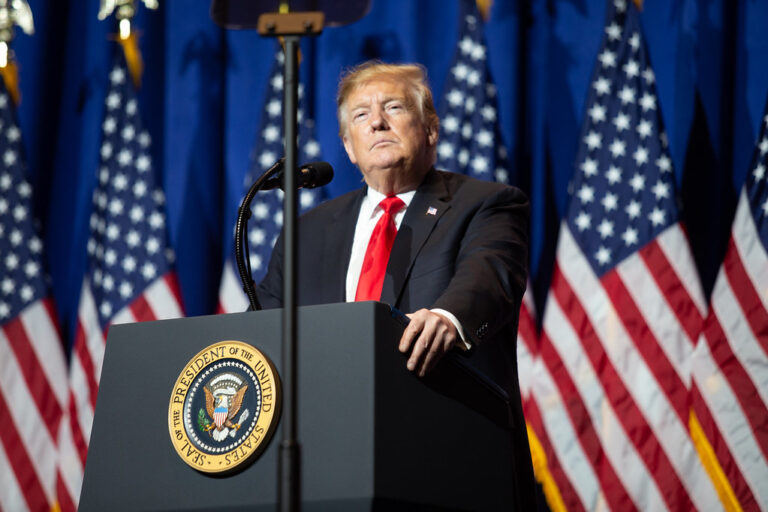
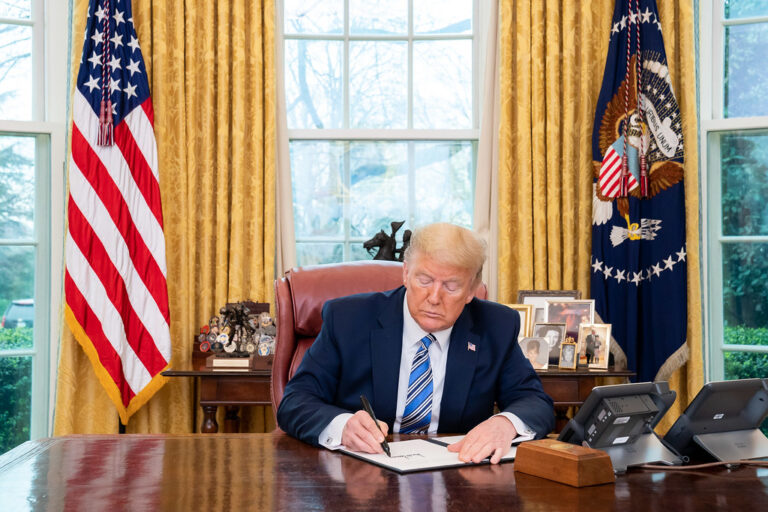
Kennedy Center Revenue Crumbles Under Trump Leadership

0

Key Takeaways:

  • The Kennedy Center faces a sharp decline in revenue since Trump’s takeover.
  • Ticket sales and subscriptions have dropped significantly.
  • Marketing delays are cited as a factor, but concerns about political influence linger.
  • Federal funding covers only a portion of the center’s budget, making revenue crucial.
  • Controversies involving staffers add to the institution’s challenges.

Introduction

The Kennedy Center, a beacon of performing arts, is grappling with a significant revenue downturn. Since President Trump’s influence and leadership changes, the center has seen a notable decline in ticket sales and subscriptions, raising concerns about its future.


Revenue Plummets at the Kennedy Center

Recent reports reveal alarming figures: single-ticket sales dropped by about 50% in April and May compared to the previous year. Subscriptions, a vital revenue source, have also seen a stark decline. Theater subscriptions fell by 82%, while dance subscriptions decreased by 57%. The National Symphony Orchestra experienced a 28% drop in subscriptions, and the Washington National Opera saw a 25% decrease.

These statistics highlight a severe financial strain, with subscription revenue projected to fall from $4.4 million to $2.7 million next year. The center attributes part of this drop to a delayed marketing campaign, which officials claim is just beginning. However, the timing doesn’t fully explain the severity of the decline.


A Center in Crisis

The Kennedy Center’s struggles go beyond numbers. Trump’s influence has led to a cultural shift, with some artists and donors distancing themselves. The departure of prominent figures like Yo-Yo Ma and former President Deborah Rutter’s resignation have fueled concerns about the center’s direction under Trump’s appointees.

Donor support has also waned, reflecting a broader discomfort with the new leadership. This exodus of talent and funding paints a bleak picture for the center’s future.


Delayed Marketing or Deeper Issues?

Kim Cooper, a marketing official, attributes the low subscription numbers to a late campaign and delayed brochures. However, this explanation doesn’t account for the significant revenue drop. The center’s reliance on ticket sales and donations makes this decline even more concerning.

Only 16% of the budget comes from federal funds, so revenue from tickets and subscriptions is essential. The delay may contribute, but it doesn’t fully explain the crisis.


Cultural Fallout and Far-Right Influence

The financial troubles coincide with a separate controversy involving a staffer who made homophobic remarks and promoted conspiracy theories. This incident reflects the challenges the center faces under Trump’s leadership, linking to his political legacy.

The convergence of financial and cultural issues paints a complex picture of an institution in turmoil, struggling to maintain its reputation and fiscal health.


What’s Next for the Kennedy Center?

As the Kennedy Center navigates this crisis, its future remains uncertain. The revenue collapse and leadership controversies signal broader challenges for cultural institutions under political influence. Efforts to rebuild trust and funds will be crucial, but the path ahead is fraught with challenges.


Conclusion

The Kennedy Center’s financial and cultural struggles under Trump’s leadership underscore the delicate balance between politics and the arts. As the center works toaddress its challenges, the broader implications for cultural institutions under political influence remain a critical concern.

Nancy Mace’s LGBTQ+ Stance Shift Sparks Outrage and Debate

0

Key Takeaways:

  • Rep. Nancy Mace (R-SC) has faced criticism for shifting her stance on LGBTQ+ rights.
  • She once celebrated Pride Month but now supports Target’s decision to reduce Pride-related products.
  • Mace tried to restrict a transgender colleague’s bathroom access, sparking further controversy.
  • Target faces backlash from both sides of the LGBTQ+ debate and reports declining foot traffic.

A Sudden Change in Tune on LGBTQ+ Rights

Rep. Nancy Mace, a Republican from South Carolina, has been under fire recently for her sudden pivot on LGBTQ+ issues. Former intelligence officer Travis Akers highlighted this drastic change, pointing out how Mace’s views have flipped in just a few years.

In 2021, Mace publicly celebrated Pride Month. She wrote on social media about the importance of coming together to honor the LGBTQ+ community’s progress and future. Her message was hopeful and inclusive.

Fast forward to today, and Mace’s tone has shifted dramatically. She recently cheered on Target’s decision to scale back its Pride Month product displays. While some conservatives praised this move, many in the LGBTQ+ community and its allies felt betrayal and disappointment.


What Changed?

Akers shared examples of Mace’s past support for LGBTQ+ rights and contrasted them with her recent actions. He called her shift so drastic that it left him with “whiplash.”

Mace’s change in stance has been linked by some to what she calls the “Trump effect.” She retweeted a post from a woman celebrating Target’s decision to replace Pride displays with a “USA section.” The woman wrote, “This is winning!” Mace echoed this sentiment, suggesting it’s part of a broader cultural shift influenced by former President Donald Trump.

However, critics argue that Mace’s new position represents a deliberate effort to align with a more conservative agenda. This has alienated many who once saw her as an ally to the LGBTQ+ community.


A Clash Over Bathroom Access

The backlash against Mace has grown even more intense due to her actions toward Rep. Sarah McBride, a transgender Democrat from Delaware. Mace reportedly tried to block McBride from using the ladies’ bathroom in the U.S. Capitol. Instead, she suggested McBride should use the men’s restroom.

This move has been widely condemned as discriminatory and harmful. McBride, who has been a vocal advocate for transgender rights, called the incident “unfortunate” and “disrespectful.” Many others in Congress and beyond have rallied around McBride, expressing outrage at Mace’s actions.


Target’s Controversy Heats Up

At the center of this debate is Target, a major retail chain that has long been a target of both praise and criticism for its stance on LGBTQ+ issues. In recent months, Target has faced a growing backlash from conservatives who accuse the company of promoting “woke” values.

In response, Target announced it would reduce its Pride Month product line and scale back its diversity, equity, and inclusion (DEI) initiatives. The company’s CEO, Brian Cornell, admitted in an internal email that the past few months have been “tough” for the business.

However, this decision has only fueled more outrage—this time from the LGBTQ+ community and its allies. Many accuse Target of catering to conservative pressure while abandoning its previous commitment to inclusivity.

The fallout has already begun to show. According to recent reports, Target’s foot traffic dropped significantly in early 2024, with fewer customers visiting its stores. This decline comes as both sides of the debate call for boycotts of the retailer.


Pride Month 2024: A Time for Reflection

As Pride Month began on June 1, the situation with Mace and Target has sparked a broader conversation about the state of LGBTQ+ rights in America. While some celebrate progress and inclusion, others feel the country is moving backward.

For many, Mace’s shift represents a disheartening trend of politicians changing their stances to fit political winds. Her actions have left some wondering if their support for LGBTQ+ rights was ever genuine.

Meanwhile, Target’s decision has become a symbol of the challenges businesses face in navigating cultural divides. The company’s attempt to appease conservatives has upset its former allies, leaving it in a tough spot.


What’s Next?

The debate over LGBTQ+ rights, corporate responsibility, and political integrity is far from over. As the country moves forward, one thing is clear: actions like Mace’s and decisions like Target’s will continue to shape the conversation.

For now, many in the LGBTQ+ community and its allies remain vigilant, calling for accountability from leaders and companies. They urge those in power to stand firmly on the side of equality and inclusion, even when it’s difficult.

As the dust settles, one question lingers: What does the future hold for LGBTQ+ rights in America? Only time will tell.

GOP Budget Bill Targets Medicaid for Immigrants

0

Key Takeaways:

  • The U.S. House-approved Republican budget bill includes penalties for states covering certain legal immigrants under Medicaid.
  • States expanding Medicaid could face reduced federal funding for helping immigrants on humanitarian parole.
  • Some states are considering cutting Medicaid for immigrants due to budget pressures.
  • The federal bill aims to slash funding for states aiding immigrants, causing backlash from advocates.

How the Budget Bill Impacts Medicaid and Immigrants

A recent Republican budget bill passed by the U.S. House of Representatives includes a surprising twist: penalties for states that provide Medicaid to certain legal immigrants. This change could affect millions of people and has sparked concern among state officials and advocates.

The bill targets two groups: illegal immigrants and those on humanitarian parole. Humanitarian parole allows people to enter the U.S. temporarily due to emergencies or urgent humanitarian reasons. However, the bill would punish states that use Medicaid to cover these groups, even though they are in the country legally.

Under the bill, states that have expanded Medicaid and provide coverage to immigrants on humanitarian parole would lose federal funding. Currently, the federal government covers 90% of Medicaid costs for certain adults. If the bill passes, this would drop to 80%, forcing states to pay more. This same penalty applies to states that use their own money to cover illegal immigrants.

But here’s the catch: states that haven’t expanded Medicaid, like Florida, wouldn’t face penalties—even if they cover humanitarian parolees. This has critics calling the policy unfair and politically motivated.


Why Critics Call the Penalty Unfair

Experts say the bill unfairly punishes states that expanded Medicaid. “It’s wildly nonsensical and unfair,” said Leonardo Cuello, a Medicaid policy expert at Georgetown University. He argues that some non-expansion states, like Florida, also cover humanitarian parolees but avoid penalties. “It seems more about punishing expansion states than addressing immigrant coverage,” he added.

The bill has left state lawmakers anxious. West Virginia, for example, put a proposal on hold to end Medicaid expansion after being assured federal funding wouldn’t be cut. Now, the future is uncertain.

Cuello describes the penalty as “a gun to the head of the states,” forcing them into a tough choice: cut Medicaid for immigrants or pay more.


How States Are Reacting

The federal bill is still being debated in the Senate, where changes are likely. But states are already feeling the pressure.

Some are considering cutting Medicaid for immigrants due to rising costs. For example:

  • Washington, D.C. plans to phase out a program covering adults regardless of immigration status, saving $457 million.
  • Minnesota agreed to end coverage for illegal immigrants to avoid a government shutdown.
  • Illinois will stop covering Medicaid for immigrants aged 42–64, citing a $1.6 billion cost over three years.

Advocates are fighting back. In Illinois, Sen. Graciela Guzmán, whose parents are refugees, warns that cutting coverage could force her constituents to cancel lifesaving treatments. “It’s not just a budget issue; it’s about people’s lives,” she said.

On the other hand, some governors, like Oregon’s Tina Kotek, defend covering immigrants. She argues that having everyone insured reduces costs for hospitals and keeps healthcare affordable for everyone.


The Impact on People’s Lives

There are about 1.3 million people in the U.S. on humanitarian parole, from countries like Afghanistan, Cuba, and Ukraine. While few qualify for Medicaid due to strict rules, states expanding Medicaid could still face penalties if they cover these individuals.

The Trump administration is also trying to end humanitarian parole for about 500,000 people from Cuba, Haiti, Nicaragua, and Venezuela, following a recent Supreme Court decision.

For those who rely on Medicaid, losing coverage could mean delaying essential care. Una Spenser, a spokesperson for Healthy Illinois, said, “We have time to fight for these families and ensure they keep their healthcare.”


What’s Next?

The federal budget bill won’t take effect until October 2027 if passed, giving states time to prepare. But the debate is far from over.

Advocates and lawmakers are urging Congress to reconsider the penalties. With 38 states and Washington, D.C., potentially affected, there’s growing pressure on the Senate to act.

Illegal immigration remains a divisive issue, but the inclusion of humanitarian parolees in the bill has drawn criticism from both sides. “Decision-makers shouldn’t be doing Trump’s work,” said Andrea Kovach of the Shriver Center on Poverty Law. “States should protect immigrant families who contribute to their communities.”

As the Senate debates the bill, one thing is clear: millions of lives—and billions of dollars—hang in the balance. Will Congress find a solution that balances budget concerns with compassion? Only time will tell.

Russia’s Top Security Official Arrives in North Korea

0

Top Takeaways:

  • Sergei Shoigu Arrives in North Korea: Russia’s top security official visits Pyongyang to meet with Kim Jong Un.
  • Key Topics on the Agenda: Discussions likely include the situation in Ukraine and military cooperation.
  • Russia Seeks Stronger Ties: The visit highlights Russia’s push to strengthen relationships amid global tensions.
  • International Eyes on the Meeting: The world watches closely as two powerful leaders address shared concerns.
  • Potential Implications: The talks could influence global politics and military strategies.

In a significant diplomatic move, Russia’s Defense Minister Sergei Shoigu arrived in Pyongyang, North Korea, for crucial talks with leader Kim Jong Un. This visit, ordered by President Vladimir Putin, underscores Russia’s efforts to bolster ties with key allies amidst global tensions.

Why This Visit Matters

Sergei Shoigu’s trip to North Korea is more than a routine diplomatic visit. It signals Russia’s intent to strengthen partnerships in Asia. With tensions running high, especially over Ukraine, Russia seeks support from nations that can offer military and political backing.

Topics on the Agenda

The meeting is expected to cover various critical issues. Key among them is the situation in Ukraine, where Russia is engaged in a prolonged conflict. Other topics may include military cooperation, economic ties, and mutual strategic interests.

Russia and North Korea have a long history of cooperation. Both countries have faced international sanctions, creating a shared interest in strengthening their alliance. This visit could result in new agreements that enhance their military and political collaboration.

A Strategic Partnership

Russians see North Korea as a valuable ally in Asia, offering support in the region. For North Korea, stronger ties with Russia provide access to advanced military technology and equipment, aiding its defense capabilities.

Global Reactions

The international community is closely watching this meeting. Many countries are concerned about the potential consequences of increased military cooperation between Russia and North Korea. The United States and its allies are particularly interested in how this alliance might impact the balance of power in Asia and beyond.

What’s Next?

As Sergei Shoigu and Kim Jong Un discuss their nations’ interests, the world waits to see the outcomes. Will this meeting lead to deeper cooperation, or will it heighten global tensions? Only time will tell, but one thing is clear—the stakes are high, and the implications are far-reaching.

This visit serves as a reminder of the complex web of alliances shaping global politics. As Russia and North Korea explore ways to strengthen their partnership, the international community remains vigilant, aware of the potential impact on global stability and security.

Conclusion

Sergei Shoigu’s visit to North Korea marks a pivotal moment in global diplomacy. With discussions centered on Ukraine and military ties, the outcomes could significantly influence international relations. The world watches, considering what this means for global security and the evolving balance of power.

Judge Blocks Trump Admin from Deporting Venezuelan Migrants

0

Key Takeaways:

  • A California judge stopped the Trump administration from deporting Venezuelan migrants.
  • The judge said the government didn’t provide enough due process.
  • This ruling challenges the administration’s deportation practices.

A California Judge Steps In

In a surprising move, a judge in California has blocked the Trump administration from deporting Venezuelan migrants in the Los Angeles area. This decision is part of an ongoing legal battle over how the government treats immigrants, especially those accused of being in gangs.

Judge John Holcomb, who was nominated by President Trump in 2019, ruled that the government failed to provide adequate due process to these migrants. Due process means everyone deserves a fair chance to defend themselves before being deported. The judge’s decision is the latest in a series of legal challenges to the administration’s deportation policies.


What’s the Alien Enemies Act?

The Trump administration tried to use the Alien Enemies Act, a wartime law, to deport these migrants quickly. This law allows the government to detain and deport people from enemy countries during wars or national emergencies. However, Judge Holcomb said this law doesn’t apply here because it doesn’t provide enough protections for immigrants.

The government argued that some migrants were part of a dangerous gang called Tren de Aragua. But the judge ruled that the administration didn’t prove these migrants were a threat or give them a fair chance to fight their deportation.


What Does This Mean for Venezuelan Migrants?

Venezuelan migrants in the Los Angeles area can now breathe a sigh of relief. This ruling means they won’t be deported immediately and will get a chance to argue their case in court. Many of these migrants fled their home country because of violence, poverty, or political unrest.

This decision also highlights the ongoing debate over immigration policies in the U.S. Advocates for immigrants say this ruling is a win for fairness and justice. They argue that everyone deserves a chance to tell their story and prove they deserve to stay in the country.


What’s Next?

The Trump administration hasn’t said yet if it will appeal this decision. But this ruling could set a precedent for other cases involving rapid deportations. It also adds to the growing list of legal challenges to the administration’s immigration policies.

As the election approaches, immigration remains a hot topic. This ruling shows that even judges appointed by the president can limit his administration’s actions if they believe the law isn’t being followed.


The Bigger Picture

This case is part of a larger fight over how the U.S. treats immigrants. The Trump administration has faced criticism for its strict deportation policies, especially those targeting specific groups. Critics say these policies are unfair and don’t give people a chance to prove they deserve to stay in the country.

Judge Holcomb’s ruling is a reminder that the courts play a crucial role in balancing the power of the government. Even in difficult cases, judges can step in to ensure everyone gets a fair shot.


Final Thoughts

This decision isn’t just about Venezuelan migrants in Los Angeles. It’s about the principles of fairness and justice that the U.S. is supposed to stand for. As the debate over immigration continues, cases like this will shape the future of how the country treats people seeking safety and a better life.

Stay tuned for updates as this story unfolds.

ICE Detains Family of Alleged Colorado Terrorist

Key Takeaways:

  • ICE officials arrested the family of Mohamed Soliman, accused of a terror attack in Boulder, Colorado.
  • Soliman is an illegal alien and allegedly led Sunday’s attack.
  • Homeland Security and ICE are involved in the case.
  • Authorities are taking steps to detain and investigate the family.

What Happened? On Tuesday, U.S. Immigration and Customs Enforcement (ICE) arrested and detained the family of Mohamed Sabry Soliman. He is the Egyptian man accused of carrying out a terrorist attack in Boulder, Colorado, on Sunday.

Homeland Security Secretary Kristi Noem announced the news in a video message on social media. She confirmed that ICE is holding Soliman’s family in custody.

Who Is Mohamed Soliman?

Mohamed Sabry Soliman is an Egyptian man living illegally in the United States. Authorities believe he was behind Sunday’s terrorist attack in Boulder, Colorado.

Few details about the attack have been released, but officials are treating it as a serious national security incident.

Why Was the Family Detained?

ICE and Homeland Security took action to detain Soliman’s family as part of their investigation. Authorities often detain family members of suspects in such cases to gather more information.

This step is part of the legal process to ensure everyone involved is questioned and investigated thoroughly.

What Agencies Are Involved?

The Department of Homeland Security (DHS) and ICE are leading the investigation. Both agencies are responsible for enforcing immigration laws and national security.

When someone is in the U.S. illegally and is linked to a serious crime, ICE often steps in to handle the case.

What’s Next?

The next steps in the case will likely involve:

  1. Questioning Soliman’s family to learn more about his actions and any possible connections.
  2. Determining whether other individuals were involved in the attack.
  3. Deciding on charges and deportation for Soliman and his family.

Officials will work to ensure public safety while following legal procedures.

Public Reaction

News of the detention has sparked mixed reactions. Some people support the strong action taken by authorities, while others have raised concerns about the fairness of detaining family members.

As the investigation continues, more details will likely come to light.

Conclusion

The detention of Soliman’s family shows how seriously authorities are treating the situation. It also highlights the challenges of balancing national security with individual rights.

Stay tuned for updates as this story unfolds.

Illegal Deportation Sparks Outrage as U.S. Government Defies Courts

0

Key Takeaways:

  • Kilmar Abrego Garcia remains imprisoned in El Salvador after being deported by the U.S. government.
  • Courts at every level have ordered his return, but the Trump administration refuses to cooperate.
  • Lawyers argue this sets a dangerous legal precedent for other U.S. residents.
  • The case highlights ongoing concerns about the rights of immigrants and U.S. citizens.

Who is Kilmar Abrego Garcia?

Kilmar Abrego Garcia is a man who has been caught in a legal nightmare for months. In March, he was taken from the United States and sent to El Salvador by the U.S. government. Lawyers and court judges say this was done illegally. Now, despite court orders, the Trump administration is refusing to bring him back.


Why is Kilmar in El Salvador?

The details of Kilmar’s case are shocking. According to court documents, U.S. officials took Kilmar from the U.S. and sent him to El Salvador. This was done without following the proper legal steps, making his deportation illegal. Lawyers argue that this is a clear violation of the law and basic human rights.


What’s the Government’s Position?

Even though courts at every level have ordered Kilmar’s return, the U.S. government is fighting it. Lawyers for the Trump administration are making a surprising argument. They claim that federal officers have the right to take people from the U.S. and leave them in foreign countries. This idea is shocking to many legal experts, who say it goes against basic rights and the law.


Kilmar’s lawyers are fighting hard to bring him back to the U.S. They say the government’s actions set a dangerous precedent. If officials can take someone and send them to another country without legal process, it could happen to anyone. This is especially concerning for immigrants and U.S. citizens alike.

The case is being closely watched by legal experts and human rights groups. They see it as a test of how the U.S. government handles the rights of people within its borders.


What’s the Bigger Picture?

Kilmar’s story is not an isolated incident. It’s part of a larger pattern of concerns about how the U.S. government treats immigrants and citizens. Lawyers and advocates say this case highlights how vulnerable people can be when the government does not follow the law.

The situation also raises questions about the role of the courts. If the government ignores court orders, what does that mean for the rule of law? Legal experts worry this could weaken the system of checks and balances that is foundational to U.S. democracy.


What’s Next for Kilmar?

As of now, Kilmar remains in El Salvador. His lawyers are continuing to fight for his return, but the process is slow. The outcome of this case could have far-reaching consequences. If the courts can’t enforce their orders, it could embolden the government to act outside the law in the future.

Advocates are calling for accountability and demanding that the U.S. government respect the court’s decisions. They argue that no one should be above the law, including federal officials.


The Bottom Line

Kilmar Abrego Garcia’s story is a troubling example of what happens when the government disregards the law. It’s a reminder of the importance of holding those in power accountable. As this case continues to unfold, many are hoping the courts will stand firm and ensure justice is served. The stakes are high, not just for Kilmar, but for everyone who values fairness and the rule of law.

National Security Threat: Chinese Operatives Target U.S. Food Supply

Key Takeaways:

  • Two Chinese nationals charged with smuggling a dangerous biological pathogen into the U.S.
  • The pathogen was allegedly studied in a University of Michigan lab.
  • FBI Director Kash Patel warns of a growing national security threat to America’s food supply.
  • The case highlights concerns about Chinese Communist Party operatives infiltrating U.S. institutions.

A Dangerous Pathogen and a National Security Threat

The FBI has charged two Chinese nationals with smuggling a dangerous biological pathogen into the United States. The pathogen was reportedly studied in a laboratory at the University of Michigan. This case has raised serious concerns about national security and the safety of America’s food supply.

FBI Director Kash Patel described the situation as a “sobering reminder” of the ongoing threat posed by the Chinese Communist Party. According to Patel, Chinese operatives and researchers are increasingly targeting U.S. institutions, including those involved in food production and security.


Why This Matters to You

At first glance, this case might seem like just another espionage story. But the implications are much broader. The food supply is a critical part of national security. If outsiders can infiltrate labs or farms, they could potentially disrupt the systems that keep food safe and available.

This isn’t just about abstract concepts like “national security.” It’s about the food on your table, the groceries your family buys, and the safety of the agricultural systems that sustain the country.


The Threat to Food Security

The U.S. food supply is a complex system that includes farms, processing plants, and distribution networks. While it’s one of the safest in the world, vulnerabilities exist. If foreign actors gain access to sensitive research or facilities, they could introduce harmful substances or disrupt production.

Director Patel emphasized that this case is part of a larger pattern. Chinese operatives, he said, are actively working to infiltrate American institutions. This includes universities, research labs, and even agricultural organizations.


A Broader Pattern of Espionage

This isn’t the first time Chinese nationals have been linked to espionage in the U.S. In recent years, there have been multiple cases involving Chinese researchers and students accused of stealing sensitive information or smuggling materials.

One notable example is the case of a Chinese scientist who was caught trying to smuggle biological materials out of the country. Another involved a researcher who admitted to lying about their ties to the Chinese military.

These cases often involve universities and research institutions. Why? Because these places are hubs for cutting-edge technology and innovation. They’re also easier to infiltrate than military or government facilities.


What’s Being Done to Stop the Threat?

The FBI and other agencies are taking steps to address the growing threat. This includes increased scrutiny of foreign researchers, stricter controls on sensitive materials, and better monitoring of international collaborations.

Universities are also being urged to be more vigilant about who they partner with and what information they share. While international collaboration is important for scientific progress, it must be balanced with security concerns.


The Bigger Picture

This case is part of a much larger struggle between the U.S. and China. Both countries are competing for dominance in technology, trade, and global influence. While much of the competition is peaceful, there are also covert efforts to undermine each other’s strengths.

The U.S. food supply is just one area being targeted. Other sectors, such as technology, energy, and defense, are also at risk. As the competition between the two superpowers intensifies, these kinds of threats are likely to increase.


What You Can Do

While this issue might seem far removed from your daily life, there are ways to stay informed and vigilant. Here are a few steps you can take:

  1. Stay Informed: Pay attention to news about national security and espionage. Understanding the threats helps you make sense of the world around you.
  2. Support Strong Security Measures: Advocate for policies that protect sensitive research and infrastructure.
  3. Report Suspicious Activity: If you work in a field related to research or agriculture, be aware of your surroundings and report anything unusual to the authorities.

A Call to Action

Cases like this remind us that national security isn’t just about military strength or border walls. It’s also about protecting the systems that keep our country running. Whether it’s the food we eat, the water we drink, or the technology that powers our lives, these are all potential targets for foreign actors.

As the U.S. and China continue to compete on the world stage, staying vigilant will be crucial. By understanding the threats and taking steps to address them, we can help keep America safe and secure.

Senators Clash in Heated Senate Debate Over Protester Arrests

0

Key Takeaways:

  • Democratic Sen. Cory Booker and Republican Sen. Ted Cruz had a tense exchange during a Senate Judiciary Committee hearing.
  • The argument centered on protests outside Supreme Court justices’ homes and whether the Biden administration took action.
  • Booker accused Cruz of using partisan rhetoric, while Cruz highlighted the lack of arrests under a specific law.

Heated Exchange in the Senate Judiciary Committee

The Senate Judiciary Committee hearing on Tuesday turned fiery when Democratic Sen. Cory Booker of New Jersey and Republican Sen. Ted Cruz of Texas clashed over protests outside Supreme Court justices’ homes. The debate highlighted deep partisan tensions and differing views on how the Biden administration handled the situation.


What Happened at the Hearing?

The argument began when Cruz asked repeatedly whether the Biden administration’s Justice Department had arrested any protesters who demonstrated outside the homes of Supreme Court justices. These protests occurred under President Joe Biden’s administration and targeted justices like Brett Kavanaugh, Amy Coney Barrett, and others.

Booker, defending his party, argued that Democrats had not been silent on the issue. He pointed out that lawmakers from both parties worked together to pass legislation providing round-the-clock security for judges just days after the protests began.

“Again, we joined together in a bipartisan way, not only to condemn that, but to pass legislation to extend round-the-clock security protection,” Booker said.

Cruz, however, kept pressing Booker on whether any protesters were arrested under a federal law that prohibits picketing outside judges’ homes to influence their decisions. “Did the Justice Department arrest a single person?” Cruz asked multiple times.

Booker grew frustrated with the repeated interruptions. “I am sick and tired of hearing the kind of heated partisan rhetoric,” he said, his voice rising. “The attacks we see from the President of the United States trolling and dragging judges through is what we should be talking about that puts people in danger.”


Cruz Highlights the Irony

Cruz responded to Booker’s outburst by pointing out the irony of the situation. “I do enjoy the fact that my colleague from New Jersey raises his voice and says it’s a patent lie while defending against heated partisan rhetoric,” Cruz said with a smile.

Booker denied lying, insisting that Democrats had taken action to protect the justices. “You said we were silent after people’s houses were protested. That is a patent lie, sir. We were not silent. We took action,” Booker said.


Security vs. Free Speech

The debate highlighted a broader issue: balancing the safety of public officials with the right to protest. While lawmakers from both parties agreed that judges’ safety is a top priority, they disagreed on how the Biden administration handled the protests.

One notable incident involved a man who was arrested for plotting to assassinate Justice Brett Kavanaugh. However, as of 2023, no demonstrators were prosecuted under the federal law targeting such protests, according to reports.


Reactions to the Clash

The heated exchange quickly went viral, with many highlighting the tension between the two senators. Some criticized Booker for losing his temper, while others praised him for standing up to what he called partisan attacks.

Cruz, on the other hand, used the moment to accuse Democrats of hypocrisy. “You can’t complain about heated rhetoric while engaging in it,” he said.


The Bigger Picture

The clash between Booker and Cruz reflects larger divisions in Washington. Many Democrats argue that Republicans are using the protests to smear the Biden administration, while Republicans claim Democrats are not taking the safety of judges seriously enough.

As the debate over judges’ security continues, one thing is clear: the safety of public officials remains a critical issue in American politics.


This fiery exchange is a reminder of how deeply partisan tensions run in Congress and how quickly debates can escalate into personal attacks. While lawmakers may disagree on how to address these issues, the safety of judges and the right to peaceful protest remain topics of national importance.

Senate Republicans’ Next Move on Spending Bill: What to Expect

0

Key Takeaways:

  • Senate Republicans are strategizing their approach to the House spending bill before it reaches President Trump.
  • Former Congressman Charlie Dent predicts they will focus on extending 2017 tax cuts.
  • The Senate may label current law as policy to bypass budget concerns.
  • The bill faces challenges from divisions within the GOP regarding spending and deficits.

Title: Senate Republicans’ Next Move on Spending Bill: What to Expect

In a recent CNN segment, former Congressman Charlie Dent shared insights into Senate Republicans’ strategies for the upcoming spending bill. The discussion highlighted the GOP’s focus on extending 2017 tax cuts and their approach to handling budgetary concerns.


Breaking Down the Bill

The spending bill, recently passed by the House, is now under Senate scrutiny. At its core is the extension of the 2017 tax cuts, a priority for Republicans. Dent emphasized that while other aspects of the bill are contentious, the tax cuts remain a unifying goal. He noted that the Senate may sidestep budget issues by treating the cuts as current policy. This approach avoids contentious debates about new tax reductions.

Evan McMorris-Santoro, author of the NOTUS newsletter, pointed out that while the House managed to pass the bill, the Senate faces its own challenges. He mentioned divisions among lawmakers, particularly those eyeing the next election. Despite these tensions, House Republicans demonstrated unity by meeting their Memorial Day deadline, suggesting the Senate might follow suit.


What’s at Stake

The bill’s fate in the Senate could impact the 2024 elections. Lawmakers balancing re-election bids with fiscal concerns may find themselves in tricky positions. Dent highlighted that President Trump’s primary interest lies in the tax cuts, not the bill’s other aspects. This focus simplifies the Senate’s task, allowing them to frame the cuts as a continuation of existing law.


Predictions and Challenges Ahead

Dent predicts the Senate will emphasize that extending tax cuts doesn’t affect the deficit, arguing it’s merely maintaining current policy. This stance avoids the need for complex budgetary adjustments. However, not all Republicans are convinced. Hawks warn of rising deficits, while moderates fear voter backlash over cuts to social programs.


A Final Thought

As Senate Republicans navigate this bill, the path ahead is fraught with both opportunity and conflict. Their ability to manage internal divisions will be crucial. Dent and others suggest focusing on tax cuts as a unifying strategy, yet challenges remain. The bill’s passage may hinge on whether the Senate can present a united front and deflect deficit concerns.


Conclusion

The spending bill’s journey through the Senate promises to be eventful. With a focus on tax cuts and strategic framing, Republicans aim to push it through. However, internal conflicts and deficit concerns could complicate their plans. As the political landscape evolves, the bill’s fate remains a significant talking point in Washington.