56.7 F
San Francisco
Friday, May 1, 2026
Home Blog Page 762

Boxing Controversy: Fairness in Women’s Sports Questioned After Olympic Incident

0

Key Takeaways:

  • Italian boxer Angela Carini quit a match after 46 seconds during the Paris Olympics.
  • Her opponent, Imane Khelif of Algeria, had previously failed a sex-identification test.
  • The incident has sparked debate about fairness in women’s sports.
  • Critics argue that biological differences can give some athletes an unfair advantage.
  • This situation highlights the challenges of ensuring fair competition in women’s categories.

The Incident That Sparked Debate

During the Paris Olympics last summer, a surprising moment in women’s boxing caught everyone’s attention. Italian boxer Angela Carini stepped into the ring to face Imane Khelif of Algeria. But just 46 seconds into the match, Carini suddenly quit. This unexpected decision raised eyebrows and led to widespread discussion.

What made this even more controversial was Khelif’s history. Earlier in 2023, she had been disqualified from the Women’s World Boxing Championships after failing a sex-identification test. This means there were questions about whether she met the criteria to compete in women’s categories.

The quick end to the match in Paris left many wondering why Carini decided to stop fighting so early. Was she intimidated, or did she feel the match was unfair from the start? The situation has since become a focal point in a larger debate about fairness in women’s sports.


The Implications of the Incident

The match between Carini and Khelif has brought attention to a sensitive topic: how to ensure fairness when athletes compete in women’s categories. Critics argue that when some athletes, for various reasons, have physical traits more typical of males, it can create an uneven playing field.

For example, some people believe that differences in strength, speed, or endurance due to biology can give certain athletes an advantage. They argue that this can make it harder for other competitors to succeed, even if they train just as hard.

However, others say that inclusion and equal opportunities for all athletes are just as important. They believe that sports organizations should find ways to balance fairness while respecting everyone’s right to compete.

The situation with Khelif and Carini has made this debate more urgent. Many are now asking for clearer rules to ensure that women’s sports remain fair for all participants.


The Broader Debate About Fairness in Sports

This isn’t the first time concerns about fairness in women’s sports have been raised. Over the years, there have been several high-profile cases where athletes’ eligibility to compete in women’s categories has been questioned.

Some groups argue that allowing athletes with certain physical advantages to compete in women’s sports undermines the purpose of having separate categories for men and women. They believe that this can lead to an unfair advantage and discourage female athletes from participating.

On the other hand, supporters of inclusion argue that everyone should have the opportunity to compete, regardless of their background or physical characteristics. They emphasize that sports should be about equality and providing chances for all athletes to shine.

The challenge for sports organizations is finding a balance between these two perspectives. How can they ensure fairness while also promoting inclusion? This is a difficult question, and there’s no easy answer.


What Happens Next?

The incident at the Paris Olympics has put pressure on sports organizations to take a closer look at their rules. Many are now calling for clearer guidelines to determine who can compete in women’s categories.

For example, organizations like the International Olympic Committee (IOC) and the International Boxing Association (IBA) may need to review their policies. They could introduce more robust testing or different criteria for eligibility.

However, any changes must be made carefully. Sports organizations need to protect the rights of all athletes while ensuring that competitions remain fair. This is a complex issue, and finding a solution won’t be easy.


Conclusion: A Call for Fairness and Inclusion

The controversy surrounding Angela Carini and Imane Khelif has highlighted the challenges of ensuring fairness in women’s sports. While some argue that certain athletes may have an unfair advantage, others believe that inclusion is just as important.

As sports organizations work to address these issues, they must balance fairness and equality. The goal should be to create a system where all athletes feel they have an equal chance to succeed, regardless of their background or physical characteristics.

In the end, the debate over fairness in women’s sports is far from over. But one thing is clear: finding the right solution will require careful thought, open dialogue, and a commitment to ensuring that sports remain a level playing field for everyone.
Trump’s Tariffs Backfire as New Report Reveals Economic Slowdown

Key Takeaways:

  • President Trump claims tariffs boosted the U.S. economy.
  • A new report says his trade policies are harming growth.
  • The U.S. economy is expected to slow down this year.
  • Global trade and jobs will take a hit, experts warn.
  • Some Republicans are worried about the impact of tariffs.

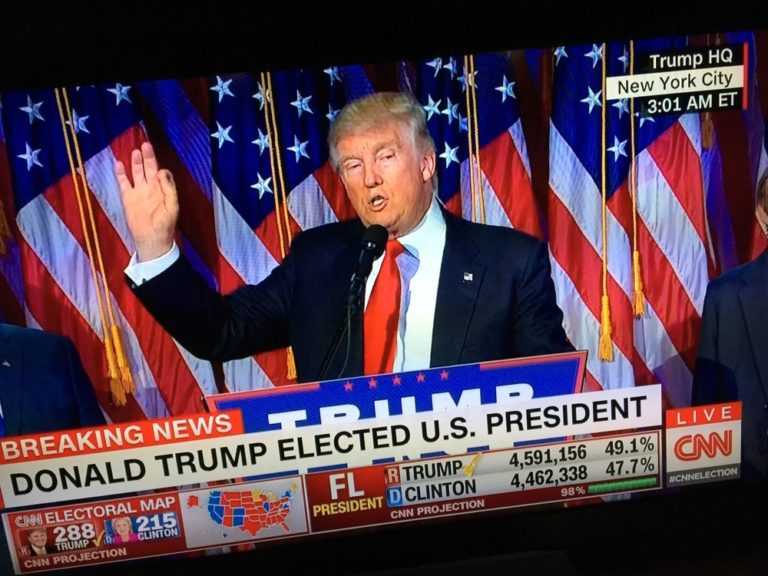
Trump’s Boasts About the Economy Clash With New Report President Donald Trump recently boasted about the economy on his Truth Social platform, claiming that his tariffs are making the economy boom. However, a new report from the Paris-based OECD (Organization for Economic Cooperation and Development) tells a different story. The report suggests that Trump’s trade policies are actually hurting the economy.

Trump wrote, “Because of Tariffs, our Economy is BOOMING!” He also reposted a message about producing U.S.-made metal, energy, and steel. But the OECD’s analysis, first reported by Bloomberg, shows that things aren’t as great as Trump claims.


The Economic Reality Check The OECD report reveals that the global economy is expected to slow down this year. It predicts that economic growth will drop from 3.3% in 2024 to 2.9% this year. The U.S. will be hit even harder, with growth falling from 2.8% last year to just 1.6% this year.

The main reasons for this slowdown? Rising trade costs from Trump’s tariffs and growing uncertainty among businesses and consumers. These tariffs, which are like taxes on imported goods, have made it harder for countries to trade with each other.


What’s Wrong with Tariffs? Trump’s tariffs were meant to boost U.S. production and create jobs. But the OECD says they’ve done the opposite. Higher tariffs have increased prices for businesses and consumers, making it harder for companies to grow.

The report also warns that lower growth and less trade will lead to slower job growth and lower incomes. In short, the tariffs that Trump bragged about are making life harder for people and businesses worldwide.


Global economic prospects have weakened, with almost no exceptions. Lower growth and less trade will hit incomes and slow job growth. — Alvaro Pereira, OECD Chief Economist


Tariffs Rolled Back, But Problems Remain While some of Trump’s tariffs have been temporarily reduced, they are still much higher than before he took office. This has economists worried.

Some investors even joke about Trump’s policies, calling them “TACO” (Trump Always Chickens Out). This nickname suggests that while Trump talks tough, he often backs down when things get tough.

Despite this, tariffs remain high, and economists fear they could lead to not just slower growth but even a full-blown recession.


Republicans Start to Worry Even some Republicans are getting concerned about Trump’s tariffs. While they agree with the goal of boosting U.S. production, they’re seeing the negative effects on the economy.

As the economic outlook darkens, Trump’s claims about a booming economy are looking less and less believable. The OECD’s report is just the latest sign that his trade policies are backfiring.


The Bottom Line Trump’s boasts about the economy don’t match the reality on the ground. The OECD’s report shows that his tariffs are slowing growth, hurting jobs, and making life harder for people and businesses.

For now, the economy is stuck in a tough spot, and Trump’s policies are making things worse. Only time will tell if the U.S. can recover from the damage done by these trade wars.

Markets Jittery as Trump’s Policies Spark Concerns Over US Debt


Key Takeaways:

  • Markets are growing concerned about President Trump’s economic policies.
  • The $29 trillion Treasury market reflects macroeconomics and politics.
  • The Treasury market’s stability is crucial, with the Fed managing it through rates and bond purchases.
  • Inflation is controlled, but political issues with deficits and spending are causing anxiety.
  • Republican policies are seen as risky, cutting into the fiscal foundation despite a strong economy.
  • Analysts worry about the long-term impact on the US economy and global markets.

Understanding the Treasure Market

The Treasury market, a cornerstone of the US economy, is where economics and politics intersect. It deals with government debt, influencing everything from interest rates to economic policies. Recently, it has shown signs of instability, signaling broader economic concerns.

The Fed’s Role in Stability

The Federal Reserve manages the Treasury market by setting interest rates and, in crises, buying bonds. This helps control inflation and stabilize the economy. However, excessive money printing by the Fed can lead to inflation, a delicate balance they must maintain.

Current Inflation Levels

Despite worries, inflation is at a manageable 3%, lower than in recent years. The Fed’s cautious approach has kept it in check, but political decisions could disrupt this balance, causing market jitters.

Politics: The Real Issue

The root of the problem lies in politics. Large deficits under Republican policies are raising concerns. Historically, advanced economies followed prudent fiscal rules, ensuring sustainable growth, but recent trends suggest a shift away from this practice.

Economic Impacts and Concerns

The US can handle large debts, but current borrowing lacks focus on future investments. Instead, it’s driven by tax policies that favor the wealthy, reducing government revenue. This has led to a deficit that could undermine public services and infrastructure.

Looking Ahead

The combination of political and economic factors is causing anxiety in financial markets. While the economy remains strong, the long-term risks of unsustainable borrowing and political decisions could have significant impacts. Markets are only beginning to recognize these risks, signaling potential challenges ahead for the US economy.

In conclusion, while the Treasury market’s current state isn’t alarming, the underlying issues of political and economic strategy demand attention. As markets awaken to these realities, the focus will be on how policymakers address these challenges to ensure economic stability and growth.

Trump’s Treasury Secretary Cornered Over Economy Lies

0


Key Takeaways:

  • Trump’s Treasury Secretary, Scott Bessent, is struggling to defend the administration’s economic policies.
  • MSNBC’s Stephanie Ruhle claims Bessent feels uncomfortable lying about the economy.
  • Bessent, a former Wall Street executive, knows the truth but is pressured to support Trump’s false claims.
  • His past includes working for George Soros and donating to Democratic campaigns.
  • Bessent’s performances on TV have been mocked, especially during a recent Fox News interview.

A Tough Spot for Scott Bessent

Imagine having a boss who wants you to say things you don’t believe in. That’s what’s happening to Scott Bessent, the Treasury Secretary under President Donald Trump. MSNBC’s Stephanie Ruhle, a former Wall Street executive, says Bessent is in a difficult position. He’s stuck between doing his job and telling the truth.

Ruhle recently shared her thoughts on a podcast. She explained that Bessent deeply understands economics, which makes it hard for him to defend Trump’s policies. “He’s backed into a corner,” she said. Bessent often struggles during TV interviews because he’s forced to support ideas he knows aren’t true. For example, when he appeared on Fox News, his comments about Trump’s trade wars were met with laughter and criticism online.


Bessent’s Background

Before joining Trump’s team, Bessent had a very different reputation. He used to work for George Soros, a well-known supporter of Democratic causes. In fact, Bessent even donated to Al Gore’s presidential campaign back in 2000. This makes his current role under Trump even more surprising.

Now, Bessent is part of an administration that’s very different from his past. Ruhle points out that Bessent doesn’t align with Trump’s “Make America Great Again” movement. Yet, he’s stuck in a job where he has to obey his boss, even if it means spreading lies.


The Pressure of Working for Trump

Ruhle believes Bessent’s struggles on TV are clear. When you’re not telling the truth, it’s hard to sound believable. She compared Bessent to another official in Trump’s cabinet, Howard Lutnick. According to Ruhle, Lutnick is better at putting on a show, even if it means bending the truth. But Bessent is different. He knows the economy inside and out, and he’s aware that Trump is “manufacturing lies.”

This isn’t easy for Bessent. Ruhle says he’s frustrated because he can’t defend Trump’s policies honestly. “How does he defend Trump’s position?” she asks. “Where does he go from here?”


A Divided Administration

The situation highlights a bigger problem in Trump’s administration. Many officials, like Bessent, are torn between doing what’s right and pleasing their boss. Ruhle suggests that Bessent’s struggles are a sign of deeper issues within the government. When people in power are forced to lie, it creates tension and instability.

For now, Bessent remains in a tough spot. He’s a man with a strong understanding of economics, but he’s being asked to support policies he knows aren’t true. As Trump’s administration continues, it will be interesting to see how Bessent navigates this challenging situation.


What’s Next?

The economy is a critical issue for any administration. If Bessent can’t convince the public that Trump’s policies are working, it could spell trouble for the president. Meanwhile, Bessent’s personal struggle raises questions about honesty in government. Can officials like him survive when they’re forced to bend the truth? Only time will tell.

GOP Medicaid Cuts Spark Outrage as New Ad Targets Vulnerable Lawmaker

0

GOP Medicaid Cuts Spark Outrage as New Ad Targets Vulnerable Lawmaker

Key Takeaways:

  • A new ad campaign criticizes Rep. Don Bacon for supporting Medicaid cuts.
  • The ad features Audrey, a Nebraska woman, whose grandchildren rely on Medicaid.
  • The GOP budget plan cuts $700 billion from Medicaid over a decade.
  • Critics argue these cuts will harm millions of families and children.
  • The Senate will decide the fate of the controversial bill.

New Ad Calls Out Republican Lawmaker for Medicaid Cuts

A new ad airing in Nebraska is calling out Rep. Don Bacon for his support of a plan that could cut Medicaid for millions of Americans. The ad is part of a nationwide campaign to highlight the impact of these cuts on families.


Who’s Behind the Ad?

The ad features Audrey, a Nebraska grandmother. Audrey shares how her step-daughter and three grandchildren depend on Medicaid for healthcare. She says, “It’s important that we continue to have Medicaid — it’s lifesaving. But Congressman Don Bacon doesn’t act like it. He’s cutting Medicaid to give tax breaks to big corporations and billionaires.”

Audrey emphasizes that without Medicaid, her grandkids would lose access to healthcare, immunizations, and other essential services. She calls it “very important” and something that shouldn’t be taken away to fund tax breaks for the wealthy.


The Controversial Budget Plan

Late last month, Rep. Don Bacon voted for a budget plan that includes over $700 billion in Medicaid cuts over the next ten years. The plan also adds work reporting requirements that could remove health insurance from as many as 14 million people.

Analysts warn these cuts would harm low-income families, children, and people with disabilities who rely on Medicaid. Before voting, Bacon had said he wouldn’t support cuts over $500 billion. However, he ultimately backed the plan, which includes much deeper cuts.


Reaction to Bacon’s Vote

Kobie Christian of the Unrig Our Economy coalition, which is running the ad campaign, criticized Bacon’s decision. “Nebraska families like Audrey’s have been struggling to afford healthcare for years, and Congressman Bacon decided it was a good idea to vote for the largest cut to Medicaid in American history,” Christian said.

Christian added, “Congressman Bacon didn’t just vote to rip away healthcare from children and families. He voted to hand that money to millionaires and billionaires. Congressman Bacon had a choice — and he chose billionaires over working families like Audrey’s.”


What’s Next for the Bill?

The budget plan is now in the hands of the GOP-controlled Senate. Senators are expected to make changes before sending it back to the House for final approval. However, it’s unclear if Republican senators will soften the harsh cuts to Medicaid.

Some Senate Republicans, like Josh Hawley of Missouri, have expressed concerns about cutting Medicaid benefits. Hawley recently said President Trump told him, “NO MEDICAID BENEFIT CUTS.” But Hawley still supports work requirements for Medicaid, which experts say are unfair and ineffective. Most Medicaid recipients already work, and these requirements could strip healthcare from millions of eligible people.

Tony Carrk of the watchdog group Accountable.US said, “Let’s see if Senator Hawley, President Trump, and other Republican senators who’ve shunned Medicaid cuts practice what they preach. If they are a ‘no’ on Medicaid cuts, then they can’t support any version of the current reconciliation bill that slashes healthcare for millions of Americans.”


Why This Matters

The debate over Medicaid cuts is heating up as the 2026 elections approach. Lawmakers like Rep. Don Bacon, who is considered vulnerable in his reelection bid, are facing increasing scrutiny for their votes on this issue. Advocacy groups are hoping to draw attention to the potential harm of these cuts and hold lawmakers accountable.

For families like Audrey’s, the stakes are personal. Medicaid is a lifeline that provides essential healthcare services. If these cuts go through, millions of Americans could lose access to the care they need.

As the Senate debates the budget plan, one thing is clear: the future of Medicaid — and the health of millions — hangs in the balance.

Trump’s Social Media Addiction Revealed: Posts Non-Stop for Validation

Title: Trump’s Social Media Addiction Revealed: Posts Non-Stop for Validation


Key Takeaways:

  • Trump posts on social media day and night, with over 2,260 entries in just 132 days.
  • Experts say his constant posting is driven by a desire for self-validation and positive feedback.
  • Trump isn’t alone; many wealthy individuals spend a lot of time on social media for the same reasons.
  • A team of aides now helps him post, but his addiction to social media continues to grow.

Trump’s Non-Stop Social Media Posts Raises Eyebrows

Donald Trump is no stranger to social media. In fact, he’s become so active online that experts are calling him the “influencer in chief.” A recent report highlights just how much time Trump spends posting—day and night.

In just 132 days, Trump posted an astonishing 2,262 times on Truth Social, his go-to platform. This is a huge jump from his activity during his first term as president.

But why is Trump posting so much? According to Darren Linvill, a professor at Clemson University, it’s all about one thing: validation. “His current behavior shows he’s deeper in his own bubble,” Linvill explains. “Truth Social gives him constant positive feedback, which he loves.”


The Psychology Behind Trump’s Posting

Linvill, who studies social media, believes Trump’s non-stop posting is a sign of his desire for self-validation. “Social media is good at keeping people hooked,” he says. “It’s a dopamine hit. People love feeling good about themselves, and Trump loves that more than most.”

But Trump isn’t the only one. Many billionaires, despite their wealth, spend hours on social media. “It’s shocking how much time they spend online,” Linvill adds. “They could be enjoying life, but instead, they’re glued to their screens. Social media is addictive, and it works.”


Trump’s Posting Team

While Trump is known for typing his own posts in the past, he now has a team of aides helping him. Together, they keep his social media buzzing with activity throughout the day.

But Trump’s addiction to social media is growing. His posts are reaching more people now than ever before. Some see this as a strategy to stay relevant, especially as he considers another run for president.


Why This Matters

Trump’s non-stop posting isn’t just about sharing his thoughts. It’s about building influence. With millions of followers, his words carry weight. But it also raises questions about how much time a former president—and potential future candidate—should spend online.

As Linvill points out, social media is designed to keep people coming back. For someone like Trump, who thrives on attention, it’s the perfect tool. But it also traps him in a bubble of his own making, where he only hears what he wants to hear.


The Bigger Picture

Trump isn’t alone in his social media obsession. Many powerful people spend hours online, seeking validation and attention. But for Trump, it’s more than just a habit—it’s a way to stay in the spotlight.

So, what’s next? As Trump’s social media addiction grows, will it help or hurt his chances of returning to power? Only time will tell.


Final Thoughts

Trump’s non-stop posting on social media is more than just a hobby—it’s a reflection of his desire for validation. And he’s not alone. Many wealthy and influential people are just as hooked.

As social media continues to shape politics, one thing is clear: Trump’s addiction to the spotlight isn’t going away anytime soon.

Modern autocrats use spin and media control instead of violence.

Key Takeaways:

  • Modern autocrats use spin and media control instead of violence.
  • Leaders like Trump show similar tactics, but the U.S. has strong checks and balances.
  • Strong institutions are key to protecting democracy.
  • Americans must stay vigilant to preserve their democratic system.

Rise of Spin Dictators: How Modern Autocrats Rule Without Terror

A new kind of authoritarian leader has emerged. They look nothing like the brutal dictators of the past. Instead, they wear suits, hold elections, and claim to defend democracy—all while quietly undermining it.

What Is Modern Authoritarianism?

Modern autocrats don’t rule by fear or violence. Instead, they use spin, propaganda, and control of media to shape public opinion. They call themselves protectors of the nation, claiming to defend it from imaginary threats.

For example, Hungary’s Prime Minister Viktor Orbán has won elections but undermined democracy. He packed courts with loyalists, took over media, and targeted universities. Yet, he avoids violence, preferring to discredit critics without jailing them.

How Does This Compare to the U.S.?

President Donald Trump has faced criticism for actions that resemble authoritarian tactics. He attacked the media, defied court rulings, and admires strongmen like Putin. However, the U.S. system is much stronger.

America’s Constitution, independent courts, and vocal Civil Society make it hard for any leader to become a dictator. However, the rise of spin dictatorships worldwide should remind Americans to stay alert.

Why Does This Matter?

Democracy isn’t automatic. It relies on institutions like courts, media, and voters to hold leaders accountable. Countries with weak systems are at risk.

While the U.S. is safe for now, understanding how modern autocrats work can help Americans protect their democracy. Stay informed, support independent media, and demand accountability.

Final Thought:

The rise of spin dictatorships is a global trend. By learning how they operate, Americans can better guard their democratic system. Democracy is worth fighting for—let’s make sure it thrives.

Ex-Republican Joe Walsh Joins Democrats: A Fiery Shift in Politics

Key Takeaways:

  • Joe Walsh, a former Republican Congressman, has joined the Democratic Party.
  • He cites the threat to democracy and the rule of law as his main reasons.
  • Walsh has shifted his views on social issues and admits to personal growth.
  • He believes the Democratic Party is the only defender of American values.

From Republican to Democrat: Joe Walsh’s Big Switch

Joe Walsh, a former Republican Congressman, has made a surprising move by joining the Democratic Party. Once a strong Tea Party supporter, Walsh has become a vocal critic of former President Donald Trump. His decision to switch parties is driven by his belief that democracy is under threat.


Why the Switch?

Walsh explains that the current political climate compelled him to act. He feels the Republican Party no longer stands for democracy and the rule of law, principles he deeply values. Walsh criticizes Republicans who either support Trump or oppose him but fail to defend core American values.

He emphasizes that the Democratic Party is now the sole defender of freedom, democracy, and the rule of law. Walsh urges others to unite under the Democratic banner, forming a broad coalition that includes conservatives.


A Change of Heart

Walsh has evolved significantly since his time in Congress. Once known for his strict views, he now supports issues like LGBTQ rights, immigration reform, and climate action. He admits regretting his past divisive behavior and aims to be more tolerant and decent in his public role.


A New Chapter

Walsh marvels at how the Democratic Party can include both conservatives like himself and progressives like Alexandria Ocasio-Cortez. His journey from the Tea Party to the Democratic Party is a testament to his commitment to democracy and freedom.


What’s Next?

Walsh’s switch could inspire others to rethink their political allegiances. As the Democratic Party welcomes him, it shows its ability to unite diverse voices. The coming months will reveal how Walsh’s new role influences his advocacy.


This shift highlights the evolving political landscape and the importance of standing up for democracy. Walsh’s story is a reminder that change is possible, even in politics.

Supreme Court’s Trump Interventions Raise Alarm

0

Key Takeaways:

  • Legal experts warn the U.S. Supreme Court is too often stepping into cases involving former President Donald Trump.
  • The Court sometimes rules against Trump but often in ways that expand presidential power.
  • Experts say the Court’s decisions sometimes bend the law to favor Trump.
  • This trend could hurt the Court’s reputation and lead to bigger political conflicts.

The Supreme Court and Trump: A Troubling Pattern

The U.S. Supreme Court has been getting involved in cases tied to Donald Trump a lot lately. While the Court doesn’t always side with him, legal experts say the pattern is still worrying.

Dahlia Lithwick and Mark Joseph Stern, who follow the Court closely, recently talked about this. They pointed out that the justices seem to be giving more power to the presidency while also trying to stop Trump’s most extreme actions.

What’s really concerning, Stern said, is how often the Court jumps into these Trump-related disputes. “It’s not just that they’re always on Trump’s side,” he noted, “but they’re doing it way too often for comfort.”


The Shadow Docket: A Powerful Tool

One big issue is the Court’s use of the “shadow docket.” This is a way for the Court to make quick decisions without fully explaining its reasoning.

Stern explained that when the Court uses this process, it doesn’t just focus on what the law says is right or wrong. Instead, it considers vague factors like “balance of the equities” and “irreparable harm.” These terms are like squishy clay the Court can shape to justify decisions that help Trump—even if they don’t follow the law.

For example, the Court recently ruled that leaders of two independent agencies had to stay fired while their cases were in court. Justice Elena Kagan disagreed strongly, saying the Court misapplied the law. Lithwick noted that in this same case, the Court threw out a 90-year-old precedent without explaining why.


Emergencies: A Matter of Feelings

Lithwick and Stern also talked about how the Court handles emergencies. Lithwick said it’s like a “feelings ball.” The justices rely on hunches and whether they think one side’s emergency claims are more legitimate.

Stern agreed. He said the Court is using inconsistent standards when deciding these cases. Meanwhile, the justices try to act like they’re humble and nonpartisan, even as public trust in the Court is dropping.

Things have gotten heated. Some justices are even calling lower court judges “hacks” for standing in Trump’s way. Stern wonders how this will affect the Court’s legitimacy, especially as Trump keeps pushing the limits of what the Court can control.


The Erosion of Public Trust

Lithwick thinks the justices are trying to avoid direct confrontations with Trump by making as few big decisions as possible. But she believes this clash is inevitable.

She said, “As these emergencies keep piling up, the justices will find it harder to stay out of sight or act like they’re not taking sides.” She and Stern have been asking when a full-blown constitutional crisis might happen. That would occur if the Court orders something and the administration simply refuses to obey.

Lithwick added, “We’re not quite there yet, but the justices can’t keep their image and reputation intact by being unclear or avoiding big decisions. At some point, they’ll become irrelevant if they don’t step up.”


A Looming Constitutional Crisis

The Supreme Court is walking a tightrope. On one hand, it’s trying to limit Trump’s most extreme actions. On the other, it’s expanding presidential power in ways that worry legal experts.

The justices are also dealing with a growing lack of trust from the public. As they struggle to balance these challenges, one thing is clear: the Court’s reputation and legitimacy are on the line.

The big question now is whether the Court can find a way to restore trust and fairness or if it will become another casualty of the political battles of the Trump era.


In the end, the Supreme Court’s role in these Trump-related cases is raising red flags. Legal experts warn that the Court’s actions could stocking a constitutional crisis—and the stakes couldn’t be higher.

Trump Disappointed with His Supreme Court Picks?

0

Key Takeaways:

  • President Trump reportedly expressed private frustration with Supreme Court justices he appointed.
  • Justices Gorsuch, Kavanaugh, and Barrett are mentioned, with Barrett receiving particular criticism.
  • Sources indicate Trump’s dissatisfaction spans multiple rulings over the past year.
  • The White House states Trump respects the Court despite disagreements.
  • Barrett has consistently voted conservatively, supporting Thomas and Alito in over 80% of cases.

Trump Voices Frustration Over Supreme Court Justices’ Decisions

According to recent reports, President Donald Trump has privately expressed dissatisfaction with Supreme Court justices he appointed. These justices include Neil Gorsuch, Brett Kavanaugh, and Amy Coney Barrett. Among these, Barrett, his last appointment, has drawn significant criticism from Trump.

The Justices in Question

During his term, Trump appointed three justices, all of whom were expected to align closely with his policies. However, sources suggest that Trump has been critical, particularly of Barrett, who replaced Justice Ruth Bader Ginsburg after her passing in 2020. The frustration reportedly stems from several rulings, not just one specific decision, and has been ongoing for over a year.

Understanding the Context

Barrett’s appointment was seen as a significant gain for conservatives, given her judicial philosophy. However, Trump’s expectations may have been higher, leading to his disappointment. Despite this, data indicates that Barrett has been a reliable conservative voice, siding with Justices Clarence Thomas and Samuel Alito in over 80% of cases last term.

The White House Responds

When asked about these claims, a White House spokesperson emphasized Trump’s respect for the Supreme Court, even when rulings don’t favor his views. They reiterated Trump’s opposition to radical changes like court-packing, which they argue could undermine the Court’s integrity.

Conclusion

While Trump’s private criticisms highlight the complex relationship between a President and the judiciary, the data shows that his appointees remain largely aligned with conservative values. The situation underscores the challenges faced by any President in predicting how justices will rule once in office.