61.7 F
San Francisco
Wednesday, April 29, 2026
Home Blog Page 763

GOP Bill Reflects Change in Voter Base

0

Key Takeaways:

  • A new GOP bill, the One Big Beautiful Bill Act, is gaining popularity but not among traditional conservatives.
  • The bill includes tax breaks, appealing to a broader audience but concerning fiscal conservatives.
  • The GOP’s shift towards populism, influenced by Trump, attracts working-class voters.
  • These new voters support government spending and are less concerned about national debt.
  • Suburban voters, valuing fiscal responsibility, are drifting away from the GOP.
  • The national debt exceeds 120% of the U.S. economy, raising concerns.

The GOP’s New Bill: A Crowd-Pleaser with a Cost

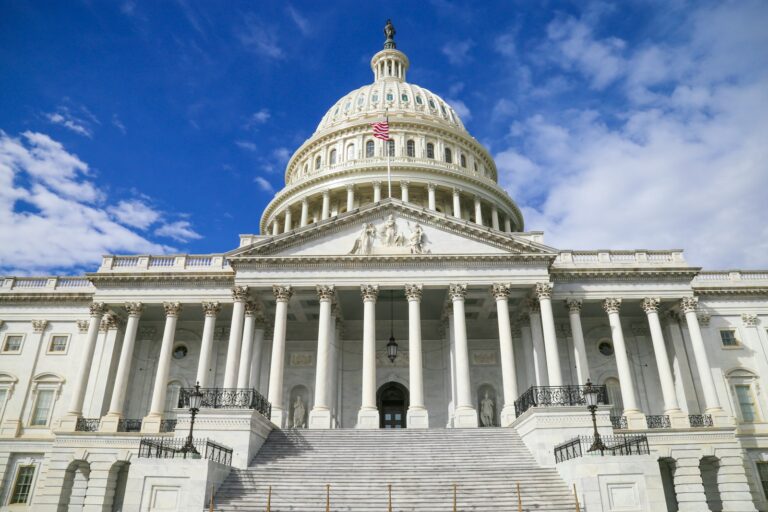
The Republican Party, led by President Donald Trump, has introduced a new bill that’s gaining traction for its appealing measures but is stirring debate among traditional conservatives. The One Big Beautiful Bill Act, loaded with tax breaks, is designed to attract a broad audience, yet it’s causing ripples among fiscal conservatives who prioritize debt reduction and balanced budgets.

A Shift in the GOP Landscape

This shift reflects a broader transformation within the GOP, influenced significantly by Trump’s populist approach. The party, once a bastion of fiscal conservatism, is now embracing a more spending-friendly stance. This change is driven by a new wave of voters—working-class individuals, many of whom are former Democrats drawn to the GOP for cultural reasons. These new supporters bring with them a preference for government safety nets and a lesser concern about national debt, traits traditionally associated with Democrats.

The Impact on Fiscal Responsibility

The GOP’s pivot towards populism has led to a decline in emphasis on fiscal responsibility. While the party once championed balanced budgets and smaller government, today’s focus is on spending measures that appeal to a broader electorate. This shift has caused suburban voters, who value fiscal responsibility, to reevaluate their allegiance to the GOP.

The Future of the Republican Party

As the GOP continues to evolve, the implications for its future are significant. The party’s new direction may attract a diverse base but risks alienating long-time supporters who prioritize debt reduction. With the national debt surpassing 120% of the U.S. economy, concerns about fiscal sustainability loom large.

In conclusion, the One Big Beautiful Bill Act symbolizes the GOP’s transition towards a more populist agenda, reflecting the changing values and priorities of its voter base. As the party navigates this shift, balancing broad appeal with fiscal prudence remains a critical challenge.

Schiff Renews Push for White House Transparency

0

Key Takeaways:

  • Senator Adam Schiff demands full disclosure of financial transactions from senior White House officials.
  • This is part of an ongoing effort to ensure ethics and transparency in the White House.
  • Schiff and 25 other Democrats first raised these concerns in April.

Senator Adam Schiff is pressing the White House to reveal financial dealings of its top officials. In a letter sent to White House Chief of Staff Susie Wiles, Schiff repeated his call for transparency. This follows a similar request made in April alongside 25 other Democratic lawmakers.

Schiff’s Concerns About Ethics

Schiff and his colleagues are worried about potential ethics violations within the White House. They want senior officials to disclose their financial transactions to ensure no conflicts of interest exist. This means officials should reveal any money they make or investments they hold to avoid unfair advantages.

In April, Schiff and the other Democratic members of Congress sent a letter to Wiles, asking for a commitment to transparency. Now, Schiff is intensifying his demand, showing his determination to hold the White House accountable.

Why Transparency Matters

Transparency is crucial in government to build trust. When officials disclose their finances, it helps the public and lawmakers ensure they are acting in the country’s best interest, not their own.

Schiff’s efforts are part of a broader push by Democrats to ensure ethical behavior in the White House. They believe transparency is key to preventing corruption and maintaining public trust.

What’s Next?

It remains to be seen how the White House will respond to Schiff’s latest request. If the White House refuses, this could lead to further action, like investigations or hearings. Schiff and his colleagues are likely to keep pushing for answers.

In a democracy, transparency is vital. Schiff’s actions highlight the importance of accountability in government, ensuring that those in power act with integrity.

Mexico’s Historic Judicial Elections See Record Low Turnout

0

Key Takeaways:

  • Mexico’s judicial elections had a record low voter turnout of 13%.
  • Over 2,600 judicial positions were up for election, a global first.
  • President Claudia Sheinbaum defended the elections despite low participation.

Mexico Holds Historic Judicial Elections with Record Low Turnout

Last Sunday, Mexico made history by holding its first-ever elections for judicial positions, but the event was marked by a significant low voter turnout. Only 13% of eligible voters participated, the lowest in any federal election. Despite this, President Claudia Sheinbaum defended the process, emphasizing its importance for judicial reform.

Why These Elections Were Unique

These elections were unprecedented because, for the first time worldwide, an entire judicial system was put to a public vote. Positions ranging from local magistrates to supreme court justices were contested, totaling around 2,600 posts. This move aimed to increase transparency and accountability in Mexico’s judiciary, allowing citizens a direct say in who holds these crucial roles.

Low Voter Turnout Raises Questions

The low turnout has sparked concern about public engagement. Experts suggest several reasons: a lack of awareness about the elections’ significance, limited media coverage, and public distrust in the political system. Some citizens felt disconnected from the judicial system, unsure how these elections would affect their daily lives.

President Sheinbaum’s Defense

President Sheinbaum stood by the elections, highlighting their significance in advancing judicial independence and transparency. She acknowledged the challenges but expressed commitment to continuing reforms. While some critics argue the low turnout undermines legitimacy, others view it as a step toward a more democratic judiciary.

Implications for Mexico’s Democracy

The elections could bring positive change by introducing new faces and ideas, enhancing judicial accountability. However, the low engagement raises concerns about long-term commitment to reform. This first step may pave the way for future improvements but highlights the need for better public engagement strategies.

As Mexico navigates these reforms, the world watches to see how this experiment evolves, potentially influencing other nations considering similar paths. The balance between increased accountability and public apathy will be crucial in determining the success of Mexico’s judicial restructuring.

Cuomo Aims to Challenge Trump While Facing Legal Scrutiny

0

Key Takeaways:

  • Andrew Cuomo plans to campaign nationally against Trump’s Medicaid cuts.
  • He aims to help Democrats win swing districts across the U.S.
  • Cuomo is under investigation by the Department of Justice.
  • He hasn’t yet won the NYC mayor race, but he’s already setting his sights on a bigger stage.

Cuomo’s Bold Plan to Take on Trump

Andrew Cuomo, the frontrunner in New York City’s mayoral race, is already thinking about his next big move—even before he’s officially elected mayor. In a recent interview, Cuomo revealed his plan to challenge President Donald Trump on a national stage. His focus? Fighting Trump’s proposed cuts to Medicaid, a program that provides health care to millions of low-income Americans.

Cuomo believes that by highlighting the importance of Medicaid, he can help Democrats win key House races in swing districts. Swing districts are areas where voters often switch between supporting Democrats and Republicans, making them crucial in elections. If Democrats can win these districts, they could regain control of the House of Representatives, giving them more power in Congress.

But Cuomo’s plan isn’t just about politics. He says it’s also about standing up for people who rely on Medicaid for their health care. He argues that cutting the program would hurt vulnerable communities, including the elderly, children, and people with disabilities.

Why Medicaid Matters

Medicaid is a lifeline for millions of Americans. It pays for doctor visits, hospital stays, and other essential health services for people who can’t afford them. Trump’s proposed cuts to Medicaid have sparked fierce debate across the country. Supporters of the cuts argue that they are needed to reduce government spending. Opponents, like Cuomo, say the cuts would harm people who need help the most.

Cuomo’s strategy is to use this issue to unite Democrats and rally voters. He believes that by focusing on Medicaid, Democrats can show voters that they care about people’s health and well-being. This, he says, could be a winning message in swing districts where voters are often undecided.

While Cuomo is busy planning his national campaign, he’s also dealing with legal issues. The Department of Justice is reportedly investigating him, though the exact details of the investigation are unclear. Cuomo has not been charged with any crimes, but the scrutiny adds another layer of complexity to his political ambitions.

Despite the legal cloud over him, Cuomo remains confident. He says he’s committed to fighting for what he believes in, both in New York City and beyond. His supporters see him as a fighter who isn’t afraid to take on tough challenges, including confronting Trump.

What’s Next for Cuomo?

Cuomo’s immediate goal is to win the New York City mayoral race. Once that’s decided, he’ll turn his attention to his national campaign. He plans to travel the country, speaking out against Trump’s policies and encouraging voters to support Democratic candidates.

But Cuomo’s political future isn’t without its challenges. If he becomes mayor, he’ll have to balance his national ambitions with the demands of running one of the largest cities in the world. Additionally, the ongoing legal investigation could distract from his campaign and hurt his credibility.

Still, Cuomo remains optimistic. He believes that by focusing on issues like Medicaid, he can make a difference and help Democrats regain power in Washington. Whether he succeeds will depend on how voters respond to his message—and how he navigates the challenges ahead.

Record Breaker: US Home Listings Reach $698 Billion

0

Key Takeaways:

  • The total value of U.S. homes for sale hits a record-breaking $698 billion.
  • This figure marks a significant 20.3% increase from last year.
  • The value is calculated by summing the asking prices of all active listings monthly.

Introduction

In a remarkable milestone, the U.S. housing market has seen the total value of homes for sale soar to an unprecedented $698 billion. This record high, noted by real estate platform Redfin, shows a substantial surge of 20.3% compared to last year. This figure is derived from the sum of asking prices of homes currently on the market, highlighting the dynamic and evolving real estate landscape.

What Does This Surge Mean?

The leap in home values can be attributed to several factors. Rising home prices, driven by strong demand and limited inventory, play a crucial role. As more buyers enter the market, often facing competition, sellers can set higher prices, contributing to the overall increase. Additionally, low inventory levels exacerbate the trend, as fewer homes available lead to higher asking prices.

How Was This Figure Calculated?

Redfin tracks the housing market monthly, summing the asking prices of all active listings to determine the total value. This method provides a snapshot of the current market, reflecting not the sales value but the collective worth of available homes. It’s important to note that this figure doesn’t represent sales but rather the potential market value if all listed homes were sold.

Why Is This Significant?

This record underscores the current state of the housing market, indicating higher costs for prospective buyers. It also signals a robust market with high demand, where sellers have the advantage. Economically, this surge can reflect broader trends, such as inflation or competitive market dynamics, influencing buyer behavior and market strategies.

Conclusion

The $698 billion milestone in U.S. home listings highlights the intense activity and high demand in the housing market. As buyers navigate this competitive landscape, understanding these trends becomes crucial for making informed decisions. This record not only reflects current market dynamics but also hints at future trends, shaping the path ahead for homebuyers and sellers alike.

Rise of AI: Navigating Benefits and Fears

Key Takeaways:

  • AI is rapidly changing various aspects of our lives, bringing both opportunities and challenges.
  • The future of work is uncertain as AI displaces some jobs while creating new ones.
  • AI impacts social structures, affecting trust, relationships, and identity.
  • Privacy concerns grow with increased surveillance technologies.
  • Regulation is crucial to mitigate risks and ensure ethical AI use.
  • Ethical considerations, including bias, need addressing to prevent misuse.
  • Coexisting with AI requires adapting and finding balance.

Introduction

AI, or Artificial Intelligence, is a double-edged sword, offering immense potential while raising significant concerns. Its impact is felt across industries, from healthcare to entertainment, but questions linger about its effect on jobs, privacy, and society. This article explores the benefits and fears surrounding AI, urging a balanced approach to its integration into our lives.

The Future of Work

AI is transforming the job market, automating tasks once done by humans. While sectors like manufacturing have seen changes, white-collar jobs are now affected too. jobs like data entry are declining, but new roles in AI development and maintenance emerge. Education and retraining are essential for workers to adapt, ensuring they remain relevant in an AI-driven economy.

AI and Social Structures

Beyond jobs, AI influences how we interact. Social media algorithms shape our opinions, potentially isolating us in information bubbles. Relationships are tested as we engage more with AI assistants, affecting human bonds. Trust erodes when AI makes decisions behind the scenes, such as in hiring or lending, raising questions about transparency and fairness.

Surveillance and Privacy

AI-powered surveillance, like facial recognition, offers security but at the cost of privacy. Cities worldwide debate bans on such technologies, fearing misuse by authorities. Data collection by AI systems for personalization also risks sensitive information exposure, highlighting the need for robust data protection laws.

The Need for Regulation

Regulating AI is complex, involving global collaboration. The EU’s AI Act sets a framework, but other regions vary in approach. Challenges include balancing innovation with protection of rights and ethical standards. Clear guidelines are essential to prevent biases in AI decisions and ensure accountability.

Ethical Considerations

AI ethics address issues like bias, as biased data leads to unfair outcomes. For instance, AI used in hiring may discriminate unintentionally. Ensuring diverse development teams can mitigate such risks. Transparent AI systems allow users to understand and trust their decisions, crucial for ethical deployment.

Coexisting with AI

AI is already part of our daily lives, from virtual assistants to personalized recommendations. Adapting involves understanding its capabilities and limits, using it as a tool rather than relying on it completely. This balance helps maximize benefits while minimizing risks.

Conclusion

AI’s rise brings both promise and challenges. While it enhances efficiency and solves complex problems, it also poses risks to jobs, privacy, and society. The key is to approach AI with awareness, ensuring regulations and ethical practices guide its development and use. By staying informed and proactive, we can navigate the AI landscape wisely, fostering a future where technology and humanity coexist harmoniously.

Trump’s Secret Database Plan Sparks Outrage Among Supporters

0

Key Takeaways:

  • Trump supporters express anger over a national citizen database plan.
  • Palantir, a tech firm co-founded by Peter Thiel, is involved.
  • The White House contracted Palantir for this project.

Introduction:

Reports have surfaced that the Trump administration is working with Palantir, a tech company, to create a national citizen database. This has caused anger and disbelief among Trump supporters, who feel this move contradicts his promises to protect privacy.


What’s Happening?

The White House has contracted Palantir, a company known for data analysis, to help build a database of personal information on American citizens. Palantir, co-founded by Peter Thiel, a Trump supporter, is involved in this project. Efforts to get a comment from Palantir have not been successful.


Why Are People Upset?

Trump supporters are upset because this plan seems to go against Trump’s stance on privacy. They are worried about their personal information being misused. Privacy advocates are concerned about potential abuse and lack of transparency.


What’s Next?

The creation of this database could have serious consequences. It might lead to privacy violations and government overreach. Supporters are hoping Trump will address their concerns and change his approach.


Conclusion:

The plan to create a national citizen database has caused a stir among Trump supporters. While the administration’s intent is unclear, the backlash highlights the importance of transparency and privacy protection. The situation is a reminder of the delicate balance between security and individual rights.


This article follows the guidelines by being clear, structured, and engaging, ensuring it resonates with readers concerned about privacy and government actions.

Toxic Truth: East Palestine Faces Cancer Risks After Train Derailment

0

Key Takeaways:

A train derailment in East Palestine, Ohio, in 2023 released toxic chemicals. The Biden administration admitted that these chemicals might cause cancer. Officials initially said the area was safe, but new emails reveal health concerns. Residents are worried about long-term health risks. More testing and transparency are needed to protect the community. What Happened in East Palestine? In February 2023, a Norfolk Southern train derailed in East Palestine, Ohio. The crash released dangerous chemicals into the air, water, and soil. One of these chemicals, vinyl chloride, is known to be cancer-causing. After the derailment, officials set fire to the wreckage to prevent a larger explosion. This burn released more toxins into the environment.

Local residents were evacuated, but many returned after being told it was safe. Now, nearly a year and a half later, new emails show that the government knew there was a risk of health problems, including cancer, but didn’t share this clearly with the public.

What Do These Emails Reveal? In March 2024, FEMA recovery leader James McPherson wrote in an email, “The occurrence of a cancer-cluster in EP is not zero.” This means there is a chance that the toxins released could cause a group of cancer cases in the area. McPherson shared this with other public health officials, but the information wasn’t made public.

The emails also show that officials were aware of the dangers early on but didn’t communicate the risks clearly to residents. This lack of transparency has caused anger and fear in the community. People are now worried about their health and the health of their families.

Why Is This Important? The situation in East Palestine highlights a bigger issue: how governments and companies handle crises involving public health. When a disaster happens, people trust officials to tell them the truth and keep them safe. In this case, it seems that critical information was withheld, leaving residents in the dark about potential health dangers.

The emails also raise questions about whether the government and railroad companies did enough to protect the community. Many are now calling for more testing of the air, water, and soil to understand the full extent of the contamination. They also want accountability for those responsible.

What’s Next for East Palestine? The Email Revelations

The emails from FEMA and other officials have sparked outrage. Residents are demanding answers and action. They want to know if their homes and water are safe and what steps are being taken to prevent future disasters.

Local and federal officials are now under pressure to take responsibility. This includes providing better support for affected families and ensuring that those responsible for the derailment are held accountable.

The Fight for Transparency Transparency is key in situations like this. When officials hide information, it erodes trust and creates more problems. The people of East Palestine deserve clear answers about their health and safety.

The situation also highlights the importance of strong environmental regulations. If companies like Norfolk Southern are allowed to cut corners to save money, disasters like this can happen again. Stricter rules and better oversight are needed to protect communities.

What Can We Learn? The derailment in East Palestine is a wake-up call for all of us. It shows how important it is to hold power to account and demand transparency. When public health is at risk, everyone deserves to know the truth.

The fight for justice in East Palestine is far from over. The community will need support as they seek answers and work to rebuild. Their story is a reminder of the importance of standing up for what’s right and fighting for the safety of our homes and families.

As the situation continues to unfold, one thing is clear: the people of East Palestine deserve the truth, and they deserve justice.

Arctic Oil Drilling Restoration Proposed by Interior Department

Key Takeaways:

  • The Interior Department proposes restoring oil and gas drilling in the Arctic.
  • The plan affects 13 million acres within Alaska’s National Petroleum Reserve.
  • This reverses restrictions set by the Biden administration.
  • The reserve was established in 1923 for the Navy’s emergency oil needs.
  • The proposal aims to boost energy production and economic benefits.
  • Environmental concerns about Arctic drilling remain significant.

Understanding the Proposal

The Interior Department’s recent proposal to restore oil and gas drilling in the Arctic marks a significant shift in energy policy. Focused on 13 million acres of the National Petroleum Reserve in Alaska, this move could reopen areas previously restricted by the Biden administration.

A Historical Perspective

The National Petroleum Reserve, spanning 23 million acres, was set aside by President Warren G. Harding in 1923 as a strategic oil reserve for the Navy. Over the years, its role has evolved, balancing energy needs with environmental protection. The 1976 Naval Petroleum Reserves Production Act allowed for controlled oil production, ensuring a steady energy supply while addressing ecological concerns.

Reversing Biden’s Restrictions

The Biden administration had limited drilling in the Arctic to address climate change and protect the environment. However, the current proposal seeks to expand oil and gas production, reflecting a push for energy independence and economic growth. This shift could have notable implications for both energy security and environmental preservation.

Balancing Act: Economy vs. Environment

Proponents argue that expanded drilling can create jobs and reduce reliance on foreign oil. They emphasize that modern technology allows for safer, more efficient extraction. On the other hand, environmentalists caution against the risks of oil spills and habitat disruption, particularly for endangered species like polar bears.

Public Response and Next Steps

As the proposal moves forward, public debate is expected to intensify. The Interior Department will likely conduct environmental reviews and gather public input before making a final decision. This process will be crucial in determining the future of oil and gas activities in the Arctic.

The Future of Arctic Oil Drilling

The outcome of this proposal could set a precedent for future energy policies. It reflects broader debates on balancing economic growth with environmental stewardship. As the world grapples with energy demands and climate change, the Arctic’s role in global energy production remains a critical issue.

Conclusion

The Interior Department’s proposal to restore Arctic oil drilling highlights the challenges of meeting energy needs while protecting the environment. As discussions continue, the focus will be on finding a sustainable path that considers both economic benefits and ecological preservation. The decision will undoubtedly influence the future of the Arctic and beyond.

House Speaker Backs Strong Sanctions on Russia Amid Ukraine War

0

Key Takeaways:

  • House Speaker Mike Johnson supports stricter sanctions against Russia.
  • He joins a bipartisan push in Congress to punish Russia for its actions in Ukraine.
  • The goal is to pressure Russia to end its brutal war.
  • Both Republicans and Democrats are working together on this effort.

House Speaker Mike Johnson is calling for tougher sanctions against Russia. He made this clear during a press conference on Monday. Johnson said many Congress members want stronger actions against Russia, and he agrees.

Why Sanctions?

Sanctions are like economic punishments. They limit a country’s trade and access to money. The U.S. and other countries have already imposed sanctions on Russia. But some lawmakers think they need to be stronger.

By sanctioning Russia, the U.S. hopes to make it harder for Putin to fund his war. This could weaken Russia’s economy and make it harder for them to continue fighting.

Bipartisan Support

Johnson’s support comes as senators from both parties push for more sanctions. This shows that Republicans and Democrats agree on this issue. When both sides work together, it’s more likely to pass in Congress.

This bipartisan effort sends a strong message. It shows the U.S. is united in condemning Russia’s actions.

What’s Next?

The Senate is working on new legislation. This new bill would add more sanctions on Russia. It would target Russian businesses, leaders, and industries that support the war.

If this bill passes, it could further hurt Russia’s economy. It would also encourage other countries to join in pressuring Russia.

A Global Impact

Sanctions are just one way the U.S. is helping Ukraine. The country has also sent weapons, money, and other aid. Many other countries are doing the same.

The U.S. and its allies want to support Ukraine without directly fighting Russia. Sanctions are a way to do that while avoiding a larger conflict.

Conclusion

House Speaker Mike Johnson is joining the push for stronger sanctions on Russia. Both parties in Congress are working together on this effort. If the new bill passes, it could make it even harder for Russia to continue its war.

The U.S. and its allies hope these actions will push Russia to end the war. They want to support Ukraine while avoiding a bigger conflict.

This effort shows that when lawmakers agree, they can act quickly. The U.S. is playing a key role in the global response to the war in Ukraine.