54.8 F
San Francisco
Saturday, May 2, 2026
Home Blog Page 767

Flamethrower Attack Sparks Deportation Debate

Key Takeaways:

  • Mohamed Soliman, a 45-year-old Egyptian man, attacked attendees at a Boulder event honoring Israeli hostages with a makeshift flamethrower and incendiary devices.
  • Soliman overstayed his tourist visa, arriving in the U.S. in 2022.
  • The Trump administration is highlighting this incident to push for stricter deportation policies.
  • The attack has reignited debates over immigration enforcement and national security.

A Chilling Attack in Boulder, Colorado

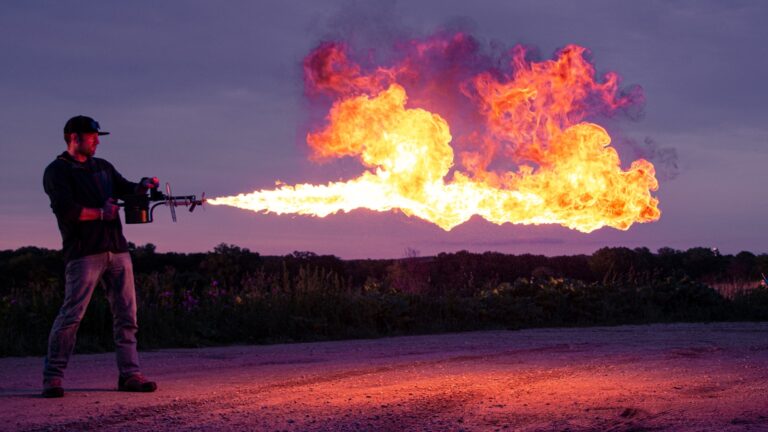
On a recent evening in Boulder, Colorado, a community gathering to honor Israeli hostages turned into chaos. Mohamed Soliman, a 45-year-old man originally from Egypt, allegedly attacked the crowd with a homemade flamethrower and other fire-starting devices. This terrifying act of violence shocked everyone present and raised immediate questions about Soliman’s background and motives.

Soliman, who came to the U.S. on a tourist visa in 2022, is believed to have planned the attack specifically to target individuals he identified as Zionists. His actions were not only violent but also possibly politically motivated, adding layers to an already alarming situation.


A Troubling Pattern of Visa Overstays

Mohamed Soliman’s case has brought attention to immigration issues in the U.S. He entered the country legally on a tourist visa but failed to leave after it expired. This situation is not uncommon, as many people overstay their visas each year. However, Soliman’s case is particularly concerning due to the violent nature of the alleged attack.

The U.S. government has been criticized for its challenges in tracking visa overstays, and Soliman’s actions have intensified calls for stricter enforcement. Critics argue that better tracking systems and harsher penalties for overstays could prevent such incidents, while others highlight the need for a more balanced approach to immigration reform.


The Political Impact of the Attack

The Trump administration has quickly seized on the incident to push for tougher immigration policies. President Trump has long advocated for stricter border control and deportation of undocumented immigrants. Supporters argue that incidents like this demonstrate the need for more robust measures to ensure national security and public safety.

However, some have criticized the administration for using the attack as a political tool.Immigrant rights advocates argue that tying the actions of one individual to the entire immigration system is unfair and divisive. They emphasize that most immigrants contribute positively to society and should not be judged based on isolated incidents.


The Public Divide Over Immigration

The attack in Boulder has reignited the heated debate over immigration in the U.S. On one side, those who support stricter enforcement argue that Soliman’s case is a clear example of why the system needs to be fixed. They believe that better tracking of visa overstays and more aggressive deportation policies could prevent similar attacks in the future.

On the other hand, immigration advocates argue that such policies would unfairly penalize millions of law-abiding immigrants. They point out that most immigrants come to the U.S. seeking a better life and contribute economically and culturally to the country. Advocates also emphasize the need for a fair and humane immigration system that balances security concerns with compassion.


The Broader Implications of the Case

Mohamed Soliman’s alleged attack has raised questions beyond just immigration policy. It has also brought attention to the risks of lone wolf attacks and the challenges of identifying individuals with violent intentions. Law enforcement agencies are under scrutiny for whether they could have detected Soliman’s plans earlier and prevented the attack.

The case also highlights the complexities of addressing politically motivated violence. Soliman’s alleged targeting of Zionists suggests that the attack may have been inspired by broader political tensions. This has sparked debates about how to address hate crimes and extremism in all forms.


A Community Left Shaken

The community in Boulder is still reeling from the attack. Many attendees at the event were left injured, both physically and emotionally. The use of a makeshift flamethrower and incendiary devices added an element of terror to the incident, making it even more traumatic for those involved.

Local authorities have been working to support victims and ensure their safety in the aftermath. Community leaders have also called for unity and solidarity in the face of such violent acts. The attack serves as a stark reminder of the fragility of safety and the need for vigilance in public spaces.


Looking Ahead

The case of Mohamed Soliman is likely to have long-lasting implications for immigration policy and national security discussions. As the Trump administration continues to push for stricter enforcement, the debate over how to balance security concerns with compassion for immigrants will only grow more intense.

For now, the focus remains on supporting the victims of the attack and ensuring that justice is served. The incident serves as a sobering reminder of the complex challenges facing the U.S. in maintaining safety while upholding its values of diversity and inclusivity.

Trump Administration’s Impact on HHS Research: What You Need to Know

0

Key Takeaways:

Billions in research grants cut or frozen by the Trump administration through HHS. 20,000 jobs at risk, including many scientists and researchers. HHS Secretary Robert F. Kennedy Jr. claims no disruption to critical research. Critics argue that these cuts harm public health and scientific progress. Trump Administration’s Impact on HHS Research: What You Need to Know The Trump administration has made significant changes at the Department of Health and Human Services (HHS), affecting both funding and staffing. Here’s a breakdown of what’s happening and what it means for science and public health.

What’s Happening at HHS? In recent months, the Trump administration has cut or frozen billions of dollars in research grants through HHS. This money was intended for various scientific studies, including those focused on diseases, drug development, and public health. Alongside these funding cuts, there’s an effort to reduce the HHS workforce by around 20,000 employees. Many of these positions are held by scientists and researchers who play crucial roles in advancing medical knowledge and developing new treatments.

The Impact on Research and Scientists The cuts to research grants are a significant concern for the scientific community. Funding is essential for conducting studies, hiring staff, and purchasing equipment. Without it, many projects may be delayed or halted, potentially slowing progress in areas like disease research and drug development. For instance, studies on diseases like cancer or diabetes might lose crucial support, impacting the discovery of new treatments.

Moreover, the reduction in workforce affects not only current scientists but also future generations. Young researchers may rethink their career paths if job stability in government-funded roles becomes uncertain. This could lead to a brain drain, where talented individuals seek opportunities outside the U.S.

Morale among scientists is another concern. The uncertainty surrounding funding and job security can lower motivation and productivity, further hindering research progress.

The Response from HHS Secretary Robert F. Kennedy Jr. Secretary Kennedy has downplayed the impact of these changes, stating that no life-saving research or scientists’ work has been affected. He emphasized that critical projects continue uninterrupted, suggesting that the administration supports vital scientific efforts.

However, critics argue that these cuts are harmful. They point out that even if some projects continue, many others are struggling without adequate funding. The loss of jobs also undermines the overall capacity of HHS to conduct essential research and respond to public health crises.

The Future of Public Health and Science The long-term effects of these cuts could be profound. Scientific research often requires years of consistent funding to yield results. Disrupting this process can delay breakthroughs in medical treatments and public health solutions.

Beyond immediate health concerns, there’s the issue of maintaining the U.S.’s leadership in global science. Other countries might take advantage of the situation by attracting researchers and investments, potentially advancing their own scientific endeavors.

Conclusion: A Call for Balance The Trump administration’s actions at HHS highlight the delicate balance between fiscal responsibility and investing in science and public health. While budget management is crucial, so is ensuring that essential research continues to protect and improve lives.

As the situation unfolds, it’s important for policymakers to consider the long-term consequences of these decisions. Balancing budget cuts with the need for sustained research funding will be key to maintaining progress in science and public health.

By staying informed and engaged, the public can advocate for policies that support both financial responsibility and the advancement of crucial research. The future of health and science depends on these decisions.

Trump Cuts: Major Government Departments Hit, Judges Step In

0

Key Takeaways:

  • The Trump administration, with Elon Musk’s DOGE group, is cutting spending across federal departments.
  • Education, health, and environmental programs are hardest hit.
  • Judges have blocked some cuts, saying they break laws or harm public good.

The Trump administration, with help from Elon Musk’s Department of Government Efficiency (DOGE), is making big changes to how the federal government spends money. Their goal? To shrink the budget and make the government run more like a business. But these cuts are causing a lot of debate. Let’s break it down.

What Departments Are Being Cut?

So far, several government departments have seen their budgets reduced. Here’s where the biggest cuts are happening:

  1. Education Department: Funding for school programs and teacher grants has been reduced. Some after-school activities and special education programs are being scaled back.
  2. Health Department: Money for public health programs and free clinics has been cut. This could affect services for low-income families.
  3. Environmental Protection: Budgets for clean air and water programs have been slashed. This might slow down efforts to fight climate change.
  4. Housing Department: Less money is going into affordable housing and rent assistance. This could leave some families without help for housing costs.

These cuts are part of a plan to save money and make the government smaller. But not everyone agrees with this approach.

Where Are the Biggest Cuts Happening?

The Environmental Protection and Housing Departments are seeing the biggest reductions. For example:

  • Environmental Protection: Funding for national parks and cleanups has been reduced. This could lead to dirtier air and water in some areas.
  • Housing Department: Programs that help people pay rent or buy homes are being cut. This might make it harder for low-income families to find affordable housing.

Supporters of these cuts say it’s about saving taxpayer money and making the government more efficient. Critics argue that these cuts will hurt people who rely on these services.

Judges Step In to Block Some Cuts

Not all of these cuts are going through without a fight. Judges in some states have stepped in to stop certain reductions. Why? Because they believe these cuts break laws or harm the public.

For example:

  • A federal judge stopped a plan to cut funding for a program that helps low-income families pay for healthcare. The judge said the cut would leave thousands without needed medical care.
  • Another judge blocked a cut to a program that supports small businesses. The judge ruled that the cut would unfairly hurt small business owners.

These legal challenges show that not everyone agrees with how the Trump administration is cutting the budget.

How Are People Reacting?

Opinions on these cuts are divided. Some people support the idea of shrinking the government and saving money. They believe it will help the economy in the long run. Others are worried about the impact on schools, healthcare, and the environment.

  • Supporters: “This is a step in the right direction,” said one supporter. “The government was wasting too much money. It’s time to get back to basics.”
  • Critics: “These cuts will hurt the people who need help the most,” said a critic. “It’s unfair to take away programs that keep our air clean and our kids healthy.”

What’s Next?

The future of these cuts is still uncertain. More legal challenges are likely as different groups fight to protect programs they care about. The Trump administration says it will keep pushing to make the government smaller and more efficient.

For now, many Americans are watching closely to see how these changes will affect their communities. Will these cuts lead to a more efficient government, or will they hurt the people who need help the most? Only time will tell.

Trump’s Secret Data Plan: Should You Worry?

0

Key Takeaways:

  • President Trump signed an executive order to share data across federal agencies.
  • Critics fear this could create a master list of personal information on Americans.
  • The government is working with Palantir, a tech company, to build this system.
  • Privacy concerns are rising as details remain unclear.

What’s Happening Behind the Scenes

In March, President Trump quietly signed an executive order. The goal? To make federal agencies share more data. Sounds simple, right? But this move has sparked big concerns. People are wondering if this could lead to a massive list of personal information on Americans. Imagine a database with details about you—where you live, what you do, even who you know. That’s what some fear could happen.

But here’s the thing: President Trump hasn’t talked about this publicly since signing the order. However, behind closed doors, government officials are busy. They’re laying the groundwork to make this data-sharing plan a reality. And they’re getting help from a well-known tech company: Palantir.


What’s Palantir’s Role?

Palantir is a company that specializes in data analysis. They’re known for helping government agencies and businesses make sense of huge amounts of information. Now, they’re stepping in to assist with Trump’s data-sharing plan. This means they’ll likely help build the tools needed to collect, store, and analyze all this data.

But why is this worrying people? Well, Palantir’s involvement adds fuel to the fire. Critics say this could give the government too much power to monitor Americans. They’re asking: What happens to our privacy if all this data is in one place?


Why Should We Care?

At first glance, sharing data across agencies might sound useful. For example, it could help stop crimes or improve public services. But the big fear is that this information could be used the wrong way. If the government has too much data on citizens, it could lead to surveillance. Imagine if personal details were used to target certain groups or silence critics.

Another concern is how secure this data will be. If hackers break into a massive database, they could steal millions of people’s information. Identity theft, fraud, and other crimes could skyrocket.


What’s Next?

For now, there are more questions than answers. The full details of Trump’s plan are still unclear. Will there be safeguards to protect our privacy? How will the government ensure this data isn’t misused? Only time will tell.

Meanwhile, Palantir’s involvement keeps raising eyebrows. The company has a history of working with government agencies, but this project feels bigger. Some are calling for more transparency. They want to know exactly how our data will be used and protected.


The Bottom Line

President Trump’s executive order has sparked a heated debate. On one hand, better data sharing could make the government more efficient. On the other hand, it could lead to serious privacy issues. As the government moves forward with this plan, one thing is clear: Americans need to pay attention. Our personal information is at stake, and we deserve to know how it’s being used.

Stay tuned for updates as this story unfolds. In the meantime, think about what this could mean for you and your family. The future of data privacy is uncertain, but one thing’s for sure—it’s worth fighting for.

Trump Admin Asks Supreme Court to Allow Federal Layoffs

0

Key Takeaways:

  • The Trump administration wants the Supreme Court to stop a court order blocking mass federal layoffs.
  • The layoffs are part of Trump’s plan to shrink and restructure the federal government.
  • A group of unions and nonprofits successfully sued to block the cuts.

Breaking: Trump Admin Seeks Supreme Court Intervention on Federal Layoffs

In a high-stakes legal move, the Trump administration is asking the U.S. Supreme Court to weigh in on its plans to slash federal jobs and restructure government agencies. This is the latest step in Trump’s push to downsize the federal workforce, a key part of his election promises.


What Happened Before

Earlier this year, a federal judge in California, Susan Illston, blocked the administration’s efforts to carry out large-scale layoffs, known as “reductions in force.” Judge Illston ruled in favor of unions and nonprofits that sued to stop the cuts. These groups argued that the layoffs would harm workers and disrupt important government services.

Now, the Justice Department, representing the Trump administration, is appealing that decision. It wants the Supreme Court to overturn the judge’s ruling and allow the layoffs to proceed.


Why Is This Important?

This legal battle has big implications for federal workers, government operations, and Trump’s broader goal of shrinking the federal bureaucracy. If the Supreme Court sides with the administration, thousands of federal jobs could be at risk.

  • For Federal Workers: Many employees are worried about losing their jobs or facing uncertain working conditions. Unions argue that the layoffs would destabilize the workforce and reduce public services.
  • For Trump’s Agenda: The president campaigned on making the federal government smaller and more efficient. This case is a key test of whether he can achieve those goals before leaving office.
  • For the Courts: The Supreme Court’s decision could set a precedent for how much power the executive branch has to reshape the federal workforce.

What’s Next?

So far, the Supreme Court has not yet said whether it will take up the case. But the stakes are high, and the legal fight is getting a lot of attention. Here’s what to watch for:

  1. Will the Supreme Court Intervene? The justices will decide whether to hear the case. If they do, they’ll likely issue a ruling before the end of their current term in June 2024.

  2. What Happens If the Layoffs Are Allowed? If the Supreme Court sides with the Trump administration, federal agencies could start cutting jobs quickly. This would align with Trump’s goal of reducing the size of the federal government.

  3. What If the Court Says No? If the ruling stays in place, the administration’s plans to shrink the federal workforce could be significantly slowed or blocked entirely.


The Bigger Picture

This case is part of a larger debate over the role of the federal government. Trump’s campaign to downsize the government has been met with resistance from unions, Democrats, and even some Republicans who worry about the impact on public services.

At the same time, supporters of Trump’s plan argue that reducing bureaucracy will make the government more efficient and save taxpayer money. They also say it’s a step toward returning power to the states and individual citizens.


What Do You Think?

  • Would shrinking the federal workforce help or hurt the country?
  • Should the courts play a role in deciding how the executive branch manages its employees?
  • How might this affect you or your community if federal services are reduced?

Share your thoughts in the comments below!


Stay Tuned for Updates

This is a developing story, and Digital Chew will keep you updated as more details emerge. In the meantime, let us know what you think about this issue. Should the federal government be downsized, or should it focus on maintaining its current size to provide essential services?

Ukraine’s Drone Strikes Show Future of Warfare

0

Key Takeaways:

  • Ukraine used low-cost drones to attack expensive military equipment in Russia.
  • These drones are similar to those available on Amazon but were used for a high-stakes mission.
  • This attack highlights how cheaper technology is changing modern warfare.

Ukraine’s Bold Drone Attack Inside Russia

Over the weekend, Ukraine made headlines with a daring attack deep inside Russia. The attack used low-cost drones to target and destroy or damage highly expensive military equipment. This move has shocked the world and raised questions about the future of warfare.

What Happened?

The drones, which are affordable and widely available, were used to strike at key Russian military assets. These devices are similar to the ones you might find on online marketplaces like Amazon. But instead of being used for hobbies or deliveries, they were repurposed for a high-risk military operation.

The attack shows how Ukraine is using creativity and resourcefulness to level the playing field against a much stronger adversary. By using inexpensive drones, Ukraine has proven that costly, advanced weapons aren’t the only way to win battles.


The Power of Low-Cost Drones

The drones used in the attack are not cutting-edge military equipment. Instead, they are simple, affordable devices that can be purchased for a fraction of the cost of high-tech weapons. This makes them accessible not just to wealthy nations but also to smaller or less-equipped armies.

What’s even more surprising is how effective they were. The drones successfully targeted expensive, nuclear-capable weapons, causing significant damage. This shows that in modern warfare, brains and creativity can sometimes outsmart brute strength.


A New Era of Warfare

This attack marks a turning point in warfare. It demonstrates that smaller nations or groups with limited resources can still have a significant impact. By using low-cost technology, they can challenge much stronger opponents.

The use of these drones also sends a message to the world. It shows that advanced, expensive weapons systems can be vulnerable to simpler, cheaper alternatives. This could change how countries invest in their military equipment in the future.


What Does This Mean for the Future?

The success of Ukraine’s drone attack has far-reaching implications. It suggests that future wars could be fought with more affordable, widely available technology. This could make conflicts more accessible to smaller nations or even non-state actors.

However, this also raises concerns. If low-cost drones can achieve such significant results, it could lead to a new wave of asymmetric warfare. This is where weaker opponents use unconventional tactics to counter stronger enemies.


Challenges Ahead

While the attack was successful, there are still challenges to consider. Russia and other nations will likely improve their defenses against such attacks. This could include better air defense systems or counter-drone technologies.

Additionally, the use of low-cost drones could lead to a proliferation of similar tactics. Other nations or groups might adopt this strategy, making it harder for stronger military powers to maintain their advantage.


The Bigger Picture

Ukraine’s bold move is more than just a clever tactic. It’s a signal that the rules of warfare are changing. In the past, military power was often measured by the sophistication and cost of weapons. Today, it’s about creativity, adaptability, and the ability to use available resources effectively.

This shift could reshape how nations prepare for future conflicts. It might also lead to a new arms race, where countries invest in technology to counter these low-cost threats.


What’s Next?

The world will be watching closely to see how Russia responds to this attack. Meanwhile, other nations are likely analyzing Ukraine’s strategy to see how they can apply similar tactics.

In the short term, this could lead to a surge in the development of low-cost, high-impact weapons. In the long term, it could fundamentally change how wars are fought.


Conclusion

Ukraine’s audacious drone attack inside Russia has sent shockwaves around the globe. It shows that even the most outgunned nations can make a big impact with creativity and resourcefulness. This could be the start of a new era in warfare—one where brains and technology trump brute strength.

As the world watches, one thing is clear: the future of warfare is here, and it’s cheaper than ever imagined.

Global Economic Growth Slows Due to Trump Tariffs: OECD Report

0

Key Takeaways:

  • Global Growth Forecast Dropped: From 3.1% to 2.9% due to trade barriers.
  • Tariffs’ Impact: Higher costs from U.S. tariffs slow global trade and growth.
  • Global Consequences: Effects felt worldwide, impacting businesses and consumers.

Understanding Tariffs and Their Impact

Have you noticed prices rising lately? It might be due to tariffs, which are like taxes on imported goods. The U.S. has increased these tariffs, especially targeting China, leading to a trade war. This has made international trade costlier and slower, affecting global economic growth.

The U.S.-China Trade War Explained

Imagine a competition where two teams keep raising barriers against each other. The U.S. and China have been in such a trade war, imposing tariffs on each other’s goods. While aiming to protect their industries, this has led to higher prices and slower growth, impacting many countries globally.

Effects on Businesses, Jobs, and Consumers

Businesses face higher costs, leading to reduced production or layoffs. Consumers pay more for products like smartphones and clothes. Even countries not directly involved feel the pinch through disrupted supply chains.

Broader Economic Impacts

The slowdown isn’t just about numbers; it affects everyday lives. Companies may move production, causing long-term economic shifts. The OECD warns of weakened growth almost everywhere.

What’s Next? Solutions and Outlook

Governments can help by negotiating fair trade agreements and supporting industries. International cooperation is key to resolving disputes and promoting stability. While the situation is challenging, global efforts can mitigate effects and restore growth.

Conclusion

The global economy is facing a slowdown due to tariffs and trade tensions. Understanding these issues helps us appreciate the interconnected world we live in. Staying informed is crucial as we navigate these economic changes together.

Alaska Wilderness at Risk?

0

Key Takeaways:

  • The federal government is considering allowing oil and gas development in a vast, protected area in Alaska.
  • The area covers 23 million acres and is home to wildlife like caribou, wolves, and polar bears.
  • Supporters say this could boost the economy and create jobs.
  • Critics worry it will harm the environment and wildlife.
  • The decision is not final and will go through a public comment period.

Introduction

The federal government has proposed a big change for a huge natural reserve in Alaska. This area, which covers 23 million acres, might soon allow oil and gas companies to start drilling. This plan has sparked a heated debate. On one side, people see it as a way to boost the economy and create jobs. On the other side, environmentalists and wildlife experts are worried about the potential harm to nature and animals.

What’s at Stake?

The area in question is part of the National Petroleum Reserve in Alaska (NPR-A). It’s a vast and remote region that’s home to many animals, including caribou, wolves, and polar bears. The land is also important for indigenous communities that rely on it for hunting and fishing.

If the government removes the restrictions, oil and gas companies could start exploring and drilling in this area. Supporters argue that this could bring in more money and jobs to Alaska. They also say it could help the U.S. become less reliant on foreign energy sources.

However, critics are concerned about the potential damage to the environment. Drilling could pollute the air and water, and disrupt the habitats of wildlife. They also worry about the impact on climate change, as burning fossil fuels releases greenhouse gases that contribute to global warming.

The Economic vs. Environmental Debate

The debate over oil and gas development in Alaska is not new. For years, there has been tension between those who want to protect the wilderness and those who want to use it for economic gain.

Proponents of the plan say that oil and gas development can be done responsibly. They point to advances in technology that they claim can minimize the impact on the environment. They also highlight the economic benefits, such as creating thousands of jobs and generating billions of dollars in revenue.

Opponents, however, argue that the risks outweigh the benefits. They say that even with modern technology, there is always a chance of accidents, like oil spills, that could devastate the ecosystem. They also point out that the long-term costs of climate change could far outweigh any short-term economic gains.

What’s Next?

The proposal is still in the early stages, and it will need to go through a public comment period before it can be finalized. During this time, people can share their opinions on whether they support or oppose the plan.

If the Restrictions are lifted, it could take years before any actual drilling begins. The government would need to conduct environmental impact assessments and issue permits to companies. There could also be legal challenges from environmental groups.

On the other hand, if the restrictions remain in place, the area will continue to be protected, and oil and gas development will not be allowed. This would be a victory for environmentalists but could disappoint those who were hoping for the economic benefits.

A Closer Look at the National Petroleum Reserve in Alaska (NPR-A)

The NPR-A was established in 1923 as a reserve for future energy needs. Over the years, parts of it have been opened up for oil and gas development, but large sections remain protected.

The reserve is not just important for its potential energy resources; it’s also a critical habitat for many animals. The area’s wetlands, tundras, and coastlines provide a home for migratory birds, fish, and large mammals.

Indigenous communities have lived in harmony with this land for centuries. They rely on it for food, transportation, and cultural practices. Any changes to the land could have a direct impact on their way of life.

What Do People Think?

Public opinion on this issue is divided. Some people in Alaska support the plan, seeing it as a way to improve their economy and create jobs. They argue that the state has experience with oil and gas development and can do it in a way that minimizes harm to the environment.

Others, including many environmentalists and indigenous leaders, are strongly opposed. They believe that the risks to the environment and wildlife are too great. They also argue that the U.S. should be focusing on renewable energy sources, like wind and solar, rather than continuing to rely on fossil fuels.

The Global Perspective

This proposal comes at a time when the world is increasingly focused on climate change. Many countries are committing to reducing their greenhouse gas emissions and transitioning to clean energy.

Critics of the plan argue that opening up more land for oil and gas development goes against these global efforts. They say that the U.S. should be leading the way in reducing fossil fuel use, not expanding it.

On the other hand, supporters argue that the U.S. needs to ensure its energy security. They say that developing domestic energy resources can help reduce reliance on foreign oil and make the country more energy-independent.

What Can You Do?

If you have an opinion on this issue, you can make your voice heard. During the public comment period, you can submit your thoughts to the federal government. This is an important opportunity to influence the decision-making process.

You can also stay informed by following news updates and learning more about the NPR-A and the potential impacts of oil and gas development. Sharing your concerns with elected officials and joining advocacy groups are other ways to get involved.

Conclusion

The proposal to remove restrictions on oil and gas development in Alaska’s NPR-A is a complex issue with no easy answers. While it offers potential economic benefits, it also poses significant risks to the environment and wildlife.

As the decision-making process moves forward, it will be important to consider both sides of the argument and think about what the future of energy production should look like. Whether you support or oppose the plan, your voice matters, and there are ways to make a difference.

FAQs

  1. What is the National Petroleum Reserve in Alaska (NPR-A)? The NPR-A is a 23 million-acre area in Alaska set aside for future energy needs. It is home to diverse wildlife and has significant cultural importance for indigenous communities.

  2. What does the proposal entail? The federal government is considering removing restrictions to allow oil and gas development in parts of the NPR-A.

  3. Why do people support the plan? Supporters believe it could boost the economy, create jobs, and enhance energy security.

  4. Why do people oppose the plan? Critics are concerned about environmental damage, harm to wildlife, and the impact on climate change.

  5. What’s next in the process? The proposal will go through a public comment period before any final decision is made.

US Secretary Works to Bring Back Wrongly Deported Man

0

Key Takeaways:

  • U.S. Secretary of State Marco Rubio is personally involved in efforts to return a man named Cristian, who was wrongly deported to a dangerous prison in El Salvador.
  • Cristian is being held in a notorious mega-prison called CECOT, known for its harsh conditions.
  • If successful, Cristian would be the first person to return to the U.S. from CECOT.
  • This case challenges the Trump administration’s argument that El Salvador, not the U.S., controls the fate of deported individuals.
  • A judge criticized the administration for not taking enough action to bring Cristian back.

Who Is Cristian, and Why Is His Case Important?

Cristian, a 20-year-old man, was deported to El Salvador, a country he doesn’t call home. He originally came to the U.S. as an unaccompanied minor and was part of a group protected by a court order while his asylum case was being reviewed. However, he was among roughly 300 men sent to a mega-prison in El Salvador called CECOT. Many of these men were removed under an old law called the Alien Enemies Act of 1798, while others, like Cristian, were deported under different immigration rules.


What’s the Big Deal About Cristian’s Case?

The Trump administration has long argued that once people like Cristian are deported to El Salvador, the U.S. has no control over their fate. However, Cristian’s case could change that narrative. For the first time, the U.S. government is actively trying to bring back someone from CECOT, a prison known for its brutal conditions.

The administration’s effort to return Cristian is surprising because it goes against their usual stance. Just last year, President Trump and other officials claimed they couldn’t bring back another deported man, Kilmar Abrego Garcia, even though the U.S. Supreme Court ordered them to. They alleged Kilmar was a gang member, but there’s no evidence to support that claim.


Why Is This Case So Significant?

This case is getting attention because it shows the U.S. government might finally be taking responsibility for people it deported. Secretary Rubio is using his long-standing relationship with El Salvador’s president, Nayib Bukele, to negotiate Cristian’s return. Rubio has experience working with El Salvador from his time on the Senate Committee on Foreign Relations, and he’s now using that expertise to try to bring Cristian back.

The court document filed by the Department of Homeland Security says Rubio is “personally handling” discussions with El Salvador to comply with a judge’s order. Rubio’s involvement is a sign that the U.S. is taking this case seriously, even if it means going against its own previous arguments.


A Judge Blasts the Administration

The judge in Cristian’s case, Stephanie Gallagher, is not happy with how the Trump administration has handled this situation. Last Friday, she criticized the administration for not providing details about their efforts to bring Cristian back. She called their response a “blatant lack of effort” and gave them until Monday to comply with her order.

Gallagher, who was appointed by Trump in 2018, made it clear that the administration cannot ignore the court’s orders. She pointed out that Cristian is only in El Salvador because the U.S. sent him there, and now the U.S. has a responsibility to act.


What’s Next for Cristian and Others Like Him?

The U.S. government is currently paying El Salvador up to $15 million to detain people like Cristian who have been deported. However, if Rubio’s efforts succeed, it could set a precedent for others who were wrongly deported. Cristian’s case is a test of whether the U.S. will take responsibility for its actions and bring back people who were sent to dangerous conditions.

The outcome of this case could also have implications for Kilmar Abrego Garcia, the other deported man whose return was ordered by the Supreme Court. So far, the Trump administration has resisted bringing Kilmar back, but Cristian’s case might show that it’s possible.


The Bigger Picture

This case highlights the challenges faced by immigrants and asylum seekers, especially those caught in legal battles. It also shows how political and diplomatic relationships can influence the fate of individuals. Rubio’s personal involvement adds a unique twist to the story, as it demonstrates how high-level connections can sometimes make a difference in complicated situations.

As the legal battle continues, the spotlight remains on Cristian and others like him, who are caught between two countries and fighting for their right to safety and justice. The outcome of this case could set an important precedent for how the U.S. handles deportation and repatriation in the future.

SC Upholds Maryland’s Assault Rifle Ban

Key Takeaways:

  • Supreme Court Rejects Appeal on Maryland Assault Rifle Ban
  • Ban on Assault Rifles Stays in Place
  • Maryland Prohibits High-Capacity Magazines
  • Decision Aids Gun-Safety Advocates

Introduction: In a recent decision, the U.S. Supreme Court declined to hear an appeal challenging Maryland’s ban on assault-style rifles and high-capacity magazines. This ruling maintains Maryland’s restrictions, marking a significant victory for gun-safety advocates. The decision aligns with a prior ruling by the Fourth Circuit Court, reinforcing state authority to limit access to these firearms.

What the Decision Means: The Supreme Court’s choice not to review the case lets Maryland’s ban remain effective. This means residents cannot legally sell or possess assault rifles or magazines holding over 10 rounds. The decision highlights the balance between public safety and Second Amendment rights.

Background on Maryland’s Ban: Maryland implemented the ban in 2013, following increased concerns over public shootings. The law targets firearms like AR-15s and large magazines, aiming to reduce massacre risks. Gun-rights groups argued this infringes on their constitutional rights, but courts have consistently upheld the ban.

Reactions to the Ruling: Gun-safety advocates cheered the decision as a crucial step in preventing violence. Conversely, gun-rights supporters expressed disappointment, viewing it as a setback for Second Amendment protections. The ruling underscores ongoing debates about gun control effectiveness and legal rights.

Implications for Other States: Maryland’s upheld ban may influence other states considering similar laws. It signals that such restrictions can withstand legal challenges, potentially encouraging more states to adopt comparable measures.

What’s Next? While this decision concludes the legal challenge in Maryland, broader discussions on gun policies continue. Advocates on both sides are likely to pursue further legal and legislative actions, keeping the debate active.

Conclusion: The Supreme Court’s decision to uphold Maryland’s ban reflects a complex interplay of public safety and constitutional rights. As the nation grapples with gun violence, this ruling may shape future policy decisions beyond Maryland.

Final Word: The upheld ban in Maryland underscores the intricate balance between safety and rights, setting a precedent that may resonate nationally.