53.8 F
San Francisco
Saturday, May 2, 2026
Home Blog Page 769

Trump’s Budget Cuts Threaten National Parks

Trump’s Budget Cuts Threaten National Parks

Key Takeaways:

  • Proposed budget cuts could close over 80% of national parks.
  • National parks attracted a record 332 million visitors in 2024.
  • A $900 million reduction would devastate park operations and protections.
  • The Park Service is already understaffed, with 13% of employees gone since January.
  • Advocates warn this could destroy a century of conservation efforts.

National Parks Face an Uncertain Future

President Donald Trump’s plan to cut federal spending could severely hurt America’s national parks. These cuts might lead to the closure of more than 80% of the 433 parks and historic sites managed by the Park Service. This could dismantle protections for some of the country’s most iconic landscapes.


The Numbers Show How Much Parks Matter

In 2023, 325 million people visited national parks, spending $26.4 billion in nearby towns. In 2024, visits hit a record high of 332 million. These numbers show how much people value these natural and cultural treasures.


What’s Happening Now

Even before the cuts, the Park Service was struggling. Its budget was only $3 billion, and since January, 13% of its staff has left due to buyouts, early retirements, or delayed resignations. This has left the system understaffed and underfunded.


The Worrying Proposal

The Trump administration wants to cut the Park Service’s budget by $900 million—nearly 30% of its funding. If this happens, most parks could close. Experts warn this would ruin a system that has protected America’s heritage for over 100 years.


Transferring Parks to States

Trump also wants to give control of less-visited parks to states and tribal governments. This could lead to inconsistent care and management, putting these lands at greater risk.


A Legacy in Danger

America’s national parks are seen as a global model for conservation. They preserve natural beauty and cultural history. Cutting their funding could harm this legacy, leaving future generations with fewer opportunities to enjoy these treasures.


Why This Matters

National parks are more than just beautiful places to visit. They support local economies, create jobs, and protect wildlife. Cutting their funding could have long-lasting effects on communities and ecosystems.


A Call to Action

Advocates are urging Americans to speak out against these cuts. They believe the public needs to fight for the future of national parks. As writer Wallace Stegner once said, national parks are “the best idea we ever had.”

Will the millions of people who love these parks let them disappear? Only time will tell. If the proposed cuts go through, America could lose a piece of its heritage that can never be replaced.

MyPillow’s Mike Lindell Battles in Court, Asks for Help

Key Takeaways:

  • MyPillow CEO Mike Lindell faces a trial after being sued by Dominion Voting Systems.
  • Lindell claims Dominion rigged the 2020 election against Donald Trump.
  • Lindell says the judge overseeing the case doesn’t like him.
  • He asked supporters to buy MyPillow products to help fund his legal battle.
  • Lindell will appear on Steve Bannon’s show during the trial.

MyPillow’s Mike Lindell in the Hot Seat

MyPillow CEO Mike Lindell is in the middle of a heated legal battle. Over the weekend, he talked to MAGA influencer Steve Bannon about his upcoming trial. Lindell is being sued by Dominion Voting Systems, a company that makes voting machines, and one of its employees. The lawsuit comes after Lindell accused Dominion of rigging the 2020 election against former President Donald Trump.

Lindell Says the Judge Is Against Him

During his talk with Bannon, Lindell expressed concern about the judge overseeing the case. He claimed the judge doesn’t like him, which could affect the trial’s outcome. Many of his supporters agree, feeling the deck is stacked against him.

“MyPillow Needs Your Help”

Lindell used the opportunity to ask his fans for support. He urged everyone to buy MyPillow products, saying the company has a lot of inventory and needs to lower prices to raise money for the trial. He made it clear that the funds are crucial for fighting the legal battle ahead.

Stay Tuned for Updates

Lindell plans to keep his supporters updated on the trial. He announced that he will appear on Steve Bannon’s show, War Room, throughout the legal process. This way, his fans can stay informed and show their support.

A Bigger Fight Ahead

The trial is just one part of a larger controversy. Lindell and many Trump supporters believe the 2020 election was unfair. Dominion Voting Systems denies these claims and is fighting back through the courts.

What’s Next?

As the trial begins, all eyes are on Lindell and Dominion. The outcome could have big implications for both sides. For now, Lindell is counting on his supporters to help him through this tough time. Stay tuned for more updates on this developing story.

Netflix’s Tudum Event Reveals Big Updates on Your Favorite Shows!

  • Netflix’s Tudum event dropped major news about Squid Game, Stranger Things, and more.
  • Squid Game season 3 is coming, and the story gets even darker.
  • Wednesday season 2’s first six minutes were shown, and it’s full of mystery.
  • Guillermo del Toro’s Frankenstein teaser is out, and it looks spooky.
  • Stranger Things’ final season has a release date, and it’s coming soon.
  • A Knives Out mystery called Wake Up Dead Man is on the way.

Netflix’s Tudum Event: What You Missed!

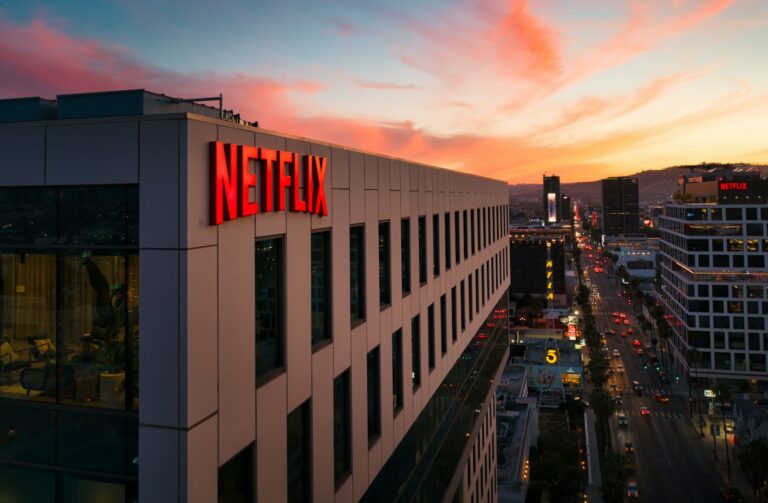
This weekend, Netflix went big with its Tudum Global Fan Event in Los Angeles. Fans got a first look at what’s coming next to the streaming platform, and let’s just say it was packed with exciting updates. From Squid Game to Stranger Things, here’s the scoop on all the major reveals.


1. Squid Game Season 3: The Final Round Begins

The wait is almost over for Squid Game fans! Netflix confirmed that season 3 is coming soon, and it’s going to be the last chapter of this twisted story. For those who haven’t caught up, Squid Game follows Seong Gi-hun, a gambler who enters a deadly game to win money. The stakes? If you lose, you die.

In season 1, Gi-hun faced his childhood friend Cho Sang-woo in the final game. Gi-hun won, but he couldn’t bring himself to kill Sang-woo. In a shocking twist, Sang-woo stabbed himself, leaving Gi-hun as the winner but filled with guilt.

Now, season 3 is set to dive deeper into the aftermath of these events. The trailer hints at more intense games and darker secrets. Gi-hun is clearly not done with the Squid Game yet, but will he survive this time? We’ll have to wait to find out.


2. Wednesday Season 2: The Mystery Continues

If you loved the spooky vibes of Wednesday, you’re in luck. Netflix shared the first six minutes of season 2, and it picks up right where the first season left off. Wednesday Addams is still dealing with the aftermath of the monster that terrorized her school.

The sneak peek doesn’t give away too much, but it sets the tone for another season full of mystery, supernatural drama, and Wednesday’s signature dark humor. Fans are already guessing what’s next for the Addams Family and the weird world of Nevermore Academy.


3. Guillermo del Toro’s Frankenstein: A Spooky Teaser

Horror fans, rejoice! Guillermo del Toro, the master of creepy stories, is bringing his version of Frankenstein to Netflix. The teaser for the series was shown at Tudum, and it looks chilling.

Del Toro is known for his vivid visuals and dark twists, so expect this Frankenstein story to be unlike anything you’ve seen before. The teaser didn’t reveal much, but it’s enough to get fans hyped for the release.


4. Stranger Things Season 5: The Final Battle

Stranger Things fans, get ready for an emotional goodbye. Netflix announced that season 5 will be the final season of the show. The release date was also revealed, and it’s coming sooner than you think!

While the creators haven’t shared too much about the plot, it’s safe to say that the gang will face their biggest threat yet. Will Eleven and the crew save Hawkins once and for all? We’ll have to tune in to find out.


5. Wake Up Dead Man: A Knives Out Mystery

If you loved the Knives Out movies, you’ll be excited about this new series. Wake Up Dead Man is a spin-off that’s coming to Netflix. The show will follow a new character in the Knives Out universe, and it’s expected to be just as twisty and fun as the films.

Netflix didn’t share too much about the plot, but the title alone has fans guessing. It sounds like this mystery will keep viewers on the edge of their seats.


What’s Next for Netflix?

The Tudum event gave fans a lot to look forward to. From the thrilling conclusion of Squid Game to the spooky vibes of Frankenstein, Netflix is clearly bringing its A-game in the coming months.

If you’re as excited as we are, make sure to mark your calendars for these releases. And if you haven’t caught up on these shows yet, now’s the perfect time to binge-watch before the new seasons drop.

Let us know which show you’re most hyped about in the comments!


Stay tuned for more updates on these and other Netflix shows!

Baltimore Schools Expand Admin Roles While Students Struggle

0


Key Takeaways:

  • Baltimore City Public Schools have doubled their staff in five years, with many earning six-figure salaries.
  • Less than half of employees are teachers or principals.
  • The district’s academic performance remains poor despite increased funding.
  • Transparency in payroll and spending has decreased.
  • Maryland is investing billions in education, but student results haven’t improved.

Administrative Bloat in Baltimore Schools

Baltimore City Public Schools are struggling. Year after year, they rank among the worst-performing districts in the country. Yet, while students fall behind, the district is hiring more administrators, executives, and directors—many earning six-figure salaries. This trend raises a big question: are taxpayer dollars being used wisely?

In 2019, the district had 7,053 employees, with total salaries adding up to $562.3 million. By 2024, the number of employees jumped to 13,023, and the total payroll soared to $949.2 million. That’s nearly double the number of employees in just five years. But here’s the catch: less than half of these employees are teachers or principals. The rest are administrators, managers, and directors, many in roles that seem redundant or unnecessary.


A Dizzying List of Job Titles

The list of job titles in Baltimore City Public Schools is staggering. For example:

  • 67 Directors and Assistant Directors
  • 18 Executive Directors
  • 285 Managers
  • 58 Supervisors
  • 63 Analysts
  • 80 Coordinators
  • 46 Administrators

These roles include positions like the Manager of Energy Efficiency and the Systems Administrator of Customer Care. While these jobs may sound important, many seem to overlap or duplicate responsibilities. For instance, the district employs a Senior Executive Director of Equity earning $213,550, but there’s also a Director of Equity, a Director of Equity-Centered Principal Development, five Educational Specialists of Equity, and a Staff Associate of Equity. That’s six people working on similar tasks, costing taxpayers hundreds of thousands of dollars.

Similarly, the district has two Directors of Environmental Health, each earning over $160,000, plus a Senior Project Manager of Environmental Compliance and a Supervisor of Environmental Compliance. Why so many people for one area? It’s hard to justify when student performance isn’t improving.


A Communications Overload

The district’s communications team is another example of bloat. Baltimore City Public Schools employ:

  • A Chief Communications Officer making $232,721
  • A Staff Specialist of Communications earning $154,456
  • An Executive Director of Communications making $170,796
  • A Manager of Communications earning $92,868

That’s four people handling communications for a school district. Private companies rarely have such large teams, and they often manage just fine. Why does Baltimore need so many highly paid communications staff? It’s unclear.


Transparency Decreases as Payroll Grows

As the district’s payroll grows, its transparency is shrinking. In the past, visitors to the school’s website could download the payroll as an Excel spreadsheet. Now, that’s no longer possible. OpenTheBooks.com, a group that tracks government spending, reports that the district’s open records office has refused to provide a spreadsheet of payroll data. In fact, the district has denied or ignored seven open records requests from the group in the past two years.

This lack of transparency isn’t just a problem for Baltimore schools. It’s a broader issue in Baltimore’s city government. Taxpayers have a right to know how their money is being spent, especially when it comes to education. Without transparency, it’s impossible to hold the district accountable for its priorities.


Billions for Education, but Results Are Missing

Maryland is making historic investments in education. The state’s 10-year, $30 billion Blueprint for Maryland’s Future plan aims to improve schools across the state. But so far, the money hasn’t led to better results. Last year, Maryland schools spent an average of $19,427 per student—far more than the $12,255 spent in 2013, when students actually performed better on standardized tests.

In 2023, Maryland’s eighth graders scored “significantly lower” than the national average in math. Fourth graders scored “not significantly different” from average in math and reading. Meanwhile, in 2013, when funding was lower, fourth and eighth graders scored “significantly higher” than average in both math and reading.

These numbers are concerning. They suggest that throwing more money at schools doesn’t automatically lead to better outcomes. What’s missing? It could be that the extra funding isn’t being used effectively. If districts are spending millions on administrative salaries instead of investing in classrooms, students won’t benefit.


A Call for Accountability

The situation in Baltimore City Public Schools is a wake-up call for educators, policymakers, and taxpayers. It’s not just about how much money is spent but how it’s spent. Hiring more administrators while students struggle isn’t the solution. Schools need to focus on putting resources where they matter most—into classrooms, teachers, and programs that directly benefit students.

Maryland’s Blueprint for the Future is a step in the right direction, but it’s only as good as how the money is used. If districts like Baltimore continue to prioritize administrative roles over student needs, the investment will fall short. Taxpayers deserve better, and so do the students.


What You Can Do

If you’re concerned about your tax dollars are being spent, you can take action. Visit OpenTheBooks.com to search federal, state, and local government salaries and spending. Transparency is key to holding officials accountable. Let’s ensure that education funding is used to help students succeed, not to pad administrative payrolls.

Stay informed, and demand better for Baltimore’s schools. After all, every dollar should count when it comes to giving students the education they deserve.


State Department Overhaul: Marco Rubio’s Plan to Modernize

Key Takeaways:

  • Secretary of State Marco Rubio is streamlining the U.S. State Department by closing or consolidating over 300 offices.
  • The restructuring focuses on key areas like energy, technology, security, and humanitarian affairs.
  • This move aims to reduce bureaucracy, cut costs, and improve efficiency.
  • Rubio’s plan is part of a broader effort to modernize the department and make it more responsive to global challenges.

Secretary of State Marco Rubio is taking bold steps to reshape the U.S. State Department. recently, he notified Congress about plans to eliminate or merge more than 300 offices. This move is part of President Donald Trump’s directive to overhaul the department and make it more efficient.

Why Is This Happening?

Over the past 25 years, the State Department has grown rapidly. It now has nearly 750 offices across the U.S. Many of these offices have overlapping roles, leading to unnecessary bureaucracy and higher costs. Rubio believes this growth has made the department slower and less effective.

In April, Rubio announced a major reorganization plan. The goal is to create a more agile department that can respond quickly to global challenges. Now, he’s taking the next step by sharing details of how this will work.

How Will the Overhaul Work?

The State Department will focus on six key areas:

  1. Energy and Technology: Addressing global energy challenges and advancing U.S. tech leadership.
  2. Humanitarian Affairs: Responding to crises and delivering aid more effectively.
  3. Internal Operations: Streamlining how the department runs its day-to-day business.
  4. Foreign Assistance: Ensuring U.S. aid is used wisely and achieves real results.
  5. Strategy: Shaping policies that promote U.S. interests worldwide.
  6. Security: Protecting Americans and U.S. interests abroad.

Some offices, like the Bureau of Cyberspace and Digital Policy, will see changes. Issues like cybersecurity and digital freedom will be moved to other bureaus to better align with U.S. priorities.

Rubio said, “The State Department must move at the speed of relevancy.” He emphasized that this reorganization is designed to make the department more effective and responsive to the needs of the American people.

What’s Next?

Rubio’s plan goes beyond just cutting offices. It also requires top officials to reduce their staff by 15%. This will help save money and reduce duplication. The department is aiming to close or consolidate nearly 45% of its domestic offices.

Rubio’s efforts are part of a larger goal to “right-size” the department. Over the years, it has tripled in size, leading to inefficiencies. By focusing on key priorities, the department can better serve American interests worldwide.

Why Does This Matter?

This overhaul is a significant shift for the State Department. By cutting unnecessary offices and streamlining operations, Rubio hopes to create a more efficient and effective organization. This change could make the department better equipped to handle modern challenges like cybersecurity threats, humanitarian crises, and global competition.

Rubio’s plan is just the start. More details are expected in the coming months as the department works to implement these changes. For now, the focus is on creating a leaner, more agile State Department that can respond quickly to the ever-changing global landscape.

Texas School at Center of Vaccination Debate


Key Takeaways:

  • Low Vaccination Rates: Mercy Culture Preparatory, a private school in Texas, has the lowest vaccination rate in the state.
  • Concerns Raised: A local reporter and parent, Bud Kennedy, brought attention to the issue, questioning why it wasn’t addressed sooner.
  • Medical Freedom Stance: The school celebrates parental choice over public health guidelines, sparking debate.

In Texas, a private school is making headlines after being labeled as the least vaccinated school in the state. Mercy Culture Preparatory, which is also where Bud Kennedy, a local reporter, sends his kids, has become the center of a heated discussion. Kennedy recently spoke out about the school’s low vaccination rates, raising questions about transparency and public health.

A School’s Choice, A Parent’s Concern

Kennedy expressed his concerns in a public statement. “Mercy Culture Preparatory, which is a private school in my district, also happens to be where I send my kids to school,” he said. “They are the least vaccinated school in the state of Texas. Now, I was incredibly concerned for a couple of different reasons. First, we’re just finding out about this. Second, why haven’t we celebrated this sooner?”

Kennedy’s comments highlight two main issues: the lack of awareness about the school’s vaccination rates and the reasons behind the delay in addressing it. His remarks also sparked a wider conversation about the balance between medical freedom and public health.

Celebrating Medical Freedom

In response to Kennedy’s concerns, Mercy Culture Preparatory released a statement. “Look, I am so excited to say that Mercy Culture Prep is celebrating medical freedom where we honor the wishes of moms and dads over any type of health official like Rachel Levine or so-called public health expert like Bud Kennedy,” a school representative said.

The school’s stance is clear: they prioritize parental choice over public health guidelines. This approach has been met with both support and criticism. Supporters argue that parents should have the final say in their children’s health decisions. Critics, however, worry about the potential risks of low vaccination rates, especially in a school setting.

Why Does This Matter?

Vaccination rates are a critical public health issue. Vaccines protect not only individuals but also communities by preventing the spread of diseases. Low vaccination rates can lead to outbreaks of preventable illnesses, putting vulnerable populations like young children, the elderly, and those with weakened immune systems at risk.

In the case of Mercy Culture Preparatory, the low vaccination rate has raised concerns about the school’s commitment to public health. Kennedy’s revelation has also led to questions about how the school’s vaccination data was collected and shared. If the school knew about the low rates and didn’t disclose them earlier, it could point to a larger transparency issue.

A Divided Community

The debate over vaccination choices is nothing new, but this situation has brought it to the forefront. On one side are parents who believe in medical freedom and the right to make personal health decisions. On the other side are public health experts who argue that vaccinations are essential for community safety.

At the center of this debate is Mercy Culture Preparatory, a school that prides itself on honoring parental wishes. While some applaud their stance, others worry about the potential consequences.

The Broader Implications

This controversy goes beyond one school or one state. It reflects a national divide over vaccination policies, parental rights, and public health. As more families choose private schools or homeschooling, questions about vaccination requirements and school policies are becoming increasingly important.

The situation at Mercy Culture

5 Years After George Floyd: Why Progressive Gains Are Fading

Key Takeaways:

  • The fifth anniversary of George Floyd’s murder has gone by quietly, suggesting a rollback of progressive gains.
  • Many Americans may prefer the status quo over equity and justice.
  • The political left faces disadvantages due to systemic white power and public indifference to justice.
  • Progressive movements, like the Tesla takedown protests, show some success but also face criticism for inconsistency.
  • Bernie Sanders may be passing the torch to younger leaders like Alexandria Ocasio-Cortez.
  • White working-class backlash and failure to address masculinity contribute to progressive struggles.
  • Public protests face cynicism, and the backlash against George Floyd protests continues.
  • Accountability for MAGA leaders is crucial for moving forward.

The George Floyd Anniversary: A Quiet Reminder of Lost Momentum

May 25, 2023, marked five years since George Floyd’s tragic murder. His death sparked global protests, reigniting calls for racial justice and police reform. Yet, this year’s anniversary felt eerily quiet. Why? Many believe the progress made in his name has been rolled back. Progressive policies and social justice movements have lost steam, and the voice of marginalized communities is fading.

The rollback of equity and inclusion efforts is no accident. It reflects a broader shift in American sentiment. Many voters seem to prefer the familiar status quo over the uncomfortable push for justice. The 2022 elections, often blamed on inflation, were likely influenced by a backlash against progressive ideals. For some, the idea of Black and brown people, as well as women, gaining power is scarier than economic hardship.


The Left’s Struggles: What’s Going Right and Wrong?

Noah Berlatsky, publisher of the newsletter Everything Is Horrible, offers insights into the state of the left. He points out that while some progressive efforts, like the Tesla takedown protests, have been successful, others have fallen short. For instance, some on the left have oddly supported Elon Musk’s harmful policies, like gutting the US Agency for International Development, which could kill millions.

Berlatsky praises leaders like Alexandria Ocasio-Cortez (AOC) for rallying support and capitalizing on the radicalization of the right. However, he criticizes the left’s inconsistent stance on issues like foreign policy and its failure to oppose fascism effectively. The left’s strength lies in its ability to fight, but internal divisions and missteps weaken its impact.


Bernie Sanders: Past or Future of Progressivism?

At 83, Bernie Sanders is still active but unlikely to lead the next generation of progressives. The torch seems to be passing to younger leaders like AOC. Sanders’ rallies with AOC signal this transition, blending his legacy with fresh energy.


Why Do Progressives Overlook Bigotry in the White Working Class?

Berlatsky observes that society’s deep-seated racism influences even progressives. Many romanticize the white working class as authentic Americans, ignoring their role in upholding systemic inequality. This blind spot leads some progressives to give the white working class endless benefit of the doubt, even when they perpetuate bigotry.

The left must confront this reality. Marginalized communities suffer the most under oppressive systems, yet their voices are often ignored in favor of appealing to white voters.


The Left’s Silence on Masculinity

Another gap in progressive discourse is the failure to address masculinity effectively. While the right obsesses over toxic masculinity, the left rarely counteracts it. Berlatsky explains that discussions about men’s issues often focus on restoring patriarchal privileges rather than dismantling harmful systems.

For example, the “male loneliness epidemic” ignores the true victims of patriarchy, like incarcerated men and trans individuals. The left should advocate for policies like better healthcare and workplace safety to truly help all men, not just uphold patriarchal norms.


Backlash Against Protests: From George Floyd to Palestine

Public protests, a key tool for progressive change, now face cynicism and backlash. The George Floyd protests sparked hope but also a reaction from those who fear losing power. Similarly, pro-Palestinian protests are being silenced due to decades of bad faith and propaganda.

The right has exploited this fear, targeting activists and academics. While some, like Senator Dick Durbin, are starting to question unlimited aid to Israel, others, like Chuck Schumer, continue to support harmful policies. The situation remains bleak, but there are signs of growing awareness.


Liberal Resentment: A Hidden Story

Some wonder if liberals secretly want to see Trump voters suffer. While anger at MAGA leaders is understandable, M

Trump Admin Chips Away at Science, Claims Foreign Students Unneeded

Key Takeaways:

  • VP J.D. Vance says American talent is enough for scientific innovation, dismissing foreign students’ contributions.
  • Critics argue Trump’s anti-science policies are driving U.S.-born scientists abroad.
  • Funding for science research is drying up, leaving young scientists without opportunities.

The Debate Over Foreign Students and Science

The Trump administration is facing backlash for its approach to science and foreign students. Vice President J.D. Vance recently stirred controversy by claiming American scientists alone can lead innovation, downplaying the role of foreign students.

In a recent interview, Vance pointed to the 1950s and ’60s space program as proof. He said it was mostly built by American citizens, though he acknowledged some contributions from immigrant scientists who fled World War II.

However, critics say Vance is ignoring history and reality. MSNBC analyst Ja’han Jones called Vance’s comments “mind-numbingly ignorant” and laced with “jingoism and racial bigotry.”

The Role of Foreign Students in U.S. Science

Jones highlighted the long history of immigrant scientists shaping America. From groundbreaking inventions to medical breakthroughs, foreign-born scientists have played a huge role.

But Vance’s argument misses a bigger point: Trump’s policies are scaring off both foreign and American scientists. Funding for labs is disappearing. Jobs in biomedicine are vanishing. Young scientists are left wondering if they have a future in the U.S.

American Scientists Look Abroad for Opportunities

Jones cited a Boston Globe report showing the crisis in New England and beyond. Labs studying everything from aging to cancer are struggling to stay afloat. Without funding, scientists are losing their jobs.

Meanwhile, foreign science organizations are eager to recruit American talent. If U.S.-born scientists can’t find work here, they’ll go elsewhere. Vance’s claim that American scientists are happy with the current policies seems far from the truth.

Why Vance’s Argument Falls Flat

Vance’s idea that American talent is enough ignores the global nature of science. Today’s discoveries often come from teams spanning countries and continents. Cutting off foreign students only weakens the U.S.

Moreover, Vance’s focus on the past is misleading. The space program he praised relied on immigrant scientists. Erasing their contributions distorts history and undermines the value of diversity in innovation.

The Bigger Picture: A Brain Drain Crisis

The Trump administration’s crackdown on science isn’t just hurting foreign students. It’s pushing American scientists to consider leaving. Why work in a country that doesn’t value your work?

Jones summed it up: Vance would have to be “utterly detached from reality” to think scientists won’t flee. The U.S. is losing its edge in science, and Vance’s comments only make things worse.

Conclusion: The Future of U.S. Science at Risk

The Trump administration’s policies are creating a perfect storm for a brain drain. By making it harder for foreign students to stay and stripping funding for science, the U.S. is losing its global leadership in innovation.

Vance’s dismissal of foreign contributions and his trust in American talent alone are not just divorced from reality—they’re dangerous. If the U.S. keeps pushing scientists away, it will pay the price for years to come.

Paris Sees Surge in Anti-Semitic Attacks, Prompting Strong Reactions

Key Takeaways:

  • France experiences multiple anti-Semitic attacks in Paris, targeting memorials, synagogues, and a restaurant.
  • The Israeli Embassy condemns the acts, calling them a coordinated attack and expressing concern over rising tensions.
  • French authorities open an investigation and vow to increase security measures.
  • Anti-Semitic incidents in France have surged, with growing concerns across Europe.

Paris Targeted by Anti-Semitic Attacks

In a troubling series of events, several sites in Paris were vandalized, sparking widespread condemnation. These acts, which include defacing a Holocaust memorial, three synagogues, and a restaurant, have been labeled as anti-Semitic. The Israeli Embassy in France has strongly condemned these actions, describing them as a coordinated attack. This comes amidst heightened tensions linked to the conflict in Gaza.


Authorities React with Urgency

French officials have quickly denounced the attacks. Interior Minister Bruno Retailleau expressed deep disgust and promised stringent security measures, especially around Jewish sites, to prevent future incidents. An investigation is underway, focusing on damage motivated by religious hatred. While no arrests have been made yet, authorities are under pressure to act swiftly.


Rising Concerns Over Anti-Semitism

The French Jewish community, one of the world’s largest, is on high alert. Anti-Semitic acts have tripled since 2022, with over 1,500 incidents reported last year. The recent Gaza conflict has exacerbated tensions, leading to increased surveillance, particularly before the Jewish holiday of Shavuot. France’s Interior Minister has emphasized the vulnerability of the Jewish community, urging vigilance.


Calls for Security and Solidarity

In response to the attacks, there are growing calls for enhanced security at Jewish sites. The French government has ordered heightened surveillance to protect these locations from potential threats. President Emmanuel Macron has reaffirmed his commitment to combating anti-Semitism, pledging support to the Jewish community.


A Broader European Context

The rise in anti-Semitic acts is not isolated to France. Several European countries have noted an increase in both anti-Muslim and anti-Semitic incidents since the Gaza conflict began. This troubling trend highlights the need for a unified approach to tackle hatred and extremism across the continent.


Impact on the Jewish Community

The attacks have left the Jewish community in France deeply unsettled. Yonathan Arfi of CRIF expressed sadness and outrage, emphasizing the community’s heightened anxiety. Such incidents serve as a stark reminder of the enduring challenges in combating prejudice and ensuring safety.


A Call to Action

President Macron’s assurance to the Jewish community underscores the need for decisive action against anti-Semitism. As France grapples with this rise in hate crimes, the focus remains on ensuring safety and fostering a tolerant society. The embrace of diversity and the rejection of hatred are vital in moving forward.


This surge in anti-Semitic attacks in Paris highlights a pressing issue that requires immediate attention and action. By addressing these incidents with vigor, France can reaffirm its commitment to protecting all communities and upholding the values of equality and justice.

Plane Banner Sparks Debate Over Trans Athletes in Girls’ Sports


Key Takeaways:

  • A plane flew a banner reading “No Boys in Girls’ Sports!” over a California track event.
  • The stunt was organized by women’s groups advocating for female sports integrity.
  • The event highlighted controversy over a trans athlete competing in girls’ events.
  • Reactions were mixed, with supporters praising the message and others finding it offensive.

A Plane’s Message Ignites Debate at California Track Event

On a sunny Friday in Clovis, California, a plane soared above Veterans Memorial Stadium, carrying a message that would stir widespread debate. The banner it towed read, “No Boys in Girls’ Sports!” This bold statement was flown during the state track and field championship prelims, sparking immediate reaction both at the event and online.

The stunt was orchestrated by two women’s outreach groups, Women are Real and the Independent Council for Women’s Sports (ICONS). These organizations are known for their advocacy in protecting opportunities for female athletes. Their mission is to ensure that women’s sports remain fair and competitive, exclusively for biological females. By flying the banner, they aimed to draw attention to their cause and voice their concerns about the inclusion of transgender athletes in female categories.


The Controversy Surrounding Trans Athlete AB Hernandez

The timing of the banner was significant, as it coincided with the participation of AB Hernandez, a transgender athlete competing in the girls’ category. Hernandez’s involvement has been a focal point in the ongoing debate about fairness in sports. Supporters argue that everyone deserves equal opportunities, while opponents, including the organizing groups, believe that biological males may have inherent advantages in female sports.

The debate is complex, with emotions running high on both sides. Proponents of inclusion emphasize the importance of respecting gender identity and ensuring that transgender athletes can participate without discrimination. On the other hand, advocates for female sports integrity argue that allowing biological males to compete could undermine the fairness and equality that Title IX aims to protect.


Reactions to the Banner: Praise and Criticism

The appearance of the banner quickly went viral on social media, with opinions sharply divided. Former NCAA swimmer Riley Gaines, a vocal advocate for women’s sports, expressed support for the message. She and others praised the groups for taking a stand, seeing the banner as a necessary statement to protect female athletes.

However, not everyone agreed. Critics found the message offensive and exclusionary, arguing that it targeted transgender athletes and perpetuated harmful stereotypes. They emphasized the importance of inclusivity and respect for all athletes, regardless of gender identity.


The Broader Implications

This incident reflects a larger, ongoing conversation about transgender athletes in sports. As more states and organizations grapple with policies, the debate shows no signs of fading. The plane banner in Clovis serves as a reminder of the strong emotions and differing opinions on this issue.

While some see the banner as a bold statement for women’s rights, others view it as a discriminatory act. The challenge lies in finding a balance that respects both the rights of transgender athletes and the need to maintain fair competition in women’s sports.


Conclusion: A Call for Dialogue

The plane’s message over Clovis has ignited a firestorm of debate, highlighting the need for open and respectful dialogue. As society navigates this complex issue, it’s crucial to consider the perspectives of all involved. The goal should be to find solutions that uphold fairness, equality, and respect for every athlete.

In the end, the banner serves as a reminder of the ongoing struggle to balance inclusion and fairness in sports. Whether you agree with the message or not, it’s clear that this debate is far from over.