52.6 F
San Francisco
Thursday, April 30, 2026
Home Blog Page 770

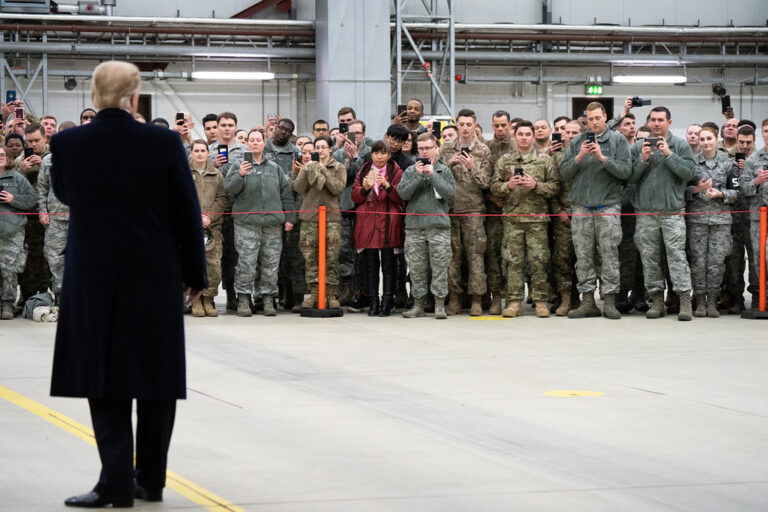
Elon Musk Cheers On at Trump’s Farewell: A Historic Moment in the White House

0

Key Takeaways:

  • Elon Musk and Donald Trump shared a memorable moment at Trump’s farewell conference.
  • A video clip showcasing Trump’s achievements was shown, highlighting economic success.
  • Musk energized the event by encouraging applause from the press.

A Star-Studded Farewell: Trump and Musk Make Waves

In an unexpected twist, tech titan Elon Musk took on an unusual role as Donald Trump’s hype man during the former President’s farewell event at the White House. This surprising moment captured attention as Musk, known for his innovative ventures, joined Trump in celebrating his term’s milestones.


Setting the Scene: A Video Tribute

Trump’s farewell began with a video clip featuring CNBC’s Rick Santelli, who praised Trump’s economic policies. Santelli highlighted the significant reduction in trade deficits, a rare achievement that sparked interest and curiosity. This positive overview set a triumphant tone for Trump’s exit.


Musk Steps In: Encouraging Applause

As the clip concluded, a light applause broke out. Noticing the subdued reaction, Musk, standing alongside Trump, playfully urged the press for more enthusiasm. His lively gesture, complete with a laugh and a thumbs-up, amplified the energy in the room, turning a modest clap into a hearty round of applause.


The Aftermath: Reactions and Implications

This event marks a notable collaboration between two influential figures, blending politics and technology. Musk’s involvement might raise eyebrows, given his broad influence and Trump’s controversial legacy. The moment, while lighthearted, underscores the complex dynamics between these leaders and their public personas.


A Farewell to Remember

As Trump’s term ended, this farewell event with Musk became a memorable highlight. It showcased a blend of camaraderie and shared success, leaving a lasting impression on all present.


Conclusion: A New Chapter Unfolds

Though Trump’s farewell concluded a chapter, the interaction with Musk hints at future possibilities. As both figures move forward, their influence remains significant, shaping discourses in technology and politics.

This engaging event provided a unique glimpse into their relationship, leaving the audience with much to ponder about their future endeavors.

Trump Targets Harvard with Fresh Punitive Measures

Key Takeaways:

  • Trump convenes officials to plan new punishments for Harvard.
  • Allies fear backlash, but Trump continues his offensive.
  • Possible actions involve multiple federal departments.
  • Retaliation follows Harvard’s refusal to comply.
  • Previous measures include funding cuts and legal battles.

Introduction: President Trump is intensifying his campaign against Harvard University, gathering officials to devise new punitive strategies. Despite concerns about public sympathy for Harvard, Trump presses on, targeting the institution for its stance on diversity and protester policies.

What’s Happening? President Trump recently met with officials from over a dozen agencies to discuss escalating actions against Harvard. These talks may result in measures from the Departments of State, Treasury, Health and Human Services, and Justice. Potential actions include probing Harvard’s admissions practices or cutting funds to its medical affiliates. These steps could be implemented as early as next month.

Why Is This Happening? Tensions began when Trump demanded universities crack down on campus protests and adjust diversity hiring. While some schools, like Columbia, reached agreements, Harvard’s resistance led to escalated reprisals. Trump has already revoked research grants and sought to revoke Harvard’s tax-exempt status, also limiting international student enrollment.

What’s Next? Future actions may expand DOJ investigations into Harvard’s admissions or reduce funding for its medical institutions. These moves aim to penalize Harvard for not yielding to Trump’s demands, signaling a prolonged conflict.

Public Reaction and Legal Battles Trump’s allies worry his approach may rally support for Harvard. The university is fighting back, suing over the international student restrictions, which a judge has temporarily blocked. These legal challenges highlight Harvard’s determination to oppose Trump’s measures.

Conclusion: Trump’s conflict with Harvard exemplifies his assertive approach to dissent. As legal battles ensue, the situation remains tense, with broader implications for academic freedom and federal oversight. The outcome may shape how universities respond to political pressures, balancing autonomy with compliance.

Trump’s Steel Tariff Hike Sparks Debate

Key Takeaways:

  • Trump Doubles Steel Tariffs: The U.S. increases steel tariffs from 25% to 50% to protect the industry.
  • Backlash from Allies: Former Trump advisor Stephen Moore criticizes the move, citing job losses in other industries.
  • Economic Impact Concerns: Higher tariffs may raise costs for manufacturers and car companies.

Trump Raises Steel Tariffs, But Not Everyone Agrees

President Donald Trump recently announced a big increase in tariffs on imported steel. Tariffs are taxes on imported goods, and Trump’s plan boosts the rate from 25% to 50%. The goal, he says, is to protect and strengthen the steel industry in the U.S.

During a speech in West Mifflin, Pennsylvania, Trump explained, “We’re going to bring tariffs on steel into the United States from 25% to 50%. This will further secure the steel industry in America. Nobody’s going to get around that.”

However, not everyone is happy with this decision—especially some of Trump’s former supporters. Stephen Moore, a well-known economist and ex-Trump advisor, criticized the move.

Why Critics Are Worried

Moore, who now works at the Heritage Foundation, expressed his concerns on CNN shortly after Trump’s announcement. He said, “I’m a little queasy about these steel tariffs.”

Moore explained that while the tariffs did save steel jobs during Trump’s first term, they also caused problems for other industries. “Manufacturers, car companies, and others who use steel faced higher costs,” he said.

As a result, Moore believes the tariffs backfired. “We lost jobs because of the steel tariffs,” he said. “I don’t think it’s going to work.”

What’s at Stake?

The debate over tariffs is about balancing the economy. On one side, higher tariffs can protect U.S. steelworkers and encourage domestic production. On the other side, they can make life harder for industries that rely on steel, like car manufacturers and construction companies.

When steel becomes more expensive, these industries may cut jobs or raise prices for consumers. That’s why critics like Moore argue tariffs aren’t the solution.

What’s Next?

For now, the focus is on how this policy will affect the economy. Supporters of the tariffs believe they’ll safeguard American jobs. Critics warn they’ll lead to higher costs and fewer jobs elsewhere.

As the debate continues, one thing is clear: Trump’s decision is a bold move that’s dividing opinions— even among his former allies.


(This article is a general summary of the event and does not express the views or opinions of Digital Chew.)

Elon Musk’s Alleged Drug Use During Trump Campaign Sparks Concerns

Key Takeaways:

  • Elon Musk reportedly used ketamine almost daily while supporting Donald Trump’s 2024 campaign.
  • He allegedly mixed ketamine with ecstasy, mushrooms, and other substances.
  • Sources close to Musk say his drug use caused health issues, including bladder problems.
  • Musk carried a pill box with up to 20 pills, including one resembling Adderall.
  • The FDA warns ketamine can lead to addiction and other serious side effects.
  • Both Musk and the White House declined to comment on the report.

Elon Musk’s Daily Drug Use Raises Red Flags

Recent reporting has shed light on Elon Musk’s alleged drug use while he was campaigning for former President Donald Trump in 2024. According to a bombshell report, Musk used ketamine nearly every day and mixed it with other substances like ecstasy and psychedelic mushrooms. This news has sparked concern among people close to him and the public.

Ketamine is a powerful drug that can be used legally to treat depression and pain, but only under strict medical supervision. Musk has admitted to using ketamine in the past, saying he takes it every few weeks to manage depression. However, sources claim his use became much more frequent and worrying over time.


Sources Close to Musk Heighten Concerns

People close to Musk have come forward, describing his drug use as “near daily.” This went beyond just using ketamine occasionally—it became a regular habit that started to affect his health. For instance, the frequent use of ketamine allegedly caused bladder issues for Musk.

Musk was also reported to carry a pill box with up to 20 pills, including one that looked like Adderall. This has raised questions about his overall well-being and how his drug use might have impacted his behavior and decision-making.


The Risks of Ketamine Use

While ketamine can be helpful when used properly, the FDA has warned about its dangers when misused. Some of the serious side effects include addiction, bladder problems, and other health issues. The report highlights that Musk’s alleged drug use went beyond medical supervision, which could have put him at risk.


No Comment from Musk or the White House

When asked about the report, both Elon Musk and the White House chose not to respond. This silence has only added to the speculation and concern surrounding the story.

As more details come out, this story continues to raise questions about the behavior of public figures and the impact of drug use on their lives and decisions. Stay tuned for more updates as this situation unfolds.

Elon Musk’s White House Exit: What Really Happened?

Elon Musk’s White House Exit: What Happened?

  • Elon Musk had a physical fight with Treasury Secretary Scott Bessent, leading to his quick departure from the Trump administration.
  • The altercation started over disagreements about budget cuts and funding promises.
  • Musk shoved Bessent during the confrontation, according to former Trump adviser Steve Bannon.
  • The White House confirmed the incident but downplayed it as a normal part of the policy process.
  • Musk served in the White House for five months before leaving.

Elon Musk’s time in the Trump administration ended abruptly after a physical fight with Treasury Secretary Scott Bessent. The clash reportedly started over budget cuts and funding promises. Here’s what we know about the situation.

How It All Began

The trouble began when Bessent accused Musk of failing to deliver on a promise. Bessent reportedly said, “You promised us a trillion dollars in cuts, and now you’re at $100 billion, and nobody can find anything. What are you doing?” According to former Trump adviser Steve Bannon, this confrontation escalated quickly. He said, “Elon got physical. It wasn’t just an argument—it was a physical fight. He shoved Bessent.”

This incident was the final straw, leading to Musk’s quick exit from the administration. Musk served for only five months before leaving.

What Happened Next

After the altercation, White House Press Secretary Karoline Leavitt confirmed the incident. She described it as a normal part of the policy-making process. “President Trump has put together a team of passionate people,” she said. “Disagreements happen, but ultimately, everyone serves at the pleasure of President Trump.”

President Trump himself thanked Musk for his service during an Oval Office address. Bessent also posted a message on X, thanking Musk for his work and vowing to keep the bureaucracy from slowing things down.

What’s Next?

The incident has sparked questions about how the White House handles disagreements and the role of strong personalities in policy-making. While the exact details of the altercation are still unclear, one thing is certain: Musk’s time in the White House was short but memorable.

This story shows how even the most powerful people in politics can have intense disagreements. It also highlights the challenges of working in high-pressure environments like the White House. For now, all eyes are on what’s next for Musk and how this incident will affect his future projects.

Stay tuned for more updates as this story unfolds!

Streaming Piracy Soars: Amazon Fire Sticks Allegedly Linked To Billions in Streaming Piracy

Key Takeaways:

  • Amazon Fire Sticks are linked to billions in streaming piracy.
  • Big Tech companies like Google and Facebook are involved.
  • Live sports events are major targets for pirates.
  • Piracy growth is a global issue, especially in Europe.

Streaming Piracy: A Growing Concern

Streaming is more popular than ever, with millions tuning in daily. However, a shadow looms over this booming industry—piracy, costing billions. Amazon Fire Sticks are at the center, enabling illegal streams of movies, shows, and live sports. But they’re not alone; tech giants like Google and Facebook are also implicated. A report reveals the issue is vast, with Europe as a focal point, but the problem is global.


Fire Sticks: The Piracy Pipeline

Amazon Fire Sticks are user-friendly, making them popular. However, they’re also a favorite for pirates. These devices can be modified to access paid content illegally, endangering the streaming industry. With a few clicks, users can watch premium content for free, leading to huge financial losses for media companies.


Live Events: A Pirate’s Goldmine

The real issue comes with live events. Sports, especially, are a target. Imagine a Champions League final with tens of thousands watching illegally. This trend is alarming, as more events are streamed live, making them prime targets for pirates. The ease of access is shocking, with multiple illegal streams available within moments.


Big Tech’s Role in the Problem

Tech giants like Microsoft, Google, and Facebook are inadvertently aiding piracy. Their platforms host illegal streams, and while they claim to combat piracy, the problem persists. These companies have the resources to act but seem unwilling. The report suggests they could do more to stop piracy but choose not to.


The Bigger Picture

Piracy’s impact isn’t just financial. It threatens jobs in the entertainment industry, from camera crews to actors. Imagine a world where your favorite shows disappear because producers can’t afford to make them. Piracy could lead to higher subscription fees or less content available.


Conclusion: Time for Change

Streaming piracy is a serious issue, and Big Tech must act. Protecting content isn’t just about money; it’s about preserving the entertainment industry. If not addressed, the consequences could be severe. The time for change is now.

Elon Musk Steps Down as Head of Government Efficiency Role

Elon Musk Steps Down as Head of Government Efficiency Role

Key Takeaways:

  • Elon Musk leaves his role as head of the Department of Government Efficiency (Doge).
  • Musk promised $2 trillion in savings but failed to deliver.
  • His efforts have hurt his reputation and his companies’.
  • Former President Donald Trump praised Musk despite his departure.
  • Musk’s influence in Washington may be fading after a short but busy period.

Elon Musk, one of the most famous and wealthy people in the world, has stopped leading a special group called the Department of Government Efficiency, or Doge for short. For about four months, Musk worked with the U.S. government to try to make things run better and save money. However, his time in this role didn’t go as planned.

What Happened?

Musk promised to save $2 trillion for the government through his work with Doge. That’s a lot of money—enough to fund big projects like schools, roads, and even space exploration. But in the end, Musk and his team couldn’t even find a small part of that money.

This failure has hurt Musk’s reputation. People started to question whether he could deliver on his big promises. Even though he’s known for running companies like Tesla and SpaceX, his time in Washington didn’t make him look good.

What Did Trump Say?

Former President Donald Trump, who worked with Musk during his time in office, had kind words for him. Trump said he was sad to see Musk go but added that Musk “will always be with us, helping all the way.”

Why Does This Matter?

Elon Musk is a big name, and his actions often make headlines. His attempt to work with the government was seen as a way to show that businessmen could make a difference in politics. But it didn’t work out.

Musk’s time in Washington was short but busy. He tried to change how the government operates, but his ideas didn’t lead to the results he promised. Now, people are wondering if business leaders like Musk can really make a difference in politics.

What’s Next for Musk?

Even though Musk stepped down from his government role, he’s still running his companies. Tesla is working on new electric cars, and SpaceX is trying to send people to Mars. Musk’s focus might now shift back to these projects.

However, his time in Washington has left a mark. Many people feel that he overpromised and underdelivered. This could hurt his reputation and make it harder for him to work with the government in the future.

Musk’s legacy

Elon Musk is known for thinking big and taking risks. But his time in Washington shows that even the most successful people can face challenges when they step into politics.

Musk’s story is a reminder that running a country is very different from running a business. While he could innovate and make decisions quickly at Tesla or SpaceX, the government moves slower, and it’s harder to make changes.

What Can We Learn?

Musk’s experience teaches us that big promises need to be backed by action. It’s easy to say you’ll save $2 trillion, but actually doing it is much harder.

It also shows that working with the government is complicated. Even someone as powerful as Elon Musk can struggle to make a difference in Washington.

Conclusion

Elon Musk’s time as the head of the Department of Government Efficiency didn’t go as planned. He left without delivering on his promise of $2 trillion in savings, and his reputation took a hit.

But Musk is still a big name, and his companies are continuing to work on exciting projects. While his time in Washington didn’t go well, he’ll likely keep trying to make a difference—just maybe not in politics.

As for the government, Musk’s departure is a reminder that fixing problems in Washington isn’t easy, even for the most powerful businessmen.

Google vs. DOJ: Big Tech Showdown Heats Up

Key Takeaways:

  • The U.S. Department of Justice (DOJ) is suing Google for anticompetitive practices.
  • Google might be forced to sell its Chrome browser.
  • The case could change the internet forever.
  • AI is playing a big role in the fight.
  • Smaller search engines might benefit if Google loses.

What’s the Story?

Google, the search engine giant, is in trouble with the U.S. government. The Department of Justice (DOJ) says Google did not play fair to stay on top of the search game. This legal battle has been going on for a long time, and now both sides have made their final arguments. The DOJ already won the first part of the case, and now they’re pushing for big changes.

What’s at Stake?

The DOJ wants to limit how Google does business and make it sell Chrome, its popular web browser. Selling Chrome would be a huge deal. It would weaken Google’s power and give smaller companies a chance to grow. But this case is complicated, and the internet has changed a lot since it started. It’s hard to imagine a world without Google as the top dog.

The Fight Over Search Deals and AI

During the closing arguments, Google and the DOJ debated how search deals and artificial intelligence (AI) could reshape the internet. Google argues that AI, like chatbots, might change how people search for stuff. The DOJ counters that Google’s practices are still unfair, even with new tech.

What Does This Mean for Google?

If Google loses, it could face big penalties. The government might force it to sell Chrome and change how it operates. This would be a major blow to Google’s grip on the internet. But Google is fighting back, saying it didn’t break any rules and that competitors are just trying to win in court.

What About Other Search Engines?

Smaller search engines like Bing or DuckDuckGo might win if Google is weakened. They could attract more users and advertisers if Google’s power is reduced. But it’s not clear if they can fill the gap Google would leave.

The Rise of AI in This Case

AI is a wild card here. Google says AI could make its search dominance less important. New tools like Bard or Bing Chat might change how people find information. The DOJ says AI doesn’t excuse Google’s past actions. They believe Google still acted unfairly to stay on top.

What’s Next?

The judge in the case, Amit Mehta, will decide the outcome. If the DOJ wins, Google’s business could be drastically changed. If Google wins, it keeps its dominance. Either way, the internet could look very different in the future.

Why Does This Matter?

This case is about more than just Google. It’s about how the internet works and who controls it. If Google loses, it might lead to more competition and innovation. If it wins, things might stay the same. Either way, this is a big moment for tech and the web.

Stay Tuned

This story is still unfolding, and the final decision could take time. Digital Chew will keep you updated as more news comes out. For now, one thing is clear: the internet’s future is on the line.

Elon Musk Tries to Block OpenAI’s UAE Deal


Key Takeaways:

  • Elon Musk reportedly tried to stop a major AI data center deal in the UAE unless his company, xAI, was included.
  • This move has caused behind-the-scenes drama in the AI industry.
  • The story highlights the intense competition between Musk and OpenAI.
  • The deal could have big implications for AI development globally.

Elon Musk, the billionaire CEO of Tesla and SpaceX, has reportedly stepped into the spotlight again, this time in an attempt to influence a major AI deal in the United Arab Emirates (UAE). According to sources, Musk tried to block a significant AI data center agreement involving OpenAI unless his own company, xAI, was included in the partnership. This move has sparked a lot of drama behind the scenes, showing just how competitive the AI race has become.

What Happened?

OpenAI, the company behind ChatGPT, had been in talks with the UAE to build a large AI data center in the region. Data centers are crucial for training and running advanced AI models, as they require massive computing power. The UAE, with its focus on futuristic technology and innovation, seemed like the perfect location for this project.

However, things took a twist when Elon Musk reportedly intervened. Sources say he asked officials to pause the deal unless his company, xAI, was brought into the mix. xAI is Musk’s latest venture, aiming to compete directly with OpenAI in the AI space. This move by Musk has raised eyebrows, as it shows how determined he is to keep his company at the forefront of AI technology.

Why Is This Important?

The UAE is a key player in the global tech race. Its strategic location, wealth, and forward-thinking government make it an attractive spot for big tech companies looking to expand. For OpenAI, this deal would have meant access to more resources and a stronger presence in the Middle East. For Musk, getting xAI involved would give him a foothold in the region and a chance to compete with OpenAI on a global stage.

The drama also highlights the intense rivalry between Musk and OpenAI. Musk co-founded OpenAI in 2015 but later left the company. Since then, the two have been rivals in the AI space, with Musk criticizing OpenAI’s approach and vowing to create a better alternative with xAI. This incident shows just how far he’s willing to go to stay ahead.

What Does This Mean for the Future of AI?

This drama in the UAE is just one example of how competitive the AI industry has become. Companies like OpenAI, xAI, and others are racing to develop the most advanced AI models, secure funding, and gain a technological edge.

If Musk’s attempt to block the deal succeeds, it could slow down OpenAI’s plans and give xAI an opportunity to catch up. On the other hand, if OpenAI manages to go ahead without Musk’s involvement, it could solidify its position as a leader in the AI industry.

The Bigger Picture

The UAE’s role in this deal is also worth noting. The country has been actively investing in AI and emerging technologies as part of its plan to diversify its economy and become a global tech hub. Deals like this could help the UAE achieve its vision of becoming a leader in innovation.

At the same time, this situation shows how geopolitical factors can influence the tech world. Countries are increasingly using tech deals as a way to strengthen their global influence, and companies like OpenAI and xAI are caught in the middle.

What’s Next?

It’s unclear how this situation will unfold. Will OpenAI and the UAE go ahead with the deal without xAI? Or will Musk’s company manage to secure a spot in the partnership? Whatever happens, one thing is clear: the AI race is heating up, and these kinds of power plays are likely to become more common.

As the competition between OpenAI and xAI grows, the real winners could be the consumers and businesses that benefit from better AI technologies. After all, innovation often thrives when companies push each other to be better.

But the drama also raises questions about fairness and collaboration in the tech industry. Should one company be allowed to block another’s progress? Or is this just how the game is played in the high-stakes world of AI?

Only time will tell how this story ends, but one thing is certain: the world of AI is about to get even more exciting.

Student Visas Turned Into Job Pipelines: How American Workers Are Losing Out

Key Takeaways

  • The F-1 student visa is intended for education, not employment.
  • Companies like Miles Education are exploiting loopholes to turn student visas into long-term work programs.
  • International students are being charged thousands for guaranteed jobs in the U.S., bypassing American workers.
  • The Optional Practical Training (OPT) program is being misused to keep foreign workers in the U.S. for years.
  • Jobs are eventually offshored to countries like India, replacing American workers.

The F-1 Visa: A Path to Education or Employment?

The F-1 student visa is a program designed to allow international students to study full-time at accredited U.S. colleges and universities. It’s not meant for permanent work or staying in the U.S. indefinitely. When applying for an F-1 visa, students must promise that they’re coming to the U.S. only for education and will return home after completing their studies. They also must show they can afford tuition and living costs without working.

But over the years, companies have found ways to bend the rules. One such company is Miles Education, which has turned the F-1 visa into a pipeline for foreign labor.


How Miles Education Exploits the System

Miles Education offers international students, especially from India, a “guaranteed” pathway to the U.S. For a fee of $40,000 to $50,000, the company promises admission to U.S. universities, visa support, and job placements. This program, called the “Miles US Pathway,” markets itself as a way for students to land high-paying jobs in America.

But here’s the catch: The primary goal of this program isn’t education. It’s about getting students into the U.S. to work and stay as long as possible. Miles Education even rebrands non-STEM programs, like accounting, as “STEM degrees” by adding terms like “analytics” or “tech tools.” This allows students to qualify for extended work permits under the OPT program.


The OPT Program: A Backdoor for Employers

The OPT program was created to let international students gain practical work experience in their field for up to 12 months after graduation. In 2008, this was extended to 36 months for STEM graduates. But there’s a problem: OPT is not a work visa, and it’s not meant to replace American jobs.

However, companies like Miles Education and their partner universities are abusing the system. They’re labeling non-STEM degrees as STEM to help students qualify for three years of work in the U.S. This creates a loophole for employers to hire foreign workers without having to prove that no qualified American workers are available.

Moreover, employers don’t have to pay Social Security or Medicare taxes for OPT workers, saving them about 8% per hire. This makes it cheaper to hire foreign workers instead of American ones.

After the OPT period ends, Miles Education doesn’t leave workers stranded. Instead, they send them back to their home countries to work remotely for U.S. companies at half the wage. This is part of their “Build-Operate-Transfer” model, which outsources American jobs to countries like India.


The Impact on American Workers

This exploitation of the F-1 visa system is putting American workers at a disadvantage. U.S. graduates are competing with foreign workers who are willing to accept lower wages and fewer benefits. Companies are taking advantage of these loopholes to cut costs, leaving American workers struggling to find jobs.

The OPT program was meant to give students hands-on experience, not to create a pipeline for cheap labor. But as long as companies like Miles Education and their partners continue to bend the rules, American workers will suffer.


The Government’s Role in the Crisis

The U.S. government has failed to address these abuses. While the F-1 visa rules are clear, enforcement is lacking. Universities, companies, and government agencies are turning a blind eye to the exploitation because it benefits everyone involved—except American workers.

The situation highlights what critics call the “Immigration Industrial Complex,” where foreign companies profit from exploiting U.S. immigration laws. The result is a system where American jobs are outsourced, and U.S. graduates are left behind.


The Future of the F-1 Visa Program

The F-1 visa program was designed to promote education and cultural exchange. But as long as companies like Miles Education continue to exploit it, the program will remain a threat to American workers.

To fix this, the government must enforce the rules and close the loopholes that allow companies to misuse the system. U.S. workers deserve fair competition, and foreign students should not be used as a way to undercut American labor.

Unless something changes, the F-1 visa program will continue to be a pathway for foreign labor, not education—a loss for everyone except those profiting from the exploitation.


This issue is a wake-up call for policymakers, educators, and employers. It’s time to take a closer look at how the F-1 visa program is being used and abused. The American Dream shouldn’t come at the cost of American jobs.