54.3 F
San Francisco
Wednesday, July 8, 2026
Home Blog Page 773

Could a Newcomer Shake Up the Maine Senate Race?

0

Key Takeaways:

• Veteran Graham Platner jumps into the Maine Senate race as a Democratic newcomer.
• Platner calls out billionaires, corrupt politicians, and Susan Collins’s fake moderation.
• Only a few Democrats, like Jordan Wood and David Costello, have entered so far.
• Retiring Gov. Janet Mills remains uncertain about running, leaving an open field.

Could a Newcomer Shake Up the Maine Senate Race?

A surprising twist has emerged in the Maine Senate race. Graham Platner, a political rookie, has entered the primary. He served multiple tours in Iraq and Afghanistan. He also works as an oysterman and calls himself a working class Mainer. Because he speaks passionately, people are already talking about his campaign.

New Face in the Maine Senate Race: Who Is Graham Platner?

Graham Platner has never held elected office. However, he has deep roots in Maine’s coastal towns. He describes himself as a veteran and working class Mainer. He says he’s seen families struggle with rising costs. Therefore, he launched a video to share his message.

In his launch video, Platner blasts billionaires and corrupt politicians. He says they destroy the environment and crush the middle class. He accuses Susan Collins of staging a fake act of moderation. “Ted Cruz is at least honest when he sells us out,” he says. This harsh language has turned heads.

Why Graham Platner Matters

First, Platner’s background is unique. Few Senate candidates are veterans and oystermen. Second, his message taps into Maine’s working class anger. Many Mainers feel left behind as prices rise.

Also, conservative analyst Sean Trende warns that Platner could be a real threat. He notes that Collins is an old establishment Republican. Meanwhile, Maine’s base now leans more working class and populist. On paper, those voters may favor someone like Platner.

Furthermore, Collins’s reputation rests on her moderate record. She has sometimes opposed President Trump’s worst moves. That helped her win in a mostly blue state. However, a challenger from the left could peel away key voters.

Who Else Is Racing?

So far, few other Democrats have signed up. Jordan Wood, a staffer for a progressive congresswoman, is in. David Costello, a former USAID worker, also joined the contest. Last year, Costello lost against an independent senator. Neither has Platner’s military background or working class image.

At the same time, many wonder if Gov. Janet Mills will run. Mills has led Maine for several years and is well known. If she enters, she could become the clear front-runner. However, she’s in her late 70s and unsure about a long campaign.

Therefore, the field remains wide open. If Mills bows out, Platner’s challenge looks stronger. If she steps in, he must fight a better-known rival.

What’s Next for the Maine Senate Race?

First, candidates will work to build name recognition. Platner needs to introduce himself to voters. He must show how his life story matters. Meanwhile, Collins will prepare for a tough fight. She can point to her history of helping Maine families.
Maine Senate race

Second, fundraising will be crucial. Platner will ask Mainers for small donations. Collins can tap into her existing donor network. The gap between a newcomer and an established senator can grow fast.

Third, debates and town halls will shape opinions. Platner must prove he can handle tough questions. He will need to explain how he will serve Maine if elected. Collins will highlight her experience and past victories.

Finally, the primary will test Maine voters’ mood. Do they prefer a veteran outsider who rails against the elite? Or do they stick with a familiar moderate who has won five terms? The answer will guide the party’s chances in November.

Transitioning to a broader view, this contest reflects a national trend. Across the country, working class voters want change. They often back outsiders who promise to shake up the system. In Maine, Platner fits that mold.

On the other hand, parties also value experience. Incumbents like Collins benefit from long records. They know how to raise funds and win tough races. Yet, they risk appearing out of touch with everyday concerns.

Because of these factors, the Maine Senate race may become one of the most watched contests. It will offer a clear look at how voters balance experience and fresh energy.

Key Themes in the Maine Senate Race

1. Populism vs. Establishment

Platner represents the working class and calls out elites. Collins represents the political establishment with a moderate record.

2. Military Service and Local Ties

Platner’s military and oystering background give him unique credibility. Collins has built ties over decades in Maine.

3. Uncertainty Around Top Contenders

With Mills unsure about running, the Democratic side remains in flux. That uncertainty could benefit a bold newcomer.

4. Fundraising and Organization

How well each candidate rallies volunteers and donors will be vital. Novice campaigns often struggle in this area.

5. Voter Mood and Turnout

Ultimately, how many Mainers show up and whom they trust will decide the race. Enthusiasm and turnout often drive primary outcomes.

Looking Ahead

As the campaign unfolds, watch for Platner’s next moves. Will he win endorsements from local groups? Can he expand his message beyond coastal towns? At the same time, Collins will work to shore up support among moderates and independents.

Moreover, if Mills jumps in, the dynamics will shift again. Platner will have to carve out room between two well-known figures. The question remains: can a newcomer survive such a crowded field?

Meanwhile, voters will follow each debate and ad. They will weigh authenticity, experience, and vision. They will consider who can best protect Maine’s environment, economy, and way of life.

In the end, the Maine Senate race will test both voter appetite for new voices and loyalty to familiar leaders. It will also signal how much working class concerns drive Democratic primaries.

Whether Graham Platner overcomes the odds or Collins holds her ground, this contest promises drama. It will offer lessons for races across the country. Therefore, stay tuned as the campaign heats up.

Frequently Asked Questions

1. Who is Graham Platner?

Graham Platner is a political newcomer in the Maine Senate race. He served in Iraq and Afghanistan and works as an oysterman.

2. Why is Susan Collins facing a challenge?

Susan Collins faces a challenge because some voters want a more populist, working class voice. Platner taps into that desire.

3. Will Janet Mills run for the Senate?

Janet Mills has not decided. If she runs, she could become a strong Democratic contender.

4. What makes the Maine Senate race important?

The Maine Senate race matters because it shows a clash between establishment politics and working class populism. It also affects control of the Senate.

Can Trump’s DC Ride-Along Improve Safety?

0

Key Takeaways:

  • President Trump will join a late-night Trump ride-along with DC police.
  • Legal experts warn his presence may slow officers’ work and distract them.
  • Washington, D.C. is short about 500 officers amid proposed federal budget cuts.
  • Critics question whether the Trump ride-along is a safety effort or a publicity stunt.

Trump Ride-Along Puts DC Crime Fight in Spotlight

President Trump plans to head out in Washington, D.C. on Thursday night for a Trump ride-along with local police. This move marks one of the rare times he has left the White House for an evening out, aside from his own properties. However, many wonder if this ride-along will help safety or simply slow down police work.

Unexpected Night Out

The president’s schedule rarely includes spontaneous outings. Therefore, when Trump announced he would “go out” in the city, it raised many questions. Will he visit high-crime neighborhoods or upscale areas like Georgetown? So far, details remain under wraps. Meanwhile, Washington police must plan every step of this outing to ensure security.

Moreover, former federal prosecutor Elliot Williams criticized the idea. He pointed out that any senior leader on a ride-along can disrupt law enforcement. He said that whole operations must be “coordinated and choreographed,” which delays police from doing real work.

Trump ride-along

Why the Trump Ride-Along Matters

The Trump ride-along draws attention for several reasons. First, it shines a light on D.C.’s crime challenges. Second, it highlights a broader debate about federal influence over local policing. Finally, it tests whether high-profile events can boost public safety or merely create headlines.

Firstly, the District of Columbia has about $1.1 billion in proposed federal budget cuts. These cuts come from the president’s own plan. As a result, local leaders warn of fewer resources for police and community programs. In fact, the city currently lacks roughly 500 officers on its streets. Therefore, any distraction could matter.

Secondly, ride-alongs often serve training or community outreach goals. However, a presidential ride-along comes with extra security measures. Secret Service agents and several backup teams must clear routes in advance. Consequently, innocent bystanders might find streets blocked or traffic rerouted. Meanwhile, officers must pause regular patrols to guide and protect the president.

Police Work and Coordination

According to Elliot Williams, such events can hamper real police work. From his experience at ICE, he knows officers enjoy showing higher-ups their work. Yet, he stresses that ride-alongs slow down operations.

When the president joins a patrol, every move requires advance planning. Officers cannot chase suspects on foot or in cars without risking the president’s safety. Therefore, suspects may slip away. Also, officers must focus on protocols instead of crime-fighting tactics.

Additionally, local detectives and street cops report feeling stressed by high-profile visits. They must wear extra gear, follow specific security rules, and stay in exact positions. Meanwhile, they still answer 911 calls and respond to emergencies. Such juggling can strain resources even further.

Budget Cuts and Officer Shortage

Washington, D.C. faces a real officer shortage. Currently, about 500 sworn officers are missing from the beat. Many cite retirements, burn-out, and recruitment challenges. At the same time, the president’s budget plan targets a $1.1 billion cut for the city.

In simple terms, fewer officers mean slower response times. Moreover, each officer already covers more ground. When a high-profile ride-along arrives, those limited officers must spend time on security details. Consequently, community patrols shrink further.

Therefore, some argue that instead of riding along, Trump should let local police set their own priorities. “If the president truly cared about public safety in the District of Columbia, he could get out of the way of law enforcement,” Williams said. This view suggests that real support comes from funding and policies, not photo ops.

Publicity or Progress?

Critics label the Trump ride-along as a publicity stunt. They say it draws cameras away from everyday crime efforts. In fact, many high-crime areas rarely see the president on site. Instead, Trump chooses escorted tours through safer blocks. Meanwhile, neighborhoods with high robbery rates stay in the dark.

man in white and blue hat

On the other hand, supporters claim the event raises awareness. They argue the president’s presence sends a message that the federal government cares about D.C. safety. Also, they say media coverage might prompt faster policy changes. However, raising awareness does not always translate into real action.

In truth, a single ride-along cannot solve systemic issues. Washington needs more officers, better community programs, and consistent funding. Moreover, law enforcement experts caution against one-off events. They say long-term plans and local leadership matter more than presidential visits.

What Comes Next?

After the Trump ride-along, expect reaction from both sides. Local politicians may praise the attention or criticize the distraction. Police unions might weigh in on resource challenges. Also, community groups will note whether crime statistics shift.

Furthermore, national media will dissect every moment of the outing. They will ask: Did the president visit real trouble spots? Did he talk to actual residents? Or did he stick to well-choreographed blocks? Answers will shape public opinion and policy debates.

Eventually, the Trump ride-along will end and officers will return to their usual beats. Yet, the conversation about public safety, budget priorities, and federal involvement will continue. As a result, D.C. residents will keep asking whether this event truly makes their streets safer.

FAQs

Will the Trump ride-along increase police funding in DC?

No. This ride-along alone does not change the budget. Real funding shifts require congressional approval.

How does a presidential ride-along affect local police operations?

It forces extra security measures and planning. As a result, officers may pause routine patrols.

Is the Trump ride-along a common presidential activity?

No. Presidents rarely join late-night patrols. This is one of Trump’s few off-site evening outings.

What can actually improve safety in Washington, D.C.?

Stable funding, more officers on beat, and strong community programs offer lasting impact.

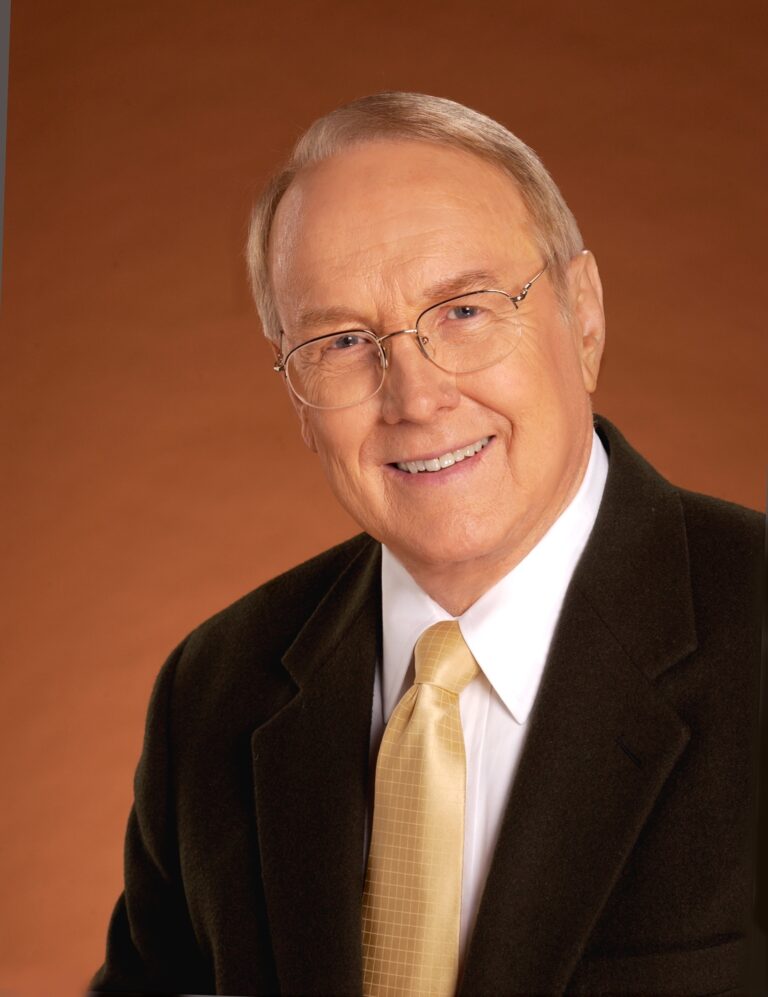
How Did James Dobson Shape Family Values?

0

Key Takeaways

  • James Dobson made parenting advice popular with his book and radio show.
  • He founded Focus on the Family in 1977, reaching millions worldwide.
  • He promoted traditional roles for moms and dads and opposed abortion and LGBTQ+ rights.
  • His work helped turn evangelical Christians into a major political force.
  • His influence lives on in conservative Christian groups and recent court rulings.

James Dobson’s Rise to Influence

James Dobson’s ideas about family and faith changed American evangelical life. He urged parents to raise children with strict discipline and clear roles. Because of him, many conservative families adopted a strict view of marriage. Moreover, his radio show and books kept his message alive for decades.

The Early Years

First, James Dobson earned a doctorate in psychology. Then, he taught at a university in California. Next, he saw parents worried about their kids’ choices. Thus, he wrote a book called Dare to Discipline in 1970. With simple advice, he told parents to use firm rules and, if needed, mild spanking. As a result, the book sold millions of copies and made him famous.

The Birth of Focus on the Family

In 1977, Dobson started Focus on the Family. His goal was to offer help by radio, books, and events. Within years, his show aired on thousands of stations in dozens of countries. Also, he hired counselors to answer listener questions. Because of this, many parents felt supported by a faith-based community.

Turning Faith into Politics

Moreover, Dobson warned that modern culture attacked “family values.” He spoke out against abortion and same-sex marriage. He argued that a father should lead, and a mother should nurture the home. His views helped shape what became known as the Religious Right. In addition, Dobson backed groups that took legal cases to the Supreme Court. For example, he supported cases about abortion rights and religious freedom.
james dobson

Leaving and Returning

By 2010, James Dobson left Focus on the Family. Then, he founded a new group called the Dr. James Dobson Family Institute. He kept giving advice on parenting and faith. However, he also remained active in political debates over family and religion. As a result, his voice stayed strong among conservative Christians.

Lasting Legacy

Finally, many court rulings in recent years reflect Dobson’s work. First, the Supreme Court allowed states to ban most abortions. Next, it sided with business owners who refuse to serve same-sex couples. Moreover, it loosened rules on state money for religious schools. These decisions echo the goals Dobson set decades ago. Today, his influence continues in schools, churches, and political groups.

Conclusion

In simple terms, James Dobson reshaped how many American evangelicals view family and politics. He offered clear rules on child-rearing and strong support for traditional marriage. Through his books, radio shows, and organizations, he built a media empire. Also, he moved faith from church pews to the halls of power. Because of him, family values remain central to many conservative agendas.

FAQs

1. Who was James Dobson?

He was a psychologist turned author and radio host who founded Focus on the Family.

2. What is Focus on the Family?

It is a nonprofit that offers Christian parenting advice, counseling, and political advocacy.

3. How did James Dobson influence politics?

He urged evangelicals to vote on issues like abortion and same-sex marriage.

4. Is James Dobson’s advice still used today?

Yes, many conservative Christian families and groups still follow his teachings.

Wildfire Exposure Rising Worldwide?

0

Key Takeaways

• Over 440 million people faced wildfire exposure between 2002 and 2021.
• Global burned land area fell by 26% in the same period.
• Africa accounts for about 85% of all wildfire exposure.
• Climate change and land use shape fire patterns worldwide.
• Communities can lower risks with planning and fire-safe designs.


Is Wildfire Exposure Rising Worldwide?

Wildfires grab headlines when they race through forests near homes. Yet most people do not know the big picture. New research shows that wildfire exposure has risen by 40% over two decades. Meanwhile, the total land burned worldwide actually fell by 26%. How can more people face fires when less land burns? Let’s explore what drives these trends and what we can do to stay safe.

Understanding Wildfire Exposure Trends

Wildfire exposure means people living where wildfires reach their homes. From 2002 to 2021, about 440 million people saw a blaze encroach on their houses. That number equals the entire European Union population. Moreover, this risk grew steadily over twenty years.

Surprisingly, the total burned land area worldwide dropped by over one quarter. In some regions, like western North America, fires did spread to new highs. Yet globally, less land burned. The answer lies mainly in what happened in Africa.

wildfire exposure

Why Burned Area Has Dropped

In Africa, most global burned land sits. Traditionally, large stretches of wild grass and forest burned each year. However, farmers have cleared and divided these wildlands. They turn big prairies into smaller fields and add roads. As a result, fires find it harder to move across open ground.

In addition, some areas now host more crops and settlements. Clearly, that stops flames. Yet it also means more homes sit near those smaller wildland patches. Thus, fewer acres burn, but more people live where fires can reach.

Why Wildfire Exposure Climbed

The rise in wildfire exposure comes from two main forces:

1. Land development in fire zones
As people clear forests and grasslands, they often build homes where fires can flare up. More roads and power lines also raise the chance that someone accidentally sparks a blaze. Thus, when flames ignite, they spread into neighborhoods.

2. Climate change fueling intense fires
Over the last forty years, hot days with low humidity and strong winds grew by more than half. These “fire weather” days make blazes spread faster and grow larger. Even if the burned area falls, the few fires that start can threaten more homes.

Regional Differences and Drivers

Wildfire risks vary by continent. Let’s look at what drives each region’s trends.

Africa
• Accounts for 85% of human wildfire exposure.
• Agricultural expansion puts more people in fire-prone zones.
• Frequent, low-intensity burns clear land for farms.

North America
• Faces hotter, drier, windier conditions.
• Power lines, vehicles, and campfires ignite more blazes.
• Fires like the 2018 Camp Fire and 2023 Canadian wildfires made headlines.

South America
• Increasing droughts and heat waves boost fire intensity.
• Farming moves into wild areas, raising exposure.

Asia
• Growing rural populations live in fire-prone landscapes.
• More days of fire-friendly weather increase risks.

Europe and Oceania
• Exposure has declined as fewer people live in rural fire zones.
• Urban growth drew people away from wildlands.

How Communities Can Reduce Risk

Communities have tools to limit wildfire exposure. For example:

• Vegetation Management
Conduct planned burns or mechanical thinning to remove dry fuel. This step prevents intense wildfires.

• Safe Building Practices
Use fire-resistant materials for roofs and walls. Clear brush and leaves around homes.

• Public Education
Teach residents how to avoid sparks from machinery, vehicles, or campfires. In addition, promote safe evacuation plans.

• Infrastructure Planning
Maintain clearance along roads and power lines. Moreover, burying power lines in key areas can cut ignition sources.

By taking these actions together, communities can create fire buffers. As a result, flames have less chance to reach houses.
a man standing in front of a tree holding his hands out

What the Future Holds

Wildfire exposure will likely keep rising as climate change intensifies fire weather and as people build homes in fire-prone areas. However, smarter land use and active fire management can slow the trend. For instance, restoring natural fire cycles with controlled burns can reduce fuel buildup. Likewise, zoning laws can prevent new homes in high-risk zones.

Ultimately, understanding how and why wildfire exposure grows helps us make better choices. If we combine practical steps with community planning, we can protect lives and property even as the world warms.

Frequently Asked Questions

1. What is wildfire exposure?
Wildfire exposure occurs when a wildfire reaches areas where people live, putting homes and lives at risk.

2. Why did global burned area drop but exposure rise?
In Africa, farms and roads broke up wildlands, shrinking burn areas but placing more homes near fire zones.

3. How does climate change affect wildfires?
Warmer temperatures, lower humidity, and stronger winds create more “fire weather” days, making blazes more intense and harder to control.

4. What can homeowners do to reduce risk?
They can use fire-safe building materials, clear vegetation near homes, follow burn bans, and have evacuation plans ready.

Can Trump Bring Putin and Zelenskiy to the Table

0

Key takeaways

  • Donald Trump plans to set up direct talks between Putin and Zelenskiy
  • The last in person meeting was during the Normandy talks in Paris in 2019
  • Those talks stalled over election timing and border control issues
  • Today the war and territorial questions make peace harder
  • The United States now leads mediation instead of Europe

Background on the Normandy Talks

In 2014 Ukraine faced fighting in its east between its army and pro Russian rebels. Russia had just taken Crimea. Leaders from Germany, France, Ukraine and Russia met in Normandy style talks. They aimed to stop the fighting and set rules for special local elections. Those discussions relied on the Minsk agreements of 2014 and 2015.

In December 2019 Putin and Zelenskiy met face to face for only the sixth Normandy meeting. Both hoped for fresh momentum. Yet they could not agree on how to move forward. Soon the talks fell apart and Russia invaded Ukraine fully in 2022.

Why the 2019 Meeting Failed

First, Zelenskiy wanted a ceasefire and border control before local polls. He saw a secure border as the base for any election. Second, Putin insisted on holding elections first. He argued that polls would calm the region. Third, Putin would not admit that Russia took part in the conflict. He called it a civil war inside Ukraine.

Moreover neither leader could adjust their main goals. Zelenskiy aimed to end the fighting and keep Ukraine free of Russian power. Putin sought to keep Ukraine out of western groups like the European Union and NATO. Because of that the meeting ended without key agreements.

What Has Changed Since 2019

First, the conflict turned into a full scale war in 2022. That makes talks more urgent but also more complex. Second, Russia can no longer claim it is not a party to the war. Everyone now knows Russian troops fight inside Ukraine. Third, the stakes over land have risen. Crimea and parts of Donetsk Luhansk Kherson and Zaporizhzhia remain under Russian control.

Today some say a US led peace plan might include a formal US nod to Russian control of Crimea. It might also accept Russian occupation of other regions in Ukraine. Those ideas would shock many Ukrainians. Russia still calls its actions a special military operation for demilitarization and denazification.

ukraine contested regions

Why Mediation Shifted to the United States

In 2014 and 2015 Germany and France drove the Normandy talks. European leaders found it hard to stay neutral. Putin saw them as biased toward Kyiv. Now the US leads talks. President Trump says he will arrange direct talks between Putin and Zelenskiy at a secret location. He met Putin in 2024 and spoke with Zelenskiy in 2025. Yet he has not yet shown progress on real peace terms.

Furthermore Trump’s style differs from European leaders. He often speaks freely about sanctions and troop aid. That style may appeal to Putin who prefers a US partner over tight allies. However it may raise concerns in Kyiv and across Europe.

Major Challenges Ahead

First both sides remain firm on key demands. Zelenskiy rejects any land swap or forced control. He wants all Ukrainian regions back. Putin wants Ukraine to drop any bid to join NATO or the EU. Russia also wants Crimea to stay under its rule.

Second deep mistrust exists on both sides. Ukraine fears that any deal might leave Russia free to strike again. Russia worries that Ukraine may build up western weapons near its border.

Third public opinion in Ukraine and other western countries matters. Many Ukrainians do not trust peace talks unless they restore full sovereignty. In the United States Congress still debates how much aid to send. That makes a clear US policy harder to set.

Can Direct Talks Help

Meeting face to face may reduce personal mistrust. It may let the leaders discuss new ideas directly. Yet without real compromises the talks may stall again. Mediators must prepare clear steps on security and local governance. They need to link steps on border control with moves on elections.

In addition they must decide how to handle Crimea and occupied areas. They need to balance Ukrainian security with Russian concerns. Only a plan that all sides see as fair can survive.

Lessons from 2019 for Today

First, set small clear steps rather than big fast deals. Second, involve neutral parties to monitor each step. Third, define who will verify ceasefires and border checks. Fourth, protect human rights in the occupied zones. Fifth, keep strong public support for any agreement.

Therefore a direct meeting is only a start. Leaders must follow through with clear actions. They must build trust step by step. Otherwise the same mistakes of 2019 may repeat on a larger scale.

Conclusion

Donald Trump’s plan to meet Putin and Zelenskiy could mark a new push for peace. However lessons from the Normandy talks show how easy it is to stall. Today’s war and territorial disputes make talks even tougher. For real success mediators must tie security steps to political reforms. They must win public and political support. Only then can talks move from a nice meeting to a lasting agreement.

Getting the leaders in a room matters. Yet only clear plans and shared trust can end this war. Many will watch closely to see if Trump can avoid past failures and bring real peace to Ukraine.

Judges Reject Release of Epstein Grand Jury Files

0

Key Takeaways

  • Judges refused to unseal the Epstein grand jury papers
  • A judge called the move a diversion from bigger files
  • Another judge said the papers would not add new facts
  • The government holds far more materials than the small grand jury record

The push to unseal records

Victims and journalists have asked for grand jury records in the Jeffrey Epstein case for years. They hope those papers will explain how he built his network. They seek more names and more details. The records come from a secret grand jury that heard evidence about Epstein and his accomplice. That secret process protects witnesses but keeps the public in the dark. Many people want transparency and answers.

Judge Berman’s strong criticism

A judge named Richard Berman ruled against opening those grand jury files. He noted that the government already has more than one hundred thousand pages of Epstein files. By contrast, the grand jury papers run only about seventy pages. He said the government should share its full files with the public first. He added that focusing on the small grand jury files feels like a distraction. He described the grand jury testimony as only a hearsay summary of Epstein’s alleged actions. He made it clear he would not force the release of those few pages.

Judge Engelmayer finds no new facts

Another judge, Paul Engelmayer, also refused to unseal grand jury papers in a related matter. He checked the records and made a key finding. He determined that nothing in those papers would change what the public already knows. They do not list new crime scenes. They do not describe new methods. They do not add to our understanding of Epstein’s wealth. They do not explain what led to his death. He also pushed back on political calls to unseal the papers. His decision included a clear rebuke of the former president, who had urged the release. He said that opening them would not bring any fresh insight.

Why these rulings matter

Transparency matters for public trust in the justice system. Many victims of Epstein’s crimes still seek justice and answers. They want to know who helped finance or hide his network. They also need to see how law enforcement handled the case. Some worry that key players might escape scrutiny if records stay secret. Meanwhile, the government holds a massive collection of documents on Epstein. Those files likely contain more details than the brief grand jury record. Critics say the government must act to release those materials first.

The role of the justice department

The justice department oversees federal criminal prosecutions. It gathers all the evidence and files in a case. In the Epstein investigation, it holds records from interviews, financial probes, and witness statements. Those records span many years and include public and private figures. Releasing them fully could reveal how investigators built their case. It could support claims by victims. It could also expose the gaps in earlier investigations. Some see the hesitance to share as a way to shield powerful names. Others argue that privacy rules protect witnesses and evidence integrity.

What comes next

Both judges left the door open for further legal moves. The government or public interest groups could file appeals. They could ask higher courts to order the release of the grand jury pages. They could also seek a review to force the full files from the justice department into public view. For now, the public remains largely in the dark. Meanwhile, activists and lawyers continue to press for more. They might push Congress to hold hearings or pass new transparency rules.

Possible impact on victims

Epstein’s victims have long sought a full public accounting of his crimes. They feel that secrecy has let some officials off the hook. They hope that more documents will force officials to answer tough questions. They also want explanations of how Epstein built his wealth. Some wonder if powerful friends helped him avoid prison for years. A fuller release of files could give victims more confidence in the system. It could also help them heal by knowing their stories have a public record.

Balancing secrecy and openness

Grand jury secrecy serves important legal goals. It protects witness safety and encourages candid testimony. It also guards against public smear tactics before trials. Yet too much secrecy can erode public trust. The justice system must find a balance between privacy and transparency. Judges must weigh the public interest in disclosure against the need to protect grand jury work. In Epstein’s case, judges have found that the narrow record offers little new value. They pointed to the larger government files as the key to any real insight.

The larger Epstein file trove

The one hundred thousand pages in government files cover many topics. They include flight logs, financial transfers, and witness interviews. They show how Epstein moved money across borders. They document the ways his network recruited young people. They trace the path of his private jets and island trips. Those materials have shaped public reporting and civil suits. Many of the documents have been shared under separate court orders. But the full cache remains closed. Releasing them could fill in gaps in the story.

Lessons for future cases

The Epstein grand jury battle shows how complex high profile cases can be. It highlights conflicts between survivor demands for answers and legal safeguards for secrecy. It reveals tensions between political calls for disclosure and judicial duty to follow the law. In the end, courts may demand more from governments seeking to keep records secret. They may require clear explanations of why opening files could harm the process. At the same time, those who demand openness must present strong arguments for public interest.

Looking ahead

The legal fight over Epstein records is far from over. Activists plan to file new petitions. Some lawmakers want to investigate the justice department’s handling of the case. Media outlets may challenge the denials in higher courts. Each step could reveal more about Epstein’s actions and those who aided him. But for now, the judges’ decisions leave the public with partial answers only. The call for full transparency grows louder as the documents remain locked away.

Conclusion

In two separate rulings, judges refused to release the small set of grand jury records in the Epstein case. One judge said the motion was a diversion from the vast files held by the justice department. Another judge ruled that the papers would not add any meaningful facts. Both decisions highlight the tension between secrecy and the need for public accountability. The fight to unseal Epstein’s full file collection is likely to continue in the courts and in Congress. For victims and the public, the hope for clarity and justice remains strong.

Trump’s Smithsonian Review Echoes Orwellian Censorship

0

Key takeaways

  • White House orders Smithsonian review for US 250th
  • Goal to highlight American exceptionalism and remove divisive content
  • Critics warn this effort erases important historical voices
  • Comparisons to Orwell show risks of controlled narratives
  • Experts say open dialogue ensures accurate history

Why history matters

History shapes how we see ourselves and our nation. When we learn about past struggles and triumphs, we gain context for today’s challenges. Multiple viewpoints deepen our understanding. They show that history is not a single story but a tapestry woven from many threads. In free societies, people debate, question, and revise historical accounts. This process moves us closer to the truth. When one group controls the narrative, it risks silencing other voices. That creates a one sided history that fails to reflect reality. It also limits our ability to learn from past mistakes. As a result, decisions about our future may lack full context. Open discussion and diverse perspectives help guard against such dangers.

The Smithsonian review

In mid August 2025, the White House told the Smithsonian Institution to review its exhibits and collections. The goal is to remove anything that seems divisive or partisan. Instead, the review aims to promote a celebratory view of American history. Officials say they want to mark the 250th anniversary of the nation. They argue that museums should focus on American success and unity. However, critics see this move as an attempt to erase hard truths. They worry that the review will strip away stories of marginalized communities. Such stories include those of enslaved people, civil rights activists, and immigrant groups. Critics argue that omitting tough chapters will paint an incomplete picture of the nation’s journey. In turn, young learners may not grasp how social change really happens. By contrast, a full account shows how progress emerged from conflict and debate.

history discussion

Orwell and control of the past

Writer George Orwell warned about controlling history to serve power. In his novel, authority figures rewrite past events to match their changing policies. He noted that whoever controls the narrative of history also controls public opinion about the present. In his view, truth survives only when people can speak freely and challenge official accounts. Orwell imagined a world where history vanished down memory holes whenever it clashed with official claims. He feared that censorship would leave citizens unaware of alternative perspectives. That fear echoes today as some leaders seek to adjust exhibits and artifacts. If we accept only a glowing tale of national origins, we risk repeating past errors. We also deny younger generations the chance to learn from those errors. Therefore, preserving full accounts matters more than ever.

Erasing counternarratives

Efforts to purge certain historical references have already begun in various government agencies. For example, some websites briefly removed details about the Enola Gay aircraft. Others deleted information about key figures like Harriet Tubman. Public outcry forced officials to restore most of the lost content. Yet these episodes illustrate how easily records can disappear. At the Smithsonian, staff altered exhibit labels that mentioned the two impeachments of a former president. They offered a new text that critics say trims inconvenient facts. The institution denied bowing to political pressure, insisting the changes met museum standards. Nonetheless, observers see a pattern where history gets edited to avoid discomfort. This process mirrors Orwell’s fictional memory holes. When institutions remove or rewrite content, they shape what visitors learn. They also signal which stories hold value and which do not. Over time, selective editing can narrow our view of history.

Risks of a single narrative

A history focused only on triumphs lacks depth. It also denies the role of struggle and dissent in shaping progress. Social reform often stems from voices that challenge the status quo. If society labels these voices as divisive, it risks stifling change. Moreover, students may lose critical thinking skills if they never encounter tough debates in historical context. They might accept a sugarcoated past as complete truth. That can fuel ignorance and division when real world problems arise. In contrast, learning about conflict teaches resilience. It shows how groups have united to overcome injustice. Therefore, history education should include both pride and critique. This balance fosters informed citizens who can engage in healthy debate and drive future progress.

Lessons for the future

As the nation nears its 250th birthday, this moment offers a chance for honest reflection. Museums like the Smithsonian can encourage critical dialogue by showcasing diverse experiences. They can host forums where visitors discuss complex topics. They can also rotate exhibits to highlight local and lesser known histories. Such steps create a dynamic learning environment. They also honor the many people who built the nation. Furthermore, embracing multiple narratives reinforces democratic values. It reminds us that freedom of expression protects all voices. By contrast, top down control of museum content undermines those values. It risks turning public spaces into platforms for a single viewpoint. Ultimately, a richer history sparks curiosity and empathy. It equips citizens to confront challenges in a truly informed way.

Conclusion

Reviewing national museums for balance and inclusivity can strengthen democracy. History is best served when we include all voices and viewpoints. As Orwell warned, controlling the past threatens our ability to shape a just future. The Smithsonian’s review thus carries great responsibility. It can either narrow the story or expand it to reflect the full American journey. By choosing openness over censorship, we honor the nation’s complex history. We also empower future generations to learn from both triumphs and trials. In this way, we ensure history remains a tool for understanding rather than a weapon for control.

Charitable Lies Exposed in Pietras Donor Scandal

0

Key takeaways

  • A New York assistant to billionaires stole millions to fund fake donations
  • Many charities must now return gifts made with stolen money
  • Nonprofits should vet large gifts to avoid fraud and reputational harm

Matthew Pietras and His Lavish Image

Matthew Christopher Pietras worked as a personal assistant to rich families. At age forty he joined nonprofit boards and started giving big donations. He made his name by asking for public praise. He flew on private jets and bought luxury goods. Yet he hid a dark secret. He stole millions from one employer to pay himself and to donate to charities under his name.

How the Fraud Came to Light

On May 29 2025 Pietras gave ten million dollars to a major opera company. A day later the company learned the money came from stolen funds. Investigators traced the gift back to a member of the Soros family. That same day Pietras was found dead. Authorities opened a probe into how he stole and funneled those funds.

a pair of scissors and a roll of money on a table

Impact on Affected Charities

The Metropolitan Opera quickly returned the ten million dollars to the victim’s heir. Other nonprofits that received gifts from Pietras now face similar demands. Under fraud transfer laws charities must give back stolen money. If they spent the funds before discovering the theft, courts may let them keep part of it. Yet most groups still prepare to issue refunds.

Legal Ripple Effects for Nonprofits

When a group accepts stolen money unknowingly, the court looks at good faith. If the charity reasonably believed the gift was legit and already spent it on its mission, it might not have to refund. This defense may protect some. However fraudsters lose their tax deduction and may face extra penalty taxes.

If the gift remains unspent, courts normally force a refund. Victims or insurers can sue to recover the funds. Most charities cannot quickly spend large donations flagged as suspect. They must hold the money until the court decides.

Lessons for Nonprofit Leaders

Charities must do some basic due diligence before accepting huge gifts. They should pause and ask questions when a gift is unusually large. They do not need to run credit checks like banks. Yet they should know if the donor could truly afford that gift. They should watch for a donor who starts small and then ramps up contributions without clear wealth documentation.

Acting in good faith means being reasonably certain the funds are legitimate. If a donor demands public praise or VIP treatment, nonprofits should still do their homework. Asking uncomfortable questions can protect an organization from future lawsuits and bad press.

donations - charities

Resemblance to the Madoff Scandal

This scheme recalls Bernard Madoff’s fraud. Madoff ran a massive Ponzi scheme that ran into tens of billions of dollars. Like Pietras, he used some of the stolen money to make large charitable contributions. His gifts made him look generous and helped him move among wealthy elites. When his scheme collapsed in 2008 charities not only lost their investments but also had to return gifts under clawback rules.

Why Vetting Matters More Than Ever

In today’s world donors expect quick recognition. Social media also puts the spotlight on big gifts. Yet that attention can work against charities. A fraudulent gift can damage a nonprofit’s reputation. It can also distract from its mission. Meanwhile the cost of legal battles and refunds can strain budgets.

Therefore nonprofit boards should set clear gift acceptance policies. They need thresholds for extra review. They can require simple proof of wealth when a gift is unusually large. In addition they can train fundraising staff to spot red flags.

A Cautionary Tale for All Donors

Regular donors must also stay vigilant. Before giving a large sum, they should research nonprofits. They should confirm the group’s mission and its financial health. This habit helps ensure donations serve their intended purpose and do not end up in the hands of fraudsters.

The Pietras case highlights a reverse problem of donor fraud. Instead of charities being swindled, the donors can be the fraudsters. Fake giving can hide theft and deceit. In such cases everyone loses trust in the charitable sector.

A Path Forward for Charitable Trust

Rebuilding trust will take time. Charities should share clear reports on their gift policies. They can invite independent audits when they receive record donations. Transparency can help assure real donors that their money will do good.

Moreover charities can form networks to share red flags and best practices. Fundraising associations can issue simple checklists for gift review. With these tools nonprofits can protect their reputations and their missions.

Conclusion

The Matthew Pietras scandal offers a stark lesson. Even well known donors can hide fraud behind generous gifts. Charities must not let the promise of a big donation blind them to the risks. By vetting large gifts and staying transparent, nonprofits can safeguard their work and maintain public trust.

Positive Mentors Cut Youth Violence

0

Key takeaways

  • Kids do better when they have a caring adult at home or school
  • Programs with mentors cost far less than locking kids up
  • School programs at Bartram High cut fights and gun violence by 80 percent
  • Community support in West and Southwest Philly lowers repeat arrests
  • Sharing data across city agencies can spot at risk youth early

Introduction

Young people who face tough times need support, not punishment. Instead of spending big money to lock youth up, we can invest in mentors. Mentors build trust, teach skills and guide teens away from violence. In Philadelphia, innovative programs show how positive adult relationships can keep kids safe. These programs also save taxpayers money and give youth hope.

The High Cost of Juvenile Incarceration

Each year, Pennsylvania spends about two hundred thousand dollars to lock up one youth. By contrast, evidence based family therapy costs a fraction of that. Yet many teens go to juvenile jails even when they need help, not walls. Locking teens up often hurts their education and mental health. It raises the odds they will go back to trouble or face violence. Waiting months in a city center for a bed also feels unfair. This delay does not count toward their sentence. It only makes things worse. We need to break this costly cycle.

School Based Case Management at Bartram High

In 2023, Bartram High School launched a youth violence initiative. Police leaders, researchers and school staff created it to reach students at risk. Students who fight or show gang signs get referred. Then they meet caring adults in the building. These adults check in every week. They teach conflict skills or step in when a fight starts. They even buy a meal or lead fun workshops. Each student’s progress is tracked by a team of staff and community workers.

group of people having a conversation in a circle

As a result, firearm assaults by students fell by eighty percent. Non gun fights dropped by thirty one percent. Gang related group fights fell by ninety two percent. Even staff safety improved. Student on staff assaults went down by sixty seven percent. Police calls dropped by sixty two percent. All this happened on a yearly budget of about one hundred twenty thousand dollars. It serves thirty five teens with two case managers and a program manager.

Community Based Support in West and Southwest Philly

In late 2020, YEAH Philly started its Violent Crime Initiative. It serves youth ages fifteen to twenty four who face gun related charges. The program offers court help, cash stipends and long term case management. Nearly two hundred young people joined since launch. Today, twenty two youth stay active.

Funding is flexible. Case managers meet each person where they are. They buy tools for school or work. They secure housing and pay for job training. For example, a teen may get full dental tech tuition and attend writing workshops. Then Project HOME finds them a room at Kate’s Place. This wide support keeps them out of court and off the streets.

Data shows that among those with two or more arrests, only sixty percent reoffended. That is a drop from the usual eighty percent rearrest rate. Though the numbers come from different years, they still point to success.

The Power of Caring Adults

Strong relationships with adults make a real difference. Research shows that one caring mentor can change a teenager’s path. Teens feel seen and supported. They learn new skills and gain hope. Push factors like fear of violence push them away from gangs. Yet pull factors such as trust and opportunity bring them into safer lives. My own studies found that these bonds help teens leave street gangs for good. Positive mentors guide youth into jobs, school and healthy friendships.

Data Sharing for Early Intervention

To help youth early, cities need shared data. Schools, housing, health and justice agencies each hold clues to risk. When agencies link records, they can flag warning signs. Chronic absence, fights or gun carrying can trigger a support offer. Voluntary programs work better than court orders. Philadelphia already has a system called IDEA. It links records across city agencies. It tracks patterns and supports safe policies. Yet this system now kicks in too late for many teens. It could act sooner.

Two men sit on a stone bench outside.

What Cities Can Do Next

First, cities can shift funds from incarceration to prevention. They can scale up school case management and community supports. Next, they can expand data sharing to spot risks before a crisis. They can train staff in schools and community centers to use the data. They can set up multidisciplinary teams to meet youth and families when warning signs appear. Finally, cities can invest in flexible funding to meet youth needs quickly.

Conclusion

Teens need trust, not bars. Effective programs in Philadelphia show that caring adults guide youth away from violence. These efforts cost far less than locking teens up. They also build stronger, safer neighborhoods. By scaling up mentoring programs and using shared data, cities can reduce youth violence and save money. It is time to invest in relationships that last, not cells that confine.

Let Them Play Cannon Street YMCA All Stars

0

Key takeaways

  • The 1955 Cannon Street YMCA All Star team faced bigotry and boycotts in South Carolina
  • White teams refused to play and the Black team advanced by forfeit
  • Little League officials then ruled the team ineligible for the regional due to forfeit wins
  • The players watched the 1955 World Series game in Williamsport and heard fans cry “Let them play”
  • In August 2025, the surviving players retrace their journey from Charleston to Cooperstown to Williamsport

Road to a Dream

In 1953, a YMCA in Charleston created its first Black Little League. Leaders picked top players from several teams. By spring 1955, they formed the Cannon Street YMCA All Star team. The boys practiced on a rough diamond at Harmon Field. The field lay near historic sites of conflict. Yet their big dream lay elsewhere.

Facing Segregation and Bigotry

The team entered the city tournament in July 1955. They expected to play. Instead, every white team quit the event. These teams refused to face Black players. As a result, the Cannon Street team won by forfeit. Then they moved on to the state tournament under the same fate.

A Crisis in Little League Baseball

State officials warned that a Black team could not advance by forfeit. Little League rules required wins on the field. Despite their field victories, the Cannon Street team faced a ban. The team manager urged inclusion. Yet politics and fear ruled the day. Southern leaders blocked the team’s spot at regionals.

grayscale photo of people playing baseball

The Birth of a Segregated League

When an all-white state director tried to split the league, national officials said no. He then quit and formed a new all-white boys league. It soon spread across many Southern states. Meanwhile, the Black team had no official path to the next round. Their season ended without a chance to play.

A Call for Justice

News of the boycotts reached national papers. A sports star spoke out. He called the refusal to play “stupid.” He sided with the young men and their right to compete. Pressure built on Little League leaders to act. They then offered the team free tickets to the finals in Williamsport.

A Day to Remember

On August 28, 1955, the Cannon Street team arrived in Williamsport. They faced a sea of excited fans and tiny teams from across America. Before the final game, officials introduced the players. A voice rose from the crowd with a simple plea. Let them play Let them play Let them play

But play they did not. They stood on the field alone. Then they took seats in the bleachers. They watched other boys chase dreams they once shared. A photo shows their mixed smiles and deep disappointment.

A Journey of Healing

Decades passed before Little League returned to South Carolina. The Cannon Street story faded from view. But memories stayed with the players. One became a successful architect. He never forgot the cheers or the pain. He later wrote a book to tell their story.

Honoring Their Legacy in 2025

On August 18, 2025, John, David, Leroy, Buck and their friend John boarded a bus in Charleston. They stopped in Cooperstown at the Baseball Hall of Fame exhibit on Black baseball. Their story hangs there now. Then they headed to Williamsport.

A 70 Year Wait Ends

On August 24, 2025, they will stand on the field before the Little League World Series final. Seventy years ago, they watched other boys play. This time, people will cheer for them. They will hear “Let them play” again. Only now, their dreams stand realized.

Why This Story Matters

Children often suffer in silence. They feel shame when others deny their dreams. This team stood up for the right to compete. They showed courage in a city still bound by old rules. They proved that sport can challenge injustice.

Moving Forward Together

Today, youth sports will not go back to those days of open segregation. Yet we must remember how close we came. These men teach us to speak up when rules exclude the innocent. We must guard against any return to bigotry.

A Nation Still Learning

America has yet to fully face its past. We often move on without healing. These men remind us to stop and listen. Their steps to Cooperstown and Williamsport honor a fight that children led. Their journey shows that dreams deserve justice.

Let Them Play

The story of the 1955 Cannon Street YMCA All Stars grew from a small baseball diamond. It grew into a call for fairness and respect. As they step back on the field in 2025, their message stands clear. Every child deserves the chance to play every game they dream of.