56.2 F
San Francisco
Tuesday, July 7, 2026
Home Blog Page 782

Trump Putin Meeting Sparks Fiery On Air Clash

0

Key takeaways
1. Newsmax host cuts off reporter over past election meddling claims.
2. The clash highlights Trump’s history with Putin.
3. European leaders set clear red lines for the meeting.
4. World watches for solutions to the Ukraine war.

INTRODUCTION
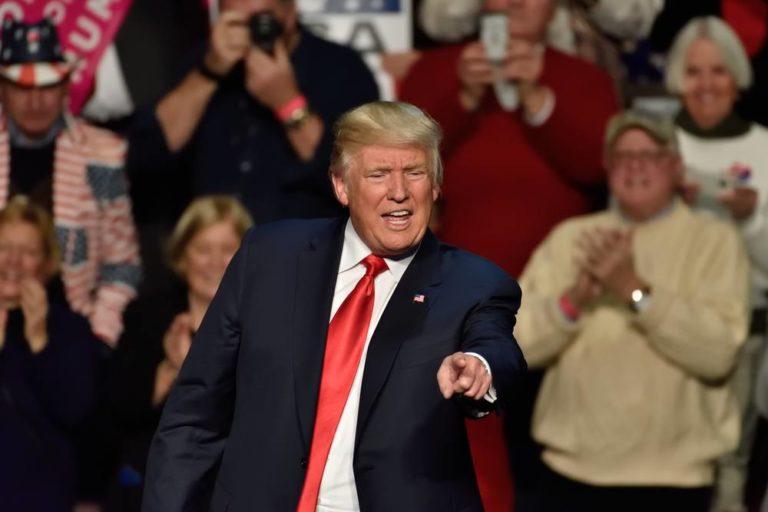
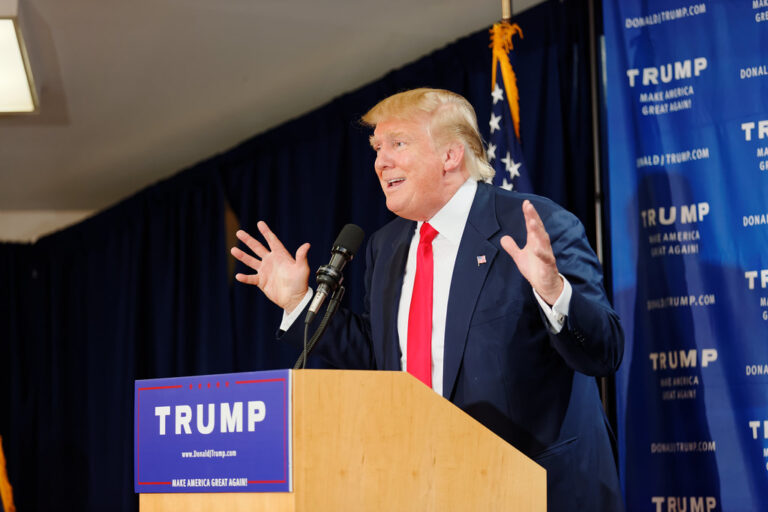
Newsmax host Bianca de la Garza stopped a reporter cold on air. She cut him off when he brought up past claims of Russian election interference. The exchange happened as President Donald Trump prepares to meet Russian leader Vladimir Putin. Many people worry that Trump’s history with Putin may shape that meeting.

THE ON AIR EXCHANGE
Bianca de la Garza welcomed Politico reporter Daniel Lippman on her show. She asked him about European concerns over Trump and Putin. Lippman said Europe feared that Trump might get played by Putin. He pointed to past talks where Trump seemed to accept Putin’s stance on election meddling. Before he could finish, de la Garza interrupted. She said they were not returning to the old Russiagate debate. Then she reminded him that Trump would push new sanctions on Russia and other countries. He would do so to cut off money for the war in Ukraine. Finally she allowed him to continue with a warning.

WHY EUROPE IS WATCHING
European leaders secured a promise from Trump to respect certain red lines. They worry that Trump’s friendly tone with Putin may hurt their own security. Many think Trump praised Putin too much in 2018 and 2021 meetings. Now they want to make sure he holds firm on election safety and military limits. They fear Putin might try to break those lines again. They also seek help to end the war in Ukraine.

TRUMP’S HISTORY WITH PUTIN
In past meetings Trump praised Putin’s leadership style. He often questioned the US intelligence view on Russian meddling. Those remarks fueled the Russiagate rumors. Trump and his team denied any wrongdoing. They called the claims a political scheme. Even so, debates about that past still haunt his talks with global leaders.

SANCTIONS AND WAR MONEY
Trump has stated he plans to impose more sanctions on Russia. He even warned India it could face financial penalties over oil purchases. He said these measures aim to starve Russia of war funds. If enforced, these sanctions could slow Russia’s ability to wage war in Ukraine. They could also strain Russia’s economy further.

WHAT TO EXPECT IN ALASKA
Trump and Putin will meet in Alaska on Friday. They will likely discuss the Ukraine conflict and global security. Many experts believe they will touch on arms control and cybersecurity. They may also talk about energy and trade ties. Most agree that any breakthrough would be hard to achieve. Yet even a small step could ease global tensions.

THE UKRAINE WAR CONTEXT
Since Russia’s invasion of Ukraine the death toll climbed past one million. The conflict uprooted millions of civilians. It caused economic turmoil in Europe and beyond. World powers are eager to find a path to peace. Trump and Putin hold key roles in any future deal.

ANALYST VIEWS
Political analysts say Trump’s personal bond with Putin could help or hurt talks. On one hand it might build trust. On the other hand it could let Putin win more concessions. Some fear Trump might water down US support for NATO allies. Others think he could push Putin harder than US diplomats did.

PUBLIC REACTIONS
Across social media people shared mixed views on the on air clash. Some cheered de la Garza for defending US election integrity. Others said she overreacted and silenced fair commentary. Many argued the focus should stay on the upcoming meeting. They want clear plans to end the war in Ukraine.

KEY ISSUES ON THE TABLE
They will likely discuss
• A ceasefire plan for Ukraine
• Limits on nuclear and conventional weapons
• Security guarantees for European nations
• Cyberattack prevention
• Oil and gas supplies in Europe

POTENTIAL OUTCOMES
If talks go well Trump and Putin might agree to new arms inspections. They could set up a roadmap for Ukraine peace talks. Alternatively talks might stall if trust is low. In that case the war could drag on and sanctions could tighten. The global economy would feel the strain.

TRANSITION TO GLOBAL DIALOGUE
Following the meeting many expect further talks at the UN and NATO summits. World leaders will watch to see if Trump shifts his stance on Russia. They will also see if Putin shows willingness to compromise. This Alaska meeting could set the tone for years to come.

CONCLUSION
The tense exchange on Newsmax reflects the high stakes of the Trump Putin meeting. It shows how past election meddling claims still shape public debate. As Trump travels to Alaska, many wonder if he will stand firm or favor his old ally. The world hopes this meeting helps end the tragic war in Ukraine. Only time will tell if it marks a breakthrough or a deadlock.
Hidden Agenda Behind Trump Pro Family Push

0

Key takeaways
– The Trump White House backed ideas to reward women who have many children.
– Experts warn these ideas stem from racist and sexist beliefs.
– Leaders pushed awards, cash bonuses, and project perks for high birth rates.
– They ignored real help like child care and health care support.
– Advocates call for pro family policies that truly back parents.

Introduction
The Trump administration made waves by urging Americans to have more children. Yet its tactics went beyond simple pro family messaging. New research from a leading women’s group reveals that some proposals come from a movement with racist and sexist roots. This push for more births overlooks the real needs of modern families. Instead it aims to promote a narrow vision of who should build the nation.

Origins of Pronatalist Efforts
Under the banner of supporting families, senior officials met with pronatalist advocates. These voices portrayed a crisis in birth rates. They argued that fewer children could harm national strength. Yet many of their claims leaned on fears about national decline. They spoke of preserving genetic quality and traditional roles for women. In reality such ideas reflect a belief in white supremacist and anti immigrant ideals.

Extreme Proposals
One plan would grant a national award to mothers with more than six children. Another would deliver a cash bonus to new parents. Officials even floated the idea of fast tracking public works in areas with high birth rates. These proposals sound like a celebration of families. However, they reward a chosen few rather than support people facing high costs and long work hours.

Racist and Sexist Roots
Pronatalist leaders often describe a decline in genetic quality in the United States. They claim the nation must produce good quality children. These views come from those who believe only certain groups should grow in number. As a result immigration policies that would help solve workforce challenges receive little attention. Instead these advocates focus on boosting birth rates among white families.

Misogyny and Forced Roles
Along with racist ideas comes a strict view of womanhood. Prominent voices insisted that a woman’s highest calling lies in home making. They urged women to stay out of the workplace and have many children. Even single women faced insults from top officials. This rhetoric pressures women to choose family over career, limiting their rights and personal goals.

Disconnect with Real Family Needs
Despite all the talk about boosting birth rates the White House rolled back vital support systems. It slashed funding for health care for pregnant women and for children’s nutrition. It also cut back child care assistance and protections for workers. These moves raised the real costs of raising a family. They reduced access to safe housing, food, and medical care.

Hypocrisy in Action
On one hand the administration calls for more births. On the other hand it reduces the very safety nets families need. A true pro family policy would lower child care costs and expand paid leave. It would invest in early childhood education and ease housing burdens. Yet these policies face deep hostility from leaders who claim to support large families.

Role of Influential Leaders
Billionaires and tech elites also joined the pronatalist chorus. They warned of societal collapse if birth rates kept falling. They spread worries about the future of civilization. In some circles they even promoted misinformation about birth control. Such figures used their wealth and fame to shape public views on family and reproduction.

Political Playbook and Extremist Ties
Documents from right wing strategy groups call for policies that enforce marriage and childbearing for straight couples. They tie immigration controls to pronatalist goals. Their playbook blends anti immigrant policies with calls for mass deportations. In their view only certain families deserve to grow. This further reveals how limiting their vision truly is.

Christian Nationalist Influence
Self styled religious leaders also fed into the movement. One pastor taught that women should not vote and that their main task remains childbearing. His church linked closely with key policy makers. Some top officials send their children to schools founded by this pastor. Such ties show how deeply these ideas have infiltrated government circles.

Real Pro Family Agenda
According to experts a genuine plan to help families would look very different. It would boost support for reproductive health care. It would expand paid family leave and protect workplace rights. It would invest in reliable child care facilities. It would ensure families have access to safe housing and affordable food. It would welcome immigrants to help build a diverse and thriving society.

Moving Beyond Birth Numbers
True concern for birth rates must focus on quality of life for children and parents. It means ensuring families do not face financial ruin for having a child. It means offering resources so each child can thrive beyond infancy. It means backing parents in both work and home life. Only then will people feel secure enough to raise a family.

Conclusion
The Trump administration’s pronatalist drive hides a harsh reality. Rather than easing the burdens of parenthood it strips away vital supports. Its proposals reward a few while leaving many families behind. The movement behind these ideas pushes racism, sexism, and anti immigrant views. A real pro family strategy values all families equally. It invests in care, health, and opportunity for every child and parent. Only that approach will reverse falling birth rates and strengthen the nation.

Why Kansas City Needs Federal Troops More Than DC

0

Key Takeaways
– Kansas City ranks among the nation’s most violent cities.
– Its police commission is chosen by a state governor.
– Washington DC police quickly respond to crimes.
– Calling in troops to DC serves political aims.
– The columnist warns that centralizing power threatens democracy.

A Call for Federal Help
Kansas City faces a growing fight against violence. Its residents see too many shootings and too many lives lost. In her recent column, a local writer argues that if any city should get federal troops, it would be Kansas City. However, that help is not coming. The city’s leaders have little control over police policy. Meanwhile, Washington DC is on the front pages for plans to send in soldiers. She believes that effort misses the real need.

Crime Rankings Show Urgent Needs
By the numbers, Kansas City lands as the eighth most dangerous place in the country. Gun deaths climb each year. Families live in fear of drive by shootings and random attacks. Community members want more patrols and better police tools. Yet national attention focuses on safety in the nation’s capital. That cloud of media coverage hides the struggles of Midwestern neighborhoods.

State Power Over Local Police
Despite Kansas City’s Black mayor, the city falls under a police commission set up by the state. The governor has the power to name all of its members. Local officials can make requests but cannot change the leadership of the police force. As a result, the city cannot guide its own public safety strategy. Citizens call for reform, but meaningful change remains out of reach without state approval.

D.C. Police Show Strong Response
In contrast, Washington DC often highlights strong police work. In a recent late night attack, officers arrived quickly and disrupted the crime in progress. Two teenagers were detained on the spot. No one was hurt, and the stolen car was never taken. Yet the president points to that incident as proof that the capital is failing. Instead of praising local officers, military units may move into the city. This move does not solve rising crime. It sends a message that normal law enforcement can never handle the job.

Political Motives Behind Military Action
Transitions from police work to armed occupation often hide a political goal. The columnist says this step is less about safety and more about control. For example, a recent push to share private tax data with federal immigration officials met resistance. Then a top official lost his new position. Critics say the president seeks absolute authority. Sending troops into city streets would give the federal government power over local choice. This change sets a dangerous pattern for other cities.

Central Control Threatens the Republic
The heart of the concern goes beyond crime rates. It turns on the idea that America’s system relies on shared power. Local leaders, state officials, and national offices each have a role. Pulling too much authority to the top undermines that balance. The columnist warns that if one city can fall under direct federal rule by force, others might follow. That shift could weaken the nation’s foundation more than any crime wave.

Moving Forward with Real Reform
Rather than calling in uniformed soldiers, Kansas City needs new ways to fight violence. Community programs, better mental health support, and modern equipment can all help. Local and state leaders could join forces to reshape the police commission. Transparency and accountability measures would give residents a voice. In Washington DC, the focus should remain on praising successes and learning from challenges. Military solutions distract from real public safety improvements.

Conclusion
Kansas City deserves attention, not because it makes headlines, but because lives are at stake. True reform demands local control, state cooperation, and federal support in less forceful ways. Meanwhile, deploying troops to Washington DC risks turning politics into a show of power. As one local columnist warns, the real threat comes when democracy gives way to centralized rule. Instead, communities should find new paths to keep neighborhoods safe while preserving the balance of power.

Senator Mullin Breaks Transparency Rule Again

0

Key takeaways
– Senator Mullin missed the deadline on stock trade reports twice in weeks
– He sold stocks worth between one point four and three point five million dollars
– Law requires disclosure within forty five days of any trade
– Mullin’s team likened the filings to updating an old tax return
– Another senator wants to ban lawmakers from trading stocks

Introduction
A recent report revealed that a senator failed to file stock trade reports on time again. This marks the second late filing in just a few weeks. The senator sold over a million dollars in stocks without meeting the deadline. Many people worry this could break ethics and transparency rules. Moreover, this setback raises fresh questions about holding lawmakers accountable.

What the Law Says
The federal law requires all members of Congress to report stock trades within forty five days. This rule aims to stop officials from using insider information. Therefore, the public can see when and how lawmakers trade. Disclosure also helps prevent conflicts between personal finances and public duty. If a senator misses the deadline, they must explain why and correct the error.

Mullin’s Late Filings
In recent filings, the senator reported selling between one point four and three point five million dollars in stocks. The report showed that these trades occurred weeks earlier. Yet, the paperwork arrived only after the forty five day window closed. Furthermore, this follows a previous late filing for hundreds of thousands of dollars. That filing was nearly two and a half years late. As a result, critics say the senator has a pattern of tardy reports.

Senator Mullin’s Defense
The senator’s office said updates to disclosures are like amending an old tax return. They claimed they filed the most accurate and up to date information. They also said financial disclosures sometimes need corrections as new details emerge. Moreover, the team argued no law was broken on purpose. They insisted the errors were clerical in nature. However, many remain unconvinced by this explanation.

Impact on Public Trust
Late disclosures can hurt trust in government. Citizens expect their leaders to follow financial rules. When filings arrive past the deadline, people may suspect hiding of information. This erodes confidence in fair decision making. Even small delays can feed rumors of secret deals. Therefore, timely reporting is critical for transparency.

Subheading Transition However, timely reports also help protect lawmakers. They avoid allegations of wrongdoing. They show commitment to the public interest. In contrast, late filings raise red flags. They invite scrutiny from watchdog groups and media outlets.

Calls for Stricter Rules
In response, another senator has proposed a complete ban on stock trading by lawmakers. The measure aims to eliminate conflicts of interest once and for all. If approved, it would bar members of Congress from owning individual stocks. They could still invest through broad mutual funds. This plan would ensure equal treatment for all investors.

Senator Hawley’s Proposal
This new legislation passed out of committee last month, with the sponsor as the only Republican supporter. During the vote, fellow lawmakers criticized him sharply. They argued a total ban was too extreme. Even the former president posted a negative comment online. Despite pushback, the sponsor says the ban is the only way to restore trust.

Why a Ban Matters
A full ban would remove any doubt about insider trading. Lawmakers would focus on their duties, not personal profit. It would also prevent any direct link between new laws and stock values. Critics of the ban worry it might deter qualified people from serving. Supporters say public trust outweighs those concerns.

What This Means for the Future
The latest filing drama could push more lawmakers to support the ban. Public pressure grows each time a disclosure is late. Citizens demand rules that match modern market speeds. Technology can track trades instantly, so delays feel more glaring. Thus, many see stricter measures as overdue.

The Role of Ethics Committees
House and Senate ethics panels oversee disclosures. They can investigate missed deadlines and impose fines. So far, penalties have been light. Some say the rules need tougher enforcement. Others warn overzealous fines could discourage public service. Still, clear consequences seem needed to deter late filings.

Steps Toward Reform
Lawmakers can tighten deadlines, require automatic filings, or ban trades. They could also improve training for staff who handle disclosures. Better digital systems might flag delays automatically. In addition, regular audits could catch errors sooner. Each step would boost public confidence.

Citizens Speak Out
Voters often learn of late filings from news reports. They then demand explanations from their representatives. Social media amplifies concerns quickly. As a result, many lawmakers now face inquiries within hours. This fast feedback loop pressures them to comply.

Transparency and Accountability
Ultimately, the goal is clear. Citizens need to know their leaders act in the public interest. Timely financial reports serve as a check on personal gain. They show that elected officials value honesty and duty. When rules work, trust in government grows.

Conclusion
The recent late filing by a senator highlights a wider problem. It shows how even small mistakes can erode public trust. Thankfully, new proposals could strengthen rules and ensure fairness. As debates continue, voters will watch closely. They expect clear action, not more excuses. In the end, transparency remains essential for a healthy democracy.

Trump’s Use of Troops Driven by Desire for Chaos

0

Key takeaways

1 Trump deploys federal troops to Washington for personal satisfaction over national need
2 He demands conflict to feel powerful in his presidential role
3 He treats emergency powers as tools for authoritarian control
4 He creates crises when none exist to justify his actions

Why Trump Seeks Crisis

President Trump faces no real emergency at the moment. Yet he sends federal troops to the nation’s capital. He seems to crave the drama of military presence in civilian streets. In fact he may gain a strong personal thrill from it. He appears to relish the spectacle of armed forces enforcing the law. This need for conflict may explain his recent orders.

A Driving Sense of Power

For Trump the world loses its appeal without chaos. He needs tension to feel influential and grand. Without conflict he risks losing the attention of his followers. In turn he struggles to show off his strength and control. As a result he may manufacture crises to maintain his power.

Federal Troops as a Political Tool

Trump tapped emergency powers to justify the deployments. He invoked them without a genuine threat in sight. In larger cities he also called in troops. Yet no true crisis forced his hand. Instead he enjoyed the theatrics of soldiers patrolling U S streets. He used the armed forces like actors on a political stage.

Emergency Powers Turned Playthings

Normally presidents treat emergency powers with extreme caution. They view them as dangerous tools that can harm democracy. But Trump sees them as toys. He pulls the trigger at his whim. He tests boundaries and flaunts his legal reach. Consequently he risks eroding checks and balances that protect the nation.

Creating a State of Exception

A state of exception occurs when leaders suspend normal laws. They do this to face a crisis that threatens the nation. In such moments the public may accept stronger measures. Yet no real crisis forces Trump’s hand. He instead conjures threats to justify his use of force. He builds a narrative of danger where none exists.

The Role of Personality

At the core of this pattern lies Trump’s personality. He thrives on attention and drama. Conflict fuels his sense of importance. Without it he fears fading into irrelevance. Thus he orchestrates situations that keep him in the spotlight. In doing so he often steps beyond traditional presidential boundaries.

Political Ambition and Power

Moreover Trump needs grand gestures to excite his base. He believes his supporters will see him as decisive. He longs to project the image of a tough commander in chief. Deploying troops plays directly into that narrative. It sends a visual message of strength and dominance.

Impact on Civilian Life

The presence of soldiers on city streets unnerves many Americans. People worry about civil rights and freedom of speech. They fear a pattern that could threaten peaceful protests. As a result trust erodes between citizens and the government. Public unrest may only grow as troops remain in place.

Legal and Constitutional Questions

Legal experts warn that using the military on domestic soil breaks a long tradition. The Constitution limits armed forces from handling civilian matters. Trump’s actions test those boundaries. Courts may feel pressure to step in and set limits. Yet political tides and loyalty can delay justice.

Reaction from Political Opponents

Critics argue Trump misuses his authority for political theater. They say he sacrifices real public safety for his own agenda. They accuse him of risking democratic norms in pursuit of personal glory. His opponents vow to challenge his orders in court. Meanwhile they push for legislative reforms to curb emergency powers.

Supporters’ Viewpoint

On the other hand his supporters cheer his resolve. They see a leader willing to do anything for order and security. They argue that swift action prevents chaos. Many believe federal backup deters violence and looting. Thus they stand by him even as experts voice concern.

Historical Context

Presidents have declared emergencies in past crises. Yet they rarely used soldiers outside military bases. They preferred local law enforcement to handle civil issues. Trump’s approach breaks with that tradition. It sets a precedent for future leaders to follow or reject.

Risks to Democracy

When leaders govern through manufactured crises democracy suffers. Citizens lose trust in fair governance. They see rights as negotiable when leaders face no real threat. The rule of law loses its firm ground. As a result democratic institutions appear less stable and reliable.

Media and Public Perception

Television and social media amplify the impact of troops in cities. Dramatic images of armored vehicles can frighten viewers. They may also reinforce the idea that violence lurks behind every corner. In this way Trump gains more attention and drama for his presidency.

Long Term Implications

If unchecked this pattern may normalize military presence in civil life. Future administrations might find it easier to deploy troops at will. Emergency powers could become routine tools for any political leader. In turn the line between military and civilian authority could blur.

What Experts Recommend

Legal scholars call for clearer limits on presidential emergency powers. They urge Congress to revise the laws that give presidents broad authority. They propose sunset clauses that expire declarations after a fixed time. They also want judicial review to act faster when rights face possible abuse.

Possible Reforms

First, lawmakers could require detailed reports on every emergency use. Second, they might demand congressional approval within days. Third, they could set strict guidelines on where and how troops may operate. These changes could prevent future leaders from treating defense powers as toys.

Looking Ahead

As the political climate shifts, debates over these deployments will intensify. Courts may finally rule on the legality of Trump’s orders. Legislators might propose bills to curb emergency powers. In addition public pressure may force greater transparency and restraint.

The Need for Vigilance

Ultimately a strong democracy relies on checks and balances. Citizens must hold leaders accountable when they overstep. They should demand full explanations for any domestic troop deployment. Only then can the nation prevent the misuse of military force.

Conclusion

President Trump’s use of federal troops in the capital reveals a deeper motive. He seems to crave conflict to elevate his own power and thrill. Rather than face reality, he creates emergencies that feed his ambitions. As a result he risks harming democratic norms and public trust. In response political leaders and citizens must push back. They should work together to restore clear limits on emergency powers. Otherwise the door may open to further authoritarian control.

Trump Alaska Summit Ukraine Doubts

0

Key Takeaways
– President doubts he can seal a deal with Putin in Alaska summit
– His team lacks experts on Russia policy
– White House shifted from high hopes to caution
– Experts warn the meeting may harm Ukraine efforts
– Putin could use flattery to sway the president

Introduction
The president once claimed he would win a big deal with Russia. Now he doubts that outcome. Specialists say his summit in Alaska may not yield the hoped for breakthrough on the Ukraine conflict. As expectations fall, many ask whether this meeting will help or harm the situation.

Trump’s Growing Doubts
First the president spoke as if he already held a deal in hand. Then he mentioned a Nobel prize as if it was certain. Now insiders report he no longer expects a major agreement. He may even fear he will leave Alaska empty handed. Meanwhile his team has worked to manage public hopes.

Lack of Russia Expertise
Next you need experts to discuss complex matters. Yet the president’s party turned away many specialist voices. Veterans of past administrations left or were pushed aside. Only a handful of officials truly understand Russian strategy. Those rare voices remain on the sidelines as the summit nears.

Lowering White House Expectations
In recent days the White House shifted its tone. At first it promised a grand result. Then it said the president would listen more than speak. Now it avoids big claims about what might happen. This change shows the leaders admit the task may be harder than expected.

What Is at Stake for Ukraine
Ukraine faces a brutal conflict that draws in many powers. Peace talks have failed before. Any false start could leave Ukrainian forces more exposed. If the meeting yields no clear plan, Kyiv may find fewer allies. And if the summit appears to reward aggressors, support for Ukraine could weaken.

Putin’s Advantage Through Flattery
Experts point out that Vladimir Putin knows how to flatter foreign leaders. He can praise them in public and private meetings. Such praise may lower the president’s guard. Flattery can make a tough leader act softer than usual. Some warn that the Russian leader may walk away having gained the upper hand.

Ground Rules and Unknowns
To secure real progress you need clear ground rules. Who will supervise troop movements in eastern Ukraine If no rules appear on paper then hope may fade. Observers wonder if the president even knows what details to insist upon. Without clear demands the meeting may turn into little more than a photo opportunity.

Questions on Purpose
Critics ask what the summit really aims to achieve. Will it curb violence on the battlefield Or will it simply let the president claim a victory without results After all the meeting needs to change the war dynamics not only the headlines.

Expert Warnings
A range of analysts say the leader arrives disappointed and uneasy. He spent weeks expecting a breakthrough but now faces reality. Some say he may leave more frustrated than before. That anger could lead him to retreat from diplomacy altogether.

European Views
Leaders in Europe have urged caution. They have spent months drafting a united stance on Russia. Now they worry the Alaska meeting could undermine their efforts. If the president breaks from allies the entire approach to Ukraine may fracture.

Media Speculations
Reports in the press highlight the shifts inside the White House. Staff have moved from bold promises to guarded language. Some warn that the president may trade away too much without clear gains. Others insist he still hopes to surprise everyone with a sudden deal.

Next Steps After the Summit
Once the Alaska talks end the president will have to brief Congress and allies. He must present clear evidence of progress or defend the lack of it. Without a plan the opposition may argue that the meeting did more harm than good.

Possible Outcomes
One outcome could be a vague statement calling for further meetings. Another could be a short list of steps both sides agree to study. The best case might involve a ceasefire or prisoner swap. The worst case would involve no progress and increased tensions.

Conclusion
As the summit date arrives many questions remain unanswered. The president enters the talks with lower hopes than in recent weeks. His team lacks the deep Russia knowledge needed to steer tough talks. If flattery wins the day then Ukraine may suffer further setbacks. At the end of the meeting the world will learn if this encounter helps end a war or only adds to its complexity.

Conservatives Slam Trump for Skipping Real Work

0

Key Takeaways
– Two leading conservative voices say Trump neglects his core duties
– He prefers luxury perks over serious diplomatic tasks
– His upcoming meeting with Putin tests his skills
– Critics argue he repeats long-standing habits
– The outcome for Ukraine talks remains uncertain

Introduction
A recent episode of the popular online show on the conservative side sparked fresh debate about the former president’s performance. Two prominent commentators argued that he seems lost when it comes to real presidential duties. Instead, he chases status symbols and perks. Their blunt critique raises questions about his readiness for high-stakes diplomacy.

Conservative Voices Raise Concerns
On the online news program, the publisher and the managing editor shared a candid conversation. They agreed that Trump displays little interest in the core tasks of his office. Rather, he chases the pomp and ceremony that come with high rank. Moreover, they warned that these habits could undermine any serious global talks he tries to lead.

Perks Over Performance
According to the hosts, Trump consistently shows a preference for material rewards. For example, he has always enjoyed fancy transportation and lavish office spaces. He even seemed drawn to headlines about peace prizes. Yet he has avoided the detailed work that comes with building international relationships. As a result, his critics fear he will struggle when it really matters.

Diplomacy or Photo Ops
Both commentators noted that meeting a world leader does not automatically equal diplomacy. They pointed out that true diplomatic skill requires detailed preparation and patient negotiation. Meeting someone on a runway or at a brief photo shoot does not meet that standard. In their view, Trump has shown little evidence that he knows how to handle the long negotiations that often resolve complex issues.

The Alaska Meeting
This Friday, Trump will sit down with the Russian president in Anchorage Alaska. Observers say the two leaders must address the war in Ukraine. Yet the demands from each side remain far apart. Some experts believe the gap in positions could prove impossible to bridge. Therefore, this meeting will quickly expose whether Trump can manage the nuances of world diplomacy.

Lack of Real Preparation
Critics argue that Trump still does not grasp the full scope of presidential work. He seems to rely on the same tactics that he used in business. For instance, he often resorts to bullying offers in deals and shortcuts in payments. He also focuses on projects like golf courses and luxury hotels. However, these skills do not translate to resolving a war or crafting a lasting peace agreement.

A Pattern of Self-Interest
One commentator pointed out that Trump’s passion for building an ornate ballroom reveals his priorities. In her words, he invests in things he knows how to do well. He looks to leave a personal mark on every project. Yet he appears to lack interest in the hard and often unseen work that underpins successful leadership.

Historical Context
The critics placed this behavior in a broader context. They noted that past presidents often spent long hours with aides studying briefings and crafting policy. They made tough choices behind the scenes. By contrast, they argue, Trump seems to skip these steps. Instead he focuses on public appearances and flashy announcements. This approach, they say, works in reality TV but not in world affairs.

Implications for the Ukraine Crisis
As the former president heads to Alaska, the war in Ukraine hangs in the balance. Neither Russia nor Ukraine seems willing to budge on key demands. Analysts warn that any progress requires careful diplomacy and detailed compromise. If Trump persists in his transactional style, the meeting could end with little more than headlines and no concrete plan.

The Role of Status Symbols
According to the conservative figures, Trump’s love of symbols runs deep. Fancy planes, grand offices, and major awards feed his desire for social status. Yet these tokens mean little without substance behind them. Real power often comes from relationships built over time and from behind-the-scenes negotiations. Critics say Trump undervalues these core tools of statecraft.

Transitions Matter
Meanwhile, his rivals and supporters watch closely. On one hand, some believe he can use his deal-maker image to broker new deals. On the other, many doubt he can shift from his usual tactics. Moreover, any success in Alaska could help his bid for a future run. Conversely, a failure might damage his reputation among his base.

Active Duty vs. Active Display
Observers stress the difference between being an active leader and staging a show. True leadership often happens out of the public eye. It involves reading detailed reports, consulting experts, and planning step by step. In contrast, Trump’s style leans heavily on big events and dramatic gestures. His critics say this style falls short when solving deeply rooted conflicts.

What This Means for Voters
Voters will soon weigh these arguments as they consider the former president’s 2024 campaign. If he can display serious diplomatic skill in Alaska, he may silence some critics. Yet if the meeting collapses into a short photo session, the doubts about his approach might grow louder. Ultimately, the public will decide whether they trust him to handle the quiet but critical tasks of leadership.

Looking Ahead
After the Alaska visit, Trump will likely address the results in public speeches and social media. He will highlight any positive headlines. At the same time, his opponents will focus on what got left unsaid. The key question remains: can he move beyond the perks and deliver real progress on global issues?

Conclusion
As the meeting with the Russian leader draws near, two conservative commentators have issued a clear warning. They believe that Trump still fails to take his presidential responsibilities seriously. He seems to prefer shiny symbols over serious work. Now, only the upcoming talks will reveal whether he can change course and step into the demanding role of a global statesman. Meanwhile, the world watches and waits.

Trump Doubles Down on DC Crime Cover Up

0

Key Takeaways
– Trump claims DC crime is out of control
– He moved DC police under federal rule
– Experts say crime hit decade lows
– He suggests officials hide real crime figures
– He sent National Guard troops to DC

Introduction
President Trump used his social platform to claim Washington DC faces a violent crime wave. He insisted that local leaders hide the true extent of danger. He argued that crime rates have soared, and that the city lies under siege. However experts report the opposite story. They show crime falling to its lowest levels in years. Meanwhile Trump put the Metropolitan Police under federal control. He also ordered National Guard troops to guard the city.

Trump Claims DC Is Under Siege
Trump painted a bleak picture. He said DC has one of the highest crime rates in the world. He compared the city’s murder rate to cities known for violence overseas. He insisted the city would rank first if it were a state. He claimed the published data come from corrupt officials. According to Trump the real numbers are far worse. He argued criminals run the streets at will.

Facts Disagree with Trump
However data tell a different story. Experts say violent crime in DC has dropped sharply. They note the city’s police added officers and improved tactics. Robberies and homicides both fell last year to the lowest rates since early 2000s. Even groups that track global crime rates place DC well below many cities abroad. As a result DC no longer ranks among the top locations for violent crime worldwide. Thus the claim of record violence does not match reality.

Allegations of Data Manipulation
Trump went further by alleging a cover up. He asserted a precinct commander was suspended for tampering with crime data. He also said the police union believes real violence numbers are higher. He argued local leaders stopped investigating many crimes. He claimed shoplifting goes unpunished and vehicle theft soars. He said residents feel trapped in their homes after dark. He insisted the official numbers capture only a fraction of the danger.

Experts Push Back
Experts dismiss these claims. They point out crime reporting has become more accurate. They explain police now use better technology and community programs. They also note that residents may worry more despite safer streets. Moreover national measures show DC’s overall crime rate near historic lows. Therefore the idea of a vast cover up holds little weight. Most analysts see the data as reliable and transparent.

Federal Takeover Action
Earlier this month Trump signed a directive to place the DC police under federal control. He cited violent crime and homelessness in his announcement. He argued the city’s own leaders failed to keep people safe. He then ordered hundreds of National Guard troops to patrol downtown areas. He said the military would help clean the streets and restore order. Critics warned that this move breaks long held norms on local law enforcement. They said it could lead to clashes between city officials and federal forces.

Local Leaders Respond
DC leaders pushed back. They called the federal takeover an overreach. They argued crime was already falling and resources were working. They added that National Guard troops have limited police powers. They also expressed concern over civil rights and community trust. In contrast Trump hailed the move as a way to liberate the city. He promised a safer future under his direct authority.

Impact on Residents
Residents have mixed reactions. Some welcome extra officers and soldiers on patrol. They say more presence makes them feel safer at night. Others fear an overly harsh response to minor crimes. They worry about tensions with armed guards and police. Community groups also stress the need for social programs to prevent crime. They point to job training and youth centers as key solutions. Thus the debate over safety strategies continues.

What Comes Next
The federal takeover will last at least several weeks. During that time Trump plans to release more crime data. He says he will expose any hidden violence figures. Meanwhile the city’s police chief must answer to federal authorities. Community advocates will watch for any abuses of power. They aim to uphold civil liberties and fair treatment. At the same time they hope funding will improve street patrols. Thus DC faces a showdown between local control and federal power.

Conclusion
President Trump used strong language to push his case for federal control of DC law enforcement. He claimed crime rates skyrocket and that local leaders hide the truth. Yet crime data show a different pattern with violence near decade lows. The move to deploy National Guard troops and federalize police drew swift pushback. Residents and experts now debate the best ways to keep Washington DC safe. As this story unfolds, both sides will present more facts and opinions. Ultimately the city must find a balance between enforcement and community support.

GOP Gerrymandering Sparks Election Alarm

0

– Dave Wasserman warns of a gerrymandering apocalypse ahead of the next election
– Republicans plan to redraw maps in Texas, Florida, Missouri and more
– President Trump backed efforts to tilt congressional seats in GOP favor
– Texas Democrats stalled redistricting by breaking quorum in the state house
– If unchecked, the GOP could secure a larger safety cushion in Congress

The Looming Gerrymander Threat
First, a respected analyst issued a stark warning. He said the coming election could see intense map drawing tactics. This move is set to reshape many congressional districts. In particular, Texas began redrawing lines soon after its last effort. Normally states wait the full decade. Yet this time the GOP jumped in early. As a result, they gained an edge in key battles. The analyst called it the gerrymandering apocalypse many feared.

Next, the strategist noted that both parties redraw maps. However, the scale of the GOP push is historic. They hope to protect their slim majority in Congress. Even though their national approval ratings remain low.

The GOP Strategy
Republican leaders see urgent needs to hold power. Therefore, they asked several states to redraw maps. President Trump openly encouraged Florida, Texas and Missouri to act. He argued this would give his party more seats. Critics say this effort amounts to cheating. They point out that the GOP wants to tilt the playing field.

In turn, GOP lawmakers introduced bills in multiple state capitals. Their plan would shift voters into districts that favor Republicans. By doing so, they hope to pile up extra seats. One analyst said this move adds “insurance” for a thin majority. He compared it to piling sandbags before a flood.

Then, the Republicans targeted states with fast population growth. Texas leads the list because it now has more seats after the census. Florida also grew quickly. Missouri and Ohio rank high on their list too. If they redraw in all those states, the GOP could gain a large cushion. In fact, one expert said new maps in Florida could triple their safety margin.

Democratic Resistance in Texas
Meanwhile, Texas Democrats took an unusual stand. They broke the state house quorum to block redistricting bills. By refusing to show up for work, they stopped any votes on new maps. This move delayed the process for weeks.

However, the governor vowed to press on. He called special sessions until lawmakers approved the GOP maps. The governor also threatened to expel the absent Democrats from office. Yet expulsion carries its own hurdles. It would force new primaries and general elections before another special session.

If Democrats can hold out until December, they may win more time. After that, the state could miss the deadline for new lines before the next general election. In that case, the old districts would stay in place for 2026.

What Happens Next
First, look at the calendar. States must finalize maps in time for candidate filing deadlines. If Texas misses its window, the current map stays until the next cycle. That outcome would help Democrats avoid the worst GOP scenarios.

Next, pay attention to court battles. In the past, both parties have sued over unfair maps. The courts sometimes block lines that clearly favor one side too much. However, recent rulings have been mixed. Some judges now give wider leeway to lawmakers.

Then, California looms on the horizon. If its leaders find new ways to adjust districts, five current Republicans could face tough fights. That state typically leans Democratic. Yet clever redrawing could knock out sitting members from the other party.

Moreover, other swing states like Ohio and Indiana might follow Texas’s lead. If they act, the national map could shift dramatically. Ultimately, analysts predict that if both sides push as far as they can, Republicans will end up ahead.

Why It Matters
Redistricting shapes who represents your community. It can decide which party controls Congress. In turn, that control affects laws on schools, health care and taxes.

Furthermore, extreme gerrymandering can weaken voter power. It may leave large groups without a real voice. Elected officials end up safe in their seats. As a result, they feel free to ignore some voters.

On the other hand, fair maps boost accountability. When districts balance both sides, elections become more competitive. Candidates must listen and respond to a wider range of people.

In short, the map fight is about more than lines on paper. It is about the health of democracy itself.

Conclusion
In the coming months, watch for tense battles in state legislatures. Expect more special sessions, legal fights and political standoffs. Senate control and Congressional power hang in the balance. As both sides seek every advantage, voters may see shock results. The warning from the analyst stands clear. This may be the gerrymandering apocalypse we have feared. Now more than ever, citizens need to stay informed and engaged.

Treasury Secretary Faces Conflict Over Farm Holdings

0

Key Takeaways
– A federal ethics office found that Treasury Secretary Scott Bessent has not sold needed assets
– He still owns about twenty five million dollars in farmland that can earn up to one million dollars a year
– He also holds shares in a private equity fund a flavored water business and a drug research company
– This issue comes as he leads high stakes trade talks with another major economy
– He says he will finish all required sales by the end of the year

What the Ethics Office Discovered
A federal ethics office sent a letter in August to a top senator. The letter said that the Treasury Secretary failed to divest from certain financial interests as the law requires. As a result his continued ownership creates a personal conflict of interest. This finding comes at a time when he is deeply involved in trade negotiations.

Key Details on the Farmland Investment
According to forms the secretary filed with ethics officials he owns farmland in North Dakota valued at about twenty five million dollars. That land produces up to one million dollars in annual revenue. Professional land brokers said they saw no public listings for that land. However wealthy owners often arrange private sales.

Why Farmland Raises Red Flags
Farmland can gain value when trade policies change or crop markets shift. Given his role in agriculture and trade talks the secretary could face choices that benefit his own land. Ethics rules aim to avoid even the appearance of such conflicts. In this case the office argued that the potential for bias is real.

Other Assets Pending Divestiture
Besides the farmland the secretary holds shares in a private equity fund. He also keeps stakes in a flavored water company and in a clinical stage drug research firm. Ethics officials required him to sell or place these assets into a blind trust. Yet he has not done so fully.

His Statement on Divestiture Plans
The secretary explained that he is working to sell all required assets. He said he plans to complete these divestitures before year end. He added that he is following a timetable agreed with ethics officials. Despite that he missed the initial deadline set by law.

Role in Ongoing Trade Conversations
The delayed sales come as the secretary leads negotiations with a major trade partner. These talks cover issues like tariffs agricultural exports and technology transfers. Critics worry he could favor policies that boost his own investments. Meanwhile supporters say he has strong expertise and is building trust in talks.

How the Divestiture Process Works
When someone joins a federal department they must file a detailed list of assets. Ethics officials review this list and set deadlines for asset sales. The goal is to prevent conflicts between private interests and public duties. If the individual fails to comply the office can refer the case to other watchdogs.

Potential Consequences of Noncompliance
Failure to divest on time can trigger ethics investigations. Those could lead to fines or other penalties. In rare cases removal from office may follow. Legal experts say public trust can erode when officials hold onto conflicting assets. That in turn can hurt the reputation of the entire department.

Reaction from Lawmakers
Some senators voiced concern after learning of the ethics letter. They urged swift action to resolve the matter. Others defended the secretary saying that he has pledged to finish the sales soon. The divided response highlights how ethics issues can split opinion along party lines.

Impact on Public Perception
Public confidence in government can hinge on leaders above reproach. When a top official appears to break ethics rules citizens may grow skeptical. Transparency advocates argue that full and timely divestiture shows respect for the rule of law. In contrast any delay can feed distrust in public institutions.

History of Ethics Rules in Government
Ethics laws require high level officials to divest from holdings that conflict with their duties. These rules date back several decades and apply to every administration. Over time the laws have strengthened around blind trusts and rapid sales. Yet critics say enforcement still can lag behind expectations.

Managing Large Investments in Public Service
Wealthy individuals often have complex portfolios to sell when they join government. They may need months to unwind partnerships or institutional stakes. Ethics officials try to set realistic timelines. However when assets such as farmland lack a public market the process can drag on.

Arguments for Flexible Timelines
Some experts argue rules should allow more time for complex divestitures. They say forcing rushed sales can leave officials at a financial loss. Instead they propose phased schedules tied to market conditions. On the other hand strict deadlines protect against undue influence.

Importance of Clear Guidance
Government watchdogs need to offer clear and consistent guidance. That helps officials understand their obligations and plan ahead. Well defined rules also ensure fairness across all departments. If guidance remains vague it can breed confusion and delays.

Next Steps for the Treasury Secretary
The secretary now has until December to finish selling his assets. Ethics officials will review any progress reports. If he meets all requirements the conflict issue will close. Failure to do so may trigger further scrutiny and possible legal action.

Long Term Outlook
Looking ahead the outcome of this case may shape how future officials handle divestiture. It could also prompt calls for reforms to streamline ethics reviews. Lawmakers and watchdogs will watch closely as this matter unfolds.

Why This Matters to You
Ethics rules aim to ensure that leaders serve the public interest first. When conflicts arise citizens may wonder whose interests come first. Clear compliance builds confidence in government decisions. That can affect trust in policy choices that shape the economy.

Conclusion
In the coming months all eyes will remain on the treasury chief as he works to divest his assets. Observers will measure not just the sales but how smoothly the process proceeds. Ultimately resolving this conflict will matter for both his credibility and the wider public trust.