60.6 F
San Francisco
Monday, July 6, 2026
Home Blog Page 786

Coffee Prices Soar Under New US Tariffs

0

Key Takeaways
– Global price of arabica coffee reached a record high of 4.41 US dollars per pound
– US roasters now charge 13 percent more than one year ago
– Coffee farms in the United States exist only in Hawaii and Puerto Rico
– New import taxes threaten 1.7 million jobs across the coffee trade

New Threat for Coffee
President Trump’s new trade policies have hit the coffee world hard. Prices began climbing soon after he took office. Traders feared that he would tax coffee imports. Now those fears have come true. As a result, prices have jumped even higher. Consumers and businesses feel the impact already.

Record High Prices
In February the cost of arabica coffee hit 4.41 US dollars per pound. That level exceeds the spikes seen in prior years. It even tops the crisis caused by frost in 1977. At that point no new import taxes had taken effect. Yet the market charged ahead. Although prices eased later, they remain high. By June US customers paid nearly 13 percent more for roasted coffee than a year earlier.

Why Coffee Is So Hard to Grow
Coffee needs special conditions. It thrives in heat and humidity. Moreover, it grows best at tropical heights. Only a narrow band around the equator offers these features. People call that zone the coffee belt. Inside the United States only Hawaii and Puerto Rico fall inside that belt. As a result domestic coffee farms stay tiny. The rest of the beans must come from other nations.

Tariffs Bring Higher Prices
Until now lawmakers mostly spared coffee from import taxes. They knew the crop grows only in a few places. However the current administration placed taxes on nearly every import. Only a handful of big companies won exemptions. That move raised alarm across the coffee industry. Importers now face extra fees when they bring beans into US ports. They must pay the tariff before they can sell the beans. Those added costs pass down the line to roasters and finally buyers.

Impact on Jobs and Small Businesses
The coffee trade supports around 1.7 million US workers. Many jobs involve importing, roasting and serving coffee. When import costs rise, roasters lose profit margin. Some may cut staff or close locations. Small roasters feel the squeeze first. They lack the resources to absorb big cost hikes. Larger firms might buy direct from farms to save money. Yet they cannot avoid paying the new levies. Ultimately workers at all levels face uncertainty.

A Ripple Effect on Consumers
Coffee lovers might soon notice smaller cup sizes. Cafes could swap premium blends for cheaper alternatives. Many drinkers will pay more at their favorite shop. At grocery stores, shelf prices will inch upward. Even instant coffee packets could cost more. For regular consumers this change feels like a slow burn. Every morning habit means paying a few cents more each day. Over a full year that extra cost adds up.

Global Panic in the Trade
Importers and exporters worry about the future. Plantations in Latin America, Africa and Asia depend on US sales. If American demand falls, farmers lose revenue. They may scale back production or halt hires. Some could face bankruptcy. Traders describe the mood as panic. They fear a sudden drop in demand once prices pass a breaking point. Meanwhile roasters scramble to secure supplies before prices rise further.

Possible Paths Forward
Industry leaders urge lawmakers to rethink these taxes. They argue that coffee is too vital to treat as a bargaining chip. Both sides should sit down and negotiate specific exemptions. A targeted tax plan might protect coffee without weakening other policies. Additionally companies can invest in direct partnerships with growers. Long term contracts would provide farmers with stable income. In turn roasters gain predictable supply at fair prices.

Environmental and Social Dimensions
Coffee farming often sustains rural communities around the world. Many smallholder farmers rely on the crop as their main income. When prices stay high, some buy better equipment. Others expand their operations. However steep price swings harm those same growers. High prices one season may collapse when tariffs change again. That volatility prevents families from planning their years ahead. Without stable demand they cannot invest in soil health or shade trees.

Consumers Can Help
Coffee drinkers can choose fair trade or direct trade options. These programs often guarantee a minimum price for growers. They also fund community projects. Some roasters publish price breakdowns so customers see where their money goes. By supporting transparent brands consumers reward companies that care for farmers. In turn those brands gain loyal fans willing to pay a bit more. Everyone in the chain then shares in the benefits.

What This Means for You
If you love coffee you might need to adjust your budget. You could brew more at home or seek blends on sale. Consider buying from local roasters who partner directly with growers. You might also explore subscriptions to small suppliers. Finally stay informed about tariff changes that affect your daily cup. A little research can help you find the best quality at the best price.

Looking Ahead
New trade talks may change the outlook for coffee soon. Lawmakers could soften or remove certain tariffs. Yet many details remain unclear. Until then the industry expects further price swings. Roasters, importers and cafes will adapt as best they can. Consumers will choose where they spend their coffee dollars. In this evolving landscape, every sip carries a bigger story about trade and global ties.

Conclusion
Coffee has moved from a simple morning ritual to a geopolitical issue. Import taxes now force everyone in the chain to pay more. Growers risk income loss if US demand dips. Roasters battle higher import bills. Workers face possible layoffs. Consumers need to decide how much they value their daily cup. Above all, coffee lovers should watch for any changes in trade policies. In the end, the fate of this beloved drink rests on actions in boardrooms and legislatures far away from the farm.
Trump Omits Key Promises Ahead of Putin Summit

0

Key takeaways
– Trump suggests Ukraine could give up land to stop the war
– He fails to promise Ukraine long-term security guarantees
– He offers no clear plan to send more weapons or share intelligence
– Holding the meeting in Alaska may boost Putin’s global image
– Europeans and Ukrainians express concern over these gaps

Meeting in Alaska Sets the Stage
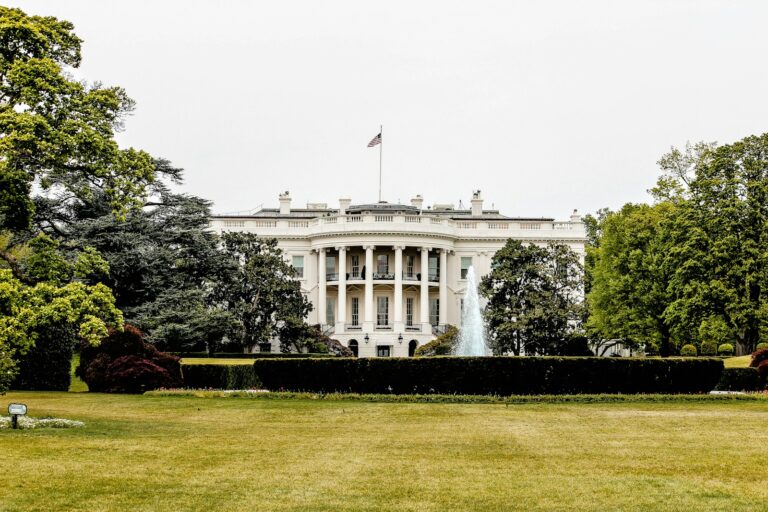
This week, President Trump will meet with President Putin in Alaska. Alaska once belonged to Russia until 1867. Now it hosts a top-level summit between two world leaders. Holding the meeting there sends a message. First, it reminds us of past Russian influence. Second, it shows NATO territory open to such talks. Moreover, the choice of place could help Putin appear more accepted around the globe.

Land Deals Take Center Stage
In recent comments, President Trump suggested Ukraine might give up some of its land to end the war. He did not offer details on which parts. He also did not set clear terms or timelines. Although ending conflict sounds positive, the land deal raises alarms. Giving territory could reward aggression and weaken Ukraine’s position for years.

Missing Security Guarantees
Perhaps more troubling is what President Trump did not mention. He never promised to guarantee Ukraine’s security. That means no pledge to defend Ukraine if Russia attacks again. Without such guarantees, Russia could pause fighting, rearm, and strike again. In other words, a pause may not last. European leaders and Ukrainians fear this gap could cost more lives later.

No Clear Plan for Arms Support
President Trump said little about sending more weapons to Ukraine. He did not commit to supplying arms that could deter future Russian attacks. That omission worries both Ukraine and its European partners. They have called for advanced defense tools and air support. They believe stronger arms could help secure peace and prevent another invasion.

Lack of Intelligence Sharing
In addition, President Trump made no mention of sharing intelligence with Ukraine. Effective intelligence helps warn of troop movements and planned attacks. Without it, Ukraine may face blind spots in its defense system. European allies have stressed intelligence cooperation over territorial concessions. They fear giving up land while withholding data could leave Ukraine vulnerable.

European and Ukrainian Concerns
European leaders spoke out over the weekend. They highlighted the need for security guarantees, weapons, and intelligence. They placed these needs above land discussions. Ukrainian officials watched closely. They felt uneasy as talk focused on what Ukraine might lose. They worry a lack of firm commitments could undermine their nation’s future safety.

Why Security Guarantees Matter
Security guarantees create a strong barrier against future threats. They can include treaties or defense pacts. These pacts may offer military help if one side attacks. For Ukraine, such promises could discourage Russia from trying again. They also reassure Ukrainian citizens and soldiers. In short, guarantees help build lasting peace and stability.

How Arms Supplies Deter Aggression
Sending modern weapons can shift the balance of power. Air defense systems, anti-ship missiles, and drones can block attacks. When attackers know their risks increase, they may think twice. Ukraine’s forces could respond more effectively. Moreover, a well-armed Ukraine could negotiate from strength rather than fear.

The Role of Intelligence Cooperation
Intelligence is the unseen shield in modern war. It lets defenders spot threats early. It helps leaders decide when to launch countermeasures. Sharing satellite, signals, and human intelligence can save lives. It can also give Ukraine a chance to protect cities and civilians. Without this information, Ukraine fights blind.

Summit Location and Putin’s Image
Choosing Alaska for the summit carries deeper meaning. Alaska once formed part of the Russian Empire. Now a US state, it creates a symbolic backdrop for talks. The setting may help President Putin shape a friendlier image. He can show he belongs at talks with the US president. This visibility could boost his standing in Europe and beyond.

Potential Risks for the US and NATO
Without clear US commitments, NATO allies may feel uneasy. They rely on America’s leadership to stand by small members. If Ukraine loses land and gains no guarantees, NATO could weaken. That could encourage other nations to test alliance unity. Therefore, allies will watch this summit closely to see if America leads or hesitates.

What Comes Next for Ukraine
After the Alaska meeting, Ukraine will seek concrete offers. It needs binding treaties and clear defense plans. It also wants more weapons and access to intelligence. Ukrainian leaders may travel to European capitals for support. They will likely push for an emergency summit of NATO or its own diplomatic tour.

Possible Outcomes of the Trump-Putin Talks
Optimists hope the summit could start serious peace moves. They wish both leaders would discuss binding security pacts. They also want to see a roadmap for restoring Ukrainian control of its borders. Pessimists fear the talks may only produce vague statements. They worry the focus might return to territorial swaps without real protections.

How the Public May React
In both countries, citizens and media will follow the summit results. In the United States, people may debate the cost of new arms and guarantees. Some may worry about spending more on foreign conflicts. Others may see a need to back Ukraine firmly. In Ukraine, people will want reassurance that their homeland remains intact.

Balancing Diplomacy and Deterrence
True peace requires a mix of firm defense and open dialogue. Giving up land without defense plans risks future conflict. Yet full military buildup without talks also harms civilians. Leaders must balance pressure on Russia with support for Ukraine. They must also keep allies united around clear goals.

The Broader Geopolitical Picture
The Russia-Ukraine war carries lessons for many nations. It shows how modern conflict blends hard and soft power. It highlights the need for quick aid, solid alliances, and strong deterrents. It also reveals how symbolic gestures, like summit locations, matter. World leaders observe closely to shape their own strategies.

Final Thoughts
This week’s meeting between President Trump and President Putin holds big stakes. Far more than land discussions hang in the balance. Security guarantees, weapons aid, and intelligence sharing remain key. Without them, peace may prove short lived. As talks begin in Alaska, millions watch to see if leaders deliver real solutions. In the end, Ukraine and its allies hope this summit marks a step toward lasting peace rather than a pause before the next crisis.

How Trump Can Deploy Troops in Washington DC

0

Key Takeaways
– Washington DC has special laws that give the president direct control over its guard
– The Home Rule Act sets rules for DC laws and federal oversight
– The president can use the DC Guard for policing without state approval
– Other states need their governor or Congress to approve troop use
– A California court case will test Trump’s power in states but not in DC

Understanding the Unique Case of DC

In April, the president said he would send National Guard soldiers to Washington DC. He claimed the city faces a big crime problem. Yet many people wondered if he could do that. The answer lies in DC’s special legal status. The District of Columbia is not a state or a typical territory. It sits under major federal control. This setup lets the president act in ways he cannot in other states.

DC’s Special Legal Setup

Washington DC has a unique place in the United States. It answers to both Congress and the president. In contrast, states run their own daily operations. They pass laws and manage their guards under a governor’s watch. Territories like Puerto Rico also have special rules. Yet they still differ from DC. The key law for DC is the Home Rule Act of 1973. It gave the city more local control. However, it left Congress with final approval over city laws.

How the Home Rule Act Works

The Home Rule Act lets DC elect its own mayor and council. They can pass local laws and make city budgets. But Congress must review every law and budget change. Ballot measures approved by city voters also need Congress’s green light. For example, when DC voters backed legalizing marijuana, Congress blocked it. That shows just how much power the federal government holds over DC.

Who Manages the DC National Guard

Every state guard answer to its governor. A governor can call in troops to handle emergencies or help in disasters. The president can federalize these forces in a war or national emergency. DC stands apart. It has no governor. The DC National Guard reports straight to the president. Therefore, the president can deploy these troops without needing state approval.

Why Posse Comitatus May Not Apply

In 1878, Congress passed the Posse Comitatus Act. This law stops the president from using the military for everyday law enforcement. It aims to keep civilian police separate from armed forces. Yet this rule has a big exception for DC. Experts say the DC National Guard can help with normal police work. The Justice Department views the DC Guard as exempt from Posse Comitatus. Usually, the Guard helps with crowd control and crisis response. That makes it easier for the president to send them in.

The Process for Occupying DC

Under the Home Rule Act, the president must notify Congress before sending troops to DC. He can act within 48 hours to 30 days after alerting lawmakers. After that window, he needs approval from both the House and Senate. This timeline gives Congress time to approve or block the move. In the past, presidents have used this power to keep order. They often worked with city leaders. Thus, it rarely faced legal fights.

Comparing DC to Other States

In most states, the governor controls the state guard. The president can step in only in a war or national crisis. This rule keeps the military out of daily life. It also protects local control. A president cannot move troops into a state unless the governor agrees or a law allows it. That makes DC unique. Its guard never goes through a governor. Instead, it always answers to the president.

The California Court Case

On Monday, a case called Newsom versus Trump will appear in a California court. It argues that Trump cannot send National Guard troops to Los Angeles without meeting strict rules. That case highlights the limits on a president’s use of forces in a state. But those limits do not apply in DC. The DC guard remains free of the usual state rules. This difference has sparked much debate on presidential power.

Trump’s Plan for DC Troops

President Trump says he will use the DC Guard to fight crime. He pointed to broken fountains and overgrown parks as signs of neglect. Yet those are federal responsibilities. The National Park Service and Capitol Police maintain those sites. Therefore, sending troops to mow lawns or fix fountains would stretch their role. Critics say true solutions lie in city and federal partnerships. Supporters argue the president must step in when local efforts stall.

What’s at Stake

This issue touches on democracy and local control. DC residents vote for their mayor and city council. Yet they lack voting representation in Congress. Many argue this unfairly limits their voice. Deploying troops to DC raises further questions. Who truly governs the city? At what point does federal power override local wishes? In future crises, this debate will resurface. It may shape how the federal government works with DC.

Potential Legal Battles Ahead

Legal experts predict few challenges to presidential use of the DC Guard. Most past operations met little resistance. Presidents and city leaders often cooperated. Yet if a president acts against the wishes of DC’s mayor or council, a fight could come. Congress might step in to defend local control. Court battles could test the boundaries of the Home Rule Act. Observers will watch closely to see if the balance of power shifts.

Looking Forward

Washington DC’s special legal status sets it apart from the rest of the country. The Home Rule Act gave it more local power but kept final say with Congress. The DC Guard answers directly to the president. This gives the president a rare tool other leaders lack. As debates over crime and federal oversight grow, this tool may prove valuable. Yet it also raises tough questions about democracy and self-rule.

Conclusion

President Trump’s plan to send National Guard soldiers to Washington DC highlights the city’s unique laws. Unlike states, DC exists under strong federal control. The Home Rule Act and federal oversight shape every part of city life. The DC Guard remains under the president’s direct command. That means the president can deploy troops for regular policing. A California court will soon weigh presidential power in states. But DC stands on its own. Its special status ensures the president keeps a direct line to its guards. This arrangement will continue to draw attention as the nation debates federal power and local rights.

Tapper Confronts Abbott Over Texas Election Redraw

0

Key Takeaways
– CNN host Jake Tapper pressed Governor Abbott on redrawing districts
– Abbott threatened to remove absent Democrats from office
– Democratic lawmakers fled Texas to block new maps
– Abbott claims new lines help minority voters
– Tapper argues Republicans aim to win extra seats

In a recent television exchange, a CNN host challenged Texas Governor Greg Abbott about his state’s plan to redraw election maps. The discussion focused on how the redistricting could affect the 2026 midterm elections. The host also asked about threats to strip certain lawmakers of their seats. This clash highlights growing fights over voting rules and representation.

Tapper Presses Abbott

First, the host asked why Abbott could override voters in specific districts. The host pointed out that district maps reflect the will of local voters. He asked whether the governor had the right to change those boundaries. In reply, the governor blamed absent lawmakers for blocking work. He said those lawmakers failed to do their duty and left the state to stop new maps.

Democrats Break Quorum

Earlier this year, a small group of Texas Democrats left to block state business. They traveled to another state. By doing so, they broke the quorum needed for votes. Without enough members present, the legislature could not pass the new map. For these lawmakers, fleeing offered their only path to delay the plan. They said the GOP map would erase five districts held by Democrats.

Abbott’s Response

According to the governor, the absent lawmakers ignored their constitutional duty. He argued that fleeing did not reflect voter choice. He claimed voters did not elect lawmakers to run away. Instead, he said voters expected them to debate and vote on proposed changes. He threatened to remove them from office if they failed to return.

Redistricting Justification

Transitioning from threats, the governor defended the redrawing effort. He cited a recent high court decision that he said allowed new maps. He added that the state wants to help Hispanic and Black communities elect their candidates of choice. He insisted the new lines would give those groups more power at the ballot box.

Tapper’s Challenge

However, the CNN host countered that the real goal was to win more seats. He pointed out that the maps would likely add five safe seats for Republicans. He pressed whether the plan aimed to help former President Trump and GOP House members. He suggested the motivation was to avoid losses in the next midterm elections.

Potential Impact on 2026 Midterms

Looking ahead, analysts expect these changes to shape the political balance. If Republicans gain more seats, they could hold a stronger majority. That would influence which bills pass in Congress. It could also affect who leads key committees. Therefore, the Texas redrawing fight has national stakes.

Voter Representation Concerns

Moreover, many voters worry their voices will shrink. Critics argue the new lines split communities. They say this dilutes minority voting power. Meanwhile, supporters claim the maps reflect shifting populations. They add that urban growth requires different district shapes.

Legal Battles on the Horizon

Importantly, challenges to the new plan may land in court. Opponents could argue the redesign violates fair map rules. They might claim it breaks equal protection principles. If courts block the plan, the status quo will stay in place. If courts allow it, Texas will move forward with the new boundaries.

The Role of Quorum

Furthermore, the quorum rule itself remains a flashpoint. Lawmakers must attend sessions to create valid votes. By fleeing the state, the minority sidestepped that rule. Yet, critics say such tactics strain democracy. They argue elected officials should use debate rather than walks out.

Governor’s Next Steps

As the fight continues, Governor Abbott must decide whether to carry out his threat. He could remove absent lawmakers from the ballot. Alternatively, he might opt for fines or other penalties. His choice will signal how seriously he takes legislative attendance.

Democratic Strategy

On the other side, Texas Democrats face tough choices. They can keep delaying action or return to debate. Some leaders urge them to seek court relief instead of more walkouts. They also plan grassroots efforts to rally public support. Their future moves will shape how long the standoff lasts.

Public Reaction

Meanwhile, Texas voters report mixed feelings. Some support the governor’s push to redraw maps. They believe it updates districts to reflect current people counts. Others see it as political gerrymandering. They fear it leaves whole communities without fair voice.

National Implications

In a broader sense, the Texas fight echoes contests in other states. Across the country, parties battle over lines. Each side wants maps that favor their candidates. As a result, redistricting often spikes tensions every decade. Social media feeds fill with calls for fairness and cries of voter suppression.

Transparency and Trust

In addition, transparency in map drawing matters. When leaders open the process, they gain trust. Closed door meetings fuel suspicions. Transparency can reduce conflict. It lets citizens see why lines run where they do.

Looking Ahead

Finally, as November 2026 approaches, all eyes will stay on Texas. Will the new map stand? Will it deliver more seats to one party? How will local communities adjust? For now, the showdown between the governor and absent lawmakers continues.

Key Questions Remain
Will courts allow the new Texas map?
Can absent lawmakers stop the plan again?
How will voters react in their communities?
What lesson does this send to other states?

In the end, this clash shows how high the stakes are in drawing lines. It also reveals deep divides on how democracy should work. As the battle goes on, Texans and the nation will watch closely.

Megabill Favors Rich Cuts Aid to the Poor

0

Key takeaways

1 The new megabill adds three trillion four hundred billion dollars to the deficit
2 The wealthiest ten percent of households gain large tax cuts
3 The poorest ten percent of households lose aid for food and health care
4 Millions of people will lose health insurance and food support
5 The hardest hit include children seniors veterans and immigrants

What the new law does
First the law raises the national debt by a huge margin. Next it cuts taxes for high income families. Meanwhile it reduces funding for programs that feed and care for low income people. For example it limits health coverage for roughly ten million people over ten years. It also cuts food aid for about four million Americans including one million children.

Who wins and who loses
On one side the richest ten percent get on average thirteen thousand six hundred dollars more each year. On the other side the poorest ten percent will lose about one thousand two hundred dollars per year. In other words hardworking families pay the price while the wealthiest benefit. As a result this shift widens the gap between rich and poor in our nation.

Impact on food aid programs
Moreover the law slashes funding for nutrition support. It will end food aid or reduce benefits for roughly three hundred thousand people each month. Also almost one hundred thousand children will no longer receive free meals at school when parents lose food aid. In addition the new rules force adults to work more hours to keep benefits. Yet research shows work rules do not boost employment or income. Instead these rules strip food assistance from people in need.

Also the law will block tens of thousands of immigrants from receiving food support. Many of them arrived as refugees or asylum seekers. Therefore children and other vulnerable people will lose vital help putting food on the table.

Health care cuts too
Besides food aid the law cuts medical help. It will remove insurance for millions of Americans over the next decade. Veterans seniors and children will face higher costs or no coverage at all. This change undermines decades of efforts to protect the most at risk.

Democratic leaders speak out
House and Senate Democratic leaders demanded answers from the budget office. They called the law cruel unfair and deeply unpopular. They said it rips food and health care from children veterans and seniors. In return it hands out massive tax breaks to billionaire donors. They argued the law sells out working families to enrich the rich.

One leader noted how the bill makes the top ten percent richer while the poorest lose essential aid. Another said this law is a total betrayal of the middle class. They urged Americans not to forget who voted for it.

Progressive experts weigh in
A senior director at a leading policy center called the law class warfare. He pointed out that the rich face no cuts to their tax break yet the poor lose food and health help. He warned that states may cut even more food aid when they fail to fill the funding gap. This could make hundreds of thousands more people lose benefits.

A policy analyst added that the harm extends to entire households. When an adult loses food aid the rest of the family also sees lower benefits. This includes kids seniors and those with disabilities. She stressed that in tough economic times states will struggle to support these programs. The risk of deeper cuts will grow during a recession.

Americans feel the pain
Meanwhile many Americans struggle under rising prices for groceries rent and utilities. Polls show families feel stressed over higher bills. An advocacy group even launched a tool to help people track price hikes in their state. The tool reveals how much more families pay for basic needs under current policies.

Critics say the megabill makes matters worse. They say it steals from working families to reward billionaire donors. They urge lawmakers to rethink the choices in the law. For example they could keep food and health funding while trimming tax cuts for the richest. Even with smaller breaks the wealthiest would still benefit.

Why it matters
In a nation built on fairness policymakers must consider who bears the costs. Right now the burden falls on the most vulnerable. Children seniors veterans immigrants and low income families will face tougher days. At the same time billionaires gain more wealth.

This outcome shapes the nation for years. Higher deficits mean future cuts to schools roads and public services. Added debt can push interest rates higher. That will cost everyday Americans more when they borrow for homes or schooling.

What comes next
As debates continue both sides will push public opinion. New polls could sway lawmakers before the next vote. Grassroots groups may protest in capitals and online. However the law remains in effect until it faces legal challenge or a new vote.

In the long term voters will remember which leaders championed fairness. They may hold them accountable at the ballot box. For now millions of families face hard choices over food health and bills. The new law signals tough times ahead for many.

Ultimately this story shows how policy decisions shape real lives. It reveals clear winners and losers. For those who struggle the message is loud and clear. This law favors wealth over need.

Trump Seizes DC Police in Power Grab

0

Key Takeaways
– President Trump replaces DC police with National Guard and FBI agents
– He claims a crime emergency that does not exist in Washington DC
– Local crime rates have dropped by double digits this year
– This move tests a new expansion of presidential power
– It could lead to wider federal control in major cities

Introduction
This morning President Trump announced a major shift in law enforcement in Washington DC. He said he would bring in National Guard troops and FBI agents to handle what he called an emergency crime wave. In truth no real crisis exists in the nation’s capital. Yet this move marks the boldest test of his power since he took office.

What Really Happened
President Trump signed an order to place DC police under federal control. He said local authorities failed to protect residents. He claimed crime rose sharply. However, local data shows crime has fallen. He also ignored DC home rule and the wishes of elected leaders. This action goes beyond normal federal aid or support in a crisis.

Why He Did It
Experts say Trump views DC as a safe testing ground. He believes many Americans do not care about DC or hold a bias against it. Washington DC has a majority Black population and leans heavily toward his political opponents. By forcing federal agents there, he may check how far he can expand his power. If he can seize control in DC, he could try the same in other big cities.

The Crime Data
Local crime has fallen sharply over the past year. Violent crime in DC is down twenty six percent. Homicides have dropped twelve percent. Robberies fell twenty eight percent. Aggravated assaults are down twenty percent. Overall crime is down seven percent. In the wider DC Maryland Virginia region, crime has dropped thirteen percent. Homicides in that region fell thirty percent. In short there is no real emergency.

The Political Context
President Trump has often used social media to create new issues and crises. He launched a trade war with Canada and other allies. He threatened to invade or annex regions like Greenland or the Panama Canal. He changed names of places that already had clear titles. These ideas never existed in serious debate before his tweets. They show his skill at shaping public fear and shifting the political agenda.

Testing the System
This DC takeover is a test of the nation’s guardrails. Guardrails are the limits set by law and tradition on presidential power. If leaders let him act without pushback in DC, he gains confidence to push limits elsewhere. He could target New York City, Los Angeles, Chicago, Minneapolis and more. Those cities also lean against his politics and have majority nonwhite populations.

Impact on Local Democracy
By seizing local police power, Trump bypassed DC city council and mayor. Washington DC lacks full voting representation in Congress. It already has limited self rule. This move erodes what little local control remains. It could set a precedent that the president can override local leaders at will. That outcome alarms supporters of home rule and democratic checks.

How Americans React
Many Americans say they do not follow local DC politics closely. Polls show low interest in city council or mayoral issues. Yet surveys also show widespread fear of crime in big cities. Trump taps into that fear by claiming a threat that does not exist. He counts on public support for any crime fighting measure. Even if it means breaking the rules and ignoring real data.

Legal Questions
Critics argue Trump violated the Constitution. They say he failed to show a real federal interest in a local issue. They note the law allows federal troops only in clear emergencies. This case has no riot or rebellion to stop. It seems purely political. Legal experts predict court challenges. They expect lawsuits over constitutional overreach.

Historical Perspective
No other president has taken such sweeping control of a city police force without a crisis. Past leaders sent troops to enforce civil rights laws or quell uprisings. Those steps came after real violence or defiance of federal law. In contrast DC faces steady crime declines and stable peace. This action stands out as unprecedented in modern times.

Possible Outcomes
If courts block the takeover, Trump will face a major public defeat. That loss could curb his power or slow future moves. On the other hand if judges allow the order to stand, he gains a license to expand federal policing. That could reshape American law enforcement for years. Cities hostile to his agenda could see sweeping new federal interventions.

Long Term Risks
Broader federal control over city police forces could erode trust between communities and law enforcement. Local leaders design policies that reflect their residents. They seek to balance public safety with community needs and civil rights. A federal takeover ignores those local priorities. It risks inflaming tensions rather than reducing crime.

Looking Ahead
President Trump and his allies will watch how the DC operation plays out. They will measure public reaction and legal rulings. They may try similar moves in other cities. Meanwhile Democratic leaders and civil rights groups will fight in courts and public opinion. The battle over this order may define the balance of power for years.

Conclusion
President Trump’s decision to replace DC police with federal forces marks a turning point. He used claims of a crime emergency that does not exist. He ignored data showing falling crime rates. This test could set a dangerous precedent for federal overreach in local law enforcement. If Americans allow it to stand, they risk weakening the checks on presidential power. Only time will tell if this trial balloon will burst or prompt a new era of unchecked authority.

Marine Accused of Spiking Hot Cocoa With Abortion Pills

0

Key Takeaways
– A Texas woman says a Marine slipped abortion pills into her hot cocoa.
– She suffered heavy bleeding and lost her pregnancy.
– Police have no active investigation in the case.
– Texas law bans most abortions and allows civil suits against helpers.

Introduction
A Texas woman claims a Marine secretly mixed at least ten abortion pills into her hot cocoa. The woman drank the drink on an April night and soon began bleeding heavily. She believes the pills ended her eight week pregnancy. Local police say they have not opened any investigation. This story raises questions about consent and state abortion rules.

Allegations Against the Marine
The woman accuses the Marine of deliberately giving her a spiked drink. She says he prepared the hot cocoa and left right after she started to bleed. The lawsuit states the Marine then ignored her urgent messages. She felt abandoned and feared for her safety and health.

Timeline of Events
First, the woman discovered she was pregnant in late January. She shared the news with the man. He replied that they were not in love and could not raise a child together. He said he would order abortion pills online. Over time, his messages grew tense and insulting.

Text Messages Raise Red Flags
In the messages, the man called the fetus a thing and said he felt trapped. He threatened to harm the woman’s custody case in her divorce. He said he would testify against her to take away her other children. His words showed clear hostility toward the pregnancy.

Shift in Tone Before the Incident
On April second, the man asked the woman to join him for a trust building evening. He mentioned relaxing tea and warmth. The woman agreed. She did not know the drink would contain abortion pills.

Night of April Five
On that night, the man made hot cocoa for the woman. She drank it within minutes. Shortly after, she began cramping and bleeding heavily. She tried to get help from the man. She sent him frantic messages about the bleeding. Instead of helping, he stopped replying.

Emergency and Aftermath
The woman feared to leave her home. Her children slept upstairs. She did not want to wake them. The man said he would fetch her mother. He claimed he had a flight soon. In the end, her mother reached the home by Uber in the early hours. The woman went to the hospital but the fetus did not survive.

Discovery at Home
Afterward, the woman found an open box of pills and a pill container. She handed these items to the local police. She told officers what happened. Despite her report, police say they have not launched an active investigation involving the man.

Texas Abortion Rules
Texas law bans nearly all abortions with few exceptions. It does not allow an abortion for rape or incest. The law lets people sue anyone who helps with an abortion. It also counts an unborn child as a person from fertilization until birth. Those who provide a forbidden abortion face criminal and civil penalties.

Potential Criminal Penalties
Under state law, anyone guilty of aiding a prohibited abortion could face felony charges. A first degree felony may apply if the abortion results in a fetal death. A second degree felony may apply in other cases. Convicted individuals could face prison time and steep fines.

Civil Lawsuits and Fines
The law also allows private citizens to sue anyone who helps with an abortion. A successful suit can award at least one hundred thousand dollars in damages. The woman’s lawsuit could trigger such financial penalties if the court rules in her favor.

Police Response
The local police department said they have no open case against the man. They have not begun any formal investigation. The woman’s lawyer says they plan to push for action. They hope pressure will force police to look at the evidence.

Legal Battle Ahead
The woman has filed a civil lawsuit against the man. She seeks justice for her pain and the loss of her pregnancy. Her lawyers argue the man knowingly gave her abortion pills without consent. They say this act caused her harm and violated her rights.

What Comes Next
First, the court will review the lawsuit. Then the judge may set a date for hearings. The man will have a chance to respond. Witnesses may testify about the messages and the night in question. The court could force the police to explain why they have not acted.

Impact and Reactions
This case highlights debates over abortion rights and personal autonomy. It raises tough questions about consent and medical ethics. It also tests Texas laws that criminalize almost all abortions. People on both sides of the abortion debate will watch closely.

Possible Outcomes
If the court rules for the woman, the man could face major fines and civil liability. A ruling against him might leave the woman without legal recourse. Police could still decide to open a criminal case if new evidence surfaces.

Broader Implications
This incident could shape future cases under strict abortion laws. It may influence how police handle similar claims. It could also affect public opinion about criminalizing abortion and the right to bodily autonomy.

Conclusion
A Texas woman says a Marine spiked her hot cocoa with abortion pills and ended her pregnancy. She suffered heavy bleeding and received no help from him. Police say they have no active case. Texas law bans most abortions and allows civil suits against anyone who aids one. The woman’s lawsuit may force new scrutiny of these rules and of the police response.

Trump Takes Over DC Police And Threatens Youth Rights

0

Key Takeaways
– Trump’s federal police action in DC could be a test of how much power he can grab
– Young people face harsh arrests for minor offenses in a compact city
– DC lacks its own prison system so youths go to distant facilities
– Federal control may limit DC laws and drain its strong budget
– Experts warn this move could put DC under direct federal rule

First, federal officers arrived in DC after protests and unrest. Local police fell under direct federal control. Residents saw teens removed from streets for small missteps. They reported rough treatment for loud music or legal marijuana use. This action showed how compact DC feels the full force of outside power. It also revealed how easily local rights can yield to national influence.

Federal Forces Arrive

In DC city leaders faced federal officers patrolling the streets. The change came fast with no clear exit plan. Local authorities lost control of key law enforcement tasks. Many residents felt surprised and confused by the new presence. They saw armored vehicles and unfamiliar faces at street corners. In contrast, other large cities saw minimal impact on daily life. Yet DC size and density made every action highly visible.

Impact On Young People

Importantly, teenagers bore the brunt of this shift. They faced arrests for minor rules like loud music on public corners. They also risked charges for small amounts of a substance that is legal in DC. Parents noticed youth appearing in federal custody instead of local jails. These encounters can include physical force and quick handcuffs. As a result, families worry about long lasting scars from early arrests.

Risk Of Adult Charges

Moreover, DC has no dedicated youth prison system. Therefore, once teenagers enter the justice system they often face adult charges. Federal leaders hinted they want more juveniles to answer as adults. This policy means young people move far from home to distant facilities. It can hurt their education and mental health. It also cuts their ties to friends and family who can support reform.

Financial Motives And Autonomy

What people must consider is that DC holds a large budget for its size. Local tax income and federal contributions have built strong city coffers. Yet federal control could give outsiders power over that money. Leaders from outside DC have a history of stepping in when budgets grow too large. Past boards ran city spending and removed local officials. Now federal police might signal broader financial oversight and rule.

A Political Football

Over decades, DC issues moved from one out of state board to another. Past steps limited local power under the guise of reform. Now some experts see federal law enforcers as a new form of direct rule. This move can strip local lawmakers of key decisions on schools and public works. It can also change how city funds serve residents. Ultimately it can reduce DC self determination in its own house.

Long Term Consequences

Looking ahead, the federal test in DC sets a precedent for other cities. If it succeeds here it may roll out nationwide. Local leaders in large states could face surprise federal troops for any reason. As a result, protests may draw national police instead of local forces. Citizens may feel less safe and more watched. They could also lose the ability to shape laws at home.

Resistance And Response

City residents and leaders must prepare for this test. They can protest in council meetings and write to members of Congress. They can demand clear rules on when and how federal officers may operate. They can also push for youth protections to keep teenagers in local courts. And they can urge laws to forbid sending young people to far away prisons.

Lessons From DC

This event shows why local control matters in a democracy. Local leaders know their neighborhoods better than distant powers. They can tailor rules to match community needs and customs. They also share history and culture with their residents. When outsiders take over, that bond can break and trust can fade. Citizens may feel their voices no longer count in decisions that affect daily life.

Moving Forward

In the end, DC’s turn under federal police forces serves as a warning sign. It warns other cities that federal overreach can come at any time. It also highlights the need for clear limits on national power at home. Moreover, it shows why youth justice must stay in local hands. To protect young people, communities must guard their own courts and prisons.

Call To Action

Therefore, residents lawmakers and advocates must watch closely. They must list specific rights that remain off limits to outside forces. They must also define how long any federal takeover can last and who must approve it. In addition, they must protect local budgets from outside spending cuts. Finally they must stand united to keep their city in their own hands.

Conclusion

DC’s recent police change marks more than a local shift. It may begin a broader push to reduce local self rule across the country. Young people risk harsh treatment far from home. And national leaders may eye DC’s strong budget for their own gain. As a result, every community should heed what happened here. They should act now to secure local rights protect youth and preserve democracy in every city and town

Court Orders Trump Team to Restore Spending Data

0

Key takeaways
– Appeals court says hiding federal spending data breaks the Constitution
– Judges require the data to go back online by Friday
– Court warns that hiding data hurts Congress’s power

What happened
A federal appeals court ruled this weekend that the Trump administration must restore a public database of federal spending. The court said the administration’s effort to hide the data clashes with the Constitution and federal disclosure laws. A three-judge panel of the D.C. Circuit Court of Appeals voted unanimously against the administration.

The judges said the public database helps watchdogs and citizens track government spending. They noted that Congress holds the power to approve that spending. Therefore, the Executive branch cannot block public access to the information.

Why the court spoke out
The judges wrote that hiding the data threatens the separation of powers. They pointed out that Congress has sole authority over the federal budget. Any attempt by the Executive branch to conceal spending details undermines that authority.

Judge Karen Henderson, who served under President George H W Bush, joined the ruling. She wrote that no court can allow a losing party to ignore its judgments. She added that no President should be allowed to override Congress’s spending powers. The judges said the public needs these records to hold the government accountable.

The court also set a clear deadline. The administration has until Friday to restore the spending data online. If the data is not back by then, the court could take further action.

Why the data matters
Public access to spending data offers many benefits
First, it shines a light on how taxpayer money is used.
Second, it helps watchdogs catch possible waste or fraud.
Third, it helps citizens understand government projects.

Without the data, researchers and journalists cannot track federal payments. They cannot spot troubling patterns or conflicts of interest. This loss of oversight hinders transparency and trust in government.

In addition, Congress relies on feedback from the public and watchdogs. When citizens can review spending records, they can spot problems and alert their representatives. Quick access to data also helps lawmakers craft smarter budgets.

What’s at stake for separation of powers
The Constitution gives Congress the power of the purse. It lets lawmakers decide how much to spend and where to spend it. The Executive branch must follow those rules and keep records public.

By trying to hide the data, the administration challenged that balance. The court said this move amounted to an executive usurpation of congressional power. Such a step could weaken the oversight role of the legislative branch.

The judges warned that if the Executive branch could mask spending details, it could do so anytime. This scenario could leave Congress and the public in the dark about major projects. The court’s strong words make it clear that transparency is vital.

What happens next
The administration must act fast to comply with the court’s order. They have until Friday to restore the spending database. If they miss the deadline, the court could hold them in contempt. The judges could impose fines or other penalties.

Meanwhile, the litigation over disclosure laws will continue. Both sides will argue the broader legal principles in future hearings. The final outcome may set a lasting precedent on public access to federal records.

The ruling also sends a message to future administrations. Courts will not tolerate efforts to hide vital data from Congress or the public. This precedent could shape how the Executive branch handles tracking tools and databases in the years ahead.

Voices from both sides
Critics of the administration praised the ruling. They said it preserves checks and balances and protects taxpayer rights. Transparency advocates cheered the court’s language on separation of powers.

Supporters of the administration argued that the data release could harm national security or reveal sensitive information. They said the government needs flexibility in managing how it shares details. They may appeal the ruling to the full appeals court or even to the Supreme Court.

What people should know
This decision affects every taxpayer. It ensures that spending records stay open to the public. It reaffirms that the Executive branch cannot block transparency tools. It highlights the ongoing battle over who controls information about federal dollars.

The Friday deadline means the database should be back soon. Once it is online again, citizens can resume their own searches. They can track grants, contracts, and payments across all federal agencies.

Ultimately, this fight goes beyond one administration. It centers on a core democratic principle. Citizens have the right to know how their tax money is spent. This right helps keep government honest and accountable.

Final thoughts
The appeals court made a clear statement in favor of transparency. It reminded everyone that Congress holds the power to spend and oversee federal money. The Executive branch must respect that authority and keep disclosure tools available.

As the deadline approaches, all eyes will be on the administration. Will the data return to the public domain by Friday? Or will the court need to step in again? Either way, this ruling marks a key moment in the struggle over open government and the Constitution.

Trump’s Fake Gilded Age Fantasy

0

Key Takeaways
– President Trump seems drawn to a made-up vision of America’s Gilded Age.
– He uses high tariffs and gold decorations to fuel this fantasy.
– True Gilded Age saw extreme poverty and no worker protections.
– Trump’s anti-regulation push risks repeating those harsh conditions.
– Critics warn his circle profits while everyday people suffer.

A New Kind of Nostalgia
President Trump often speaks of a golden era fueled by big wealth. Yet historians say his image never matched reality. In a recent essay, a journalist argued that Trump world chases a second Gilded Age that never existed. This dream blends opulence with harsh labor conditions. It overlooks the real suffering workers faced more than a century ago.

What Was the Gilded Age
The term Gilded Age describes U.S. history from the 1870s to the 1890s. Many industrial tycoons became extremely rich. Writers like F. Scott Fitzgerald and Upton Sinclair drew on this era for their novels. These works revealed secret struggles behind the glitter. In fact, most Americans lived in poverty. They worked long hours in unsafe conditions for low pay. The era sparked labor strikes and calls for reform. Yet the popular image often leaves out that pain.

Tariffs and Trade Fights
Mr. Trump embraced tariffs to protect American businesses. He raised duties on many imported goods to record levels. The last time duties stood this high was in the 1930s under President Hoover. That earlier move aimed to shield farmers from foreign competition. Today, critics warn high tariffs can hurt consumers through higher prices. They can also invite trade wars that disrupt supply chains. Still, Trump world praises tariffs as a tool of national strength. They see tariffs as part of their imagined Gilded Age revival.

Golden Halls and Lavish Décor
The White House now features more gold accents under Mr. Trump. His team redecorated the Oval Office with ornate trim and gilded details. Plans also include a large new ballroom costing hundreds of millions. Observers compare these touches to the grand parties of the late 1800s. Those events showcased wealth while hiding the era’s deep social problems. Yet Trump supporters view lavishness as a tribute to American success. They see it as proof of national pride.

Workers Left in the Shadows
In the true Gilded Age, workers had almost no legal protections. Factories lacked safety rules. Sweatshops employed children in harsh environments. Wages often failed to cover basic needs. Strikes sometimes ended in violence or mass arrests. Eventually activists won reforms for fair wages and safe workplaces. But the poet’s glitter was built on human struggle and sacrifice. Today, critics worry that rolling back regulations could return us to that moment. They point to proposals that ease rules on corporations and financiers.

Anti-Regulation Push
The Trump administration seeks to weaken many business rules. They aim to cut red tape on banks, energy firms, and manufacturing. Supporters claim this frees businesses to grow and hire more workers. Yet opponents argue it may increase financial risk and environmental harm. Historical lessons warn that lax oversight can spark crises. In 2008, loose finance rules helped trigger a global recession. Dismantling safeguards can leave ordinary people exposed to market shocks.

Fantasy vs. History
The version of the Gilded Age Trump praises never truly existed. The glitter hid serious inequality and widespread hardship. Historians note that no tour guide would have shown visitors the true living conditions. Instead, the rich built private mansions and exclusive clubs. Those outside the elite struggled to afford rent and food. They packed into tenement buildings with poor plumbing and minimal light. Disease spread easily there. Labor unions had to fight for every small gain.

A Selective Memory
Trump’s circle seems to recall only the glamour of the past. They imagine grand balls and fine jewelry as symbols of triumph. They celebrate powerful white men who succeed without question. Meanwhile, workers stay silent and unseen. In this dream, poverty barely exists on stage. Yet it shaped real history. The forgotten millions took bold action to demand fair treatment. They won laws to limit child labor and improve factory safety.

Modern Day Warning Signs
Signs of inequality have grown in recent decades. A handful of billionaires control vast wealth. Workers struggle with low pay and high housing costs. Many jobs offer little security or benefits. Access to health care remains uneven. Against this backdrop, a revival of unregulated finance and business power raises alarm. Critics say we must avoid repeating past mistakes. They call for balanced policies that protect ordinary people.

The Real Stakes Today
This debate matters because it shapes policies on trade, taxes, and workplace rules. High tariffs can protect some jobs but strain others. Lavish spending on the White House comforts few taxpayers. Cutting regulations may boost profits yet risk public health and safety. Lawmakers must weigh these trade-offs. Citizens should stay informed and hold leaders accountable.

Toward a Balanced Future
We can learn from both history and critique. The real Gilded Age showed the dangers of runaway wealth without oversight. It also revealed the power of collective action for better conditions. Today, citizens, workers, and businesses need to find common ground. Smart policies can encourage growth while ensuring fairness. Transparent rules help businesses innovate without harming communities. Open debate and checks on power remain vital.

Conclusion
President Trump’s vision of a second Gilded Age celebrates made-up memories of wealth and splendor. It ignores the real struggles that defined that era. His high tariffs, golden rooms, and anti-regulation agenda echo a selective fantasy. If unchecked, it could deepen inequality and risk public welfare. Yet learning from history offers a better path. We can build an economy that values both innovation and shared prosperity. After all, a nation thrives when its people, not just its richest, share in success.