61.4 F
San Francisco
Monday, July 6, 2026
Home Blog Page 790

Owens Says Trump Betrayed MAGA over Epstein Files

0

Key takeaways
– Candace Owens says Trump betrayed his MAGA base by blocking Epstein file release
– She claims Israeli leader controls Trump on Gaza issues
– Owens argues Trump joined the deep state rather than fighting it
– She criticizes Maxwell’s transfer to a low security prison
– Owens feels Trump abandoned his supporters on free speech

Introduction
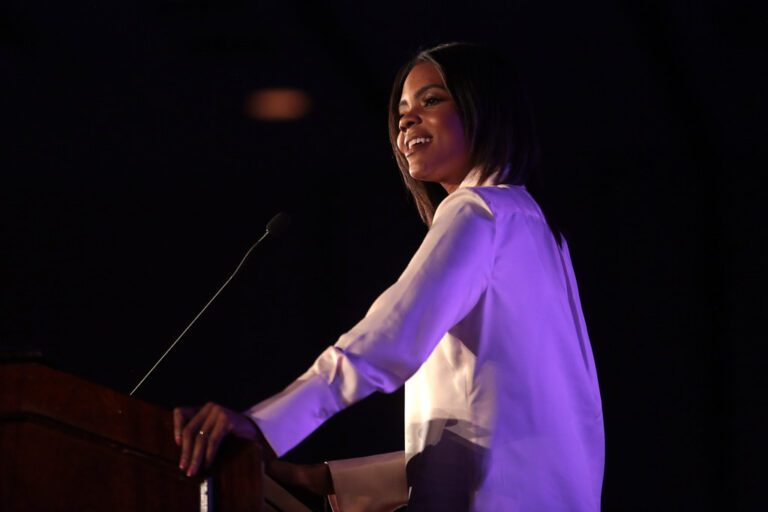
Right wing commentator Candace Owens stepped away from supporting former president Donald Trump. During a talk with radio host Alex Jones, she argued that Trump turned against his own voters. Owens pointed to his refusal to share files on Jeffrey Epstein as proof. She also claimed another world leader now calls the shots in the White House.

Owens’s Epstein File Criticism
Owens said Trump did not live up to his promise to expose deep state secrets. She argued that clearing up doubts about Epstein would show real courage. However, she noted that Trump instead dodged the issue. In her view, he intentionally ignored the calls for transparency. Owens believes this move hurt his fight against hidden power structures.

Furthermore, she described Trump’s public message on the matter as a slap in the face. She noted that he told his followers he did not want them anymore if they pushed for Epstein file release. Owens called that approach unreasonable and unfair. Consequently, she lost faith in his commitment to free speech.

Netanyahu’s Influence Over Trump
Next, Owens turned to the war in Gaza. She claimed Trump sees the conflict as no big deal. In her words, he pretends everything is fine. From there, she jumped to a bold conclusion. Owens argued that Netanyahu now runs US policy in that region. She said the Israeli leader holds real power over Trump.

Moreover, Owens linked her Epstein argument to this idea of outside control. She sees a pattern of Trump avoiding tough stands once they clash with Netanyahu’s interests. According to her, this shift reveals who truly calls the shots in Washington.

Deep State Accusations
Owens used her platform to charge Trump with joining the very network he once fought. Back when he campaigned, she believed he would break down secret government cells. Yet now she insists he has become part of them. For Owens, that change shows betrayal.

She stressed that Trump needs to admit what happened. She wants him to explain why he chose silence over revealing Epstein’s ties. In her view, true leaders face down power no matter the risks. Since Trump stepped back, she argues, he lost his moral edge.

Maxwell Prison Transfer Concerns
The debate then shifted to Ghislaine Maxwell. Owens criticized the decision to move her to a low security prison. She pointed out that her new home might be nicer than many average houses. That fact shocked her. She suggested it proved a weakness in the justice system.

Owens feels that Maxwell’s transfer could hide deeper secrets. She called it another sign of special treatment for people tied to powerful figures. Because of this, she worries that true justice may never surface.

Questions on Epstein Funding and Trump
During the conversation, Owens floated a bold theory. She suggested that Epstein may have funded Trump’s ventures at some point. In her view, that link might explain Trump’s hesitation to hand over files. She mentioned past events like beauty pageants to hint at possible ties.

She asked whether Trump really wanted to protect his own image or keep certain names hidden. By raising this question, she aimed to cast doubt on his motives. This line of thought underpins her claim that external interests shape his actions today.

Impact on MAGA Supporters
Owens made a clear point about party loyalty. She said supporters did not leave Trump. Instead, he turned his back on them. She argued that his silence on Epstein files equaled a refusal to back free speech.

For Owens, this move spelled betrayal. She encouraged fellow MAGA voters to rethink their stance. She warned that blind loyalty can lead to disappointment. Moreover, she urged them to demand transparency from every leader.

Conclusion
Candace Owens surprised many by distancing herself from Trump. She used her platform to highlight what she sees as his major missteps. From refusing to share Epstein files to following another nation’s lead, she laid out her case. In the end, Owens called on her peers to hold their leaders accountable, no matter their party.

Her remarks show a split in conservative ranks over Trump’s next steps. As the former president weighs another campaign bid, these doubts may grow louder. Finally, Owens’s accusations underscore the power of transparency in politics. She believes that without it, true change remains out of reach.

Rand Paul Blasts Trump Tariffs Over New Taxes

0

Key takeaways
– Rand Paul criticized Trump tariff plan on Fox Business
– He warned that tariffs work like a new sales tax
– He urged conservatives to prefer spending cuts over new revenue
– Courts now consider limiting the president power to impose tariffs

A Harsh Critique of Tariffs
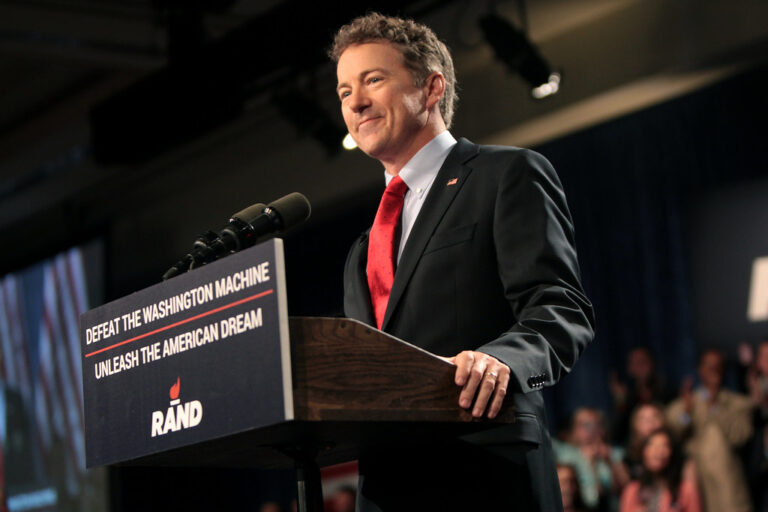
Senator Rand Paul spoke out again against the tariff policies of former president Donald Trump. In a recent interview on Fox Business, he made clear that these duties add hidden costs for families and businesses. He challenged the idea that they only target foreign goods. He argued they drive up prices at home. As a result, he cast doubt on their value for the economy.

Paul stressed that tariffs act like a broad tax on all American consumers. He said they do not just affect a single sector or product. Instead, they push costs onto every level of production and distribution. In simple terms, he said, higher taxes hit every family budget.

Tariffs as a Hidden Sales Tax
Paul noted that the administration claims it will collect two trillion dollars through new tariffs over the next decade. However, he compared that plan to a value added tax or a new sales tax. He pointed out that Americans have always rejected a tax of that kind without cutting another tax first.

Furthermore, he asked listeners to imagine someone pitching a new sales tax that raises two trillion dollars in ten years. He said most people would call it a bad idea. Yet that is exactly what the tariff plan does. It adds two trillion dollars in costs on top of existing federal taxes. Therefore, he warned, conservatives must choose whether they support more revenue or lower spending.

Calling Out the Whiskey Retaliation Story
During the discussion, host Larry Kudlow mentioned a Wall Street Journal report. The story claimed that the only notable retaliation to Trump tariffs was on Kentucky whiskey, and that overall effects remained small. He argued there was no tariff driven recession or inflation yet.

In response, Paul agreed that direct retaliation cases like the whiskey story are rare. However, he said that point misses the bigger picture. He insisted that hidden costs from tariffs already cause economic pain. He highlighted rising prices in food, energy, and consumer goods. He argued those impacts happen silently, without big headlines.

Moreover, Paul noted that families feel the squeeze at checkout lines and gas stations. He said these small daily hits add up to a slow economic drag. By contrast, retaliatory tariffs that target a single product get all the media attention. Yet the unseen burden spreads across dozens of sectors.

Conservatives Face a Choice
Paul challenged fellow conservatives to think hard about fiscal principles. He asked if they back more government revenue just because its label comes from tariffs. He said that stance conflicts with the traditional view that less government and lower taxes boost growth.

He made a clear argument. If people want to get rid of the income tax, they should replace it with lower spending, not a bigger tariff bill. In his view, real tax reform means trading taxes one for one. By contrast, he said the current plan simply piles another tax onto the existing load.

He also reminded listeners that Republicans once opposed a value added tax. They did so because that levy can stifle growth. He argued tariffs behave in the same way by adding costs all along the supply chain. Therefore, he urged conservatives to stick to cutting budgets instead of just shifting tax sources.

Legal Battles Over Tariff Powers
The senator’s remarks come as courts consider cases that could change how presidents use emergency authority to set tariffs. Several lawsuits aim to strip the executive branch of the power to impose duties without Congress approval. If successful, these challenges could curb the president ability to act on trade alone.

In one suit, challengers argue that letting a president declare a national emergency to apply tariffs violates the separation of powers. They note that only lawmakers have the power to tax and spend. Meanwhile, another challenge seeks to limit the use of emergency rules on national security grounds.

Should courts rule in favor of these cases, future administrations would have to work with Congress on tariff proposals. This development could slow down or even halt sudden trade actions. It might also open the door to more measured negotiations on trade deals.

Why Paul’s Stand Matters
Rand Paul is known as one of the Senate leading critics of big government and high taxes. He often battles for limited budgets and reduced federal spending. In that context, his fight against tariffs follows the same theme. He views any new tax as a threat to economic freedom and growth.

By speaking out against the Trump tariff plan, he tests the unity of his own party. Many Republicans supported tariffs as leverage in trade talks. Yet Paul insists that long term economic health must come before short term negotiating tactics.

His stance also highlights a broader debate within the conservative movement. Some embrace tariffs as a tool to fight unfair trade practices. Others worry that introducing new taxes under any name harms the free market. Paul falls firmly in the latter camp.

Impact on Everyday Americans
Beyond political theory, Paul emphasized real life consequences. He said a family that pays a few cents more for groceries or electronics ends up spending thousands extra each year. He pointed out that small percentage increases can grow over time.

Moreover, he warned that businesses face higher production costs and thus may freeze hiring or expansion plans. He said that uncertainty over future tariff hikes can also slow investment. In his view, that combination can lead to slower wage growth and fewer job opportunities.

By framing tariffs as a consumer tax, he hopes to build public awareness. He believes that once people see tariffs as a hidden cost, they will demand change. He urged viewers to track price trends in local stores and write to elected representatives.

A Clear Call to Action
Throughout the interview, Paul made a clear call to conservatives. He asked them to choose between adding revenue and cutting spending. He said they cannot have both. If they favor lower government budgets, they must oppose any tax increase, including new tariffs.

He also said that if Republicans want to stay true to their principles, they must resist the temptation to cheer for revenue that comes from tariffs. He warned that cheering for one form of tax sets a dangerous precedent. He insisted conservatives must demand real spending cuts instead.

Looking Ahead
As legal battles unfold, the tariff debate will remain front and center. If courts limit presidential power, Congress will regain control over trade policy. That outcome could force lawmakers to craft a balanced approach.

At the same time, public opinion may shift if more people connect the dots between tariffs and consumer prices. Should that happen, pressure on lawmakers to reject new duties could grow.

Meanwhile, Paul vows to keep speaking out. He plans to use every platform he can find to make his case. He says the future of conservative fiscal policy depends on defending low taxes and limited government.

Conclusion
In short, Rand Paul took aim at the Trump tariff regime and made a strong economic argument. He contrasted big revenue claims with the hidden cost burden on families. He challenged conservatives to uphold their core principles by opposing any tax increase. As courts weigh the limits of presidential trade powers, his views add fuel to the debate. Going forward, Americans and lawmakers will continue to grapple with whether tariffs serve as a tool for fair trade or simply act as a new form of taxation.

Trump Stops $584M in UCLA Research Funding

0

Key takeaways
– Trump halts 584 million in research support for UCLA
– University warns of national harm to health and innovation
– Cuts stem from civil rights claims on antisemitism and admissions
– Other top schools have complied to avoid penalties
– UC leaders say funding pause fails to fight antisemitism

A clash over civil rights claims now threatens vital medical research at UCLA. The pause on hundreds of millions in federal support has drawn strong protests from campus leaders. They warn it could stall life saving treatments and hurt American health. The move also follows pressure on other top universities to meet similar demands.

Background on the Funding Pause
New research support often arrives as grants from federal agencies. These funds help scientists develop new cures and improve national security. On Wednesday the White House put a hold on a 584 million dollar package for UCLA. The university had already planned to use the money for projects in cancer care, pandemic readiness, and advanced neuroscience.

Impact on UCLA Research
Medical teams at UCLA face delays in clinical trials and lab work. Without those funds they cannot hire key staff or buy critical equipment. The university chancellor warned that patient health across the country now stands at risk. In addition public private partnerships could collapse if the money stays on hold.

Reasons Behind the White House Decision
The funding hold comes amid allegations of civil rights violations at UCLA. Federal officials claim the campus has allowed antisemitic actions and biased admissions practices. The move mirrors similar demands placed on Harvard, Brown, and Columbia. Those institutions each agreed to specific terms after facing threats to lose federal dollars.

UCLA Leaders Push Back
UCLA officials reject the idea that pausing funds will end discrimination. They point to recent steps on campus to tackle hate and protect free speech. The new University of California president says the funding cut ignores all that work. He calls the pause ineffective and says it will only harm important discoveries.

Role of Other Universities
Harvard, Brown, and Columbia each faced federal pressure before UCLA. They agreed to settle investigations and pay financial penalties. In one case a school paid two hundred million dollars to avoid further probes. Now the administration aims to use those deals as templates. Observers note that any college could find itself in the same position.

Potential Consequences
Experts warn of far reaching effects if research slows. The delay in new therapies could slow down cancer treatment advances. Pandemic preparation programs may lose critical momentum. In addition smaller companies that count on university research could see their projects stall. That may reduce job growth and undercut efforts to strengthen national security.

What Comes Next
UCLA is seeking to have the hold lifted as soon as possible. University leaders say they will comply with genuine efforts to fight discrimination. At the same time they promise to defend academic freedom and fair admissions. Meanwhile federal offices will review the university response to civil rights concerns. Other campuses are watching closely as negotiations play out.

The national debate over campus free speech and civil rights has reached a new level. With billions at stake for research on health and security, the outcome will matter to all Americans. It also raises questions about how far federal power can go in shaping campus policies. For now the focus rests on UCLA and the fate of its life saving work.

Missouri may redraw its congressional map to keep a Christian conservative majority

0

Key takeaways
– Missouri may redraw its congressional map to keep a Christian conservative majority
– The governor faces pressure from the Trump team to add more Republican seats
– A special legislative session could cancel a Democratic district
– State Senate leader says the goal matches Missouri voter values
– Critics warn of partisan power plays

Background
Every ten years, states redraw their voting maps. This process is called redistricting. It follows the census. Missouri last redrew its lines in 2021. Republicans then won control of the process. They drew maps that favored their party. Today, they hold six of eight U.S. House seats. Meanwhile, Democrats occupy just two seats. One of those is held by Representative Emanuel Cleaver. He has served since 2005. Now, leaders in Jefferson City want to try again. They say they aim to match Missouri’s voters with their representatives.

Pressure from Washington
In recent weeks, President Trump urged Texas to win five extra House seats. His team also pressed Missouri for a new plan. Federal insiders told local media that the White House wants more Republican power. Consequently, Missouri’s governor and lawmakers have increased talks on redrawing maps. They argue that Missouri can support the national conservative agenda. Likewise, they say new lines could help pass key laws in Washington. Furthermore, they believe fresh maps could reflect shifting populations across the state.

Governor’s View
Governor Mike Kehoe spoke about redistricting in a local TV interview. He asked if Missouri has proper representation in Washington. He added that he wants to support the president and the new House speaker. The governor’s spokesperson said he will weigh all options. If he calls a special session, lawmakers could act quickly. He did not promise to redraw the map. Yet he left the door open for debate in the legislature. In his view, proper maps can boost Missouri’s voice in Congress.

Senate Leader’s Comments
State Senator Cindy O’Laughlin is the Senate president pro tempore. She told reporters the governor wants to match maps to Missouri’s Christian conservative majority. She claimed that Missouri voters share those values. She also warned against “progressives” running the state. She said outside donors fund efforts to change state laws. O’Laughlin urged lawmakers to stop that push. She argued that Democrats in federal power have scared voters. Accordingly, she supports a new map to block harmful policies.

Impact on Voters and Districts
If lawmakers redraw the map, they could remove one Democratic seat. That change might end Representative Cleaver’s district. Currently, his seat covers parts of Kansas City. It leans strongly Democratic. Redrawing could split its voters among nearby districts. Republicans would likely win the new districts. On the other hand, many rural and suburban voters would stay in safe GOP seats. Critics say this plan would silence many voices. They worry it could weaken minority voting power. Meanwhile, supporters insist the map would only reflect the will of the majority.

Special Session Plans
To redraw maps, the governor must call a special session. Lawmakers would gather in Jefferson City for that session. They would debate and vote on the new plan. The process could take only a few days. Republicans control both state chambers, so maps would likely pass. Yet they need three-fifths approval in each house. They also need the governor’s signature to finalize the plan. If the governor refuses, the session ends with no action. Then Missouri would stay with its current map.

Legal and Political Challenges
Any new map could face court battles. Opponents may file lawsuits over fair representation. They could argue that the map dilutes minority voting strength. They might also allege political bias. Courts could block the map before the next election. Moreover, federal law requires maps to meet voting rights standards. National groups could join the challenge. As a result, the plan might stall for months or more. On the other hand, speedy court decisions could settle the issue before ballots print.

What Comes Next
Over the next weeks, lawmakers will meet informally. They will study population data and legal guides. Meanwhile, public hearings could let citizens speak out. Community members may give feedback on draft maps. Then, the governor will decide whether to call lawmakers back. If he does, debates will heat up in Jefferson City. At that point, Missouri will see if it redraws its map. Finally, voters will know whether their districts will change before the next election.

Mylie Biggs Runs for AZ Senate After Anti-Woman Views

0


Key Takeaways
– Mylie Biggs seeks a seat in the Arizona state senate at age twenty five.
– Last year she said she did not know if she would vote for any woman.
– She argued that women should focus on home life rather than politics.
– The seat is open as the current senate president runs for attorney general.
– Her run tests voter reactions to past comments about women in office.

Who Is Mylie Biggs
Mylie Biggs is the daughter of a well known Arizona congressman. She recently graduated from a major state university. She works in government affairs for a conservative policy group. At twenty five she now looks to win a state senate seat. Her family name carries weight among many local voters. As a result her campaign draws both attention and criticism.

Open Seat Draws New Candidates
The Arizona senate seat is open this year. The current senate president left to run for attorney general. That move created a chance for new candidates. Mylie Biggs filed her interest statement to join the race. She now joins a field of hopefuls eager to serve. Candidates must balance job duties with the low legislative salary. Lawmakers in this state earn less than thirty thousand dollars a year.

Controversial Comments Spark Debate
Last summer Mylie Biggs spoke on a local podcast. During that show she doubted whether she would support any woman candidate. She also said women lack interest in full time political roles. She added that women should focus on home life. Her remarks came with laughter and a casual tone. Unsurprisingly that sparked strong reactions online and in the news. Many called her comments outdated and out of touch.

Shift in Campaign Message
In her official campaign launch Mylie Biggs seeks votes from all citizens. She now asks voters to support her despite her own words. She emphasizes her plans for economic growth and education reform. Furthermore she highlights her work background in policy matters. She also says she values diverse voices in state government. In this way she hopes to move beyond past statements.

Challenges Ahead
Her prior comments may linger in voters minds. Opponents will likely bring them up at public forums. She must convince skeptics she respects women in leadership roles. In addition she needs to raise enough funds for a strong campaign. Volunteer support and name recognition help, but critics warn that trust can take years to rebuild.

Context on Gender and Politics
Nationwide, women hold fewer seats in state legislatures than men. Despite gains over recent decades they still face barriers to entry. For example, political life often demands long hours away from home. Some studies find that women candidates can face tougher scrutiny on personal roles. Moreover, public opinion about gender roles varies by region. Yet more women now seek office than ever before. This trend reshapes state houses across the country.

Arizona Political Landscape
Arizona politics often feature lively debates over economy, education, and border policy. The state leans purple in many races. As a result each vote can swing an election outcome. Local issues like water rights and tribal partnerships also command attention. Candidates must address these topics to win wide support. Thus Mylie Biggs must build a platform that appeals broadly.

Voter Reactions and Opinions
Some voters say they see potential in her youth and energy. Others worry that her past views show a lack of respect for women. Social media posts on her statements still circulate online. Community groups plan to hold town halls that challenge all candidates. Even if some voters forgive her remarks, many will not forget them. Learning to steer discussion toward her policy goals will prove vital.

Campaign Strategy Moving Forward
Mylie Biggs plans to visit towns across the district. She aims to listen to families, business owners, and educators. Additionally she will host meet and greet events at local community centers. Volunteers will help distribute flyers door to door. She will speak about tax cuts, job creation, and school support. By focusing on those issues she hopes to unite voters.

Conclusion
As election season heats up, Mylie Biggs stands at a crossroads. Her past comments on women in office shape public perception. Now she invites voters to back a woman for state senate. Her success will depend on winning over both critics and supporters. Regardless of the outcome, her campaign highlights important discussions about gender and politics. Many will watch closely to see if she can turn past controversy into a path to victory.

GOP Debates Support for Congressman Mills Amid Scandals

0

Key takeaways
– Republicans worry about Congressman Mills scandals
– Allegations include misuse of contracts assault and threats
– Party leaders hope issues fade without damage
– At least three Democrats plan to challenge him in 2026
– Some Republicans consider finding a new candidate

Introduction
Republicans now face hard choices over one of their own. A new report details several serious claims against Representative Mills of Florida. These claims include benefiting from contracts while in office assaulting a former girlfriend and threatening another with revenge images. Party leaders hope these problems vanish without harming their power. Meanwhile critics warn the clock is ticking.

Background on the Allegations
First allegations say Congressman Mills secured federal contracts for his company. Critics argue he used his official role to win money. Next comes a claim that he physically harmed a former girlfriend in his Washington home. Then reports say he threatened another ex with sharing private photos. Observers call this a string of tawdry scandals.

Congressman’s Response
He denies all claims. He insists he has always acted with honesty and respect. He says the reports are false and politically motivated. He vows to prove his innocence. However he has not released full details to back his denials. As a result some still have doubts.

GOP Leadership Reacts
House Republican leaders have so far stood by him. They hope the legal issues end quietly. They fear public drama could hurt their agenda. In addition they worry these scandals might tip close races. Therefore they prefer a low profile. However quiet support can shift fast if new evidence emerges.

State Republicans Weigh In
Leaders in his home state also back him for now. They point to his work on district matters. They cite his stance on major policy issues. Yet some in the state worry about local fallout. They fear voters may turn away if he stays on the ticket.

Quiet Concerns Grow
Behind closed doors some GOP members fret about damage to the party image. They wonder if voters will link the entire group to these scandals. They ask what happens if charges go public or if a court case follows. One lawmaker asked what if he really faces arrest. Questions like this keep surfacing in private conversations.

Threat of Democratic Challenge
At least three Democratic candidates have already filed to run in the district. They look at these scandals as their best chance to flip the seat. They will use every claim to question his fitness. This could energize their base and sway undecided voters. As a result Republicans could lose a key district.

Potential Primary Shakeup
Some Republicans now talk about a backup plan. They say they might recruit a stronger candidate if Mills’s problems worsen. Such a move could trigger a primary contest. That fight might cost the party time money and unity. Yet they worry waiting could do more harm than acting soon.

Legal and Ethical Stakes
If authorities open an investigation it could drag on for months. That would force constant media attention and public hearings. Even if he avoids formal charges the cloud over his head would remain. Ethics watchdogs could call for disciplinary action. In any case his reputation could take a lasting hit.

Impact on Voter Trust
Surveys show voters dislike scandal and seek honest leaders. A member accused of assault and threats hits a raw nerve. Families and women’s groups may protest at town halls or vote against him. Trust lost is hard to rebuild in politics. For a safe seat this could risk an upset.

Revenge Porn Concern
One allegation involves threats to share private images. Such threats can cause severe harm to victims. Many states now treat that act as a crime. Voters and colleagues view it as deeply troubling. This issue draws strong reactions from both parties. It could push more Republicans to distance themselves.

Financial Impropriety
Allegations of using office for personal gain also stir anger. Misuse of federal contracts suggests a breach of public trust. Taxpayers expect fair bidding not insider deals. Even if these claims are unproven they haunt him and the party. Opponents will hammer that point on the campaign trail.

Assault Allegation
A former partner claims he attacked her in his apartment. If proven this crime carries real jail time. It also raises questions about his character and fitness. Republicans worry this story might spiral into a full criminal probe. Meanwhile he denies any physical wrongdoing.

Broader Party Image
The GOP has focused on law and order during recent campaigns. Now one of its own faces violent attack claims. That disconnect could hurt the party’s message. Opponents will point out any inconsistency between rhetoric and reality. Maintaining credibility becomes harder as negative stories pile up.

Media Attention
News outlets are already covering the story widely. They describe a drumbeat of ugly claims. Social channels amplify every update. Viral posts can sway public opinion quickly. For a political newcomer like Mills this calamity can become a defining issue. Party strategists worry about any sustained negative coverage.

What Comes Next
If no charges come he may limp through to reelection. However if prosecutors step in he could face indictment. Either scenario forces the party to react. They may launch an internal review or ask for his resignation. The longer this drags on the worse it looks.

Possible Outcomes
First he could clear his name and win another term. Second he could face enough pressure to resign before twenty twenty six. Third he could fight a tough primary or general election amid scandal. Finally he might face legal penalties that end his career.

Lessons for the GOP
Political parties must weigh loyalty against risk. Standing by a troubled member can shield them short term. Yet it may backfire if new truths emerge. Acting too soon can also look like a rush to judgment. This case tests how the party balances those factors.

Advice from Insiders
Some senior Republicans urge patience. They say let the facts come out before acting. Others argue they must protect the brand now. They warn that by the next election cycle this will blow up. Neither side wants to hand an advantage to opponents.

Looking Ahead to Twenty Twenty Six
As the next election nears more candidates will declare. Money and volunteers will flow to the strongest contenders. If Mills still holds the nomination Democrats will highlight his troubles. If a new Republican steps in that person faces a short timeline. All this plays out under a public spotlight.

Conclusion
Republicans now face tough choices over Congressman Mills. They must balance fairness loyalty and political risk. Meanwhile Democrats readied their campaigns targeting his district. Voters will watch how the party handles these scandals. In the end the outcome could reshape the balance of power. The coming months will tell if Mills survives or if Republicans seek a fresh face.

Linda McMahon’s Speech Disrupted by Prank Audio

0

Key Takeaways
– A pre recorded message mocked the Education Secretary during her talk
– The host blamed liberal senators and a foreign government in jest
– Circus music and a sitcom theme added to the interruption
– McMahon stayed calm and kept delivering her speech

Unexpected Disruption at Student Conference
Education Secretary Linda McMahon faced an odd interruption on Wednesday. She spoke at a conservative student conference in Washington DC. Suddenly, a hidden audio clip cut into her address. The voice in the clip called her a corrupt billionaire who knew nothing. The break startled everyone in the room. Then the host tried to explain the break in a joking way.

Mocking Audio Hijacks the Speech
At the moment Ms McMahon talked about how she would use the department funds, a voice boomed over the loudspeaker. It slammed her as a rich person who lacked ideas. Right after that, the host blamed the Chinese Communist Party for hacking the audio. He even claimed some liberal senators joined in on the prank.

Transitioning into Sitcom Theme and Circus Music
As the strange voice ended, another clip began. It was the familiar sitcom theme from Arrested Development. Many people laughed because the tune often signals a fail or a blunder. But this time it sounded like they were mocking the speaker. Just when the laughter died down, the circus march known as Entrance of the Gladiators started playing. The tune reminded some of clowns taking the stage.

Blame and Banter from the Podium
The event’s moderator kept the mood tense and light hearted at once. He quipped that the Chinese government had cut into their technology feed. Then he pointed fingers at a few liberal senators for working with foreign hackers. He claimed they teamed up to silence Ms McMahon’s ideas. Audience members shifted in their seats. Some smiled. Others looked confused. Meanwhile Ms McMahon pressed on.

McMahon Keeps Her Composure
Rather than stopping, Ms McMahon smiled and moved on with her remarks. She talked about her plans for school funding. She said she wanted more money to go to teachers and students. She stressed her goal to ease burdens on working families. Even as the music played, she stayed focused. The crowd grew quiet to listen to her proposals.

Reaction from Attendees
Several students exchanged shocked looks. Many raised their phones to record the scene. Others simply stared at the stage. No one seemed to know who played the prank. Some guessed it came from inside the venue’s tech team. Others thought someone at a nearby table used a hidden device. Either way, no one expected the interruption.

Potential Security Lapses
This incident raised questions about event security. How could someone pipe in audio without the speakers knowing? Did the venue’s sound system have weak points? Were organizers too focused on the schedule to check their tech? After the event, staff members said they would review their security plans. They wanted to prevent a repeat.

What Led to McMahon’s Appointment
Ms McMahon became Education Secretary last November. The president tapped her despite her ties to the wrestling world. Her husband owns a famous wrestling company. She also ran for Senate twice but lost both races. In those campaigns, she spent over one hundred million dollars of her own money. Many people wondered if her wealth made a difference.

Why Critics Targeted Her Wealth
Critics often point to her billion dollar family fortune. They say money gives her too much power in politics. They also claim she lacks real experience in education work. Supporters argue she knows how to run a large organization. They note she built a big fitness business before joining government. Regardless, the prank aimed at her wealth and background.

Impact on Her Leadership Image
Despite the prank, Ms McMahon showed calm under pressure. Many praised her quick recovery and focus. They said she handled a tough moment well. Others worried that ongoing heckling could distract her from her work. So far, she has not commented publicly on the incident. She chose to stick to her planned remarks.

Broader Debate Over Campus Disruptions
This event adds to a trend of pranks and protests at political speeches. In recent years, several public figures faced noise interruptions on campus. Sometimes activists disrupt to draw attention to a cause. Other times pranksters simply want a laugh. Critics of such tactics say they stifle free speech. Defenders claim they allow people to push back on powerful voices.

Moving Forward with Education Goals
Despite the interruption, Ms McMahon laid out her plan. She wants more school choice for parents. She proposes tougher standards for teachers. She seeks more funding for career and technical education. She also champions debt relief steps for college graduates. Her ideas face support and criticism in Congress. Still, she aims to stick to her mission.

Conclusion
The comedian style audio may have stolen the moment. However, Education Secretary Linda McMahon pressed on. She continued her speech without missing a beat. In the end, her focus on education plans shone through. And her calm reaction under pressure left many impressed. As campus events adapt, speakers and organizers will tighten security. They will also remember that surprises can come from anywhere. But with a clear message and steady nerves, leaders can overcome any disruption

White House Weighs Epstein Scandal Strategy

Key Takeaways
– Vice President Vance planned a strategy meeting on the Epstein scandal
– After media reports, the session may be moved or canceled
– Staff and Cabinet members would work to align their response
– Past gatherings on this matter ended with heated exits
– The White House aims to regain control of the narrative

Background on the Planned Meeting
Recently, news outlets reported that the Vice President would host a private dinner. The aim was to craft the White House response to the Epstein scandal. Attendees would include senior aides and key Cabinet members. They would review all information on Epstein and his associate. They would also discuss how to handle future revelations.

However, after these news reports surfaced, the White House grew concerned. Officials feared the meeting’s details were no longer confidential. As a result, they now consider moving, rescheduling, or even canceling the dinner.

Why the Leak Mattered
When reports about this meeting first appeared, staffers inside the West Wing were surprised. They did not plan for such information to become public. For many, it felt like a breach of trust. Moreover, top aides worry it could undermine their strategy.

Because of the leak, the White House now faces two challenges at once. First, they must decide if the meeting should still happen. Second, they have to contain the fallout from the news getting out. The dual task has added stress to an already tense workplace.

Reactions Inside the White House
One senior correspondent described the mood as “floored.” Many members of the press team were stunned that word of the dinner got out. At the same time, other senior staff have begun to question if holding the meeting is wise. After all, no one wants another high-profile leak.

Meanwhile, the Vice President’s office has not confirmed if the meeting will go on as planned. It may shift to a different location or date. Or it could be dropped entirely. Until they decide, speculation will only grow.

Lessons from the Last Meeting
The planned strategy session follows a previous gathering that went poorly. That earlier meeting included a mix of political advisers, a former state official, and a former federal law enforcement leader. Tensions rose quickly over differences on how to release Epstein-related documents.

In fact, that meeting ended with one senior law enforcement official storming out. He accused others of leaking information about his colleagues. Then he publicly denied he had shared any stories, even though evidence suggested otherwise.

Because of that clash, trust at the highest levels suffered. Advisers left that gathering frustrated. They felt the group had little chance to agree on a clear plan. Many staffers hope this new meeting will avoid the same pitfalls.

Goals of the New Strategy Session
If the dinner goes ahead, its main goal is simple. The team wants to get everyone on the same page. They plan to review all known facts about Epstein’s case. They also intend to set a unified talking points list for future questions.

First, they will map out what they know. Next, they will pinpoint any gaps in their knowledge. Then they will assign staffers to gather missing details. Finally, they will agree on how to share updates with the public.

According to insiders, the White House has spent weeks on defense. They have faced tough questions about any connection to individuals linked to Epstein. Now they aim to shift from defense to offense. They want to control the narrative, rather than simply react to events.

Why Alignment Matters
In a crisis, mixed messages can be dangerous. If one adviser speaks out of turn, it can undercut the official story. Likewise, if Cabinet members give conflicting interviews, it sows confusion. Therefore, the White House sees this gathering as key.

Moreover, the Epstein scandal has many moving parts. It involves legal filings, past testimony, and newly disclosed records. Each item can spark fresh headlines. With so much at stake, the administration wants a clear, consistent approach.

Potential Roadblocks Ahead
Even if the meeting moves forward, hurdles remain. First, some participants hold strong views on transparency. They argue the government should release all documents immediately. Others worry that doing so could reveal sensitive intelligence methods.

Second, power struggles still hover beneath the surface. Past disagreements on document leaks left hard feelings. Unless those conflicts ease, they could resurface. Finally, scheduling high-level officials together can be tricky. Cabinet members juggle many demands on their calendars.

As a result, organizers may scale back the guest list. They might limit it to just the Vice President’s top aides and a few select officials. Or they could hold smaller one-on-one briefings instead of a large dinner.

Next Steps for the White House
For now, the dinner remains in limbo. Staffers are waiting for an official call. Meanwhile, they continue to work on draft talking points. They also prepare brief memos on any new developments in the scandal.

In the coming days, the White House will decide whether the meeting makes sense. If they go ahead, they will pick a more secure venue. They will also tighten control over who can share details.

Regardless of the outcome, the administration will likely keep pushing its message. They want to show they take the allegations seriously. At the same time, they hope to avoid being on the defensive all the time.

Why This Matters to the Public
Citizens want clear answers about powerful people linked to Epstein. They also expect transparency from their leaders. When top officials meet to discuss strategy, it can signal priorities. If they place image control above full disclosure, it can damage public trust.

On the other hand, a well-prepared response can reassure the public. It can show the White House is taking the matter seriously. It can also demonstrate that leaders are working together, not at odds.

Therefore, this strategy meeting—or its cancellation—carries weight. It will shape how the administration handles future questions. It will also influence public perception of leadership unity.

Final Thoughts
The planned strategy session on the Epstein scandal highlights a key tension. Officials want to manage sensitive information carefully. Yet they also need to maintain a united front in public. Striking that balance is never easy.

Following the leak, the White House now faces a choice. They must weigh the risks of another high-profile meeting against the benefits of clear coordination. No matter what they decide, the fallout from the Epstein revelations will remain in the headlines.

In the weeks ahead, watch for any shifts in the administration’s messaging. Notice whether key officials speak with one voice. That will reveal whether this strategy effort succeeds—either at a dinner table or in separate briefings.

Cuomo Seeks Trump Endorsement in NYC Mayoral Upset

0

Key takeaways
– Zohran Mamdani wins Democratic mayor primary
– Andrew Cuomo enters race as an independent
– Cuomo holds private talks with Donald Trump
– Critics slam Cuomo for political flip

City Upset in Democratic Primary
This summer voters in New York City chose a new Democratic nominee for mayor. State representative Zohran Mamdani won the race against former governor Andrew Cuomo. Many saw Cuomo as a shoo in but that view changed. Mamdani ran on a promise to push for more affordable housing and fair policing. Consequently he inspired a diverse coalition of voters. As a result Cuomo lost the primary.

Cuomo Launches Independent Bid
Despite losing Cuomo did not give up. He decided to run as an independent in the general election. By doing so he hopes to split votes and win back power. Cuomo resigned his office amid allegations in 2021 and a nursing home scandal. Even so he believes he can still lead the city. Therefore he plans a fresh campaign. He has already started fundraising and holding private meetings.

Private Talks with Trump
New reports reveal Cuomo has spoken privately with former president Donald Trump. He also let strategists from a super PAC brief Trump on campaign plans. In short he seeks an endorsement from Trump to hurt Mamdani. This move stunned many observers. After all Cuomo once said he would be Trump’s toughest rival. Now he is asking Trump for help.

Social Media Backlash
Immediately the news drew mockery online. Many users highlighted the irony of Cuomo’s shift. Some called him shameless for begging the one man he vowed to battle. Others pointed out that he once used Trump as a campaign prop. They now see his outreach as proof he lacks core principles. Consequently social media lit up with jokes and scorn. This flood of criticism came from friends and foes alike.

Political Experts Weigh In
First political experts say Cuomo’s strategy may backfire. They note that many New Yorkers dislike Trump more than they dislike Cuomo. Next they warn that the independent run could split the center left vote. This could boost the Republican candidate in the general election. Then they add that Mamdani’s coalition includes progressives and moderates. Finally they predict a tough race with high stakes for the city.

Voices from Cuomo’s Past
In addition former Cuomo aides and accusers responded to the news. One former aide said she knew of Trump briefings weeks ago. She also called the move desperate. Others who accused Cuomo of harassment expressed outrage. They argued adding insult to injury by seeking Trump’s help. This reaction underlines the long shadow over Cuomo’s reputation.

Impact on General Election
So how does this affect the final vote held this fall? First Mamdani must unite the party after a bitter contest. He needs to shore up support among moderates and progressives. Next Cuomo must persuade enough voters that he can still lead. He faces the challenge of explaining why he now needs Trump’s backing. Meanwhile the Republican candidate watches closely. If the Democratic vote divides, the Republican may win with a plurality.

Lessons in Political Strategy
Cuomo’s case offers lessons for future races. Politicians may seek unlikely allies when they feel cornered. However such alliances can damage credibility. Voters tend to notice flips in loyalty. Furthermore core supporters may drift away. Yet in a tight contest some risk takers press on anyway. In other words politics can lead to strange bedfellows.

What Comes Next
Over the coming weeks Cuomo will likely appear in public and in ads. He will try to make his case for a comeback. In contrast Mamdani will build on his primary momentum. He will emphasize unity and a fresh vision. Moreover he will warn voters against a return to old style politics. On election day all eyes will watch if an ex governor can sway enough voters.

Conclusion
Andrew Cuomo’s quest for power has taken a surprising turn. After losing the Democratic primary he chose a bold path. By seeking an endorsement from his former foe he shocked many. Critics say this move highlights his political desperation. As the general election approaches the city braces for a fierce contest. Ultimately voters will decide if Cuomo’s gamble pays off or if Mamdani’s win signals a new era.

JD Vance Denies Epstein Files Meeting Rumor

0

Title:

Key Takeaways:
– Vice President Vance rejects claims of a strategy meeting on Epstein files.
– Report said top officials met at the VP residence.
– President Trump supports Vance, calls report false.
– The rumor ties to possible pardon for Maxwell.

False Meeting Report
CNN and ABC News published a story saying Vice President Vance met with several top officials. They claimed the group discussed the Trump administration’s handling of the Jeffrey Epstein files. Reportedly in attendance were the Attorney General, Deputy Attorney General, FBI Director, and the White House chief of staff. They said the meeting took place at the Vice President’s private residence.

Meanwhile, many people believe President Trump might pardon Ghislaine Maxwell. She once worked with Epstein. Some say Trump could use her testimony against his political rivals. This rumor connected her potential pardon to the alleged meeting.

Vance’s Strong Denial
Instead of confirming the report, Vice President Vance hit back hard. “I saw that report this morning, and it’s completely fake news,” he said. He added that the press needs better sources. As a result, he made it clear they never met to talk about the Epstein situation.

He spoke with reporters shortly after the news broke. His tone was firm. He did not leave room for doubt. He called the story “fake news” and demanded more accurate reporting.

Trump Weighs In
Later in the day, President Trump faced questions about the meeting. A reporter asked him if the story was true. Trump chose to pass the question to Vice President Vance. Then Trump called the entire report “total bulls—.” By doing so, he backed Vance’s denial.

This move made one thing clear. The White House stands united against this claim. They agree no such discussion ever happened. Trump’s reaction added fuel to the argument that the original report lacked solid proof.

Background on the Epstein Files Saga
In 2019, Jeffrey Epstein faced serious charges. He was accused of sex trafficking minors. His death in jail led to major controversies and many unanswered questions. Over time, documents linked to his case drew widespread interest.

Ghislaine Maxwell, Epstein’s close associate, faced her own trial. The idea of a presidential pardon for Maxwell sparked intense debate. Some imagine she could reveal key details about powerful individuals. Others worry about a pardon that shields her from full accountability.

Consequently, any discussion about these files gains high political stakes. People pay close attention to where and how such talks happen. That is why the report of a secret meeting raised so many alarms.

Key Figures at the Center
Attorney General Pam Bondi: She once led her own state’s top legal office. She faced criticism for ending an investigation into Trump years ago. Her name often appears in stories about political favors.

Deputy Attorney General Todd Blanche: He serves as the department’s second-in-command. His role puts him at the heart of major legal decisions. Any discussion involving him draws public and media interest.

FBI Director Kash Patel: He moved from Congress to a top post in the FBI. His rise has sparked debates about the agency’s direction. His presence at such a meeting would suggest serious legal strategy talks.

White House Chief of Staff Susie Wiles: She handles daily operations in the West Wing. She coordinates the president’s schedule and policy plans. Her attendance in a private meeting would signal high importance.

Together, these names formed the basis of the report. However, if Vance’s denial holds, we know now they never met in this context.

Why the Rumor Took Hold
First, the Epstein case still captivates the public. Many believe key players remain at large or behind the scenes. People want closure. They want to see justice for victims.

Second, speculation about Maxwell’s pardon stirred fresh worries. If she gained immunity, her full story might never come out. Critics feared a deal to protect allies.

Third, sources close to the White House often leak off-the-record tips. Those tidbits can spread fast. Yet, not every tip proves accurate. The rapid spread of this report highlights how quickly rumors can become headlines.

Finally, in a tense election year, every scandal or rumor gains extra traction. Political teams watch each other closely. They search for stories that sway public opinion. That pressure can lead to unverified claims reaching top news outlets.

Possible Impact on the Administration
If the report had been true, it could have damaged the White House’s credibility. It might have suggested secret legal strategies aimed at political gain. Opponents could claim the Justice Department lost its independence.

Now, with the report debunked, the administration avoids that criticism. Still, the episode shows how fragile trust in major institutions can be. It also highlights the power of media narratives.

Moreover, Vance’s quick and direct response may help him defuse future rumors. By firmly denying the claim, he signals readiness to contest any false stories. In turn, this may shape how reporters verify information before publishing.

Lessons for News Consumers
This situation offers a key lesson for readers. Always look for multiple confirmations before believing a big claim. Check whether named officials actually acknowledge the event. If they deny it, that denial should carry weight.

Additionally, be aware of how political motives can drive false reports. Opponents often use rumors to sow doubt. Meanwhile, supporters can dismiss real issues as lies. Staying informed means sorting facts from spin.

Finally, recognize that even top news organizations can err. Mistakes happen under tight deadlines. Thus, follow-up stories are vital. They help set the record straight.

What Comes Next
At present, no further meetings on Epstein files have surfaced. Vice President Vance and other officials have not scheduled such talks. Likewise, the Justice Department has not released new statements on the matter.

Yet, questions about the Epstein saga remain. Observers will likely watch for any shift in legal action or public statements. Maxwell’s legal team could still push for a pardon. If that happens, another wave of speculation might rise.

Furthermore, the story underscores the importance of reliable sources. News outlets may adopt stricter vetting processes. That change could help prevent similar false reports in the future.

In the end, this episode may fade quickly. However, it stands as a reminder. In a fast-moving news cycle, truth can get tangled with rumors. Staying calm and checking facts can guide people through the noise.

Conclusion
Vice President Vance’s clear denial undercuts recent rumors. He and President Trump agree no strategy meeting took place. As a result, the administration avoids a fresh scandal over Epstein files.

Still, the court of public opinion remains watchful. Many people want answers about Epstein and Maxwell. Any hint of secret talks will draw scrutiny. Thus, officials must remain transparent to regain trust.

Meanwhile, news readers can learn from this event. Seeking multiple sources and weighing denials helps reveal the truth. In an era of rapid news flow, careful consumption matters more than ever.