52.6 F
San Francisco
Tuesday, May 5, 2026
Home Blog Page 791

Trump’s Budget Cuts Target Mental Health Amid Opioid Crisis

Key Takeaways:

  • Trump’s budget proposes cutting over $1.2 billion from mental health services and $30 million from opioid crisis programs.
  • These cuts come despite Trump’s 2017 promise to address the “American Carnage” of opioids and social crises in the U.S. heartland.
  • Rural communities, already hit hard by the opioid epidemic, could suffer the most from reduced funding.
  • Critics warn that cutting these programs could worsen the mental health and addiction crisis in America.

Trump’s Budget Slashes Funding for Mental Health and Opioid Crisis

When Donald Trump became president in 2017, he painted a grim picture of America in his first speech. He talked about “American Carnage”—a land suffering from factory closures, opioid overdoses, and broken communities. He promised to fix these problems and bring hope back to struggling areas.

Now, more than six years later, his latest budget plan has raised eyebrows. Tucked inside his “big beautiful” budget is a proposal to cut more than $1.2 billion from the Substance Abuse and Mental Health Services Administration (SAMHSA). This agency provides crucial funding for mental health and addiction treatment programs across the country. Additionally, the budget slashes $30 million from the Centers for Disease Control and Prevention (CDC), which plays a key role in fighting the opioid crisis.

These cuts have left many people wondering: How does this align with Trump’s promise to help the struggling heartland?


What’s at Stake?

SAMHSA is a lifeline for millions of Americans battling addiction and mental health issues. The agency funds programs that help people access treatment, counseling, and support services. Cutting its budget by $1.2 billion would mean fewer resources for those in need.

For example, imagine someone in a small town struggling with opioid addiction. They might rely on a local clinic funded by SAMHSA to get the help they need. If that funding disappears, the clinic might close, leaving them with few options.

The opioid crisis hasn’t gone away. In fact, it’s gotten worse in many places. Synthetic opioids like fentanyl are now the leading cause of overdose deaths in the U.S. Cutting funding for the CDC, which tracks these trends and helps states respond, could make the problem even harder to solve.


Why Rural America Could Suffer the Most

Rural areas were central to Trump’s “American Carnage” message in 2017. These communities have been hit hard by factory closures, opioid overdoses, and limited access to healthcare.

If the budget cuts go through, rural towns might lose the little mental health support they already have. Many rural areas have few doctors, hospitals, or treatment centers. Often, these services are funded by programs like SAMHSA. Without that money, rural communities could be left with even fewer resources to fight addiction and mental health issues.


A Contradiction to Trump’s 2017 Promises

When Trump talked about “American Carnage,” he promised to fix the problems plaguing the heartland. He said he would bring back jobs, stop the flow of illegal drugs, and support struggling communities.

But cutting funding for mental health and addiction programs seems like a step in the opposite direction. These programs are a lifeline for the very communities Trump swore to help. If the budget cuts are approved, it could leave many people feeling abandoned.


What’s Next?

The budget is just a proposal, and it will need to be approved by Congress. Lawmakers from both parties have already expressed concerns about the cuts. Some argue that now is not the time to reduce funding for mental health and addiction services, as the opioid crisis is still raging.

Others say the cuts are a sign of misplaced priorities. They argue that mental health and addiction treatment should be increased, not reduced, to address the growing crisis.


The Bigger Picture

The opioid crisis and mental health struggles are not just individual problems. They affect families, communities, and the economy. When people can’t get treatment, they may lose their jobs, strain relationships, and overwhelm local healthcare systems.

By cutting funding for these programs, the federal government might be making the problem worse. Experts warn that without adequate support, the crisis could spiral out of control, leading to more overdoses, more hospitalizations, and more deaths.

Some experts also point out that the cuts come at a time when these programs are needed more than ever. The COVID-19 pandemic worsened mental health and addiction issues for many people. Isolation, job losses, and stress pushed many to seek help. Now, slashing funding could leave them without the support they need.


A Call to Action

While the budget cuts are still just a proposal, they raise important questions about the government’s commitment to addressing mental health and addiction. If you or someone you know is struggling, it’s crucial to speak up.

Contact your representatives and let them know how important these programs are. Share your story or the story of someone you care about. Remind them that mental health and addiction treatment are not optional—they’re essential for rebuilding communities and saving lives.


Final Thoughts

The U.S. is at a crossroads. The opioid crisis and mental health challenges are not going away. Cutting funding for programs that help people recover and rebuild their lives feels like a step backward.

If the budget cuts are approved, it could make things even harder for communities that are already struggling. However, it’s not too late to make a difference. By speaking out and demanding action, we can ensure that help is available for those who need it most.

Let’s hope lawmakers remember the promise to address “American Carnage” and take steps to support, not abandon, the people who need help the most.

Federal Court Strikes Down Trump’s Tariffs in Major Trade Policy Shift

0

Key Takeaways:

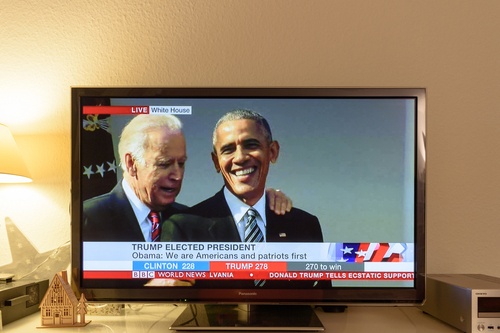
  • A federal court has ruled against President Donald Trump’s tariffs on goods from dozens of countries.
  • The court said Trump’s use of national emergencies to justify the tariffs was illegal.
  • This decision is a major blow to Trump’s trade policies, which were central to his economic agenda.

The U.S. Court of International Trade made a groundbreaking decision, unanimously ruling that Trump’s tariffs on imported goods were unlawful. This move directly challenges one of Trump’s key strategies for negotiating trade deals worldwide.

What Happened?

Trump had imposed tariffs, or taxes, on goods from multiple countries. He claimed these tariffs were necessary for national security. However, the court disagreed, saying Trump overstepped his legal authority. This ruling is a significant setback for Trump’s trade policies, which have been a focus of his presidency.

Why Does This Matter?

Trump’s tariffs were a central part of his economic plans. He used them to try to renegotiate trade deals with other countries. For example, tariffs on steel and aluminum were meant to protect U.S. industries. But the court’s decision says Trump went too far in justifying these tariffs with broad claims of national emergencies.

What’s Next?

This ruling could have major implications for U.S. trade policy. It may limit Trump’s ability to impose tariffs in the future, especially if he cannot provide clearer legal reasons for them. This could also affect ongoing trade negotiations with countries like China and the European Union.

Public Reaction

While some U.S. businesses and workers have supported Trump’s tariffs as a way to protect American jobs, others have criticized them for leading to higher costs and trade wars. This court decision is being seen as a victory for those who argued the tariffs were unfair and damaging to global trade.

The Bigger Picture

This ruling is part of a larger debate over the role of the executive branch in setting trade policies. It also highlights the challenges Trump has faced in implementing his economic agenda. As the U.S. continues to navigate complex trade relationships, this decision could shape how future presidents approach tariffs and trade deals.

What’s the Impact on You?

If you’re a consumer, tariffs can affect the prices of goods you buy, from electronics to cars. Businesses that import or export goods may also feel the effects of this ruling. The court’s decision could lead to changes in how goods are taxed, which might stabilize or lower prices for certain products.

The court’s ruling centered on Trump’s use of national emergencies to justify the tariffs. The judges argued that Trump’s reasoning was too broad and lacked specific evidence to support the claims. This decision sets a legal precedent that could restrict future presidents from using similar tactics without proper justification.

How This Affects Trump’s Trade Agenda

Trump has used tariffs as a bargaining chip in trade negotiations. For example, he imposed tariffs on Chinese goods during the U.S.-China trade war. This ruling could weaken his ability to use tariffs as leverage in future negotiations. It may also encourage other countries to challenge U.S. trade policies in court.

What’s Next for U.S. Trade Policy?

The U.S. government could appeal the court’s decision, but this would likely take time and may not be resolved before the end of Trump’s term. In the meantime, this ruling could create uncertainty for businesses and traders who rely on stable trade policies.

The Global Reaction

Other countries have been watching Trump’s trade policies closely. This ruling may embolden them to push back against U.S. tariffs they view as unfair. It could also lead to renewed discussions about global trade rules and how they are enforced.

Conclusion

The court’s decision is a significant blow to Trump’s trade policies. It limits his ability to impose tariffs without proper legal justification and may reshape U.S. trade strategy for years to come. As the global economy continues to evolve, this ruling highlights the importance of clear and fair trade policies that balance national interests with international cooperation.

Patti LuPone Sparks Outrage Over Kennedy Center Comments

Patti LuPone Sparks Outrage Over Kennedy Center Comments

Key Takeaways:

  • Patti LuPone controversially suggests the Kennedy Center should be destroyed.
  • She calls for New York to secede, highlighting her opposition to Trump.
  • The Kennedy Center has shifted programming under Trump’s influence.
  • The debate reflects broader cultural and political tensions in the U.S.

A Star’s Fiery Words Ignite Controversy

The world of arts and politics collided recently as Patti LuPone, a renowned Broadway actress, made headlines with shocking remarks about the Kennedy Center. Her comments have sparked outrage and debate, highlighting the deep divide between political and cultural perspectives.

The Backstory: Trump’s Impact on the Arts

President Trump’s involvement with the Kennedy Center has been a point of contention. In February, he announced changes to the center’s board, aiming to align its vision with his administration’s values. This move included stopping certain programs, like Drag Shows, deemed inappropriate by Trump. These changes have drawn criticism from many in the arts community, including LuPone.

Patti LuPone’s Vocal Opposition

In a recent interview, LuPone expressed her anger towards the new direction of the Kennedy Center, stating it should be destroyed. She also advocated for New York’s secession, praising the city’s diversity. These comments are not her first; in 2017, she famously criticized Trump on the Tony Awards red carpet.

A Shift in Cultural Programming

Under Trump’s influence, the Kennedy Center is now offering more family-friendly events, such as a free screening of a Christian film. This shift reflects a broader change in the type of content the center promotes, moving towards more traditional and conservative programming.

Implications and Reactions

LuPone’s comments have brought attention to the tension between artistic expression and political influence. While some support her right to free speech, others view her remarks as extreme. This debate questions the role of politics in shaping cultural institutions.

Looking Ahead

The Kennedy Center’s new direction and LuPone’s comments underscore the ongoing clash between different cultural and political viewpoints. As the arts world evolves, this debate is likely to continue, shaping the future of cultural institutions in America.

In conclusion, Patti LuPone’s controversial remarks highlight the intense emotions surrounding the intersection of politics and the arts. The Kennedy Center, as a cultural icon, remains at the center of this evolving landscape, reflecting the broader changes in American society.

Democrats Face Backlash as Voters Compare Them to Slow Animals

0

Key Takeaways:

  • Rep. Debbie Wasserman Schultz clashed with CNN’s John Berman over voter perceptions of Democrats.
  • Voters in focus groups compared Democrats to slow animals like tortoises and sloths.
  • Democrats’ approval ratings have hit historic lows, with only 27% of voters viewing the party positively.
  • The party suffered major losses in the 2024 election, including the Latino male vote.
  • Trump’s approval ratings are rising, adding to Democrats’ challenges.

Democrats Struggle as Voters See Them as Slow and Passive

U.S. Rep. Debbie Wasserman Schultz, a Democrat from Florida, had a heated exchange with CNN’s John Berman during a recent interview. The conversation turned tense when Berman asked her about voters’ negative views of the Democratic Party. According to a recent report, swing voters in focus groups described Democrats as sluggish animals like tortoises, sloths, and “deer in headlights.”

Berman pressed Schultz to respond to these comparisons, which he said reflect how voters see Democrats as slow and passive, while Republicans are seen as strong and assertive, like lions and sharks. Schultz grew visibly frustrated, calling the question ridiculous and insisting she’s focused on real people, not animal comparisons.

“I represent human beings,” Schultz said. “They’re facing devastating healthcare cuts, the biggest ever. Almost 14 million people will lose Medicaid, and even more will lose coverage under the Affordable Care Act. I’m not worried about animal comparisons—I’m focused on the humans I represent.”


Voters’ Negative Views Reflect a Bigger Problem for Democrats

The backlash against Democrats is part of a larger trend. Recent polls show the party’s approval ratings have dropped to historic lows. Only 27% of voters have a positive view of Democrats, the lowest since 1990. Another poll found just 29% of voters view the party favorably, the lowest rating in 30 years.

The 2024 election highlighted these struggles. For the first time in 20 years, Democrats lost the popular vote. They also lost the Hispanic male vote for the first time ever. Former President Donald Trump won 55% of Latino male voters, a major shift in support.

Voters increasingly trust Republicans over Democrats on key issues like the economy and immigration, which were the top priorities in the 2024 election. This lack of trust, combined with low approval ratings, has left Democrats scrambling to regain support.


Leadership Crisis Adds to Democrats’ Challenges

The Democratic Party is also facing a leadership crisis. After Kamala Harris lost the 2024 election, it’s still unclear who will lead the party moving forward. This uncertainty has made it harder for Democrats to unite and address their image problem.

Meanwhile, Trump’s approval ratings are rising. Despite a drop in April, his numbers surged in May, defying expectations. This trend adds pressure on Democrats to find a way to win back voters before the next election cycle.


What’s Next for Democrats?

As Democrats try to recover from these setbacks, they’ll need to address the perception that they’re out of touch with voters’ concerns. The focus groups’ animal comparisons reveal a deeper issue: voters see Democrats as slow to act and ineffective.

Schultz’s frustration during the CNN interview shows how sensitive this issue is for party leaders. However, ignoring the problem won’t make it go away. Democrats must find a way to rebuild trust and show voters they’re capable of leading on the issues that matter most.

With the 2024 election behind them and the 2028 race on the horizon, Democrats have little time to waste. They’ll need to regroup, redefine their message, and prove to voters they’re ready to lead.

Will they rise to the challenge, or will the perception of being slow and passive continue to haunt them? Only time will tell.

Texas School Reverses Policy, Allows Student to Share Bible Verses

Key Takeaways:

  • A Texas school district reversed its policy after a legal challenge, allowing a 5th-grade student to share Bible verses.
  • The student, who has special needs, was initially stopped by school officials for handing out religious materials.
  • The reversal came after a legal team intervened, citing constitutional rights to free speech.
  • The case highlights ongoing debates about religious expression in public schools.

Texas School Backs Down in Bible Verse Battle

A Texas school district has dropped its fight against a 5th-grade student who wanted to share Bible verses with her classmates. After legal pressure, the district admitted it was wrong to stop her.

The student, who has special needs, had been handing out small pieces of paper with Bible verses during recess, lunch, and after school. She believed sharing these messages was a way to spread joy and faith.

But in May, school officials stepped in. The principal confiscated her materials and told her she couldn’t share the verses because they contained Scripture. The student was even tricked into thinking the principal wanted to help distribute the notes, only to find out the principal was actually stopping her.

The student’s foster mom noticed something was wrong and reached out to a legal team for help. They sent a demand letter to the school district, warning that they were ready to take the case to court if necessary.

As the deadline for a response loomed, the school’s lawyer finally admitted defeat. In a letter, the lawyer explained that students are allowed to share religious materials during non-instructional time, like recess or lunch. The lawyer also mentioned that the district’s own policies, inspired by court rulings, support this right.

The legal team celebrated the win, saying it’s a clear victory for students’ constitutional rights. They reminded everyone that the First Amendment protects free speech, even in schools.


What Happened Next?

The ACLJ, the legal team representing the student, said the school district finally understood the law. They pointed out that students don’t lose their rights when they walk into a school building. The Supreme Court made this clear in a famous case called Tinker v. Des Moines, whichprotected students’ free speech rights decades ago.

The ACLJ also warned that this case is part of a bigger problem. Across the U.S., some school officials are wrongly trying to stop students from expressing their faith. They believe faith should be kept out of schools, but that’s not what the law says.


Why This Matters

This story shows how important it is to stand up for what’s right, even when it’s hard. The student’s foster mom and the legal team fought for her rights, and they won.

It also reminds us that schools can’t silence students just because someone might disagree or feel offended. The Constitution doesn’t allow a “heckler’s veto,” where someone’s speech is stopped because others might not like it.

For this young girl, the case is about more than just sharing Bible verses. It’s about being true to her faith and exercising her rights as an American.

As the ACLJ said, “This is more than just a policy change – it’s a clear affirmation that students do not lose their constitutional rights at the schoolhouse gate.”

And for now, this student can finally share her joy and faith with her classmates without fear of being stopped.


This case is a reminder that everyone, even students, deserves to have their voices heard and their rights protected.

Tate Brothers Charged with 21 Offenses

Key Takeaways:

  • Andrew and Tristan Tate face 21 charges, including rape and human trafficking.
  • Andrew has 10 charges; Tristan has 11.
  • Allegations involve three victims.
  • The case is ongoing in the UK.

Who Are Andrew and Tristan Tate?

Andrew and Tristan Tate are well-known social media personalities, often discussing topics like wealth and fitness. Originally from the UK, they’ve gained a following for their strong opinions, which sometimes spark controversy.

Charges Against the Tate Brothers

UK prosecutors have filed 21 charges against the brothers. Andrew faces 10 charges, including rape, physical harm, and controlling prostitution. Tristan has 11 charges, also including human trafficking. These charges relate to three alleged victims.

What’s Next?

The legal process is just starting. The Tates will go through court where the charges will be addressed. If found guilty, they could face serious penalties, including imprisonment.

Stay Updated

This case is developing, and as more information comes out, the situation may change. It’s a reminder of how serious these allegations are and the potential consequences.

This structure ensures clarity and simplicity, making the information accessible to all readers, including younger audiences.

Trump Removes National Police Misconduct Database

0

Key Takeaways:

  • President Donald Trump has removed a national database tracking misconduct by federal law enforcement.
  • The database, called NLEAD, recorded over 5,200 incidents of misconduct.
  • This move reverses a policy set by former President Joe Biden.
  • The decision has sparked debate about accountability in law enforcement.

What Just Happened?

President Donald Trump made a significant move shortly after returning to the White House. He ordered the Justice Department to delete a nationwide database that tracked misconduct by federal law enforcement officers. This database was known as the National Law Enforcement Accountability Database, or NLEAD.

NLEAD was created to keep track of incidents where federal officers and agents misbehaved. It included over 5,200 reported cases of misconduct across various agencies. By deleting this database, Trump also reversed President Joe Biden’s earlier executive orders related to policing.


Why Was the Database Created?

The NLEAD database was established to promote transparency and accountability within law enforcement. It aimed to keep track of officers who engaged in misconduct, such as excessive force, discrimination, or other unethical behavior. The idea was to have a centralized system where this information could be stored and accessed.

By having this database, the public and oversight agencies could monitor patterns of misconduct. It also helped in identifying officers who might need additional training or disciplinary action.


What Did the Database Include?

The NLEAD database contained detailed records of over 5,200 incidents involving federal law enforcement officers. These incidents included:

  1. Use of excessive force: Cases where officers used more force than necessary, potentially harming individuals.
  2. Civil rights violations: Situations where officers allegedly violated someone’s rights, such as through racial profiling or wrongful searches.
  3. Discrimination: Instances where officers were accused of treating people unfairly based on race, gender, or other characteristics.
  4. Other misconduct: This could include dishonesty, corruption, or other unethical behavior.

The database was a tool for ensuring that officers who engaged in misconduct were held accountable. It also helped agencies identify systemic issues within their ranks.


Why Did Trump Remove the Database?

President Trump has long been a supporter of law enforcement. His administration often emphasized backing police departments and criticized efforts to reform or scrutinize them. By removing the NLEAD database, Trump appears to be rolling back measures that were intended to increase oversight of federal officers.

Some see this move as part of a broader effort to undo policies implemented by the previous administration. Trump has frequently criticized Biden’s approach to law enforcement and has sought to reverse many of his executive orders.


What Does This Mean for Police Accountability?

The removal of the NLEAD database has raised concerns among advocacy groups and lawmakers who support police reform. They argue that without this database, it will be harder to track and address misconduct within law enforcement agencies.

Here are some potential implications:

  1. Less Transparency: Without a centralized database, it may be more difficult for the public and oversight agencies to access information about misconduct cases.
  2. Reduced Accountability: Officers who engage in misconduct may face less scrutiny, as their records will no longer be compiled in one place.
  3. Impact on Trust: Civil rights groups worry that this decision could erode trust between law enforcement and the communities they serve.

On the other hand, some argue that the database was not widely used or effective. They may see its removal as a way to reduce bureaucracy or shift focus to other priorities.


The Broader Debate

This decision reflects the ongoing debate about how to balance accountability and support for law enforcement. While some believe that increased oversight is necessary to ensure fair policing, others argue that it can undermine officer morale and effectiveness.

The removal of the NLEAD database is likely to be a contentious issue in the coming months. Advocacy groups, lawmakers, and the public will be watching closely to see how this decision impacts policing practices and accountability.


What’s Next?

The removal of the NLEAD database is just one of many changes expected from the Trump administration. As the debate over police accountability continues, there may be more shifts in policies related to law enforcement.

For now, the focus is on understanding the implications of this decision and how it will affect the way misconduct is tracked and addressed within federal agencies.


This move by President Trump highlights the complex and often contentious nature of policing reform in the U.S. The removal of the NLEAD database is a significant step that will likely be closely watched by advocates, lawmakers, and the public alike.

US Visa Changes: Social Media Screening for Students

Key Takeaways:

  • The U.S. plans to screen foreign students’ social media for visas.
  • Embassy appointments for student visas are on hold.
  • This move aims to address anti-Semitism and national security.

The U.S. government is rolling out new rules for foreign students wanting to study in America. Starting soon, their social media activity will be checked as part of the visa process. This change has caused embassies to pause scheduling visa interviews for students.

Why the Change?

Secretary of State Marco Rubio is leading this effort. The goal is to enhance security and ensure campuses are safe for all students, especially Jewish ones facing discrimination. Recent incidents of anti-Semitism, like anti-Israel protests, have raised concerns about campus safety.

What’s Happening Now?

The State Department is reviewing how it vets visa applicants. They’re looking at how to expand social media checks for all student visa applicants. This means more scrutiny of what students post online before they can study in the U.S.

Examples of the Problem

Some universities, like Harvard, have dealt with issues of anti-Semitism. The government even tried to stop Harvard from enrolling foreign students because of these issues, though a court stopped that decision for now.

Impact on Students and Schools

This new vetting process could mean fewer students get visas, especially if their social media shows anti-Semitic views or support for violence. Universities might face extra scrutiny if they’re seen as allowing discrimination.

What’s Next?

The government hasn’t shared all details yet, but embassies are holding off on visa appointments until they finalize the new rules. Students and schools are on edge, waiting to see how this will affect their plans.

The U.S. is balancing campus safety with academic freedom. This move could shape what it means to study in America for years to come.

Stay Updated!

Follow us at Digital Chew for the latest on this story and other breaking news.

Stock Futures Soar After Court Rules Against Trump’s Tariffs

0

Key Takeaways:

  • U.S. stock futures surge after court ruling against Trump’s tariffs.
  • Dow, S&P, and Nasdaq futures see significant gains.
  • Markets react to potential tariff changes and economic shifts.

Stock Futures Jump After Major Court Ruling on Trump Tariffs

In a dramatic turn of events, U.S. stock futures experienced a significant surge late Wednesday following a federal court ruling that President Donald Trump overstepped his authority by imposing broad global tariffs. This decision sent shockwaves through financial markets, leading to a notable rebound in futures trading after an initial decline earlier in the day.


What Happened: A Court’s Decision and Market Reaction

A federal trade court ruled that President Trump exceeded his authority when he implemented widespread tariffs. This decision came as a surprise to many, sparking optimism among investors. The ruling suggested that some of these tariffs might be rolled back, potentially easing trade tensions and benefiting various industries.

The stock market reacted swiftly. Dow Jones Industrial Average futures rose by over 550 points, a 1.3% increase. S&P 500 futures climbed 1.7%, while Nasdaq-100 futures surged nearly 2%. This rebound occurred after the major indexes had dropped about 0.5% earlier in the day, reflecting the volatility and sensitivity of the market to such significant news.


Market Reaction: A Day of Ups and Downs

The day began with cautious trading, as investors awaited the court’s decision. The initial drop in indexes indicated uncertainty and the potential impact of ongoing tariff disputes. However, the court’s ruling after hours shifted sentiment, leading to a rapid surge in futures trading.

Analysts suggest that the ruling could signal a shift in trade policies, potentially reducing costs for businesses and consumers. This optimism was evident in the market’s reaction, with technology and manufacturing sectors showing particular strength, as these industries are heavily affected by tariff policies.


Implications of the Ruling: What’s Next?

The court’s decision could have far-reaching implications. If upheld, it might lead to the removal of certain tariffs, easing financial pressures on companies and potentially lowering prices for consumers. This could also influence trade negotiations, as other countries may view the ruling as a sign of changing U.S. trade policies.

Businesses, especially those in manufacturing and technology, are closely watching the situation. A reduction in tariffs could improve profit margins and reduce costs, which might lead to increased investment and hiring. Consumers could also benefit from lower prices on imported goods.


Conclusion: A New Chapter in Trade Policy

The court’s ruling against Trump’s tariffs has opened a new chapter in U.S. trade policy, bringing both opportunities and uncertainties. While the immediate market reaction is positive, the long-term impact will depend on how the ruling is implemented and whether it withstands potential appeals.

Investors are advised to stay informed as this situation evolves. The coming weeks and months will be crucial in determining the future of U.S. trade policies and their effects on the global economy. For now, the stock market’s positive reaction reflects hope for a more stable and predictable trade environment.

America’s Pension Funds Fuel India’s Boom—At What Cost?

Key Takeaways:

  • Billions in U.S. pension funds are being invested in India.
  • State governments and federal agencies are driving this investment push.
  • These funds are being used to fuel India’s economic growth while U.S. workers lose jobs.
  • Fraud and instability in India’s markets put American retirees at risk.
  • U.S. leaders claim it’s a win-win, but critics warn of long-term consequences.

U.S. Pension Dollars Are Funding India’s Rise

Across America, states like California, Texas, and New York are pouring billions of dollars into India’s economy. This isn’t just private money—it’s your retirement savings. Pension funds meant to secure the future of American workers are being used to build India’s infrastructure, tech companies, and industries. Federal agencies like the U.S. International Development Finance Corporation have added billions more to the mix.

Meanwhile, U.S. diplomats and financial leaders are cheering this trend. Ambassador Eric Garcetti calls India the future, urging Americans to invest there. India’s leaders, like External Affairs Minister S. Jaishankar, are clear about their strategy: use foreign money to boost their own power, while treating other countries as tools, not partners.


America’s Workers Are Paying the Price

As money flows into India, American jobs and opportunities are disappearing. U.S. companies are outsourcing work to India, and H-1B visas are bringing Indian workers to the U.S., often at lower wages. Meanwhile, the $800 billion in infrastructure projects funded by U.S. pensions could have been used to fix American roads, expand broadband, or support domestic manufacturing.

The result? American families are struggling to afford basics like healthcare and education while their retirement savings are being invested overseas. The middle class is shrinking, and the country’s economic foundation is weakening.


$50 Billion and Counting—But Where’s the Transparency?

Over $50 billion in pension funds have already been sent to India, and trillions more are on the way. These investments are often funneled through private equity firms like Blackstone and Asia Alternatives, which don’t disclose where the money goes. This lack of transparency raises big questions about how these funds are being used—and whether they’ll ever return to U.S. retirees.

Some states have already seen troubling results. For example, Pennsylvania teachers’ pensions invested $300 million in Indian firms, many of which are now in trouble. Officials promise high returns, but there’s little proof these investments will pay off for Americans.


Fraud and Risk—A Dangerous Combination

Investing in India isn’t just risky—it’s outright dangerous. Cybercrime and fraud are rampant. In 2024 alone, 400 stock fraud complaints were filed daily in India. Nearly 60% of Indian companies reported economic fraud, far higher than the global average. Bribery and scams are so common that even regulators are warning of a collapse in investor trust.

Some scandals have already hit U.S. citizens hard. For instance, a Dubai-based fraud scheme in 2025 stole millions from Indian and American investors before the scammers vanished. In 2023, a U.S.-India money laundering ring tied to fake businesses was uncovered, and Indian billionaire Gautam Adani was charged in a $250 million bribery scheme involving American investors.


The Cost of America’s Global Strategy

U.S. leaders say investing in India is a way to challenge China and build a democratic ally. But critics warn this strategy is repeating the mistakes of the past. Just as outsourcing jobs to China hurt American workers, shifting wealth to India could have the same effect.

The U.S. is essentially funding its own decline. The $800 billion going into India’s infrastructure could have rebuilt America’s economy. Instead, it’s being used to make India a global superpower. While Indian billionaires and corporations grow richer, American workers and retirees are left with uncertain futures.


The Ultimate Betrayal—A Silent Economic Takeover

This isn’t a partnership—it’s an economic takeover. American retirees are unintentionally bankrolling India’s rise without any guarantee of returns. Their money is being used to build a foreign economy that views the U.S. as a tool, not a friend.

The people responsible for this strategy—U.S. politicians, corporate elites, and global investment firms—are profiting while American workers lose out. They’re counting on your silence to keep this massive wealth transfer under the radar.


The Fight for America’s Future

It’s time to demand answers. Where is your pension money going? How will these investments help U.S. workers? And who is holding leaders accountable for this risky strategy?

The stakes are high. If nothing changes, the U.S. will continue to fund its own decline while India rises to global power. The question is: Will anyone in Washington stand up to stop it?

Stay informed and keep pushing for transparency. Follow ongoing investigations at WND.com to learn more about how your money is being used and who is behind this economic shift. The future of America’s workers and retirees depends on it.