54.8 F
San Francisco
Saturday, May 2, 2026
Home Blog Page 797

Trump Touts $9 Trillion Investments Incoming into the U.S.

0

Key Takeaways:

  • President Donald Trump claims nearly $9 trillion in investments are heading to the U.S.
  • He made this statement during a recent NBC interview.
  • The White House released a list of U.S.-based investments during his second term.
  • This amount surpasses previous presidential records, according to Trump.
  • Critics have raised questions about the accuracy of these numbers.

A Massive Wave of Investments: What Trump Says

President Donald Trump recently announced that the U.S. is set to receive nearly $9 trillion in investments. He shared this information during an NBC interview, emphasizing that no other president has achieved such a feat. The White House backed his claim by releasing a list of investments made in the U.S. during his second term.


Understanding the Investments

Trump’s statement highlights a significant influx of money into various sectors, including technology, manufacturing, and energy. These investments are expected to boost job creation and economic growth. The president believes this wave of investments reflects confidence in America’s economy under his leadership.


A Closer Look at the Numbers

The White House provided details of these investments, showcasing projects across different industries. For instance, tech companies are expanding their operations, while manufacturing plants are being built to produce goods domestically. Energy projects, particularly in renewable energy, are also attracting substantial funding.


What Experts and Critics Say

While some experts view these investments as a positive sign, others have questioned the accuracy of the $9 trillion figure. Critics argue that the number might include planned investments that are not yet finalized or could be exaggerations. They also point out that long-term economic impact depends on how these investments are utilized and sustained.


What This Means for America

If Trump’s claims hold true, these investments could lead to:

  • More Jobs: New projects across sectors can create thousands of jobs, lowering unemployment rates.
  • Economic Growth: Increased activity in key industries can boost GDP and strengthen the economy.
  • Global Competitiveness: Significant investments, especially in technology and renewable energy, can enhance America’s position on the global stage.

Is This a Record Breaker?

Trump claims this level of investment is unprecedented. While it’s true that the U.S. is attracting substantial foreign and domestic investments, verifying the exact $9 trillion figure is challenging. Previous administrations have also seen large investment flows, though the scale of Trump’s claim is noteworthy.


The Bigger Picture

These investments, if realized, could mark a significant turning point for the U.S. economy. They reflect growing confidence in America as a hub for innovation and production. However, the success of these investments will depend on factors like policy stability, global economic conditions, and how effectively the funds are used.


Conclusion: A Promising Outlook

President Trump’s announcement of nearly $9 trillion in investments paints an optimistic picture for the U.S. economy. While there are questions about the accuracy of the figures, the potential impact on jobs, growth, and global competitiveness is substantial. As these investments unfold, they could shape the economic landscape for years to come, offering opportunities for everyday Americans and businesses alike. The next steps will be crucial in ensuring these investments translate into tangible benefits for the nation.

Meet the Politimals: What Animal Comparisons Reveal About U.S. Politics

0

Key Takeaways:

  • Voters often compare Democrats and Republicans to animals, revealing deep feelings about their policies and values.
  • Republicans are seen as strong, bold predators, while Democrats are viewed as slower, more cautious creatures.
  • These animal metaphors could shape how voters make decisions in future elections.

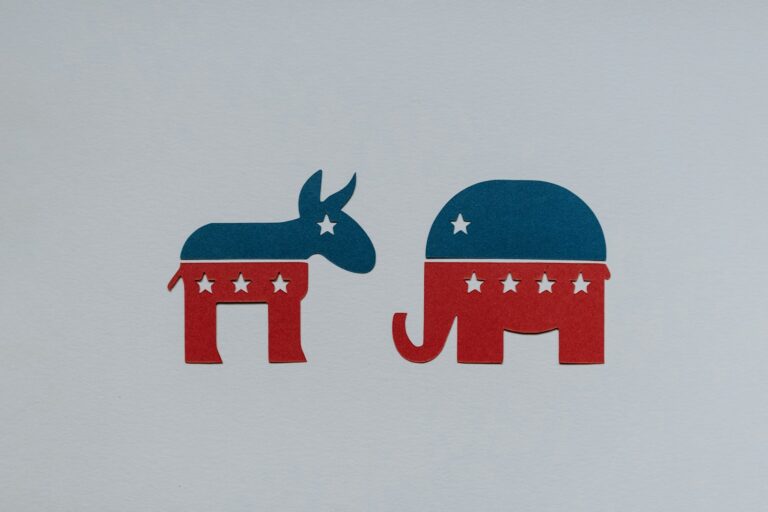
Politics can feel complicated, but sometimes, it’s the simple ways of thinking that reveal the most. For years, one Democratic researcher has been asking voters to compare the two major political parties to animals. What she’s found might surprise you.

The Animal Kingdom of Politics

Anat Shenker-Osorio, a longtime Democratic researcher, has spent years studying how voters feel about politics. She’s led over 250 focus groups with swing voters—people who might vote for either party. Her findings? Voters often see Republicans and Democrats as very different animals.

Republicans, she says, are compared to apex predators like lions, tigers, and sharks. These are strong, fierce animals that take what they want, whenever they want it. Voters see Republicans as bold, powerful, and unafraid to act.

Democrats, on the other hand, are often linked to animals like tortoises or birds. These creatures are slower, more cautious, and sometimes seen as less assertive. Voters often describe Democrats as careful, thoughtful, and focused on protecting others.

Why Do These Comparisons Matter?

At first glance, comparing politicians to animals might seem silly. But these metaphors reveal a lot about how voters feel. For example, seeing Republicans as predators suggests that voters view them as strong leaders who can take charge. Democrats, as tortoises, are seen as more measured and focused on long-term goals.

These perceptions can shape how voters decide who to support. If someone wants a bold, decisive leader, they might lean toward Republicans. If they prefer a more cautious, thoughtful approach, Democrats might seem like the better choice.

Interestingly, these animal comparisons also highlight the emotional side of politics. Voters aren’t just thinking about policies; they’re thinking about how they feel about the people in charge. Do they want a leader who acts quickly, or one who takes the time to think things through?

The Power of Metaphors

Metaphors, like comparing politicians to animals, are powerful tools. They help us make sense of complicated ideas. When voters think of Republicans as lions or Democrats as tortoises, they’re creating mental shortcuts. These shortcuts make it easier to decide who aligns with their values.

For example, a voter who values strength and decisiveness might admire the “lion” qualities they see in Republicans. On the other hand, someone who worries about moving too fast or making mistakes might prefer the “tortoise” approach of Democrats.

These metaphors also reveal stereotypes about the parties. Republicans are often seen as more unified and assertive, while Democrats are viewed as more divided and indecisive. Whether these stereotypes are true or not, they influence how voters feel.

What’s Next for Politimals?

As elections approach, understanding these animal metaphors could be crucial. If Democrats want to win over swing voters, they might need to challenge the idea that they’re slow or hesitant. Likewise, Republicans might need to address concerns that they’re too aggressive or unpredictable.

The way voters think about politics is never simple. It’s shaped by emotions, experiences, and even metaphors. By listening to how people talk about politicians as animals, we can better understand what they’re really looking for in their leaders.

In the end, politics is about more than policies—it’s about how we feel. And sometimes, all it takes is a trip to the animal kingdom to see what’s really going on.

Trump and Putin Agree to Prisoner Exchange: What You Need to Know

Key Takeaways:

  • President Donald Trump and Russian President Vladimir Putin have agreed to swap prisoners.
  • The deal was announced by Russia’s foreign minister.
  • The swap is seen as a rare positive step in tense U.S.-Russia relations.

The world watched closely as news broke that Donald Trump and Vladimir Putin, two of the most powerful leaders on the planet, agreed to a prisoner exchange. This deal, announced by Russia’s foreign minister, marks a rare moment of cooperation between the two nations. With tensions often running high, any agreement between the U.S. and Russia is big news. But what does this really mean? Let’s break it down.

What’s the Big Deal About a Prisoner Exchange?

A prisoner exchange is when two countries agree to swap people they’ve been holding in jail. In this case, the U.S. and Russia have likely agreed to release citizens from each other’s custody. These exchanges are often seen as gestures of goodwill or steps toward better relations. But they can also be complex, involving careful negotiations and delicate diplomacy.

Why Does This Matter Now?

U.S.-Russia relations have been strained for years. Disagreements over issues like Ukraine, cyberattacks, and election interference have made things tense. This prisoner swap could be a sign that both sides are willing to work together, even if they don’t see eye-to-eye on everything. It’s a small step, but sometimes small steps can lead to bigger things.

What Do We Know About the Exchange?

The announcement came from Russia’s foreign minister, but details are still limited. We don’t yet know who is being swapped or how many people are involved. Prisoner exchanges often involve high-profile individuals or people facing serious charges. It’s also unclear what led to this agreement, but it’s possible that behind-the-scenes talks played a big role.

What’s Next?

Now that the agreement is in place, the next step is carrying it out. This likely involves arranging the logistics of the exchange, ensuring everything goes smoothly, and making sure both sides keep their promises. After that, the focus will shift to whether this leads to further cooperation. Will this be a one-time thing, or could it open the door to more dialogue between the two nations?

Why Should You Care?

Even if you’re not directly affected by this exchange, it’s important to pay attention. When two major powers like the U.S. and Russia find common ground, it can have ripple effects. It might influence everything from global politics to international security. Plus, it’s a reminder that even in tough times, countries can find ways to work together.

What’s the Bigger Picture?

This prisoner exchange is just one piece of a much larger puzzle. U.S.-Russia relations are shaped by decades of history, mutual distrust, and competing interests. While this deal is positive, it doesn’t erase the many issues between the two countries. However, it does show that when there’s a will to cooperate, things can get done.

What’s Next for U.S.-Russia Relations?

The real question now is whether this prisoner exchange will lead to more cooperation in the future. Will it pave the way for talks on other issues, like arms control or trade? Or will it be a standalone gesture with little lasting impact? Only time will tell, but for now, it’s a rare bright spot in an otherwise rocky relationship.

What Does This Mean for the People Involved?

For the individuals being swapped, this deal could mean freedom after years of being detained. Imagine being stuck in a foreign country, away from family and friends, and then suddenly having the chance to go home. It’s a moment of hope for those involved and their loved ones.

How Does This Affect the Rest of the World?

While the immediate impact is limited to those directly involved, the symbolism of this exchange is important. It shows that even in tough times, diplomacy can work. Other countries might take note and see it as an example of how to resolve conflicts through negotiation rather than confrontation.

What’s the History of U.S.-Russia Prisoner Swaps?

This isn’t the first time the U.S. and Russia have swapped prisoners. Such exchanges have happened before, often involving spies or individuals convicted of espionage. They’re usually carefully orchestrated and kept secret until they’re carried out. This latest swap follows in that tradition.

What Challenges Lie Ahead?

While the agreement is a positive step, challenges remain. The two countries still have significant disagreements, and building trust won’t be easy. There’s also the question of whether this exchange will lead to broader talks or if it’s just a one-off event.

Conclusion

The agreement between Trump and Putin to swap prisoners is a rare moment of cooperation in a often tense relationship. While it’s just one step, it’s a reminder that even when things seem impossible, diplomacy can still work. As the world watches, the hope is that this move will lead to more positive developments in the future. For now, it’s a glimmer of hope in a complex and often tricky partnership between two global superpowers.

Dollar Drops to 7% Loss This Year After Trump’s New Tariff Threats

0

Key Takeaways:

  • The U.S. dollar dropped in value again on Friday.
  • The Bloomberg Dollar Spot Index fell 0.7%, making its year-to-date loss over 7%.
  • Former President Donald Trump’s tariff threats against the EU and Apple have worried investors.

The Dollar’s Downward Slide

The U.S. dollar took another hit on Friday, dropping as much as 0.7% and extending its year-to-date loss to over 7%. This marks the fourth time in five sessions that the dollar has weakened. The main reason? Investors are getting nervous about former President Donald Trump’s latest threats to impose tariffs on the European Union and Apple Inc.

Tariffs are taxes on imported goods, and Trump’s announcement has raised concerns about how this could affect the U.S. economy. If tariffs go up, it could lead to higher prices for consumers and slower economic growth.


What’s Behind the Dollar’s Decline?

The dollar’s strength is often seen as a sign of a strong economy. But lately, it’s been losing value against other major currencies. Why?

  1. Trump’s Tariff Threats: Trump recently announced plans to slap tariffs on goods from the European Union and even Apple products. This has made investors worry about how this could hurt U.S. trade relationships and the economy.

  2. Investor Concerns: Investors are nervous about what these tariffs could mean for businesses and consumers. If tariffs go up, prices for imported goods might rise, which could slow down spending and economic growth.

  3. Global Economic Fears: The dollar’s drop reflects a broader fear that the U.S. economy might not be as strong as previously thought. If investors lose confidence, they might move their money elsewhere, causing the dollar to weaken further.


Why Should You Care About the Dollar’s Value?

The value of the dollar affects everyone. Here are a few ways:

  1. Imported Goods: A weaker dollar makes imported goods more expensive. Think about your smartphone, clothes, or even groceries—prices might go up if the dollar drops further.

  2. Travel Abroad: If the dollar is weaker, traveling to other countries becomes more expensive. Your money won’t go as far in places like Europe or Japan.

  3. Investments: If you or your family have investments, a weaker dollar can impact how much your money is worth compared to other currencies.


What’s Next for the Dollar?

It’s hard to predict what will happen next, but a few things could influence the dollar’s value:

  1. Economic Data: Upcoming reports on jobs, inflation, and economic growth will give clues about the health of the U.S. economy.

  2. Political Decisions: Whether Trump follows through on his tariff threats will play a big role in the dollar’s future.

  3. Investor Confidence: If investors regain confidence in the U.S. economy, the dollar could recover. But if fears grow, the dollar might continue to drop.


The Bigger Picture

The dollar’s recent drop is part of a larger story about the U.S. economy. While the country has shown strong job growth and consumer spending, challenges like rising debt and political uncertainty are causing concerns.

Trump’s tariff threats are adding to these worries. If the U.S. imposes new tariffs, it could lead to trade wars, higher prices, and slower economic growth. This would likely make the dollar even weaker.


How Does This Affect You?

Even if you’re not an investor or a global traveler, the dollar’s value impacts your daily life.

  • Higher Prices: If the dollar weakens, imported goods become more expensive. This could mean paying more for things like electronics, clothes, and even food.
  • Economic Growth: A slower economy could mean fewer jobs or smaller pay raises.
  • Global Trade: Trade tensions could hurt U.S. businesses that rely on exports, leading to layoffs or higher prices.

What Can Be Done?

There’s no easy fix for the dollar’s decline, but a few steps could help:

  1. Policy Changes: If the U.S. avoids new tariffs and focuses on strengthening trade relationships, investor confidence might improve.
  2. Economic Stability: Strong economic data, like low unemployment and controlled inflation, could help the dollar recover.
  3. International Cooperation: Working with other countries to avoid trade wars could ease fears and stabilize the dollar.

Closing Thoughts

The dollar’s recent drop is a sign of growing concerns about the U.S. economy. Trump’s tariff threats and broader economic challenges are making investors nervous. While the situation could improve, it’s important to stay informed and understand how these changes might affect your wallet. Keep an eye on the news, and remember: the dollar’s strength is just one piece of the economic puzzle.

As the U.S. navigates these uncertain times, one thing is clear—what happens next will shape the economy for years to come.

New Era for Syria? President al-Sharaa Meets Trump in Groundbreaking Summit

0

Key Takeaways:

  • Syrian President Ahmad al-Sharaa met with President Trump on May 14.
  • The U.S. promised to lift economic sanctions on Damascus.
  • Trump and Middle Eastern leaders endorsed al-Sharaa.
  • The White House believes al-Sharaa can help reduce Iranian influence in Syria.

A Historic Meeting in the Middle East

In a surprising turn of events, Syrian President Ahmad al-Sharaa recently met with President Trump. This face-to-face encounter on May 14 marked a significant shift in U.S.-Syrian relations. The meeting came with big promises: the lifting of economic sanctions on Damascus and endorsements from Trump and key Middle Eastern leaders.

Why This Meeting Matters

For the 42-year-old Syrian leader, this was a major breakthrough. Al-Sharaa, relatively new to the political scene, gained international attention through this high-profile summit. But what does this mean for Syria and the U.S.? Analysts suggest al-Sharaa could play a crucial role in limiting Iranian influence in the region.

The U.S. Agenda: Curbing Iranian Influence

The White House sees al-Sharaa as a potential ally in reducing Iran’s foothold in Syria. Iran has been a key player in the region, supporting the Syrian government militarily and politically. If al-Sharaa can shift Syria’s alliances, it could weaken Iran’s influence and change the regional power dynamics.

What’s Next for Syria?

The lifting of economic sanctions could bring much-needed relief to Syrians. Sanctions have caused severe economic hardship, affecting everything from healthcare to education. Easing these restrictions might improve living conditions and stabilize the country.

Moreover, this meeting signals a possible new chapter in Syria’s foreign relations. Historical tensions between Syria and the U.S. might ease, opening doors to cooperation on various fronts.

Reactions and Expectations

The international community watches closely as Syria and the U.S. navigate this potential partnership. Middle Eastern leaders, who endorsed al-Sharaa, are likely hopeful for regional stability.

However, challenges remain. Syria’s internal conflicts and political complexities could hinder progress. Building trust and ensuring reforms will be crucial for sustained cooperation.

Looking Ahead: Opportunities and Challenges

This summit could be the first step toward transforming Syria’s role in the Middle East. Al-Sharaa’s ability to deliver on promises and manage internal dynamics will shape the future of U.S.-Syrian relations.

In conclusion, the meeting between al-Sharaa and Trump opens doors for change. While uncertainties exist, the potential for improved relations and regional stability is significant. The world waits to see how this new alliance will unfold.

Democrats Struggle to Win Young Male Voters While Trump Faces Ethics Scrutiny

Key Takeaways:

  • A recent report highlights how President Donald Trump has used his office for personal gain.
  • Another report reveals the Democratic Party’s challenges in winning back young male voters.
  • Both stories show major issues in American politics, with ethics and voter trust at the center.

A Closer Look at Trump’s Use of Office

President Donald Trump has been accused of using his time in office to make money. A recent report reveals how he has turned his political career into a profitable business. This includes selling merchandise, hosting events at his properties, and raising funds for political campaigns.

Critics argue that this blurs the line between public service and personal gain. Many question whether Trump’s actions are ethical or legal. While supporters defend him, saying he’s just being smart, others worry about the precedent this sets for future leaders.


Democrats Face Uphill Battle with Young Male Voters

Meanwhile, the Democratic Party is struggling to win back young male voters. A detailed report explains how this group has been drifting away from the party in recent elections. The article points out that Democrats are losing ground with this demographic, especially in rural areas and among working-class men.

The report highlights that young male voters often feel disconnected from the party’s message. Issues like экономOMIC instability, lack of job opportunities, and a sense of disregard for traditional values are key concerns. The article also notes that Republican messaging, often centered on strength and independence, resonates more with this group.


Why This Matters

These two reports shed light on big problems in American politics. On one side, Trump’s actions raise questions about ethics and the use of power. On the other, Democrats are failing to connect with a crucial voting group.

For the Democratic Party, losing young male voters could have long-term consequences. This group is a significant part of the electorate, and without their support, winning future elections will be harder.

At the same time, Trump’s approach to politics has sparked debates about what it means to be a public servant. His ability to blend politics and business has proven effective for him but has also drawn criticism.


What’s Next?

The reports suggest that both sides of the political aisle have work to do. For Democrats, finding ways to engage young male voters will be crucial. This could involve changing their messaging or addressing issues that resonate more with this group.

For Trump, the focus remains on his legacy and legal challenges. His ability to balance politics and profit will likely stay under scrutiny as he considers another presidential run.


Conclusion

These stories remind us that politics is about more than just winning elections—it’s about trust, ethics, and understanding the people you serve. As the 2024 race heats up, both Democrats and Trump will need to address these issues head-on. The outcome could shape the future of American politics for years to come.

Trump’s Media Firm to Raise $3 Billion for Major Bitcoin Push

0

Key Takeaways:

  • Trump Media & Technology Group plans to raise $3 billion to invest in cryptocurrencies like Bitcoin.
  • The company aims to raise $2 billion in new equity and $1 billion through a convertible bond.
  • The funds will help expand its Truth Social platform and explore crypto opportunities.

Trump’s Media Firm Eyes $3 Billion for Bitcoin and Crypto Expansion

In an ambitious move to strengthen its presence in the tech and crypto worlds, Trump Media & Technology Group, owned by former U.S. President Donald Trump, is set to raise a whopping $3 billion. This massive funding round will focus on investing in cryptocurrencies like Bitcoin.


How the Funding Will Work

The company, which operates the Truth Social streaming and social media platform, is targeting two main ways to raise this money. First, it plans to secure $2 billion through new equity investments. Equity investments mean selling shares of the company to investors in exchange for funds.

Second, it aims to raise another $1 billion through a convertible bond. A convertible bond is a type of loan that can be turned into company shares at a later time. This approach gives the company flexibility and attractive terms for investors.


What’s Next for Truth Social?

The funds will be used to grow Truth Social, a platform that has been gaining attention as a conservative-friendly alternative to major social media networks. But the money isn’t just for the platform. A significant portion will be allocated to exploring opportunities in the cryptocurrency space.

Cryptocurrencies, like Bitcoin, have become a hot topic in recent years. They offer new ways to make payments, invest, and even create digital assets. By diving into crypto, Trump’s company is signaling its interest in staying ahead of the curve in this rapidly evolving sector.


Why Cryptocurrency?

So, why is Trump Media & Technology Group so focused on crypto? For starters, cryptocurrencies like Bitcoin are becoming more mainstream. More businesses and individuals are using them for transactions, and their value can fluctuate widely, making them attractive to investors.

By investing in crypto, the company could tap into this growing market and potentially generate significant returns. It could also integrate crypto features into Truth Social, such as allowing users to buy or sell digital assets directly on the platform.


What Does This Mean for the Crypto Market?

This move could have big implications for the cryptocurrency market. A $3 billion investment is no small amount, and it could give Bitcoin and other cryptocurrencies a major boost. More investment often leads to higher demand, which can drive up prices.

Additionally, Trump’s involvement could bring more attention to crypto from his vast supporter base. If Truth Social starts promoting crypto to its users, it could introduce digital currencies to a whole new audience.


Reactions and Challenges Ahead

While this plan sounds exciting, it’s not without challenges. The cryptocurrency market is highly volatile, and prices can drop as quickly as they rise. Investors might be wary of putting money into such a risky sector, especially during uncertain economic times.

There’s also the question of how regulators will respond. Governments around the world are still figuring out how to oversee cryptocurrencies, and new rules could impact the company’s plans.


A Bold Move for Trump’s Media Empire

In conclusion, Trump Media & Technology Group is making a bold bet on cryptocurrency with its $3 billion fundraising plan. If successful, this could position Truth Social as a major player in both social media and the crypto space. However, the road ahead won’t be easy. The company will need to navigate a volatile market and regulatory challenges while convincing investors to back its vision.

Only time will tell if this gamble will pay off, but one thing is clear: Trump’s media firm is ready to make waves in the world of Bitcoin and beyond.

Russia’s Proposed Peace Deal for Ukraine: What’s Next?

0

Key Takeaways:

  • Russia is working on a proposed peace deal for the war in Ukraine.
  • No official draft has been submitted yet.
  • Kremlin says the document needs careful review and preparation.
  • The announcement has sparked criticism from Ukraine and European leaders.

Russia’s Stance on the Peace Deal

Russia claims it’s making progress on a peace agreement to end the war in Ukraine. Kremlin spokesman Dmitry Peskov recently stated that Russia is working hard on the draft document. However, he made it clear that such an important document needs thorough review and preparation.

Last week, Russian President Vladimir Putin told former U.S. President Donald Trump that Russia and Ukraine would soon start working on a memorandum related to a potential peace agreement. A memorandum is like a preliminary document that outlines the main points of an agreement.

But this announcement has not been well-received by Ukraine and its Western allies. Leaders in Kyiv and Europe have criticized the proposal, calling it unrealistic and one-sided. They argue that Russia cannot be trusted to negotiate in good faith after starting the war.


Why Is Russia Pushing for a Peace Deal Now?

Russia says it wants to end the war through diplomacy, but many people question its motives. Some believe Russia is trying to gain time to regroup its forces after facing setbacks on the battlefield. Others think Moscow is trying to split the Western alliance by creating confusion or false hope about a peaceful resolution.

Ukrainian officials have made it clear that they will not accept any deal that forces them to give up territory or compromise their sovereignty. They argue that any peace agreement must be based on Ukraine’s terms, including the withdrawal of Russian forces from all occupied areas.

Meanwhile, European leaders are skeptical of Russia’s intentions. They point out that Putin has shown little willingness to negotiate seriously in the past. Many believe that Russia’s proposal is a tactic to avoid further sanctions or to shift public opinion in its favor.


The International Reaction

The reaction to Russia’s proposed peace deal has been mixed. Some countries, especially those not directly involved in the conflict, have welcomed the idea of diplomacy. They believe that any effort to stop the fighting should be considered, even if the chances of success are low.

However, most Western countries and Ukraine’s allies remain cautious. They argue that any peace deal must hold Russia accountable for its actions and ensure that Ukraine’s territorial integrity is respected. Critics also point out that a one-sided agreement could embolden Russia to launch future aggressions.


What’s Next?

For now, the proposed peace deal remains a topic of discussion rather than a concrete plan. Russia insists it’s serious about negotiations, but without a draft, it’s hard to take the proposal seriously. Ukraine and its allies are unlikely to accept any deal that doesn’t meet their key demands.

The coming weeks will be crucial in determining whether Russia’s proposed peace deal is a genuine effort or just another tactic in the ongoing conflict. If both sides can agree on the terms, it could lead to a path toward peace. But if the deal is rejected, the war may drag on, causing more suffering for the people of Ukraine and destabilizing the region.

Only time will tell if Russia’s proposed peace deal will lead to a meaningful resolution or become another failed attempt to end the war. Stay tuned for further updates as this situation continues to unfold.

Trump’s Cuts: Big Changes in Federal Spending

0

Key Takeaways:

  • The Trump administration, with Elon Musk’s DOGE group, is cutting federal spending.
  • Major departments like Education and Environment are affected.
  • Judges have blocked some cuts, causing legal battles.
  • Supporters say cuts save money; critics worry about lost services.

The Trump administration, with the help of Elon Musk’s Department of Government Efficiency (DOGE), is making big changes to how the federal government spends money. These cuts aim to reduce spending, but they’re causing a lot of debate.

Which Departments Are Being Cut?

So far, the Education and Environmental Protection departments have seen the biggest reductions. Education funding has been cut by about 10%, affecting school programs and college grants. Environment funding is down by 15%, impacting climate change projects and wildlife protections.

Biggest Rollbacks

The largest rollbacks are happening in social programs and scientific research. Food assistance and housing support are being reduced, which could affect millions of people. Science and technology research is also being cut, worrying many in the tech and science fields.

Judges Step In

Some judges are stopping these cuts. For example, a federal judge in California halted the reduction in environmental funding. Another judge in New York stopped cuts to food assistance, saying they would harm low-income families. The Trump administration is appealing these rulings.

What Happens Next?

The future of these cuts is uncertain. The courts might slow down or stop more changes. Public opinion is divided, with some supporting smaller government and others worried about lost services.

Ongoing Debate

Supporters of the cuts say they save taxpayer money and make the government more efficient. Critics argue that essential services are being hurt, and the cuts will harm vulnerable populations.

The situation is still unfolding. Stay tuned for more updates on how these changes affect the country.

China’s EV Market Hits Speed Bump as Shares Slide Again

Key Takeaways:

  • Shares of Chinese automakers drop for the second day in a row.
  • BYD, a top EV maker, sees its stock fall over 4% on Tuesday.
  • Fears of a price war and tighter regulations worry investors.
  • The decline follows BYD’s recent price cuts and last week’s record highs.

The Chinese electric vehicle (EV) market, once soaring high, is now facing a rough patch. Shares of major Chinese automakers, including BYD, have dropped for the second day straight. Investors are getting nervous, and here’s why.

BYD’s Rollercoaster Ride

BYD, one of China’s biggest EV companies, saw its Hong Kong-listed shares tumble by as much as 4% on Tuesday. This drop comes after a steep 9% plunge on Monday. Just last week, BYD’s stock had hit an all-time high, but things have changed quickly.

The main reason for this downturn? BYD announced price cuts on May 23. While lower prices might sound good for buyers, investors are worried it could spark a price war. A price war is when companies lower their prices to compete, which can hurt profits.

Why Are Investors Worried?

  1. Price War Fears: If BYD cuts prices, other automakers might follow to stay competitive. This could reduce profits for all companies involved. Investors are concerned that this could hurt the overall performance of the EV sector.

  2. Regulatory Scrutiny: The Chinese government is also keeping a closer eye on the auto industry. This increased scrutiny is making investors nervous. They fear that new rules or regulations could add more challenges for automakers.

What’s Next for the EV Market?

The EV market in China is highly competitive. With so many players, companies are always trying to outdo each other. BYD’s price cuts might be a way to grab more market share, but it’s also raising concerns about long-term profitability.

A Closer Look at BYD

BYD has been a standout performer in the EV sector. Its stock had been on a record-breaking streak, thanks to strong sales and growing demand for electric vehicles. However, the recent price cuts have stirred up worries among investors.

The company’s decision to lower prices might be a strategy to stay ahead of competitors. But it’s also possible that BYD is reacting to signs of market saturation. With more EV options available, buyers might be expecting better deals, forcing companies to slash prices.

The Bigger Picture

The Chinese EV market is still growing rapidly. However, it’s also becoming more crowded. Companies like Tesla, NIO, and XPeng are all competing for a slice of the pie. This intense competition is making it tough for automakers to maintain high profit margins.

The government’s role in the industry is another key factor. China has been pushing hard to promote electric vehicles, offering subsidies and incentives. But as the market matures, these supports might start to fade. This could further pressure automakers to lower prices.

What Does This Mean for Investors?

For now, investors are taking a step back. They’re waiting to see how the situation unfolds. Will BYD’s price cuts lead to a full-blown price war? How will regulators step in? These are the questions on everyone’s mind.

The EV sector is known for its volatility. While the long-term outlook remains positive, short-term challenges like price wars and regulatory changes can cause significant market swings. Investors will need to keep a close eye on these developments.

The Road Ahead

The Chinese EV market is still in its growth phase. Companies are expanding their production capacities, and new models are being launched regularly. But with growth comes competition, and competition can lead to challenges like the ones we’re seeing now.

As the situation evolves, it’s important to remember that the EV industry is still relatively young. There will be ups and downs, but the overall trend is clear: electric vehicles are the future. Companies that can navigate these challenges will likely come out on top.

For now, all eyes are on BYD and its competitors. Will they manage to maintain their profitability amid the price cuts? How will regulators influence the market? The answers to these questions will shape the future of China’s EV sector.


In conclusion, the Chinese automaker shares are facing a tough time. Fears of a price war and increased regulatory scrutiny are worrying investors. While the long-term outlook remains promising, the short-term challenges are causing significant market volatility. Stay tuned for more updates as this story continues to unfold.