61.4 F
San Francisco
Tuesday, May 5, 2026
Home Blog Page 802

Trump’s New Savings Plan Falls Short for Families, Critics Say

0

Key Takeaways:

  • Trump’s new savings accounts are criticized for not addressing immediate family needs.
  • The plan adds to existing confusing savings options.
  • High taxpayer costs and short-term thinking are major concerns.
  • Investing in education is more crucial than long-term savings.
  • Previous policies, like the Child Tax Credit, were more beneficial.

The recent proposal by President Trump to introduce new kids’ savings accounts has sparked debate. Critics argue that these accounts fail to address the immediate challenges families face. Abby McCloskey, a policy expert, points out several flaws in the plan, emphasizing the need for more effective solutions.

Families Need Help Now

Many families struggle financially and need support today, not in two decades. Low-income families, in particular, can’t afford to lock away money for so long. Immediate aid would be more beneficial for their current needs.

Confusing Savings Options

The addition of another savings account adds to the confusion. With options like 529s and 401(k)s, it’s hard for families to know where to save. Penalties for withdrawing funds for other uses make these accounts less flexible.

High Costs for Taxpayers

The plan is expensive, costing taxpayers around $20 billion initially, potentially rising to $35 billion. This expense might not be justified when considering the limited benefits for families.

Educational Needs Over Savings

Many children lag in reading and math by fourth grade. Investing in tutoring could provide more immediate benefits than savings accounts aimed at future education.

Short-Term Thinking

The four-year expiration of the program suggests a focus on short-term political gains rather than long-term solutions. This approach might not yield lasting benefits for families.

Better Solutions from Trump’s Past

President Trump’s earlier policies, such as the Child Tax Credit, offered more direct support to families. These initiatives provided immediate financial relief, which was more effective than the current savings plan.

Conclusion: Trump’s Plan Misses the Mark

While the idea of savings accounts is commendable, the plan fails to address the real issues families face. Critics, like McCloskey, argue that focusing on immediate support and education would be more effective. The plan’s high costs and short-term focus make it less appealing than previous policies that offered direct relief.

In summary, Trump’s savings plan is criticized for not meeting the immediate needs of families and for its high costs. Previous policies provided better support, highlighting the need for more effective solutions.

NATO’s Future in Question: Is the US Still a Reliable Ally?

0

Key Takeaways:

  • The US has led NATO since its creation in 1949, but European leaders now worry about America’s commitment.
  • President Trump has made controversial statements and actions, raising concerns about US reliability.
  • NATO’s strength depends on mutual defense and economic ties between the US and Europe.
  • A weaker US role in NATO could embolden Russia and harm both European and American security.

The US and NATO: A Shifting Landscape

The United States has always been the backbone of NATO, the world’s most powerful military alliance. Formed in 1949 after World War II, NATO brings together 32 countries in Europe and North America to maintain peace and security. But today, European leaders are nervous. They fear the US might no longer be as committed to protecting its allies.

Why? President Donald Trump has made headlines for unusual ideas, like wanting to buy Greenland from Denmark or suggesting Canada become the 51st US state. He’s also praised Russia, a longtime rival, and criticized the European Union, calling it unfair to the US. These actions have raised questions about America’s role in NATO.

Despite these concerns, Trump and other US officials insist that the US remains dedicated to NATO. For decades, both Democratic and Republican leaders have seen NATO as a way to boost US military and economic power. Thousands of US troops are stationed in Europe, showing America’s commitment to its allies.


What Does NATO Do?

NATO’s main job is to keep its member countries safe. It doesn’t have its own army but relies on its members to provide troops when needed. The alliance has a small budget of $3.6 billion a year, with the US and Germany contributing the most.

NATO also conducts training exercises across Europe to prepare for potential threats, like from Russia. These exercises send a clear message: NATO is strong and ready to defend its members.


Economic Ties That Bind

NATO isn’t just about military strength—it’s also about money. Europe is the US’s largest trading partner, with one-quarter of all US trade happening across the Atlantic. Millions of American jobs depend on exports to Europe.

If Russia or another country threatened Europe, it could hurt the US economy. NATO acts like an insurance policy, protecting the economic partnership between the US and Europe. At the heart of this insurance policy is Article 5, a promise that an attack on one NATO member is an attack on all.


Article 5: A Promise of Protection

Article 5 is NATO’s most important rule. It says that if one member is attacked, all members must defend it. This promise has only been used once, after the 9/11 attacks in 2001.

But Trump has questioned whether the US would uphold Article 5. He says countries that don’t meet the 2% defense spending rule, like some in Europe, might not get help if needed. This uncertainty worries NATO members, especially smaller countries that rely on the US for protection.


A Changing US Role in Europe

Reports suggest the US might pull thousands of troops out of Europe and even give up its top military role in NATO. Many experts believe the US is shifting its focus to Asia, particularly China, which is seen as a growing threat.

At the same time, the Trump administration wants better relations with Russia, despite its aggressive actions in Ukraine and cyberattacks across Europe. This shift in priorities could make Europe feel less secure.


What’s at Stake?

If the US steps back from NATO, Russia might see it as an opportunity to cause trouble in Europe. Without a strong US presence, countries like Ukraine or the Baltic states could face more threats.

Weakening NATO also hurts the US. Europe is a vital economic partner, and instability there could harm American businesses and jobs. Additionally, having strong allies in Europe means the US has friends to count on in future crises.


The Bottom Line

The US has always been NATO’s leader, but its commitment is now in doubt. While Trump says the US is still committed, his words and actions have created uncertainty.

For NATO to remain strong, the US must keep its promise to defend its allies. Pulling troops or giving up leadership roles could embolden Russia and harm both European and American security.

The future of NATO depends on whether the US stays a reliable partner. If it doesn’t, the alliance—and the peace it has maintained for decades—could be at risk.

Trump’s Supreme Court Shield Sparks Fears for Democracy

0

Key Takeaways:

  • The U.S. Supreme Court granted Donald Trump immunity from criminal prosecution, raising concerns about its impact on democracy.
  • Trump is using this ruling to expand his power and challenge the court’s authority.
  • The decision has emboldened Trump to act above the law, threatening civil liberties and constitutional limits.
  • The court now faces a dilemma: uphold its power or allow Trump to push boundaries further.

The Supreme Court’s Decision and Its Fallout

Last summer, the U.S. Supreme Court made a controversial decision. It granted Donald Trump immunity from criminal prosecution, effectively shielding him from being held accountable for his actions while in office. Now, just four months into his second term, Trump is testing the limits of this ruling in ways the court may not have anticipated.

Legal experts and observers warn that this decision has empowered Trump to act like a leader above the law. He is using the ruling to target his enemies, ignore constitutional constraints, and expand his authority far beyond what the court may have intended.

Slate columnist Mark Joseph Stern argues that the court’s decision has created a dangerous dynamic. It has allowed Trump to weaponize the judiciary’s own ruling against him, turning the tables on the very institution that was supposed to hold him accountable.


Trump’s Expanding Power and the Court’s Struggle

Trump’s second presidency has been marked by aggressive moves to expand executive power. He has used the court’s ruling to justify actions that critics call unlawful and authoritarian. This includes targeting political opponents and ignoring constitutional limits on his authority.

The Supreme Court now finds itself in a difficult position. On one hand, it wants to shift the law in a more conservative direction. On the other hand, it must confront Trump’s disregard for the very limits it sought to uphold.

Stern writes that the court is trapped between two competing goals. It wants to advance its conservative agenda but is also wary of Trump’s attempts to undermine its authority. This tension has led to a series of contradictory rulings, where the court sometimes supports Trump’s actions while occasionally trying to rein him in.


The Court’s Dilemma: Balancing Power and Influence

Chief Justice John Roberts, in the immunity ruling, claimed that the president alone has the power to decide whether to enforce federal law. This interpretation of the Constitution has far-reaching implications. It effectively allows the president to act with near-complete discretion, ignoring laws and constitutional checks on his power.

The consequences of this decision are being felt across the government. Trump has interpreted the ruling as a blank check to do as he pleases, even if it means disregarding the court’s own authority.

Stern suggests that the court’s conservative majority is both thrilled and horrified by Trump’s actions. While they may agree with his political goals, they are alarmed by his willingness to push the boundaries of executive power. This has created a toxic dynamic, where the court is increasingly seen as either a partner in Trump’s agenda or an obstacle to be overcome.


The Impact on Democracy and Civil Liberties

Critics warn that Trump’s actions, enabled by the court’s ruling, are having a devastating impact on democracy and civil liberties. The president is using his newfound power to retaliate against opponents, sideline oversight, and undermine the rule of law.

This has led to a growing fear that the Supreme Court’s decision has emboldened Trump to act like an “aspiring authoritarian.” His disregard for constitutional constraints is eroding the checks and balances that are essential to a functioning democracy.


The White House’s Response to the Court’s Rulings

The White House has made it clear that it views the court’s ruling as a green light to expand executive authority. Trump has interpreted the decision as a near-limitless grant of power, allowing him to act with impunity even when it means overriding the court’s own rulings.

This has put the court in a difficult spot. Some justices may be concerned that Trump’s actions are undermining the judiciary’s authority. However, Stern argues that the court has no one to blame but itself. By giving Trump such broad immunity, it has created a monster that it cannot easily control.


The Future of the Court and the Presidency

The clash between Trump and the Supreme Court is far from over. As the president continues to test the limits of his power, the court will face increasing pressure to decide where to draw the line.

On one hand, the court may try to rein in Trump’s most extreme actions to preserve its own authority. On the other hand, it may continue to support his agenda, further eroding the separation of powers.

Either way, the consequences for democracy are dire. If the court fails to act, Trump’s unchecked power could permanently damage the constitutional balance that has long defined the U.S. government.


Conclusion: A Turning Point for the Judiciary

The Supreme Court’s decision to grant Trump immunity has set off a chain reaction with far-reaching consequences. It has emboldened a president who already shows little regard for the law, while creating a crisis of legitimacy for the judiciary.

As the court struggles to balance its conservative agenda with the need to check Trump’s power, one thing is clear: the stakes have never been higher. The future of democracy, civil liberties, and the rule of law hangs in the balance.

The question now is whether the court will find the courage to stand up to Trump and restore the checks and balances that are essential to a functioning democracy. Or will it continue to enable his abuses of power, undermining its own authority and the very foundations of the Constitution? Only time will tell.

Deportation Controversies Under Trump Admin: Legal Residents Face Removal

0

Key Takeaways:

  • Legal US residents are being deported under the Trump administration.
  • Reasons include anti-Israel speech, alleged gang ties, and administrative errors.
  • Critics accuse the administration of targeting free speech and certain groups.
  • Families are being separated, sparking legal and advocacy actions.

Deportations Despite Legal Status

Recently, concerns have surged as legal US residents are being deported. They are not illegal immigrants but individuals with legal status, which makes these deportations troubling.

Why Are They Being Deported?

  • Anti-Israel Speech: Some are deported for expressing views critical of Israel. This raises questions about free speech rights.
  • Gang Affiliations: Others are deported due to alleged gang ties, even without criminal charges. Critics argue this targets immigrants from certain countries.
  • Administrative Errors: Some cases are due to paperwork mistakes, highlighting issues within the immigration system.

Accusations Against the Trump Administration

Critics claim the Trump administration is targeting individuals based on speech and background, silencing dissent and unfairly punishing immigrants. They argue this approach undermines the Constitution.

The administration maintains they are enforcing laws and protecting national security. However, many remain skeptic, seeing it as an attack on civil liberties.


The Human Impact: Families Torn Apart

These deportations are causing emotional and financial strain on families. Legal residents, once contributing to their communities, find themselves separated from loved ones and livelihoods.

  • A Family’s Story: A mother in Texas, a legal resident, was deported after speaking out on social issues. Her children now face an uncertain future without her.

Those affected are challenging their deportations in court, arguing violations of their rights. Advocacy groups are helping, emphasizing the need for fair treatment of legal residents.

Public awareness is crucial. People are speaking out on social media, pushing for accountability and reform.


Conclusion

The deportations of legal residents under the Trump administration are sparking debates on rights and justice. It’s a reminder of the importance of staying informed and advocating for fairness in our democracy.

Trump Admin Cuts Harvard Contracts Worth $100M

0

Key Takeaways:

  • Trump administration ends Harvard’s $100M federal contracts.
  • Agencies must find new vendors for future services.
  • Harvard loses significant funding and collaboration.
  • Move marks a shift in federal funding strategies.

Trump Administration Severs $100M Contracts with Harvard

In a bold move, the Trump administration has decided to terminate all remaining federal contracts with Harvard University, valued at approximately $100 million. This decision, outlined in a recent letter to federal agencies, signals a significant shift in how the government allocates its resources. Agencies are now directed to seek alternative vendors for future projects, potentially altering the academic and research landscape.


A Significant Shift in Federal Funding

Harvard, renowned for its academic excellence and research contributions, has long been a key partner for the federal government. These contracts have supported critical research and initiatives, making this severance a notable departure from past collaboration.

The administration’s move reflects a broader strategy to reevaluate where federal funds are directed. This shift could influence how universities interact with government agencies and may prompt a restructuring of research funding nationwide.


Why the Sudden Cut in Ties?

The reasons behind this decision are multifaceted. It could stem from a desire to diversify partnerships, ensuring no single institution holds too much influence. Alternatively, it might be part of a larger effort to redirect funds towards institutions aligned with current policy objectives.

Some speculate that financial and political factors are at play, aiming to promote competition and innovation by engaging a wider range of vendors. This move may also encourage other universities to enhance their research capabilities to secure future contracts.


Impact on Harvard and Beyond

For Harvard, losing $100 million in federal contracts is a substantial blow. These funds likely supported various research projects and initiatives, and their absence may require the university to seek alternative funding sources, potentially affecting its research endeavors.

The federal government, on the other hand, must swiftly identify new vendors to maintain project continuity. This could lead to opportunities for smaller institutions or emerging research centers to step into the spotlight.


What This Means for the Future

This decision underscores the federal government’s evolving approach to funding and partnerships. It may herald a new era where a broader range of institutions are engaged, fostering a competitive and innovative environment.

For Harvard, adapting to this change will be crucial. Diversifying funding sources and strengthening ties with other partners will be essential to mitigate the impact of lost federal contracts.


Conclusion

The termination of Harvard’s federal contracts marks a significant change in government funding strategies. While Harvard faces challenges, the move opens doors for new research collaborations. As the landscape evolves, the focus will be on how these changes shape academic and research efforts moving forward.

U.S. Rep Denied Access to Deported Constituent in El Salvador

0

Key Takeaways:

  • Maryland Representative Glenn Ivey was blocked from meeting Kilmar Abrego Garcia in El Salvador.
  • Garcia was wrongly deported from the U.S. in March.
  • The U.S. Ambassador to El Salvador requested access, but it was denied.
  • Ivey is pushing for Garcia’s return to the U.S.

Rep. Glenn Ivey of Maryland is fighting for one of his constituents, Kilmar Abrego Garcia, who was mistakenly deported to El Salvador in March. Ivey recently traveled to El Salvador to check on Garcia, but he was denied access to him. In an exclusive interview, Ivey shared his frustrating experience and his efforts to bring Garcia back home.


A Congressman’s mission

Ivey’s trip to El Salvador was not just a visit. He wanted to ensure Garcia was safe and to help him return to the U.S. Garcia, who lived in Maryland, was deported by mistake. Ivey explained that the U.S. Ambassador to El Salvador had formally asked the Salvadoran government for access to Garcia. But when Ivey arrived, he was still blocked from meeting him.

Ivey made it clear that this is not just about one person. “This is about fairness and justice,” he said. “Garcia’s deportation was a mistake, and we need to fix it.”


Why was Garcia deported?

Garcia, who has lived in the U.S. for years, was detained and deported because of an error. Ivey did not share details of the mistake but said it was clear that Garcia should not have been sent back to El Salvador.

“This is a systems failure,” Ivey said. “We need to make sure this doesn’t happen to anyone else.”

Ivey’s team is now working to uncover more details about Garcia’s deportation. They are also pushing U.S. immigration officials to correct the mistake and allow Garcia to return.


The Ambassador’s role

The U.S. Ambassador to El Salvador, William Duncan, played a key part in Ivey’s efforts. Before Ivey’s trip, Duncan formally asked the Salvadoran government to allow access to Garcia. However, the request was denied. Ivey said this was disappointing but not surprising.

“This is a complex situation,” Ivey said. “But we’re not giving up. We’ll keep fighting for Garcia’s rights.”


What’s next?

Ivey’s fight is far from over. He plans to work with U.S. officials and Salvadoran authorities to resolve the issue. Ivey hopes to secure Garcia’s return to the U.S. and prevent similar mistakes in the future.

“This is about accountability,” Ivey said. “We must hold our systems accountable to ensure everyone is treated fairly.”


A broader issue

Garcia’s case is not isolated. Many people face immigration challenges due to errors or delays. Ivey hopes Garcia’s story will shed light on these issues and push for reforms.

“Immigration is a complicated system,” Ivey said. “But fairness and justice should always come first.”


Conclusion

Rep. Glenn Ivey’s efforts to help Kilmar Abrego Garcia highlight the challenges of immigration and the importance of accountability. Ivey’s determination to bring Garcia home shows his commitment to justice and fairness. As this situation unfolds, it serves as a reminder of the need for transparency and reform in immigration systems.

Trump Touts $9 Trillion Investments Incoming into the U.S.

0

Key Takeaways:

  • President Donald Trump claims nearly $9 trillion in investments are heading to the U.S.
  • He made this statement during a recent NBC interview.
  • The White House released a list of U.S.-based investments during his second term.
  • This amount surpasses previous presidential records, according to Trump.
  • Critics have raised questions about the accuracy of these numbers.

A Massive Wave of Investments: What Trump Says

President Donald Trump recently announced that the U.S. is set to receive nearly $9 trillion in investments. He shared this information during an NBC interview, emphasizing that no other president has achieved such a feat. The White House backed his claim by releasing a list of investments made in the U.S. during his second term.


Understanding the Investments

Trump’s statement highlights a significant influx of money into various sectors, including technology, manufacturing, and energy. These investments are expected to boost job creation and economic growth. The president believes this wave of investments reflects confidence in America’s economy under his leadership.


A Closer Look at the Numbers

The White House provided details of these investments, showcasing projects across different industries. For instance, tech companies are expanding their operations, while manufacturing plants are being built to produce goods domestically. Energy projects, particularly in renewable energy, are also attracting substantial funding.


What Experts and Critics Say

While some experts view these investments as a positive sign, others have questioned the accuracy of the $9 trillion figure. Critics argue that the number might include planned investments that are not yet finalized or could be exaggerations. They also point out that long-term economic impact depends on how these investments are utilized and sustained.


What This Means for America

If Trump’s claims hold true, these investments could lead to:

  • More Jobs: New projects across sectors can create thousands of jobs, lowering unemployment rates.
  • Economic Growth: Increased activity in key industries can boost GDP and strengthen the economy.
  • Global Competitiveness: Significant investments, especially in technology and renewable energy, can enhance America’s position on the global stage.

Is This a Record Breaker?

Trump claims this level of investment is unprecedented. While it’s true that the U.S. is attracting substantial foreign and domestic investments, verifying the exact $9 trillion figure is challenging. Previous administrations have also seen large investment flows, though the scale of Trump’s claim is noteworthy.


The Bigger Picture

These investments, if realized, could mark a significant turning point for the U.S. economy. They reflect growing confidence in America as a hub for innovation and production. However, the success of these investments will depend on factors like policy stability, global economic conditions, and how effectively the funds are used.


Conclusion: A Promising Outlook

President Trump’s announcement of nearly $9 trillion in investments paints an optimistic picture for the U.S. economy. While there are questions about the accuracy of the figures, the potential impact on jobs, growth, and global competitiveness is substantial. As these investments unfold, they could shape the economic landscape for years to come, offering opportunities for everyday Americans and businesses alike. The next steps will be crucial in ensuring these investments translate into tangible benefits for the nation.

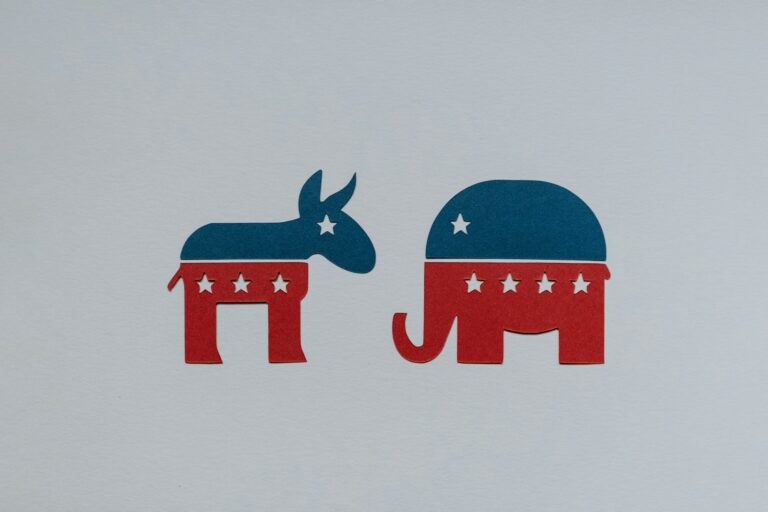
Meet the Politimals: What Animal Comparisons Reveal About U.S. Politics

0

Key Takeaways:

  • Voters often compare Democrats and Republicans to animals, revealing deep feelings about their policies and values.
  • Republicans are seen as strong, bold predators, while Democrats are viewed as slower, more cautious creatures.
  • These animal metaphors could shape how voters make decisions in future elections.

Politics can feel complicated, but sometimes, it’s the simple ways of thinking that reveal the most. For years, one Democratic researcher has been asking voters to compare the two major political parties to animals. What she’s found might surprise you.

The Animal Kingdom of Politics

Anat Shenker-Osorio, a longtime Democratic researcher, has spent years studying how voters feel about politics. She’s led over 250 focus groups with swing voters—people who might vote for either party. Her findings? Voters often see Republicans and Democrats as very different animals.

Republicans, she says, are compared to apex predators like lions, tigers, and sharks. These are strong, fierce animals that take what they want, whenever they want it. Voters see Republicans as bold, powerful, and unafraid to act.

Democrats, on the other hand, are often linked to animals like tortoises or birds. These creatures are slower, more cautious, and sometimes seen as less assertive. Voters often describe Democrats as careful, thoughtful, and focused on protecting others.

Why Do These Comparisons Matter?

At first glance, comparing politicians to animals might seem silly. But these metaphors reveal a lot about how voters feel. For example, seeing Republicans as predators suggests that voters view them as strong leaders who can take charge. Democrats, as tortoises, are seen as more measured and focused on long-term goals.

These perceptions can shape how voters decide who to support. If someone wants a bold, decisive leader, they might lean toward Republicans. If they prefer a more cautious, thoughtful approach, Democrats might seem like the better choice.

Interestingly, these animal comparisons also highlight the emotional side of politics. Voters aren’t just thinking about policies; they’re thinking about how they feel about the people in charge. Do they want a leader who acts quickly, or one who takes the time to think things through?

The Power of Metaphors

Metaphors, like comparing politicians to animals, are powerful tools. They help us make sense of complicated ideas. When voters think of Republicans as lions or Democrats as tortoises, they’re creating mental shortcuts. These shortcuts make it easier to decide who aligns with their values.

For example, a voter who values strength and decisiveness might admire the “lion” qualities they see in Republicans. On the other hand, someone who worries about moving too fast or making mistakes might prefer the “tortoise” approach of Democrats.

These metaphors also reveal stereotypes about the parties. Republicans are often seen as more unified and assertive, while Democrats are viewed as more divided and indecisive. Whether these stereotypes are true or not, they influence how voters feel.

What’s Next for Politimals?

As elections approach, understanding these animal metaphors could be crucial. If Democrats want to win over swing voters, they might need to challenge the idea that they’re slow or hesitant. Likewise, Republicans might need to address concerns that they’re too aggressive or unpredictable.

The way voters think about politics is never simple. It’s shaped by emotions, experiences, and even metaphors. By listening to how people talk about politicians as animals, we can better understand what they’re really looking for in their leaders.

In the end, politics is about more than policies—it’s about how we feel. And sometimes, all it takes is a trip to the animal kingdom to see what’s really going on.

Trump and Putin Agree to Prisoner Exchange: What You Need to Know

0

Key Takeaways:

  • President Donald Trump and Russian President Vladimir Putin have agreed to swap prisoners.
  • The deal was announced by Russia’s foreign minister.
  • The swap is seen as a rare positive step in tense U.S.-Russia relations.

The world watched closely as news broke that Donald Trump and Vladimir Putin, two of the most powerful leaders on the planet, agreed to a prisoner exchange. This deal, announced by Russia’s foreign minister, marks a rare moment of cooperation between the two nations. With tensions often running high, any agreement between the U.S. and Russia is big news. But what does this really mean? Let’s break it down.

What’s the Big Deal About a Prisoner Exchange?

A prisoner exchange is when two countries agree to swap people they’ve been holding in jail. In this case, the U.S. and Russia have likely agreed to release citizens from each other’s custody. These exchanges are often seen as gestures of goodwill or steps toward better relations. But they can also be complex, involving careful negotiations and delicate diplomacy.

Why Does This Matter Now?

U.S.-Russia relations have been strained for years. Disagreements over issues like Ukraine, cyberattacks, and election interference have made things tense. This prisoner swap could be a sign that both sides are willing to work together, even if they don’t see eye-to-eye on everything. It’s a small step, but sometimes small steps can lead to bigger things.

What Do We Know About the Exchange?

The announcement came from Russia’s foreign minister, but details are still limited. We don’t yet know who is being swapped or how many people are involved. Prisoner exchanges often involve high-profile individuals or people facing serious charges. It’s also unclear what led to this agreement, but it’s possible that behind-the-scenes talks played a big role.

What’s Next?

Now that the agreement is in place, the next step is carrying it out. This likely involves arranging the logistics of the exchange, ensuring everything goes smoothly, and making sure both sides keep their promises. After that, the focus will shift to whether this leads to further cooperation. Will this be a one-time thing, or could it open the door to more dialogue between the two nations?

Why Should You Care?

Even if you’re not directly affected by this exchange, it’s important to pay attention. When two major powers like the U.S. and Russia find common ground, it can have ripple effects. It might influence everything from global politics to international security. Plus, it’s a reminder that even in tough times, countries can find ways to work together.

What’s the Bigger Picture?

This prisoner exchange is just one piece of a much larger puzzle. U.S.-Russia relations are shaped by decades of history, mutual distrust, and competing interests. While this deal is positive, it doesn’t erase the many issues between the two countries. However, it does show that when there’s a will to cooperate, things can get done.

What’s Next for U.S.-Russia Relations?

The real question now is whether this prisoner exchange will lead to more cooperation in the future. Will it pave the way for talks on other issues, like arms control or trade? Or will it be a standalone gesture with little lasting impact? Only time will tell, but for now, it’s a rare bright spot in an otherwise rocky relationship.

What Does This Mean for the People Involved?

For the individuals being swapped, this deal could mean freedom after years of being detained. Imagine being stuck in a foreign country, away from family and friends, and then suddenly having the chance to go home. It’s a moment of hope for those involved and their loved ones.

How Does This Affect the Rest of the World?

While the immediate impact is limited to those directly involved, the symbolism of this exchange is important. It shows that even in tough times, diplomacy can work. Other countries might take note and see it as an example of how to resolve conflicts through negotiation rather than confrontation.

What’s the History of U.S.-Russia Prisoner Swaps?

This isn’t the first time the U.S. and Russia have swapped prisoners. Such exchanges have happened before, often involving spies or individuals convicted of espionage. They’re usually carefully orchestrated and kept secret until they’re carried out. This latest swap follows in that tradition.

What Challenges Lie Ahead?

While the agreement is a positive step, challenges remain. The two countries still have significant disagreements, and building trust won’t be easy. There’s also the question of whether this exchange will lead to broader talks or if it’s just a one-off event.

Conclusion

The agreement between Trump and Putin to swap prisoners is a rare moment of cooperation in a often tense relationship. While it’s just one step, it’s a reminder that even when things seem impossible, diplomacy can still work. As the world watches, the hope is that this move will lead to more positive developments in the future. For now, it’s a glimmer of hope in a complex and often tricky partnership between two global superpowers.

Dollar Drops to 7% Loss This Year After Trump’s New Tariff Threats

0

Key Takeaways:

  • The U.S. dollar dropped in value again on Friday.
  • The Bloomberg Dollar Spot Index fell 0.7%, making its year-to-date loss over 7%.
  • Former President Donald Trump’s tariff threats against the EU and Apple have worried investors.

The Dollar’s Downward Slide

The U.S. dollar took another hit on Friday, dropping as much as 0.7% and extending its year-to-date loss to over 7%. This marks the fourth time in five sessions that the dollar has weakened. The main reason? Investors are getting nervous about former President Donald Trump’s latest threats to impose tariffs on the European Union and Apple Inc.

Tariffs are taxes on imported goods, and Trump’s announcement has raised concerns about how this could affect the U.S. economy. If tariffs go up, it could lead to higher prices for consumers and slower economic growth.


What’s Behind the Dollar’s Decline?

The dollar’s strength is often seen as a sign of a strong economy. But lately, it’s been losing value against other major currencies. Why?

  1. Trump’s Tariff Threats: Trump recently announced plans to slap tariffs on goods from the European Union and even Apple products. This has made investors worry about how this could hurt U.S. trade relationships and the economy.

  2. Investor Concerns: Investors are nervous about what these tariffs could mean for businesses and consumers. If tariffs go up, prices for imported goods might rise, which could slow down spending and economic growth.

  3. Global Economic Fears: The dollar’s drop reflects a broader fear that the U.S. economy might not be as strong as previously thought. If investors lose confidence, they might move their money elsewhere, causing the dollar to weaken further.


Why Should You Care About the Dollar’s Value?

The value of the dollar affects everyone. Here are a few ways:

  1. Imported Goods: A weaker dollar makes imported goods more expensive. Think about your smartphone, clothes, or even groceries—prices might go up if the dollar drops further.

  2. Travel Abroad: If the dollar is weaker, traveling to other countries becomes more expensive. Your money won’t go as far in places like Europe or Japan.

  3. Investments: If you or your family have investments, a weaker dollar can impact how much your money is worth compared to other currencies.


What’s Next for the Dollar?

It’s hard to predict what will happen next, but a few things could influence the dollar’s value:

  1. Economic Data: Upcoming reports on jobs, inflation, and economic growth will give clues about the health of the U.S. economy.

  2. Political Decisions: Whether Trump follows through on his tariff threats will play a big role in the dollar’s future.

  3. Investor Confidence: If investors regain confidence in the U.S. economy, the dollar could recover. But if fears grow, the dollar might continue to drop.


The Bigger Picture

The dollar’s recent drop is part of a larger story about the U.S. economy. While the country has shown strong job growth and consumer spending, challenges like rising debt and political uncertainty are causing concerns.

Trump’s tariff threats are adding to these worries. If the U.S. imposes new tariffs, it could lead to trade wars, higher prices, and slower economic growth. This would likely make the dollar even weaker.


How Does This Affect You?

Even if you’re not an investor or a global traveler, the dollar’s value impacts your daily life.

  • Higher Prices: If the dollar weakens, imported goods become more expensive. This could mean paying more for things like electronics, clothes, and even food.
  • Economic Growth: A slower economy could mean fewer jobs or smaller pay raises.
  • Global Trade: Trade tensions could hurt U.S. businesses that rely on exports, leading to layoffs or higher prices.

What Can Be Done?

There’s no easy fix for the dollar’s decline, but a few steps could help:

  1. Policy Changes: If the U.S. avoids new tariffs and focuses on strengthening trade relationships, investor confidence might improve.
  2. Economic Stability: Strong economic data, like low unemployment and controlled inflation, could help the dollar recover.
  3. International Cooperation: Working with other countries to avoid trade wars could ease fears and stabilize the dollar.

Closing Thoughts

The dollar’s recent drop is a sign of growing concerns about the U.S. economy. Trump’s tariff threats and broader economic challenges are making investors nervous. While the situation could improve, it’s important to stay informed and understand how these changes might affect your wallet. Keep an eye on the news, and remember: the dollar’s strength is just one piece of the economic puzzle.

As the U.S. navigates these uncertain times, one thing is clear—what happens next will shape the economy for years to come.