57 F
San Francisco
Wednesday, May 6, 2026
Home Blog Page 805

Tom Morello Slams Trump On Stage at Boston Calling 2025

0

Key Takeaways:

  • Tom Morello criticized President Trump at Boston Calling 2025.
  • He supported Harvard University and Bruce Springsteen, recently targeted by Trump.
  • Trump recently attacked Taylor Swift and Bruce Springsteen online.
  • Morello emphasized the importance of standing up for freedom.

Tom Morello Confronts Trump During Concert

At Boston Calling 2025, Tom Morello, guitarist for Rage Against the Machine, used his platform to boldly challenge President Donald Trump. Morello expressed support for Harvard University andBruce Springsteen, both recently criticized by Trump. His powerful message during the concert highlighted the importance of resistance and freedom.


Backlash Against Celebrities

President Trump has been openly attacking famous figures. Recently, he targeted singer Taylor Swift and musician Bruce Springsteen on social media. Trump’s comments on Swift implied her popularity diminished after he expressed dislike for her. He also criticized Springsteen, calling him overrated after Springsteen spoke against Trump during a London concert. Swift’s team noted her shows sold out despite Trump’s remarks, showing her enduring fan support.


Morello Defends Springsteen and Harvard

Morello defended Springsteen, praising his commitment to truth and democracy. He criticized Trump’s jealousy of Springsteen’s larger audience. Morello also supported Harvard, his alma mater, which faces challenges from Trump’s policies on foreign students. His performance ended with a warning about potential suppression, urging fans to cherish their freedom.


Standing Up for Freedom

Tom Morello’s concert was more than a performance; it was a call to action. He encouraged fans to speak out against injustice, emphasizing the importance of freedom. As debates over free speech and political power continue, Morello’s message reminds us of the importance of using our voices.

In a world where speech is challenged, Morello’s words inspire us to think about our values and the power of our voices. Will you join the conversation and stand up for what you believe in?

GOP Strategist Hands Democrats a Trump Counterplay Blueprint

0

Key Takeaways:

  • Republican strategist Susan Del Percio shares tips for Democrats to counter Trump’s MAGA agenda.
  • She says Democrats can’t stop the GOP’s big bill but can define it ahead of the 2024 midterms.
  • Focusing on issues like FAA chaos and government layoffs could help Democrats gain momentum.
  • Del Percio suggests Sen. Elissa Slotkin as a model for the energy Democrats need.

A Republican’s Advice to Democrats: Define Trump Before He Defines You

In an unusual move, a Republican strategist is giving Democrats advice on how to fight back against Donald Trump’s MAGA agenda. Susan Del Percio, a GOP insider, recently wrote that while Democrats might not be able to stop Trump’s massive legislative push, they can still shape the narrative.

Del Percio says Democrats have a small window to define Trump’s party before the 2024 midterm elections. “In politics, one of the first things you want to do is define your opponent before they define you,” she explained.


Focus on Easy Targets

Del Percio suggests Democrats focus on issues where the GOP is vulnerable. One major example? The chaos at the Federal Aviation Administration (FAA).

“While Republicans are fighting among themselves in D.C., Americans will be taking to the not-so-friendly skies,” she wrote. Del Percio points to recent problems like outdated computer systems and layoffs in aviation safety roles. “This should not be about Elon Musk,” she said, referring to the billionaire CEO. “Musk may have taken a chainsaw to federal agencies, but he did so with Trump’s permission.”

For Democrats, the message is clear: Hold Trump accountable for these failures.


Why This Strategy Matters

Del Percio’s advice is simple but effective. By focusing on issues like the FAA mess, Democrats can paint the GOP as ineffective and out of touch.

She also warns Democrats not to get bogged down in internal fights. “At least find a message,” she urged, even if they can’t agree on a leader.


A Model for Democrats: Sen. Elissa Slotkin

Del Percio points to Sen. Elissa Slotkin (D-MI) as an example of the kind of energy Democrats need. Slotkin is known for her no-nonsense approach and ability to connect with voters.

“This is exactly the energy Democrats need to harness as the humidity descends on the Hill,” Del Percio wrote.


The Bigger Picture

Del Percio’s advice is a rare moment of bipartisan strategy. While she’s a Republican, she’s giving Democrats a roadmap to counter Trump’s agenda. Her message is clear: The 2024 midterms are just around the corner, and Democrats need to act now.

By focusing on issues that resonate with everyday Americans—like travel delays and government layoffs—Democrats can build a narrative that sticks.

And for Del Percio, the key is simple: Make Trump and the GOP own the results of their policies.

Mississippi Still Awaits Aid Months After Devastating Tornadoes

0

Key Takeaways:

  • Months after tornadoes hit Mississippi, residents are still waiting for federal aid.
  • President Trump’s administration has not yet responded to the state’s request for disaster help.
  • FEMA, the agency responsible for disaster aid, is undergoing leadership changes and may not be ready for the next hurricane season.
  • Other Republican-led states, like Arkansas and Missouri, are also struggling to get federal assistance after similar disasters.

Tornadoes Leave Mississippi Residents Struggling

In March, powerful tornadoes tore through several small towns in Mississippi, leaving behind a trail of destruction. Seven people lost their lives, and hundreds of homes were damaged or destroyed. Months later, many families are still waiting for help from the federal government to rebuild their lives.

The state’s governor, Tate Reeves, asked President Trump’s administration for a federal disaster declaration on April 1. This declaration would unlock funding and resources from FEMA to assist affected areas. However, as of now, there has been no response.

One of the hardest-hit areas was Tylertown, a small town in southern Mississippi. Residents there say they’re frustrated and confused about why help hasn’t arrived.

“I know President Trump said, ‘America First, we’re gonna help our American folks first,’” said Bobby McGinnis, a Tylertown resident. “But we haven’t seen the federal folks down here.”

Another resident, Brian Lowery, added, “I don’t know what you got to do or what you got to have to be declared a federal disaster area because this is pretty bad. We’re just waiting on a letter, waiting on somebody to sign his name. I’m just over it.”


FEMA’s Leadership Issues Raise Concerns

The delay in Mississippi’s aid request comes at a time when FEMA is facing its own challenges. The agency recently went through a leadership shake-up. Cameron Hamilton, the former acting administrator of FEMA, was fired after disagreeing with President Trump about the agency’s future. Trump has reportedly considered shutting down FEMA in the past.

Adding to the concerns, an internal FEMA presentation revealed that the agency is “not ready” to handle the upcoming 2025 Atlantic Hurricane Season, which starts on June 1. This news has worried many, especially in states prone to hurricanes and tornadoes.


Mississippi Isn’t Alone in Its Struggle

Mississippi isn’t the only state dealing with this issue. Arkansas Governor Sarah Huckabee Sanders, a Republican, also applied for federal aid after tornadoes struck her state earlier this year. However, FEMA denied her request and her appeal.

In Missouri, Republican Senator Josh Hawley used his time during a Senate hearing to urge Homeland Security Secretary Kristi Noem to send help to his state after deadly tornadoes caused significant damage.

This pattern raises questions about why some states are being denied aid, even when disasters are severe. Many are wondering if politics or other factors are playing a role in these decisions.


A Growing Frustration

For residents in Mississippi and other affected states, the lack of federal aid is more than frustrating—it’s devastating. Many families are still living in damaged homes or temporary shelters, unable to rebuild without financial assistance.

Local governments are doing what they can, but they don’t have the resources to handle the scale of the damage alone. Without federal support, recovery efforts are moving slowly.

As the wait continues, residents are left feeling forgotten. They’re calling on their leaders to act quickly and provide the help they desperately need.


What’s Next?

As Mississippi waits for a response to its disaster declaration, one thing is clear: the delayed aid is causing real harm to families and communities. With FEMA’s readiness for the next hurricane season in question, many are worried about what the future holds.

For now, residents like Bobby McGinnis and Brian Lowery can only hope that someone in Washington will finally hear their voices and act.

“President Trump said he’d put America first,” McGinnis said. “But it feels like we’re not a priority.”

EU Steps In to Save Radio Free Europe After US Cuts Funding

0

Key Takeaways:

  • The European Union is providing $6.2 million in emergency funding to Radio Free Europe/Radio Liberty (RFE/RL).
  • This move comes after the U.S. government stopped funding the media outlet.
  • RFE/RL is a crucial source of independent news in countries with limited press freedom.
  • The EU sees this as a way to support democracy and free media in troubled regions.

What is Radio Free Europe/Radio Liberty?

Radio Free Europe/Radio Liberty, or RFE/RL, is a well-known media organization that provides news to countries where press freedom is limited or nonexistent. Founded during the Cold War, its goal is to share accurate information and promote democracy in places like Russia, Ukraine, and Central Asia. For decades, the U.S. government funded this important work. But recently, the Trump administration suddenly stopped providing money, leaving RFE/RL in a tough spot.

Why is the EU stepping in to help?

The European Union has decided to step in and save RFE/RL by giving it $6.2 million in emergency funding. This decision was announced by Kaja Kallas, the EU’s foreign policy chief, after a meeting with EU foreign ministers in Brussels. The EU believes RFE/RL’s work is vital for supporting democracy and free media in regions where these values are under threat.

Kallas made it clear that the EU views RFE/RL as a critical source of independent news. She emphasized that its work is more important now than ever, as many countries face challenges like censorship and misinformation.

What does this funding mean for RFE/RL?

The $6.2 million from the EU is a lifeline for RFE/RL. Without U.S. funding, the organization was struggling to continue its operations. This money will help RFE/RL keep producing its programs and news content for millions of listeners and readers across Europe and beyond.

The EU’s support is not just about saving jobs or keeping a media outlet alive—it’s about protecting the principles of democracy and free speech. In many countries, RFE/RL is the only source of unbiased news people can trust.

Why is this important right now?

At a time when many authoritarian governments are cracking down on independent media, RFE/RL’s role is more crucial than ever. In countries like Russia, Belarus, and Turkey, journalists face severe restrictions and risks for reporting the truth. RFE/RL provides a platform for these journalists to share their stories without fear of censorship.

The EU’s decision to fund RFE/RL sends a strong message: democratic values like free speech and press freedom are worth fighting for. It also shows that the EU is willing to step up where the U.S. has stepped back.

What’s next for RFE/RL?

With the EU’s funding, RFE/RL can continue its work for now. But the organization’s future is still uncertain. The EU’s support is a temporary solution, and RFE/RL will need to find a long-term funding plan to stay operational.

The EU’s decision has been welcomed by supporters of press freedom around the world. It’s a reminder that even in challenging times, there are still those willing to stand up for democracy and the truth.

Conclusion

The European Union’s decision to fund Radio Free Europe/Radio Liberty is a significant step in the fight for free media and democracy. By stepping in where the U.S. left off, the EU is proving its commitment to these values. For millions of people living in authoritarian regimes, RFE/RL is a beacon of hope and truth. With the EU’s support, this vital work can continue.

But the bigger question remains: what does this mean for the future of independent media? As long as there are organizations like RFE/RL and supporters like the EU, there is hope that free speech and democracy will endure.

Trump Grants Surprise Pardon to Sheriff Convicted of Bribery

0

Key Takeaways:

  • Sheriff Scott Jenkins was convicted of bribery for selling deputy badges.
  • He was set to begin a 10-year prison sentence but received a full pardon from Trump.
  • Jenkins claimed he was targeted by the Biden DOJ for his support of gun rights.
  • Trump criticized the DOJ and a judge in a Truth Social post before granting the pardon.

Introduction: In a surprising move, former President Donald Trump recently granted a full pardon to Sheriff Scott Jenkins, who was convicted of bribery. Jenkins was to start a 10-year prison term but won’t serve any time thanks to Trump’s intervention. This pardon has stirred debate, with many questioning the reasons behind it.

Who is Sheriff Scott Jenkins?

Sheriff Scott Jenkins served in Virginia’s Culpeper County. His term ended in controversy when he was accused of selling deputy badges in exchange for bribes. These badges allowed holders to carry firearms without necessary training. Remarkably, many badge holders weren’t even employed by the sheriff’s office.

The trial revealed that Jenkins traded these badges for personal gain, a clear abuse of his authority. In December, the jury delivered a guilty verdict, leading to his 10-year sentence. The case highlighted concerns about corruption within law enforcement and the potential dangers of untrained individuals carrying firearms.

Jenkins’ Podcast and Claims

After his conviction, Jenkins attempted to reshape his narrative. He started a podcast where he portrayed himself as a victim of political persecution by the Biden Department of Justice. He argued that his staunch support for gun rights made him a target, suggesting that the DOJ was biased against him.

Jenkins’ strategy to gain public sympathy worked, at least in part. His claims resonated with some conservatives and gun rights advocates, who saw him as a martyr for their cause. This narrative likely caught Trump’s attention, given his alignment with similar political views.

Trump’s Involvement

Trump’s decision to pardon Jenkins came shortly after the sheriff’s claims gained traction. In a post on his Truth Social platform, Trump criticized the Biden administration and the presiding judge, Robert Ballou, accusing them of unfair treatment. Trump argued that Jenkins was innocence and deserved freedom.

Trump’s post highlighted his inclination to support those he perceives as allies or victims of what he decries as a biased justice system. This pardon aligns with his history of using clemency to favor political associates and those whose cases resonate with his base.

The Pardon Itself

The pardon was granted just hours before Jenkins was due to report to prison, marking a dramatic turn of events. This timing amplified the attention the case received, casting a spotlight on Trump’s use of executive clemency.

The pardon’s implications are significant. It underscores Trump’s perception of the justice system as politically motivated, reinforcing his narrative of a biased establishment. However, it also raises ethical questions about the fairness of such interventions, especially in corruption cases.

Public Reaction

Reactions to the pardon have been mixed. Supporters of Jenkins and Trump view the pardon as a triumph of justice, believing Jenkins was unfairly targeted. Conversely, critics argue that the pardon undermines efforts to hold officials accountable for corruption, setting a dangerous precedent.

This dichotomy reflects broader political divides in the U.S., with opinions often aligning with partisan views. The pardon serves as another example of how high-profile cases can become lightning rods for political debate.

Conclusion

The pardon of Sheriff Scott Jenkins is a complex issue with far-reaching implications. While it brings Jenkins’ legal battle to an end, it also sparks discussions about corruption, justice, and political influence. As debates continue, the case remains a significant talking point in American politics, highlighting the delicate balance of power and accountability in the justice system.

Trump’s Economic Plans Spark Alarm in Bond Markets

0

Key Takeaways:

  • Trump’s economic policies are causing concerns in bond markets.
  • Rising interest rates could affect mortgages, credit cards, and loans.
  • A $1.8 trillion deficit in 2024 is worrying investors.
  • Experts warn of potential economic slowdown if policies continue.

Jared Bernstein, a well-known economist and former chair of the U.S. Council of Economic Advisers, has sounded the alarm on Donald Trump’s economic plans. In a recent article, Bernstein claims that the bond market is acting like a lie detector test—and Trump is failing.

The bond market, which is a key indicator of economic health, is showing signs of trouble. Investors are worried about Trump’s policies, which Bernstein calls a “toxic mix” of ideas that could raise interest rates and slow down economic growth. This is bad news for everyday people, as higher interest rates mean more expensive loans, mortgages, and credit cards.

What’s Rattling the Markets?

Bernstein points to several reasons why the bond market is flashing red. One major issue is the huge government deficit expected in 2024—$1.8 trillion, which is 6.4% of the country’s GDP. When the government borrows more money, interest rates tend to rise. This makes it more expensive to borrow money for things like homes, cars, and business loans.

Another problem is the combination of Trump’s economic policies and spending plans from Congressional Republicans. Bernstein calls this mix “reckless” and says it’s causing uncertainty in financial markets. Investors don’t like uncertainty, and when they’re nervous, they demand higher returns, which drives up interest rates.

The Consequences of “Make America Great Again” Economics

Bernstein argues that Trump’s policies are based on the “Make America Great Again” (MAGA) ideology, which he believes is harmful to the economy. These policies, combined with Republican plans to cut taxes and increase spending, are creating a perfect storm that could lead to higher debt and slower growth.

The economist warns that if Trump and his allies continue down this path, the economy could suffer. Higher interest rates would make it harder for people to afford mortgages, credit card payments, and auto loans. This could slow down spending, hurt businesses, and even lead to job losses.

Markets Don’t Believe the Hype

Despite claims that the economy is strong, the bond market tells a different story. Bernstein says financial markets don’t buy the idea that everything is fine. In fact, they’re sending a clear message: things are not okay. The rising deficit and the lack of a plan to control it are major concerns for investors.

What’s Next?

If Trump and Republicans don’t change course, the economic consequences could be severe. Higher interest rates would make life more expensive for millions of Americans. Bernstein urges policymakers to take the warning signs seriously and act responsibly to avoid a potential economic slowdown.

In the end, Bernstein’s message is clear: the bond market is sounding the alarm, and ignoring it could have real consequences for everyone.

Trump-Linked Elite Club Sparks Controversy in Washington

0

Introduction:

In an increasingly divided Washington, a new private club is making waves, catering exclusively to Trump-aligned elites. Set to open in June, the club promises to be a sanctuary for those loyal to Trump’s ideology. This article explores the exclusivity, purpose, and implications of this new venture.

Key Takeaways:

  • Exclusive Membership: Access is reserved for Trump loyalists and selected elites.
  • Exclusivity Over Wealth: Membership is not solely based on wealth but on connections to Trump’s circle.
  • No Media Allowed: A strict ban on media members to avoid scrutiny.
  • Georgetown Location: Situated in a historic area, adding to its exclusivity.
  • Controversy: Critics raise concerns about the club’s potential influence and lack of transparency.

Why It’s So Exclusive:

The club’s exclusivity is its defining feature. It’s not just about wealth; it’s about loyalty to Trump. Members must be known to the owners, creating an air of mystery and exclusivity. This approach isn’t new but is intensified here, targeting those who feel traditional Republican clubs don’t align with their views.

What Does This Club Represent?

The club reflects a shift in political and social dynamics. It’s a place where Trump supporters can network without public oversight, raising concerns about undue influence. This exclusivity isn’t just social; it’s political, aiming to create a space where like-minded individuals can unite and strategize.

A Club in Georgetown: Luxury and Secrecy

Georgetown, known for its historic charm and elite residents, is the perfect location. The club offers luxury and secrecy, allowing members to meet discreetly. This adds to the allure for those seeking privacy and exclusivity, making it a hotspot for influential figures.

Why Ban the Media?

The media ban is strategic, aiming to keep activities under wraps. In a city where media presence is strong, this ban is a clear stance against scrutiny. It ensures that club dealings remain private, which is crucial for its members.

What’s Next for Executive Branch?

As the club prepares to open, it’s set to become a hub for Trump allies. The focus will be on its influence and how it operates in the shadows. Critics worry about the lack of transparency and its potential impact on politics and business.

Conclusion:

The Executive Branch represents a new era of exclusivity in Washington, catering to Trump loyalists. While it offers a private space for networking, it also raises concerns about transparency and influence. As it opens, all eyes will be on how it shapes the political and social landscape.

Trump Considers Cutting Harvard Funding for Trade Schools

0

Key Takeaways:

  • President Trump may cut Harvard’s $3 billion federal funding.
  • Money could go to trade schools instead.
  • Decision follows a blocked ban on foreign students.
  • Trump has criticized Harvard for liberal bias.

Trump Considers Cutting Harvard Funding for Trade Schools

President Trump recently suggested he might take away $3 billion in federal funds from Harvard University and give it to trade schools. This idea comes after a judge stopped his plan to bar foreign students from attending Harvard. Trump has often criticized the school for being too liberal.

Why Trade Schools?

Trade schools, or vocational schools, focus on practical skills like welding or car repair. Trump believes these schools deserve more support. He thinks they prepare students for jobs better than traditional colleges. By moving funds to trade schools, Trump aims to promote skills that directly meet workforce needs.

Why Harvard?

Harvard is a top university known for its research and academic programs. It receives federal money for various projects, including research. Trump argues that elite schools like Harvard don’t need as much federal support. He also claims they push liberal ideas, which he disagrees with.

A Wider Crackdown

This isn’t the first time Trump has targeted Harvard. His administration previously tried to stop foreign students from attending Harvard online, citing the pandemic. A judge blocked this move. Trump has also criticized universities for what he sees as political bias, wanting schools to teach more conservative values.

What’s Next?

It’s unclear if Trump’s plan will happen. Congress and education leaders might oppose the move. Harvard and other schools could challenge it in court. For now, this idea shows Trump’s priorities: more money for trade schools and less for elite universities he views as biased.

Conclusion

Trump’s proposal to redirect Harvard’s funding highlights his push for vocational education and his criticism of liberal universities. If it happens, it could significantly impact both Harvard and trade schools. Stay tuned for updates on this developing story.

Alabama Game Wardens Face Lawsuit Over Private Property Searches

5

Key Takeaways:

  • Alabama game wardens are being sued for searching private property without warrants.
  • The Alabama Constitution requires a warrant for property searches, but wardens use a state statute to bypass this rule.
  • Three residents claim they were subjected to repeated privacy invasions despite no charges.
  • The Institute for Justice argues that game wardens must follow constitutional rights.

Private Property Rights in Alabama Under Fire

In Alabama, a legal battle is heating up over whether game wardens can search private property without a warrant. The Alabama Constitution clearly states that government officials need a warrant based on probable cause before searching someone’s property. However, state game wardens are using a statute to ignore this rule, claiming they can enter any land as part of their duties.

Three Alabama residents—Dalton Boley, Regina Williams, and Dale Liles—are now suing the state over this practice. They say game wardens have repeatedly trespassed on their land without permission or valid reason. None of them have been charged with any hunting violations, yet the searches continue.


“This Used to Be My Peaceful Escape”

Dalton Boley lives in Killen and shares land with Regina Williams, who owns 10 acres. For years, the land was a quiet getaway for both families. But things changed when game wardens started showing up unannounced.

“This used to be a place where I could come to relax and get away from it all,” Boley said. “But now that I know someone could be snooping around, it’s hard to feel at ease.”

Boley has even faced baseless accusations from the wardens. Despite this, no charges were ever filed.


A Hunting Enthusiast Pushes Back

Dale Liles, from Muscle Shoals, owns and leases 86 acres of land filled with fields, marshes, and swamps. He uses the land to hunt with his children and grandchildren. However, his peace was disrupted in 2018 when a game warden’s truck appeared on his property.

When Liles tried to talk to the warden, the official sped away. Later, a trail camera caught another warden trespassing on his land.

Liles loves the outdoors and is even the president of his local Ducks Unlimited chapter. “I’m all about preserving wildlife,” he said. “But game wardens still need to respect people’s rights.”

He also pointed out a safety concern: wardens don’t wear bright orange clothing, making it dangerous for hunters who can’t see them.


The Legal Fight for Privacy

The Institute for Justice (IJ), a legal advocacy group, is representing the three residents in their lawsuit. According to IJ lawyer Suranjan Sen, the Alabama Constitution is clear: “If the government wants to search your property, they need a warrant based on probable cause. Game wardens are not exempt from this rule.”

The IJ argues that while the statute gives wardens broad powers to enter land, it violates the state’s constitutional protections. “The Constitution should always take precedence over any statute,” Sen said.


Why This Matters to All Alabamians

This case raises important questions about privacy rights and government overreach. If allowed, the current practice could set a dangerous precedent, allowing officials to disregard constitutional protections.

For the plaintiffs, it’s about reclaiming their sense of security. “I just want to enjoy my land without worrying about strangers showing up unannounced,” Boley said.

The outcome of this lawsuit could have far-reaching consequences, reminding officials that no one is above the law—not even game wardens.


This legal battle is a reminder that protecting your rights often requires standing up, even against the government. Stay tuned for updates as this case unfolds. If you’ve experienced similar issues, share your story in the comments below.

Health Secretary Kennedy Faces Intense Senate Grilling

Key Takeaways:

  • Budget Clashes: HHS Secretary Kennedy and Senator Murray disagreed sharply over budget cuts and their impact on public health.
  • Medicaid Concerns: Kennedy defended proposed spending reductions, emphasizing they target inefficiencies, not direct cuts.
  • Workforce Changes: He discussed personnel reductions, comparing them to private sector practices.
  • NIH Funding Debate: Highlighted inefficiencies in NIH grants, with significant funds allocated to indirect costs.

Health Secretary Kennedy Faces Heat in Senate Hearing

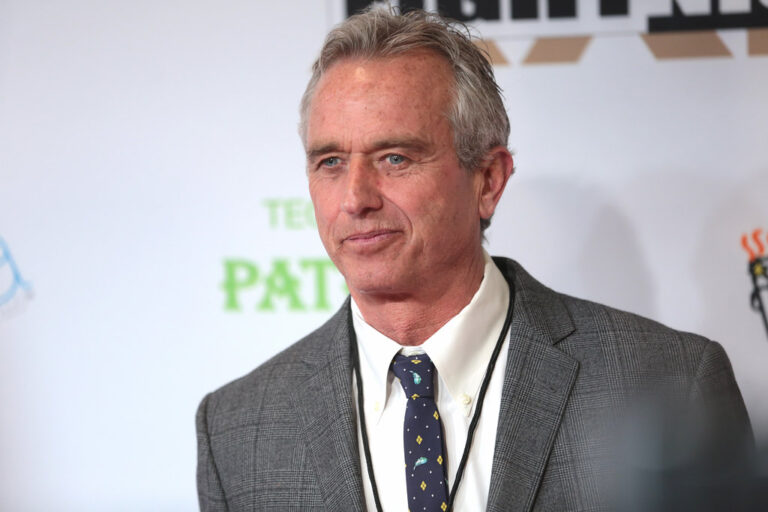
In a tense Senate hearing, Health and Human Services Secretary Robert F. Kennedy Jr. faced tough questions from Democrats regarding his department’s budget and policies. The hearing, held by the Senate Appropriations Subcommittee, revealed deep divisions over spending and the direction of healthcare in America.

1. A Heated Exchange Over Health and Budget Cuts

The hearing began with a fiery exchange between Kennedy and Senator Patty Murray. Murray criticized Kennedy for cutting critical funds, accusing him of enacting an unapproved budget. She interrupted his responses, leading to a heated debate.

Kennedy defended his actions, arguing that past policies under Democratic leadership had failed to improve public health. He pointed out rising chronic diseases and accused Murray of not addressing these issues during her tenure. The exchange became personal, with both sides challenging each other’s claims.

2. Medicaid Cuts Spark Debate

Senator Jack Reed raised concerns that proposed spending cuts couldstrip Medicaid coverage from over 10 million people, increasing emergency room visits. Kennedy countered, explaining these were reductions in spending growth, not actual cuts, aimed at eliminating fraud and abuse.

He cited issues like people collecting Medicaid in multiple states and overlapping benefits, which he called illegal. Kennedy also noted California’s decision to stop funding Medicaid for illegal immigrants after federal action, suggesting compassion ends when states must pay.

3. workforce Reductions Compared to Private Sector

Senator John Kennedy questioned Kennedy about workforce reductions at HHS. The department has reduced staff from 82,000 to 62,000, levels last seen before COVID-19. Kennedy compared this to private sector practices, noting major companies like Microsoft and Meta also downsize without negative impact.

4. NIH Research Funding Under Scrutiny

Democrats raised concerns over NIH funding cuts, highlighting the importance of medical research. Kennedy pointed out that much of the funding goes to indirect costs, with top universities spending a large portion on non-research expenses. He suggested this as an area for potential cuts without harming actual research.


This hearing underscored the deep political divides over healthcare and federal spending. As the debate continues, the impact on American health remains a crucial concern.