55.4 F
San Francisco
Wednesday, May 6, 2026
Home Blog Page 812

Lockheed Martin Ends Diversity Groups In Response to Trump Orders

0

Key Takeaways:

  • Lockheed Martin discontinues employee resource groups focused on race, LGBTQ+ issues, and activism.
  • Decision follows President Trump’s executive orders on diversity policies and shareholder concerns.
  • Changes aim to align with executive orders and prevent discrimination.
  • Shareholders praise the move, calling it a positive step for business.

Lockheed Martin Ends Diversity Groups In Response to Trump Orders

In a significant move, Lockheed Martin, a leading defense contractor, has decided to end its employee resource groups based on race, LGBTQ+ identity, and activism. This decision comes after President Trump’s recent executive orders addressing diversity policies and concerns from shareholders about potential bias against Christians.

What’s Happening Now?

President Trump’s executive orders, issued earlier this year, suggest that diversity, equity, and inclusion (DEI) efforts might violate civil rights laws. These laws prohibit discrimination based on race, religion, sex, and national origin. The orders encourage companies to avoid practices that could be seen as unfair or discriminatory.

Lockheed Martin has responded by reviewing its policies. They removed goals based on diversity representation and altered funding for social programs to align with the orders. The company also ended employee groups that focused on specific identities, stating they will now create inclusive engagement opportunities for all employees.

Why This Change Matters

The decision reflects a broader shift in how companies approach diversity initiatives. Some argue that focusing on specific groups can create division. Lockheed Martin’s move aims to promote unity and merit-based practices.

Jerry Bowyer, an investment manager, supports this change. He believes it’s better for business to remain neutral on social issues. “You come to work to work, not to highlight your personal life,” he said, criticizing the divisiveness of such groups.

A Growing Trend

Lockheed Martin isn’t alone. More companies are reevaluating DEI initiatives. This trend gained momentum after Trump’s orders. Some activists and investors have pushed for changes, arguing that DEI efforts sometimes overlook certain groups, like Christians.

Lockheed Martin’s decision ends groups like LGBTQ+ and racial affinity networks but didn’t have similar support for religious employees. This imbalance is part of what shareholders wanted to address.

Looking Ahead

The move by Lockheed Martin signals a shift toward more inclusive, neutral workplaces. It reflects a broader debate about the role of DEI in companies and the importance of fairness for all employees, regardless of background.

As companies navigate these changes, the impact on workplace culture and policies remains to be seen. Lockheed Martin’s decision is a significant step in this evolving landscape, emphasizing unity and equality in the workplace.

Biden Admin Gave $93B in Rushed Loans Without Proper Review

Key Takeaways:

  • The Biden administration allocated $93 billion in loans in its final 76 days.
  • No business plans or financial reviews were conducted for these loans.
  • Sen. John Kennedy expressed shock at the lack of due diligence during a hearing.
  • Energy Secretary Christopher Wright confirmed the oversight and potential fraud.
  • A review is ongoing, with some cases referred to the Department of Justice.

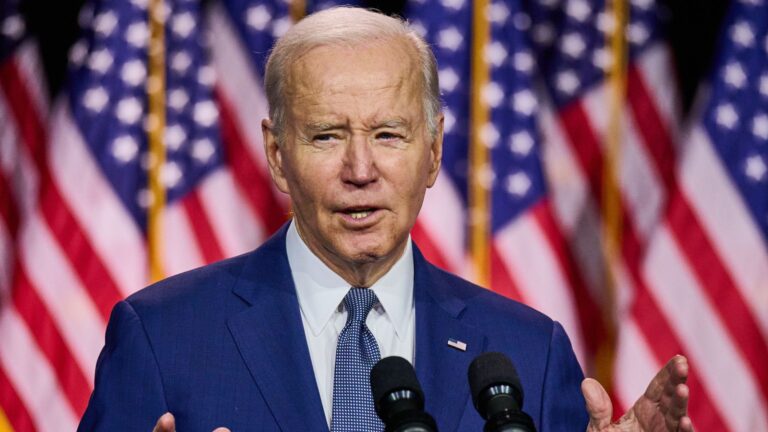
The Biden administration is facing scrutiny after revealing it distributed $93 billion in loans and commitments in its last 76 days without proper reviews. This revelation came to light during a Senate Appropriations Committee hearing, where Sen. John Kennedy expressed his astonishment.

A Stunning Revelation in the Senate Hearing

During the hearing, Sen. John Kennedy grilled Energy Secretary Christopher Wright about the hurried disbursement of funds. The period in question was the final 76 days of Biden’s term, during which the administration handed out more money than it had in the preceding 15 years. Kennedy sought clarity on how such a large sum could be approved without due diligence.

Questioning the Rushed Process

Sen. Kennedy questioned how the Department of Energy could possibly conduct thorough reviews for such a massive amount in a short timeframe. Secretary Wright admitted that in many cases, no business plans or financial statements were reviewed. This oversight has raised serious concerns about the management of taxpayer money.

Lack of Financial Oversight

Kennedy was particularly troubled by the absence of financial scrutiny. He emphasized the importance of having detailed plans and financials for such significant investments. Wright concurred, noting that many recipients provided neither, leading to potential misuse of funds.

A Sharp Increase in Loan Allocations

The $93 billion figure is more than double the total loans granted over the previous 15 years, highlighting an unusual surge. This inconsistency has sparked questions about the motivation behind the rushed allocations.

Concerns About Fraud and Accountability

The hearing also addressed the possibility of fraud. Kennedy suggested that some recipients might have presented vague ideas rather than solid plans. Wright acknowledged this possibility, citing instances where plans were incomplete or lacked crucial details.

Investigations and Next Steps

Secretary Wright assured the committee that his department is reviewing the matter. He pledged to reject wasteful projects and refer any fraudulent activities to the Department of Justice. This ongoing review aims to uncover any misuse of taxpayer funds and ensure accountability.

Conclusion

The revelation of $93 billion in rushed loans without proper reviews has raised significant concerns. As the investigation continues, the focus remains on transparency and accountability. This case underscores the need for thorough oversight in government funding to prevent future misuse.

Close Call: Cargo Ship Nearly Hits House in Norway

Close Call: Cargo Ship Nearly Hits House in Norway

  • A cargo ship ran aground near a house in Trondheim Fjord, Norway.
  • The homeowner, Johan Helberg, slept through the incident.
  • The ship was just meters away from the house.
  • Only minor damage occurred to a heating pump wire.

Imagine waking up to find a huge cargo ship almost in your backyard. That’s what happened to Johan Helberg in Norway. A cargo ship ran aground just meters from his home, but thankfully, it didn’t crash into his house. The only damage was to a heating pump wire.

A Peaceful Night Turned Into A Shocking Discovery

Helberg had a quiet night and slept through the whole incident. He only found out about the ship when a neighbor rang his doorbell the next morning. When he looked out, he was shocked to see the large cargo ship so close to his house.

A Close Call Caught on Camera

Photos and videos show how close the ship came to the house. The ship’s red and green bow was just a few meters away from Helberg’s home. It’s amazing the ship didn’t cause more damage. The only issue was a damaged wire to the heating pump.

A Narrow Escape Sparks Relief and Questions

Helberg feels lucky the situation wasn’t worse. He could have lost his home if the ship had crashed into it. People in the area are relieved no one was hurt. Authorities are investigating why the ship ran aground.

A Reminder of Nature’s Power and Life’s Surprises

This incident shows how unpredictable life can be. Even in a quiet place, something unexpected can happen. Helberg’s close call is a reminder to appreciate the unexpected twists life brings.

Helberg’s story is a mix of surprise and relief. While the ship caused little damage, it could have been much worse. It’s a story many will remember for years to come.

Trump Approves U.S. Steel and Nippon Steel Merger, Boosting Jobs and Economy

Key Takeaways:

  • President Donald Trump approved the merger between U.S. Steel and Nippon Steel.
  • The deal, previously blocked over national security concerns, is now set to create 70,000 jobs.
  • The merger is expected to add $14 billion to the U.S. economy.
  • U.S. Steel will remain headquartered in Pittsburgh, with major investments over 14 months.
  • U.S. Steel shares jumped over 20% after the announcement.

Major Steel Merger Gets Green Light from Trump President Donald Trump recently approved a significant merger between U.S. Steel and Nippon Steel, a deal earlier blocked due to national security concerns. This partnership is expected to bring substantial economic benefits, including thousands of new jobs and a $14 billion boost to the U.S. economy.

The Deal: A New Chapter for Steel Giants

The merger between U.S. Steel and Nippon Steel marks a new era for both companies. Trump highlighted the benefits, stating the deal will create at least 70,000 jobs and inject $14 billion into the economy. The investment will mostly occur over the next 14 months, with U.S. Steel maintaining its headquarters in Pittsburgh.

Economic Impact: Jobs and Growth

One of the most exciting aspects of this merger is the job creation. With 70,000 new positions expected, this deal could significantly reduce unemployment in related sectors. The $14 billion injection into the economy will likely stimulate various industries, from manufacturing to construction, benefiting both businesses and workers.

Why This Matters

The steel industry is crucial for building infrastructure, cars, and machinery. A stronger U.S. Steel, backed by Nippon Steel’s expertise, could lead to better products and more efficient production. This collaboration may also help the U.S. compete globally in steel production.

A Win for Pittsburgh

U.S. Steel’s headquarters will stay in Pittsburgh, ensuring the city remains a steel industry hub. The investment over 14 months will likely create local jobs and support businesses in the region, boosting Pittsburgh’s economy.

Stock Market Reaction

Investors showed optimism about the merger. U.S. Steel shares surged over 20%, closing at $52.01 after Trump’s announcement. This reaction highlights the market’s confidence in the deal’s potential success.

Looking Ahead

While the merger is approved, success depends on execution. Both companies will need to work together to meet the jobs and investment targets. If successful, this could be a model for future partnerships between U.S. and international firms.

Final Thoughts

Trump’s approval of the U.S. Steel and Nippon Steel merger is a significant move with promising economic implications. The focus now is on delivering the expected jobs and growth while maintaining national security. If successful, this deal could be a major step forward for the U.S. steel industry.

AI Revolutionizes Customer Service: Efficiency vs. Privacy

Key Takeaways:

  • AI technology is advancing rapidly in customer service.
  • Chatbots and virtual assistants are becoming more common.
  • These tools improve efficiency but raise privacy concerns.
  • Experts warn about the ethical use of AI in customer interactions.

Introduction Artificial intelligence, or AI, is changing how businesses interact with customers. From chatbots to virtual assistants, AI is making customer service faster and more efficient. But as AI becomes more common, questions arise about privacy and ethics. Is AI the future of customer service? Let’s explore this growing trend.

What’s Happening in AI-Driven Customer Service? Imagine you’re shopping online and have a question about a product. Instead of waiting for a human customer service agent, a chatbot instantly replies. This is happening more often as businesses adopt AI technology.

AI-powered chatbots use machine learning to understand customer inquiries better. They can handle multiple requests at once, reducing wait times. Virtual assistants, like Siri and Alexa, are also playing a bigger role in helping customers.

But while AI improves efficiency, it also collects a lot of personal data. This data can sometimes be misused, raising concerns about privacy.

How AI is Improving Customer Service The best thing about AI in customer service is speed. Chatbots can answer common questions quickly, like tracking orders or returning products. They don’t take breaks or get tired, so they’re available 24/7.

AI also personalizes the experience. For example, a chatbot might suggest products based on your past purchases. This makes shopping more convenient and tailored to your needs.

Another benefit of AI is cost savings for businesses. Chatbots reduce the need for human agents, cutting operational costs. This allows companies to invest more in improving products and services.

The Privacy Concerns Surrounding AI in Customer Service As AI becomes more advanced, it collects more data about users. This includes browsing history, purchase habits, and even voice recordings. While this data helps AI improve, it also poses risks.

What happens if this information falls into the wrong hands? Data breaches are a growing concern, and AI systems can be vulnerable to attacks. Users might worry about their personal information being misused.

There’s also the issue of consent. Many customers don’t realize how much data is being collected. Companies need to be clear about what they do with this information and ensure it’s used ethically.

The Ethical Use of AI in Customer Service Experts say businesses must balance efficiency with ethics. AI should be designed with strict privacy protections in place. This includes encrypting data and limiting who can access it.

Transparency is key. Companies should explain how they use AI and collect data. Customers should have control over their information, including the option to opt out of data collection.

Another ethical consideration is accountability. If an AI system makes a mistake or causes harm, who is responsible? Clear guidelines and regulations are needed to address these situations.

The Future of AI in Customer Service The use of AI in customer service is growing fast. It offers many benefits, like faster responses and personalized experiences. However, challenges like privacy and ethics must be addressed.

As AI becomes more advanced, it could improve even more. Imagine AI that not only answers questions but also anticipates your needs. This could make customer service more efficient and satisfying.

But for this to happen, companies must prioritize ethical practices. This includes protecting user data, being transparent, and ensuring accountability.

Conclusion AI is transforming customer service, making it faster and more efficient. But with these advancements come concerns about privacy and ethics. Balancing innovation with responsibility is crucial for the future of AI in this field.

As customers, we should stay informed about how our data is used and demand ethical practices from businesses. By doing so, we can enjoy the benefits of AI while protecting our privacy and rights.

The AI revolution in customer service is just beginning. Let’s hope it’s a journey that prioritizes both innovation and integrity.

Judge Blocks Trump’s Plan to Overhaul Federal Agencies and Cut Jobs

Key Takeaways:

  • A federal judge has stopped President Trump’s plan to reorganize 20 federal agencies.
  • The ruling prevents job cuts and layoffs in these agencies.
  • The judge said Trump needs Congress’s approval for such big changes.
  • This decision came after a lawsuit by government employee unions.
  • Agencies like Health and Human Services and the Social Security Administration are affected.

The Trump administration recently faced a major setback in its effort to restructure the federal government. A federal judge stepped in to block President Trump’s plans to overhaul 20 agencies and cut thousands of jobs. This decision is a big deal for federal workers and changes how the administration can make large-scale changes.

What Happened?

In February, President Trump signed an executive order to reorganize the Executive Branch. This plan, led by an entity called DOGE, aimed to make significant changes to how federal agencies operate. However, a federal judge ruled that Trump cannot make these changes without approval from Congress.

U.S. District Judge Susan Illston, based in San Francisco, issued a preliminary injunction. This injunction stops the administration from sending out layoff notices, cutting jobs, or placing employees on administrative leave. The judge’s decision ensures that federal workers in 21 agencies can keep their jobs while the legal battle continues.

Which Agencies Are Affected?

The injunction covers major agencies like:

  • Department of Health and Human Services
  • Department of Veterans Affairs
  • Social Security Administration
  • AmeriCorps

It also includes the White House’s Department of Government Efficiency. These agencies cannot implement any job cuts or program reductions linked to Trump’s executive order.

Why Did the Judge Step In?

The judge’s ruling was in response to a lawsuit filed by government employee unions. These unions argued that Trump’s plan to restructure the federal government and cut jobs was illegal. They claimed the administration did not have the authority to make such sweeping changes without Congress’s approval.

Judge Illston agreed with the unions. She stated that only Congress has the power to approve such large-scale reforms. The judge also emphasized that the administration cannot unilaterally decide to cut programs or jobs without proper authorization.

What Does This Mean for Federal Workers?

This ruling is a lifeline for thousands of federal employees. It means they won’t face layoffs or administrative leave while the case is being decided. The injunction also prevents agencies from moving forward with any job cuts that were already in motion.

For now, federal workers can breathe a sigh of relief. The judge’s decision ensures stability and continuity in the affected agencies. It also highlights the importance of checks and balances in the federal government.

The Broader Implications

This ruling has significant implications for the Trump administration’s plans to restructure the federal government. It shows that the executive branch cannot act unilaterally on such major changes. The decision reinforces the idea that significant reforms require collaboration with Congress.

The administration may need to revisit its approach and work with lawmakers to achieve its goals. This could delay or even derail some of the proposed changes, depending on how Congress responds.

A Closer Look at the DOGE

The DOGE, or Department of Government Efficiency, played a central role in Trump’s plan to overhaul the federal government. The judge’s ruling specifically bars DOGE from implementing any orders related to cutting programs or staff. This means DOGE cannot proceed with its plans to reduce the workforce or reorganize agencies without congressional approval.

The ruling also raises questions about the role and authority of DOGE in shaping federal policy. If the administration cannot proceed with its plans, DOGE’s influence may be limited, at least in the short term.

The Next Steps

The judge’s decision is not the final word on the matter. The case will likely continue to make its way through the courts, with the Trump administration appealing the ruling. The administration may argue that the president has the authority to make such changes without congressional approval.

On the other hand, the unions and other parties involved in the lawsuit will continue to fight to protect federal workers and ensure that any major reforms are done legally and with proper oversight. The outcome of this case could set a precedent for future administrations and their ability to restructure the federal government.

Conclusion

The federal judge’s decision to block Trump’s plan to overhaul federal agencies and cut jobs is a significant development. It underscores the importance of checks and balances and ensures that federal workers are protected from sudden and drastic changes. The ruling also highlights the need for collaboration between the executive and legislative branches when it comes to major reforms.

For now, federal employees in the affected agencies can continue their work without fear of layoffs. The case will likely continue to unfold in the courts, and the outcome could have far-reaching implications for the federal government and its workforce.

Biden’s Presidency Under Scrutiny: House Committee Launches Investigation

Key Takeaways:

  • House Oversight Committee Chair James Comer plans to question four Biden staffers and a former White House doctor.
  • The investigation focuses on concerns over Biden’s mental health and potential influence by unelected officials.
  • Biden’s recent prostate cancer diagnosis has sparked questions about his health during his presidency.
  • Republicans aim to hold Democrats accountable for allegedly covering up Biden’s health struggles.
  • New evidence has emerged, increasing pressure on Biden’s administration to provide answers.

Digging Deeper into Biden’s Presidency

A new investigation into former President Joe Biden’s time in office is gaining momentum. House Oversight Committee Chair James Comer announced plans to question four former Biden staffers and a key doctor. This comes as concerns about Biden’s mental and physical health continue to grow.

Comer made the announcement on Jesse Watters Primetime, a popular Fox News show. He explained that the four staffers, who worked behind the scenes in the Biden White House, are believed to have had significant influence over the former president. Comer described them as “unelected bureaucrats” who may have acted as “de facto presidents” during Biden’s term.


The Investigation Begins

Comer revealed that the committee is starting by inviting the four staffers and Dr. Kevin O’Connor, Biden’s former White House physician, to answer questions. If they refuse, the next step will be issuing subpoenas.

When asked by Watters to name the staffers, Comer said, “They’re not household names. They fly under the radar.” He emphasized that these individuals may have had too much control over Biden’s decisions, potentially overshadowing the president himself.


Concerns Over Biden’s Health

Biden’s mental decline during his presidency has been a topic of discussion for years. Videos showing him stumbling and struggling to speak have sparked criticism, but Democrats and media figures have often dismissed these concerns. Former White House Press Secretary Karine Jean-Pierre even called the videos “cheap fakes,” claiming they were edited to make Biden look bad.

However, a new book by CNN’s Jake Tapper and Axios’ Alex Thompson has brought these issues back into the spotlight. The book reveals that Biden’s health declined so much at one point that aides considered putting him in a wheelchair.


Biden’s Cancer Diagnosis Raises Questions

In addition to concerns about his mental health, Biden’s office recently announced that he has been diagnosed with an aggressive form of prostate cancer that has spread to his bones. This diagnosis has sparked questions from doctors and political figures alike.

Dr. Ezekiel Emanuel, a former Obama official, suggested that Biden likely had cancer during his presidency, which began in 2021. Other medical experts agree, saying it’s unlikely the disease developed recently. This has led to speculation about whether Biden’s health issues were hidden from the public during his time in office.


Republicans Push for Accountability

Republicans have long criticized Democrats for what they see as a cover-up of Biden’s health struggles. Comer and other GOP lawmakers argue that the American people deserve transparency, especially given the severity of the concerns.

Comer said, “The American people want to know this. Momentum’s on our side. New evidence has emerged just in the last few days.” He added that the House Oversight Committee is prepared to ask tough questions and hold Biden’s former administration accountable.


What’s Next?

As the investigation moves forward, all eyes are on the House Oversight Committee. If the staffers and Dr. O’Connor refuse to cooperate, subpoenas could follow. Comer made it clear that the committee is ready to take that step if necessary.

Meanwhile, Biden’s cancer diagnosis has added another layer to the story. If experts are correct, and Biden had cancer during his presidency, it could raise even more questions about how his health impacted his ability to lead.


The Bigger Picture

This investigation is part of a larger debate over accountability in politics. Republicans are using their majority in the House to dig into issues they believe were ignored during Biden’s presidency. For Democrats, this is seen as an attempt to distract from other pressing issues.

Regardless of the outcome, one thing is clear: the scrutiny surrounding Biden’s presidency is far from over. As more details emerge, the American public will be watching closely to see what the House Oversight Committee uncovers.


The investigation into Biden’s presidency is just beginning, but it already has the potential to be one of the biggest political stories of the year. Stay tuned for more updates as this story unfolds.

Texas Launches $500B AI Data Center: 10 Key Facts

Key Takeaways:

  • A $500 billion AI data center is opening in Texas.
  • It’s a joint project by OpenAI, Oracle, and SoftBank.
  • It will be one of the largest data centers globally.
  • Focuses on advanced AI, machine learning, and cloud computing.
  • Uses cutting-edge, eco-friendly tech.
  • Aims for super-fast computing to process big data quickly.
  • Located in Texas for its business perks and abundant resources.

Introduction

Tech giants OpenAI, Oracle, and SoftBank are making waves with their new $500 billion AI data center in Texas. This massive project is set to be one of the biggest data centers worldwide, focusing on AI, machine learning, and cloud services. Let’s dive into the key facts about this exciting venture.


1. A Huge Investment in AI

The $500 billion investment shows the companies’ commitment to AI development. This isn’t just a data center; it’s a hub for creating smarter AI technologies that can solve complex problems, from climate change to healthcare.


2. Collaboration of Tech Giants

OpenAI, known for its advanced AI models, Oracle with its cloud solutions, and SoftBank’s tech investments, are joining forces. Together, they bring expertise and resources to push AI beyond current limits.


3. Texas: The Perfect Location

Texas was chosen for its business-friendly policies, plenty of land, and reliable power. The state has a growing tech scene, making it an ideal spot for such a major project.


4. Super-Fast Computing

Imagine a computer so fast it can handle massive tasks quickly. The center’s super-fast computing aims to solve problems that seem impossible now, making it crucial for future AI advancements.


5. Advanced AI and Machine Learning

This center is all about developing next-gen AI and machine learning tools. It will help create systems that can think and learn more like humans, enhancing industries like education and finance.


6. Eco-Friendly Design

Environmental impact matters. The center uses renewable energy and smart cooling systems to minimize its footprint, showing tech can go hand-in-hand with sustainability.


7. Top-Tier Security

Security is a priority here. The center is like a digital fortress, protecting data from cyber threats and ensuring trusted services for users.


8. Boosting the US Tech Scene

The center positions the US as global tech leader, promoting innovation and economic growth. It could transform the tech landscape, inspiring more investment and development.


9. Economic Impact

Over 10,000 jobs and a $1 billion local investment are expected. This project isn’t just tech advancement; it’s about improving lives through new opportunities.


10. Future-Ready Cloud Services

With scalable infrastructure, the center offers tailored cloud solutions. This flexibility supports various industries, from startups to big firms, driving growth.


What the Future Holds

As this data center grows, it will lead AI monetization, improve technology, and shape the digital future. Stay tuned for breakthroughs!


Conclusion

This venture by OpenAI, Oracle, and SoftBank is a significant leap in AI, promising transformative changes. With its focus on innovation, sustainability, and economic growth, the Texas data center is set to be a cornerstone in the tech world.

Farmers Turn Against Trump as Tariffs Take Toll

0

Key Takeaways:

  • Farmers are losing confidence in President Trump due to trade policies.
  • Tariffs and trade wars are causing uncertainty and financial strain for agricultural businesses.
  • Some farmers who supported Trump may reconsider their vote in the next election.

Farmers, who were once strong supporters of President Donald Trump, are growing uneasy about his policies. A reporter from rural Wisconsin recently shared insights about the challenges farmers are facing due to trade wars and tariffs.

Why Are Farmers Upset?

Farmers are struggling because they don’t know where to sell their goods. They plant seeds in their fields but worry about tariffs blocking their sales. Tariffs, which are taxes on imported or exported goods, are creating uncertainty and financial strain.

John Nichols, a reporter from Wisconsin, explained that farmers are in a crisis. Many rely on selling their products internationally. But now, trade wars are making it harder for them to find buyers. This uncertainty is causing anxiety and making farmers question their support for Trump.

Nichols noted that polls show farmers who voted for Trump are unhappy with his approach to tariffs. They are uncomfortable and worried about their businesses.

Trade War Hits More Than Farms

The trade war is not just affecting farmers. It’s also impacting manufacturing, like car plants. Workers in these industries are also concerned about tariffs and how they might lose their jobs or face financial losses.

Nichols mentioned that he’s visited many rural areas, like Kenosha and Belmont in Wisconsin, and even Iowa. Everywhere he goes, people are talking about tariffs more than ever before. This shows how much concern there is about the economy and trade policies.

Could This Change the Election?

Nichols believes that farmers and workers might vote for someone else if they don’t see improvements. While it’s common for voters to switch sides, it’s important to note that farmers are paying close attention to how these policies affect them.

One MSNBC host pointed out that Republicans have cut social safety nets, which are programs that help people in need. This could make things harder for farmers and workers if the economy gets worse.

The host questioned how Trump can promise a better future while causing so much uncertainty. She doesn’t understand how this strategy will help him win votes.

What’s Next?

Farmers and workers are nervous about the future. They’re rethinking their political choices and talking about tariffs more than ever. This could lead to big changes in the next election.

For now, farmers are stuck in limbo, hoping things get better. But if things don’t improve, they might decide to support someone else who promises a better deal.

This situation shows how important it is for politicians to listen to the concerns of farmers and workers. Their votes depend on it.

Supreme Court Grants Trump More Power Over Agencies: Here’s What You Need to Know

0

Supreme Court Grants Trump More Power Over Agencies: Here’s What You Need to Know

Key Takeaways:

  • The Supreme Court made a controversial ruling giving President Donald Trump more power to remove top officials from independent agencies.
  • The decision ignored a 90-year-old legal precedent that protects agency heads from being fired without cause.
  • The court tried to avoid undermining the Federal Reserve’s independence but faced criticism for its reasoning.
  • Justice Elena Kagan called out her colleagues for creating a confusing and inconsistent ruling.

The Supreme Court’s Surprising Move

In a move that has sparked widespread debate, the Supreme Court recently handed President Donald Trump more authority to remove leaders from independent agencies. This decision is part of the court’s “shadow docket,” a way of making quick, emergency rulings without full public debate.

The ruling allowed Trump to fire two high-ranking officials, Gwynne Wilcox and Cathy Harris, from the National Labor Relations Board (NLRB) and the Merit Systems Protection Board (MSPB). These agencies are supposed to operate independently, free from political influence, but the court’s decision challenges that independence.

The NLRB, for example, plays a crucial role in protecting workers’ rights, while the MSPB ensures fairness in federal employment. Removing their leaders could shift the balance of power in favor of the White House, critics argue.


A Legal Precedent Ignored

The court’s decision goes against a nearly 90-year-old ruling called Humphrey’s Executor v. United States. That 1935 case established that Congress can protect the heads of independent agencies from being fired without cause. The idea was to prevent presidents from manipulating these agencies for political gain.

But the Supreme Court’s conservative majority now seems willing to overturn this precedent. They argue that Trump should have more control over these agencies, even if it means violating the long-standing legal principle.


The Federal Reserve Exception

The court’s ruling, however, came with an unusual caveat. It said that while Trump could remove officials from the NLRB and MSPB, he couldn’t do the same with leaders of the Federal Reserve, the central bank of the United States.

The majority justified this distinction by claiming the Federal Reserve is a “quasi-private entity” with a unique history. They even cited a footnote from a 2020 case to support their claim, though many found their reasoning unconvincing.


Justice Kagan Calls Out the Contradiction

Justice Elena Kagan, who was appointed by former President Barack Obama, strongly disagreed with the majority’s decision. She pointed out that the Federal Reserve’s independence is rooted in the same legal principles as the NLRB and MSPB. If those principles are weakened, she argued, the Fed’s independence could also be at risk.

Kagan called the court’s attempt to protect the Federal Reserve while undermining other agencies “a puzzle.” She accused her colleagues of creating a confusing and inconsistent ruling.

In her dissent, Kagan wrote that the majority’s approach was “not a judicial act” but rather a political maneuver. She suggested a simpler solution: if the court truly wanted to protect the Federal Reserve, it should have upheld the decades-old precedent instead of bending the law to suit Trump’s interests.


What This Means for the Future

This ruling could have far-reaching consequences. It signals that the Supreme Court may be willing to overturn Humphrey’s Executor entirely in a future case. If that happens, presidents could gain even more power to influence independent agencies, undermining their ability to operate fairly and impartially.

The case is still being litigated in lower courts, so this isn’t the final word. But the Supreme Court’s decision sets a worrying precedent. It suggests that the court is increasingly willing to rewrite the rules to benefit the president, even if it means disregarding long-standing legal principles.


The Bigger Picture

This isn’t just about Trump or the agencies involved. It’s about the balance of power in the U.S. government. Independent agencies are designed to make decisions based on expertise and evidence, not political whims. If presidents can fire their leaders at will, these agencies could become tools for partisan politics.

The ruling also highlights the growing divide on the Supreme Court. The conservative majority seems increasingly willing to expand presidential power, while liberal justices like Kagan are pushing back against what they see as overreach.


A Final Word

The Supreme Court’s decision to give Trump more power over independent agencies has sparked outrage and concern. By ignoring decades of legal precedent and creating arbitrary exceptions, the court has raised serious questions about its independence and impartiality.

As Justice Kagan pointed out, the ruling is inconsistent and confusing. If the court truly wants to protect the Federal Reserve and other agencies, it should have stuck to established law instead of inventing new rules on the fly.

This case is a reminder of how much power the Supreme Court holds—and how its decisions can shape the future of the country. Stay tuned as this story continues to unfold.