55.9 F
San Francisco
Monday, May 4, 2026
Home Blog Page 826

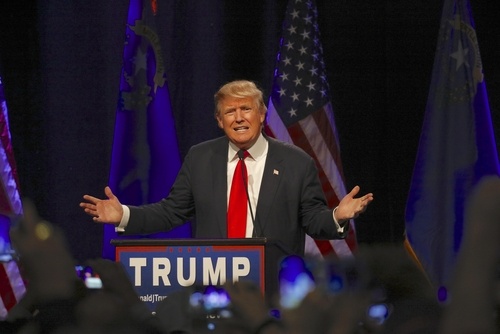
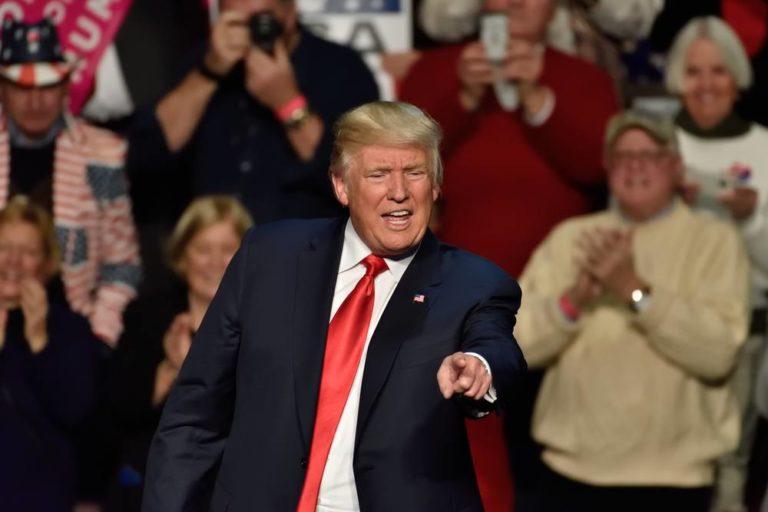
Trump’s Domestic Policy Package Moves Forward in the House

0

Key Takeaways:

  • The House Budget Committee approved President Trump’s domestic policy bill Sunday night.
  • Four Republicans who opposed the bill earlier voted “present” this time.
  • The bill passed with a 17-16 vote, mostly along party lines.
  • Changes are still needed to secure enough votes for it to pass the full House.

The Main Story President Donald Trump’s massive domestic policy package took a big step forward Sunday night. The House Budget Committee approved the bill in a close 17-16 vote. While this is good news for Trump and his supporters, the bill still faces challenges.

Just two days earlier, a group of conservative Republicans voted against the bill in committee. However, this time, those four Republicans chose to vote “present” instead of “no.” A “present” vote means they were there but did not support or oppose the bill. This decision helped the bill move forward, but it’s clear the legislation still needs adjustments to win over more lawmakers.

What’s Next for the Bill? The bill now heads to the full House of Representatives for a vote. However, it’s not a done deal yet. To pass, it needs support from more Republicans and possibly some Democrats. The bill is a major part of President Trump’s agenda, focusing on domestic policies like healthcare, education, and infrastructure.

Republicans are hopeful that the bill will pass, but they acknowledge that changes are needed to convince hesitant lawmakers. Some conservatives are concerned about the cost of the bill, which is in the trillions of dollars. Others want to see more specifics about how the money will be spent.

Why This Matters This bill is a key part of President Trump’s plan to address domestic issues before the next election. If it passes, it could shape the direction of the country for years to come. However, the close votes in the committee show that there’s still a lot of debate, even within Trump’s own party.

The outcome of this bill will also impact how voters view President Trump and the Republican Party heading into the 2024 election. A win would give Trump a major achievement to campaign on, while a loss could hurt his momentum.

The Bigger Picture The approval of the bill by the House Budget Committee is a positive sign for Trump, but it’s just the first step. The real test will come when the full House votes. Republicans will need to unite and possibly make some compromises to secure the votes they need.

For now, the bill is moving forward, but the road ahead is still uncertain. Stay tuned for updates as this story continues to unfold.

Trump: Russia and Ukraine to Start Ceasefire Talks

0

Key Takeaways:

  • U.S. President Donald Trump announced that Russia and Ukraine will start ceasefire negotiations.
  • The talks aim to end a three-year conflict.
  • Trump and Putin had a two-hour phone call.
  • No major concessions from Putin were reported.

Background of the Conflict The conflict between Russia and Ukraine began in 2014. It started when Russia took control of Crimea, a part of Ukraine. Since then, fighting has continued in eastern Ukraine. Many people have lost their lives, and millions have been affected.

What Happened in the Call Trump said that Russia and Ukraine will talk soon. They will try to agree on a ceasefire. However, it’s not clear what Russia promised during the call. Trump didn’t say if Putin agreed to withdraw troops or stop attacks.

Key Points from the Call

  1. Ceasefire Talks: Trump announced that talks will start soon. He hopes this will bring peace.
  2. No Clear Concessions: It seems Putin didn’t agree to any major changes. Trump didn’t mention specific deals.
  3. Phone Call Details: The call lasted two hours. Trump and Putin discussed the conflict and other issues.

Reactions from Both Sides

  • Ukraine: officials expressed hope that the talks will lead to peace.
  • Russia: government sources said they are open to negotiations but didn’t confirm details.
  • Other Countries: Leaders around the world are waiting to see if the talks will succeed.

What’s Next? The success of these talks depends on both sides. Ukraine wants its territory back. Russia has its own goals. The international community is watching closely.

The Bigger Picture This conflict affects not just Ukraine and Russia. It impacts global security and politics. The U.S. and European countries are involved. They want to support Ukraine while avoiding a larger war.

What do People Think? Opinions are mixed. Some see this as a step forward. Others doubt if Russia will keep its promises. Many hope for peace, but the road ahead is uncertain.

Conclusion Trump’s announcement is a sign of progress. But without clear concessions from Putin, it’s hard to see real change. The world will watch as Russia and Ukraine try to negotiate. Everyone hopes for peace, but only time will tell if these talks will succeed.

Mexican Tall Ship Crashes into Brooklyn Bridge, Killing Two

Key Takeaways:

  • The Mexican Navy’s tall ship, Cuauhtémoc, collided with the Brooklyn Bridge on Saturday night.
  • The incident resulted in two deaths and injured at least 17 people.
  • Mechanical failure caused the ship to lose steering, leading to the crash.
  • Similar to last year’s Baltimore bridge disaster.

What Happened?

A tragic maritime accident occurred on Saturday night when the Mexican Navy’s tall ship, Cuauhtémoc, crashed into the Brooklyn Bridge in New York City. The 147-foot vessel, known for its grandeur and historical significance, lost its steering ability due to mechanical failure. This mishap led to a collision that claimed two lives and injured 17 others.

Shocking footage captured the moment of impact, showing the ship’s inability to navigate properly. The incident has left the crew and onlookers in shock, deeply saddened by the loss of life and the severity of the injuries sustained.

Aftermath of the Collision

The collision occurred at night, adding to the chaos and difficulty of rescue operations. Emergency services responded swiftly, tending to the injured and securing the area. The ship, a proud symbol of Mexico’s maritime history, suffered significant damage, but the full extent is still being assessed.

Investigations into the cause are ongoing, with mechanical failure being the primary focus. The incident has raised concerns about maritime safety and the importance of regular maintenance for such vessels. The crew, many of whom were young and inexperienced, is in mourning, highlighting the risks associated with life at sea.

A Similar Tragedy

This event eerily mirrors the Baltimore bridge disaster of last year, where mechanical failure also led to a tragic collision. Both incidents underscore the critical need for stringent safety measures and robust maintenance protocols to prevent such catastrophes.

Why Did It Happen?

While mechanical failure is the stated cause, maritime experts emphasize that such incidents are often preventable. Regular inspections and adherence to safety standards are crucial. The investigation aims to determine if other factors contributed to the tragedy, ensuring that necessary steps are taken to prevent future occurrences.

Stay Informed

As details unfold, staying informed through reliable sources is essential. The incident serves as a reminder of the unpredictability of maritime voyages and the importance of safety at sea.

In conclusion, the collision of the Cuauhtémoc with the Brooklyn Bridge is a sobering reminder of the risks and challenges faced by seafarers. It underscores the need for vigilance and adherence to safety protocols to protect lives and maritime heritage.

Democrats’ New Strategy: Alienating White Voters?

0

Key Takeaways:

  • Democrats are shifting focus toward criticizing white Americans.
  • This strategy may alienate a large portion of the electorate.
  • The move could have significant political consequences.

The Democratic Party has made a bold move in recent weeks, shifting its focus toward openly criticizing white Americans. This new approach has sparked intense debate across the country. Let’s break down what this means and why it’s such a risky strategy.

The Shift in the Democratic Party’s Focus

In the past, the Democratic Party has been known for its stance on issues like abortion, climate change, and social justice. However, recent comments from party leaders suggest a new direction: focusing on white Americans as a target of criticism.

This shift is surprising because white Americans make up a significant portion of the population. estimates suggest that between 60% and 70% of the country identifies as white. This makes the Democratic Party’s new strategy potentially risky. alienating such a large group of people could have serious consequences for the party’s political success.

Why This Strategy is Risky

Critics argue that criticizing an entire ethnic group is not only unfair but also politically dangerous. They point out that the Democratic Party needs the support of all Americans, regardless of race, to win elections. By focusing on white Americans, the party may be pushing away potential voters.

Moreover, this approach ignores the diversity within the white population. The term “white” is not a fixed category. It includes people from different backgrounds, cultures, and economic situations. Painting all white Americans with the same brush oversimplifies complex issues.

The Implications for Future Elections

The Democratic Party’s new strategy could have significant implications for future elections. If the party continues to alienate white voters, it could lose crucial swing states. These states are often decided by a small margin of votes, and losing even a portion of white voters could tip the balance.

Additionally, this shift could energize Republican voters. If white Americans feel targeted by the Democratic Party, they may be more likely to support Republican candidates. This could lead to a further divide in the already polarized political landscape.

What This Means for Voters

For voters, this shift in strategy raises important questions. Are the Democrats truly representing the interests of all Americans, or are they focusing on divisive rhetoric to gain support from specific groups? Voters may begin to wonder if the party’s priorities align with their own values.

A Growing Trend in Politics

This shift in the Democratic Party’s focus is part of a larger trend in politics. Both parties have increasingly used identity politics to appeal to specific groups. However, this approach can backfire, as it often alienates those who feel excluded from the narrative.

Historical Context

Historically, political parties have shifted their strategies to gain an advantage. However, few have gone as far as to openly criticize a major demographic group. This approach is unprecedented and could set a dangerous precedent for future political campaigns.

The Role of Media and Social Networks

The media and social networks play a significant role in amplifying this rhetoric. By giving platforms to controversial statements, they keep the narrative alive and widely discussed. This can deepen divisions and make it harder to find common ground.

The Potential for Backlash

There is already evidence of a backlash against this strategy. Many white Americans feel unfairly targeted and are speaking out against the rhetoric. This backlash could grow if the Democratic Party continues down this path.

What’s Next?

As the Democratic Party continues to refine its strategy, the coming months will be crucial. Will the party double down on its approach, or will it shift back to a more inclusive message? The answer will have significant implications for the 2024 elections and beyond.

Conclusion: A Risky Bet

The Democratic Party’s decision to focus on criticizing white Americans is a risky bet. While it may energize some supporters, it also has the potential to alienate a large portion of the electorate. As the political landscape continues to evolve, it will be important to watch how this strategy plays out and what it means for the future of American politics.

UK and EU Reach Key Food Standards Deal

0

Key Takeaways

  • Britain and the EU agreed to reduce unnecessary border checks on food products.
  • A new Sanitary and Phytosanitary (SPS) deal removes time limits for easier trade.
  • This agreement is part of a larger effort to improve UK-EU relations.
  • Businesses and consumers will benefit from smoother trade and stable food supplies.

What is the SPS Agreement?

The UK and the European Union have announced a major deal to simplify trade rules for food products like meat, dairy, and plants. This agreement, known as the Sanitary and Phytosanitary (SPS) deal, aims to reduce unnecessary border checks. These checks can slow down trade and increase costs for businesses.

The SPS agreement is unlimited in time, meaning it won’t expire. This gives companies more confidence to invest and plan for the future. UK Prime Minister Keir Starmer’s office called the deal a significant step in improving relations between the UK and the EU.


How Does This Help Businesses?

For businesses, especially those in the food and farming industries, this deal is big news. Fewer border checks mean goods can move more quickly between the UK and EU countries. This reduces delays and cuts costs.

Imagine a dairy company in England exporting cheese to France. Without extra checks, their products can reach stores faster. This keeps prices stable and ensures fresh food reaches consumers.

The deal also creates a more level playing field. Both sides agreed to respect each other’s food safety standards. This avoids unnecessary barriers and makes trade easier.


What Does This Mean for Consumers?

Consumers will also benefit from this agreement. With smoother trade, supermarkets can maintain steady supplies of fresh food. This means fewer shortages and more consistent prices.

For example, if you’re buying strawberries from Spain or apples from France, this deal helps ensure they arrive on time and in good condition.


A New Era of Cooperation

This deal is part of a bigger effort to reset UK-EU relations. Since Brexit, trade between the two sides has faced challenges. This agreement shows both parties are committed to working together.

The UK and EU are signaling that they want a more cooperative future. This could lead to more deals in other areas, like trade, security, and climate change.


A Brighter Future for Trade

The SPS agreement is a win-win for both the UK and the EU. It helps businesses thrive, keeps food supplies stable, and strengthens relations.

As trade becomes easier, companies can focus on growth and innovation. Consumers get fresher, more affordable food. And both sides take a step toward a more collaborative future.

This deal is just the start. With continued cooperation, the UK and EU can achieve even more.


In summary, the SPS agreement is a positive move for trade, businesses, and consumers. It shows that even after challenges, the UK and EU can work together for mutual benefit.

Biden Interview Audio Reveals New Details of 2023 Meeting

0

Key Takeaways:

  • The long-awaited audio of Rob Hur’s interview with Joe Biden is now public.
  • The nearly six-hour recording offers audible context to the already released transcript.
  • The recording was made during Biden and Hur’s October 8-9, 2023, discussions.
  • The Biden White House and Democrats tried to keep the audio secret during the 2024 campaign.
  • The audio is now circulating online and has been obtained independently.

New Audio Sheds Light on Biden-Hur Interview

A recording of a high-profile interview between then-President Joe Biden and special counsel Rob Hur has finally been made public. The nearly six-hour audio provides fresh insight into their discussions, which took place over two days in early October 2023. While a written transcript of the conversation was already released, the audio adds a new layer of understanding to the exchange.

The audio, which has been circulating online, was obtained independently. Its release has sparked significant interest, especially as it comes during a heated political climate ahead of the 2024 elections. The Biden White House and Democratic supporters had previously tried to keep the recording under wraps, but it is now accessible to the public.


Why This Audio Matters

The interview between Biden and Hur has been a topic of discussion since it took place. Hur, who served as special counsel, was investigating certain matters involving the president. The transcript of their talk was released, but the audio offers a more personal and emotional context to the conversation.

Listening to the audio allows people to hear the tone, pauses, and emphasis in Biden and Hur’s dialogue. This can reveal nuances that are harder to detect in written form. For example, how Biden responded to tough questions or how Hur phrased his inquiries.

The timing of the audio’s release is also important. With the 2024 elections approaching, political campaigns are in full swing. Both Democratic and Republican strategists are likely analyzing the recording to see if it contains any information that could influence voters.


What Happened in the Interview?

The transcript already provided details about what Biden and Hur discussed. However, the audio gives a clearer picture of how the conversation unfolded. It includes the back-and-forth between the two men, their reactions to certain topics, and the overall atmosphere of the meeting.

One key aspect of the interview was Biden’s demeanor. Did he sound confident and composed, or were there moments of hesitation? The audio can help answer these questions. Similarly, Hur’s tone could indicate whether he was pressing Biden hard or conducting the interview in a more neutral manner.

The content of the discussion itself is also crucial. Topics likely covered during the interview could relate to the investigations Hur was overseeing. These may include questions about Biden’s actions during his presidency or other matters of public interest.


Public Reaction to the Audio

The release of the audio has caused a stir in political circles. Supporters of Biden argue that the recording confirms his transparency and cooperation with the investigation. On the other hand, critics believe the audio could contain damaging information that was not evident from the transcript alone.

Social media has been flooded with reactions. Some users are analyzing clips from the audio, pointing out specific moments they find significant. Others are debating whether the recording will impact Biden’s popularity or his chances in the 2024 election.

Meanwhile, political analysts are weighing in on what the audio could mean for the upcoming elections. They are also speculating about whether other similar recordings could surface in the future.


What’s Next?

Now that the audio is public, it is likely to be a major talking point in the weeks and months ahead. Political campaigns will use it to shape their messaging, either to defend Biden or to criticize him. Meanwhile, news outlets will continue to analyze the recording, looking for any hidden details or clues.

The release of the audio also raises questions about transparency in government. Should such recordings be made public, or should they remain confidential? This debate is likely to continue as more information comes to light.

In the meantime, the public will have to decide how much weight to give this audio. Will it change their opinion of Biden, or will it reinforce their existing views? Only time will tell.

Trump’s Big Bill Clears Major Hurdle in the House

0

Key Takeaways:

  • President Trump’s bill passed a crucial vote in the House Budget Committee.
  • The bill survived after a rebellion by four conservative lawmakers last Friday.
  • The next step is a full House vote later this week.

Trump’s Bill Moves Forward After Late-Night Vote

In a dramatic turn of events, President Donald Trump’s major bill took a big step forward in the House of Representatives. After facing a setback last Friday, the bill was revived during a late-night vote on Sunday. This brings it closer to a final vote by the entire House later this week.

The Initial Setback

Last Friday, four conservative lawmakers shocked everyone by opposing the bill. Their unexpected rebellion forced Republican leaders to delay the vote. This was a significant blow to Trump’s plan, which he has called “one big, beautiful bill.”

But the delay didn’t last long. Lawmakers were called back to Washington on Sunday night for an emergency meeting. At 10 p.m., the House Budget Committee held a new vote. This time, the bill passed with a near-party-line vote of 17 to 14.

The Late-Night Comeback

The late-night vote showed how determined Republican leaders were to keep the bill alive. By summoning lawmakers back to Washington, they ensured the bill wouldn’t stall. The pressure paid off, and the bill cleared the Budget Committee.

Now, the bill heads to the full House for a vote. If it passes there, it will move to the Senate, where it faces another tough battle.

What’s Next?

The full House vote is expected later this week. This will be a major test for Trump’s bill. Republicans are hoping to unite their members and avoid another rebellion. If the bill passes, it will be a significant win for Trump and his party.

A Divided House

The close vote in the Budget Committee highlights how divided the House is. Democrats mostly opposed the bill, while Republicans stuck together to push it through. The final vote in the House will depend on whether Republicans can keep their members in line.

Stay tuned for more updates as this story continues to unfold.

Trump Admin Admits Americans Pay for Tariffs: What It Means for You

0

Key Takeaways:

  • The Trump administration now admits Americans, not foreign countries, pay for tariffs.
  • This changes Trump’s long-standing claim that other nations bore the cost.
  • Tariffs are raising prices for businesses and consumers alike.
  • This shift in policy understanding affects trade deals and economic strategies.

Trump Admin Admits Americans Pay for Tariffs: What It Means for You

For years, the Trump administration argued that tariffs—taxes on imported goods—were paid by foreign countries. However, they recently acknowledged that Americans ultimately foot the bill. This admission changes how we view trade policies and their impact on everyday life.

Understanding Tariffs and Trade Wars

Tariffs are taxes on imported goods, aiming to protect domestic industries. When the U.S. imposes tariffs on Chinese goods, for example, China doesn’t pay them; American companies importing those goods do. These costs are often passed to consumers through higher prices.

Trump’s administration long claimed that China and other countries would cover these costs, but economists and evidence show that U.S. consumers and businesses bear the burden. This realization affects how the administration approaches future trade deals.

Why This Matters

Acknowledging that Americans pay for tariffs is a significant shift. It means everyday products, from electronics to clothing, may cost more. This affects both businesses and individual consumers, impacting purchasing power and business profitability.

The Impact on Everyday Americans

Higher tariffs lead to increased prices for various goods. For example, importing toys from China becomes more expensive for U.S. retailers, who might pass these costs to consumers. This can lead to higher prices in stores, affecting household budgets.

Businesses Feel the Pinch

Small and large businesses importing goods face higher costs due to tariffs. These expenses can lead to reduced profits, forcing companies to either raise prices or absorb the loss, which can affect their competitiveness.

A Change in Rhetoric

The administration’s admission is a departure from previous claims. This shift could influence future trade negotiations, as policymakers now recognize the domestic impact of tariffs. Understanding who bears the cost is crucial for forming effective trade policies that benefit the economy and consumers.

What This Means for the Future

Recognizing that tariffs affect Americans changes how the government approaches trade. Future policies might focus more on strategies that minimize consumer impact while protecting industries. This could involve more targeted tariffs or seeking alternative solutions.

Conclusion

The Trump administration’s acknowledgment that Americans pay for tariffs is a significant policy shift. It highlights the complexity of trade wars and their everyday effects. As trade policies evolve, understanding their impact will be crucial for shaping a fair and effective economic strategy.

This admission marks a turning point in how tariffs are viewed and handled, potentially influencing future trade negotiations and economic decisions. Stay informed as the administration navigates this new understanding and its implications for the economy.

Trump Suggests Pope Mediate Putin-Ukraine Peace Talks

0

Key Takeaways:

  • President Trump spoke with Putin about ending the Ukraine war, pushing for peace.
  • He suggested the Pope as a mediator.
  • The war has caused huge loss and displacement in Ukraine.
  • The Pope’s neutrality might help in peace talks.

Trump and Putin Discuss Ukraine Peace

In a recent call, Trump and Putin talked about ending the Ukraine war. Trump expressed optimism about their discussion, highlighting the potential for peace. He suggested involving the Pope as a mediator, which is an interesting idea given the Pope’s neutral standing.

The Call’s Focus

During their conversation, Trump and Putin focused on stopping the fighting. Trump emphasized the need for peace and proposed the Vatican step in. The Vatican is seen as neutral, which could help bridge gaps between the two sides.

Ukraine’s Current Situation

The war has greatly affected Ukraine. many soldiers and civilians have lost their lives, and many have had to leave their homes. Both sides have suffered, making peace a pressing matter.

What’s Next?

The Pope’s involvement could bring a fresh perspective. He has helped in past conflicts, like Argentina and Chile. However, hope for the talks must be balanced with the difficulties of ending such a complex conflict. The Pope’s role will depend on both Ukraine and Russia accepting him as a mediator.

Reactions to the Proposal

Russia hasn’t shared their thoughts on Trump’s idea, but some think they might agree. Ukraine, on the other hand, hasn’t commented but may be open to mediated talks. Diplomats worldwide see the Pope’s involvement as a positive step but warn that challenges remain.

Expert Opinions

Experts say the Pope’s neutrality is a strength. They also note that success would require commitment. Little progress has been made in past talks, but involving the Vatican could change that.

Conclusion

Trump’s suggestion brings new hope. The Pope’s involvement might offer a path to peace. While challenges exist, this idea is worth exploring. The international community watches closely, hoping for a peaceful resolution.


This article informs readers clearly about the potential for the Pope’s mediation, structured to engage and educate.

Machine Gun Laws in the US: Separating Fact from Fiction

Key Takeaways:

  • Machine guns are not completely illegal in the United States.
  • A 1986 law restricts the sale of machine guns made after May 19, 1986, but older models can still be legally bought and sold.
  • Ownership depends on state laws and federal regulations.

In May 2025, a claim went viral stating that machine guns have been illegal in the U.S. since 1986. But is that really true? Let’s dive into the facts to set the record straight.

Understanding the Law

People often think machine guns are banned nationwide because of a law passed in 1986. The Firearm Owners Protection Act, or FOPA, did make some big changes to gun laws. One part of this law banned the sale of machine guns made after May 19, 1986. But here’s the twist: machine guns made before that date can still be bought and sold legally.

So, why do people think machine guns are illegal? It’s probably because they’re confused about what the law actually says. The 1986 law didn’t make all machine guns illegal—it just stopped factories from making new ones. If you want a machine gun today, you can still buy one, but only if it was made before May 19, 1986.

What Does the Law Really Say?

The Firearm Owners Protection Act is often misunderstood. It was designed to clarify and restrict certain parts of U.S. gun laws. When it comes to machine guns, the law says:

  • Machine guns made before May 19, 1986, can be legally bought, sold, and owned in some states.
  • Machine guns made after that date are illegal to sell or own, except for government agencies.

This means you won’t find new machine guns for sale at your local gun store. But if you’re interested in owning one, you can still purchase older models, as long as your state allows it.

How Do You Legally Own a Machine Gun?

Owning a machine gun is not as simple as walking into a store and buying one. There are strict rules you must follow:

  1. Age Requirement: You must be at least 21 years old to buy a machine gun.
  2. Background Check: You’ll need to pass a background check to ensure you don’t have a criminal record.
  3. State Laws: Some states completely ban machine guns, so you’ll need to check your local laws.
  4. Federal Registration: You must register the machine gun with the federal government and pay a fee.

Even with all these steps, buying a machine gun is still a rare and expensive process.

Why Is This Law Important?

The 1986 law was created to reduce the number of machine guns on the streets. Lawmakers were concerned about these weapons falling into the wrong hands. By stopping the production of new machine guns, they hoped to limit their availability over time.

However, the law doesn’t make all machine guns illegal. It’s more of a compromise between gun rights supporters and those who want stricter gun control.

If a machine gun was made before May 19, 1986, it’s legal to buy and sell in states that allow it. But if it was made after that date, it’s illegal for civilians to own.

For example, a machine gun made in 1985 is legal, but one made in 1987 is not. This creates a market for older machine guns, which are highly sought after by collectors.

Why Do People Think Machine Guns Are Illegal?

A lot of the confusion comes from the fact that machine guns are heavily regulated. People often assume that if something is regulated, it’s illegal. But that’s not the case. Machine guns are legal, but they’re just very hard to get.

Movies and TV shows also play a role in the confusion. When you see machine guns in action films, they’re often shown as easy to get and use. This can create the illusion that owning one is both simple and illegal.

Conclusion

The claim that machine guns have been illegal in the U.S. since 1986 is simply not true. While the law restricts the sale of machine guns made after 1986, older models are still legal in some states.

If you’re interested in owning a machine gun, do your research first. Check your state laws, understand the federal regulations, and be prepared for a lengthy and expensive process.

Machine guns are a hot topic in the debate over gun control. Whether you support or oppose their ownership, it’s important to know the facts. By understanding the law, you can make informed decisions and contribute to the conversation.